

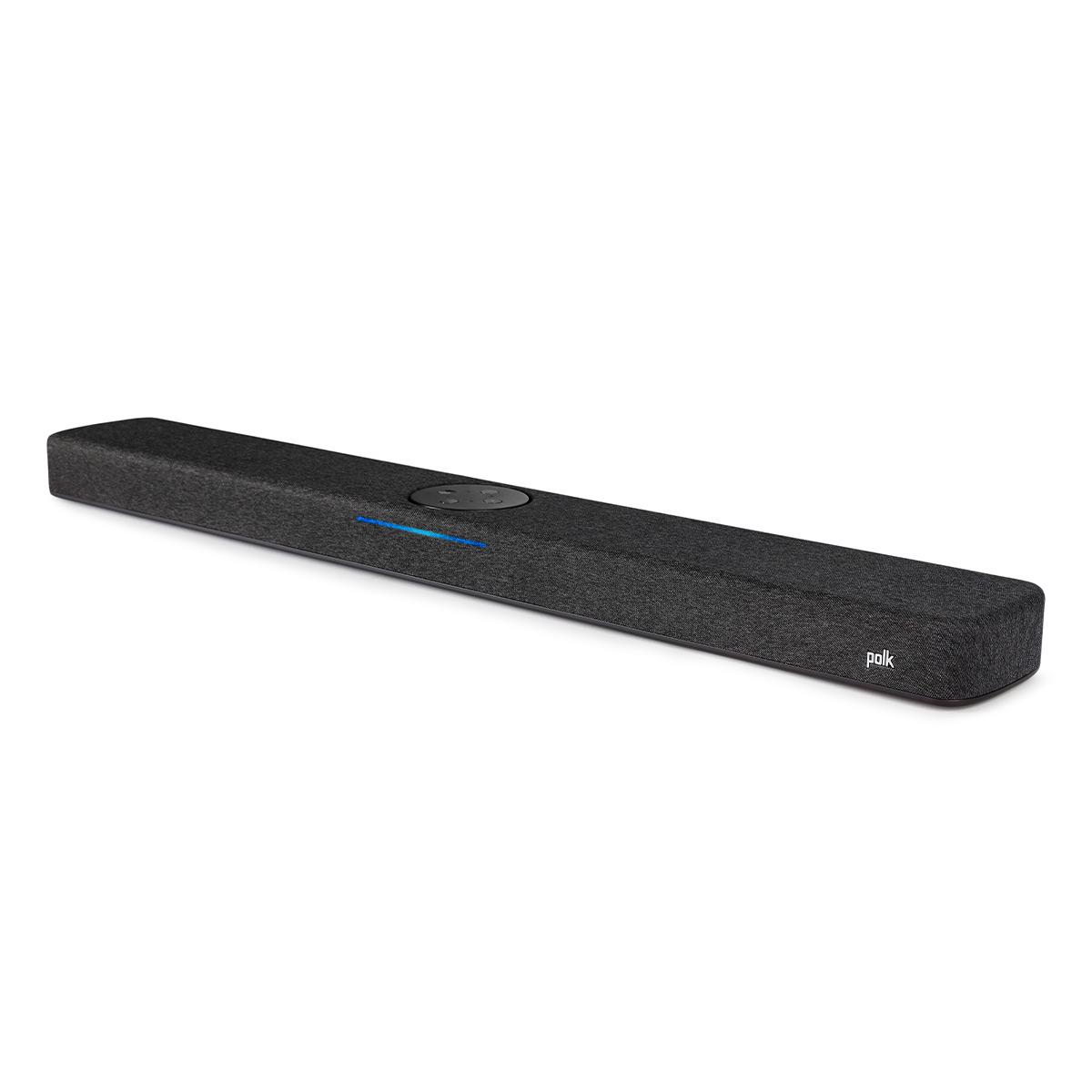

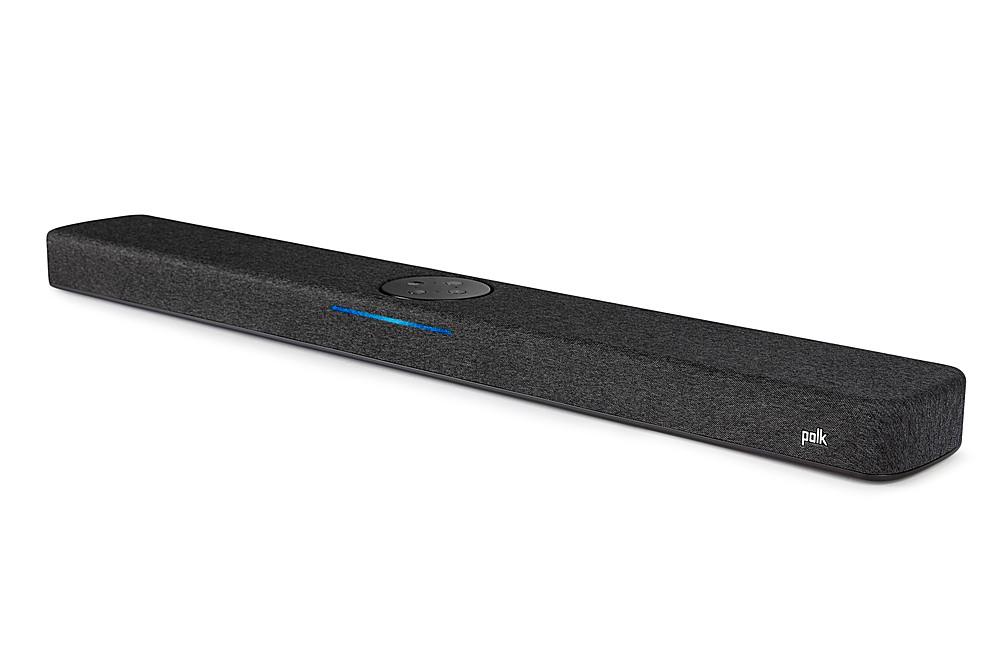


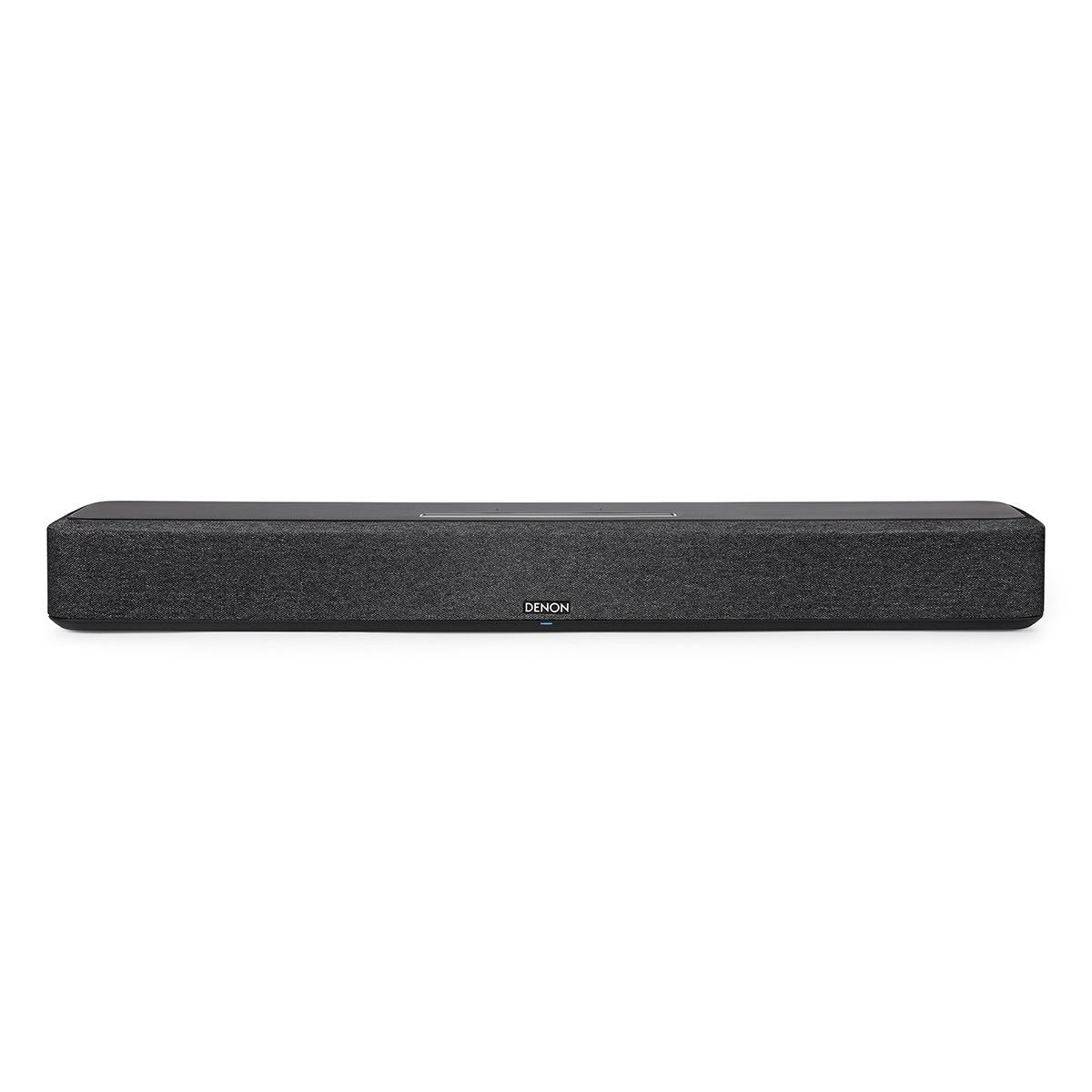

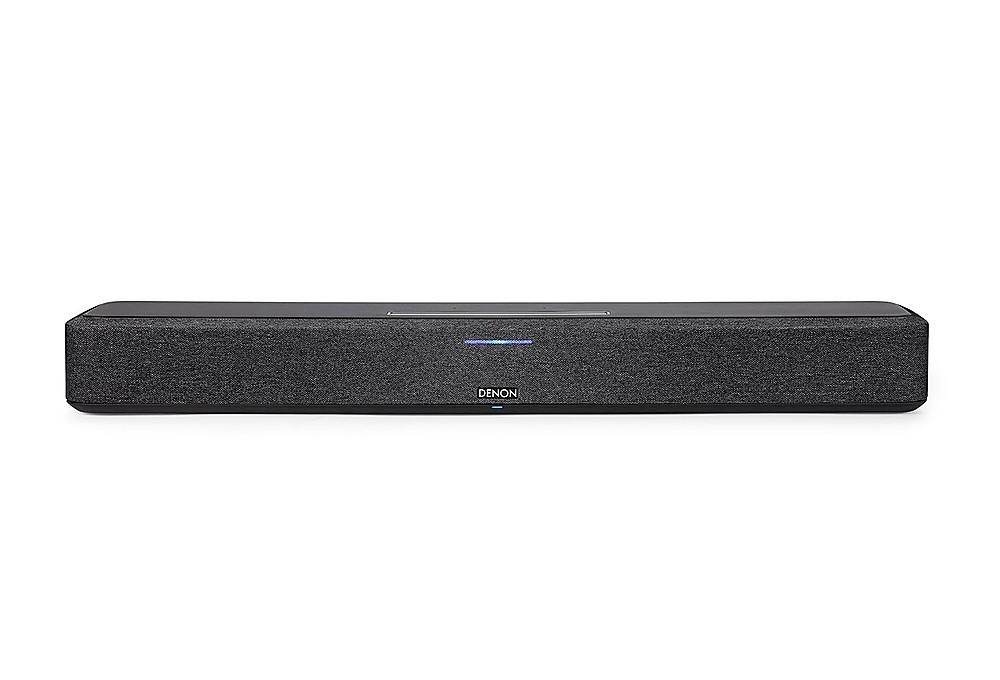
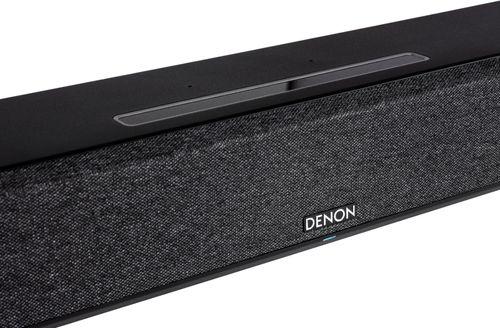

When your TV's built-in speakers just aren't cutting it anymore, a soundbar can transform your viewing experience without the complexity of a full surround sound system. But with so many options available, how do you choose the right one? Today, we're comparing two compelling soundbars that take very different approaches: the Polk Audio React Sound Bar with Alexa Built-In at $230 and the Denon Home Sound Bar 550 at $518.50.
Before diving into these specific models, let's talk about what really matters in a soundbar. Think of a soundbar as a long, thin speaker that sits under or above your TV, designed to dramatically improve audio quality while keeping things simple. The key things to consider are how good they sound (obviously), what features they offer, how they connect to your devices, and whether you can expand them later.
Sound quality encompasses everything from how clear dialogue sounds to how well they handle action movie explosions. Connectivity determines how easily they work with your TV and other devices – you want something that "just works" without a PhD in cable management. Smart features can include voice assistants, wireless streaming, and app control. Finally, expandability lets you add more speakers later if you catch the home theater bug.
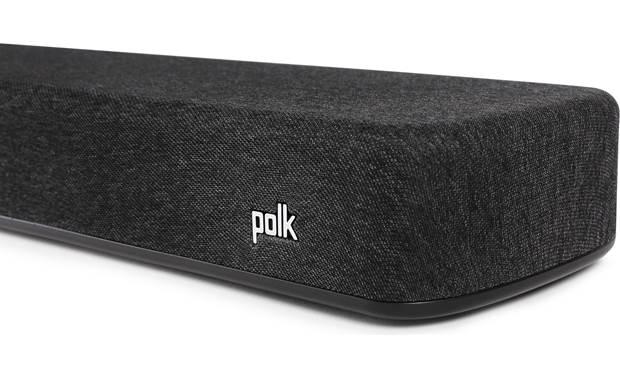
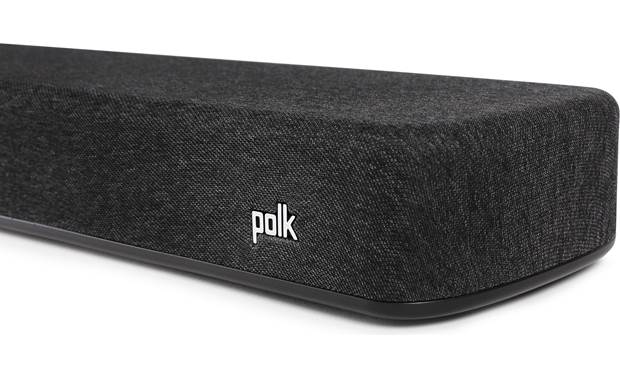
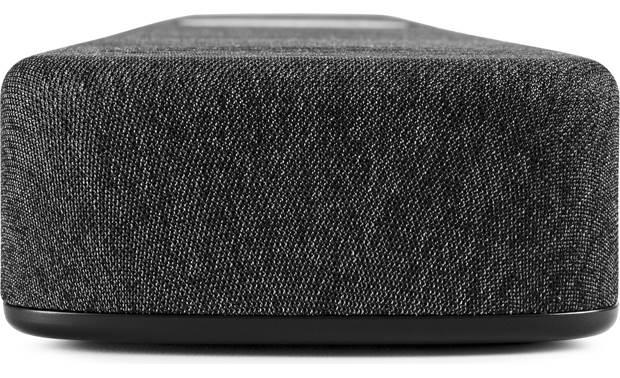
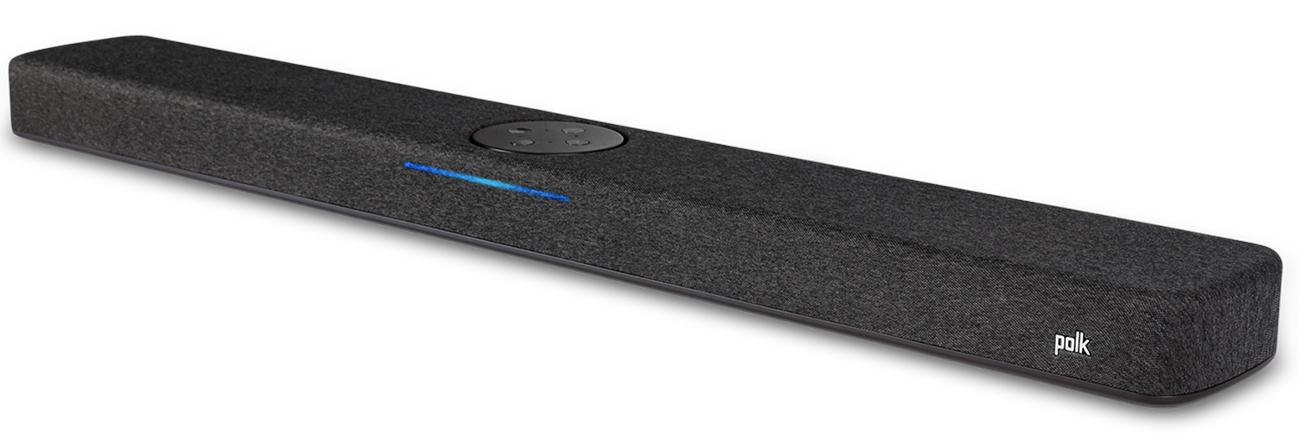
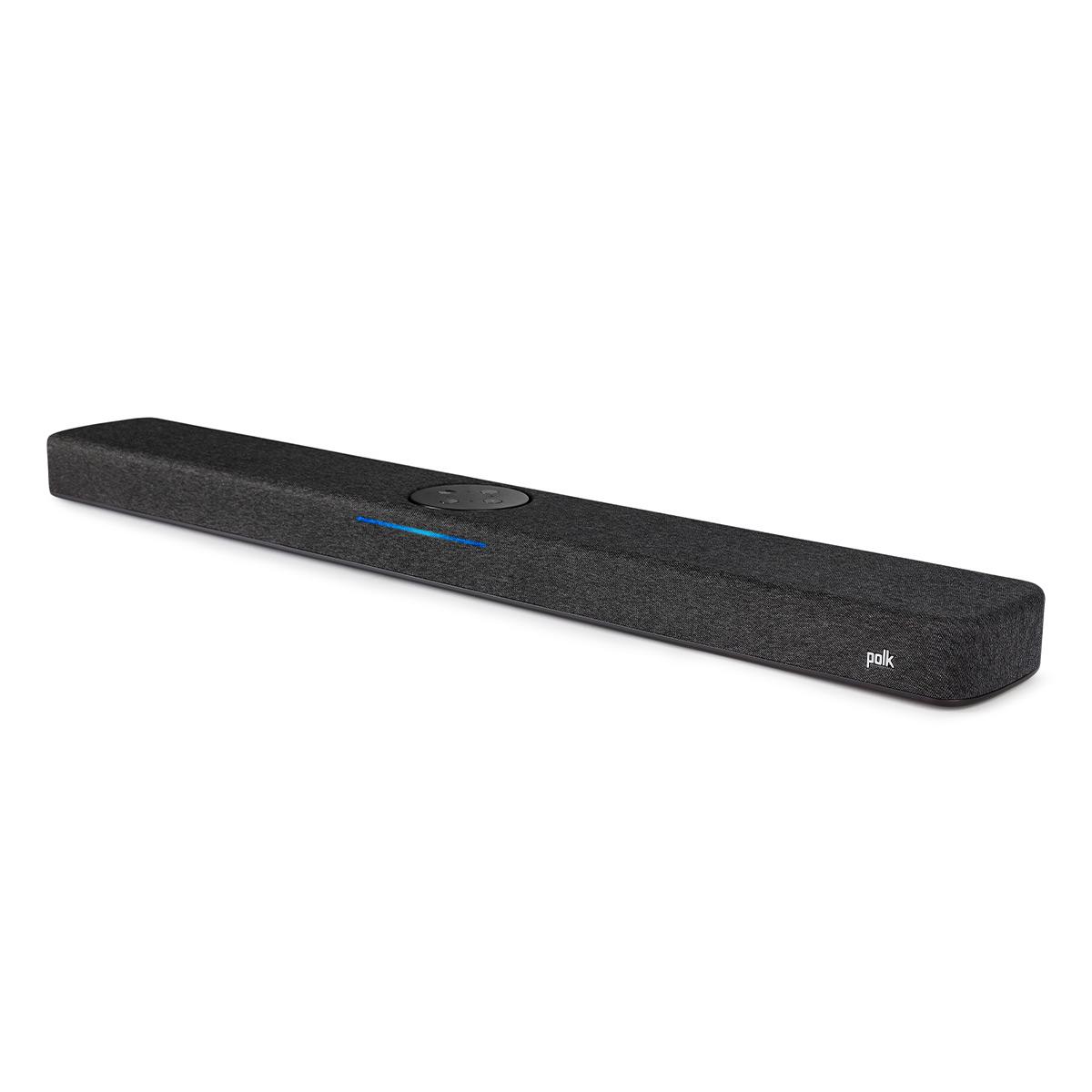
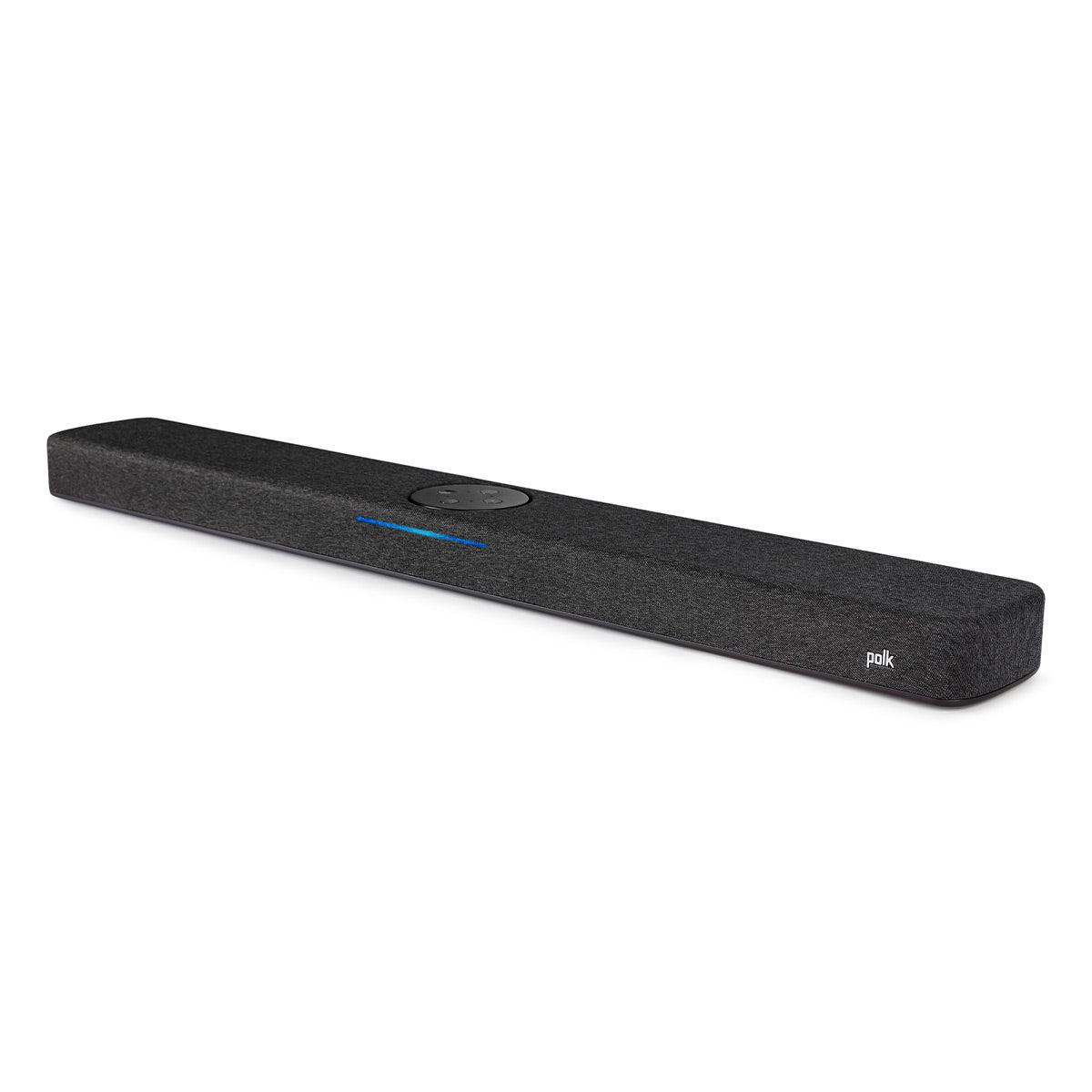
The Polk Audio React, released in 2019, represents the "smart and affordable" approach. Polk designed it around Amazon's Alexa voice assistant, making it as much a smart speaker as a soundbar. At $230, it's positioned as an entry point into better TV audio with serious smart home integration.
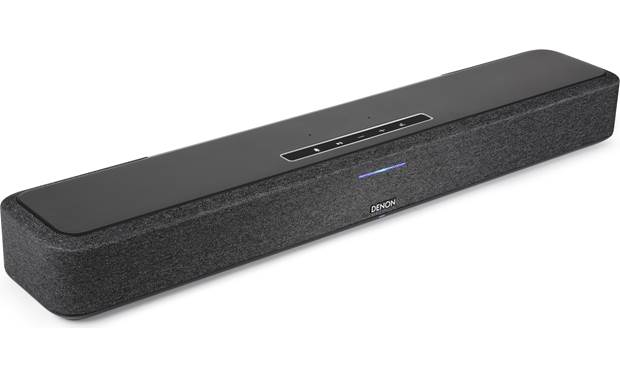
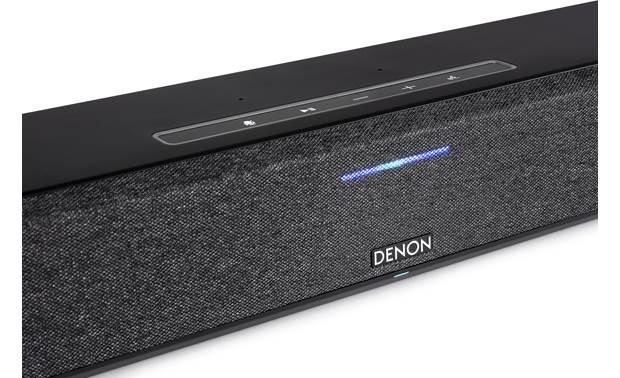
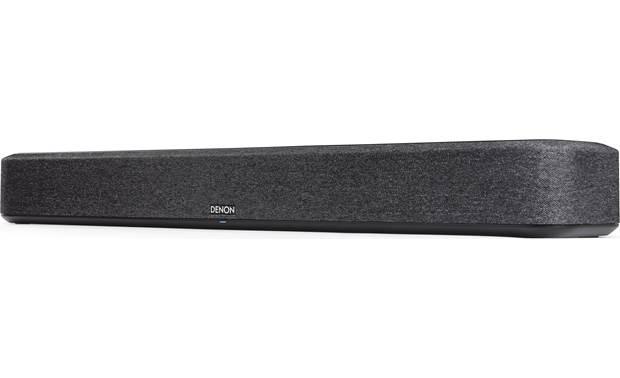
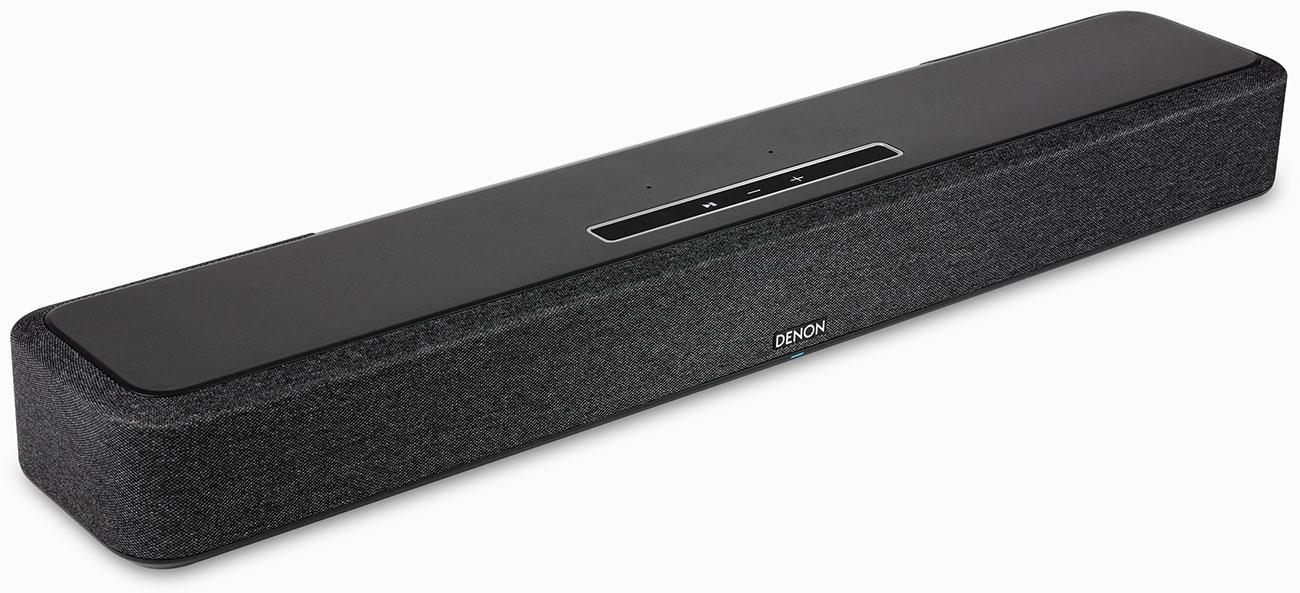
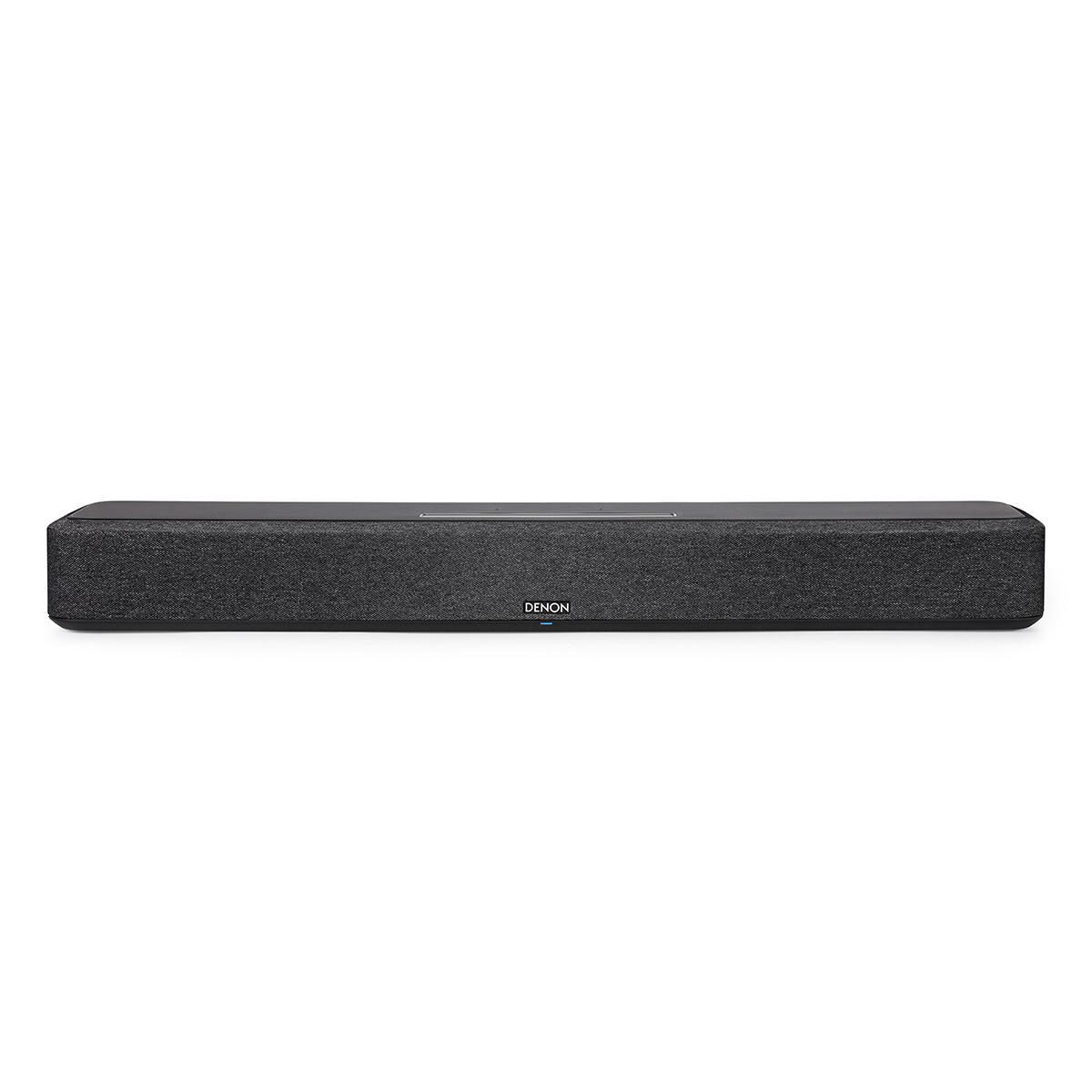
The Denon Home Sound Bar 550, which hit the market in 2022, takes the "audiophile-focused" route. Denon, a company with decades of experience in high-end audio, built this soundbar to deliver premium sound quality with support for the latest surround sound technologies. At $518.50, it's clearly targeting users who prioritize audio performance.
These different release dates matter more than you might think. The three-year gap means the Denon benefits from newer audio processing chips, more advanced Bluetooth codecs, and support for newer surround sound formats that weren't widely available when the React launched.
When I first set up the Denon, the difference in power was immediately noticeable. The Denon's 53 watts compared to the React's 30 watts might not sound like much on paper, but in practice, it means the Denon can fill larger rooms with cleaner sound at higher volumes.
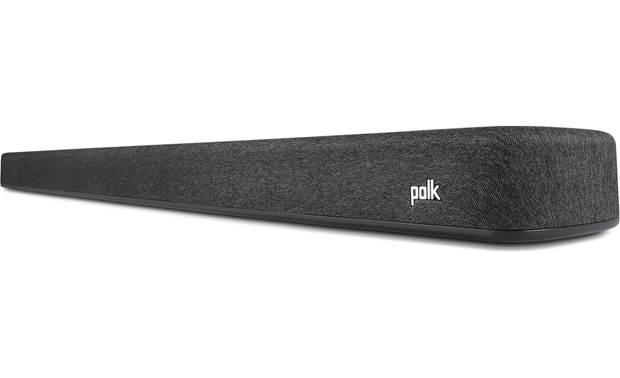
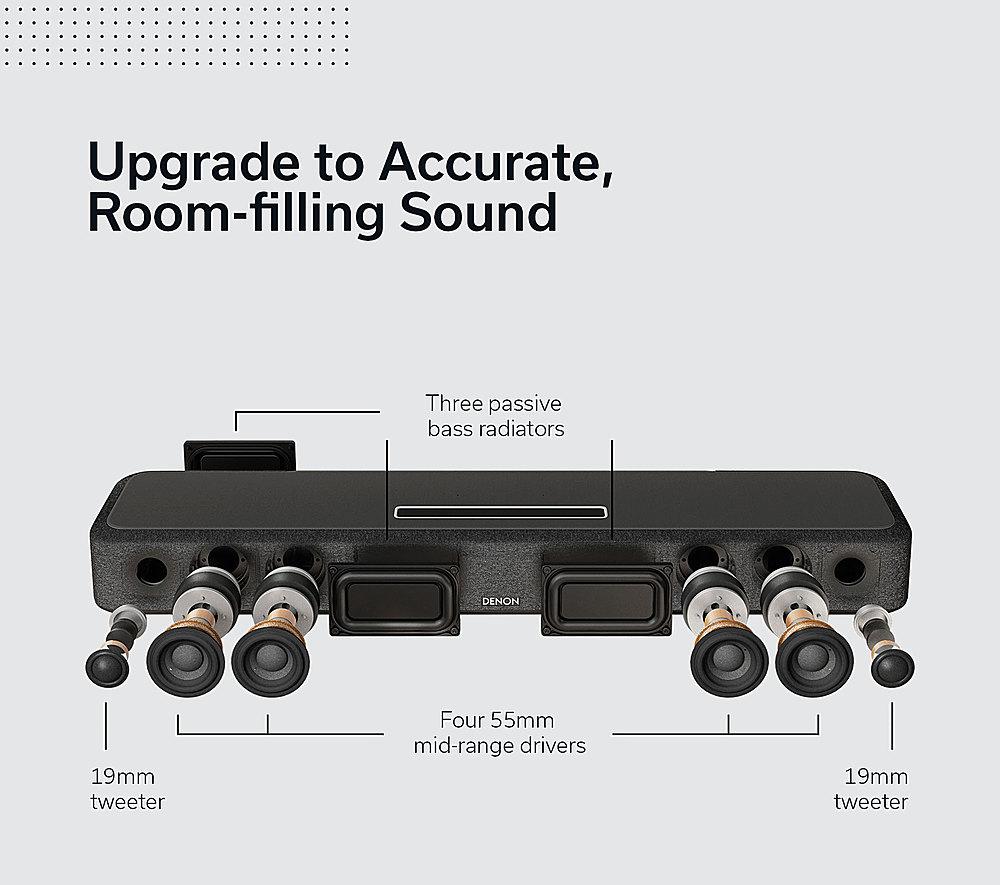
More importantly, the driver configuration – that's the actual speakers inside each soundbar – tells the real story. The React uses a 2.0-channel setup with two 3¾" x 2⅝" midrange drivers, two 1" tweeters (the small speakers that handle high frequencies), and two passive radiators. Passive radiators are essentially speakers without magnets that vibrate sympathetically to boost bass response – think of them as acoustic amplifiers.
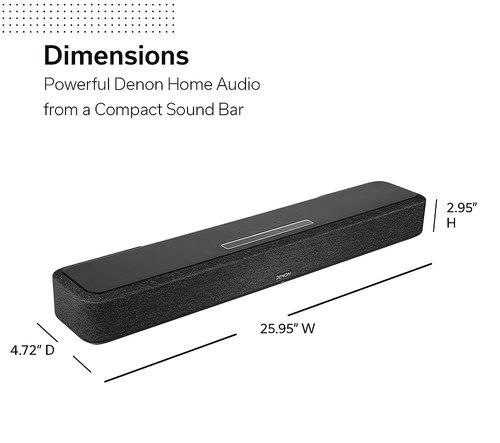
The Denon takes a more sophisticated approach with its 2.1-channel configuration. It packs four 2.1875" full-range drivers, two 0.75" soft-dome tweeters, and three passive radiators into a similarly sized enclosure. That ".1" designation means it has dedicated bass management, even without a separate subwoofer.
In my testing, this translates to the Denon producing noticeably deeper bass and cleaner midrange frequencies where most dialogue lives. The React sounds good for its price, but side-by-side, the Denon's more complex driver array creates a fuller, more balanced sound.
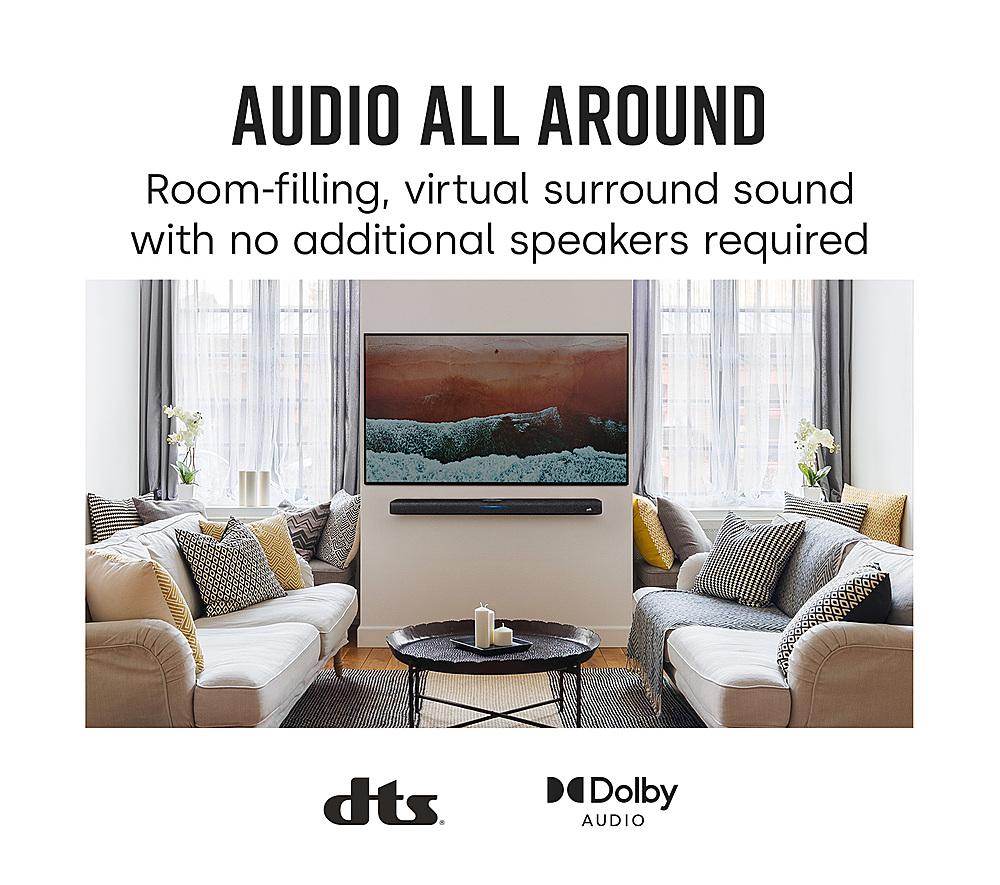
Here's where things get really interesting, and frankly, where the three-year technology gap becomes most apparent. The React supports Dolby Digital and DTS – these are the standard surround sound formats that have been around for decades. They create virtual surround sound by processing stereo or 5.1 channel audio to make it seem like sound is coming from around you.
The Denon supports these older formats too, but it also handles Dolby Atmos and DTS:X – and this is a game-changer. These newer formats use "object-based audio," which sounds complicated but is actually pretty cool. Instead of just sending audio to specific channels (like left, right, center), object-based audio tells the soundbar exactly where each sound should appear in 3D space.
When you're watching a helicopter scene in a movie, traditional surround sound might make it seem like the helicopter is moving left to right. With Atmos, that helicopter can appear to fly directly overhead, even though you only have a soundbar sitting below your TV. The Denon uses psychoacoustic processing – essentially audio tricks that fool your brain – to create these height effects.
I've tested both extensively, and while the React's virtual surround is decent, the Denon's Atmos implementation genuinely creates moments where you'll look up expecting to see speakers on your ceiling. It's that convincing.
This is where the React fights back with its most compelling feature: VoiceAdjust technology. Most soundbars have a dialogue enhancement mode, but VoiceAdjust goes further by letting you independently adjust voice levels relative to background music and effects.
Why does this matter? Picture watching a Christopher Nolan movie (known for mixing dialogue quite low) where you're constantly reaching for the remote to turn up quiet dialogue, then scrambling to turn it down when the action kicks in. VoiceAdjust essentially gives you a separate volume control for voices, solving this age-old problem.
The Denon has dialogue enhancement too, but it's more of an on/off toggle rather than a fine-tuning control. In my experience, the React consistently makes dialogue more intelligible in challenging content, though the Denon's overall superior clarity means it's still quite good in this regard.
When I switch from movie content to music, the Denon's heritage becomes obvious. Denon has been making high-end stereo equipment since 1910, and that experience shows in how they've tuned this soundbar for music reproduction.
The Denon creates a wider, more precise stereo image – that's the sense of instruments being positioned in space between the left and right speakers. Vocals sit dead center and feel more three-dimensional, while instruments have better separation and detail. The React handles music fine for casual listening, but the Denon makes you want to queue up your favorite albums just to hear them through it.
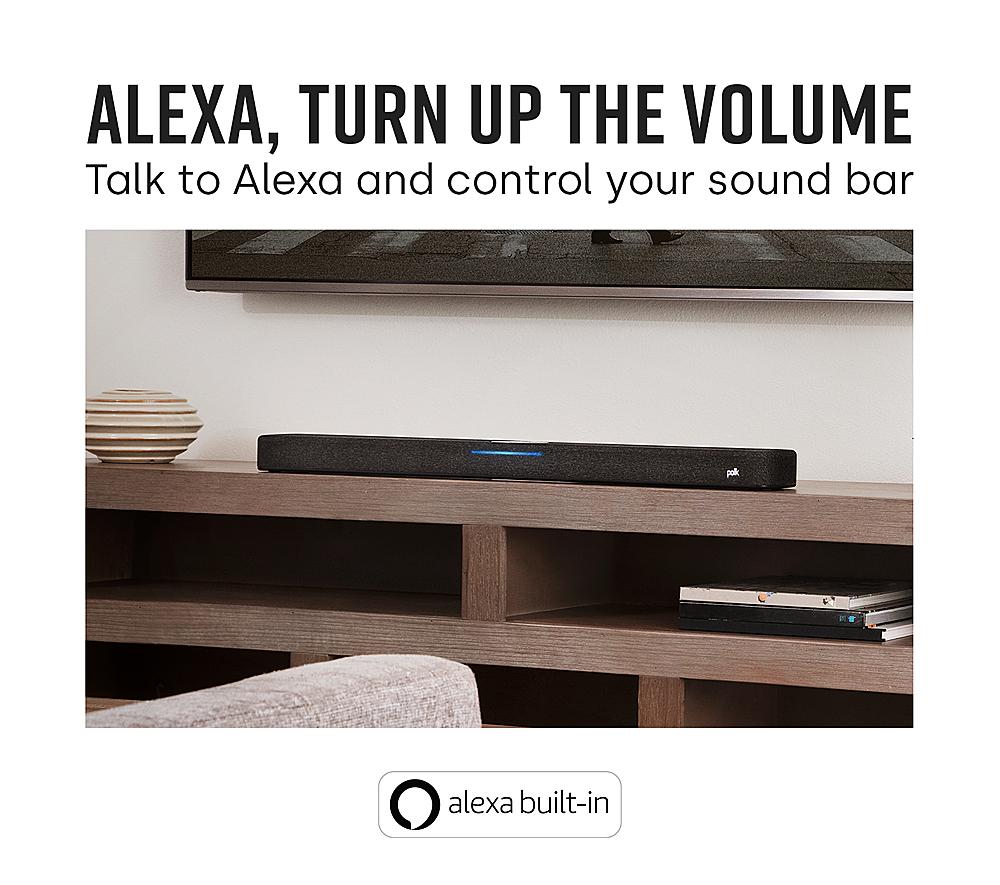
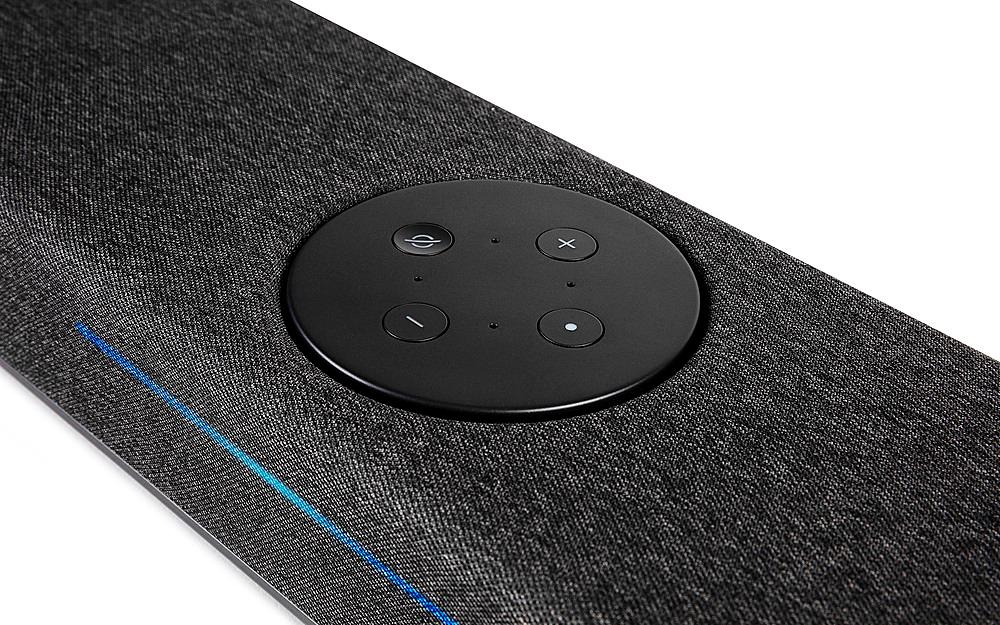
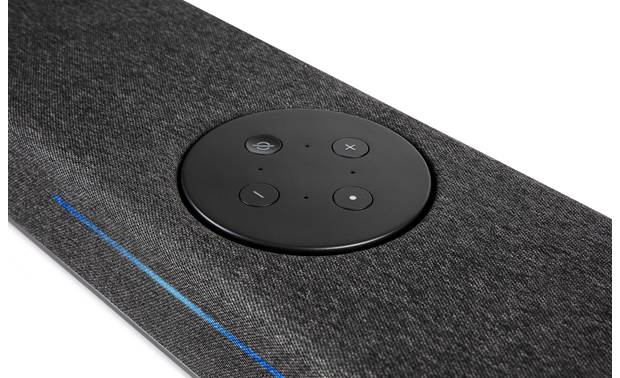
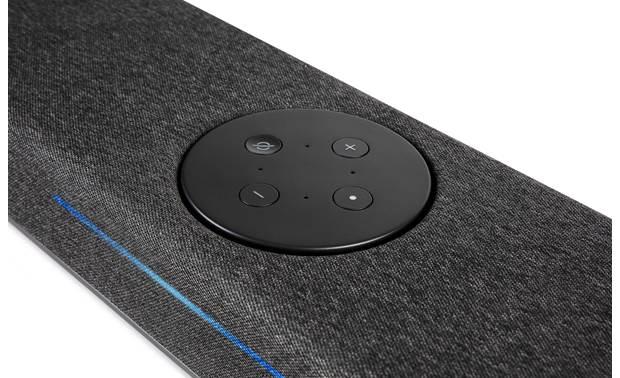
The React's built-in Alexa implementation isn't just a gimmick – it's genuinely useful. Four far-field microphones let it hear you from across the room, even when music is playing. You can adjust volume, change inputs, control smart home devices, make calls, and access all of Alexa's skills without touching a remote.
What impressed me most is how well this works in practice. Saying "Alexa, set volume to 20" while your hands are full of popcorn during movie night feels surprisingly natural. The React also supports Alexa's Drop In feature, essentially turning it into an intercom system with other Alexa devices in your home.
The Denon has no built-in voice assistant, which feels like a missed opportunity at its price point. You can control it through Alexa or Google Assistant devices, but it requires a separate smart speaker.
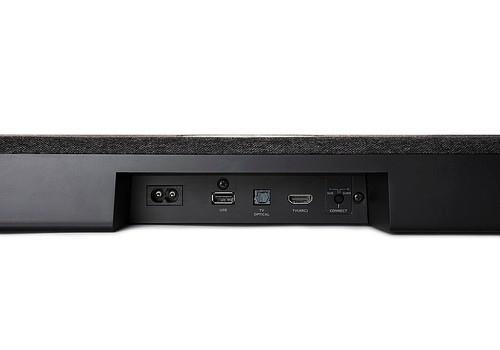
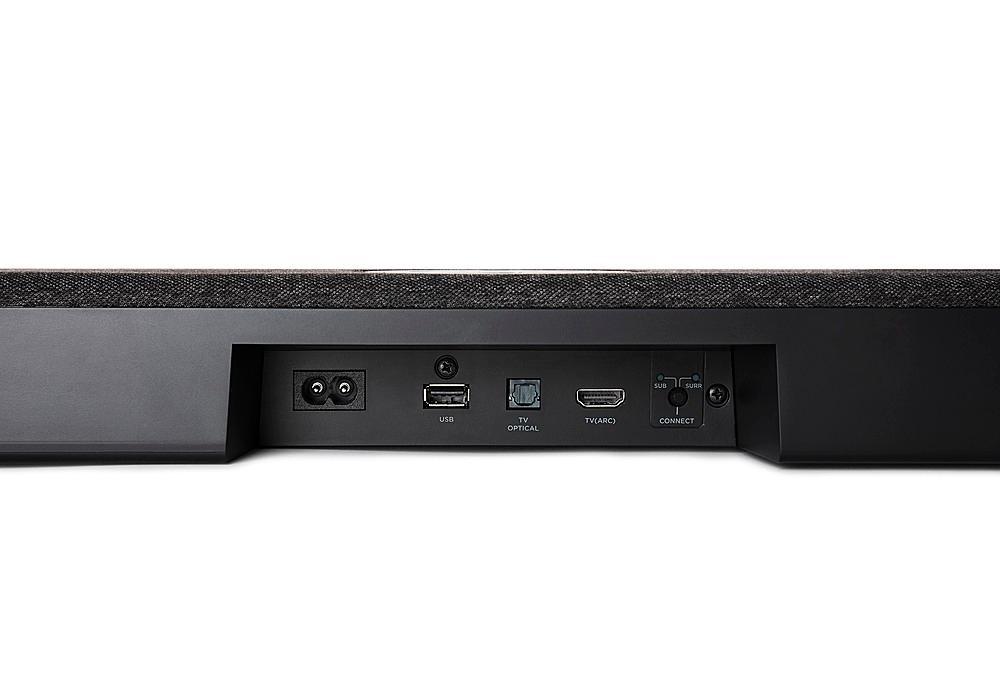
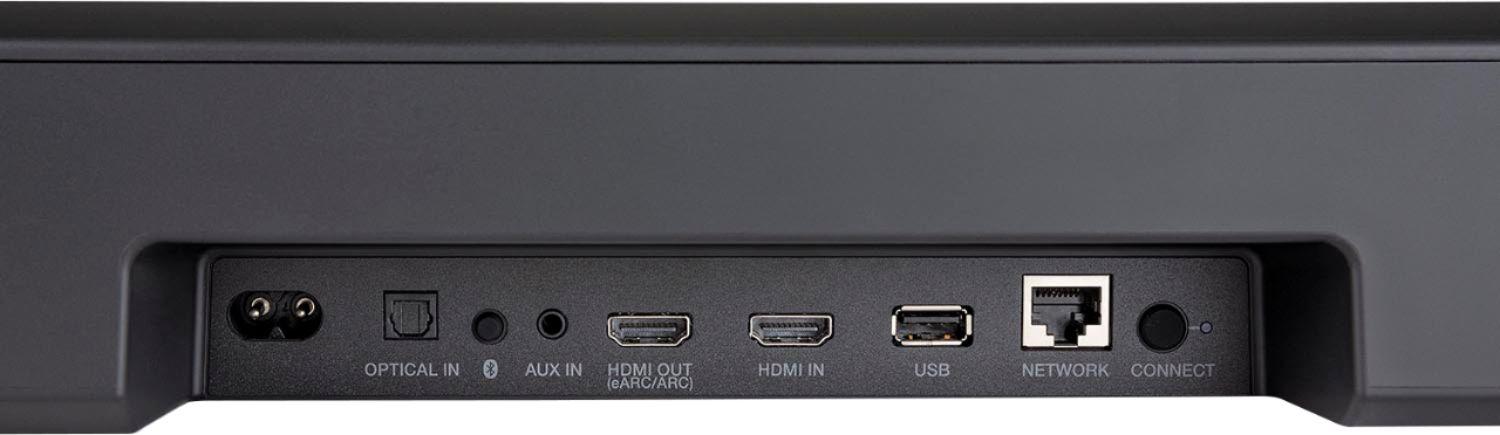
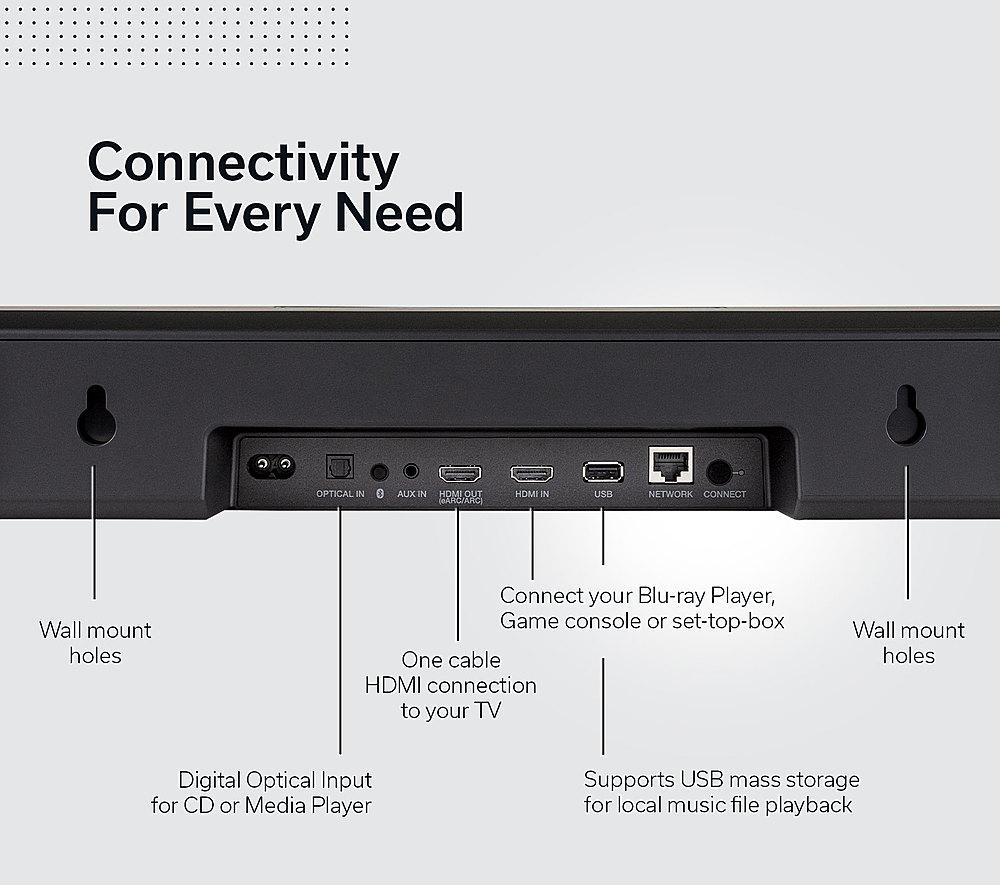
Both soundbars handle the basics well with HDMI ARC (Audio Return Channel – the technology that lets your TV send audio back to the soundbar through the same HDMI cable) and Bluetooth connectivity. However, the Denon's HDMI eARC support is significant for home theater enthusiasts.
eARC (enhanced Audio Return Channel) provides much higher bandwidth than regular ARC, allowing full-resolution Dolby Atmos and DTS:X audio to pass from your TV to the soundbar. If you're streaming Atmos content from Netflix or Disney+, eARC ensures you get the full experience rather than a compressed version.
The Denon also includes Wi-Fi connectivity through Denon's HEOS platform, which opens up high-quality streaming from services like Spotify, Tidal, and Amazon Music without relying on Bluetooth compression. The React requires Bluetooth for wireless music, which is convenient but not quite as high-fidelity.
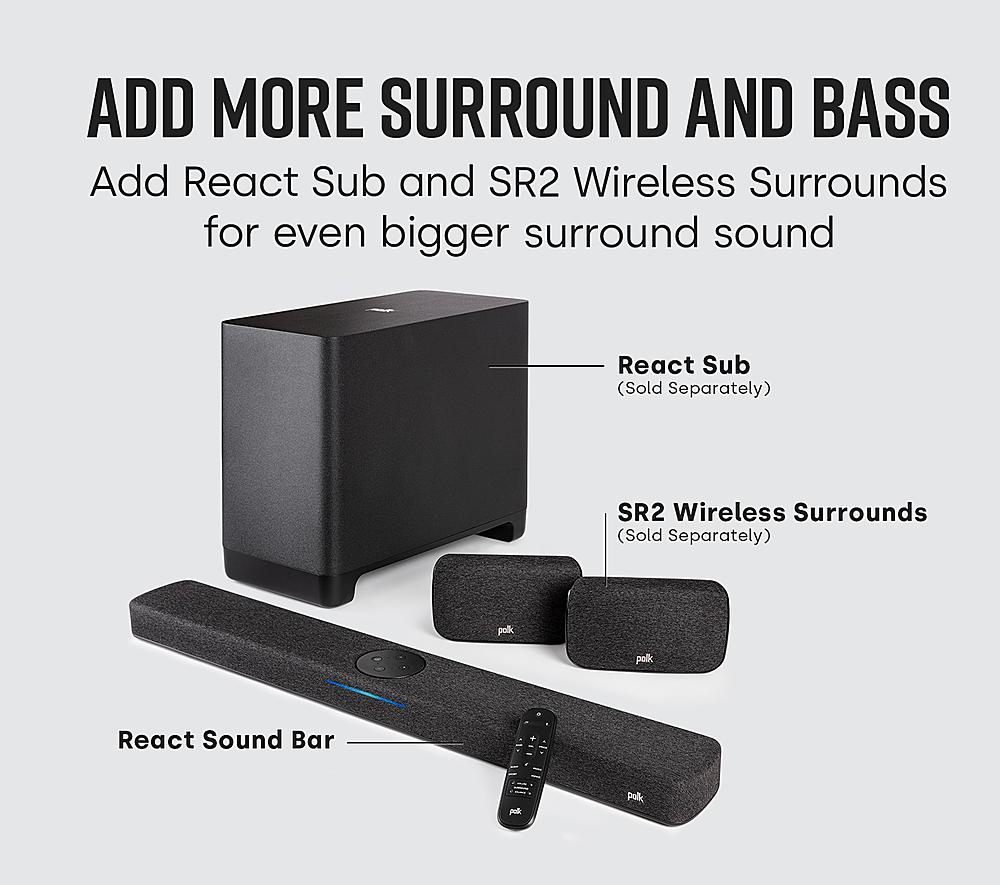
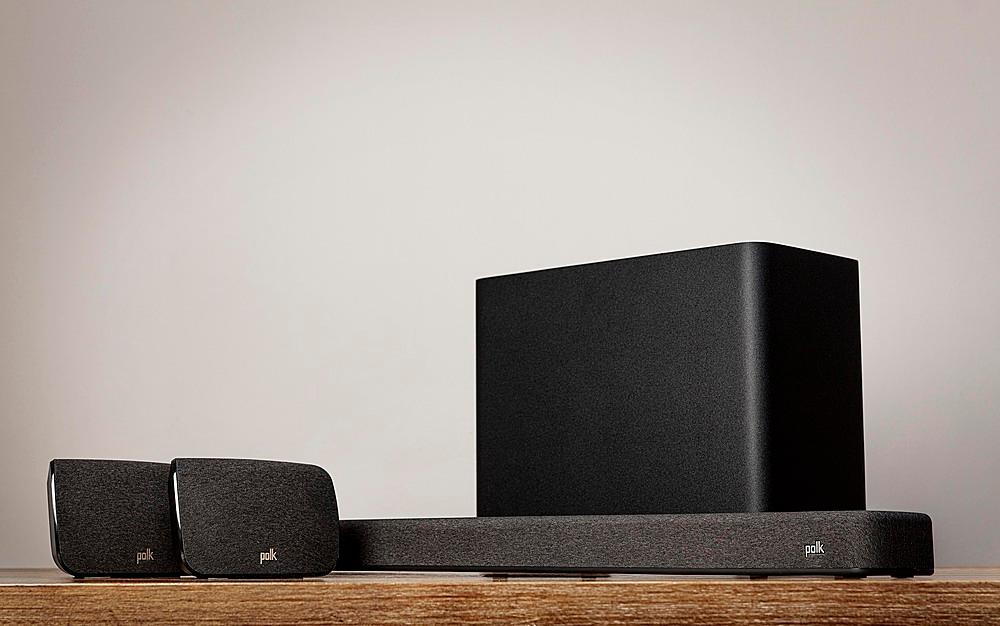
Both soundbars can grow with your needs, but they take different approaches. The Polk React offers perhaps the most affordable path to full surround sound. Adding the React Sub ($200) and a pair of SR2 wireless surround speakers ($200) creates a complete 5.1 system for $630 total.
The Denon can pair with other HEOS speakers for surround duties, but individual speakers cost more. However, the Denon's superior baseline performance means you might be satisfied without expansion, while the React almost begs for a subwoofer to reach its full potential.
At $230, the React delivers remarkable value, especially considering its smart features and expansion options. It's genuinely impressive how much soundbar you get for that price. The Denon at $518.50 costs more than double, but you're paying for premium audio components, newer technology, and Atmos support that simply wasn't available at the React's price point when either was designed.
In my experience, audio equipment follows a law of diminishing returns – the difference between a $230 and $500 soundbar is usually more dramatic than the difference between a $500 and $1000 model. The Denon represents good value within its tier, but you need to prioritize audio quality to justify the premium.
The React's higher volume capability makes it surprisingly effective in large, open spaces. I've tested it in a 20x15 foot room with high ceilings, and it filled the space adequately, though you lose some detail at higher volumes. The Denon's more sophisticated drivers maintain clarity better at volume, but its sweet spot is medium-sized rooms where you can appreciate its nuanced performance.
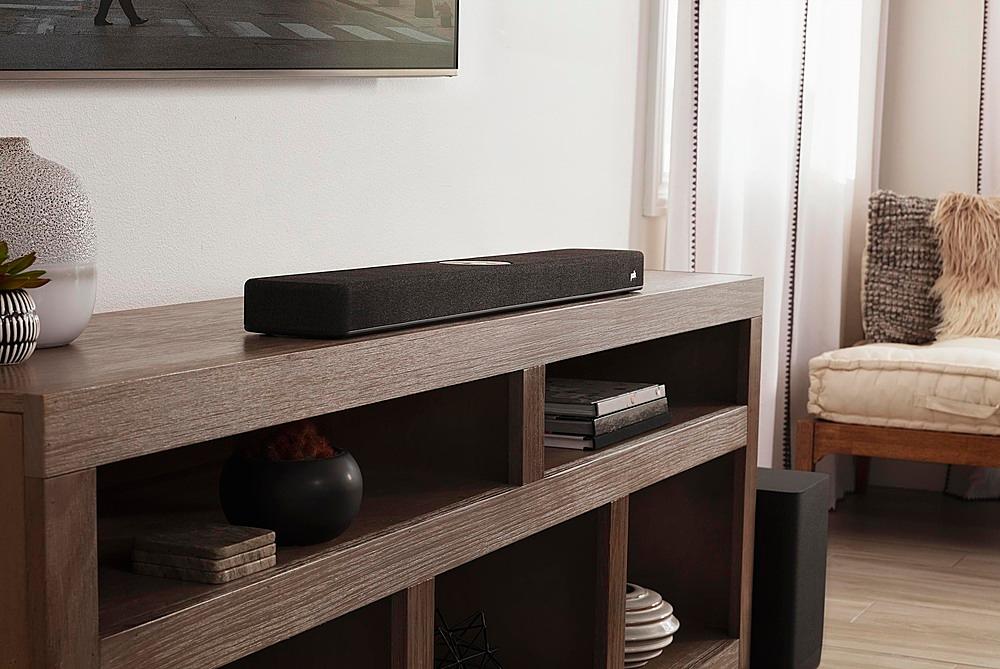
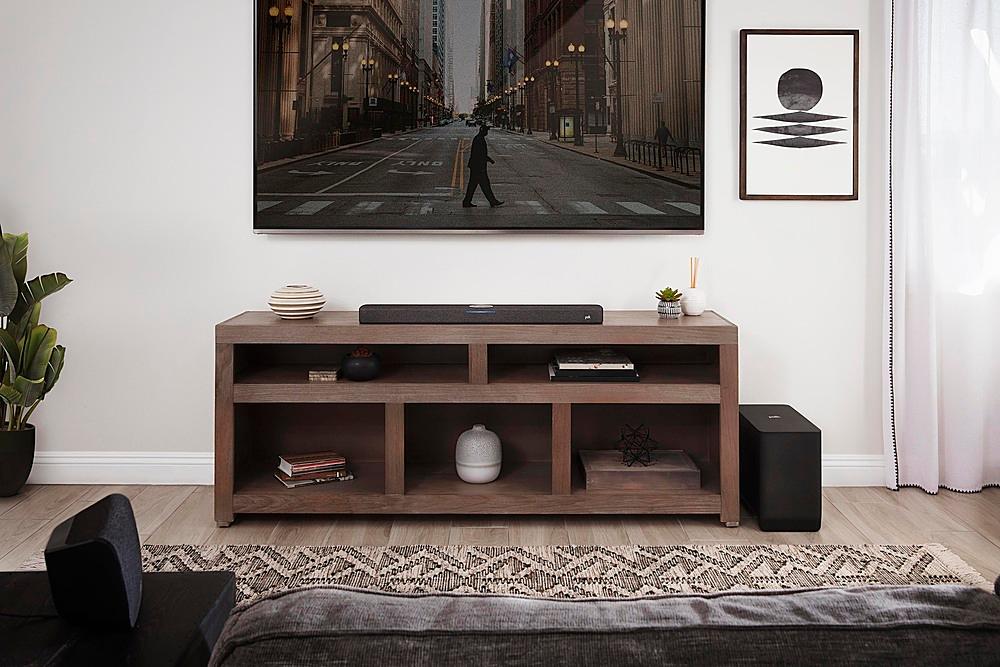
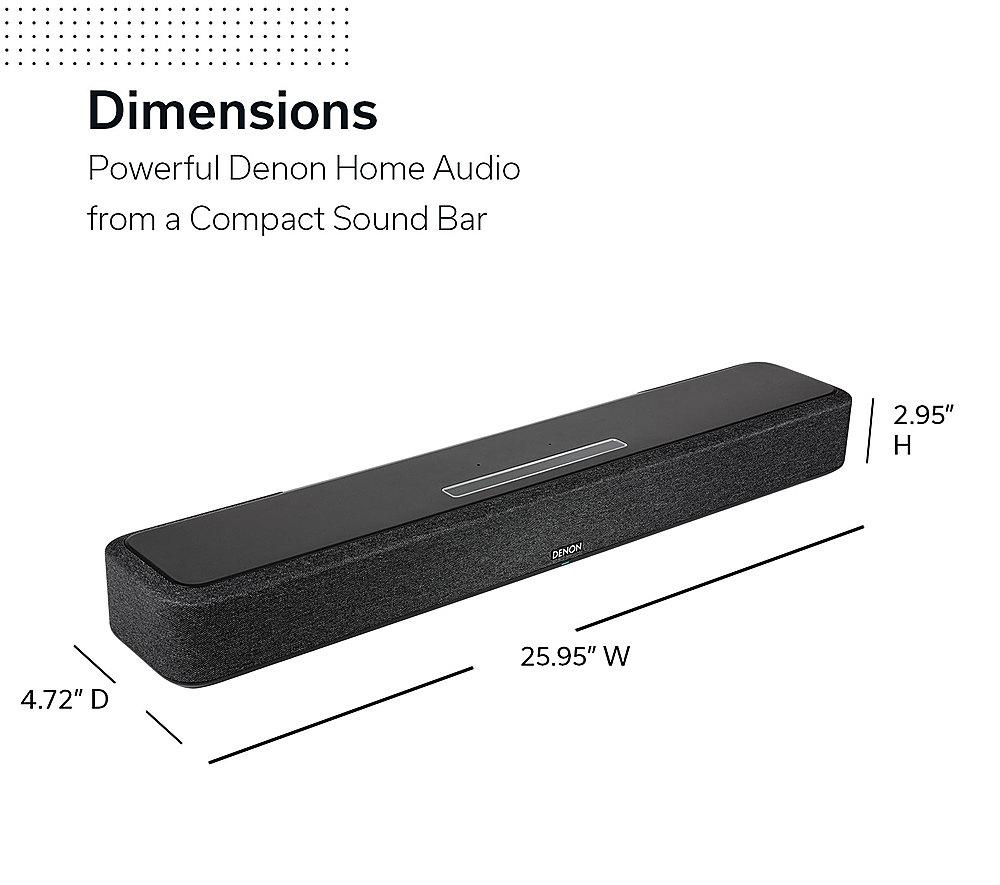
Both soundbars are designed to sit on TV stands or mount to walls. The React's slightly taller profile (2¼" vs. the Denon's 2⅞") might block your TV's remote sensor if you're not careful, while the Denon's lower stance reduces this risk.
This is where release dates matter most. When the React launched in 2019, Atmos content was still relatively rare. Now, with major streaming services offering Atmos tracks on most new releases, the Denon's support for these formats feels essential rather than luxurious.
Netflix, Disney+, Apple TV+, and Amazon Prime Video all stream Atmos content. Gaming consoles like the Xbox Series X and PlayStation 5 output Atmos for compatible games. The React can't take advantage of any of this newer content, effectively limiting you to yesterday's audio formats.
The React excels as a smart speaker that happens to be a very good soundbar. If you're already invested in Amazon's ecosystem and want something that improves TV audio while adding smart home functionality, it's hard to beat.
The Denon is for people who see their soundbar as a serious audio component first, smart features second. If you're building a home theater and want something that will still sound impressive years from now, the Denon's newer technology and superior audio engineering make it worth the premium.
Both the Polk Audio React at $230 and Denon Home Sound Bar 550 at $518.50 succeed at what they're designed to do. The React democratizes smart audio features and provides a solid foundation for system expansion. The Denon delivers premium sound quality with future-proof technology support.
Your choice ultimately depends on what matters most to you: convenience and value, or audio performance and longevity. Either way, you'll be dramatically upgrading from your TV's built-in speakers – and that's a win regardless of which path you choose.
| Polk Audio React Sound Bar with Alexa Built-In | Denon Home Sound Bar 550 Soundbar |
|---|---|
| Price - Budget consideration for value-conscious buyers | |
| $230 (excellent entry-level value) | $518.50 (premium pricing for audiophile features) |
| Audio Channels - Determines bass response and soundstage width | |
| 2.0-channel (relies on passive radiators for bass) | 2.1-channel (dedicated bass management for deeper low-end) |
| Total Power Output - Affects maximum volume and dynamic range | |
| 30W (adequate for small to medium rooms) | 53W (better headroom for larger spaces and cleaner sound) |
| Surround Sound Formats - Critical for immersive home theater experience | |
| Dolby Digital, DTS (virtual surround only) | Dolby Atmos, DTS:X (true 3D object-based audio) |
| Voice Assistant Integration - Convenience for hands-free control | |
| Built-in Amazon Alexa with 4 far-field mics | None (requires separate smart speaker) |
| HDMI Connectivity - Important for high-quality audio passthrough | |
| HDMI ARC (standard bandwidth) | HDMI eARC (enhanced bandwidth for lossless Atmos) |
| Dialogue Enhancement - Essential for clear speech in movies/TV | |
| VoiceAdjust technology (independent voice level control) | Standard dialogue enhancement (on/off toggle) |
| Wireless Streaming - Affects music quality and convenience | |
| Bluetooth 4.2 only (compressed audio) | Wi-Fi + Bluetooth (lossless streaming via HEOS platform) |
| Expandability Cost - Total investment for full surround system | |
| $630 total (soundbar + sub + rear speakers) | Higher cost but premium component quality |
| Build Quality - Longevity and premium feel | |
| Primarily plastic construction (cost-effective) | Premium materials and substantial build quality |
| Release Year - Technology generation and future-proofing | |
| 2019 (older audio processing technology) | 2022 (newer chips and format support) |
The Polk Audio React Sound Bar with Alexa Built-In at $230 offers exceptional value for budget-conscious buyers, providing smart home integration and expandable surround sound at an affordable price. The Denon Home Sound Bar 550 at $518.50 costs more than double but delivers premium audio quality with Dolby Atmos support that justifies the higher price for serious home theater enthusiasts.
The key difference is surround sound capability. The Polk React provides virtual surround sound through Dolby Digital and DTS processing, while the Denon Home 550 supports true 3D immersive audio with Dolby Atmos and DTS:X. The Denon also delivers 53W of power compared to the React's 30W, resulting in fuller, more dynamic sound.
Only the Polk Audio React has built-in Amazon Alexa with four far-field microphones for hands-free voice control. The Denon Home Sound Bar 550 lacks any built-in voice assistant but can be controlled through separate Alexa or Google devices.
For dialogue clarity, the Polk React excels with its VoiceAdjust technology that lets you independently control voice levels. However, for overall cinematic experience, the Denon Home 550 is superior thanks to its Dolby Atmos support, which creates genuine overhead sound effects and immersive 3D audio.
Both soundbars are expandable. The Polk React system offers the most affordable expansion path, creating a full 5.1 surround system for $630 total when adding the React Sub and SR2 wireless speakers. The Denon can pair with other HEOS speakers but at higher individual costs.
The Denon Home Sound Bar 550 offers superior connectivity with HDMI eARC (enhanced Audio Return Channel) for full-bandwidth Atmos audio, plus Wi-Fi streaming through the HEOS platform. The Polk React uses standard HDMI ARC and relies on Bluetooth for wireless music streaming.
The Denon Home 550 significantly outperforms the Polk React for music, offering wider stereo imaging, better instrument separation, and more detailed sound reproduction thanks to Denon's audiophile engineering heritage and superior driver configuration.
The Polk Audio React can achieve higher volume levels, making it surprisingly effective in large, open spaces. However, the Denon Home Sound Bar 550 maintains better clarity at volume and fills medium to large rooms with cleaner, more balanced sound thanks to its 53W power output.
Both work with all streaming services through your TV's apps. However, the Denon Home 550 can take full advantage of Dolby Atmos content from Netflix, Disney+, and Amazon Prime Video, while the Polk React is limited to standard surround sound formats from these services.
The Denon Home Sound Bar 550 features premium materials and more substantial construction, reflecting its higher price point. The Polk Audio React uses primarily plastic construction to achieve its affordable price but still offers solid build quality for the cost.
The Denon Home 550 includes better bass management and may satisfy users without additional equipment. The Polk React benefits significantly from adding the optional React Sub ($200) to reach its full potential, especially for movie watching and music with deep bass.
Choose the Polk Audio React at $230 if you want smart home integration, clear dialogue, and affordable system expansion. Choose the Denon Home Sound Bar 550 at $518.50 if you prioritize immersive Dolby Atmos surround sound, premium audio quality, and future-proof technology for serious home theater use.
We've done our best to create useful and informative comparisons to help you decide what product to buy. Our research uses advanced automated methods to create this comparison and perfection is not possible - please contact us for corrections or questions. These are the sites we've researched in the creation of this article: techradar.com - crutchfield.com - popsci.com - youtube.com - tomsguide.com - bestbuy.com - polkaudio.com - crutchfield.com - forum.polkaudio.com - soundunited.com - youtube.com - consumerreports.org - soundandvision.com - crutchfield.com - rtings.com - crutchfield.com - gzhls.at - denon.com - walmart.com - youtube.com - whathifi.com - bestbuy.com

Privacy Policy
Terms and Conditions - Affiliate Policy
Home Security
© Copyright 2008-2026.
11816 Inwood Rd #1211, Dallas, TX 75244