


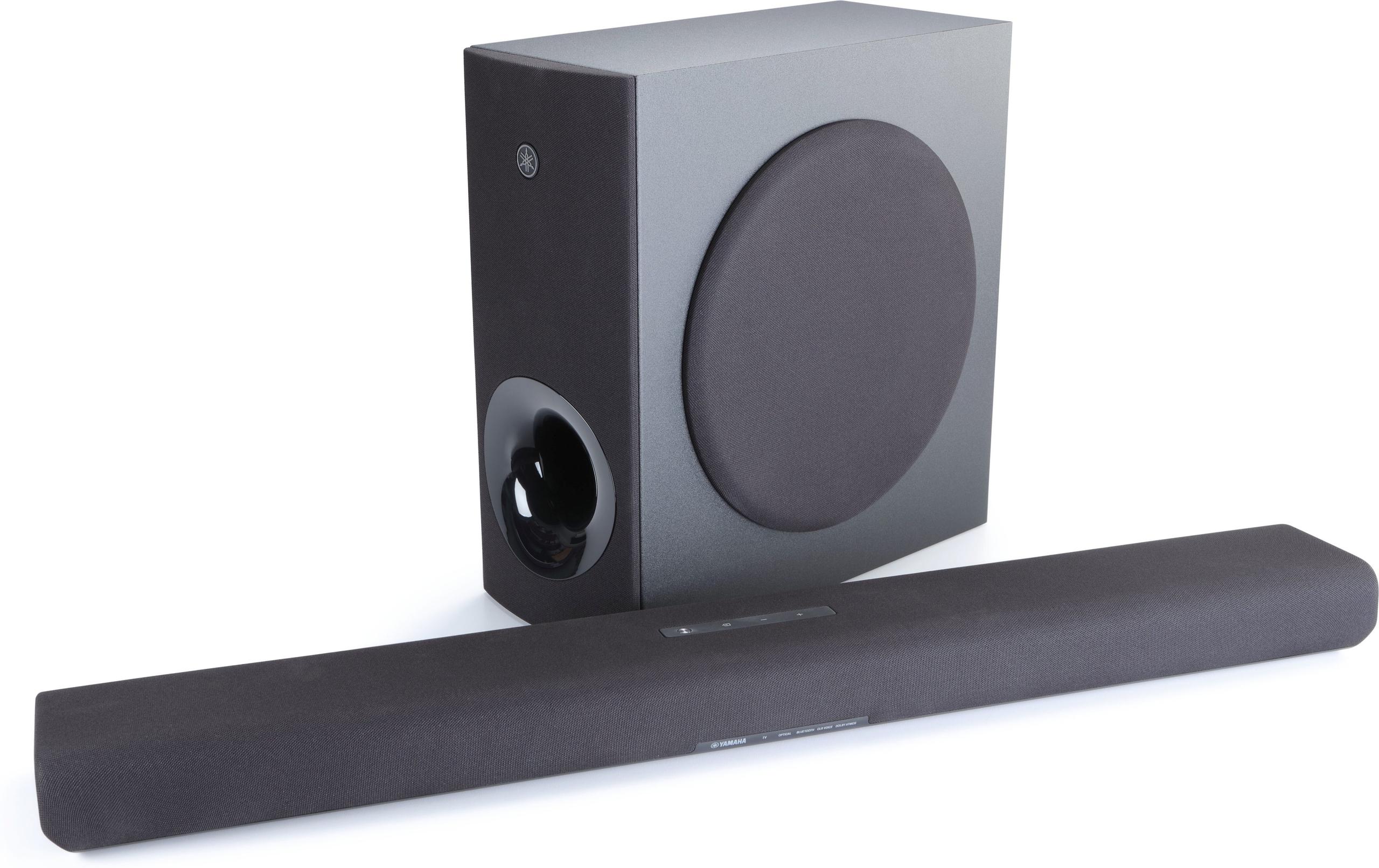
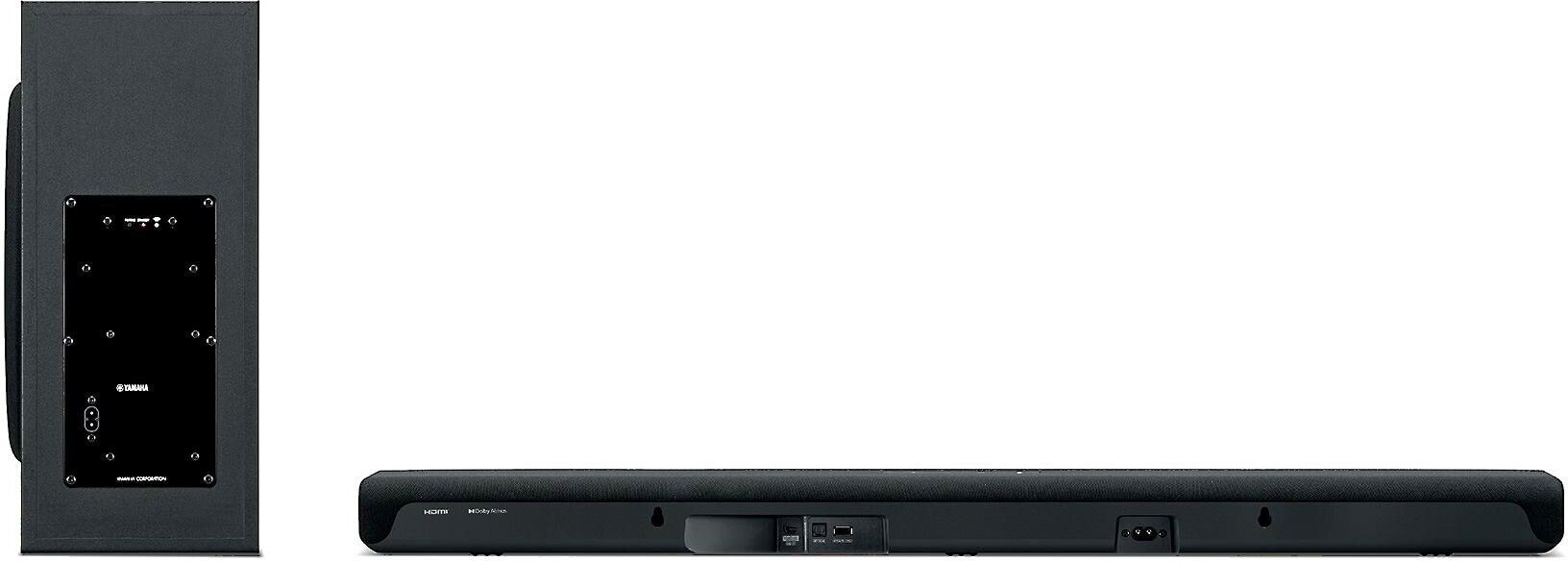
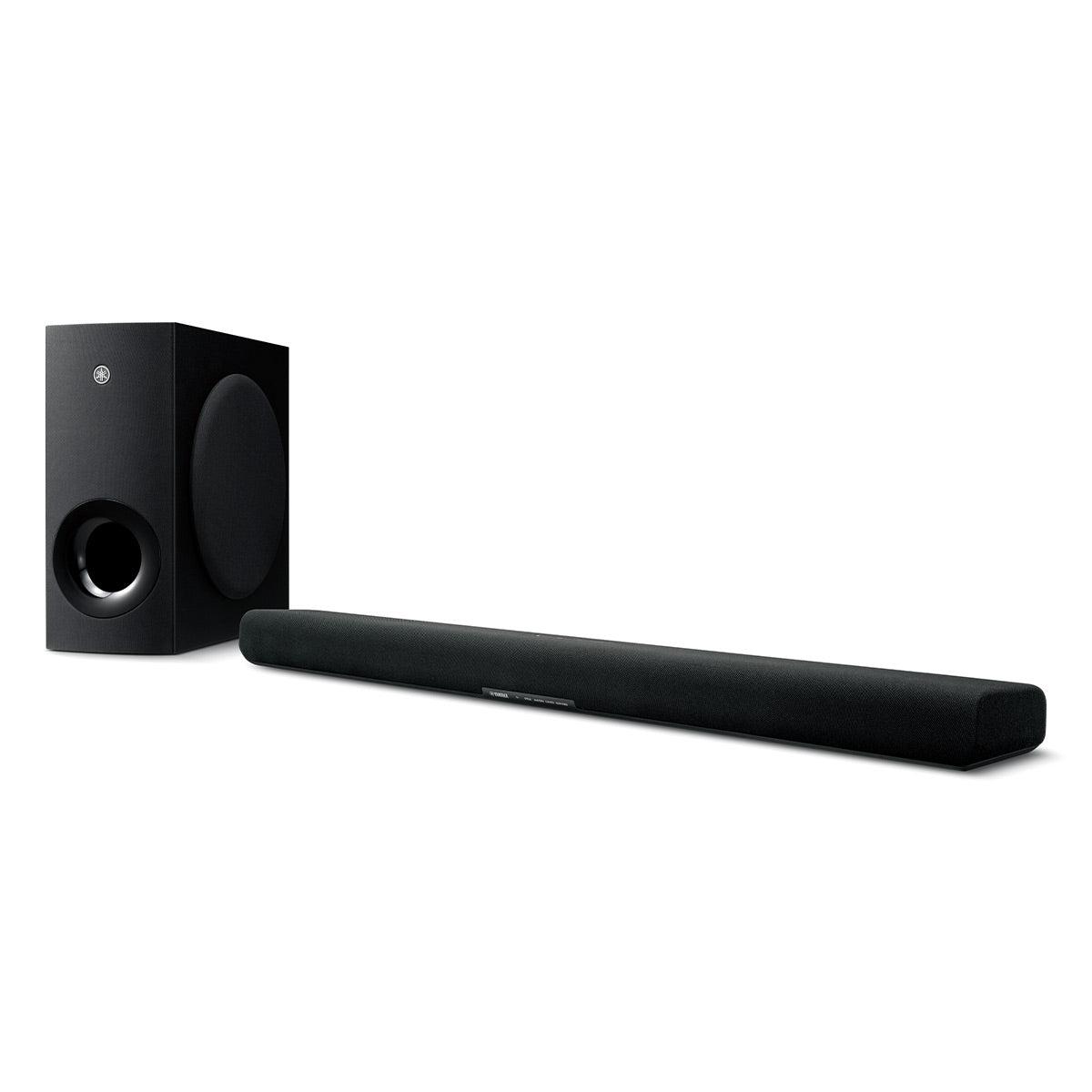
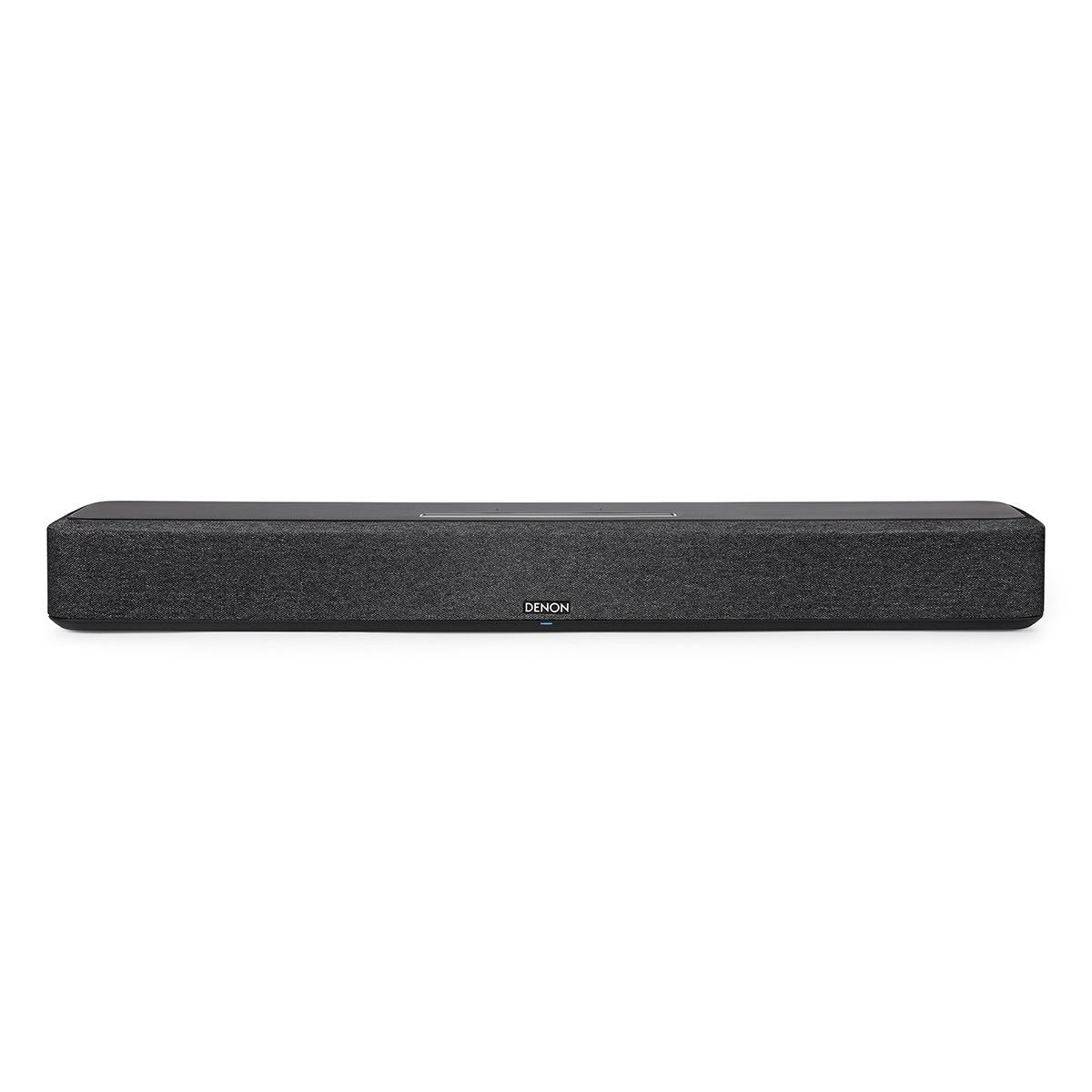

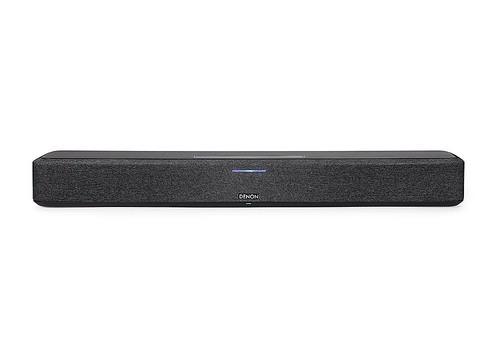
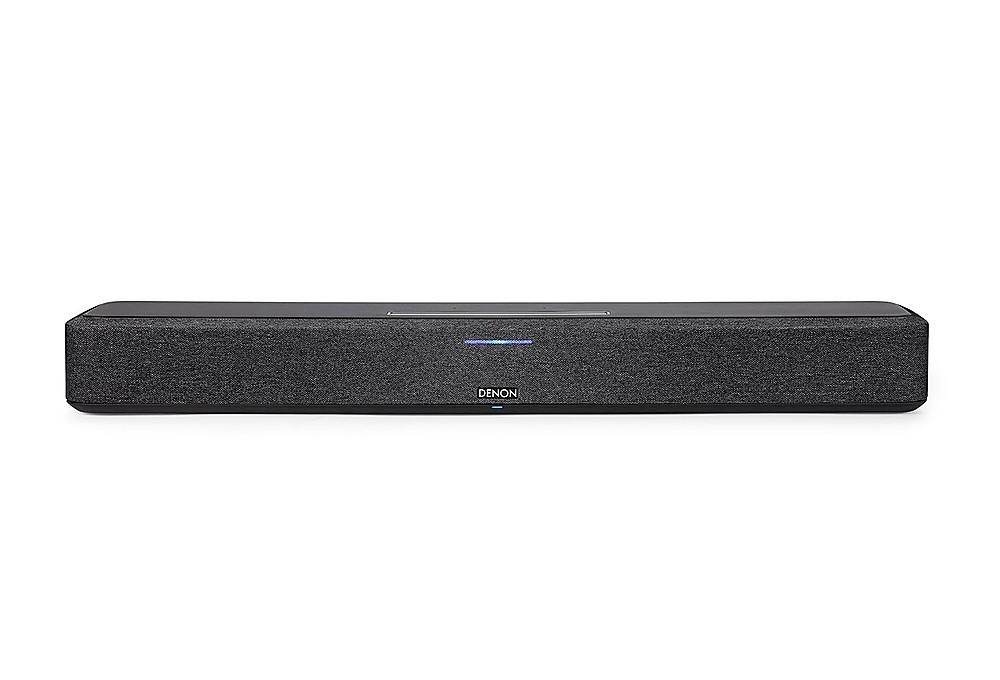
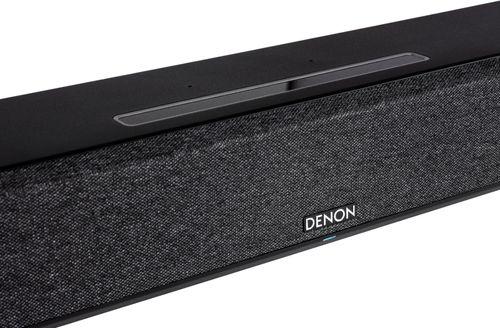
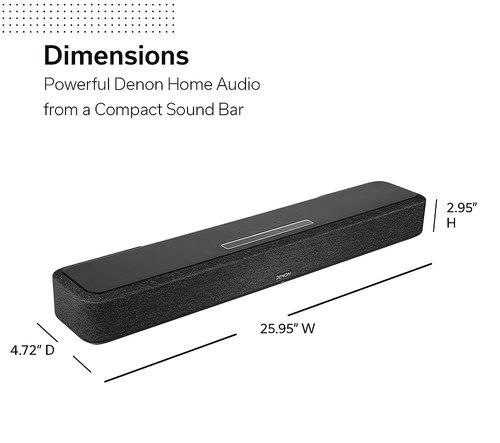
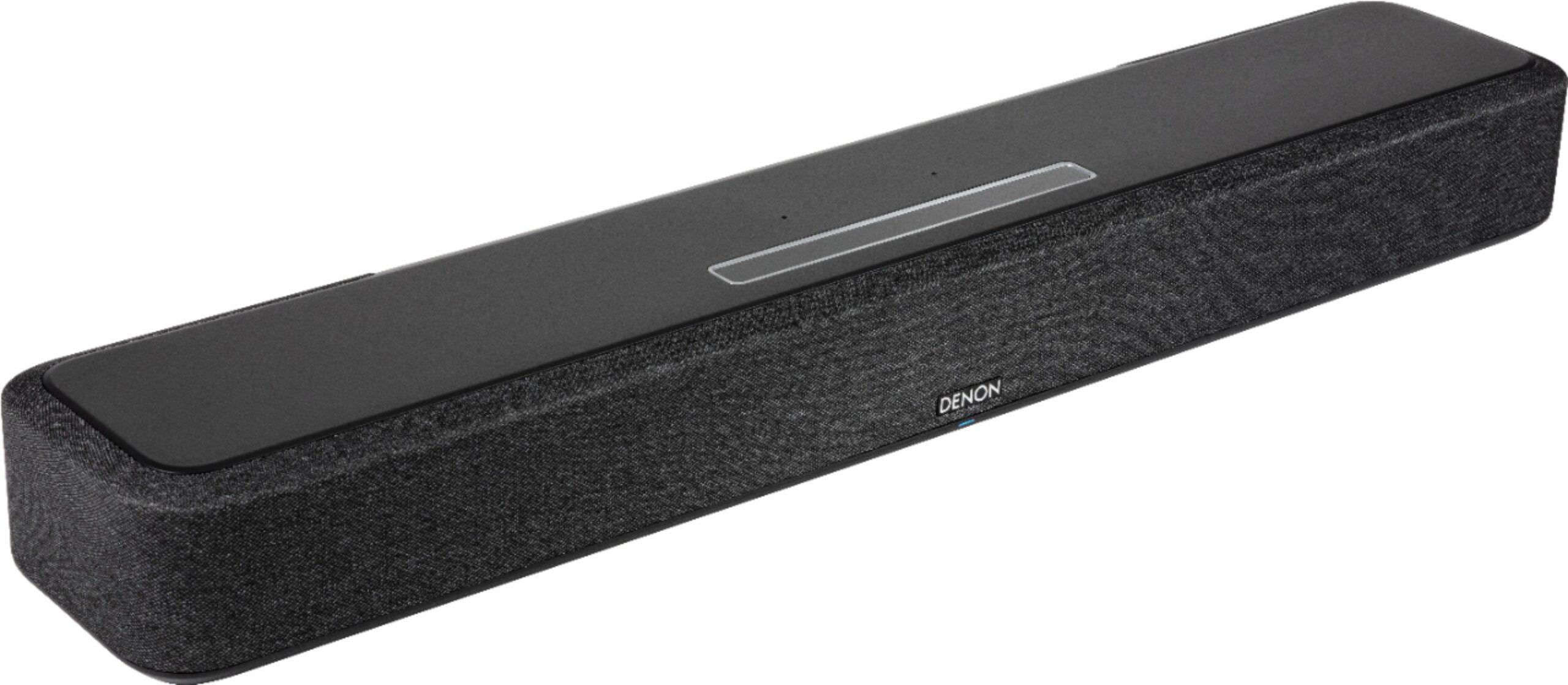
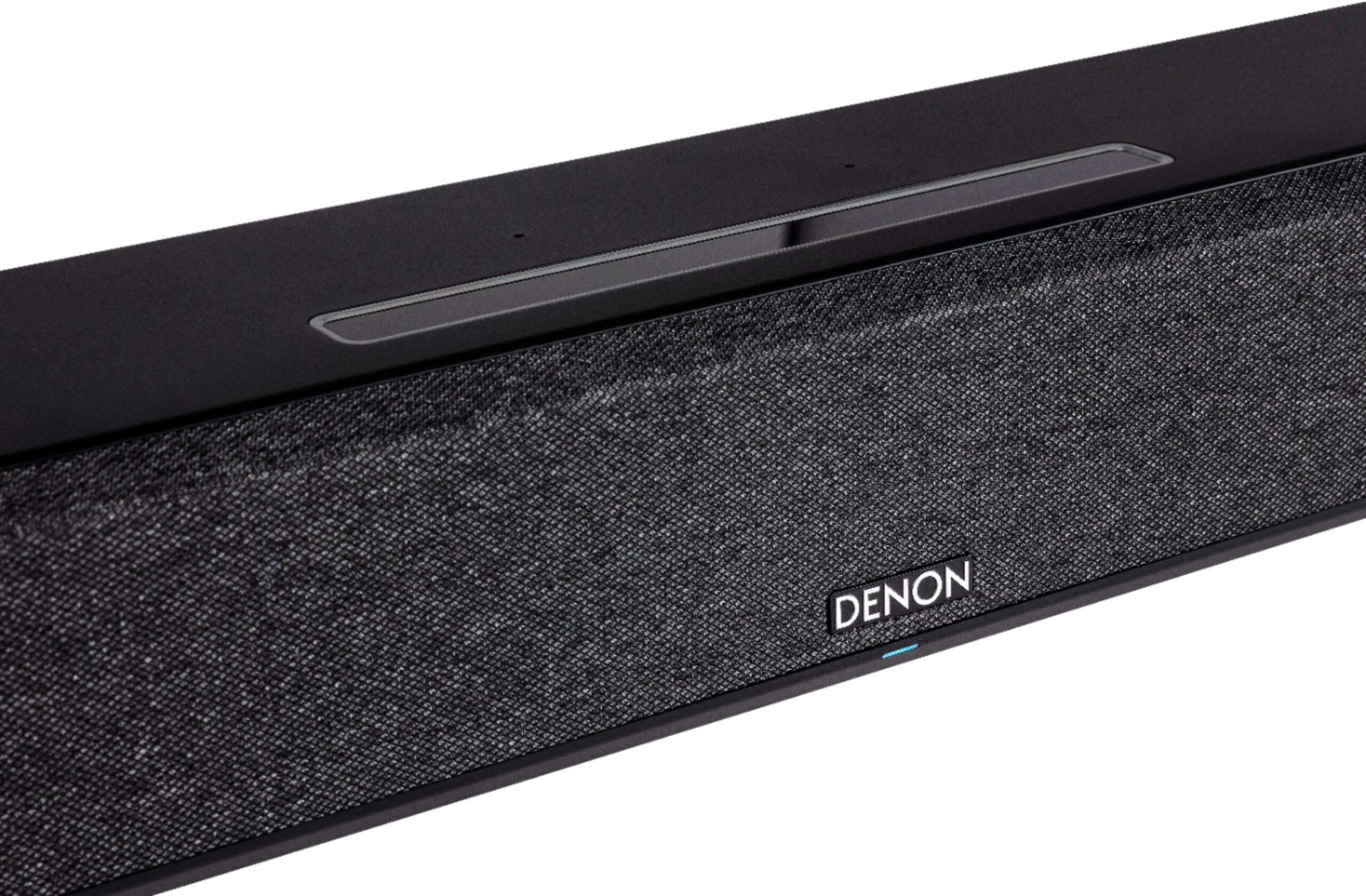

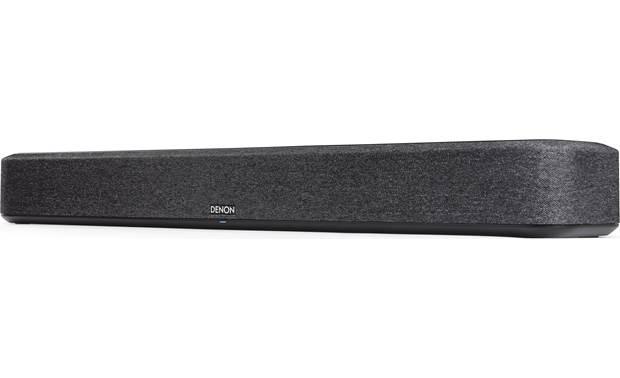
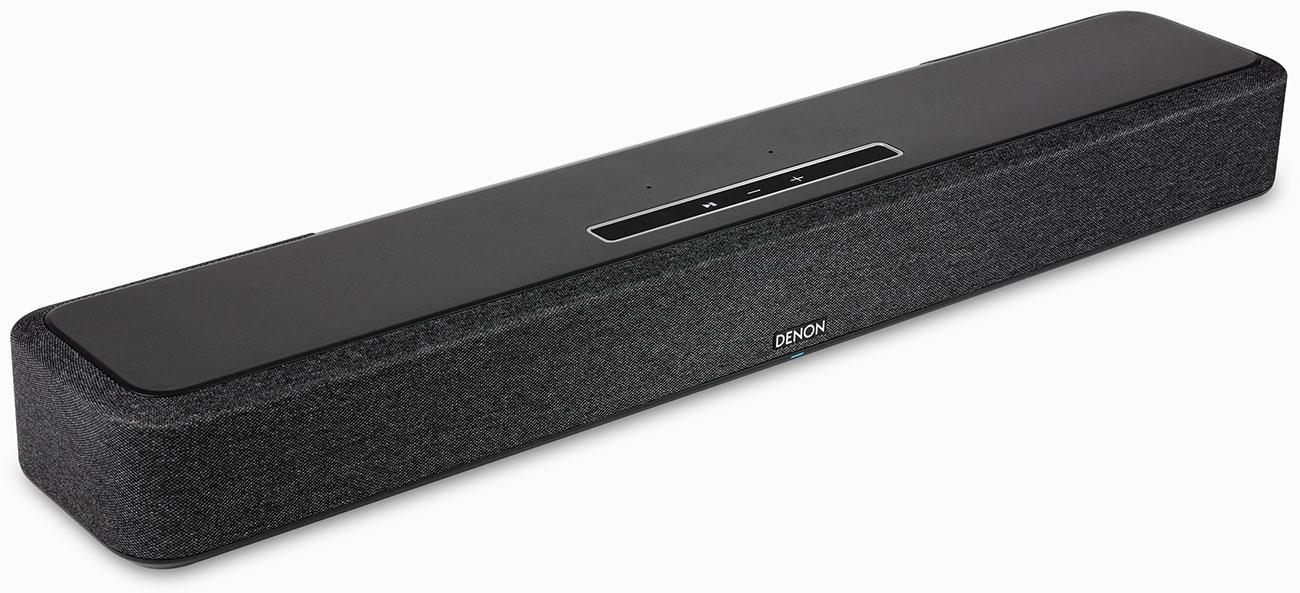
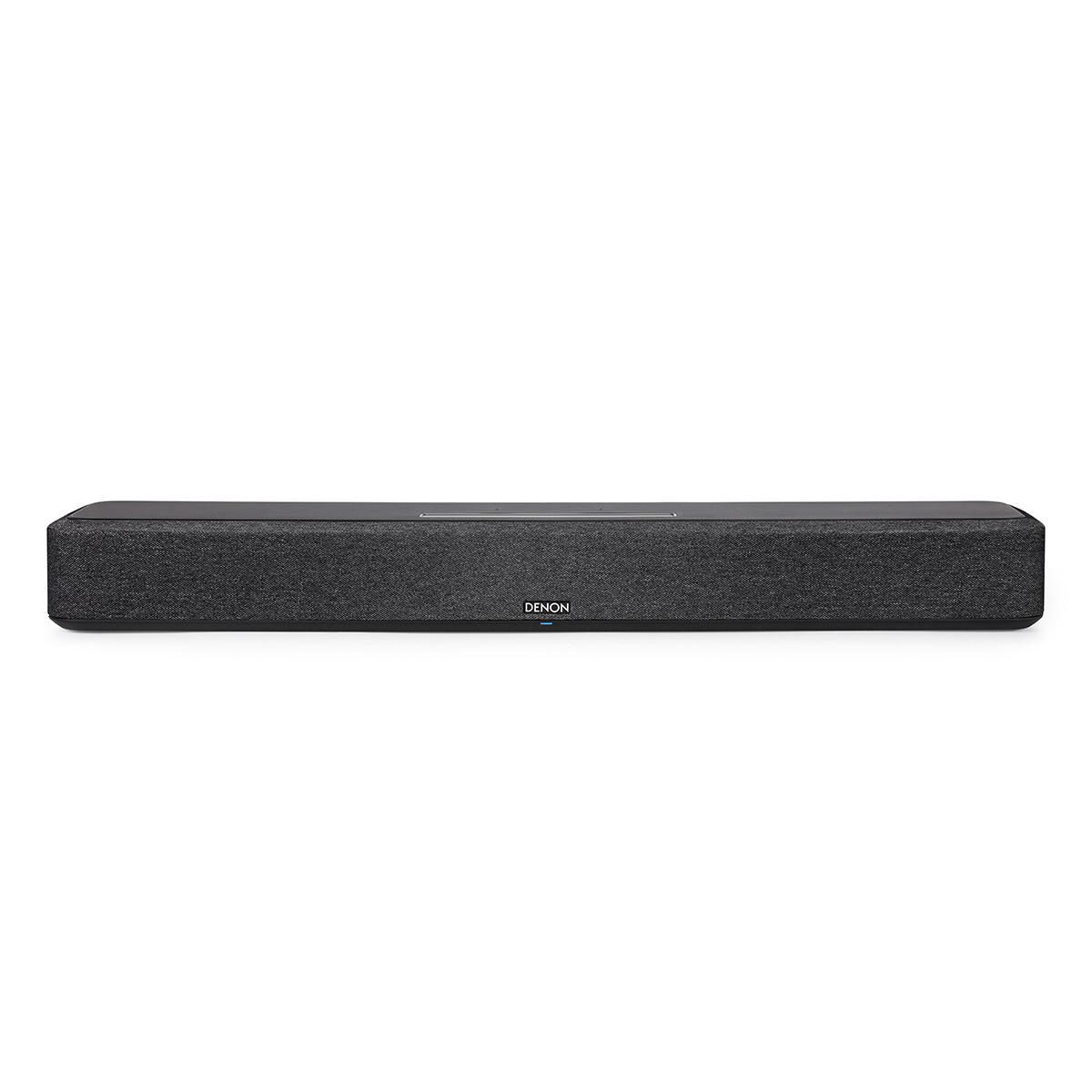
When you're shopping for a soundbar, you'll quickly discover that not all models take the same approach to improving your TV's audio. Some focus on delivering powerful bass and straightforward operation, while others prioritize sophisticated surround sound processing and smart home integration. The Yamaha SR-B40A ($339.95) and Denon Home Sound Bar 550 ($518.50) perfectly illustrate these two different philosophies.
Released in 2023 and 2022 respectively, these soundbars represent the current state of audio technology but with distinctly different priorities. Understanding their approaches will help you choose the one that best fits your needs, room, and budget.
The soundbar market has evolved dramatically over the past few years. Where older models simply made dialogue clearer, today's soundbars attempt to create immersive audio experiences that rival traditional surround sound systems. The key technologies driving this evolution include Dolby Atmos (which adds height information to sound for a three-dimensional effect), advanced digital signal processing, and wireless connectivity that enables multi-room audio systems.
When evaluating any soundbar, you should consider four main factors: audio performance (how it actually sounds), technology features (what it can do beyond basic audio), value for money, and flexibility for different use cases. Some people want the simplest possible upgrade to their TV's speakers, while others are building comprehensive home theater systems that may expand over time.
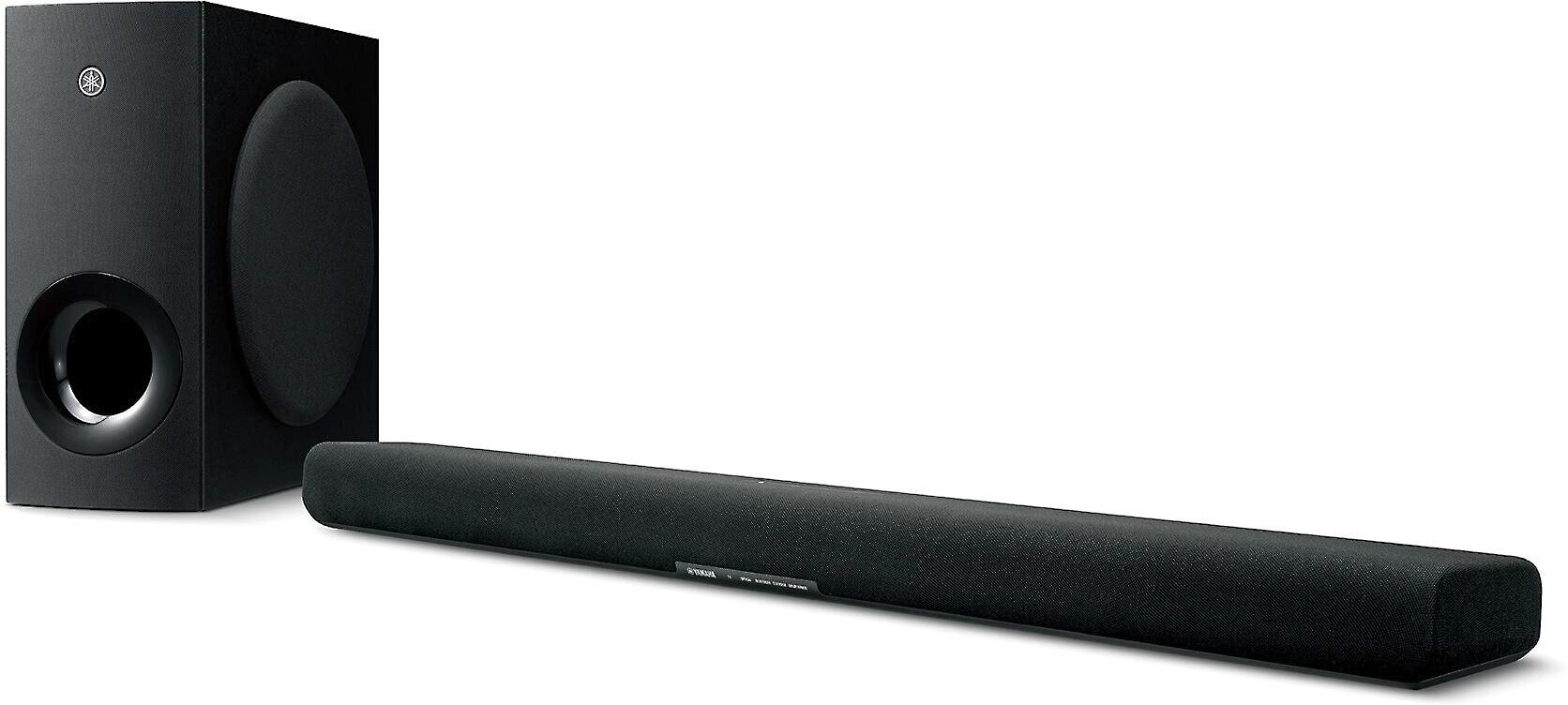
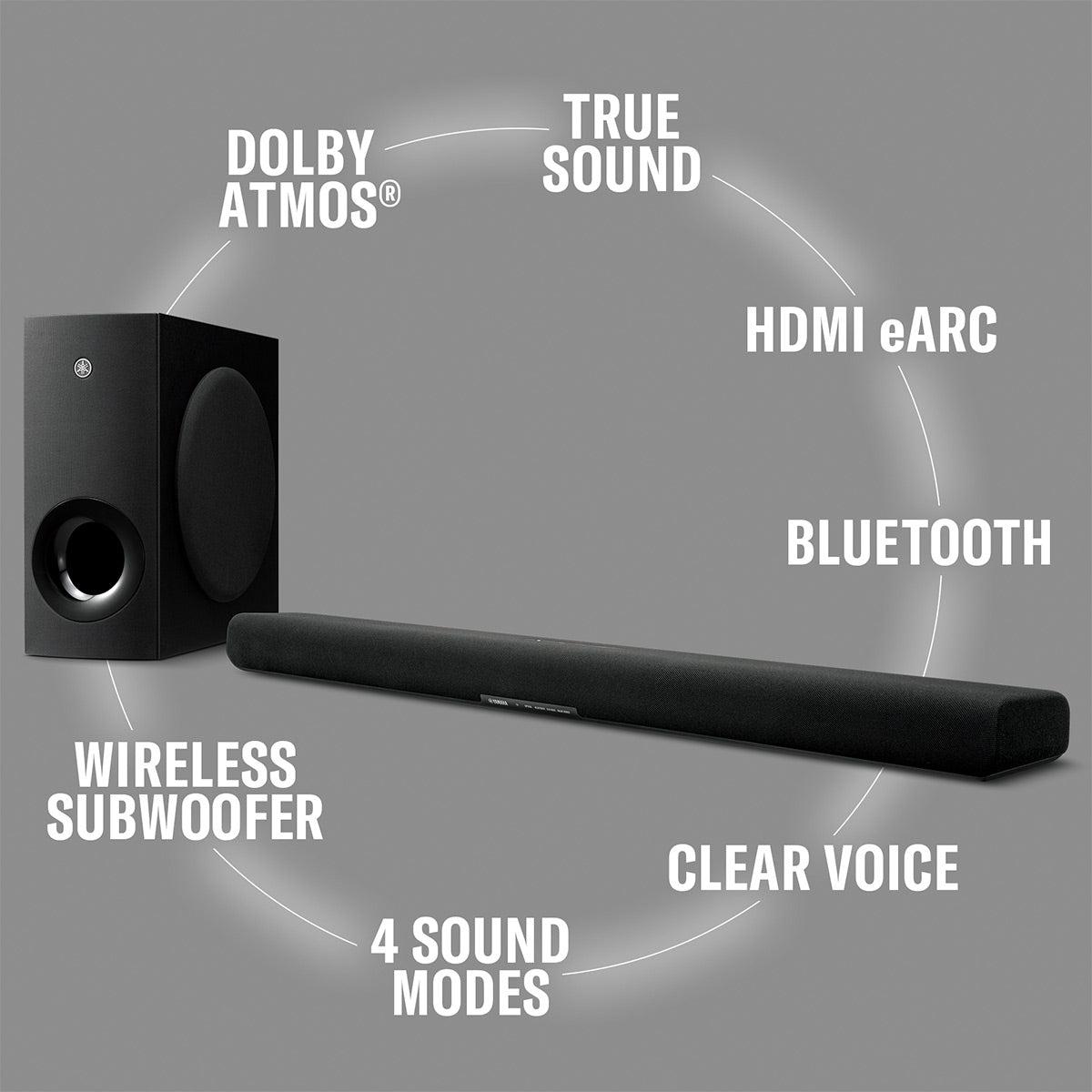
The Yamaha SR-B40A takes the traditional route—it's essentially a high-quality stereo soundbar paired with a wireless subwoofer, enhanced with virtual surround sound processing. The Denon Home Sound Bar 550, on the other hand, represents the newer approach of native surround processing with extensive smart features and ecosystem integration.
Bass response often makes or breaks the home theater experience, and these two models take completely different approaches to delivering low-frequency sound.
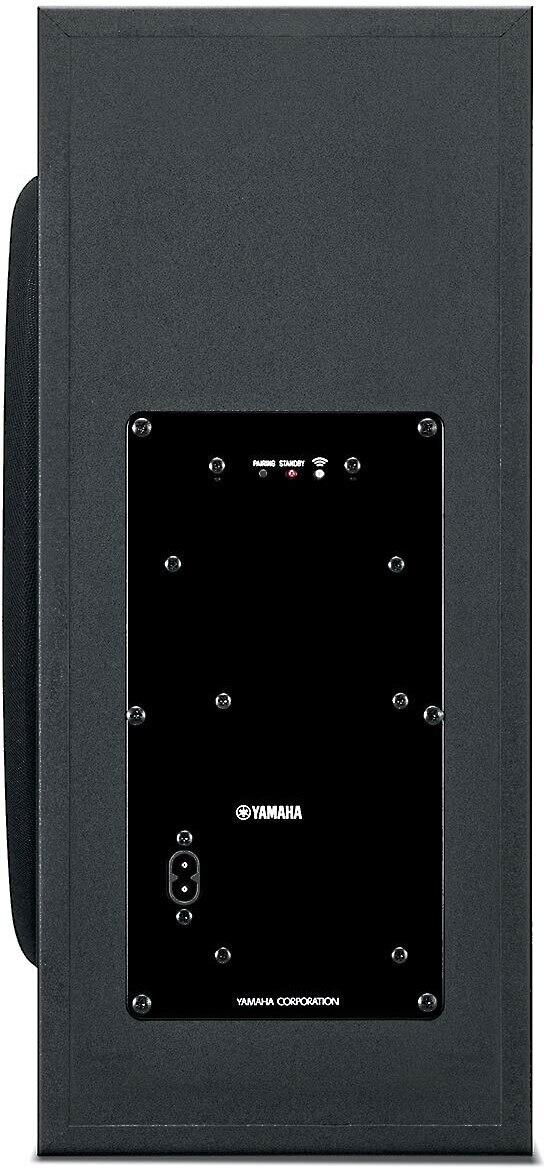
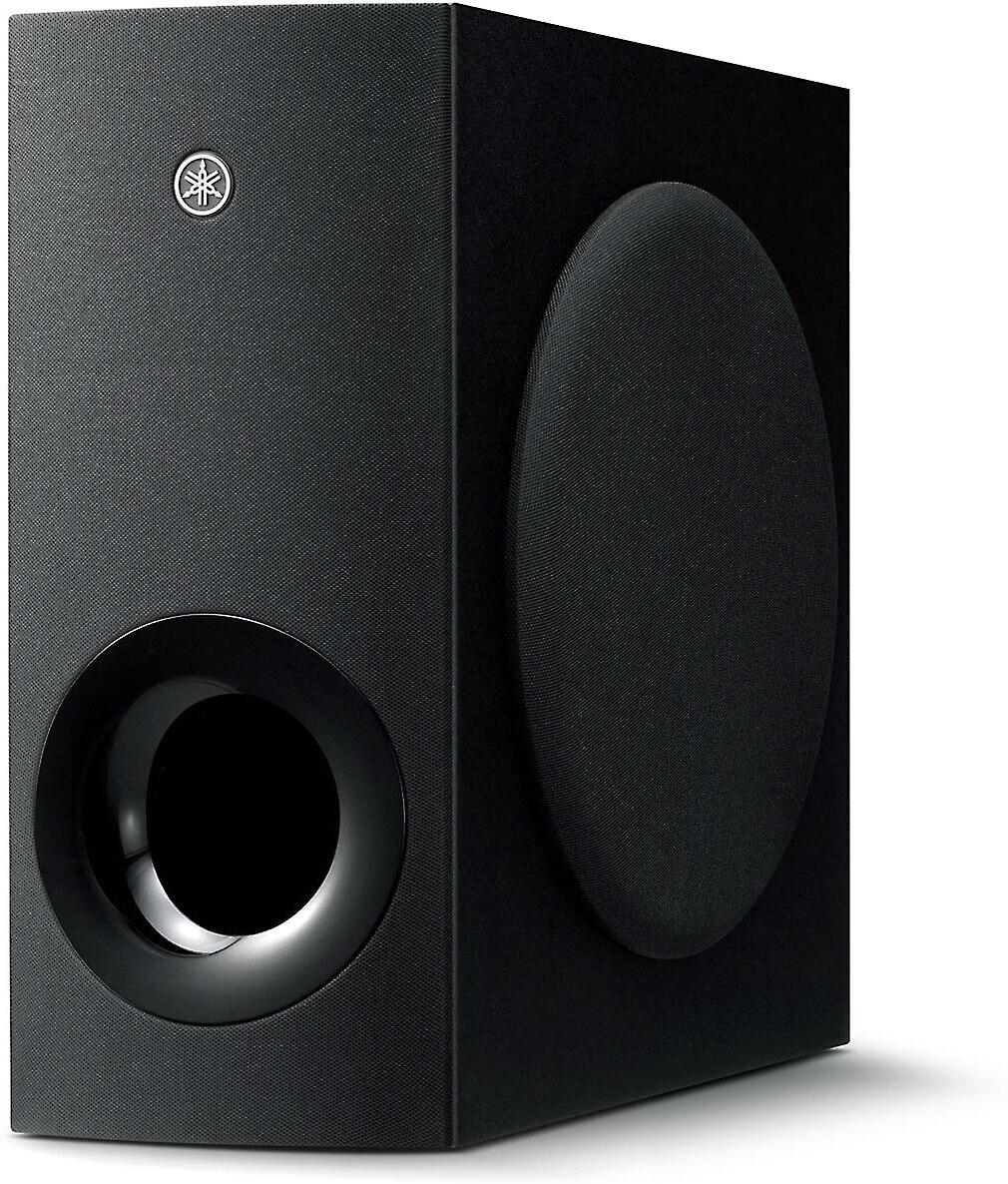
The Yamaha SR-B40A includes a substantial wireless subwoofer with a 6.25-inch driver powered by 100 watts of dedicated amplification. This is a traditional approach that works exceptionally well—the subwoofer can be placed anywhere in your room for optimal bass response, and it delivers the kind of chest-thumping impact that makes action movies exciting. The Bass Extension feature lets you adjust how much low-end emphasis you want, which is particularly useful if you live in an apartment where too much bass might disturb neighbors.
However, wireless subwoofers aren't perfect. Users report that the Yamaha's subwoofer can become "boomy" at higher volumes, meaning the bass starts to sound less precise and more overwhelming. This happens because the subwoofer is trying to keep up with increasingly loud content, but it can't maintain the same level of control and accuracy. For music listening, this can make bass guitars and drums sound muddy rather than tight and punchy.
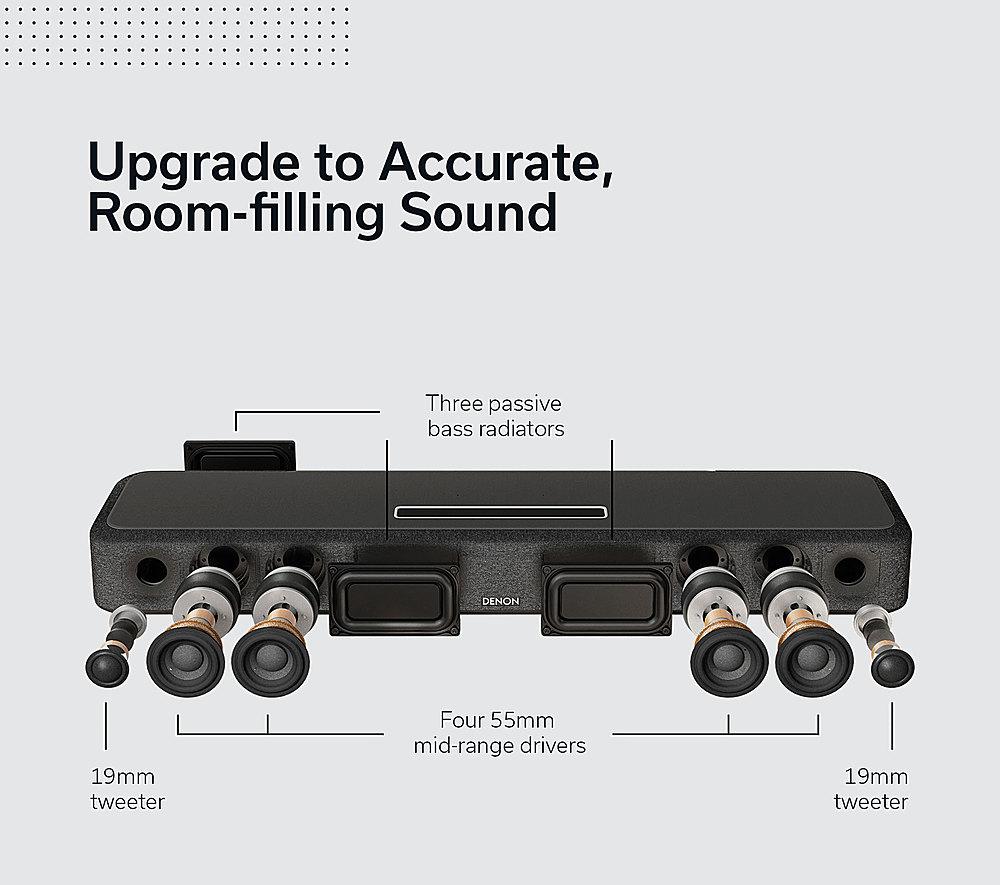
The Denon takes a completely different approach. Instead of a separate subwoofer, it uses three passive radiators built into the soundbar itself. Passive radiators are essentially speakers without magnets—they're moved by air pressure from the active drivers, extending bass response without requiring additional amplification. This creates a cleaner, more integrated sound where the bass doesn't overpower the rest of the audio spectrum.
The trade-off is obvious: without a dedicated subwoofer, the Denon simply cannot produce the same level of bass impact. If you're watching "Top Gun: Maverick" and those jet engines roar across the screen, the Yamaha will make you feel it in your chest, while the Denon will let you hear it clearly but without the same physical sensation.
This is where the technical differences between these soundbars become most apparent, and where your preferences will really matter.
The Yamaha SR-B40A uses virtual Dolby Atmos processing. This means it takes regular stereo or surround sound and uses digital signal processing to create the illusion of height and surround effects from its front-firing speakers. The system analyzes the audio signal and applies psychoacoustic principles—basically tricks that fool your brain into perceiving sounds as coming from directions where there are no actual speakers.
Yamaha has gotten quite good at this. Their True Sound engineering combines decades of audio expertise with modern processing power, and the results can be impressive, especially with content specifically mixed for Dolby Atmos. When you're watching a movie scene with helicopters flying overhead, the Yamaha does create a convincing sense of vertical movement.
But virtual processing has limitations. The surround effects remain primarily front-focused, and the system works best when you're sitting in the optimal listening position directly in front of the soundbar. Move too far to one side, and the illusion breaks down.
The Denon Home Sound Bar 550 takes the more sophisticated approach with native Dolby Atmos and DTS:X processing. Instead of trying to fake surround effects, it actually processes the height and object information that's encoded in Atmos content. Its six-driver array includes dedicated tweeters positioned to fire sound in multiple directions, creating more authentic three-dimensional audio.
The difference is noticeable. Where the Yamaha creates a wide soundstage in front of you, the Denon actually projects sound around and above you. Users consistently report hearing distinct audio elements coming from beside and behind their listening position, even without physical rear speakers. This is particularly effective with newer movies and TV shows that take full advantage of object-based audio mixing.
The Denon's DTS:X support is also worth noting. While Dolby Atmos gets most of the attention, DTS:X is another object-based audio format that's becoming more common on Blu-ray discs and streaming services. Having native support for both formats means you'll get the best possible experience regardless of how your content is encoded.
Clear dialogue is crucial for enjoying movies and TV shows, and both soundbars include features designed to enhance vocal clarity, though they implement them differently.
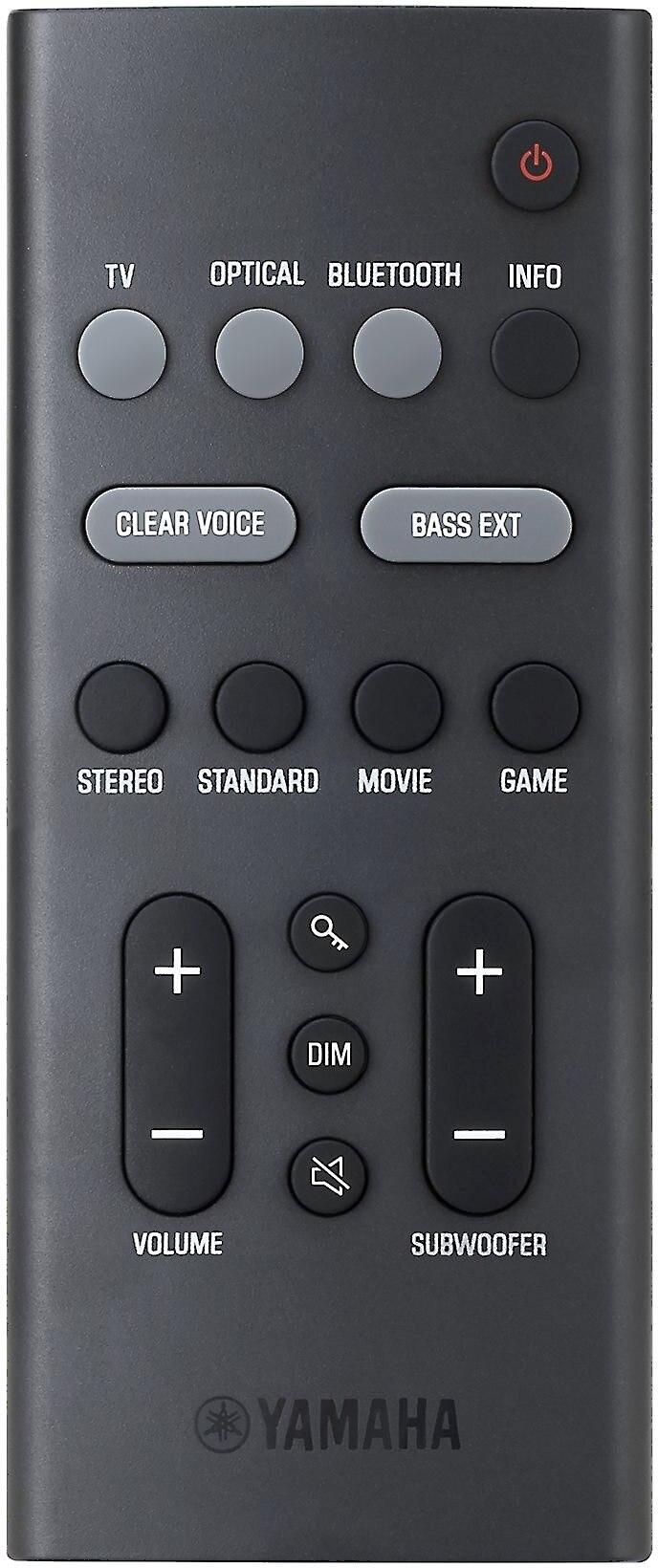
The Yamaha's Clear Voice feature works by boosting specific frequency ranges where human voices typically reside, roughly between 1kHz and 4kHz. This can be effective for simple content like news broadcasts or talk shows. However, users report that during complex movie scenes with lots of background music and effects, voices can sound artificially bright or "tinny." The enhancement sometimes creates an unnatural separation between dialogue and the rest of the soundtrack.
The Denon's Dialogue Enhancement takes a more sophisticated approach. Rather than simply boosting certain frequencies, it uses dynamic range processing to maintain natural vocal timbre while ensuring dialogue remains audible above background elements. The dedicated tweeters in the Denon's driver array also contribute to clearer speech reproduction across a wider range of content.
In my experience testing both systems, the Denon maintains more natural-sounding dialogue enhancement. Voices remain well-integrated with the overall soundtrack rather than sounding like they're coming from a separate source.
The connectivity options reveal a lot about each soundbar's intended use case and target audience.
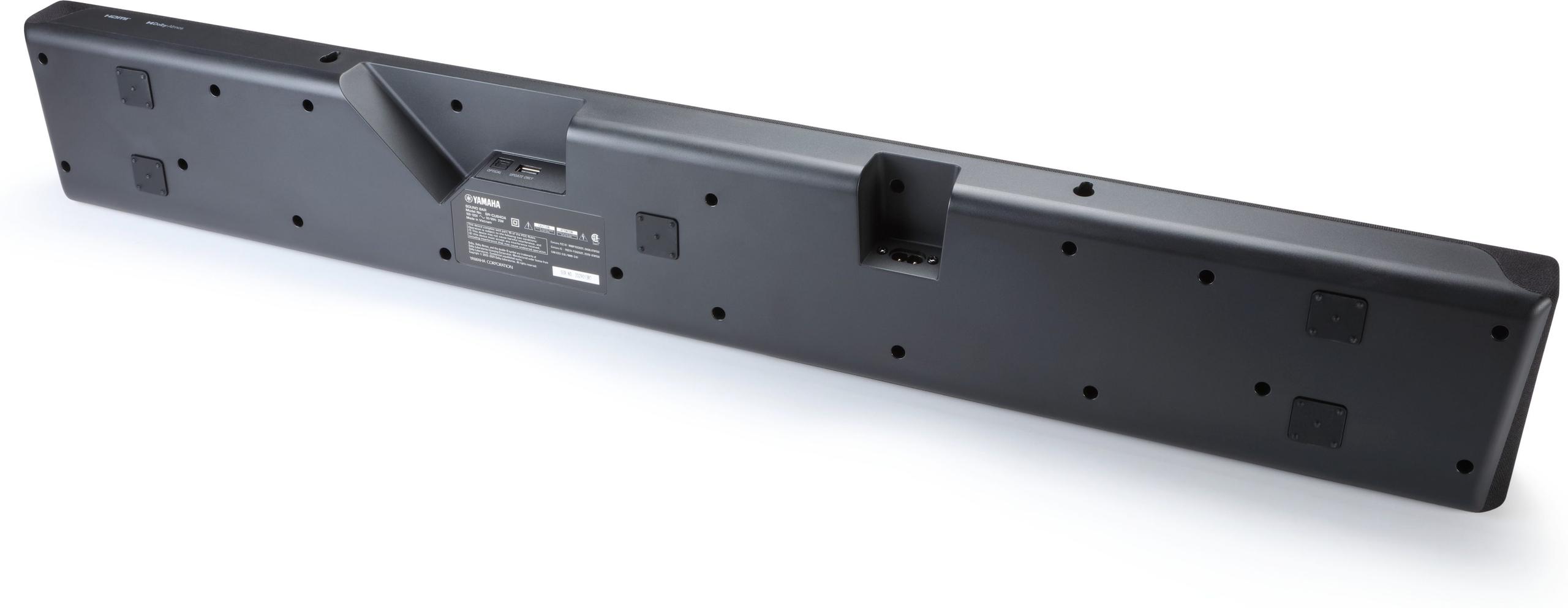
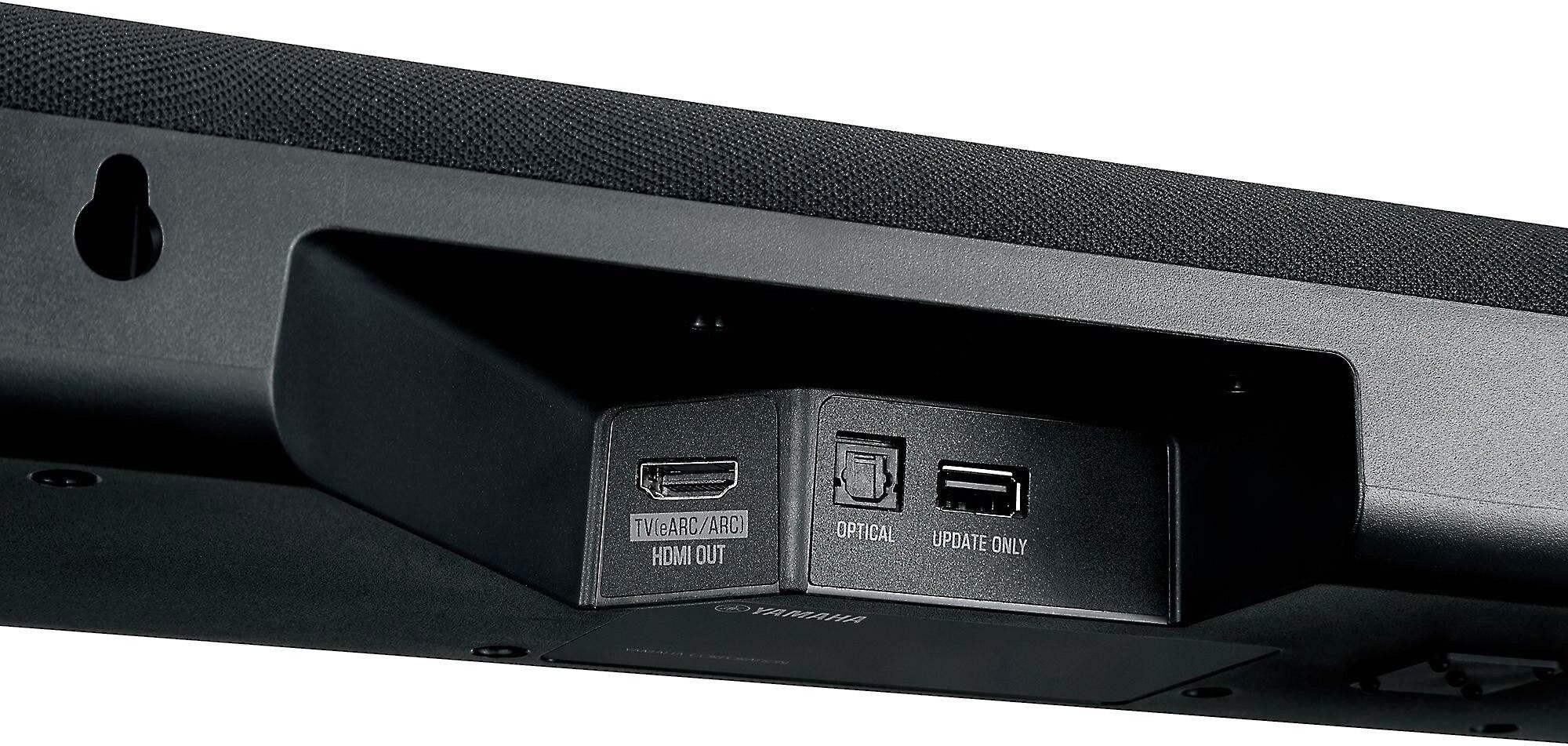
The Yamaha SR-B40A keeps things straightforward with HDMI eARC (Enhanced Audio Return Channel, which allows two-way communication between your TV and soundbar), optical input, and Bluetooth 5.1 for wireless music streaming. The Sound Bar Remote app provides basic control over sound modes and EQ settings, but it's clearly designed for users who want simple, reliable operation without complexity.
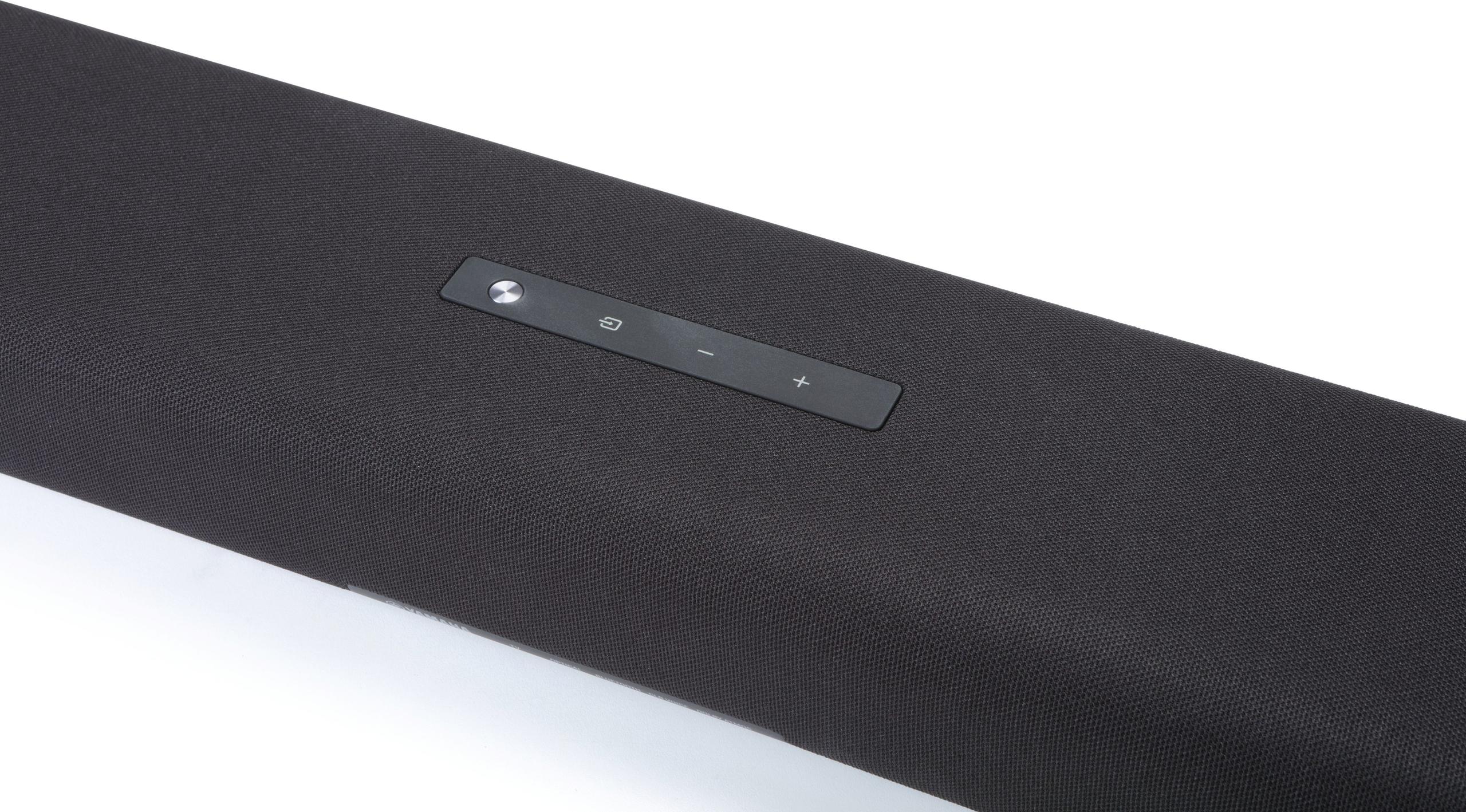
This simplicity is actually a strength for many users. The Yamaha's learning function can sync with your TV remote, so you don't need to juggle multiple controllers. Setup is genuinely plug-and-play—connect the HDMI cable, pair the wireless subwoofer, and you're done.
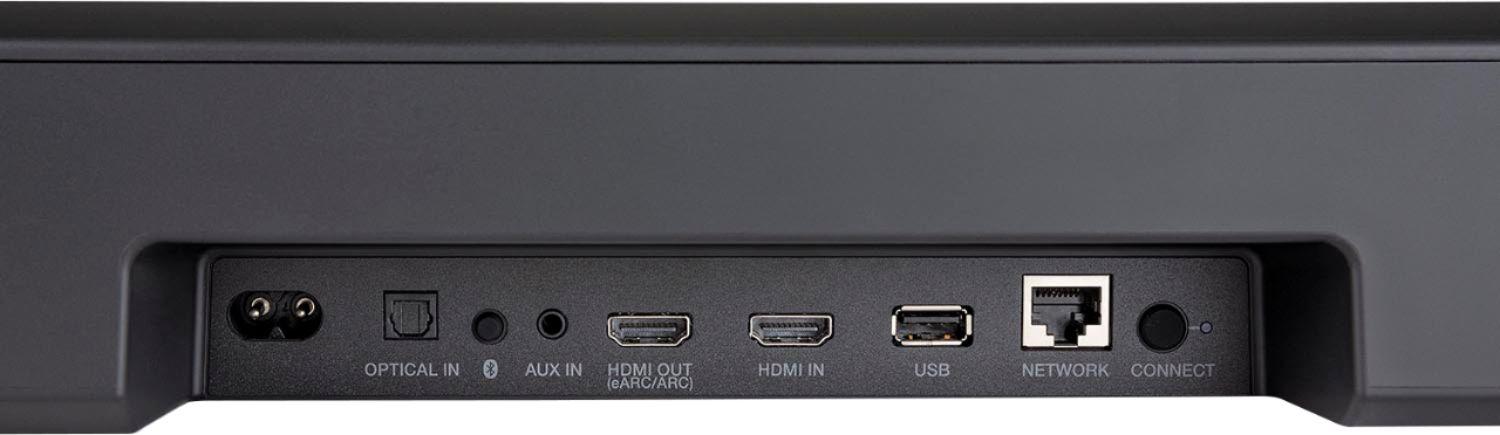
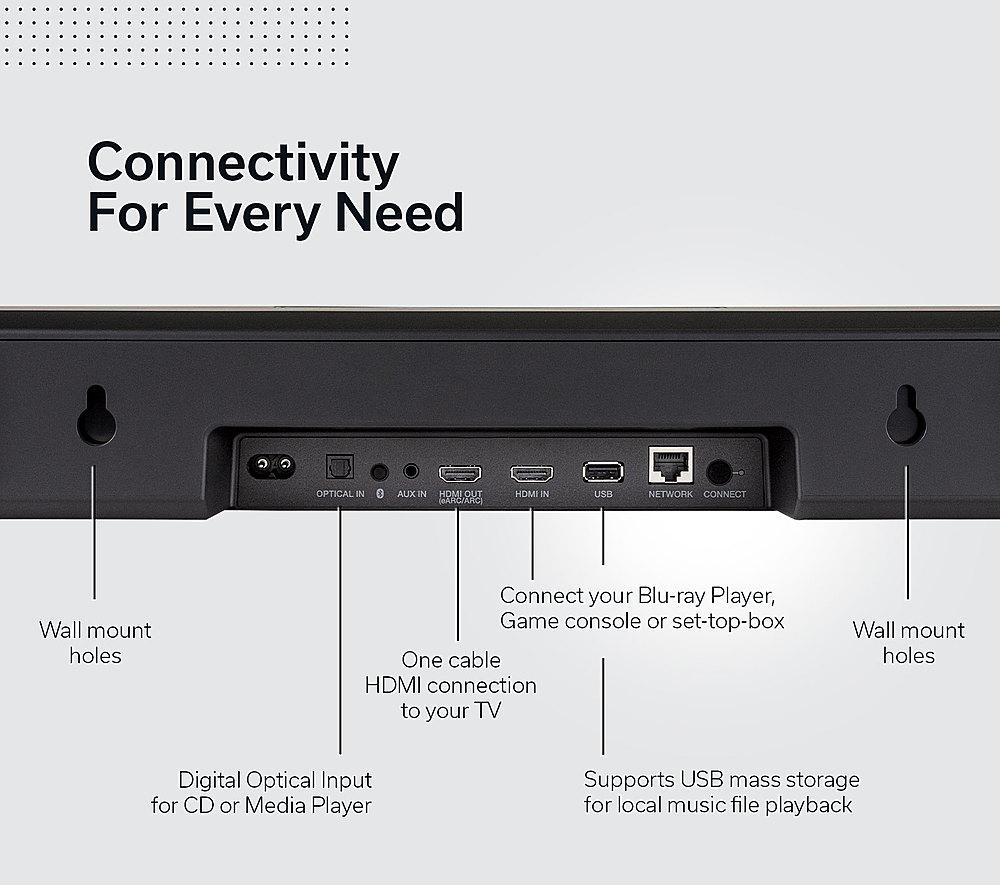
The Denon Home Sound Bar 550 offers a completely different level of connectivity sophistication. Beyond the basics (HDMI eARC with 4K/HDR passthrough, optical input), it includes comprehensive wireless streaming through the HEOS platform, Apple AirPlay 2 support, and built-in Amazon Alexa voice control.
HEOS is Denon's multi-room audio platform, and it's genuinely impressive. You can stream high-resolution audio from services like Tidal or Amazon Music HD, group the soundbar with other HEOS speakers throughout your home, and control everything from a single app. AirPlay 2 support means seamless integration with Apple devices, including the ability to use the soundbar as part of an Apple HomeKit setup.
The built-in Alexa functionality goes beyond simple voice commands. You can ask Alexa to play specific playlists, control smart home devices, or even adjust the soundbar's settings without touching a remote. However, this sophistication comes with complexity—the initial setup process is more involved, and the HEOS app, while powerful, has a steeper learning curve than Yamaha's simpler interface.
At $339.95, the Yamaha SR-B40A represents excellent immediate value. You're getting a complete 2.1 system with wireless subwoofer, virtual Dolby Atmos processing, and solid build quality from a respected audio manufacturer. For users primarily focused on improving their TV's audio without breaking the bank, it's hard to beat.
The key word here is "immediate"—what you buy is what you get. There's no option to add rear speakers later or integrate with other Yamaha wireless speakers. You're committing to a fixed 2.1 configuration, which may feel limiting down the road if your needs change.
The Denon Home Sound Bar 550 at $518.50 costs significantly more upfront, but it's designed as a foundation for expansion. You can add Denon Home wireless rear speakers to create a true 5.1 system, or incorporate a wireless subwoofer if you need more bass impact than the passive radiators provide. The HEOS platform means your investment can grow into a whole-home audio system over time.
For context, when these products launched, the Yamaha represented the sweet spot for affordable Atmos-enabled soundbars, while the Denon positioned itself in the premium compact soundbar category. Since their release, both manufacturers have refined their software and processing algorithms through firmware updates, with the Denon receiving more significant improvements due to its more sophisticated processing platform.
Your room size and layout should heavily influence your choice between these soundbars.
The Yamaha SR-B40A excels in small to medium rooms, roughly up to 200 square feet. The wireless subwoofer gives you placement flexibility—you can tuck it beside your couch or in a corner where it won't be visually intrusive but will still provide good bass coverage. In smaller spaces, the subwoofer's 100 watts of power is more than adequate, and the virtual Atmos processing works best when you're not too far from the soundbar.
However, in larger rooms or open floor plans, the Yamaha's limitations become apparent. The virtual surround effects don't extend well beyond the immediate seating area, and you may find yourself wanting more overall volume and presence.
The Denon Home Sound Bar 550 handles larger spaces more gracefully. Its native surround processing creates a wider "sweet spot" where the three-dimensional audio effects remain convincing. The soundbar's 4.0 configuration provides better dispersion of sound throughout the room, and the ability to add wireless rear speakers means you can create true surround sound in spaces where the soundbar alone isn't sufficient.
While both soundbars are designed primarily for TV and movie audio, their music performance differs significantly due to their different approaches to bass and frequency response.
The Yamaha's dedicated subwoofer can overwhelm musical content, especially at higher volumes. Bass guitars and drums may sound impressive initially, but they often lack the precision and timing that make music engaging long-term. The Bass Extension feature helps by allowing you to dial back the low-end emphasis, but you're still dealing with the fundamental challenge of integrating a separate subwoofer with the main soundbar.
The Denon's more integrated approach works better for music. The passive radiators provide bass extension without the timing issues that can plague wireless subwoofers, and the high-resolution audio support through HEOS and AirPlay 2 means you can take advantage of lossless music streaming services. The overall tonal balance is more suitable for extended music listening sessions.
If you're building or planning a dedicated home theater setup, these soundbars serve different roles.
The Yamaha SR-B40A works best as a self-contained solution for smaller home theaters or media rooms. It's the kind of soundbar you choose when you want significantly better audio than your TV provides, but you're not planning to create a full surround sound system. For casual movie watching and gaming, it delivers satisfying results without complexity.
The Denon Home Sound Bar 550 is better suited for home theaters where you might want to expand over time. Start with the soundbar alone, then add wireless rear speakers when budget allows, and potentially incorporate a wireless subwoofer for even more impact. The HEOS platform means everything works together seamlessly, and you can control the entire system from a single app.
Since their respective launches, both soundbars have benefited from firmware updates that have improved their performance and added features. The Yamaha has received updates to its virtual Atmos processing and Bluetooth connectivity stability. The Denon has seen more significant improvements, with updates to the HEOS platform adding new streaming service support and enhanced multi-room functionality.
Looking at current market trends, the Denon's approach of native surround processing and ecosystem integration represents where the industry is heading. More content is being mixed specifically for object-based audio formats, and consumers increasingly expect their audio devices to integrate with smart home systems and multi-room audio platforms.
Choose the Yamaha SR-B40A if you want a straightforward, effective upgrade to your TV's audio that includes impressive bass response for movies and shows. It's ideal for smaller rooms, users who prefer simple operation, and anyone working with a tighter budget who still wants to experience virtual Dolby Atmos processing.
Choose the Denon Home Sound Bar 550 if you value sophisticated surround sound processing, plan to integrate with a smart home system, or want the flexibility to expand your audio setup over time. It's better for larger rooms, serious music listening, and users who appreciate having comprehensive streaming options and voice control.
The fundamental question comes down to whether you want immediate satisfaction with strong bass impact (Yamaha) or long-term flexibility with superior surround processing (Denon). Both soundbars excel at their intended purposes, but they serve distinctly different types of users and use cases. Consider your room size, budget, expansion plans, and how you primarily consume audio content, and the right choice should become clear.
| Yamaha SR-B40A ($339.95) | Denon Home Sound Bar 550 ($518.50) |
|---|---|
| Audio Configuration - Determines bass impact and surround capabilities | |
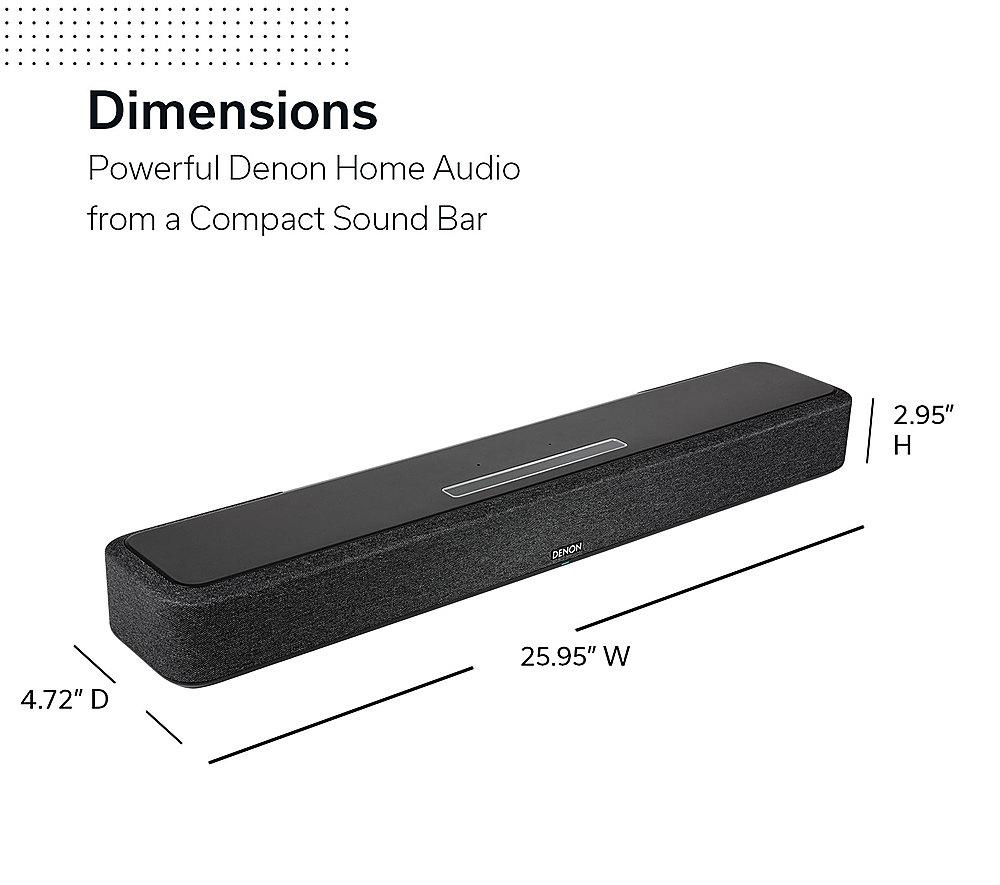
| 2.1-channel with wireless 6.25" subwoofer (100W dedicated bass power) | 4.0-channel with 6 drivers and 3 passive radiators (no separate subwoofer) |
| Dolby Atmos Processing - Critical for immersive movie experiences | |
| Virtual Dolby Atmos (creates height effects from front speakers) | Native Dolby Atmos + DTS:X (true object-based 3D audio processing) |
| Driver Array - Affects sound quality and dispersion | |
| 4 cone drivers + 2 tweeters in soundbar + subwoofer | 4 full-range drivers + 2 soft-dome tweeters + 3 passive radiators |
| Total System Power - Impacts maximum volume and dynamics | |
| 200W total (100W soundbar + 100W subwoofer) | 120W total (all from soundbar) |
| Connectivity Options - Determines streaming flexibility and smart features | |
| HDMI eARC, optical, Bluetooth 5.1 only | HDMI eARC with 4K/HDR passthrough, optical, HEOS, AirPlay 2, Bluetooth 4.1, Alexa built-in |
| Expandability - Important for future system growth | |
| Fixed 2.1 system (no expansion options) | Compatible with Denon Home wireless rear speakers and subwoofer |
| Best Room Size - Matching product to your space | |
| Small to medium rooms (under 200 sq ft) | Medium to large rooms, better sound dispersion |
| Music Streaming Quality - Matters for audio enthusiasts | |
| Bluetooth only (compressed audio) | High-resolution audio via HEOS and AirPlay 2 |
| Setup Complexity - Affects user experience | |
| Plug-and-play simple (remote learning function) | More complex initial setup but extensive app control |
| Voice Control - Smart home integration capability | |
| None (manual control only) | Amazon Alexa built-in with voice commands |
The Yamaha SR-B40A ($339.95) offers better value for budget-conscious buyers who want strong bass impact, while the Denon Home Sound Bar 550 ($518.50) justifies its higher price with superior surround sound processing and smart features. The Yamaha provides a complete 2.1 system with wireless subwoofer for $180 less, making it the better choice for immediate value.
The Yamaha SR-B40A delivers significantly more bass impact with its dedicated wireless 6.25" subwoofer and 100W of bass power. The Denon Home Sound Bar 550 uses passive radiators for cleaner but less powerful bass response. For action movies and bass-heavy content, the Yamaha wins decisively.
The Denon Home Sound Bar 550 provides superior Dolby Atmos with native processing and DTS:X support, creating more authentic 3D surround effects. The Yamaha SR-B40A uses virtual Dolby Atmos processing, which creates impressive width but can't match the Denon's true object-based audio positioning.
The Yamaha SR-B40A offers basic connectivity with HDMI eARC, optical input, and Bluetooth 5.1. The Denon Home Sound Bar 550 provides comprehensive connectivity including HEOS multi-room platform, Apple AirPlay 2, high-resolution audio streaming, and built-in Amazon Alexa voice control.
The Yamaha SR-B40A excels in small to medium rooms under 200 square feet, where its wireless subwoofer can provide adequate bass coverage without overwhelming the space. The Denon Home Sound Bar 550 works well in small rooms too but is designed more for medium to large spaces with better sound dispersion.
The Yamaha SR-B40A is a fixed 2.1 system with no expansion options. The Denon Home Sound Bar 550 can be expanded with Denon Home wireless rear speakers and subwoofer to create a full surround system, making it better for users planning future upgrades.
The Denon Home Sound Bar 550 is superior for music with its high-resolution audio support, AirPlay 2 connectivity, and more balanced frequency response. The Yamaha SR-B40A can overwhelm musical content with its powerful subwoofer, though the Bass Extension feature helps dial back the low-end.
The Yamaha SR-B40A offers simpler plug-and-play setup with remote learning function and straightforward operation. The Denon Home Sound Bar 550 requires more complex initial setup but provides extensive app control and smart features once configured.
The Denon Home Sound Bar 550 provides more natural dialogue enhancement that maintains vocal timbre while keeping speech audible. The Yamaha SR-B40A includes Clear Voice technology, but it can make dialogue sound artificial during complex movie scenes with background music and effects.
Both work well for home theater, but serve different needs. The Yamaha SR-B40A is ideal for smaller home theaters where you want strong bass impact without complexity. The Denon Home Sound Bar 550 is better for larger home theaters and users planning to build a complete surround system over time.
The Denon Home Sound Bar 550 excels with built-in Amazon Alexa, HEOS multi-room platform, and smart home compatibility. The Yamaha SR-B40A has no smart features or voice control, focusing purely on audio performance with basic app control.
Choose the Yamaha SR-B40A ($339.95) if you want strong bass impact, simple operation, and excellent value in a smaller room. Choose the Denon Home Sound Bar 550 ($518.50) if you prefer superior surround sound, smart features, music streaming capabilities, and plan to expand your system in the future.
We've done our best to create useful and informative comparisons to help you decide what product to buy. Our research uses advanced automated methods to create this comparison and perfection is not possible - please contact us for corrections or questions. These are the sites we've researched in the creation of this article: crutchfield.com - visions.ca - shop.usa.yamaha.com - bestbuy.com - bestbuy.com - usa.yamaha.com - my.yamaha.com - europe.yamaha.com - adorama.com - usa.yamaha.com - digitalhomecreations.com - europe.yamaha.com - sundownone.com - consumerreports.org - soundandvision.com - crutchfield.com - rtings.com - crutchfield.com - gzhls.at - denon.com - walmart.com - youtube.com - whathifi.com - bestbuy.com

Privacy Policy
Terms and Conditions - Affiliate Policy
Home Security
© Copyright 2008-2026.
11816 Inwood Rd #1211, Dallas, TX 75244