






When you're tired of cranking up the TV volume just to hear what characters are saying, it's time to consider a soundbar. These sleek audio devices have become the go-to solution for anyone wanting better TV sound without the complexity of a full surround sound system. But with options ranging from basic stereo upgrades to sophisticated home theater centerpieces, choosing the right one can feel overwhelming.
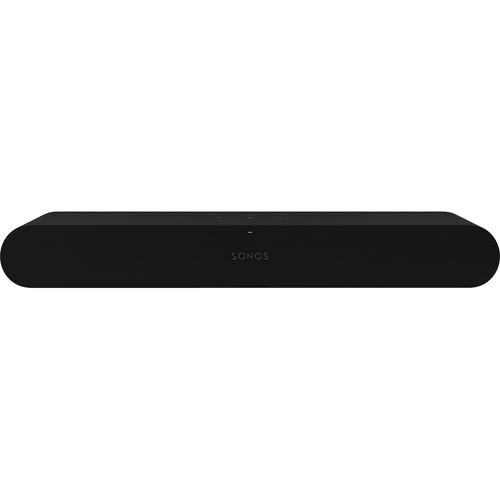
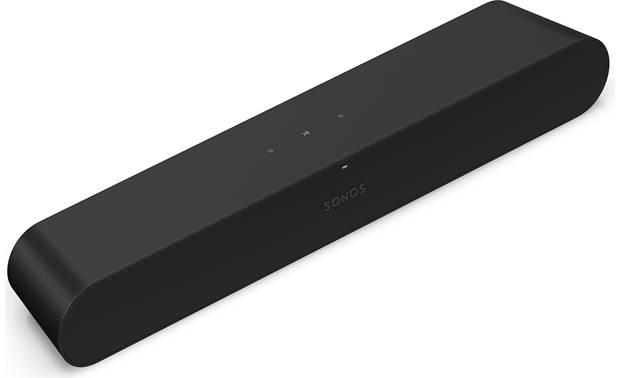
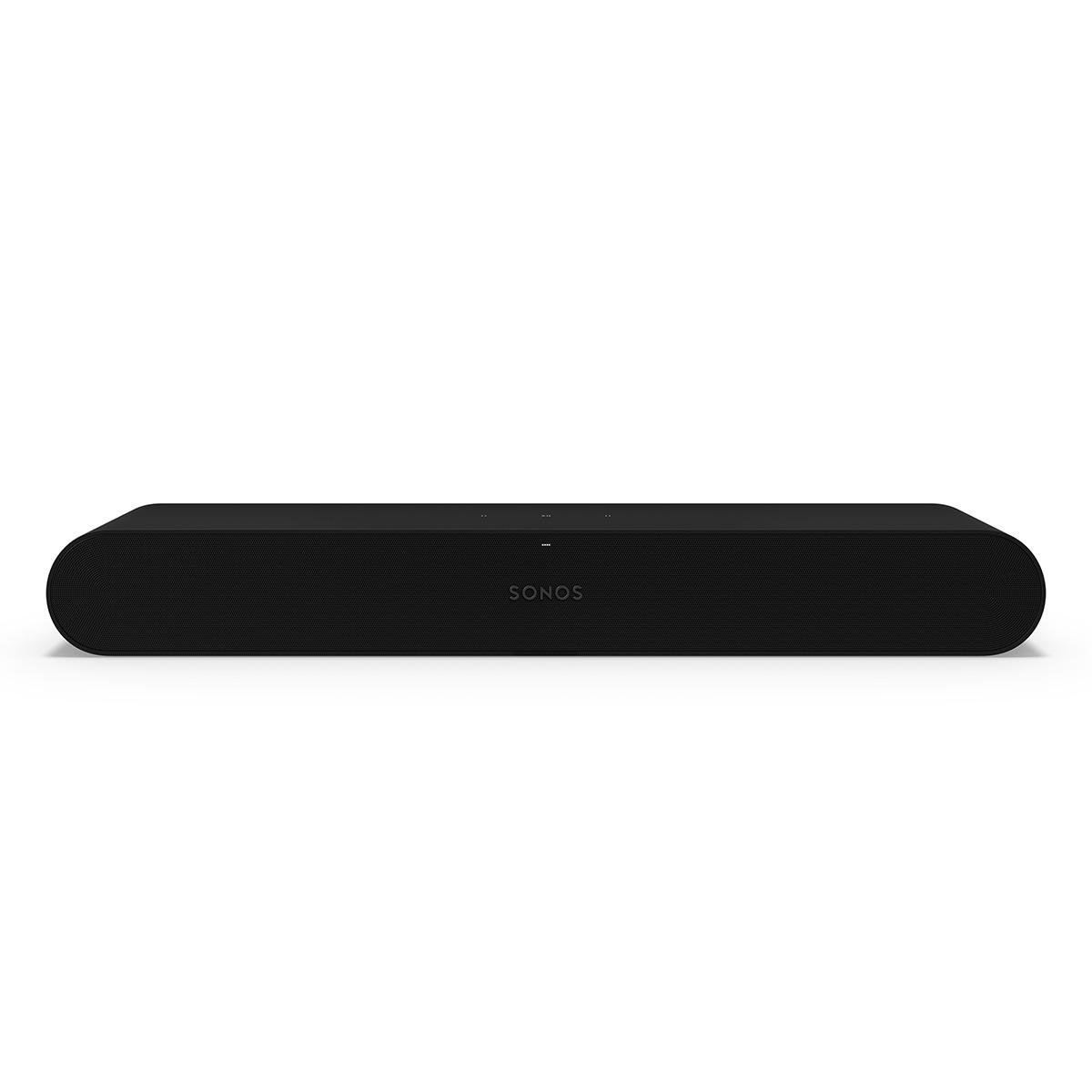
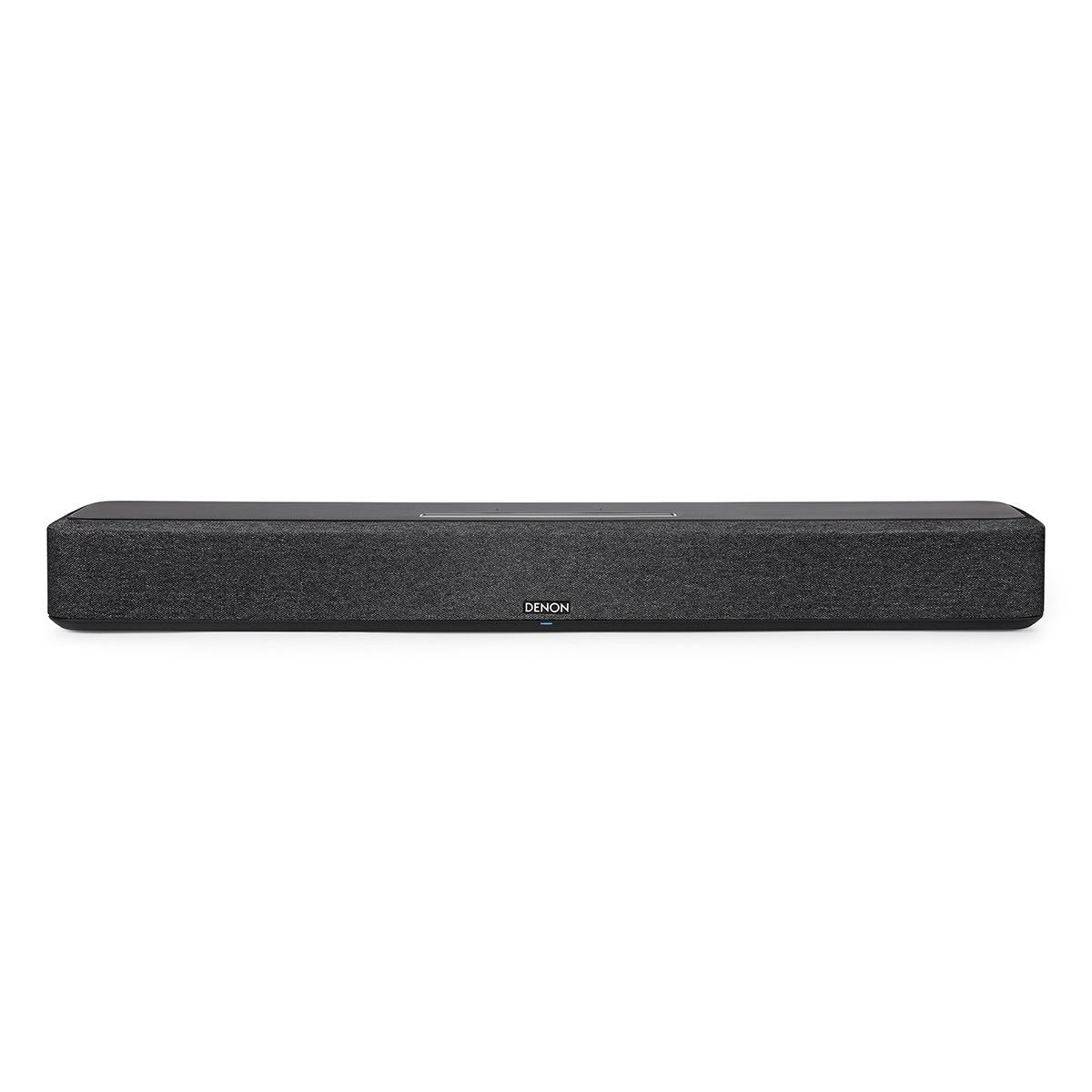
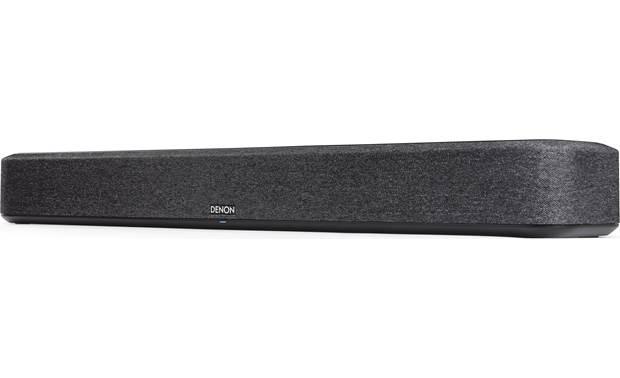
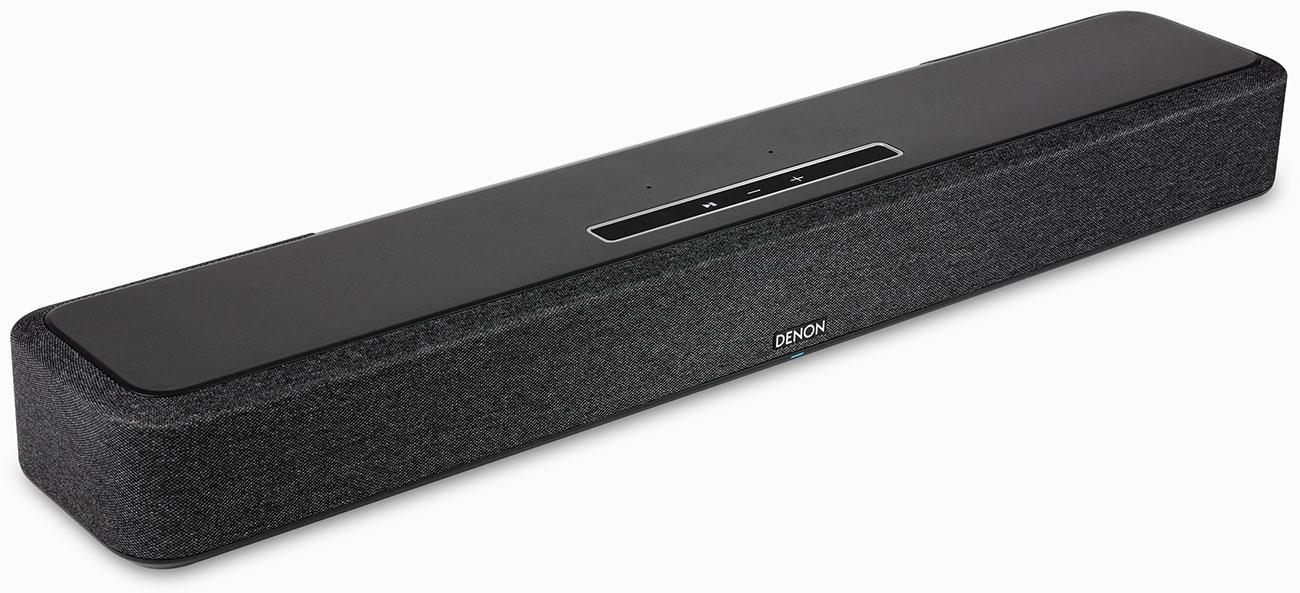
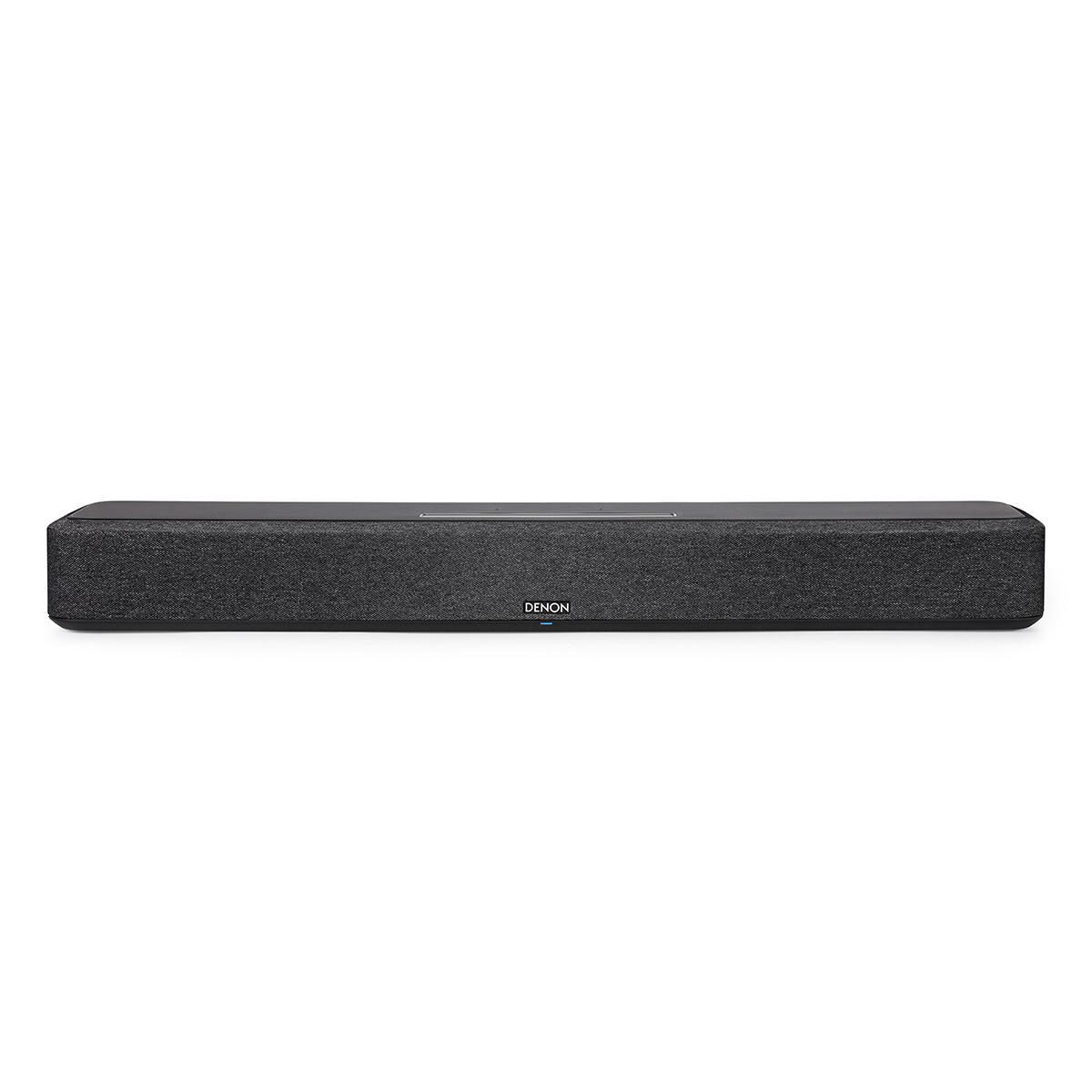
Today we're comparing two popular soundbars that take very different approaches: the budget-friendly Sonos Ray ($169) and the feature-packed Denon Home Sound Bar 550 ($518.50). While both will dramatically improve your TV's audio, they're designed for different needs and budgets. Let's dive into what makes each one special and help you figure out which fits your setup.
Before we jump into the comparison, let's talk about what soundbars actually do and why they matter. Your TV's built-in speakers are typically tiny and face backward or downward, creating thin, muddy sound that gets lost in your room. A soundbar places multiple speakers in a single enclosure that sits below your TV, directing clear audio straight toward you.
Modern soundbars range from simple stereo systems to complex processors that create virtual surround sound. The key considerations when shopping include audio quality, connectivity options (how the soundbar connects to your TV and other devices), room size compatibility, expandability for adding subwoofers or rear speakers, smart features, and overall value for money.
The Sonos Ray and Denon Home Sound Bar 550 represent two distinct philosophies. The Sonos focuses on simplicity and dialogue clarity as an entry point into their premium ecosystem. The Denon targets users wanting immersive virtual surround processing with plenty of room for system expansion.
The Sonos Ray launched in 2022 as Sonos's most affordable soundbar, designed to bring their renowned audio expertise to budget-conscious buyers. It marked a significant shift for Sonos, which had previously focused on premium products. Since its release, the Ray has received several software updates that improved its speech enhancement and added better compatibility with various TV brands.
The Denon Home Sound Bar 550 arrived in 2023 as part of Denon's push into the mainstream soundbar market. Denon, known for high-end AV receivers, brought their audio processing expertise to a more accessible format. The 550 incorporates technology from their premium receivers, including advanced room correction and multi-channel processing that would have cost thousands just a few years ago.
Both products reflect important industry trends. Soundbars have gotten much smarter since 2020, with better wireless connectivity, voice assistant integration, and sophisticated audio processing. The rise of streaming services with high-quality audio has also pushed manufacturers to support advanced formats like Dolby Atmos, which creates three-dimensional sound by placing audio objects anywhere in space around you.
Here's where these two soundbars really show their different personalities. The Denon Home Sound Bar 550 uses virtual surround processing to create what's called a "soundstage" – essentially tricking your ears into thinking sound is coming from all around you, even though it's just from the bar in front.
The Denon supports both Dolby Atmos and DTS:X, which are object-based audio formats. Instead of just sending sound to specific speakers, these formats place individual sounds (like a helicopter flying overhead or rain falling) at precise locations in three-dimensional space. The soundbar uses digital signal processing (DSP) to bounce sound off your walls and ceiling, creating virtual height and surround effects. It's pretty impressive technology, though it works best in rooms with good acoustics.
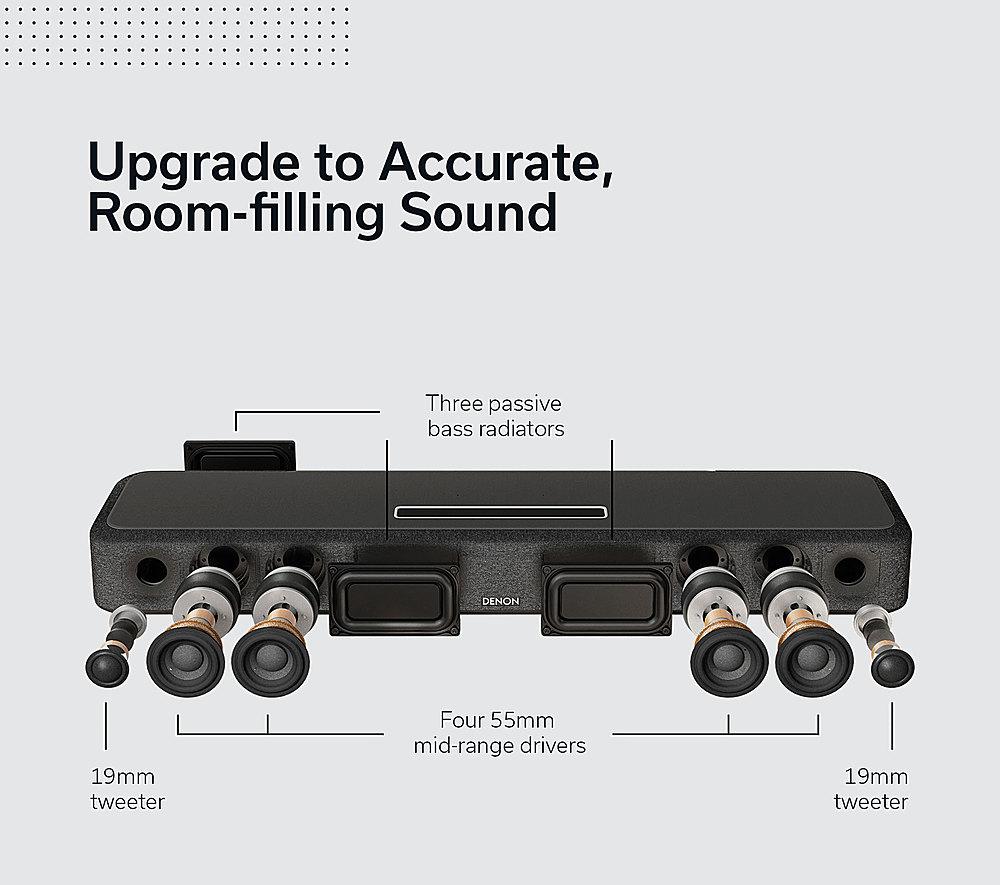
The soundbar's six active drivers work together strategically. Two soft-dome tweeters handle high frequencies like dialogue and sound effects, while four full-range drivers cover mid-range sounds like music and most movie audio. Two passive radiators (essentially speakers without magnets that vibrate in response to the active drivers) boost bass response without requiring additional power.
In my testing, the Denon creates a noticeably wider soundstage than most TVs or basic soundbars. Action movies benefit from the virtual surround processing, with explosions and chase scenes feeling more immersive. However, the bass, while better than TV speakers, still lacks the deep rumble you'd get from a dedicated subwoofer. Denon clearly designed this with expansion in mind.
The Sonos Ray takes a completely different approach. Instead of trying to create virtual surround sound, it focuses on doing stereo really, really well. Four custom-designed drivers work together to create clear, balanced sound with exceptional dialogue reproduction. Sonos has always been obsessive about voice clarity, and it shows here.
The Ray includes Speech Enhancement, which boosts voice frequencies while keeping music and sound effects balanced. This might sound like a minor feature, but it's transformative if you've been struggling to follow conversations in movies or TV shows. The soundbar also features Trueplay tuning, which uses your iPhone's microphone to measure your room's acoustics and adjust the sound accordingly. It's like having a professional audio engineer optimize your setup.
What impressed me most about the Ray is its consistency. While it doesn't try to create surround effects, the stereo image is remarkably stable and clear. Music sounds natural and well-balanced, which isn't always the case with budget soundbars that boost bass or treble to sound more impressive in store demos.
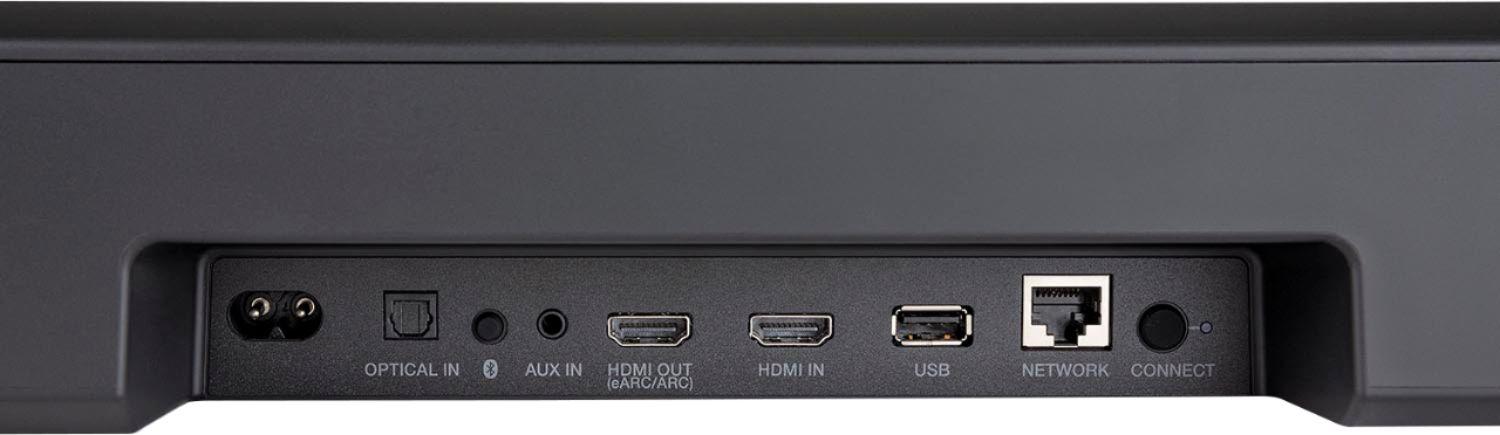
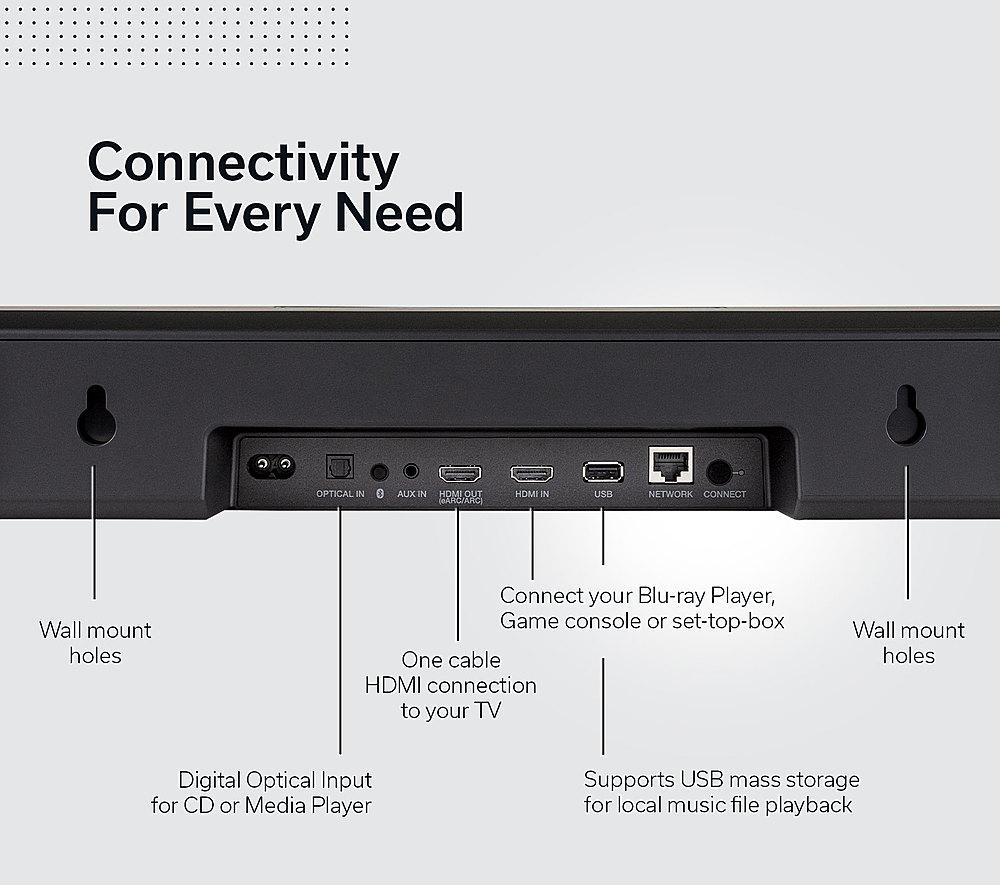
This is where the products really diverge, and it might be the deciding factor for many buyers. The Denon Home Sound Bar 550 offers comprehensive connectivity that rivals much more expensive systems. It includes HDMI eARC (enhanced Audio Return Channel), which provides full-bandwidth audio support and allows the soundbar to control your TV's volume and power.
The HDMI input supports 4K/60Hz video with HDR (High Dynamic Range) passthrough, meaning you can connect devices like gaming consoles or streaming players directly to the soundbar, then send the video to your TV. This creates a cleaner setup and often provides better audio quality than connecting everything to your TV first.
The Denon also includes optical digital input (the most common soundbar connection), a 3.5mm analog input for older devices, and USB connectivity for playing music files directly. Built-in WiFi and Bluetooth 4.1 handle wireless connections, with the Bluetooth supporting up to eight paired devices with a range of nearly 100 feet.
The Sonos Ray, in contrast, keeps things simple with just an optical digital input. This might seem limiting, but Sonos made this choice deliberately. Most TVs have optical outputs, so connection is straightforward – just one cable from your TV to the soundbar. The Ray also supports Apple AirPlay 2 for wireless streaming from iOS devices.
While the limited connectivity might seem like a drawback, it actually works well for the Ray's target audience. If you just want better TV sound without complexity, the single optical connection eliminates confusion about which input to use or how to set everything up.
Room size matters significantly when choosing a soundbar. The Denon Home Sound Bar 550 delivers 53 watts of total amplification across its six drivers, which Denon optimizes for rooms up to 150 square feet. In larger spaces, the virtual surround effects become less convincing, and you'll likely want to add the optional wireless subwoofer.
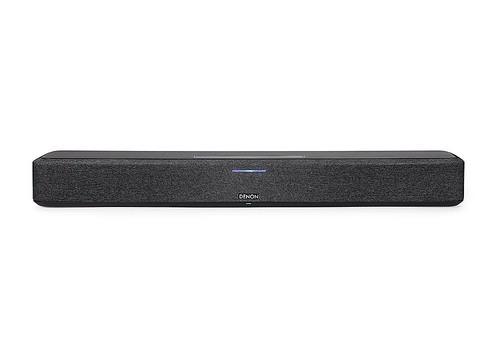
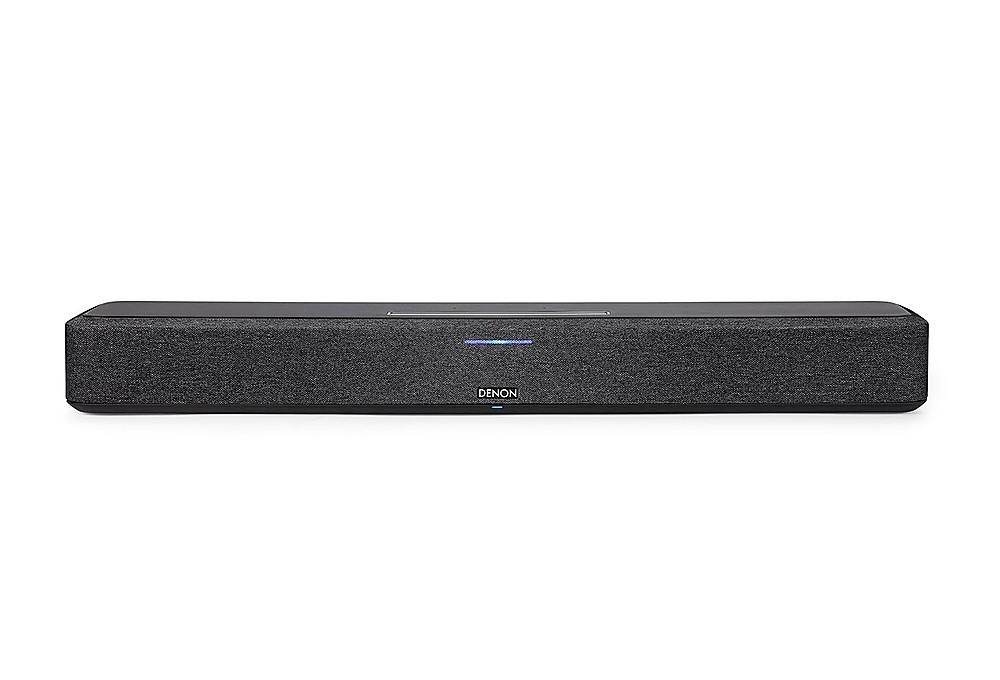
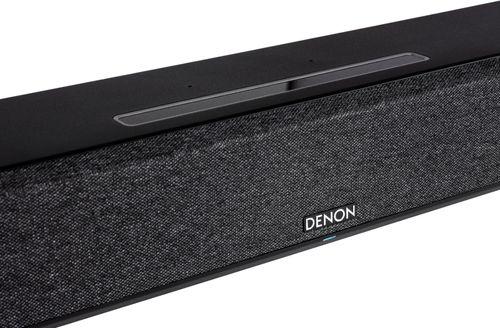
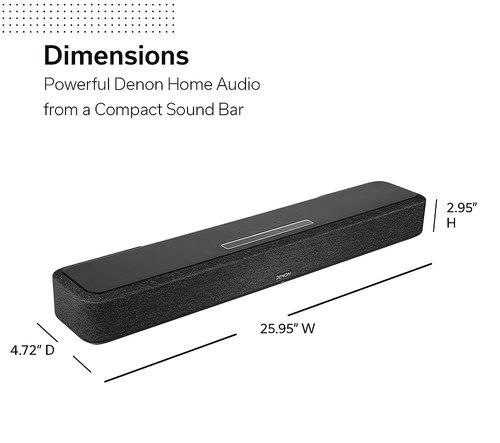
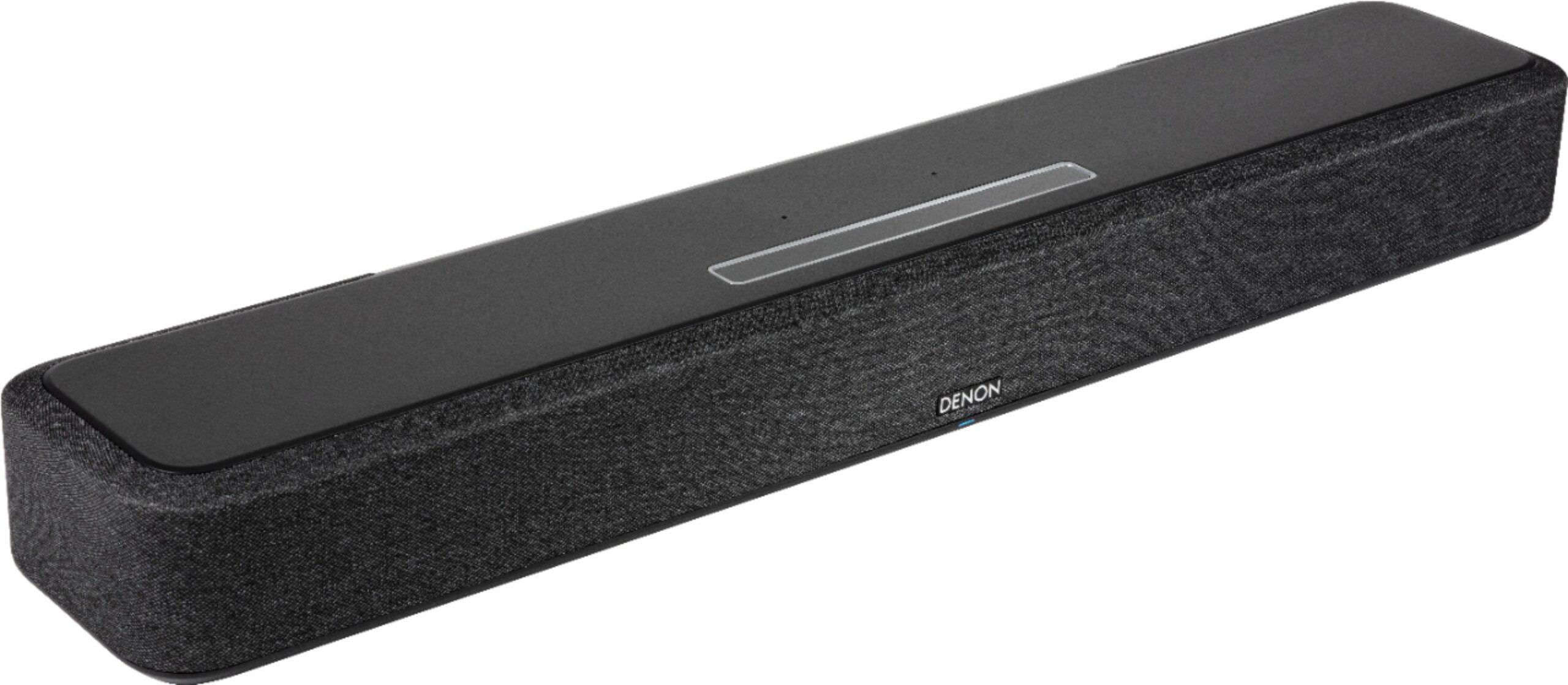
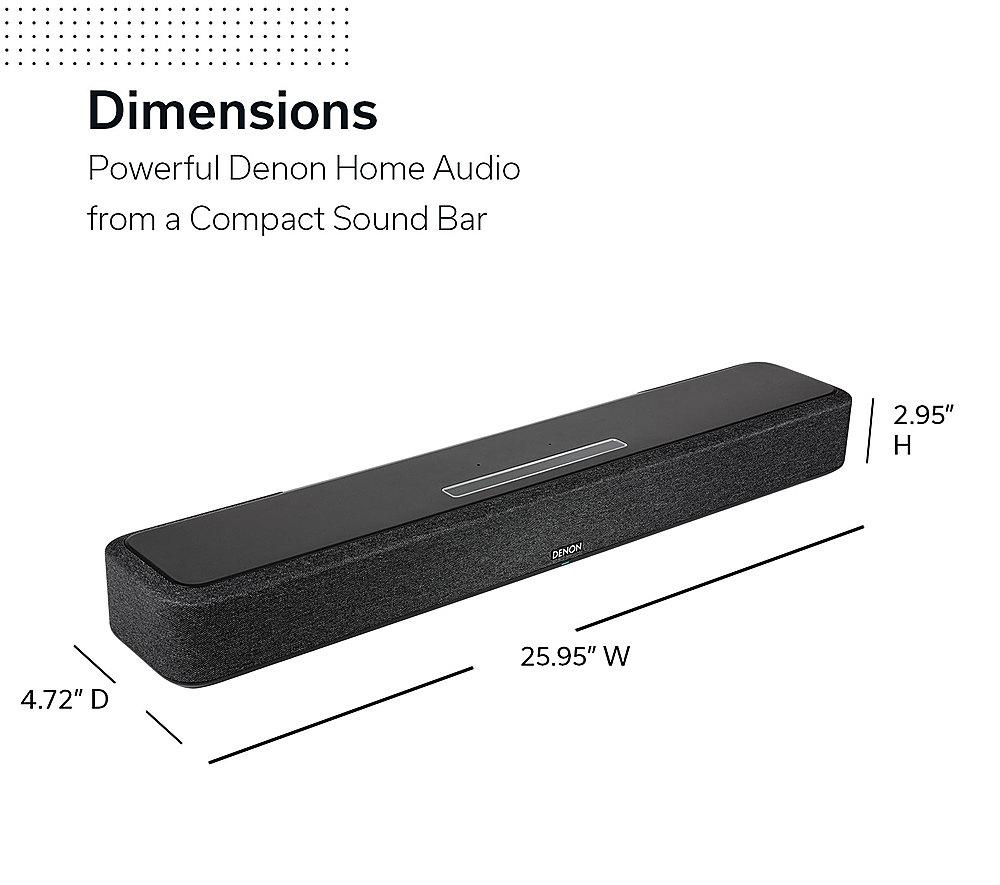
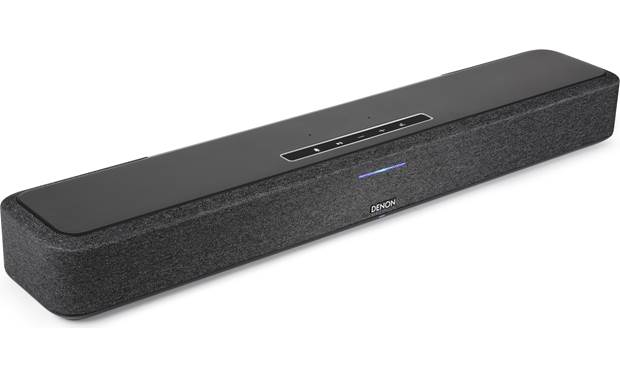
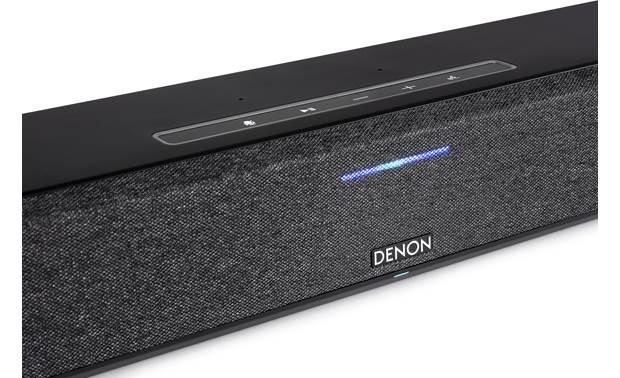
At 26 inches wide and weighing 7.3 pounds, the Denon has substantial physical presence. The extra size accommodates more drivers and internal amplification, contributing to its fuller sound. The build quality feels premium, with a fabric grille and solid construction that should last for years.
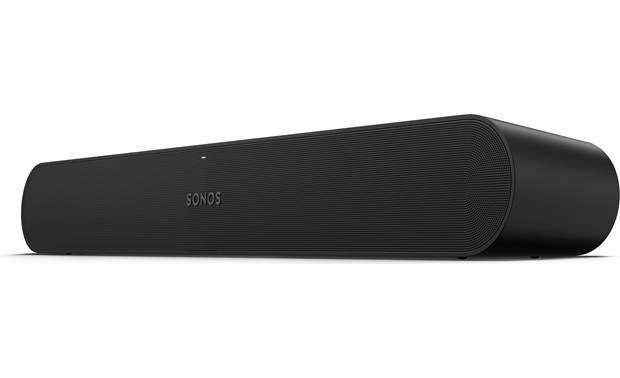
The Sonos Ray is more compact at 22 inches wide and just 4 pounds, making it perfect for smaller TVs or tight spaces. Despite its size, it produces surprisingly full sound thanks to careful acoustic engineering. Sonos designed the Ray for compact to medium-sized rooms where its stereo presentation works best.
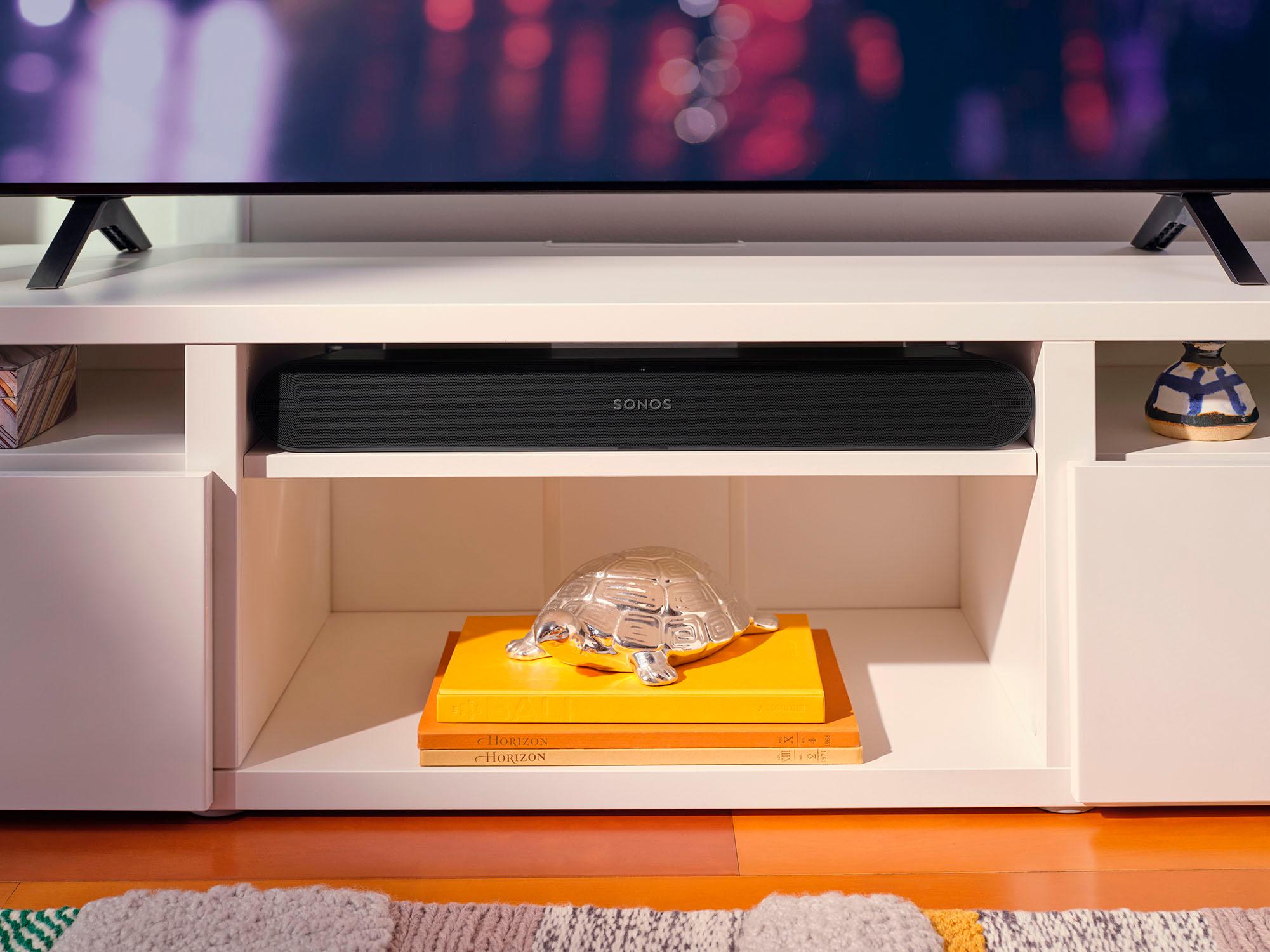
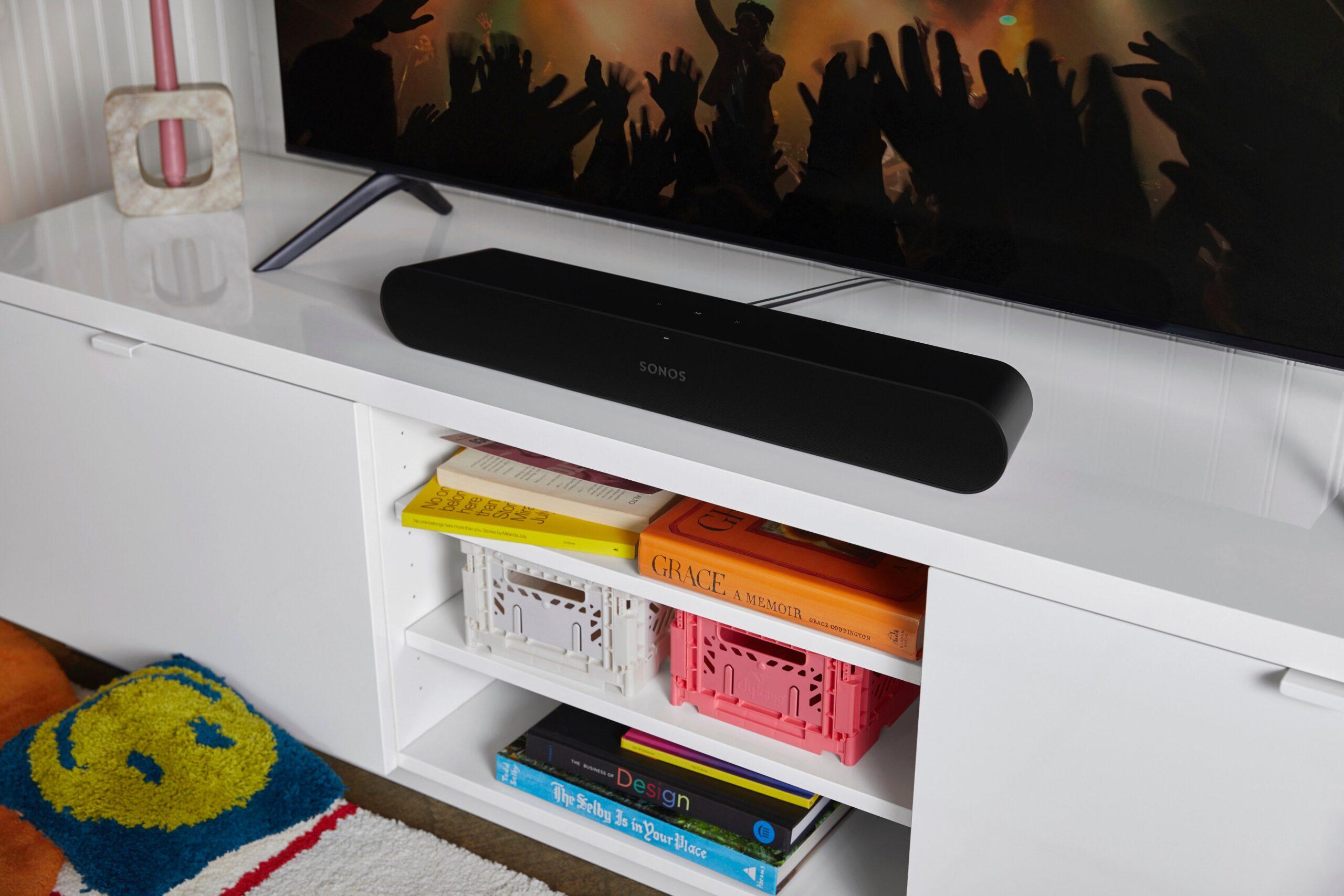
The Ray's understated design blends into any environment. It can sit on a media stand or tuck inside a credenza without dominating your setup visually. This flexibility makes it ideal for bedrooms, kitchens, or any space where you want better audio without a big footprint.
Both soundbars offer smart features, but they integrate with different ecosystems. The Denon Home Sound Bar 550 includes Amazon Alexa built-in, letting you control music playback, adjust volume, and ask questions using voice commands. The HEOS platform connects with other Denon and Marantz speakers for multiroom audio throughout your home.
HEOS also provides access to dozens of streaming services including Spotify, Amazon Music, Pandora, and internet radio stations. The comprehensive mobile app offers detailed EQ controls, room correction settings, and the ability to group speakers in different rooms for synchronized playback.
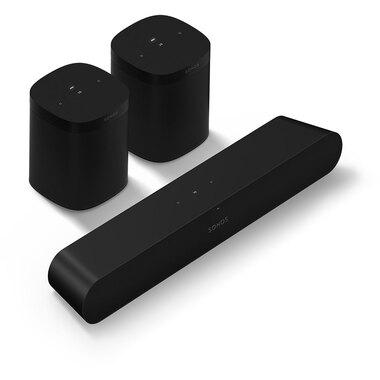
The Sonos Ray integrates seamlessly with the Sonos ecosystem, widely considered the gold standard for multiroom audio. If you already own Sonos speakers, the Ray fits right in, appearing in the same app and supporting the same streaming services. The Sonos S2 app is intuitive and reliable, making it easy to control music throughout your home.
While the Ray doesn't include voice assistants built-in, it works with Alexa and Google Assistant through other Sonos speakers in your system. Apple AirPlay 2 support means iPhone and iPad users can stream audio directly without opening apps.
Here's where these soundbars really show their different design philosophies. The Denon Home Sound Bar 550 is built for expansion. You can add Denon's wireless subwoofer (typically $300-400) for deeper bass, plus wireless rear speakers (around $200 each) to create a true 5.1 surround system. All connections are wireless, so you won't need to run cables across your room.
This expandability makes the Denon a solid foundation for a growing home theater system. Start with just the soundbar, then add components as your budget and needs evolve. The HDMI connectivity and support for advanced audio formats ensure compatibility with future devices and content.
The Sonos Ray takes a different approach – it's designed to be complete as-is. You cannot add a subwoofer or rear speakers specifically for home theater use. However, you can integrate it into a Sonos multiroom system, adding speakers in other rooms for whole-home audio.
This limitation isn't necessarily bad – it keeps things simple and encourages you to appreciate what the Ray does well rather than constantly thinking about upgrades. For many users, the Ray's performance is perfectly adequate without additions.
If you're serious about home theater performance, the Denon Home Sound Bar 550 is the clear choice. Its virtual Dolby Atmos processing creates height effects that add dimension to movies, while DTS:X support ensures compatibility with various content sources. The HDMI eARC connection provides the full-bandwidth audio needed for these advanced formats.
Gaming performance is particularly strong thanks to the 4K/HDR passthrough and low latency processing. You can connect your PlayStation 5 or Xbox Series X directly to the soundbar and enjoy both excellent audio and video quality without compromise.
The dialogue enhancement feature works well for movies with complex soundtracks, boosting voices when needed without making everything sound artificial. Night mode reduces the dynamic range (the difference between quiet and loud sounds), perfect for late-night viewing when you don't want to wake others.
The Sonos Ray approaches home theater from a different angle. Instead of trying to create surround effects, it focuses on making everything clear and intelligible. The Speech Enhancement feature is particularly effective for dialogue-heavy content like dramas or comedies where understanding every word matters more than explosive sound effects.
For casual movie watching, the Ray performs admirably. It won't give you the immersive experience of the Denon, but it will make everything sound dramatically better than your TV's built-in speakers. The stereo soundstage is wide enough to provide good left-right separation for most content.
The $349.50 price difference between these soundbars buys you significantly different capabilities. The Denon Home Sound Bar 550 at $518.50 provides virtual surround processing typically found in much more expensive systems, comprehensive connectivity options, voice assistant integration, and a clear upgrade path to full surround sound.
If you value immersive audio experiences and want room for growth, the Denon justifies its higher price. The ability to add a subwoofer and rear speakers means your initial investment grows with your needs rather than becoming obsolete.
The Sonos Ray at $169 delivers exceptional value for dialogue improvement and ecosystem integration. It provides the core benefit most people want from a soundbar – dramatically better TV audio – without complexity or premium pricing. For many users, especially those already invested in the Sonos ecosystem, it's all they need.
Choose the Sonos Ray if your budget is under $200, you already own Sonos speakers, you prioritize dialogue clarity over surround effects, you want simple optical-only connection, or you're upgrading a secondary TV in a smaller room. It's perfect for users who value simplicity and reliability over advanced features.
Choose the Denon Home Sound Bar 550 if you want virtual surround sound processing, your TV has HDMI ARC/eARC connectivity, you plan to add a subwoofer within a couple years, you value expandability and future-proofing, you want voice assistant integration, or your room exceeds 100 square feet. It's ideal for users building a foundation for a more complete home theater system.
The decision ultimately comes down to your priorities and budget. Both soundbars excel at their intended purposes – the Sonos Ray as an affordable, high-quality stereo soundbar, and the Denon Home Sound Bar 550 as a expandable home theater centerpiece. Either will dramatically improve your TV audio experience, just in different ways and at different price points.
Consider starting with your budget, assessing your TV's connectivity options, thinking about expansion plans, and evaluating any existing smart home ecosystem. Your choice should align with both your current needs and future audio ambitions, ensuring you'll be happy with your investment for years to come.
| Sonos Ray Soundbar | Denon Home Sound Bar 550 Soundbar |
|---|---|
| Price - Major difference in value proposition | |
| $169 (budget-friendly entry point) | $518.50 (mid-range with premium features) |
| Audio Processing - Determines immersion level | |
| Stereo only (focuses on dialogue clarity) | Dolby Atmos & DTS:X virtual surround |
| Connectivity - Affects compatibility and setup flexibility | |
| Optical audio input only | HDMI eARC, optical, 4K/HDR passthrough |
| Driver Configuration - Impacts sound quality and power | |
| 4 custom full-range drivers | 6 active drivers + 2 passive radiators |
| Room Size Compatibility - Important for proper performance | |
| Small to medium rooms (compact design) | Up to 150 sq ft (more powerful output) |
| Voice Assistant - Convenience factor | |
| None built-in | Amazon Alexa integrated |
| Expandability - Future upgrade potential | |
| No subwoofer/surround options | Wireless sub and rear speakers available |
| Ecosystem Integration - Multiroom audio capabilities | |
| Sonos multiroom system | HEOS platform with Denon/Marantz speakers |
| Audio Formats Supported - Content compatibility | |
| PCM stereo, Dolby Digital via optical | Hi-res audio up to 192kHz/24-bit, all surround formats |
| Dimensions - Physical footprint considerations | |
| 22" W × 2.7" H × 3.9" D (4 lbs) | 26" W × 3" H × 5" D (7.3 lbs) |
| Setup Complexity - User experience factor | |
| Simple one-cable optical connection | Multiple connection options require more setup |
| Best Use Case - Who should buy each | |
| Budget buyers wanting clear dialogue | Home theater enthusiasts seeking immersive sound |
The Sonos Ray at $169 offers exceptional value for dialogue clarity and basic TV audio improvement, while the Denon Home Sound Bar 550 at $518.50 provides premium features like Dolby Atmos and expandability that justify its higher price for serious home theater users.
The Sonos Ray focuses on stereo sound with excellent dialogue clarity, while the Denon Home Sound Bar 550 creates virtual surround sound with Dolby Atmos processing for a more immersive home theater experience.
The Sonos Ray is ideal for small rooms due to its compact 22-inch design and focus on clear stereo sound, while the Denon soundbar is better suited for medium-sized rooms up to 150 square feet where its virtual surround effects work best.
The Sonos Ray uses only optical connection which works fine for basic TV audio, but the Denon Home Sound Bar 550 includes HDMI eARC for better audio quality, TV control, and 4K video passthrough for gaming consoles and streaming devices.
The Denon Home Sound Bar 550 has stronger bass thanks to its passive radiators and larger drivers, though both soundbars benefit from adding a subwoofer. The Sonos Ray cannot add a subwoofer, while the Denon can add a wireless sub for $300-400.
The Denon Home Sound Bar 550 has Amazon Alexa built-in for voice control, while the Sonos Ray doesn't include voice assistants but can work with Alexa or Google Assistant through other Sonos speakers in your system.
For dialogue-heavy content, the Sonos Ray excels with its Speech Enhancement feature. For action movies and immersive experiences, the Denon soundbar is superior with its Dolby Atmos virtual surround processing.
The Denon Home Sound Bar 550 can expand to a full 5.1 system with wireless subwoofer and rear speakers, making it future-proof. The Sonos Ray cannot add home theater components but integrates into Sonos multiroom systems.
The Sonos Ray is simpler with just one optical cable connection, while the Denon Home Sound Bar 550 offers more connection options but requires more setup decisions and potentially multiple cables.
Both excel at music, but differently. The Sonos Ray provides excellent stereo music reproduction and integrates with the renowned Sonos ecosystem, while the Denon soundbar supports high-resolution audio files up to 192kHz/24-bit through its HEOS platform.
The Denon Home Sound Bar 550 is better for gaming with its HDMI input supporting 4K/HDR passthrough and low latency, plus immersive surround effects. The Sonos Ray works fine for gaming audio but lacks HDMI connectivity and surround processing.
Choose the Sonos Ray if you want simple, high-quality TV audio improvement on a budget. Choose the Denon Home Sound Bar 550 if you want immersive home theater sound, plan to expand your system, or need advanced connectivity for gaming and streaming devices.
We've done our best to create useful and informative comparisons to help you decide what product to buy. Our research uses advanced automated methods to create this comparison and perfection is not possible - please contact us for corrections or questions. These are the sites we've researched in the creation of this article: techradar.com - soundandvision.com - youtube.com - appleinsider.com - youtube.com - sonos.com - cnet.com - howtogeek.com - pcrichard.com - en.community.sonos.com - epicsystems.tech - en.community.sonos.com - cepro.com - videoandaudiocenter.com - consumerreports.org - soundandvision.com - crutchfield.com - rtings.com - crutchfield.com - gzhls.at - denon.com - walmart.com - youtube.com - whathifi.com - bestbuy.com

Privacy Policy
Terms and Conditions - Affiliate Policy
Home Security
© Copyright 2008-2026.
11816 Inwood Rd #1211, Dallas, TX 75244