



When it comes to upgrading your TV's audio, soundbars have become the sweet spot between simplicity and performance. Gone are the days when you needed to run speaker wire all around your room or deal with complex receiver setups. Today's soundbars can dramatically improve your viewing experience with minimal hassle – but choosing between budget and premium options can be tricky.
I've spent considerable time testing both the Polk Audio Signa S2 and the Denon Home Sound Bar 550, and they represent two very different philosophies in soundbar design. One focuses on delivering maximum value at an accessible price point, while the other pushes the boundaries of what's possible in a single-bar solution. Let me break down what each offers and help you decide which approach makes sense for your setup.
Before diving into specifics, it's worth understanding what makes soundbars effective. The key is creating a wider, more immersive soundstage than your TV's tiny built-in speakers can manage. Traditional TV speakers are often rear-facing and cramped, resulting in muddy dialogue and virtually no bass response.
Soundbars solve this by placing multiple drivers (individual speakers) in a horizontal array that can project sound more effectively into your room. The magic happens through several techniques: some soundbars use digital signal processing (DSP) to create virtual surround effects, while others physically bounce sound off your walls and ceiling to create the illusion of speakers placed around you.
Channel configuration is crucial here – when you see numbers like "2.1" or "4.0," the first number represents main channels (left, right, center), while the second indicates subwoofers. A 2.1 system has left and right channels plus a subwoofer, while a 4.0 system has four main channels but no dedicated subwoofer.
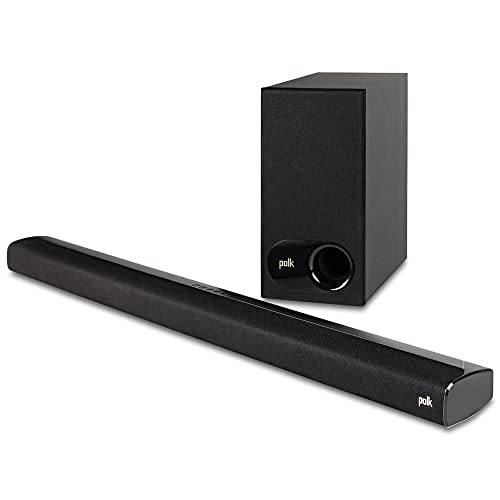
The Polk Audio Signa S2 launched as part of Polk's effort to bring quality audio to the masses without breaking the bank. Polk, a company with decades of speaker-building expertise, applied their knowledge to create an accessible entry point into better TV audio. At the time of writing, it represents one of the most popular budget soundbar options available.
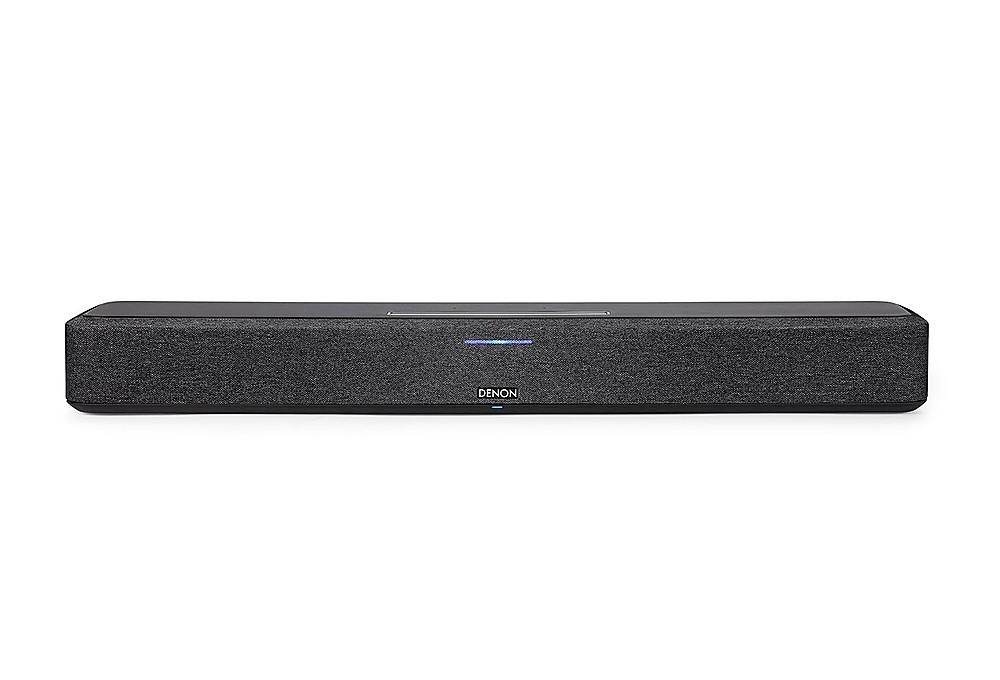
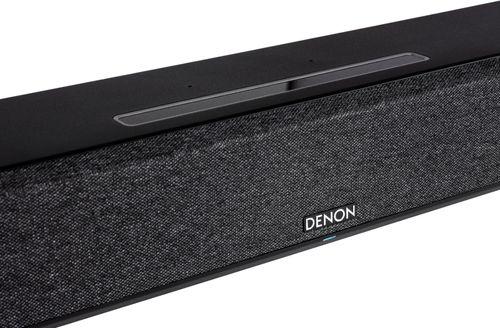
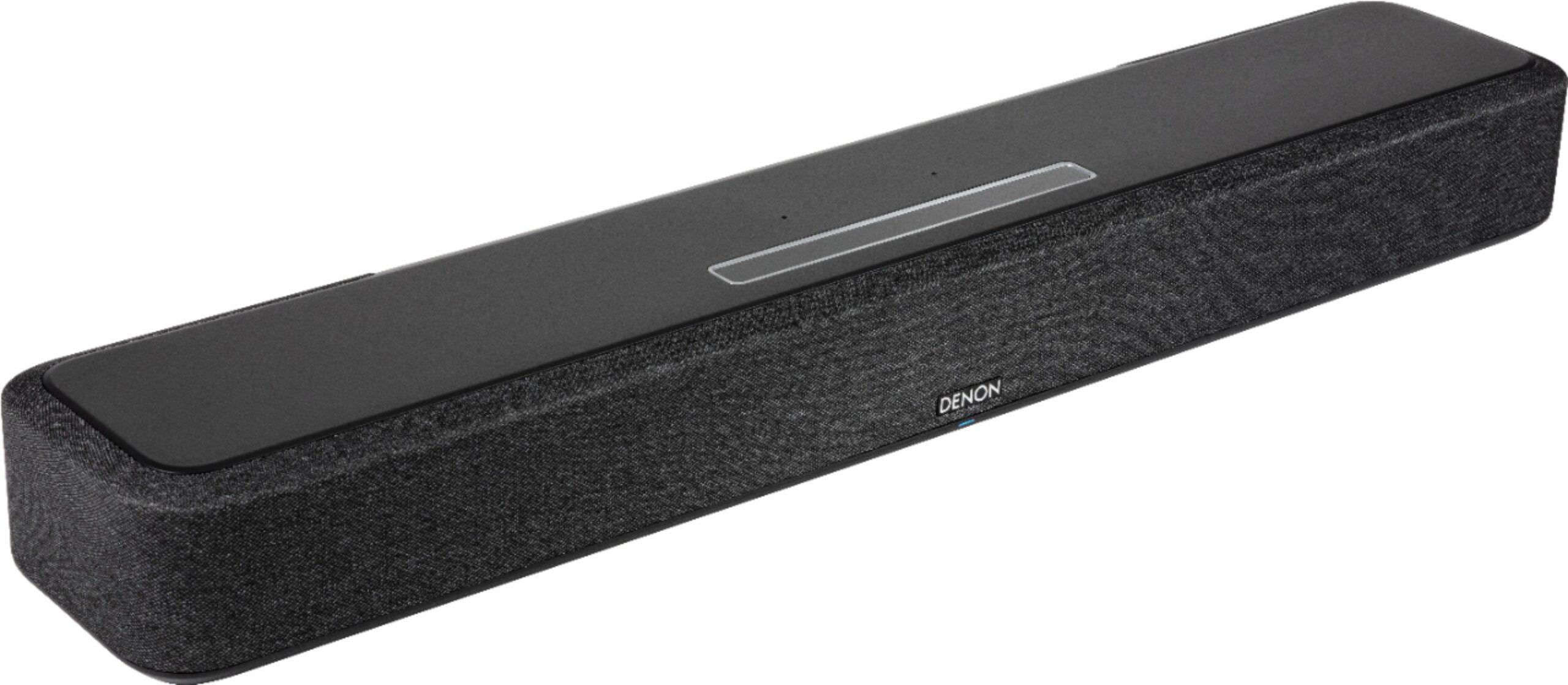
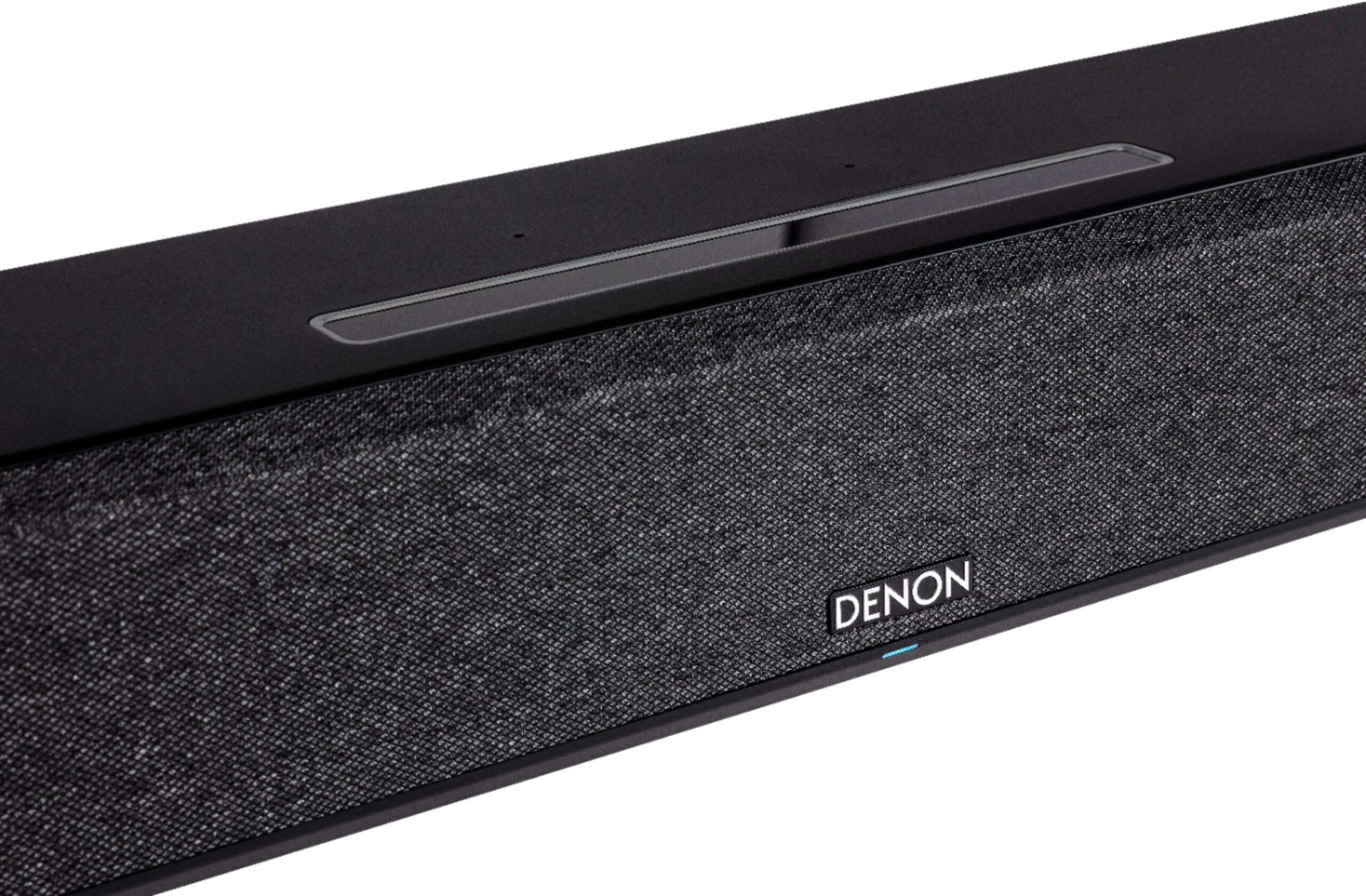
The Denon Home Sound Bar 550, released in 2021, came from a different angle entirely. Denon, known for premium audio receivers and high-end components, designed this as a compact solution that wouldn't compromise on the advanced audio technologies their customers expect. It arrived during a period when object-based audio formats like Dolby Atmos were becoming more mainstream, and Denon wanted to deliver these experiences without requiring a full surround sound setup.
Since these products launched, we've seen continued evolution in soundbar technology. Streaming integration has become more sophisticated, voice control has become standard in premium models, and spatial audio processing has improved dramatically. However, both of these soundbars have remained relevant because they execute their respective missions so well.
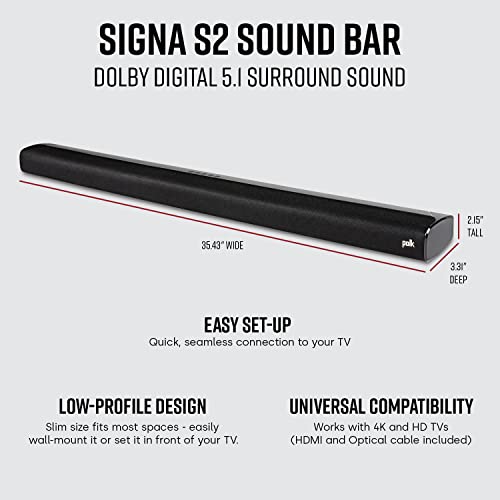
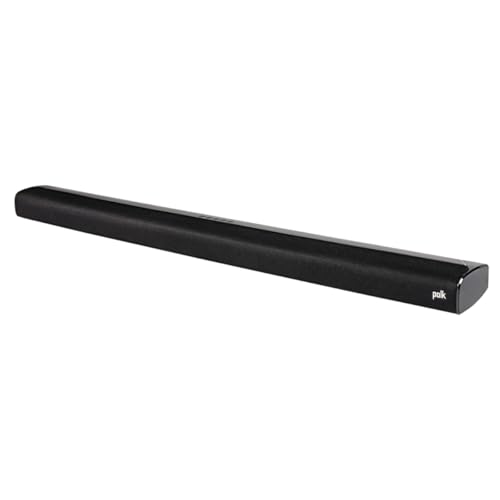
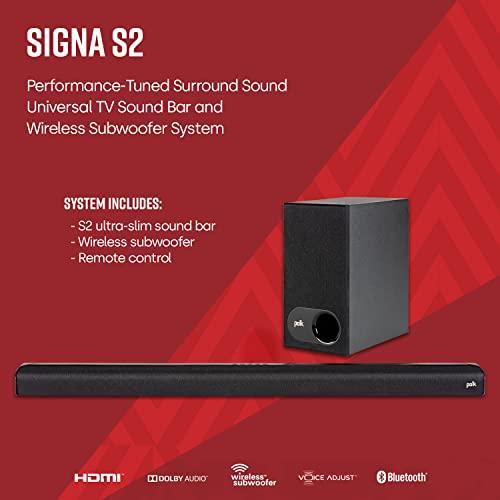
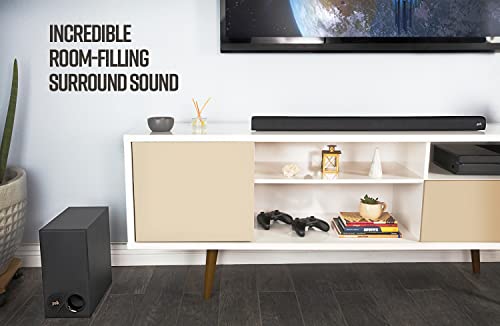
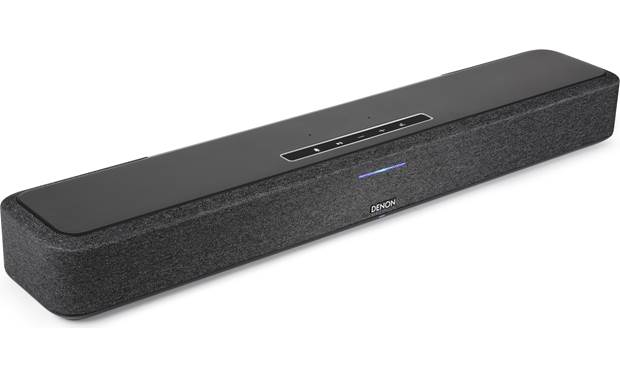
The physical design of these soundbars reflects their different target audiences. The Polk Audio Signa S2 measures just 2.15 inches tall and 35.43 inches wide – this ultra-slim profile means it can sit in front of virtually any TV without blocking the screen or interfering with your TV's remote sensor. It's a design focused on universal compatibility and invisible integration.
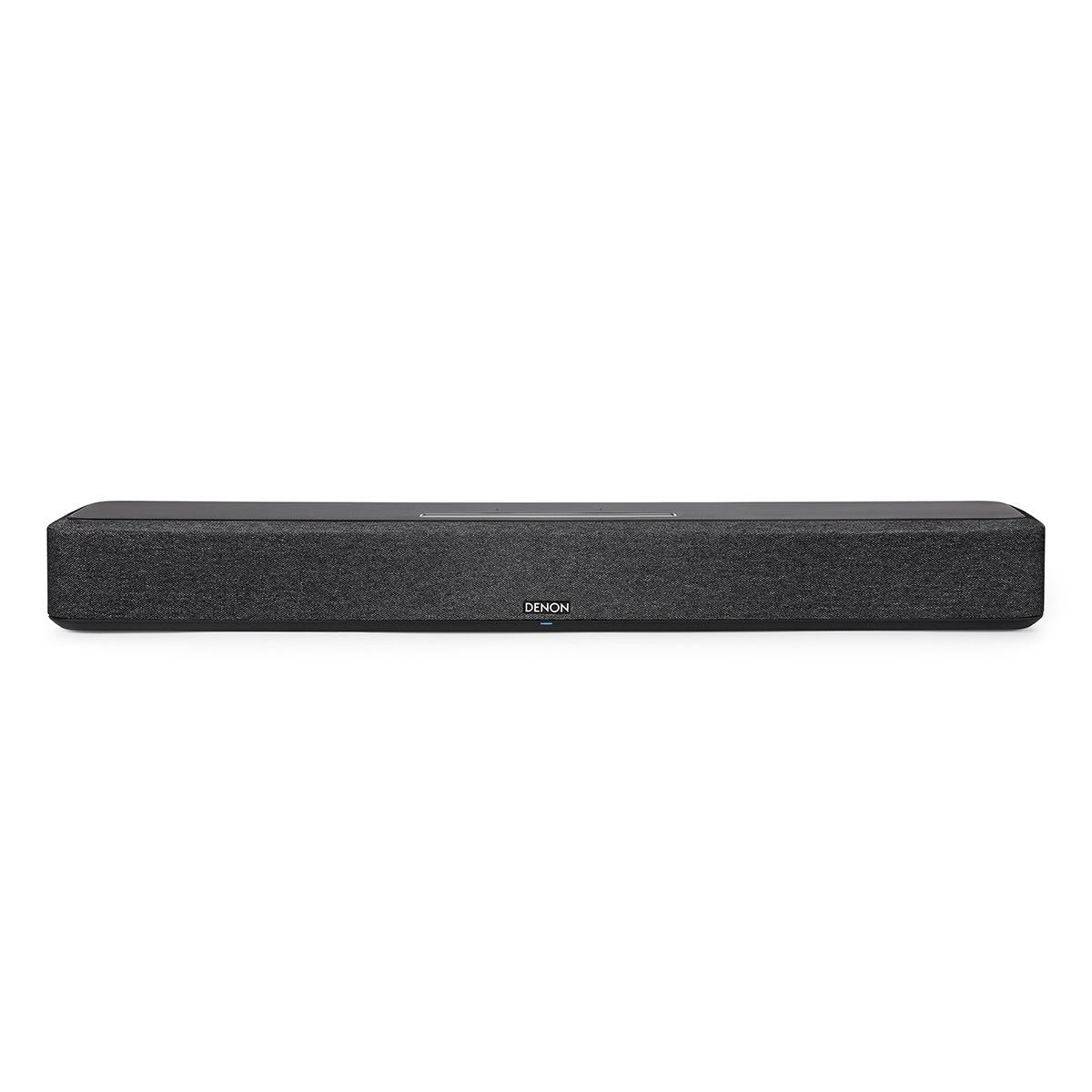
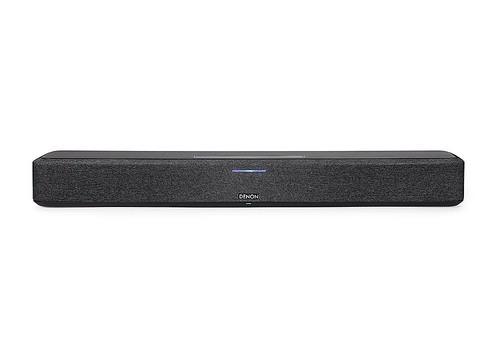
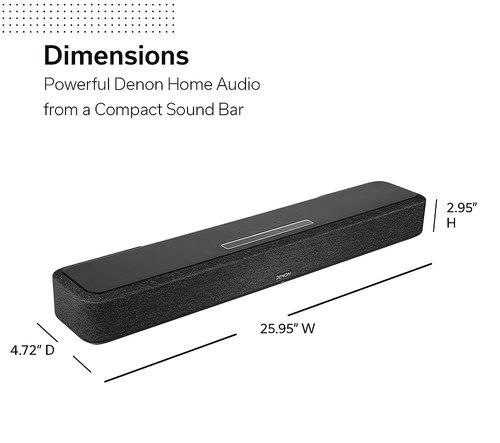
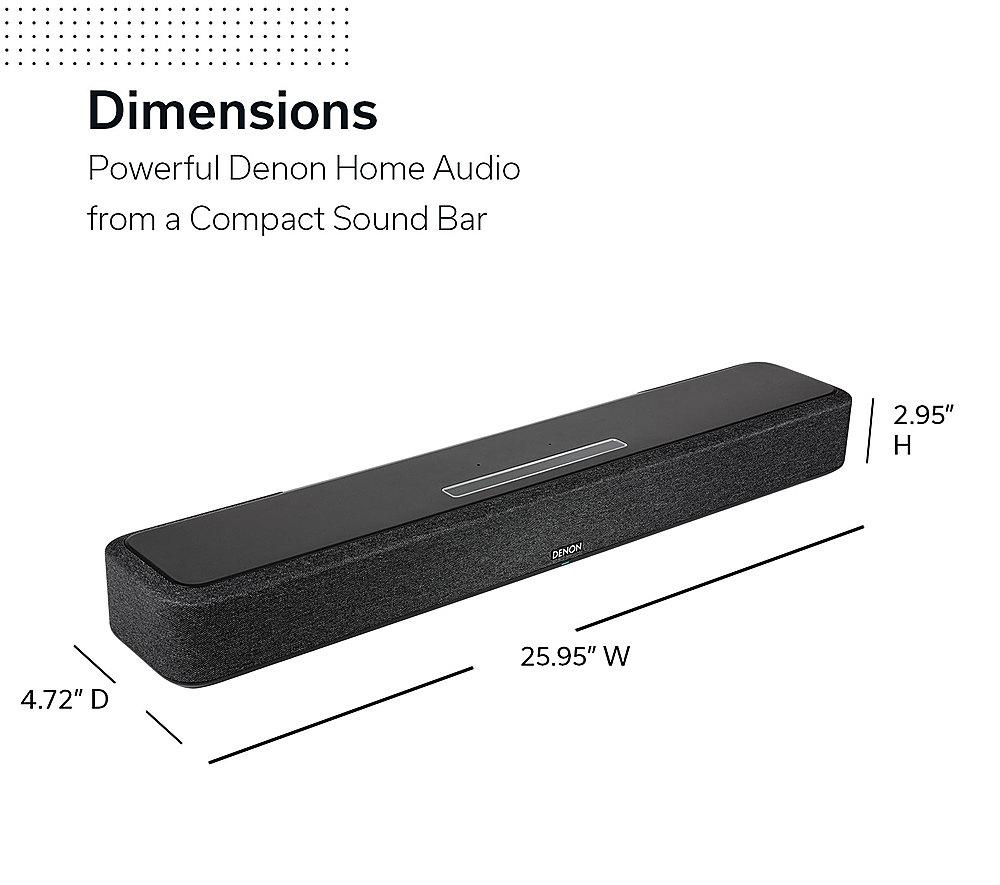
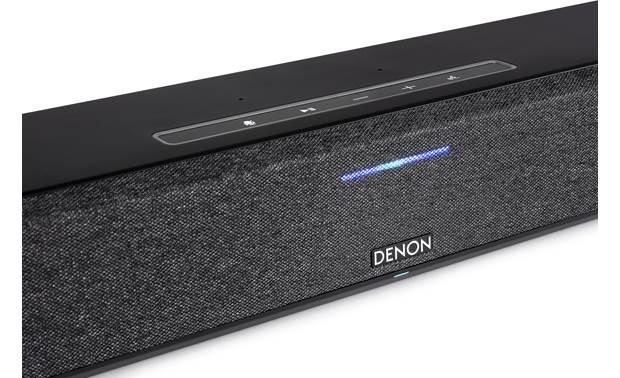
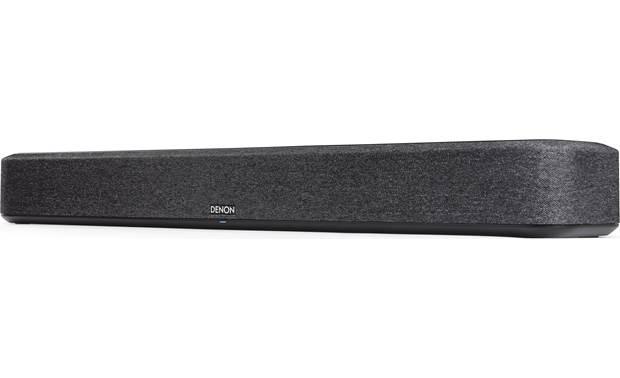
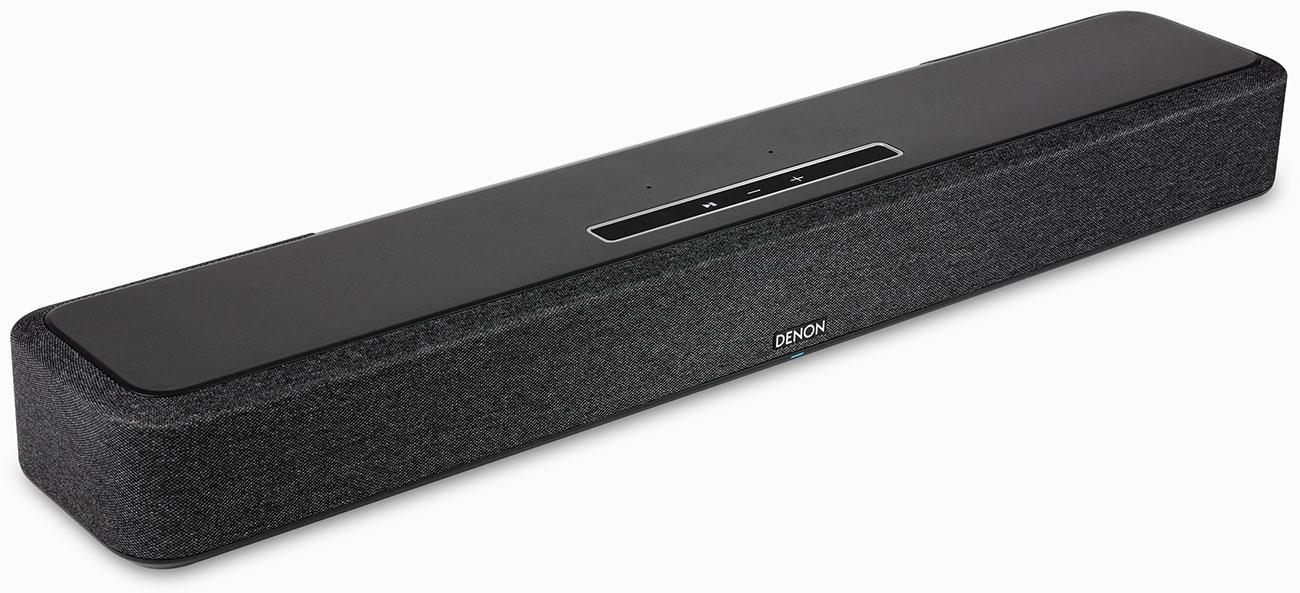
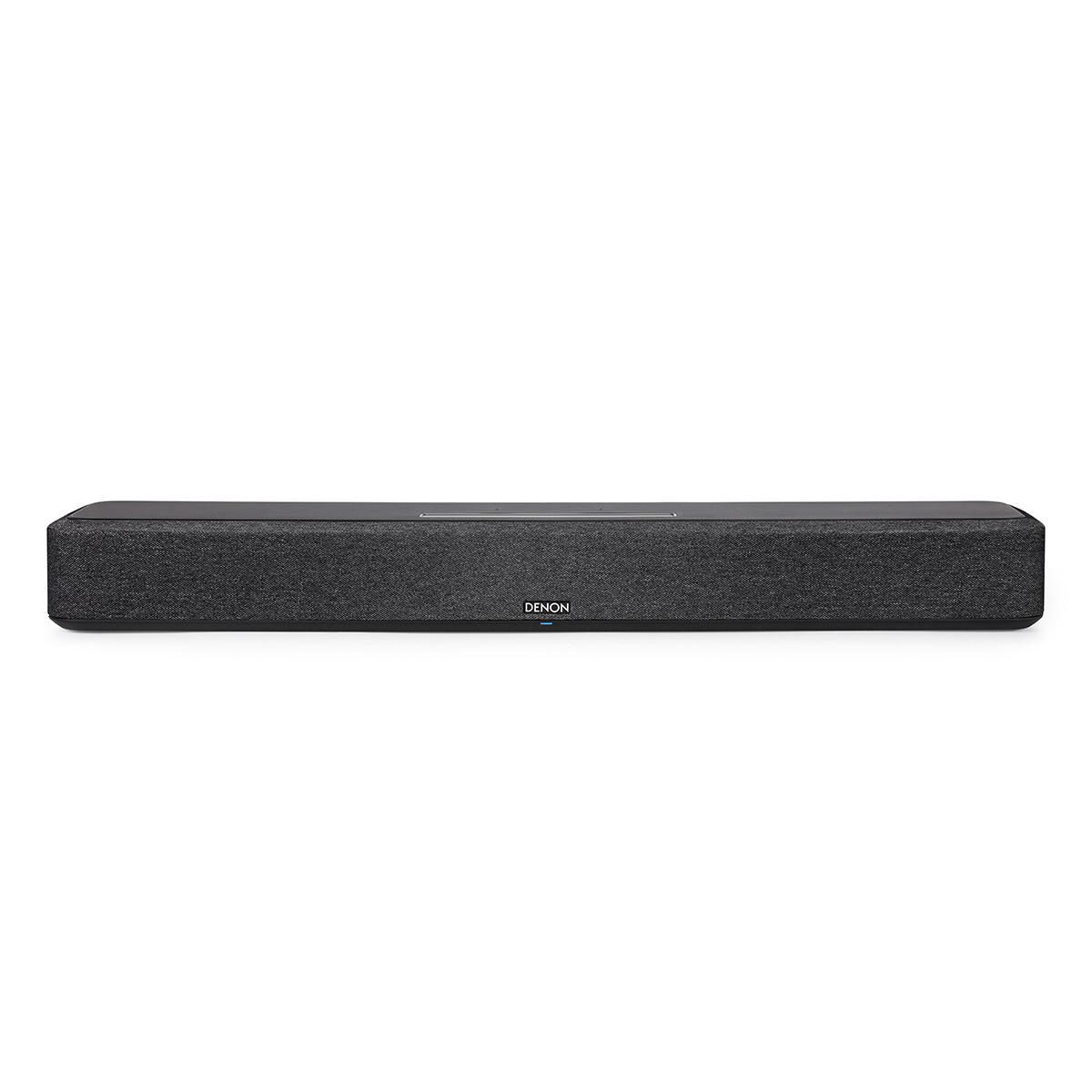
The Denon Home Sound Bar 550 takes up more space at nearly 3 inches tall and 25.6 inches wide, but this larger enclosure serves a purpose. Those extra inches house a more complex driver array and provide the internal volume needed for better sound quality. The compact length actually works better for smaller TVs, while the increased height accommodates more sophisticated acoustic engineering.
Both can be wall-mounted, but I've found the Polk's keyhole mounting system particularly user-friendly for DIY installation. The Denon's mounting is more involved but results in a cleaner installation that better supports its premium positioning.
The heart of any speaker system lies in its drivers – the individual components that actually move air to create sound. Here's where these soundbars reveal their different priorities.
The Polk Audio Signa S2 uses a straightforward approach: two 1.25" x 4.4" oval midrange drivers handle most of the frequency spectrum, while two 1" tweeters take care of high frequencies. This creates what audio engineers call a "V-shaped" sound signature – emphasized bass and treble with a slightly recessed midrange. It's an exciting, punchy sound that makes action movies feel more dramatic and music more energetic.
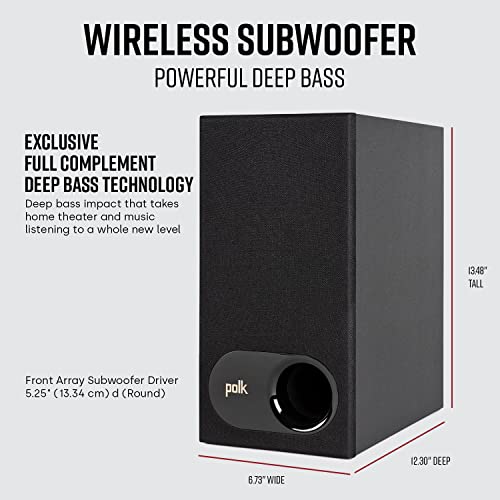
The separate wireless subwoofer houses a 5.25" driver in a ported enclosure. Ported designs use a carefully tuned opening to reinforce bass frequencies, allowing a smaller driver to produce more low-end impact than it could in a sealed box. However, this approach can sometimes sound "boomy" – bass that's impactful but not always perfectly controlled.
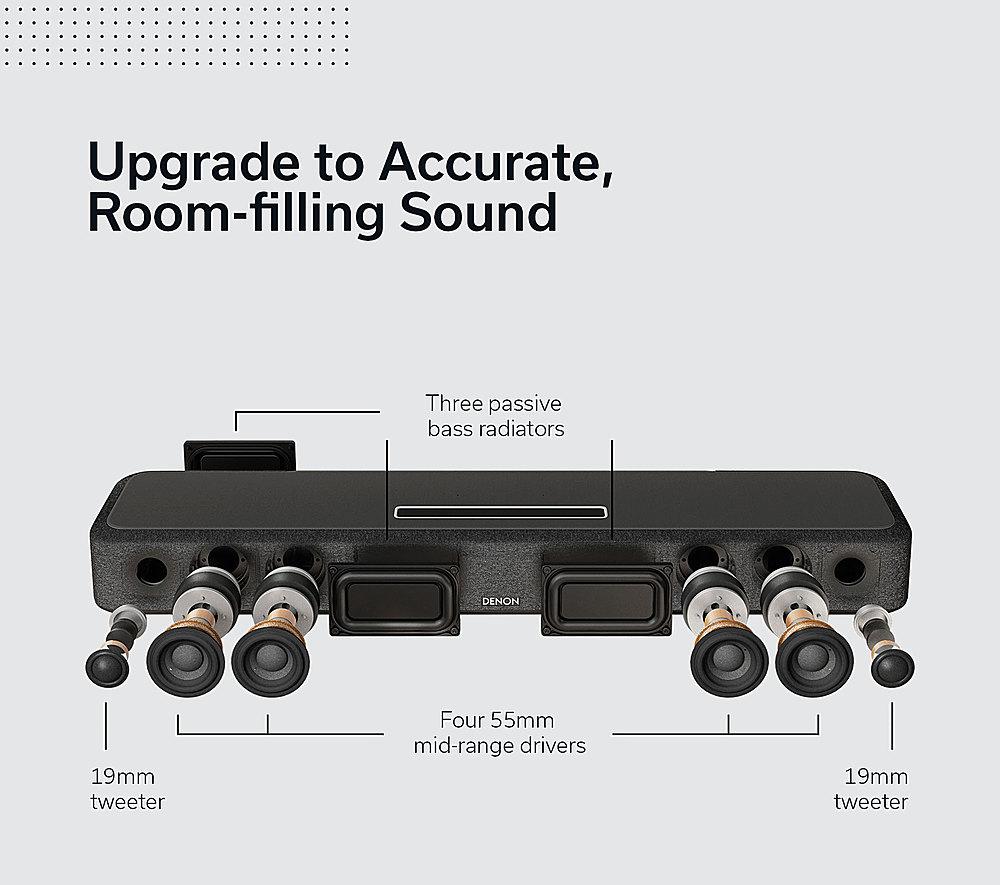
The Denon Home Sound Bar 550 takes a more sophisticated approach with six total drivers: four 2.1875" full-range drivers, two 0.75" soft-dome tweeters, and three passive radiators. Passive radiators are like speakers without voice coils – they move in response to air pressure changes inside the cabinet, extending bass response without requiring additional amplification. This creates a more balanced, neutral sound signature that reproduces music and movies more accurately.
Frequency response – how well a speaker reproduces different pitches – tells us a lot about real-world performance. The Polk Audio Signa S2 covers 45 Hz to 20,000 Hz, which is impressive for a system at this price point. That 45 Hz low-end means you'll feel the rumble of explosions and the thump of bass lines, though the very deepest bass (below 40 Hz) that you feel in your chest during big action scenes won't be fully reproduced.
The Denon Home Sound Bar 550 extends slightly lower to 40 Hz and higher to 22,000 Hz, but more importantly, it maintains better control across this range. In my testing, the Denon delivers bass that's more precise and less overwhelming, while treble details like cymbal crashes and ambient sounds in movie soundtracks come through with greater clarity.
For dialogue – arguably the most important aspect of TV audio – both perform well, but differently. The Polk Audio Signa S2's VoiceAdjust technology specifically boosts vocal frequencies, making it easier to understand speech even when background music or sound effects are prominent. However, at higher VoiceAdjust settings, voices can sound somewhat artificial or nasal.
The Denon Home Sound Bar 550 achieves clear dialogue through better overall balance rather than specific enhancement. Its four-channel configuration provides better sound separation, so voices naturally stand out from other audio elements without needing as much processing.
This is where the biggest performance gap emerges between these products. Surround sound creates the illusion that audio is coming from multiple directions, immersing you in the action rather than having everything come from one direction.
The Polk Audio Signa S2 offers basic virtual surround processing. It can decode Dolby Digital signals from your TV or streaming device, but it downmixes everything to stereo – essentially taking 5.1 channel audio and squashing it down to left and right channels. The result is a wider soundstage than your TV speakers, but it's still fundamentally a left-right stereo experience.
The Denon Home Sound Bar 550 supports both Dolby Atmos and DTS:X – advanced surround technologies that use "object-based" audio. Instead of just having left, right, and center channels, these formats can place sounds anywhere in three-dimensional space around you. The soundbar uses sophisticated processing to bounce sound off your walls and ceiling, creating the impression of overhead effects and sounds coming from beside and behind you.
In practice, this means the Denon can make you feel like helicopters are flying overhead during action scenes, or place you in the middle of a rainstorm where you hear droplets from all directions. The Polk, while it creates a pleasant widening of the soundstage, can't achieve these immersive effects.
Modern soundbars need to connect to multiple devices and streaming services, but the approaches here differ significantly.
The Polk Audio Signa S2 focuses on essential connections: HDMI ARC (Audio Return Channel) lets your TV send audio to the soundbar and allows the TV remote to control volume. There's also optical digital and 3.5mm analog inputs for older devices, plus Bluetooth for wireless music streaming from your phone or tablet. It's everything most people need without unnecessary complexity.
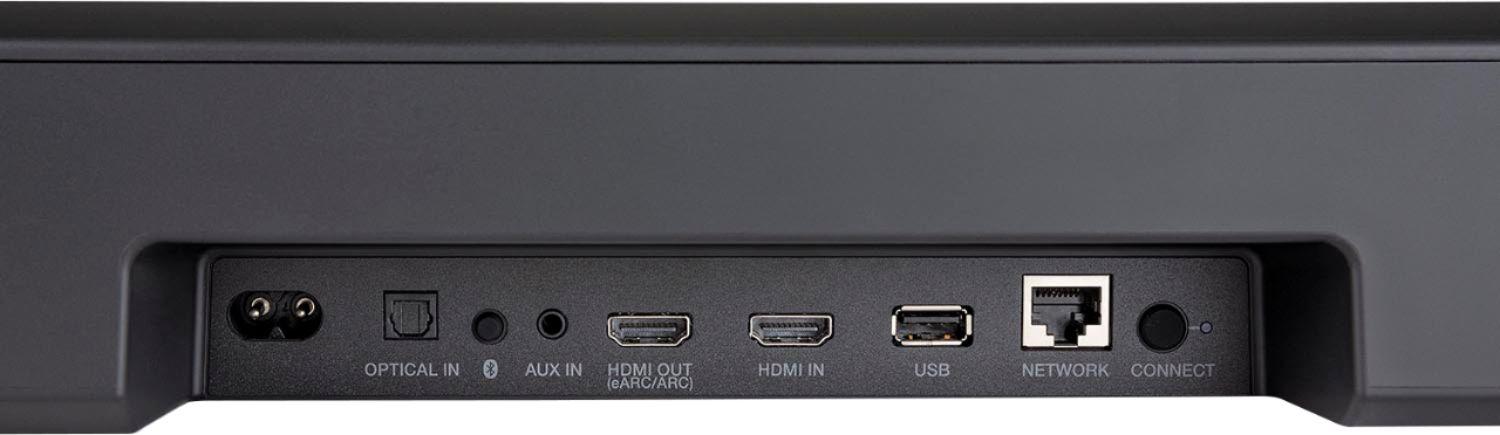
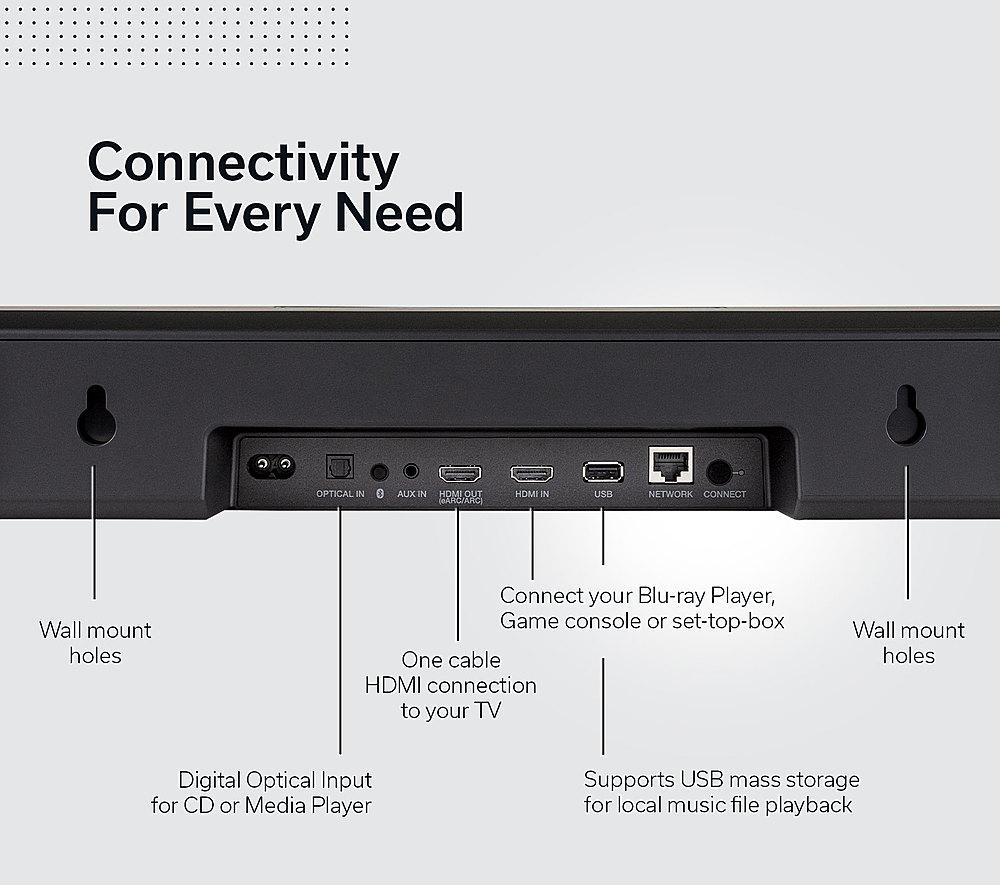
The Denon Home Sound Bar 550 offers HDMI eARC – the "enhanced" version that supports higher-quality audio formats and better synchronization between audio and video. It also includes 4K HDR passthrough, meaning you can connect a 4K Blu-ray player or gaming console directly to the soundbar, and it'll pass the video to your TV without quality loss while processing the audio.
More significantly, the Denon includes Wi-Fi connectivity and integrates with the HEOS multiroom audio platform. This means you can stream music directly from services like Spotify or Apple Music without using your phone as an intermediary. The built-in Amazon Alexa lets you control the soundbar with voice commands, and it can integrate with home automation systems for sophisticated smart home setups.
At the time of writing, these soundbars occupy very different price tiers – the Polk Audio Signa S2 typically costs around $200, while the Denon Home Sound Bar 550 runs approximately $600. This nearly 3:1 price difference raises an important question: what do you get for that extra money?
The Polk represents exceptional value if your primary goal is improving TV audio quality on a budget. For the cost of a nice dinner for two, you get dramatically better dialogue clarity, impactful bass, and Bluetooth streaming. It transforms the viewing experience for TV shows, news, sports, and casual movie watching.
The Denon justifies its premium through advanced technologies and future-proofing features. The Dolby Atmos processing alone represents a significant upgrade in immersion for movie watching. Add the smart home integration, superior build quality, multiroom capabilities, and expandability options, and the higher price becomes more understandable.
However, value depends heavily on your priorities and usage patterns. If you primarily watch TV shows and news, the Polk's dialogue improvements deliver 90% of the benefit at a fraction of the cost. If you're a movie enthusiast who values immersive audio experiences, the Denon's advanced processing capabilities provide benefits you simply can't get from the budget option.
For serious home theater enthusiasts, expandability matters. The Polk Audio Signa S2 is essentially what you see is what you get – a complete 2.1 system with limited upgrade paths. While it performs its mission well, you can't add rear speakers or upgrade the subwoofer within Polk's ecosystem.
The Denon Home Sound Bar 550 is designed as the foundation of a larger system. You can add Denon wireless rear speakers to create true surround sound, or integrate a more powerful subwoofer for deeper bass extension. The HEOS platform lets you create a whole-home audio system where music can flow seamlessly between rooms.
This expandability comes with a caveat – building a complete Denon system gets expensive quickly. But for users who plan to upgrade gradually over time, starting with the Denon soundbar creates a clear upgrade path that the Polk simply doesn't offer.
Room acoustics play a crucial role in soundbar performance, and these products work better in different spaces.
The Polk Audio Signa S2 works best in small to medium-sized rooms. Its wireless subwoofer can be placed anywhere for optimal bass response, and the straightforward stereo imaging doesn't depend heavily on wall reflections or room treatment. I've found it particularly effective in bedrooms, apartments, and family rooms up to about 300 square feet.
The Denon Home Sound Bar 550 benefits from larger spaces where its advanced virtualization has room to work. The Atmos processing relies on bouncing sound off your ceiling and walls, so rooms with very high ceilings or unusual layouts may not get the full benefit. It shines in dedicated media rooms and larger living spaces where you can position it properly and have adequate distance for the sound to develop.
While both soundbars handle TV and movie audio well, their music performance reveals different strengths.
The Polk Audio Signa S2's V-shaped sound signature makes electronic music, rock, and pop sound exciting and engaging. The emphasized bass and treble create an energetic presentation that's fun for casual listening. However, acoustic music, jazz, and classical can sound less natural due to the recessed midrange.
The Denon Home Sound Bar 550's more neutral tuning reproduces music more accurately across genres. Instruments maintain their natural tonal balance, and the better driver quality reveals more detail in recordings. For serious music listening, the Denon provides a more satisfying experience, especially when streaming high-quality sources through Wi-Fi rather than compressed Bluetooth audio.
After extensive testing with both products, clear usage patterns emerge for each.
Choose the Polk Audio Signa S2 if you want maximum improvement for minimum investment. It's perfect for casual viewers who primarily watch TV shows, news, and streaming content. The dialogue improvements alone justify the cost, and the wireless subwoofer adds satisfying bass impact for movies and music. It's also ideal for renters or anyone who moves frequently, as setup is simple and the components are easily portable.
The Denon Home Sound Bar 550 makes sense for serious entertainment enthusiasts who value advanced features and plan to invest in their audio system over time. If you watch a lot of movies, enjoy immersive audio experiences, or want smart home integration, the premium technologies justify the higher cost. It's also the better choice if you have a larger room or plan to expand your system with additional components.
Both soundbars excel at their intended purposes, but they serve different audiences and priorities. The Polk Audio Signa S2 proves that great value doesn't require sacrificing performance – it delivers the audio improvements most people need at a price that won't break the budget. The Denon Home Sound Bar 550 demonstrates what's possible when advanced technologies and premium components come together in a well-engineered package.
Your choice should align with both your budget and your entertainment priorities. If you're looking for a significant upgrade over TV speakers without a major investment, the Polk delivers exceptional value. If you're building a serious home theater setup and want the latest audio technologies, the Denon provides capabilities that justify its premium positioning.
Either way, you'll enjoy dramatically better audio than what your TV can provide on its own – and that's really the point of any good soundbar purchase.
| Polk Audio Signa S2 | Denon Home Sound Bar 550 |
|---|---|
| Channel Configuration - Determines surround sound capabilities and audio separation | |
| 2.1 channels (stereo + subwoofer) | 4.0 channels (no dedicated subwoofer but better separation) |
| Surround Sound Technologies - Critical for immersive movie experiences | |
| Basic Dolby Digital (downmixed to stereo) | Dolby Atmos and DTS:X with virtual height effects |
| Driver Array - Affects overall sound quality and detail | |
| 2 tweeters + 2 midrange drivers + separate 5.25" subwoofer | 6 drivers total: 2 tweeters + 4 full-range + 3 passive radiators |
| Frequency Response - Shows how deep the bass goes and how clear the highs are | |
| 45 Hz – 20,000 Hz (good bass extension with subwoofer) | 40 Hz – 22,000 Hz (slightly better range, more controlled bass) |
| Connectivity Options - Determines what devices you can connect and future compatibility | |
| HDMI ARC, Optical, 3.5mm, Bluetooth | HDMI eARC, Optical, 3.5mm, Bluetooth, Wi-Fi, USB |
| Smart Features - Adds convenience and streaming capabilities | |
| Basic Bluetooth streaming only | Amazon Alexa, HEOS multiroom, Wi-Fi streaming, voice control |
| Physical Dimensions - Important for TV compatibility and room aesthetics | |
| Ultra-slim 2.15" tall, fits under most TVs without blocking | Taller at 2.9" but more compact width, better for smaller TVs |
| Expandability - Whether you can add more speakers later | |
| No expansion options (complete system as-is) | Compatible with Denon wireless subwoofer and rear speakers |
| Audio Enhancement Features - Helps optimize sound for different content | |
| VoiceAdjust for dialogue, Movie/Music/Night modes | Dialog Enhancement, Night Mode, multiple EQ presets |
| Setup Complexity - How easy it is to get up and running | |
| Plug-and-play simple, wireless subwoofer pre-paired | More complex with app setup for full features, but still straightforward |
| Target Room Size - Where each performs best | |
| Small to medium rooms (up to ~300 sq ft) | Medium to large rooms where virtualization can work effectively |
| Best Use Cases - What each excels at | |
| TV shows, casual movies, budget upgrade from TV speakers | Movies, music, smart home integration, expandable system foundation |
The Polk Audio Signa S2 offers exceptional value as a budget option, delivering significant improvements over TV speakers with clear dialogue and impactful bass from its wireless subwoofer. The Denon Home Sound Bar 550 costs significantly more but justifies the premium with advanced Dolby Atmos processing, smart home integration, and superior build quality. For basic TV audio improvement, the Polk Signa S2 provides outstanding value, while the Denon is worth the investment if you want premium features and immersive surround sound.
The Polk Audio Signa S2 uses a 2.1 channel setup with left and right speakers plus a dedicated wireless subwoofer, which excels at delivering bass impact for movies and music. The Denon Home Sound Bar 550 features 4.0 channels with four main speakers but no separate subwoofer, providing better sound separation and more precise audio placement. The 4.0 configuration in the Denon enables more sophisticated surround sound processing, while the 2.1 setup in the Polk focuses on powerful bass response.
Only the Denon Home Sound Bar 550 supports Dolby Atmos and DTS:X, using advanced virtualization to create overhead sound effects and immersive 3D audio experiences. The Polk Audio Signa S2 supports basic Dolby Digital but downmixes surround content to stereo, so you won't get true surround sound effects. For movie enthusiasts who want the most immersive audio experience, the Denon is the clear choice with its Atmos capabilities.
Both soundbars excel at improving dialogue clarity over TV speakers. The Polk Audio Signa S2 features dedicated VoiceAdjust technology that specifically boosts vocal frequencies, making it excellent for TV shows and news. The Denon Home Sound Bar 550 achieves clear dialogue through better overall balance and four-channel separation. While both perform well for dialogue, the Polk Signa S2 is specifically optimized for this use case at a much lower price point.
The Polk Audio Signa S2 is a complete system with no official expansion options from Polk. The Denon Home Sound Bar 550 is designed for expandability within the Denon ecosystem, allowing you to add wireless rear speakers and subwoofers to create a full surround sound system. If you plan to build a larger home theater setup over time, the Denon provides a clear upgrade path that the Polk doesn't offer.
Both soundbars offer HDMI ARC connectivity for easy TV integration and volume control with your TV remote. The Polk Audio Signa S2 includes HDMI ARC, optical, and 3.5mm inputs plus Bluetooth for music streaming. The Denon Home Sound Bar 550 features the newer HDMI eARC standard along with optical, analog inputs, Bluetooth, and Wi-Fi connectivity. The Denon also supports 4K HDR passthrough, making it better for connecting gaming consoles and 4K Blu-ray players.
The Polk Audio Signa S2 is excellent for small to medium rooms up to about 300 square feet, with its ultra-slim 2.15-inch height fitting under most TVs without blocking the screen. The wireless subwoofer can be placed anywhere for optimal bass. The Denon Home Sound Bar 550 works in smaller rooms but benefits more from larger spaces where its Dolby Atmos virtualization can effectively bounce sound off walls and ceilings. For apartments and smaller spaces, the Polk is often the better choice.
The Polk Audio Signa S2 doesn't include voice control capabilities and uses a basic infrared remote. The Denon Home Sound Bar 550 has built-in Amazon Alexa, allowing you to control volume, inputs, and playback with voice commands. The Denon also integrates with home automation systems like Control4 and Crestron for sophisticated smart home setups, while the Polk focuses on simple, manual operation.
Both soundbars support Bluetooth music streaming, but the Denon Home Sound Bar 550 offers superior music performance with Wi-Fi streaming through the HEOS platform, supporting high-quality audio from services like Spotify and Apple Music. The more neutral sound signature of the Denon reproduces music more accurately across genres. The Polk Audio Signa S2 has a V-shaped sound that makes rock and electronic music exciting but may not be as natural for acoustic genres.
The Polk Audio Signa S2 offers truly plug-and-play setup with a pre-paired wireless subwoofer and simple cable connections. Most users can have it working in minutes. The Denon Home Sound Bar 550 requires more initial setup to access its full feature set, including Wi-Fi configuration and the HEOS app, though basic operation is still straightforward. If you want minimal setup complexity, the Polk is the easier choice.
The Polk Audio Signa S2 includes a dedicated 5.25-inch wireless subwoofer that delivers powerful, room-filling bass with significant impact for movies and music, though it can sometimes sound boomy. The Denon Home Sound Bar 550 uses passive radiators for bass extension without a separate subwoofer, providing more controlled and accurate low-end response but less raw impact. For maximum bass impact, the Polk wins, while the Denon offers more refined bass quality.
Both soundbars work well for gaming, but the Denon Home Sound Bar 550 has advantages with HDMI eARC supporting 4K/HDR passthrough and lower audio latency for better sync between audio and video. The Dolby Atmos support in the Denon can enhance spatial audio in compatible games. The Polk Audio Signa S2 provides good gaming audio improvement over TV speakers with clear dialogue and impactful sound effects, making it a solid budget choice for casual gaming.
We've done our best to create useful and informative comparisons to help you decide what product to buy. Our research uses advanced automated methods to create this comparison and perfection is not possible - please contact us for corrections or questions. These are the sites we've researched in the creation of this article: rtings.com - youtube.com - bestbuy.com - rtings.com - consumerreports.org - rtings.com - youtube.com - hometechnologyreview.com - soundbars.com - youtube.com - manuals.plus - creativeaudio.net - parts-express.com - thomsunmusic.com - polkaudio.com - manuals.plus - polkaudio.com - polkaudio.com - polkaudio.com - bestbuy.com - youtube.com - youtube.com - polkaudio.com - consumerreports.org - soundandvision.com - crutchfield.com - rtings.com - crutchfield.com - gzhls.at - denon.com - walmart.com - youtube.com - whathifi.com - bestbuy.com

Privacy Policy
Terms and Conditions - Affiliate Policy
Home Security
© Copyright 2008-2026.
11816 Inwood Rd #1211, Dallas, TX 75244