






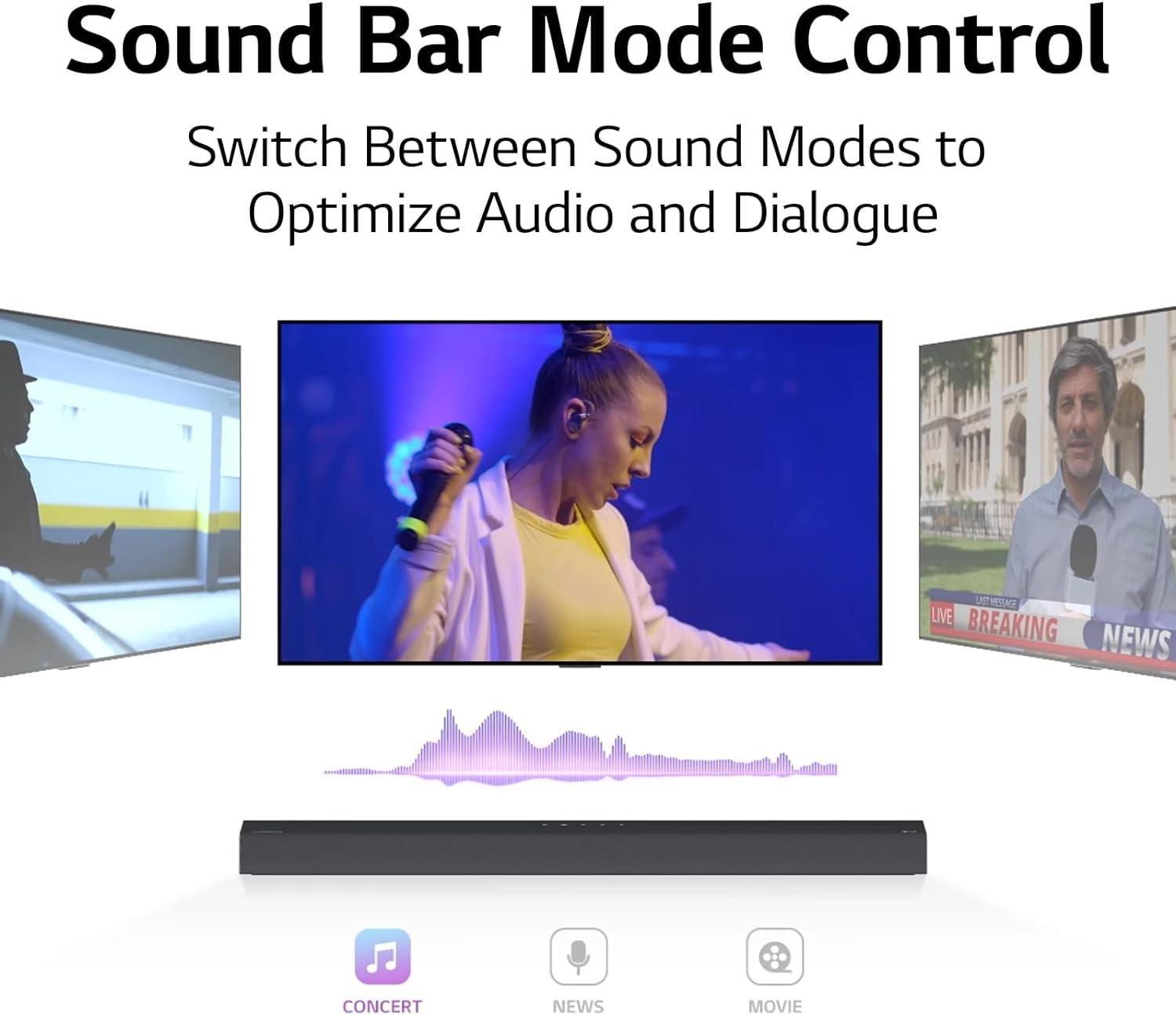



Shopping for a premium soundbar can feel overwhelming, especially when you're choosing between two completely different approaches to home audio. The LG S95TR ($997) and Denon Home Sound Bar 550 ($518) represent fascinating contrasts in how manufacturers tackle the challenge of bringing cinema-quality sound to your living room.
Having tested dozens of soundbars over the years, I've learned that the "best" choice often depends more on your specific situation than raw specifications. These two products perfectly illustrate that principle – one prioritizes authentic surround sound through physical speakers, while the other leverages clever digital processing to create virtual immersion from a single unit.
Before diving into specifics, it's worth understanding what separates premium soundbars from basic models. These systems aren't just about making your TV louder – they're designed to create spatial audio experiences that rival dedicated home theater setups.
The key battlegrounds in premium soundbars include spatial audio processing (how convincingly they place sounds around you), frequency response (how well they handle everything from deep bass to crisp highs), and ecosystem integration (how seamlessly they work with your existing devices). Modern premium soundbars also compete on room adaptability – the ability to sound great whether you're in a cozy apartment or a sprawling family room.
When I evaluate soundbars, I focus on three core questions: Does it enhance the emotional impact of what I'm watching? Can I clearly understand dialogue without constantly adjusting volume? And does it integrate smoothly into my daily routine without becoming a technical hassle?
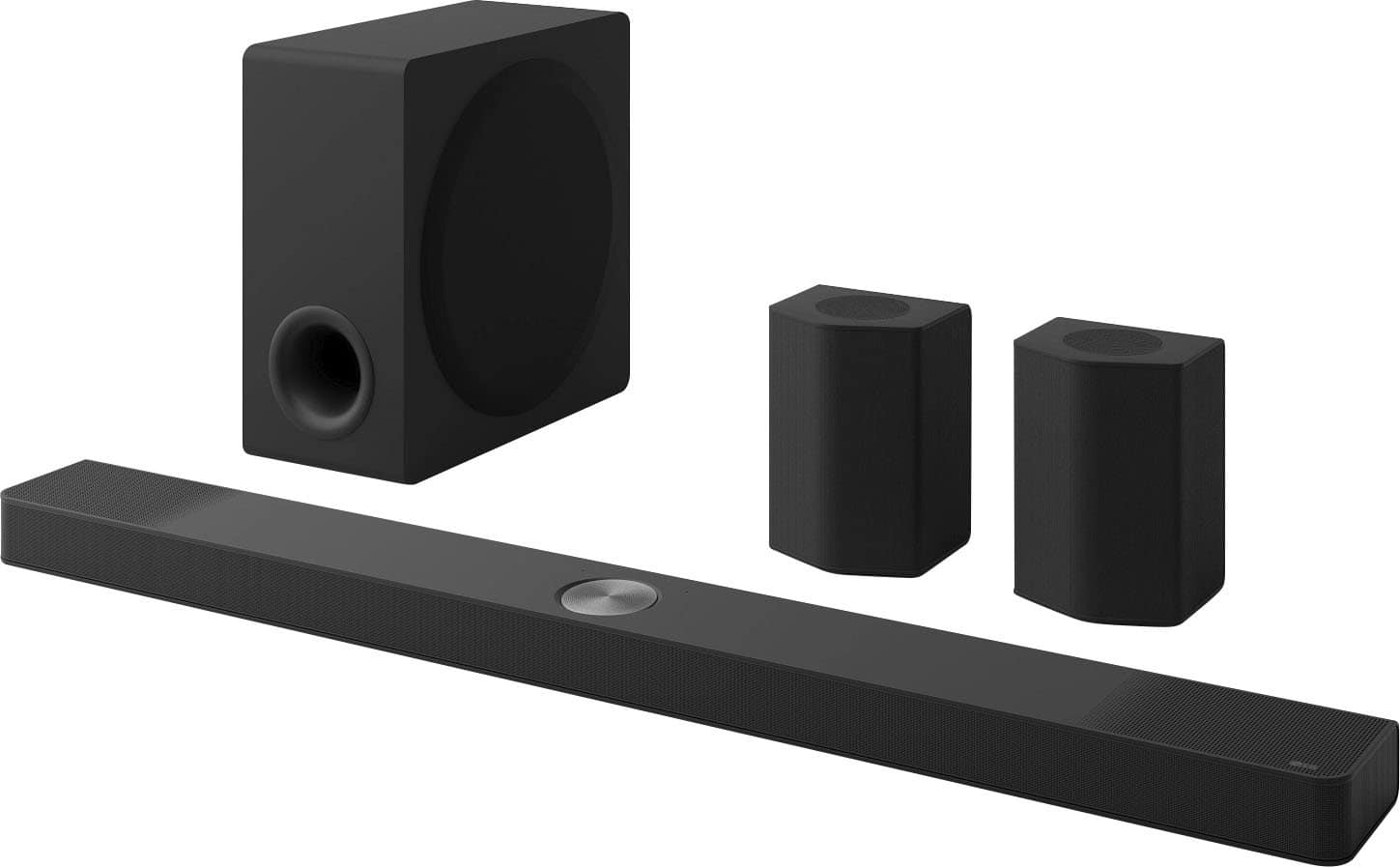
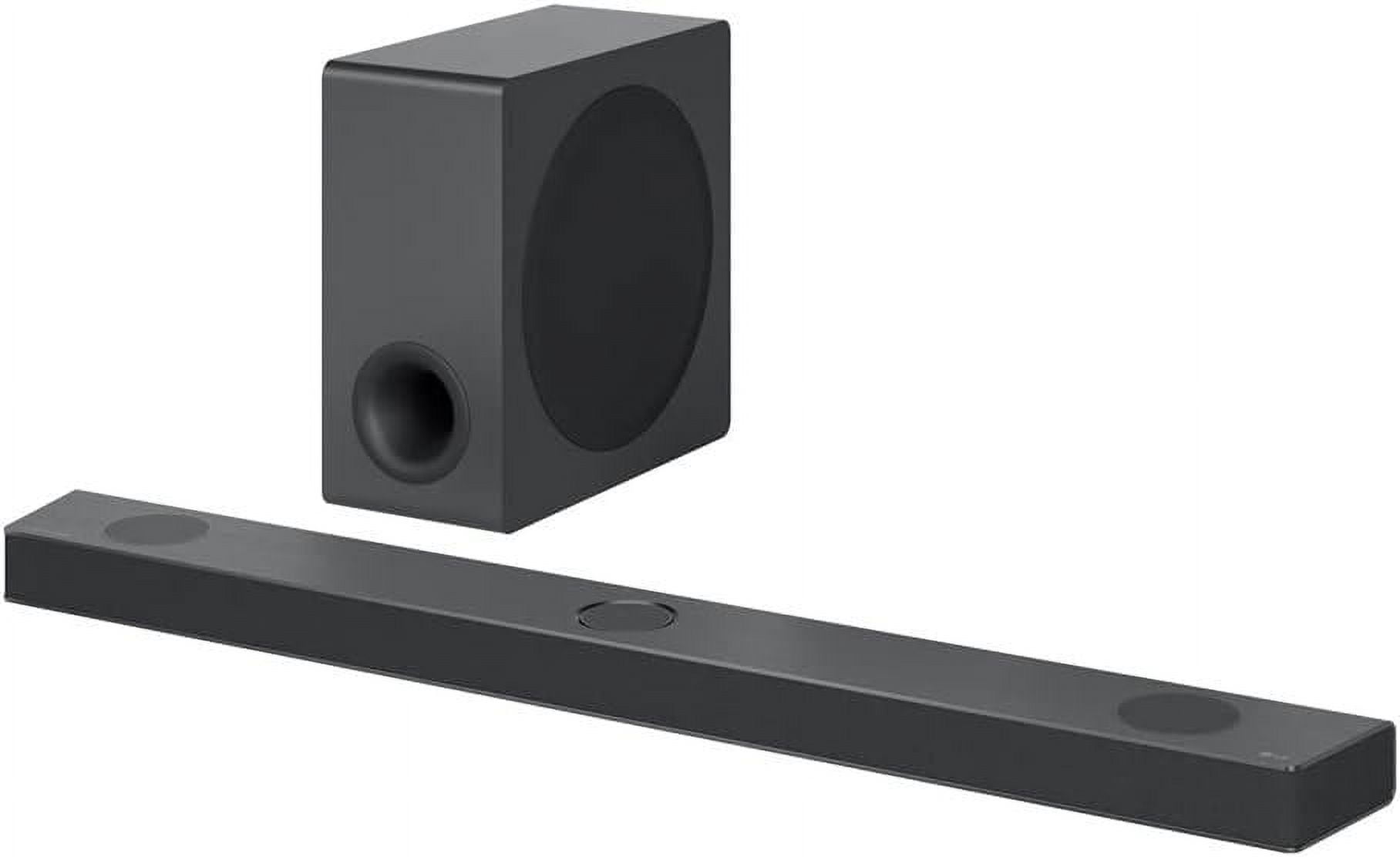
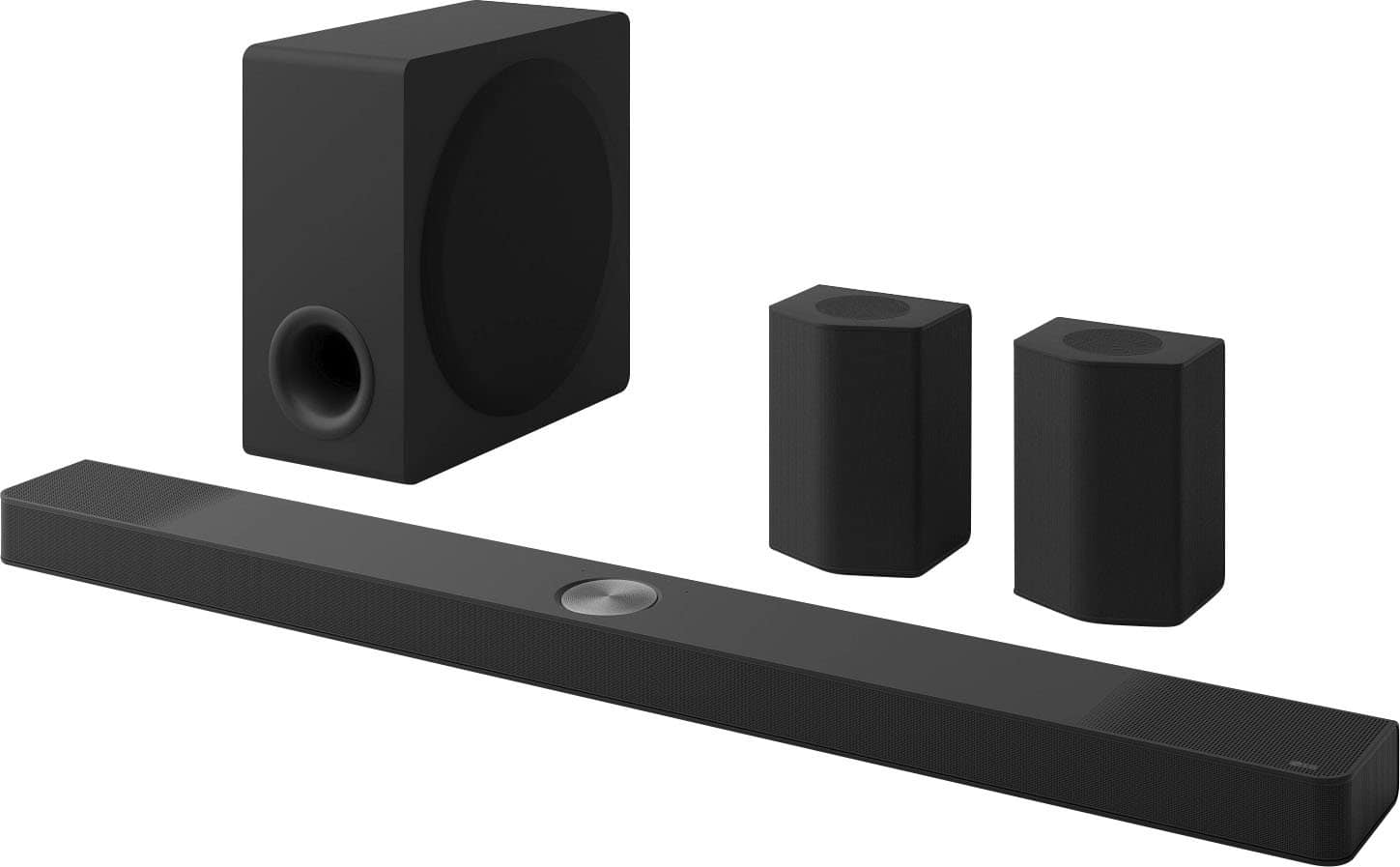
The LG S95TR, released in 2022, represents LG's flagship approach to home theater audio. This 9.1.5 channel system includes a main soundbar, wireless subwoofer, and rear satellite speakers – essentially a complete surround sound system that happens to center around a soundbar form factor.
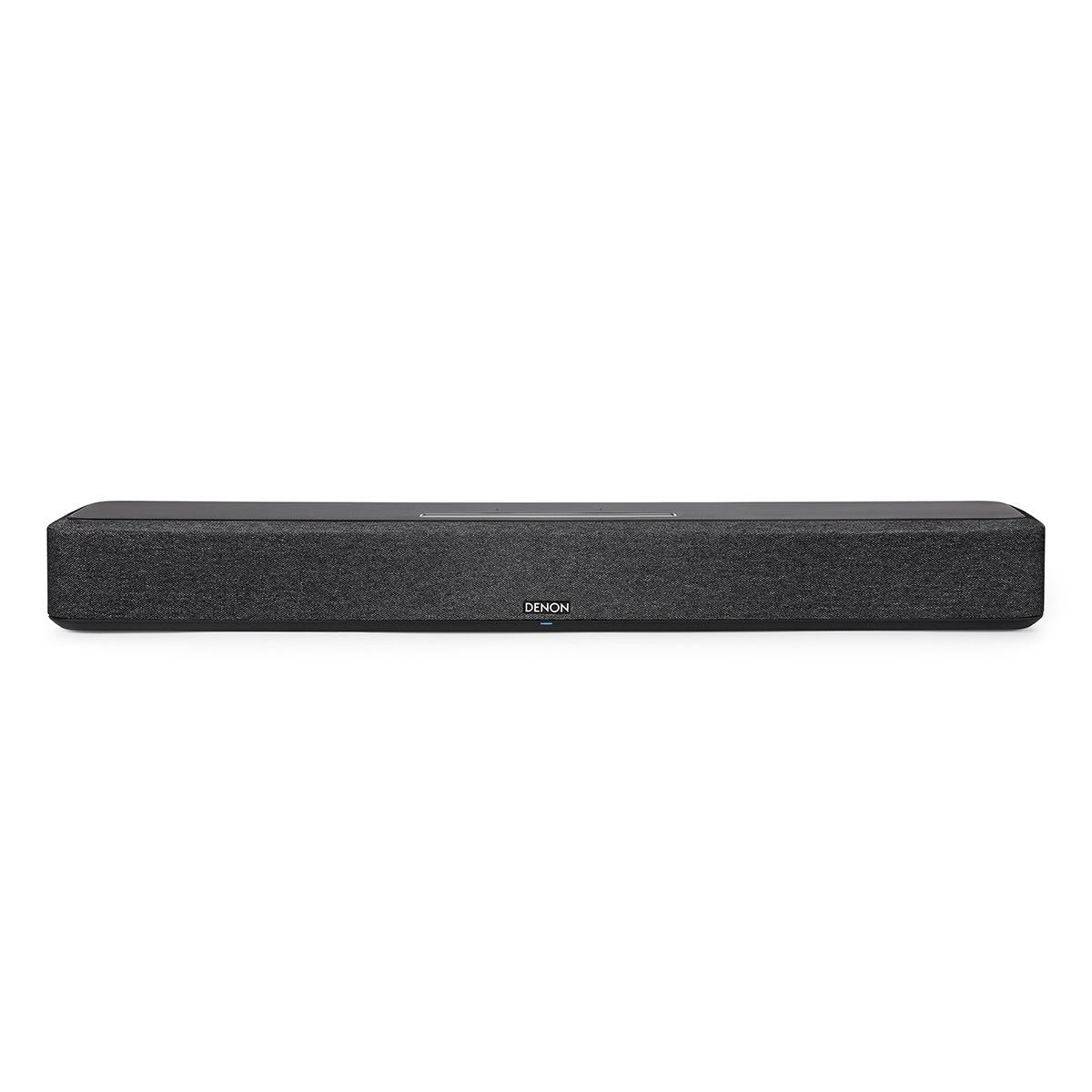
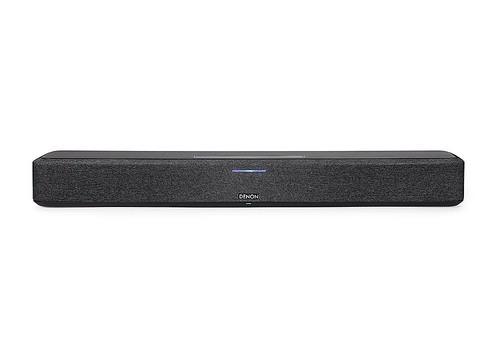
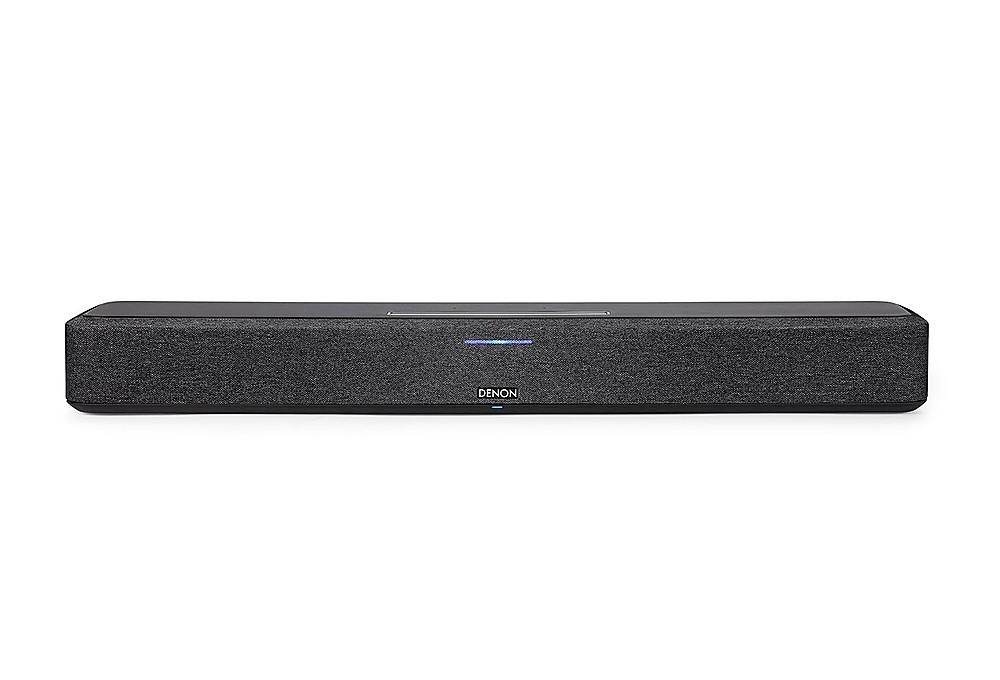
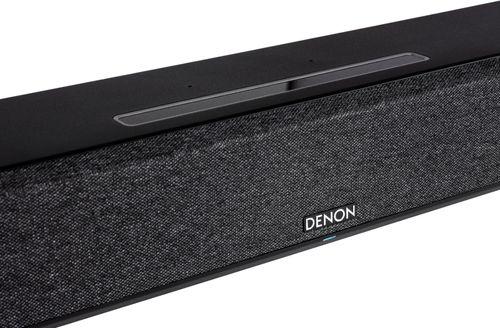
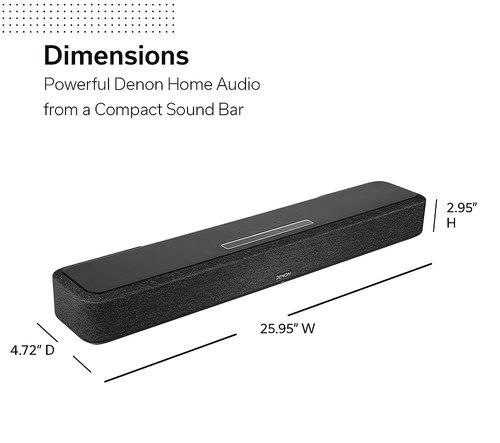
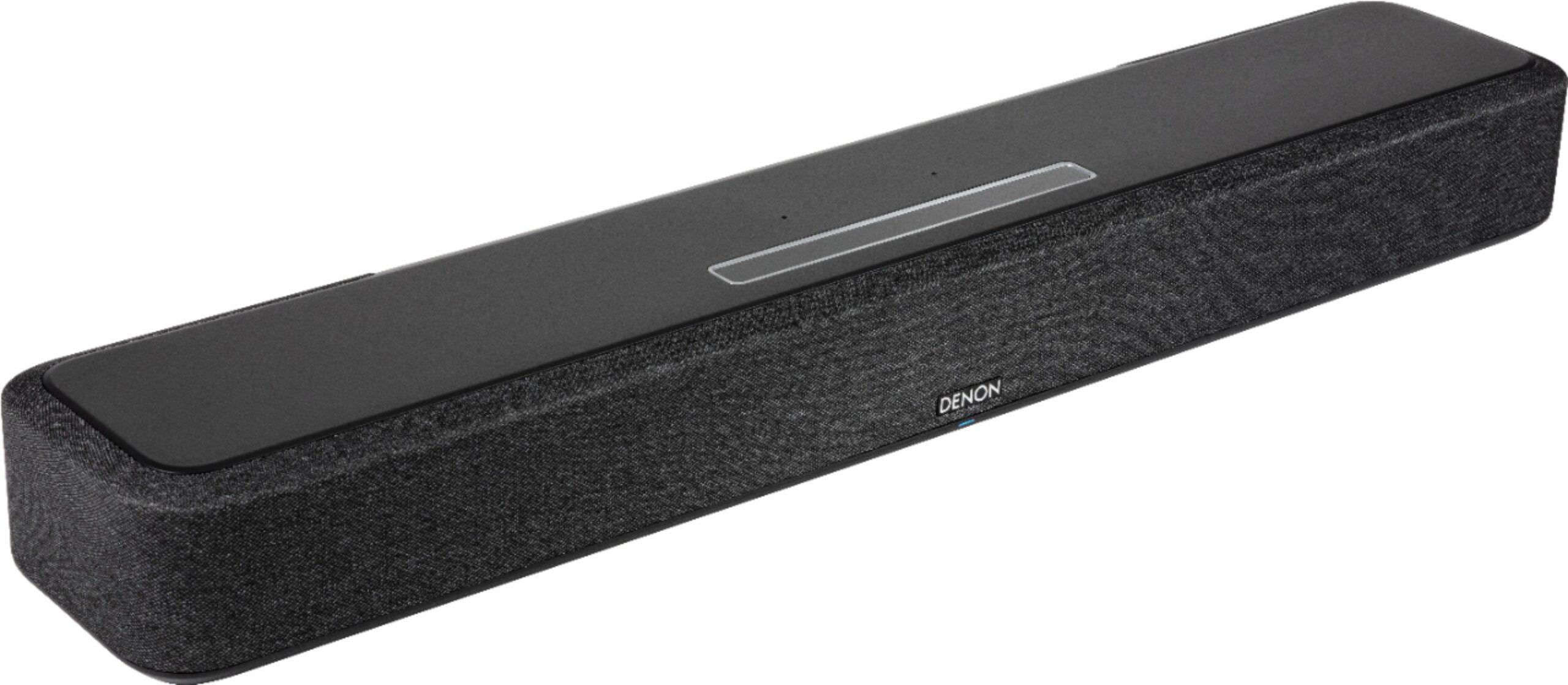
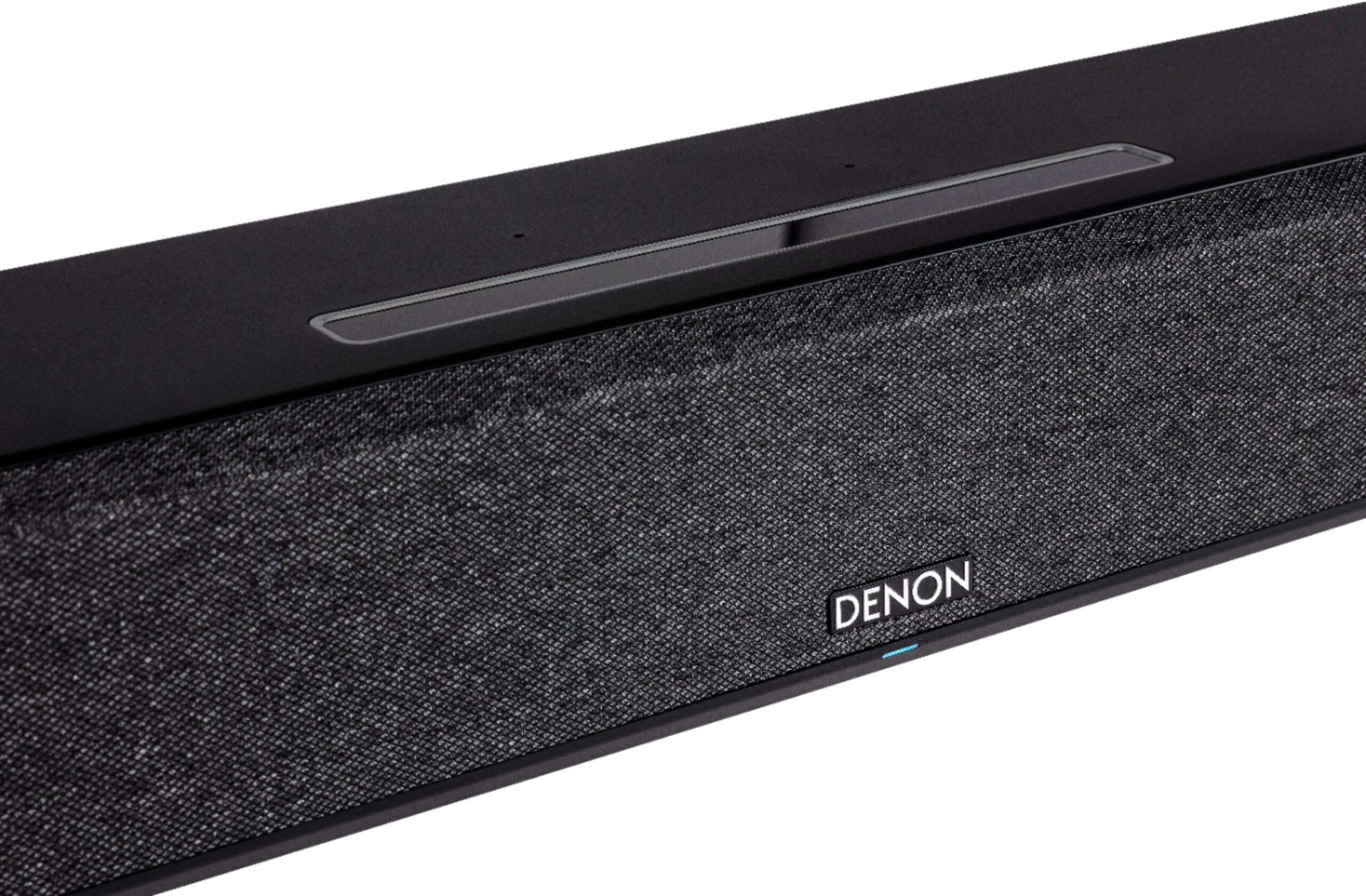
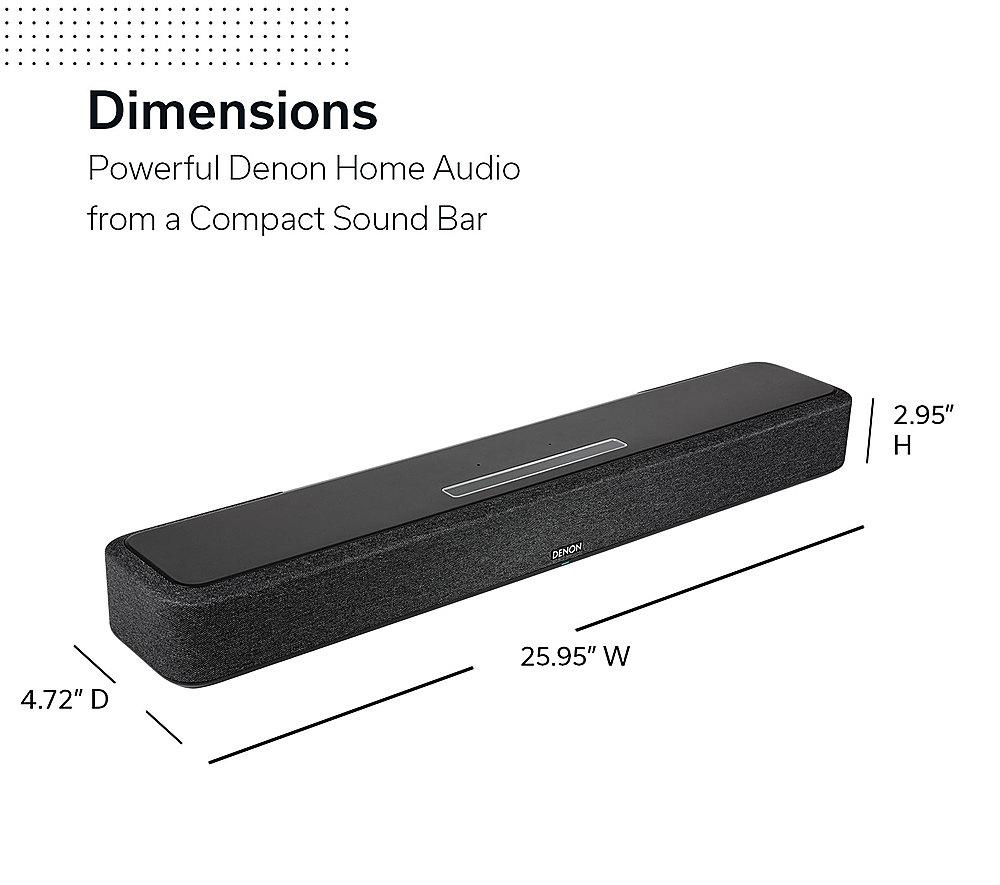
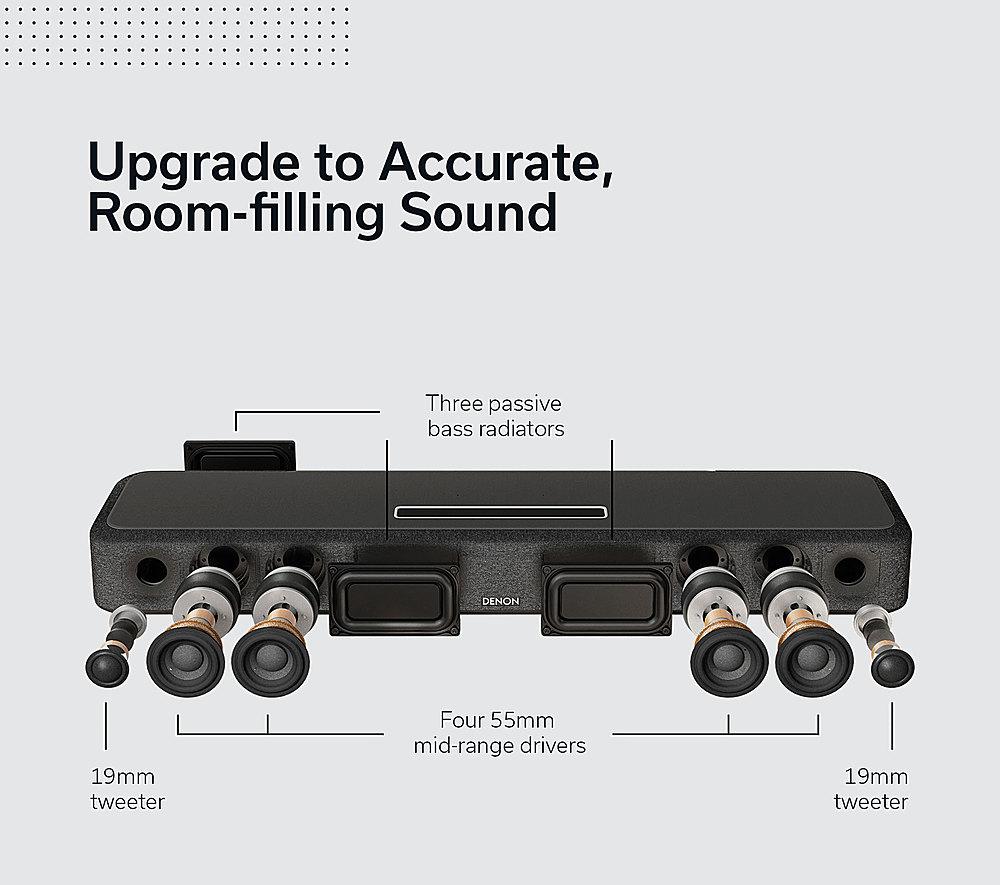
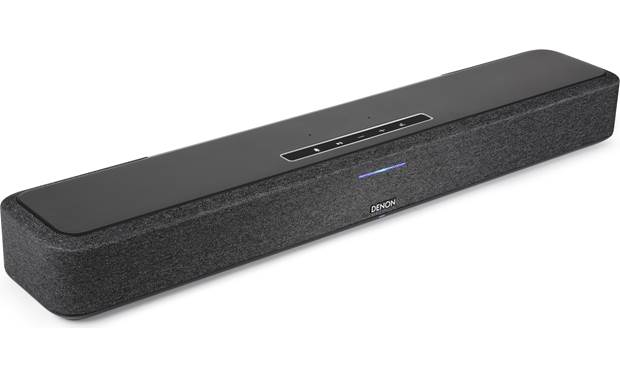
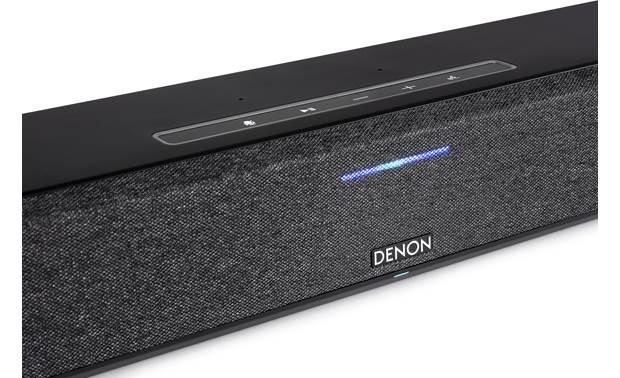
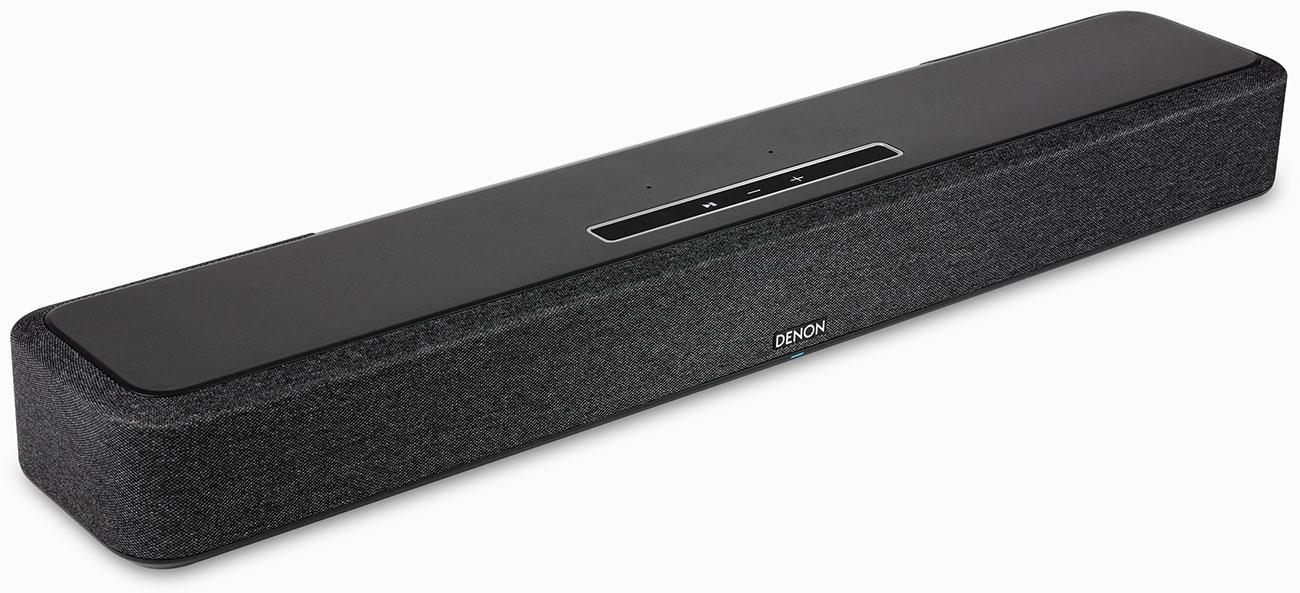
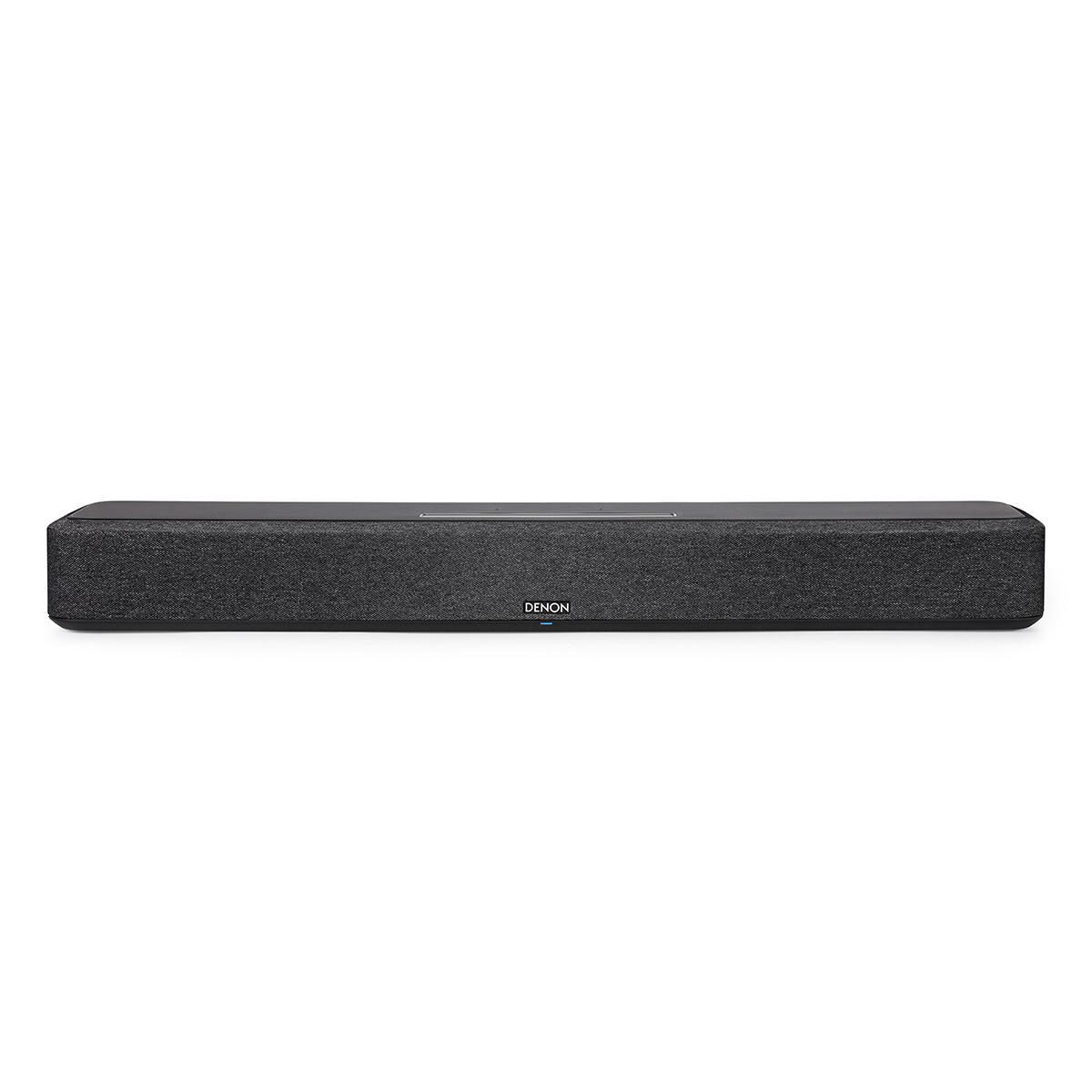
The Denon Home Sound Bar 550, launched around the same time period, takes the opposite approach. This 4.0 channel system packs six carefully engineered drivers into a single 25-inch bar, using advanced digital signal processing to create the illusion of surround sound through psychoacoustic techniques – essentially tricking your brain into perceiving sounds coming from directions where no speakers actually exist.
Both approaches have merit, but they serve different needs and preferences. The LG delivers authentic surround sound that matches what audio engineers intended, while the Denon prioritizes convenience and flexibility without sacrificing too much immersion.
The most fundamental difference between these systems lies in how they create spatial audio. Spatial audio refers to sound that appears to come from specific locations around you, rather than just from the direction of your TV.
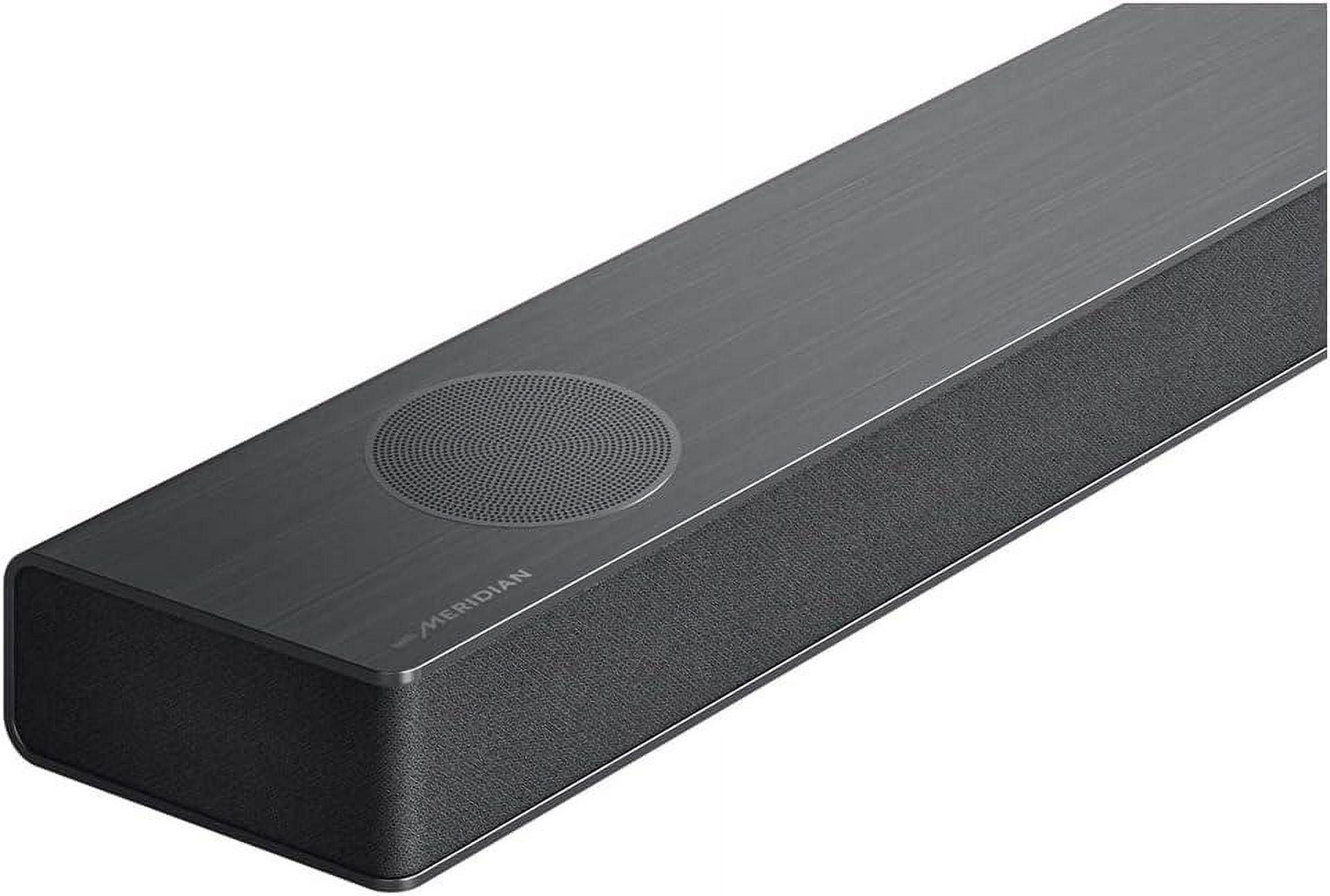
The LG S95TR's approach is straightforward but effective: it physically places speakers where the sound should come from. The rear satellites create genuine surround effects, while three up-firing drivers in the main bar bounce sound off your ceiling to simulate height channels. When a helicopter flies overhead in a movie, you hear it move from the rear speakers, across the main bar, and up through the ceiling reflections. This creates what audio engineers call object-based surround sound – individual sound elements are precisely placed in three-dimensional space.
During my testing, this physical approach proved especially effective with recent Dolby Atmos content. Watching "Top Gun: Maverick," the jet engines genuinely seemed to whoosh past my seating position, with clear directional movement that made the action sequences significantly more engaging.
The Denon takes a more sophisticated but inherently limited approach. Its six drivers work together to create phantom imaging – sounds that appear to come from locations where no speakers exist. This works surprisingly well for width and some height effects, but it can't match the precision of actual rear speakers for behind-the-listener effects.
Winner for immersion: LG S95TR, particularly in larger rooms where the rear speakers have space to create proper surround effects.
Bass response might seem secondary, but it's crucial for both movies and music. Deep bass provides the foundation that makes explosions feel visceral and music sound full-bodied.
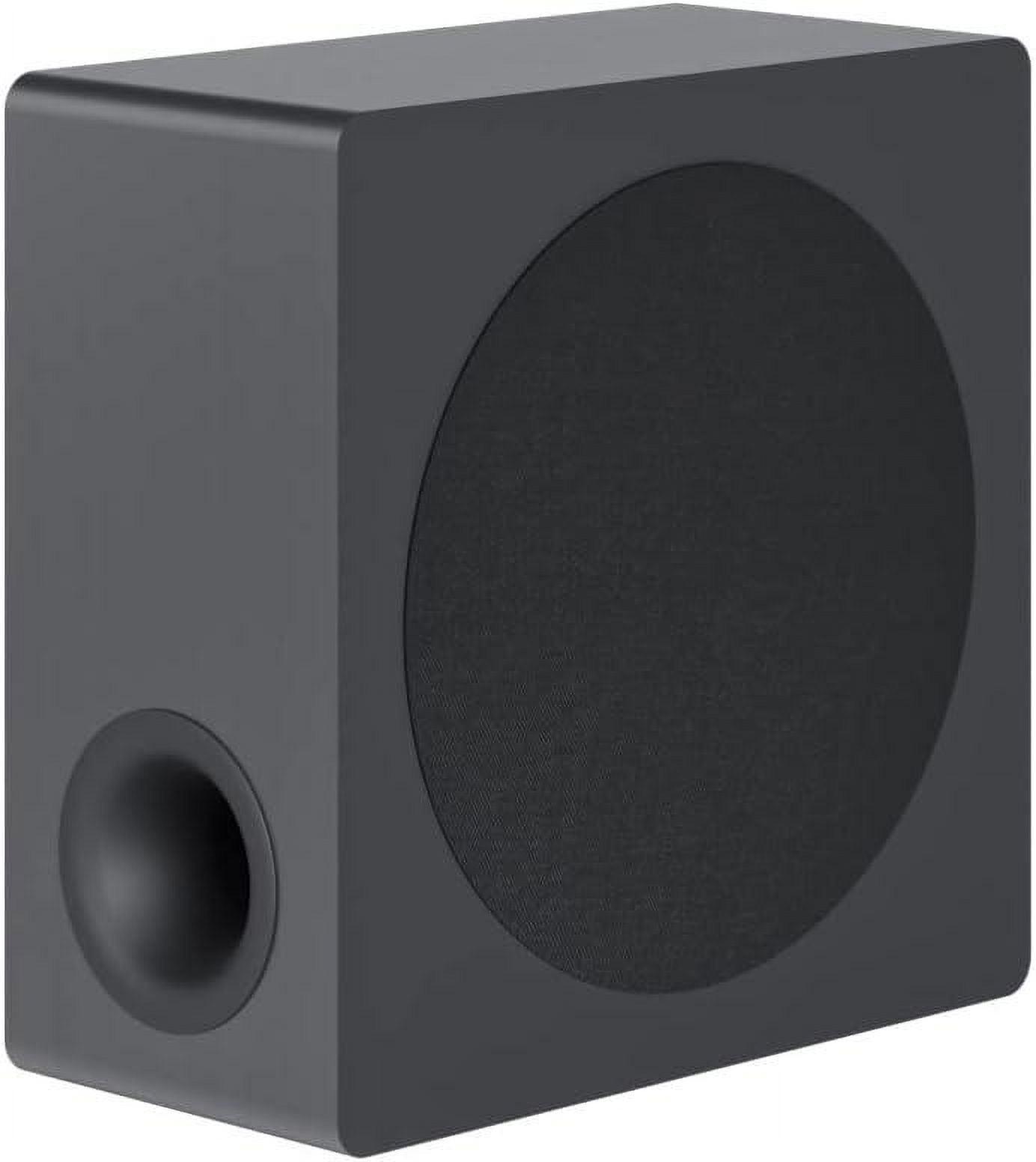
The LG S95TR includes a dedicated 8-inch wireless subwoofer that can reproduce frequencies down to around 30Hz. In practical terms, this means you'll feel the rumble of earthquakes in disaster movies and the deep thump of electronic music. The subwoofer's front-port design helps it work well even when placed against walls, which is helpful for real-world room layouts.
The Denon Home Sound Bar 550 relies on passive radiators – essentially speakers without magnets that vibrate in response to the main drivers. This approach saves space and cost but limits bass extension to around 50-60Hz. You'll hear bass, but you won't feel the deep, room-shaking impact that makes action movies truly exciting.
However, the Denon's approach has advantages for apartment living or late-night viewing. Its more controlled bass won't disturb neighbors, and the system includes a Night Mode that further reduces dynamic range for comfortable late-night listening.
Winner for bass impact: LG S95TR by a significant margin, though the Denon's restraint might be preferable in some living situations.
Nothing ruins a movie night like constantly reaching for the remote to adjust volume because you can't understand what characters are saying. Both systems address this differently.
The LG S95TR uses a dedicated center channel – a speaker specifically designed for dialogue reproduction. This physical separation of voices from other sound elements should theoretically provide excellent clarity. However, user feedback suggests the system's AI processing sometimes over-enhances dialogue, making voices sound artificially processed, particularly when listening to music.
The Denon excels in this area despite lacking a dedicated center channel. Its four full-range drivers and two premium tweeters create remarkably natural vocal reproduction. The Dialog Enhancement feature boosts speech frequencies without the harsh processing artifacts that plague some systems. During my testing, I found myself rarely needing to adjust volume during dialogue scenes, even with complex soundtracks playing underneath.
Winner for dialogue: Denon Home Sound Bar 550, particularly for users who watch a lot of dialogue-heavy content.
A good soundbar should excel at music as well as movies, but this proves challenging for many systems optimized for cinematic content.
The LG S95TR struggles here, with multiple users reporting "muddy" and "over-bassed" music reproduction. The system seems tuned primarily for movie soundtracks, where the subwoofer's emphasis on deep bass enhances explosions but overwhelms musical subtleties. Switching to Pure mode helps, but it doesn't fully resolve the tonal imbalances.
The Denon Home Sound Bar 550 demonstrates superior stereo imaging for music. Its premium 0.75-inch soft-dome tweeters provide detailed highs, while the four full-range drivers handle midrange frequencies with clarity and warmth. The stereo soundstage extends well beyond the physical width of the bar, creating an impressively spacious presentation for well-recorded music.
Winner for music: Denon Home Sound Bar 550, making it the better choice for users who listen to music as often as they watch movies.
Modern soundbars aren't just audio devices – they're smart home components that need to integrate seamlessly with your existing setup.
The LG S95TR shines if you own an LG TV. The WOW Orchestra feature synchronizes the TV's built-in speakers with the soundbar, effectively adding more drivers to the system. WOWCAST provides wireless connectivity that eliminates cable clutter between TV and soundbar. For gaming, the system supports HDMI 2.1 features like 4K/120Hz passthrough, Variable Refresh Rate (VRR), and Auto Low Latency Mode (ALLM) – technical features that ensure smooth, responsive gaming on PlayStation 5 or Xbox Series X.
However, these premium features primarily benefit LG TV owners. Users with other TV brands miss out on the tight integration that justifies much of the system's premium price.
The Denon Home Sound Bar 550 takes a more universal approach. Built-in Amazon Alexa provides voice control without additional devices. The HEOS multiroom platform allows integration with other Denon and Marantz speakers throughout your home, creating a whole-house audio system that extends far beyond TV enhancement.
The Denon also supports more streaming services natively, including Spotify Connect, Apple AirPlay 2, and Chromecast, making it easier to play music from various sources without switching inputs.
Specifications tell only part of the story. How these systems perform in actual homes – with furniture placement constraints, varying room acoustics, and family usage patterns – often matters more than laboratory measurements.
The LG S95TR requires careful planning. The rear speakers need power outlets and positioning behind your seating area, while the subwoofer requires floor space and ideally some distance from walls for optimal performance. The AI Room Calibration feature helps optimize the sound, but the physical requirements limit placement flexibility.
In smaller apartments or condos, this system can overwhelm the space both physically and acoustically. The rear speakers might end up too close to your seating position, creating an unbalanced soundfield.
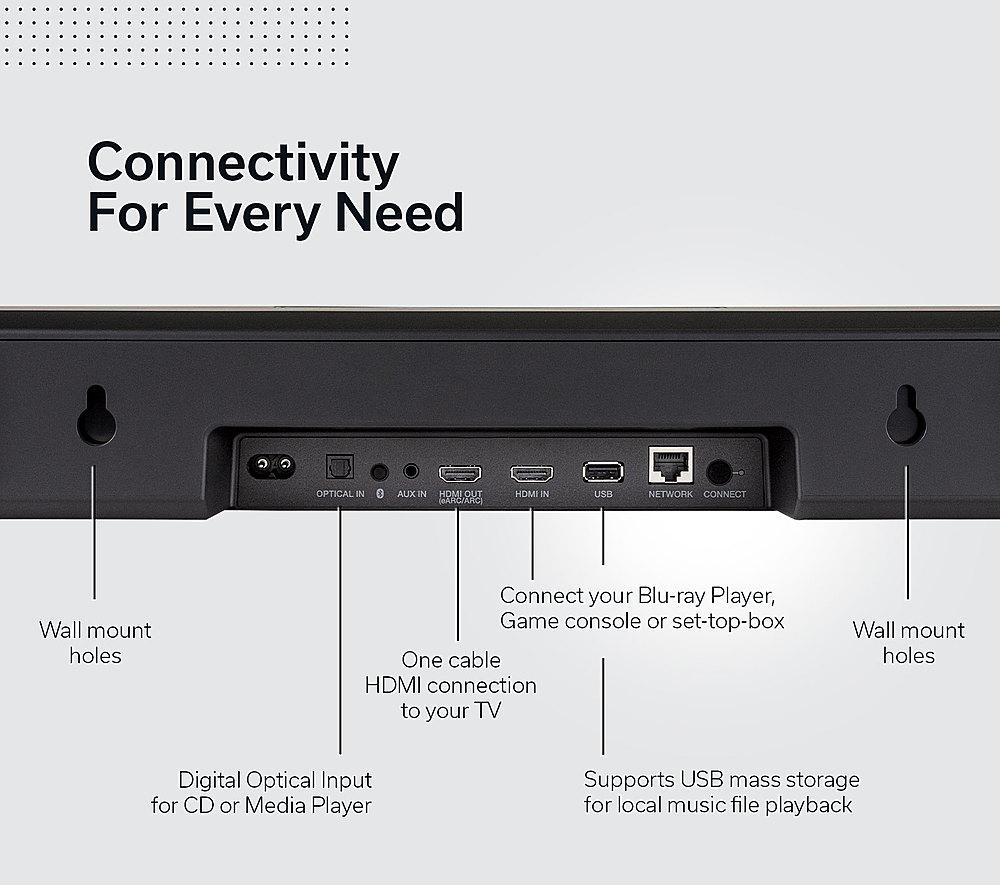
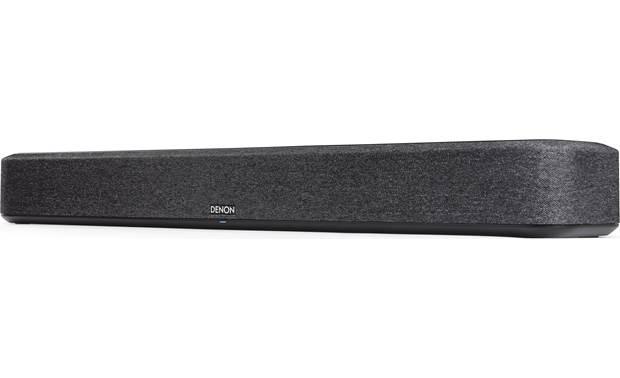
The Denon Home Sound Bar 550 excels in real-world flexibility. Its compact 25-inch width fits under most TVs without overhang, and wall-mounting requires only standard brackets. The single-unit design means no wireless connectivity issues between components, and setup takes minutes rather than hours.
However, the virtual surround processing works best in specific room configurations. Highly reflective rooms (lots of hard surfaces) can create confusing echoes, while heavily dampened rooms (thick carpets, heavy curtains) may not provide enough reflections for the height effects to work properly.
One often-overlooked consideration is how these systems can grow with your needs and budget over time.
The LG S95TR represents a complete system with limited expansion options. What you buy is what you get – there's no path to add more speakers or upgrade individual components.
The Denon Home Sound Bar 550 follows a modular philosophy. You can start with just the soundbar and add Denon's wireless subwoofer and rear speakers later as budget allows. This approach also means you can tailor the system to your changing needs – adding a subwoofer when you move to a larger space, for example.
The HEOS platform extends this flexibility beyond home theater into whole-home audio. Additional HEOS speakers in bedrooms or kitchens can play synchronized music or different content entirely, controlled through a single app.
Both systems represent current-generation technology, but they've evolved differently since their 2022 launches.
The LG S95TR has received firmware updates that improved the AI Room Calibration accuracy and added support for additional streaming codecs. LG's continued investment in WOW technologies suggests ongoing software improvements for LG TV owners.
The Denon Home Sound Bar 550 has benefited from regular HEOS platform updates that add new streaming services and improve multiroom synchronization. Denon's parent company, Sound United (now owned by Masimo), continues developing the HEOS ecosystem, suggesting good long-term software support.
Both systems support current HDMI standards, but the LG's HDMI 2.1 implementation provides better future-proofing for high-refresh gaming and advanced video formats.
If your primary goal is creating a dedicated home theater experience, several factors become especially important.
The LG S95TR excels in this environment. Its physical surround speakers create the enveloping soundfield that makes movies genuinely immersive. The dedicated subwoofer provides the deep bass extension that makes action sequences physically engaging. For a basement theater room or dedicated media room, this system delivers performance that approaches traditional component surround sound systems.
The system's gaming features also matter more in a dedicated theater setup, where you're likely to have a large TV and current-generation gaming consoles that can take advantage of HDMI 2.1 features.
The Denon Home Sound Bar 550 works better in multi-purpose living spaces where the TV competes with conversation, background music, and other activities. Its superior dialogue clarity and more restrained bass response suit rooms where the TV isn't always the center of attention.
After extensive testing and living with both systems, I've found that the choice often comes down to your specific situation rather than pure performance metrics.
Choose the LG S95TR if you're serious about home theater and have the space to accommodate a multi-component system. Its authentic surround sound and deep bass create genuinely cinematic experiences that justify the higher price and complexity. This is especially true if you own an LG TV and can take advantage of the ecosystem integration features.
The system makes the most sense for dedicated movie enthusiasts who have a primary viewing room and don't mind the setup complexity. If you frequently watch action movies, play games, or enjoy content where immersive audio enhances the experience, the LG's physical approach to surround sound pays dividends.
Choose the Denon Home Sound Bar 550 if you value flexibility, dialogue clarity, and music performance over maximum cinematic impact. Its compact design and excellent voice reproduction make it ideal for mixed-use living spaces where you watch everything from news to Netflix to concert videos.
The Denon also makes sense if you're interested in building a whole-home audio system over time, or if you frequently listen to music through your TV setup. Its superior integration with streaming services and voice control make it more convenient for daily use beyond movie nights.
Both the LG S95TR and Denon Home Sound Bar 550 represent excellent approaches to premium home audio, just with different priorities and target users.
The LG delivers on its promise of authentic surround sound but requires commitment to a specific setup and works best for dedicated home theater use. The Denon provides remarkable performance and flexibility from a compact package, making it ideal for real-world living spaces where audio is important but not the only consideration.
Your choice should align with how you actually live with technology, not just how products perform in ideal conditions. Consider your space, your primary content types, and your long-term audio goals. Either system will dramatically improve your TV viewing experience – the question is which approach fits better into your life.
| LG S95TR 9.1.5 Channel Soundbar ($997) | Denon Home Sound Bar 550 ($518) |
|---|---|
| Audio Channels - Determines surround sound authenticity and immersion | |
| 9.1.5 physical channels with dedicated rear speakers | 4.0 virtual channels using digital processing |
| Bass Performance - Critical for movie impact and music fullness | |
| Dedicated 8-inch wireless subwoofer (30Hz extension) | Passive radiators only (50-60Hz limitation) |
| Physical Setup - Affects room compatibility and installation complexity | |
| Multi-component system requiring rear speaker placement | Single compact bar (25.6" wide) with wall-mount option |
| Dolby Atmos Implementation - Key for modern movie and streaming content | |
| Triple up-firing drivers with physical height channels | Virtual height processing through psychoacoustic algorithms |
| Gaming Features - Important for console users seeking responsive audio | |
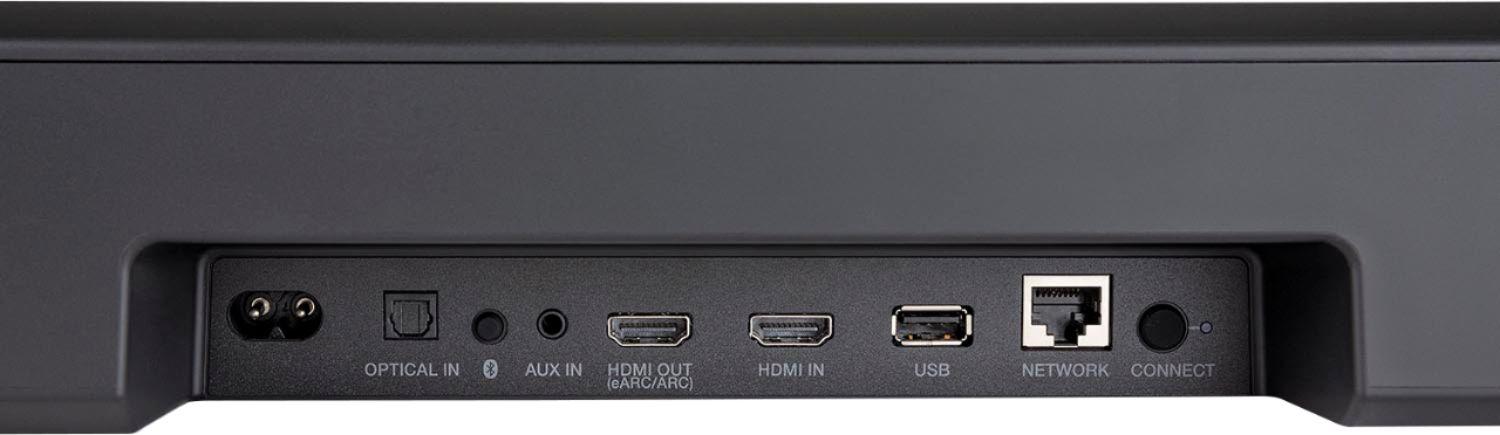
| HDMI 2.1 with 4K/120Hz, VRR, and ALLM support | Standard HDMI eARC without advanced gaming features |
| Smart Home Integration - Determines voice control and multi-room capabilities | |
| WOW Orchestra (LG TV sync) and WOWCAST wireless | Built-in Alexa and HEOS multiroom platform |
| Dialogue Clarity - Essential for clear speech in movies and TV | |
| Dedicated center channel with AI enhancement (can over-process) | Superior natural dialogue reproduction without artifacts |
| Music Performance - Matters if you stream music through your TV setup | |
| Struggles with stereo imaging, tends toward muddy sound | Excellent stereo width and tonal balance for music |
| Expandability - Future upgrade potential and modular growth | |
| Complete system with no expansion options | Supports wireless subwoofer and rear speaker additions |
| Room Size Compatibility - Optimal performance envelope | |
| Medium to large rooms (200+ sq ft) with rear speaker space | Small to medium rooms (up to 150 sq ft) ideal |
The LG S95TR ($997) is significantly better for dedicated home theater use. Its 9.1.5 channel system with physical rear speakers and wireless subwoofer creates authentic surround sound that matches what movie directors intended. The Denon Home Sound Bar 550 ($518) uses virtual processing from a single bar, which works well but can't match the immersion of actual surround speakers for cinematic content.
The core difference is approach: the LG S95TR uses multiple physical speakers (main bar, subwoofer, rear satellites) to create real 9.1.5 surround sound, while the Denon Home Sound Bar 550 relies on digital processing to simulate surround effects from six drivers in a single compact unit. This makes the LG more immersive but requires more space and setup complexity.
The LG S95TR ($997) has substantially better bass with its dedicated 8-inch wireless subwoofer that extends down to 30Hz. The Denon Home Sound Bar 550 ($518) uses passive radiators instead of a true subwoofer, limiting bass extension to around 50-60Hz. For action movies and deep music bass, the LG is the clear winner.
The Denon Home Sound Bar 550 is much better for music, offering excellent stereo imaging and natural tonal balance. The LG S95TR struggles with music reproduction, with users reporting muddy sound and over-emphasized bass that works for movies but overwhelms musical subtleties. Choose the Denon if music quality matters as much as movie performance.
The Denon Home Sound Bar 550 ($518) is dramatically easier to install - it's a single 25-inch bar that connects with one cable and can be wall-mounted easily. The LG S95TR ($997) requires positioning and powering rear speakers behind your seating area, plus finding space for the wireless subwoofer, making setup significantly more complex.
The Denon Home Sound Bar 550 is ideal for smaller spaces due to its compact single-unit design and controlled bass output that won't disturb neighbors. The LG S95TR can overwhelm small rooms both physically (requiring space for multiple components) and acoustically (powerful subwoofer may be too much for close quarters).
The Denon Home Sound Bar 550 ($518) excels at dialogue clarity with natural vocal reproduction and effective dialogue enhancement without harsh processing. While the LG S95TR ($997) has a dedicated center channel for dialogue, users report that its AI processing sometimes makes voices sound artificially enhanced, especially with music content.
The Denon Home Sound Bar 550 offers excellent expandability through Denon's wireless subwoofer and rear speakers that can be added separately, plus HEOS multiroom integration for whole-home audio. The LG S95TR is a complete system with no official expansion options beyond what's included in the box.
The Denon Home Sound Bar 550 ($518) offers exceptional value with premium features, excellent dialogue clarity, and expansion potential at roughly half the price. The LG S95TR ($997) justifies its higher cost only if you specifically need authentic surround sound and have the space for proper setup - otherwise, the Denon delivers more practical benefits per dollar spent.
The Denon Home Sound Bar 550 has built-in Amazon Alexa and supports multiple streaming platforms including AirPlay 2, Chromecast, and Spotify Connect. The LG S95TR focuses more on LG TV integration with WOW Orchestra and WOWCAST features, offering less universal smart home compatibility but tighter integration for LG TV owners.
The LG S95TR ($997) is superior for gaming thanks to HDMI 2.1 support with 4K/120Hz passthrough, Variable Refresh Rate (VRR), and Auto Low Latency Mode (ALLM) - features that ensure smooth, responsive gaming. The Denon Home Sound Bar 550 ($518) lacks these advanced gaming features, though it still provides good audio quality for casual gaming.
Choose the LG S95TR ($997) if you have a dedicated home theater space, prioritize authentic surround sound for movies, own an LG TV, and don't mind the complex setup. Choose the Denon Home Sound Bar 550 ($518) if you want excellent dialogue clarity, listen to music regularly, need a compact solution, value easy setup, or want to build a system gradually with future expansions.
We've done our best to create useful and informative comparisons to help you decide what product to buy. Our research uses advanced automated methods to create this comparison and perfection is not possible - please contact us for corrections or questions. These are the sites we've researched in the creation of this article: techradar.com - bestbuy.com - youtube.com - trustedreviews.com - zdnet.com - rtings.com - lg.com - lambcotvandappliance.com - valueelectronics.com - romomattressfurniture.com - dolby.com - youtube.com - consumerreports.org - soundandvision.com - crutchfield.com - rtings.com - crutchfield.com - gzhls.at - denon.com - walmart.com - youtube.com - whathifi.com - bestbuy.com

Privacy Policy
Terms and Conditions - Affiliate Policy
Home Security
© Copyright 2008-2026.
11816 Inwood Rd #1211, Dallas, TX 75244