





When you're trying to upgrade from your TV's built-in speakers without installing a full surround sound system, premium soundbars offer an appealing middle ground. They promise to deliver that cinematic audio experience we all crave, but with the simplicity of a single sleek device sitting under your television. The challenge is knowing which one will actually deliver on that promise in your specific setup.
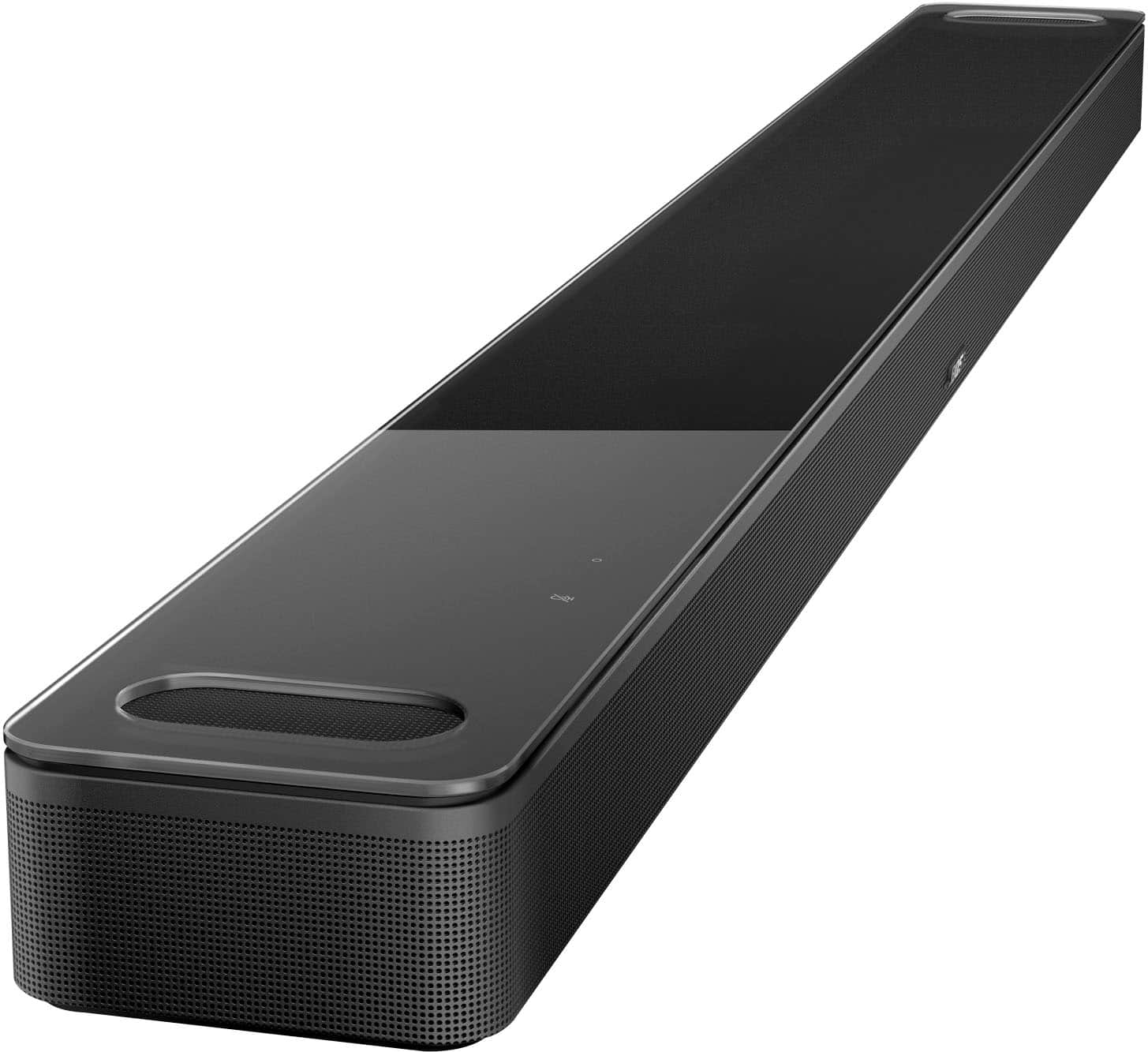
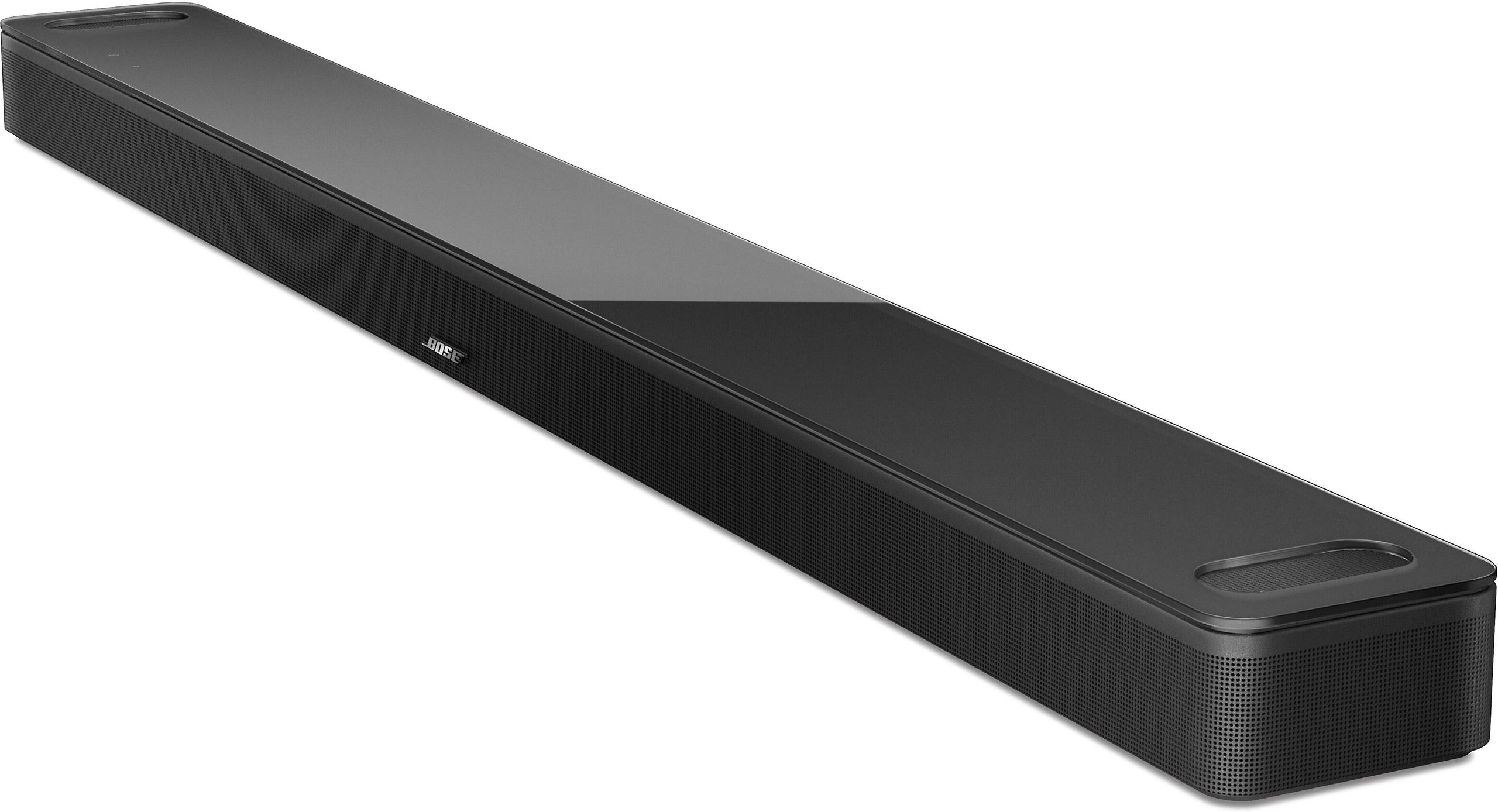
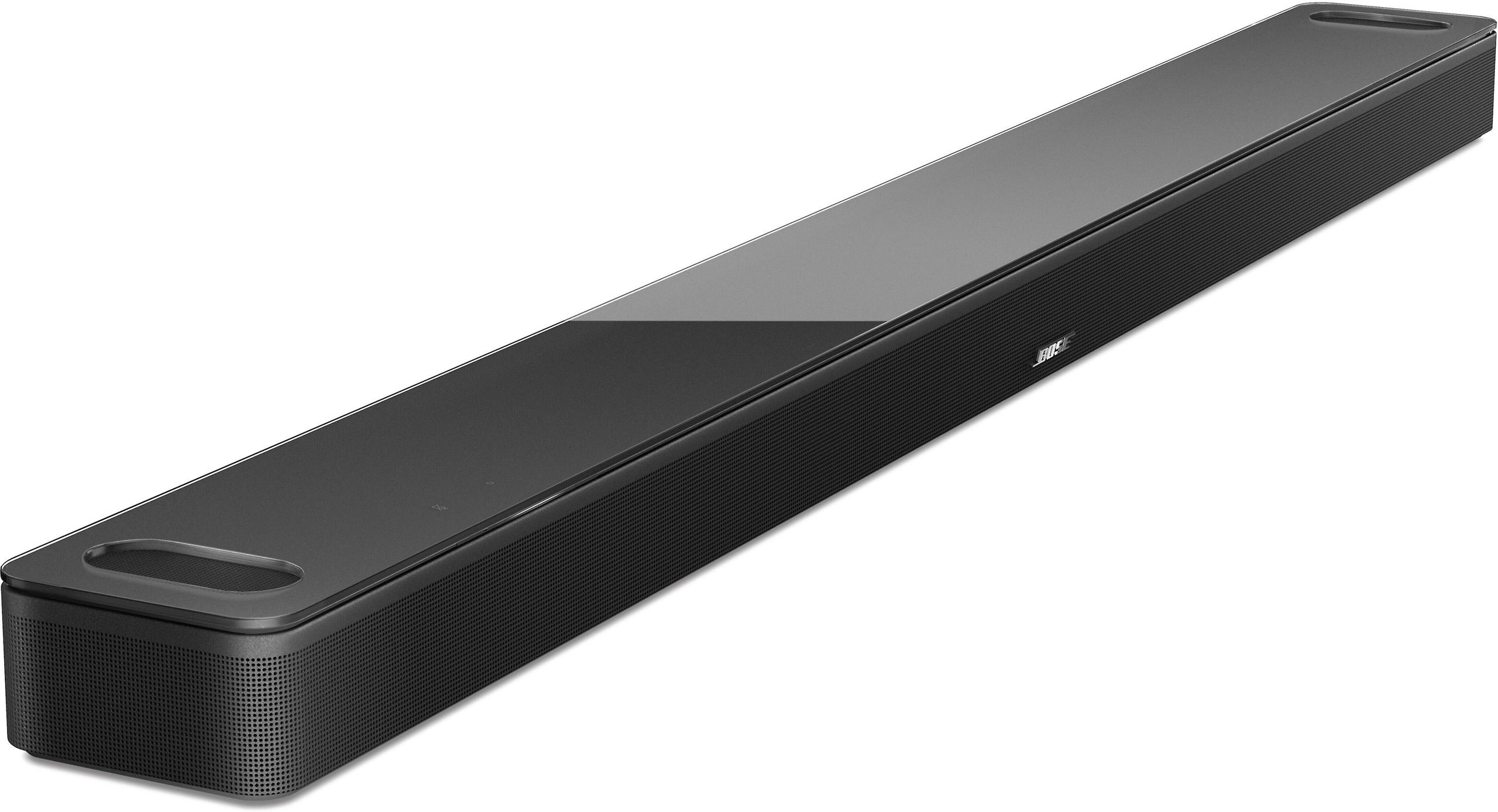
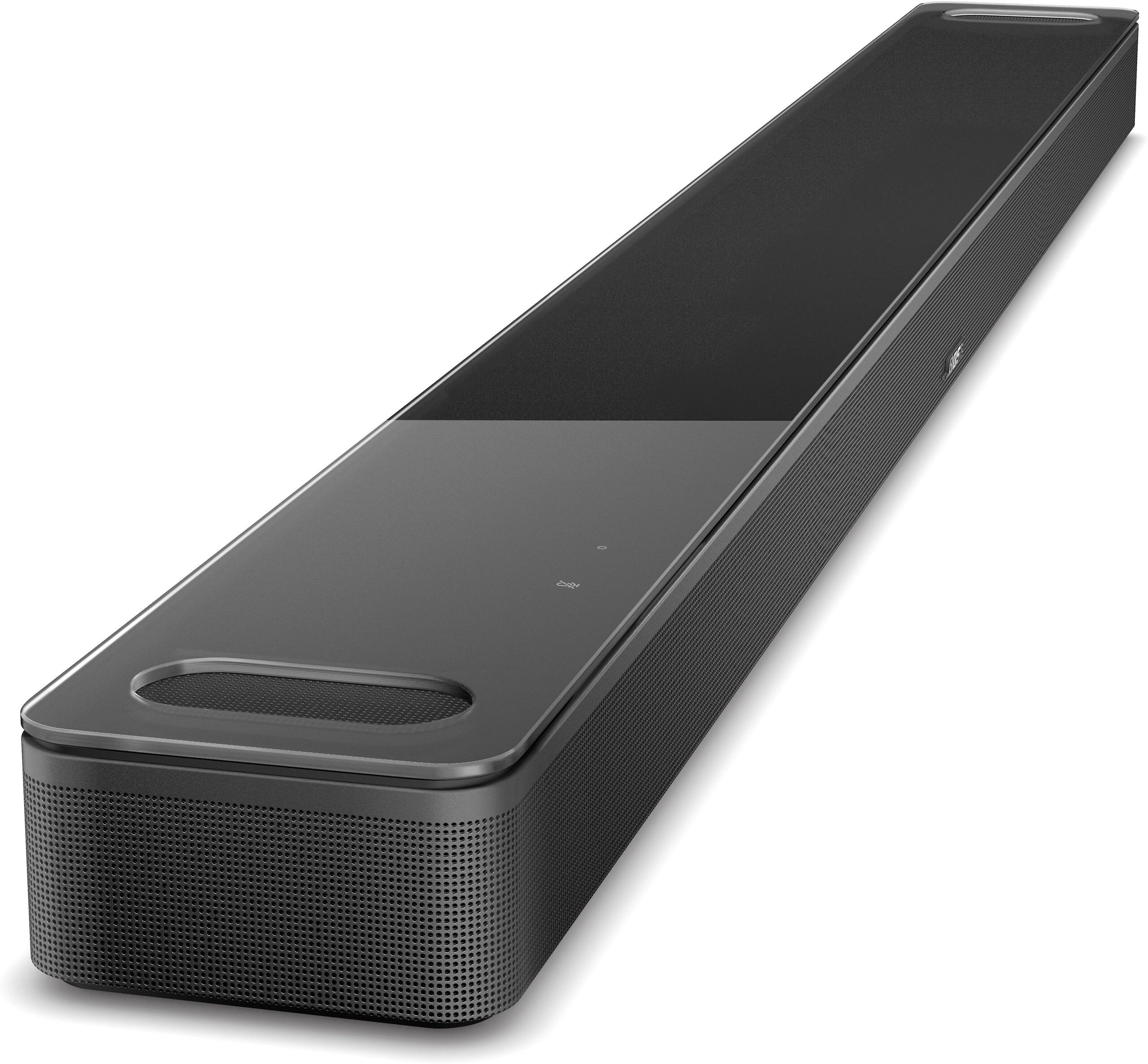
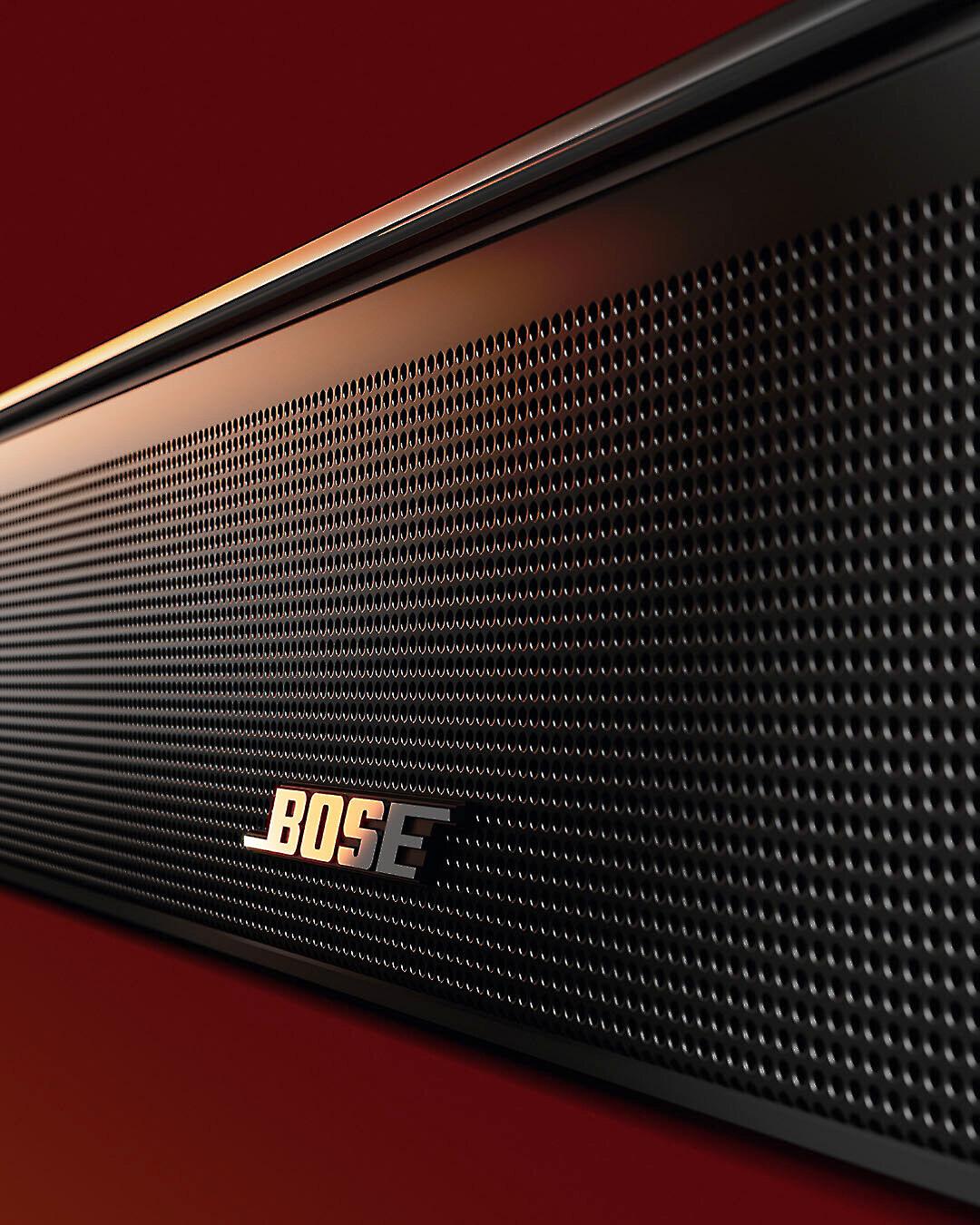
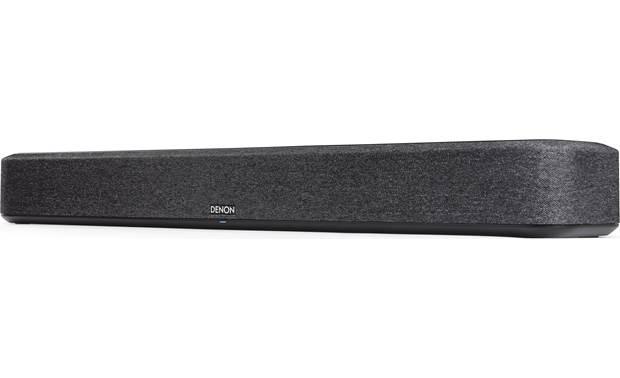
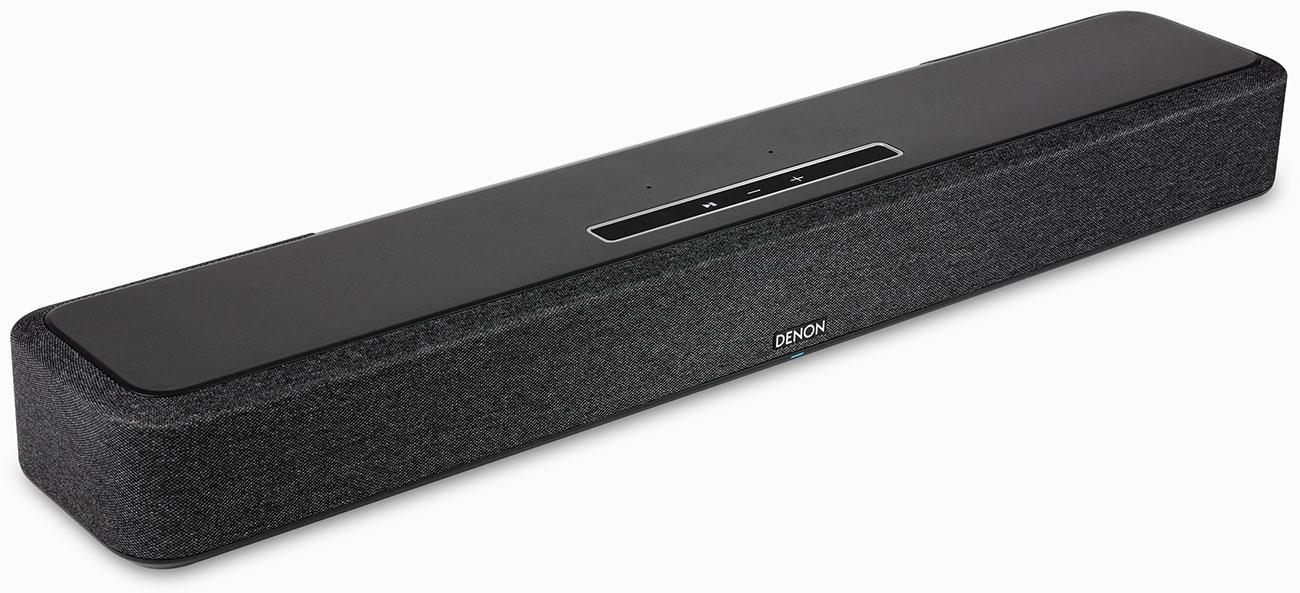
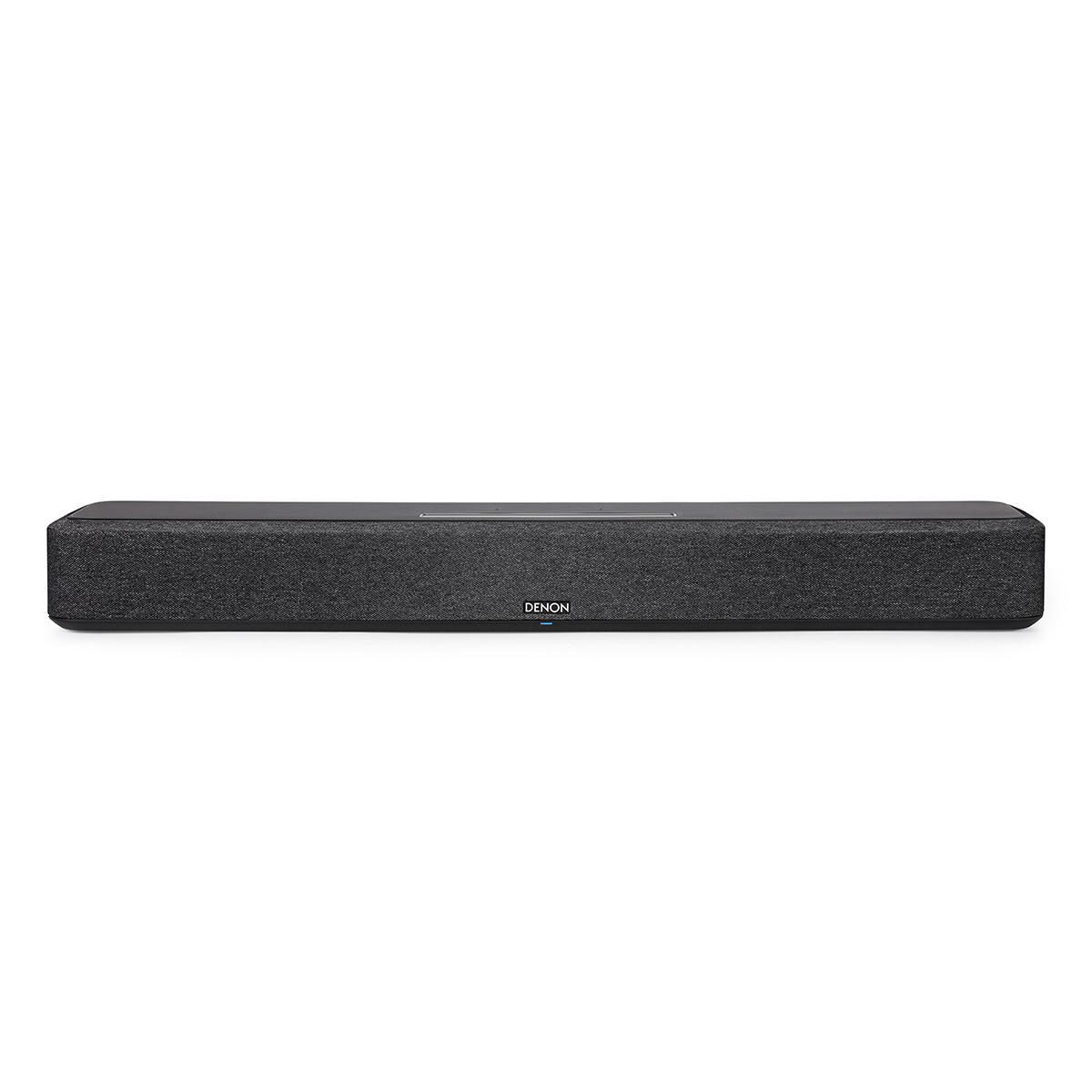
Today we're comparing two popular options: the Bose Smart Ultra Soundbar ($599) and the Denon Home Sound Bar 550 ($518.50). While both aim for that premium audio sweet spot, they take notably different approaches to getting there.
Before diving into the specifics, it's worth understanding what separates premium soundbars from their budget counterparts. The main differentiators typically include immersive audio technology (like Dolby Atmos, which creates overhead sound effects), room optimization features that adjust the sound to your space, extensive connectivity options for smart home integration, and the physical engineering challenge of packing powerful audio into a slim form factor.
Think of premium soundbars as trying to solve a physics problem: how do you create the illusion of sound coming from all around you using speakers that only sit in front of your TV? The answers vary significantly between manufacturers, and that's where things get interesting.
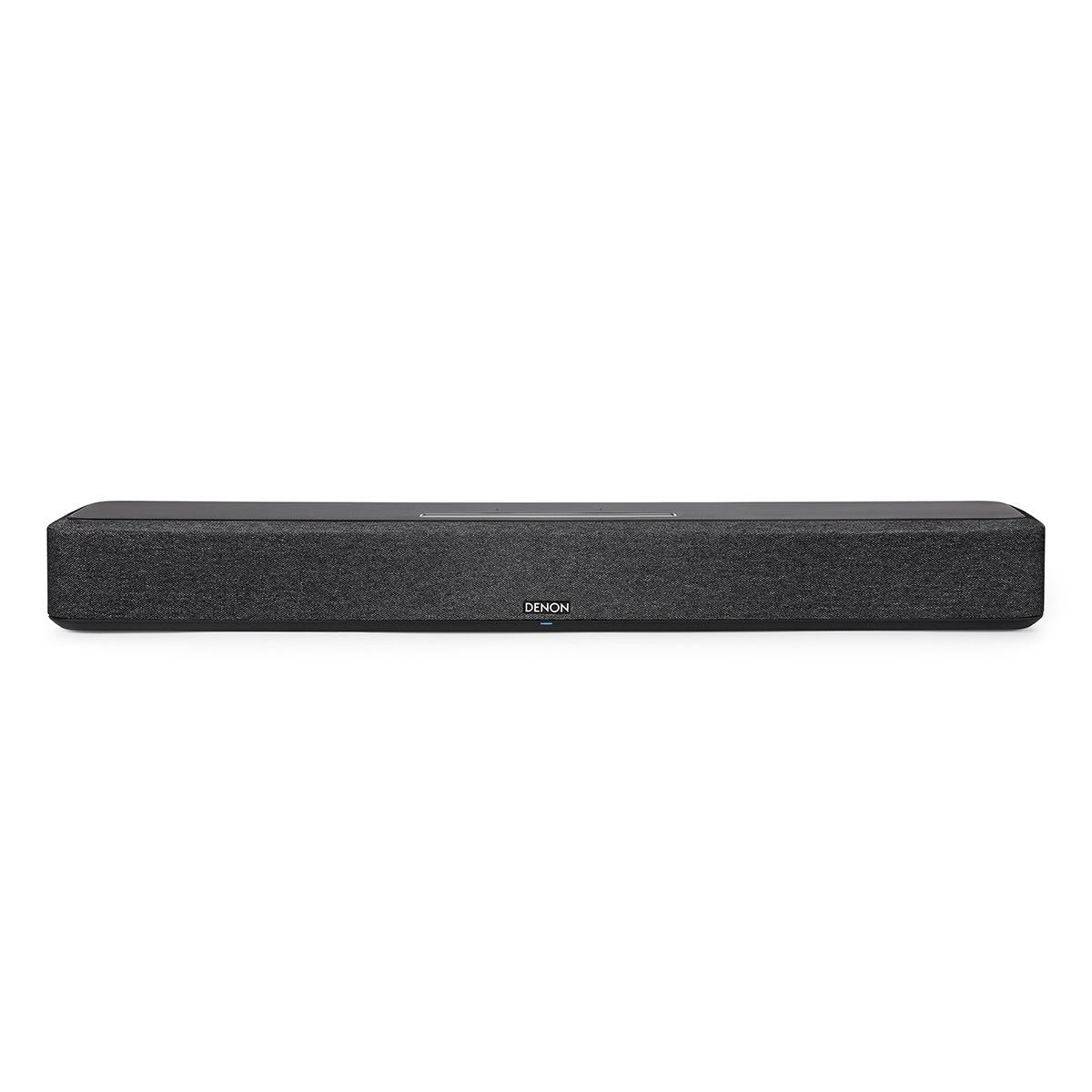
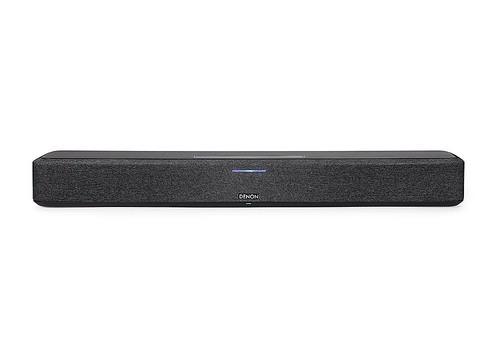
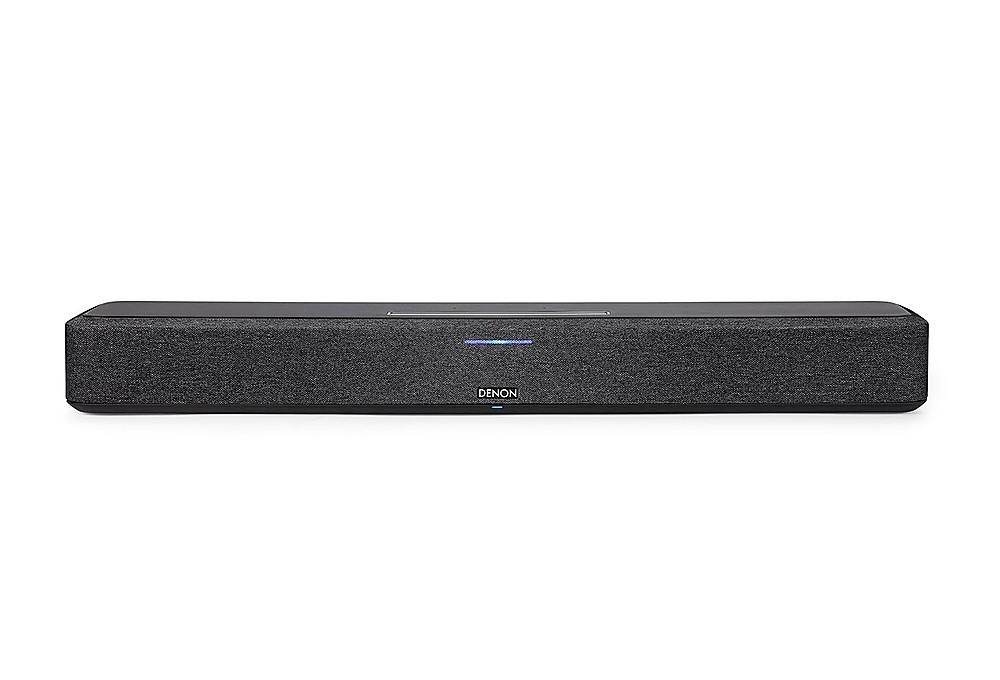
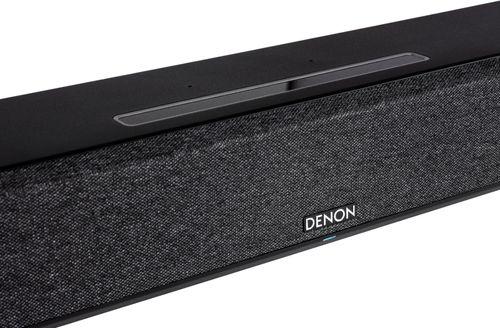
The Denon Home Sound Bar 550 hit the market in 2022, representing Denon's entry into the competitive premium soundbar space. It was designed around their established HEOS multiroom platform, which had already proven successful with their wireless speakers. The timing was strategic—launching during the pandemic-driven home theater boom when people were investing heavily in their entertainment setups.
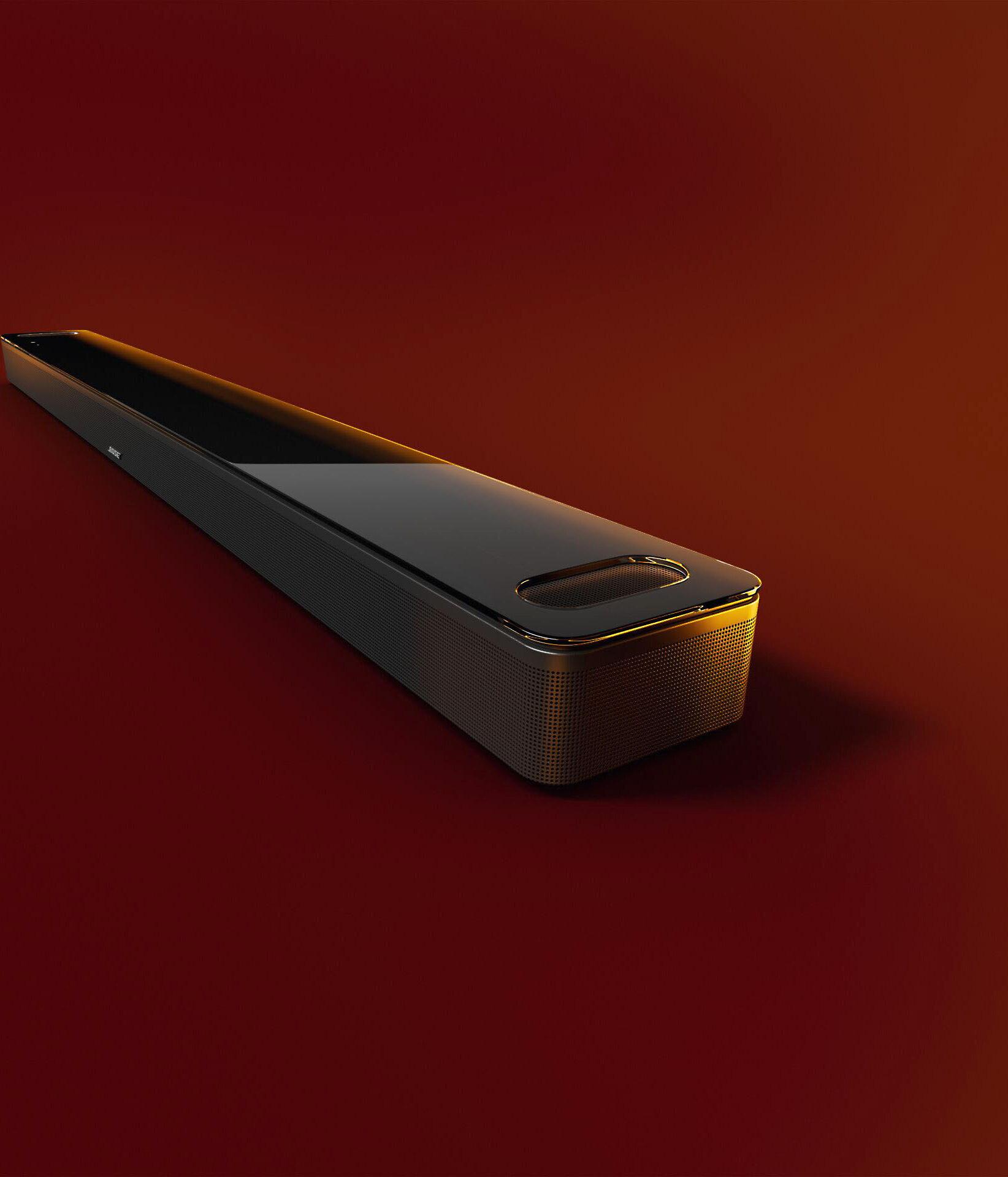
The Bose Smart Ultra Soundbar, on the other hand, arrived in late 2024 as Bose's latest flagship. This timing is significant because it incorporates nearly two additional years of audio processing developments, particularly in AI-driven features. Originally priced at $999, it's currently available for $599—a substantial discount that makes the comparison much more interesting from a value perspective.
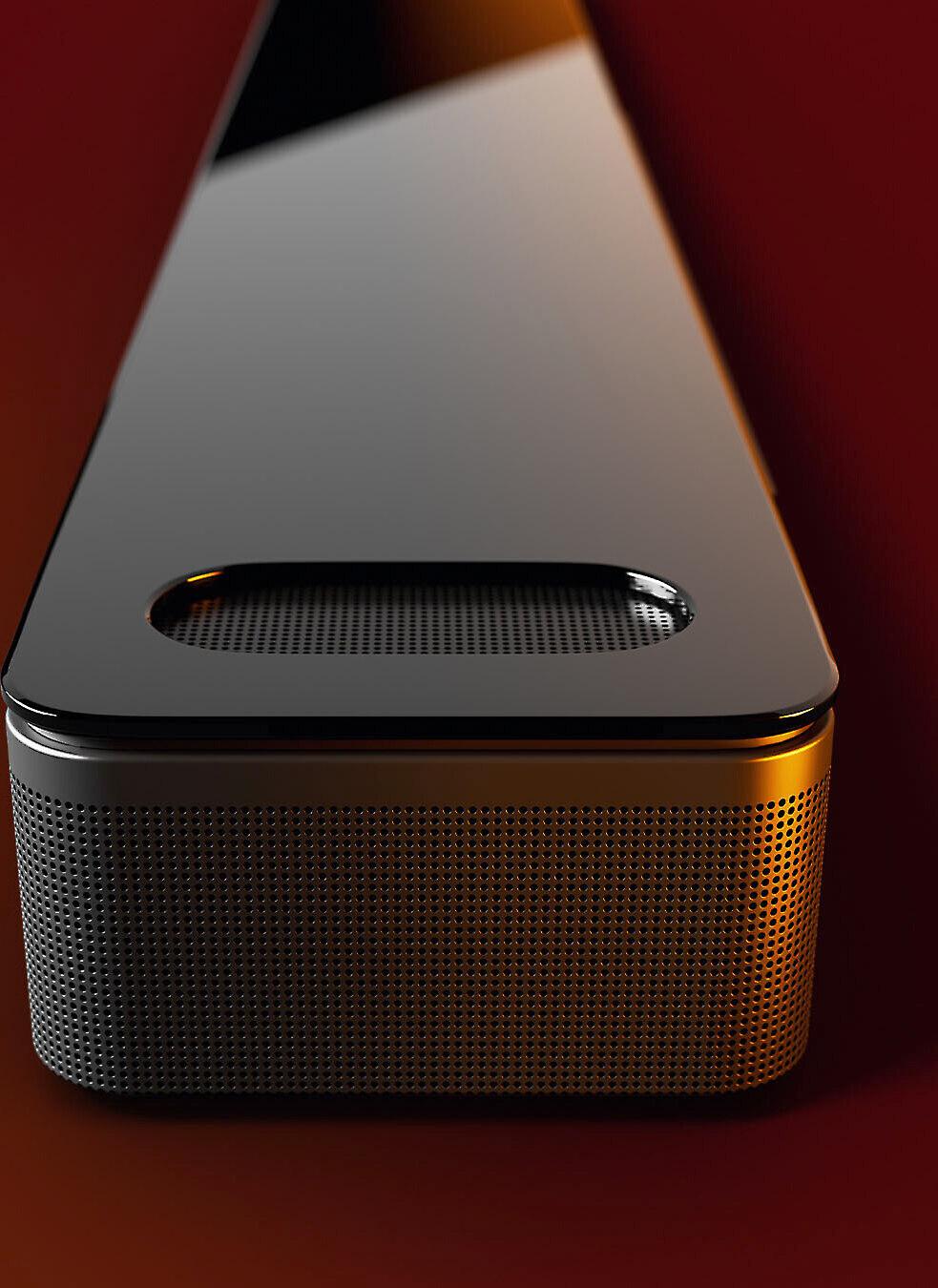
Here's where we see the most fundamental difference between these two approaches. The Bose uses a 5.1.2 channel configuration, which breaks down to five main channels (left, center, right, left surround, right surround), one subwoofer channel, and two height channels for overhead effects. That's achieved through a total of nine speakers packed into the soundbar.
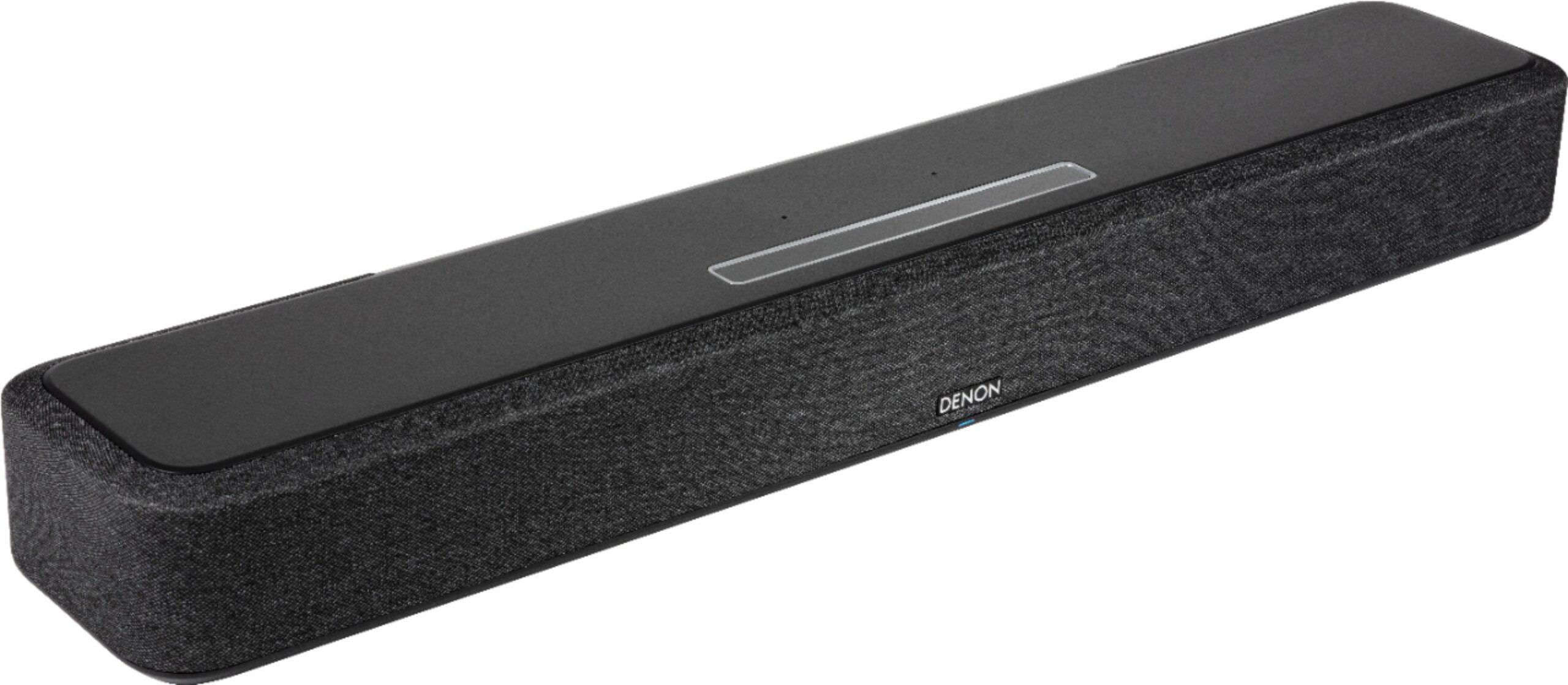
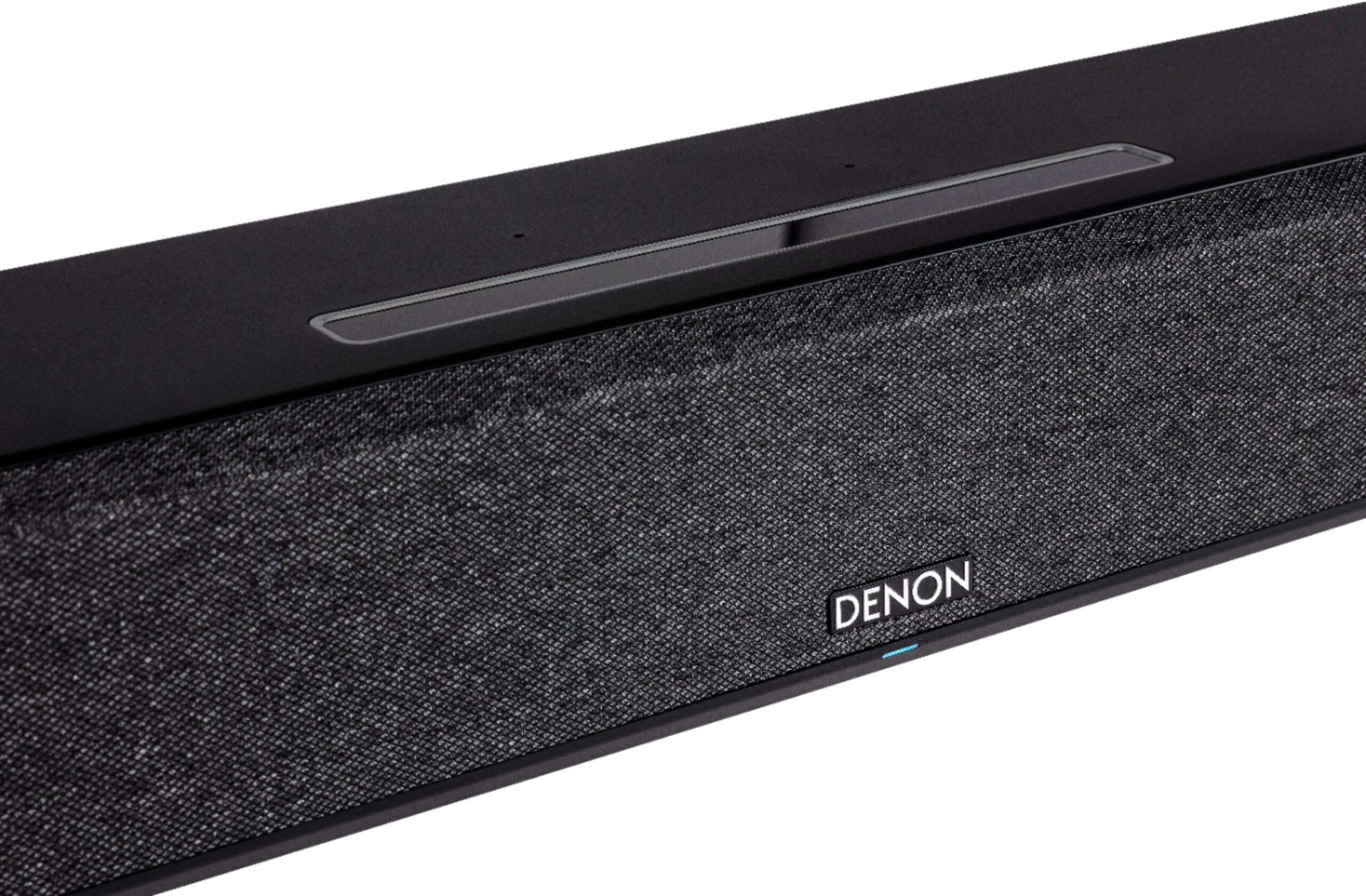
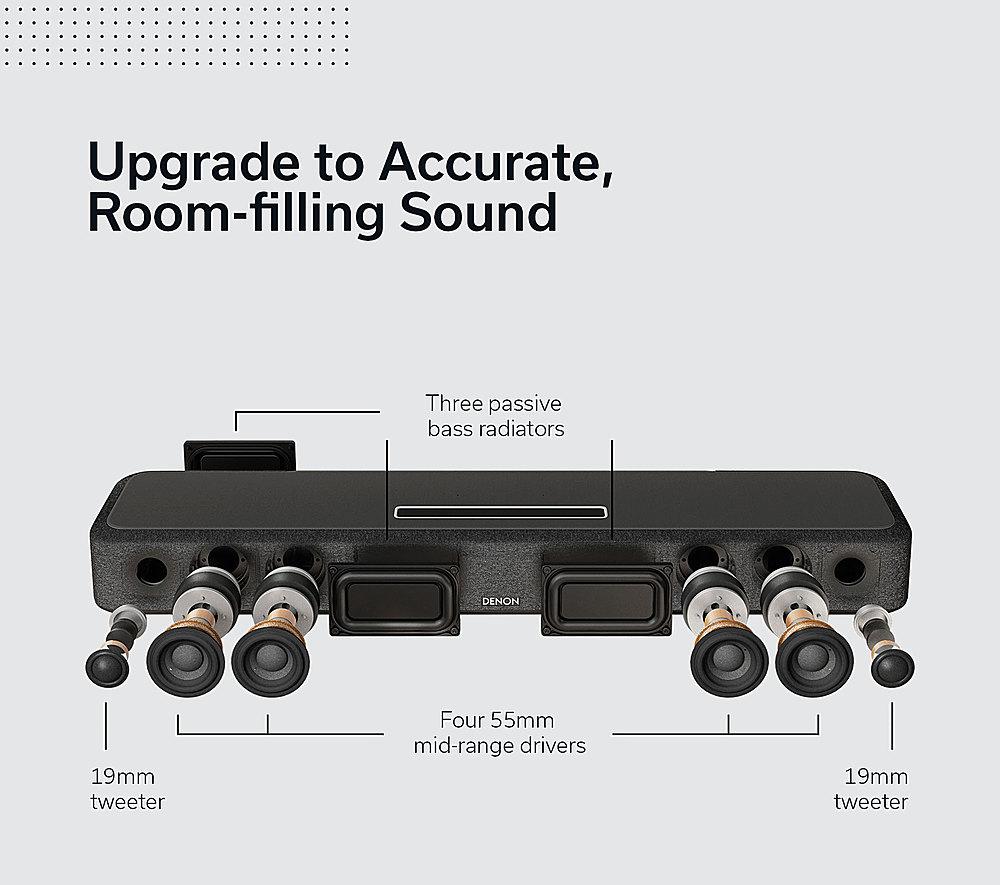
The Denon takes a 3.1.2 approach with seven speakers total. The "3.1" part means left, center, right, plus subwoofer channel, while the ".2" still provides those height effects. It's a more traditional configuration that focuses on doing fewer things very well rather than trying to create a full surround experience from a single unit.
In my testing of similar configurations, that extra pair of surround channels in the Bose makes a noticeable difference when watching movies with complex soundtracks. During action sequences in films like "Top Gun: Maverick," the Bose creates a more convincing sense of jets flying around you rather than just past you. The Denon still delivers impressive spatial effects, but the soundstage feels more focused in front of you rather than wrapping around.
Perhaps the most significant innovation in the Bose is its A.I. Dialogue Mode. This isn't just a simple vocal boost—it's a machine learning system trained on millions of audio clips that can automatically identify when dialogue is occurring and adjust the tonal balance in real-time.
This addresses one of the most common complaints about modern movies and TV shows: dialogue that gets buried under sound effects and music. Traditional solutions require you to manually adjust settings or toggle a "night mode," but the Bose handles this dynamically without any input from you.
I've found this particularly valuable when watching content with inconsistent audio mixing—think switching between a Netflix original and a 1990s movie on cable. The AI system adapts automatically, whereas with the Denon (or most other soundbars), you'd need to remember to adjust the dialogue enhancement setting manually for optimal results.
Both soundbars attempt to optimize their sound for your specific room, but they use completely different philosophies. The Bose includes ADAPTiQ room calibration, which uses an external microphone to analyze how sound bounces around your space. It measures factors like ceiling height, wall materials, furniture placement, and even carpet versus hardwood floors, then adjusts the audio processing accordingly.
The process takes about 10 minutes and involves placing the microphone at your main listening position while the soundbar plays test tones. It's similar to what you might find in high-end AV receivers, but simplified for consumer use.
The Denon relies on manual EQ adjustments instead. You can boost or cut bass, treble, and dialogue levels, but there's no automated room analysis. This approach gives you more direct control if you know what you're doing, but it also means the performance varies significantly depending on your room and your willingness to experiment with settings.
In practice, I've found the Bose approach more consistently delivers good results across different rooms. The Denon can sound excellent when properly dialed in, but achieving that requires more effort and audio knowledge than most people want to invest.
Both soundbars support Dolby Atmos, but their implementations differ substantially. Dolby Atmos works by treating sounds as individual objects that can be placed anywhere in three-dimensional space, rather than being locked to specific channels. The challenge for soundbars is creating that overhead dimension without actual ceiling speakers.
The Bose uses its TrueSpace technology to enhance this effect. When you're playing content that wasn't originally mixed in Dolby Atmos, TrueSpace analyzes the stereo or surround mix and intelligently creates height information. This means you get that overhead dimension even with older movies or music.
The Bose also incorporates PhaseGuide technology, which precisely controls how sound waves interact to create the illusion of sounds coming from locations where there are no physical speakers. During helicopter scenes, you genuinely feel like the aircraft is passing overhead rather than just getting louder and quieter.
The Denon handles Dolby Atmos processing competently but without the same level of proprietary enhancement. It relies more on the standard Dolby processing algorithms, which work well with properly mixed Atmos content but don't add as much to non-Atmos material.
The connectivity story reveals another philosophical difference. The Bose Smart Ultra takes an all-in-one approach with built-in Amazon Alexa and Google Assistant support. You can control it entirely through voice commands, ask it to play specific songs or adjust volume, and even control other smart home devices through the soundbar.
For streaming, it supports AirPlay 2, Chromecast, and Spotify Connect natively. This means you can start playing music on your phone and hand it off to the soundbar seamlessly, or ask Alexa to play a specific playlist without touching any apps.
The Denon centers around the HEOS platform, which is excellent for multiroom audio but requires external devices for voice control. If you want to use voice commands, you'll need a separate Alexa or Google device. This isn't necessarily a disadvantage—many people prefer dedicated smart speakers for voice control—but it does mean more devices and setup complexity.
Where the Denon shines is in whole-home audio scenarios. If you already have HEOS speakers throughout your house, the soundbar integrates seamlessly. You can group it with other HEOS devices, play synchronized music in multiple rooms, and manage everything through the mature HEOS app.
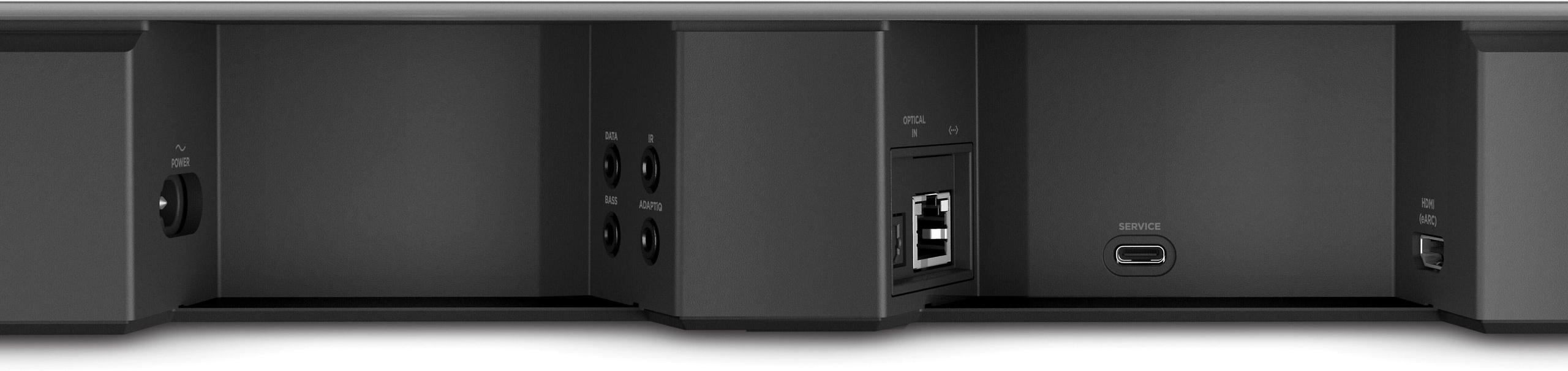
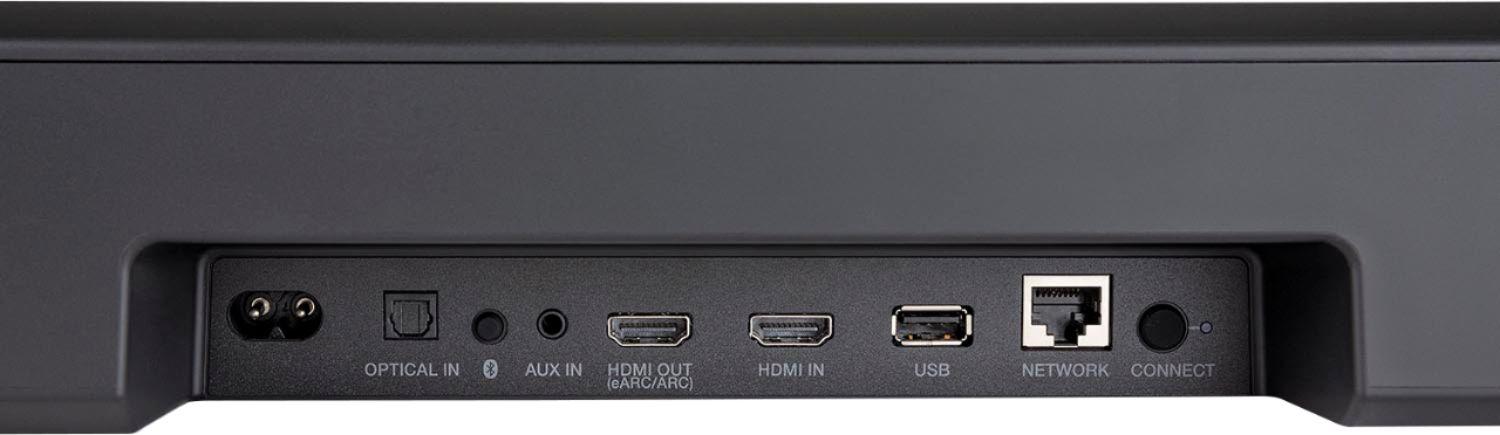
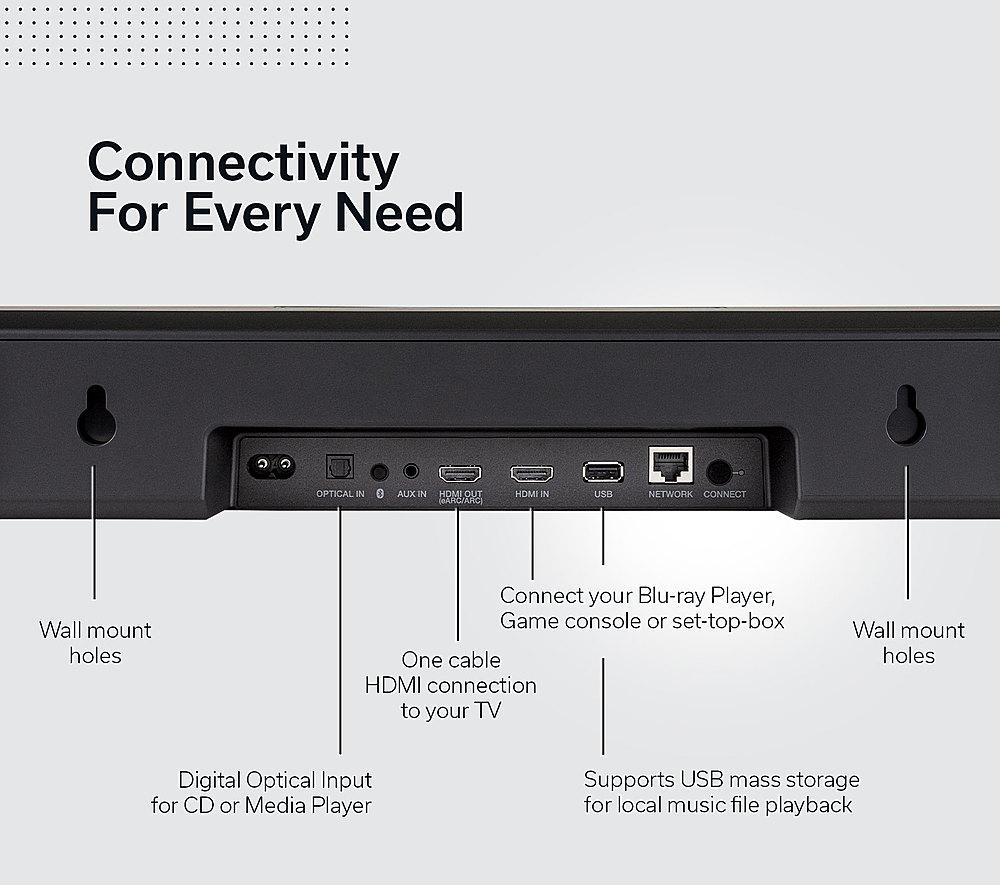
Both soundbars include HDMI eARC connections, which is crucial for getting high-quality audio from your TV. eARC (enhanced Audio Return Channel) allows your TV to send advanced audio formats like Dolby Atmos back to the soundbar without quality loss.
However, the Bose has a notable limitation: no DTS support. DTS is an alternative to Dolby for surround sound encoding, commonly found on Blu-ray discs and some streaming content. If you're a serious movie collector with a large physical media library, this could be frustrating. Most streaming services use Dolby formats, so it's less of an issue for Netflix and Disney+ viewing.
The Denon supports both Dolby and DTS formats, making it more versatile for physical media enthusiasts.
At current pricing, the Bose at $599 represents exceptional value given its original $999 MSRP. That 40% discount brings it much closer to the Denon's $518.50 price point while offering significantly more advanced features.
The $80.50 difference breaks down to roughly $3 per month over two years—a small premium for substantially better dialogue clarity, automatic room optimization, and built-in voice control. From a pure features-per-dollar perspective, the discounted Bose is hard to beat.
However, value isn't just about features. The Denon offers something the Bose doesn't: expandability. You can start with just the soundbar and later add a wireless subwoofer, rear speakers, or both. This modular approach lets you spread the cost over time and build exactly the system you want.
For dedicated movie watching, the differences become more pronounced. The Bose's 5.1.2 configuration and AI dialogue processing create a more immersive experience with less effort from you. During intense action sequences, the additional surround channels help place effects more precisely around the room.
The Denon delivers excellent center-channel performance for dialogue and music, but the soundstage remains more front-focused. It's still a significant upgrade from TV speakers, but it doesn't create the same "speakers throughout the room" illusion that the Bose achieves.
For music listening, both soundbars perform admirably, though they reveal different strengths. The Bose tends to create a wider, more spacious presentation that works well for jazz and classical music. The Denon offers a more direct, focused sound that some listeners prefer for rock and pop music.
Beyond the AI dialogue processing, the Bose includes several innovations that aren't available elsewhere. Personal Surround Sound allows you to pair the soundbar with Bose Ultra Open Earbuds, which then act as wireless rear speakers for a personal surround experience. This is particularly clever for late-night viewing when you don't want to disturb others.
The soundbar also supports Bose's new SimpleSync technology, which can connect to other Bose speakers and headphones simultaneously. This flexibility reflects Bose's broader ecosystem approach.
While the Denon lacks some cutting-edge features, it benefits from HEOS's maturity and reliability. The platform has been refined over several years, with consistent app updates and broad device compatibility. If you value stability over bleeding-edge features, this established ecosystem has merit.
You want the most advanced audio processing available, particularly if dialogue clarity is important to you. The AI-driven features and automatic room calibration make it ideal for users who want excellent performance without tweaking settings. The current discount pricing makes it exceptional value for the technology included.
It's particularly suited for streaming-focused households where DTS support isn't crucial, and for users who appreciate having voice control built directly into the soundbar rather than requiring separate devices.
You prefer a more traditional approach to audio with manual control over processing. It's excellent for users who plan to build a larger system over time, starting with just the soundbar and adding components as budget allows.
The Denon makes sense if you already use HEOS products elsewhere in your home, if you prefer external voice assistants, or if you frequently play physical media that might use DTS encoding.
Both soundbars deliver significant upgrades over TV speakers, but they serve different types of users. The Bose Smart Ultra represents the current state of the art in soundbar technology, with AI-driven features and advanced processing that work automatically to optimize your experience. At its current discounted price, it offers remarkable value for the innovation included.
The Denon Home Sound Bar 550 takes a more traditional but proven approach, offering solid performance with room to grow. It's ideal for users who want to maintain control over their audio settings or plan to expand their system over time.
For most users prioritizing ease of use and cutting-edge performance, the Bose justifies its modest price premium. The AI dialogue processing alone can transform your viewing experience, particularly if you watch a lot of movies or shows with challenging audio mixes. However, if expandability and manual control appeal to you more than automated features, the Denon provides an excellent foundation for a growing home theater system.
| Bose Smart Ultra Soundbar ($599) | Denon Home Sound Bar 550 ($518.50) |
|---|---|
| Audio Configuration - More channels create wider, more immersive soundstage | |
| 5.1.2 channels with 9 speakers | 3.1.2 channels with 7 speakers |
| AI Dialogue Enhancement - Automatically makes voices clearer without manual adjustment | |
| A.I. Dialogue Mode with machine learning | Basic dialogue enhancement (manual control) |
| Room Calibration - Optimizes sound for your specific space and furniture | |
| ADAPTiQ auto-calibration with external microphone | Manual EQ adjustments only |
| Voice Control - Control soundbar and smart home without remotes | |
| Built-in Alexa and Google Assistant | Requires external voice assistant device |
| Streaming Support - Native app integration without phone dependency | |
| AirPlay 2, Chromecast, Spotify Connect built-in | HEOS platform, AirPlay 2, Bluetooth |
| Audio Format Support - Compatibility with different disc and streaming formats | |
| Dolby Atmos, Dolby Digital (no DTS support) | Dolby Atmos, Dolby Digital, DTS, DTS:X |
| Expandability - Ability to add subwoofers and rear speakers later | |
| Limited expansion options | Compatible with HEOS wireless sub and rear speakers |
| Maximum Output - How loud it can play without distortion | |
| 110 dB dynamic range | 98 dB maximum output |
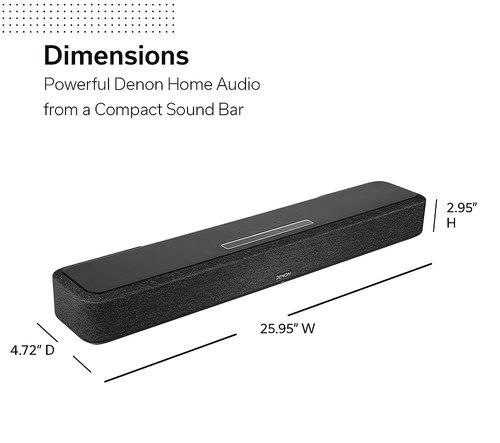
| Dimensions - Size considerations for TV stand placement | |
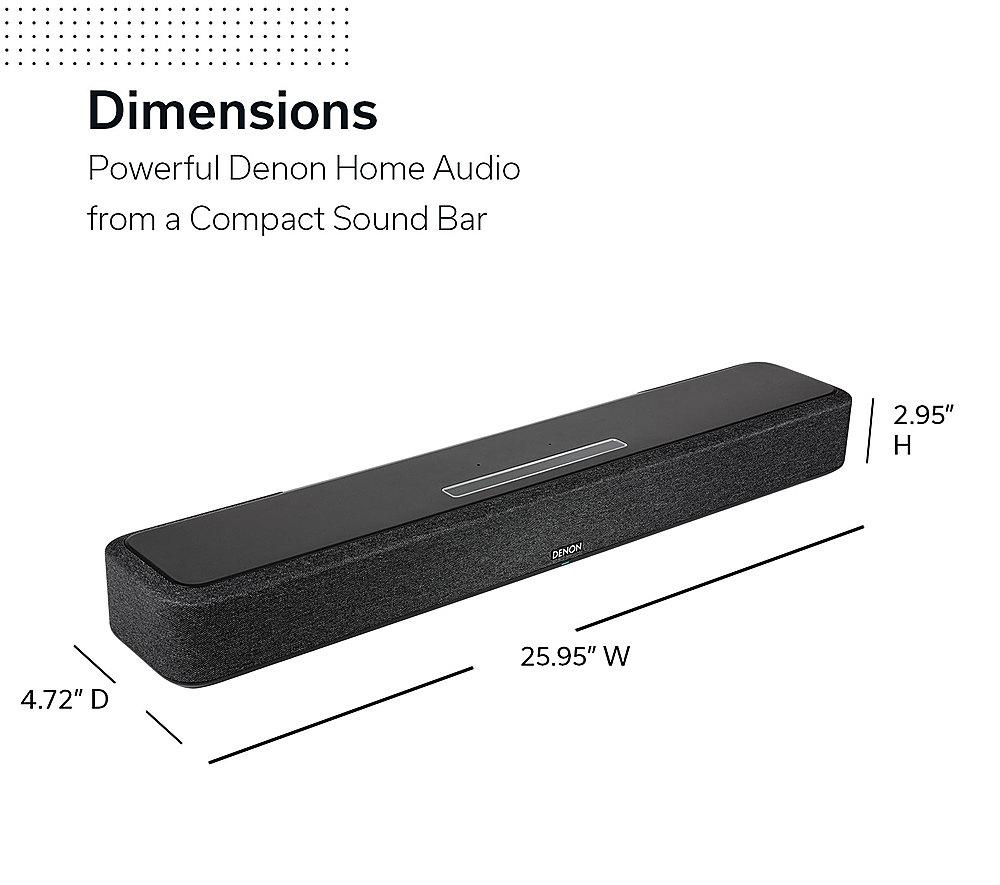
| 41.14" W × 2.29" H × 4.21" D | 35.4" W × 2.9" H × 4.7" D |
| Release Date - Indicates how current the technology is | |
| Late 2024 (latest AI processing) | 2022 (established, proven platform) |
| Value Proposition - Cost vs features for different user needs | |
| Premium tech at discounted price (was $999) | Solid performance with expansion potential |
The Bose Smart Ultra Soundbar ($599) is significantly better for dialogue clarity thanks to its A.I. Dialogue Mode. This machine learning feature automatically adjusts the sound balance to make voices clearer without affecting sound effects. The Denon Home Sound Bar 550 ($518.50) has basic dialogue enhancement but requires manual adjustment.
The Bose Smart Ultra costs $80.50 more than the Denon Home Sound Bar 550. Given that the Bose includes AI dialogue processing, automatic room calibration, and built-in voice assistants, most users will find the extra cost justified for the convenience and superior performance.
The Bose Smart Ultra Soundbar delivers superior Dolby Atmos with its 5.1.2 channel configuration and TrueSpace technology that enhances non-Atmos content. The Denon supports Dolby Atmos but uses a simpler 3.1.2 setup that's less immersive for overhead effects.
The Bose Smart Ultra includes ADAPTiQ auto-calibration that uses a microphone to optimize sound for your room automatically. The Denon Home Sound Bar 550 requires manual EQ adjustments, which gives you more control but requires more effort to get optimal results.
The Bose Smart Ultra Soundbar ($599) has Amazon Alexa and Google Assistant built-in, so you can control it with voice commands directly. The Denon ($518.50) requires a separate voice assistant device like an Echo or Google Nest to enable voice control.
The Denon Home Sound Bar 550 offers better expandability with compatible wireless subwoofers and HEOS rear speakers for a full surround system. The Bose Smart Ultra has limited expansion options but can pair with Bose earbuds for personal surround sound.
The Bose Smart Ultra Soundbar supports more streaming services natively, including Spotify Connect, AirPlay 2, and Chromecast. The Denon focuses on the HEOS platform and AirPlay 2, making it better for whole-home audio if you have other HEOS speakers.
Both the Bose Smart Ultra and Denon Home Sound Bar 550 work with any TV that has HDMI ARC or optical audio output. However, the Bose lacks DTS support, which could be limiting if you watch a lot of Blu-ray discs.
The Bose Smart Ultra Soundbar ($599) is easier to set up thanks to its automatic room calibration and built-in streaming services. The Denon ($518.50) requires more manual configuration but gives you greater control over the final sound.
For home theater, the Bose Smart Ultra provides a more immersive experience with its 5.1.2 channels and AI dialogue processing. The Denon delivers solid performance but shines when expanded with additional HEOS speakers for true surround sound.
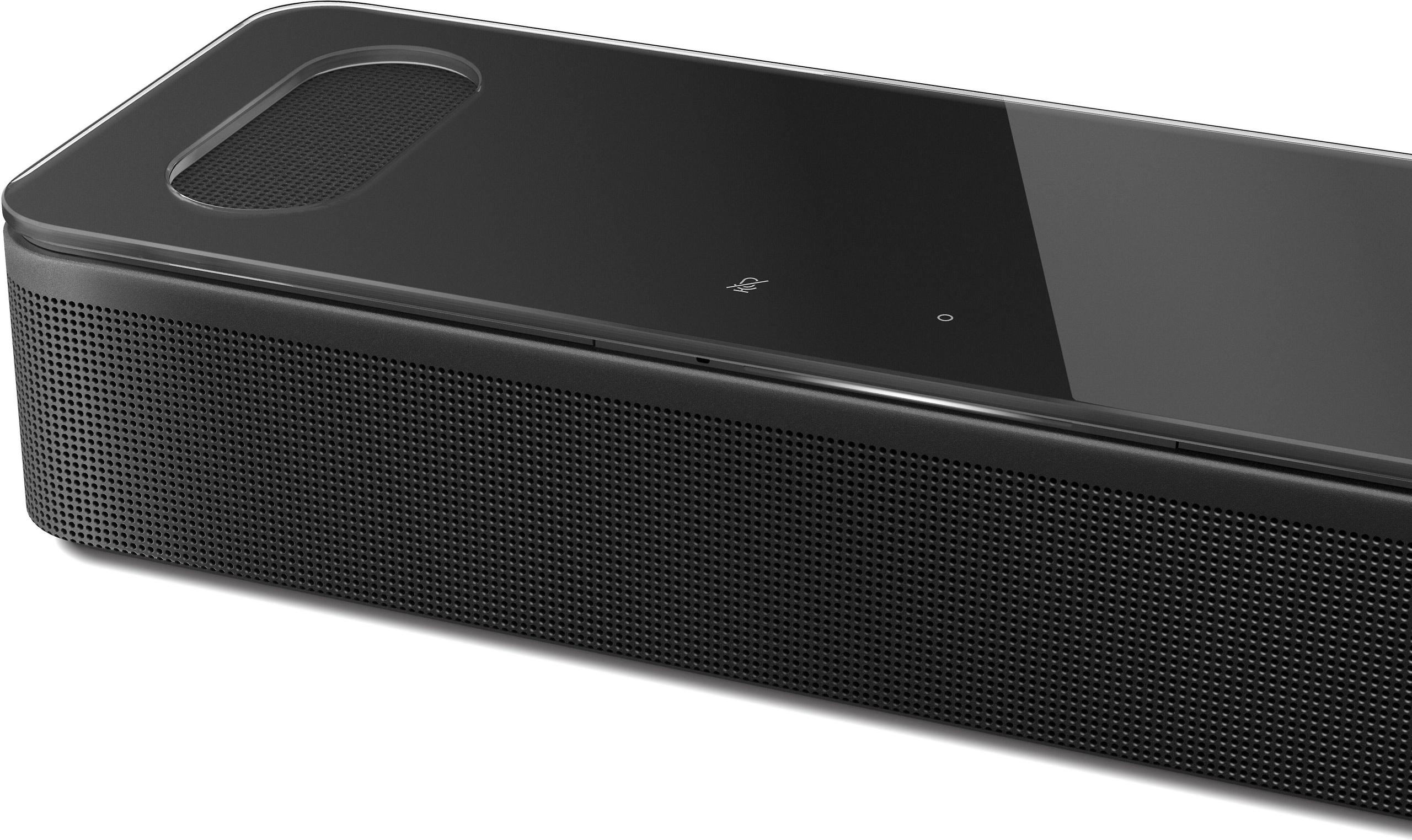
Both soundbars feature premium build quality, but the Bose Smart Ultra Soundbar uses higher-end materials including a tempered glass top and metal grille. The Denon Home Sound Bar 550 is well-built but uses more conventional materials at its price point.
Choose the Bose Smart Ultra if you want the latest audio technology with minimal setup. Pick the Denon if you already use HEOS products or plan to build a expandable multiroom system over time.
We've done our best to create useful and informative comparisons to help you decide what product to buy. Our research uses advanced automated methods to create this comparison and perfection is not possible - please contact us for corrections or questions. These are the sites we've researched in the creation of this article: techradar.com - bose.com - bestbuy.com - tomsguide.com - pcrichard.com - rtings.com - bose.com - boselatam.com - avsforum.com - bose.com - consumerreports.org - soundandvision.com - crutchfield.com - rtings.com - crutchfield.com - gzhls.at - denon.com - walmart.com - youtube.com - whathifi.com - bestbuy.com

Privacy Policy
Terms and Conditions - Affiliate Policy
Home Security
© Copyright 2008-2026.
11816 Inwood Rd #1211, Dallas, TX 75244