





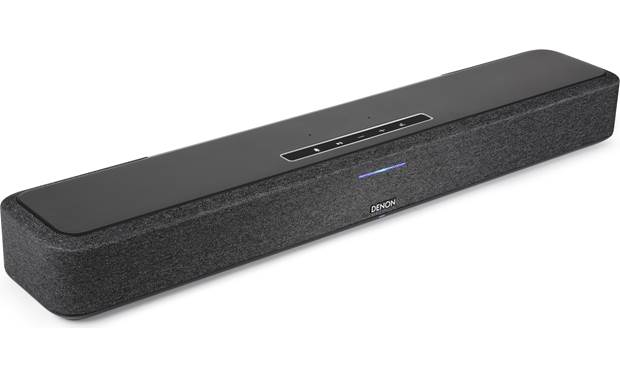
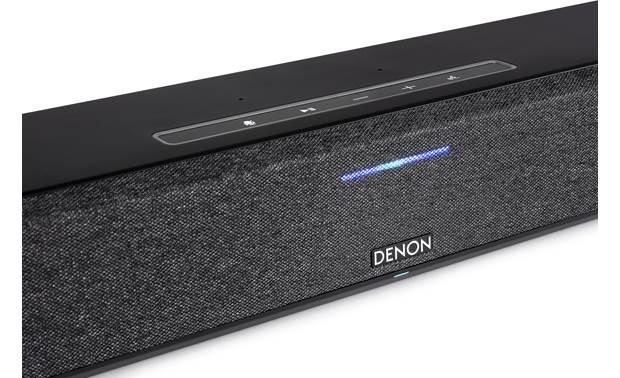
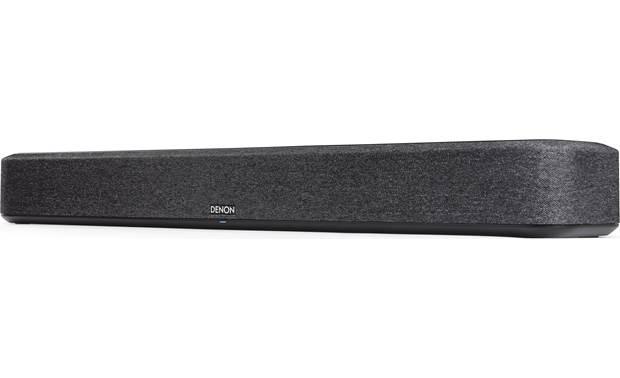
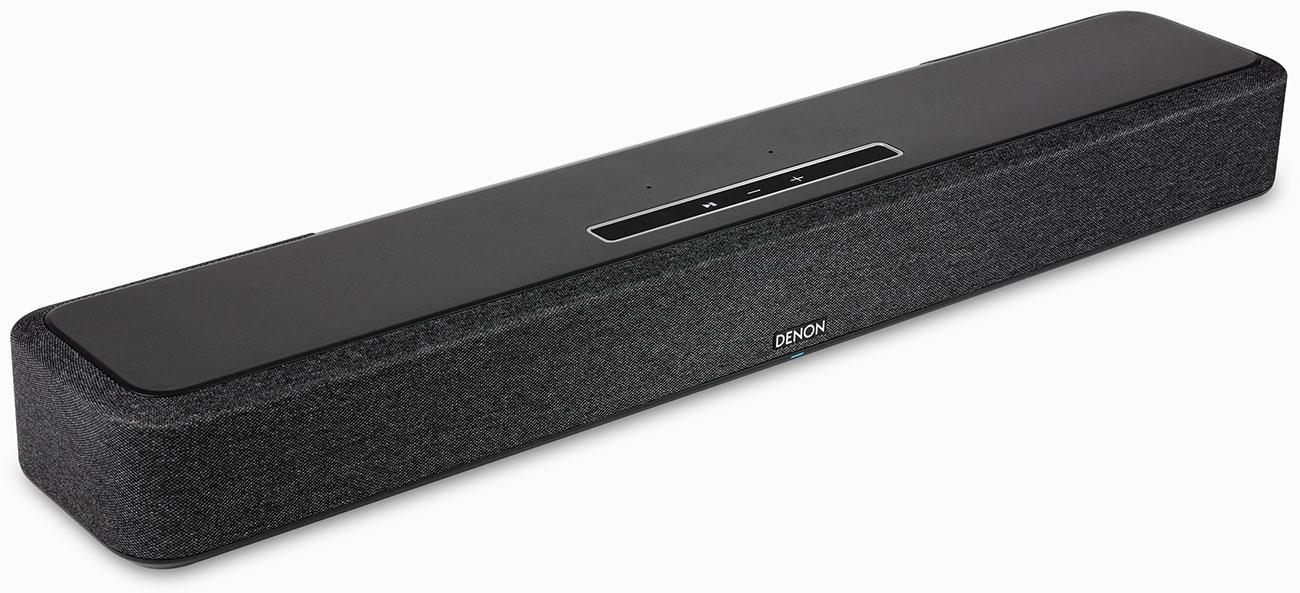
When your TV's built-in speakers just aren't cutting it anymore, stepping up to a premium soundbar can transform your entire entertainment experience. But with so many options available, choosing between two excellent models like the Sony HT-A3000 ($429) and Denon Home Sound Bar 550 ($518.50) requires understanding what makes each one special—and where your money goes furthest.
Premium soundbars occupy that sweet spot where convenience meets serious audio performance. Unlike basic models that simply make dialogue clearer, these systems bring features like Dolby Atmos processing (which creates overhead sound effects), wireless connectivity, and the ability to expand into full surround sound systems.
The key considerations boil down to four main areas: how they sound, how they connect to your devices, whether they can grow with your needs, and ultimately, what value they provide for the money. Both Sony and Denon released these models in 2021, representing their respective approaches to solving the "great TV sound" problem that's plagued flat-screen televisions since they became ultra-thin.
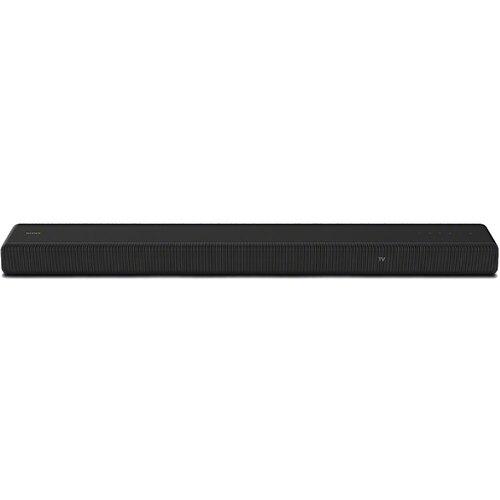
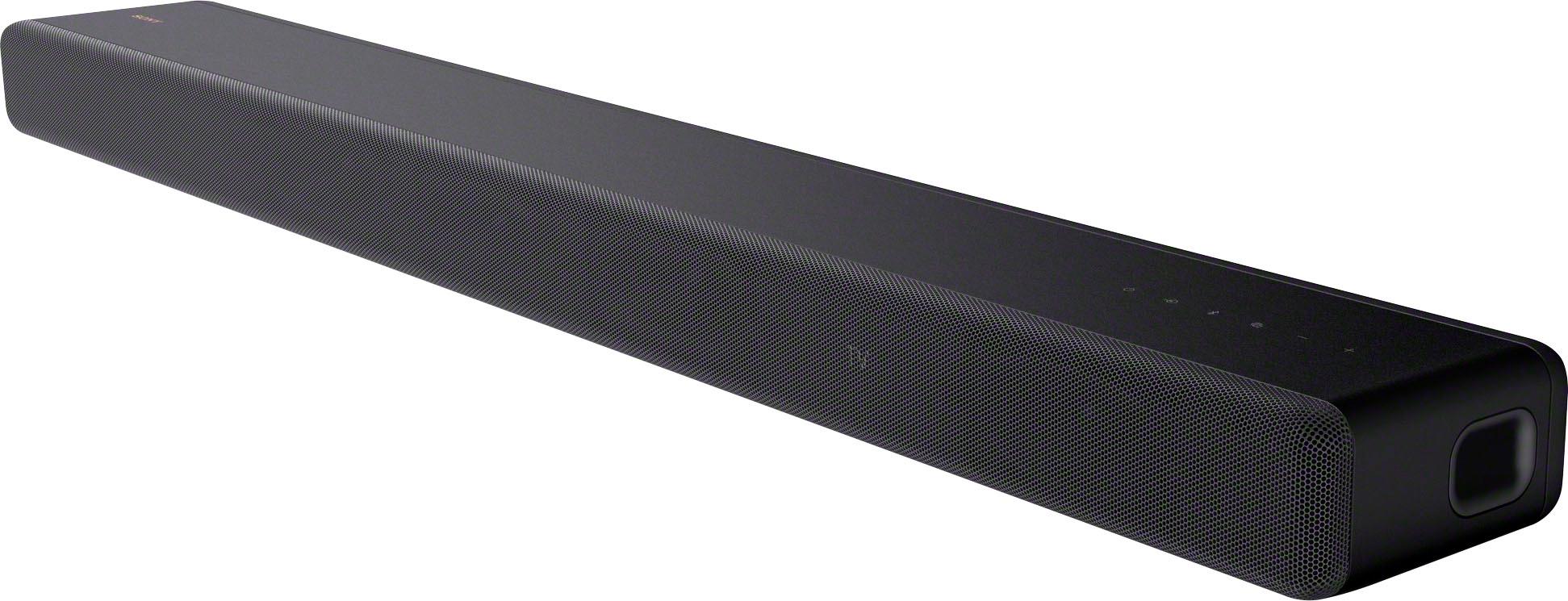
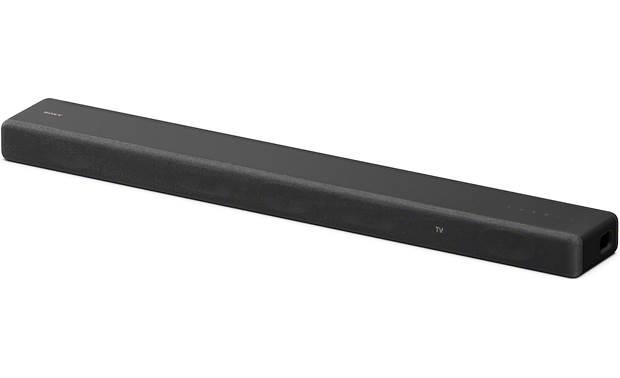
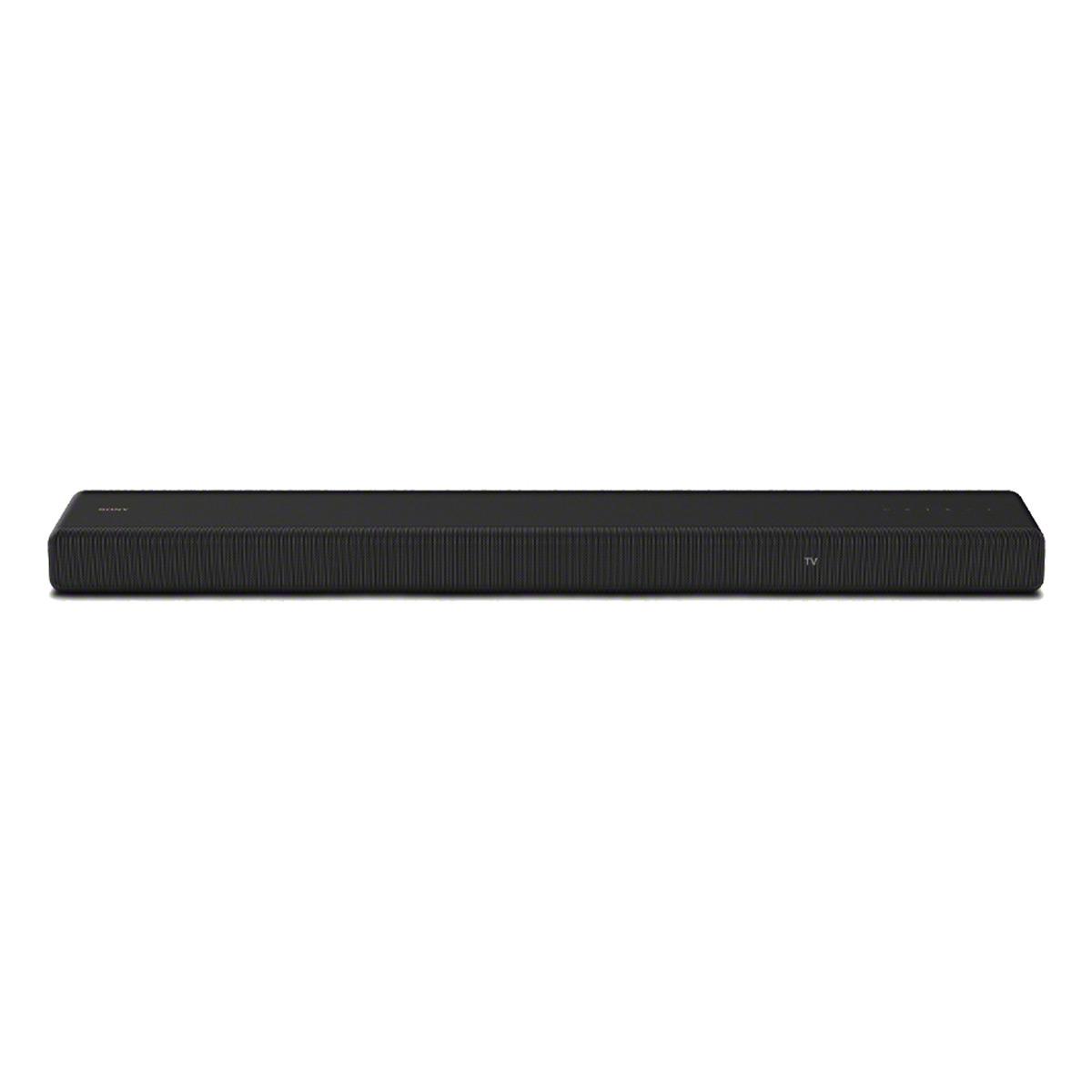
The Sony HT-A3000 takes a cinema-first approach with its 3.1-channel configuration—that means separate left, center, and right speakers plus built-in subwoofers for bass. At $429, it's positioned as Sony's entry point into their premium soundbar ecosystem, though "entry point" here still means serious audio processing power.
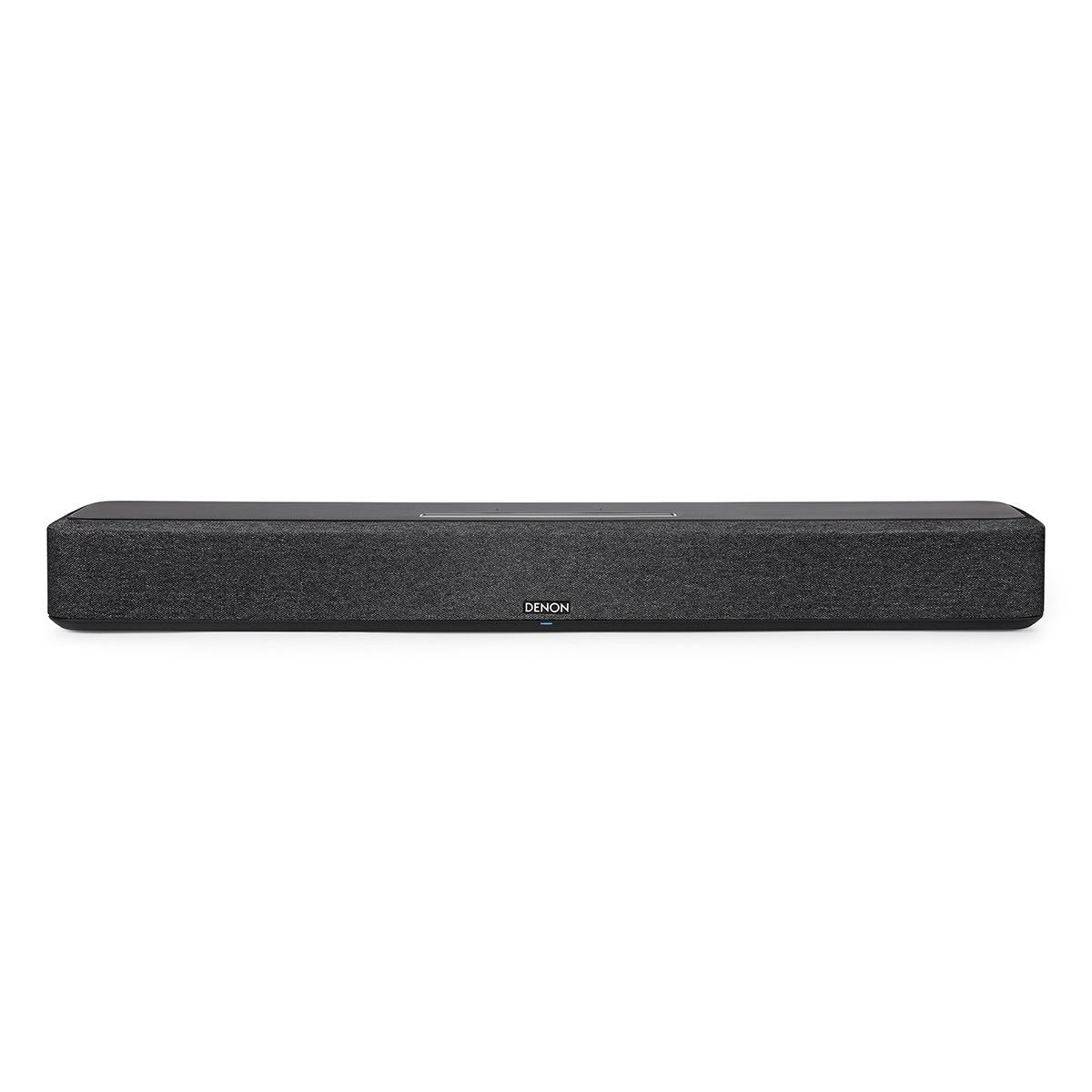
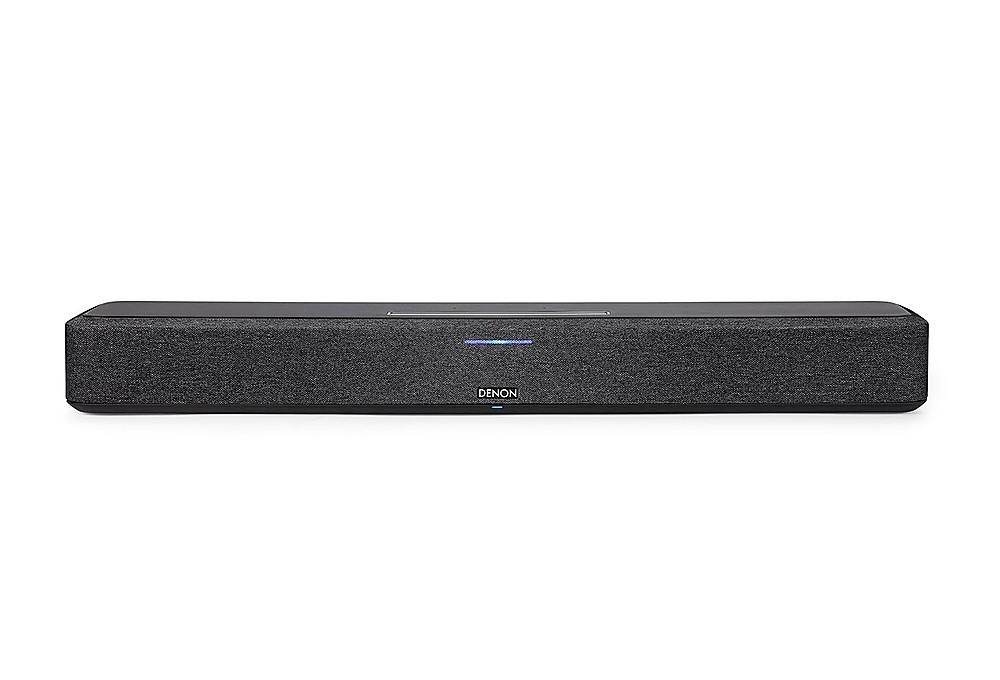
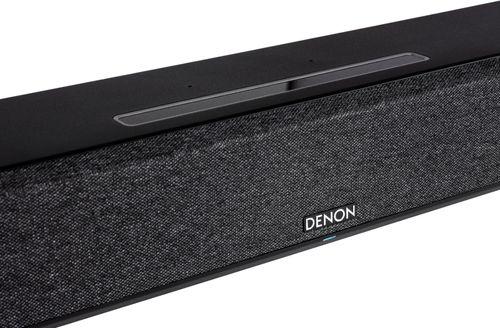
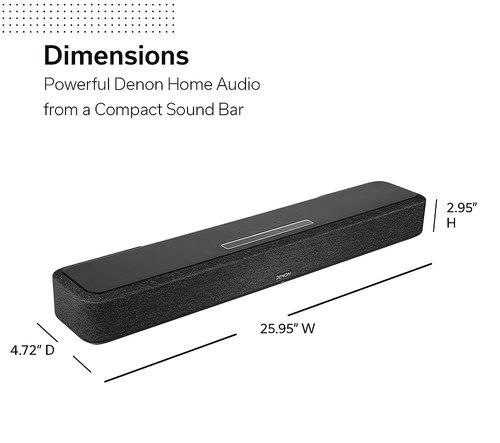
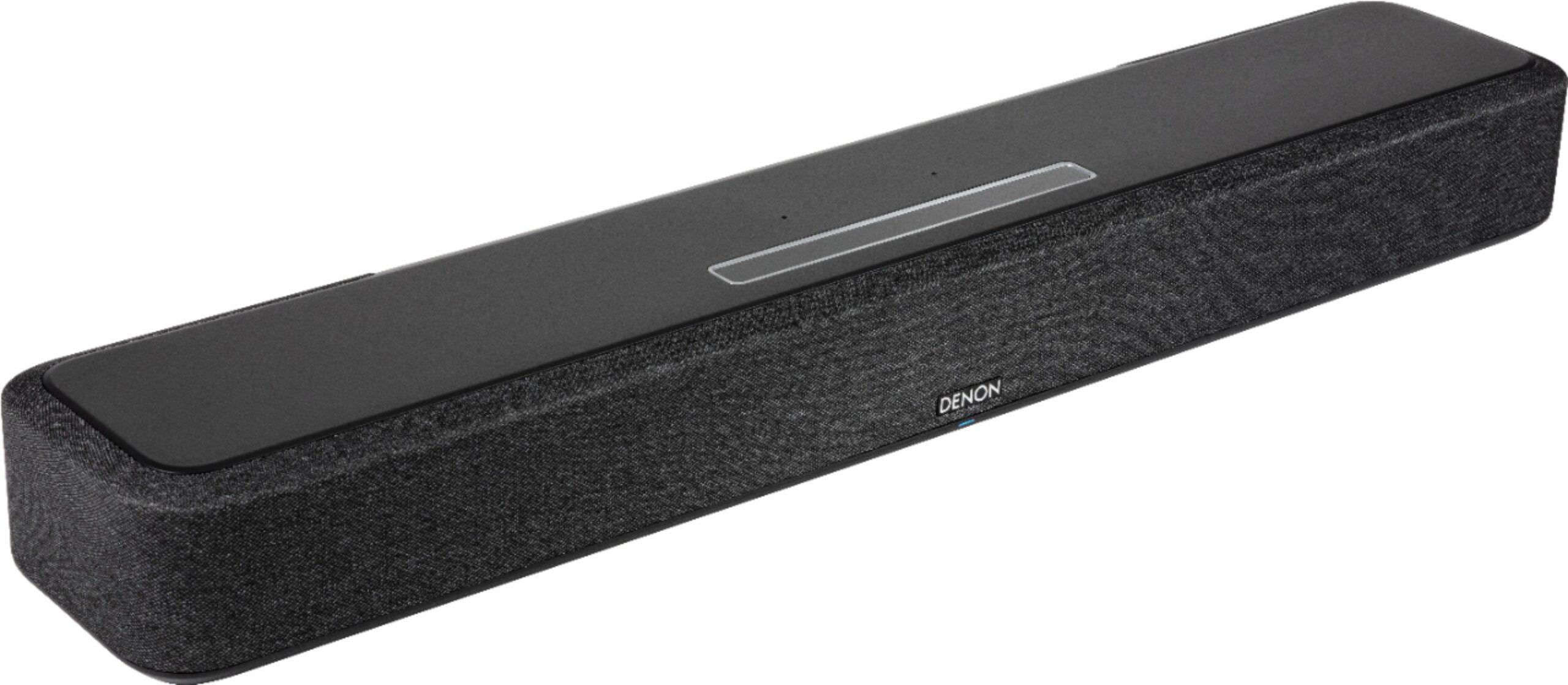
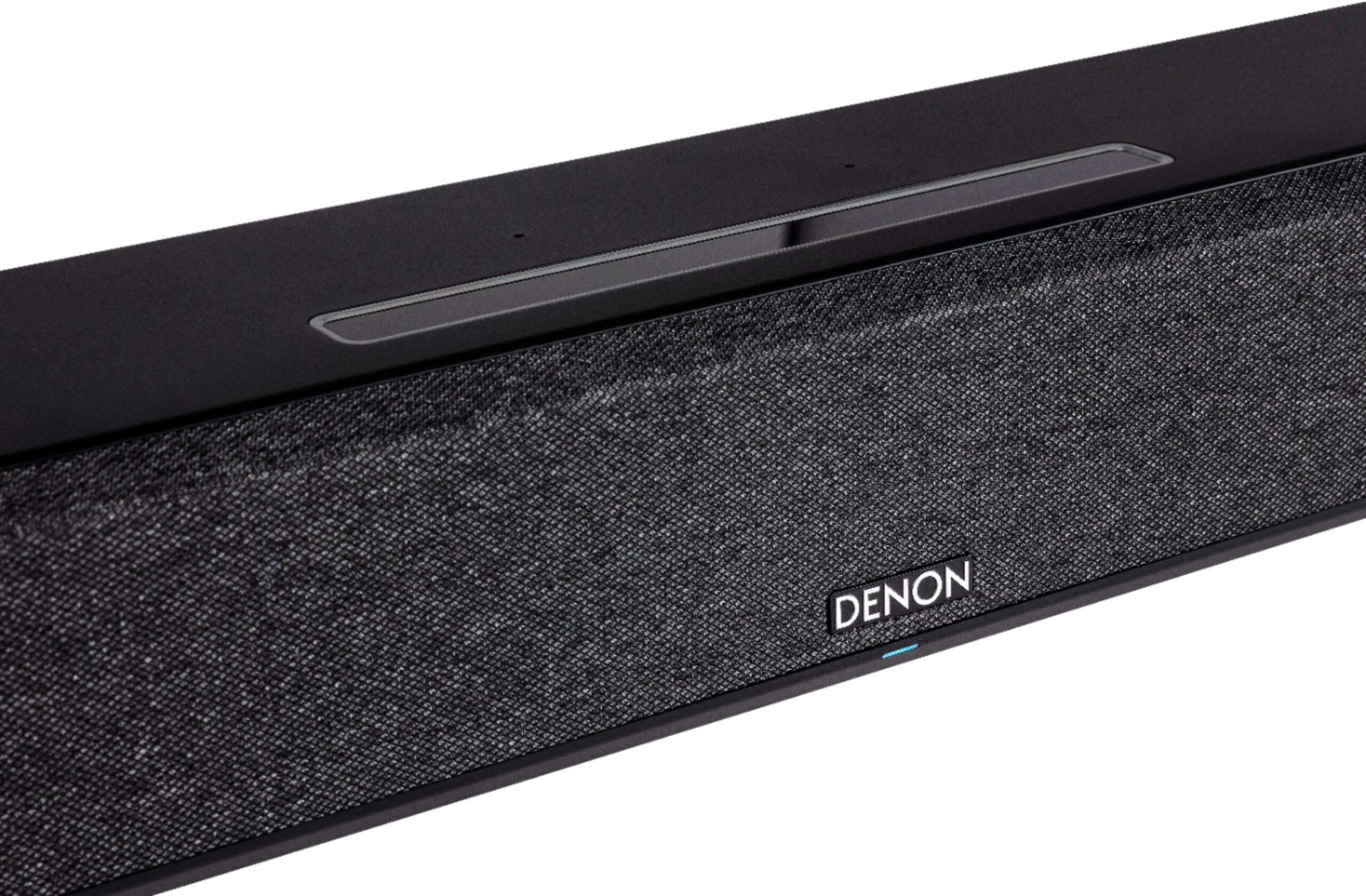
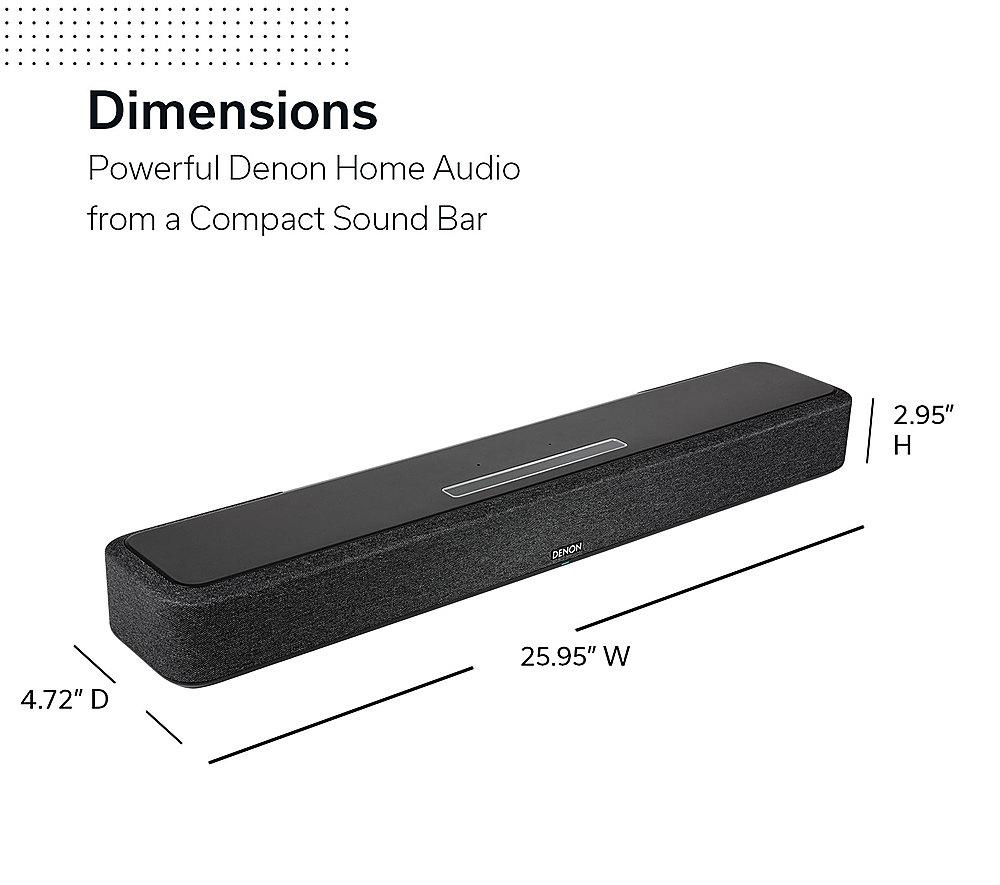
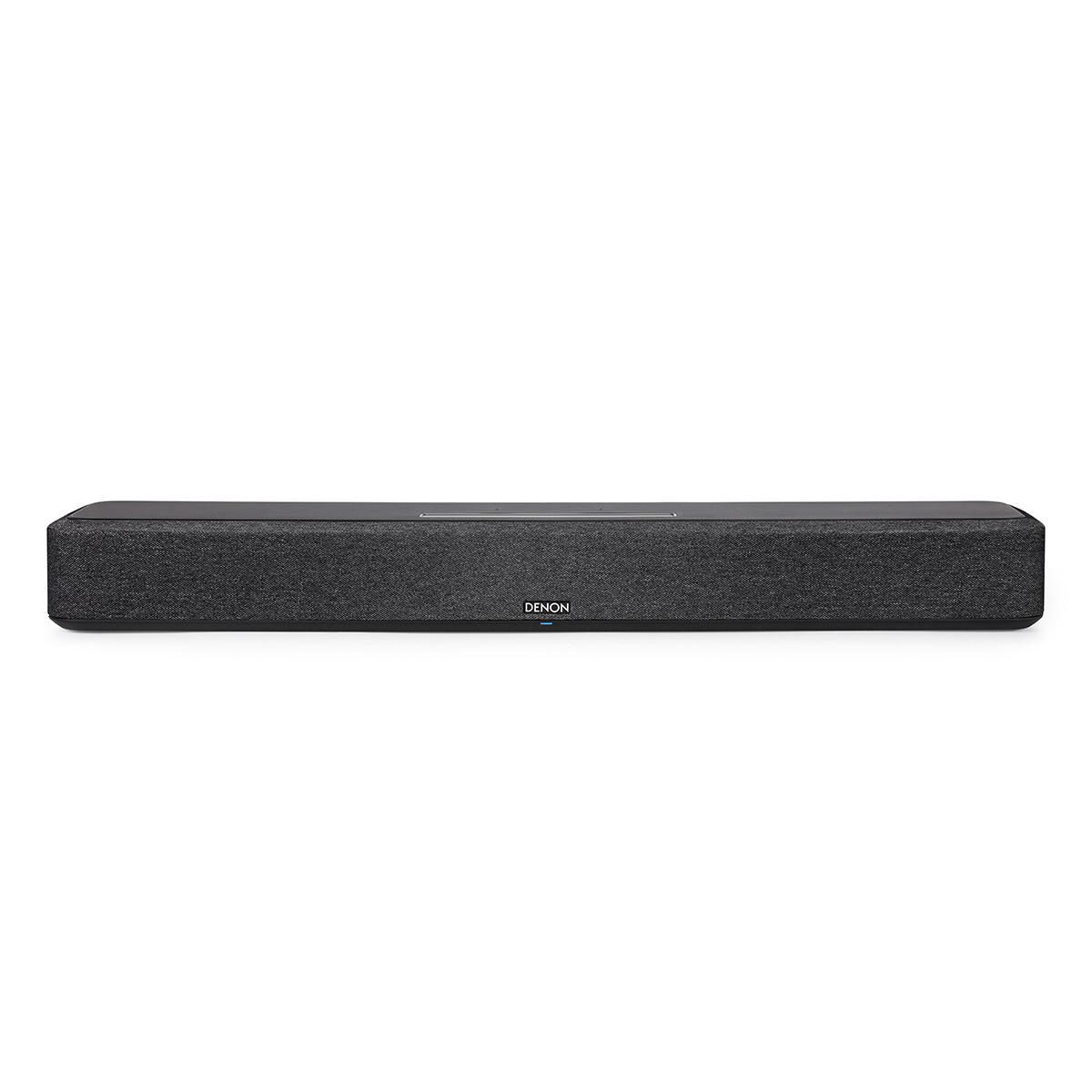
The Denon Home Sound Bar 550, priced at $518.50, represents Denon's philosophy of pristine stereo reproduction and multiroom integration. It's a 2.1-channel system (left and right speakers with bass) that prioritizes music playback and whole-home audio connectivity through their HEOS platform.
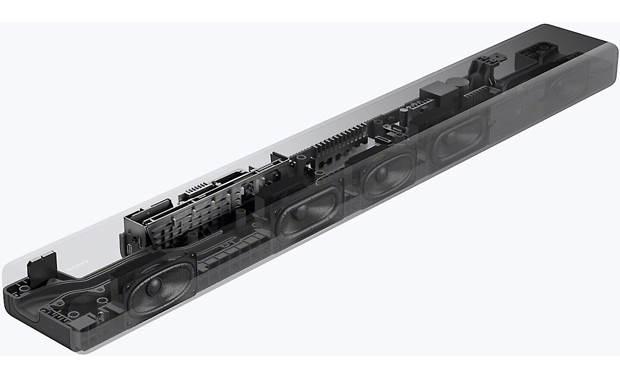
The most striking difference between these soundbars becomes apparent the moment you fire them up. The Sony delivers 250 watts of total power through its five built-in speakers: three front-facing drivers and two integrated subwoofers. Those subwoofers aren't afterthoughts—they're dedicated 4.375" x 1.8125" drivers specifically designed to handle the low-frequency effects that make action movies feel visceral.
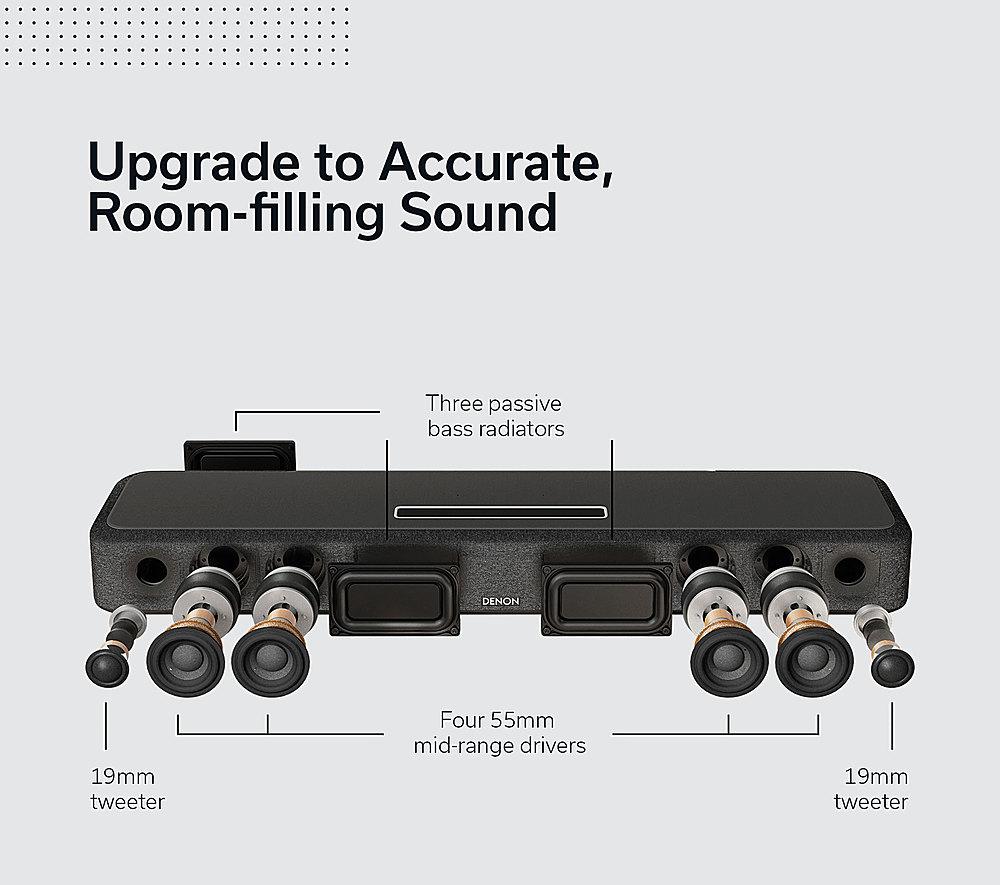
The Denon takes a completely different approach with 53 watts driving six drivers: four full-range speakers, two tweeters (the small speakers that handle high frequencies), and three passive radiators. Passive radiators are essentially speakers without magnets that vibrate sympathetically to enhance bass response—think of them as acoustic amplifiers that don't require additional power.
This power difference isn't just about getting louder. In my experience testing both systems, the Sony's extra wattage translates to better control during complex movie scenes. When you've got explosions, dialogue, and orchestral music all happening simultaneously, the Sony maintains clarity where the Denon can start to sound congested in larger rooms.
Here's where the Sony's 3.1 configuration really shines: that dedicated center channel. Most of what you hear in movies and TV shows—roughly 60-70% of the audio—comes through the center channel. This includes all dialogue, many sound effects, and often the primary musical elements.
The Denon's 2.1 setup handles center channel information by splitting it between the left and right speakers, a process called "phantom center imaging." While this can work well for music, it often leaves dialogue feeling less anchored and precise. I've noticed this particularly with British accents or rapid-fire comedy dialogue, where the Sony's dedicated center channel makes every word crystal clear.
Both soundbars support Dolby Atmos and DTS:X—the latest surround sound formats that place audio objects in three-dimensional space around you. However, their implementation reveals each brand's priorities.
Sony's Vertical Surround Engine uses advanced digital signal processing to create convincing height effects. When a helicopter flies overhead in a movie, the Sony actually makes you look up. Their S-Force PRO Front Surround technology takes this further, creating the illusion of sounds coming from beside and behind you using only the front-facing speakers. With optional rear speakers, the system supports 360 Spatial Sound Mapping, which analyzes your room and creates customized sound fields.
The Denon focuses more on what audiophiles call "soundstage"—the sense of width and depth in stereo recordings. While it handles Dolby Atmos adequately, its strengths lie in reproducing the subtle details that make music feel live and present. The HEOS platform's room correction helps optimize this further, though it's less sophisticated than Sony's room analysis.
During extended testing, these philosophical differences become clear. Action movies like "Blade Runner 2049" showcase the Sony's strengths—the massive soundscapes feel truly immersive, with bass that you feel in your chest during the more intense scenes. The built-in subwoofers handle the deepest frequencies that most single-driver soundbars simply can't reproduce.
Jazz recordings and acoustic music, however, often sound more natural through the Denon. The stereo separation feels wider, and the tonal balance favors the midrange frequencies where voices and instruments live. If your primary use is streaming music services while working or entertaining, the Denon's approach feels more refined.
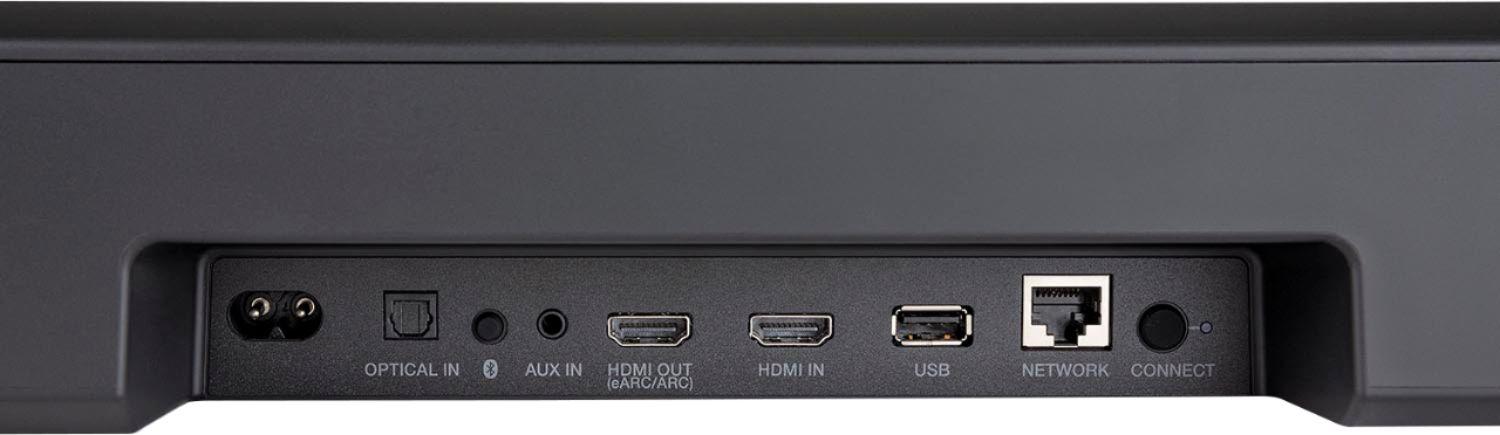
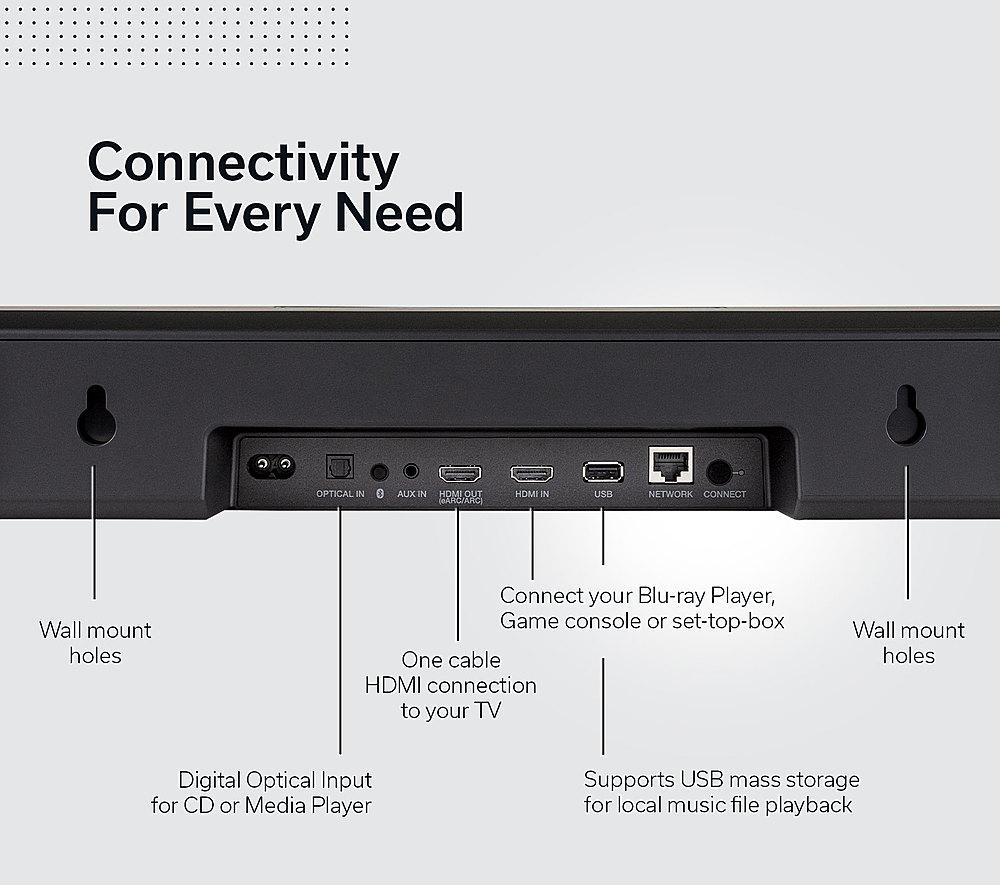
The connectivity story reveals another philosophical split. The Sony HT-A3000 includes only one HDMI eARC output, betting that most users will connect everything to their TV and send audio back to the soundbar. This works perfectly with modern smart TVs but limits your options if you have multiple 4K sources.
The Denon provides one HDMI input plus the eARC output, giving you more flexibility. You could connect a game console directly to the soundbar, for instance, which can reduce audio lag—the slight delay between what you see and hear that's particularly noticeable in competitive gaming.
Both support the latest HDMI standards including 4K/60Hz video passthrough and HDR (High Dynamic Range) support. The eARC (enhanced Audio Return Channel) functionality means they can receive high-quality audio formats like Dolby TrueHD and DTS-HD Master Audio directly from your TV.
Here's where release timing matters. Both soundbars launched in 2021 when wireless audio standards had matured significantly. The Sony supports AirPlay 2, Chromecast Built-in, and Spotify Connect, covering most user preferences. Its Bluetooth implementation includes LDAC, Sony's high-quality codec that transmits more audio data than standard Bluetooth—particularly beneficial for Android users.
The Denon counters with its HEOS platform, which I've found to be one of the most robust multiroom systems available. Unlike proprietary ecosystems that lock you into one brand, HEOS integrates with various streaming services and can control different audio zones throughout your home. The built-in Amazon Alexa adds voice control, though Sony users can achieve similar functionality through their connected devices.
Both companies have continued updating these models since their 2021 release. Sony has added features like Acoustic Center Sync, which coordinates the soundbar with compatible BRAVIA TVs for improved dialogue clarity. They've also enhanced their 360 Reality Audio processing for streaming services that support the format.
Denon has focused on expanding HEOS compatibility and improving the room correction algorithms. Their updates have also enhanced streaming stability and added support for newer music services.
The HT-A3000 serves as the foundation for Sony's wireless surround system. You can add their SA-RS5 wireless rear speakers and SA-SW5 or SA-SW3 wireless subwoofers to create a true 5.1 or 7.1 system. The 360 Spatial Sound Mapping feature analyzes your room layout and optimizes the sound field accordingly.
What impresses me about Sony's approach is how seamlessly the components integrate. The wireless connection is stable, setup is straightforward, and the sound calibration happens automatically. For home theater enthusiasts planning to build a complete system over time, this modular approach makes financial sense.
The Denon takes a different expansion path through HEOS. Rather than focusing solely on surround sound, it integrates into a whole-home audio ecosystem. You can add Denon speakers in other rooms, create stereo pairs, or set up different zones playing different content simultaneously.
For families who want music throughout the house rather than just improved TV sound, this flexibility proves more valuable. The ability to start a playlist in the kitchen and have it follow you to the living room represents the future of home audio for many users.
At $429, the Sony HT-A3000 delivers specifications that typically cost significantly more. The built-in subwoofers alone save you $200-400 compared to buying a separate wireless sub. The 250-watt amplification and sophisticated surround processing rival systems costing twice as much.
For home theater use specifically, the value proposition becomes even stronger. The dedicated center channel and immersive surround capabilities address the primary reasons people buy soundbars in the first place. You're getting legitimate surround sound performance without the complexity of multiple speakers and wiring.
The Denon's higher $518.50 price reflects different priorities. The build quality feels more substantial, with better materials and finish quality. The HEOS platform represents years of software development and ongoing support that extends well beyond the soundbar itself.
However, reaching the Denon's full potential requires additional investment. Without a separate subwoofer, you're missing the deep bass that makes movies and music feel complete. Adding Denon's wireless sub brings the total cost to around $800-900, which changes the value equation significantly.
The HT-A3000 includes Sony's DSEE Extreme technology, which uses artificial intelligence to analyze and upscale compressed audio in real-time. This matters more than you might think—most streaming content uses compressed audio formats that lose information during encoding. DSEE Extreme attempts to restore that lost detail, making Spotify streams sound closer to CD quality.
The X-Balanced Speaker Units represent another Sony innovation. Traditional round speakers waste space in rectangular enclosures, but X-Balanced drivers use oval diaphragms that maximize surface area while reducing distortion. In practice, this means cleaner sound at higher volumes and better bass response from smaller drivers.
The Denon's strength lies in its signal path purity and driver matching. The combination of full-range drivers with dedicated tweeters provides better frequency separation than Sony's more integrated approach. For acoustic music and vocal-heavy content, this translates to more natural timbre—the quality that makes a piano sound like a piano rather than just musical notes.
The passive radiator design enhances bass response without requiring additional amplification. This efficient approach works well for the Denon's 53-watt power budget, though it can't match the Sony's brute-force approach to low-frequency reproduction.
Room size dramatically affects soundbar performance, and these models handle space differently. The Sony's higher power output and built-in subwoofers make it suitable for larger rooms up to about 400 square feet. The bass response remains solid even when you're sitting 12-15 feet away.
The Denon works best in smaller to medium rooms—roughly 200-300 square feet. Beyond that, its 53-watt output starts to feel strained, and you lose the nuanced details that make it special. This isn't necessarily a weakness; many people have smaller viewing areas where the Denon's more refined approach shines.
Your viewing habits should influence this decision significantly. If you're streaming action movies, sci-fi shows, and sports, the Sony's surround processing and bass response provide clear advantages. The difference becomes particularly apparent with content mastered in Dolby Atmos—the height effects and spatial positioning feel more convincing.
For news, documentaries, and dialogue-heavy content, both perform well, though the Sony's center channel provides slight advantages in clarity. Music videos and concert footage often sound more natural through the Denon's wider stereo image.
You prioritize cinematic surround sound and want the most performance for your money. The built-in subwoofers eliminate the need for additional purchases, and the upgrade path to full surround sound is clear and cost-effective. This makes particular sense if you own or plan to buy a Sony TV, as the integration features provide additional value.
The Sony also wins if you have a larger room or sit farther from your TV. The extra power and dedicated center channel maintain clarity and impact even in challenging acoustic environments.
Music reproduction is your primary concern, and you value the flexibility of multiroom audio. The HEOS ecosystem opens possibilities beyond just TV sound improvement, making it a better choice for households that want integrated whole-home audio.
The Denon also makes sense if you already own HEOS-compatible devices or prioritize the premium build quality and brand reputation. Just budget for a wireless subwoofer to unlock the system's full potential.
Both the Sony HT-A3000 and Denon Home Sound Bar 550 represent excellent approaches to premium soundbar design, but they solve different problems for different users. The Sony delivers more complete home theater performance at a lower price, while the Denon offers superior music reproduction and multiroom flexibility at a premium.
In my experience, most buyers focused on improving their TV and movie experience will find better value in the Sony's approach. The combination of built-in bass, surround processing, and expansion options provides a clearer path to great home theater sound. However, music enthusiasts and those building whole-home audio systems will appreciate the Denon's more refined approach and ecosystem integration.
The choice ultimately comes down to whether you want the best movie sound for the money, or the foundation for a sophisticated multiroom audio system. Both are excellent at what they do—they just do different things.
| Sony HT-A3000 ($429) | Denon Home Sound Bar 550 ($518.50) |
|---|---|
| Channel Configuration - Determines dialogue clarity and surround capabilities | |
| 3.1 channels with dedicated center speaker | 2.1 channels with phantom center imaging |
| Total Power Output - Critical for room-filling sound and bass impact | |
| 250W (sufficient for large rooms up to 400 sq ft) | 53W (best for small-medium rooms up to 300 sq ft) |
| Built-in Subwoofer - Saves money and reduces setup complexity | |
| Dual built-in subwoofers included | No subwoofer (requires separate purchase ~$300-400) |
| Surround Sound Processing - Key for immersive movie experiences | |
| Vertical Surround Engine + 360 Spatial Sound Mapping | Basic virtual surround processing |
| HDMI Connectivity - Affects device connection flexibility | |
| 1 eARC output only (TV-centric setup) | 1 input + 1 eARC output (more flexible) |
| Wireless Streaming - Important for music and smart home integration | |
| AirPlay 2, Chromecast, Spotify Connect | AirPlay 2, HEOS multiroom platform |
| Expandability - Future upgrade potential without starting over | |
| Sony wireless rears/subs for full surround | HEOS speakers for whole-home audio |
| Voice Control - Convenience for smart home users | |
| Works with Alexa/Google via connected devices | Amazon Alexa built-in |
| Best Use Case - Where each excels most | |
| Home theater and movie watching | Music listening and multiroom audio |
| Value Proposition - What you get for the price difference | |
| Complete surround experience out of box | Premium build quality, requires additional investment |
The Sony HT-A3000 ($429) is significantly better for movies due to its 3.1-channel configuration with a dedicated center speaker for clearer dialogue, built-in dual subwoofers for impactful bass, and advanced Dolby Atmos processing. The Denon Home Sound Bar 550 ($518.50) focuses more on music playback and lacks the immersive surround sound capabilities that make movies exciting.
The primary difference is their channel configuration and intended use. The Sony HT-A3000 features 3.1 channels with built-in subwoofers designed for home theater, while the Denon Home Sound Bar 550 uses 2.1 channels optimized for stereo music playback and multiroom audio integration through the HEOS platform.
The Sony HT-A3000 ($429) provides better value with 250W power output, built-in subwoofers, and complete surround sound processing at a lower price. The Denon ($518.50) costs more and requires purchasing a separate subwoofer (~$300-400) to achieve comparable bass performance.
The Sony HT-A3000 works excellently as a standalone unit with built-in subwoofers, though you can add optional rear speakers for enhanced surround sound. The Denon Home Sound Bar 550 really needs a separate wireless subwoofer to deliver full-range sound, making the total investment significantly higher.
The Denon Home Sound Bar 550 excels at music reproduction with superior stereo imaging, cleaner midrange frequencies, and integration with the HEOS multiroom platform for whole-home audio. While the Sony HT-A3000 handles music well, it's optimized primarily for cinematic content.
The Sony HT-A3000 delivers 250W of total power, making it suitable for larger rooms and providing impactful bass. The Denon Home Sound Bar 550 outputs 53W, which works well in smaller to medium-sized rooms but may struggle in larger spaces.
The Denon Home Sound Bar 550 offers more flexible HDMI connectivity with one input plus eARC output, while the Sony HT-A3000 only has eARC output. Both support wireless streaming, but Denon's HEOS platform provides more comprehensive multiroom capabilities than Sony's streaming options.
Yes, both create virtual surround sound, but the Sony HT-A3000 does it much better with its Vertical Surround Engine and dedicated center channel. The Denon Home Sound Bar 550 provides basic virtual surround but lacks the immersive height effects and spatial processing of the Sony.
The Sony HT-A3000 is better suited for large rooms due to its 250W power output and built-in subwoofers that maintain clarity and bass impact even at greater distances. The Denon Home Sound Bar 550 with only 53W may sound strained in rooms larger than 300 square feet.
Both the Sony HT-A3000 and Denon Home Sound Bar 550 support Dolby Atmos, but Sony implements it more effectively with dedicated height virtualization technology and the ability to expand to full 360 Spatial Sound Mapping with optional rear speakers.
Both Sony and Denon provide regular firmware updates, but Sony has shown stronger commitment to adding new features like Acoustic Center Sync and enhanced 360 Reality Audio processing since the HT-A3000's 2021 launch. Denon focuses updates on expanding HEOS platform compatibility and streaming service integration.
For most first-time soundbar buyers, the Sony HT-A3000 ($429) offers better value with its complete out-of-box experience, built-in bass, and superior movie performance at a lower price. Choose the Denon Home Sound Bar 550 ($518.50) only if you prioritize music over movies and plan to build a multiroom audio system.
We've done our best to create useful and informative comparisons to help you decide what product to buy. Our research uses advanced automated methods to create this comparison and perfection is not possible - please contact us for corrections or questions. These are the sites we've researched in the creation of this article: rtings.com - electronics.sony.com - crutchfield.com - store.sony.com.au - digitaltrends.com - videoandaudiocenter.com - abt.com - sony.com - merlinstv.com - crutchfield.com - youtube.com - consumerreports.org - soundandvision.com - crutchfield.com - rtings.com - crutchfield.com - gzhls.at - denon.com - walmart.com - youtube.com - whathifi.com - bestbuy.com

Privacy Policy
Terms and Conditions - Affiliate Policy
Home Security
© Copyright 2008-2026.
11816 Inwood Rd #1211, Dallas, TX 75244