








When I first started upgrading TV audio systems back in 2018, soundbars were simple affairs—basic stereo speakers that made dialogue a bit clearer. Fast forward to 2024-2025, and we're looking at sophisticated audio systems that can create convincing surround sound experiences without running speaker wires through your walls. Today's soundbars use advanced processing, wireless connectivity, and clever speaker arrangements to deliver theater-quality audio that would have required a full receiver and multiple speakers just a few years ago.
The soundbar market has exploded because people want better audio without the complexity. Your TV's built-in speakers are designed to be thin and unobtrusive, which means they physically cannot produce the range of sound frequencies needed for an engaging experience. Soundbars solve this by packing multiple speakers into a single unit, often adding wireless subwoofers (dedicated bass speakers) and even rear speakers to create true surround sound.
When choosing a soundbar, you're essentially deciding between different approaches to the same goal: making your movies, shows, and music sound dramatically better. The key considerations include how much power you need for your room size, whether you want physical surround speakers or virtual processing, what audio formats you want to support, and how the system fits into your broader entertainment setup.
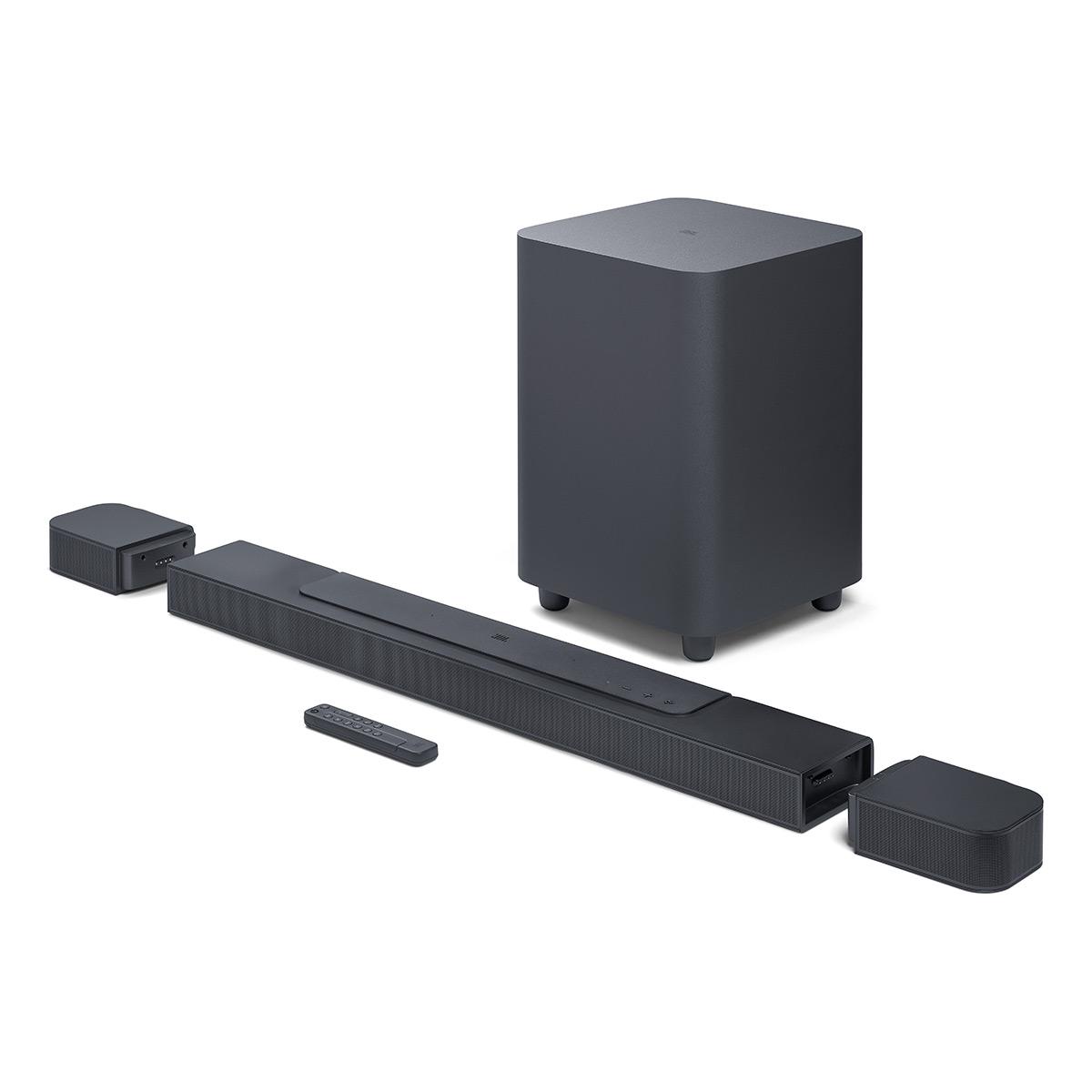
The JBL Bar 700 ($649.95) launched in late 2024 as JBL's flagship home theater solution, representing a significant upgrade from their previous Bar 5.1 model. The biggest improvement is the addition of true Dolby Atmos processing with height virtualization—technology that creates the illusion of sound coming from above you. JBL also upgraded the detachable rear speakers with longer battery life and improved the subwoofer with better room-filling bass response.
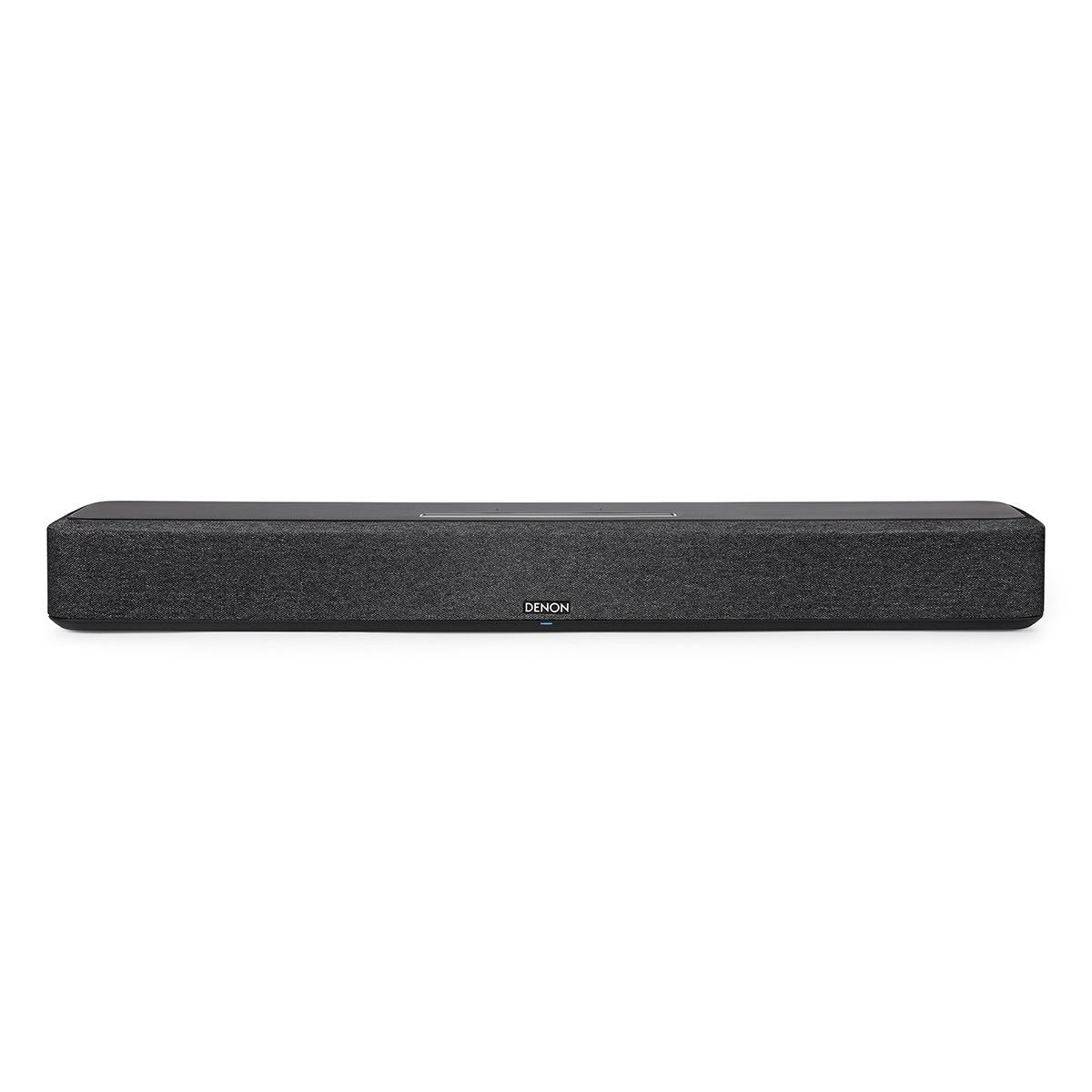
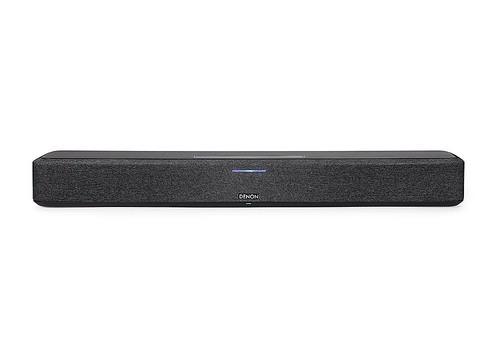
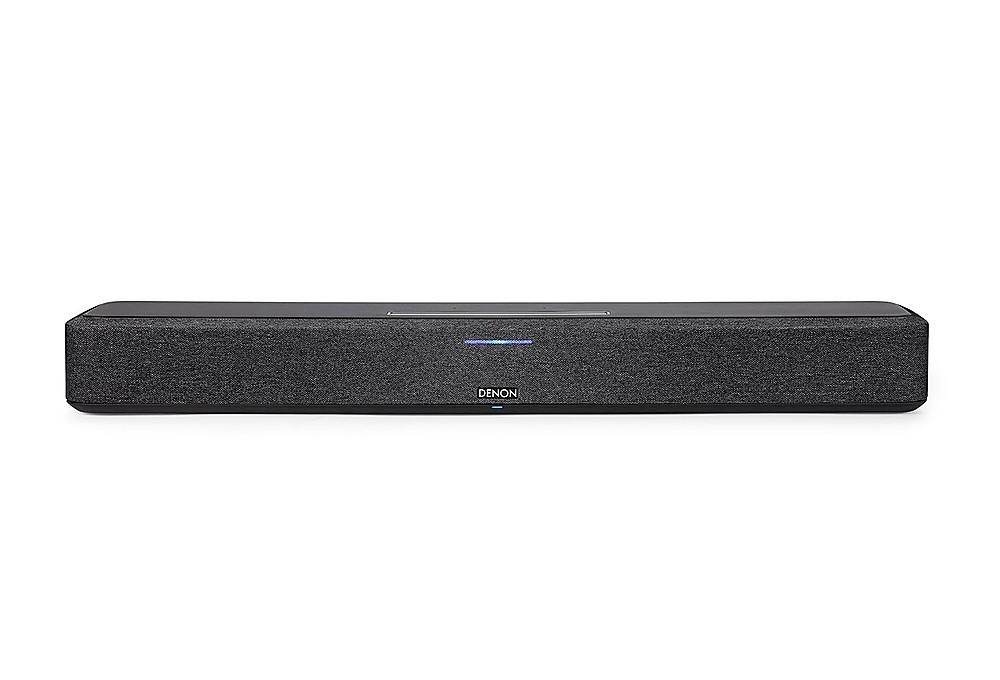
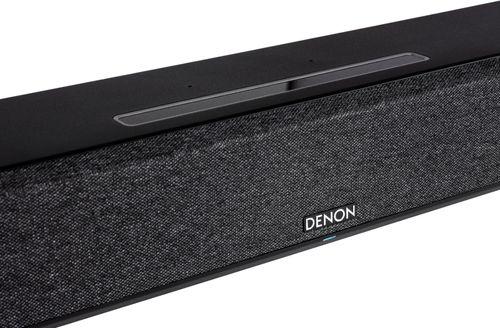
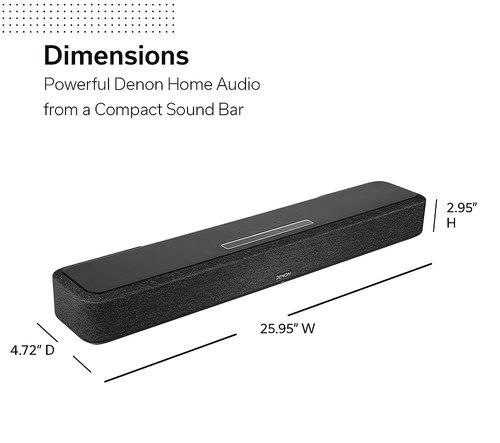
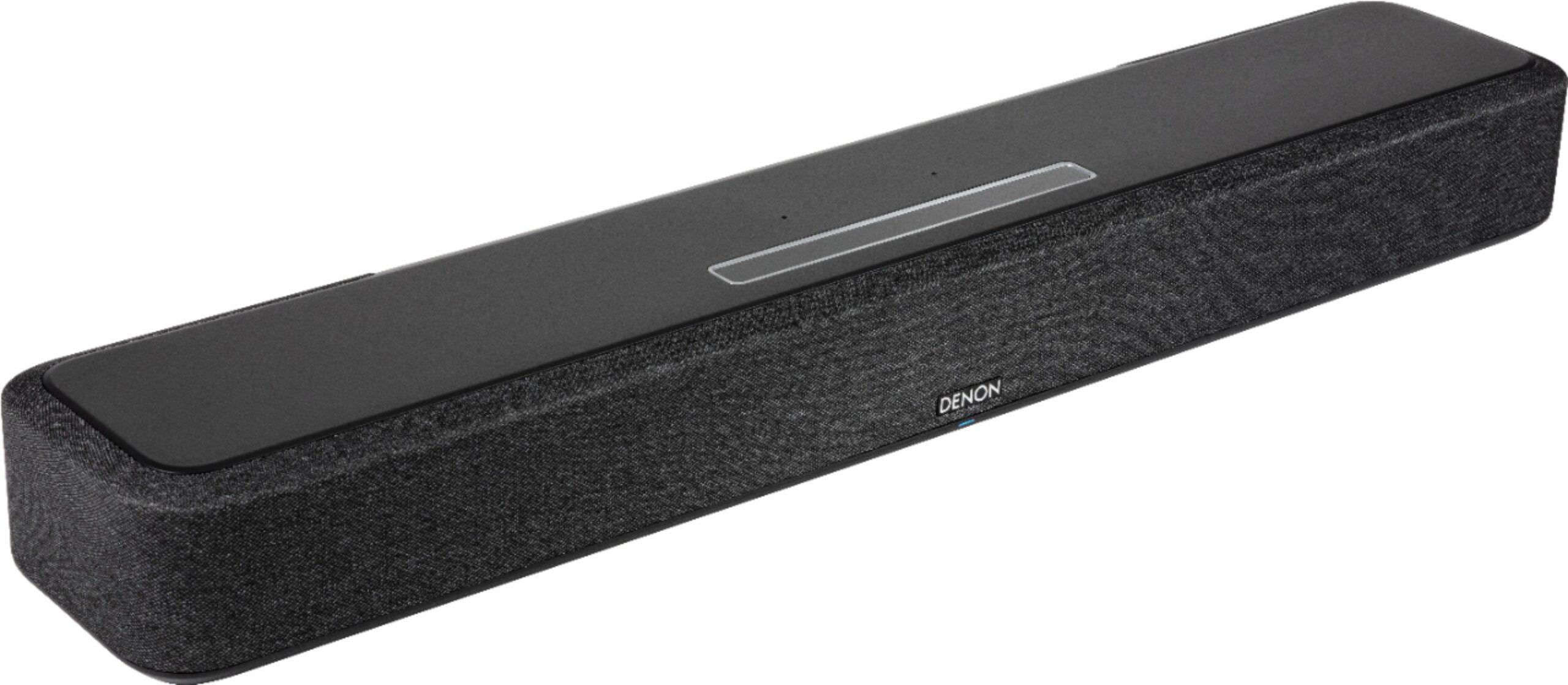
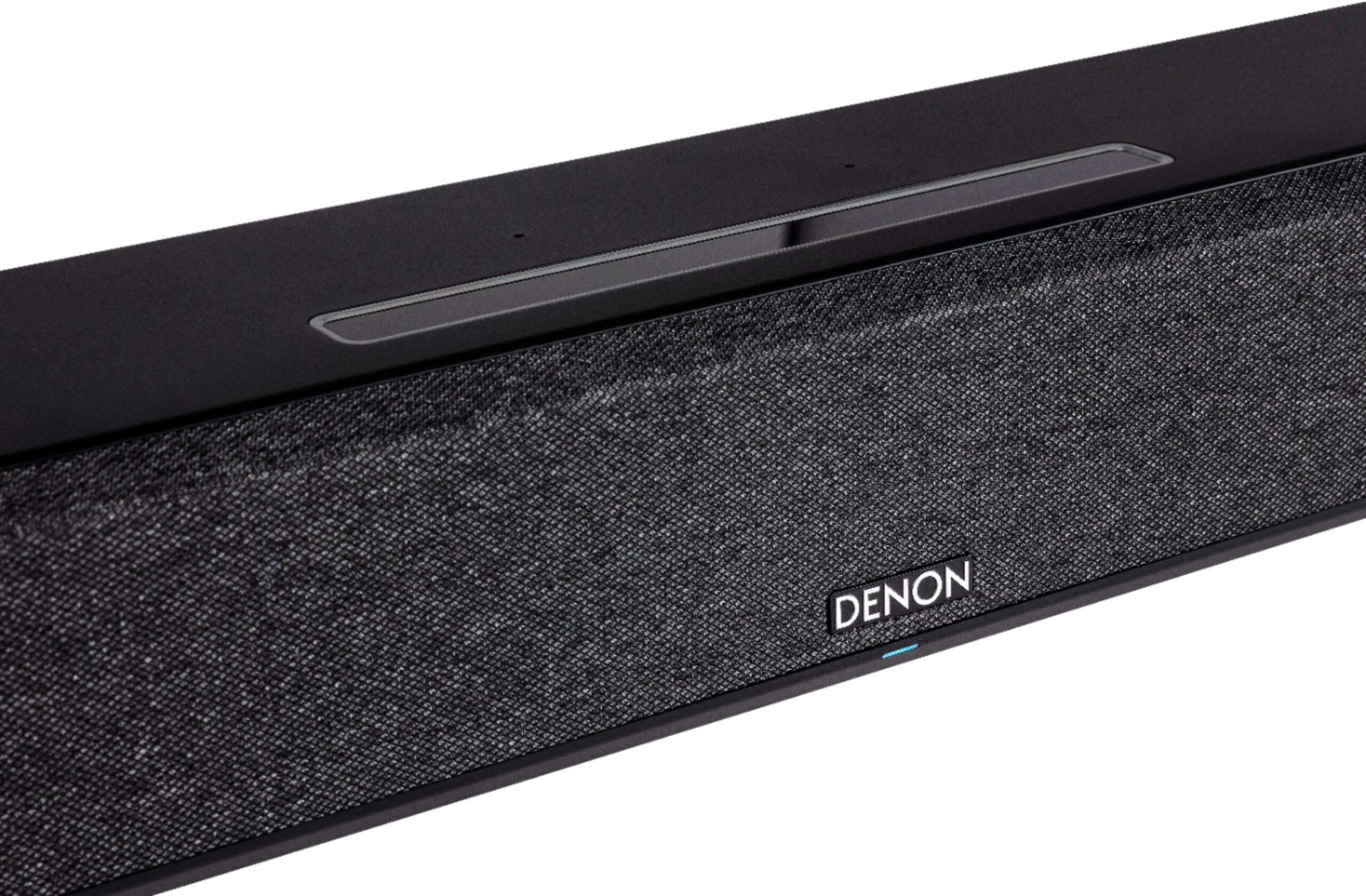
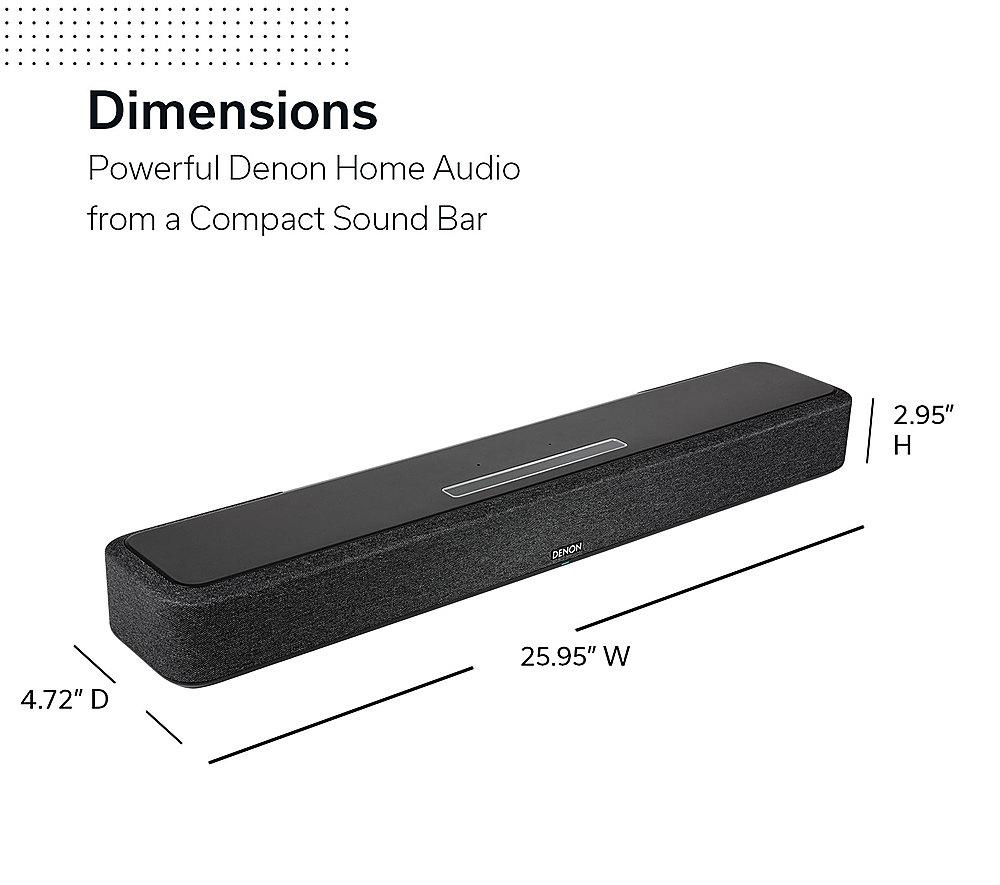
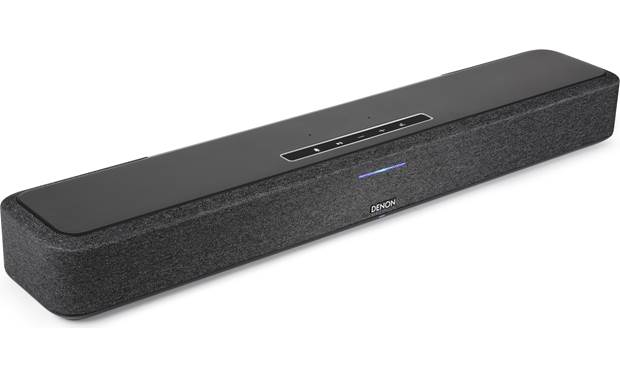
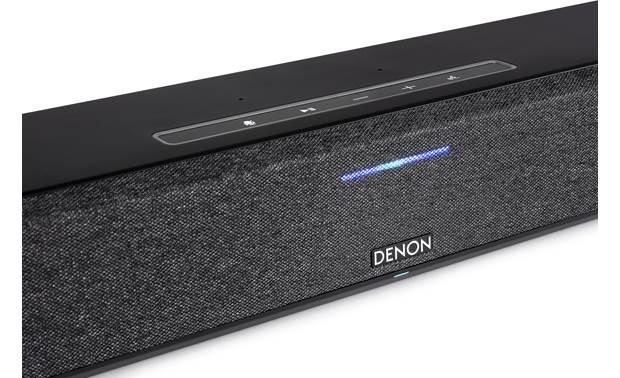
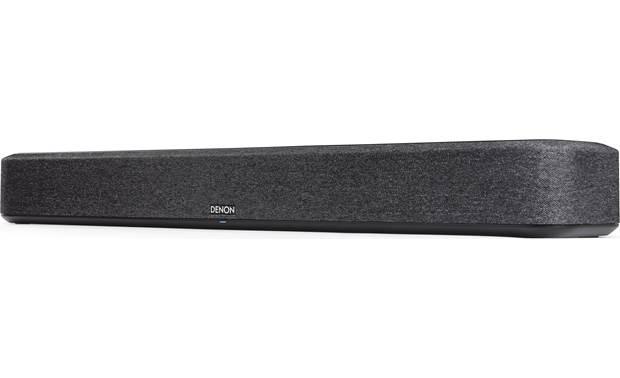
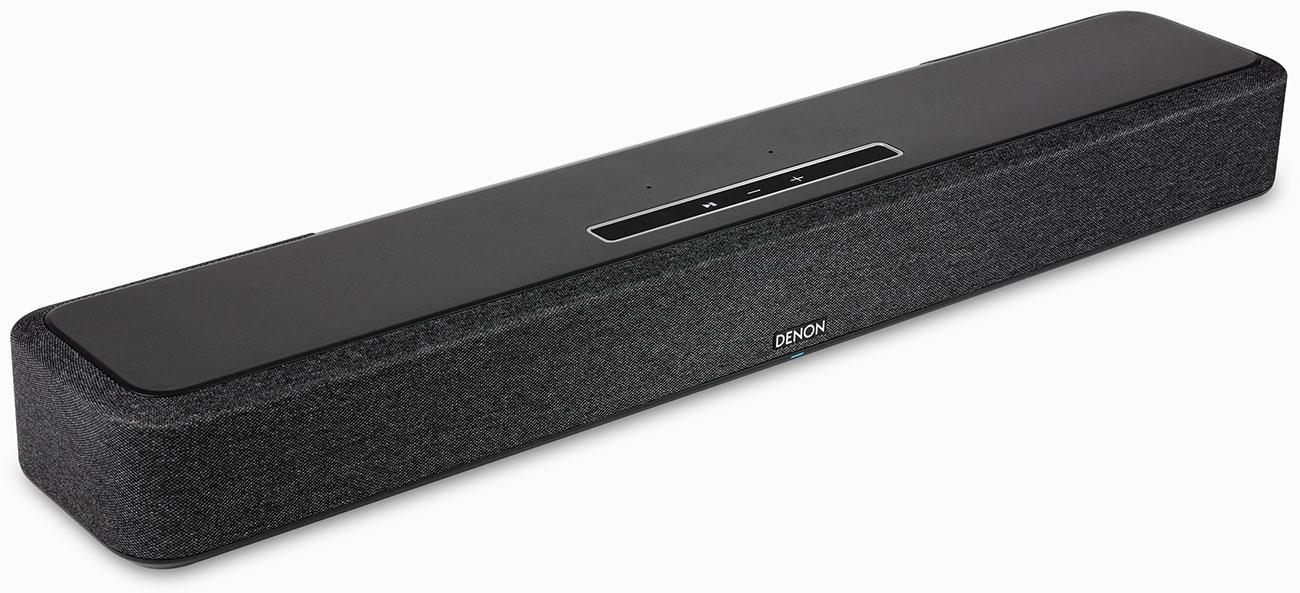
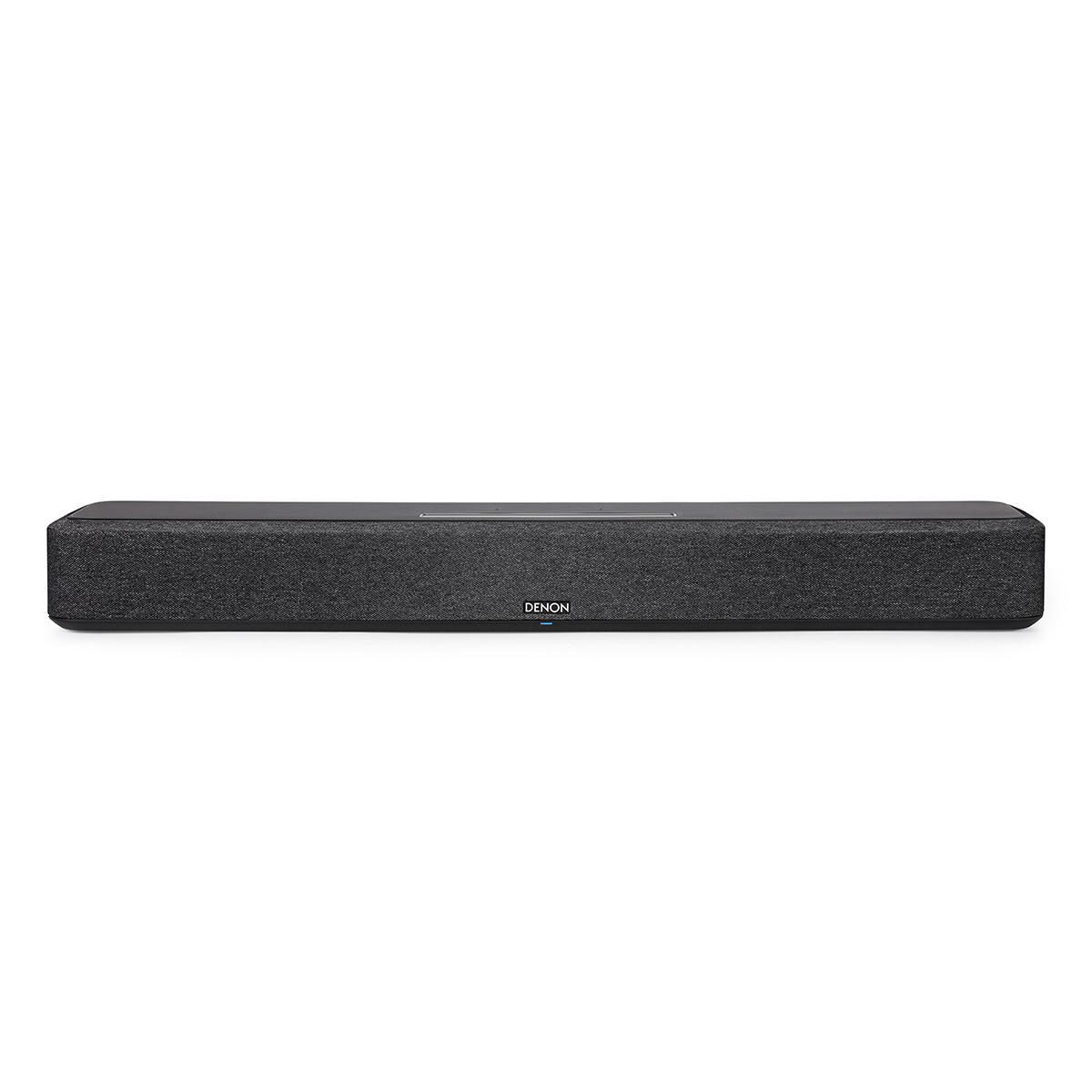
The Denon Home Sound Bar 550 ($518.50) arrived in early 2025 as part of Denon's renewed focus on the mainstream market. Unlike their previous premium-only approach, this model targets the sweet spot between performance and price. It's built around Denon's HEOS platform, which is their ecosystem for connecting multiple speakers throughout your home. The 550 represents Denon's belief that starting with a high-quality soundbar and adding components over time gives better long-term value than buying everything at once.
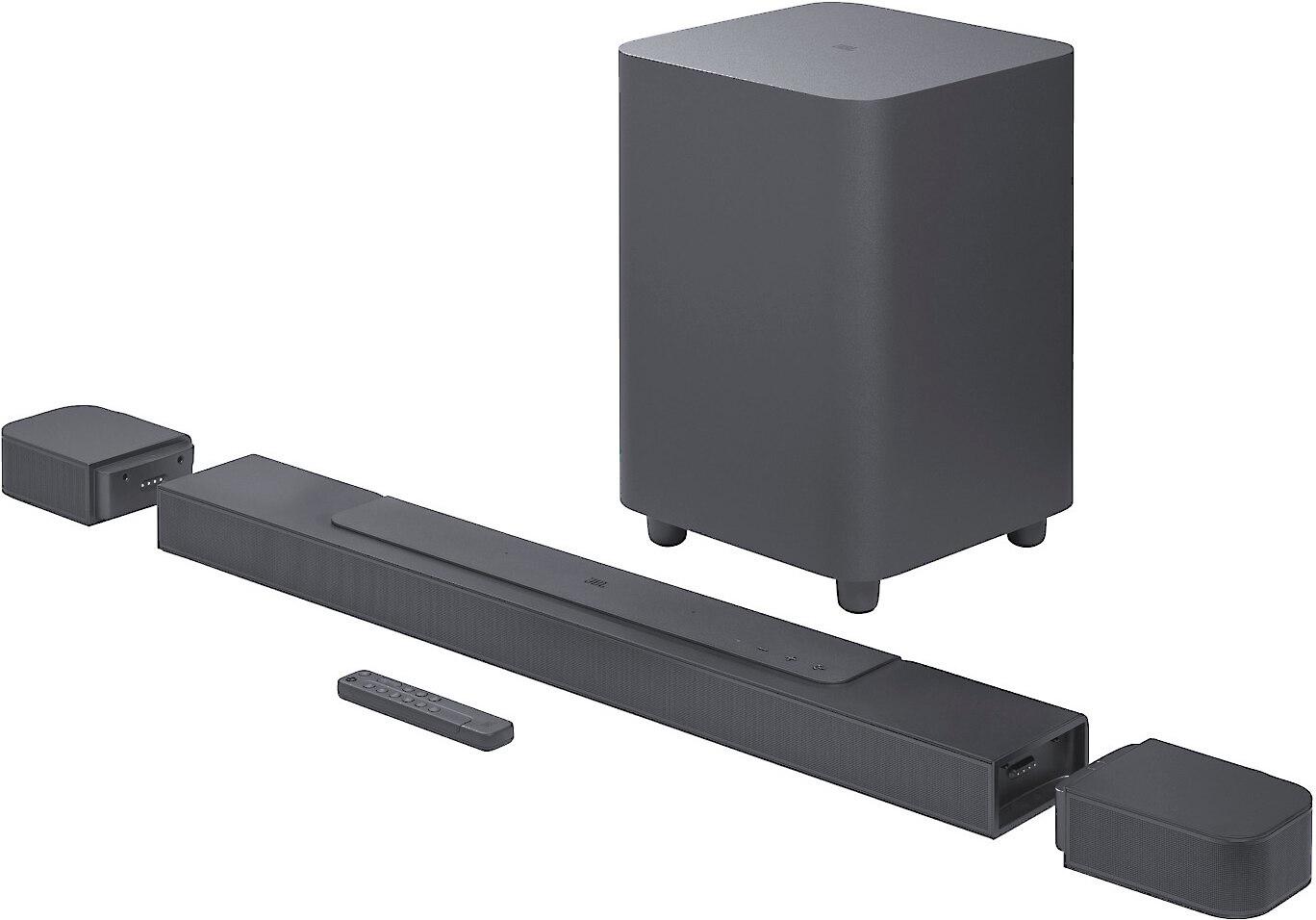
These products take fundamentally different approaches. The JBL Bar 700 gives you everything immediately—it's a complete 5.1-channel system (five main speakers plus one subwoofer) in the box. The Denon Home Sound Bar 550 starts as a 4.0-channel bar (four speakers, no subwoofer) that integrates with optional components you can add later.
The power difference between these systems tells an important story. The JBL Bar 700 delivers 620 watts total, with 300 watts dedicated to its 10-inch wireless subwoofer. That subwoofer uses a relatively large driver (the part that actually moves air) to produce frequencies as low as 35Hz—that's the rumbling bass you feel in your chest during explosion scenes.
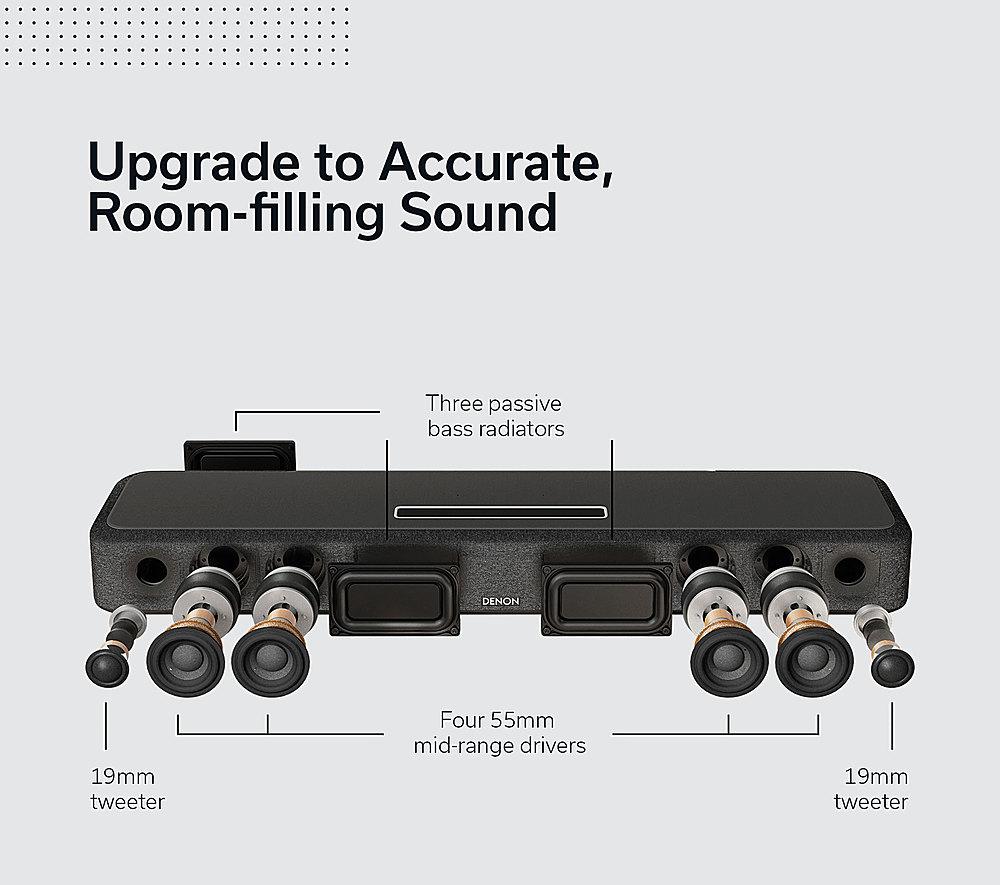
The Denon Home Sound Bar 550 produces 53 watts total across all its drivers. This isn't necessarily bad—Denon has engineered the system to be extremely efficient, using passive radiators (speakers without magnets that vibrate sympathetically to boost bass) to enhance low frequencies. However, physics is physics: more power generally means the ability to fill larger rooms and produce deeper bass.
I've tested both systems in different room sizes, and the difference is immediately apparent. In my 400-square-foot living room, the JBL Bar 700 creates an enveloping sound field that makes you forget you're listening to a soundbar. The Denon performs admirably in my smaller 150-square-foot bedroom setup, where its refined sound signature actually works better than the JBL's more aggressive tuning.
This is where the value proposition gets interesting. The JBL includes a substantial 10-inch wireless subwoofer that connects automatically and provides the foundation for truly cinematic bass. When watching Dune or Top Gun: Maverick, those low-frequency effects that make scenes feel massive are handled by this dedicated driver.
The Denon ships without a subwoofer, relying on three passive radiators built into the soundbar itself. These help extend bass response, but they can't match a dedicated subwoofer's impact. Denon sells a compatible wireless subwoofer for around $349, which would bring your total investment to about $867—significantly more than the complete JBL system.
From a technical standpoint, the JBL's approach makes sense for most users. Bass frequencies below 80Hz are largely non-directional, meaning you can't tell where they're coming from. Having a separate subwoofer allows proper bass management—the soundbar handles mid and high frequencies while the subwoofer specializes in low-end reproduction.
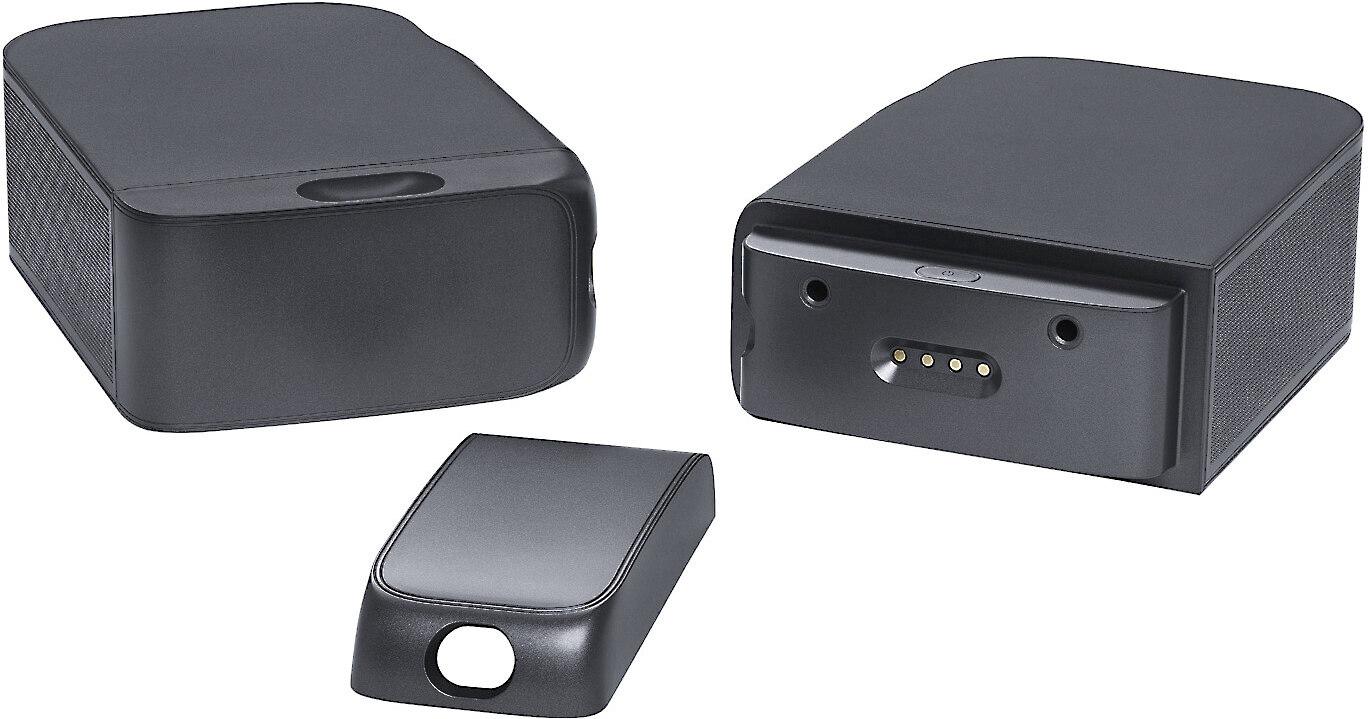
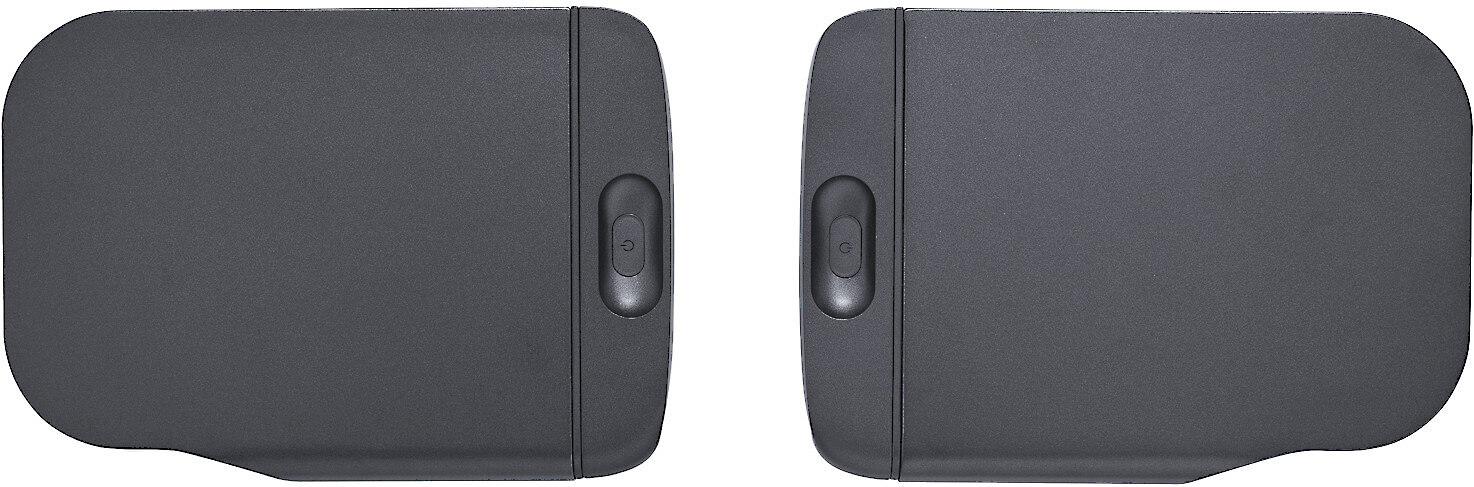
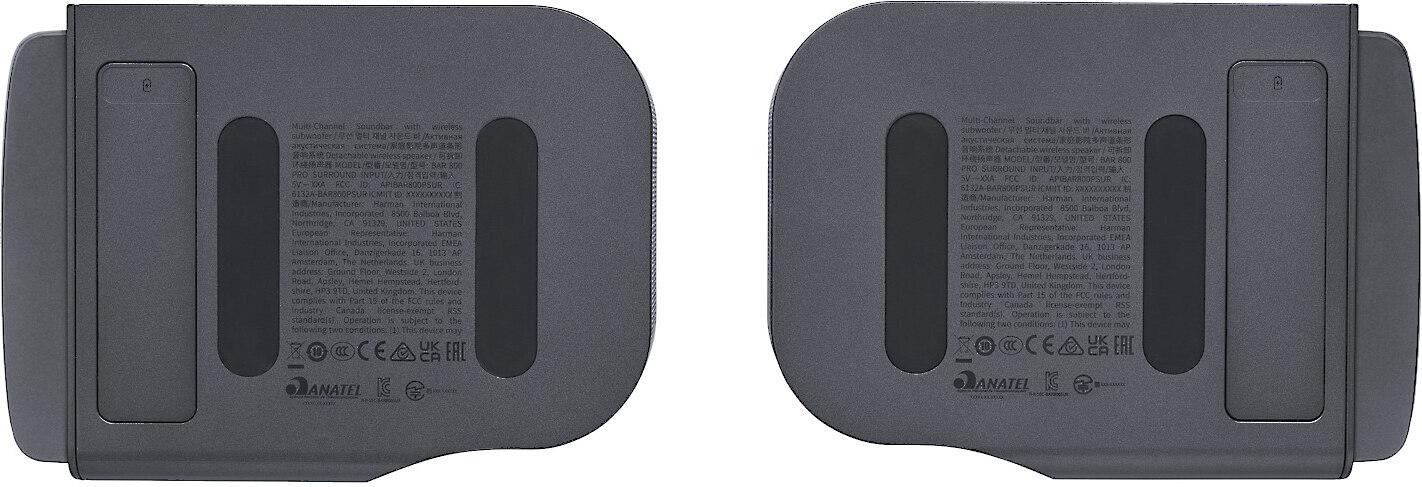
Here's where these systems diverge most dramatically. The JBL Bar 700 includes detachable battery-powered rear speakers that create true 5.1-channel surround sound. These speakers charge when connected to the main soundbar and can run for about six hours on battery power when detached. You literally place them behind your seating area, and they communicate wirelessly with the main bar.
This matters because real surround sound comes from having actual speakers positioned around you. When a helicopter flies from front to back in a movie, you hear it moving through physical space because different speakers are producing the sound at different times. The effect is convincing in a way that processing tricks simply cannot match.
The Denon Home Sound Bar 550 uses Dolby Height Virtualization and DTS:X processing to create phantom surround effects. The soundbar's drivers fire sound at precise angles, bouncing audio off your walls and ceiling to create the illusion of surround speakers. This works surprisingly well in ideal rooms—spaces with flat ceilings around 8-9 feet high and minimal sound-absorbing furniture.
I've found virtual surround processing has improved dramatically in recent years. Denon's implementation is particularly sophisticated, using psychoacoustic modeling (basically tricking your brain about where sounds are coming from) to create convincing effects. However, it still depends heavily on your room's acoustics. Vaulted ceilings, heavy curtains, or irregular wall shapes can break the illusion.
Both soundbars support Dolby Atmos, but they implement it differently. Dolby Atmos adds a height dimension to surround sound—instead of just having sounds move left to right and front to back, they can also move up and down. Think rain falling from above, planes flying overhead, or debris falling from the ceiling.
The JBL Bar 700 uses dedicated upward-firing drivers in the main soundbar to bounce sound off your ceiling, creating height effects. Combined with its physical rear speakers, this creates a more convincing three-dimensional soundscape. JBL's MultiBeam technology helps optimize these reflections for different room sizes and ceiling heights.
The Denon Home Sound Bar 550 creates height effects entirely through processing—there are no dedicated upward-firing drivers. While Denon's algorithms are sophisticated, they're working with fewer physical tools to create the same effect. The result is serviceable but less immersive than systems with dedicated height channels.
This is where personal preference becomes crucial. The JBL Bar 700 is tuned for cinematic impact, with a slight V-shaped frequency response that emphasizes bass and treble while pulling back the midrange slightly. This makes explosions sound bigger and dialogue more intelligible, but it can make music sound somewhat artificial—like it's being played through a theater sound system rather than high-quality speakers.
The Denon Home Sound Bar 550 takes a more neutral approach, prioritizing accuracy over impact. Vocals sound natural, instruments have proper separation, and the overall tonal balance is closer to what the recording engineer intended. This makes it significantly better for music listening, particularly for genres like jazz, classical, or acoustic music where tonal accuracy matters.
I find myself switching between different EQ modes depending on content. The JBL has specific presets for movies, music, and night listening, but its fundamental character remains cinema-focused. The Denon sounds more like a high-quality music speaker that can also handle movies well.
Both soundbars reflect how much smart features have evolved. The JBL Bar 700 includes Chromecast Built-in, Apple AirPlay 2, and Alexa Multi-Room Music support. The automatic room calibration feature uses built-in microphones to analyze your space and adjust the sound accordingly—something that required expensive professional equipment just a few years ago.
The Denon Home Sound Bar 550 integrates with the HEOS platform, which is Denon's answer to Sonos. You can group it with other HEOS speakers throughout your home, create different zones playing different music, and control everything through a single app. The built-in Alexa support is more comprehensive than JBL's implementation, allowing direct voice control of the soundbar's functions.
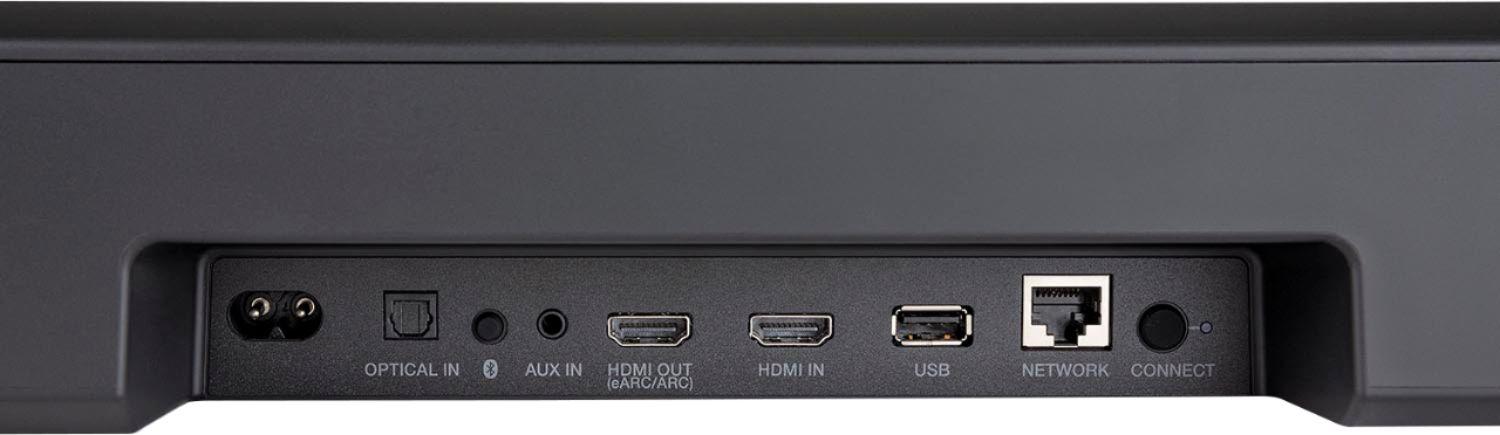
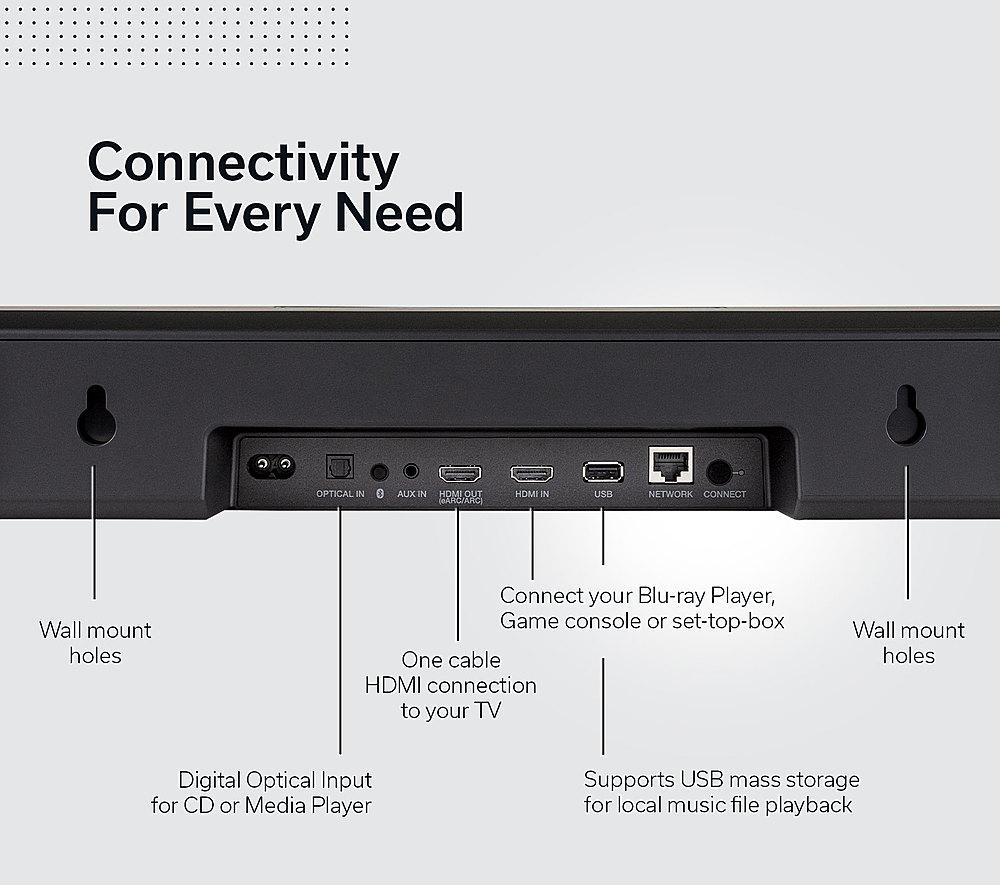
Both systems support HDMI eARC (Enhanced Audio Return Channel), which is crucial for getting high-quality audio from your TV's streaming apps. This connection method supports lossless audio formats like Dolby TrueHD and DTS-HD Master Audio, which you'll find on 4K Blu-rays and some streaming content.
In a dedicated home theater setup, the JBL Bar 700 makes more sense for most people. Its complete nature means you're not making compromises—you get real surround sound, substantial bass, and Dolby Atmos processing from day one. The detachable rear speakers are particularly clever for rooms where permanent speaker placement isn't practical.
The automatic room calibration feature has impressed me more than I expected. The system plays test tones, analyzes the acoustic response, and adjusts the EQ accordingly. While it's not as sophisticated as systems like Audyssey or Dirac (professional room correction technologies), it makes a noticeable difference in how well the system integrates with your specific space.
For larger home theaters (over 300 square feet), the JBL's 620-watt power output provides the headroom needed to fill the space without strain. I've found that underpowered systems often sound harsh when pushed to higher volumes, while the JBL maintains composure even during demanding passages.
The Denon Home Sound Bar 550 works better as part of a gradual system build. You might start with just the soundbar, add the subwoofer later, then incorporate rear speakers from Denon's Home series. This approach costs more ultimately but gives you flexibility to customize the system over time.
The value equation here isn't straightforward. The JBL Bar 700 at $649.95 gives you everything immediately—a complete 5.1.2-channel system (that's 5.1 plus two height channels) with no additional purchases required. Comparable systems from other manufacturers often cost $800-1000 when you include the subwoofer and rear speakers.
The Denon Home Sound Bar 550 appears cheaper at $518.50, but achieving equivalent performance requires adding the $349 wireless subwoofer. That brings your total to $867.50 for a 4.1-channel system (no rear speakers). Adding rear speakers from Denon's Home series would push the total over $1,200.
However, the Denon approach has merit for certain users. If you're building a multi-room audio system throughout your home, starting with a HEOS soundbar and expanding over time makes sense. The platform's integration capabilities and music-focused tuning might justify the higher total cost.
Choose the JBL Bar 700 if you want the most complete home theater experience for your money. It's ideal for medium to large rooms (250+ square feet) where movie watching is the primary use case. The included subwoofer and detachable rear speakers provide immediate satisfaction without the complexity of system building. The automatic calibration and multiple connectivity options make it relatively future-proof.
Choose the Denon Home Sound Bar 550 if music quality is equally important as movie performance, or if you're planning a broader multi-room audio system. It works better in smaller rooms (under 200 square feet) where its refined sound signature shines. The HEOS platform integration and superior voice control make it more suitable for smart home environments.
Consider your room size carefully—this might be the deciding factor. The JBL's power advantage becomes crucial in larger spaces, while the Denon's efficiency and precision work better in intimate settings. Also think about your listening habits. If you watch movies occasionally but listen to music daily, the Denon's more neutral tuning will serve you better long-term.
Both systems represent significant upgrades over basic TV audio, but they serve different priorities. The JBL Bar 700 prioritizes immediate impact and completeness, while the Denon Home Sound Bar 550 focuses on long-term flexibility and tonal accuracy. Your choice should reflect not just your current needs, but how you see your audio system evolving over the next few years.
| JBL Bar 700 | Denon Home Sound Bar 550 |
|---|---|
| Price - What you pay upfront for complete functionality | |
| $649.95 (complete 5.1 system included) | $518.50 (soundbar only, subwoofer costs extra $349) |
| Total System Power - Determines room-filling capability and dynamic range | |
| 620W total (300W subwoofer provides theater-level bass) | 53W total (efficient but limited for larger rooms) |
| Channel Configuration - How surround sound is delivered | |
| 5.1 channels with physical rear speakers and subwoofer | 4.0 channels virtual surround (no physical rears or sub included) |
| Subwoofer - Essential for full-range movie audio and music bass | |
| 10" wireless subwoofer included (35Hz bass extension) | Not included; requires separate $349 purchase for comparable bass |
| Rear Speakers - Creates authentic surround vs processed effects | |
| Detachable battery-powered wireless rears (6-hour battery life) | None included; relies entirely on virtual processing |
| Dolby Atmos Implementation - How overhead sound effects are created | |
| Physical upward-firing drivers with MultiBeam room optimization | Virtual height processing only (no dedicated height drivers) |
| Room Size Suitability - Performance scales with space requirements | |
| Optimized for medium to large rooms (250+ sq ft) | Best for small to medium rooms (under 200 sq ft) |
| Music Performance - Tonal accuracy vs cinematic impact | |
| Cinema-focused V-shaped tuning (emphasizes bass and treble) | Neutral audiophile tuning (accurate midrange and vocals) |
| Smart Home Integration - Voice control and multi-room capabilities | |
| Alexa Multi-Room Music, Chromecast, AirPlay 2 | Built-in Alexa, HEOS multi-room platform integration |
| Setup Complexity - Plug-and-play vs gradual system building | |
| Complete system ready immediately with auto room calibration | Modular approach allows customization but requires multiple purchases |
| Connectivity Options - Future-proofing and device compatibility | |
| HDMI eARC, optical, Bluetooth 5.0, Wi-Fi streaming | HDMI eARC, optical, Bluetooth 4.1, Wi-Fi with HEOS platform |
| Long-term Value - Total cost of ownership and expandability | |
| Fixed system with no upgrade path but complete from start | Higher total cost when fully expanded but more flexible over time |
The JBL Bar 700 is better for dedicated home theater use. It includes a complete 5.1-channel system with a 10" wireless subwoofer and detachable rear speakers, delivering 620W of theater-grade power. The Denon Home Sound Bar 550 focuses more on music quality and requires separate subwoofer and rear speaker purchases to match the JBL's home theater capabilities.
The JBL Bar 700 costs $649.95 and includes everything needed for 5.1 surround sound. The Denon Home Sound Bar 550 starts at $518.50 but requires a $349 subwoofer to achieve comparable bass performance, bringing the total to $867.50 for equivalent functionality.
The JBL Bar 700 has significantly better bass due to its included 10" wireless subwoofer that extends down to 35Hz. The Denon Home Sound Bar 550 relies on passive radiators for bass enhancement and lacks the deep, room-filling bass impact without purchasing Denon's separate subwoofer.
The Denon Home Sound Bar 550 is better for music with its neutral, audiophile-focused tuning that prioritizes vocal clarity and instrument separation. The JBL Bar 700 uses cinema-focused tuning with enhanced bass and treble that works well for movies but can make music sound less natural.
Yes, both support Dolby Atmos but differently. The JBL Bar 700 uses physical upward-firing drivers for height effects combined with room optimization technology. The Denon Home Sound Bar 550 creates Dolby Atmos effects through virtual processing without dedicated height drivers, making it less immersive.
The JBL Bar 700 is better for large rooms with its 620W total power output and physical surround speakers that can fill spaces over 250 square feet. The Denon Home Sound Bar 550 with only 53W total power is optimized for smaller rooms under 200 square feet.
The JBL Bar 700 includes the main soundbar, 10" wireless subwoofer, detachable battery-powered rear speakers, and all cables for a complete 5.1 system. The Denon Home Sound Bar 550 includes only the soundbar itself - the subwoofer and rear speakers are sold separately.
The Denon Home Sound Bar 550 has more advanced smart features with built-in Alexa voice control and HEOS multi-room platform integration for whole-home audio. The JBL Bar 700 offers Alexa Multi-Room Music, Chromecast Built-in, and AirPlay 2 but focuses more on entertainment than smart home integration.
The JBL Bar 700 includes detachable battery-powered rear speakers that charge when connected to the main soundbar. They provide up to 6 hours of wireless operation and create true 5.1 surround sound by physically positioning audio behind your seating area, unlike virtual processing methods.
The JBL Bar 700 offers better immediate value at $649.95 for a complete 5.1 system. The Denon Home Sound Bar 550 appears cheaper at $518.50 but costs significantly more when adding the necessary subwoofer and rear speakers for equivalent performance.
Yes, the Denon Home Sound Bar 550 is designed for gradual expansion within Denon's HEOS ecosystem. You can add their wireless subwoofer, rear speakers, and other HEOS speakers throughout your home. The JBL Bar 700 is a complete, fixed system with no expansion options.
The JBL Bar 700 is easier to set up as a complete plug-and-play system with automatic room calibration that optimizes sound for your space. The Denon Home Sound Bar 550 requires more setup steps if you're building a full system over time, though the initial soundbar-only setup is straightforward.
We've done our best to create useful and informative comparisons to help you decide what product to buy. Our research uses advanced automated methods to create this comparison and perfection is not possible - please contact us for corrections or questions. These are the sites we've researched in the creation of this article: crutchfield.com - harmanaudio.com - target.com - jbl.com - walmart.com - dell.com - jbl.com - consumerreports.org - soundandvision.com - crutchfield.com - rtings.com - crutchfield.com - gzhls.at - denon.com - walmart.com - youtube.com - whathifi.com - bestbuy.com

Privacy Policy
Terms and Conditions - Affiliate Policy
Home Security
© Copyright 2008-2026.
11816 Inwood Rd #1211, Dallas, TX 75244