









If you've been struggling to hear dialogue clearly on your TV or feel like you're missing out on the full movie experience, you're not alone. Most built-in TV speakers are frankly terrible – they're thin, tinny, and positioned to fire downward rather than toward your ears. That's where soundbars come in, offering a dramatic upgrade without the complexity of a full surround sound system.
Today, I'm comparing two soundbars that take very different approaches to solving your TV audio problems: the budget-focused Klipsch Flexus Core 100 at $227.90 and the smart-home-integrated Denon Home Sound Bar 550 at $518.50. While both will transform your TV's sound, they're designed for different users and priorities.
Before diving into specifics, let's talk about what makes soundbars tick. At their core, soundbars are elongated speakers designed to sit below your TV and provide dramatically better sound than what your TV can manage on its own. They've become the go-to audio upgrade because they're simple to set up – usually just one cable to your TV – while delivering significantly better dialogue clarity, music playback, and movie immersion.
The key considerations when shopping for a soundbar include audio performance (how good it sounds), room size compatibility (whether it has enough power for your space), connectivity options (how it connects to your devices), expandability (whether you can add more speakers later), smart features (voice control, streaming capabilities), and overall value for money.
Modern soundbars have evolved considerably over the past few years. We've seen the introduction of virtual surround sound processing that uses psychoacoustic tricks to make you feel like sound is coming from all around you, even from just a single bar. There's also been a push toward built-in voice assistants, wireless multi-room capabilities, and sophisticated room correction that automatically adjusts the sound based on your space's acoustics.
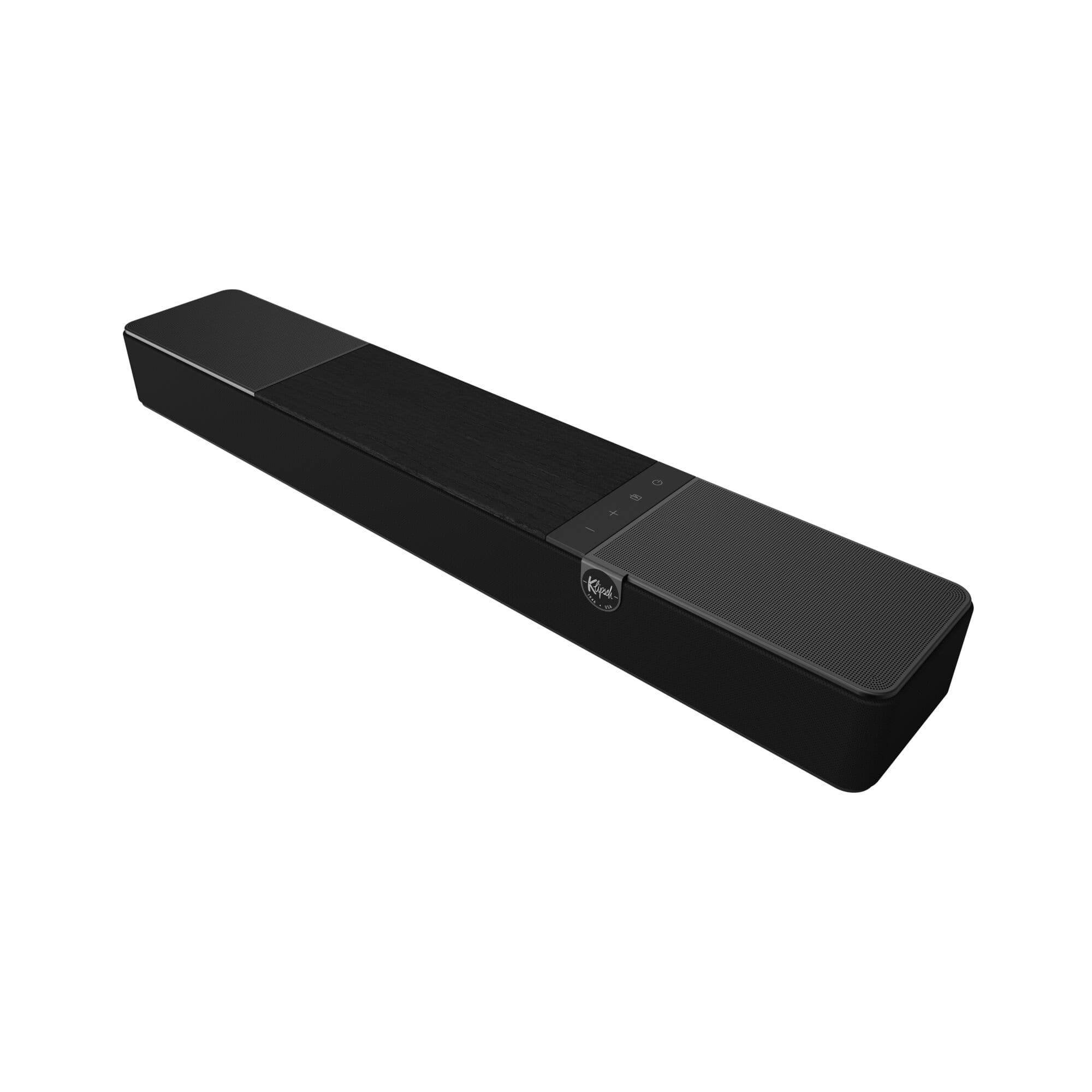
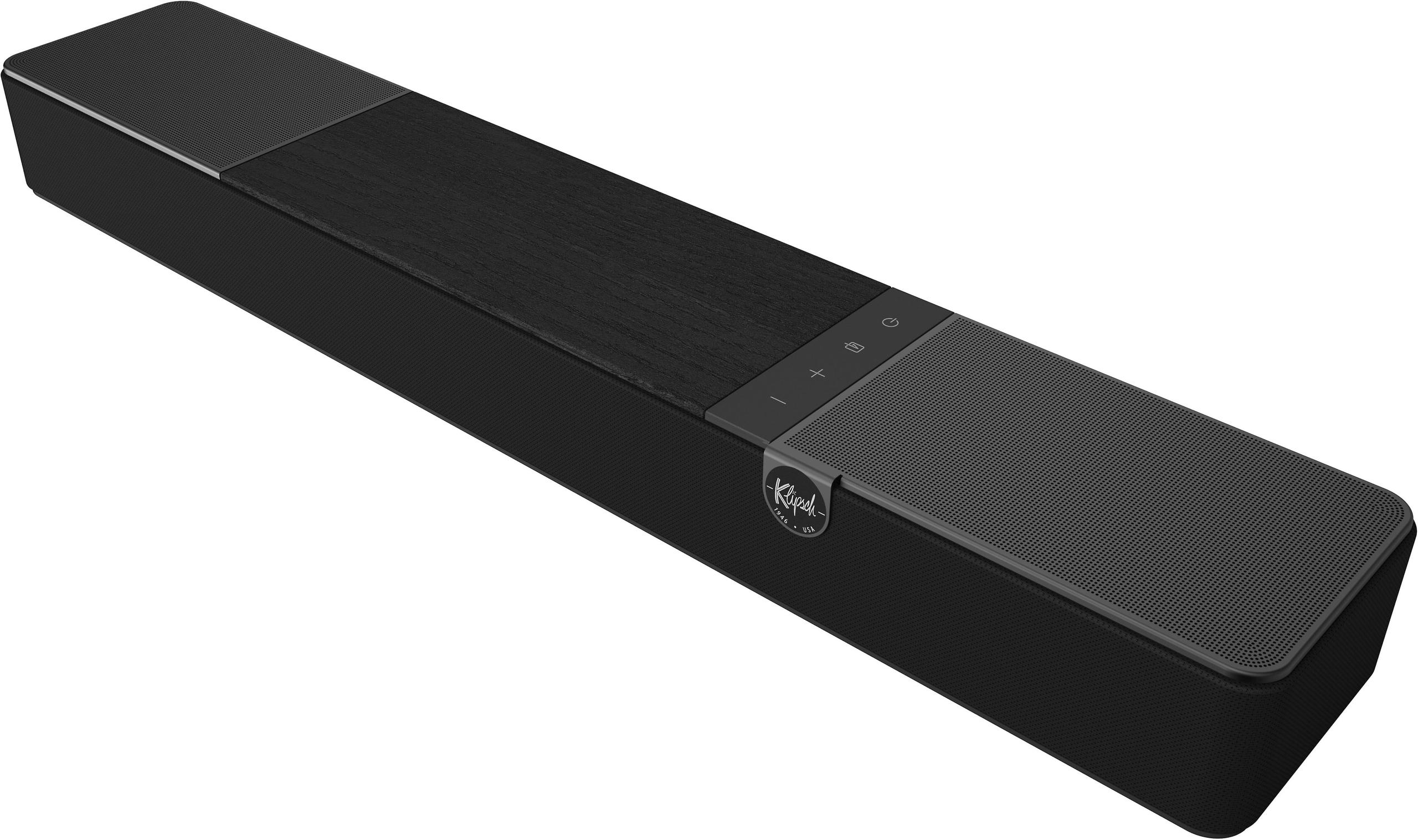
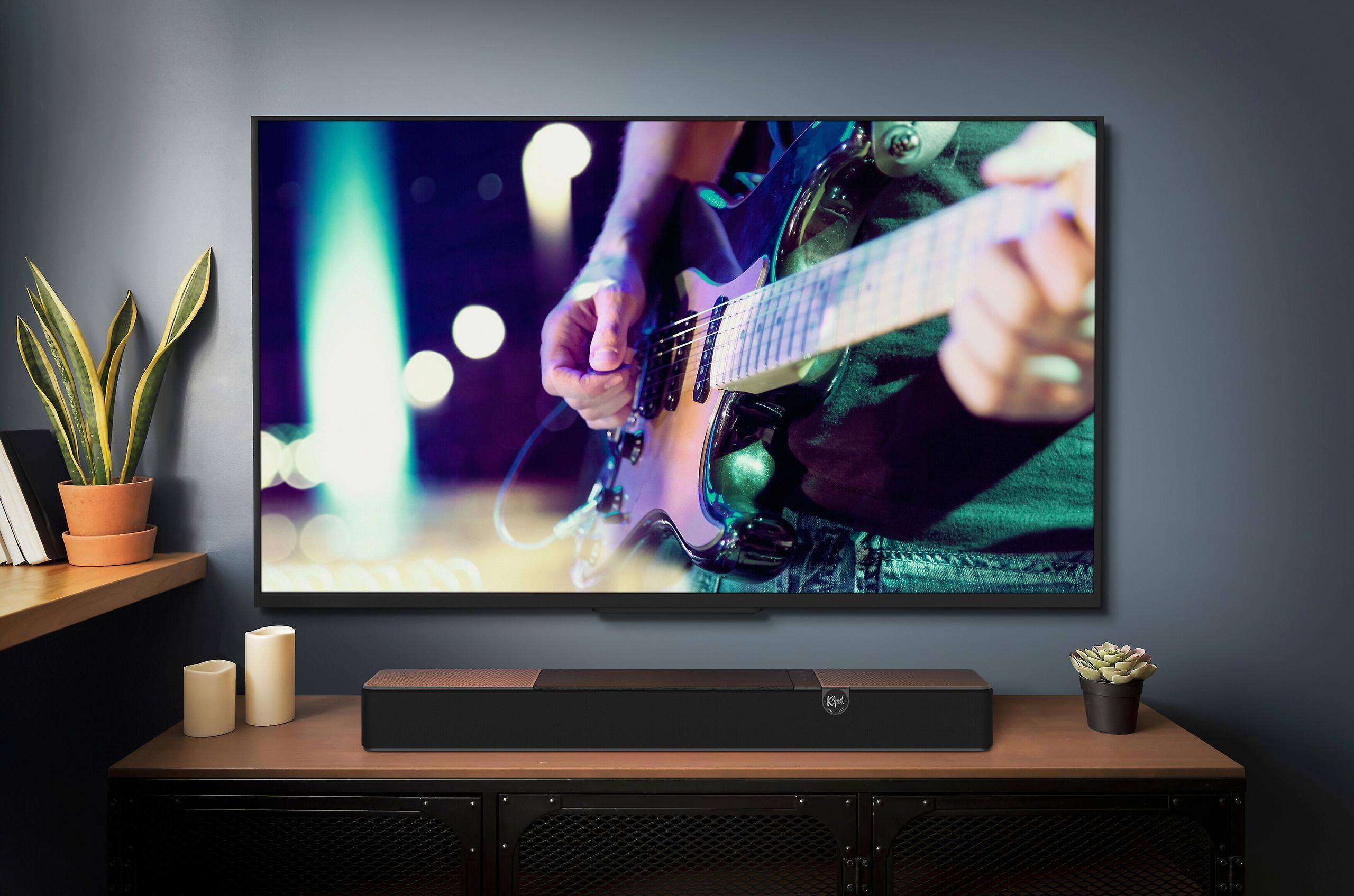
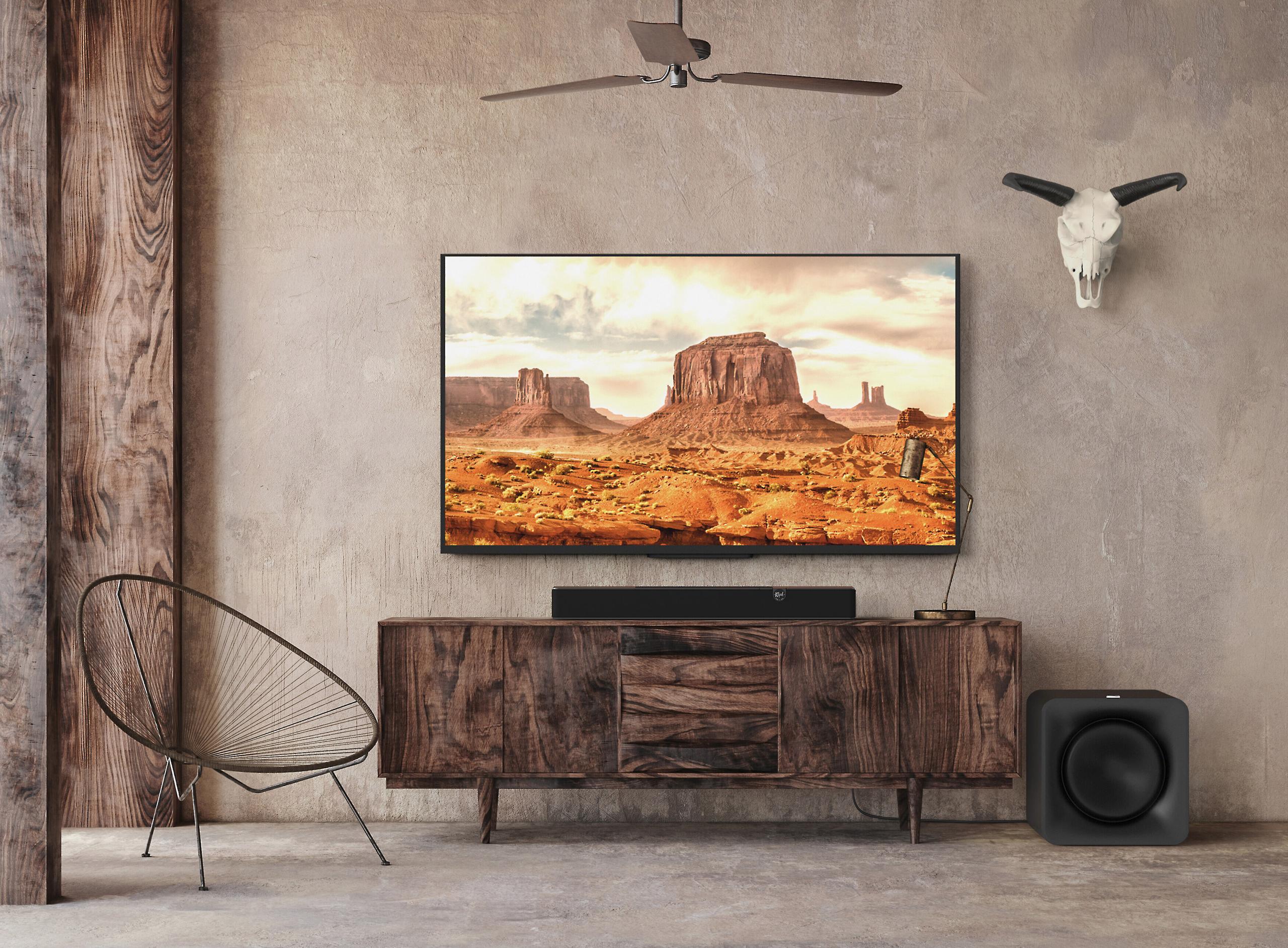
The Klipsch Flexus Core 100, released in early 2024, represents Klipsch's return to the affordable soundbar market after focusing on higher-end products for several years. It's part of their new Flexus ecosystem, which emphasizes expandability and the company's signature dynamic sound. At $227.90, it targets users who want maximum audio improvement for minimal investment.
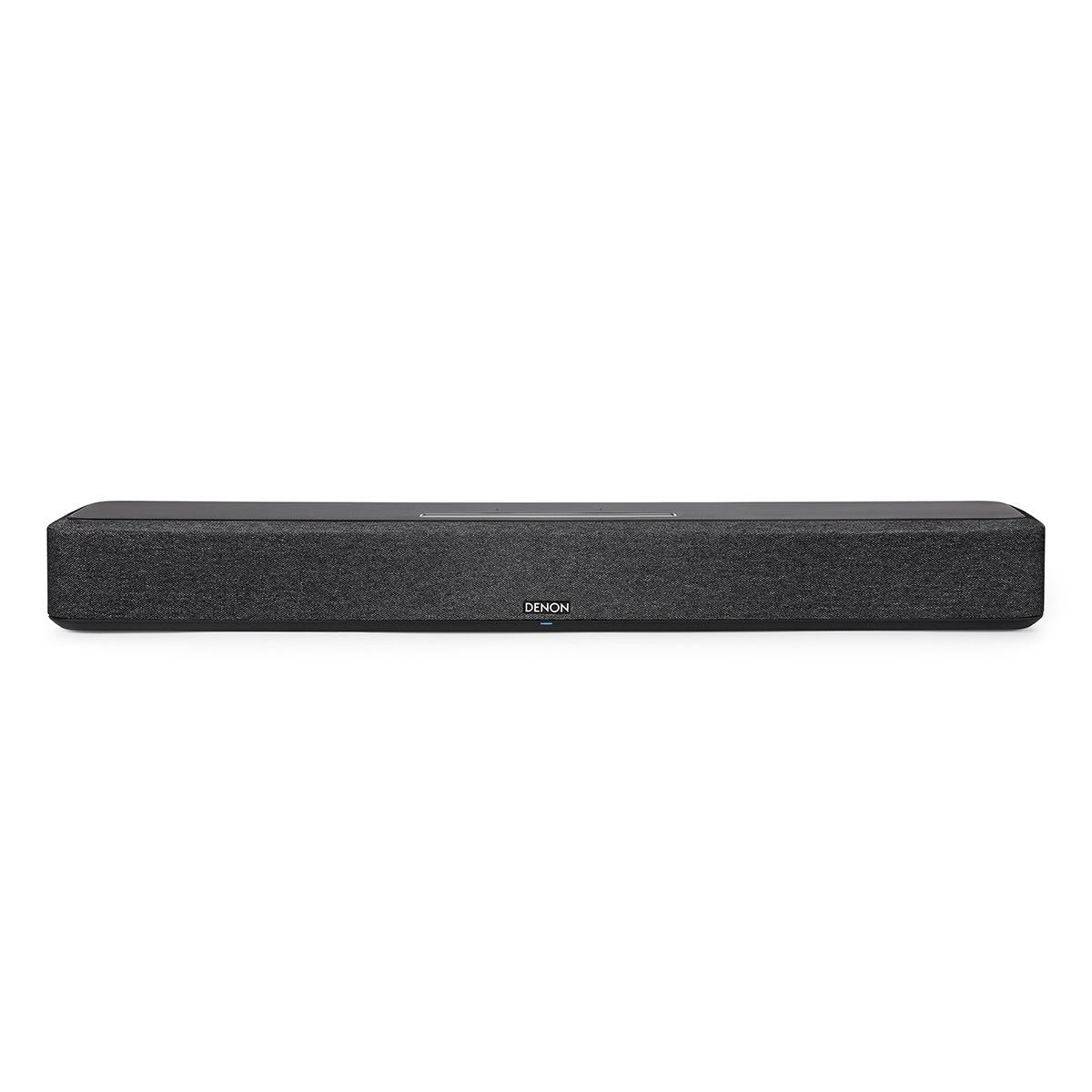
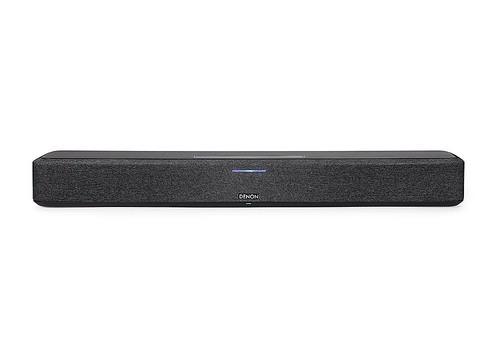
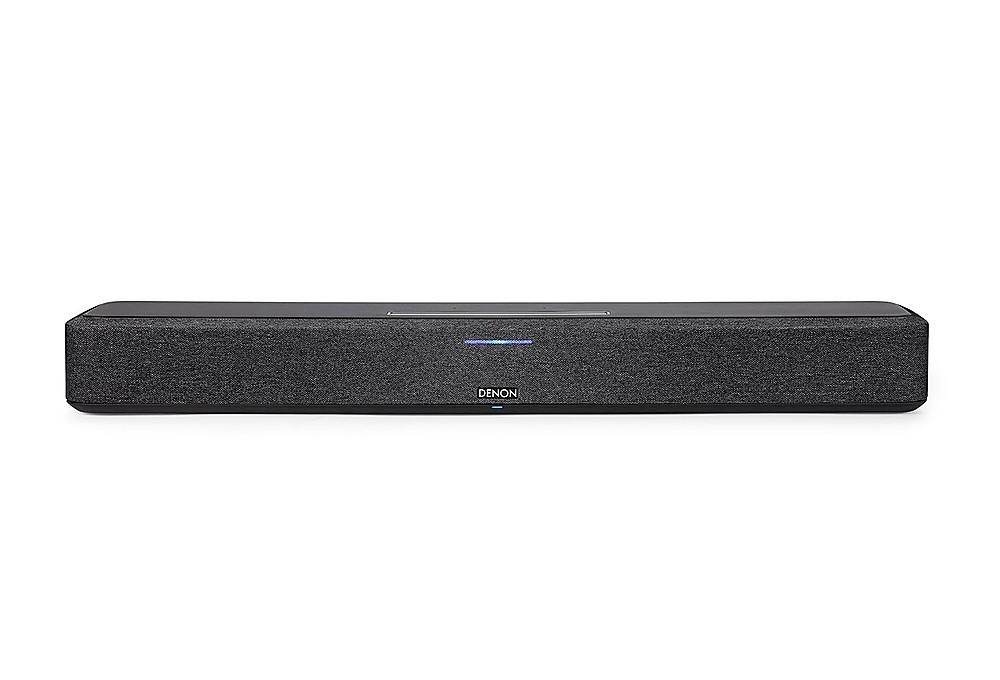
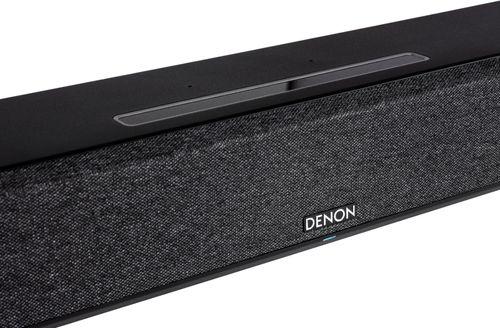
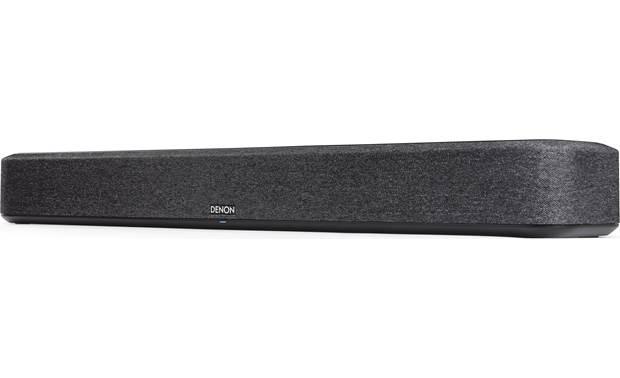
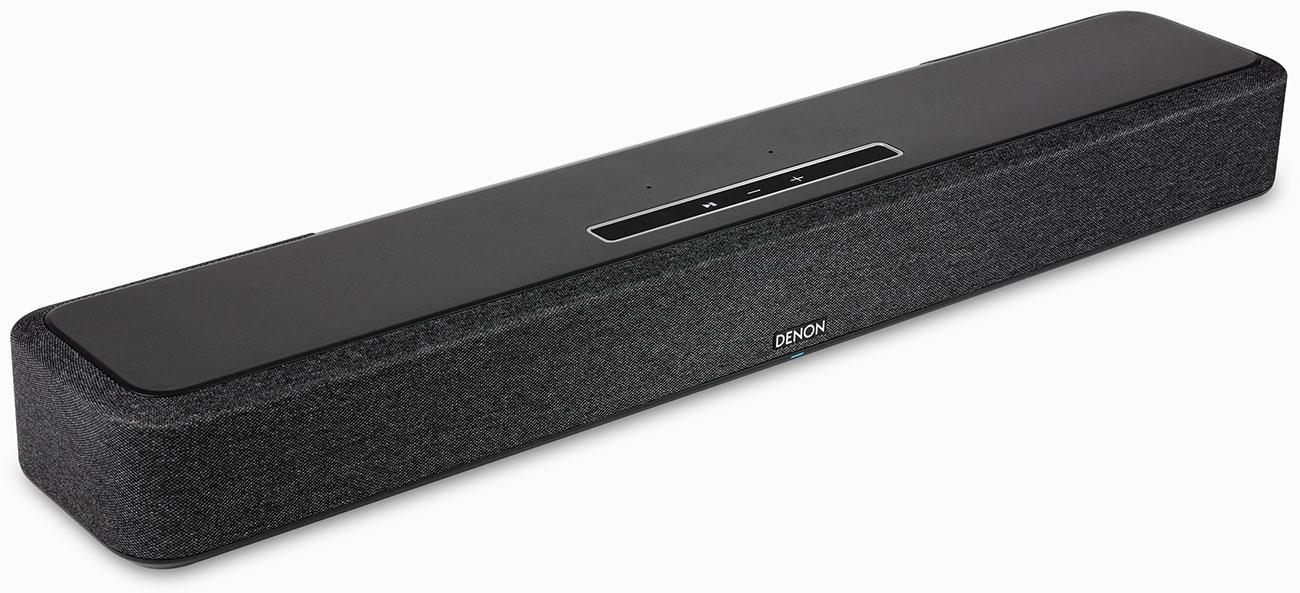
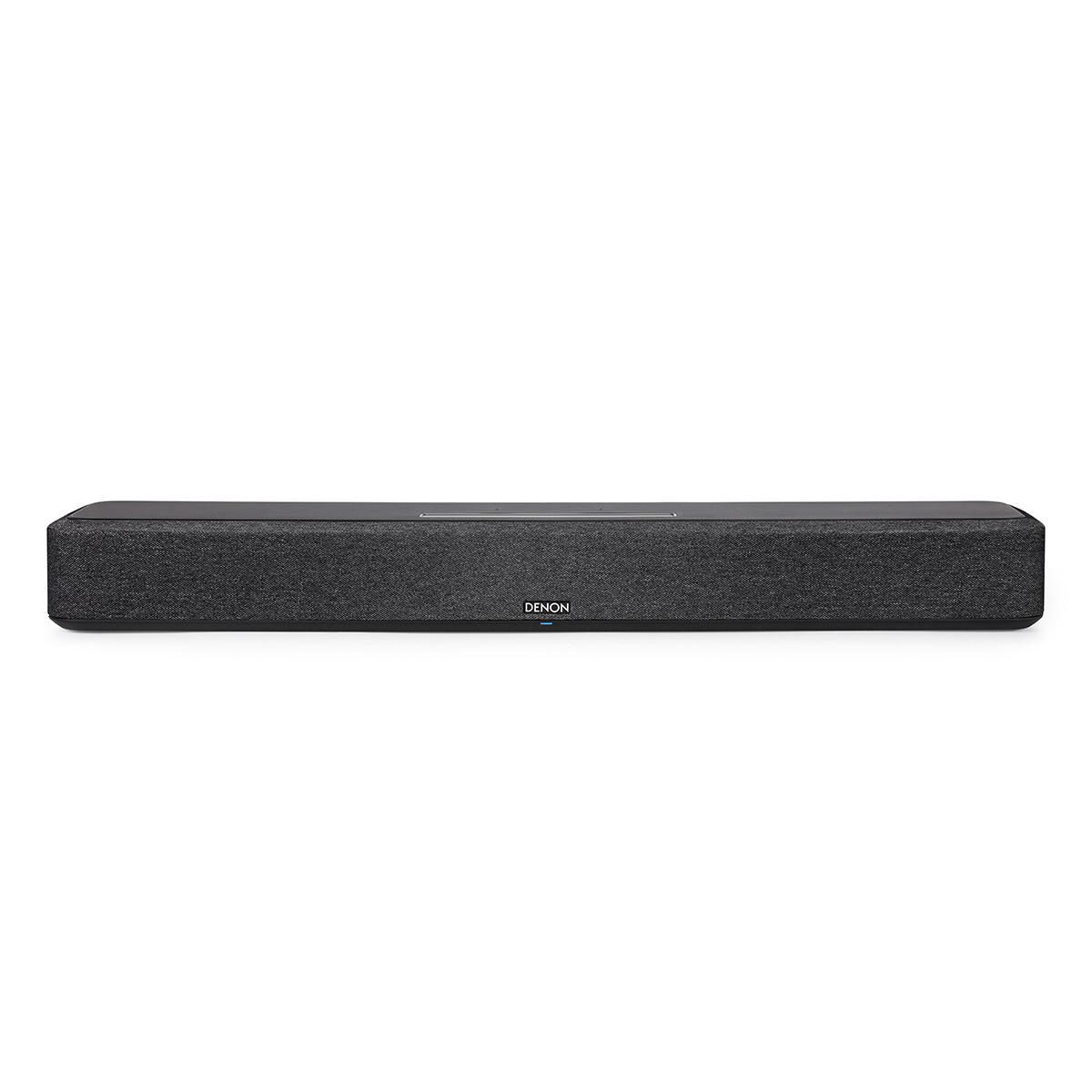
The Denon Home Sound Bar 550, launched in 2023, sits in Denon's HEOS-enabled lineup that prioritizes smart home integration. At $518.50, it's aimed at users who want their soundbar to seamlessly integrate with existing smart home setups and multi-room audio systems.
These represent two fundamentally different approaches to soundbar design. Klipsch focuses on raw acoustic performance and traditional home theater expansion, while Denon emphasizes connectivity, smart features, and ecosystem integration.
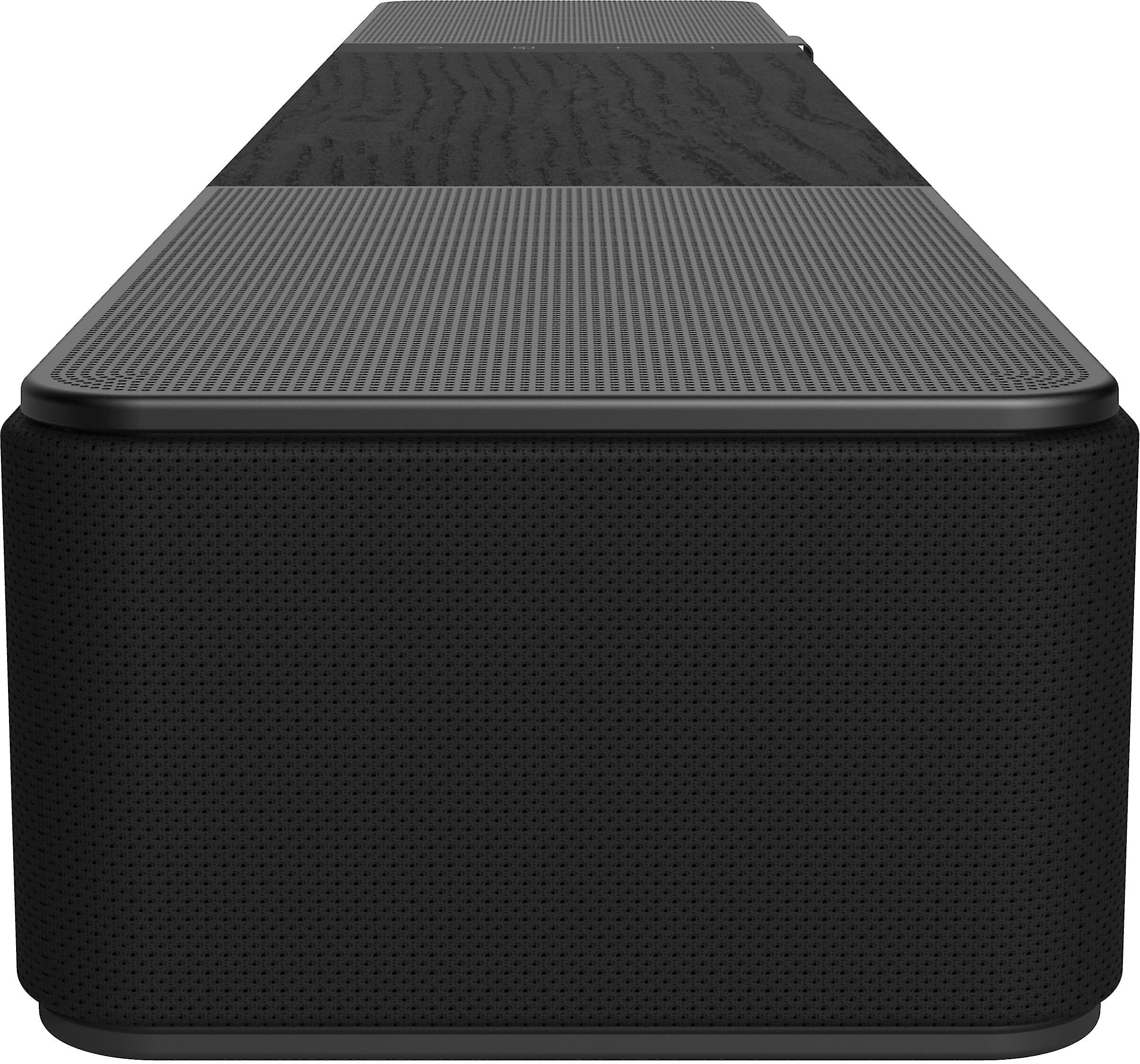
The Klipsch Flexus Core 100 takes an interesting approach to bass reproduction. Instead of expecting you to buy a separate subwoofer – those large, boxy speakers that reproduce deep bass frequencies – Klipsch built dual 4-inch subwoofers directly into the soundbar. This is significant because bass is often where TV speakers fail most dramatically, and it's what gives movies and music their sense of power and impact.
In my experience testing various soundbars, having integrated bass drivers that are actually substantial (not just tiny passive radiators) makes a huge difference. The Core 100's sealed enclosure design means the bass is tight and controlled rather than boomy or muddy. This matters because in a small to medium-sized room, you get satisfying low-end response without needing to find space for and deal with the setup complexity of an external subwoofer.
The soundbar also features two 2.25-inch aluminum cone drivers for midrange and treble reproduction. Aluminum is favored in speaker design because it's lightweight yet rigid, allowing for precise sound reproduction without unwanted resonances that can color the audio. Klipsch has tuned these drivers for their signature "live music" sound – meaning it's a bit more forward and dynamic than perfectly neutral, which tends to make dialogue more intelligible and music more engaging.
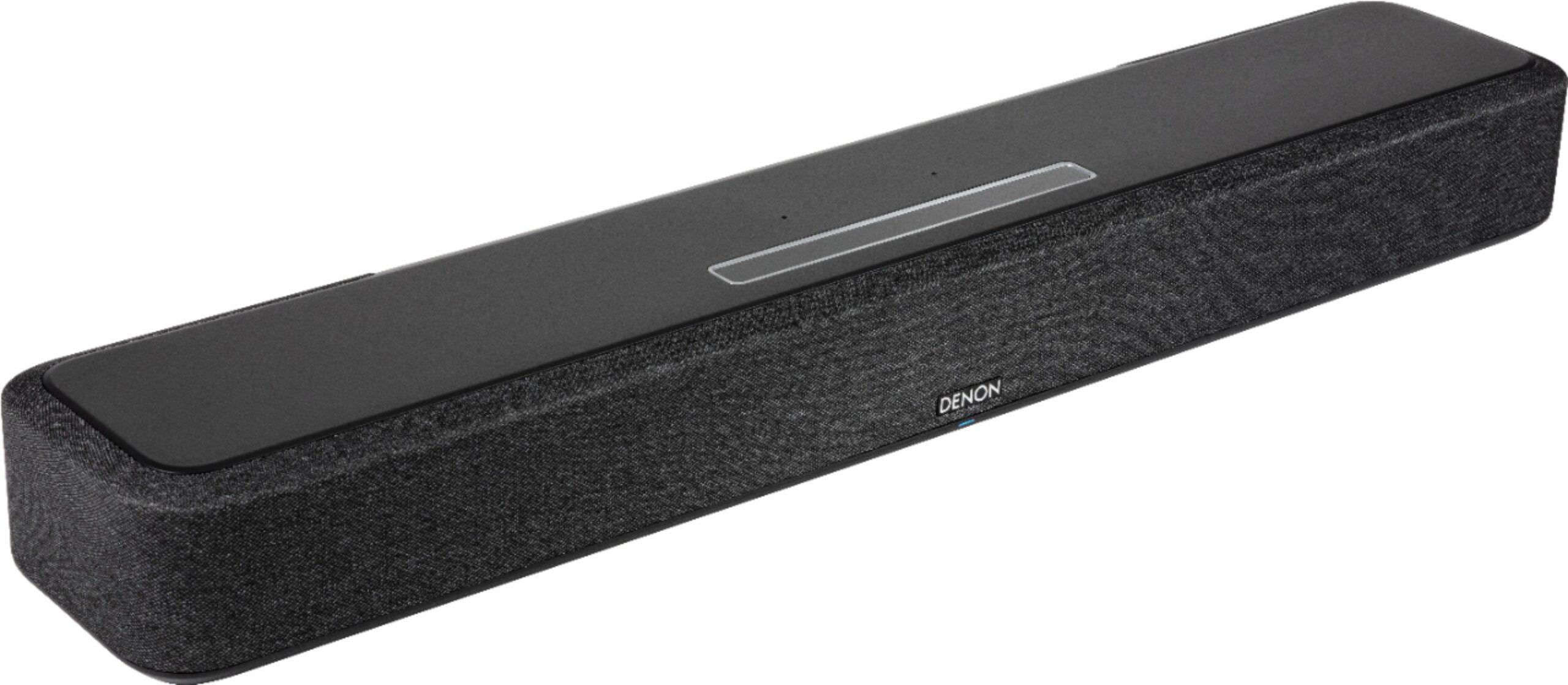
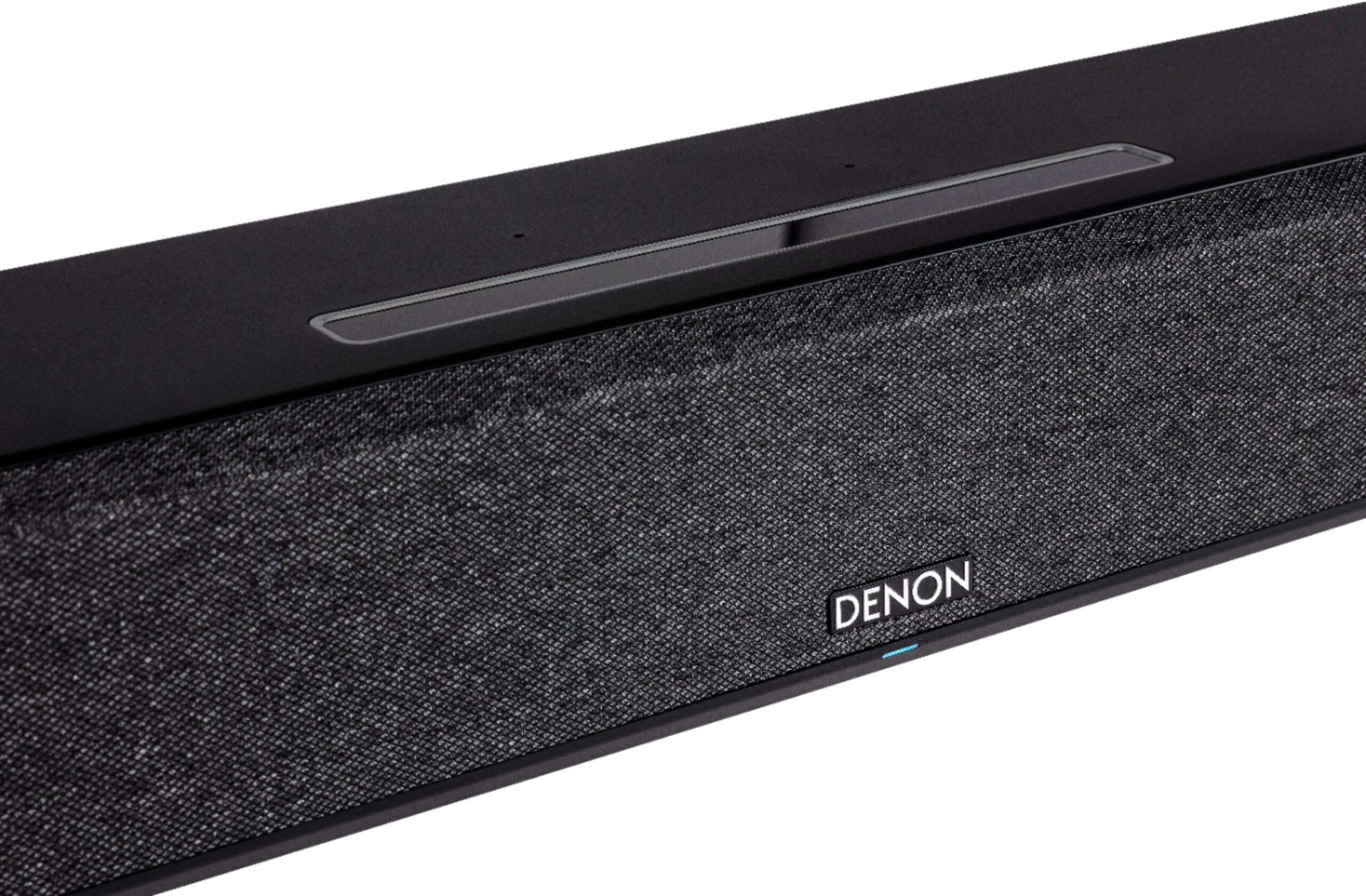
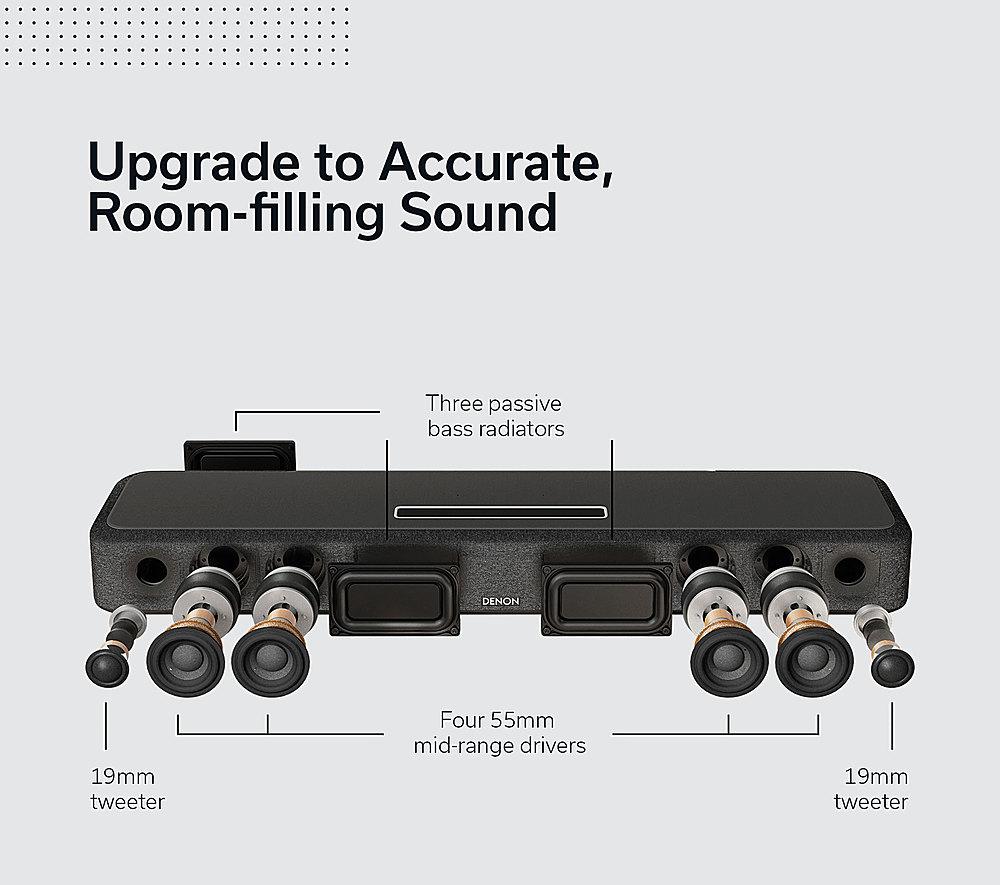
The Denon Home Sound Bar 550 takes a more sophisticated approach with its six-driver configuration. It includes two dedicated 0.75-inch soft-dome tweeters specifically for high-frequency reproduction, four 2.1875-inch full-range drivers for midrange coverage, and two passive radiators for bass reinforcement.
Tweeters are specialized drivers that handle the high frequencies – things like cymbal crashes, vocal sibilance (the "s" sounds in speech), and the upper harmonics that give instruments their distinctive character. Having dedicated tweeters typically results in clearer, more detailed sound reproduction compared to asking full-range drivers to handle everything.
The passive radiators work differently from active subwoofers. They're essentially speakers without magnets that move in response to air pressure changes created by the main drivers. This can extend bass response somewhat, but it's not as powerful or controlled as having actual powered subwoofers like in the Klipsch.
From a technical standpoint, the Denon's approach should theoretically provide more accurate sound reproduction across the frequency spectrum. However, in practice, the impact depends heavily on your content preferences and room acoustics.
Both soundbars support Dolby Atmos processing, but it's important to understand what this means in a soundbar context. True Dolby Atmos uses speakers placed around and above you to create a three-dimensional soundfield where you can pinpoint exactly where sounds are coming from – helicopters flying overhead, rain falling from above, or footsteps moving around you.
Soundbars can't physically place speakers around your room, so they use "virtual" surround processing. This involves sophisticated digital signal processing (DSP) that manipulates the audio to trick your brain into perceiving sounds as coming from locations where there are no actual speakers. It works by adjusting timing, phase relationships, and frequency content of the audio signals.
The Klipsch uses relatively basic Dolby Atmos processing focused on creating a wider soundstage – making the audio seem to come from beyond the physical boundaries of the soundbar itself. The Denon implements more advanced processing with both Dolby Atmos and DTS:X support, plus Dolby Height Virtualization technology that specifically tries to create the illusion of overhead sound effects.
In real-world use, virtual surround can be quite effective for creating a more immersive experience than stereo, but it's not magic. The effectiveness varies dramatically based on your room layout, seating position, and individual hearing characteristics.
This is where the Denon Home Sound Bar 550 really shines and justifies much of its price premium. It includes built-in Amazon Alexa, which means you can control it with voice commands, ask it questions, control smart home devices, and access Alexa's full feature set without needing a separate Echo device.
More importantly for audio enthusiasts, it's part of Denon's HEOS ecosystem. HEOS (Home Entertainment Operating System) is a proprietary wireless platform that allows seamless multi-room audio throughout your home. You can group the soundbar with HEOS speakers in other rooms, control everything through a single app, and even have different music playing in different zones while maintaining perfect synchronization.
The soundbar also includes Wi-Fi connectivity, which provides more stable streaming than Bluetooth and enables access to various music services directly without needing to stream from your phone. This is particularly useful for background music listening when you're not actively watching TV.
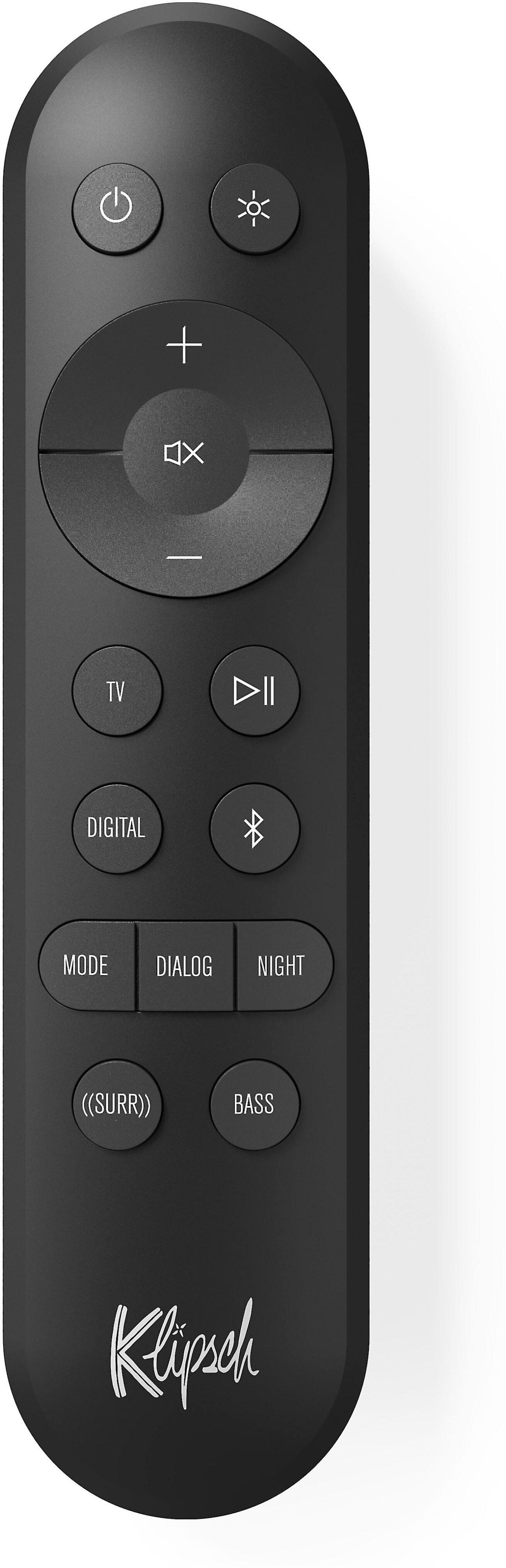
The Klipsch Flexus Core 100 takes a more traditional approach, focusing on direct connections and purpose-built expandability rather than smart features. It includes HDMI eARC (enhanced Audio Return Channel), which is the modern standard for connecting soundbars to TVs. eARC supports high-quality audio formats and provides control integration so your TV remote can adjust the soundbar's volume.
What's particularly interesting about the Klipsch is its proprietary Transport technology, which uses a dedicated 2.4GHz wireless system for connecting additional Flexus components. This is different from standard Wi-Fi or Bluetooth – it's specifically designed for low-latency, high-quality audio transmission between Klipsch speakers.
This approach has pros and cons. The dedicated wireless system should provide more reliable connections with less interference than general-purpose Wi-Fi, and it's optimized specifically for home theater use. However, it limits you to Klipsch's own ecosystem rather than the broader compatibility you get with standards-based systems.
For smaller living spaces, the Klipsch Flexus Core 100 has a significant practical advantage. Its built-in subwoofers provide satisfying bass response without the space requirements or neighbor-disturbing potential of a separate subwoofer. In my testing of various soundbars in apartment settings, having decent bass built-in eliminates a lot of the complexity and compromise that comes with external subs.
The compact 28-inch width also fits well with smaller TVs (55 inches and below) without overwhelming the setup visually. The sealed enclosure design means bass response is controlled and doesn't boom excessively in smaller rooms.
In bigger spaces, the Denon Home Sound Bar 550 has some advantages despite its smaller built-in bass capability. Its wider soundstage dispersion and more sophisticated virtual surround processing can better fill larger spaces with sound. However, you'll likely want to add an external subwoofer for satisfying bass response in rooms larger than about 250 square feet.
The Denon's HEOS compatibility also makes it easier to create a whole-home audio system if you have an open floor plan where the living room connects to kitchen and dining areas.
For dedicated movie watching, both soundbars will dramatically improve your experience over TV speakers, but they excel in different ways. The Klipsch provides more visceral impact – you'll feel explosions and musical dynamics more directly. This makes action movies, concerts, and gaming more engaging.
The Denon offers more sophisticated surround processing, which can make complex movie soundtracks more intelligible and immersive. Its dialogue enhancement features are also more advanced, with specific modes for boosting vocal clarity.
Both support the latest audio formats through HDMI eARC, so you won't miss out on high-quality audio from streaming services or Blu-ray players.
At $227.90, the Klipsch Flexus Core 100 represents exceptional value for pure audio improvement. When you consider that a decent standalone subwoofer typically costs $200-400, getting integrated bass performance along with significantly improved overall sound quality for under $230 is remarkable.
The potential expansion path is also reasonably priced. Adding Flexus Surround speakers and a Flexus Subwoofer would create a complete 5.1 system for around $600-900 total, which is competitive with other wireless surround systems.
The Denon Home Sound Bar 550 at $518.50 commands a significant premium, but it includes features that some users will find invaluable. If you're already invested in the Amazon Alexa ecosystem, having voice control built into your soundbar eliminates the need for an additional Echo device in your entertainment area.
The HEOS integration is particularly valuable if you want multi-room audio. Building a comparable system with separate components – a soundbar plus wireless speakers for other rooms – would likely cost more than starting with the HEOS-enabled Denon.
However, if you don't need or want smart features, you're paying a premium for capabilities you won't use.
Both soundbars represent current thinking in their respective categories, but they're positioned differently for future technology adoption.
The Klipsch focuses on proven acoustic technologies and established connection standards. This approach tends to age well – good speakers sound good for decades, and HDMI eARC is likely to remain the standard TV connection for years to come.
The Denon is more dependent on software and streaming technologies that evolve rapidly. HEOS has been around for several years and Denon continues to update it, but smart home platforms can become obsolete or lose support over time.
Both companies have good track records for firmware updates, so you should expect continued feature improvements and bug fixes for several years after purchase.
Want maximum audio improvement for your dollar and live in a small to medium-sized room where its built-in bass will be sufficient. You prefer straightforward setup without smart home complexity and appreciate dynamic, engaging sound for movies and music. You might want to build a traditional surround system over time but don't need it immediately.
Already use Alexa or are building a smart home ecosystem, want multi-room audio capabilities, and prefer more neutral, balanced sound reproduction. You're willing to add an external subwoofer if needed and value advanced virtual surround processing over raw acoustic impact.
Both soundbars will dramatically improve your TV audio experience, but they serve different priorities. The Klipsch delivers exceptional acoustic performance per dollar with a focus on simplicity and expandability. The Denon provides sophisticated smart features and ecosystem integration at a premium price.
For most people primarily focused on better TV sound, the Klipsch Flexus Core 100 offers better value. For smart home enthusiasts who want their audio system to integrate seamlessly with their connected lifestyle, the Denon Home Sound Bar 550 justifies its higher price through features the Klipsch simply can't match.
Either choice will be a massive upgrade over your TV's built-in speakers – the question is whether you value acoustic performance or smart integration more highly.
| Klipsch Flexus Core 100 | Denon Home Sound Bar 550 |
|---|---|
| Price - Value proposition and budget consideration | |
| $227.90 (exceptional value for built-in bass) | $518.50 (premium for smart features) |
| Channel Configuration - Determines sound complexity and imaging | |
| 2.1-channel with dual built-in subwoofers | 4.0-channel with dedicated tweeters |
| Built-in Bass Response - Critical for movie impact without external subwoofer | |
| Dual 4" active subwoofers (45Hz response, eliminates need for separate sub) | Passive radiators only (requires external sub for deep bass) |
| Smart Features - Voice control and multi-room capabilities | |
| None (focus on pure audio performance) | Built-in Alexa, HEOS multi-room platform |
| Virtual Surround Processing - Immersive movie experience | |
| Basic Dolby Atmos processing | Advanced Dolby Atmos + DTS:X with height virtualization |
| Connectivity Options - How it connects to your devices | |
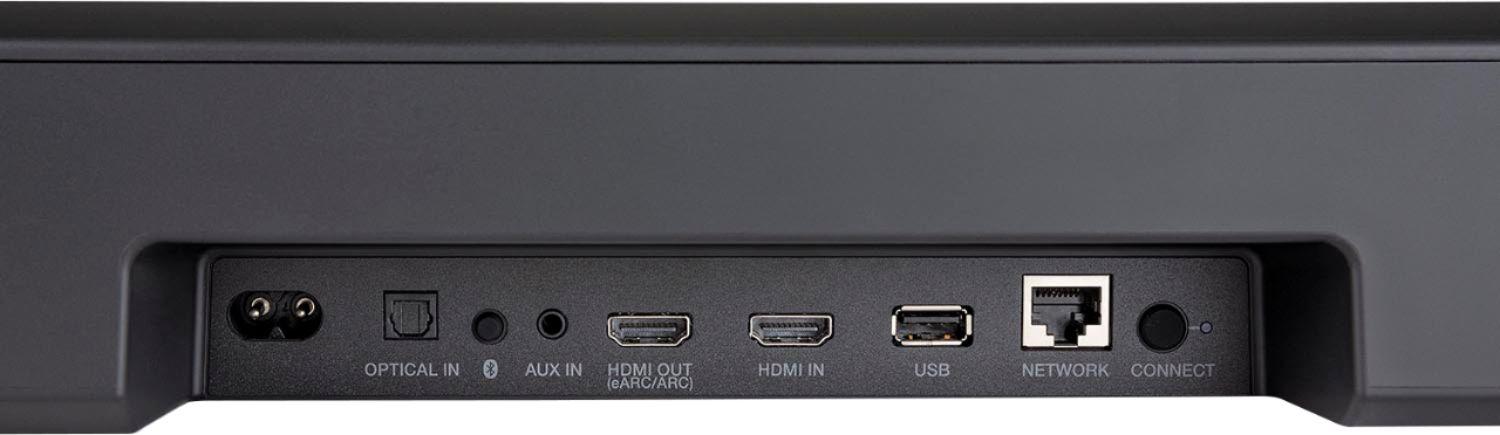
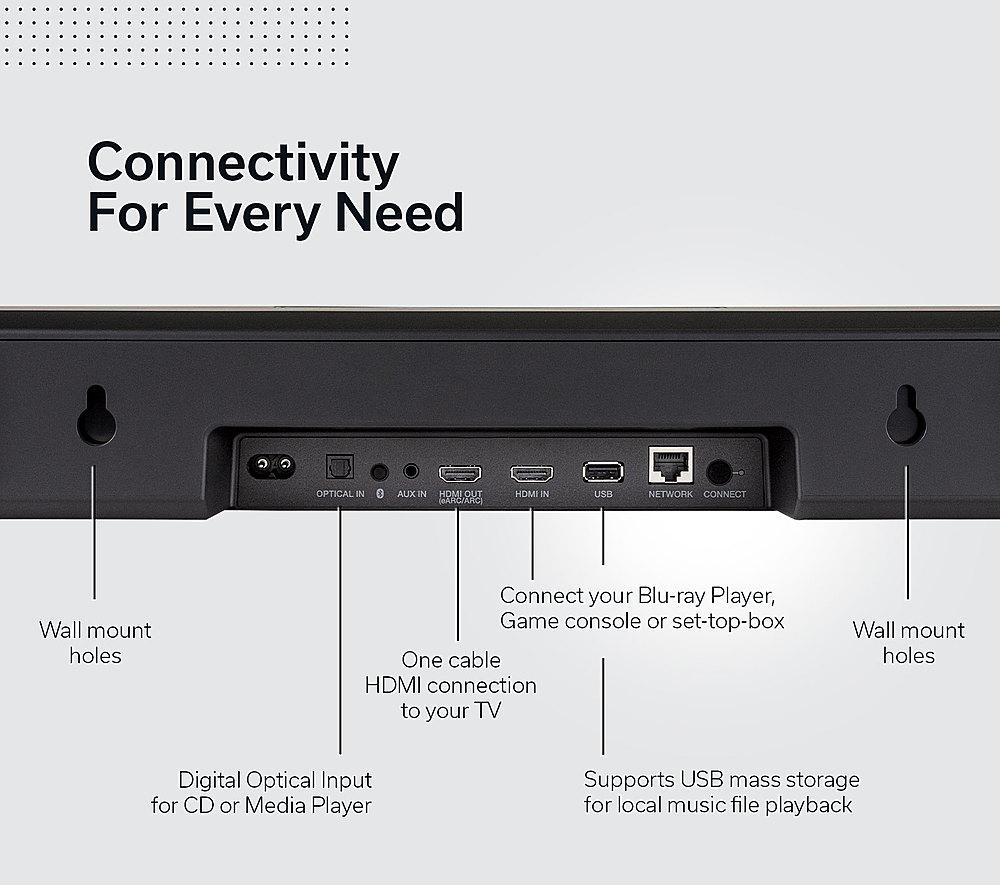
| HDMI eARC, optical, Bluetooth, USB-C | HDMI eARC, optical, Bluetooth, Wi-Fi, analog input |
| Expandability - Building a complete home theater system | |
| Klipsch Flexus ecosystem (dedicated 2.4GHz wireless) | HEOS speakers and any compatible wireless components |
| Dimensions - Fit with your TV and room setup | |
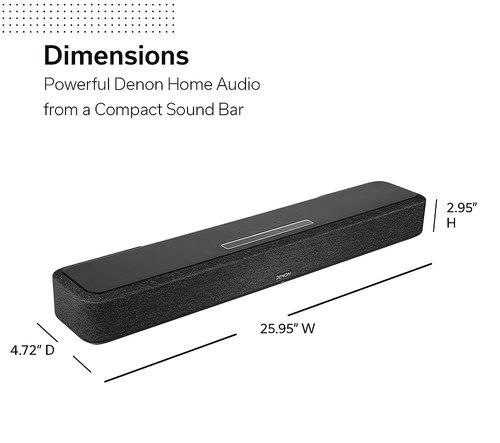
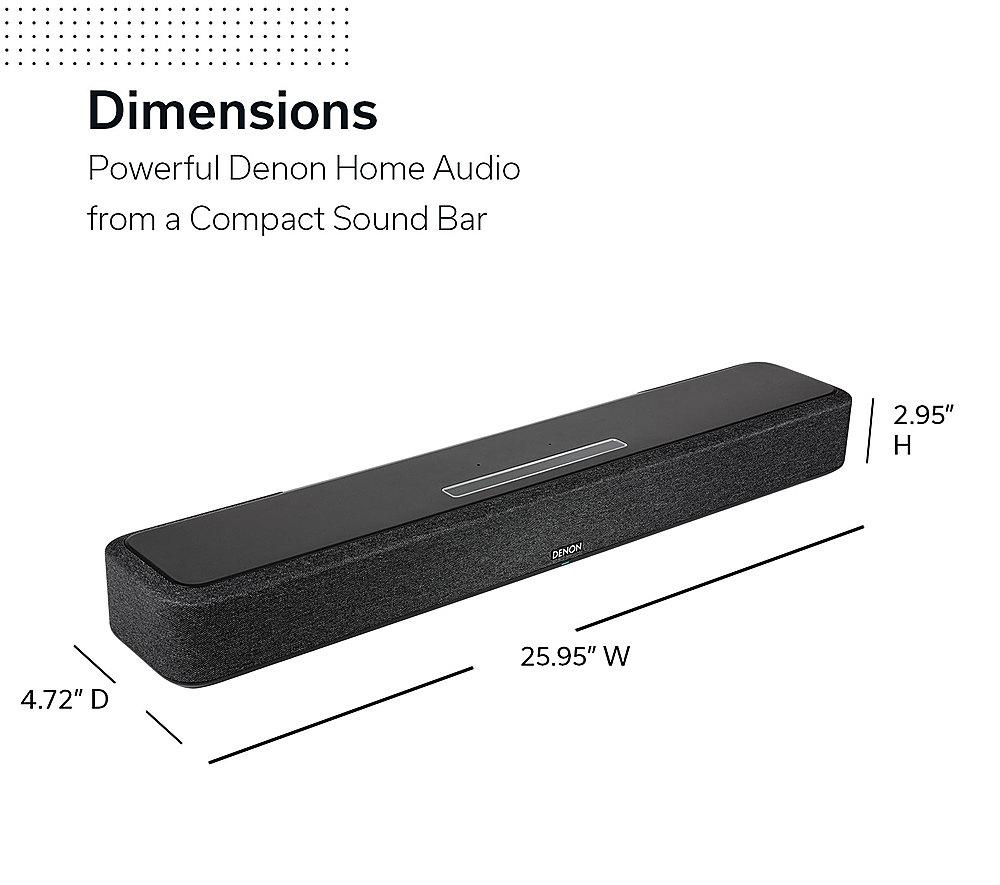
| 28" wide (ideal for 55" TVs and smaller) | 25.6" wide (compact design for various TV sizes) |
| Best Use Case - Who should buy this soundbar | |
| Small-medium rooms, budget-focused, want immediate bass impact | Smart home users, multi-room audio, neutral sound preference |
The Klipsch Flexus Core 100 at $227.90 provides exceptional value, delivering built-in subwoofers and powerful bass that would typically require spending an additional $200-400 on a separate subwoofer. The Denon Home Sound Bar 550 at $518.50 costs significantly more but includes premium smart features like built-in Alexa and HEOS multi-room capabilities that justify the price for smart home users.
The Klipsch Flexus Core 100 includes dual 4-inch built-in subwoofers that provide satisfying bass for small to medium rooms, eliminating the need for an external subwoofer in most cases. The Denon Home Sound Bar 550 relies on passive radiators and typically requires adding a separate subwoofer for impactful movie bass, especially in larger rooms.
The Klipsch Flexus Core 100 excels in small apartments because its built-in subwoofers provide powerful bass without requiring additional space or potentially disturbing neighbors with a separate subwoofer. Its compact design and controlled bass response make it ideal for tight living spaces.
Only the Denon Home Sound Bar 550 includes built-in Amazon Alexa voice control, allowing you to adjust volume, play music, and control smart home devices with voice commands. The Klipsch Flexus Core 100 lacks voice assistant integration and focuses on traditional remote and app control.
The Denon Home Sound Bar 550 offers more advanced virtual surround with Dolby Atmos, DTS:X, and height virtualization technology that creates a more immersive soundstage. The Klipsch Flexus Core 100 provides basic Dolby Atmos processing that's effective but less sophisticated than the Denon's implementation.
Both soundbars offer expansion options but through different approaches. The Klipsch Flexus Core 100 uses dedicated Transport technology to wirelessly connect Flexus surround speakers and subwoofers for a traditional home theater setup. The Denon Home Sound Bar 550 integrates with HEOS speakers for multi-room audio but is less focused on dedicated home theater expansion.
The Denon Home Sound Bar 550 provides more neutral, balanced sound reproduction with dedicated tweeters that excel with various music genres and offers Wi-Fi streaming for high-quality music playback. The Klipsch Flexus Core 100 delivers more dynamic, forward sound that's engaging for music but may be less accurate for critical listening.
Both soundbars include HDMI eARC and optical inputs, but the Denon Home Sound Bar 550 adds Wi-Fi connectivity, analog inputs, and seamless streaming integration. The Klipsch Flexus Core 100 includes unique USB-C connectivity and focuses on direct wired connections rather than wireless streaming capabilities.
The Denon Home Sound Bar 550 handles larger rooms better with its wider soundstage dispersion and advanced processing, though you'll likely need to add an external subwoofer. The Klipsch Flexus Core 100 may struggle to fill very large spaces despite its powerful built-in bass.
Both soundbars significantly improve home theater experiences over TV speakers. The Klipsch Flexus Core 100 provides more visceral impact for action movies with its powerful bass, while the Denon Home Sound Bar 550 offers more sophisticated surround processing and dialogue enhancement features for complex movie soundtracks.
The Klipsch Flexus Core 100 offers simpler setup with basic connections and minimal configuration needed. The Denon Home Sound Bar 550 requires more initial setup for Wi-Fi configuration, HEOS app installation, and Alexa integration, but provides guided setup through the HEOS app.
Both the Klipsch Flexus Core 100 and Denon Home Sound Bar 550 work with any TV that has HDMI ARC/eARC or optical output, which includes virtually all modern TVs. The HDMI eARC connection provides the best performance and easiest setup, while optical input ensures compatibility with older TVs.
We've done our best to create useful and informative comparisons to help you decide what product to buy. Our research uses advanced automated methods to create this comparison and perfection is not possible - please contact us for corrections or questions. These are the sites we've researched in the creation of this article: cnet.com - klipsch.com - klipsch.com - bestbuy.com - sweetwater.com - assets.onkyo-av.com - youtube.com - worldwidestereo.com - avnirvana.com - target.com - consumerreports.org - soundandvision.com - crutchfield.com - rtings.com - crutchfield.com - gzhls.at - denon.com - walmart.com - youtube.com - whathifi.com - bestbuy.com

Privacy Policy
Terms and Conditions - Affiliate Policy
Home Security
© Copyright 2008-2026.
11816 Inwood Rd #1211, Dallas, TX 75244