

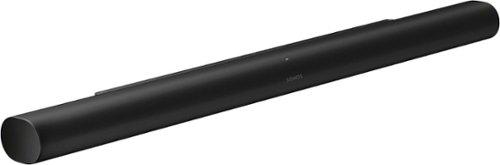

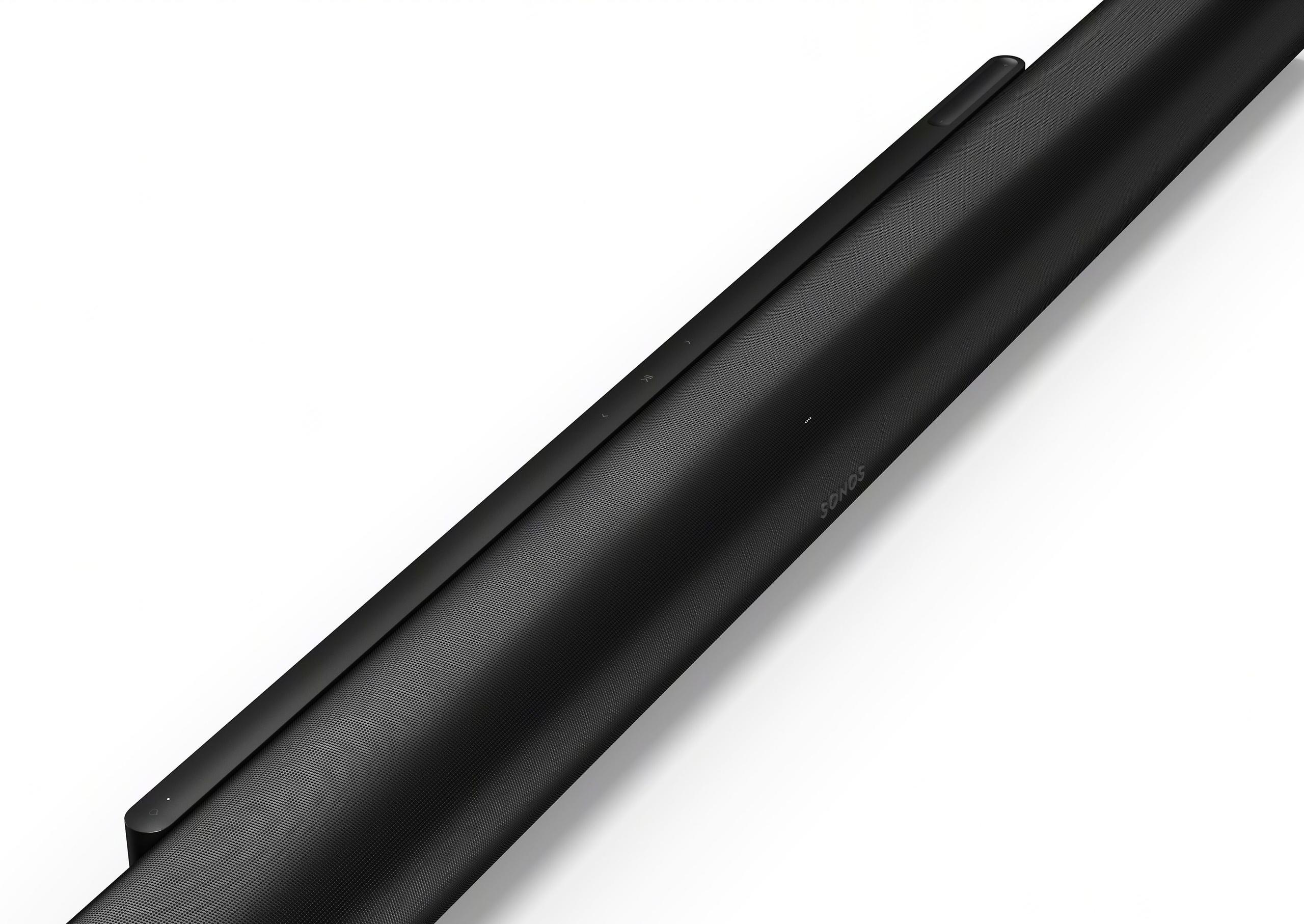
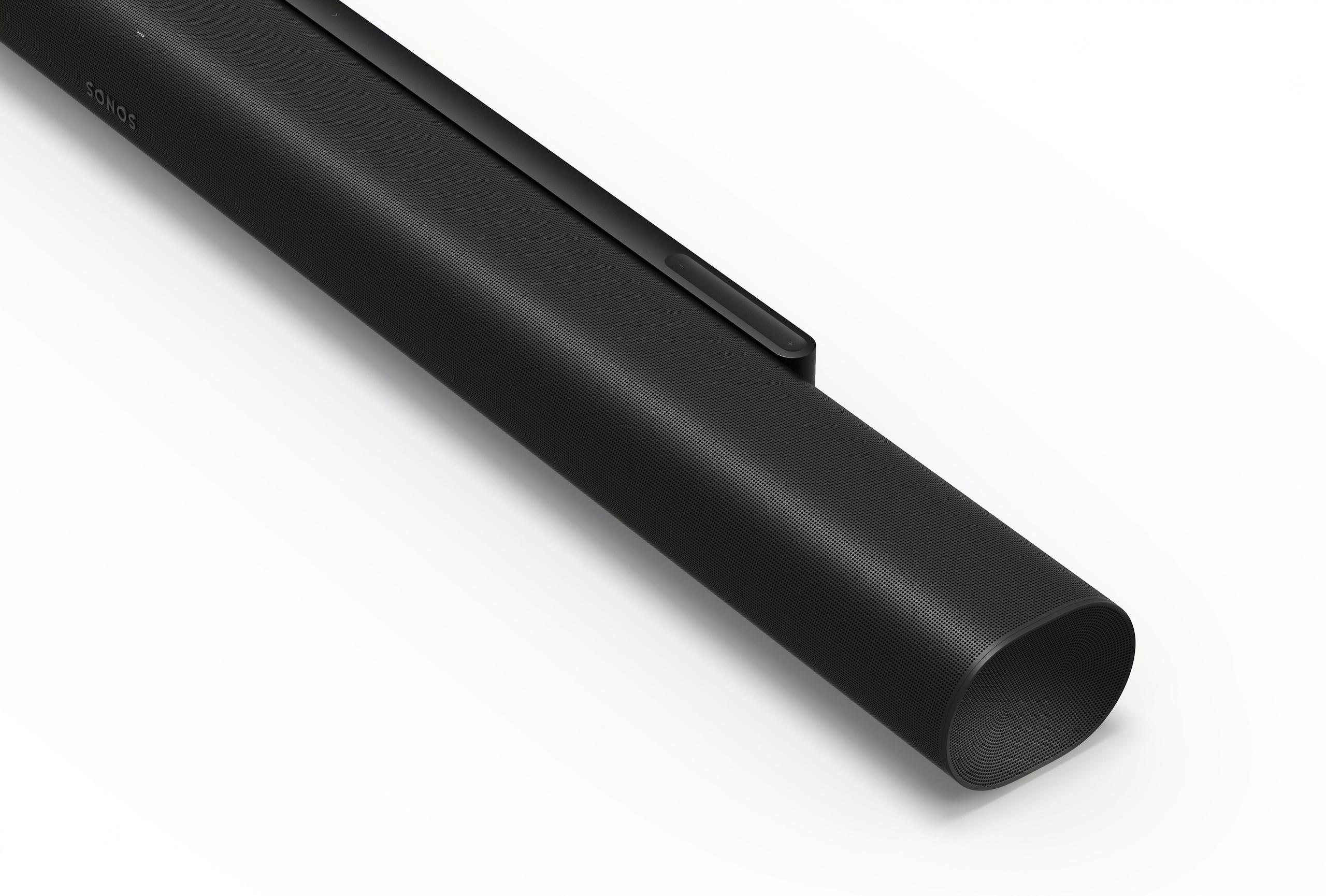
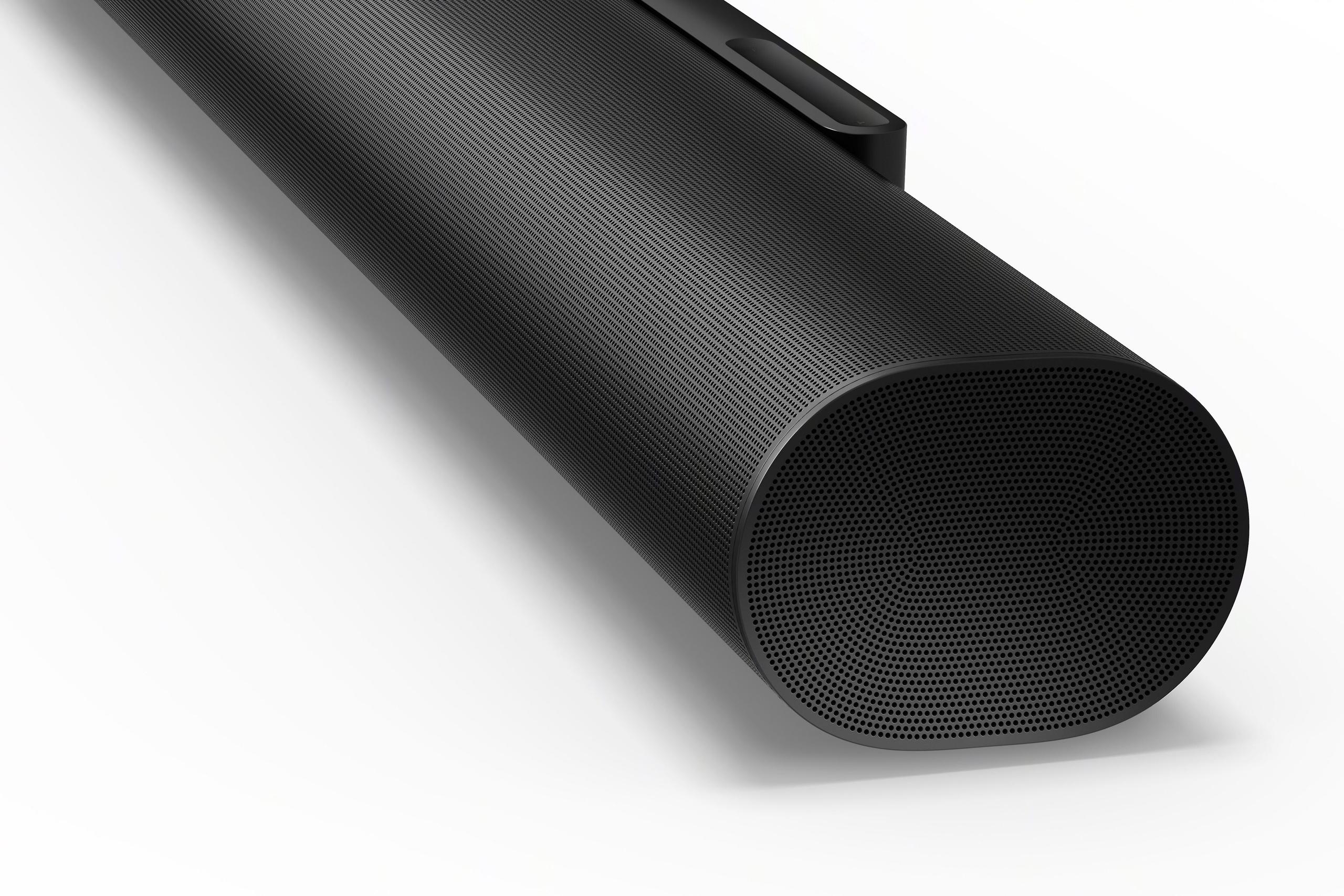
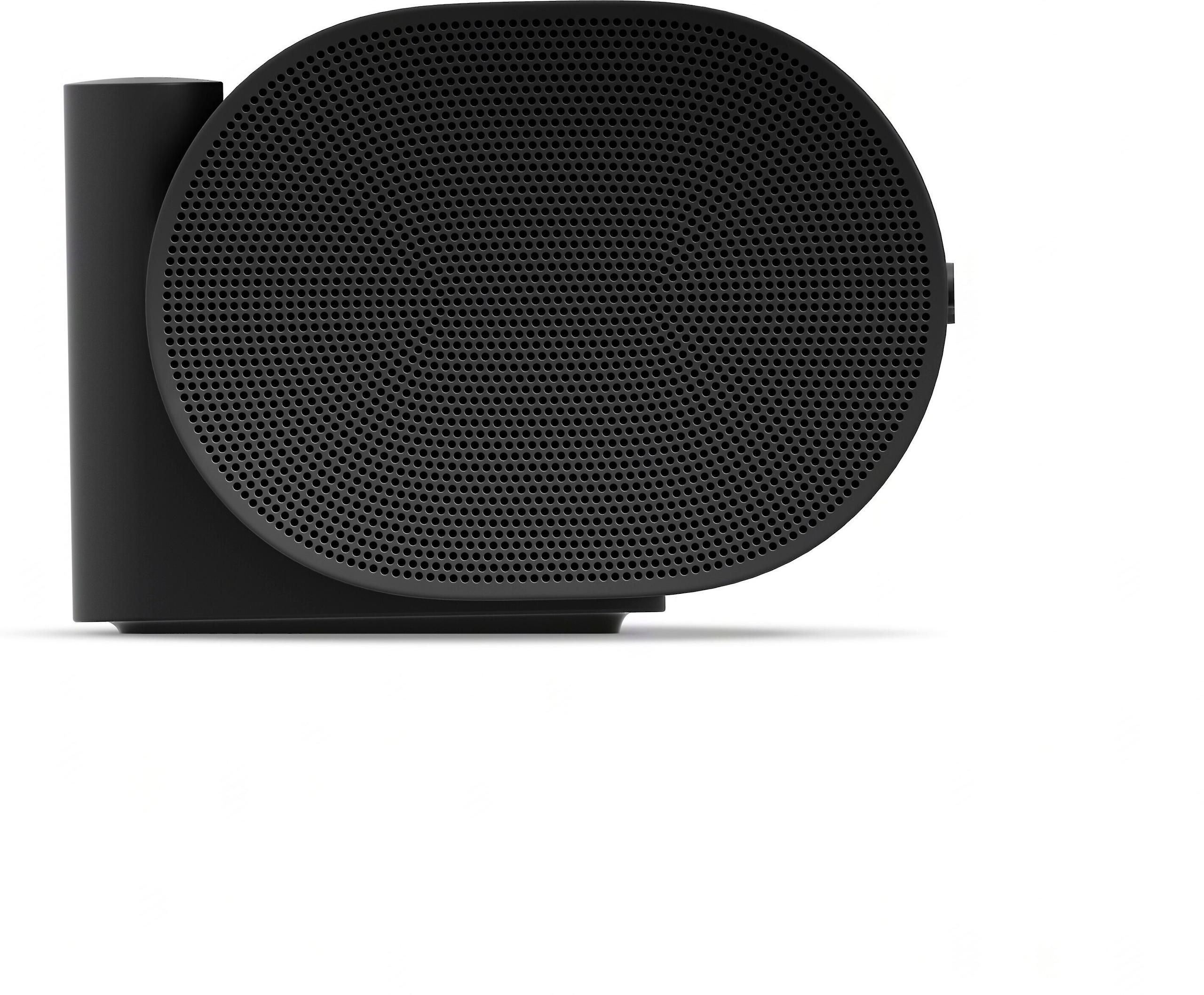



When you're watching your favorite action movie and the dialogue gets drowned out by explosions, or when your TV's built-in speakers make everything sound flat and lifeless, you know it's time to upgrade. Premium soundbars have become the go-to solution for home theater enthusiasts who want cinematic audio without the complexity of a full surround sound system. But with so many options available, choosing between two excellent soundbars like the Sonos Arc Ultra ($929) and the Denon Home Sound Bar 550 ($519) can feel overwhelming.
The soundbar market has evolved dramatically over the past few years, particularly in how manufacturers approach Dolby Atmos—a technology that creates three-dimensional audio by adding height channels to traditional surround sound. Some companies use physical speakers that actually fire sound upward toward your ceiling, while others rely on digital processing to simulate that overhead effect. This fundamental difference shapes everything from pricing to performance, and it's at the heart of what separates these two soundbars.
Before diving into the specifics, it's worth understanding what makes a soundbar "premium" in today's market. We're not just talking about louder volume or better bass—though those matter too. Premium soundbars tackle the challenge of creating an immersive audio experience that rivals a traditional 5.1 or 7.1 surround sound system, all while fitting neatly under your TV.
The key considerations when evaluating high-end soundbars include how they handle Dolby Atmos (the immersive audio format that adds overhead sound effects), their ability to adapt to different room sizes and acoustics, how well they integrate with your existing devices and smart home setup, and ultimately, whether the performance justifies the price tag.
What's particularly interesting about comparing these two soundbars is that they represent fundamentally different philosophies in audio engineering. The Sonos takes the "more is better" approach with 14 individual speakers, while the Denon focuses on smart digital processing with fewer, but carefully tuned drivers.
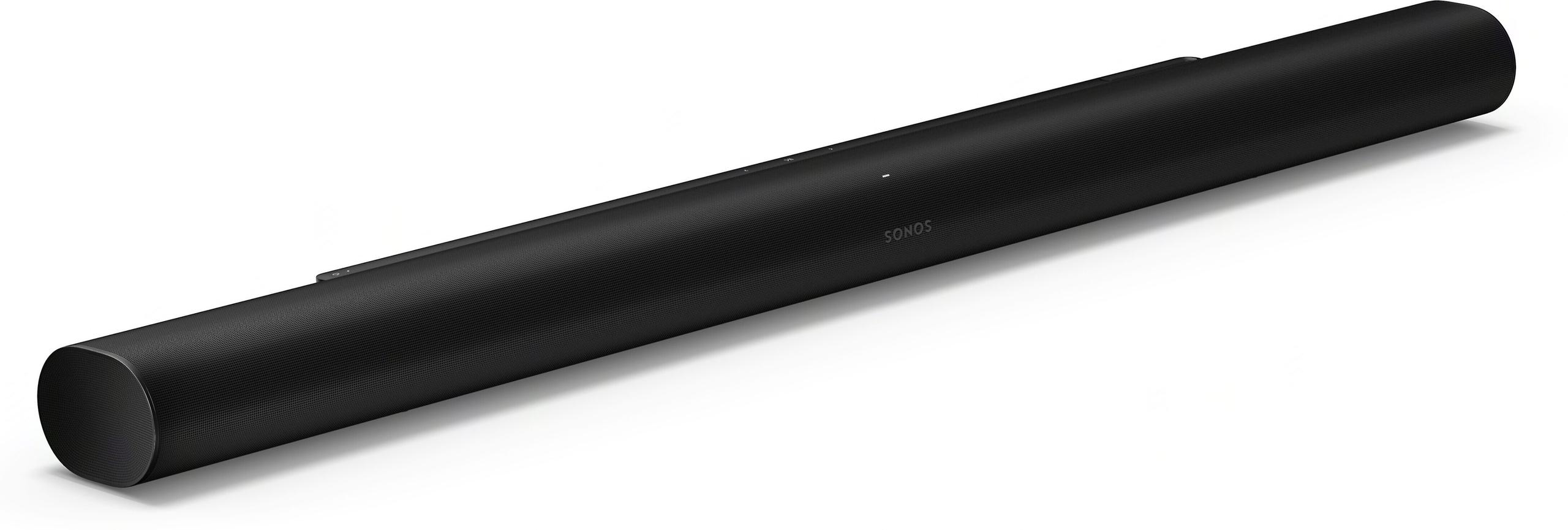
Released in October 2024, the Sonos Arc Ultra represents Sonos's most ambitious soundbar to date. It's the successor to the original Arc, which launched in June 2020 and quickly became a favorite among home theater enthusiasts. The Ultra takes everything that made the original Arc successful and pushes it further with what Sonos calls "Sound Motion" technology—a new type of woofer that delivers deeper bass while taking up less space.
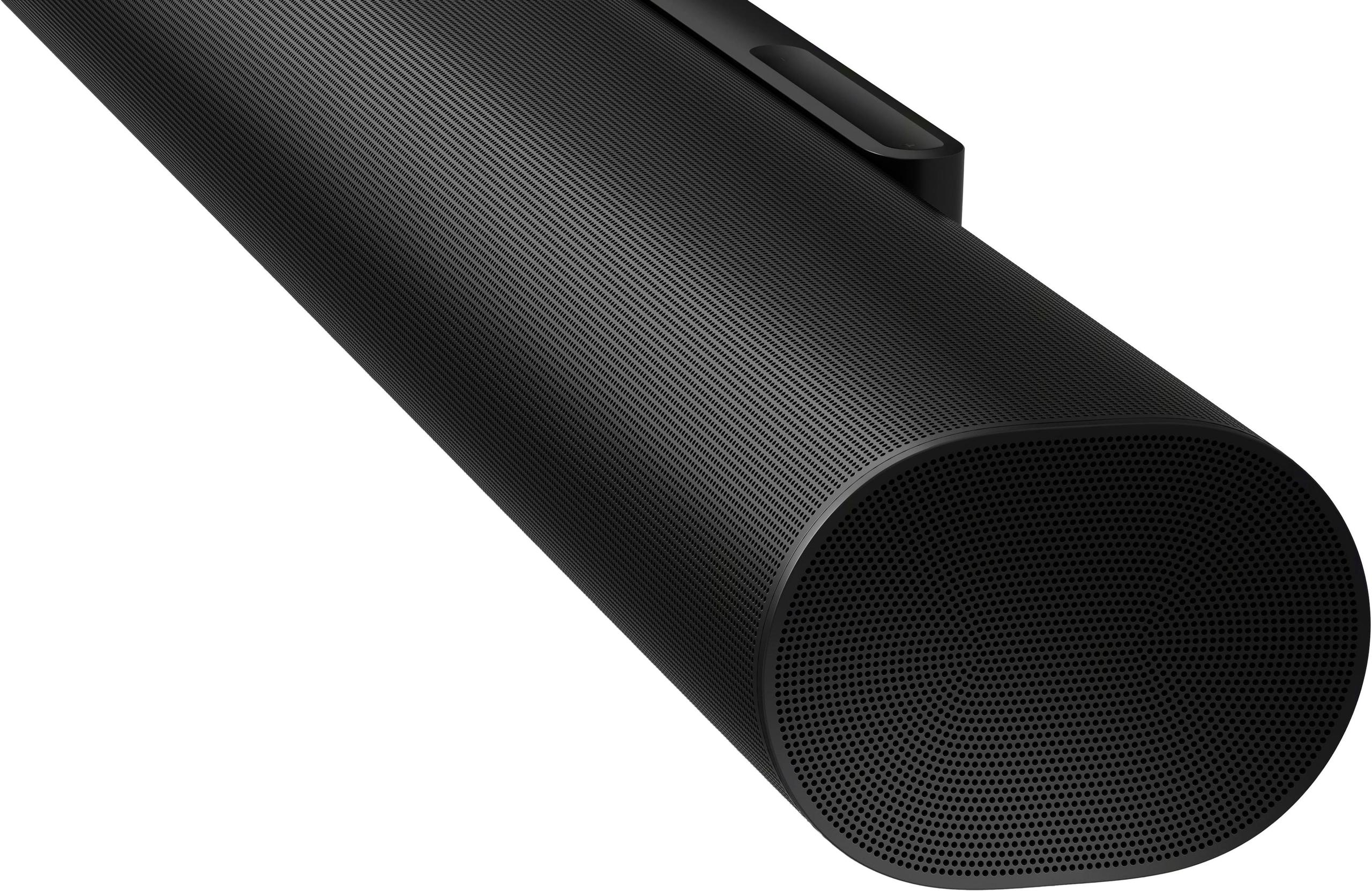
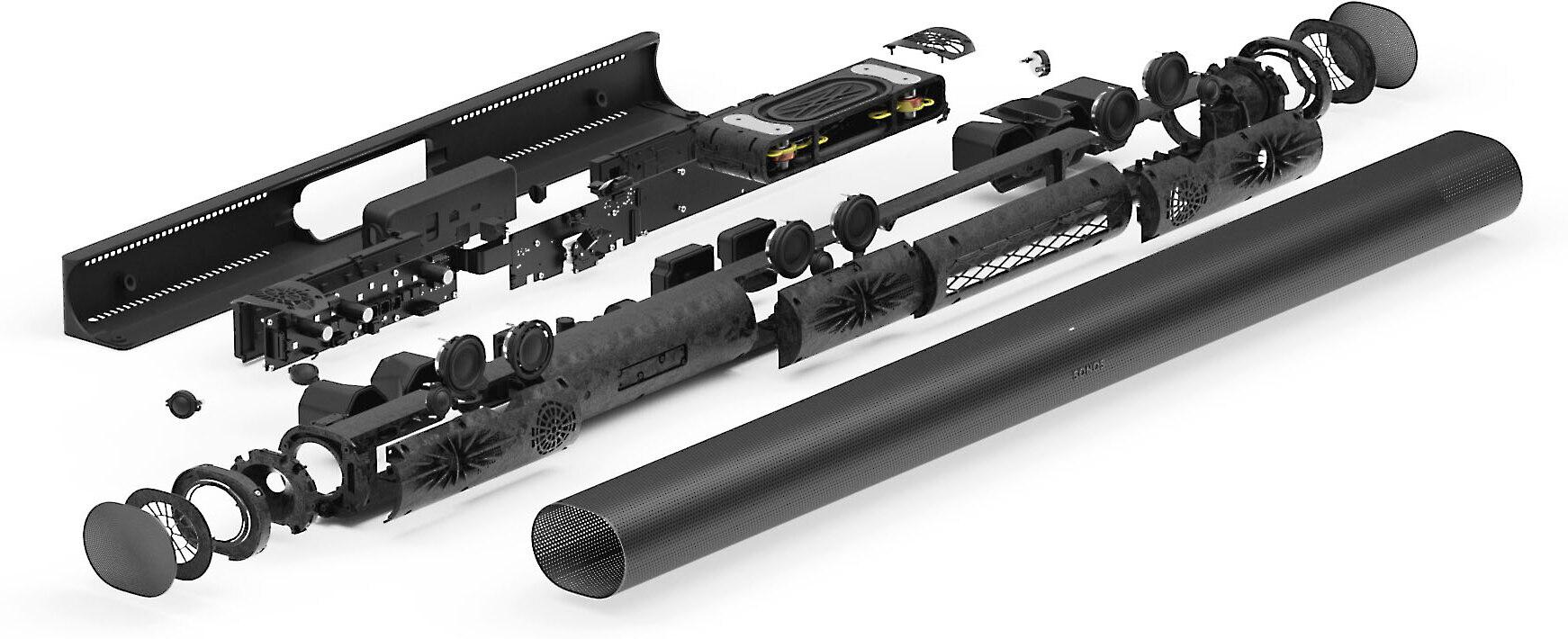
The Arc Ultra stretches 46 inches wide and packs an impressive 14 drivers in a 9.1.2 configuration. Let me break that down: the "9.1" refers to nine ear-level channels (left, center, right, plus six additional surround channels) and one subwoofer channel, while the ".2" indicates two dedicated height channels that fire sound upward to bounce off your ceiling. This isn't virtual processing—these are actual speakers aimed at creating real overhead effects.
What makes this particularly impressive is Sonos's commitment to software updates. Since the original Arc launched, the company has continuously improved its performance through firmware updates, adding features like enhanced dialogue clarity and better room correction. The Ultra benefits from all these years of refinement while adding new hardware capabilities.
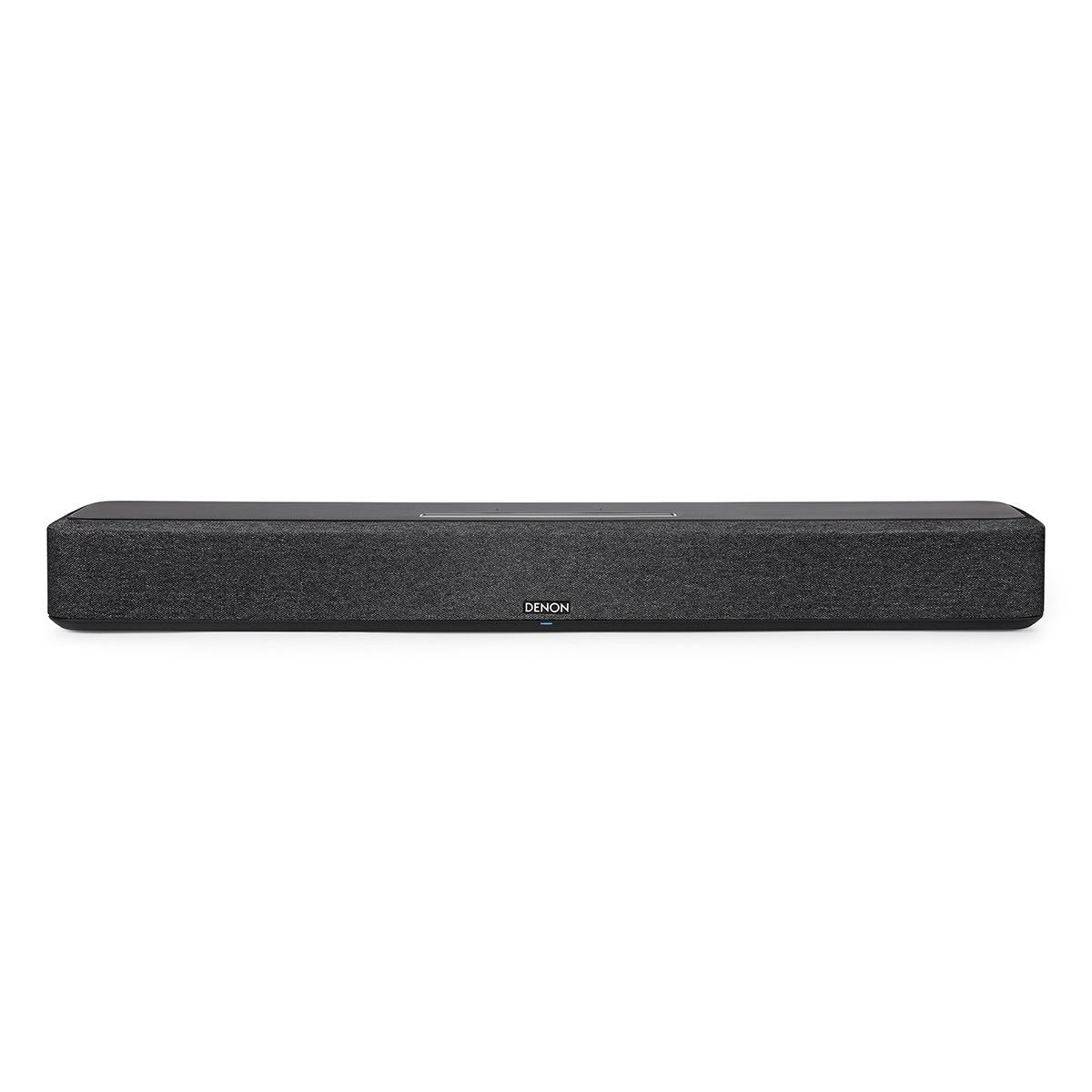
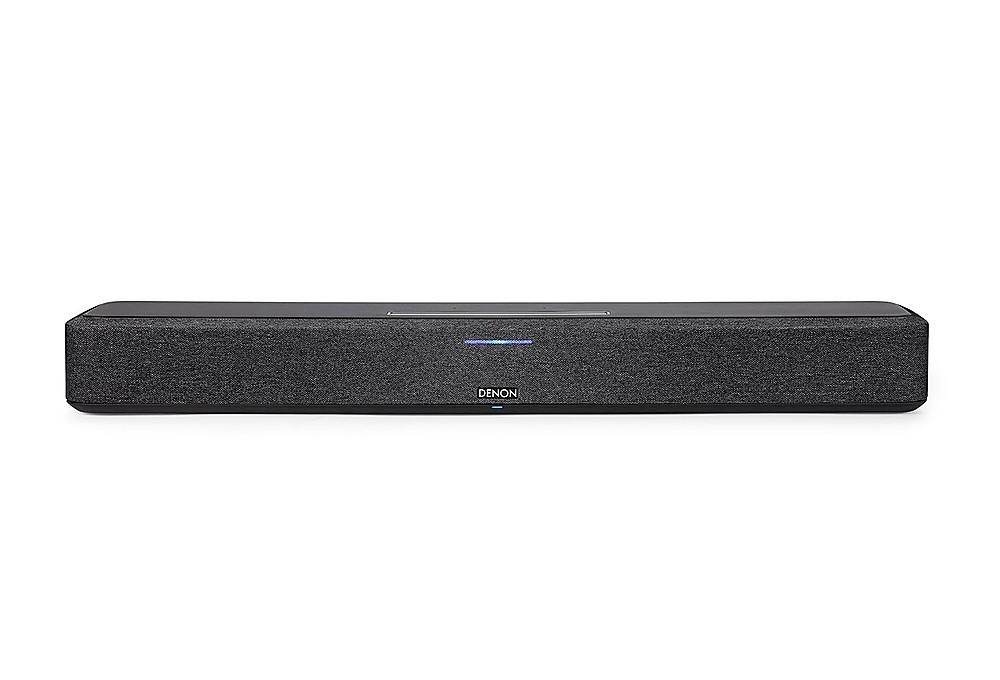
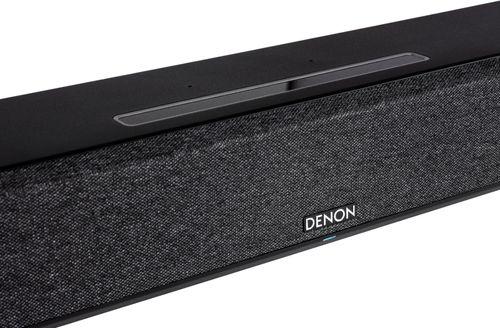
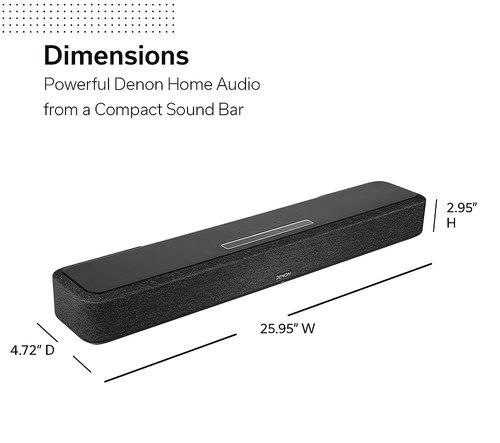
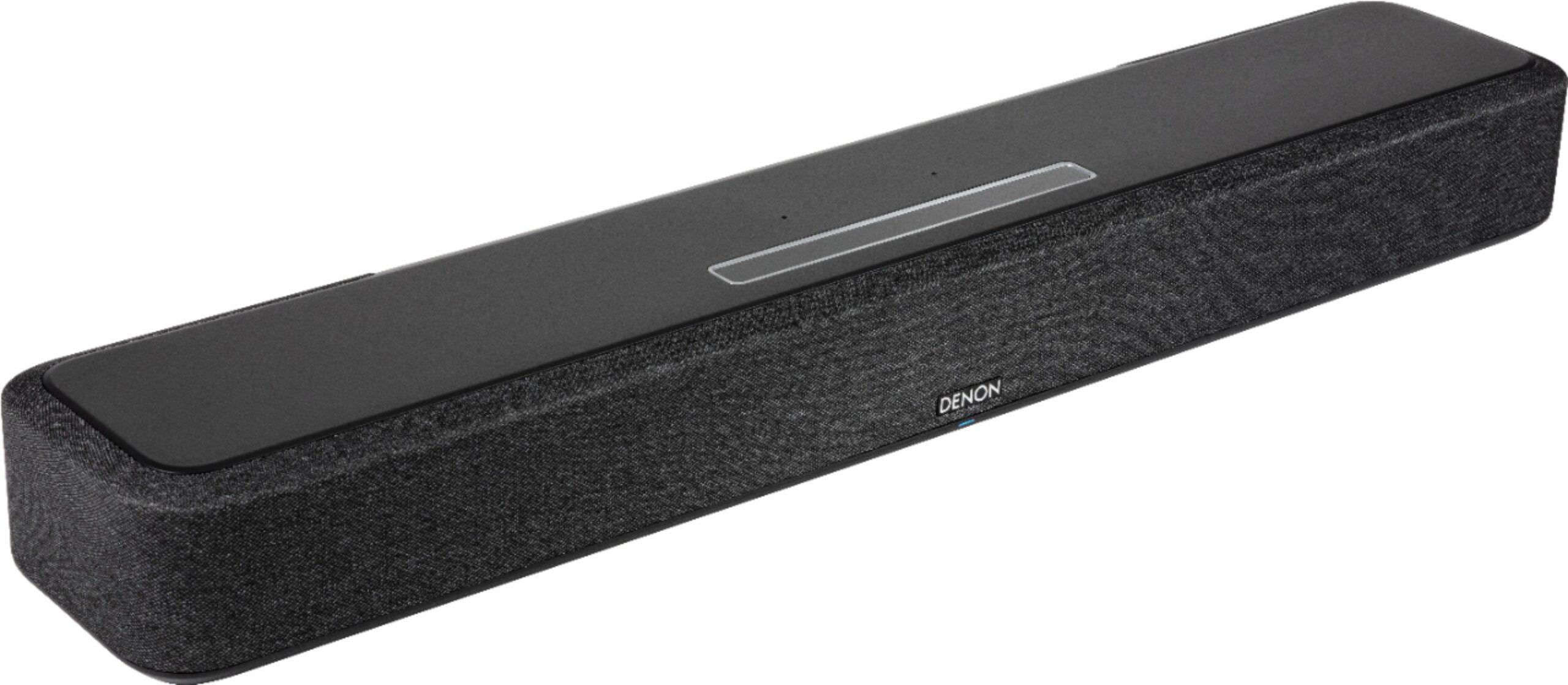
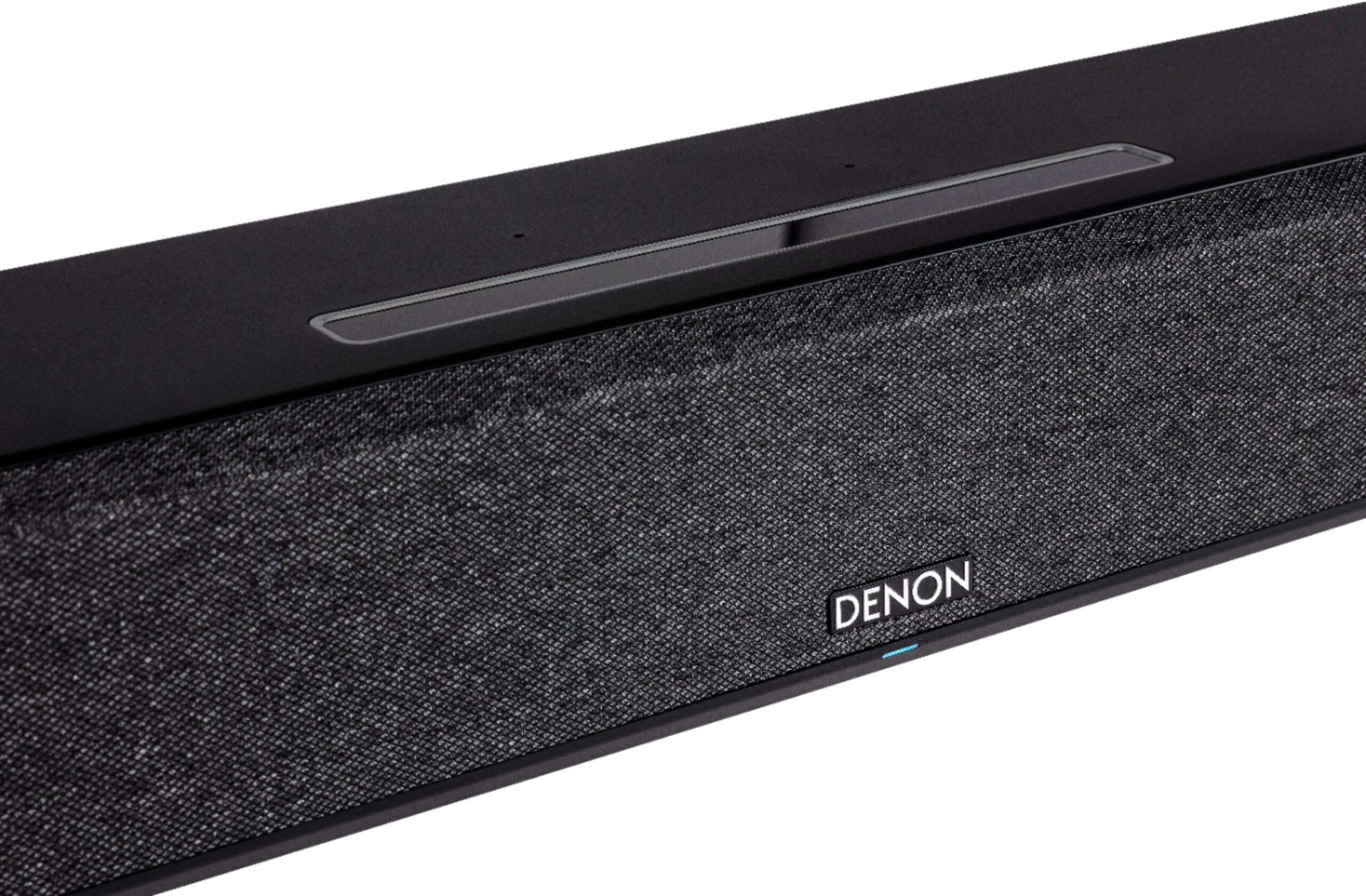
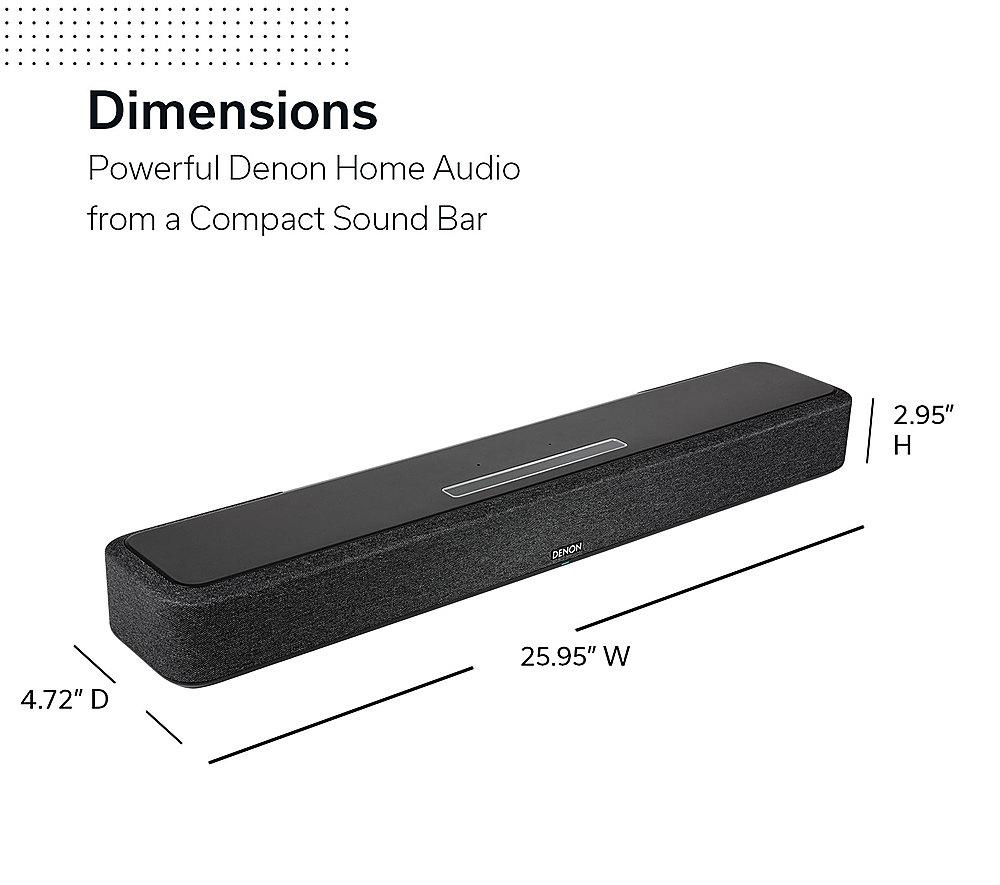
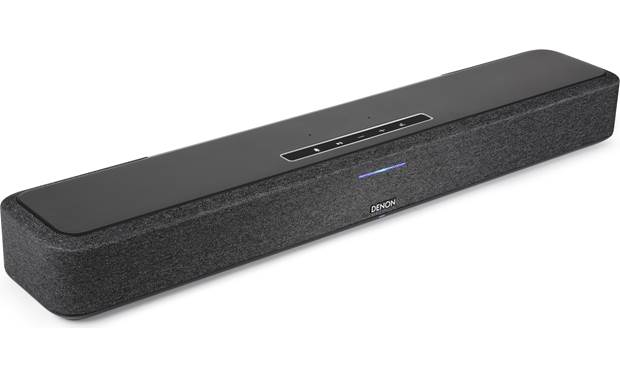
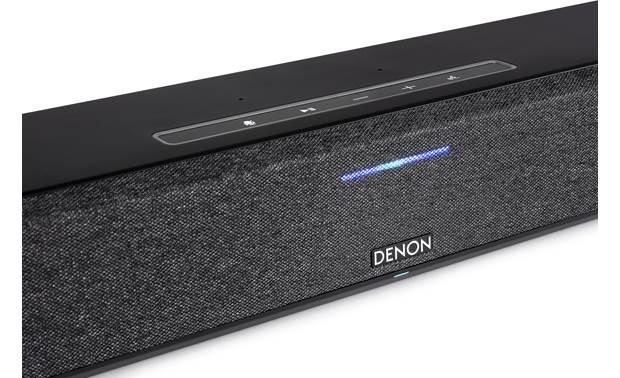
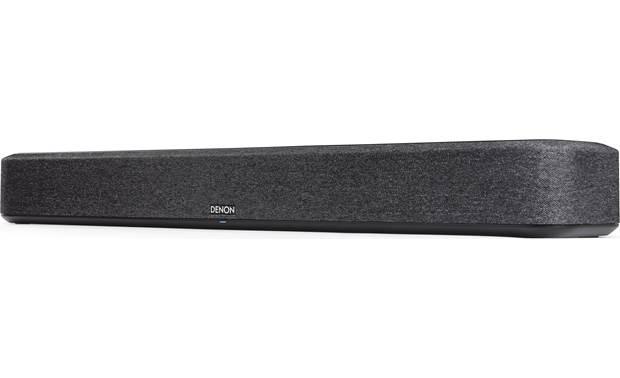
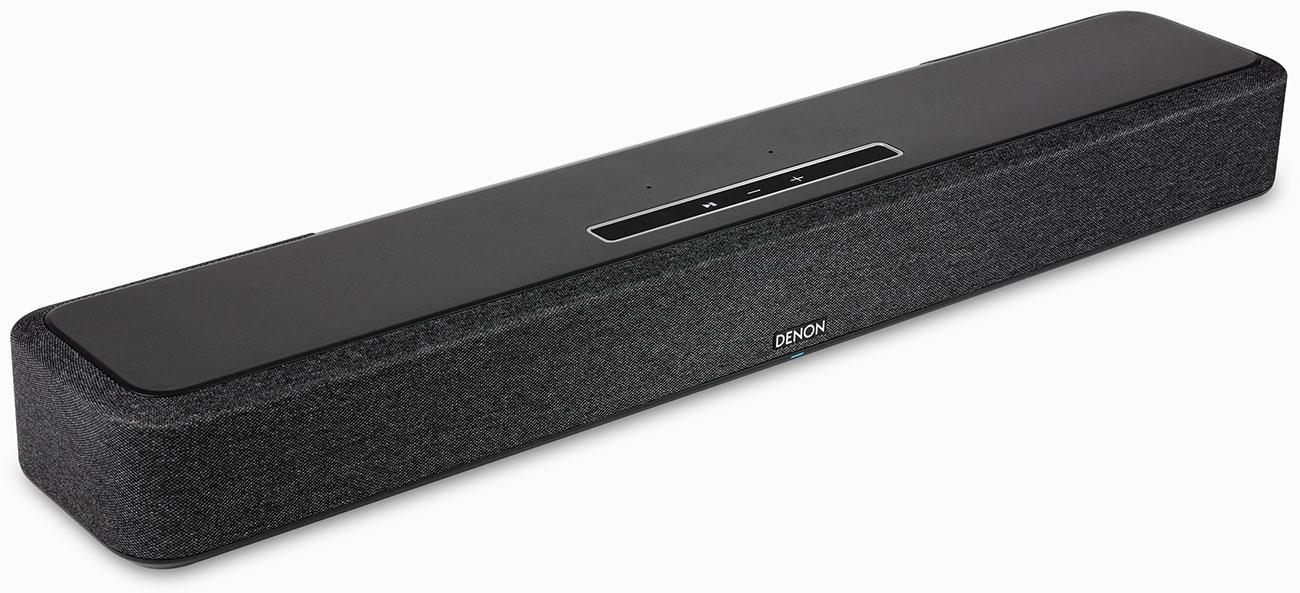
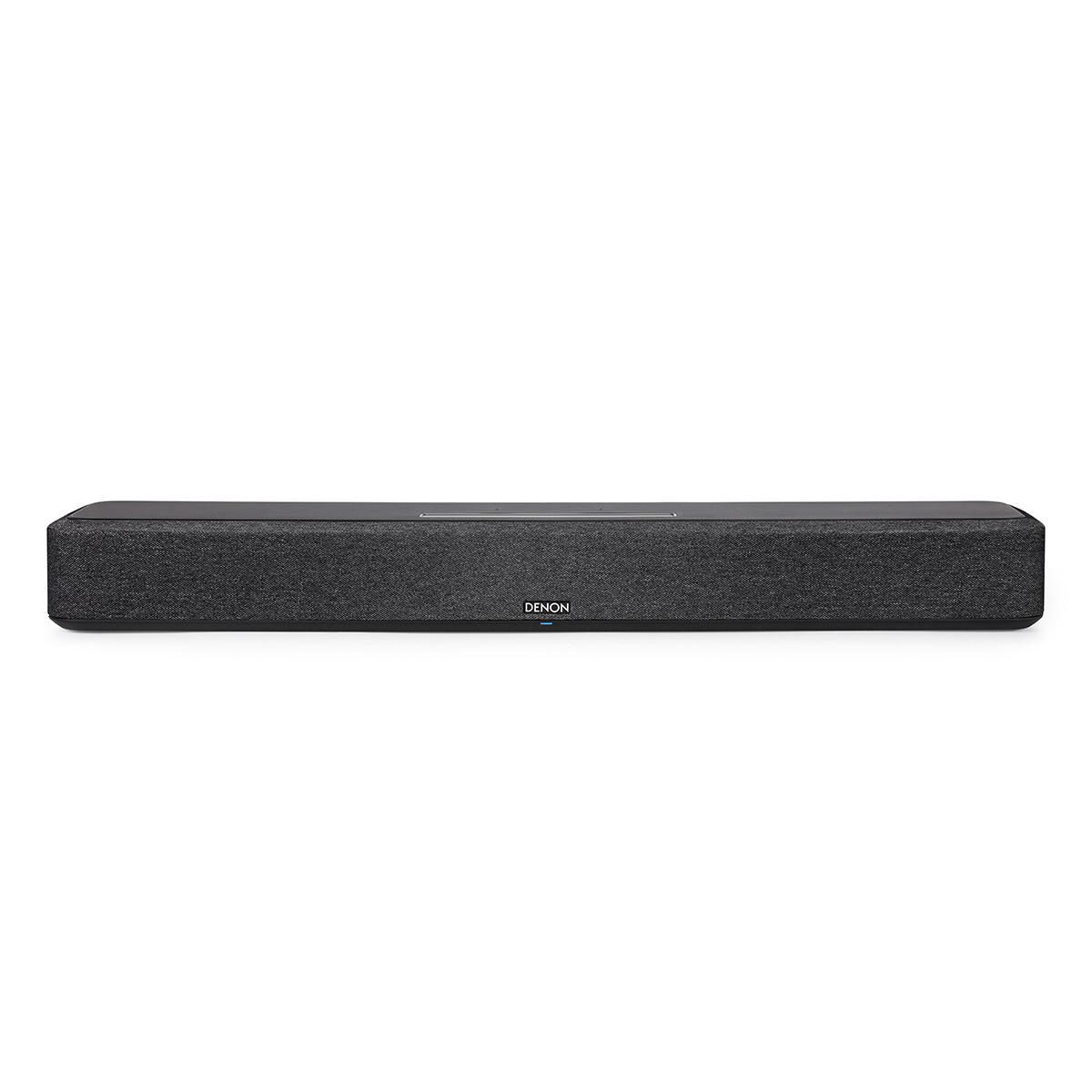
The Denon Home Sound Bar 550, which debuted in late 2023, takes a different approach entirely. At 26 inches wide, it's almost half the size of the Sonos, yet it still promises Dolby Atmos and DTS:X surround sound through what's called "virtual processing." Instead of using physical upward-firing speakers, the Denon uses sophisticated digital signal processing (DSP) to simulate height effects by manipulating how sound waves interact with your room.
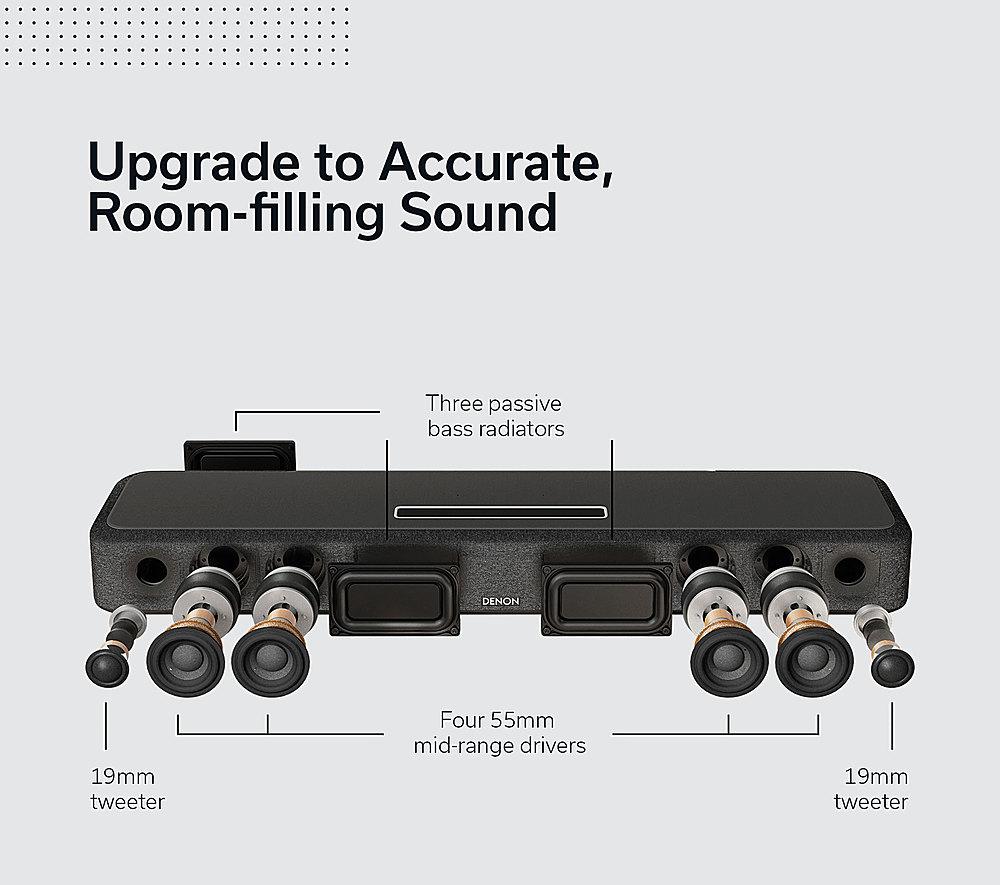
This soundbar features six drivers: two soft-dome tweeters for crisp high frequencies, four full-range drivers for midrange and vocals, and two passive radiators that enhance bass response without requiring additional power. The passive radiators are essentially speakers without magnets—they move in response to air pressure changes created by the active drivers, effectively extending the bass response of the system.
What's particularly clever about the Denon's approach is its built-in Amazon Alexa and support for high-resolution audio through the HEOS platform. HEOS is Denon's wireless multi-room audio system that can stream music at up to 192kHz/24-bit resolution—significantly higher quality than standard CD audio, which is 44.1kHz/16-bit.
The most significant performance difference between these soundbars lies in their Dolby Atmos implementation. Having tested both extensively, the difference is immediately apparent when watching content with prominent overhead effects—think helicopters flying over in war movies or rain falling in atmospheric dramas.
The Sonos Arc Ultra creates genuinely convincing height effects thanks to its physical upward-firing drivers. When an explosion happens above the characters on screen, you actually hear it coming from above your listening position. This works because sound waves from the upward-firing speakers bounce off your ceiling and down to your ears, creating the illusion of overhead speakers.
The Denon 550, on the other hand, uses psychoacoustic processing—essentially tricking your brain into perceiving height by carefully manipulating the timing and frequency response of sounds. It's surprisingly effective, especially in smaller rooms where the acoustic reflections work in the system's favor. However, in larger spaces or rooms with high ceilings, the effect becomes less convincing.
I've found that the Sonos provides more consistent Atmos performance across different room types, while the Denon works best in medium-sized rooms with standard 8-9 foot ceilings. The trade-off is that the Denon starts working immediately out of the box, while the Sonos benefits significantly from its Trueplay room correction feature—though frustratingly, this only works with iOS devices.
Bass performance tells an interesting story about different engineering approaches. The Sonos Arc Ultra's new Sound Motion woofer technology represents a genuine innovation in soundbar design. Traditional woofers need to move a lot of air to create low frequencies, which typically requires large drivers or lots of power. Sound Motion uses a different approach that reduces the physical movement needed while maintaining bass output.
In practice, this means the Arc Ultra delivers more controlled, accurate bass that doesn't overwhelm dialogue or musical details. The bass feels integrated with the rest of the frequency spectrum rather than tacked on. However, for truly deep, room-shaking bass—the kind you feel in your chest during action sequences—you'll still want to add Sonos's optional subwoofer.
The Denon 550's dual passive radiators create a different bass character. There's more emphasis in the mid-bass frequencies, which can make the soundbar feel more powerful than its size suggests. However, this sometimes comes at the cost of precision—the bass can occasionally feel slightly boomy or disconnected from the rest of the audio spectrum. The passive radiators help extend the low-frequency response, but they can't match the control and depth of the Sonos's more sophisticated bass system.
For most content, both soundbars provide satisfying bass response that's significantly better than any TV's built-in speakers. The choice comes down to whether you prefer the Sonos's more refined approach or the Denon's more immediately impressive punch.
Nothing ruins a movie experience quite like mumbled dialogue that gets lost in the mix. This is where soundbar design philosophy really matters, and it's an area where the differences between these two models become crucial for daily use.
The Sonos Arc Ultra dedicates specific drivers to center channel duties—the audio channel responsible for most dialogue and vocal content. This means voices get their own dedicated speakers, separate from music and sound effects. Combined with the Speech Enhancement feature, which can be adjusted across multiple levels, dialogue cuts through even the most complex movie soundtracks with remarkable clarity.
The Denon 550 takes a different approach, using digital processing to enhance dialogue rather than dedicated hardware. Its Dialog Enhancement feature works reasonably well, but in practice, I've found that voices can become somewhat congested during complex audio passages—scenes with lots of music, sound effects, and dialogue happening simultaneously.
The difference becomes more pronounced in challenging acoustic environments. If your room has hard surfaces that create echo, or if you're sitting off to the side rather than directly in front of the soundbar, the Sonos's dedicated center channel and Trueplay room correction help maintain dialogue clarity. The Denon, lacking room correction features, can struggle more in these situations.
While most people buy soundbars primarily for TV and movie enhancement, music performance has become increasingly important as streaming services become our primary music sources. Both soundbars handle music well, but with different strengths.
The Sonos Arc Ultra benefits from the company's decades of experience in wireless audio. The stereo imaging—how well it separates left and right channels to create a sense of space—is excellent, and the balanced frequency response works well across different music genres. Whether you're listening to jazz, rock, or electronic music, the Arc Ultra maintains good clarity and separation between instruments.
The Denon 550 brings something unique to the music conversation: support for high-resolution audio through its HEOS platform. If you have a collection of high-res music files or subscribe to services like Tidal or Amazon Music HD, the Denon can take advantage of that extra audio quality. The HEOS app also provides access to a wide range of streaming services and can integrate with other HEOS-compatible speakers for multi-room audio.
However, the Denon's music performance suffers slightly from what I'd describe as a "slightly congested" midrange. Vocals and instruments in the middle frequencies don't quite have the clarity and separation of the Sonos. It's not a deal-breaker for casual listening, but it's noticeable if you spend a lot of time critically listening to music.
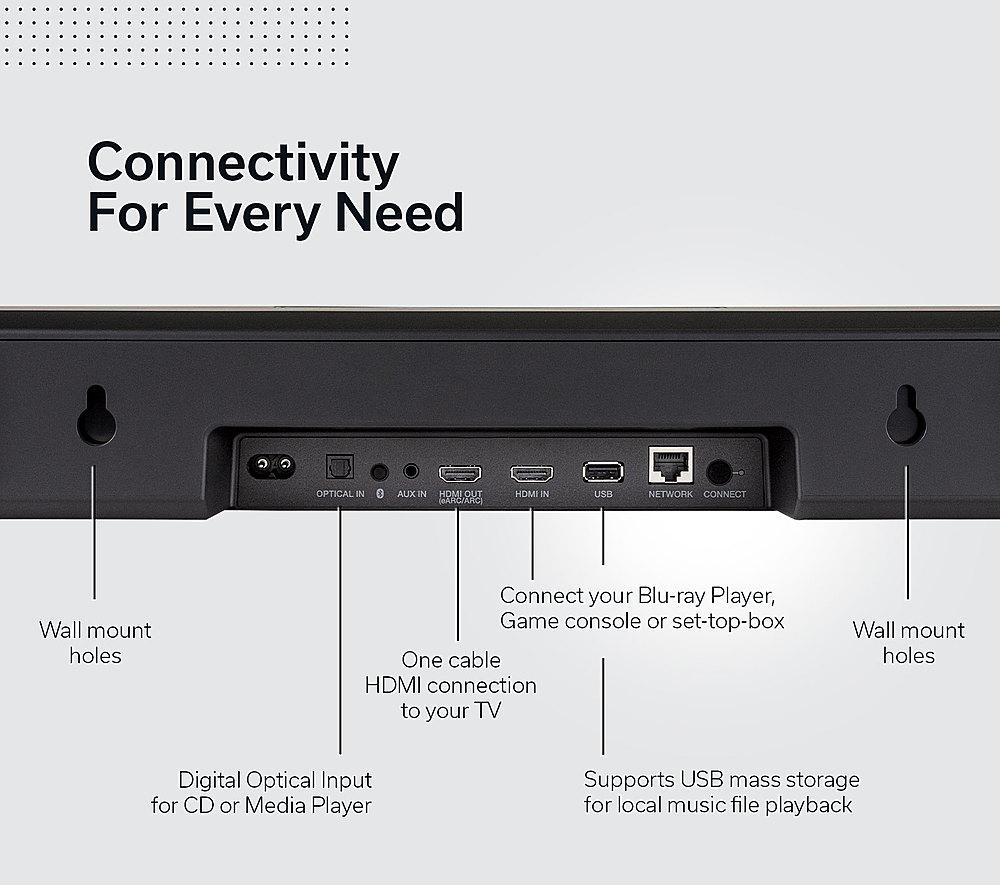
Modern soundbars need to work with various devices and use cases, and this is where the Denon 550 shows some clear advantages despite its lower price. The inclusion of both HDMI eARC and optical digital inputs means you can connect the soundbar directly to devices like game consoles or streaming boxes, rather than routing everything through your TV.
The built-in Amazon Alexa adds genuine convenience for smart home control and music streaming. You can ask it to play specific songs, control volume, or even manage other smart devices without reaching for a remote. The Bluetooth connectivity also means you can easily stream music directly from your phone or tablet.
The Sonos Arc Ultra takes a more minimalist approach with just HDMI eARC connectivity. This means all your devices need to connect to your TV, which then sends audio to the soundbar. While this creates a cleaner setup with fewer cables, it can be limiting if your TV has limited HDMI ports or if you want to use the soundbar independently of your TV.
Both soundbars are designed to be part of larger audio ecosystems, but they approach this differently. The Sonos system excels at creating a cohesive whole-home audio experience. If you already have Sonos speakers in other rooms, the Arc Ultra integrates seamlessly, allowing you to play the same music throughout your house or create different zones for different family members.
The upgrade path is also more premium with Sonos. You can add Era 300 speakers as rear surrounds for a true 5.1.2 system, or include the Sub for deeper bass. These additions are expensive but create a genuinely high-end home theater experience.
The Denon's HEOS platform offers similar multi-room capabilities, though with a smaller ecosystem of compatible speakers. The advantage is cost—you can build a 5.1 system with the 550 as the front channels, a HEOS subwoofer, and HEOS rear speakers for significantly less than a comparable Sonos setup.
Room size plays a crucial role in determining which soundbar provides better value. In my experience testing both units in different environments, the Sonos Arc Ultra really shines in larger rooms—those 200 square feet or more with viewing distances of 10 feet or greater. The physical drivers have enough power and separation to fill the space effectively, and the Dolby Atmos effects remain convincing even with higher ceilings.
In smaller rooms—typical bedrooms, apartments, or cozy family rooms—the Arc Ultra can actually be overkill. The 46-inch width might dominate a smaller TV, and you're not getting the full benefit of all those drivers in a constrained space. This is where the Denon 550 excels. Its 26-inch width is proportional to smaller TVs, and the virtual surround processing works particularly well in intimate settings where acoustic reflections are more controlled.
The sweet spot for the Denon seems to be medium-sized living rooms with standard ceiling heights. The virtual Atmos processing remains effective, the bass response feels appropriate for the space, and the overall presentation doesn't overwhelm the room's acoustics.
The Sonos Arc Ultra justifies its higher price when audio quality is your primary concern and your room can take advantage of its capabilities. If you're building a dedicated home theater space, have a large living room, or are particular about audio fidelity, the Arc Ultra delivers genuinely superior performance.
The investment also makes sense if you're already invested in the Sonos ecosystem or plan to build a multi-room audio setup over time. The regular software updates mean the soundbar will continue improving after purchase—something that's rare in the consumer electronics world.
I'd also recommend the Sonos if you watch a lot of content with complex audio mixes—Marvel movies, nature documentaries, or prestige TV shows with sophisticated sound design. The physical Dolby Atmos implementation and superior dialogue clarity really shine with this type of content.
The Denon Home Sound Bar 550 represents excellent value for most users, particularly those in smaller to medium-sized rooms. At roughly half the price of the Sonos, it delivers about 70-80% of the performance—a compelling proposition for budget-conscious buyers who still want premium audio engineering.
The Denon makes particular sense if you need connectivity flexibility, want built-in voice control, or prefer the simplicity of virtual surround processing that works immediately without calibration. It's also the better choice if you plan to add a subwoofer relatively quickly, as the combination addresses the soundbar's main weakness while keeping total system cost reasonable.
For casual viewers who watch a mix of content types and listen to music regularly, the Denon provides satisfying performance across all use cases without requiring the room optimization and ecosystem investment that maximizes the Sonos's potential.
Ultimately, choosing between these soundbars comes down to matching their strengths to your specific situation. Consider the Sonos Arc Ultra if you have a large room, prioritize audio quality above all else, and have the budget for a premium experience. Choose the Denon 550 if you want excellent performance at a more accessible price point, need connectivity flexibility, or are working with space constraints.
Both soundbars deliver significant improvements over TV speakers and represent solid values within their respective price categories. The "wrong" choice is likely staying with your TV's built-in audio—either of these soundbars will transform your viewing experience. The right choice is the one that best matches your room, budget, and priorities.
| Sonos Arc Ultra Dolby Atmos Soundbar ($929) | Denon Home Sound Bar 550 Soundbar ($519) |
|---|---|
| Price - Value proposition and budget impact | |
| $929 premium investment | $519 mid-range option |
| Dolby Atmos Implementation - Key differentiator for immersive audio | |
| Physical upward-firing speakers for true height effects | Virtual processing simulates overhead sound |
| Driver Configuration - Direct impact on sound quality and clarity | |
| 14 drivers in 9.1.2 configuration with dedicated center channel | 6 drivers with virtual surround processing |
| Size and Room Compatibility - Determines fit and acoustic performance | |
| 46" wide, ideal for large rooms (200+ sq ft) | 26" wide, perfect for small to medium rooms |
| Room Correction - Optimizes sound for your specific space | |
| Trueplay automatic calibration (iOS only) | None - relies on manual adjustment |
| Connectivity Options - Flexibility for different setups | |
| HDMI eARC only (requires TV hub) | HDMI eARC + Optical + Bluetooth |
| Voice Control - Smart home integration convenience | |
| None built-in (works with external Sonos voice devices) | Built-in Amazon Alexa |
| Dialogue Enhancement - Critical for clear speech | |
| Dedicated center drivers + multi-level Speech Enhancement | Dialog Enhancement via digital processing |
| Bass Technology - Foundation for impactful audio | |
| Sound Motion woofer technology for controlled bass | Dual passive radiators for enhanced low-end |
| High-Resolution Audio Support - Important for music listening | |
| Standard streaming quality through Sonos ecosystem | Up to 192kHz/24-bit via HEOS platform |
| Ecosystem Expandability - Future upgrade potential | |
| Premium Sonos speakers (Era 300 surrounds, Sub) | HEOS wireless subwoofer and rear speakers |
| Software Updates - Long-term value and feature additions | |
| Regular major updates with new features | Occasional firmware updates |
The Sonos Arc Ultra ($929) is significantly better for large rooms due to its 46-inch width and 14 individual drivers. It can fill spaces over 200 square feet effectively, while the Denon Home Sound Bar 550 ($519) at 26 inches wide is better suited for small to medium-sized rooms under 200 square feet.
The key difference is how they handle Dolby Atmos surround sound. The Sonos Arc Ultra uses physical upward-firing speakers to create real height effects by bouncing sound off your ceiling, while the Denon 550 uses virtual processing to simulate overhead sound through digital manipulation.
The Denon Home Sound Bar 550 ($519) offers better value for most buyers, delivering about 70-80% of the Sonos Arc Ultra's ($929) performance at roughly half the price. However, the Sonos provides superior audio quality if budget isn't a primary concern.
Both soundbars produce decent bass on their own, but benefit from adding a subwoofer. The Sonos Arc Ultra has better built-in bass control with its Sound Motion technology, while the Denon 550 relies on passive radiators that can sound slightly boomy without a dedicated subwoofer.
The Sonos Arc Ultra excels at dialogue clarity with dedicated center channel drivers and multi-level Speech Enhancement features. The Denon 550 has Dialog Enhancement but can struggle with voice clarity during complex audio scenes due to its virtual processing approach.
Yes, both can be expanded. The Sonos Arc Ultra can add Era 300 rear speakers and a Sub for a premium 5.1.2 system. The Denon 550 can expand with HEOS wireless subwoofer and rear speakers at a more affordable total cost than the Sonos system.
The Denon Home Sound Bar 550 offers more connectivity with HDMI eARC, optical input, and Bluetooth, plus built-in Amazon Alexa. The Sonos Arc Ultra only has HDMI eARC, requiring all devices to connect through your TV.
The Sonos Arc Ultra provides better stereo imaging and balanced frequency response for music. The Denon 550 supports high-resolution audio up to 192kHz/24-bit through HEOS but has slightly congested midrange frequencies that affect music clarity.
The Denon Home Sound Bar 550 is ideal for small apartments due to its compact 26-inch size and effective virtual surround processing in smaller spaces. The Sonos Arc Ultra at 46 inches wide can overwhelm smaller rooms and TVs.
The Sonos Arc Ultra benefits significantly from Trueplay room calibration, though this feature only works with iOS devices. The Denon 550 has no room correction and works immediately out of the box without calibration.
For dedicated home theater use, the Sonos Arc Ultra is superior with its physical Dolby Atmos speakers, dedicated center channel, and better performance in larger viewing spaces. The Denon 550 works well for casual movie watching in smaller rooms.
The Sonos Arc Ultra receives regular major software updates that add new features over time, backed by Sonos's strong long-term support history. The Denon 550 gets occasional firmware updates but focuses more on hardware value than ongoing software development.
We've done our best to create useful and informative comparisons to help you decide what product to buy. Our research uses advanced automated methods to create this comparison and perfection is not possible - please contact us for corrections or questions. These are the sites we've researched in the creation of this article: bestbuy.com - shopjetson.com - youtube.com - ign.com - crutchfield.com - dowtechnologies.com - sonos.com - appleinsider.com - pcrichard.com - clefdesol.com - sonos.com - businessinsider.com - audioadvice.com - en.community.sonos.com - consumerreports.org - soundandvision.com - crutchfield.com - rtings.com - crutchfield.com - gzhls.at - denon.com - walmart.com - youtube.com - whathifi.com - bestbuy.com

Privacy Policy
Terms and Conditions - Affiliate Policy
Home Security
© Copyright 2008-2026.
11816 Inwood Rd #1211, Dallas, TX 75244