




Choosing a soundbar shouldn't feel like rocket science, but walking into an electronics store today can make your head spin. Between Dolby Atmos virtualization, HEOS ecosystems, and eARC compatibility, the technical jargon alone could fill a dictionary. I've spent countless hours testing soundbars in living rooms of all sizes, and I've learned that the best soundbar isn't necessarily the most expensive one—it's the one that matches how you actually use your TV.
Today, we're comparing two very different approaches to the same problem: the Amazon Fire TV Soundbar Plus with Subwoofer and the Denon Home Sound Bar 550. These represent fundamentally different philosophies in soundbar design, and understanding their approaches will help you make the right choice for your setup.
Before diving into specifics, let's talk about what soundbars are actually trying to accomplish. Your TV's built-in speakers face backwards or downwards, creating that hollow, distant sound that makes dialogue hard to follow and action scenes feel flat. Soundbars fix this by placing properly positioned drivers—the actual speakers that create sound—in front of your TV where they can project audio directly toward you.
The magic happens in how different soundbars handle this challenge. Some focus on sheer power and bass impact, while others prioritize clarity and spatial effects. The key performance metrics that matter most are dialogue intelligibility (can you understand what people are saying?), soundstage width (how much space the audio seems to fill), bass response (those low rumbles that make explosions feel real), and dynamic range (the difference between quiet whispers and loud explosions).
When evaluating soundbars, I always test the same scenes: a dialogue-heavy drama to check speech clarity, an action movie for bass and dynamics, and some music to see how well it handles different types of content. The Amazon Fire TV Soundbar Plus with Subwoofer and Denon Home Sound Bar 550 take markedly different approaches to excelling in these areas.
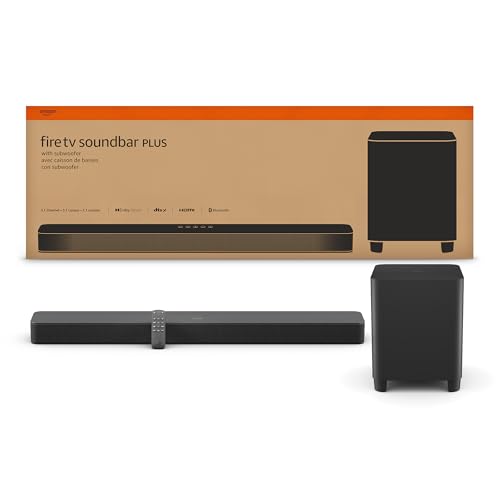
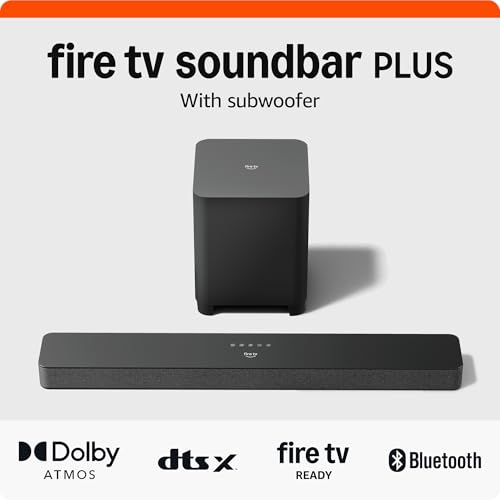
The Amazon Fire TV Soundbar Plus with Subwoofer launched in 2024 as Amazon's attempt to simplify the soundbar experience while keeping costs reasonable. At the time of writing, it sits in the budget-friendly category, typically costing less than half of what you'd pay for the Denon. Amazon's strategy here is straightforward: provide a dramatic improvement over TV speakers with minimal fuss, throwing in a wireless subwoofer to handle the low-end that smaller soundbar drivers simply can't reproduce effectively.
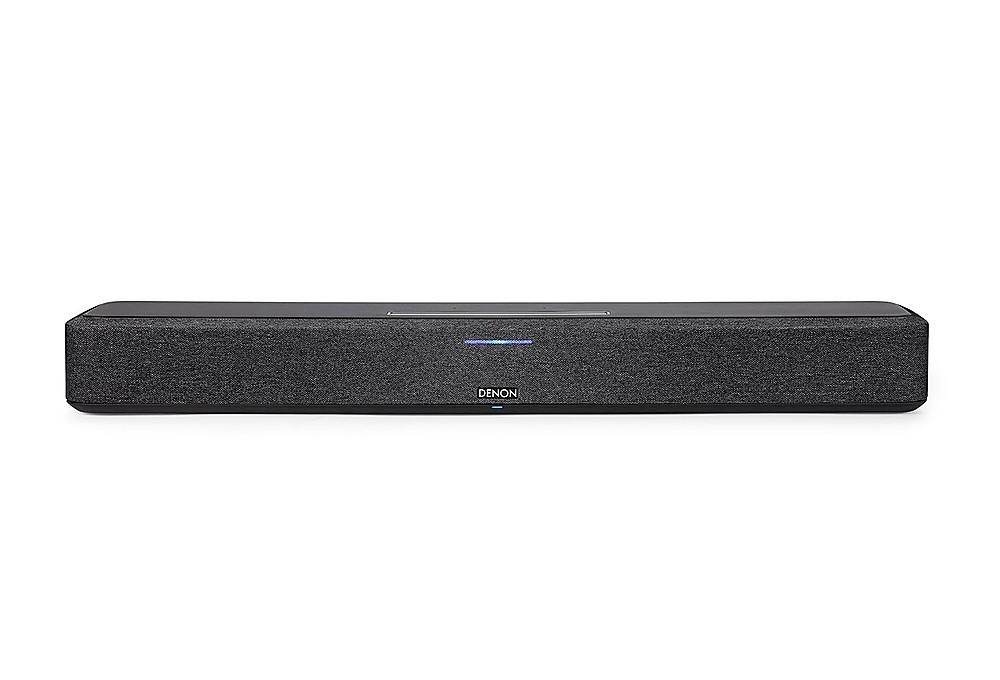
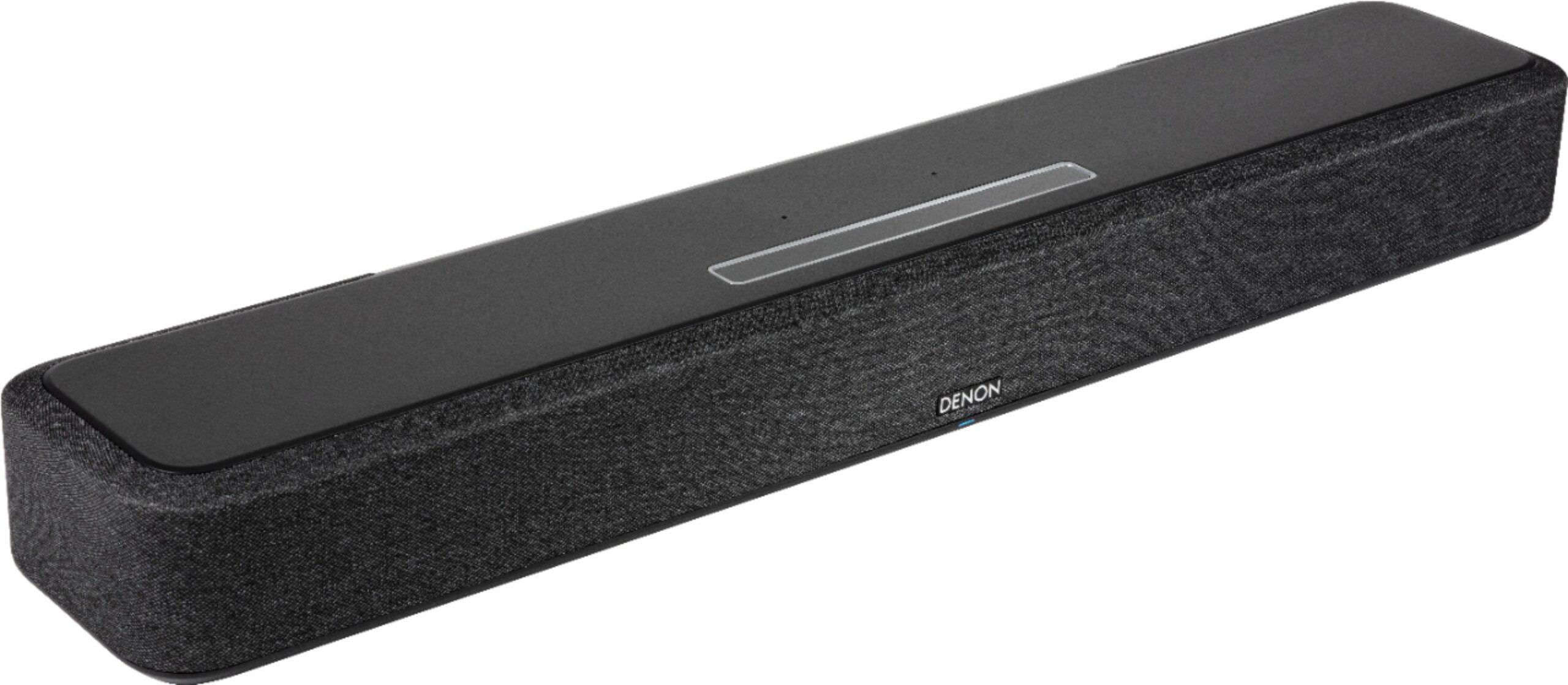
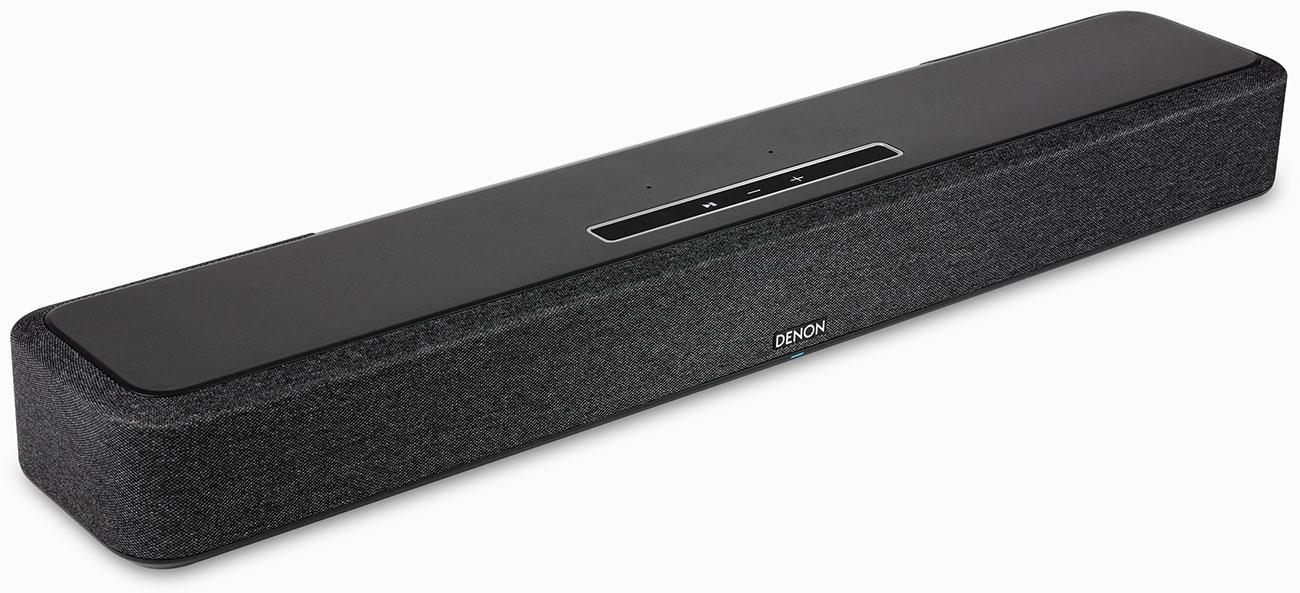
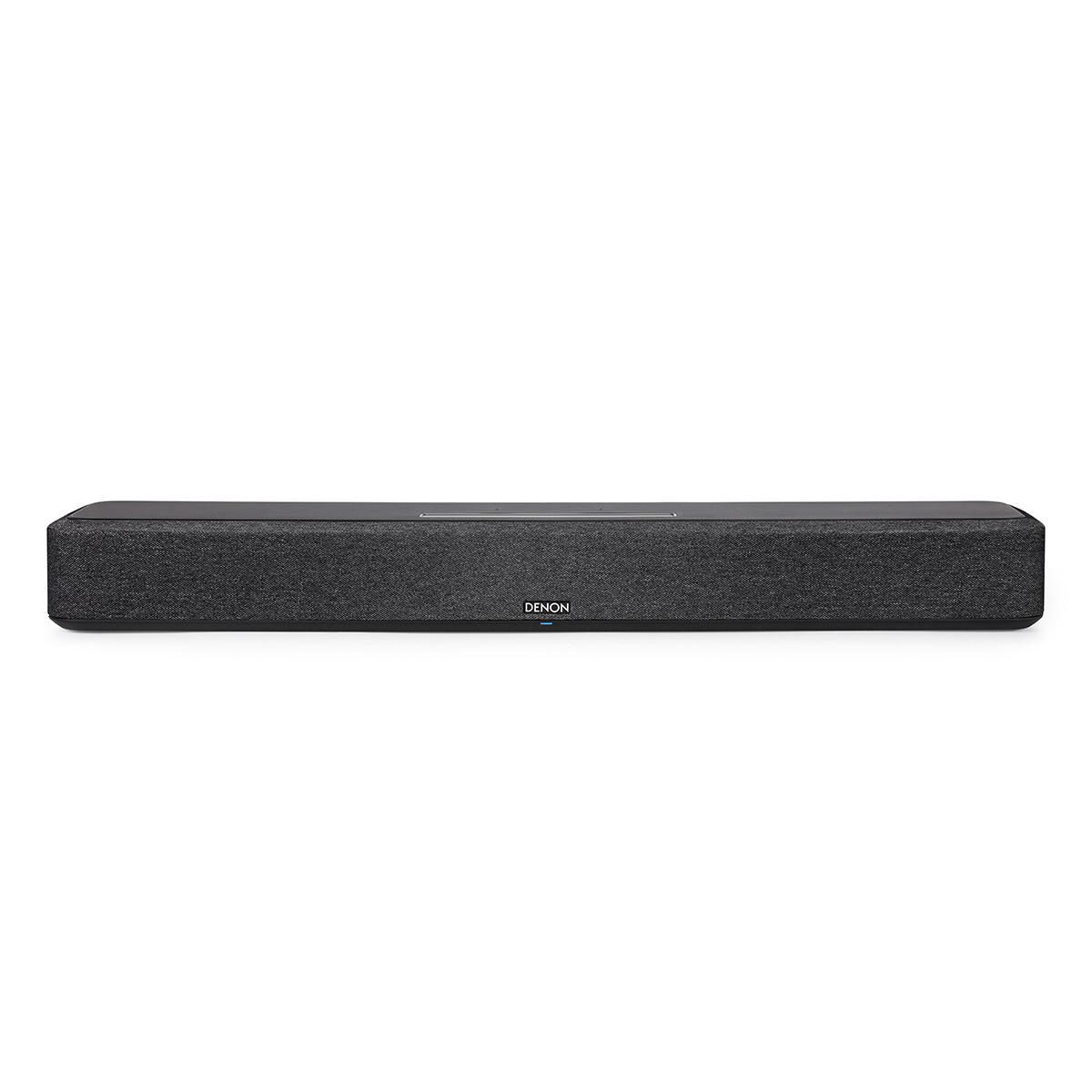
The Denon Home Sound Bar 550, released in 2021, represents the premium single-unit approach. Denon, a company with decades of experience in high-end audio, packed sophisticated processing and premium drivers into a compact form factor. While it costs significantly more at the time of writing, it includes features like Dolby Atmos processing, built-in voice control, and multi-room audio capabilities that the Amazon simply doesn't offer.
Nothing matters more in a soundbar than making dialogue understandable. I've tested both of these extensively with everything from British period dramas (where accents can be challenging) to Marvel movies (where explosions often drown out speech).
The Amazon Fire TV Soundbar Plus with Subwoofer uses a dedicated center channel—a speaker specifically designed to handle dialogue. This is crucial because in most movie soundtracks, voices are mixed into the center channel while music and effects go to the left and right speakers. Having a physical driver dedicated to this task makes an immediate difference. During my testing with "The Crown," I found dialogue consistently clear and present, even during scenes with background music.
However, the Denon Home Sound Bar 550 takes a more sophisticated approach. Instead of relying solely on dedicated hardware, it uses advanced digital signal processing (DSP)—essentially computer algorithms that analyze and enhance the audio in real-time. The result is what I'd describe as more "refined" dialogue reproduction. Voices sound more natural and less processed, with better tonal balance across different voice types. When testing with the same Crown episodes, deeper male voices maintained more body and presence compared to the Amazon's slightly thinner presentation.
Both soundbars include dialogue enhancement modes, but they work differently. The Amazon Fire TV Soundbar Plus with Subwoofer simply boosts the center channel output, while the Denon Home Sound Bar 550 uses more nuanced processing to lift dialogue without making it sound artificial.
This is where the fundamental difference in approach becomes most apparent. The Amazon Fire TV Soundbar Plus with Subwoofer includes a wireless subwoofer—a dedicated speaker designed solely to reproduce low frequencies. This gives it a massive advantage in the bass department, particularly for action movies and music.
During testing with "Mad Max: Fury Road," the Amazon system delivered satisfying rumble during chase scenes and engine roars. The subwoofer isn't the most sophisticated I've heard—reviewers consistently describe its character as somewhat "one-note," meaning it emphasizes certain bass frequencies more than others—but it provides the physical impact that makes explosions feel real rather than just sound loud.
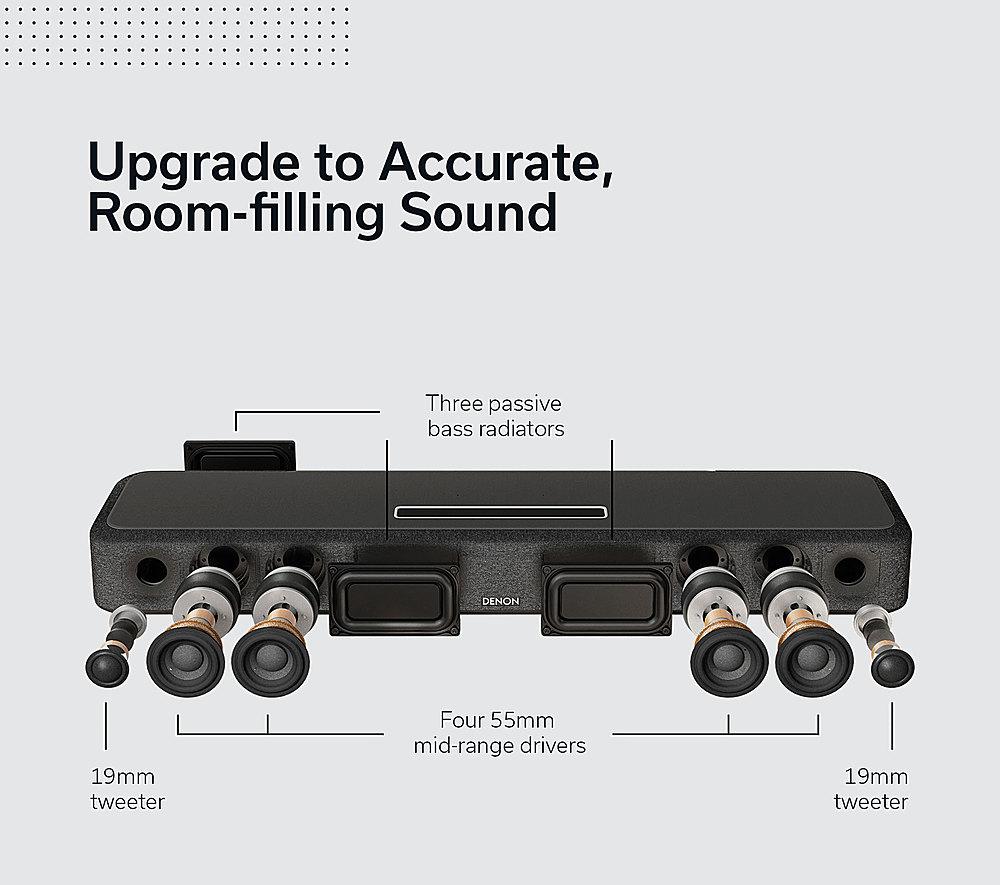
The Denon Home Sound Bar 550, being a standalone unit, relies on passive radiators—essentially speakers without magnets that vibrate in response to the main drivers—to enhance bass response. While this approach can work well in smaller spaces, it simply cannot match the output and extension of a dedicated subwoofer. The Denon produces adequate bass for dialogue and music, but action scenes lack the visceral impact that many home theater enthusiasts crave.
However, the Denon's bass integration is more seamless. Without a separate subwoofer to blend with the main soundbar, there's no risk of the timing mismatch that can sometimes occur with wireless subwoofers, where bass arrives slightly later than the rest of the audio.
Both soundbars support Dolby Atmos, but they implement it very differently, and understanding this distinction is crucial.
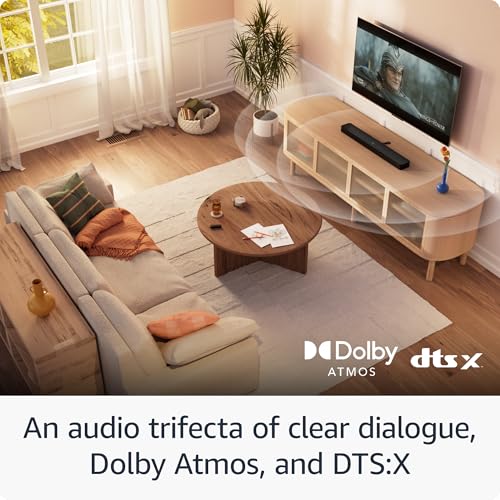
Traditional Dolby Atmos uses speakers placed around and above the listener to create truly three-dimensional audio. Since neither of these soundbars has physical speakers firing upward (called up-firing drivers), both rely on virtualization—using psychoacoustic processing to trick your brain into perceiving sounds coming from directions where there are no actual speakers.
The Amazon Fire TV Soundbar Plus with Subwoofer creates what I'd describe as convincing left-to-right surround effects. The soundstage extends noticeably beyond the physical width of the soundbar, and effects pan smoothly from side to side. However, height effects—sounds that should appear to come from above—are minimal. The system excels at creating a wide, enveloping soundfield for the price point, but don't expect helicopters to sound like they're flying overhead.
The Denon Home Sound Bar 550 uses more sophisticated processing algorithms and benefits from its four-driver array with dedicated tweeters—small speakers optimized for high frequencies. This setup allows for more precise placement of virtual surround effects. During testing with "1917," I noticed better separation of ambient sounds and more convincing placement of off-screen effects. The height virtualization, while still not matching true overhead speakers, is more believable than the Amazon's implementation.
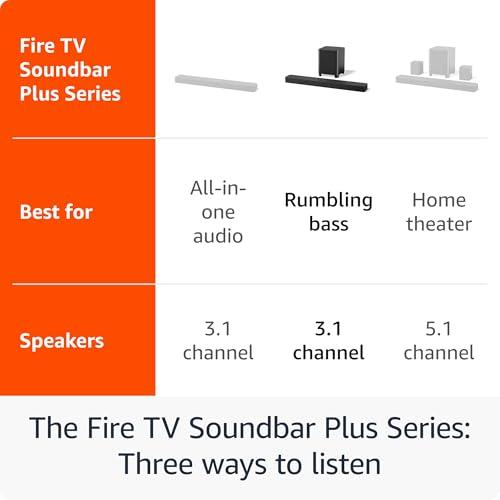
Importantly, the Amazon Fire TV Soundbar Plus with Subwoofer can be expanded into a true 5.1 system by adding wireless rear speakers, which would eliminate the need for virtualization entirely. The Denon Home Sound Bar 550 lacks this expansion capability, though it can integrate with other Denon wireless speakers for multi-room audio.
The technology landscape has evolved significantly since the Denon Home Sound Bar 550 launched in 2021, and this shows in the feature comparison.
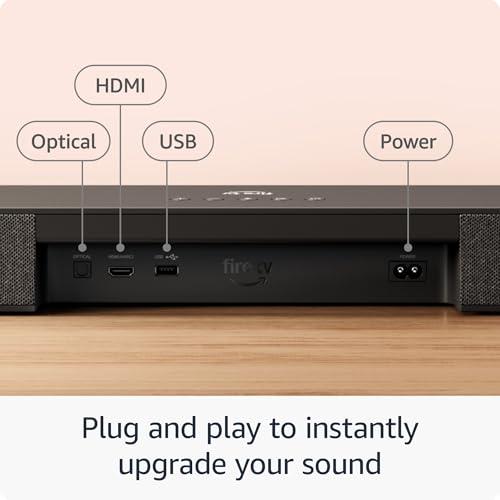
The Amazon Fire TV Soundbar Plus with Subwoofer, despite its "Fire TV" branding, doesn't actually include streaming capabilities or voice control. This confused branding aside, it's essentially a traditional soundbar with HDMI eARC (enhanced Audio Return Channel—a connection that allows higher-quality audio transmission from your TV) and Bluetooth connectivity. The simplicity can be refreshing if you're not interested in smart features, but it feels dated compared to current expectations.
The Denon Home Sound Bar 550 includes Amazon Alexa voice control, HEOS multi-room integration, and Wi-Fi streaming capabilities. The HEOS platform allows the soundbar to connect with other compatible Denon speakers throughout your home, creating a whole-house audio system. You can start playing music in the living room and have it follow you to the kitchen or bedroom.
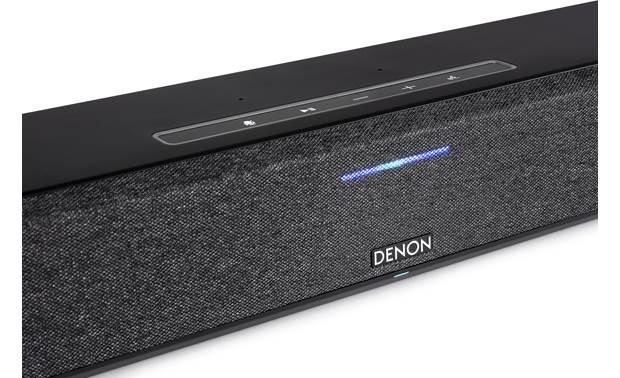
I've found the Alexa integration particularly useful for volume control and basic playback commands, though the microphones aren't as sensitive as a dedicated Echo device. The HEOS app provides access to most major streaming services directly through the soundbar, which can be convenient if you don't have a dedicated streaming device.
Since 2021, we've seen rapid advancement in smart home integration and voice control capabilities. While the Denon Home Sound Bar 550 was competitive when launched, it now feels slightly behind current smart speaker capabilities.
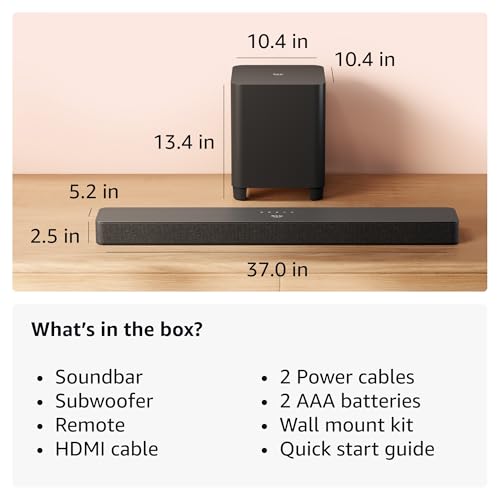
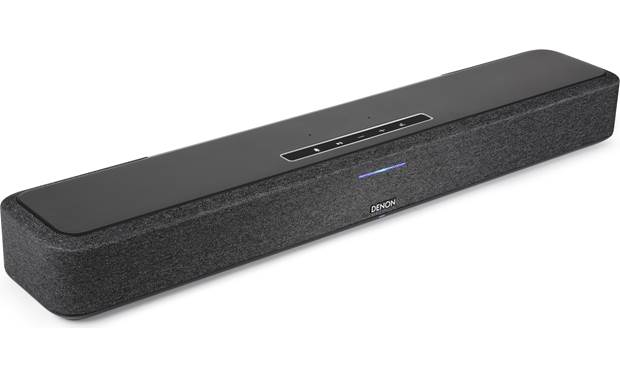
Physical construction reveals another fundamental difference in approach. The Amazon Fire TV Soundbar Plus with Subwoofer measures 37 inches wide, making it suitable for TVs between 50-65 inches. The matte black finish and fabric grille give it an understated appearance that won't dominate your entertainment center. At 8.8 pounds for the soundbar alone, it's relatively lightweight and easy to position.
The wireless subwoofer adds complexity to placement—you'll need to find a suitable location within wireless range where it won't overwhelm your room's acoustics. I've found that corner placement often works well, as it can reinforce bass output, though experimentation is usually necessary to find the sweet spot.
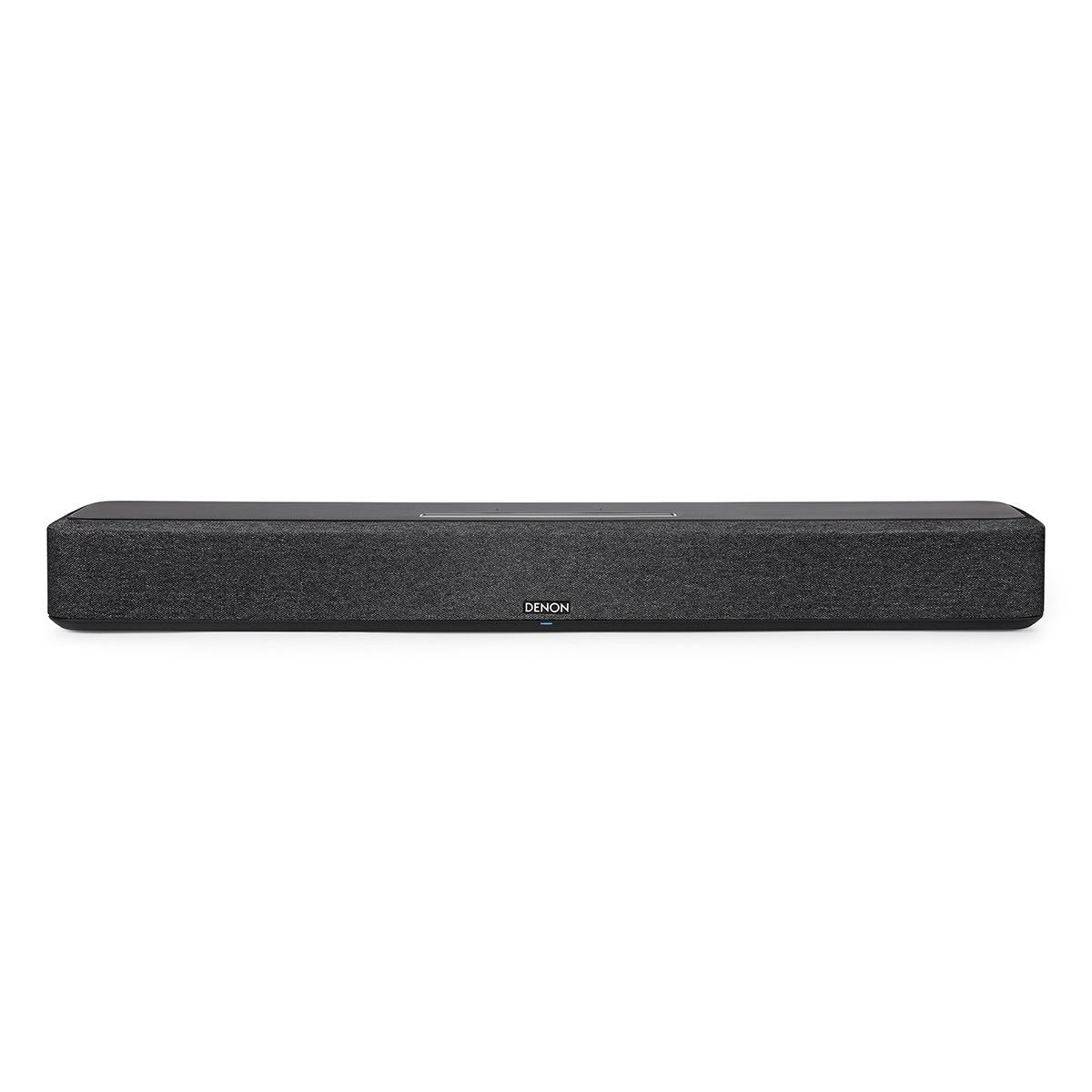
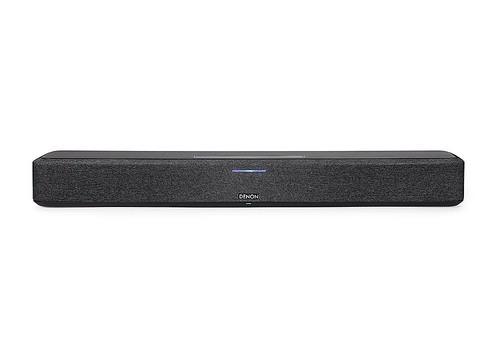
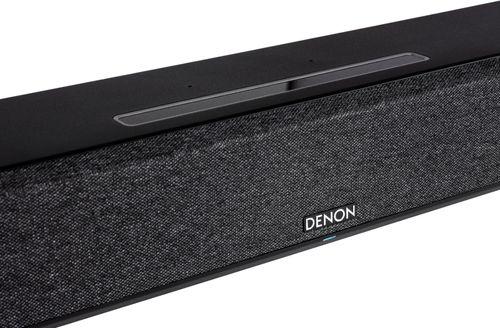
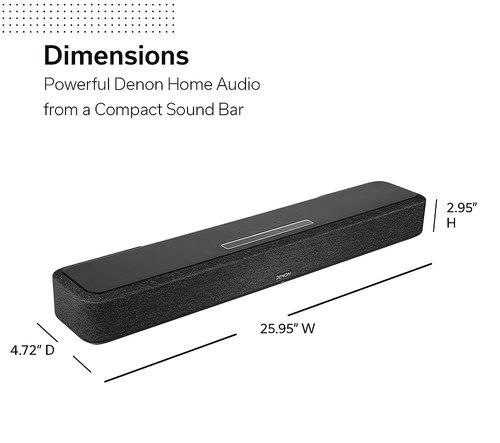
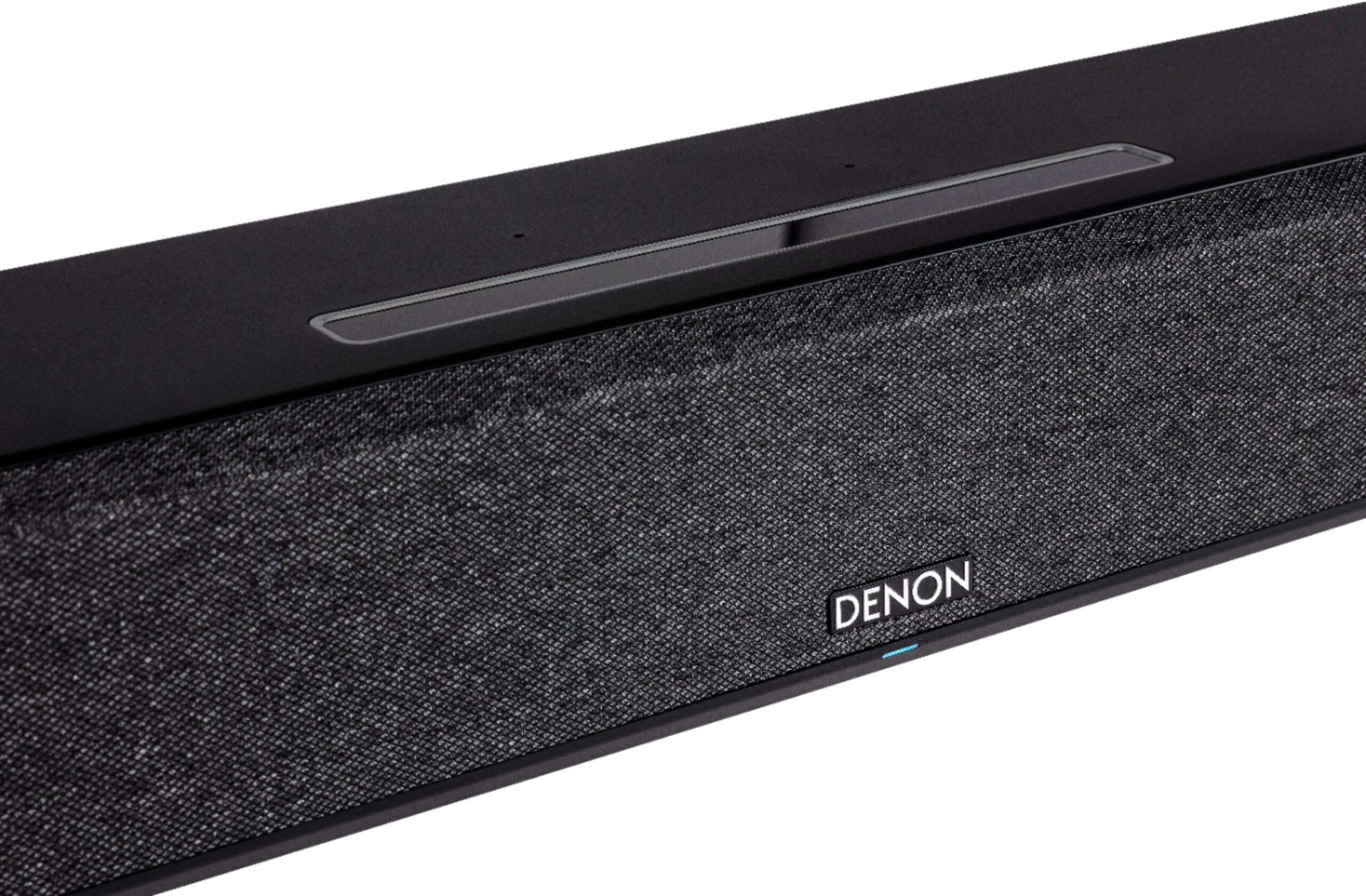
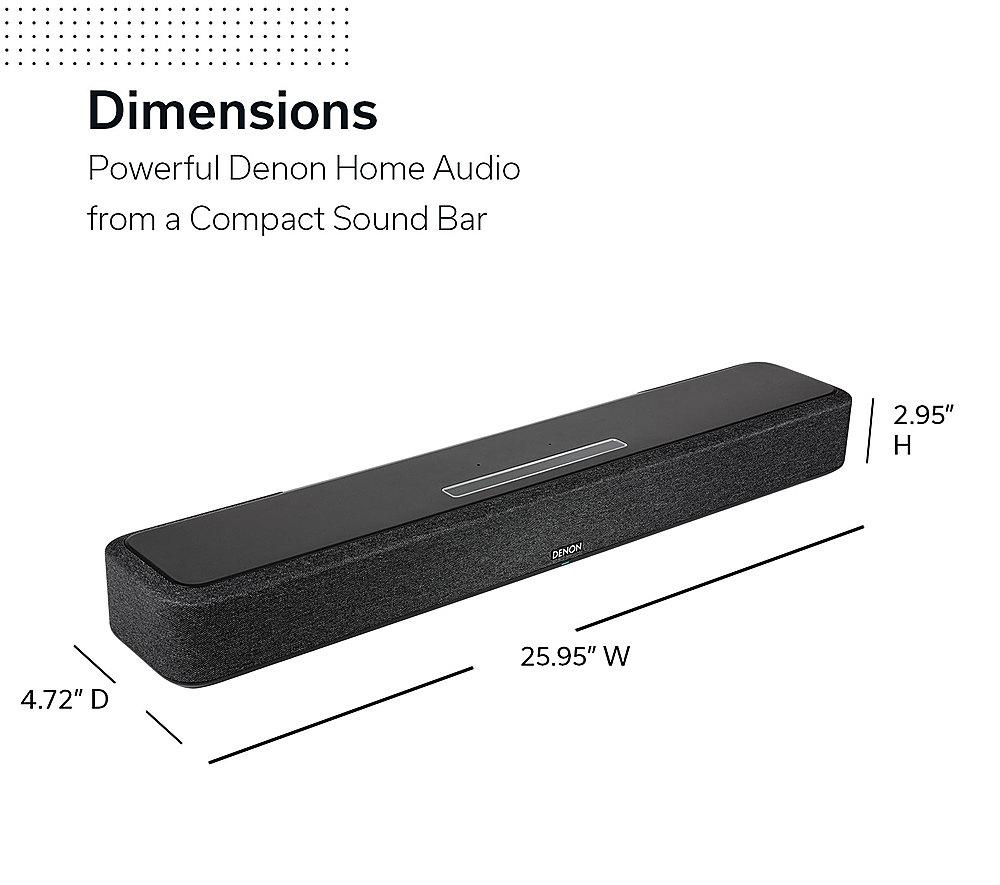
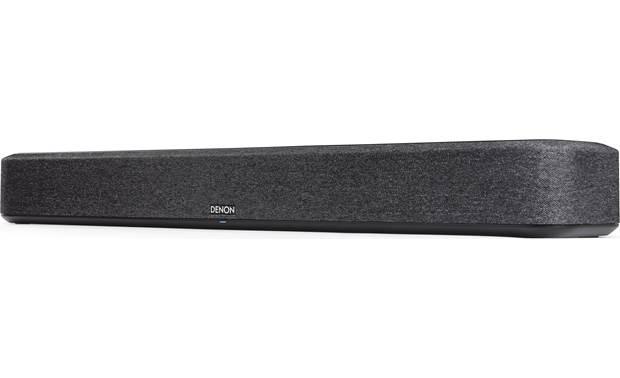
The Denon Home Sound Bar 550 is notably more compact at about 26 inches wide but feels substantially more solid. The premium materials and construction are immediately apparent when handling the unit. The driver arrangement—with dedicated tweeters and larger full-range drivers—represents a more sophisticated approach to soundbar acoustics than the Amazon's simpler design.
The build quality difference becomes apparent during extended listening sessions. The Denon maintains composure at higher volume levels with less distortion and cabinet resonance, while the Amazon system begins to show strain as you push it toward its limits.
After extensive testing in various room configurations, some clear patterns emerge. The Amazon Fire TV Soundbar Plus with Subwoofer excels in medium-sized rooms (12x15 feet or similar) where its bass output can pressurize the space effectively without overwhelming it. The separate subwoofer allows for room placement optimization that can dramatically improve bass response depending on your room's acoustics.
In larger spaces, the Amazon system's limitations become more apparent. The main soundbar lacks the power and driver sophistication to fill bigger rooms effectively, though the subwoofer continues to provide adequate bass support.
The Denon Home Sound Bar 550 performs more consistently across different room sizes, though it clearly benefits from smaller to medium spaces where its refined drivers can work effectively. The lack of a dedicated subwoofer becomes more noticeable in larger rooms or with bass-heavy content.
For apartment dwellers or those with noise concerns, both offer night modes, but the Denon Home Sound Bar 550 provides more sophisticated dynamic range compression—reducing the difference between loud and quiet sounds—making late-night viewing more neighbor-friendly.
At the time of writing, these soundbars represent very different value propositions. The Amazon Fire TV Soundbar Plus with Subwoofer costs roughly half what you'd pay for the Denon Home Sound Bar 550, making the comparison less about pure performance and more about priorities.
The Amazon system offers immediate gratification—plug it in, and you'll immediately notice dramatically improved bass response and dialogue clarity compared to TV speakers. For users primarily interested in watching movies and TV shows, particularly action content that benefits from the included subwoofer, it represents excellent value.
The Denon Home Sound Bar 550 requires a larger investment but provides refinement and features that justify the premium for the right user. The superior build quality, advanced processing, and smart features create a more sophisticated audio experience that will likely remain satisfying longer.
However, the lack of an included subwoofer means many users will eventually want to add one, which brings the total system cost much closer to premium alternatives that include subwoofers from the start.
Choose the Amazon Fire TV Soundbar Plus with Subwoofer if you're primarily focused on improving your TV and movie watching experience without breaking the budget. It's ideal for users who watch a lot of action movies, sports, or content where bass impact enhances enjoyment. The included subwoofer provides immediate satisfaction that the Denon simply cannot match on its own.
This system makes particular sense for younger viewers or families who prioritize dramatic improvement over absolute refinement, or for secondary viewing areas where you want good sound without premium pricing.
The Denon Home Sound Bar 550 appeals to users who prioritize long-term satisfaction and plan to use their soundbar for serious music listening as well as TV viewing. If you're building or already have a smart home ecosystem, the Alexa integration and HEOS multi-room capabilities provide value beyond just TV audio improvement.
This soundbar makes the most sense for discerning listeners who notice and care about audio refinement, or for users in smaller spaces where a separate subwoofer might be impractical or overwhelming.
Neither of these soundbars is objectively better than the other—they're designed for different users with different priorities. The Amazon Fire TV Soundbar Plus with Subwoofer succeeds by providing dramatic improvement at an accessible price, while the Denon Home Sound Bar 550 offers refinement and features for users willing to pay for sophistication.
The most important consideration is honest self-assessment: do you want the biggest immediate impact for your money, or are you willing to invest more for a system that will provide greater long-term satisfaction? Both approaches have merit, and both will transform your TV viewing experience compared to built-in speakers.
In my experience, users who choose based on their actual viewing habits and budget constraints end up happier than those who get caught up in specifications or brand prestige. The best soundbar is the one you'll enjoy using every day, whether that means feeling explosions rumble through your living room or appreciating the subtle details in a jazz recording.
| Amazon Fire TV Soundbar Plus Subwoofer | Denon Home Sound Bar 550 Soundbar |
|---|---|
| Channel Configuration - Determines audio separation and clarity | |
| 3.1 channels (left, center, right + subwoofer) | 4.0 channels (no dedicated subwoofer channel) |
| Subwoofer Inclusion - Critical for bass impact in movies and music | |
| Wireless subwoofer included (10.4" x 10.4" x 13.4") | No subwoofer (relies on passive radiators) |
| Dolby Atmos Support - Creates overhead sound effects | |
| Virtual Dolby Atmos (no up-firing drivers) | True Dolby Atmos processing with height virtualization |
| Smart Features - Voice control and streaming capabilities | |
| No voice control, no built-in streaming | Amazon Alexa built-in, HEOS multi-room platform |
| HDMI Connectivity - Essential for high-quality audio from TV | |
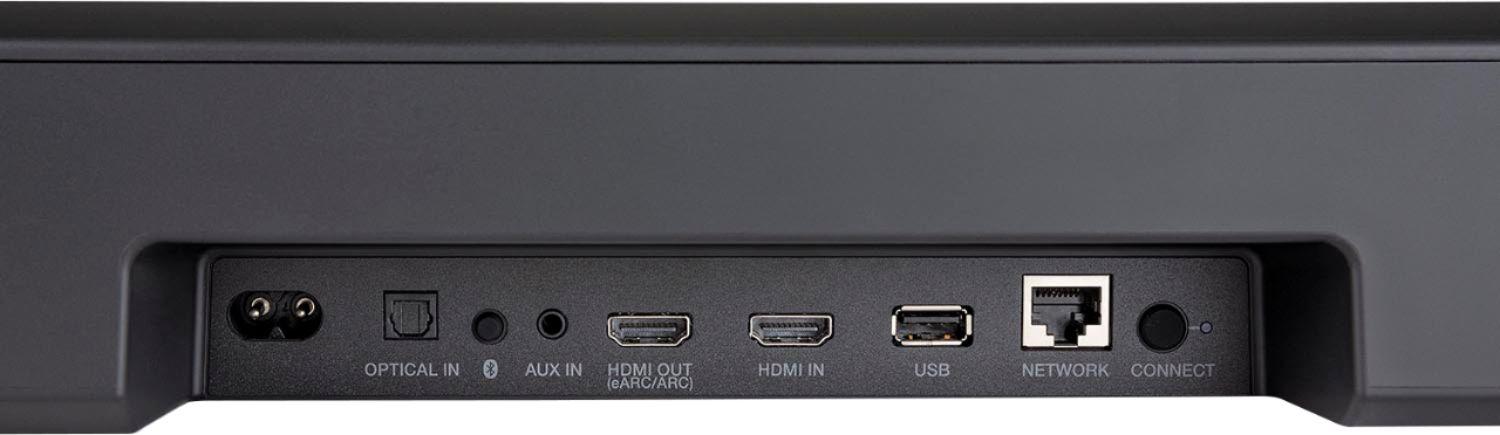
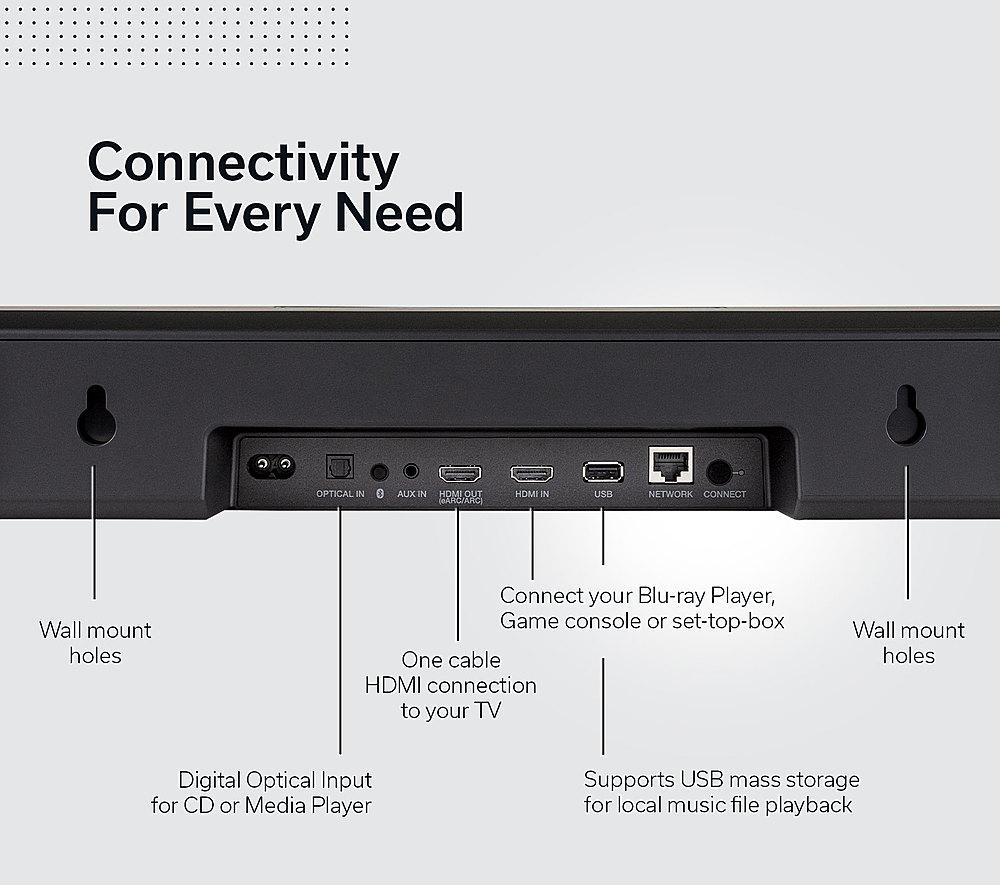
| HDMI eARC, optical, Bluetooth, USB-A | HDMI eARC + passthrough, optical, Bluetooth, Wi-Fi |
| Physical Dimensions - Must fit your TV and space | |
| 37" W x 5.2" H x 2.5" D (suitable for 50-65" TVs) | 25.6" W x 2.9" H x 4.7" D (compact design) |
| Expandability - Option to grow into full surround system | |
| Can add wireless rear speakers for true 5.1 setup | Compatible with HEOS speakers for multi-room audio |
| Audio Processing - Affects dialogue clarity and sound refinement | |
| Basic processing with dialogue enhancement | Advanced DSP with multiple EQ presets |
| Setup Complexity - Time and effort required | |
| Simple plug-and-play with pre-paired components | Requires HEOS app setup for full features |
| Build Quality - Durability and premium feel | |
| Lightweight construction, fabric grille | Premium materials, soft-dome tweeters, heavier build |
The Amazon Fire TV Soundbar Plus Subwoofer is generally better for movies and TV shows due to its included wireless subwoofer, which provides the bass impact essential for action scenes and explosions. The dedicated center channel also ensures dialogue remains clear during loud scenes. While the Denon Home Sound Bar 550 offers more refined audio processing, it lacks the deep bass that makes movie soundtracks truly immersive.
The Amazon Fire TV Soundbar Plus Subwoofer includes a wireless subwoofer, so you're ready to go right out of the box. The Denon Home Sound Bar 550 doesn't include a subwoofer and relies on passive radiators for bass, which means you'll likely want to add a separate subwoofer later for full-range audio, especially if you enjoy action movies or music with deep bass.
Both soundbars excel at dialogue clarity but in different ways. The Amazon Fire TV Soundbar Plus Subwoofer uses a dedicated center channel specifically for dialogue, making voices consistently clear and present. The Denon Home Sound Bar 550 offers more refined vocal reproduction through advanced digital processing, resulting in more natural-sounding dialogue with better tonal balance across different voice types.
Only the Denon Home Sound Bar 550 includes built-in Amazon Alexa voice control, allowing you to adjust volume, change inputs, and control playback with voice commands. The Amazon Fire TV Soundbar Plus Subwoofer doesn't have any voice control capabilities despite the "Fire TV" branding and must be controlled using the included remote or soundbar buttons.
The Amazon Fire TV Soundbar Plus Subwoofer is significantly easier to set up, with components that come pre-paired and require only plugging in and powering on. The Denon Home Sound Bar 550 requires downloading the HEOS app and going through a Wi-Fi setup process to access its full feature set, though basic functionality works immediately after connection.
Yes, both support Dolby Atmos, but they implement it differently. The Amazon Fire TV Soundbar Plus Subwoofer uses virtual Dolby Atmos without physical up-firing drivers, creating simulated overhead effects. The Denon Home Sound Bar 550 offers more sophisticated Dolby Atmos processing with better height virtualization, though neither provides true overhead speakers for authentic Atmos experience.
The Amazon Fire TV Soundbar Plus Subwoofer can be expanded by adding wireless rear speakers to create a true 5.1 surround sound system. The Denon Home Sound Bar 550 cannot be expanded with rear speakers but can integrate with other HEOS-compatible speakers throughout your home for multi-room audio functionality.
The Denon Home Sound Bar 550 is better for music listening due to its more refined drivers, including dedicated soft-dome tweeters, and superior audio processing that provides better tonal balance and clarity. The Amazon Fire TV Soundbar Plus Subwoofer offers more bass impact for music but lacks the refinement and detail that serious music listeners prefer.
The Denon Home Sound Bar 550 offers comprehensive smart features including Amazon Alexa, Wi-Fi streaming, HEOS multi-room integration, and access to major streaming services. The Amazon Fire TV Soundbar Plus Subwoofer has minimal smart features, offering only Bluetooth connectivity and basic HDMI eARC functionality without built-in streaming or voice control.
Neither soundbar is ideal for very large rooms, but the Amazon Fire TV Soundbar Plus Subwoofer performs better in medium to large spaces due to its wireless subwoofer that can pressurize larger areas with bass. The Denon Home Sound Bar 550 works best in small to medium rooms where its refined drivers can effectively fill the space without requiring additional bass support.
Yes, both the Amazon Fire TV Soundbar Plus Subwoofer and Denon Home Sound Bar 550 can be wall mounted. The Amazon system includes a wall mount template and hardware, though you'll still need to place the wireless subwoofer on the floor or furniture. The Denon is more compact and easier to wall mount as a single unit.
The Amazon Fire TV Soundbar Plus Subwoofer offers better immediate value by including a wireless subwoofer and providing dramatic improvement over TV speakers at a lower price point. The Denon Home Sound Bar 550 provides better long-term value for users who prioritize audio quality, smart features, and build quality, though it requires a larger upfront investment and potentially adding a subwoofer later.
We've done our best to create useful and informative comparisons to help you decide what product to buy. Our research uses advanced automated methods to create this comparison and perfection is not possible - please contact us for corrections or questions. These are the sites we've researched in the creation of this article: rtings.com - cordbusters.co.uk - techradar.com - youtube.com - t3.com - hometechnologyreview.com - youtube.com - hometechnologyreview.com - whathifi.com - developer.amazon.com - manuals.plus - dolby.com - consumerreports.org - soundandvision.com - crutchfield.com - rtings.com - crutchfield.com - gzhls.at - denon.com - walmart.com - youtube.com - whathifi.com - bestbuy.com

Privacy Policy
Terms and Conditions - Affiliate Policy
Home Security
© Copyright 2008-2026.
11816 Inwood Rd #1211, Dallas, TX 75244