

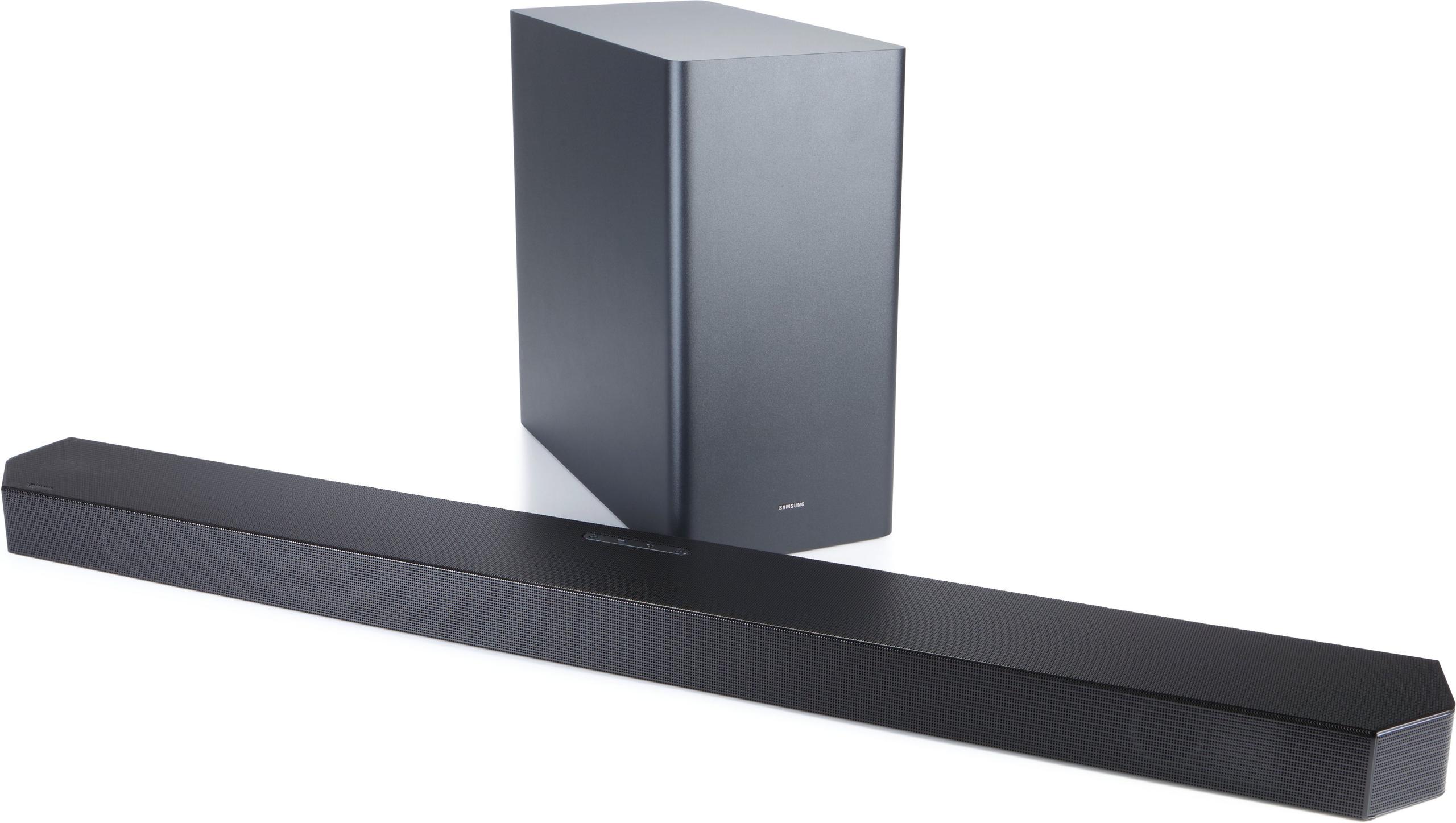
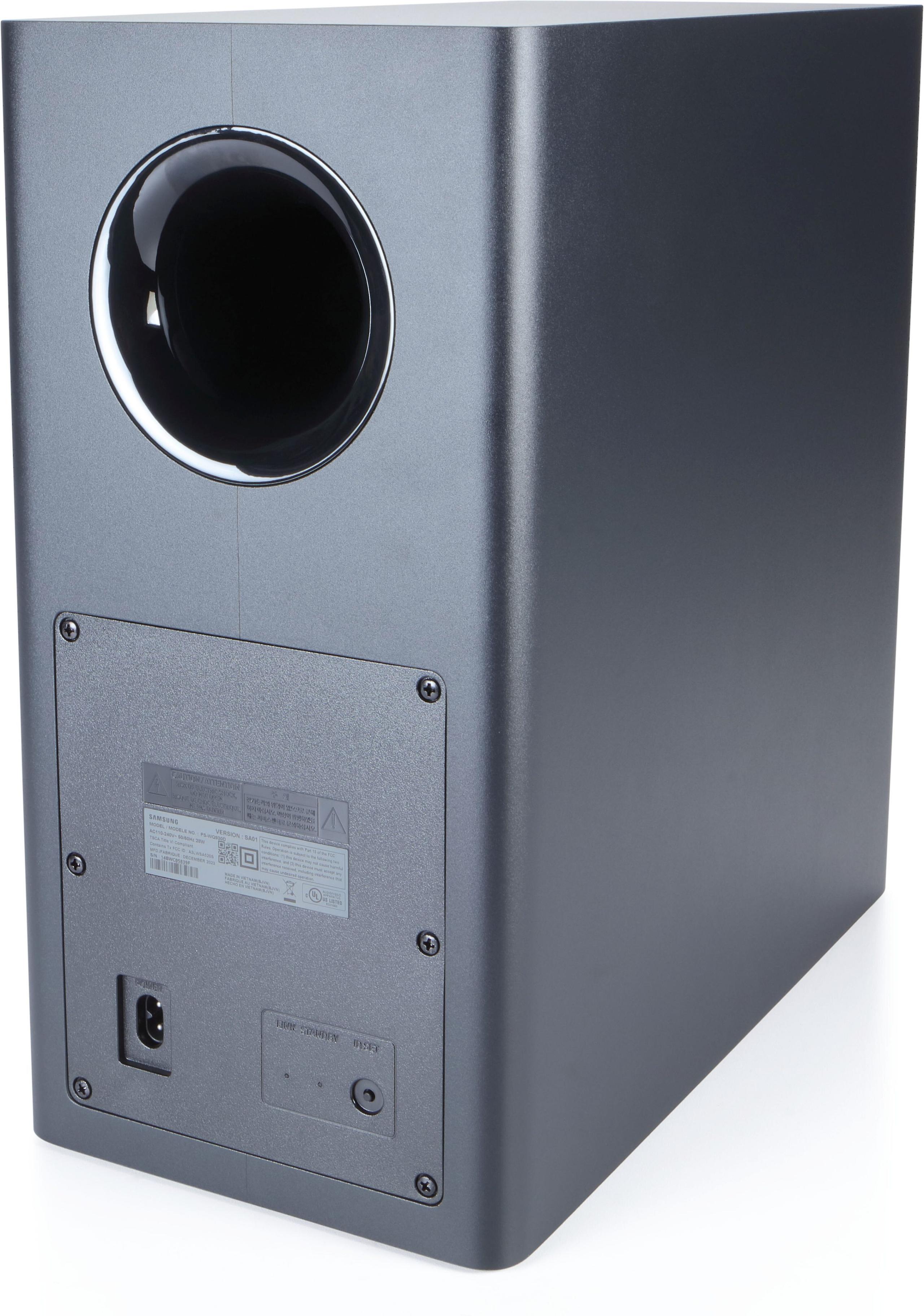
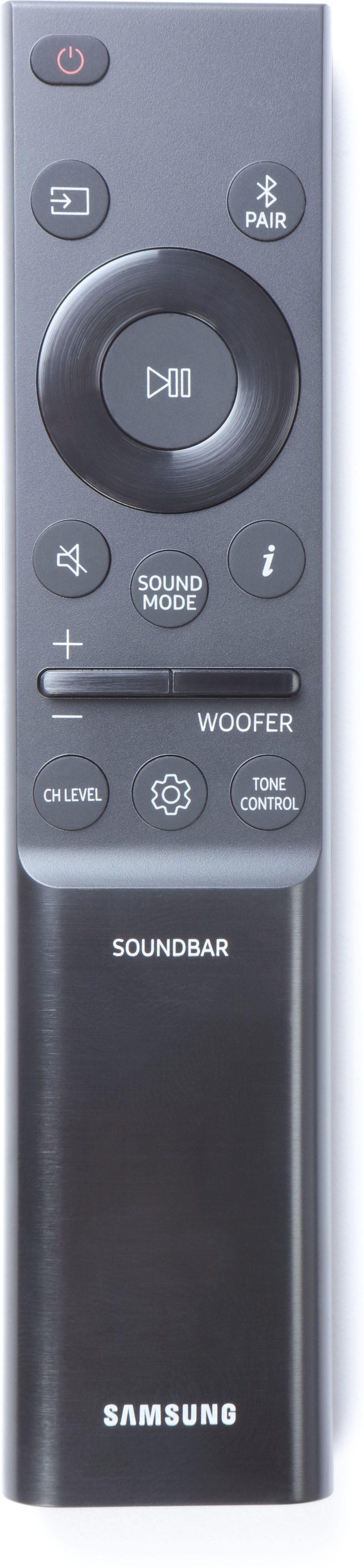
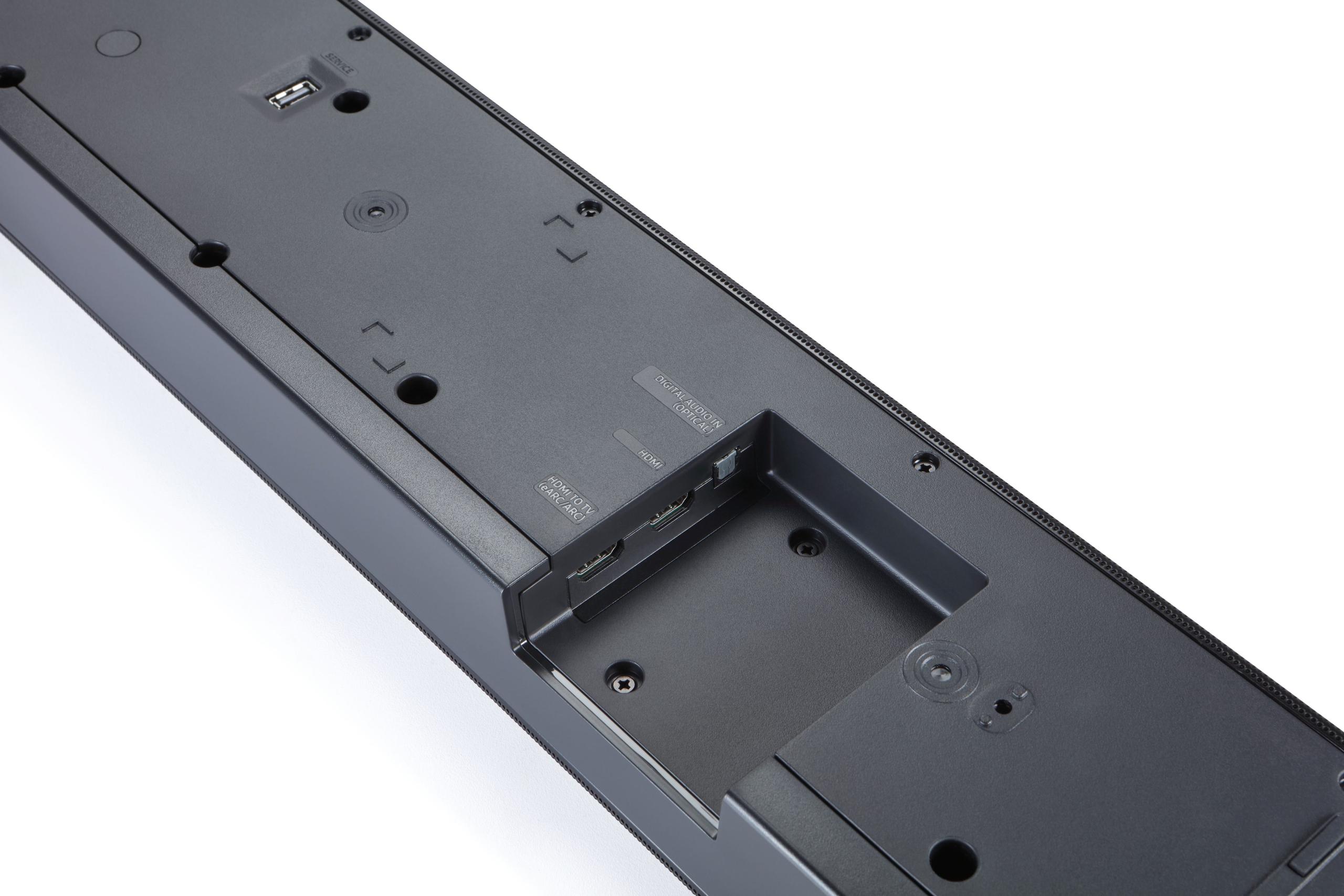
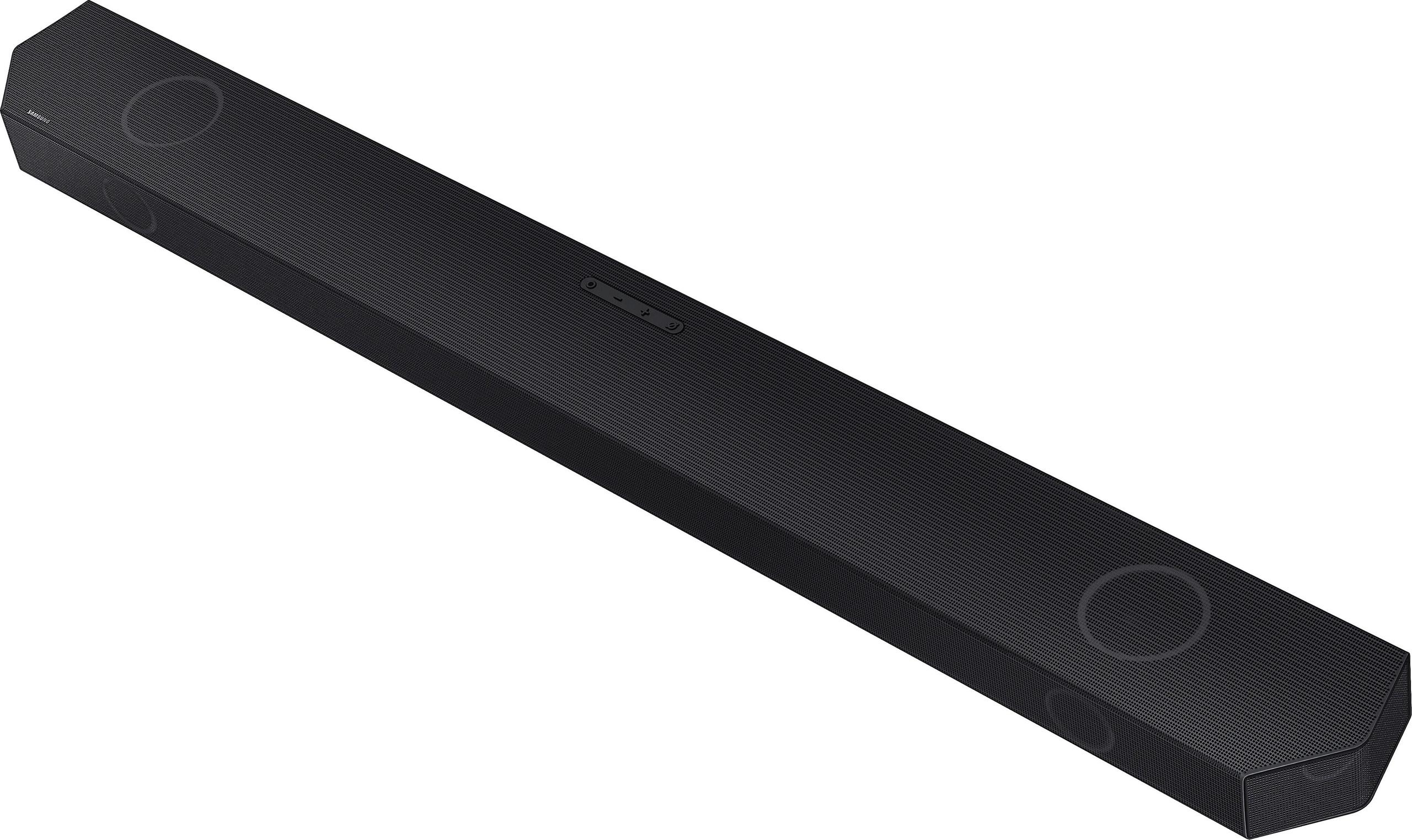




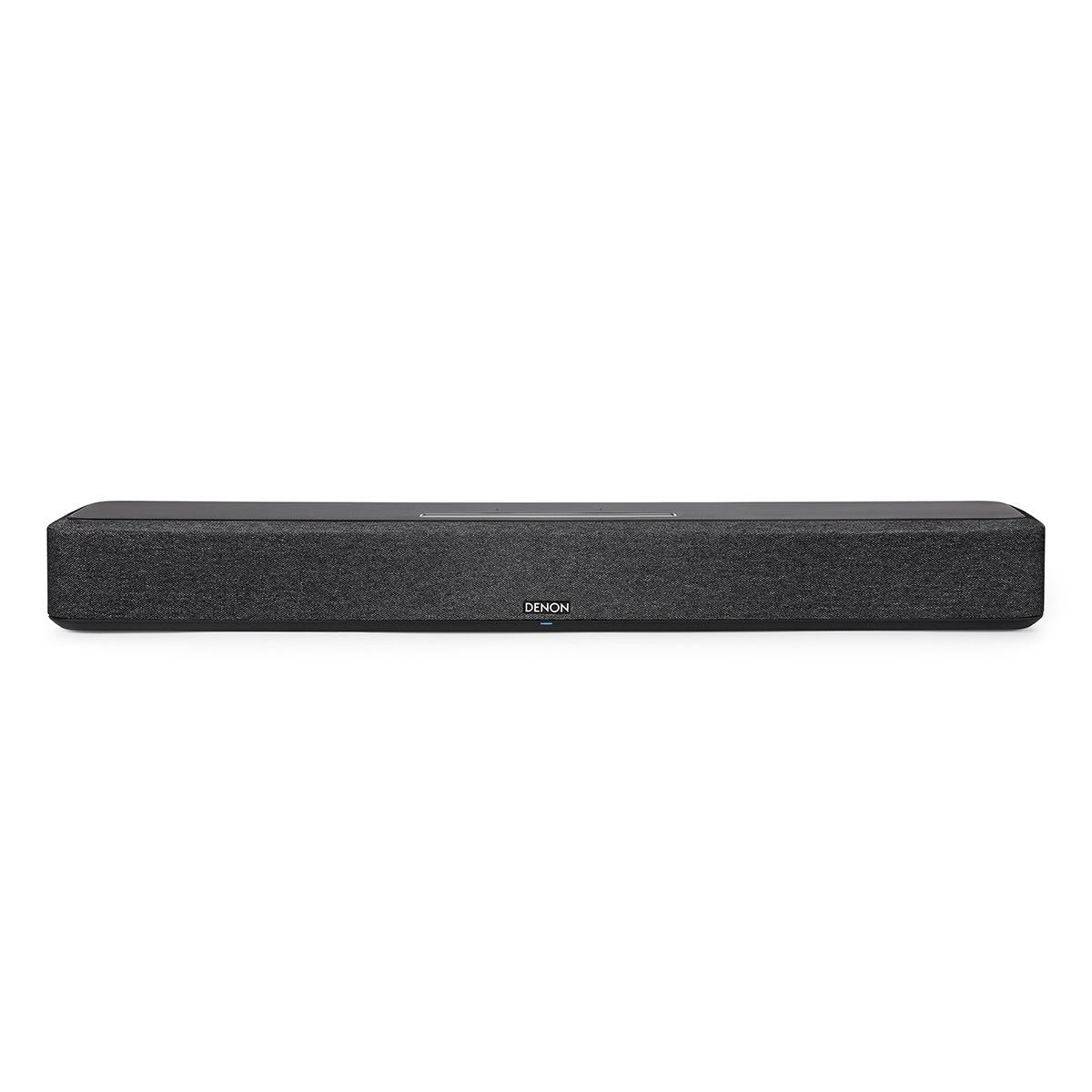

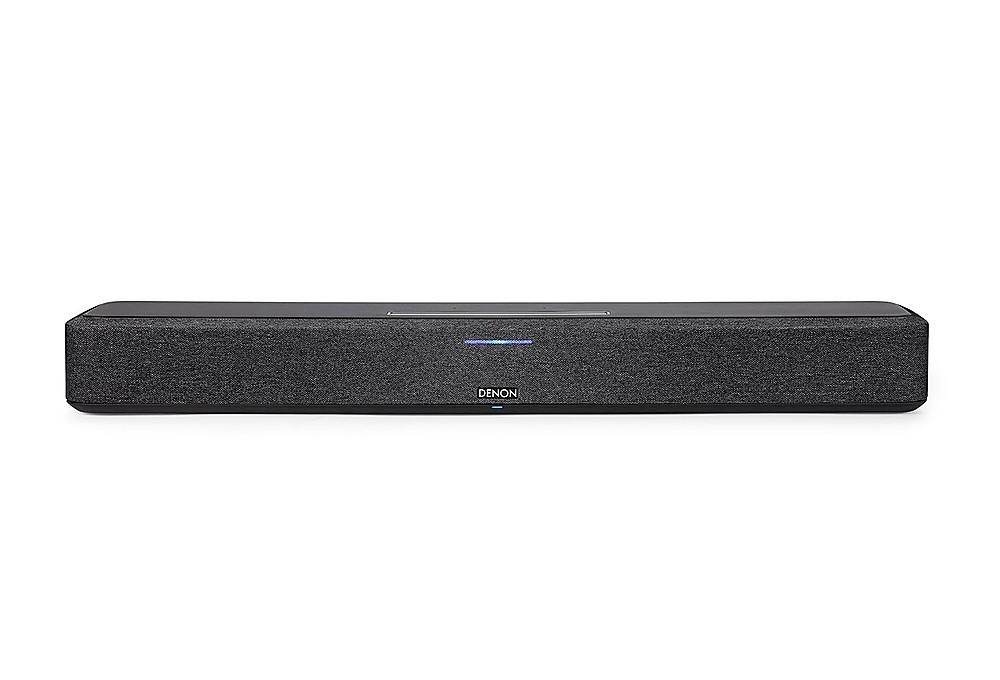
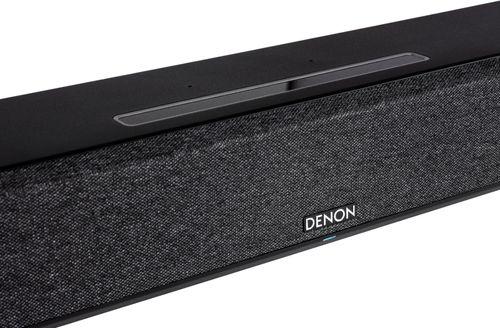

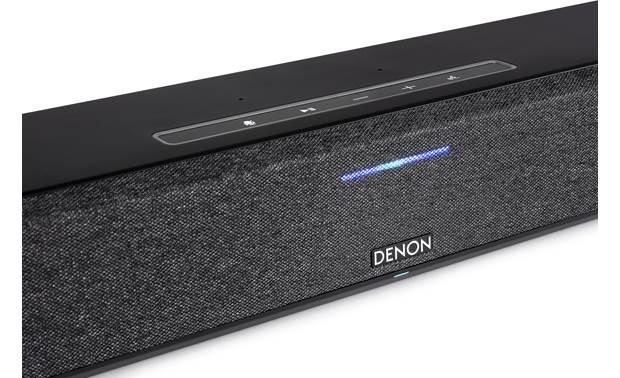
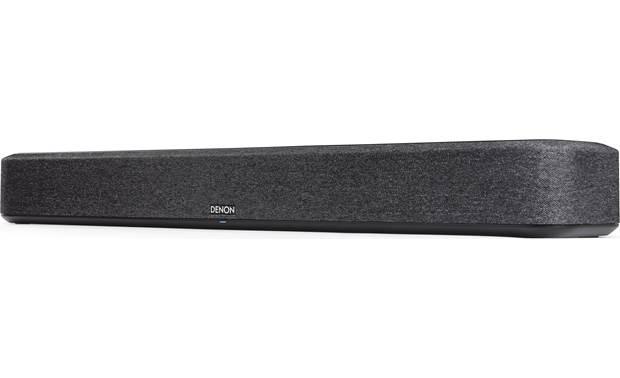
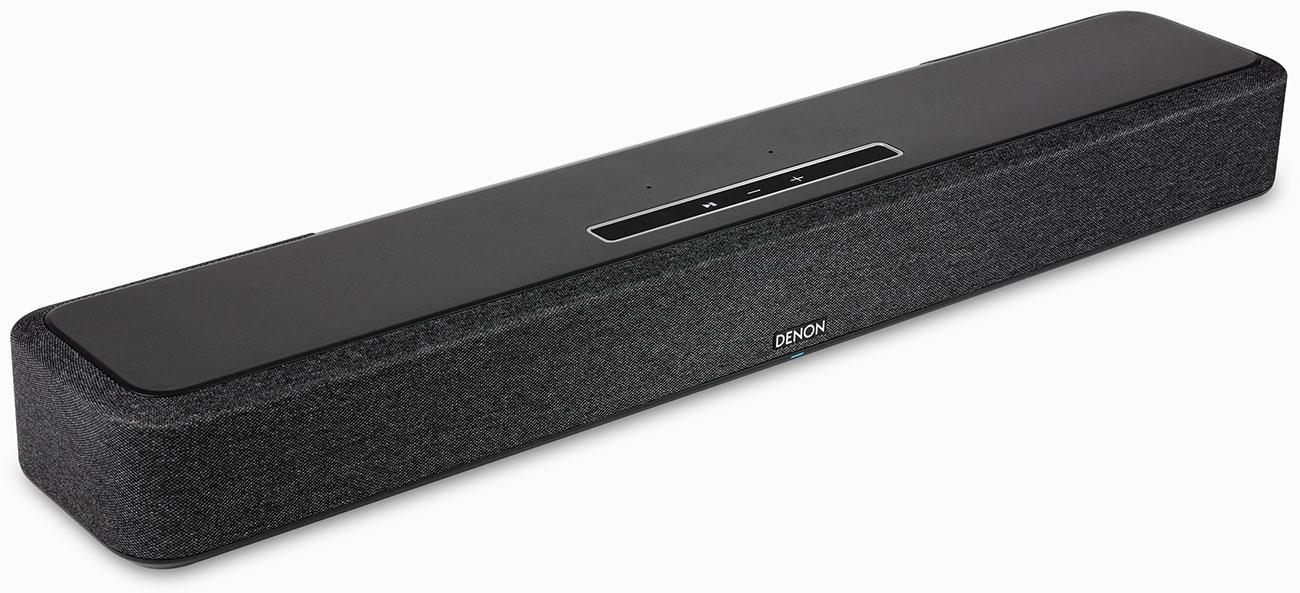
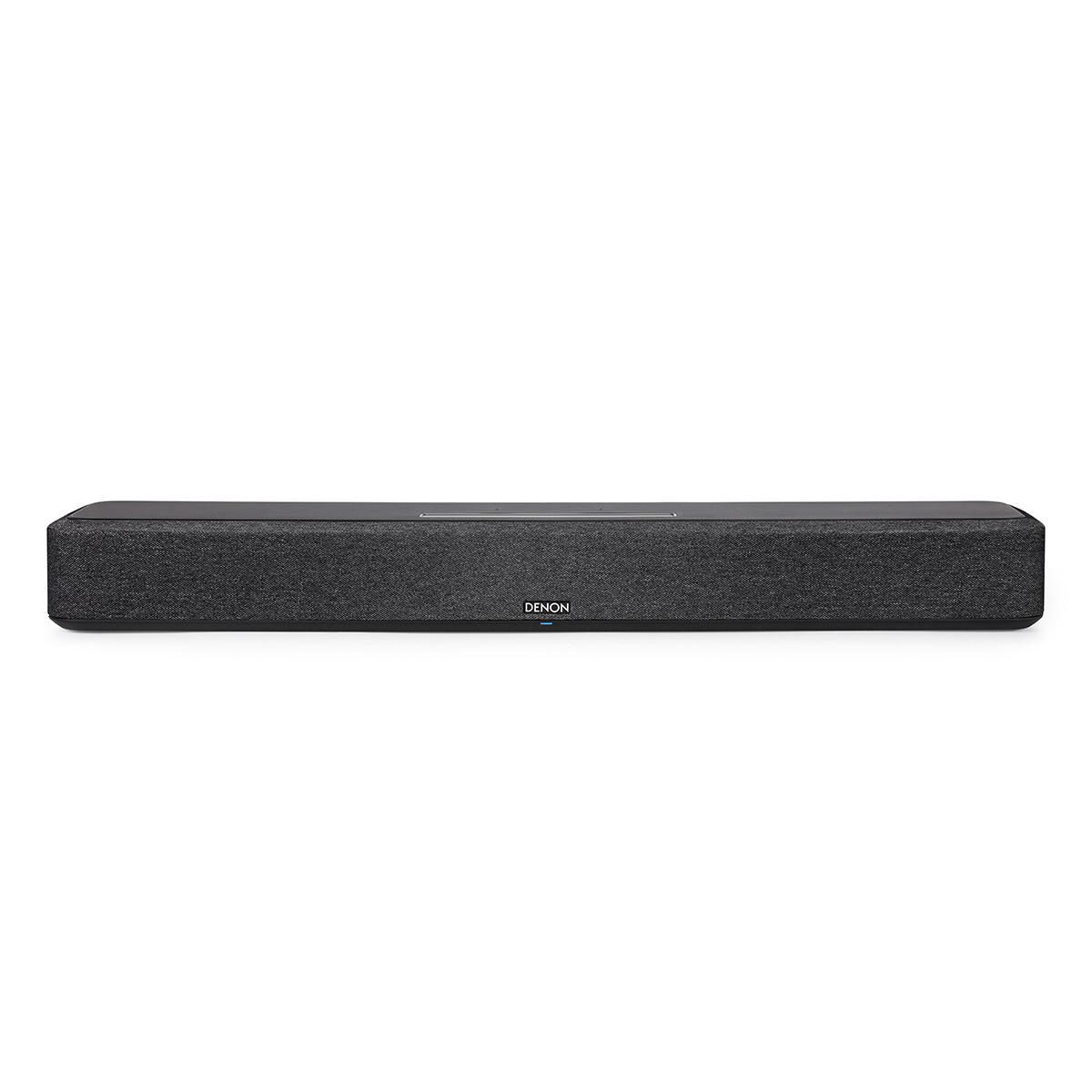
When you're ready to upgrade from your TV's built-in speakers, the soundbar market can feel overwhelming. Two standout options in the premium segment are the Samsung HW-Q800D ($800) and the Denon Home Sound Bar 550 ($519). Both promise to transform your living room into a mini theater, but they take surprisingly different approaches to get there.
Premium soundbars represent a sweet spot in home audio – they're sophisticated enough to deliver genuine cinematic experiences without requiring the complexity of a full surround sound system. When you're spending $500-800, you should expect several key features that separate these from basic models.
First, there's channel configuration – this refers to how many distinct audio streams the soundbar can handle. A 5.1.2 system like the Samsung means five main channels (front left, center, front right, rear left, rear right), one subwoofer channel, and two height channels for overhead effects. The Denon's 3.0.2 setup handles three main channels plus two height channels, creating a different but still immersive experience.
Dolby Atmos support is another crucial feature. This technology treats sounds as objects that can be placed anywhere in three-dimensional space, rather than just sending audio to specific speakers. When a helicopter flies overhead in a movie, Atmos can make it sound like it's actually moving above your head, not just coming from speakers beside your TV.
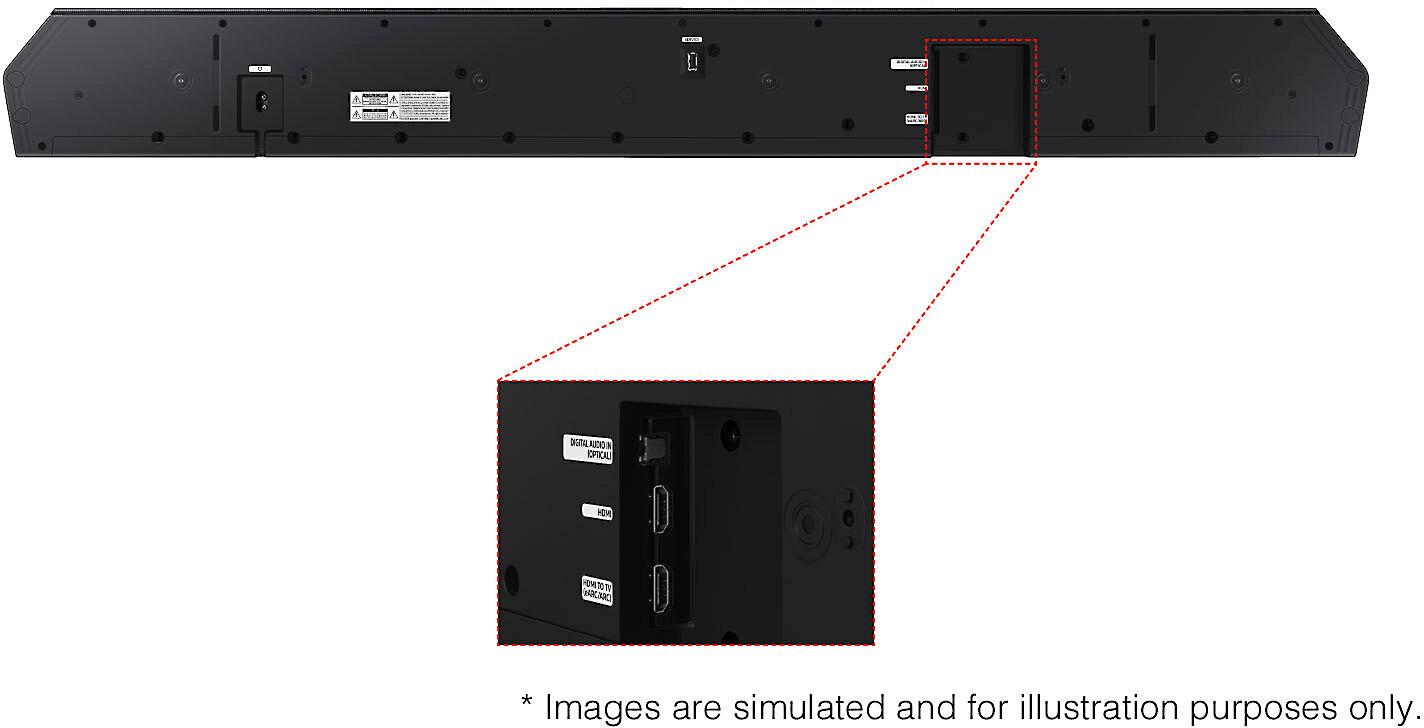
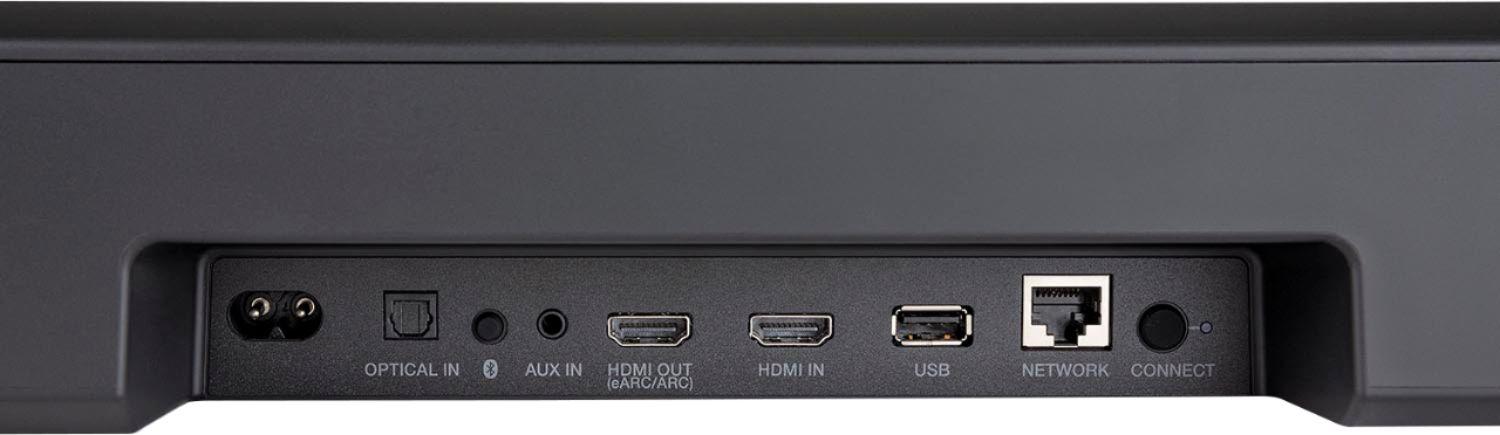
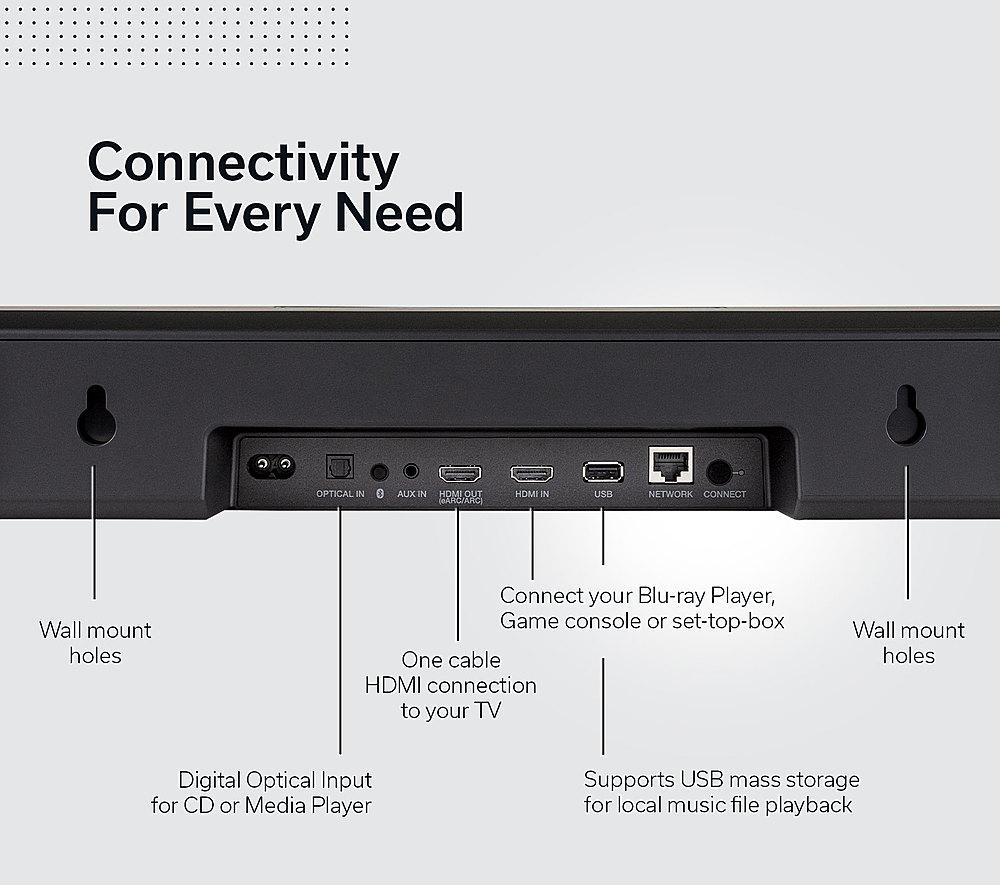
Connectivity options matter more than you might think. HDMI eARC (enhanced Audio Return Channel) lets your TV send high-quality audio back to the soundbar, while also allowing the soundbar to control your TV's volume. This creates a much cleaner, more integrated experience than older optical connections.
The Samsung HW-Q800D launched in early 2024 as Samsung's latest mid-tier offering, representing an evolution of their Q-series line that's been refined over several years. Samsung has consistently improved their SpaceFit Sound Pro technology – a feature that uses built-in microphones to analyze your room's acoustics and adjust the sound accordingly. This year's model also benefits from improved Q-Symphony integration, which coordinates the soundbar with compatible Samsung TV speakers for a more enveloping experience.
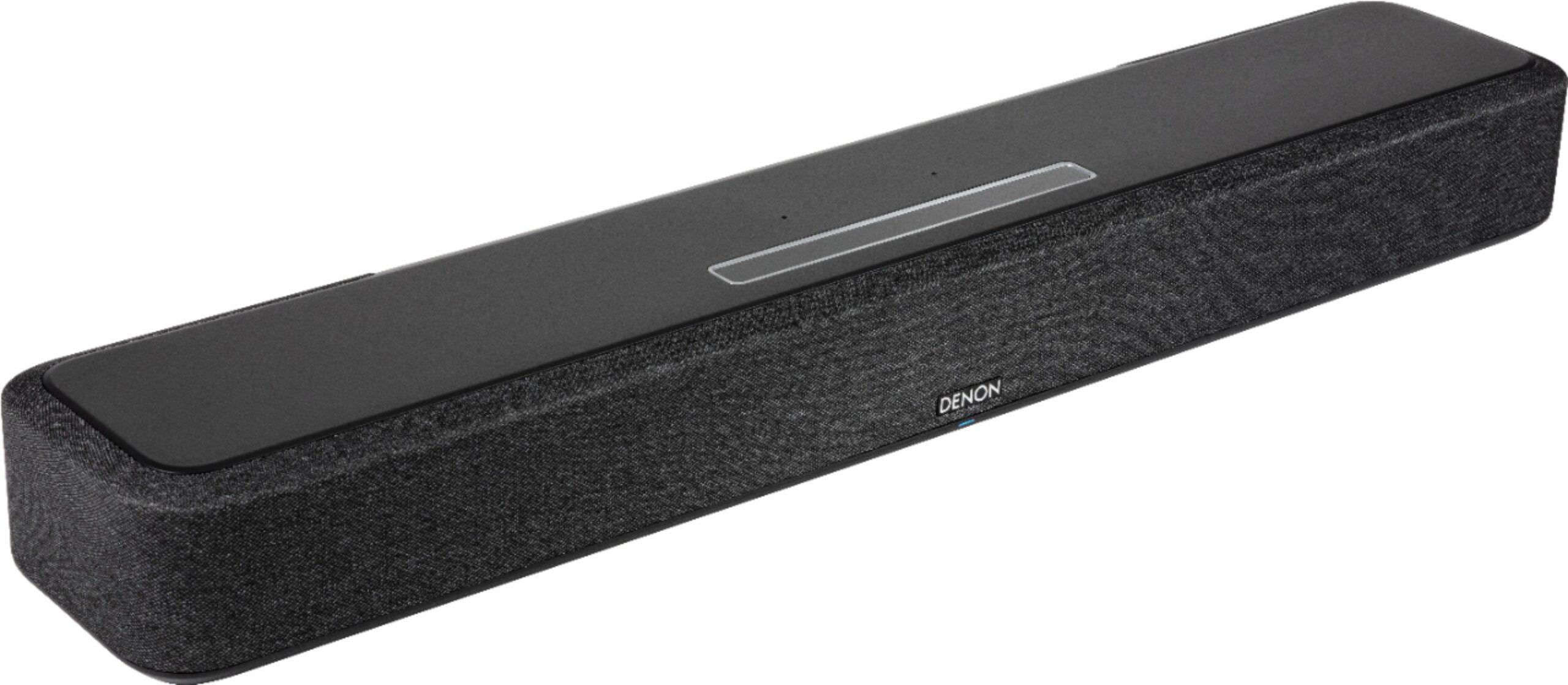
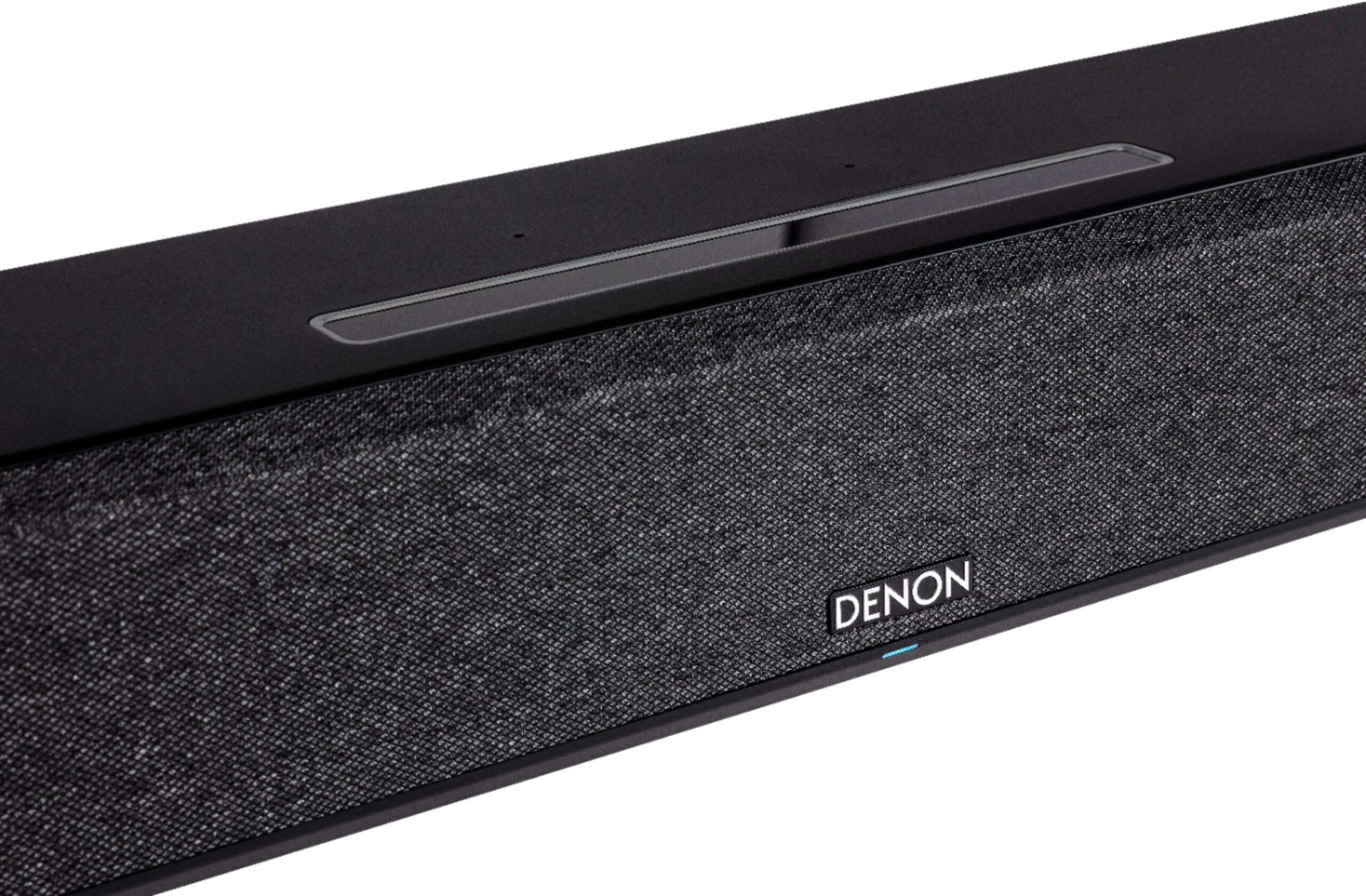
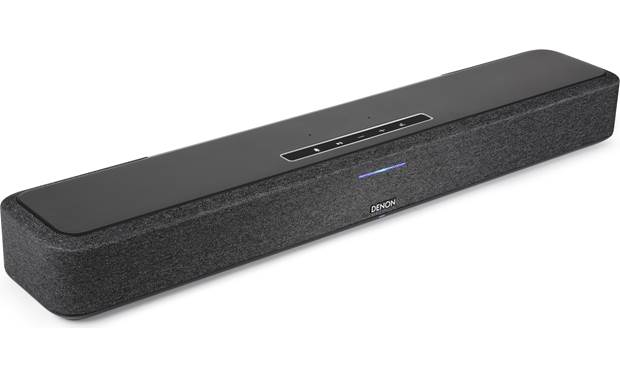
The Denon Home Sound Bar 550 arrived in 2023 and remains current in their lineup. Denon, with their decades of audiophile heritage, focused on integrating their HEOS multiroom platform more seamlessly than previous generations. They've also refined their virtual Dolby Atmos processing, using advanced digital signal processing (DSP) to create convincing overhead effects without physical upward-firing drivers.
Both represent significant technological improvements over their predecessors, but in different directions. Samsung doubled down on hardware-based solutions and ecosystem integration, while Denon emphasized software sophistication and expandability.
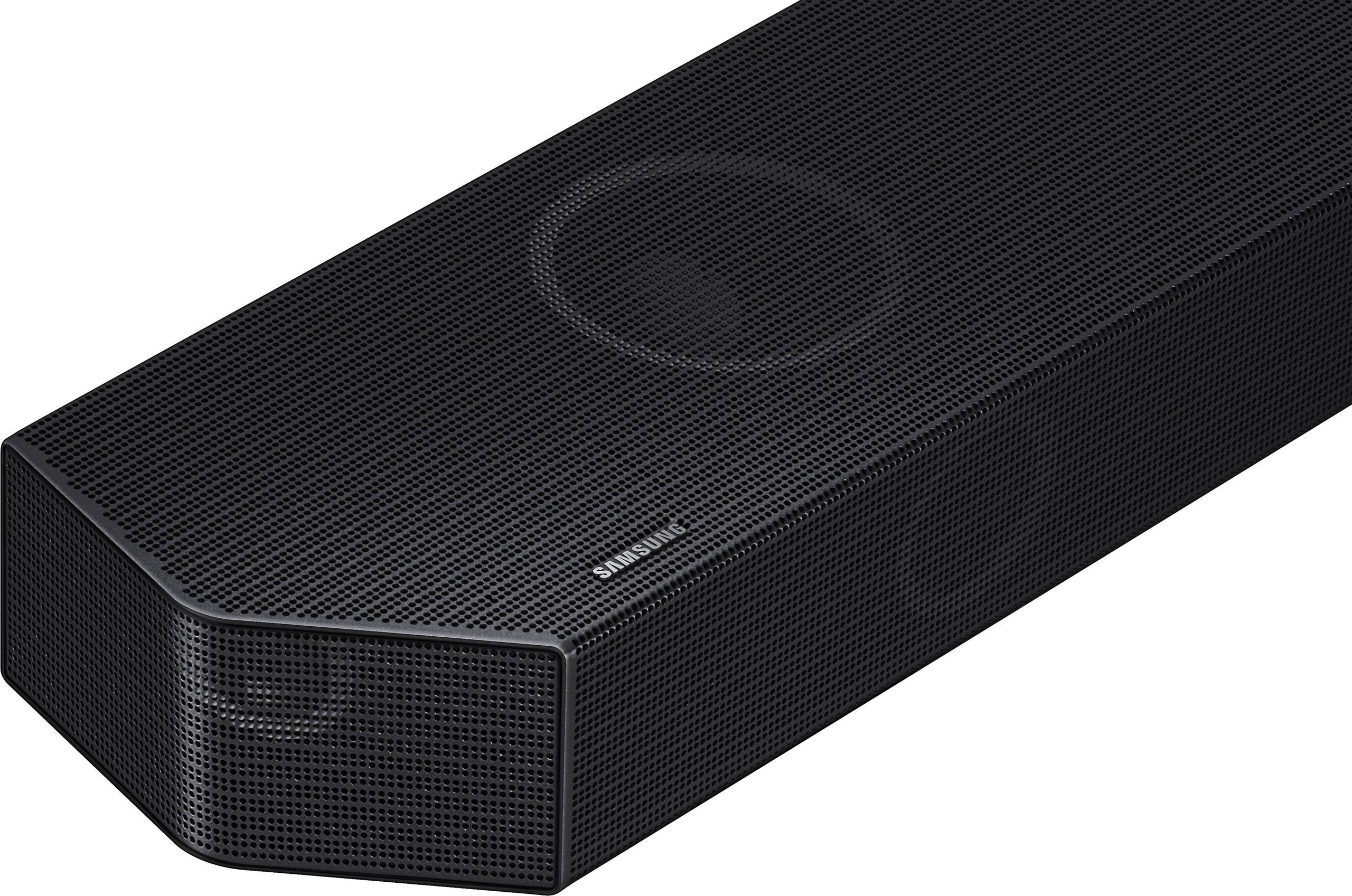
The Samsung HW-Q800D takes a brute-force approach that often works beautifully. Its 11 drivers include dedicated upward-firing speakers that physically bounce sound off your ceiling to create height effects. When I first tested this setup with the opening scene of "Blade Runner 2049," the difference was immediately apparent – raindrops seemed to fall from above rather than just from the soundbar's general direction.
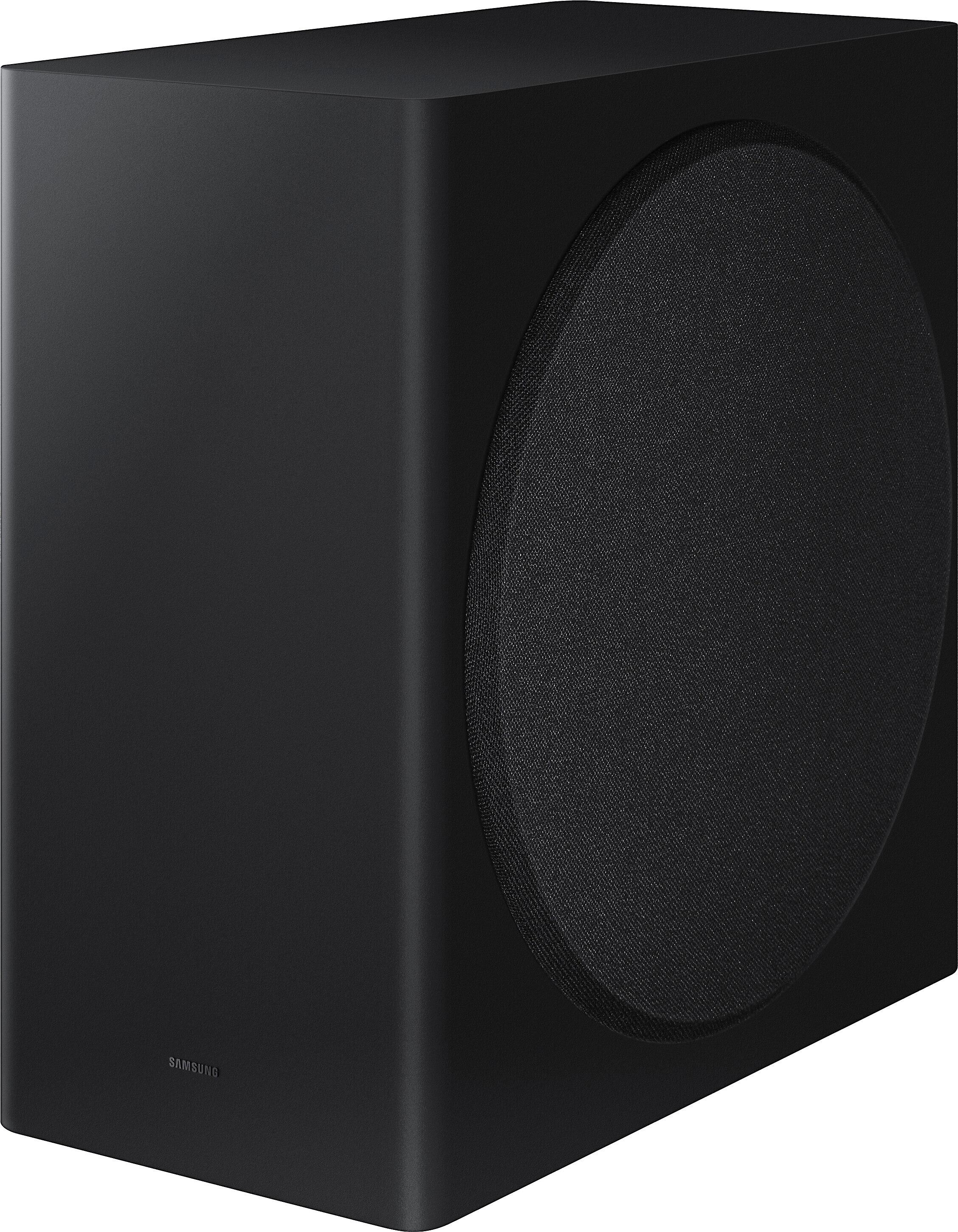
The included wireless subwoofer is a significant advantage. This side-firing 8-inch driver can reproduce frequencies down to around 35Hz, which means you'll actually feel the rumble of explosions and the thump of electronic music basslines. The subwoofer connects wirelessly to the main unit, eliminating the need for long cables across your room, though it does require its own power outlet.
Samsung's SpaceFit Sound Pro technology deserves special mention. During setup, the soundbar emits test tones that its microphones capture after they bounce around your room. The system then adjusts frequency response and timing to compensate for your room's acoustic characteristics. In smaller rooms with lots of hard surfaces, this can dramatically improve dialogue clarity by reducing harsh reflections.
The Denon Home Sound Bar 550 approaches the same goals through different means. Rather than relying solely on physical drivers pointing in different directions, Denon uses sophisticated digital processing to create virtual surround effects. This involves carefully controlling how sounds reach each ear, creating the perception of audio coming from directions where no speakers actually exist.
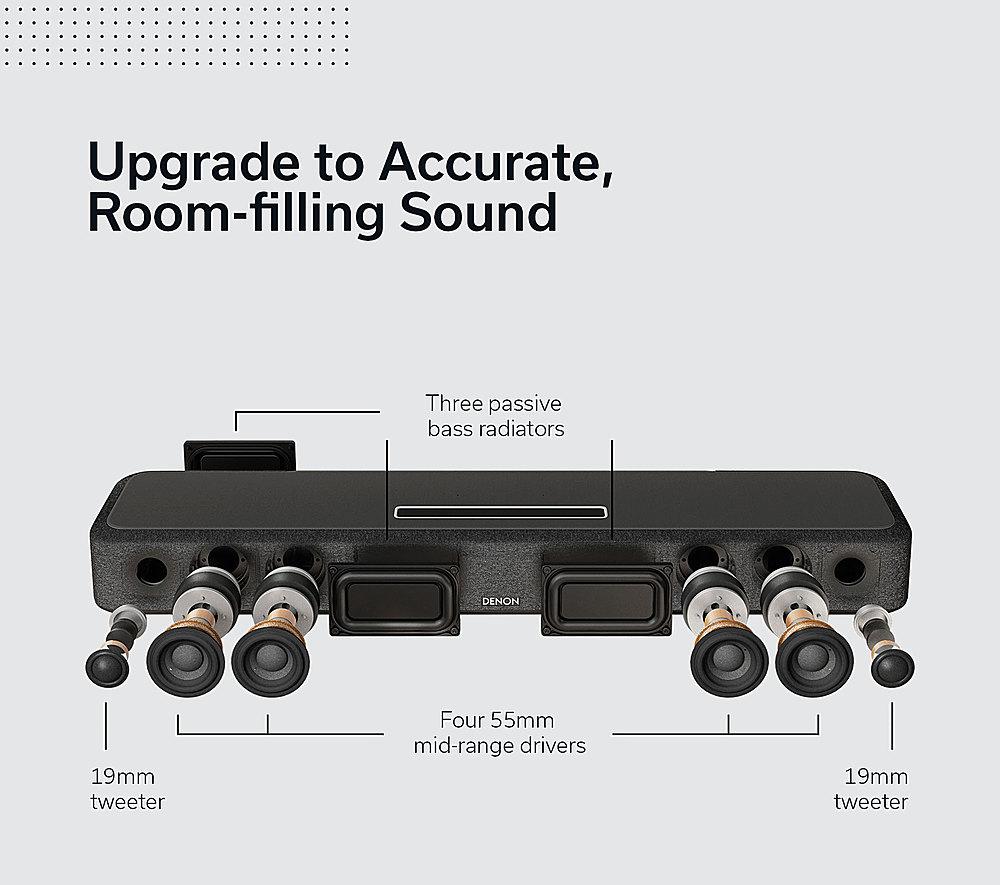
The soundbar houses six active drivers: two soft-dome tweeters for crisp highs, four full-range drivers for mids and upper bass, plus two passive radiators that help extend low-frequency response. This configuration prioritizes clarity and detail over sheer power. During extended listening sessions with various music genres, the Denon consistently delivered more natural-sounding vocals and better instrument separation.
Without a dedicated subwoofer, the Denon relies on those passive radiators and careful tuning to provide bass response. While this works reasonably well for most content, you'll notice the limitation during action sequences or bass-heavy music. The optional subwoofer costs an additional $300-400, bringing the total system price closer to the Samsung's all-inclusive package.
For movie watching, these soundbars reveal their different personalities clearly. The Samsung HW-Q800D excels at creating an enveloping, excitement-focused experience. Its physical upward-firing drivers produce genuinely convincing overhead effects that make action sequences feel immersive. During the opening of "Top Gun: Maverick," jet engines seemed to travel seamlessly from one side of the room to the other and overhead.
The Samsung's more aggressive tuning enhances the excitement factor. Explosions hit harder, gunshots crack with more authority, and dramatic music swells feel more impactful. This tuning philosophy works particularly well for modern action films and TV shows that are mixed with prominent dynamic range.
The Denon Home Sound Bar 550 takes a more refined approach that particularly shines with dialogue-heavy content. Its superior midrange clarity means you'll catch subtle conversational nuances that might get lost in the Samsung's more dramatic presentation. For prestige dramas, documentaries, or films where every word matters, this precision proves valuable.
Denon's virtual Atmos processing, while not as physically convincing as Samsung's upward-firing drivers, still creates an impressively wide soundstage. The effect works best in appropriately sized rooms – too large, and the illusion breaks down; too small, and reflections can muddy the presentation.
The performance gap becomes even more apparent with music playback. The Denon Home Sound Bar 550 demonstrates its audiophile heritage here, delivering more accurate tonal balance and better instrument separation. Jazz recordings reveal subtle details like brush strokes on drums and the breathy quality of saxophone performances that the Samsung tends to smooth over.
The Samsung's more colored sound signature can actually enhance certain genres. Electronic music and modern pop often sound more exciting through the Samsung, with enhanced bass impact and sparkling highs that complement these genres' production styles. However, acoustic music and classical recordings typically sound more natural through the Denon.
Both soundbars support high-resolution audio formats, but the Denon takes this more seriously. Through its HEOS platform, it can handle 24-bit/192kHz files, while the Samsung tops out at 24-bit/96kHz. For most users, this difference won't be audible, but dedicated music lovers might appreciate the Denon's additional headroom.
Neither soundbar fully embraces next-generation gaming capabilities, lacking 4K/120Hz passthrough that would benefit PlayStation 5 or Xbox Series X owners. Both handle 4K/60Hz content fine, which covers most current gaming scenarios.
For gaming audio specifically, the choice depends on your preferences. The Samsung HW-Q800D enhances the excitement factor of action games, making explosions and gunfire more impactful. Its Game Pro mode optimizes processing for lower latency and directional audio cues.
The Denon Home Sound Bar 550 excels with story-driven games where dialogue clarity matters. RPGs and adventure games benefit from its more natural voice reproduction, helping you catch important plot details and character interactions.
At around $800, the Samsung HW-Q800D provides everything needed for a complete home theater audio upgrade. The included wireless subwoofer alone would cost $200-300 if purchased separately, making the total package competitively priced for what you receive.
The value proposition improves significantly if you own a Samsung TV, particularly a recent QLED model. Q-Symphony technology synchronizes the TV's speakers with the soundbar, effectively expanding your speaker count and creating a more enveloping experience. This feature works surprisingly well in practice, though it's obviously limited to Samsung's ecosystem.
Samsung's approach also means you're done spending money after the initial purchase. There are no additional components to buy or complex setup procedures to navigate. This simplicity has genuine value for users who want great sound without becoming audio enthusiasts.
The Denon Home Sound Bar 550 starts at $519, making it more accessible initially. However, reaching equivalent functionality requires additional purchases. The matching subwoofer costs $300-400, and wireless rear speakers add another $200-300 each. A fully expanded system could easily cost $1,200-1,500.
This modular approach offers flexibility that some users will genuinely value. You can start with just the soundbar, evaluate your needs, and expand gradually. If you move to a larger room or your audio preferences evolve, the system can grow with you.
The HEOS platform integration also provides value beyond just TV audio. You can stream music throughout your home using multiple HEOS speakers, creating a whole-home audio system that the Samsung simply cannot match.
The Samsung HW-Q800D represents a complete, closed system. While this simplicity has advantages, it also means you're locked into Samsung's decisions about speaker placement, tuning, and capabilities. You cannot add rear speakers for true surround sound, upgrade the subwoofer for deeper bass, or integrate with other audio equipment.
This limitation becomes more apparent over time. If you move to a larger room or develop more sophisticated audio preferences, your only option is replacing the entire system. Samsung's approach works well if their tuning and capabilities match your long-term needs, but offers no flexibility if they don't.
The Denon Home Sound Bar 550 shines in terms of expandability. The HEOS ecosystem includes wireless rear speakers that can create true 5.1 surround sound, various subwoofer options for different room sizes, and additional speakers for multiroom audio.
This flexibility extends beyond just adding more speakers. HEOS integrates with other Denon and Marantz equipment, allowing the soundbar to become part of a larger, more sophisticated audio system. For users who might eventually want a dedicated stereo system or full home theater setup, this compatibility provides a clear upgrade path.
The modular approach also means you can optimize each component for your specific space and preferences. A smaller room might work well with just the soundbar and a compact subwoofer, while a larger space could benefit from the full 5.1 setup with larger speakers.
Both soundbars include built-in Amazon Alexa, allowing voice control of volume, playback, and smart home integration. However, their broader ecosystem integration differs significantly.
The Samsung HW-Q800D works best within Samsung's ecosystem. If you have a Samsung TV, Galaxy phone, and use Samsung's SmartThings platform, the integration feels seamless. You can control everything through a single app and benefit from features like Q-Symphony that simply aren't available with other brands.
The Denon Home Sound Bar 550 takes a more open approach. Its HEOS platform works equally well regardless of your TV brand, phone type, or smart home ecosystem. This flexibility appeals to users who prefer best-of-breed components over single-brand solutions.
The Samsung HW-Q800D makes the most sense if you want immediate, impactful results with minimal complexity. It's particularly compelling for Samsung TV owners who can take advantage of Q-Symphony integration. The complete package approach means you'll have everything needed for a dramatic audio upgrade without additional purchases or complex setup procedures.
This soundbar also suits users who prioritize cinematic excitement over analytical accuracy. If you mainly watch action movies, sports, and modern TV shows, Samsung's more aggressive tuning will likely provide more enjoyment than Denon's precision approach.
The Denon Home Sound Bar 550 appeals to users who view audio as a long-term investment rather than a single purchase. Its superior music reproduction and expandability make it ideal for listeners who might eventually want a more sophisticated system.
This soundbar also works better for mixed-use scenarios. If you watch dialogue-heavy dramas as often as action films, or if music listening is equally important to movie watching, Denon's more balanced approach provides better overall versatility.
The modular pricing structure can also work in your favor if budget constraints require a gradual approach to system building.
Both the Samsung HW-Q800D and Denon Home Sound Bar 550 represent excellent values in the premium soundbar category, but they serve different priorities and user types.
Samsung delivers immediate gratification with a complete, optimized system that excels at creating exciting cinematic experiences. Its $800 price includes everything needed for a substantial audio upgrade, and the Q-Symphony integration provides unique benefits for Samsung TV owners.
Denon offers superior long-term flexibility and more refined audio quality, particularly for music reproduction. While reaching equivalent functionality costs more initially, the modular approach provides upgrade paths and integration possibilities that Samsung simply cannot match.
Your choice ultimately depends on whether you prioritize immediate impact and simplicity (Samsung) or long-term flexibility and audio precision (Denon). Both will significantly improve your TV's audio – they just take different paths to get there.
| Samsung HW-Q800D 5.1.2 Channel Soundbar | Denon Home Sound Bar 550 Soundbar |
|---|---|
| Price - Initial investment for complete system | |
| $800 (includes wireless subwoofer) | $519 (soundbar only, subwoofer $300-400 extra) |
| Channel Configuration - Determines surround sound capability | |
| True 5.1.2 with dedicated height drivers | 3.0.2 expandable to 5.1 with optional components |
| Dolby Atmos Implementation - How overhead effects are created | |
| Physical upward-firing drivers (more convincing) | Virtual processing through DSP (still effective) |
| Subwoofer Inclusion - Critical for full bass response | |
| Wireless 8" subwoofer included | Optional wireless subwoofer sold separately |
| Total System Power - Raw audio output capability | |
| 360W total system power | Not specified (less powerful without subwoofer) |
| Expandability - Future upgrade potential | |
| Fixed system, cannot add components | Fully modular with HEOS wireless speakers |
| TV Integration - Seamless operation with your TV | |
| Q-Symphony with Samsung TVs only | Universal compatibility, works with any TV brand |
| Music Streaming Quality - Important for audio enthusiasts | |
| Up to 24-bit/96kHz | Up to 24-bit/192kHz via HEOS platform |
| Smart Home Integration - Voice control and automation | |
| Amazon Alexa built-in, Samsung SmartThings | Amazon Alexa built-in, works with any ecosystem |
| Multiroom Audio - Whole-home music distribution | |
| Not supported | Full HEOS multiroom system integration |
| Gaming Performance - Next-gen console compatibility | |
| 4K/60Hz passthrough (no 120Hz support) | 4K/60Hz passthrough (no 120Hz support) |
| Design Philosophy - Physical footprint and aesthetics | |
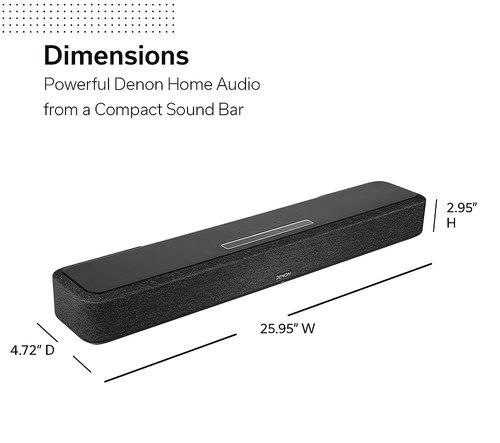
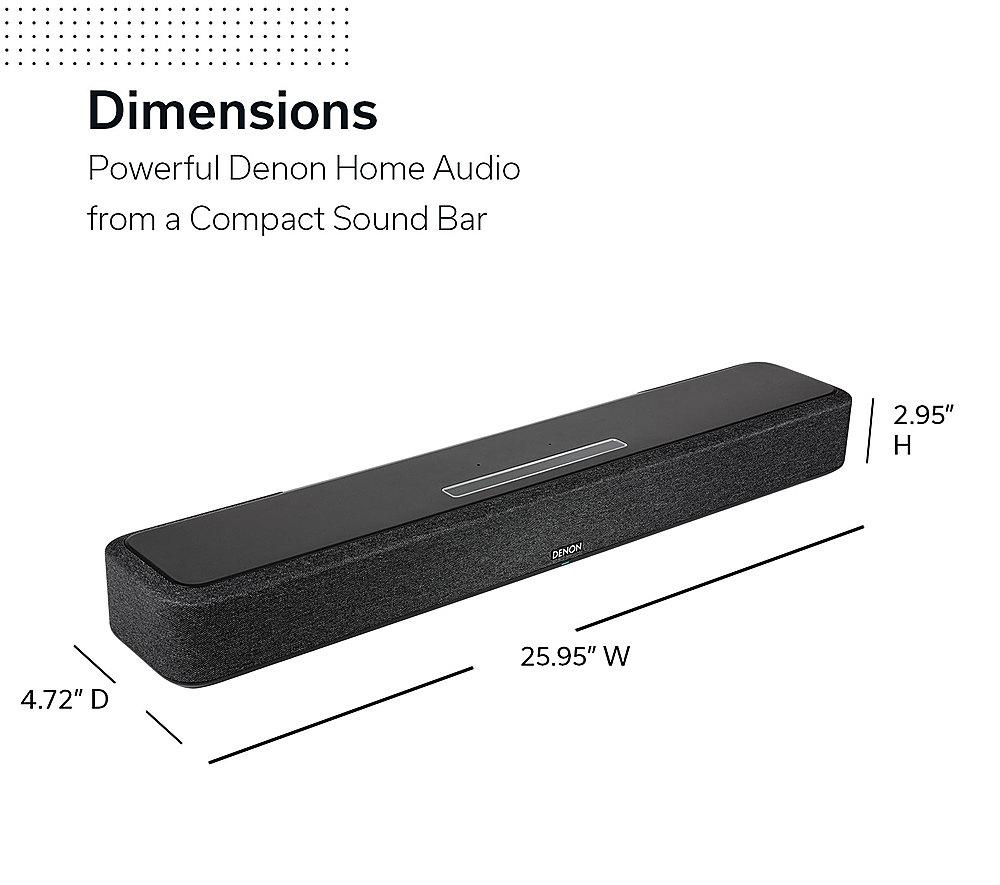
| Larger, more aggressive styling (35" wide) | Compact, minimalist design (26" wide) |
The Samsung HW-Q800D is better for movies due to its physical upward-firing drivers that create more convincing Dolby Atmos overhead effects. The included wireless subwoofer also provides deeper bass for action scenes. The Denon Home Sound Bar 550 offers excellent dialogue clarity but relies on virtual processing for surround effects.
The Samsung HW-Q800D costs around $800 and includes a wireless subwoofer. The Denon Home Sound Bar 550 starts at $519 for just the soundbar, but you'll need to add $300-400 for a matching subwoofer to get comparable performance, making the total cost similar or higher.
The Denon Home Sound Bar 550 is superior for music with more natural tonal balance, better instrument separation, and support for high-resolution audio up to 24-bit/192kHz. The Samsung HW-Q800D has a more aggressive sound signature that can enhance electronic music but may color acoustic recordings.
The Denon Home Sound Bar 550 is fully expandable through the HEOS platform - you can add wireless rear speakers and connect multiple rooms for whole-home audio. The Samsung HW-Q800D is a fixed system that cannot be expanded with additional components.
The Samsung HW-Q800D is simpler to set up since everything is included and pre-configured. Just connect the soundbar and place the wireless subwoofer. The Denon Home Sound Bar 550 requires more setup, especially if adding components or configuring multiroom audio through the HEOS app.
The Denon Home Sound Bar 550 works equally well with any TV brand and offers universal compatibility. The Samsung HW-Q800D works with all TVs but provides special Q-Symphony integration only with Samsung TVs, which synchronizes the TV speakers with the soundbar.
Both soundbars are similar for gaming, supporting 4K/60Hz passthrough but lacking 4K/120Hz for next-gen consoles. The Samsung HW-Q800D offers more impactful sound effects, while the Denon Home Sound Bar 550 provides clearer dialogue for story-driven games.
The Samsung HW-Q800D uses dedicated upward-firing drivers for authentic Dolby Atmos, creating genuine overhead sound effects. The Denon Home Sound Bar 550 uses virtual Dolby Atmos processing through advanced DSP, which creates a wide soundstage but less convincing height effects.
Value depends on your needs. The Samsung HW-Q800D offers better immediate value with everything included at $800. The Denon Home Sound Bar 550 provides better long-term value if you plan to expand the system or prioritize music quality over pure movie impact.
Yes, both the Samsung HW-Q800D and Denon Home Sound Bar 550 include built-in Amazon Alexa for voice control of volume, playback, and smart home integration. Both also work with their respective mobile apps for additional control options.
The Denon Home Sound Bar 550 is better for small rooms due to its more compact design and refined sound that won't overwhelm the space. The Samsung HW-Q800D is quite large and its more aggressive sound signature might be too much for smaller listening areas.
The Denon Home Sound Bar 550 excels at dialogue clarity with superior midrange reproduction and dedicated center channel processing. The Samsung HW-Q800D also offers good dialogue through its Active Voice Amplifier technology, but the Denon's more natural sound makes voices easier to understand consistently.
We've done our best to create useful and informative comparisons to help you decide what product to buy. Our research uses advanced automated methods to create this comparison and perfection is not possible - please contact us for corrections or questions. These are the sites we've researched in the creation of this article: techradar.com - valueelectronics.com - samsung.com - rtings.com - samsung.com - crutchfield.com - samsung.com - samsung.com - samsung.com - shidirect.com - consumerreports.org - soundandvision.com - crutchfield.com - rtings.com - crutchfield.com - gzhls.at - denon.com - walmart.com - youtube.com - whathifi.com - bestbuy.com

Privacy Policy
Terms and Conditions - Affiliate Policy
Home Security
© Copyright 2008-2026.
11816 Inwood Rd #1211, Dallas, TX 75244