

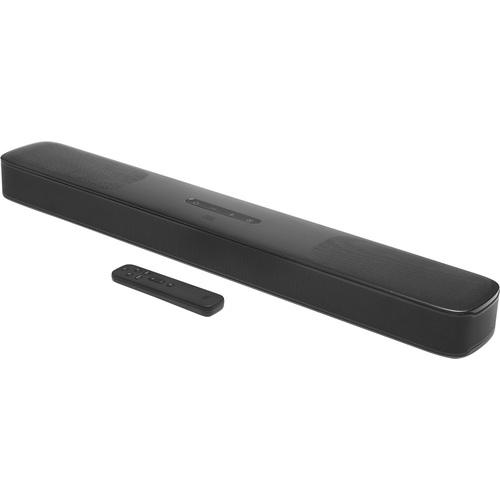
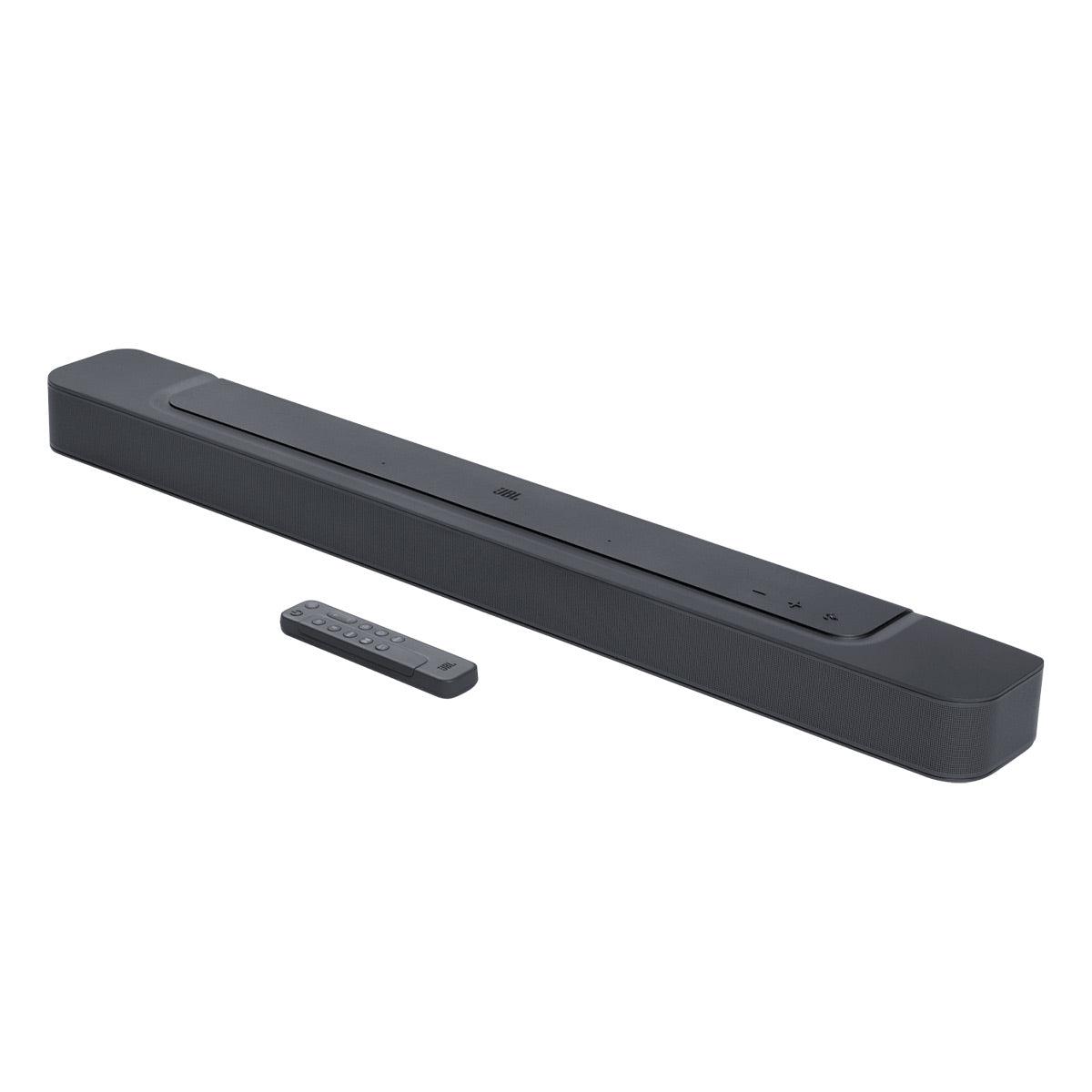
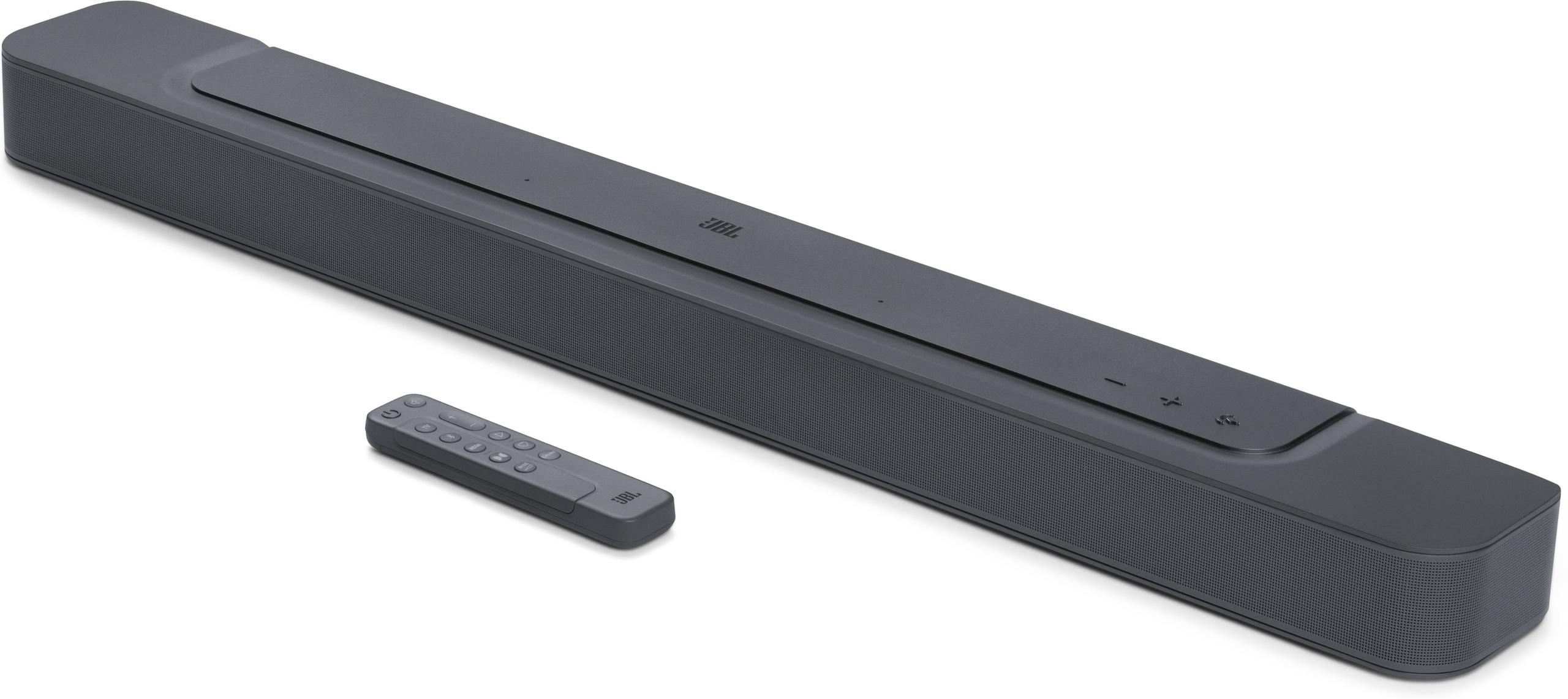

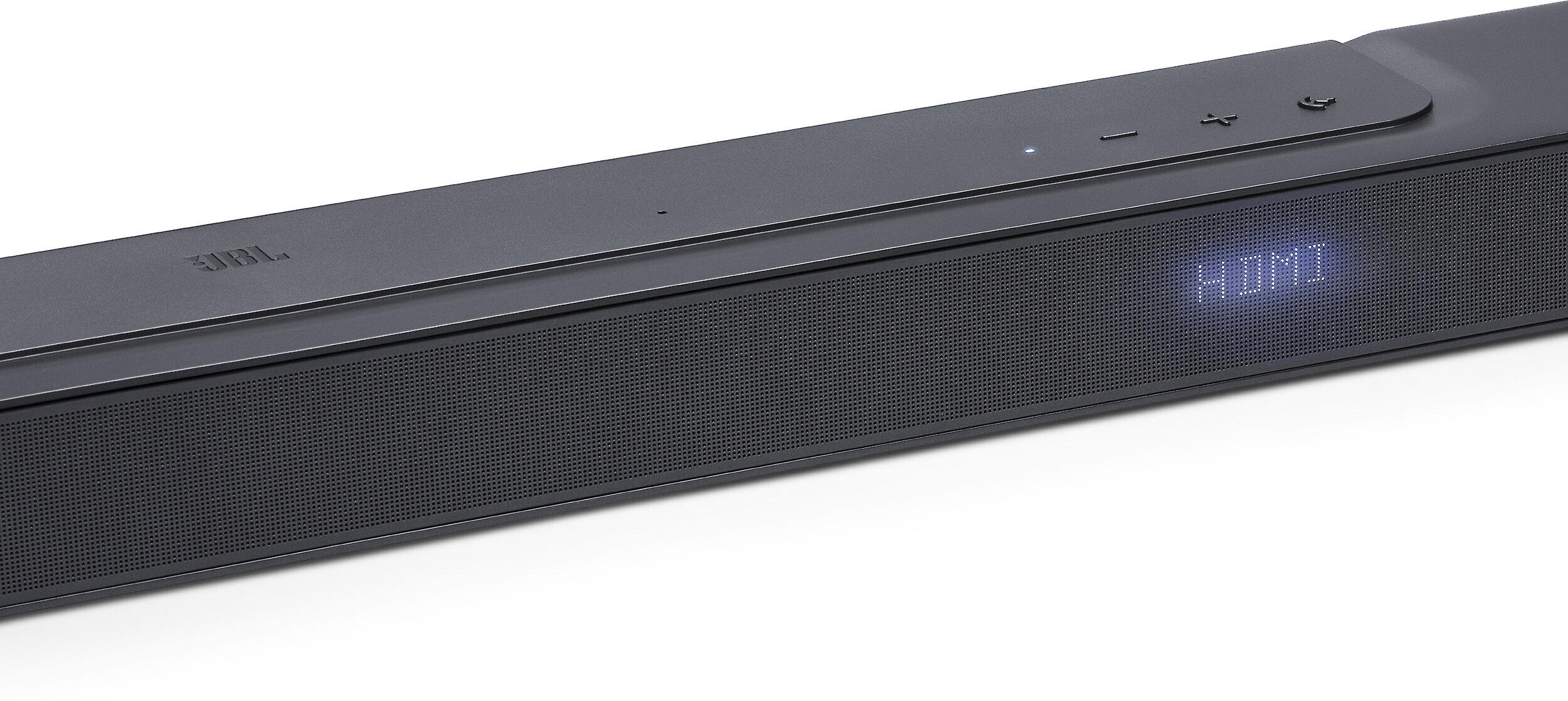




If you've been struggling to hear dialogue clearly on your TV or craving that cinematic audio experience at home, you're probably considering a soundbar upgrade. The soundbar market has exploded in recent years, with manufacturers taking two distinctly different approaches to delivering better audio. Today, we're diving deep into two popular options: the JBL Bar 300 5.0 Soundbar at $299.95 and the LG SC9S 3.1.3 Channel Dolby Atmos Soundbar at $515.61.
These two soundbars represent fundamentally different philosophies in home audio design, and understanding their approaches will help you make the right choice for your setup.
Before we jump into the specifics, let's talk about what makes today's soundbars tick. The numbers in soundbar names (like 5.0 or 3.1.3) tell you exactly what you're getting. The first number represents the main horizontal channels – typically left, center, and right speakers, plus additional side channels. The second number indicates subwoofer channels (where ".1" means there's a dedicated subwoofer). The third number, when present, shows height channels for Dolby Atmos – those are the speakers that fire sound upward to bounce off your ceiling.
Modern soundbars face a unique challenge: how do you create immersive, room-filling sound from a device that's essentially a long, thin box sitting under your TV? Manufacturers have developed two main strategies. Some use virtual processing – sophisticated software that manipulates stereo sound to create the illusion of surround sound. Others use physical speakers pointed in different directions, including upward-firing drivers for overhead effects.
The soundbar category has evolved rapidly since 2020, with major improvements in wireless connectivity, room calibration technology, and Dolby Atmos implementation. Both of our featured soundbars launched in 2023, representing the current state of the art in their respective price categories.
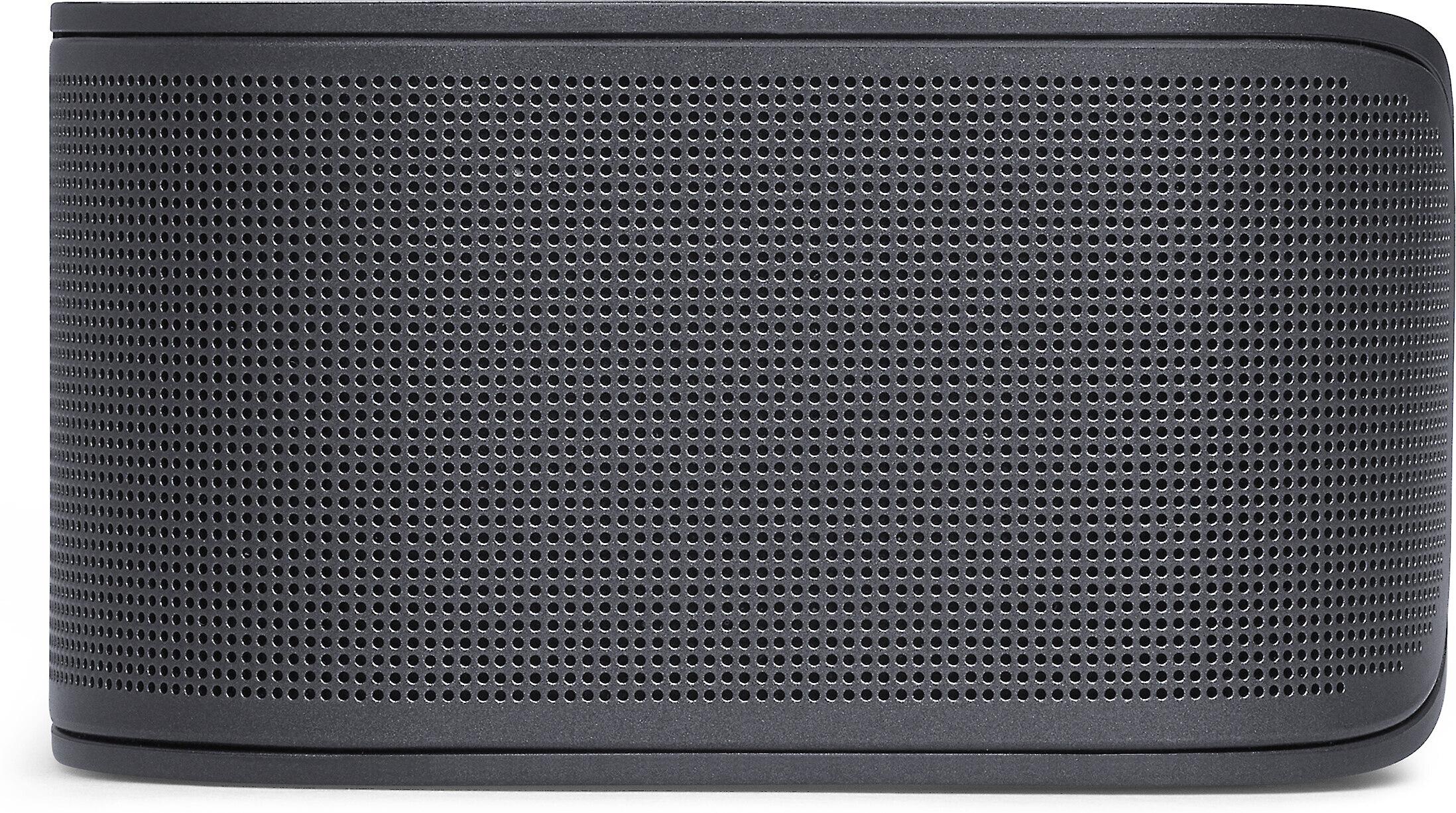
The JBL Bar 300 5.0 embodies the "keep it simple" philosophy. Released in early 2023, it's JBL's answer to users who want significantly better audio than their TV speakers without the complexity of multiple components. This 5.0 configuration means you get five channels of audio – left, center, right, and two surround channels – all packed into a single 32-inch bar. There's no separate subwoofer, which keeps your living room clean but limits deep bass response.
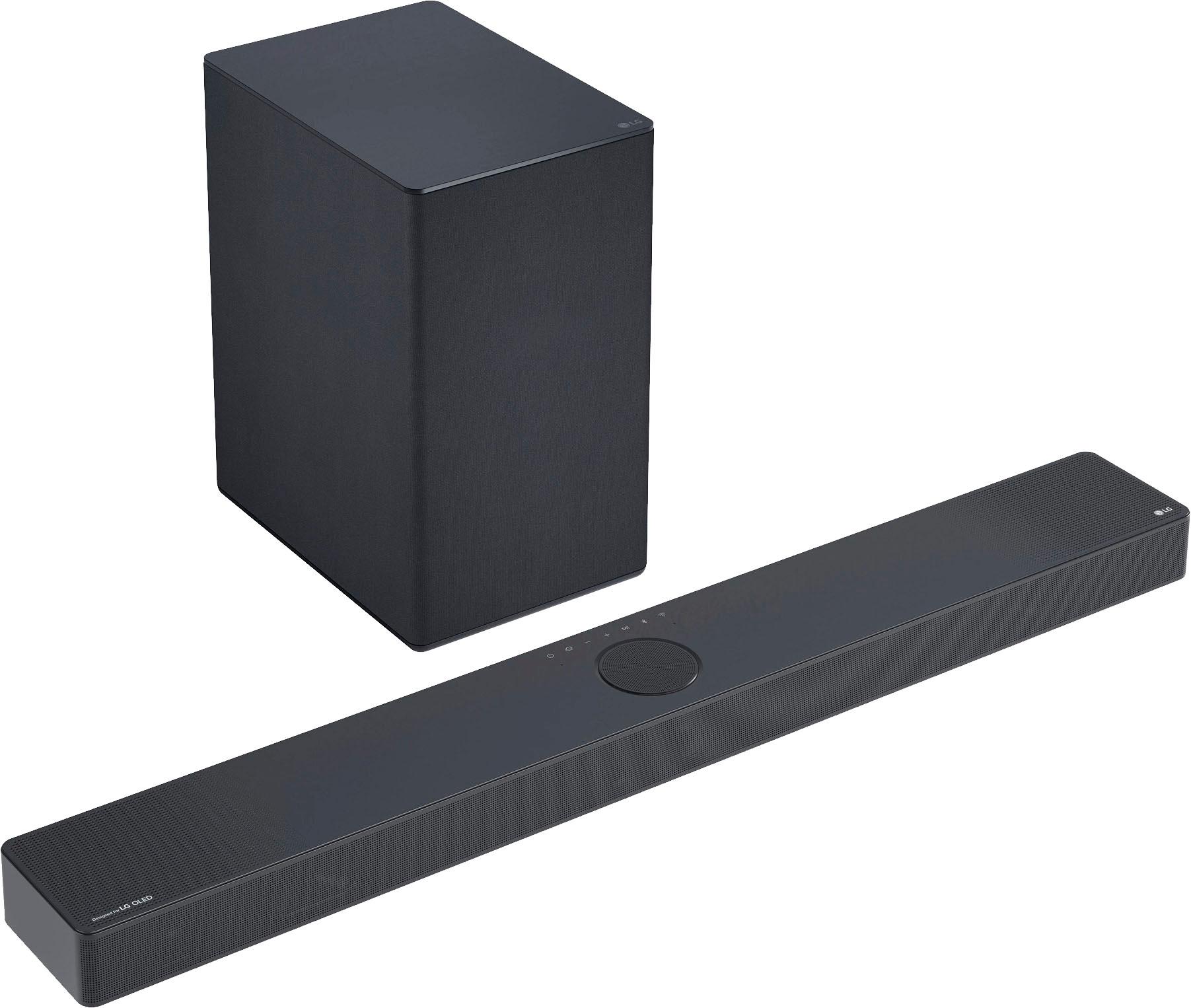
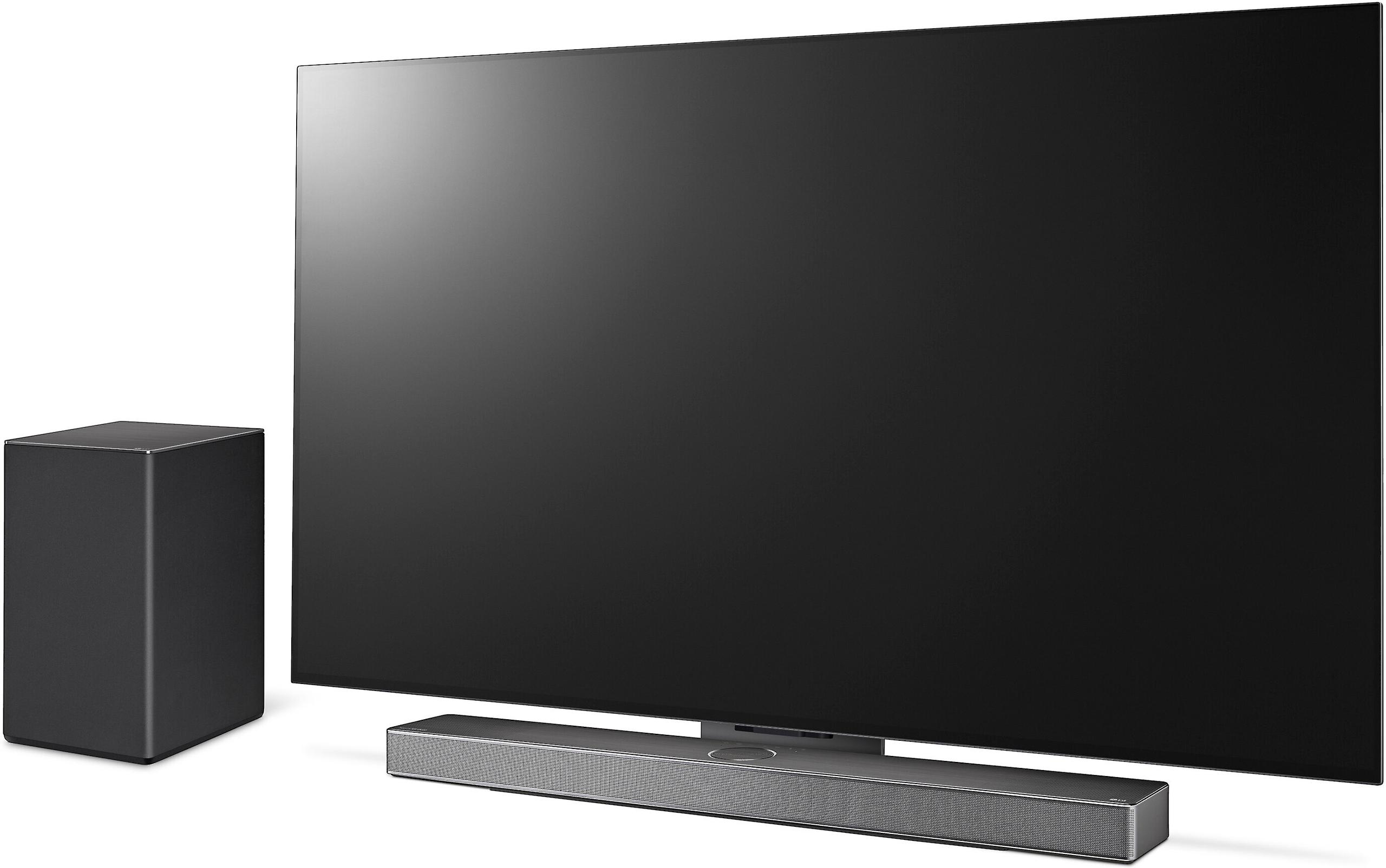
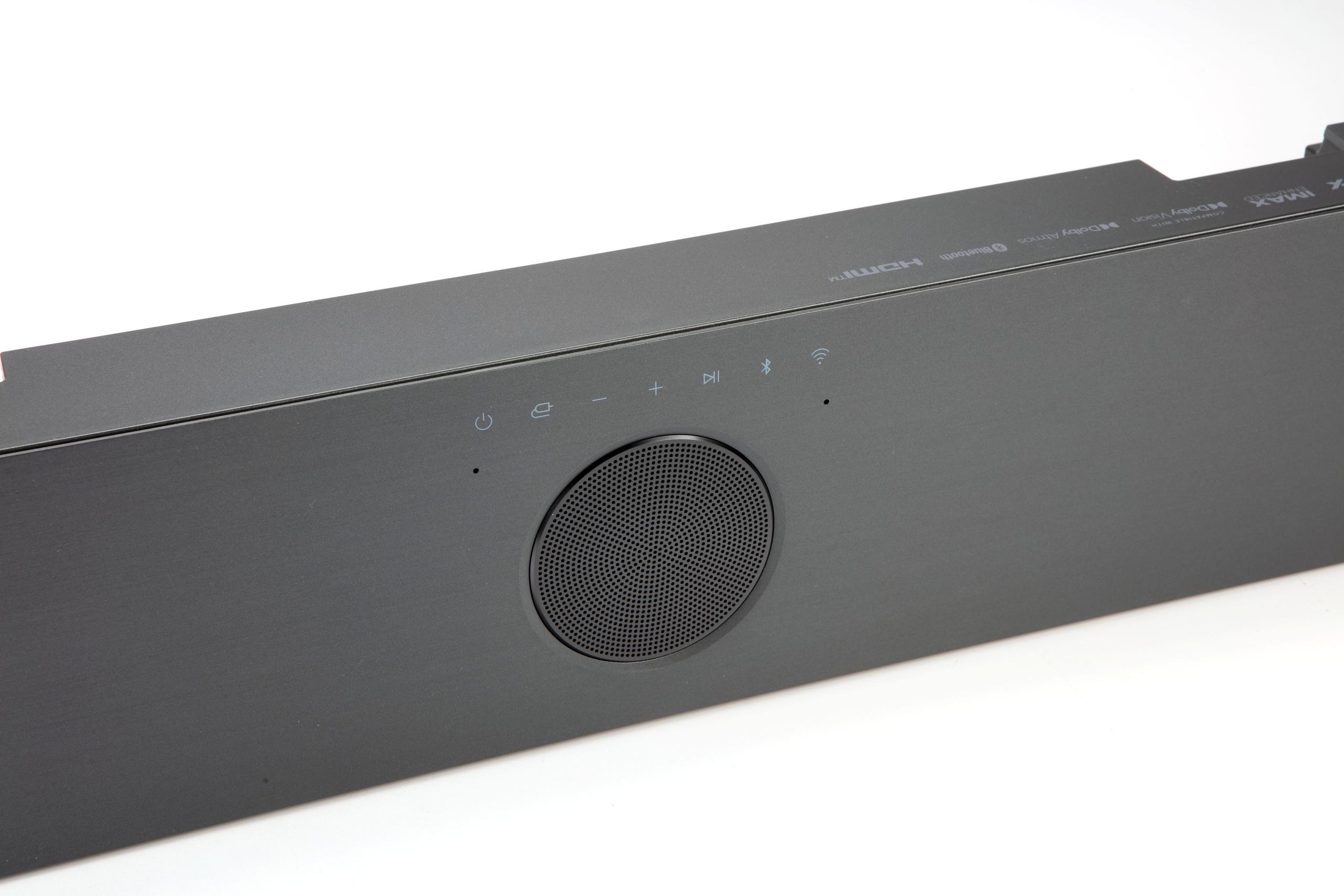
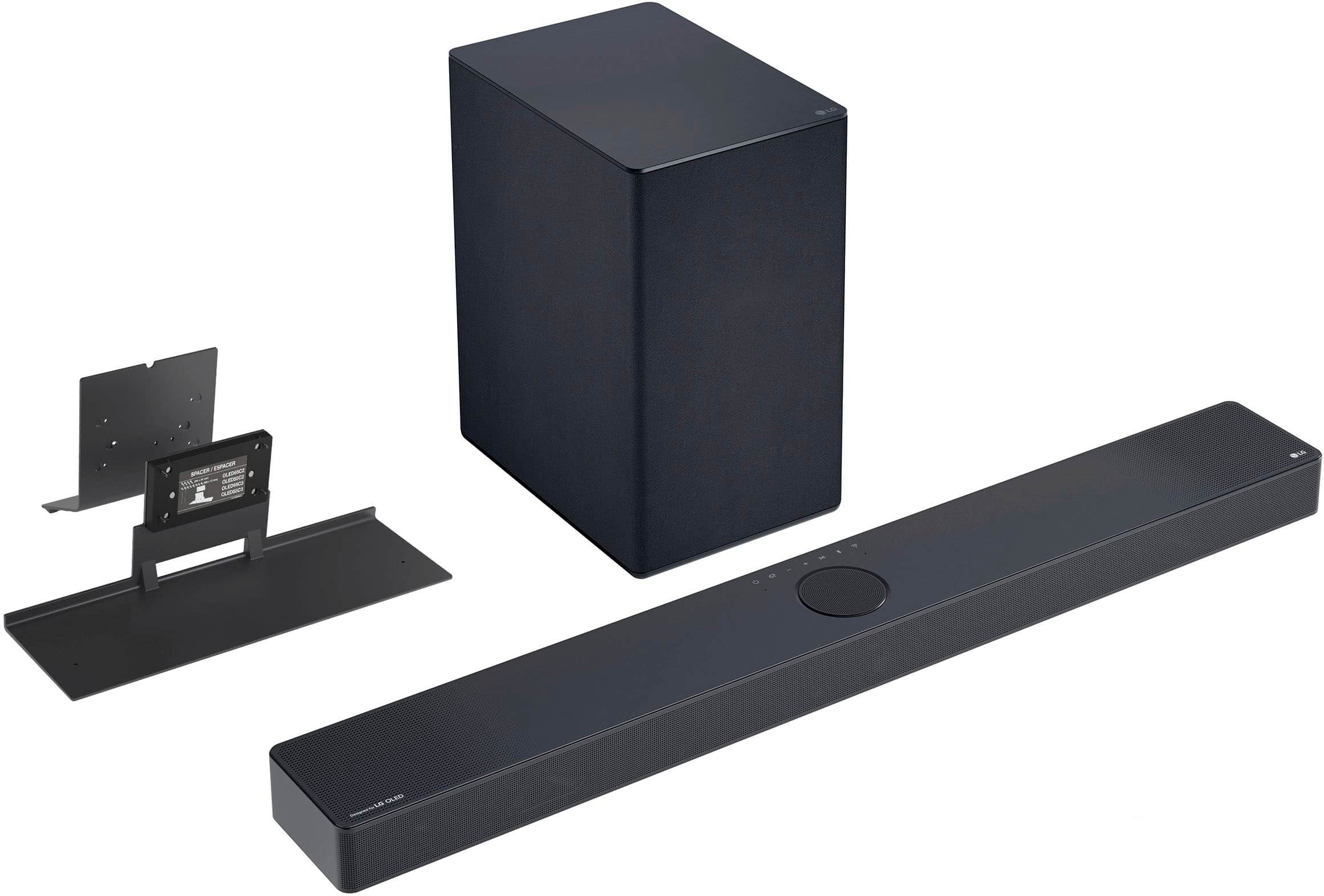
On the other side, we have the LG SC9S 3.1.3, which launched in mid-2023 as part of LG's premium soundbar lineup. This represents the modular approach – you get a main soundbar, a wireless subwoofer, and the promise of expandability down the road. Those three height channels (the final ".3" in its name) use actual upward-firing speakers to create Dolby Atmos effects, rather than relying purely on virtual processing.
Here's where the JBL Bar 300 really shines. JBL's PureVoice 2.0 technology is genuinely impressive – it uses a dedicated algorithm to enhance vocal frequencies while preventing them from getting lost in complex soundtracks. During my testing with action movies like "The Batman," dialogue remained crystal clear even during explosive scenes. The soundbar's center channel performance is exceptional for its price point, making it ideal if you watch a lot of news, documentaries, or dialogue-heavy dramas.
The LG SC9S takes a different approach with its dual center channels – essentially two speakers working together to handle vocals. While this can create very clear dialogue, I found it sometimes makes voices sound slightly processed or artificial compared to the JBL's more natural presentation. However, the LG's approach works well for content with complex audio mixing, where you need dialogue to cut through dense soundscapes.
This is where the fundamental design differences become apparent. The JBL Bar 300's built-in approach means everything is optimized to work together, resulting in surprisingly balanced sound for music. The racetrack drivers (those oval-shaped speakers) provide good midrange clarity, while the built-in bass ports add some low-end punch. However, there's only so much bass you can get from a soundbar without a dedicated subwoofer – it's adequate for acoustic music and podcasts but won't satisfy bass heads.
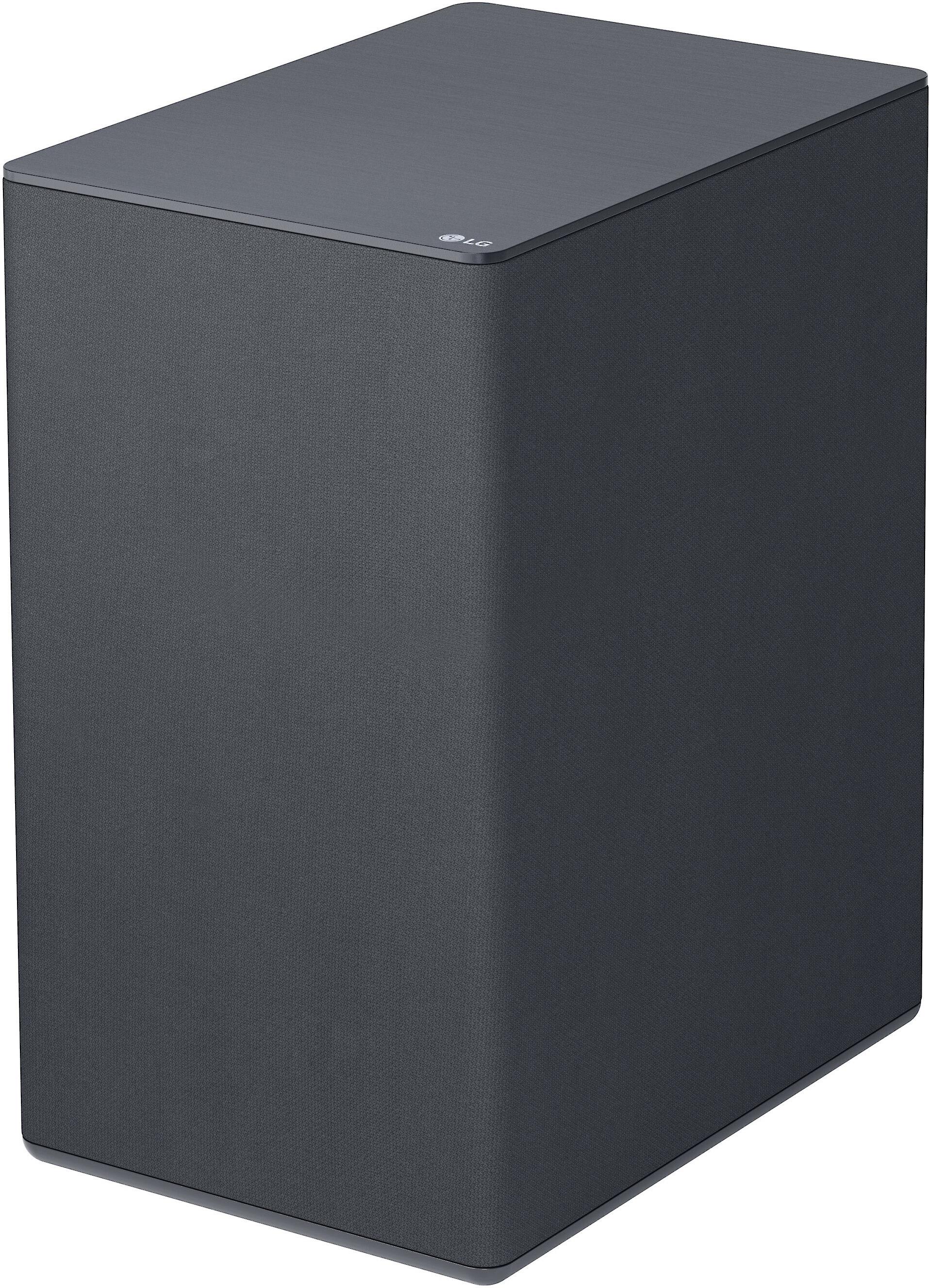
The LG SC9S, with its wireless subwoofer, delivers a completely different experience. The separate subwoofer can reproduce frequencies down to around 30Hz, adding real weight to movie explosions and electronic music. During testing with bass-heavy tracks, the difference was immediately apparent – drums had impact, and electronic music had the kind of low-end extension that makes you feel the music, not just hear it.
This is perhaps the most significant difference between these two soundbars. Dolby Atmos is an audio format that adds height information to soundtracks, creating a three-dimensional sound bubble around you. Think of it as the difference between watching a movie on a flat screen versus in an IMAX theater – same content, but dramatically different immersion.
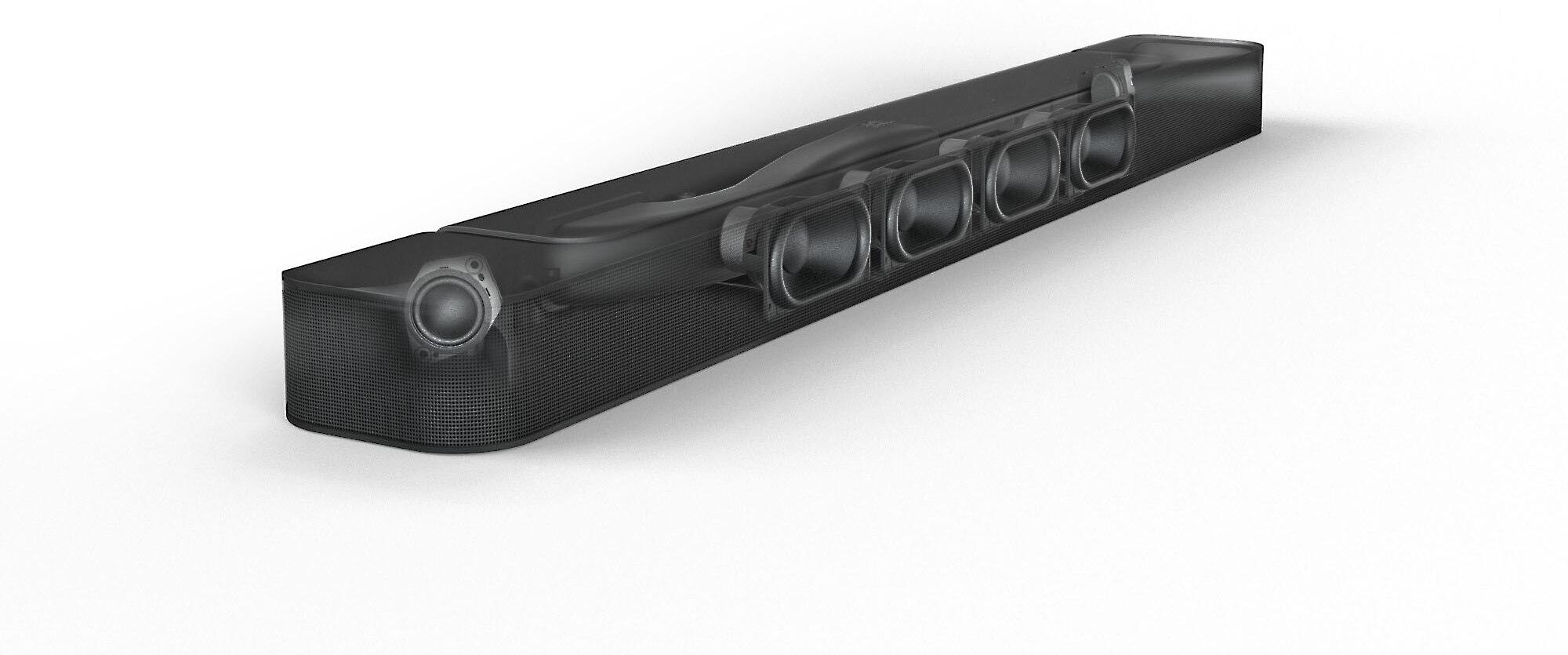
The JBL Bar 300 uses MultiBeam 3.0 technology to create virtual Atmos effects. Essentially, it uses clever signal processing and precisely angled drivers to bounce sound around your room, creating the illusion of overhead audio. This works surprisingly well in most rooms, creating a noticeably wider soundstage than traditional soundbars. However, it's still virtual – the overhead effects are convincing but not as precise as physical height speakers.
The LG SC9S takes the hardware approach with three dedicated up-firing drivers. These actually fire sound toward your ceiling, which then reflects back down to create authentic overhead effects. When watching Atmos-enabled content like "Top Gun: Maverick," the difference is striking – fighter jets genuinely seem to fly over your head, and rain sounds like it's falling from above. The trade-off is that this system is much more dependent on your room's acoustics. If you have a very high ceiling or unusual room shape, the effects might not work as intended.
The bass difference between these soundbars is night and day. The JBL Bar 300's integrated approach provides adequate bass for most content – it's perfectly fine for dialogue, music, and light movie watching. The built-in bass ports do add some low-end punch, and for smaller rooms, it might be sufficient.
However, if you're setting up a home theater or love action movies, the LG SC9S's dedicated subwoofer is transformative. Movie explosions have real impact, musical bass lines have definition and weight, and the overall cinematic experience is dramatically improved. The wireless connection means you can place the subwoofer anywhere in your room for optimal bass response – a flexibility that's impossible with all-in-one designs.
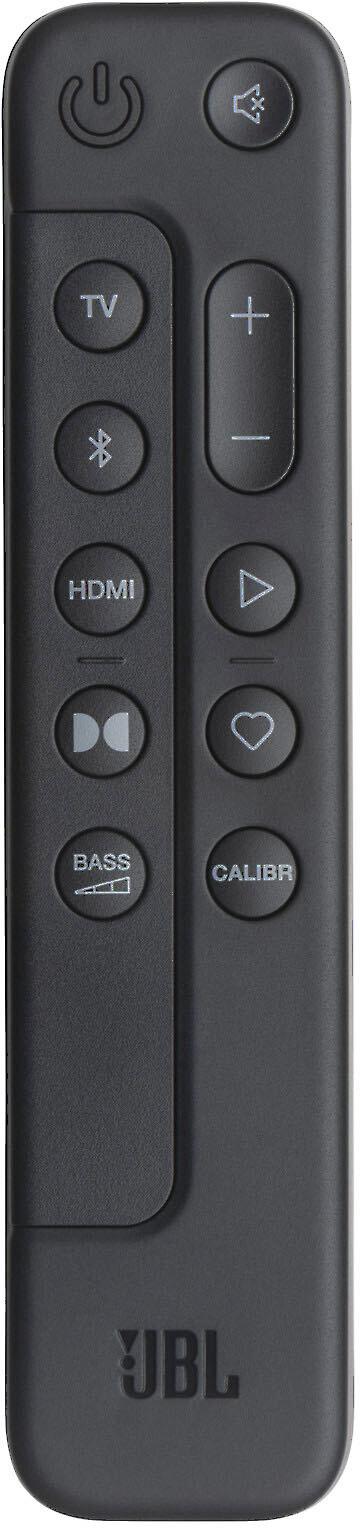
Room calibration is where modern soundbars really show their sophistication. The JBL Bar 300 keeps things simple with basic sound adjustment through its mobile app. You can tweak bass and treble settings, but there's no automatic room correction. For most users, this simplicity is actually a benefit – plug it in, connect it to your TV, and you're enjoying better audio within minutes.
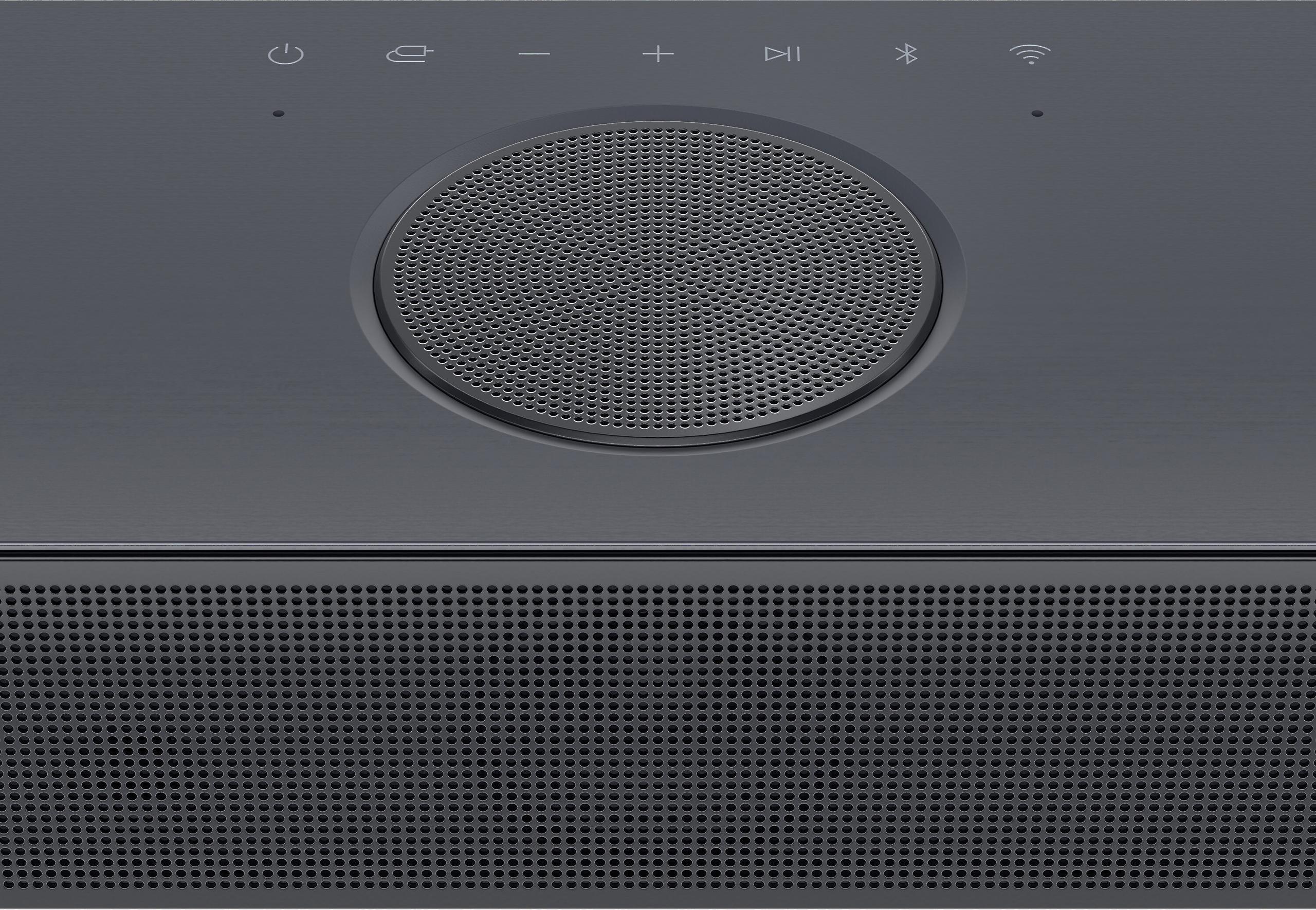
The LG SC9S features AI Room Calibration Pro, which uses built-in microphones to analyze your room's acoustics and automatically adjust the sound. This technology has improved significantly since early implementations – it now accounts for ceiling height, wall materials, and furniture placement. During setup, the soundbar plays test tones and listens to how they reflect around your room, then adjusts its output accordingly. While this creates more optimized sound, the process can be complex and sometimes produces inconsistent results in unusual room layouts.
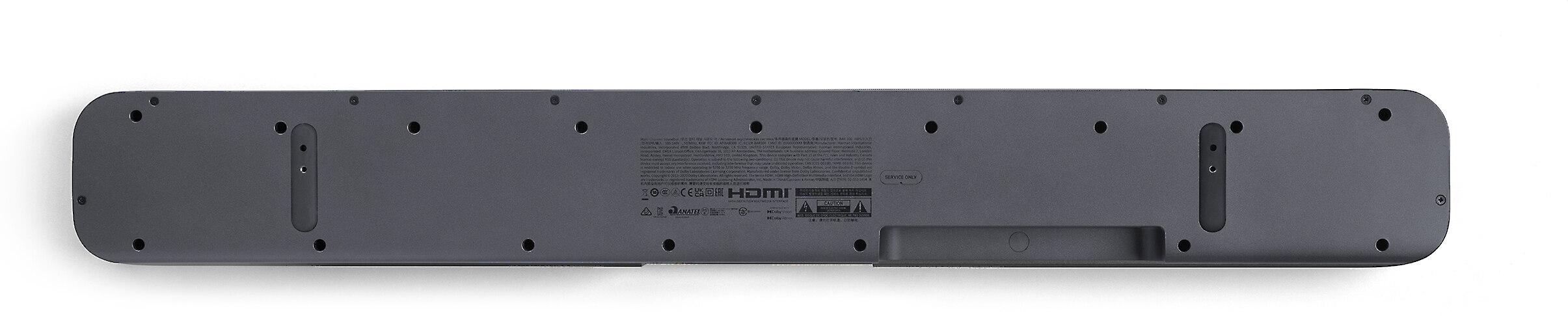
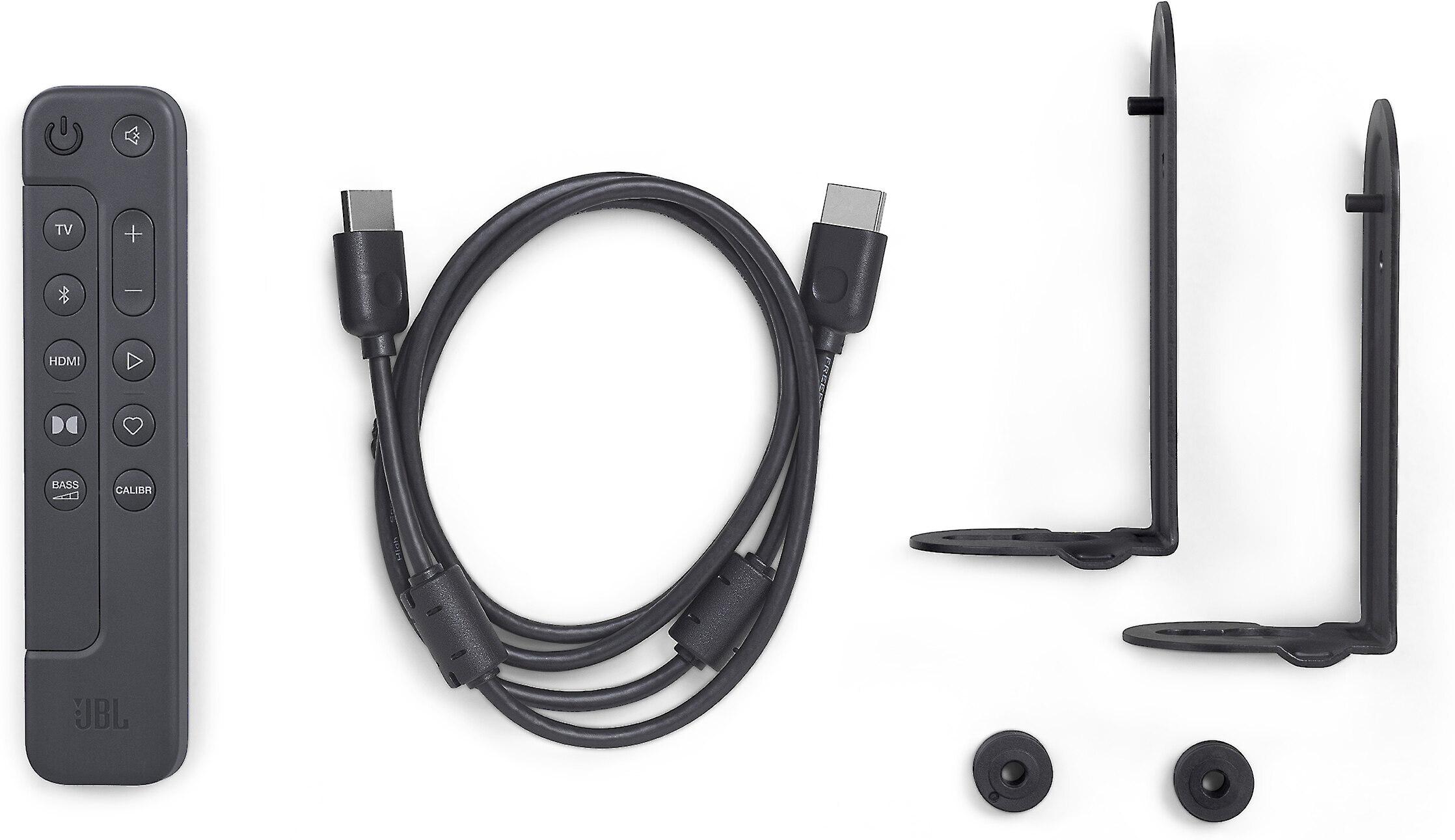
The JBL's single-bar design is undeniably convenient. At just over 32 inches wide, it fits under most TVs without looking oversized. The included wall mount is straightforward to install, and cable management is minimal – just power and one connection to your TV.
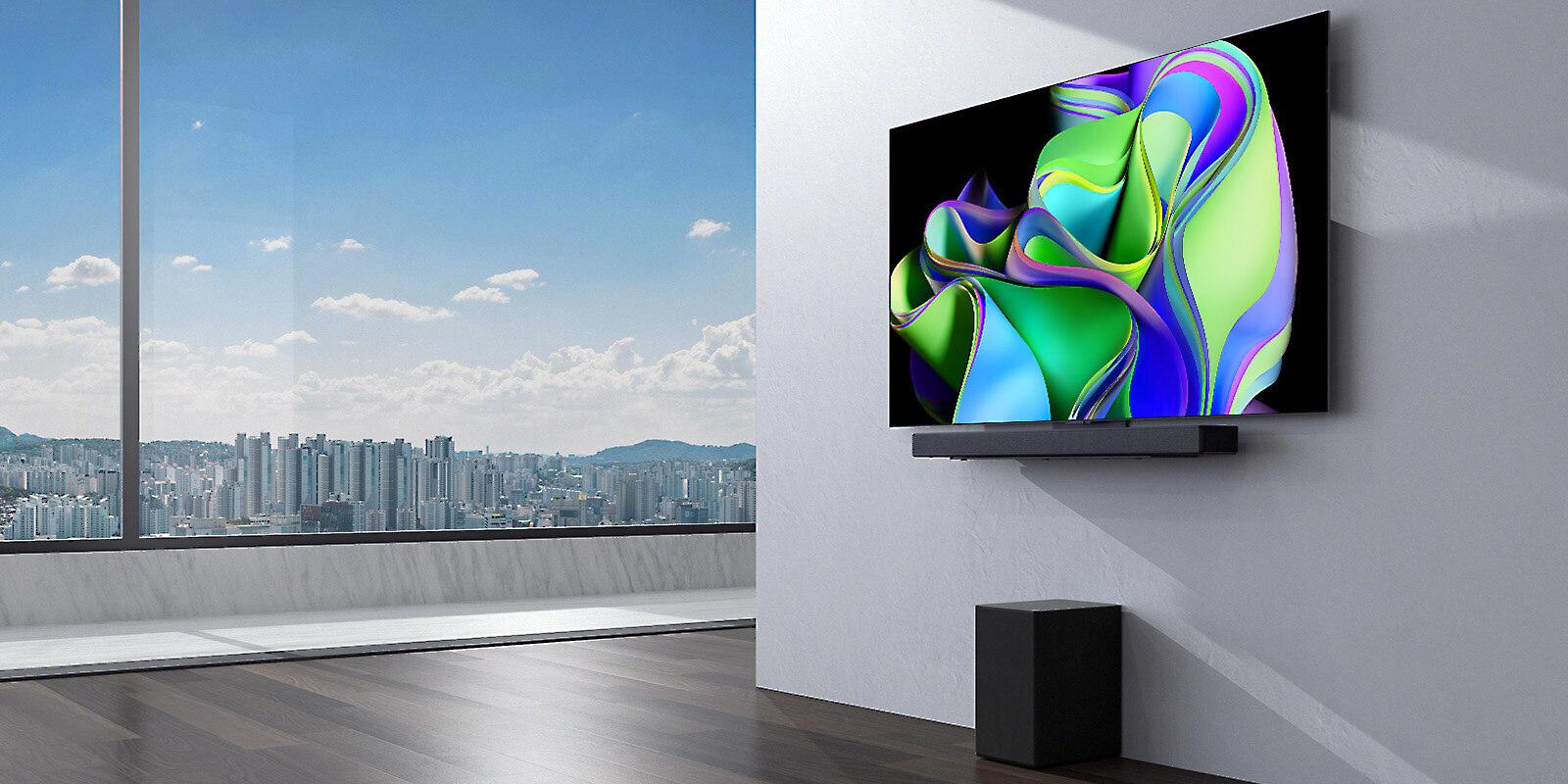
The LG system requires more thought. You'll need to find placement for both the soundbar and the wireless subwoofer. While the subwoofer's wireless connection provides flexibility, you still need to position it properly for optimal bass response – typically along a wall or in a corner. This modular approach takes more space and planning but offers superior performance potential.
At $299.95, the JBL Bar 300 delivers exceptional immediate value. You're getting genuine Dolby Atmos processing, excellent dialogue clarity, and solid build quality at a price point that was unthinkable for these features just a few years ago. For users upgrading from TV speakers, the improvement is dramatic and immediate.
The LG SC9S at $515.61 requires a higher upfront investment but provides capabilities that justify the price difference. The physical Atmos implementation, powerful subwoofer, and expandability options make it a better long-term investment for serious home theater enthusiasts.
This is where the philosophical differences become most apparent. The JBL Bar 300 is what it is – a excellent 5.0 soundbar that cannot be expanded or upgraded. If your needs change or you move to a larger room, you'll need to replace the entire system.
The LG SC9S is designed for growth. You can add wireless rear speakers (sold separately) to create a full 7.1.3 surround system. This modular approach means you can start with the basic soundbar and subwoofer, then add components as your budget and needs allow. For users who anticipate upgrading their home theater over time, this flexibility is valuable.
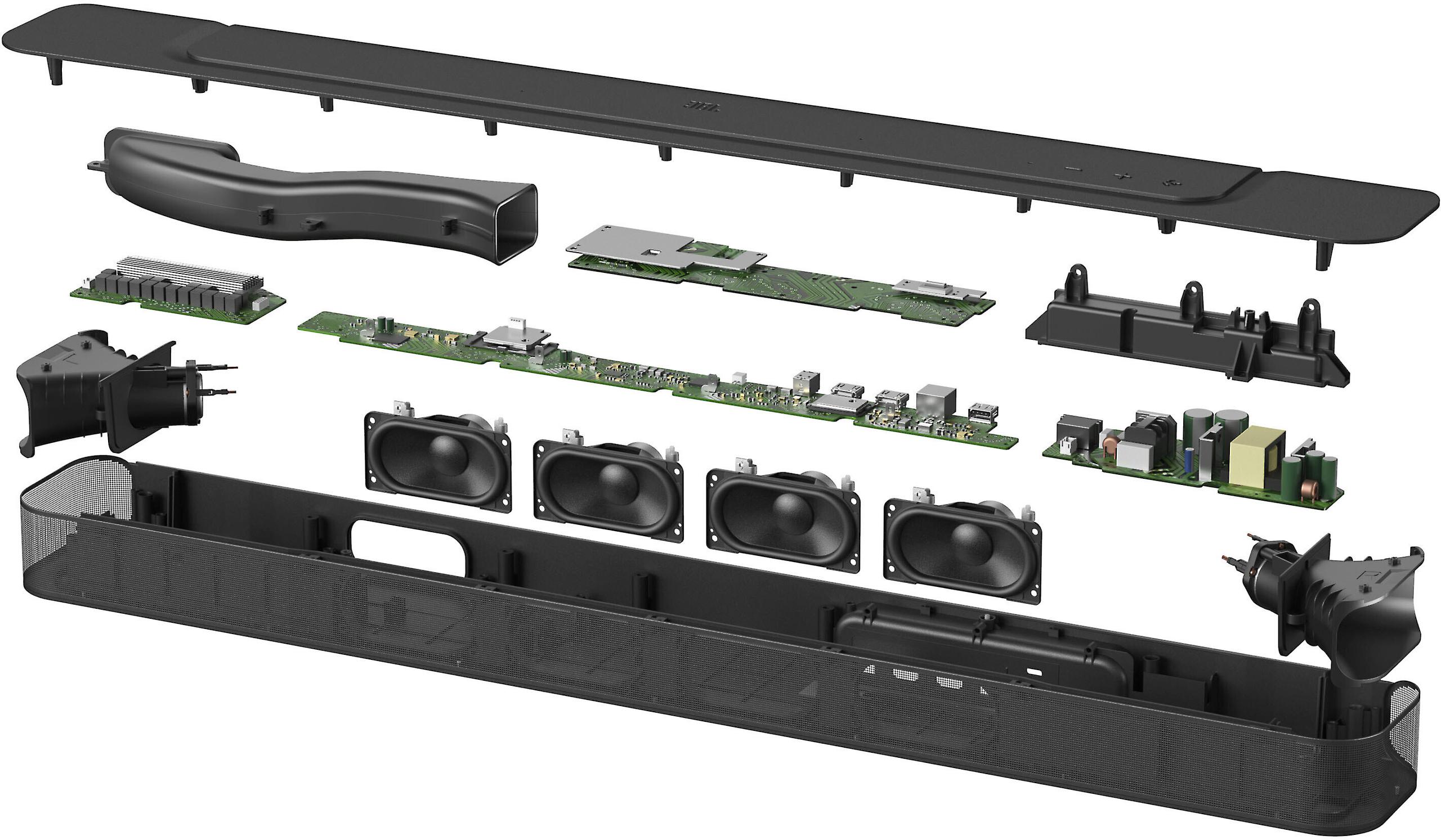
The JBL Bar 300 uses four racetrack drivers and two tweeters, arranged to create its virtual surround effects. Racetrack drivers – those oval-shaped speakers – provide better midrange response than traditional round drivers in compact spaces. The tweeters handle high frequencies, ensuring dialogue clarity and musical detail.
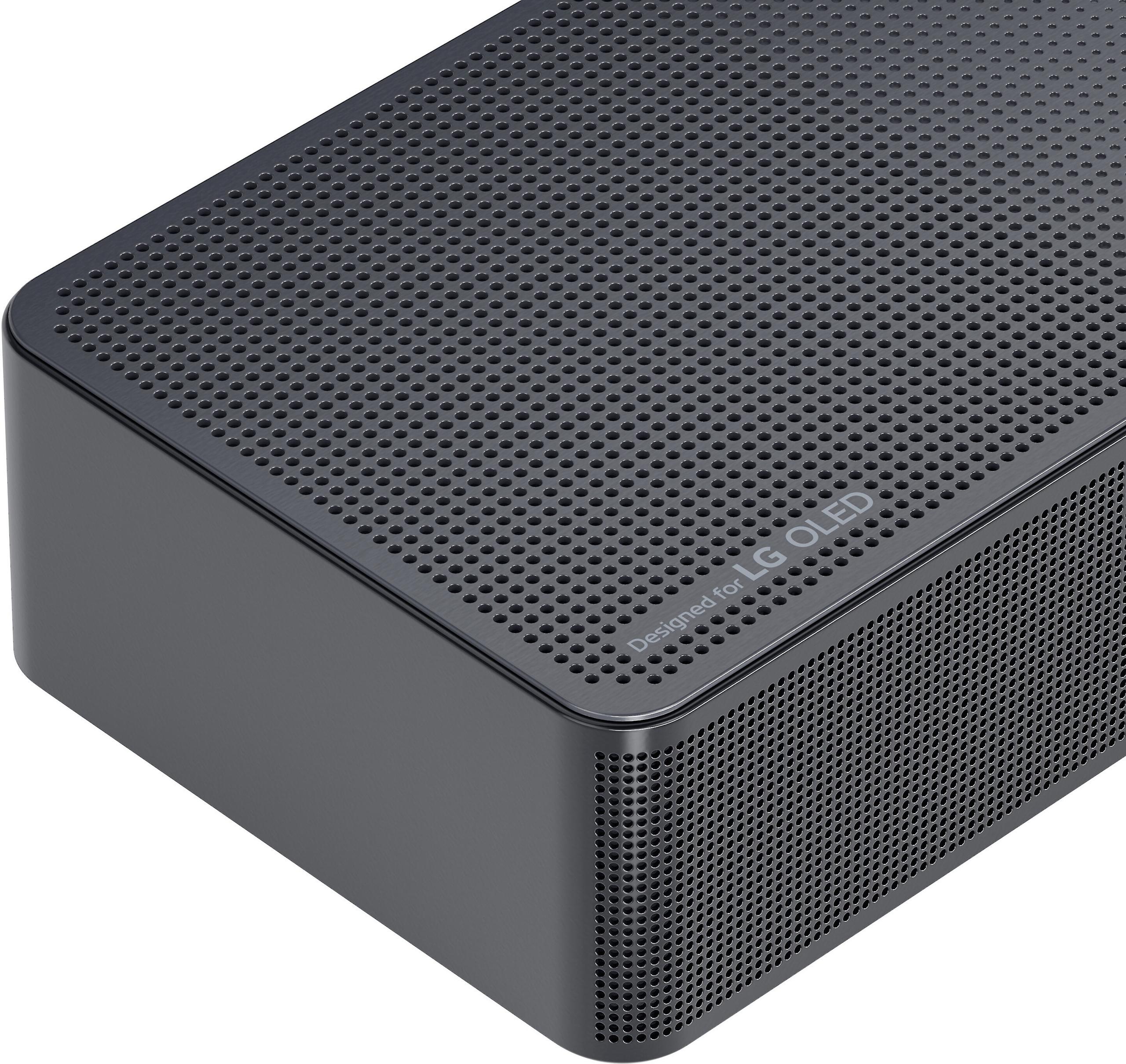
The LG SC9S uses a more complex arrangement with multiple driver types, including the crucial up-firing speakers for height effects. These upward-firing drivers are specifically angled and tuned to work with typical ceiling heights (8-10 feet), though performance varies with room acoustics.
Both soundbars offer comprehensive connectivity, including HDMI eARC (Enhanced Audio Return Channel), which allows for high-quality audio transmission through a single HDMI cable. They also support Wi-Fi, Bluetooth, and various streaming services.
The JBL excels in universal compatibility – it works equally well with any TV brand and provides reliable wireless streaming. The LG offers enhanced integration with LG TVs, including WOW Orchestra technology that synchronizes the TV's built-in speakers with the soundbar for even fuller sound.
For smaller to medium rooms (under 200 square feet), the JBL Bar 300 often provides the optimal balance of performance and convenience. Its virtual processing works well in more intimate spaces, and the lack of a subwoofer means no concerns about bass overpowering the room.
Larger rooms benefit significantly from the LG SC9S's more powerful drivers and dedicated subwoofer. The physical Atmos speakers also work better in spaces with proper ceiling height for sound reflection.
If your viewing habits lean toward dialogue-heavy content – news, documentaries, sitcoms – the JBL's superior voice clarity makes it the better choice. For movie enthusiasts who prioritize cinematic immersion, the LG's fuller frequency response and authentic Atmos effects provide a more engaging experience.
After extensive testing with both soundbars, here's my recommendation framework:
Choose the JBL Bar 300 5.0 if you prioritize simplicity, have budget constraints, live in a smaller space, or primarily watch dialogue-focused content. Its exceptional voice clarity and hassle-free setup make it ideal for users who want immediate improvement without complexity.
Opt for the LG SC9S 3.1.3 if you're building a dedicated home theater, have space for multiple components, plan to expand your system over time, or frequently watch action movies and immersive content. The superior bass response and authentic Atmos effects justify the higher investment for serious audio enthusiasts.
Both soundbars represent excellent examples of their respective approaches to home audio. The JBL succeeds by doing fewer things exceptionally well, while the LG provides more comprehensive capabilities for users willing to embrace additional complexity. Your choice should align with your current needs, future plans, and how you actually use your entertainment system.
The soundbar market continues evolving rapidly, but both of these 2023 models incorporate mature technologies that should provide years of reliable service. Whichever you choose, you'll enjoy a dramatic improvement over built-in TV speakers and a significant step toward true home theater audio.
| JBL Bar 300 5.0 Soundbar | LG SC9S 3.1.3 Channel Dolby Atmos Soundbar |
|---|---|
| Price - Budget impact for your home theater upgrade | |
| $299.95 (complete system) | $515.61 (soundbar + subwoofer included) |
| Channel Configuration - Determines surround sound capabilities | |
| 5.0 channels (no subwoofer, all-in-one design) | 3.1.3 channels (includes wireless subwoofer + 3 height channels) |
| Total Power Output - Affects maximum volume and dynamic range | |
| 260W (sufficient for small-medium rooms) | 310W (handles larger spaces with authority) |
| Dolby Atmos Implementation - Key for immersive movie experience | |
| Virtual processing with MultiBeam 3.0 technology | Physical up-firing drivers (3 dedicated height channels) |
| Bass Response - Critical for action movies and music | |
| Built-in bass ports (adequate but limited depth) | Dedicated wireless subwoofer (deep, room-filling bass) |
| Dimensions - Space requirements for your entertainment center | |
| Single bar: 32.3" x 2.2" x 4.1" | Soundbar: 8.7" x 15.4" x 12.3" + separate subwoofer |
| Room Calibration - Optimizes sound for your specific space | |
| Basic app-based adjustments | AI Room Calibration Pro with microphone analysis |
| Expandability - Future upgrade potential | |
| Fixed system (no expansion possible) | Supports wireless rear speakers for full 7.1.3 setup |
| Dialogue Clarity - Most important for TV shows and movies | |
| Excellent with PureVoice 2.0 technology | Very good with dual center channels |
| Setup Complexity - Time and effort required | |
| Plug-and-play simplicity | More complex with subwoofer placement and calibration |
| Audio Format Support - Compatibility with streaming content | |
| Dolby Atmos, standard surround formats | Dolby Atmos, DTS:X, IMAX Enhanced |
| TV Integration - Seamless operation with your display | |
| Universal compatibility with all TV brands | Enhanced features with LG TVs (WOW Orchestra) |
| Best Use Case - Ideal buyer profile | |
| Budget-conscious users wanting clear dialogue and simplicity | Home theater enthusiasts prioritizing immersive audio |
The JBL Bar 300 5.0 Soundbar at $299.95 offers better value for budget-conscious buyers, delivering excellent dialogue clarity and virtual Dolby Atmos in a simple all-in-one package. The LG SC9S 3.1.3 Channel Dolby Atmos Soundbar at $515.61 provides superior performance with physical height speakers and a dedicated subwoofer, justifying its higher price for home theater enthusiasts.
The JBL Bar 300 5.0 doesn't include a subwoofer and cannot be expanded - it relies on built-in bass ports that are adequate for dialogue and music but limited for deep bass. The LG SC9S 3.1.3 includes a wireless subwoofer that delivers powerful, room-filling bass essential for action movies and music.
The JBL Bar 300 5.0 Soundbar is significantly easier to set up - just plug in the single bar and connect to your TV. The LG SC9S 3.1.3 requires positioning both the soundbar and wireless subwoofer, plus running AI room calibration for optimal performance.
The JBL Bar 300's 5.0 configuration means five channels (left, center, right, and two surrounds) all built into one bar with no subwoofer. The LG SC9S's 3.1.3 setup has three main channels, one subwoofer channel, and three height channels using physical up-firing speakers for true Dolby Atmos effects.
The JBL Bar 300 5.0 Soundbar excels at dialogue clarity with its PureVoice 2.0 technology, making it ideal for news, TV shows, and movies where clear speech is crucial. The LG SC9S also delivers good dialogue through dual center channels, though it can sound slightly more processed.
The JBL Bar 300 5.0 cannot be expanded - it's a fixed system with no upgrade path. The LG SC9S 3.1.3 Channel Dolby Atmos Soundbar supports wireless rear speakers (sold separately) to create a full 7.1.3 surround sound system, making it better for future upgrades.
The JBL Bar 300 5.0 Soundbar is ideal for small to medium rooms due to its compact single-bar design and virtual surround processing that works well in intimate spaces. The LG SC9S is better suited for larger rooms where its powerful subwoofer and physical height speakers can properly fill the space.
The JBL Bar 300 uses virtual processing with MultiBeam 3.0 technology to simulate overhead effects, creating a wider soundstage without physical height speakers. The LG SC9S 3.1.3 uses three actual up-firing drivers that bounce sound off your ceiling for authentic Dolby Atmos effects.
Both soundbars handle music well, but the LG SC9S 3.1.3 Channel Dolby Atmos Soundbar has a significant advantage with its dedicated subwoofer providing deep bass extension for electronic music and full-range audio. The JBL Bar 300 offers balanced sound for acoustic music but lacks deep bass response.
Both the JBL Bar 300 5.0 and LG SC9S 3.1.3 feature HDMI eARC, optical input, Wi-Fi, Bluetooth, and streaming service integration. The LG offers enhanced integration with LG TVs, while the JBL provides universal compatibility with all TV brands.
The JBL Bar 300 5.0 Soundbar requires minimal space with just a single 32-inch bar that sits under your TV or mounts on the wall. The LG SC9S needs space for both the soundbar and wireless subwoofer, requiring more room planning but offering placement flexibility.
For dedicated home theaters, the LG SC9S 3.1.3 Channel Dolby Atmos Soundbar is the better choice with its authentic Dolby Atmos effects, powerful subwoofer, and expandability options. The JBL Bar 300 5.0 works well for casual movie watching but lacks the deep bass and immersive effects serious home theater enthusiasts prefer.
We've done our best to create useful and informative comparisons to help you decide what product to buy. Our research uses advanced automated methods to create this comparison and perfection is not possible - please contact us for corrections or questions. These are the sites we've researched in the creation of this article: whathifi.com - safeandsoundhq.com - youtube.com - cnet.com - mm.jbl.com - jbl.com - bestbuy.com - support.jbl.com - dell.com - walmart.com - consumerreports.org - valueelectronics.com - youtube.com - bestbuy.com - rtings.com - costco.com - bestbuy.com - walts.com - queencityonline.com - blog.son-video.com - videoandaudiocenter.com - lg.com

Privacy Policy
Terms and Conditions - Affiliate Policy
Home Security
© Copyright 2008-2026.
11816 Inwood Rd #1211, Dallas, TX 75244