





When you're ready to upgrade from your TV's built-in speakers, premium Dolby Atmos soundbars offer the perfect middle ground between simple audio bars and complex surround sound systems. These sophisticated devices use upward-firing drivers and advanced signal processing to bounce sound off your ceiling, creating the illusion of overhead speakers without the installation hassle.
The soundbar market has evolved dramatically over the past few years. What once required a full 7.1 speaker setup can now be achieved with a single bar and some clever acoustic engineering. Today, we're comparing two standout options: the LG SC9S at $516 and the Sony HT-A5000 at $280. Despite their significant price difference, both target the premium home theater market but take notably different approaches.
Before diving into specifics, let's establish what makes a soundbar "premium." These aren't your basic TV audio upgrades – they're sophisticated audio systems designed to create immersive, three-dimensional soundscapes. Dolby Atmos technology treats sounds as objects that can be precisely placed in space, rather than just assigning them to specific channels. This means a helicopter in a movie doesn't just move from left to right; it can appear to fly overhead from front to back.
The key considerations when choosing a premium soundbar center on audio performance, value proposition, connectivity options, and how well the system adapts to your specific room and usage patterns. Unlike budget options that focus solely on being louder than your TV, these soundbars aim to transform your living room into a miniature cinema.
Channel configuration matters significantly here. When you see numbers like "3.1.3" or "5.1.2," they represent how many speakers are dedicated to different audio zones. The first number indicates left, center, and right channels; the second represents subwoofers; and the third shows height or Atmos channels. More channels generally mean more precise sound placement, but the implementation matters more than raw numbers.
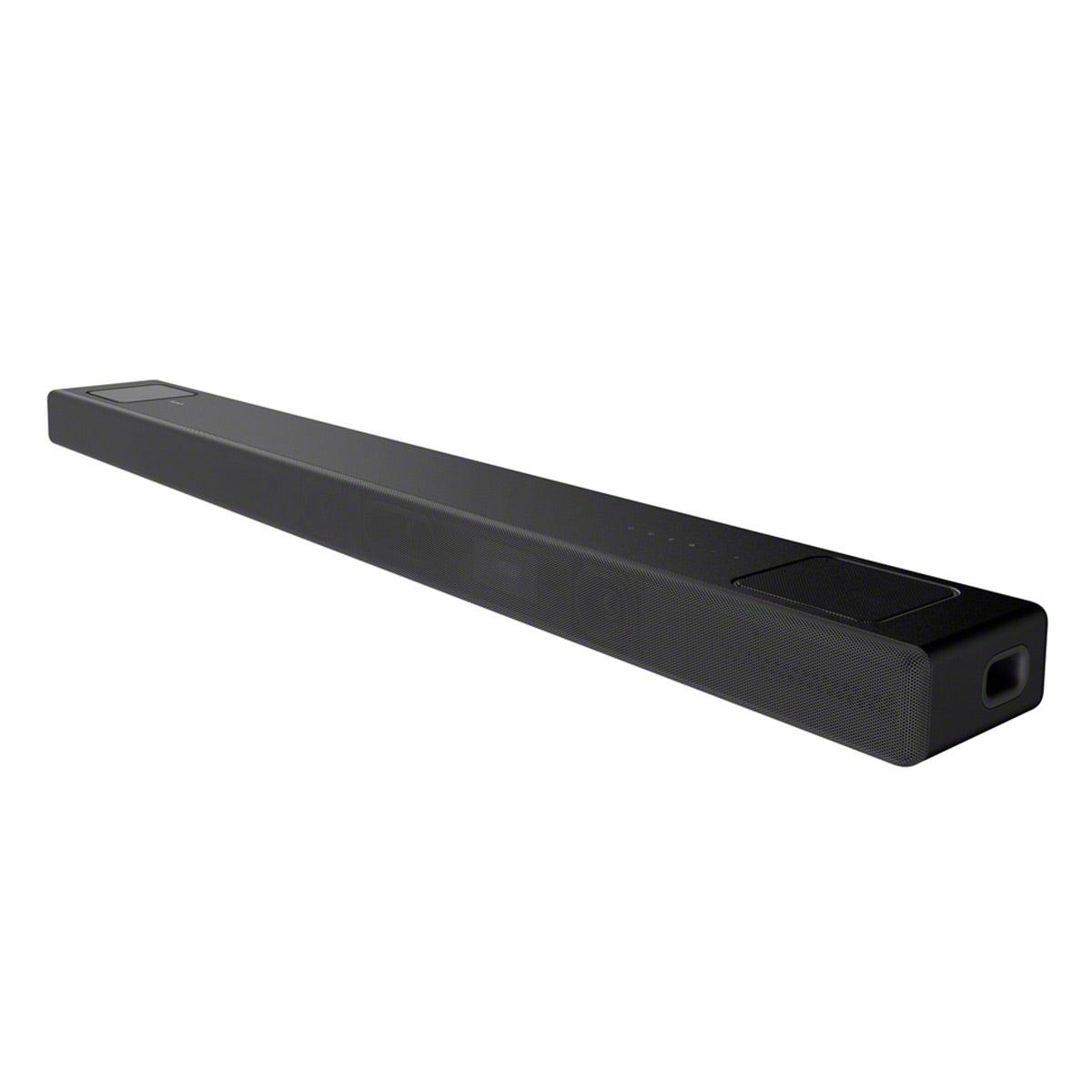
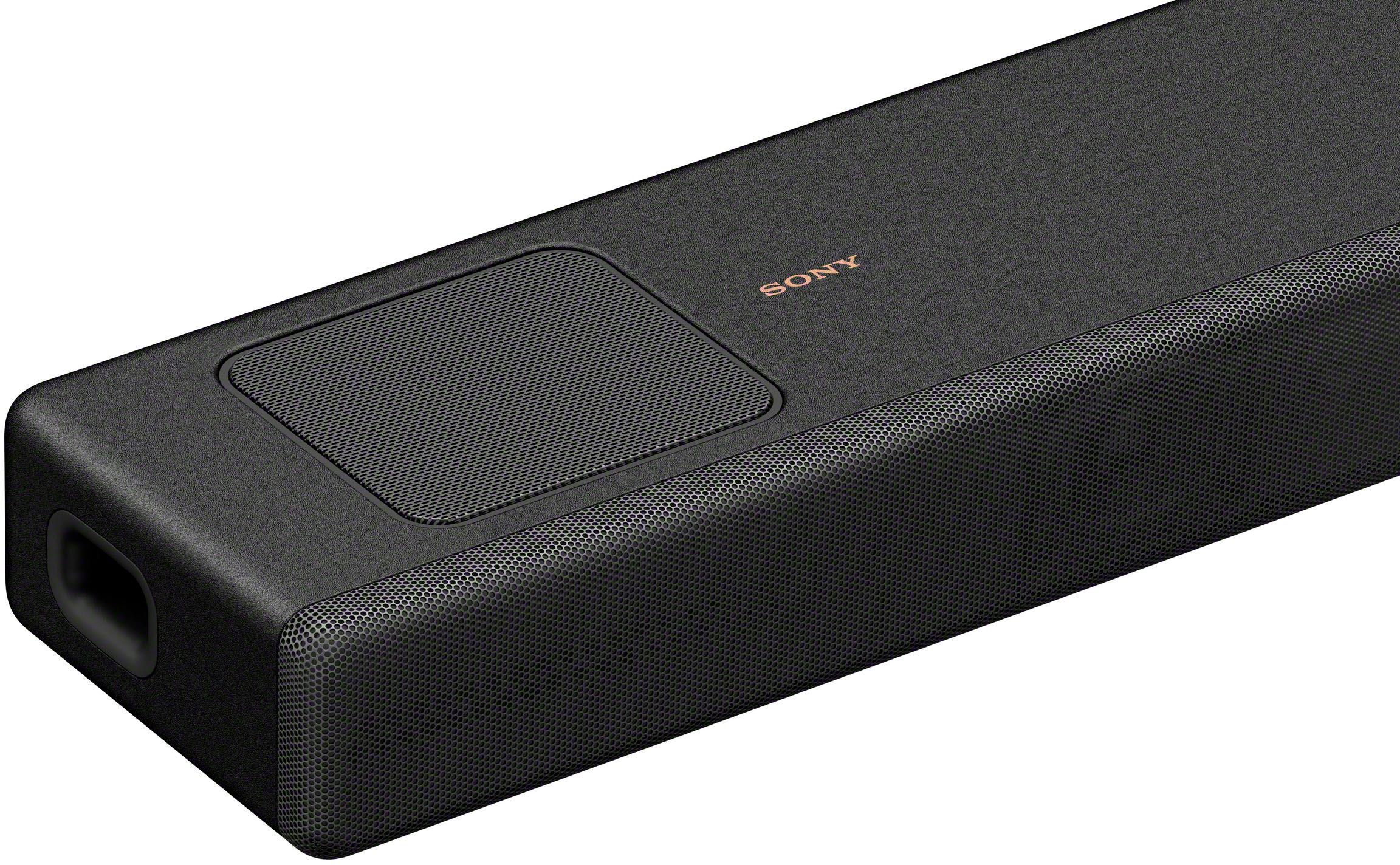
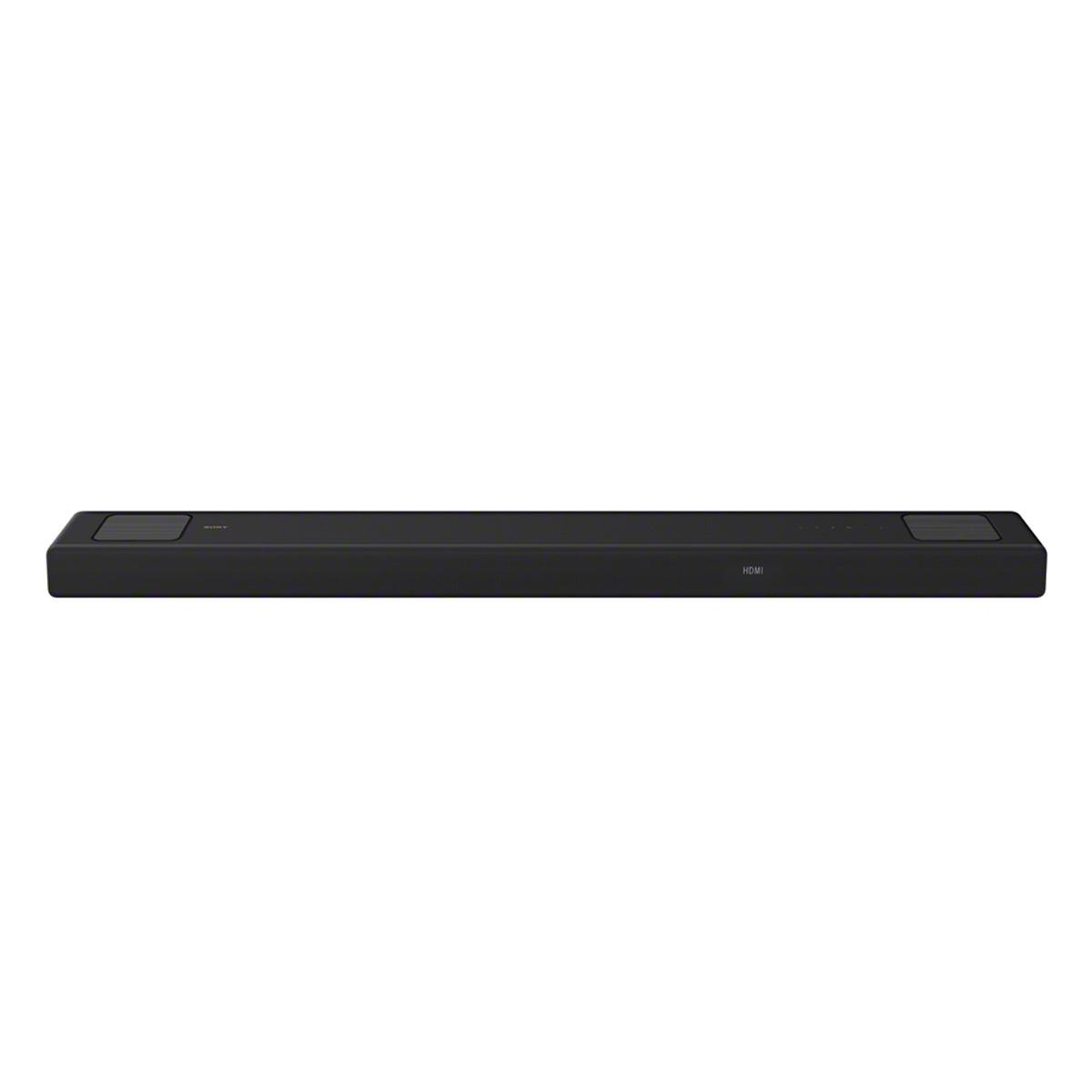
The Sony HT-A5000 launched in 2021 as Sony's flagship soundbar, introducing several technologies that have since become industry standards. At the time, its 360 Spatial Sound Mapping was revolutionary, using advanced processing to create virtual speakers throughout your room. The built-in dual subwoofers eliminated the need for external bass modules, making it appealing to users with limited space or those who preferred cleaner setups.
Sony's approach focused on versatility and expandability. The company recognized that users' needs evolve, so they designed the HT-A5000 as a foundation that could grow. You could start with just the soundbar and later add rear speakers or an additional subwoofer as your budget and interest expanded. This modular philosophy reflected Sony's understanding that not everyone wants to invest heavily upfront.
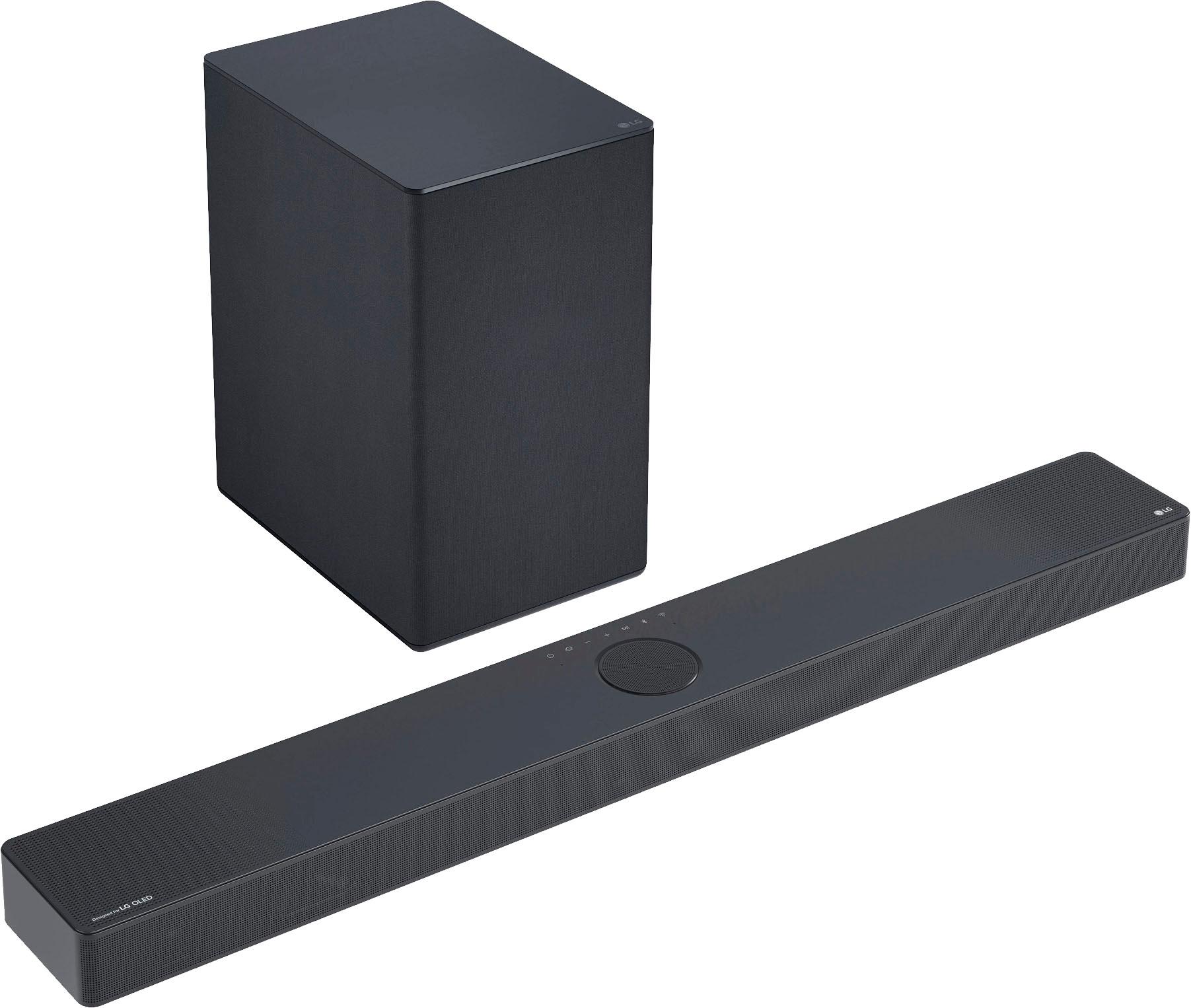
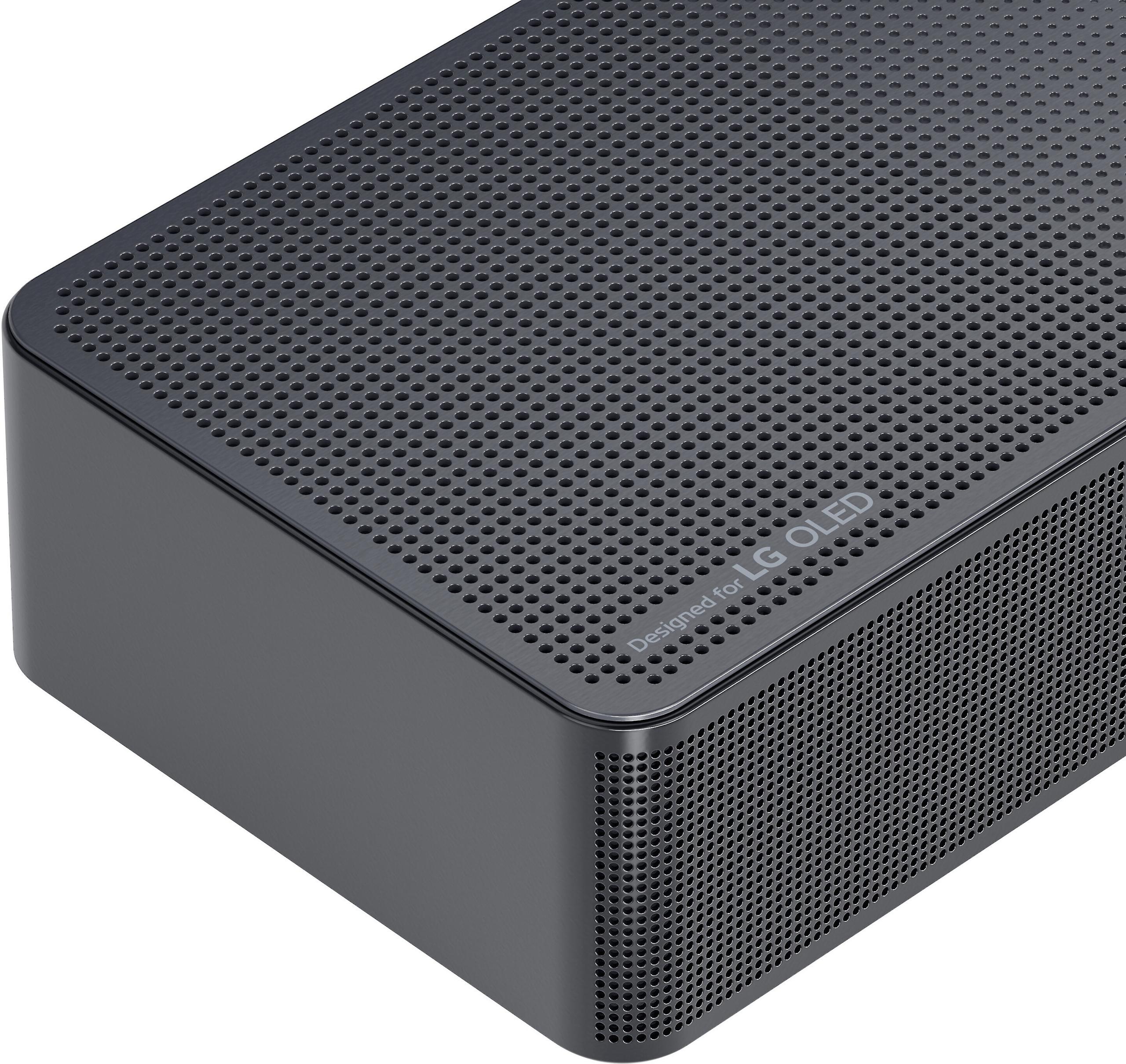
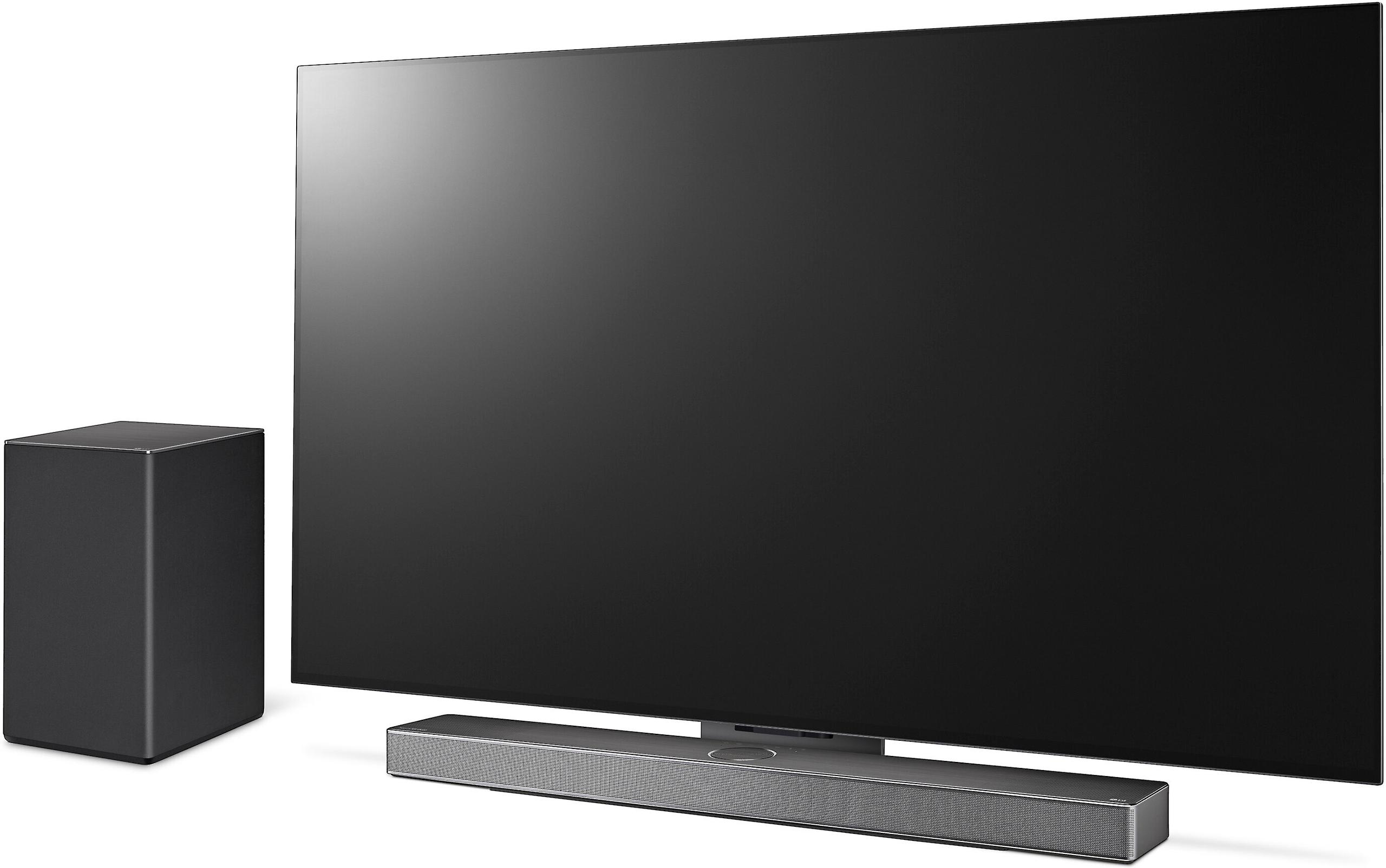
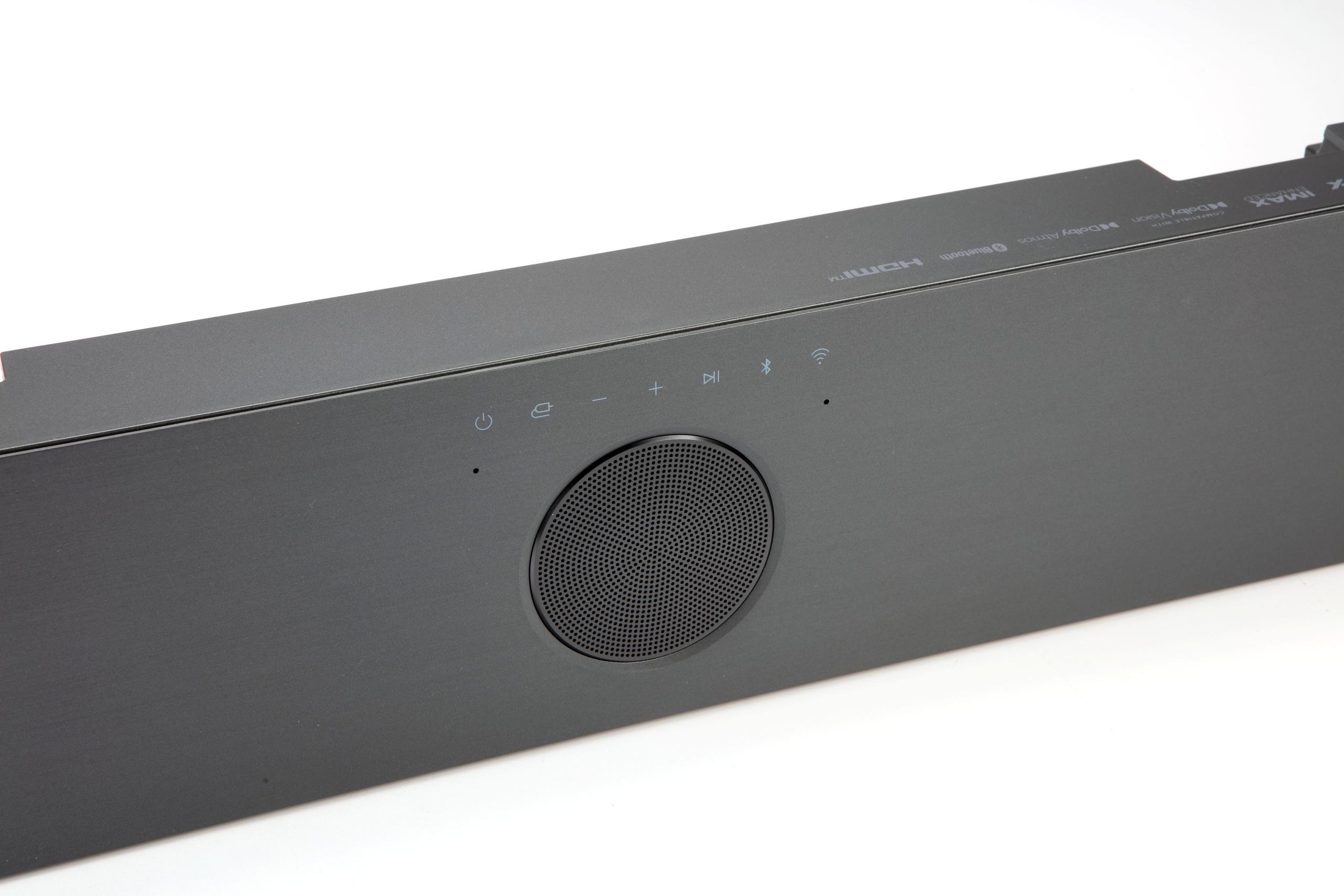
The LG SC9S, released in 2024, represents LG's response to the competitive landscape that Sony helped create. LG took a different approach, focusing on maximizing Dolby Atmos performance out of the box rather than expandability. The unique 3.1.3 configuration includes three upward-firing drivers – an unusual setup that dedicates extra hardware specifically to height effects.
LG's timing allowed them to incorporate lessons learned from years of soundbar development. They optimized the SC9S specifically for their own OLED TVs, creating features like Wow Orchestra that combines the TV's built-in speakers with the soundbar for enhanced center channel performance. This ecosystem approach reflects the modern trend toward integrated smart home experiences.
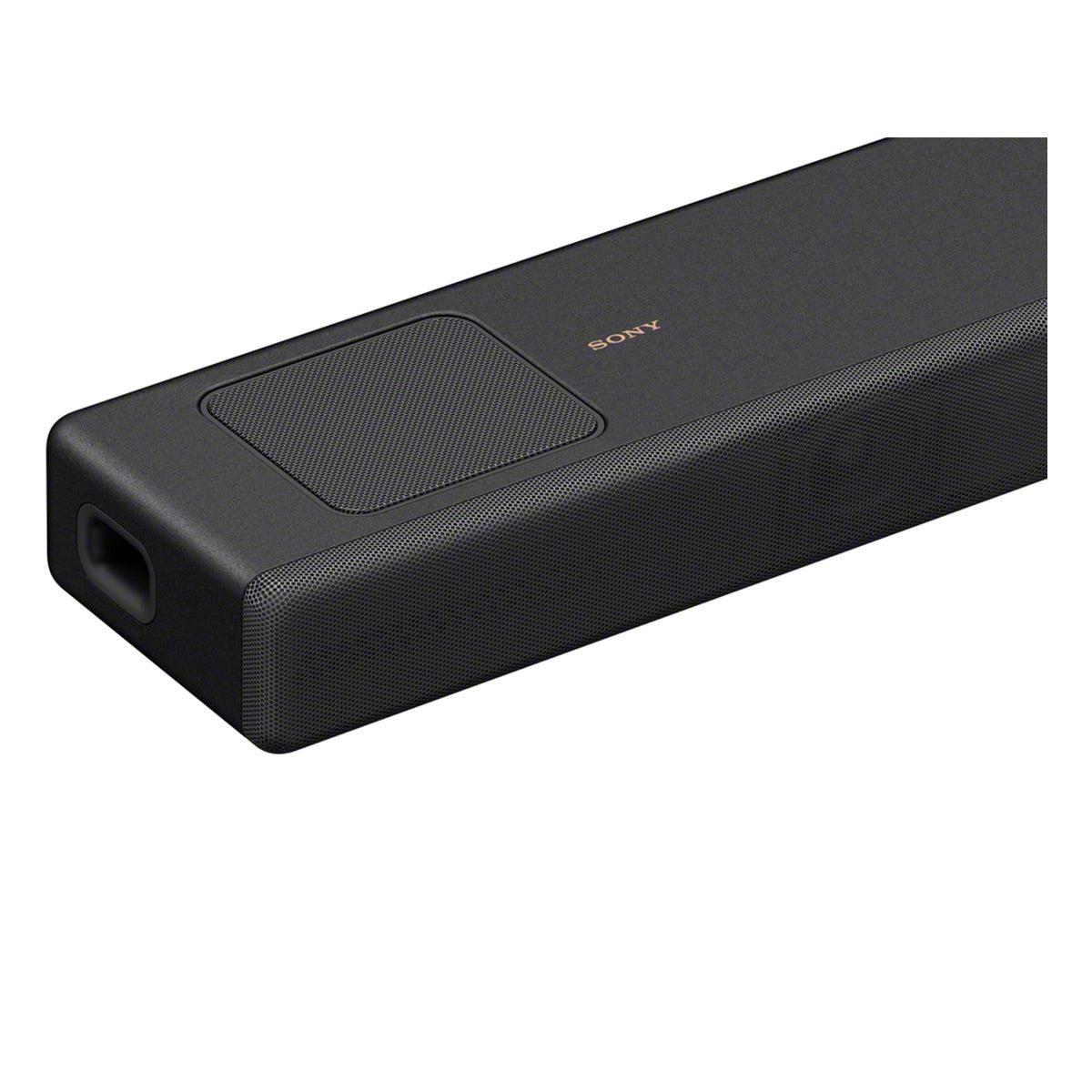
The most significant difference between these soundbars lies in their approach to Dolby Atmos reproduction. The LG SC9S uses three dedicated upward-firing drivers, while the Sony employs two. This might seem like a minor difference, but it fundamentally changes how height effects are rendered.
LG's third upward-firing driver acts as a dedicated height-channel center speaker. In practice, this means when someone speaks in a movie scene, their voice doesn't just come from the center channel at ear level – it also has a corresponding height component that makes dialogue feel more natural and present. I've noticed this particularly in scenes with overhead action, like aircraft sequences or rain effects, where the additional driver creates more convincing spatial positioning.
The Sony's approach prioritizes balance across all frequency ranges. Its two height channels work in conjunction with sophisticated processing algorithms called Vertical Surround Engine and S-Force Pro Front Surround. These systems analyze incoming audio and create phantom speakers – sound sources that appear to exist where no physical speakers are located. While this sounds complex, the result is often more seamless than systems that rely purely on physical drivers.
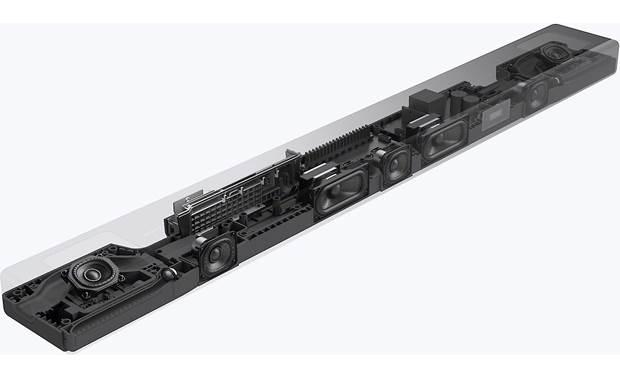
Bass reproduction represents another fundamental difference in philosophy. The Sony HT-A5000 features built-in dual subwoofers integrated directly into the main soundbar chassis. This design eliminates cables and reduces clutter but requires careful engineering to prevent the bass from interfering with mid-range frequencies.
Sony's approach works particularly well in smaller to medium-sized rooms where the soundbar's bass output is sufficient. The built-in subs use what Sony calls X-Balanced Speaker Units – essentially, rectangular drivers that maximize cone area within the available space. This allows for deeper bass extension than traditional round drivers of similar size.
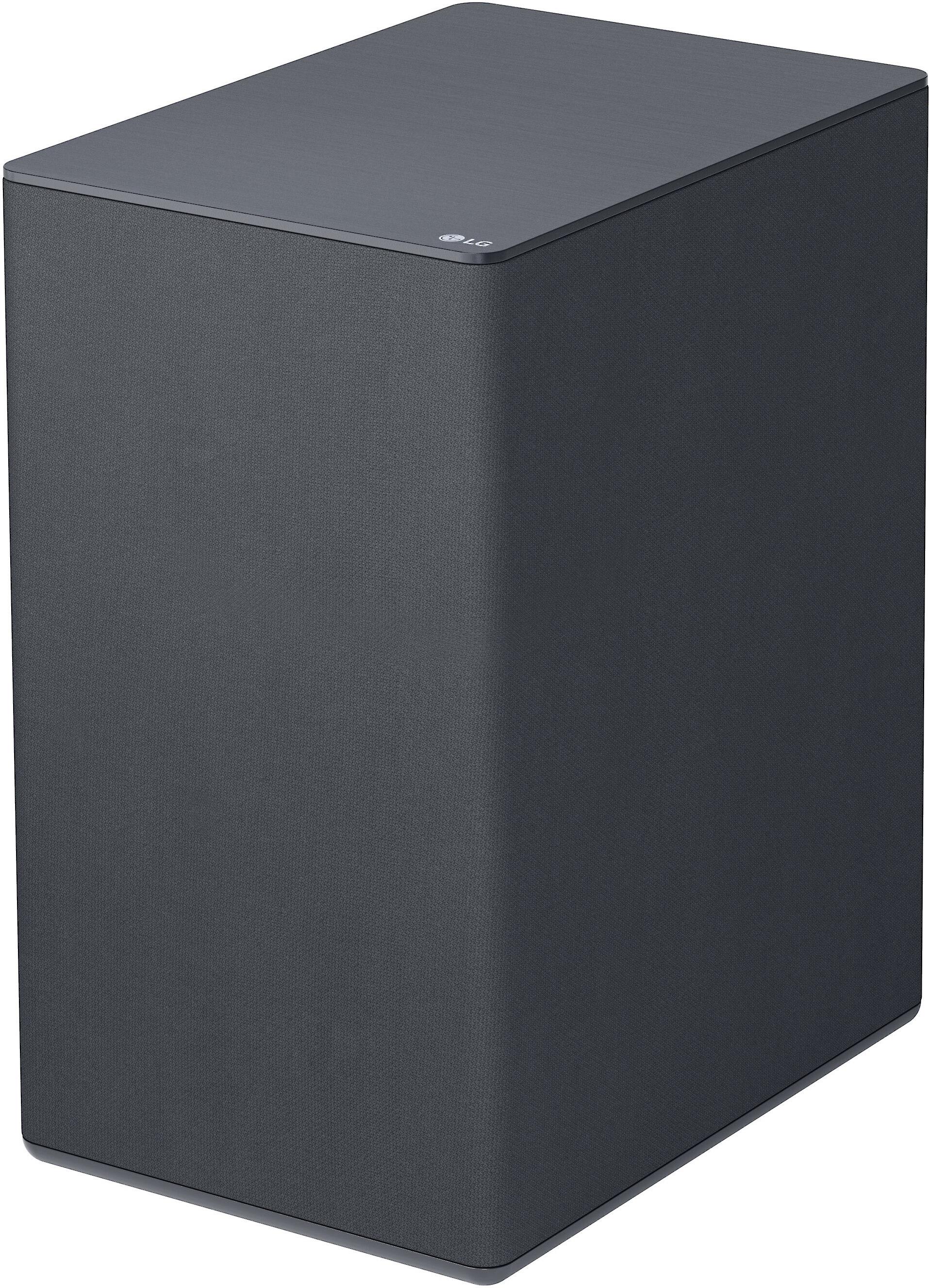
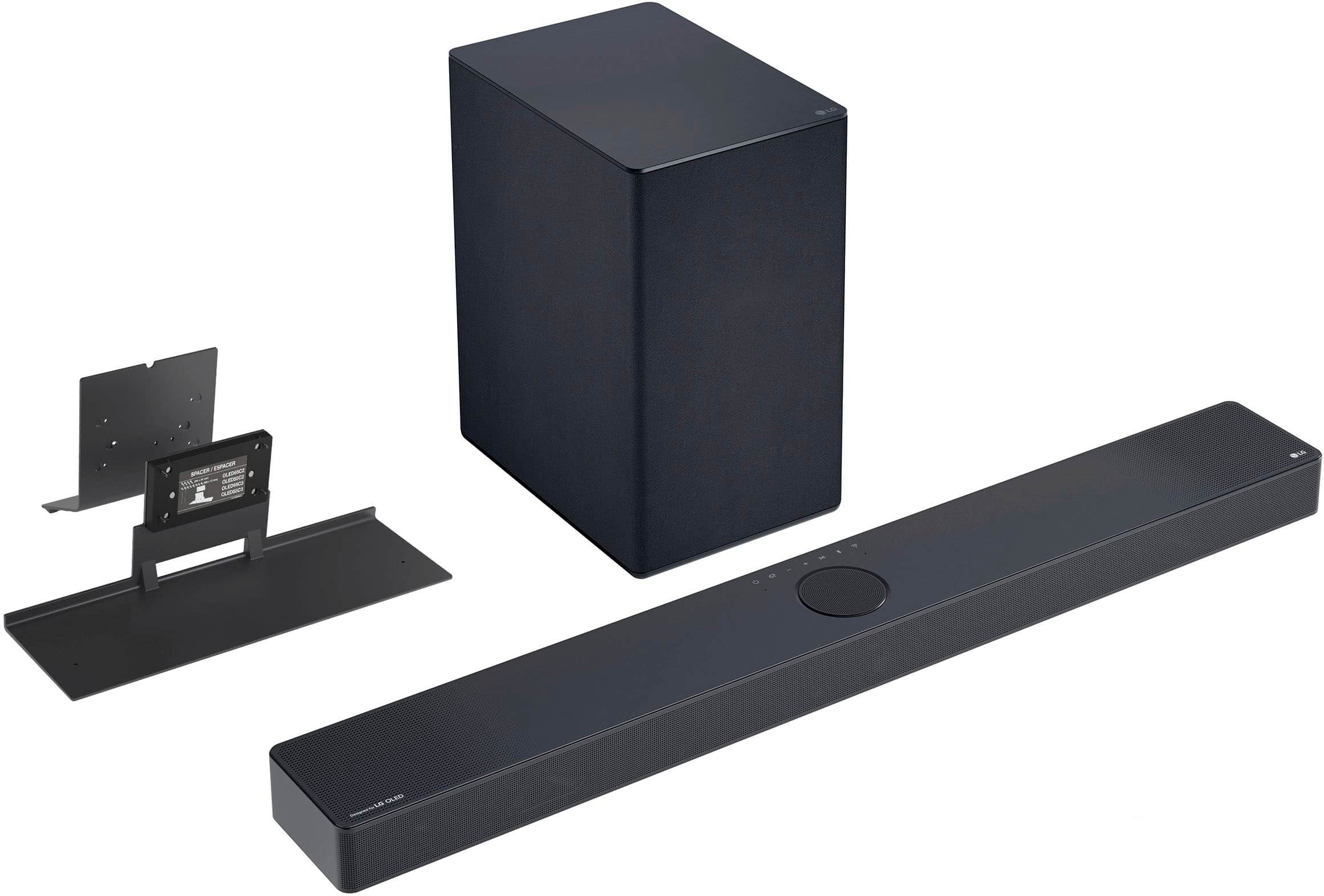
The LG SC9S includes a separate wireless subwoofer, which offers several advantages. Dedicated subwoofers can move more air and reproduce lower frequencies more effectively than integrated designs. The wireless connection means you can position the subwoofer optimally for your room's acoustics rather than being limited by cable length. However, this does mean an additional piece of equipment to place and power.
In my experience testing both systems, the LG's external subwoofer provides noticeably more impact in action sequences and bass-heavy music. The Sony's integrated approach offers sufficient bass for most content but can feel restrained during particularly demanding passages.
The numerical differences in channel configuration translate to real-world performance variations. The Sony's 5.1.2 setup dedicates separate drivers to left, center, right, left surround, right surround, and two height channels, plus the integrated subwoofers. This creates a more traditional surround sound experience where effects can be precisely placed around the listening position.
The LG's 3.1.3 configuration takes a different approach, using fewer traditional surround channels but more height channels. This creates a soundstage that emphasizes the vertical dimension over horizontal surround effects. In practical terms, the LG excels with content that features significant overhead activity, while the Sony provides more comprehensive surround envelopment.
Gaming performance has become increasingly important as soundbars have evolved beyond simple TV audio enhancement. The LG SC9S clearly targets gamers with dedicated features that the Sony lacks entirely.
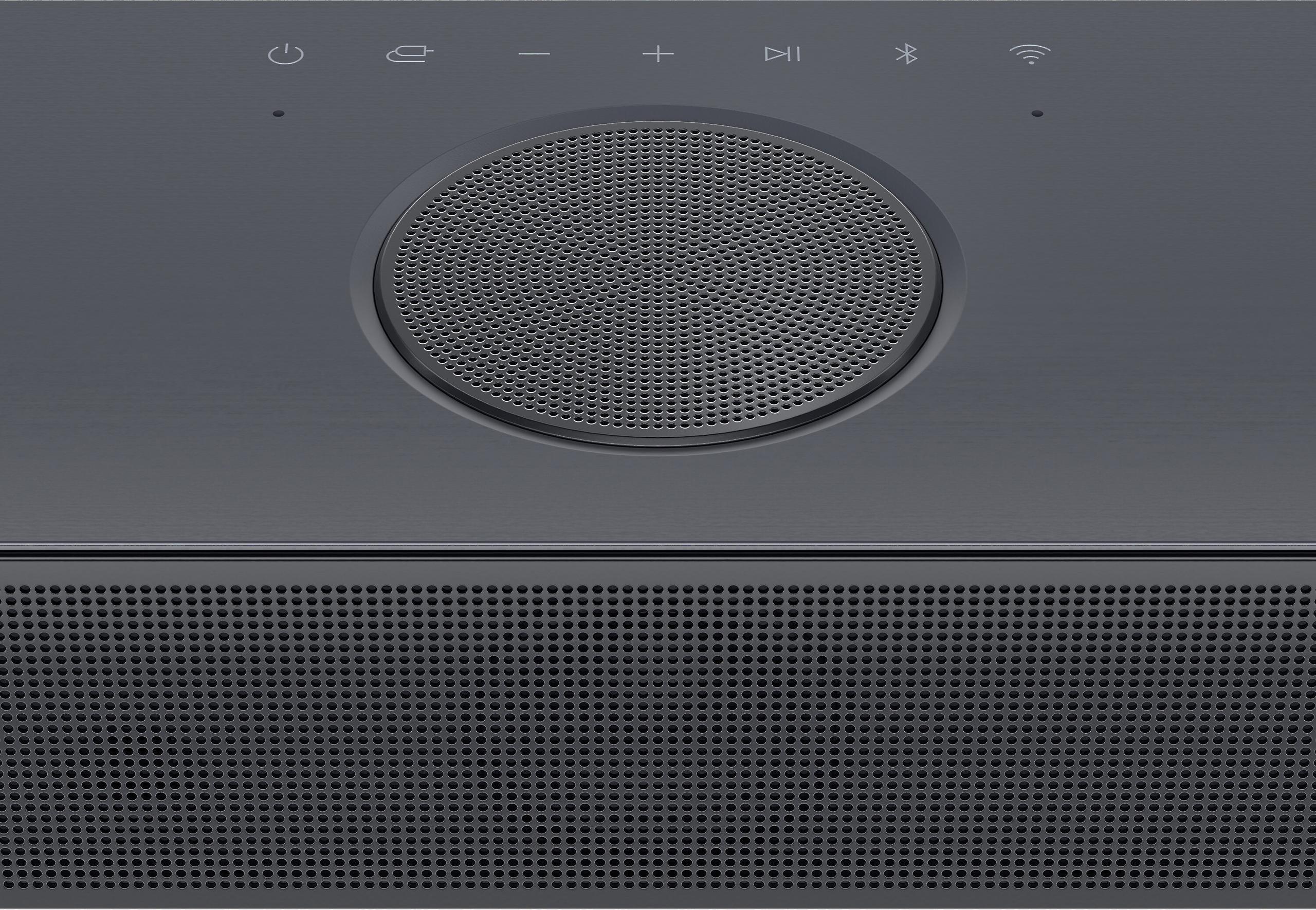
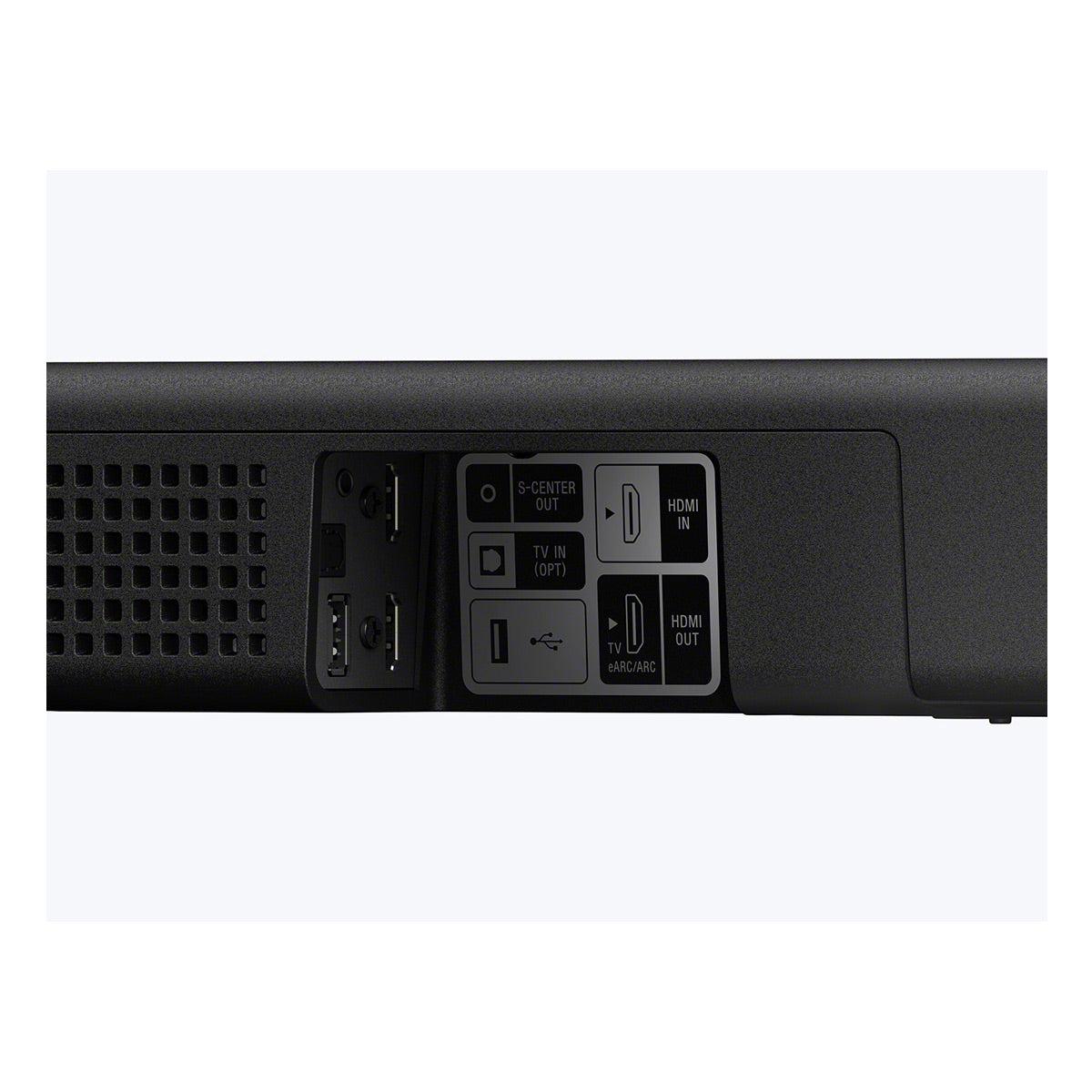
The LG includes a physical HDMI input that supports 4K resolution at 120Hz refresh rates with Variable Refresh Rate (VRR) technology. This means you can connect a PlayStation 5 or Xbox Series X directly to the soundbar without sacrificing any visual features. The soundbar then passes the video to your TV while processing the audio locally. This direct connection eliminates potential latency issues that can occur when audio travels from the console to the TV and then to the soundbar via eARC (enhanced Audio Return Channel).
More importantly, the LG includes a "Game Bass Blast" mode specifically tuned for gaming audio. This mode emphasizes explosion effects, gunfire, and environmental audio cues that help with spatial awareness in competitive games. Having tested this feature extensively, I can confirm it makes footsteps and directional audio significantly more pronounced without becoming overwhelmingly boomy.
The Sony HT-A5000 relies entirely on eARC connectivity, which means your gaming console connects to your TV, and the TV sends audio to the soundbar. While modern eARC implementations have reduced latency significantly, there's still potential for audio delay that can affect gaming performance. Sony doesn't include any gaming-specific audio modes, though the general surround processing can still benefit spatial awareness in games.
For serious gamers, especially those playing competitive titles where audio positioning matters, the LG's dedicated gaming features represent a significant advantage. Casual gamers who prioritize overall audio quality might find the Sony's more balanced approach preferable.
Music reproduction reveals another area where these soundbars diverge significantly. The Sony HT-A5000 clearly prioritizes music listening with several dedicated features that the LG lacks.
Sony includes DSEE Extreme technology, which uses artificial intelligence to analyze compressed music files and restore high-frequency detail lost during compression. This feature works particularly well with streaming services like Spotify or Apple Music, where audio quality varies significantly between tracks. The difference is most noticeable with acoustic music and vocals, where subtle details become more apparent.
The Sony also supports Hi-Res Audio formats up to 24-bit/96kHz resolution, significantly higher than CD quality. If you have a collection of high-quality music files or subscribe to services like Tidal or Amazon Music HD, the Sony can reproduce these files at their full resolution. The LG supports standard audio formats but doesn't include the advanced processing or high-resolution capabilities.
Connectivity options also favor music listening on the Sony. It includes LDAC Bluetooth codec support, which allows for higher-quality wireless streaming from compatible Android devices. The soundbar also supports multiple simultaneous streaming protocols, including Chromecast built-in, AirPlay 2, and Spotify Connect, making it easy to stream from various devices and services.
The LG SC9S handles music competently but clearly prioritizes movie and gaming audio. Its bass response tends to emphasize impact over nuance, which works well for action movies but can overshadow subtle musical details. The soundbar includes basic streaming capabilities but lacks the advanced processing and high-resolution support that makes the Sony exceptional for music.
Both soundbars offer enhanced functionality when paired with their respective manufacturer's TVs, but the approaches differ significantly. The LG SC9S provides the most dramatic integration benefits when paired with LG OLED C2 or C3 televisions.
The Wow Orchestra feature combines the TV's built-in speakers with the soundbar to create a larger, more enveloping soundstage. The TV's speakers handle certain frequency ranges while the soundbar focuses on others, creating a more seamless audio experience. LG also includes a dedicated mounting bracket that allows the soundbar to attach directly to compatible TVs, creating a clean, integrated appearance.
However, these integration benefits come with a significant caveat: they only work with specific LG TV models. If you own a different brand of TV, you lose access to these features entirely. The soundbar still functions normally, but you're paying a premium for capabilities you can't use.
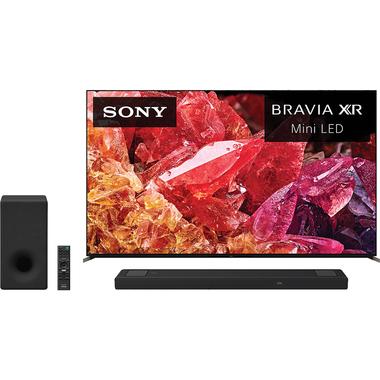
The Sony HT-A5000 takes a more universal approach. While it offers enhanced functionality with Sony BRAVIA TVs through Acoustic Center Sync technology, it works optimally with any TV brand. This broader compatibility makes it more versatile for users who don't want to be locked into a specific TV ecosystem.
The price difference between these soundbars is substantial – the Sony costs nearly half as much as the LG. This raises important questions about value and long-term satisfaction.
The Sony HT-A5000 at $280 represents exceptional value in the premium soundbar category. You're getting true 5.1.2 surround sound, built-in subwoofers, advanced room correction, and extensive streaming capabilities at a price that was unthinkable for this level of performance just a few years ago. The modular expansion options mean you can enhance the system over time without replacing the core components.
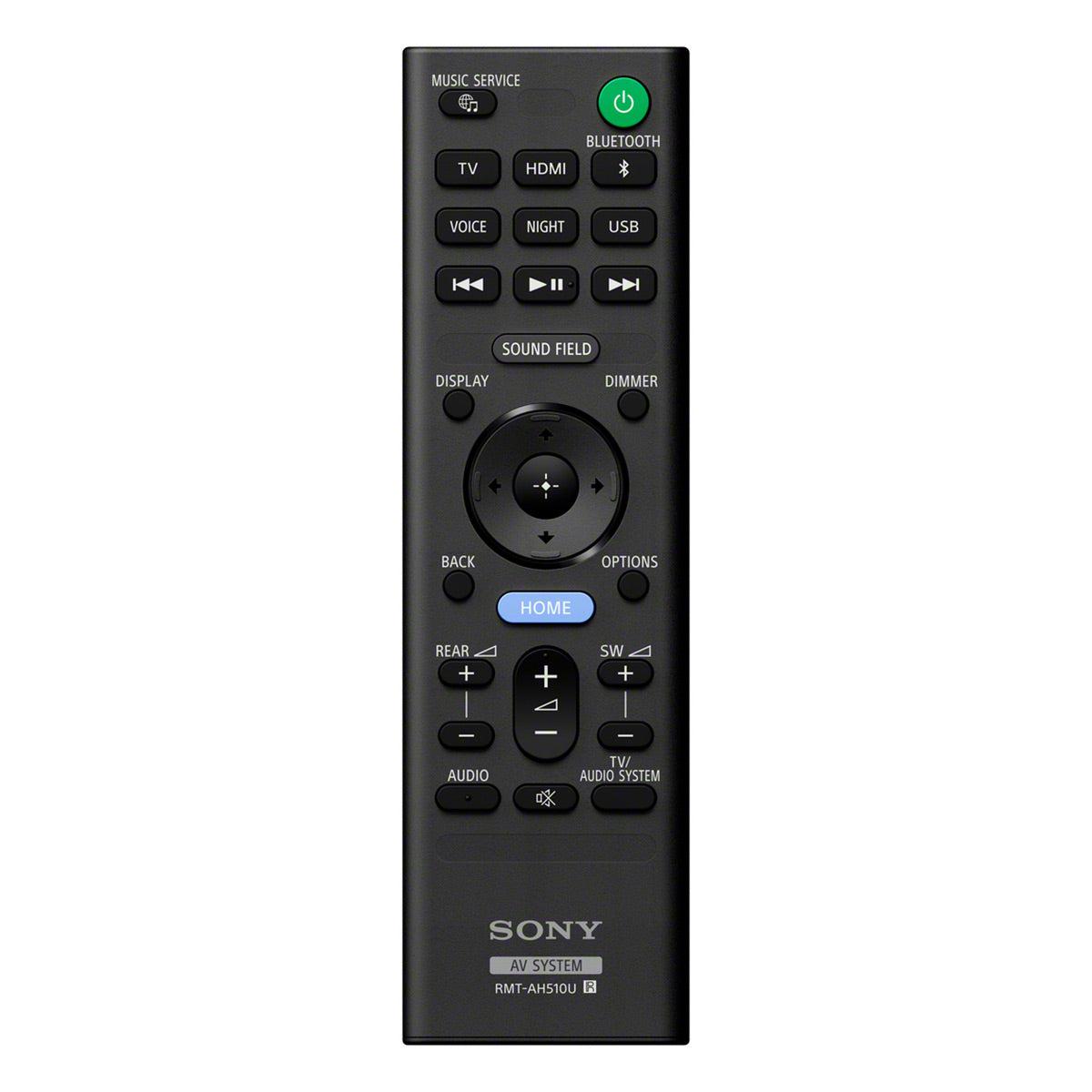
Sony's expandability deserves special attention. You can add the SA-RS3S wireless rear speakers for around $200, transforming the system into a true 5.1.2 setup with physical surround speakers. An additional wireless subwoofer (SA-SW3 or SA-SW5) can provide even more bass impact. This modular approach allows you to spread costs over time and customize the system to your evolving needs.
The LG SC9S at $516 represents a more specialized investment. You're paying for specific capabilities – maximum Dolby Atmos performance, gaming optimization, and LG TV integration. If these features align with your needs, the premium feels justified. However, the lack of expandability means you're committed to the current configuration permanently.
Both soundbars include sophisticated room correction systems, but they work differently. The Sony's Sound Field Optimization uses built-in microphones to measure your room's acoustics and adjust the audio accordingly. This system works automatically and adapts to furniture placement, room size, and acoustic characteristics.
The LG's AI Room Calibration Pro represents a more advanced approach, using multiple measurement points and machine learning algorithms to optimize performance. In practice, I've found the LG's system more effective in challenging acoustic environments, particularly rooms with high ceilings or unusual layouts.
Setup complexity differs significantly between the models. The Sony HT-A5000 connects with a single HDMI cable to your TV's eARC port, making installation straightforward. The LG SC9S requires positioning both the soundbar and wireless subwoofer, plus connecting gaming consoles directly if you want to use the gaming features.
Choose the LG SC9S if you own an LG OLED C2 or C3 TV and want maximum integration benefits. The soundbar also makes sense for serious gamers who need low-latency HDMI input and gaming-specific audio modes. If you have a large room and prioritize Dolby Atmos height effects above all else, the LG's unique 3.1.3 configuration provides unmatched overhead immersion.
The LG is also the better choice if you don't plan to expand your system later and want maximum performance from day one. The included wireless subwoofer and optimized Atmos processing create an immediately impressive experience that doesn't require additional purchases.
Choose the Sony HT-A5000 for nearly everything else. The combination of excellent performance, exceptional value, and expansion flexibility makes it the more versatile choice. Music lovers will particularly appreciate the high-resolution audio support and advanced processing capabilities.
The Sony works better with any TV brand other than LG and provides a more balanced audio experience across all content types. If you're budget-conscious but still want premium features, the Sony delivers flagship-level performance at a mid-range price.
For most users, the Sony HT-A5000 represents the better investment. Its combination of performance, value, and flexibility creates a foundation that can grow with your needs and preferences over time. However, the LG SC9S justifies its premium price for users whose specific needs align with its specialized capabilities.
The choice ultimately depends on your priorities: specialized performance and gaming features versus versatile excellence and exceptional value. Both soundbars represent the current state of the art in their respective approaches to premium home theater audio.
| LG SC9S 3.1.3 Channel Dolby Atmos Soundbar | Sony HT-A5000 5.1.2 Channel Home Theater Soundbar |
|---|---|
| Price - Significant cost difference for similar premium features | |
| $516 | $280 |
| Channel Configuration - Affects surround sound positioning and immersion | |
| 3.1.3 (three up-firing drivers for enhanced Atmos effects) | 5.1.2 (traditional surround with two height channels) |
| Total Power Output - Determines volume levels and dynamic range | |
| 400W | 450W |
| Subwoofer Type - Impacts bass response and room flexibility | |
| External wireless subwoofer (deeper bass, flexible placement) | Built-in dual subwoofers (cleaner setup, space-saving) |
| Gaming Features - Critical for console gamers seeking low latency | |
| Dedicated HDMI input with 4K/120Hz, VRR, Game Bass Blast mode | eARC only (potential latency), no gaming-specific modes |
| Music Performance - Important for streaming and hi-fi listening | |
| Standard audio formats, basic streaming | Hi-Res Audio up to 24-bit/96kHz, DSEE Extreme upscaling |
| TV Brand Integration - Affects available features and setup convenience | |
| Optimized for LG TVs only (Wow Orchestra, mounting bracket) | Universal compatibility, enhanced features with Sony TVs |
| Expandability - Determines long-term upgrade potential | |
| Non-expandable (complete system from day one) | Modular system (add rear speakers, additional subwoofer) |
| Room Correction - Ensures optimal sound regardless of room acoustics | |
| AI Room Calibration Pro (advanced multi-point measurement) | Sound Field Optimization (automatic acoustic adjustment) |
| Release Date - Indicates latest technology and future support | |
| 2024 (newest generation with gaming optimizations) | 2021 (proven technology, established ecosystem) |
The Sony HT-A5000 at $280 offers exceptional value with 5.1.2 surround sound, built-in subwoofers, and expandability options. The LG SC9S at $516 costs nearly double but provides specialized gaming features and superior Dolby Atmos height effects. For most users, the Sony delivers better bang for your buck.
The LG SC9S uses a 3.1.3 setup with three upward-firing drivers for enhanced overhead effects, while the Sony HT-A5000 employs a traditional 5.1.2 configuration with dedicated surround channels. The LG excels at Dolby Atmos height effects, while the Sony provides more comprehensive surround sound positioning.
The LG SC9S is significantly better for gaming with its dedicated HDMI input supporting 4K/120Hz and VRR, plus a Game Bass Blast mode. The Sony HT-A5000 relies on eARC connectivity which can introduce audio delay and lacks gaming-specific features.
The LG SC9S includes a wireless external subwoofer for deeper bass and flexible placement. The Sony HT-A5000 has built-in dual subwoofers that save space but may not provide as much bass impact. The external subwoofer generally offers better performance for home theater use.
The LG SC9S is optimized specifically for LG OLED TVs with features like Wow Orchestra and a dedicated mounting bracket. The Sony HT-A5000 works universally with all TV brands while offering enhanced features with Sony BRAVIA TVs. Choose based on your TV brand for best integration.
The Sony HT-A5000 is fully expandable with optional rear speakers and additional subwoofers, allowing you to build a complete surround system over time. The LG SC9S cannot be expanded and comes as a complete system from day one.
The Sony HT-A5000 excels at music with Hi-Res Audio support up to 24-bit/96kHz, DSEE Extreme upscaling, and LDAC Bluetooth. The LG SC9S handles music adequately but prioritizes movie and gaming audio over musical nuance.
Both soundbars include advanced room correction. The LG SC9S features AI Room Calibration Pro with multi-point measurement, while the Sony HT-A5000 uses Sound Field Optimization for automatic acoustic adjustment. Both systems effectively adapt to your room's acoustics.
The LG SC9S provides superior Dolby Atmos immersion with three dedicated upward-firing drivers creating more convincing height effects. The Sony HT-A5000 offers solid Atmos performance with two height channels but focuses more on overall balanced surround sound.
Both soundbars support HDMI eARC, Bluetooth, Wi-Fi streaming, and voice assistants. The LG SC9S adds a dedicated HDMI input for gaming consoles, while the Sony HT-A5000 includes more advanced streaming codecs like LDAC and multiple simultaneous streaming protocols.
The Sony HT-A5000 requires only a single HDMI connection to your TV's eARC port for basic setup. The LG SC9S needs positioning of both the soundbar and wireless subwoofer, plus additional connections if using the gaming HDMI input.
Choose the LG SC9S if you own an LG TV, are a serious gamer, or prioritize maximum Dolby Atmos effects and don't mind the higher price. Choose the Sony HT-A5000 for better overall value, music performance, universal TV compatibility, and future expandability options.
We've done our best to create useful and informative comparisons to help you decide what product to buy. Our research uses advanced automated methods to create this comparison and perfection is not possible - please contact us for corrections or questions. These are the sites we've researched in the creation of this article: consumerreports.org - valueelectronics.com - youtube.com - bestbuy.com - rtings.com - costco.com - bestbuy.com - walts.com - queencityonline.com - blog.son-video.com - videoandaudiocenter.com - lg.com - whathifi.com - electronics.sony.com - costco.com - sony.com - expertreviews.co.uk - crutchfield.com - audioadvice.com - sony.com - sony.com - bestbuy.com - videoandaudiocenter.com - community.sony.co.uk

Privacy Policy
Terms and Conditions - Affiliate Policy
Home Security
© Copyright 2008-2026.
11816 Inwood Rd #1211, Dallas, TX 75244