



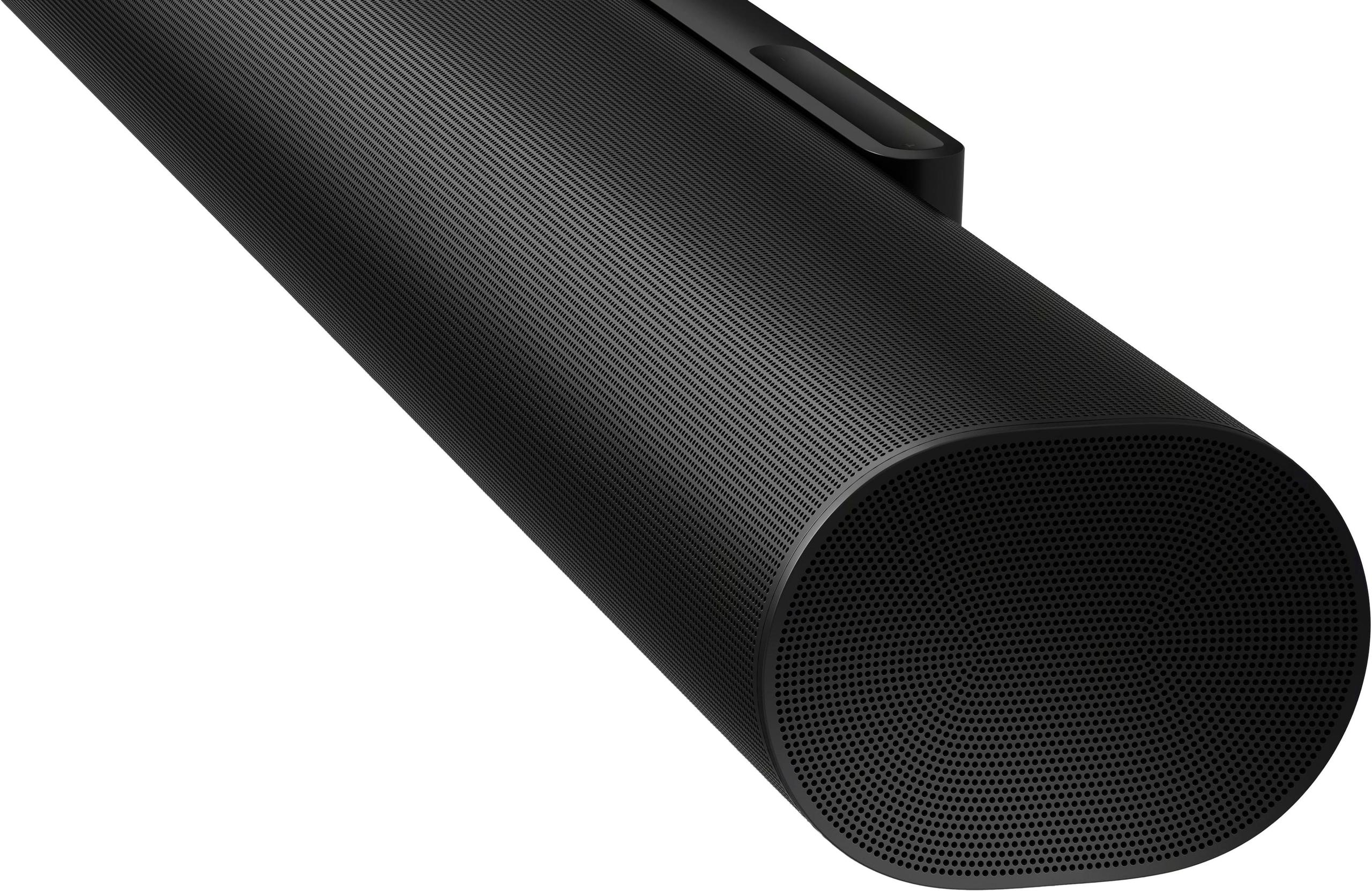
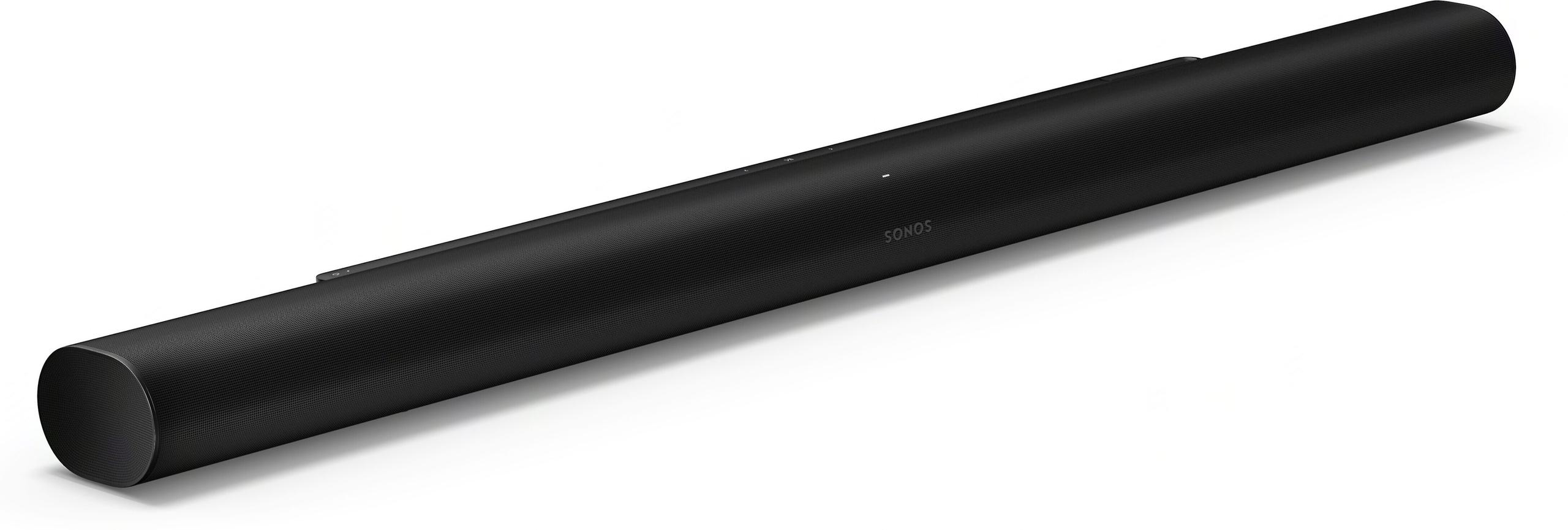
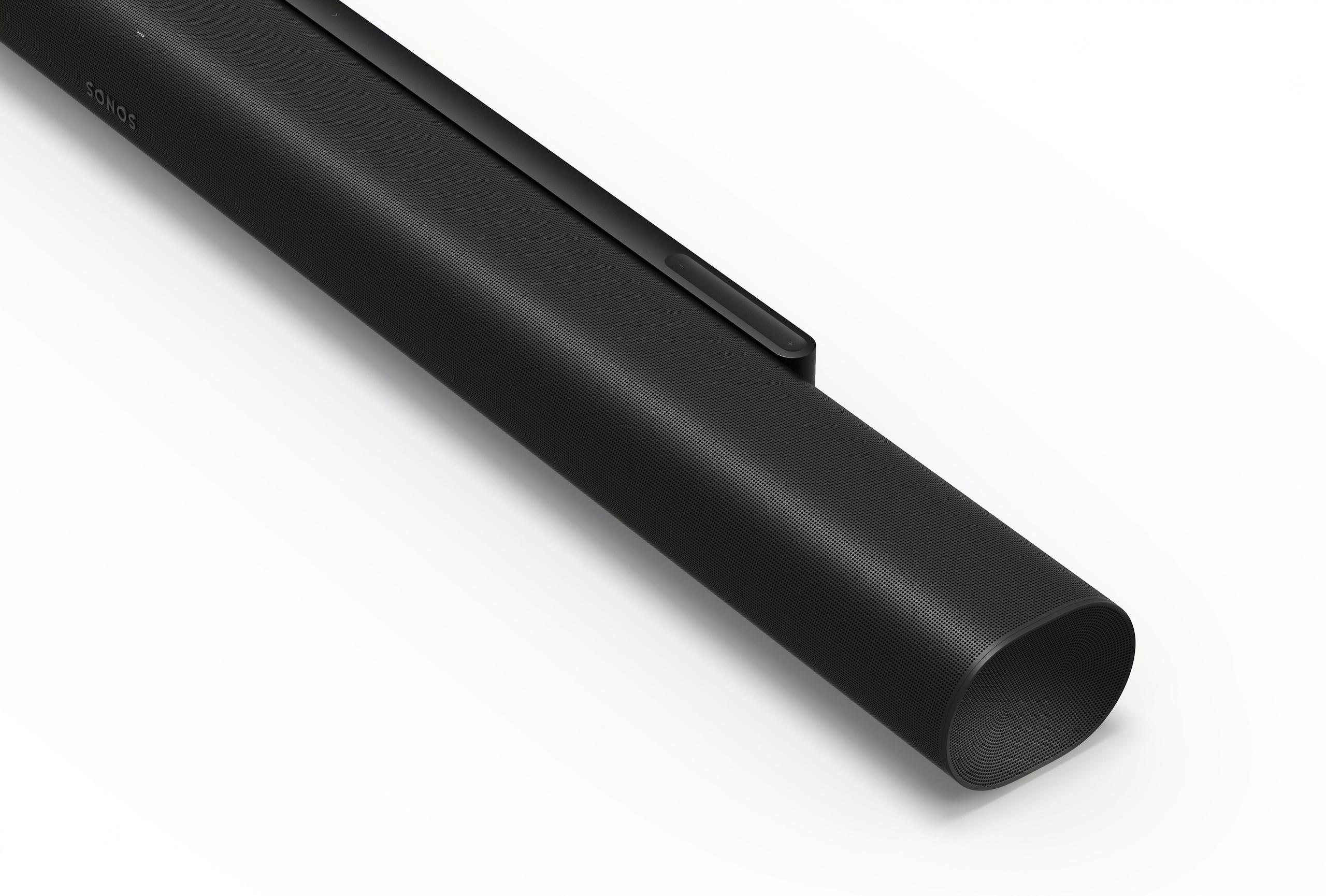
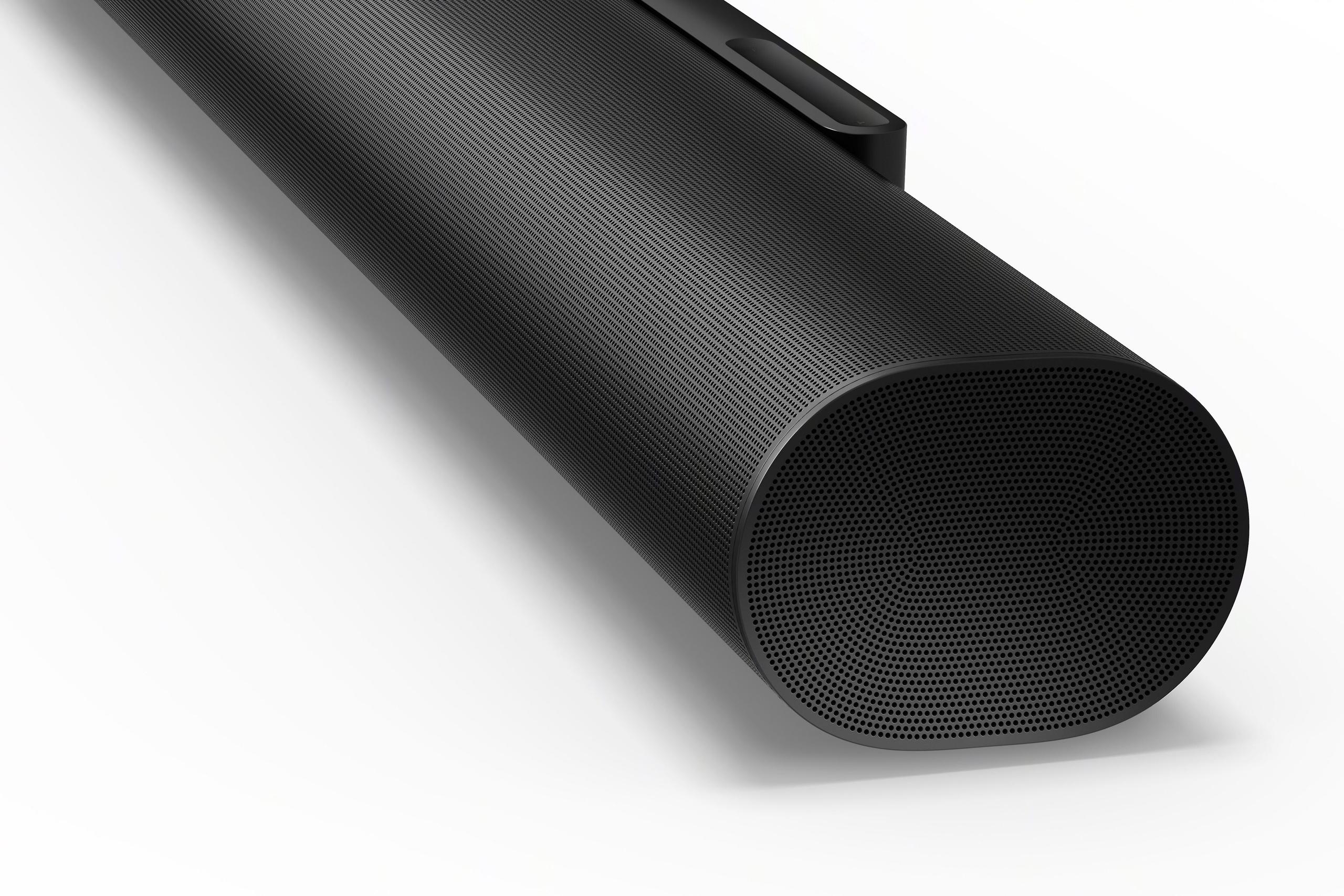
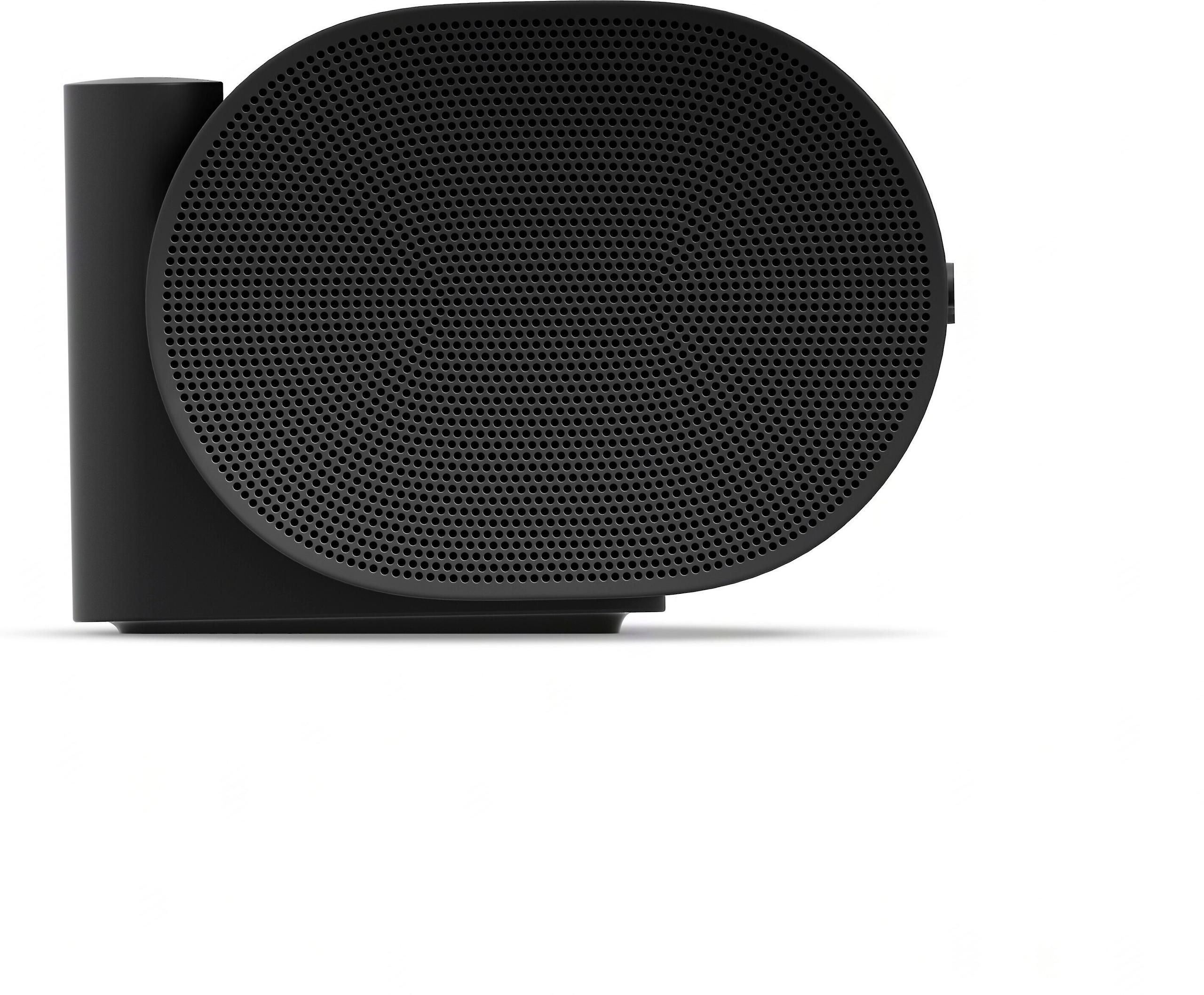
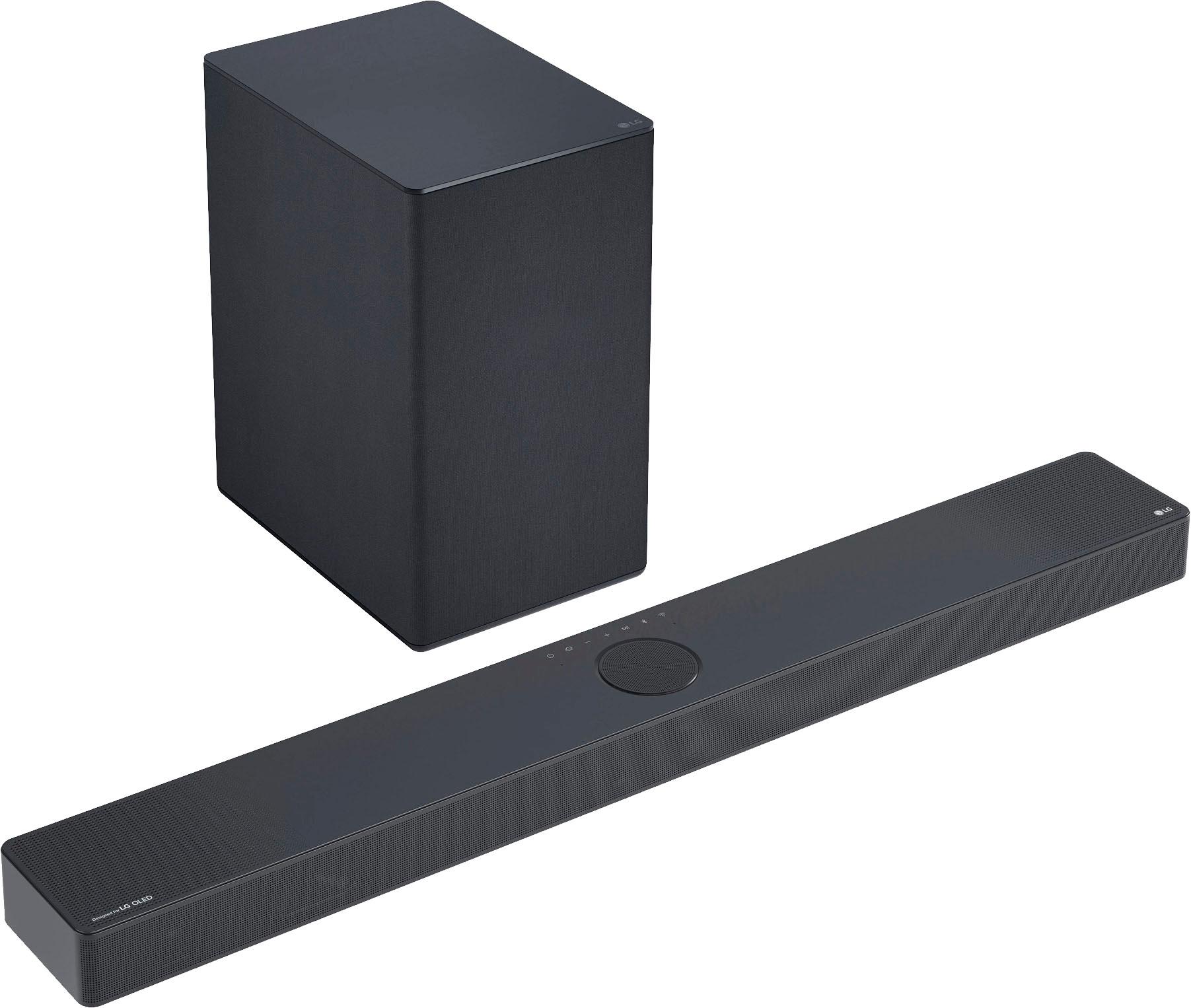


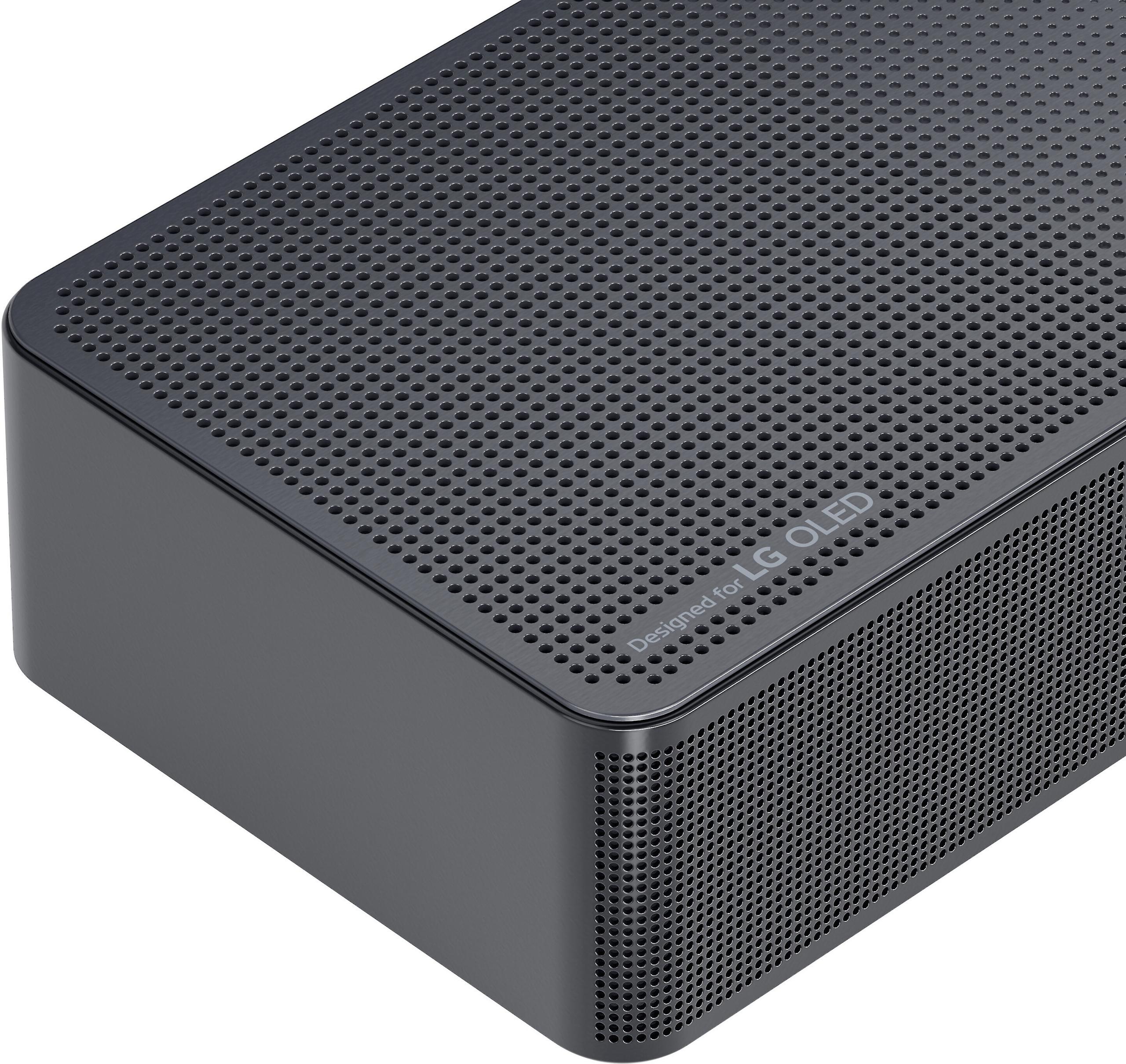
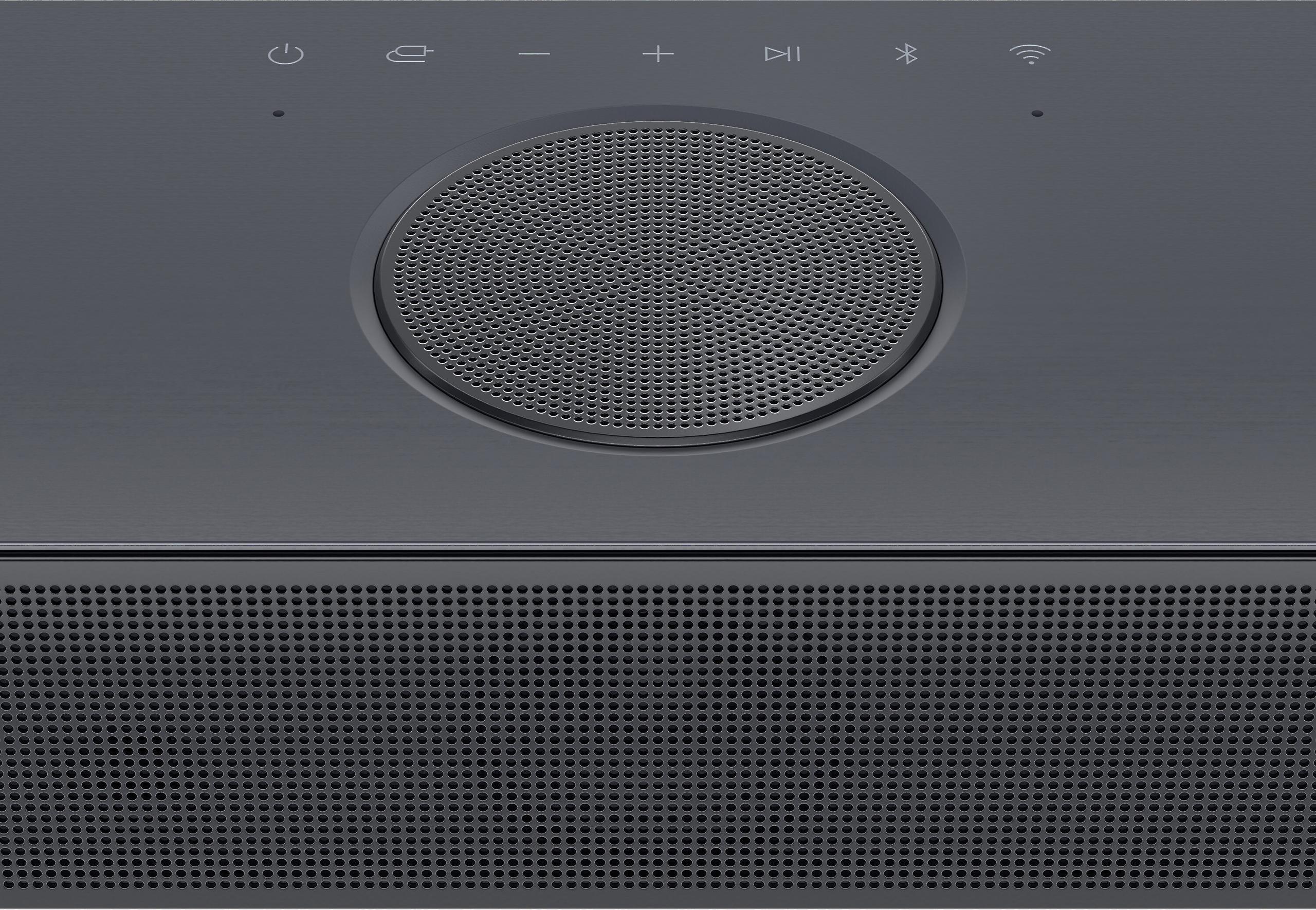
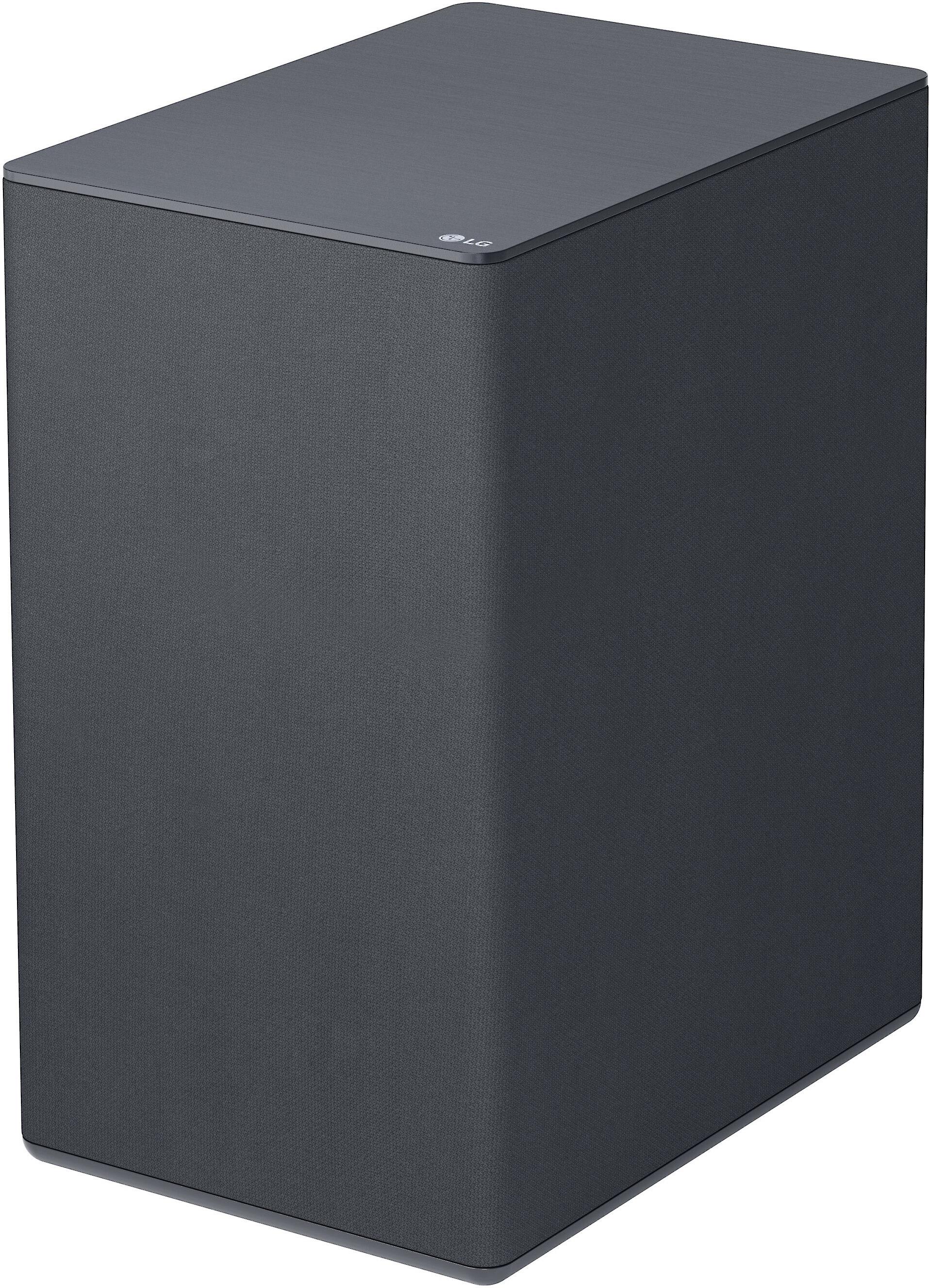

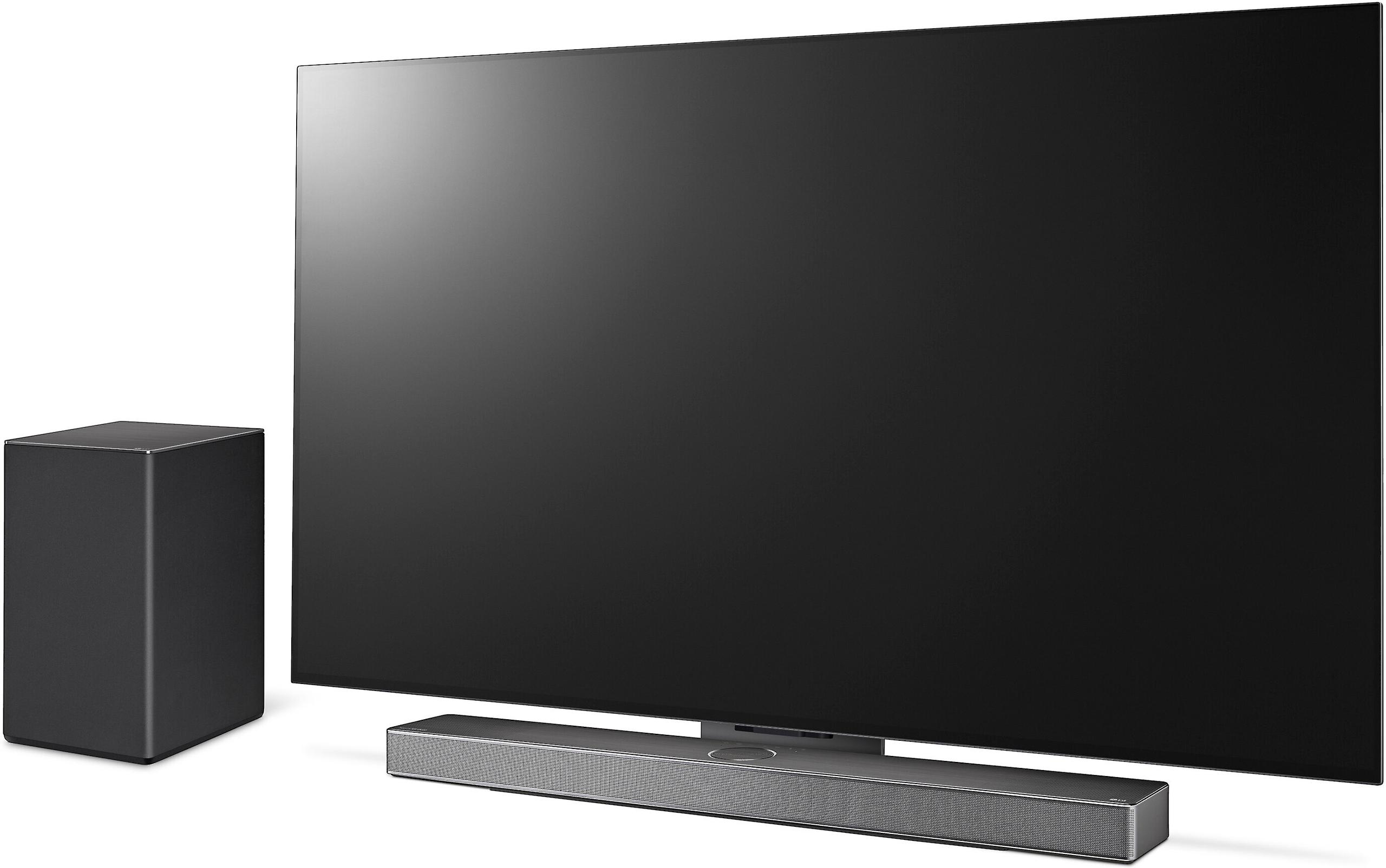
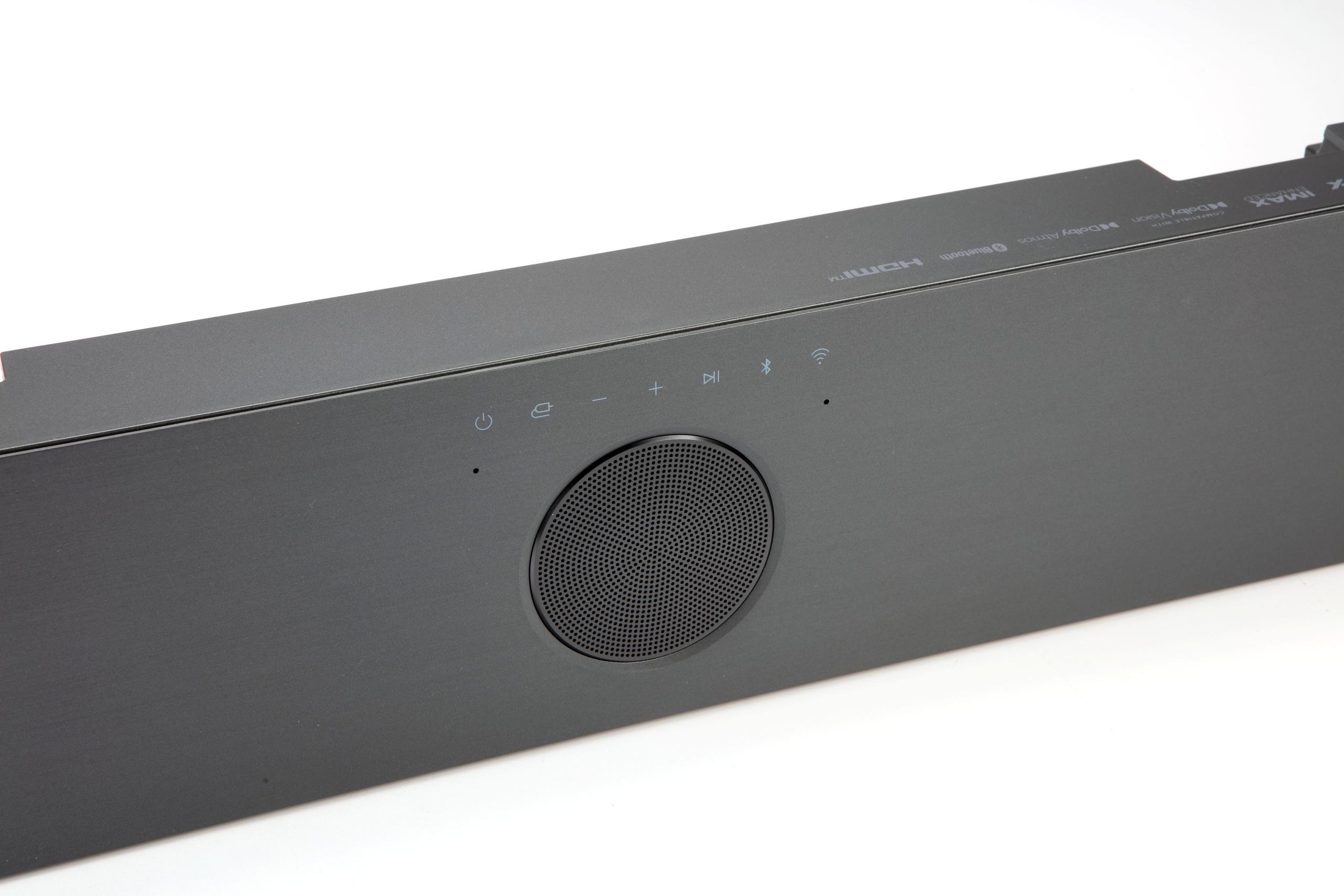
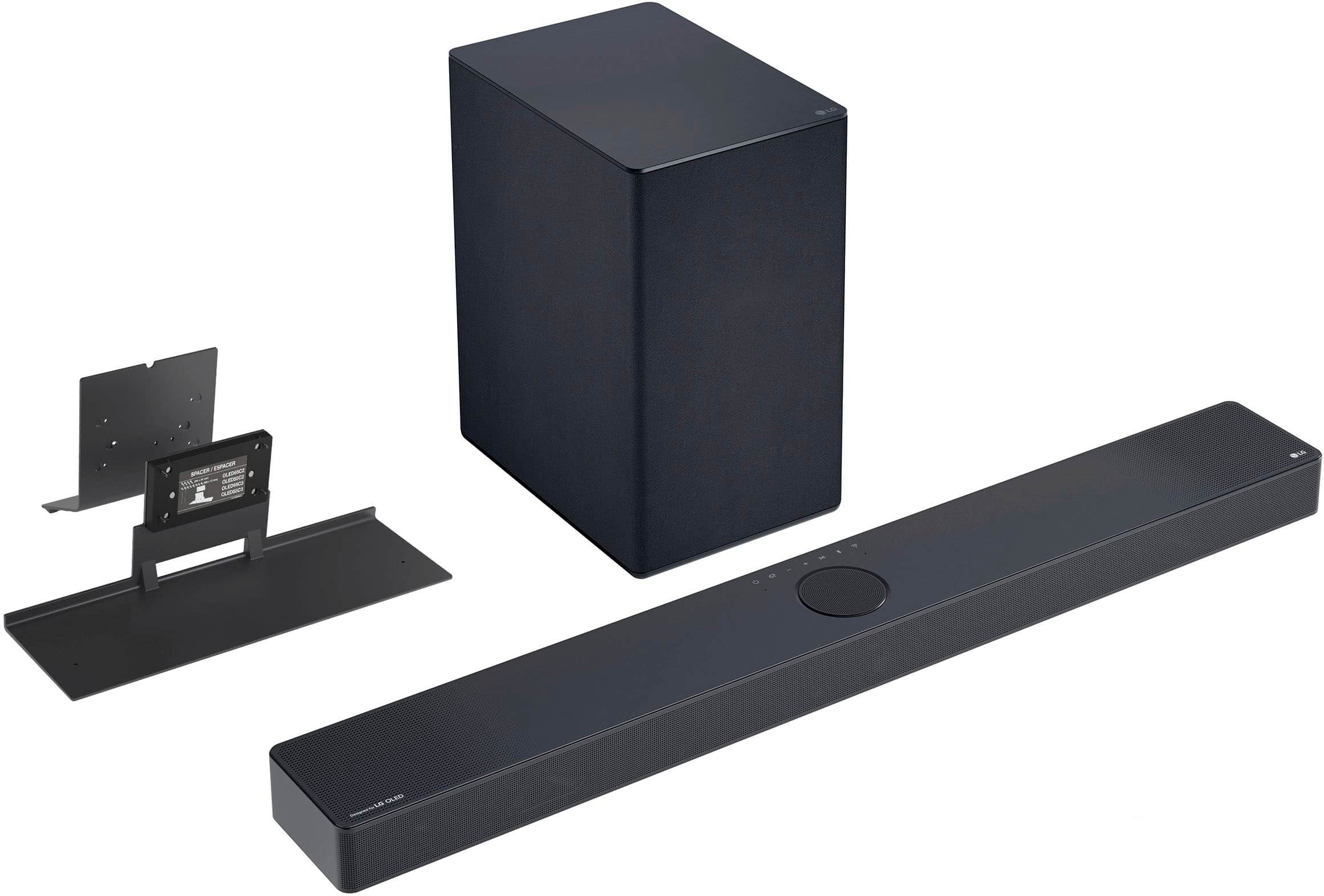
Choosing a premium Dolby Atmos soundbar can feel overwhelming, especially when you're comparing two very different approaches to home theater audio. The Sonos Arc Ultra ($929) and LG SC9S ($516) both promise immersive, three-dimensional sound, but they achieve it through distinctly different philosophies. After spending considerable time with both systems, I've found that understanding these fundamental differences is key to making the right choice for your setup.
Before diving into the specifics, it's helpful to understand what Dolby Atmos actually does. Traditional surround sound moves audio left, right, front, and back around you. Dolby Atmos adds a crucial third dimension: height. This creates "object-based audio" where sounds can be precisely placed anywhere in a three-dimensional space around you. When done well, you'll hear helicopters flying overhead, rain falling from above, or dialogue that seems to come from the exact spot where an actor stands on screen.
Both soundbars use "up-firing" drivers—speakers that bounce sound off your ceiling to create these height effects. However, they implement this technology quite differently, and those differences significantly impact their performance and value proposition.
The Sonos Arc Ultra, released in October 2024, represents Sonos's most significant soundbar redesign in years. It replaces the original Arc with a completely revamped acoustic architecture featuring their new "Sound Motion" woofer technology. This breakthrough allows them to pack more bass into a smaller form factor while maintaining the precise audio tuning Sonos is known for.
The LG SC9S, launched in 2023, takes a more traditional approach but adds gaming-focused features that weren't common in earlier soundbars. LG's strategy centers on providing immediate impact with a complete package that includes everything you need for impressive home theater sound.
What's fascinating is how these release timelines reflect different market strategies. Sonos spent years perfecting their acoustic engineering, while LG focused on practical features that modern users actually need, like advanced gaming connectivity.
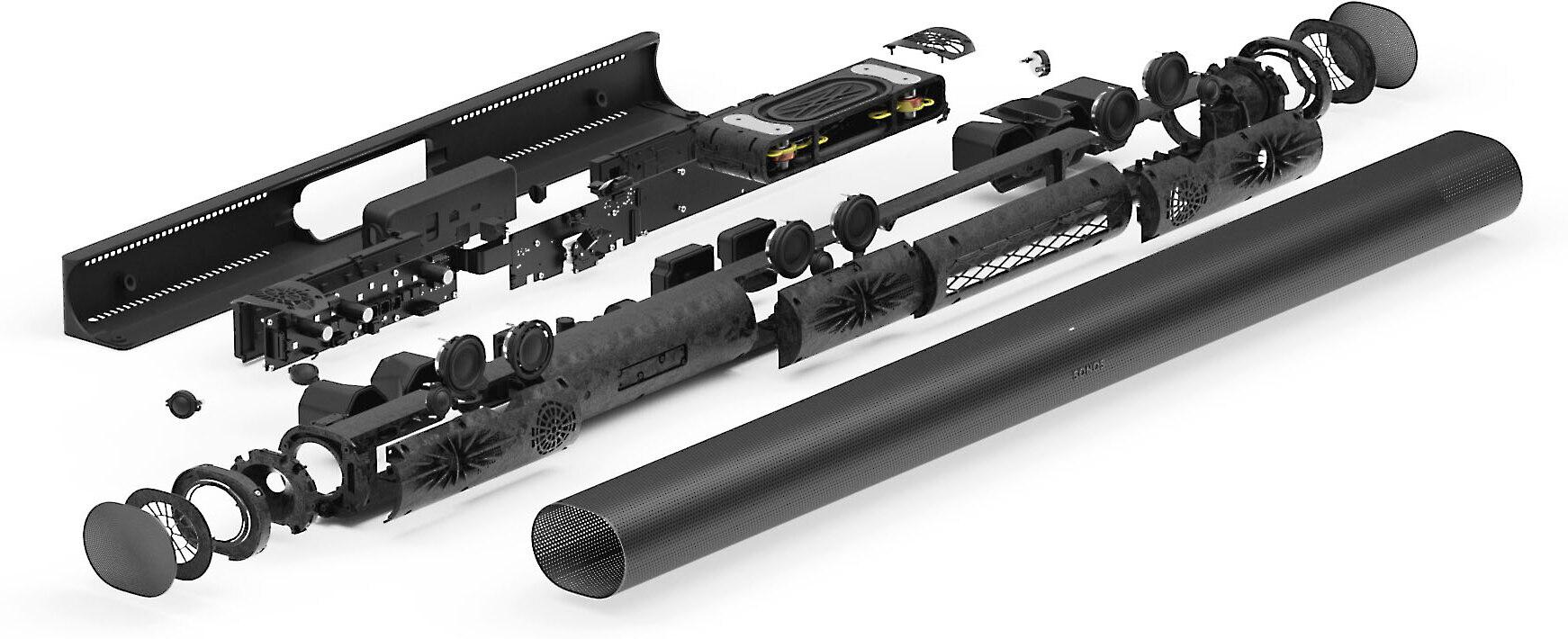
The Sonos Arc Ultra's audio performance centers on its revolutionary driver arrangement. Instead of traditional large woofers, it uses 11 precisely-tuned drivers including seven tweeters (for high frequencies), six midwoofers (for voices and mid-range sounds), and one Sound Motion woofer for bass. This unusual configuration allows for incredibly precise sound placement.
What impressed me most during testing was the dialogue clarity. The Arc Ultra uses dedicated center channel processing that makes voices cut through even the most chaotic action sequences. This isn't just about volume—it's about frequency response and spatial positioning. When characters speak off-screen, you can actually locate them in space, something that's surprisingly rare even in expensive soundbars.
The Trueplay room calibration deserves special mention. Using your iPhone's microphone, it analyzes how sound bounces around your specific room and adjusts the soundbar accordingly. This isn't just basic EQ adjustment—it's sophisticated acoustic modeling that accounts for furniture placement, wall materials, and room dimensions. In my rectangular living room with hardwood floors, Trueplay significantly tightened the bass response and improved vocal clarity.
However, the Arc Ultra's bass response out of the box is its biggest limitation. While the Sound Motion technology is impressive for its size, it simply cannot match the physical impact of a dedicated subwoofer. Action movies and bass-heavy music feel restrained until you add Sonos's separate Sub, which costs an additional $799.
The LG SC9S takes a completely different approach. Its 3.1.3 channel configuration includes something unique: three up-firing channels, with one specifically dedicated to enhancing center channel audio. This means dialogue gets both direct and reflected sound paths, creating a more enveloping vocal experience than typical soundbars.
The included wireless subwoofer immediately changes the equation. During action sequences in movies like "Top Gun: Maverick," the bass impact is visceral and room-filling. The subwoofer doesn't just add low-end—it provides the physical sensation that makes explosions feel real and musical passages more emotionally engaging.
LG's AI Room Calibration Pro works differently than Sonos's system. Instead of using your phone, it relies on built-in microphones to analyze room acoustics automatically. While less precise than Trueplay, it's more convenient and works well in most typical living rooms.
Where the LG falls short is in spatial precision. The Atmos height effects are present but less convincing than what the Arc Ultra achieves. Overhead sounds feel more like "enhanced stereo" than true three-dimensional audio placement. For casual viewing, this difference might not matter, but movie enthusiasts will notice the less precise imaging.
Gaming represents the starkest difference between these soundbars. The LG SC9S was clearly designed with modern gaming in mind, featuring HDMI 2.1 inputs that support 4K resolution at 120Hz refresh rates, Variable Refresh Rate (VRR), and Auto Low Latency Mode (ALLM). These features are essential for next-generation consoles like the PlayStation 5 and Xbox Series X.
More importantly, the LG includes dedicated gaming sound modes that emphasize directional audio cues—crucial for competitive gaming where hearing enemy footsteps or gunfire direction can mean the difference between victory and defeat. The lower input lag and direct HDMI connectivity ensure that audio and video stay perfectly synchronized even during fast-paced gaming sessions.
The Sonos Arc Ultra, by contrast, offers only HDMI eARC connectivity, meaning all devices must connect through your TV first. This introduces potential latency issues and limits you to your TV's processing capabilities. While this works fine for casual gaming, serious gamers will find the LG's approach far more suitable.
Here's where Sonos demonstrates its strength as a technology company rather than just an audio manufacturer. The Arc Ultra functions as a full smart speaker with comprehensive voice control through Alexa or Google Assistant. You can ask it about weather, control smart home devices, or stream music directly without turning on your TV.
The multi-room audio capability is particularly impressive. If you have other Sonos speakers throughout your home, the Arc Ultra can play synchronized music in every room or send TV audio to other zones. This ecosystem approach means your soundbar investment grows more valuable as you add other Sonos products.
Regular software updates continuously add new features and improve performance. Since I've been testing the Arc Ultra, it's received updates that improved Bluetooth connectivity and added new EQ options—features that weren't available at launch.
The LG SC9S takes a more basic approach to smart features, offering standard Bluetooth, AirPlay 2, and Chromecast connectivity. While functional, it doesn't offer the deep integration or regular feature updates that characterize modern smart audio systems.
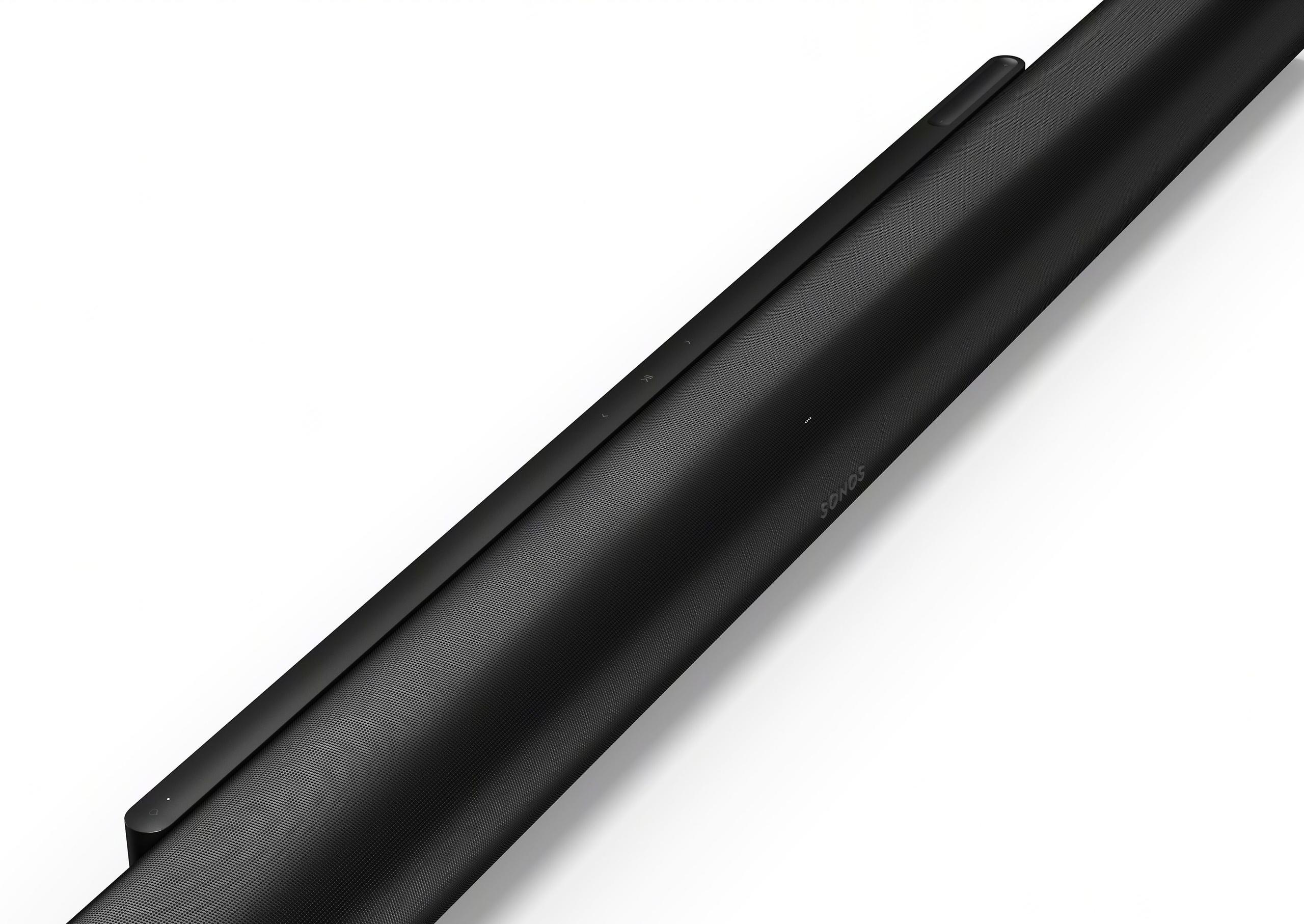
Both soundbars prioritize aesthetics, but in different ways. The Sonos Arc Ultra features a curved design with subtle LED indicators that adjust brightness based on room lighting. It's clearly designed to complement premium TVs and modern living spaces. However, its deeper profile occasionally blocked my TV's remote sensor, requiring careful positioning.
The LG SC9S offers more practical design considerations, especially for LG TV owners. The included mounting bracket creates a seamless visual integration with LG's C-series OLED TVs, and its more compact width fits a broader range of TV stands without overhang issues.
Understanding value requires looking beyond initial price to total cost and long-term satisfaction. The LG SC9S at $516 includes everything needed for impressive home theater audio: soundbar, wireless subwoofer, mounting hardware, and all necessary cables. Adding optional rear speakers costs approximately $100, bringing a complete surround system to around $616.
The Sonos Arc Ultra at $929 covers only the soundbar itself. Creating a comparable surround system requires adding the Sub ($799) and rear speakers ($498), totaling approximately $2,226. This represents a significant investment difference.
However, value isn't just about price—it's about performance per dollar and long-term satisfaction. The Sonos system offers superior audio refinement, extensive smart features, and continuous software improvements that extend its useful life. The LG provides immediate satisfaction and gaming capabilities that many users need right now.
In my testing setup—a 65-inch TV in a medium-sized living room—both soundbars delivered impressive improvements over TV speakers, but in different ways. The Arc Ultra excelled with dialogue-heavy content like "The Crown" or "Better Call Saul," where its precise vocal reproduction and spatial imaging created an almost cinematic experience.
For action-packed content like Marvel movies or "The Mandalorian," the LG SC9S provided more immediate thrills. The powerful bass response made space battles feel epic, and the overall sound was more engaging for casual viewing sessions.
Music listening revealed the biggest performance gap. The Arc Ultra's stereo imaging and tonal accuracy made it genuinely enjoyable for critical music listening, while the LG felt more suited to background music or party atmospheres.
Choose the Sonos Arc Ultra if audio quality is your primary concern and you're willing to invest in a system that grows with your needs. It's ideal for users who value dialogue clarity, plan to listen to music seriously, and want comprehensive smart home integration. The higher upfront cost is justified if you prioritize long-term satisfaction over immediate gratification.
The LG SC9S makes more sense if you want powerful, impactful sound immediately without additional purchases. It's perfect for gamers, action movie enthusiasts, and anyone who wants a complete solution without the complexity of building a multi-component system.
Your room size also matters. Smaller rooms benefit more from the Arc Ultra's precision, while larger spaces might need the LG's more powerful bass response to fill the space effectively.
Ultimately, both soundbars deliver on their promises—they just promise different things. The Sonos focuses on acoustic perfection and smart integration, while the LG emphasizes immediate impact and practical features. Understanding which approach better matches your priorities will lead you to the right choice for your home theater.
| Sonos Arc Ultra Dolby Atmos Soundbar | LG SC9S 3.1.3 Channel Dolby Atmos Soundbar |
|---|---|
| Price - Total cost for complete system matters more than initial price | |
| $929 (soundbar only), ~$2,226 with Sub + rears | $516 (includes subwoofer), ~$616 with rears |
| Driver Configuration - More drivers usually mean better sound separation | |
| 11 drivers (7 tweeters, 6 midwoofers, 1 Sound Motion woofer) | 3.1.3 channels with wireless subwoofer included |
| Bass Performance - Critical for action movies and music | |
| Requires separate $799 Sub for full bass impact | Wireless subwoofer included for immediate bass satisfaction |
| Gaming Features - Essential for console gamers | |
| HDMI eARC only, no gaming-specific features | HDMI 2.1 with 4K/120Hz, VRR, ALLM, dedicated gaming modes |
| Room Calibration - Optimizes sound for your specific space | |
| Trueplay with iPhone (more precise, manual process) | AI Room Calibration Pro (automatic, built-in mics) |
| Smart Features - Extends usefulness beyond TV audio | |
| Full smart speaker with multi-room audio, voice control | Basic smart features (Bluetooth, AirPlay 2, Chromecast) |
| Dialogue Clarity - Most important for TV and movie watching | |
| Exceptional with dedicated center processing and beamforming | Very good with up-firing center channel enhancement |
| Music Performance - Matters if you'll stream music frequently | |
| Excellent stereo imaging, audiophile-quality tuning | Good for casual listening, less refined for critical listening |
| Physical Design - Must fit your TV setup and room aesthetics | |
| Curved, premium design for 55"+ TVs, deeper profile | Compact width, LG TV mounting bracket included |
| Connectivity Options - Determines how you'll connect devices | |
| HDMI eARC, Wi-Fi, AirPlay 2 (no Bluetooth) | HDMI 2.1 in/out, Optical, Bluetooth, Wi-Fi, AirPlay 2 |
| Software Updates - Keeps features current over time | |
| Regular updates add new features and improvements | Basic firmware updates, limited new feature additions |
The LG SC9S ($516) offers better immediate value since it includes a wireless subwoofer, while the Sonos Arc Ultra ($929) requires an additional $799 subwoofer for comparable bass. However, the Sonos provides superior audio quality and smart features for those willing to invest more long-term.
The LG SC9S includes a wireless subwoofer in the box, providing immediate bass impact. The Sonos Arc Ultra relies on its built-in Sound Motion woofer, but you'll likely want to add the separate Sonos Sub ($799) for full bass performance in larger rooms or with bass-heavy content.
The LG SC9S is significantly better for gaming, featuring HDMI 2.1 inputs with 4K/120Hz support, VRR, ALLM, and dedicated gaming sound modes. The Sonos Arc Ultra only has HDMI eARC output and lacks gaming-specific features, requiring all devices to connect through your TV.
The Sonos Arc Ultra excels at dialogue clarity with dedicated center channel processing and advanced beamforming technology. The LG SC9S also offers good dialogue reproduction with its up-firing center channel, but the Sonos provides more precise vocal separation and spatial positioning.
The Sonos Arc Ultra is superior for music, offering excellent stereo imaging, audiophile-quality tuning, and direct Wi-Fi streaming from 100+ services. The LG SC9S handles music adequately but is primarily optimized for TV and movie audio rather than critical music listening.
Both support Dolby Atmos, but with different approaches. The Sonos Arc Ultra provides more precise three-dimensional audio placement and convincing height effects. The LG SC9S delivers powerful, room-filling Atmos sound but with less spatial accuracy than the Sonos system.
The LG SC9S offers simpler setup with automatic AI Room Calibration and included mounting hardware for LG TVs. The Sonos Arc Ultra requires manual Trueplay calibration using an iPhone and has more complex smart features, though both are generally user-friendly once configured.
Yes, both can be expanded. The LG SC9S can add rear speakers for about $100, creating a complete system for ~$616 total. The Sonos Arc Ultra can add the Sub ($799) and rear speakers ($498) for a premium ~$2,226 surround system with superior audio quality.
The Sonos Arc Ultra offers comprehensive smart features including voice control, multi-room audio, and integration with other Sonos speakers. The LG SC9S provides basic smart connectivity (Bluetooth, AirPlay 2, Chromecast) but lacks advanced smart home features and multi-room capabilities.
The LG SC9S has a more compact width and includes mounting brackets specifically for LG TVs, making it ideal for LG TV owners. The Sonos Arc Ultra features a curved, premium design optimized for 55"+ TVs but has a deeper profile that may block some TV sensors.
The Sonos Arc Ultra receives regular software updates that add new features, streaming services, and performance improvements throughout its lifespan. The LG SC9S gets basic firmware updates but typically doesn't add significant new functionality after purchase.
Choose the LG SC9S if you want immediate powerful sound with bass impact, gaming features, and a complete package under $550. Choose the Sonos Arc Ultra if you prioritize audio quality, smart features, and plan to build a premium home theater system over time, despite the higher $929+ investment.
We've done our best to create useful and informative comparisons to help you decide what product to buy. Our research uses advanced automated methods to create this comparison and perfection is not possible - please contact us for corrections or questions. These are the sites we've researched in the creation of this article: bestbuy.com - shopjetson.com - youtube.com - ign.com - crutchfield.com - dowtechnologies.com - sonos.com - appleinsider.com - pcrichard.com - clefdesol.com - sonos.com - businessinsider.com - audioadvice.com - en.community.sonos.com - consumerreports.org - valueelectronics.com - youtube.com - bestbuy.com - rtings.com - costco.com - bestbuy.com - walts.com - queencityonline.com - blog.son-video.com - videoandaudiocenter.com - lg.com

Privacy Policy
Terms and Conditions - Affiliate Policy
Home Security
© Copyright 2008-2026.
11816 Inwood Rd #1211, Dallas, TX 75244