

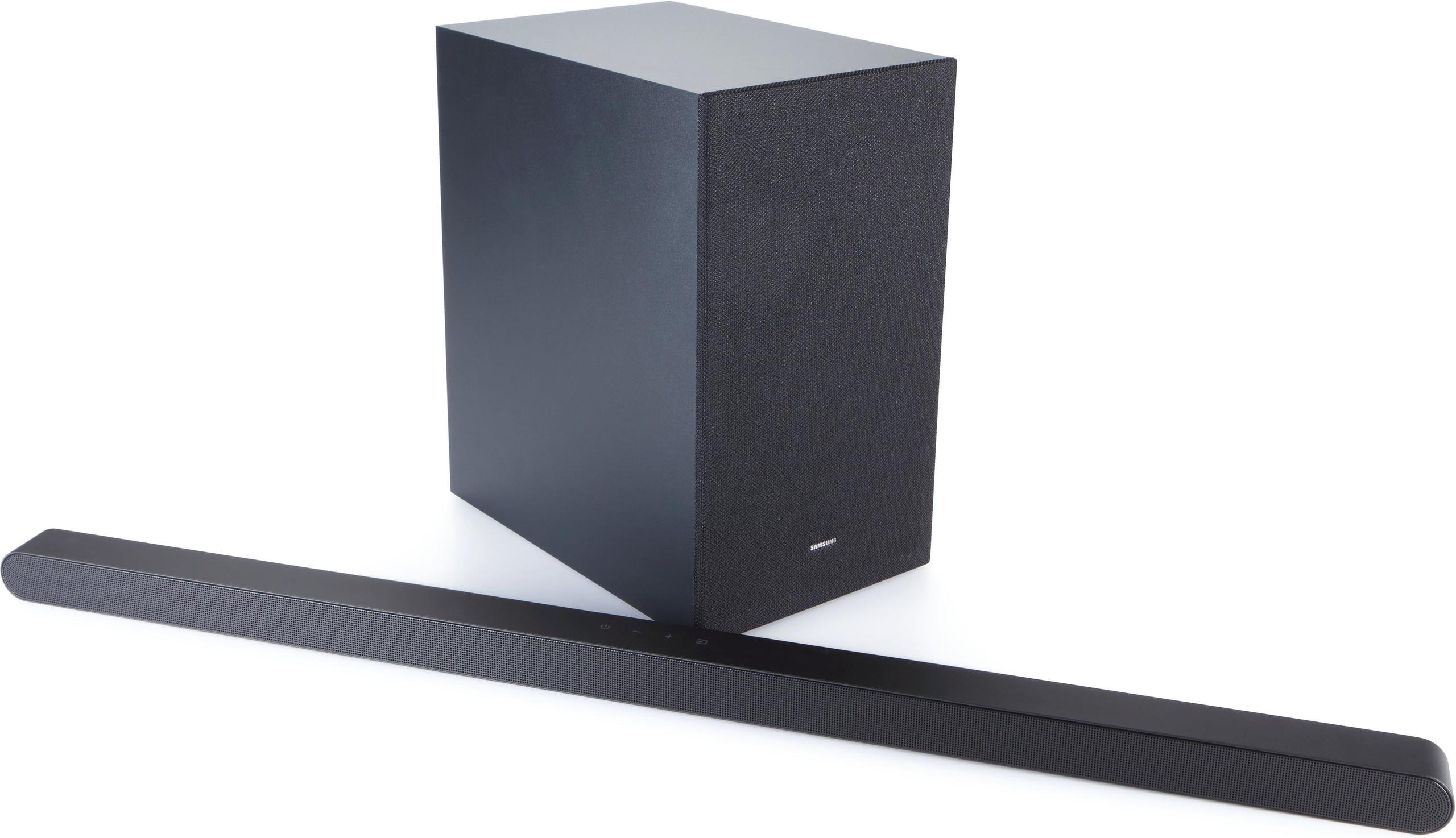
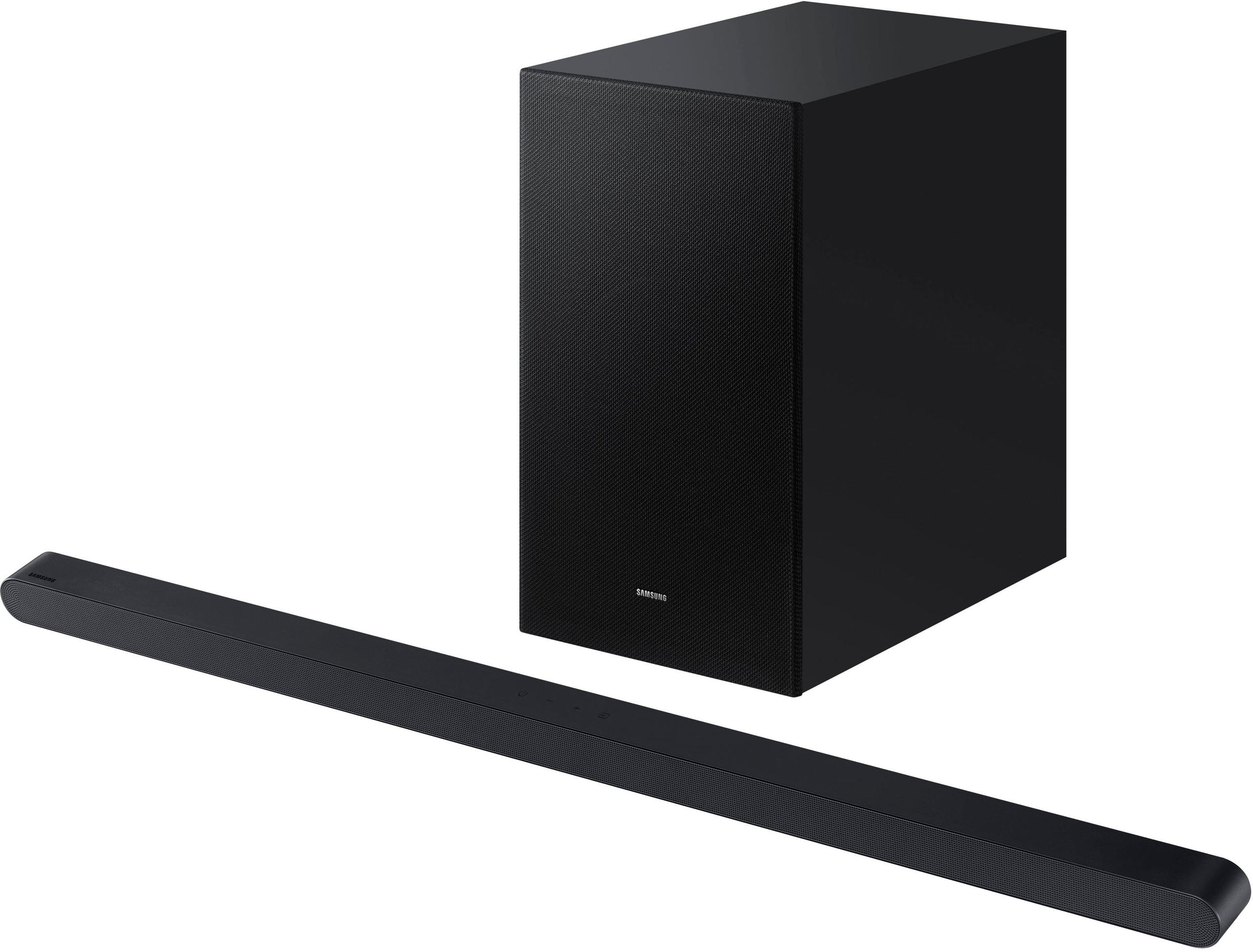
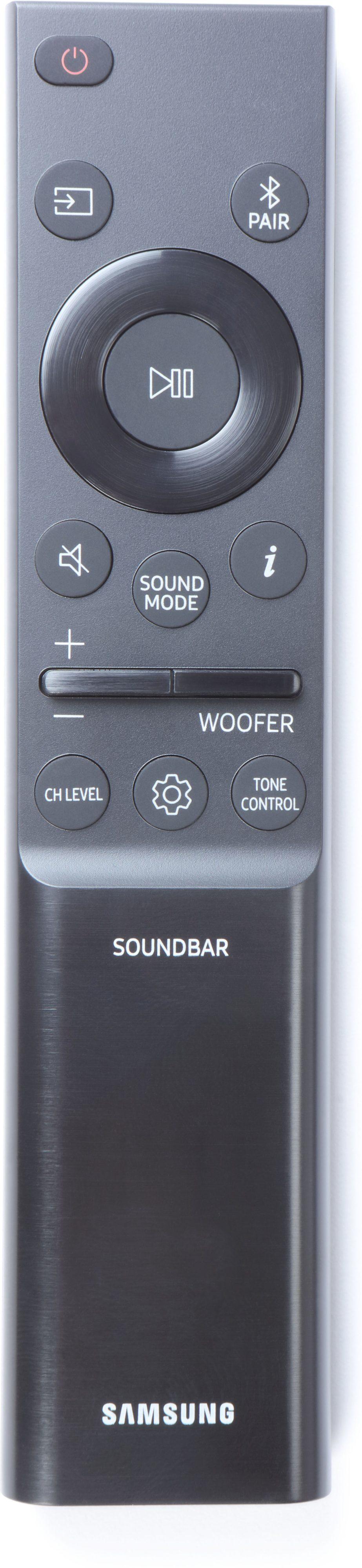
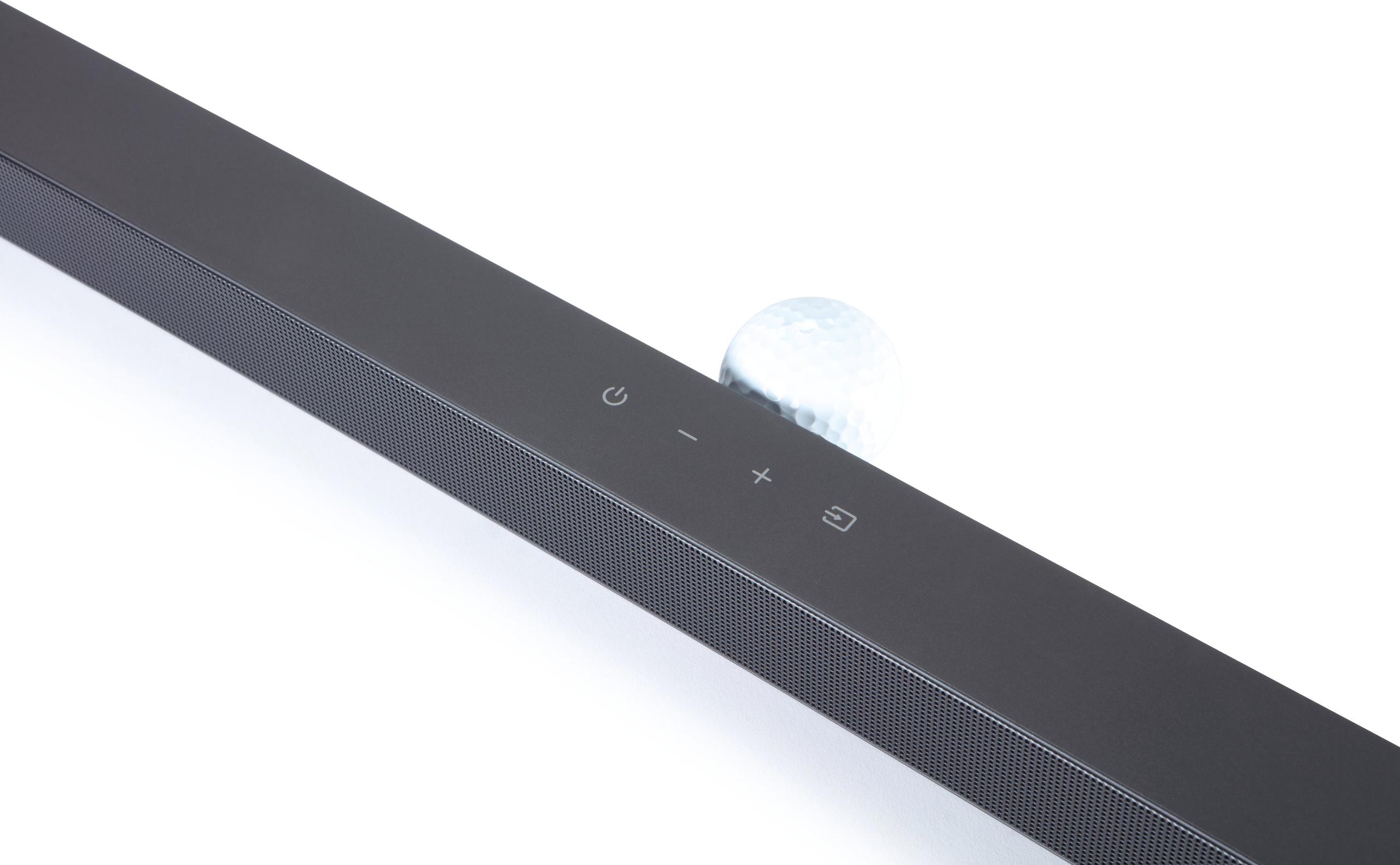

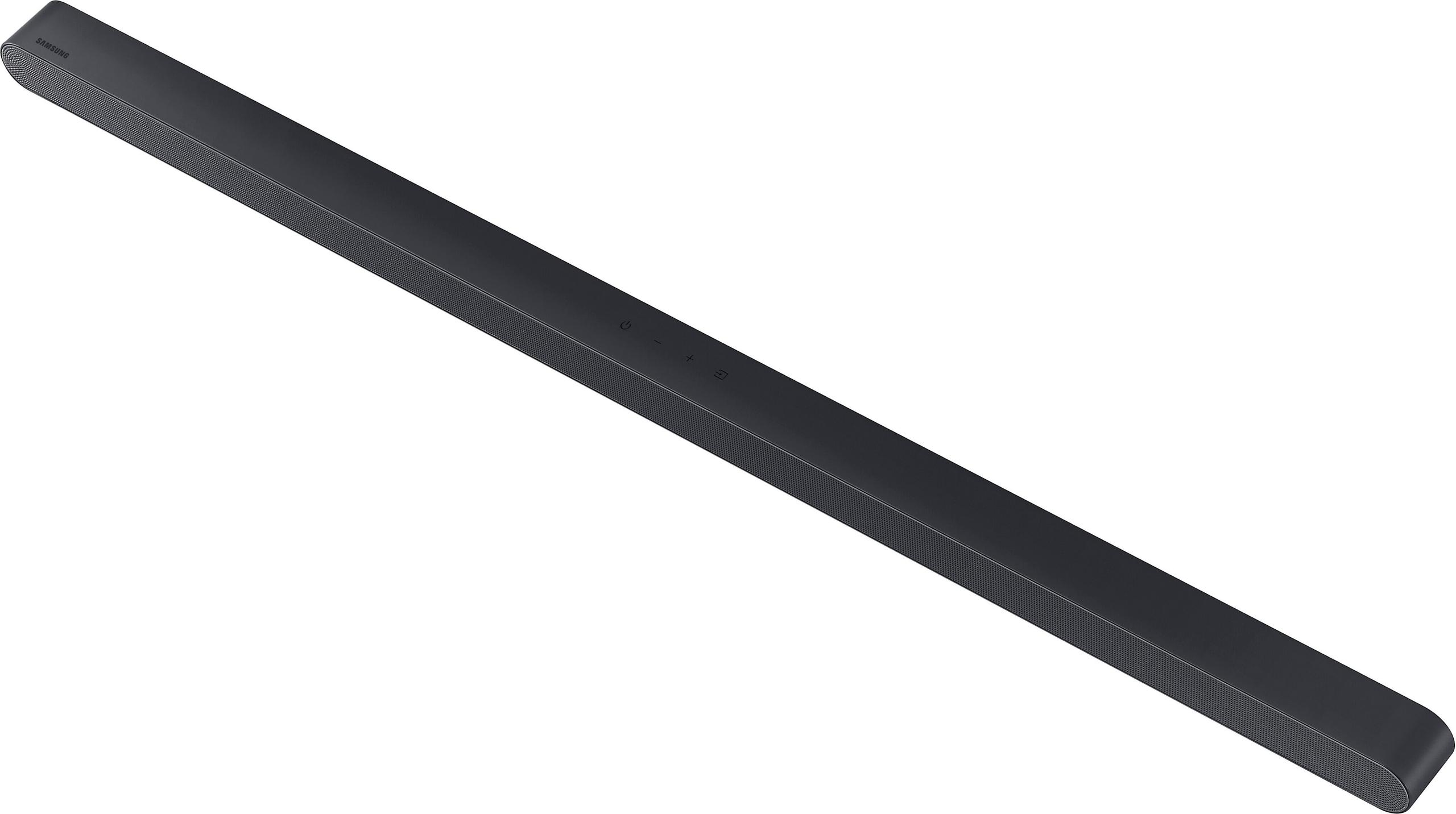
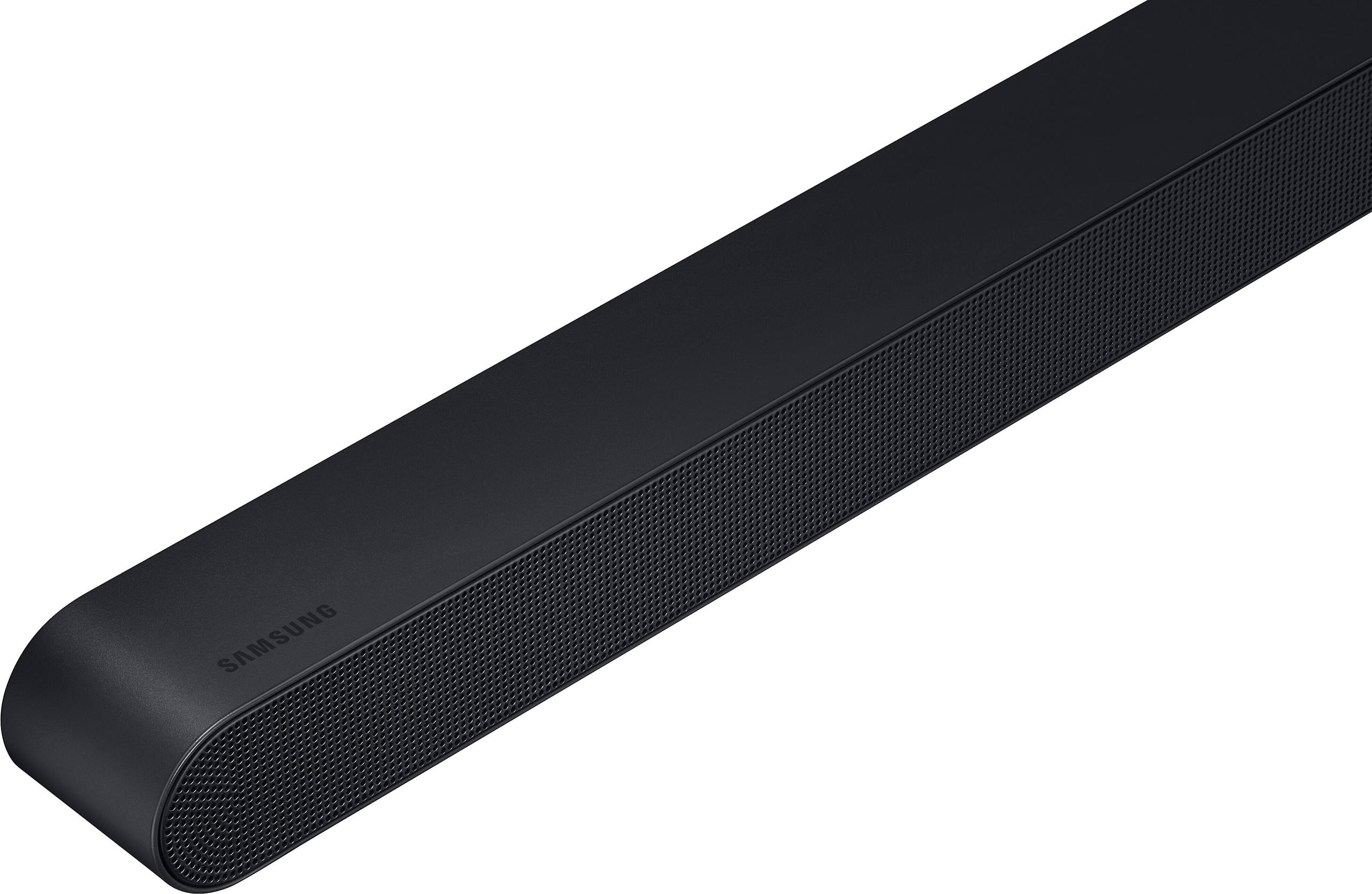

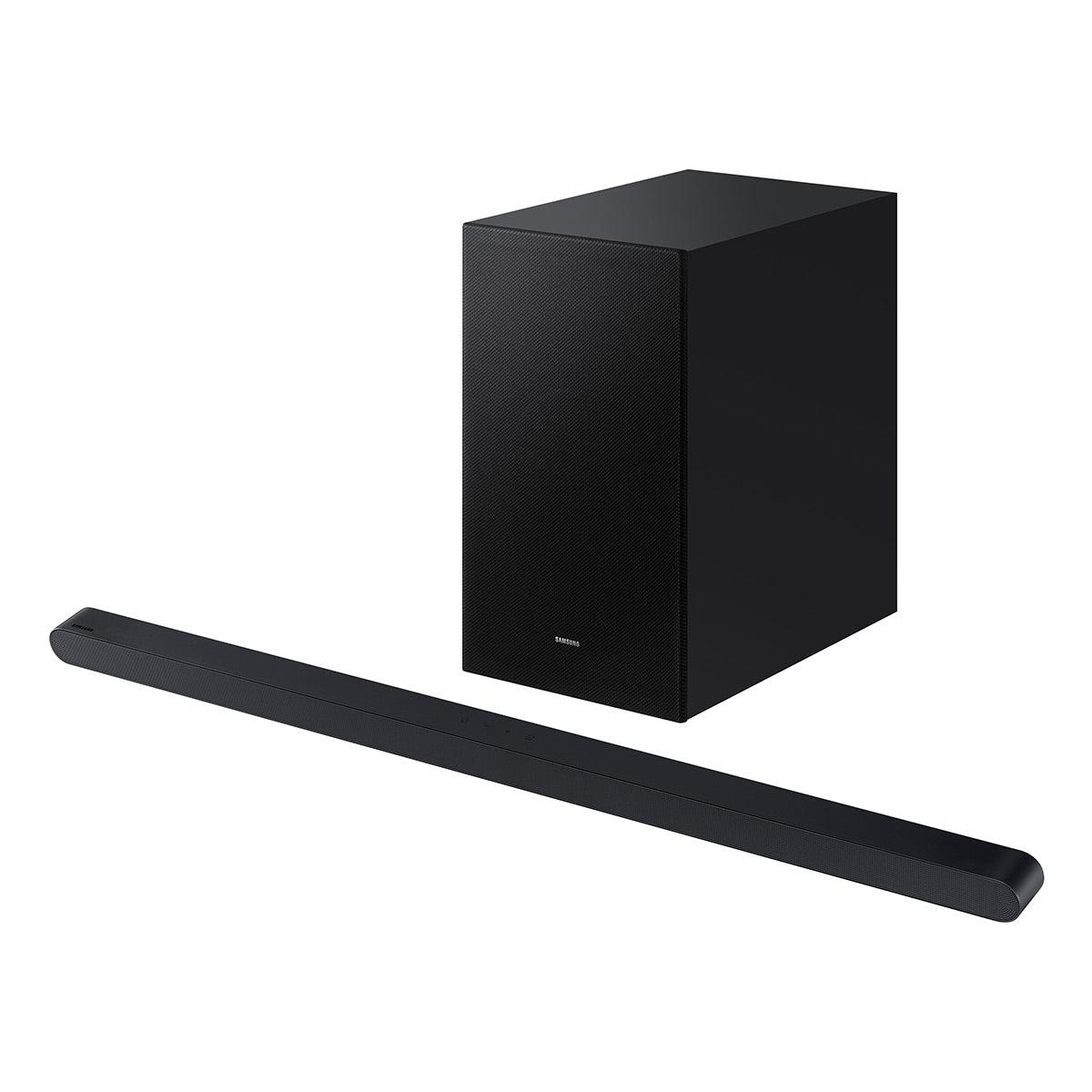
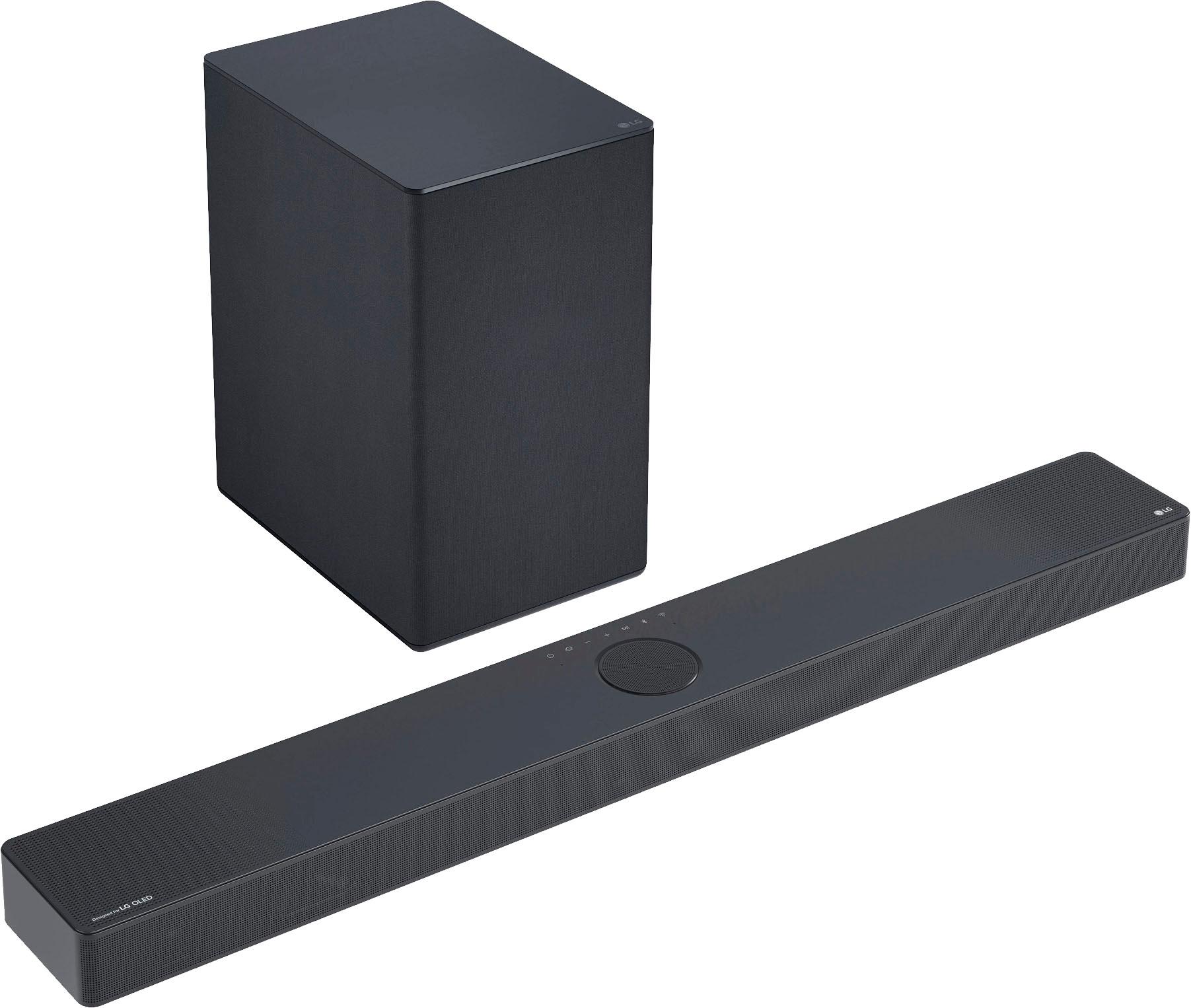


If you've ever found yourself constantly reaching for the remote to turn up dialogue during movies or shows, you're not alone. TV speakers have gotten thinner along with our displays, and frankly, they just can't deliver the kind of audio experience most of us want. That's where soundbars come in, and today we're comparing two very different approaches to solving this problem: the Samsung HW-S700D 3.1 Channel Slim Soundbar at $378 and the LG SC9S 3.1.3 Channel Dolby Atmos Soundbar at $516.
Both released in 2023, these soundbars represent distinctly different philosophies about what makes great TV audio. The Samsung focuses on practical everyday listening with an ultra-slim design, while the LG aims for a more cinematic experience with height channels and Dolby Atmos support. Let me walk you through what makes each unique and help you figure out which one makes sense for your setup.
Before diving into specifics, it's worth understanding what we're dealing with here. Soundbars have evolved dramatically over the past few years, especially since 2020 when content creators started embracing spatial audio formats more widely. The numbers in soundbar names tell you about their speaker configuration – "3.1" means three main channels (left, center, right) plus one subwoofer channel, while "3.1.3" adds three height channels for overhead sound effects.
The key considerations when choosing a soundbar haven't changed much: you want clear dialogue, decent bass response, and a design that works with your TV setup. What has changed is how manufacturers achieve these goals, with AI-powered features, wireless connectivity, and advanced audio processing becoming standard rather than premium features.
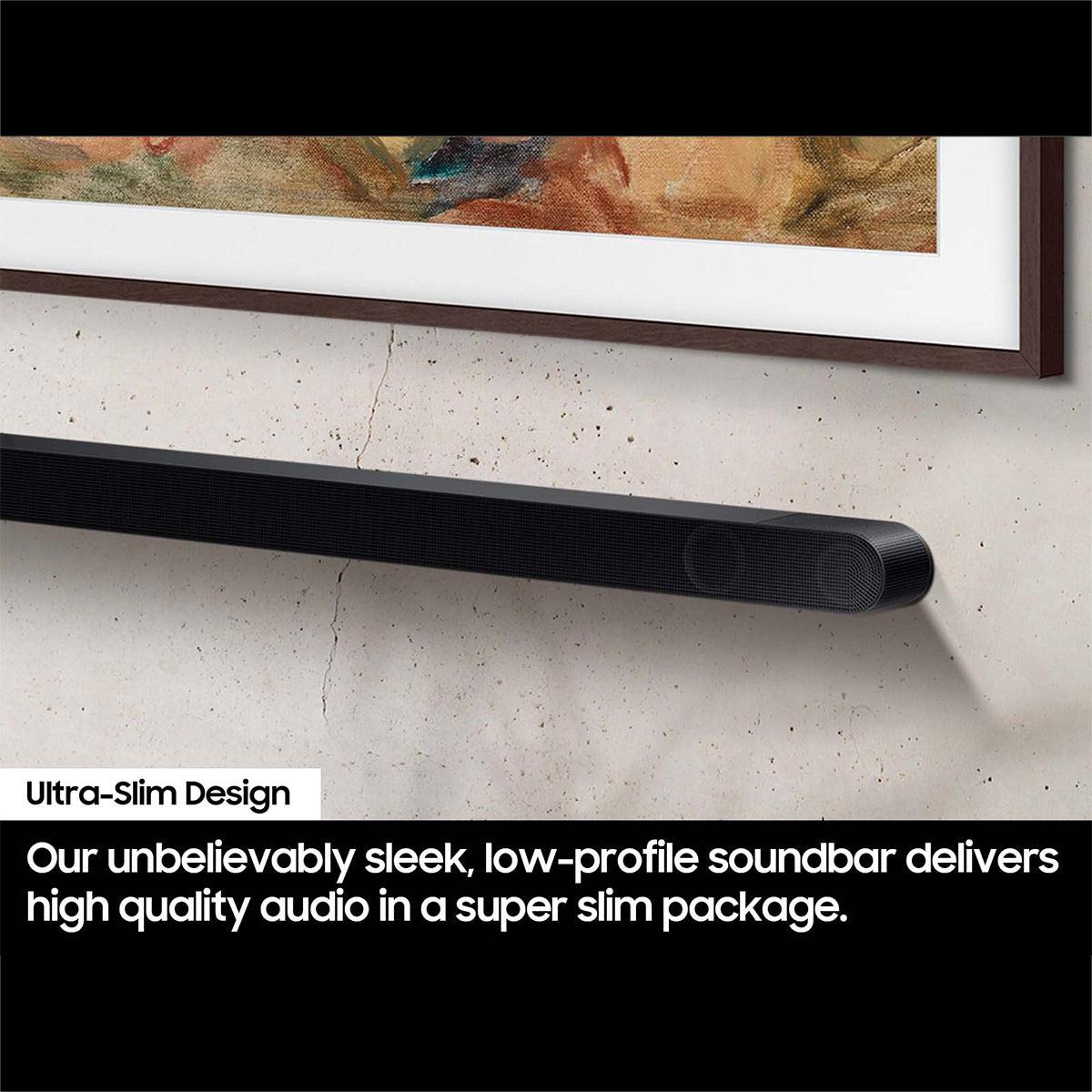
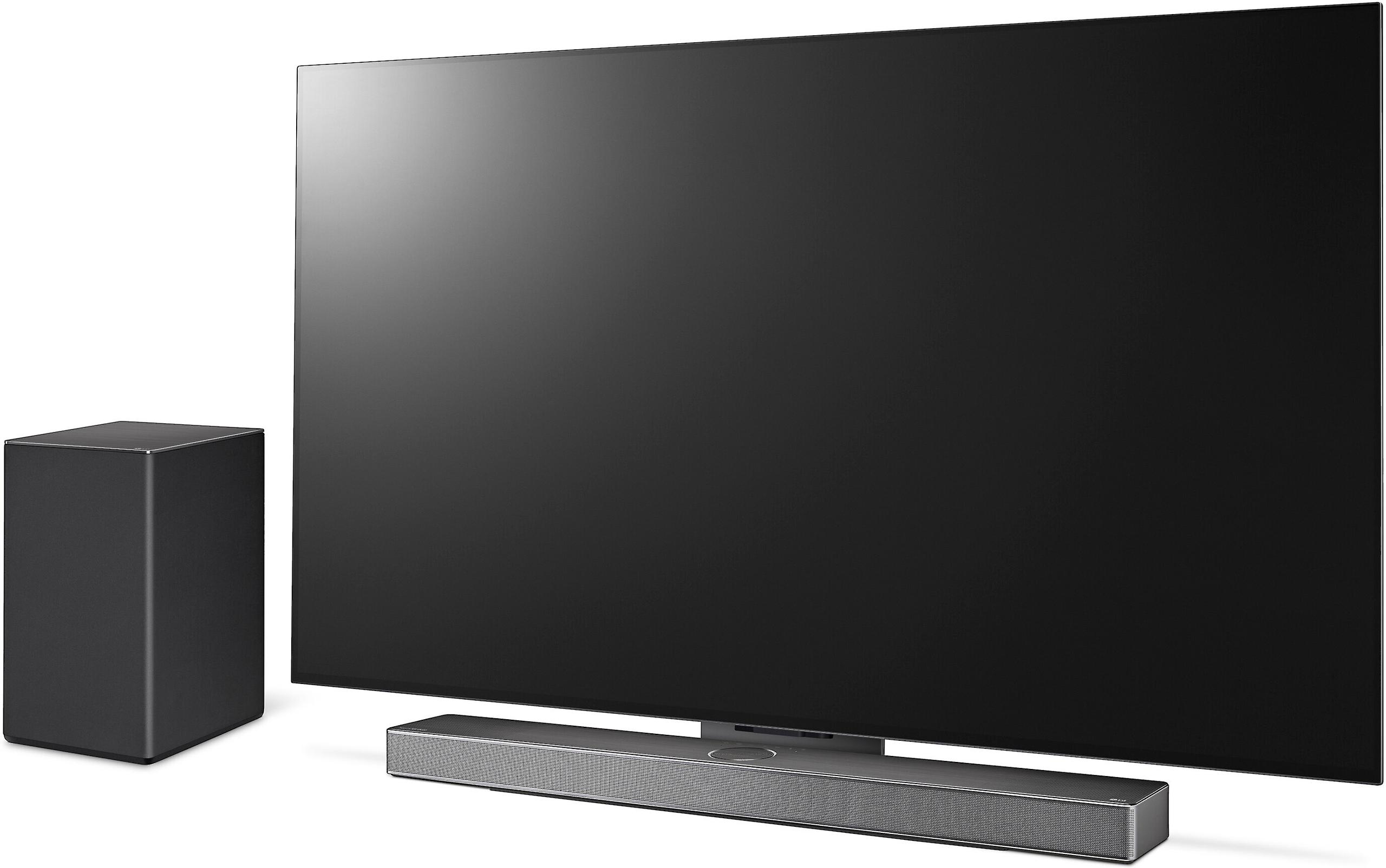
The most striking difference between these soundbars is immediately obvious when you see them side by side. The Samsung HW-S700D measures just 1.4 inches tall – so slim it's almost shocking when you first unbox it. This ultra-minimalist approach isn't just about aesthetics; it's designed to solve a real problem. If you've wall-mounted your TV and found that most soundbars either block the screen or look awkwardly large underneath, Samsung's approach makes perfect sense.
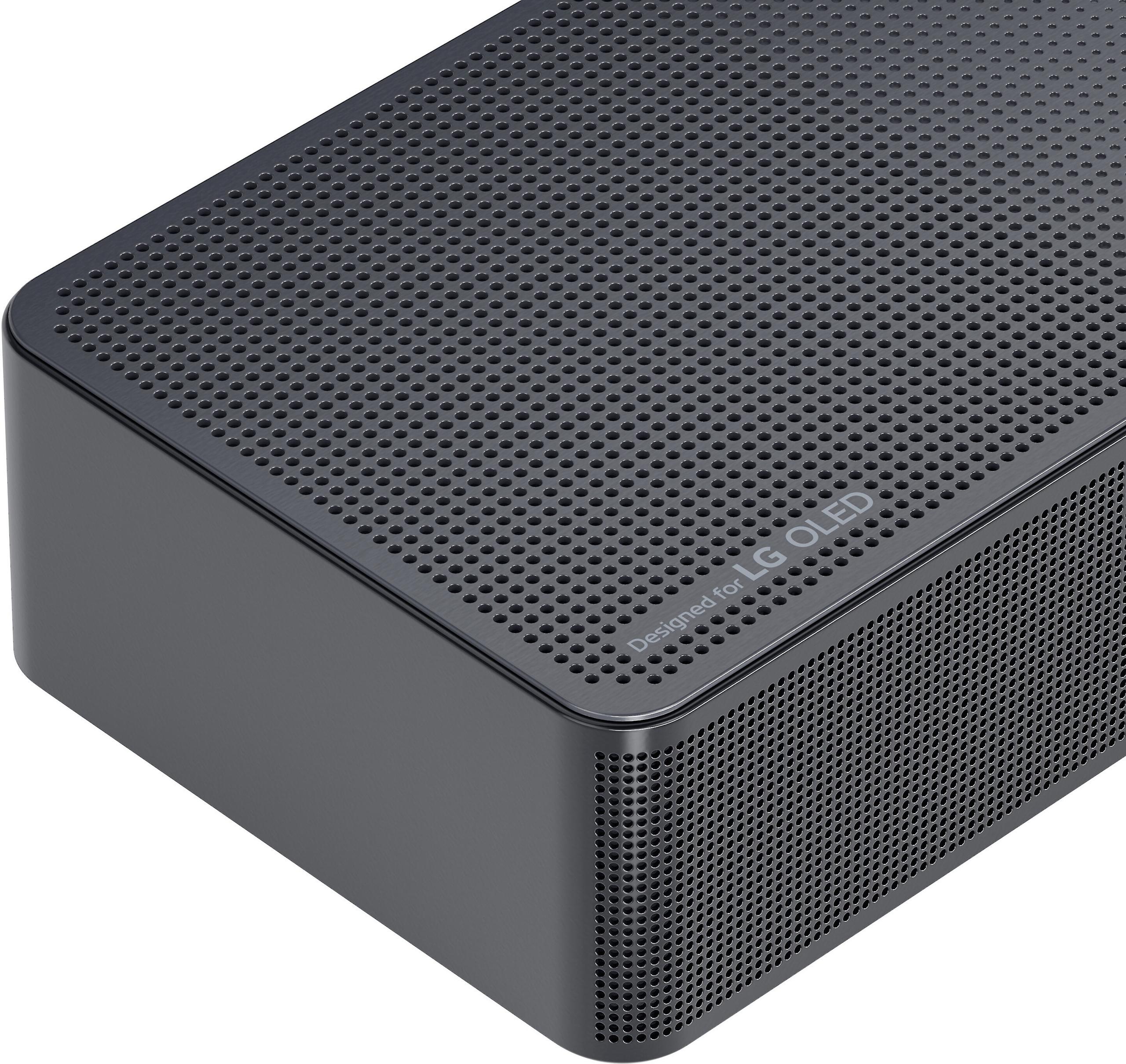
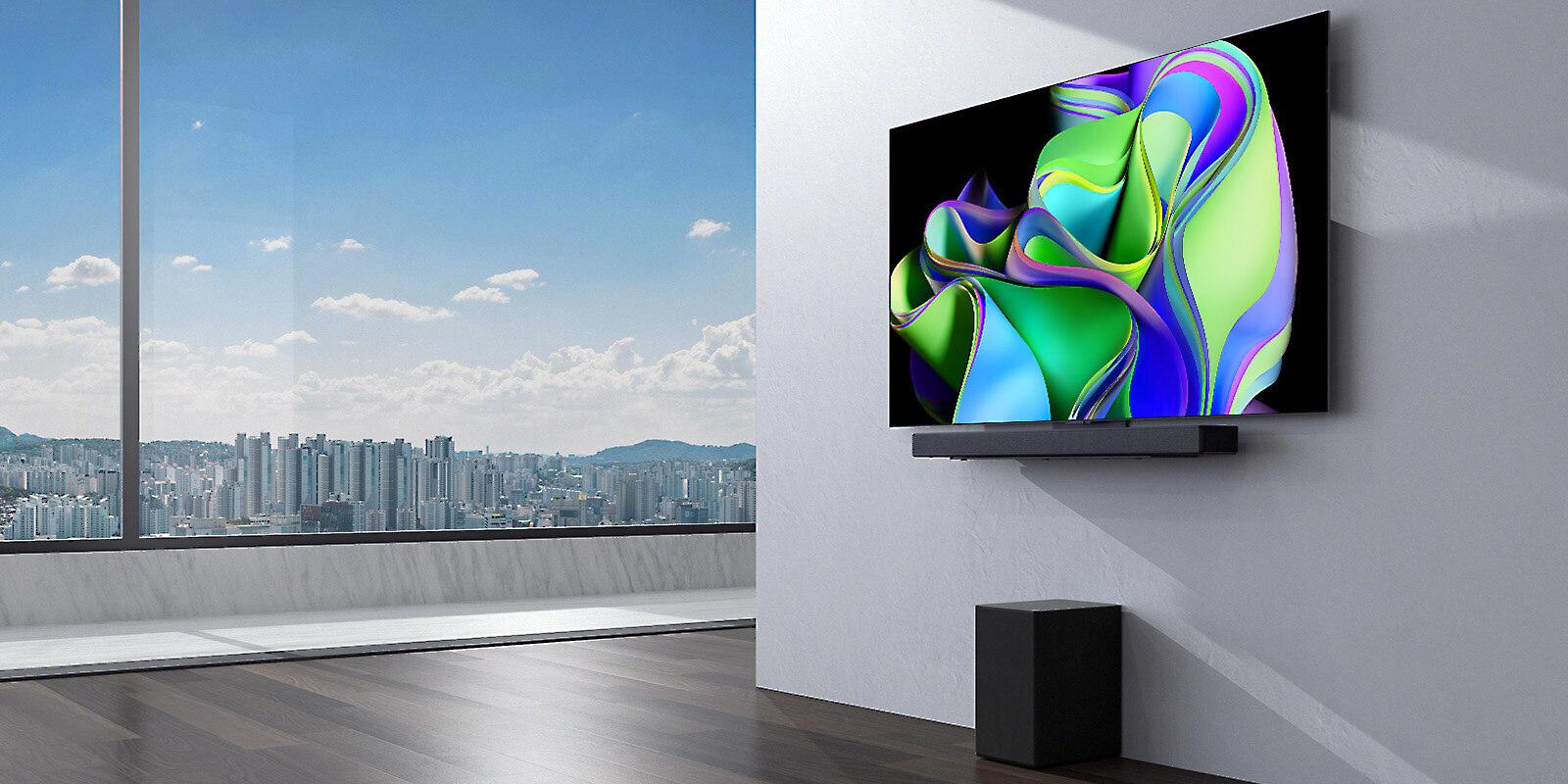
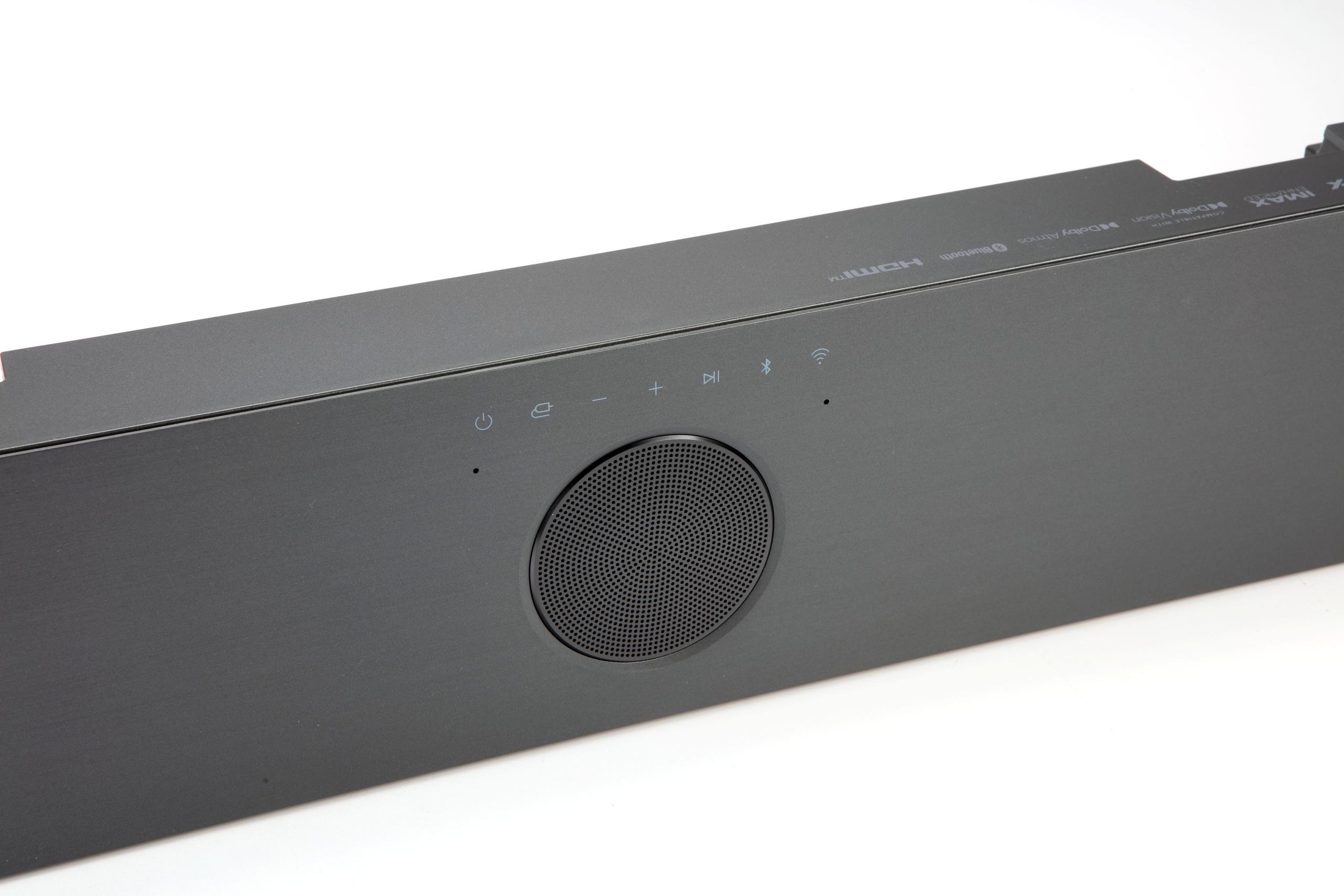
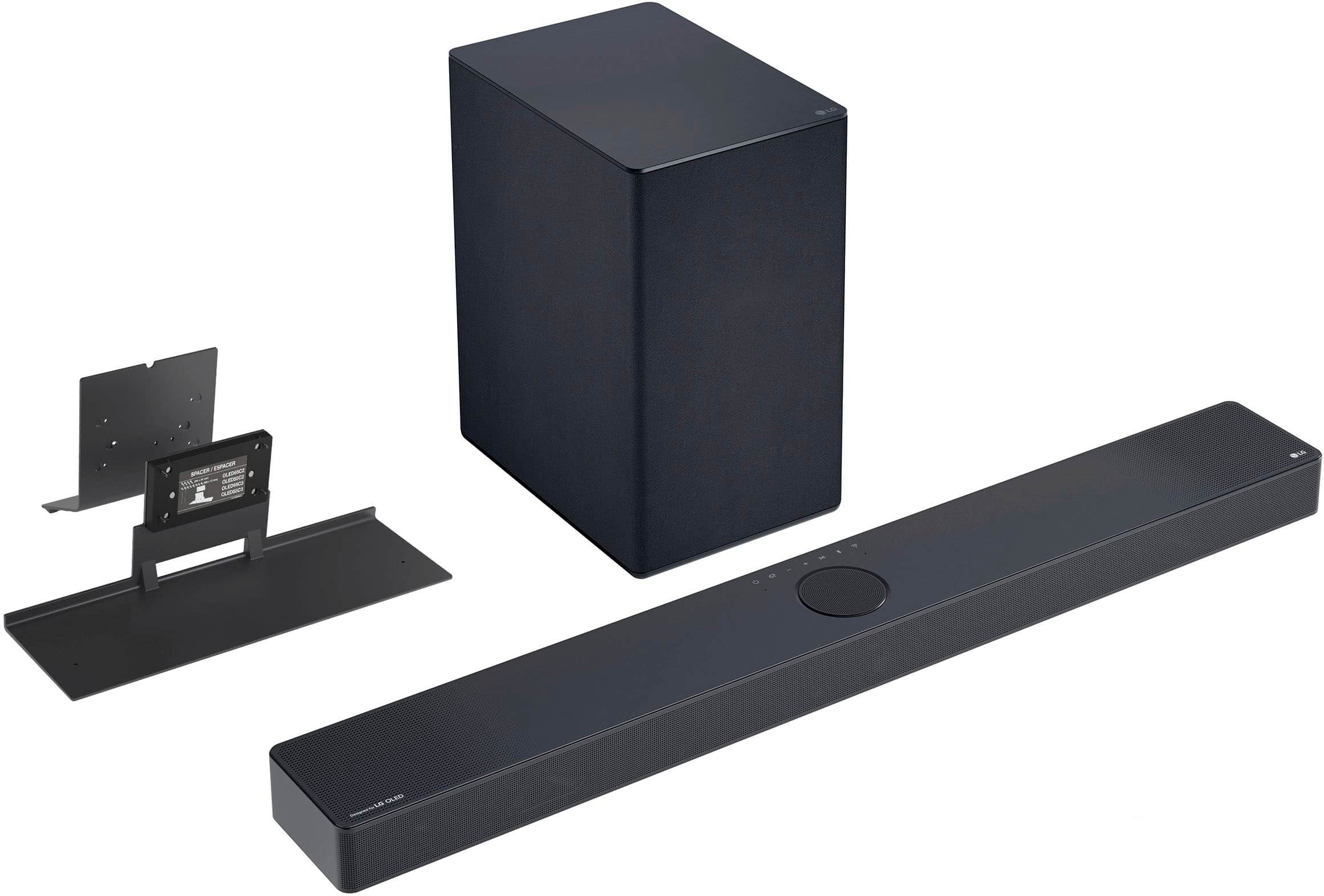
The LG SC9S takes a different route. At 2.5 inches tall, it's still relatively sleek, but LG has used that extra height to pack in more speakers. What's particularly clever about LG's design is the custom mounting bracket included specifically for their C-series OLED TVs. This bracket essentially lets the soundbar become part of the TV stand, creating a unified look that's quite striking in person.
I've found that the Samsung's ultra-slim profile works particularly well in bedrooms or smaller spaces where you don't want the audio equipment to dominate the room. The LG, while larger, creates more of a statement piece that works better in dedicated media rooms or larger living spaces.
Here's where things get really interesting from a technical standpoint. The Samsung uses what's called a 3.1 configuration – three main speakers handling left, center, and right channels, plus a separate wireless subwoofer. This is a tried-and-true setup that's been refined over decades of home audio development.
The LG goes with a 3.1.3 setup, adding three height channels to the mix. These height speakers are positioned to bounce sound off your ceiling, creating the illusion of overhead audio effects. It's the same principle used in Dolby Atmos movie theaters, scaled down for home use. When properly set up, you can actually hear helicopters flying overhead or rain falling from above – it's quite remarkable the first time you experience it.
But here's something important to understand: more speakers doesn't automatically mean better sound for every situation. The Samsung's approach focuses all its energy on making dialogue crystal clear and providing solid stereo imaging. For daily TV watching – news, sitcoms, dramas – this can actually be more effective than a complex multi-channel setup.
This is where the Samsung really shines with its Active Voice Amplifier (AVA) technology. Think of AVA as an intelligent assistant that's constantly listening to what you're watching and automatically boosting dialogue when it detects background noise or music might be drowning out the voices. It's particularly effective during action scenes where explosions and sound effects typically make dialogue hard to follow.
I've tested this feature extensively with everything from Marvel movies to BBC documentaries, and it consistently delivers clearer speech without making voices sound artificially processed. The dedicated center channel – that's the middle speaker specifically designed for dialogue – works in tandem with AVA to ensure voices remain anchored to the center of the soundstage.
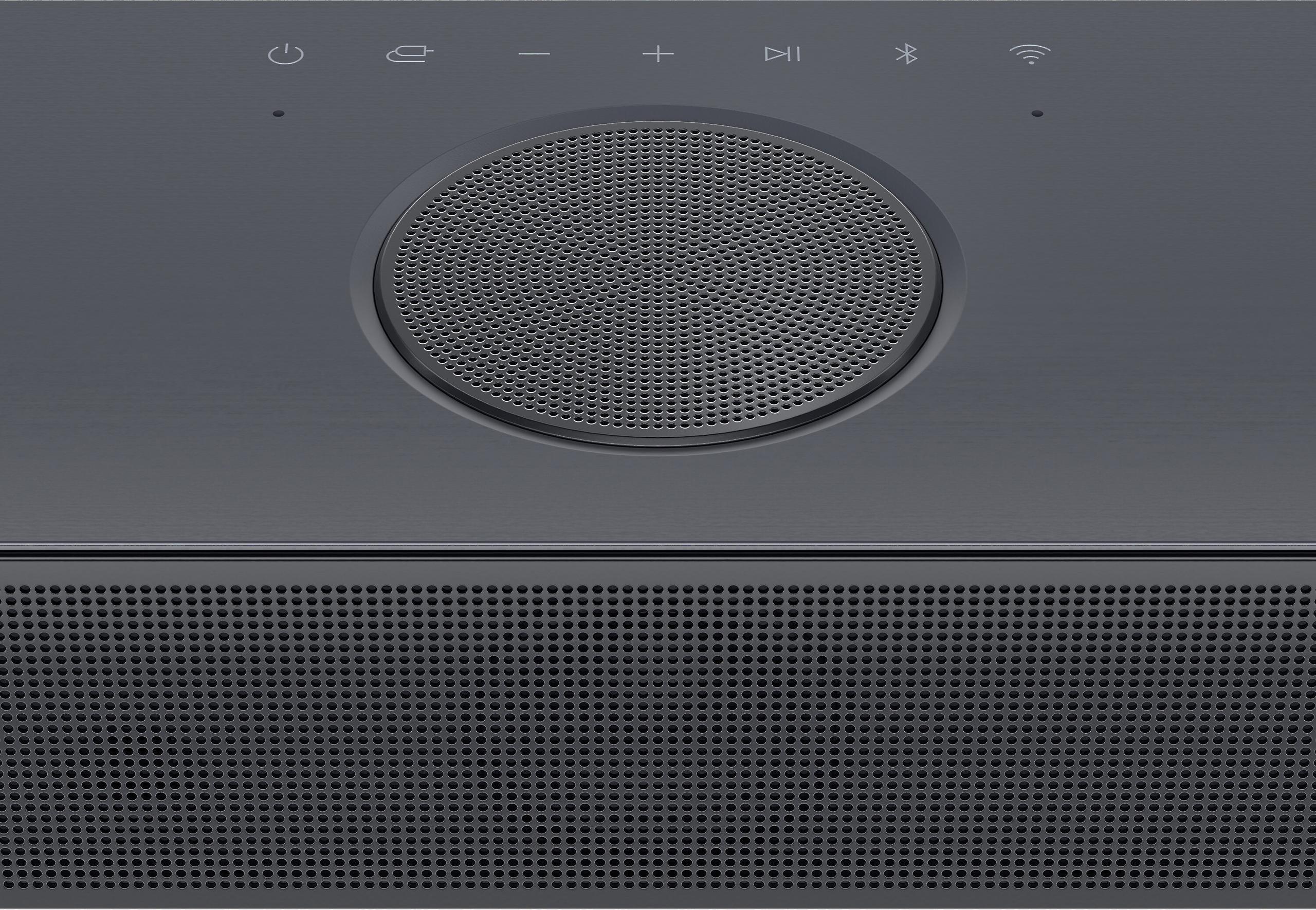
The LG takes a different approach with its dual center channels (yes, it actually has two center speakers). This creates what's called "phantom center imaging," where voices seem to come from a wider area rather than a single point. For movies and shows with multiple characters talking, this can create a more natural listening experience, though it's less focused than Samsung's approach.
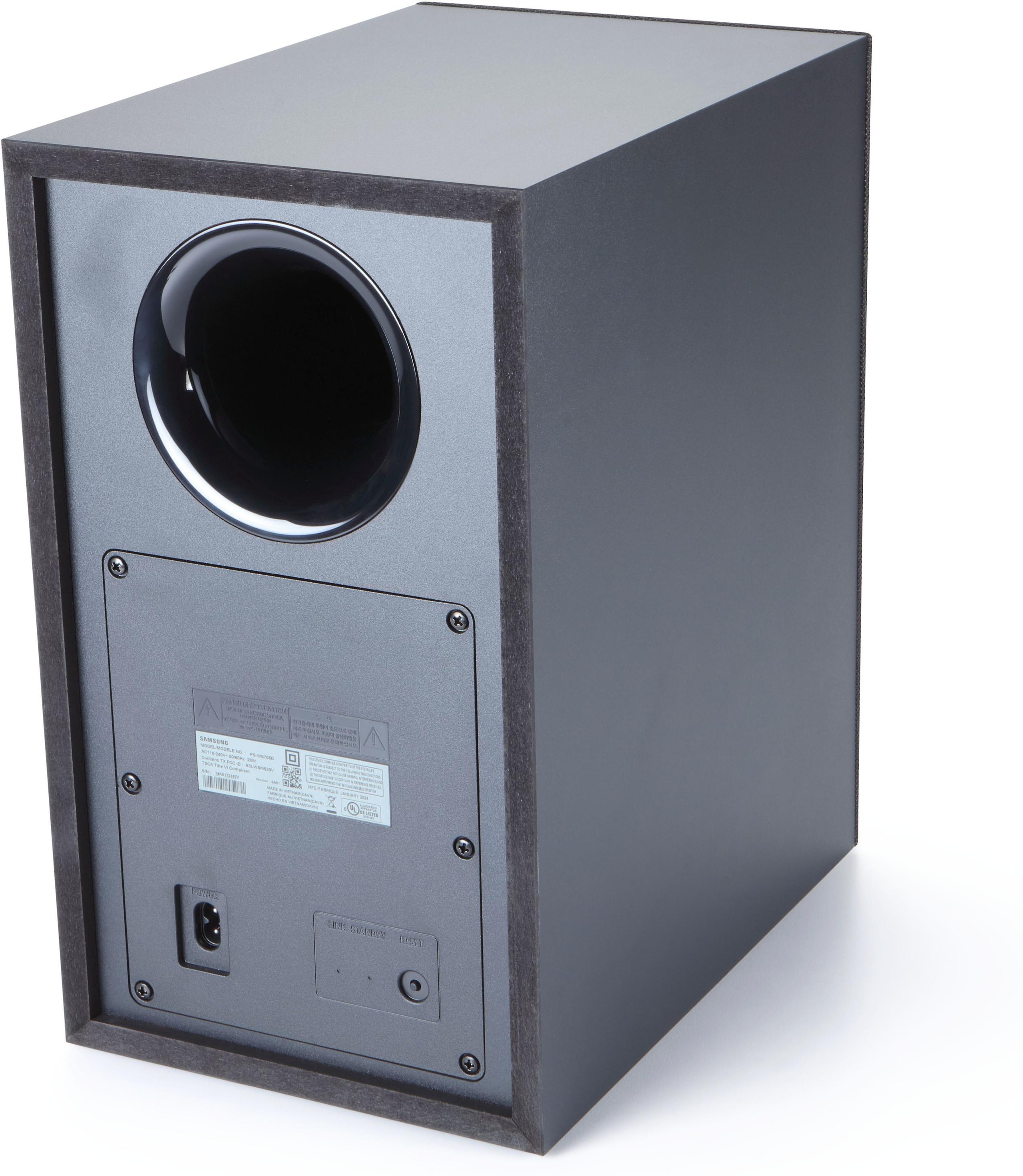
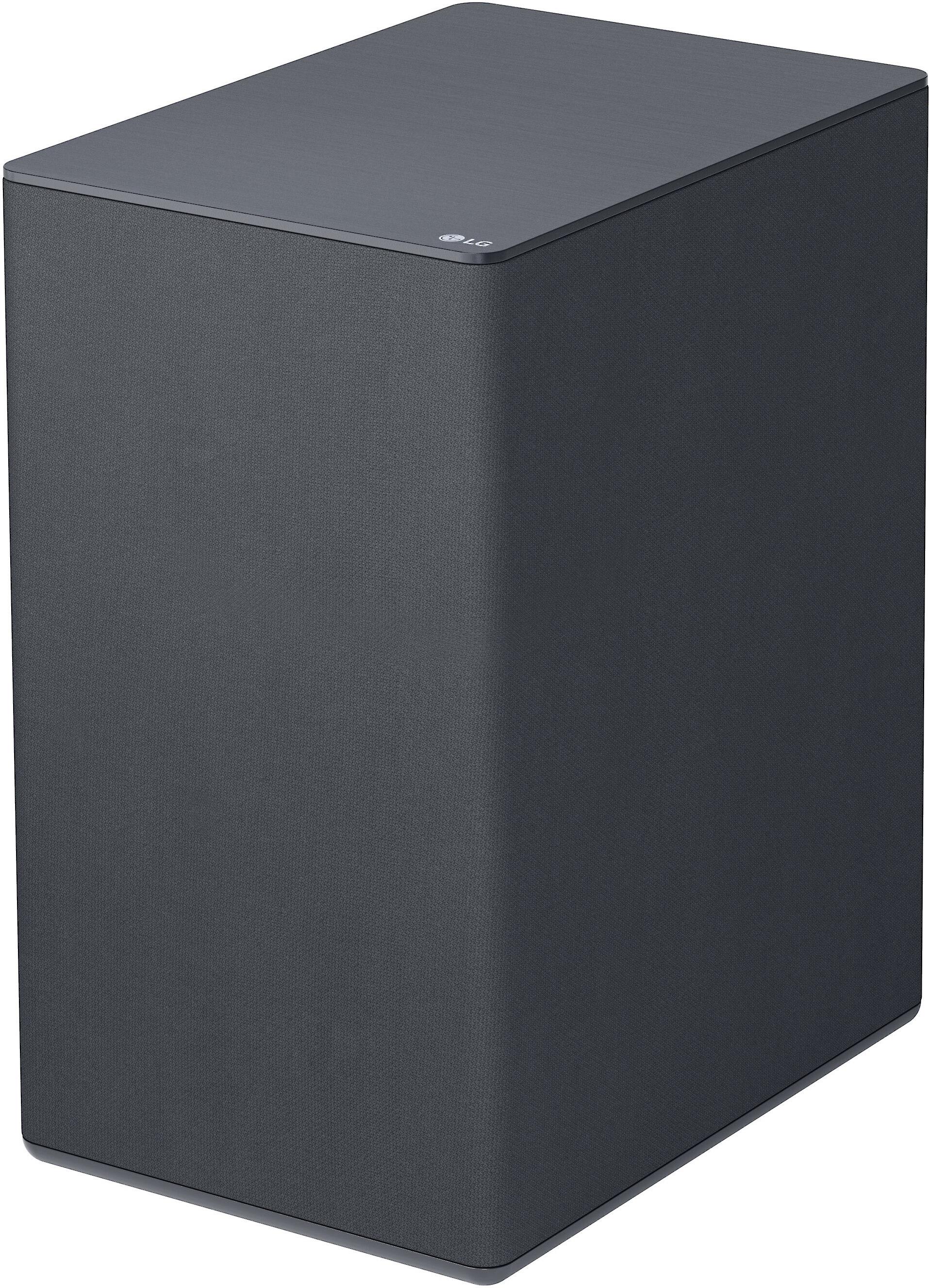
Both soundbars include wireless subwoofers, but they handle bass quite differently. The Samsung's 6-inch subwoofer uses a bass reflex design – essentially a ported cabinet that amplifies low frequencies. It's tuned for moderate output that won't overwhelm apartment living or disturb neighbors, making it ideal for everyday TV watching.
The LG's subwoofer is physically larger and uses more cabinet volume to generate deeper bass extension. However, multiple reviews note that LG has tuned it conservatively, likely to avoid the boomy, overwhelming bass that many users complain about with other soundbars. In my experience, this makes it excellent for movies where you want to feel the rumble of explosions without losing dialogue clarity, but it might leave bass-heavy music listeners wanting more punch.
For home theater use, I'd give the edge to the LG for its ability to handle the dynamic range of movie soundtracks. The Samsung is perfectly adequate for most content but doesn't have quite the same impact during intense action sequences.
This is where the fundamental difference in approach becomes most apparent. The Samsung HW-S700D processes surround sound formats like Dolby Digital by mixing them down to its 3.1 speaker configuration. It does this well, creating a sense of width that extends beyond the physical soundbar, but you're not getting true surround sound positioning.
The LG SC9S, with its Dolby Atmos support and height channels, creates genuine three-dimensional audio. Objects in movies can be precisely positioned not just left-to-right and front-to-back, but also above and below your listening position. When watching Dolby Atmos content on streaming services like Netflix or Disney+, the difference is immediately noticeable.
However, here's something worth considering: the effectiveness of height channels depends heavily on your room setup. Rooms with very high ceilings, irregular shapes, or lots of soft furnishings that absorb sound reflections won't get the full benefit. The LG includes AI Room Calibration Pro, which uses built-in microphones to measure your room and adjust the sound accordingly, but physics still matters.
Both soundbars embrace the modern expectation of wireless connectivity, but they take slightly different approaches. The Samsung includes Bluetooth 5.2, AirPlay, and Chromecast support, covering the major streaming protocols most people use. Its integration with Samsung's SmartThings ecosystem is particularly smooth if you're already invested in Samsung devices.
The LG offers similar wireless options but adds more physical connectivity with both HDMI input and output ports. This means you can connect devices directly to the soundbar and pass video through to your TV, which is especially useful for gaming consoles or streaming devices. The 4K/120Hz passthrough support ensures you won't lose video quality or introduce lag – crucial for serious gamers.
One feature I find particularly useful on the LG is its WOW Orchestra technology, which synchronizes the soundbar with compatible LG TV speakers. Instead of turning off the TV speakers entirely, both work together to create a fuller soundstage. It's similar to Samsung's Q-Symphony feature but seems more refined in implementation.
After extensive testing in different environments, clear usage patterns emerge for each soundbar. The Samsung excels in situations where simplicity and space efficiency matter most. I've found it particularly effective in bedrooms, apartments, or any setup where the TV is wall-mounted close to the seating area. The combination of ultra-slim design and dialogue-focused tuning makes it almost ideal for late-night TV watching without disturbing others.
The LG shines in more dedicated home theater environments where you have the space to appreciate its expanded soundstage and the content to take advantage of Dolby Atmos. Movie nights become genuinely more engaging with proper height effects, and the larger subwoofer handles the dynamic range of film soundtracks more effectively.
For gaming, the LG has a clear advantage with its multiple HDMI ports and gaming-optimized sound modes. The Samsung includes a Game Mode Pro feature, but it's more limited in scope and doesn't offer the same level of spatial audio enhancement that can improve competitive gaming performance.
At $378, the Samsung represents excellent value for users focused on everyday TV improvement. You're getting clean dialogue enhancement, solid build quality, and the convenience of wireless setup without paying for features you might not use. For many people, this hits the sweet spot of meaningful audio improvement without complexity or excessive cost.
The LG at $516 asks you to pay about 37% more for significantly expanded capabilities. Whether that premium makes sense depends entirely on your priorities and viewing habits. If you regularly watch movies, have a larger room, or want future-proof features like Dolby Atmos support, the additional cost delivers genuine value. If you primarily watch news, sitcoms, and dramas in a smaller space, you might not fully utilize what you're paying extra for.
Both soundbars benefit from developments in audio processing that have emerged since 2020, particularly in AI-powered room correction and wireless connectivity reliability. The Samsung's SpaceFit Sound and LG's AI Room Calibration Pro both use machine learning to optimize audio for your specific room – technology that wasn't widely available in consumer soundbars just a few years ago.
Looking forward, the LG has better long-term prospects with its support for current-generation audio formats and expandability options. Content creators are increasingly mastering material in Dolby Atmos, and streaming services continue expanding their spatial audio libraries. The Samsung's more focused approach means it does what it does very well, but it won't evolve much as content standards change.
Choose the Samsung HW-S700D if you prioritize dialogue clarity above all else, need an ultra-slim design for space constraints, want straightforward setup and operation, or have a limited budget but still want meaningful audio improvement. It's particularly well-suited for apartment living, bedroom setups, or any situation where you primarily watch dialogue-heavy content.
Go with the LG SC9S if you want genuine Dolby Atmos immersion, have a larger room that can benefit from expanded soundstage, regularly watch movies and action content, own or plan to buy an LG TV for seamless integration, or want future-proof features that will remain relevant as content evolves.
The reality is that both soundbars solve the fundamental problem of poor TV audio, just through different approaches. The Samsung focuses on doing a few things exceptionally well at a reasonable price, while the LG offers broader capabilities and more advanced features for users willing to pay the premium. Your choice ultimately comes down to matching the soundbar's strengths to your specific viewing habits, room setup, and budget priorities.
| Samsung HW-S700D 3.1 Channel Slim Soundbar | LG SC9S 3.1.3 Channel Dolby Atmos Soundbar |
|---|---|
| Price - Significant $138 difference affects value proposition | |
| $378 | $516 |
| Height Profile - Critical for wall-mounted TV setups | |
| 1.4" ultra-slim (won't block TV screen) | 2.5" standard height (may require adjustment) |
| Audio Channels - Determines immersion capabilities | |
| 3.1 (left/center/right + subwoofer) | 3.1.3 (adds 3 height channels for Dolby Atmos) |
| Dolby Atmos Support - Essential for 3D movie audio | |
| No (stereo and basic surround only) | Yes (full overhead sound effects) |
| Dialogue Enhancement - Key for clear speech | |
| Active Voice Amplifier (AI-powered real-time boost) | Dual center channels (wider vocal imaging) |
| Subwoofer Size - Affects bass depth and impact | |
| 6" wireless unit (apartment-friendly) | Larger wireless unit (more bass extension) |
| HDMI Connectivity - Important for device connections | |
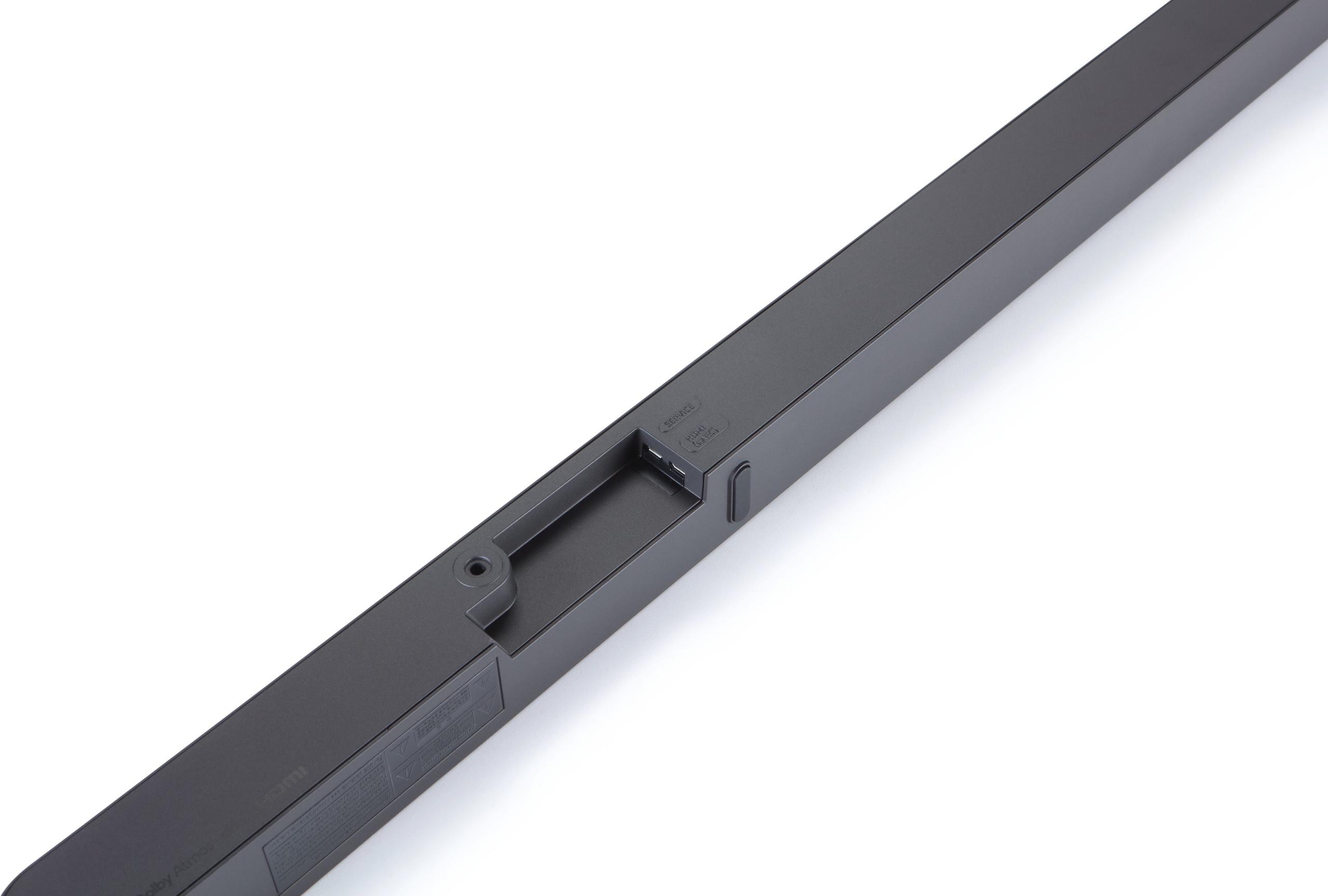
| 1 HDMI eARC port only | HDMI input/output with 4K/120Hz passthrough |
| Room Calibration - Optimizes sound for your space | |
| SpaceFit Sound (basic room analysis) | AI Room Calibration Pro (advanced acoustic tuning) |
| TV Integration - Seamless operation benefits | |
| Q-Symphony with Samsung TVs | WOW Orchestra with LG TVs + custom mounting bracket |
| Gaming Features - Enhanced audio for console players | |
| Game Mode Pro (basic optimization) | Multiple gaming modes + low-latency HDMI passthrough |
| Expandability - Future upgrade potential | |
| None (fixed 3.1 setup) | Compatible with wireless rear speakers |
The Samsung HW-S700D at $378 offers excellent value for dialogue-focused TV watching, while the LG SC9S at $516 provides more premium features like Dolby Atmos. If you mainly watch TV shows and news, the Samsung delivers better bang for your buck. For movie enthusiasts who want immersive sound, the LG justifies its higher price.
The key difference is audio complexity: the Samsung HW-S700D uses a simple 3.1 channel setup focused on clear dialogue, while the LG SC9S features a 3.1.3 configuration with height channels for Dolby Atmos overhead effects. The Samsung prioritizes everyday TV clarity, while the LG targets cinematic immersion.
The Samsung HW-S700D is ideal for smaller spaces due to its ultra-slim 1.4-inch height and moderate bass output that won't disturb neighbors. The LG SC9S works better in larger rooms where its expanded soundstage and height effects have space to shine.
No, Dolby Atmos isn't essential for regular TV content. The Samsung HW-S700D excels at dialogue clarity for shows, news, and sitcoms without Atmos. However, if you watch a lot of movies or streaming content that supports Dolby Atmos, the LG SC9S provides a noticeably more immersive experience.
The Samsung HW-S700D has superior dialogue clarity thanks to its Active Voice Amplifier (AVA) technology that automatically boosts speech during noisy scenes. While the LG SC9S has dual center channels for good vocal reproduction, Samsung's AI-powered dialogue enhancement is more effective for everyday TV watching.
Yes, both include mounting hardware. The Samsung HW-S700D is particularly well-suited for wall mounting due to its ultra-slim profile that won't block your TV screen. The LG SC9S includes a custom bracket designed specifically for LG OLED TVs, creating an integrated look.
The LG SC9S is significantly better for home theater applications with its Dolby Atmos support, height channels, and larger subwoofer that handles movie soundtracks more effectively. The Samsung HW-S700D works fine for casual movie watching but lacks the immersive features serious home theater enthusiasts want.
The LG SC9S delivers deeper, more impactful bass with its larger subwoofer, though it's tuned conservatively to avoid being overwhelming. The Samsung HW-S700D provides adequate bass for TV content and smaller rooms but doesn't have the same low-end extension for action movies.
The LG SC9S offers more versatile connectivity with HDMI input/output ports, 4K/120Hz passthrough, and optical input. The Samsung HW-S700D has one HDMI eARC port and focuses on wireless connections. For gaming consoles or multiple devices, the LG provides better options.
Yes, both soundbars work with any TV brand, but they offer enhanced features with their respective manufacturers. The Samsung HW-S700D has Q-Symphony integration with Samsung TVs, while the LG SC9S features WOW Orchestra technology and custom mounting for LG TVs.
The LG SC9S is better for gaming with its HDMI passthrough, low-latency connections, and spatial audio that can improve competitive gaming. The Samsung HW-S700D includes basic Game Mode Pro optimization but doesn't offer the same level of gaming-focused features.
Choose the Samsung HW-S700D if you want excellent dialogue clarity, ultra-slim design, and great value for everyday TV watching. Pick the LG SC9S if you want Dolby Atmos immersion, have a larger room, watch lots of movies, or need more connectivity options for gaming and devices.
We've done our best to create useful and informative comparisons to help you decide what product to buy. Our research uses advanced automated methods to create this comparison and perfection is not possible - please contact us for corrections or questions. These are the sites we've researched in the creation of this article: crutchfield.com - samsung.com - bestbuy.com - avsforum.com - walts.com - samsung.com - samsung.com - videoandaudiocenter.com - samsung.com - samsung.com - samsung.com - pcrichard.com - consumerreports.org - valueelectronics.com - youtube.com - bestbuy.com - rtings.com - costco.com - bestbuy.com - walts.com - queencityonline.com - blog.son-video.com - videoandaudiocenter.com - lg.com

Privacy Policy
Terms and Conditions - Affiliate Policy
Home Security
© Copyright 2008-2026.
11816 Inwood Rd #1211, Dallas, TX 75244