

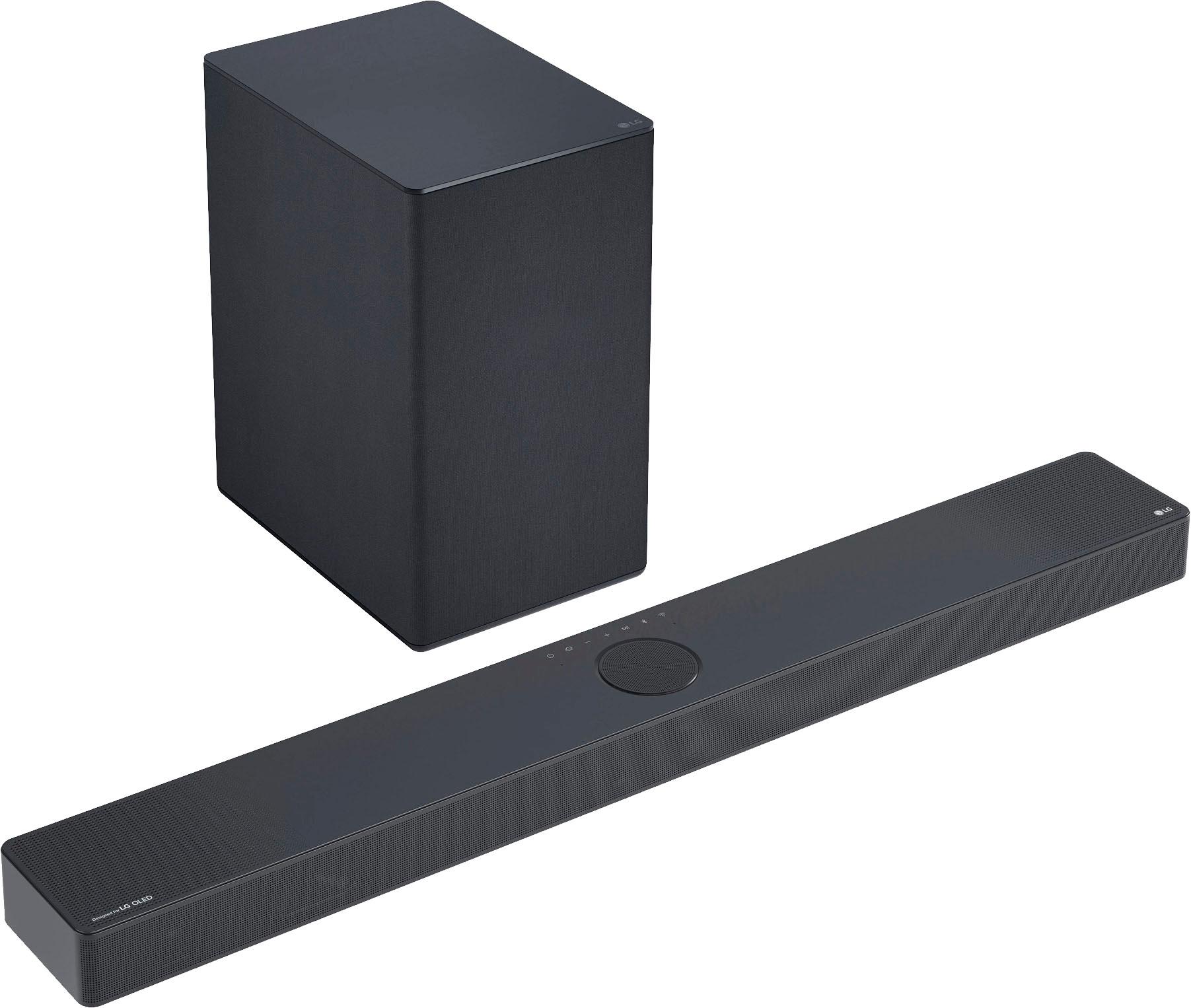


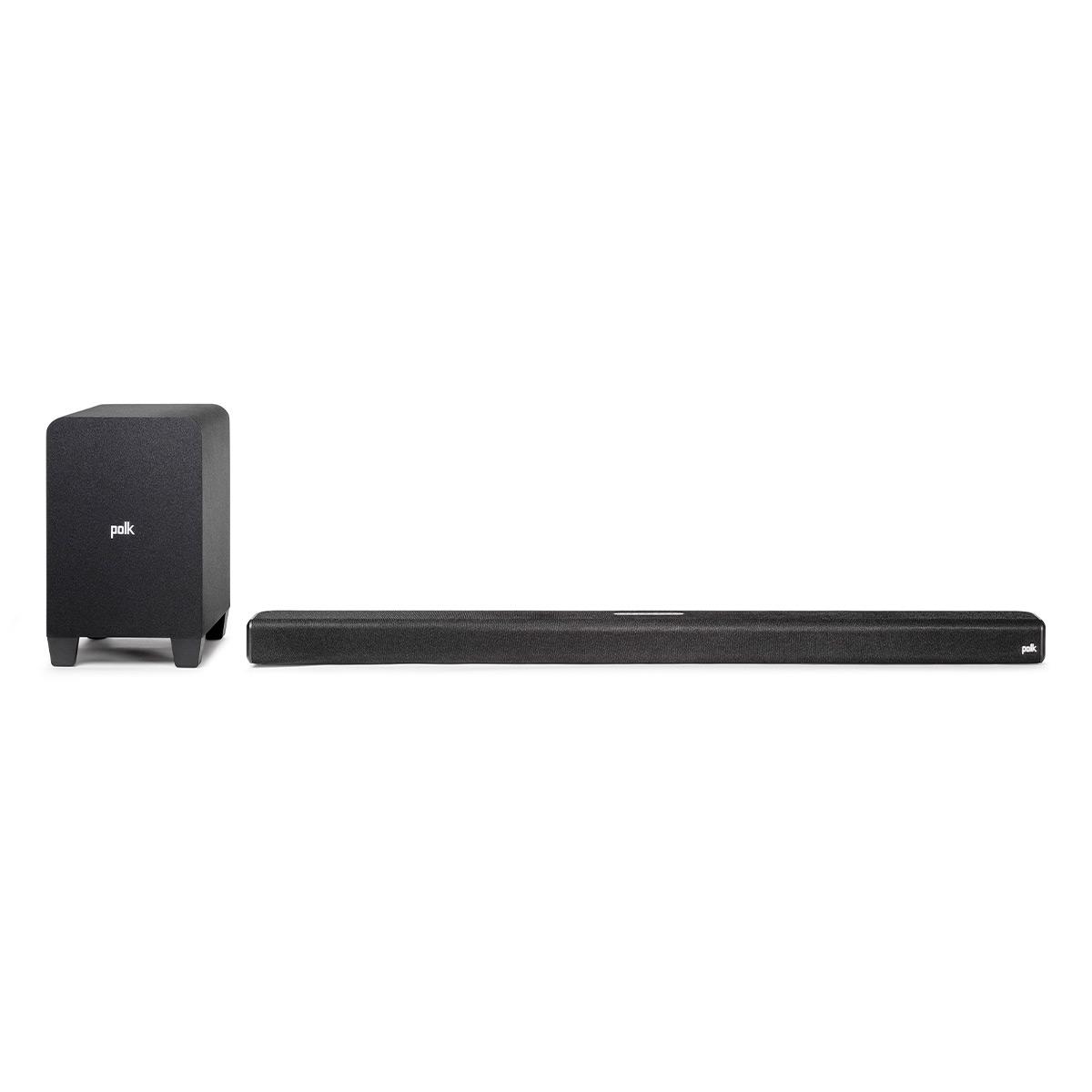
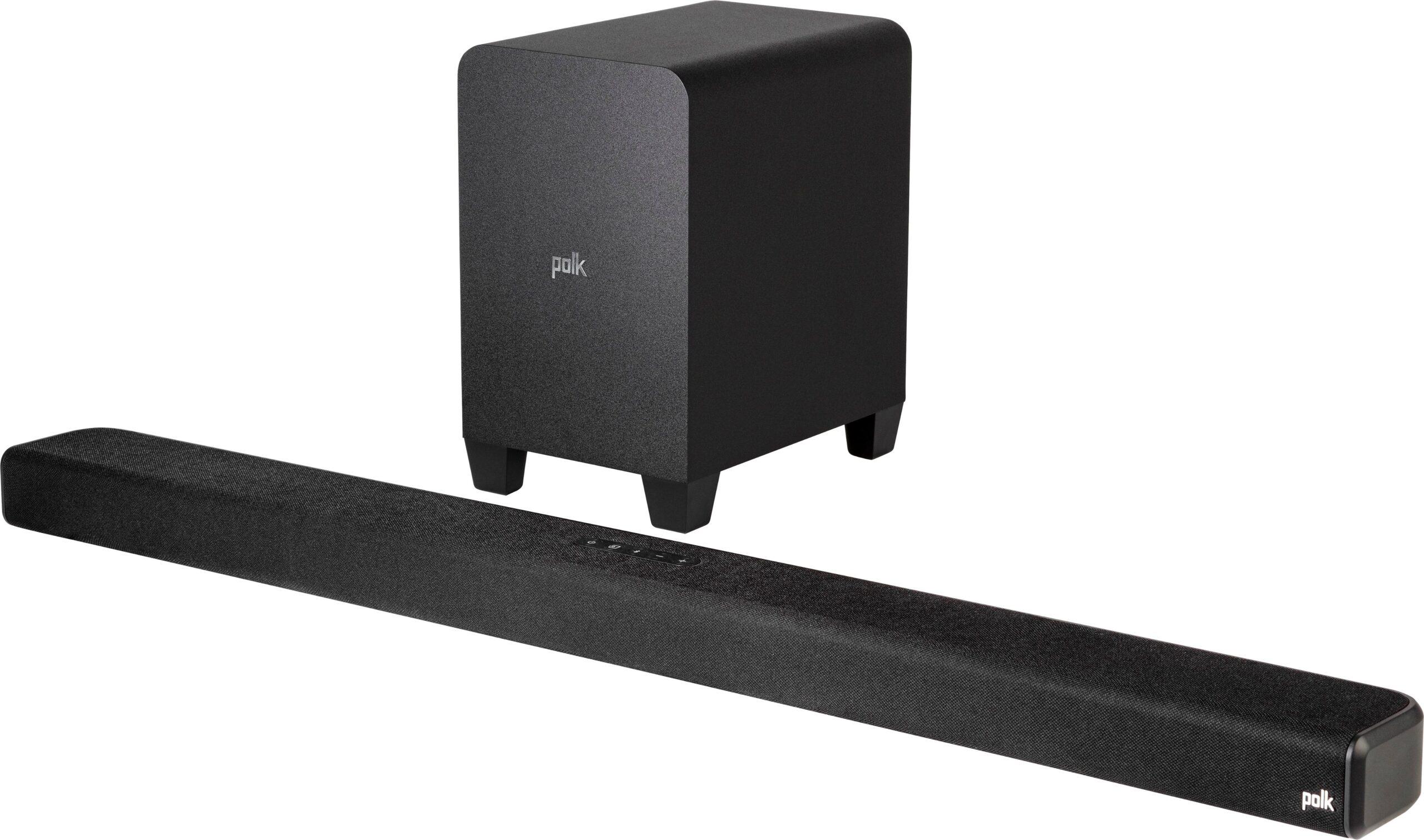
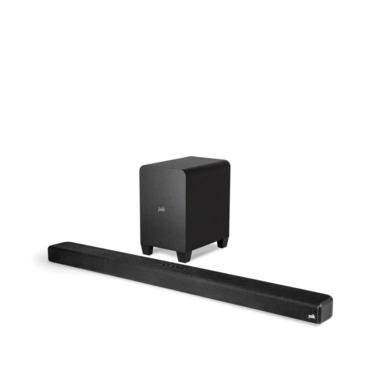
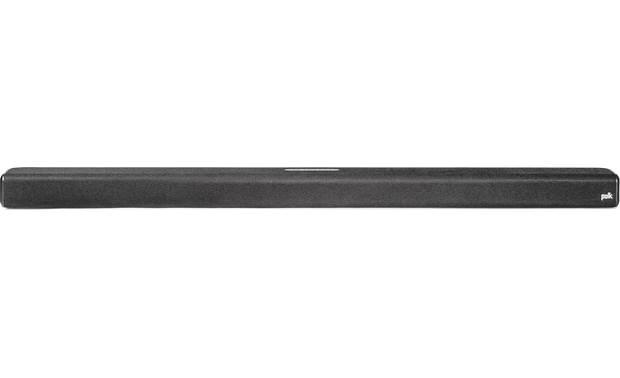
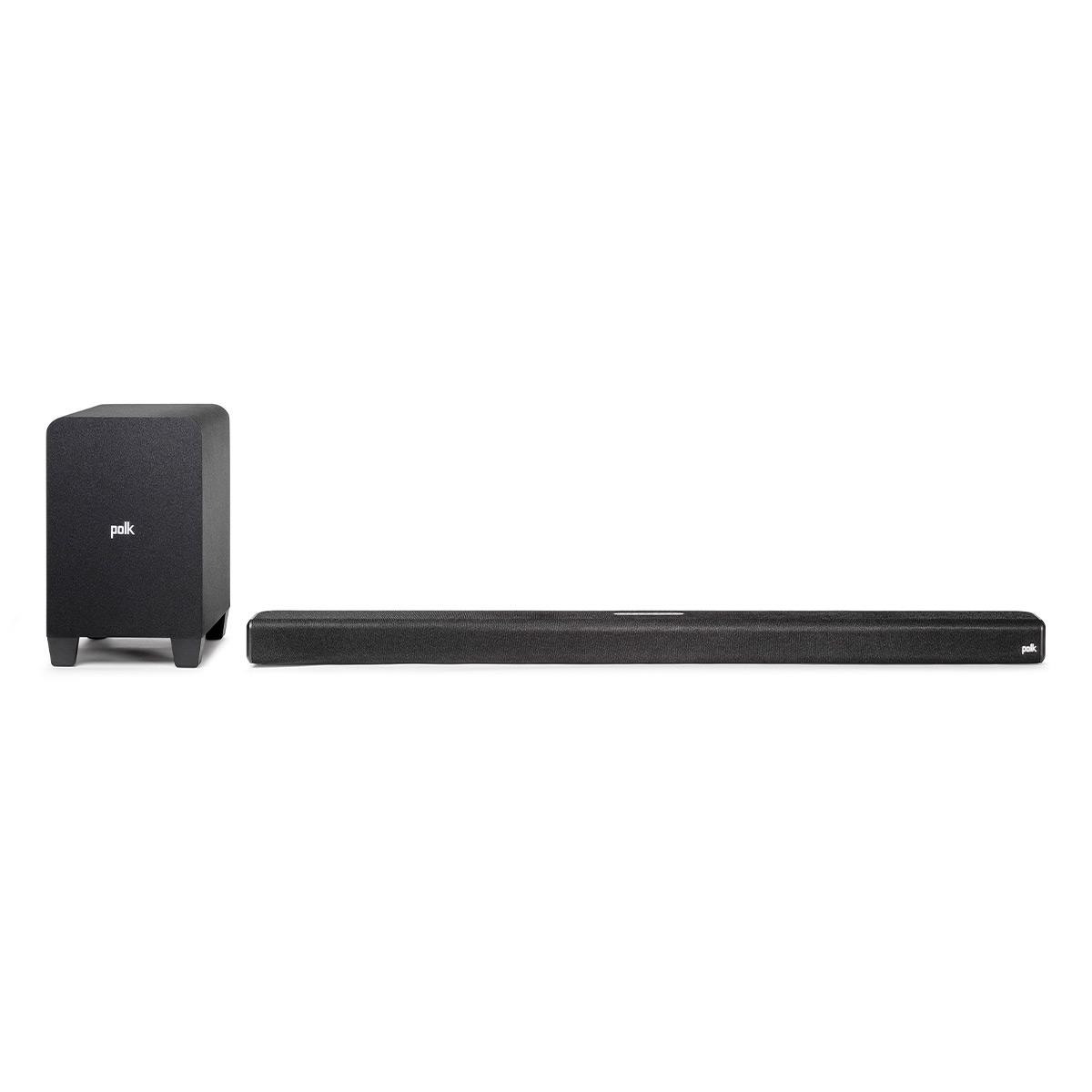
When you're watching your favorite action movie and the helicopter flies overhead, you want to feel like it's actually above you. That's the magic of Dolby Atmos technology, and both the LG SC9S ($516) and Polk Audio Signa S4 ($299) promise to deliver this three-dimensional audio experience to your living room. But with a $217 price difference between them, which one actually gives you the better bang for your buck?
Having tested dozens of soundbars over the years, I've learned that the gap between budget and premium Atmos systems has narrowed considerably. However, some key differences still matter enormously depending on your setup and expectations. Let me walk you through everything you need to know to make the right choice.
Before diving into the comparison, it's worth understanding what you're actually buying. Traditional surround sound systems use channels like 5.1 or 7.1, where the numbers represent speakers around you (5 or 7) plus a subwoofer (.1). Dolby Atmos adds a third dimension by including height channels that bounce sound off your ceiling to create overhead effects.
The channel configurations you'll see - like 3.1.3 for the LG or 3.1.2 for the Polk - break down as follows: three front channels (left, center, right), one subwoofer, and either three or two height channels respectively. Those height channels are what make helicopters fly over your head instead of just moving left to right across your room.
When shopping for an Atmos soundbar, you're primarily evaluating five things: how well it creates that overhead effect, overall audio quality, how it handles different types of content, ease of setup and use, and whether the price matches the performance. The challenge is that these systems need to work in real living rooms with furniture, carpets, and family members - not perfect acoustic chambers.
The Polk Audio Signa S4 launched in 2021 as Polk's answer to expensive Atmos systems. At $299, it was designed to prove that you didn't need to spend $600+ to get decent overhead effects. The timing was perfect - people were upgrading their home entertainment setups during the pandemic, but many weren't ready to invest in premium audio gear.
The LG SC9S arrived in 2022 with a different mission. Priced at $516, it targeted users who already owned LG's popular OLED TVs and wanted seamless integration with premium features. LG had learned from earlier soundbar attempts that succeeded technically but failed to differentiate themselves in a crowded market.
Since their releases, both have benefited from firmware updates that improved connectivity and performance, though the core hardware advantages remain unchanged. What's interesting is how the market has evolved around them - budget Atmos bars have gotten much better, while premium options have added more smart features and room correction technology.
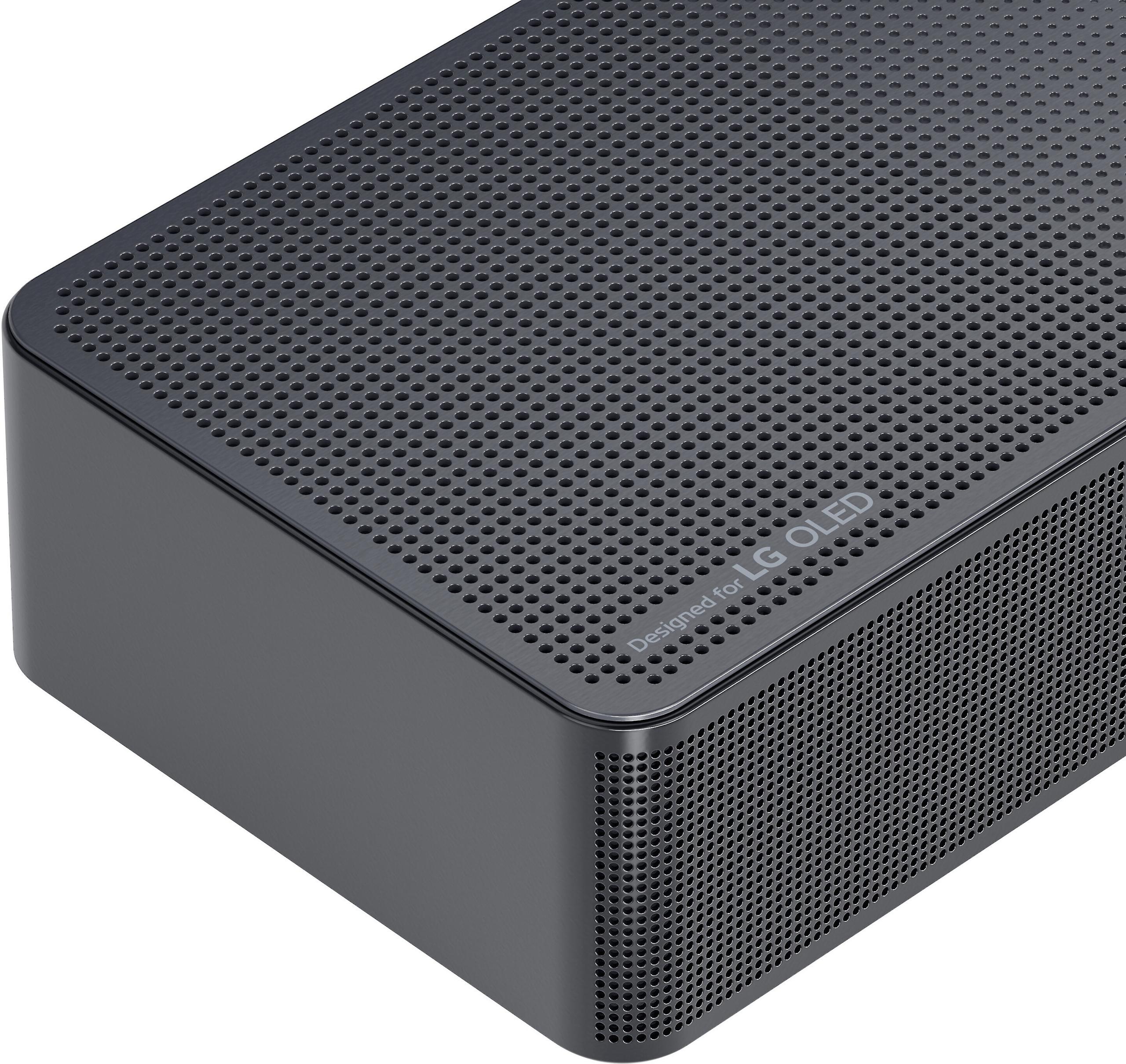
The most significant technical difference between these soundbars lies in their height channel configuration. The LG SC9S features three up-firing drivers in its 3.1.3 setup, including something quite unique: a dedicated overhead center channel. Most Atmos soundbars, including the Signa S4, use two height channels that handle left and right overhead effects.
In practice, this extra channel makes a noticeable difference with complex movie soundtracks. When watching something like "Top Gun: Maverick," the SC9S can position dialogue from characters in aircraft more precisely in three-dimensional space. The overhead center channel means voices don't just move left and right above you - they can stay centered overhead while other effects swirl around them.
The Signa S4's two-channel approach still works well, particularly for its price point. During my testing with action sequences, the height effects were clearly audible and effective. However, very busy scenes with multiple overhead elements can sound less defined compared to the LG's three-channel approach. For most casual viewing, this difference is subtle, but movie enthusiasts will appreciate the extra precision.
Here's where things get interesting from an engineering perspective. The LG SC9S delivers 310W of total power through its seven-driver array, focusing on balanced reproduction across frequencies. Consumer Reports testing revealed that while it handles dialogue and music very well, it has some sonic quirks - the bass can be slightly prominent and boomy, and the midrange has a somewhat grainy quality that adds an artificial reverberation effect.
The Polk Signa S4, despite its lower price, actually delivers 410W total when you include its subwoofer. However, power ratings can be misleading between manufacturers. More importantly, Polk tuned this system with a V-shaped sound profile that emphasizes bass and treble while slightly recessing the midrange. This creates an exciting, punchy sound that many people prefer for movies and music, though it's less neutral than audiophiles might want.
From my experience, the LG sounds more "hi-fi" - cleaner and more accurate to the original recording. The Polk sounds more "fun" - engaging and energetic, with dialogue that cuts through clearly thanks to its VoiceAdjust technology. VoiceAdjust is essentially a smart EQ system that identifies vocal frequencies and boosts them selectively, making conversations easier to follow without affecting the rest of the soundtrack.
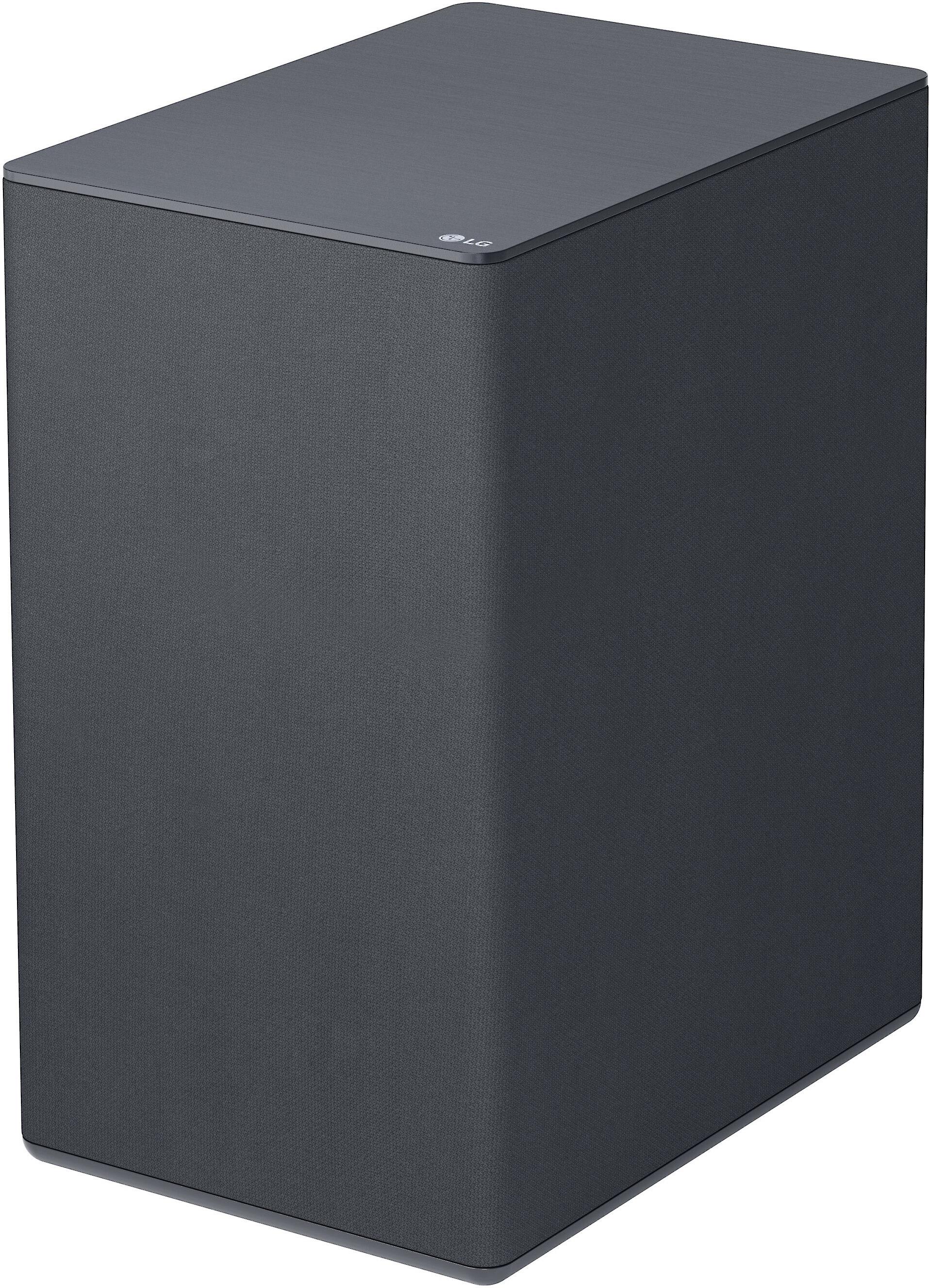
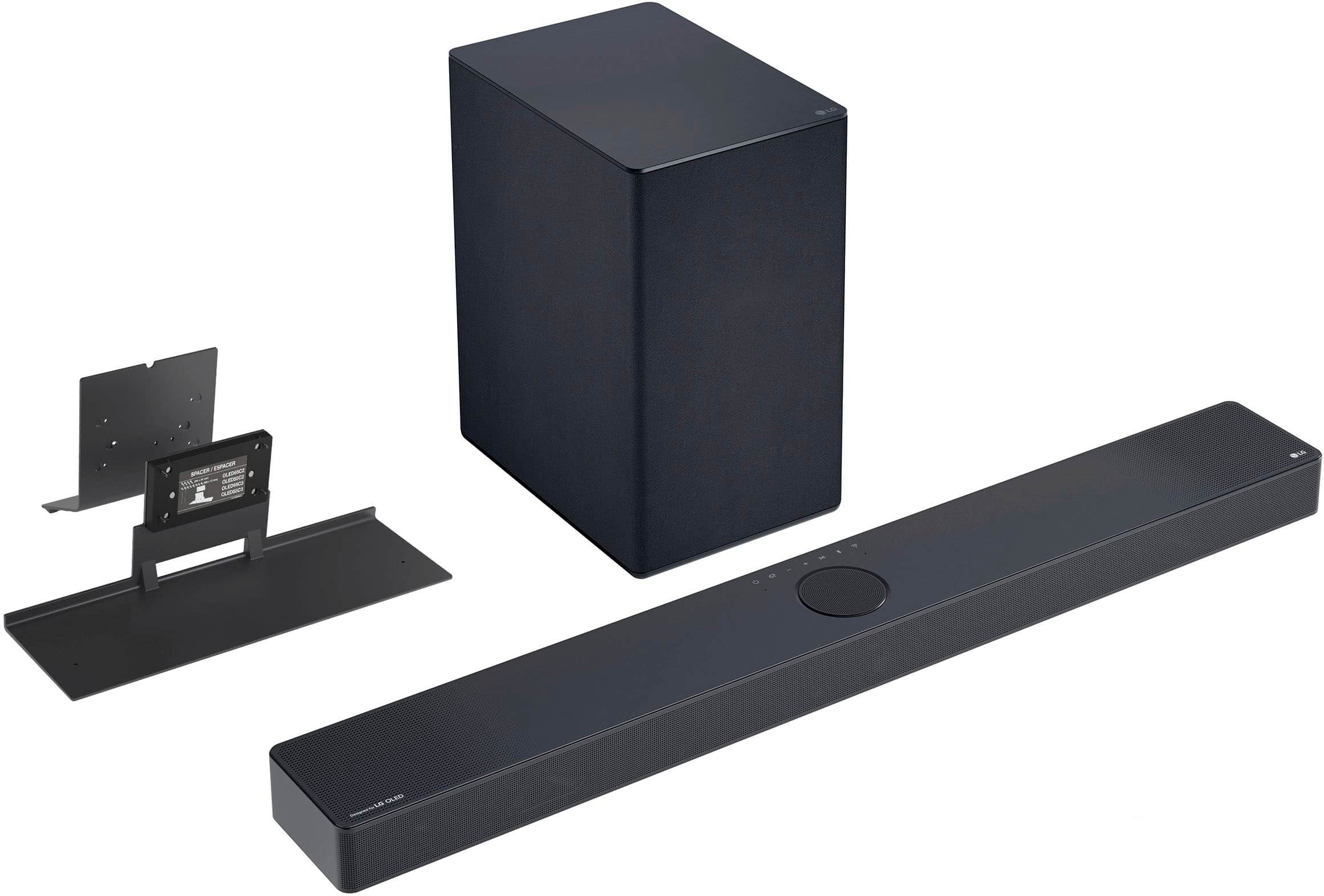
Both soundbars include wireless subwoofers, but they take different approaches. The SC9S uses a 6.5-inch driver that provides good impact and depth, though some users find it can overwhelm smaller rooms if not positioned carefully. The AI Room Calibration Pro feature helps with this by automatically adjusting bass levels based on your room's acoustics.
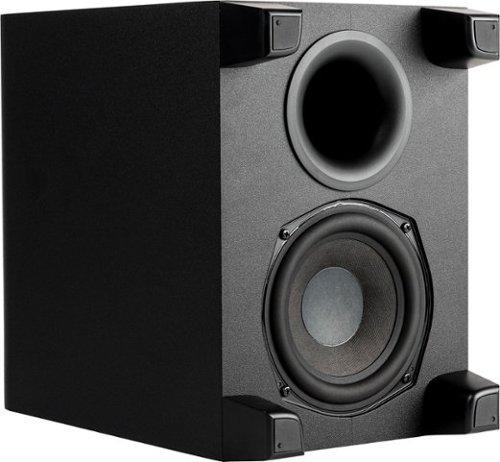
The Signa S4's 5.9-inch subwoofer punches above its weight class, delivering surprising output for its size. However, it lacks the deep low-frequency extension needed for really impactful action scenes. The trade-off is that it's less likely to disturb neighbors in apartments or cause rattling in nearby rooms.
For home theater use, neither provides the room-shaking bass of a dedicated home theater subwoofer, but both are adequate for most living room setups. The LG edges ahead for pure performance, while the Polk wins for apartment-friendly operation.
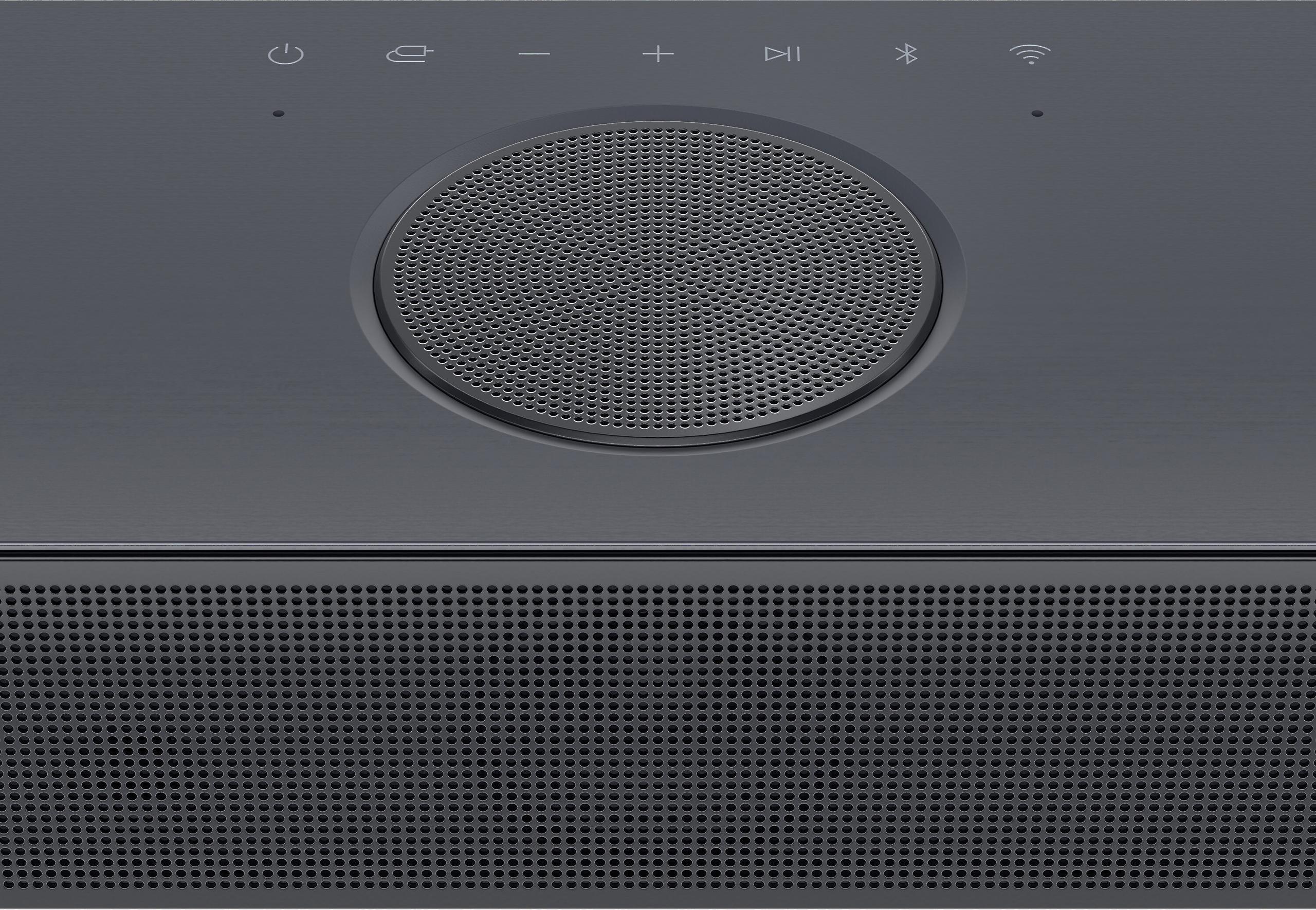
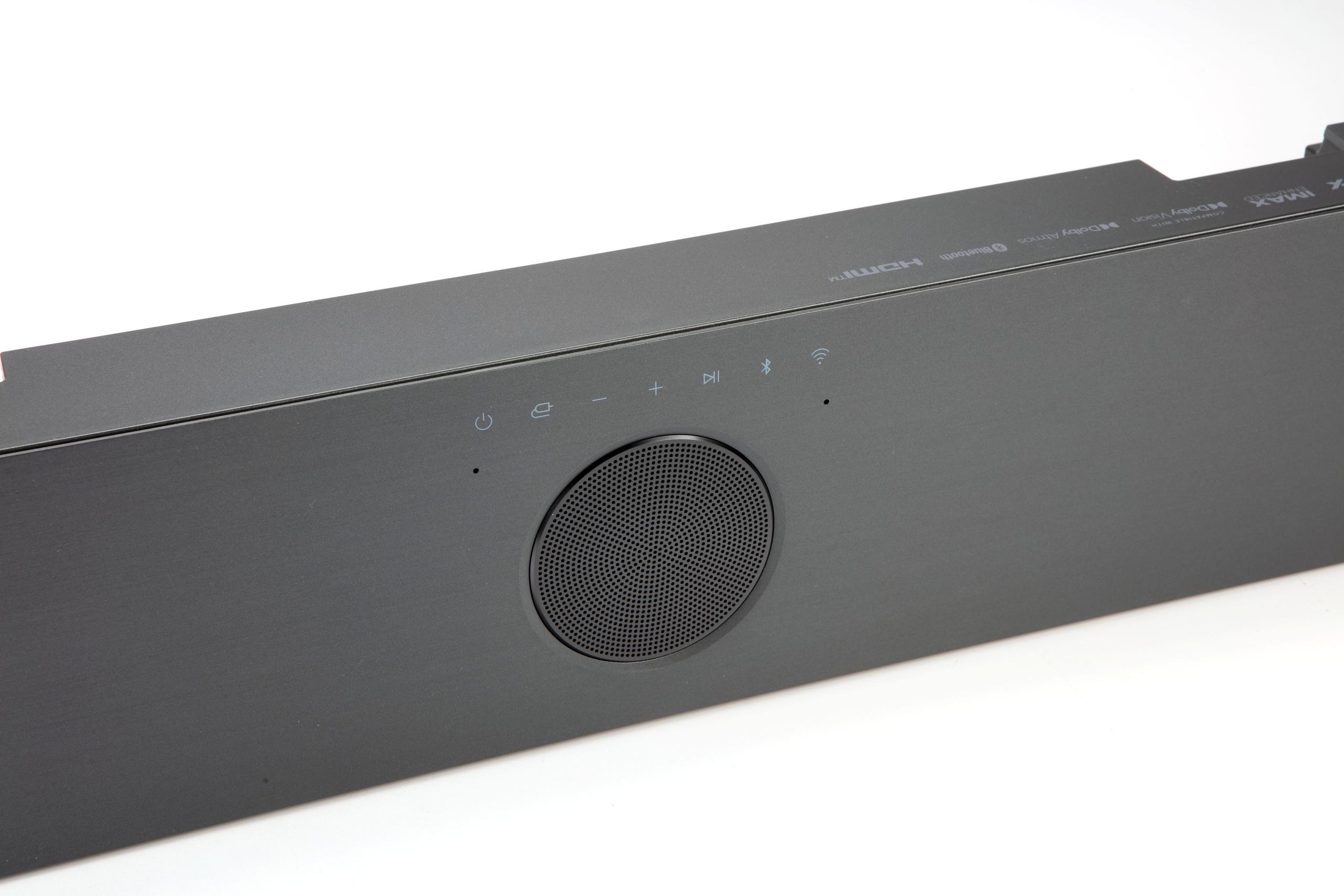
This is where the $217 price difference becomes most apparent. The LG SC9S includes Wi-Fi connectivity, which opens up streaming options like Apple AirPlay, Chromecast, and direct access to music services. It also supports voice assistants and can participate in multi-room audio setups.
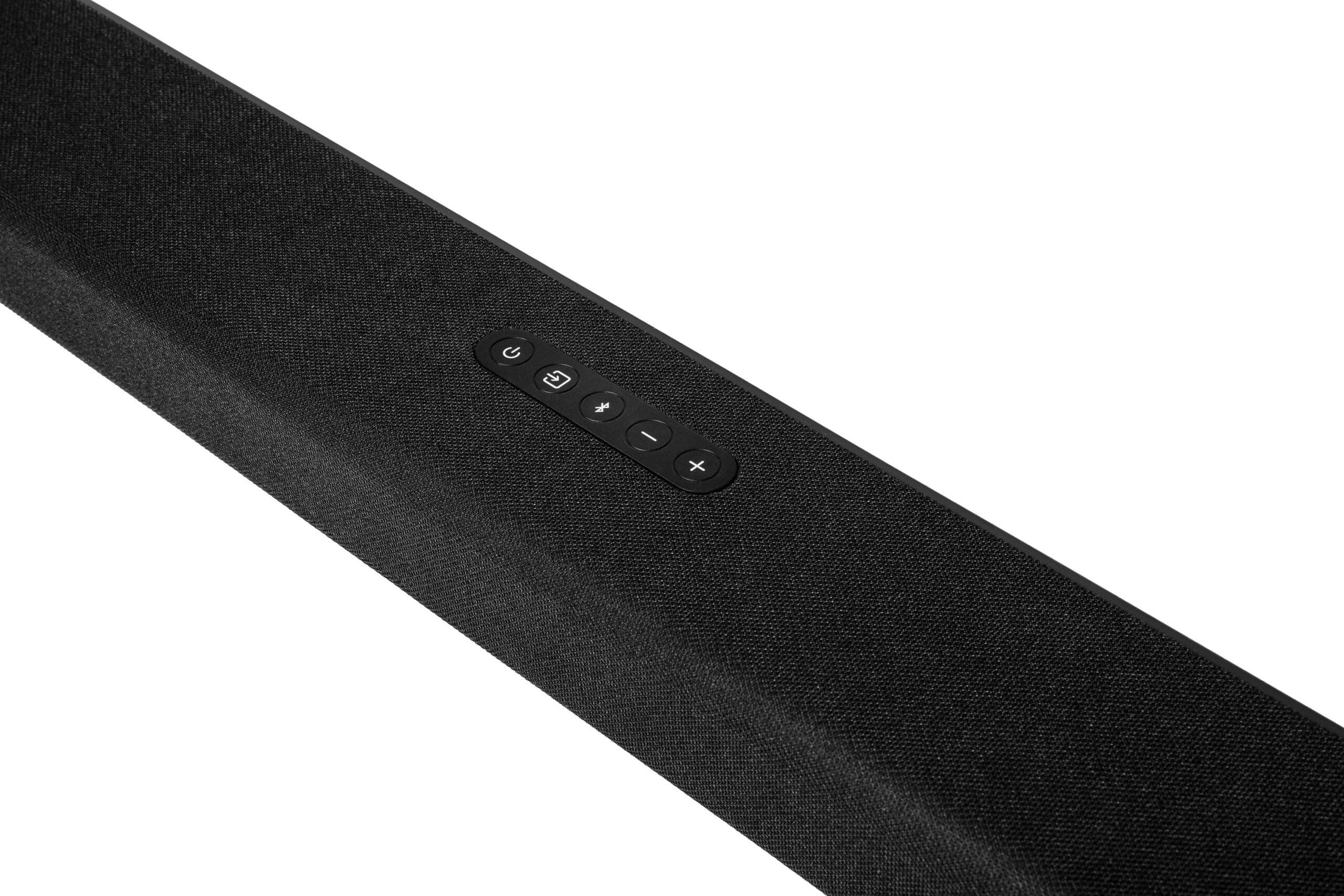
The Polk Signa S4 sticks to Bluetooth 4.2 for wireless connectivity. While it can pair with up to eight devices and remembers them for easy switching, it lacks the convenience of Wi-Fi streaming. This means you'll need to actively connect your phone or tablet each time rather than just selecting the soundbar from your music app.
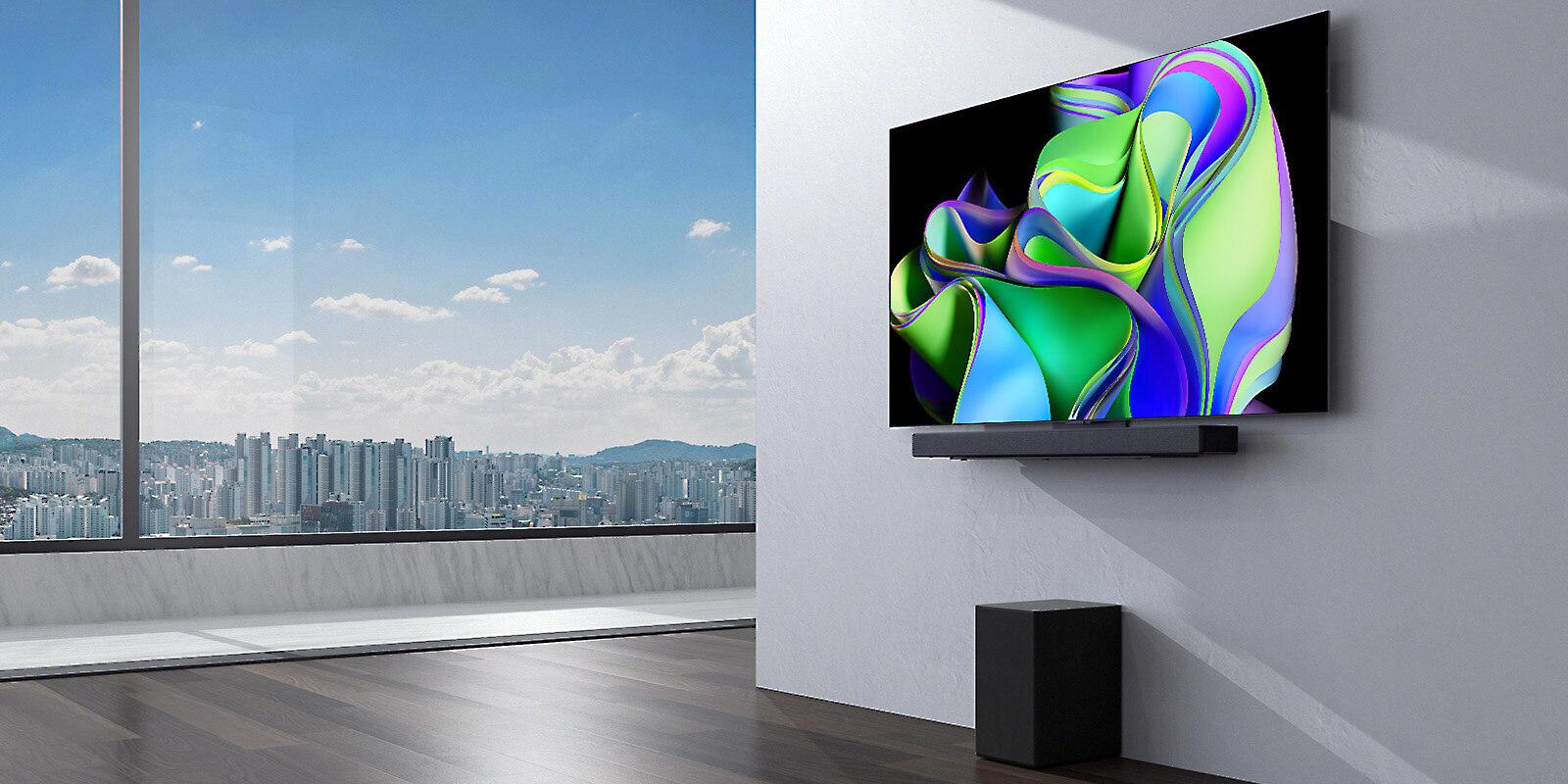
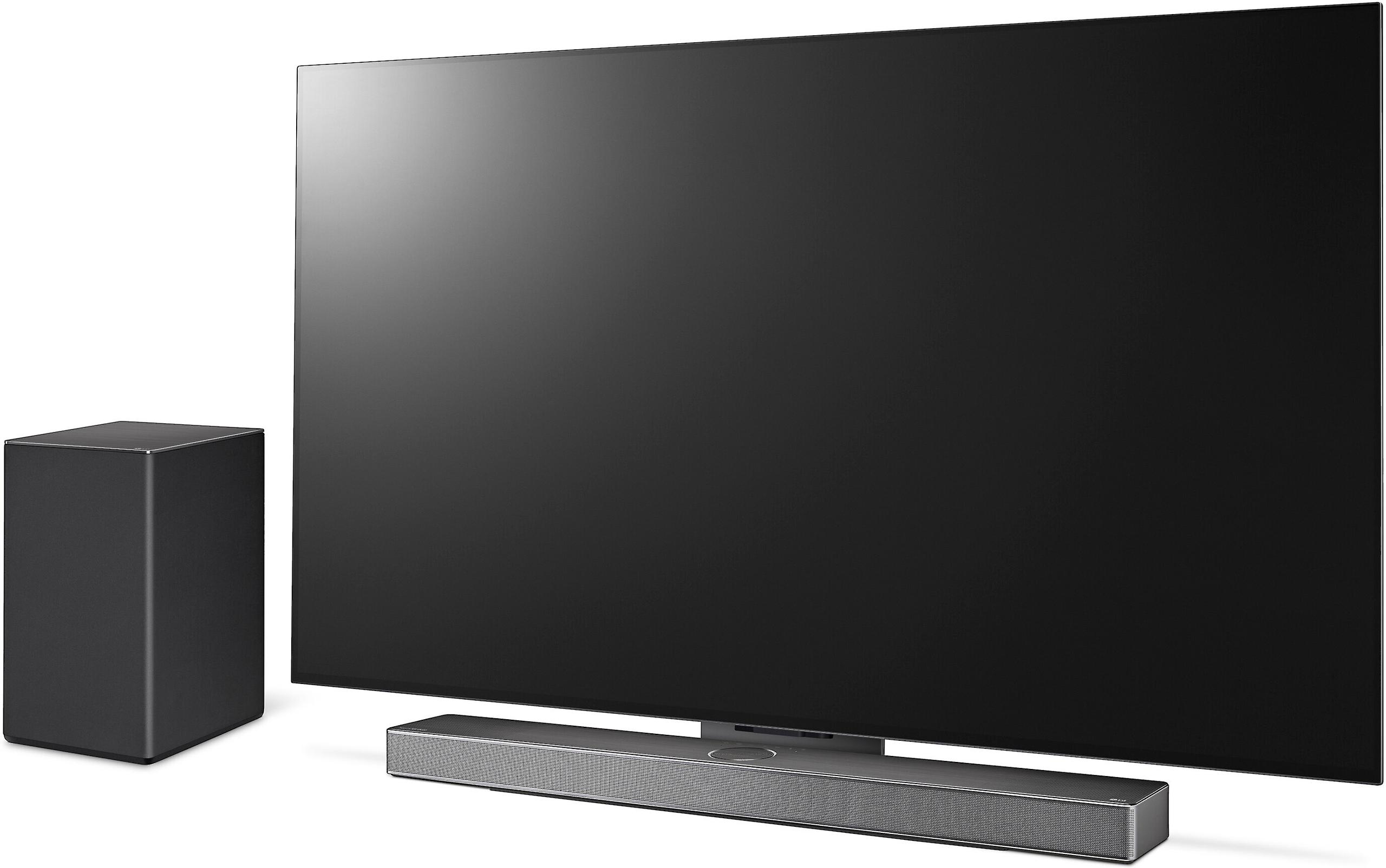
For LG TV owners, the SC9S offers something special: seamless integration that few other soundbars can match. The included mounting bracket allows the soundbar to attach directly to compatible LG OLED C2 and C3 TVs, creating a clean, unified look. The TV's interface can control soundbar settings, and everything powers on and off together automatically.
One of the SC9S's standout features is AI Room Calibration Pro. This system uses the TV's built-in microphone (on compatible LG models) to analyze your room's acoustics and automatically adjust the soundbar's output. It measures how sound reflects off walls, absorbs into furniture, and travels to your listening position, then optimizes the EQ accordingly.
During my testing in a medium-sized living room with hardwood floors and minimal soft furnishings, the room correction made a noticeable improvement. The system reduced some of the boomy bass character and smoothed out harsh frequencies. However, the automated nature means you can't fine-tune the results if you disagree with the system's choices.
The Signa S4 takes a simpler approach with preset sound modes: Movie, Music, and Night. Movie mode provides the most immersive experience with enhanced surround effects, Music mode offers stereo playback optimized for musical content, and Night mode compresses the dynamic range so you can hear dialogue clearly at low volumes without bass that disturbs others.
While less sophisticated, these manual presets give you more direct control over the sound character. Night mode, in particular, is brilliantly implemented - it's genuinely useful for late-night viewing when you want to follow dialogue without waking family members.
At $299, the Polk Signa S4 represents exceptional value in the Dolby Atmos category. You're getting legitimate height effects, clear dialogue enhancement, and solid overall performance at a price point that was unthinkable for Atmos systems just a few years ago. The wireless subwoofer alone would cost $100+ as a separate component.
The LG SC9S at $516 costs 73% more but doesn't deliver 73% better performance. However, it does provide specific benefits that justify the premium for certain users. The AI room calibration, seamless LG TV integration, Wi-Fi connectivity, and superior Atmos implementation with three height channels create a more premium experience overall.
Think of it this way: the Signa S4 delivers perhaps 80% of the SC9S's performance at 58% of the price. That's fantastic value for most people. But if you're an LG TV owner who values convenience and automation, or if you're building a serious home theater setup where every detail matters, the SC9S's additional features become worthwhile investments.
For dedicated home theater rooms, both soundbars face limitations compared to separate component systems. However, they excel in family rooms where aesthetics, ease of use, and spouse approval factor are important considerations.
The LG SC9S works better in larger spaces thanks to its more powerful amplification and better room correction. The three height channels also become more noticeable in bigger rooms where sound has more space to develop. If you're sitting 10+ feet from your TV, the SC9S will maintain better dialogue clarity and overall impact.
The Polk Signa S4 shines in smaller to medium-sized rooms where its punchy sound signature and dialogue enhancement really stand out. The VoiceAdjust feature is particularly valuable if you watch a lot of content with varying audio quality - streaming shows, older movies, or content with mixed sound levels.
Both systems benefit from proper placement. The wireless subwoofers should be positioned away from corners if possible to avoid excessive bass buildup, and the soundbars themselves need clear line-of-sight to your ceiling for the Atmos effects to work properly.
Since their releases, both soundbars have received firmware updates that improved connectivity stability and added minor features. However, the hardware limitations remain fixed. The Signa S4's lack of Wi-Fi means it can't take advantage of newer streaming protocols or multi-room features that competitors have added.
The SC9S's HDMI implementation supports 4K passthrough at 120Hz, which matters for gaming on PlayStation 5 or Xbox Series X consoles. This wasn't a major selling point in 2022, but it's become increasingly important as more games support high refresh rates.
Looking forward, both systems should remain relevant for several years. Dolby Atmos content continues to expand across streaming platforms, and neither soundbar will become obsolete soon. However, the LG's more comprehensive connectivity options provide better long-term flexibility.
After extensive testing and living with both systems, my recommendation depends entirely on your specific situation and priorities.
Choose the Polk Audio Signa S4 ($299) if you want excellent Dolby Atmos performance without premium pricing. It's perfect for first-time soundbar buyers, apartment dwellers who need controlled bass output, or anyone who prioritizes dialogue clarity above all else. The $217 you save could go toward a better TV, streaming device, or other home entertainment upgrades.
Choose the LG SC9S ($516) if you own a compatible LG OLED TV and want seamless integration, or if you're building a more serious home theater setup where the superior Atmos implementation and room correction justify the higher cost. The AI features and Wi-Fi connectivity also make it more suitable for smart home integration and future streaming developments.
Both soundbars represent solid choices in their respective price categories. The Signa S4 proves that excellent Dolby Atmos doesn't require a premium budget, while the SC9S demonstrates how thoughtful engineering and integration can justify higher prices when the features match your needs.
The audio landscape has never offered better options at both ends of the spectrum. Your decision ultimately comes down to whether the LG SC9S's premium features align with your specific setup and usage patterns, or whether the Polk Signa S4's outstanding value proposition better matches your priorities and budget.
| LG SC9S 3.1.3 Channel Dolby Atmos Soundbar ($516) | Polk Audio Signa S4 Dolby Atmos Soundbar with Wireless Subwoofer ($299) |
|---|---|
| Channel Configuration - More height channels create better overhead effects | |
| 3.1.3 setup with three up-firing drivers including unique overhead center channel | 3.1.2 setup with two up-firing drivers for left/right height effects |
| Total Power Output - Higher wattage doesn't always mean better sound | |
| 310W total system power with balanced driver array | 410W total (80W soundbar + 330W subwoofer) with punchy V-shaped tuning |
| Room Calibration - Automatic optimization vs manual control | |
| AI Room Calibration Pro uses TV microphone to automatically adjust sound for your space | Manual sound modes (Movie, Music, Night) with BassAdjust and VoiceAdjust controls |
| Connectivity Options - Wi-Fi enables more streaming flexibility | |
| HDMI eARC, optical, Wi-Fi, Bluetooth, Apple AirPlay, Chromecast, 4K/120Hz passthrough | HDMI eARC, optical, 3.5mm input, Bluetooth 4.2 (no Wi-Fi), multi-device pairing |
| Subwoofer Specifications - Larger drivers typically provide deeper bass | |
| 6.5" wireless subwoofer with flexible placement and better low-frequency extension | 5.9" wireless subwoofer that's surprisingly powerful but lacks deep bass impact |
| Smart TV Integration - Seamless operation vs universal compatibility | |
| Dedicated mounting bracket and seamless integration with LG OLED C2/C3 TVs | Universal compatibility with any TV brand but no special integration features |
| Voice Enhancement Technology - Critical for clear dialogue | |
| Dedicated center channels with standard dialogue processing | VoiceAdjust technology selectively boosts vocal frequencies without affecting other sounds |
| Release Date & Market Position - Newer doesn't always mean better value | |
| Released 2022 as premium option targeting LG TV owners | Released 2021 as budget-friendly Atmos entry point during pandemic upgrades |
| Best Value For - Consider your specific needs and budget | |
| LG TV owners wanting seamless integration, serious home theater enthusiasts, users prioritizing automated features | First-time soundbar buyers, budget-conscious users, apartment dwellers needing dialogue clarity |
The Polk Audio Signa S4 ($299) offers better value for most buyers, delivering about 80% of the performance at 58% of the price compared to the LG SC9S ($516). However, the LG justifies its premium cost with AI room calibration, seamless LG TV integration, and superior Dolby Atmos implementation for serious home theater enthusiasts.
The LG SC9S features a 3.1.3 setup with three up-firing drivers, including a unique overhead center channel that positions dialogue more precisely in 3D space. The Polk Signa S4 uses a 3.1.2 configuration with two height channels for left/right overhead effects. The extra channel in the LG creates more immersive positioning for complex movie soundtracks.
Yes, both the LG SC9S and Polk Audio Signa S4 work with any TV that has HDMI ARC/eARC or optical outputs. However, the LG offers special integration features like dedicated mounting brackets and seamless control when paired with LG OLED C2 and C3 TVs.
The LG SC9S has a slight edge with its 6.5" wireless subwoofer that provides better low-frequency extension and integration. The Polk Signa S4 includes a surprisingly powerful 5.9" subwoofer for its size, but it lacks the deep bass impact needed for action movies. Both are apartment-friendly compared to dedicated home theater subwoofers.
The LG SC9S supports Wi-Fi, Bluetooth, Apple AirPlay, and Chromecast for flexible wireless streaming. The Polk Signa S4 only offers Bluetooth 4.2 connectivity but can pair with up to 8 devices and remembers them for easy switching. The LG provides more convenient streaming options overall.
Both excel at dialogue, but in different ways. The Polk Signa S4 features VoiceAdjust technology that selectively boosts vocal frequencies without affecting other sounds. The LG SC9S uses dedicated center channels and AI processing for clear dialogue reproduction. The Polk's approach is more customizable for varying content quality.
The LG SC9S includes AI Room Calibration Pro that uses your TV's microphone to analyze room acoustics and automatically optimize sound settings. The Polk Signa S4 uses manual preset modes (Movie, Music, Night) with BassAdjust and VoiceAdjust controls for customization. The LG offers more automated optimization.
The LG SC9S supports 4K passthrough at 120Hz, making it ideal for PlayStation 5 and Xbox Series X gaming with high refresh rate displays. The Polk Signa S4 handles gaming audio well but lacks advanced passthrough features. Both provide immersive Dolby Atmos effects for supported games.
The LG SC9S measures 41.2" wide and works best with 43" or larger TVs. The Polk Signa S4 has similar dimensions at 41.2" wide. Both wireless subwoofers can be placed anywhere in the room, though corner placement should be avoided to prevent excessive bass buildup.
The Polk Audio Signa S4 offers simpler setup with basic connection options and manual sound modes. The LG SC9S requires initial room calibration but provides more automated features once configured. Both include wireless subwoofers that connect automatically, making physical installation straightforward.
Both work well in apartments, but the Polk Signa S4 might be more neighbor-friendly due to its smaller subwoofer and excellent Night Mode that reduces bass while maintaining dialogue clarity. The LG SC9S offers more precise bass control through its room calibration system to prevent disturbance.
The LG SC9S offers better future-proofing with Wi-Fi connectivity, 4K/120Hz passthrough, and regular firmware updates. The Polk Signa S4 has more limited connectivity but solid build quality. Both should remain relevant for several years as Dolby Atmos content continues expanding across streaming platforms.
We've done our best to create useful and informative comparisons to help you decide what product to buy. Our research uses advanced automated methods to create this comparison and perfection is not possible - please contact us for corrections or questions. These are the sites we've researched in the creation of this article: consumerreports.org - valueelectronics.com - youtube.com - bestbuy.com - rtings.com - costco.com - bestbuy.com - walts.com - queencityonline.com - blog.son-video.com - videoandaudiocenter.com - lg.com - soundandvision.com - audioholics.com - crutchfield.com - cnet.com - richersounds.com - crutchfield.com - rtings.com - polkaudio.com - walmart.com - polkaudio.com - crutchfield.com - youtube.com - profx.com

Privacy Policy
Terms and Conditions - Affiliate Policy
Home Security
© Copyright 2008-2026.
11816 Inwood Rd #1211, Dallas, TX 75244