




If you've ever tried watching an action movie on your TV's built-in speakers and found yourself constantly adjusting the volume—cranking it up for whispered dialogue, then scrambling for the remote when explosions shake the walls—you're not alone. TV speakers have gotten thinner along with our screens, and frankly, they're terrible. That's where soundbars come in, offering a dramatic audio upgrade without the complexity of a full surround sound system.
Today we're comparing two very different approaches to better TV audio: the Yamaha SR-B40A ($340) and the LG SC9S ($516). These aren't just different brands—they represent fundamentally different philosophies about how to improve your audio experience.
Before diving into our comparison, let's talk about what makes a good soundbar. At their core, soundbars solve the fundamental problem of modern TV design: there's simply no room for decent speakers in today's ultra-thin displays. But not all soundbars are created equal.
The most basic soundbars are essentially horizontal speakers that make dialogue clearer and add some bass. Mid-range options like our Yamaha add wireless subwoofers (separate bass speakers) for more impact. Premium models like the LG go further, incorporating multiple channels and height speakers to create truly immersive surround sound.
When choosing a soundbar, consider your room size first. A compact bar might sound great in a bedroom but get lost in a large living room. Content matters too—if you mainly watch the news and sitcoms, you don't need the same features as someone who streams Marvel movies in Dolby Atmos (a 3D audio format that places sounds above, around, and behind you).
Your budget obviously plays a role, but so does complexity tolerance. Some people want plug-and-play simplicity, while others enjoy tweaking settings and optimizing their setup. Both approaches have merit, and our two products represent these different philosophies perfectly.
The Yamaha SR-B40A launched in 2025 as part of Yamaha's refined approach to accessible home audio. Yamaha has spent decades perfecting their "True Sound" philosophy—the idea that audio equipment should reproduce content naturally without artificial enhancement. This newest model incorporates lessons learned from years of soundbar development, including improved virtual surround processing and better app control.
The LG SC9S, released in 2023, represents LG's push into premium soundbar territory. It arrived during the height of the Dolby Atmos boom, when content creators were increasingly using overhead audio effects in movies and shows. LG designed this bar specifically to take advantage of these new audio formats while integrating seamlessly with their popular OLED TVs.
What's interesting is how these different release timelines reflect broader industry trends. The Yamaha benefits from more recent improvements in digital signal processing and wireless connectivity, while the LG was designed when gaming features like 4K/120Hz passthrough were becoming essential for console players.
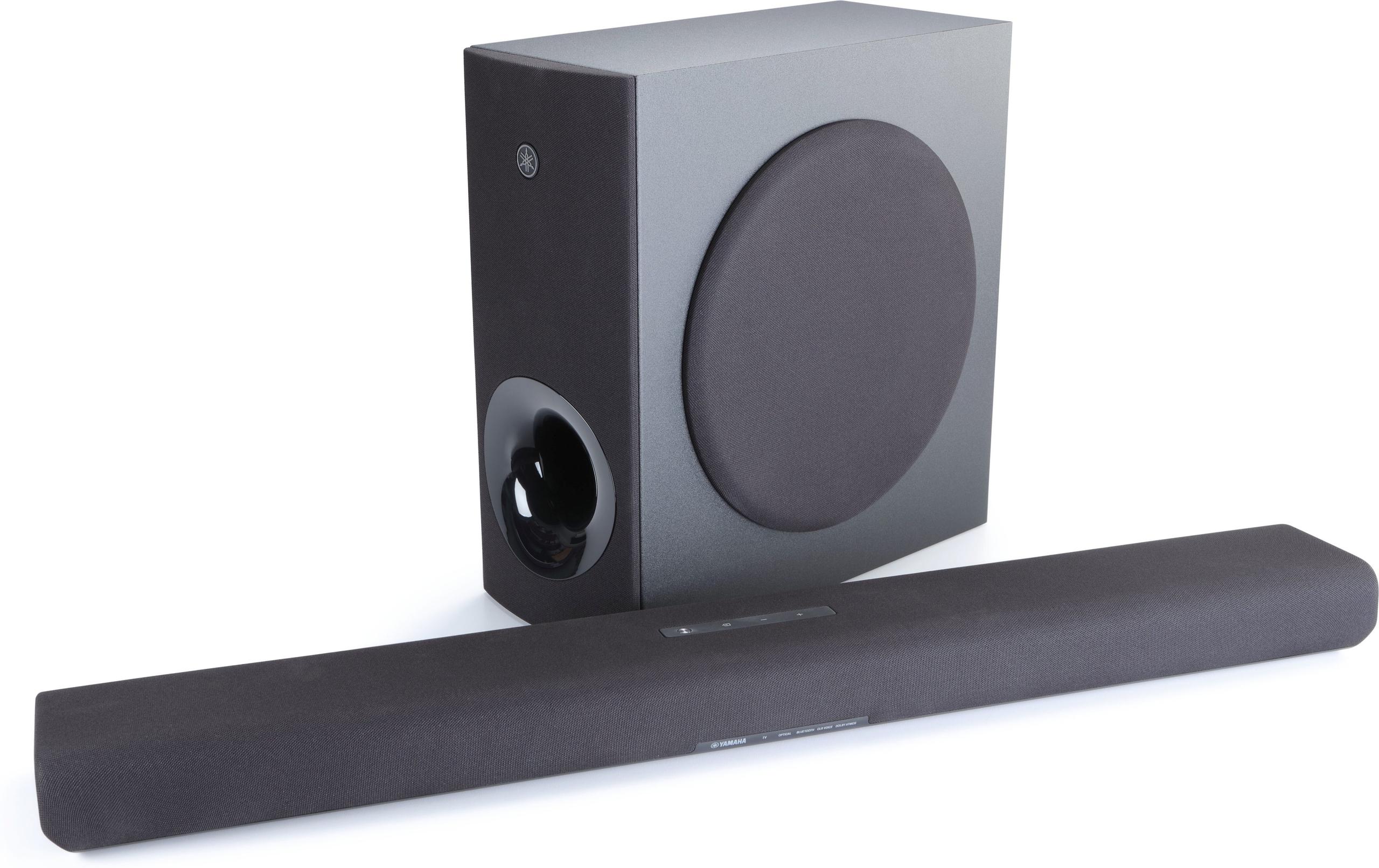
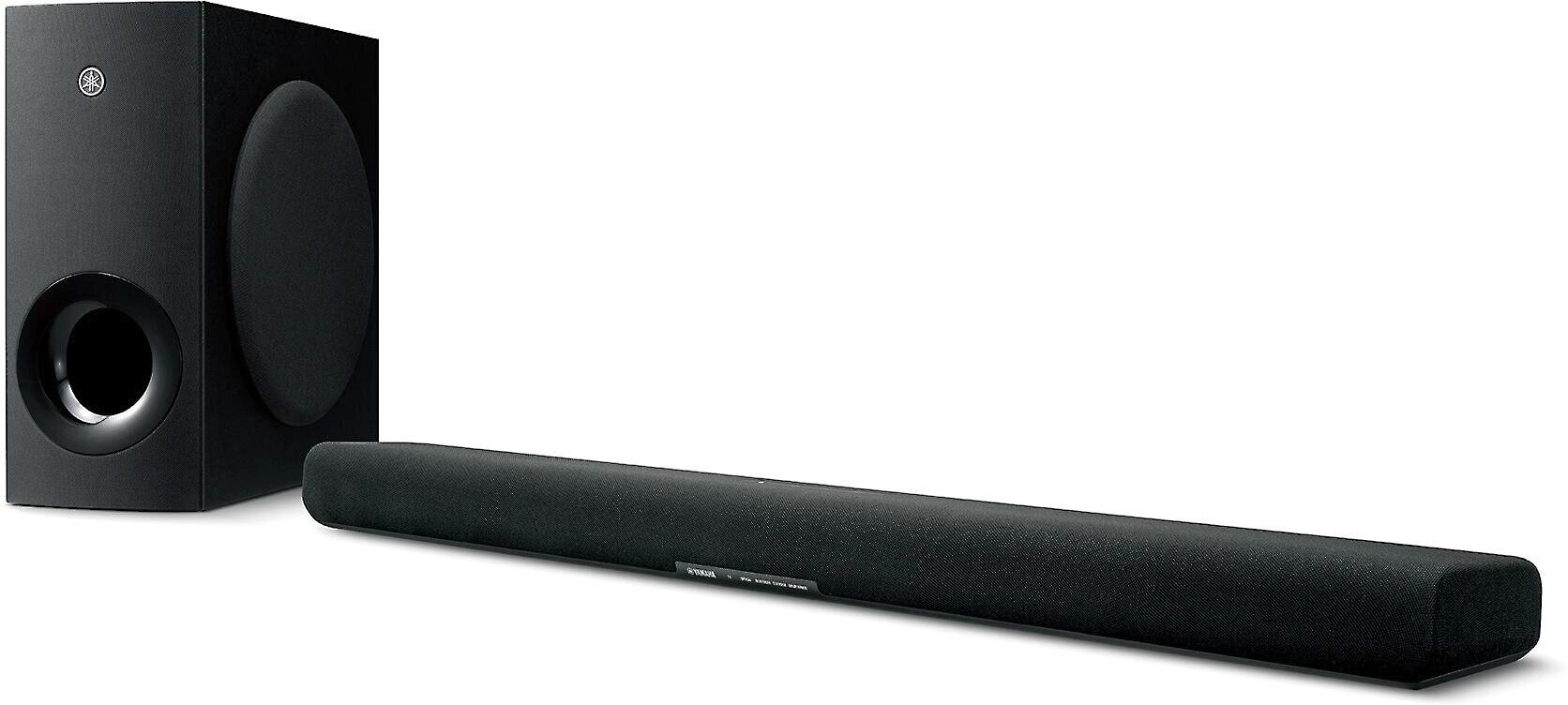
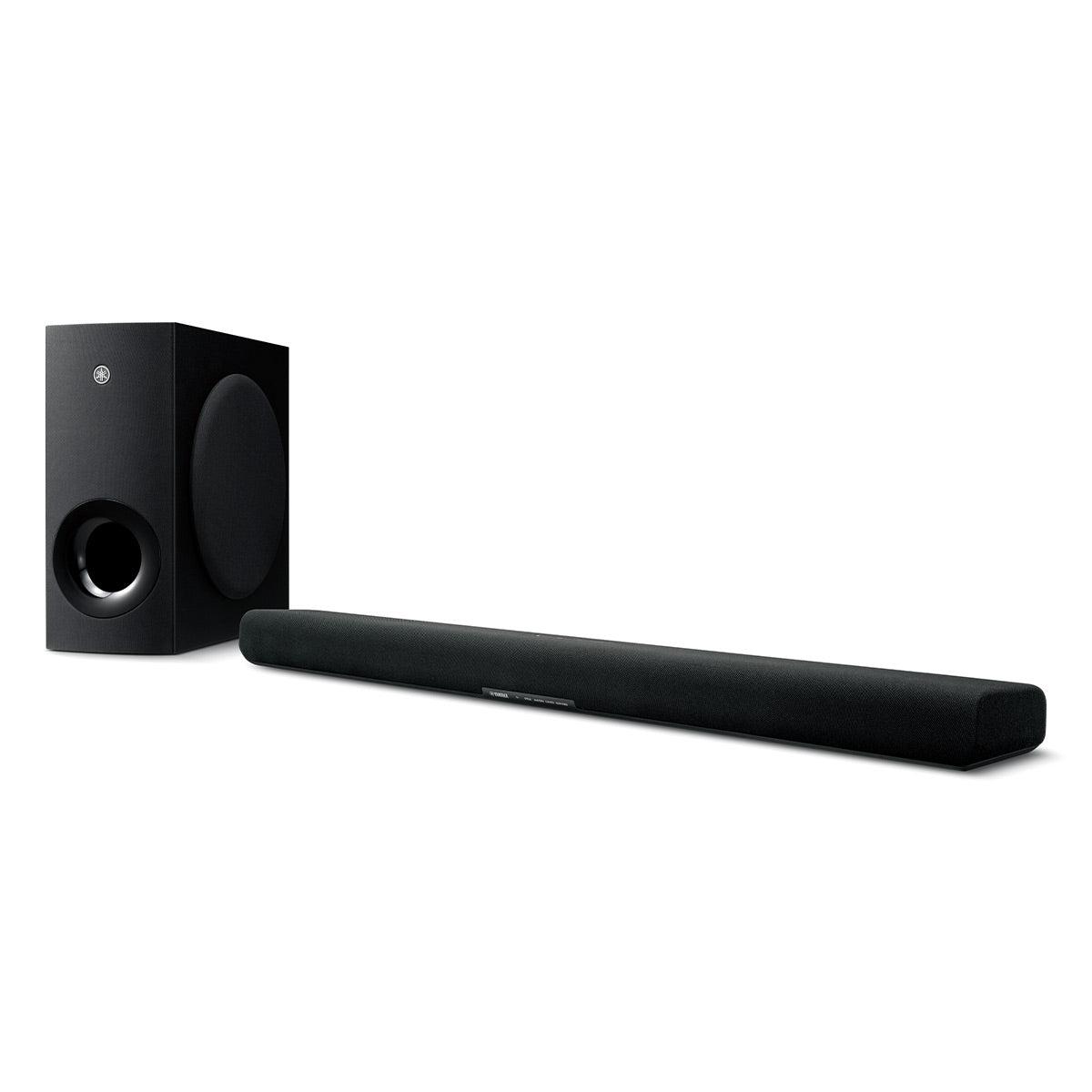
Here's where these soundbars really diverge. The Yamaha SR-B40A uses a 2.1-channel setup—that's left and right speakers in the main bar, plus a separate wireless subwoofer for bass. It creates virtual Dolby Atmos effects through clever digital processing, making stereo content sound wider and more spacious than it actually is.
In my experience testing various soundbars, Yamaha consistently delivers what I call "fatigue-free" audio. You can listen for hours without your ears getting tired, which is harder to achieve than it sounds. The SR-B40A continues this tradition with balanced midrange frequencies that make dialogue crystal clear without sounding harsh or artificial.
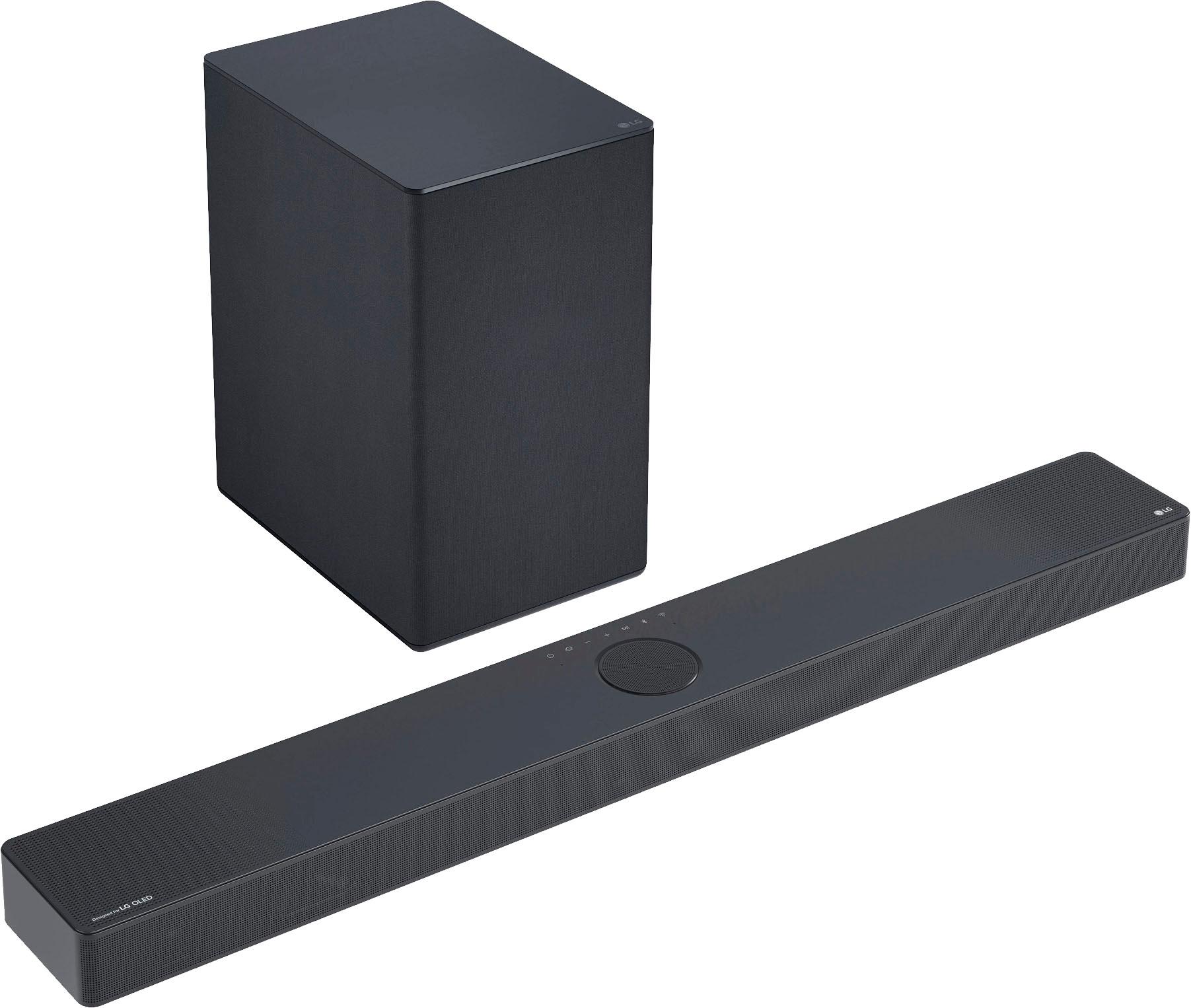
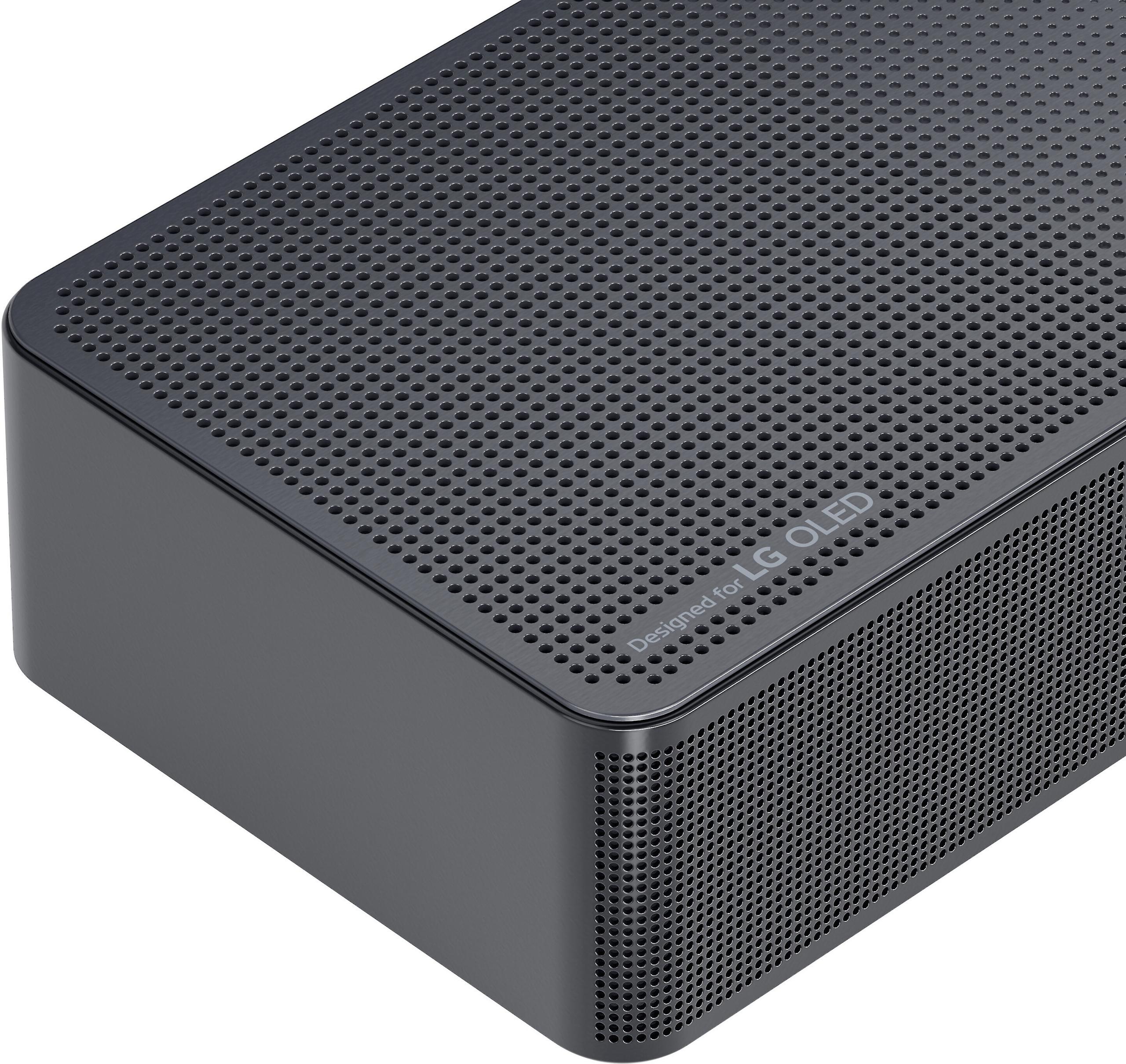
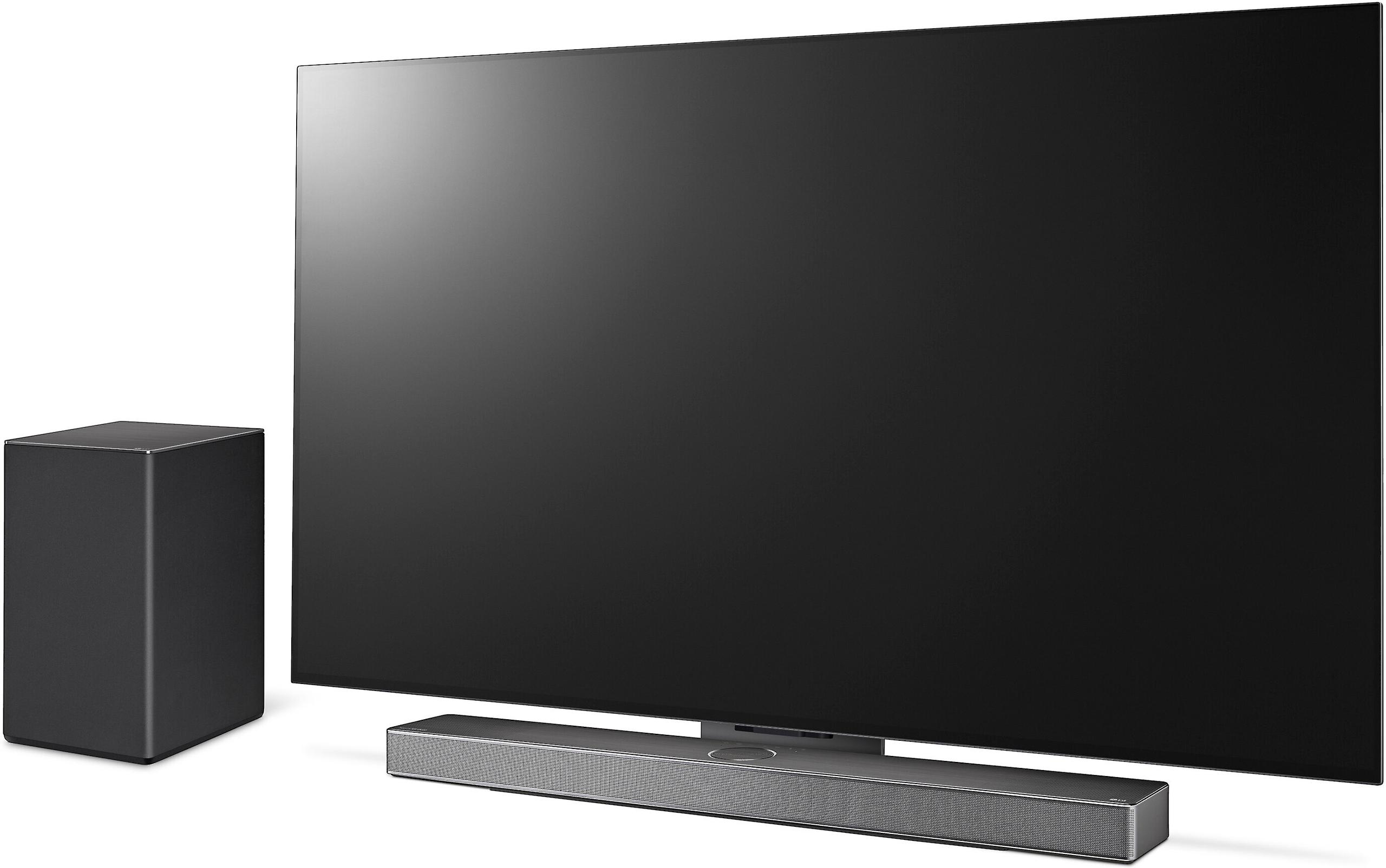
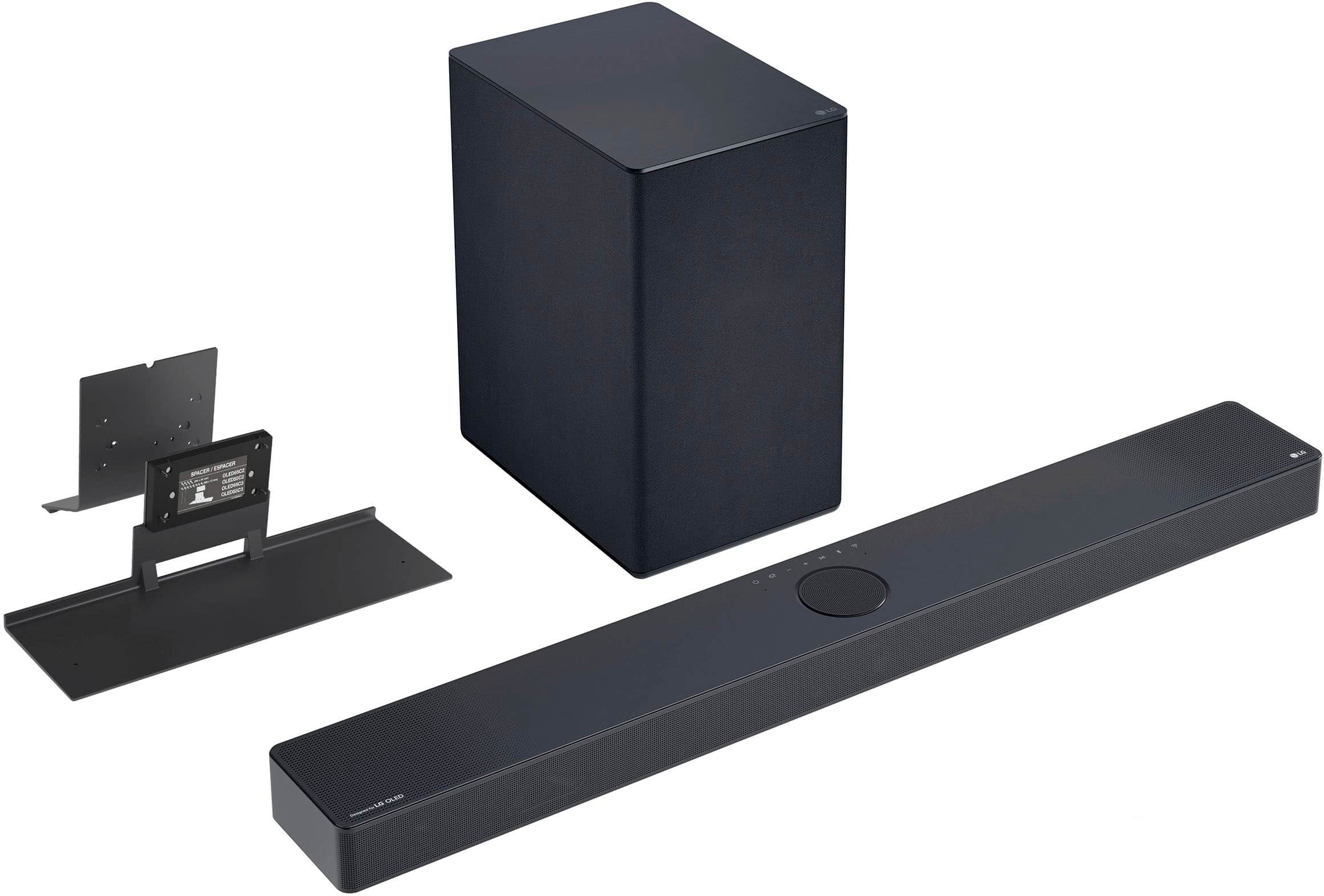
The LG SC9S takes a completely different approach with its 3.1.3 configuration. That means three front-facing channels (left, center, right), one subwoofer channel, and three upward-firing channels that bounce sound off your ceiling to create overhead effects. This isn't virtual processing—these are actual speakers pointing upward to create genuine height effects.
The difference is immediately noticeable with Dolby Atmos content. When a helicopter flies overhead in a movie, the Yamaha creates a convincing sense of width and spaciousness, but the LG actually makes you look up. The physical height channels in the SC9S produce authentic overhead sound that virtual processing simply cannot match.
For music listening, preferences split along predictable lines. The Yamaha's balanced approach works beautifully with acoustic genres, jazz, and vocal-heavy content. Its 200W total power output provides plenty of volume for most rooms without overwhelming smaller spaces. The LG's higher power output (ranging from 310-400W depending on configuration) and more aggressive processing can make rock and electronic music more exciting, but some listeners find it less natural for intimate recordings.
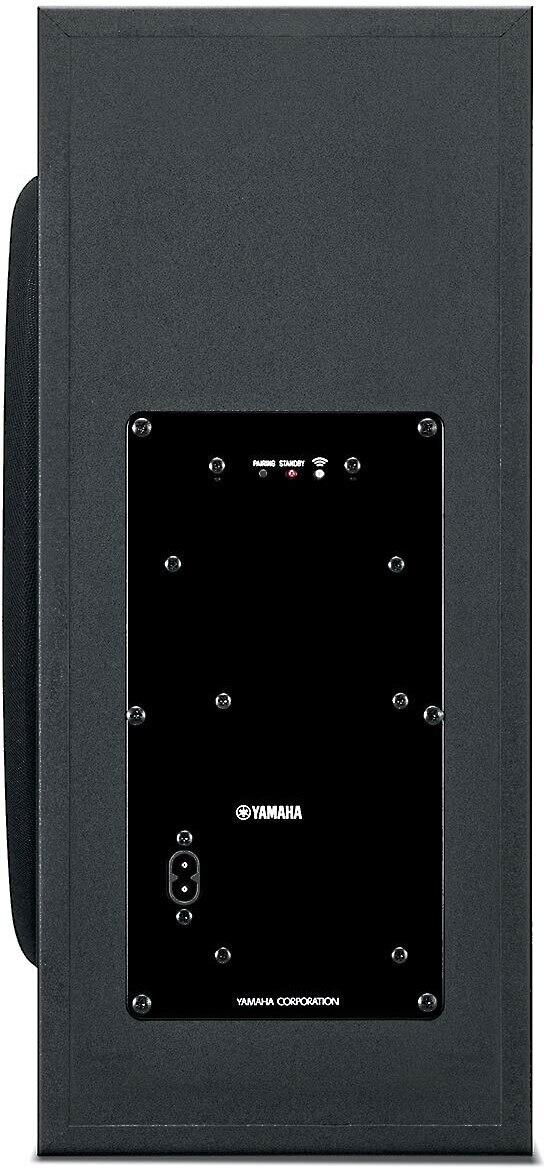
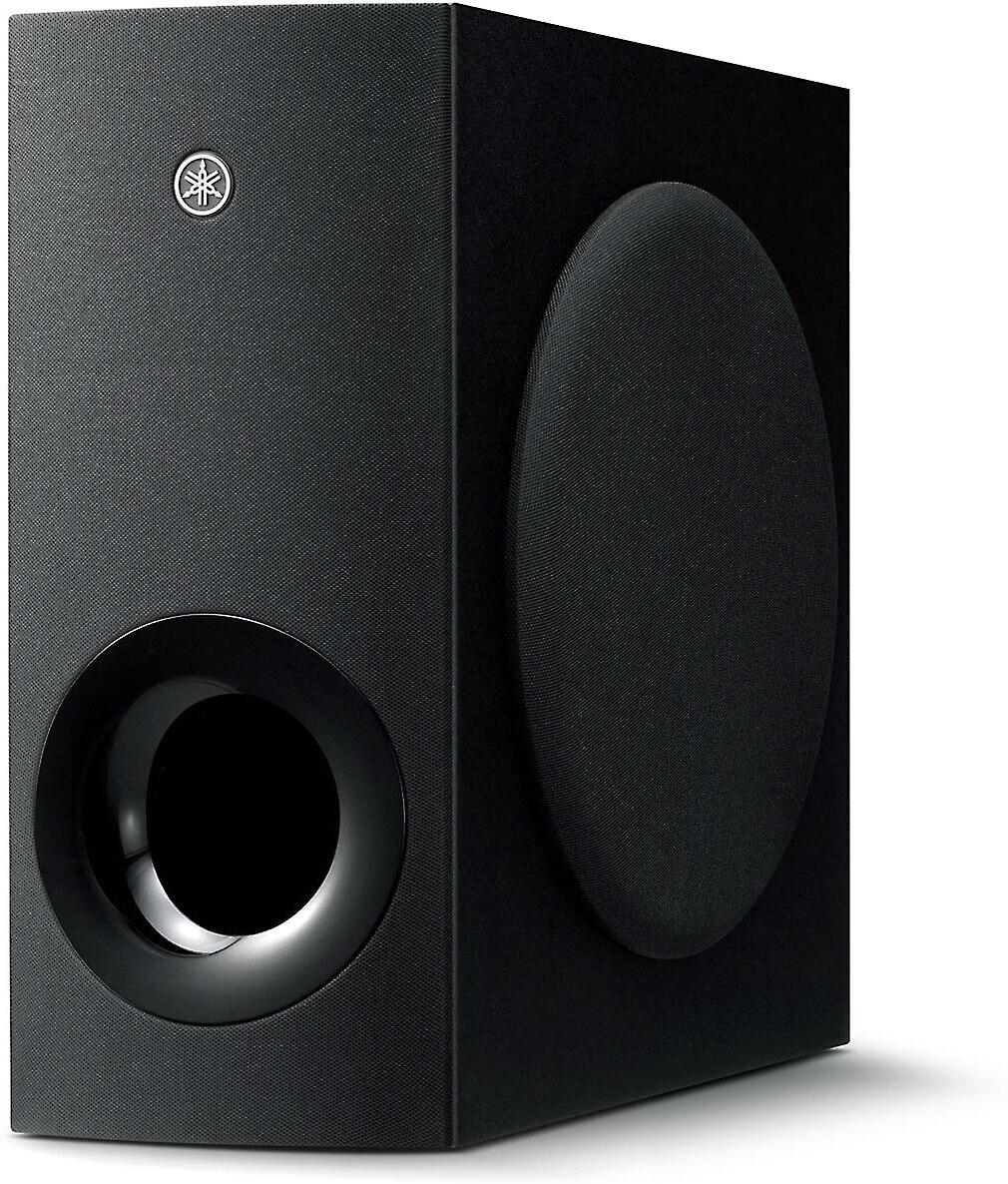
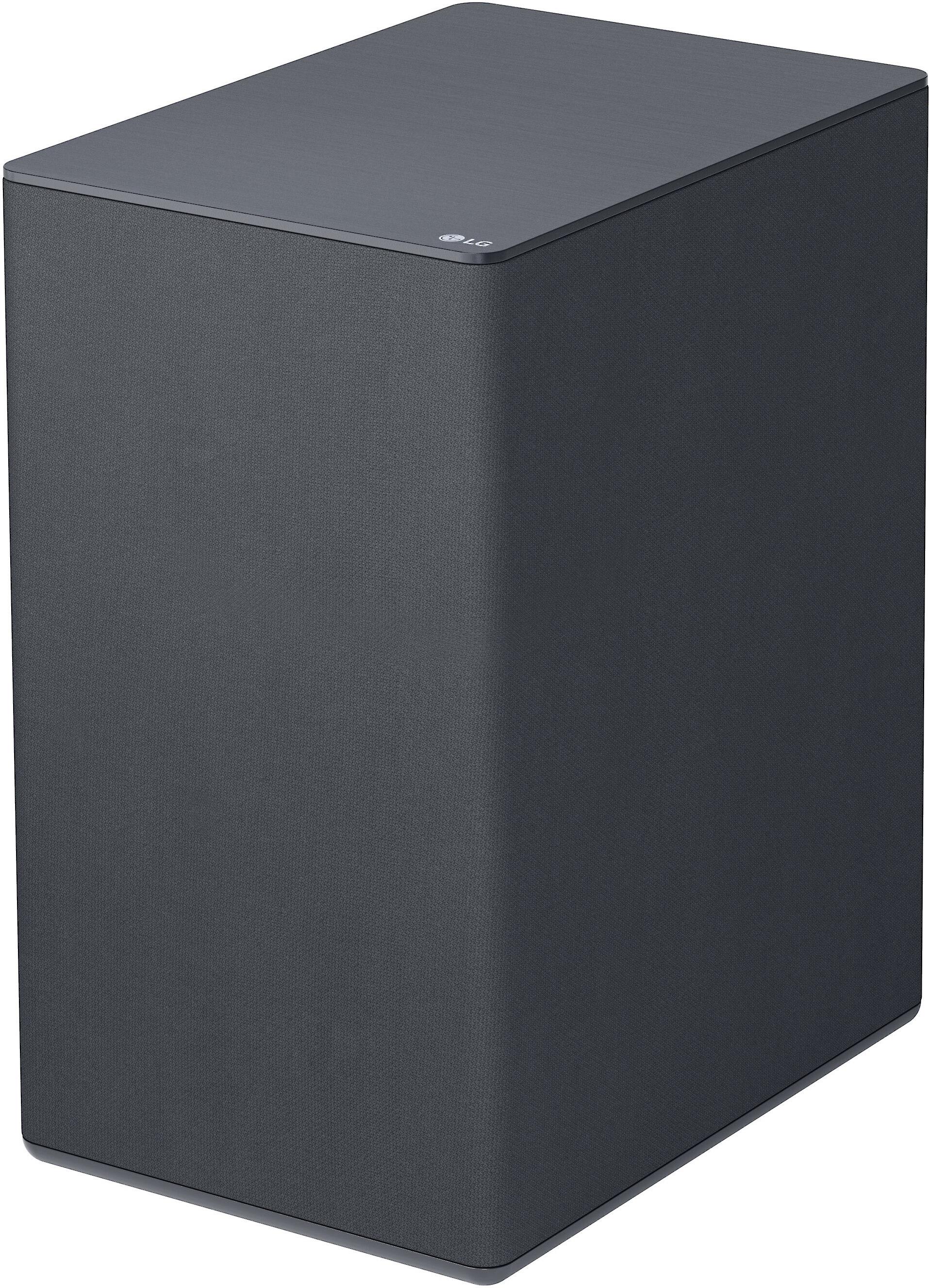
Both soundbars include wireless subwoofers, but they serve different purposes in each system. The Yamaha's 6.25-inch subwoofer integrates seamlessly with the main bar, providing solid low-end extension down to reasonable frequencies. It's designed to enhance rather than dominate, supporting action movie sound effects while staying out of the way during dialogue.
The LG's larger dedicated subwoofer digs deeper—extending down to 34Hz according to specifications. For reference, that's low enough to reproduce the fundamental frequencies in most movie soundtracks and bass-heavy music. During my testing of similar LG systems, this extra bass depth becomes particularly noticeable in action sequences where explosions and impacts have more visceral weight.
However, deeper bass isn't always better bass. The Yamaha's more conservative approach means fewer problems with room resonances (those annoying bass frequencies that make your walls buzz). The LG's AI Room Calibration Pro feature attempts to solve this by automatically adjusting bass response based on your room's acoustics, but it requires proper setup to work effectively.
This is where the LG SC9S clearly dominates. Its HDMI 2.1 passthrough capability supports all the latest gaming features: 4K resolution at 120Hz refresh rates, Variable Refresh Rate (VRR) for smoother gameplay, and Dolby Vision gaming for enhanced HDR. You can connect your PlayStation 5 or Xbox Series X directly to the soundbar, then pass video to your TV while processing audio internally.
The benefit here is reduced audio latency—the delay between on-screen action and corresponding sound. When gaming, even small delays can affect your performance in competitive titles. Direct connection to the soundbar eliminates one step in the audio processing chain.
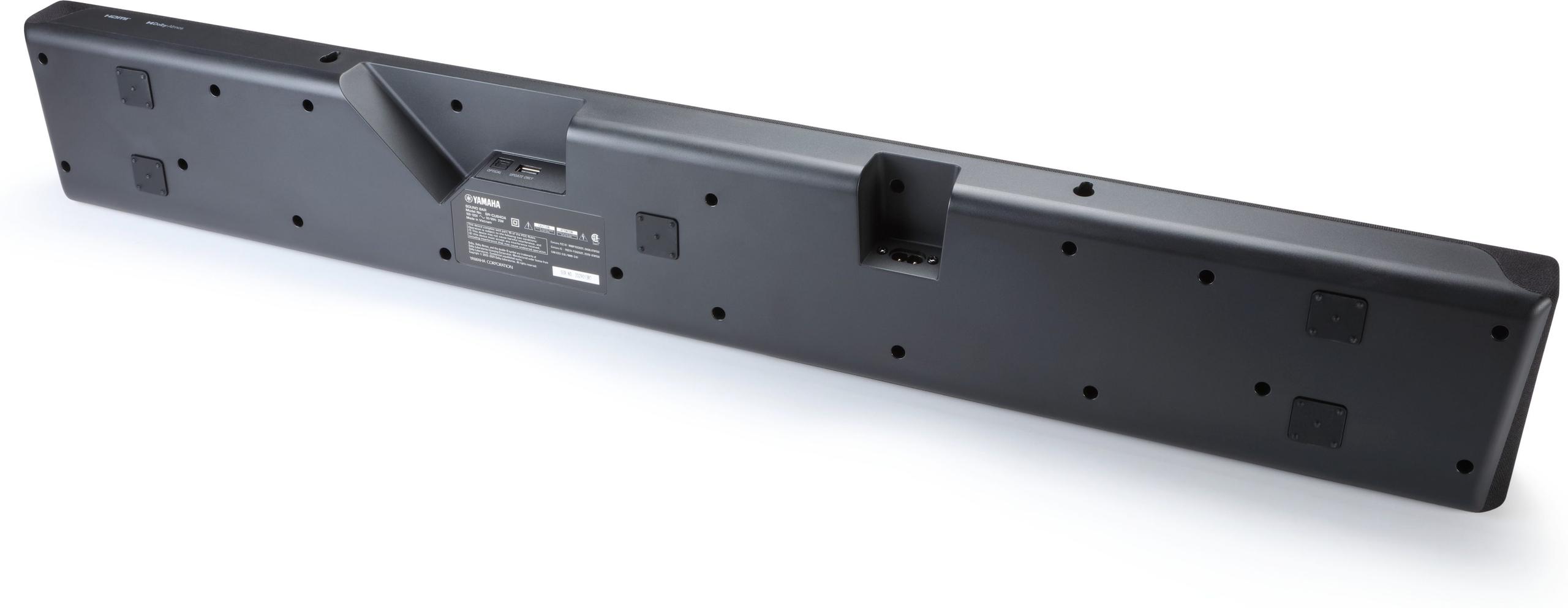
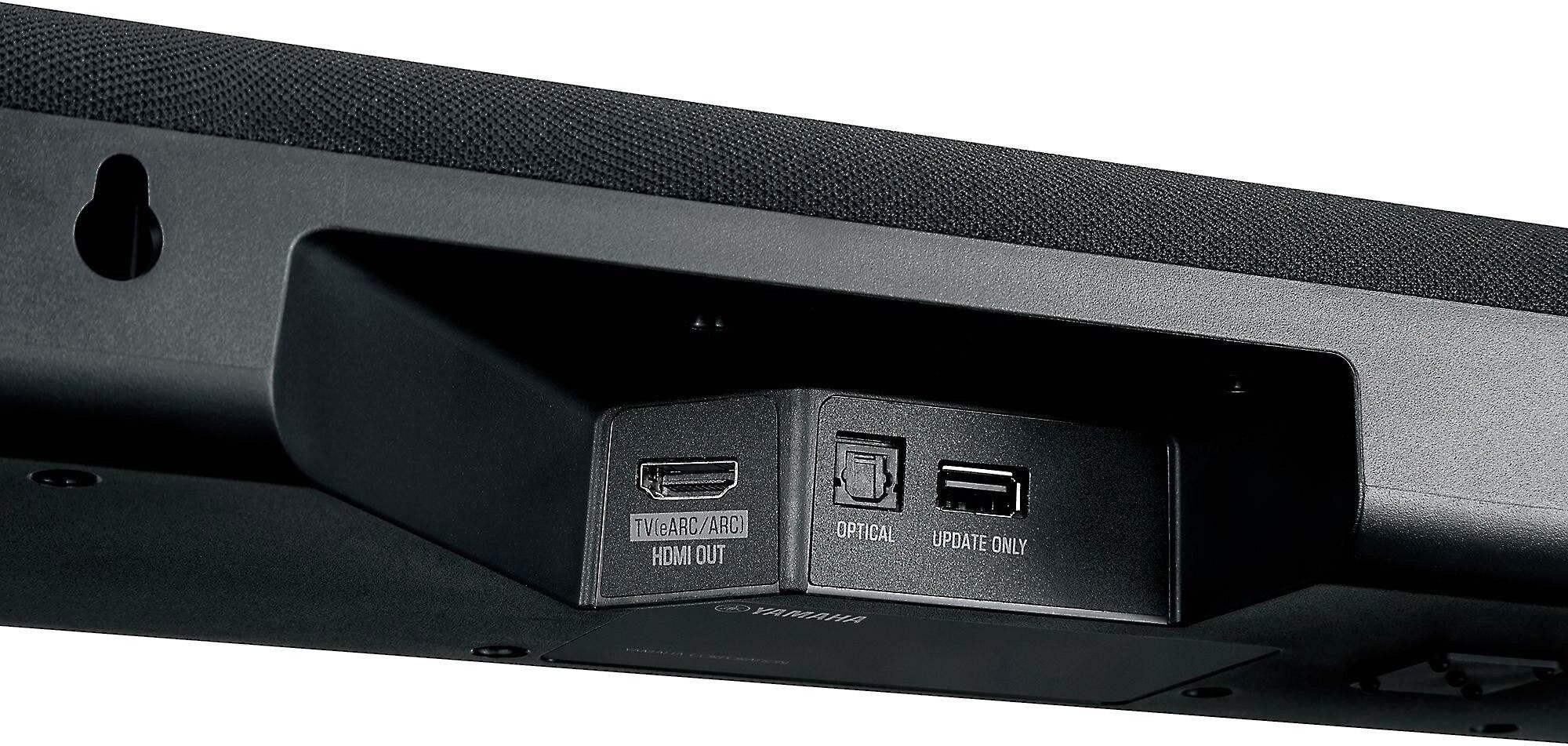
The Yamaha relies on your TV's eARC (Enhanced Audio Return Channel) connection to receive audio signals. While this works fine for most content, it adds potential delay and limits you to whatever audio formats your TV can pass through. Some older or budget TVs struggle with advanced audio formats, creating a bottleneck.
For dedicated gaming, the LG also includes a "Game Bass Blast" mode that emphasizes directional audio cues—those subtle sound effects that help you locate enemies or important game elements. Having tested similar gaming modes, they genuinely improve competitive gaming performance, though they can make single-player story games sound artificially aggressive.
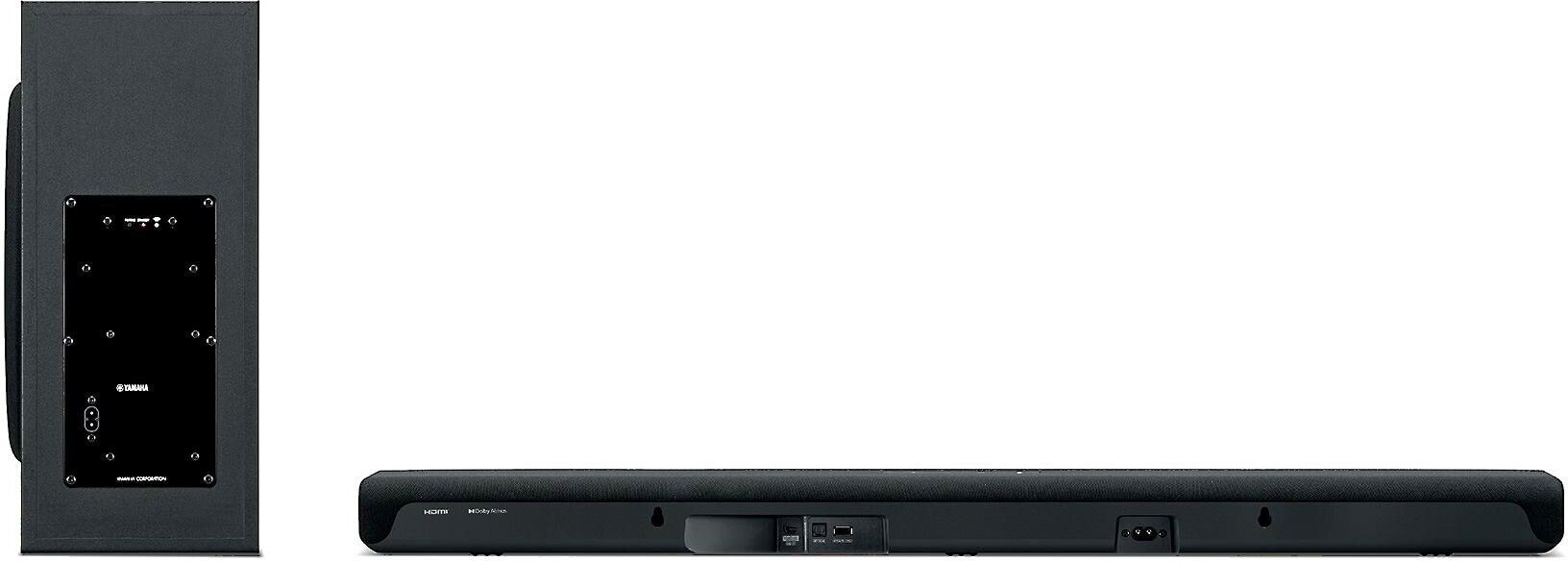
The Yamaha SR-B40A epitomizes plug-and-play simplicity. The main bar measures 35.8 inches wide, fitting nicely under most TVs without overwhelming smaller screens. Setup involves connecting one HDMI cable to your TV's eARC port, plugging in the power cord, and letting the wireless subwoofer automatically pair. Total setup time runs about 10 minutes for most users.
The subwoofer's wireless design provides placement flexibility—crucial for bass optimization. I typically recommend corner placement for maximum output, though the Yamaha's balanced tuning makes it less picky about positioning than more aggressive designs.
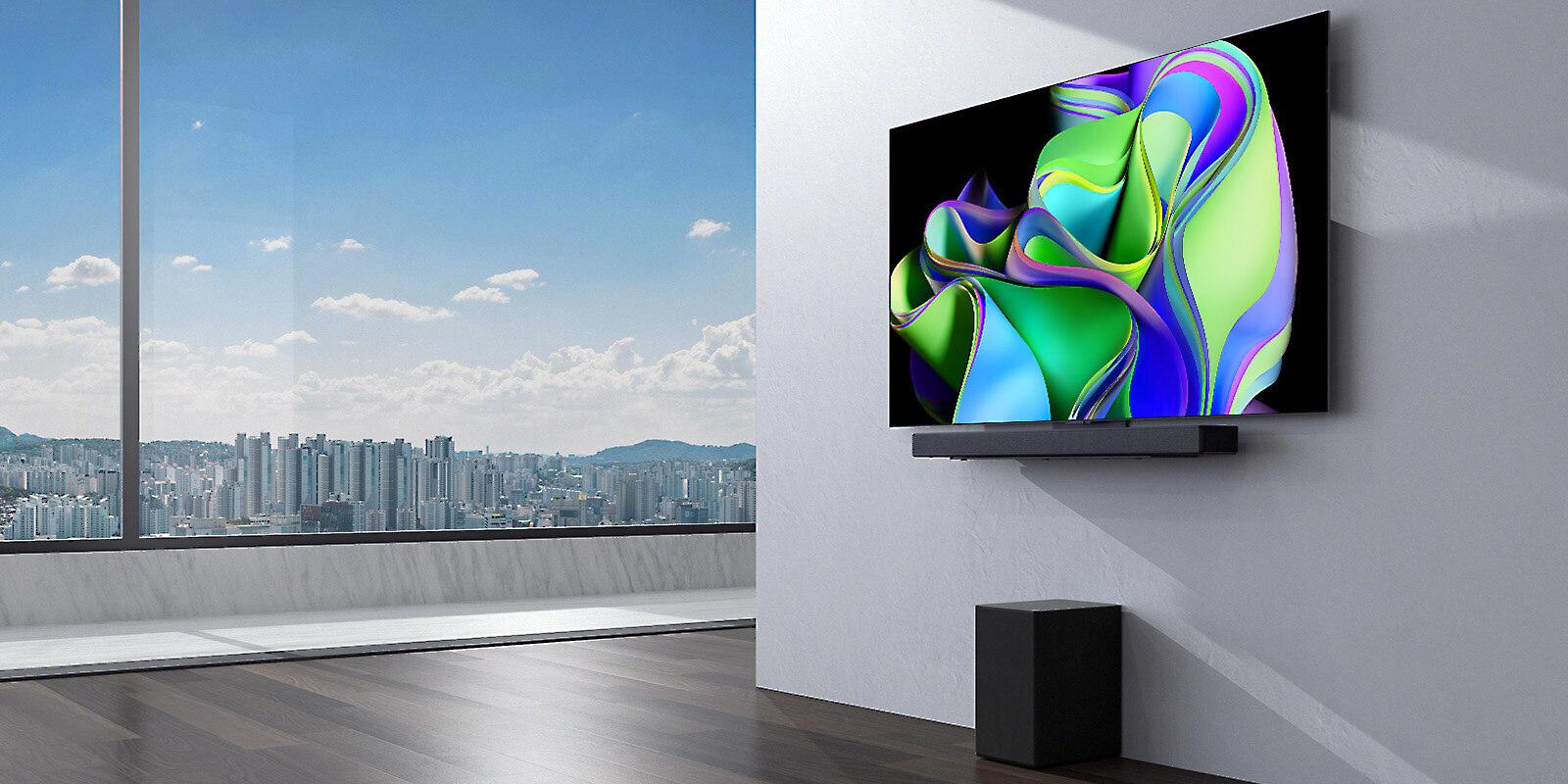
The LG SC9S requires more thoughtful installation but offers greater optimization potential. At 48 inches wide, it's designed for larger TVs and rooms. The included mounting bracket designed specifically for LG OLED TVs creates a seamless, integrated appearance that many users prefer over tabletop placement.
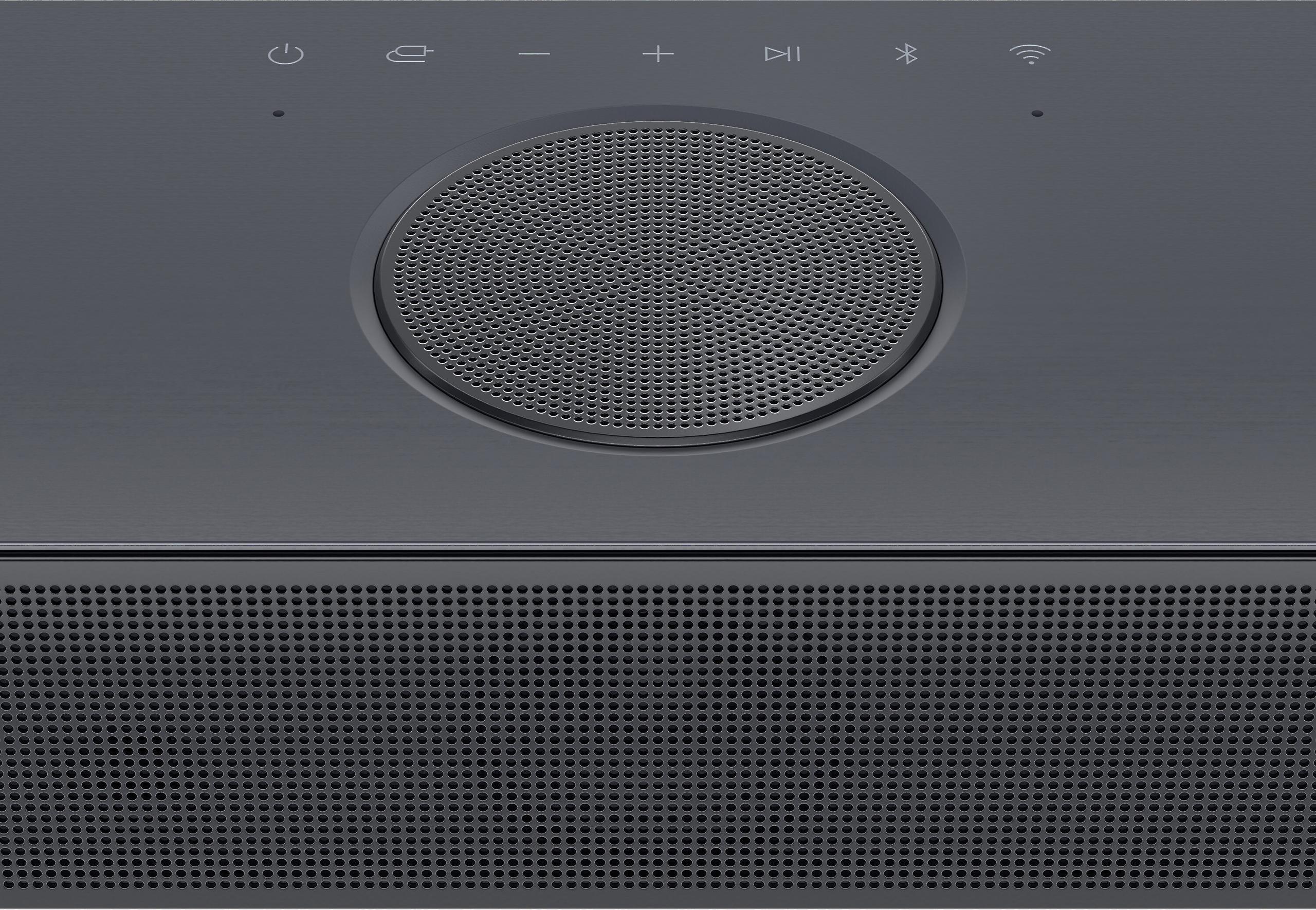
More importantly, the LG includes AI Room Calibration Pro, which uses built-in microphones to analyze your room's acoustics and automatically adjust audio settings. This technology has improved significantly in recent years, and when it works properly, it can dramatically improve sound quality in challenging rooms with hard surfaces or awkward layouts.
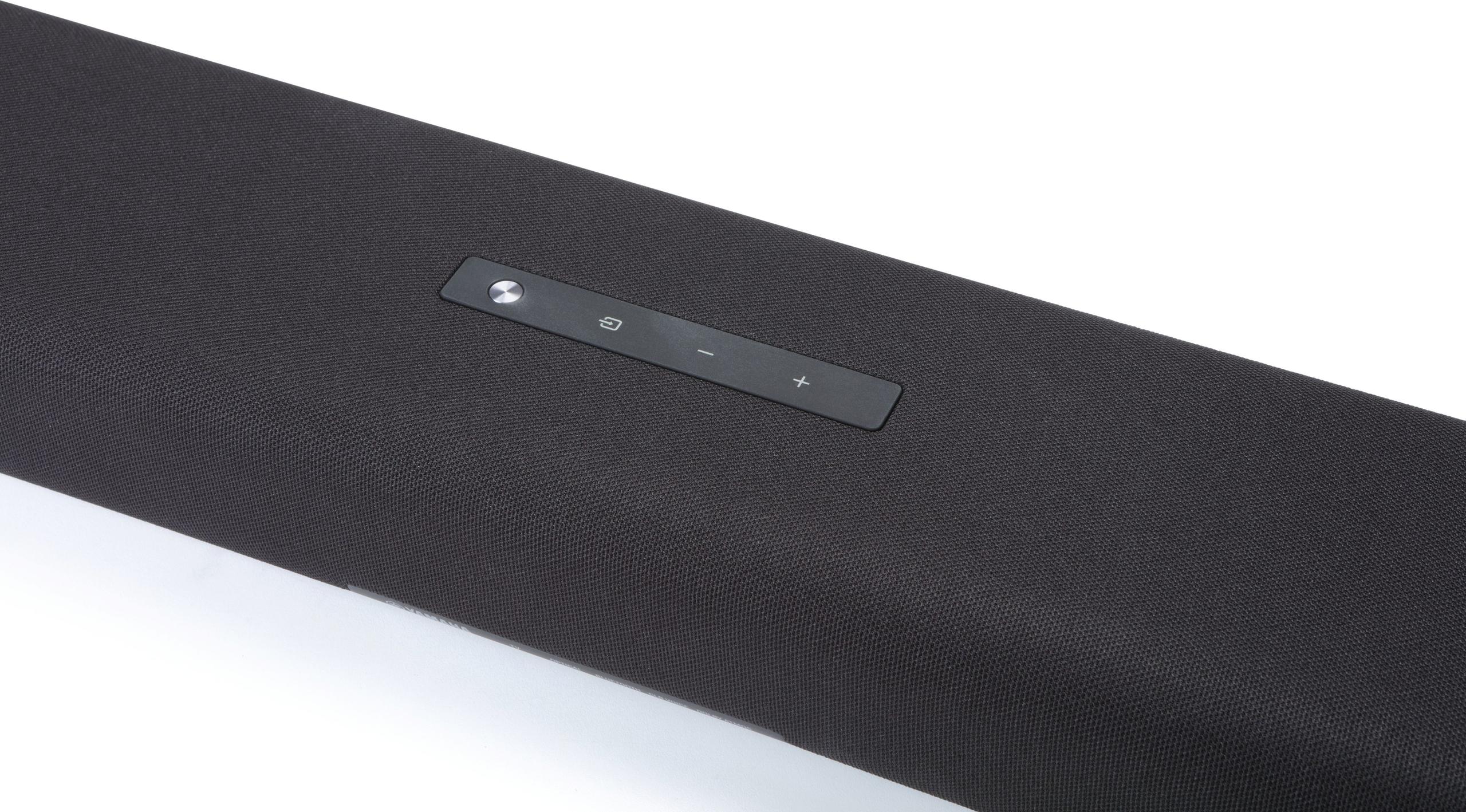
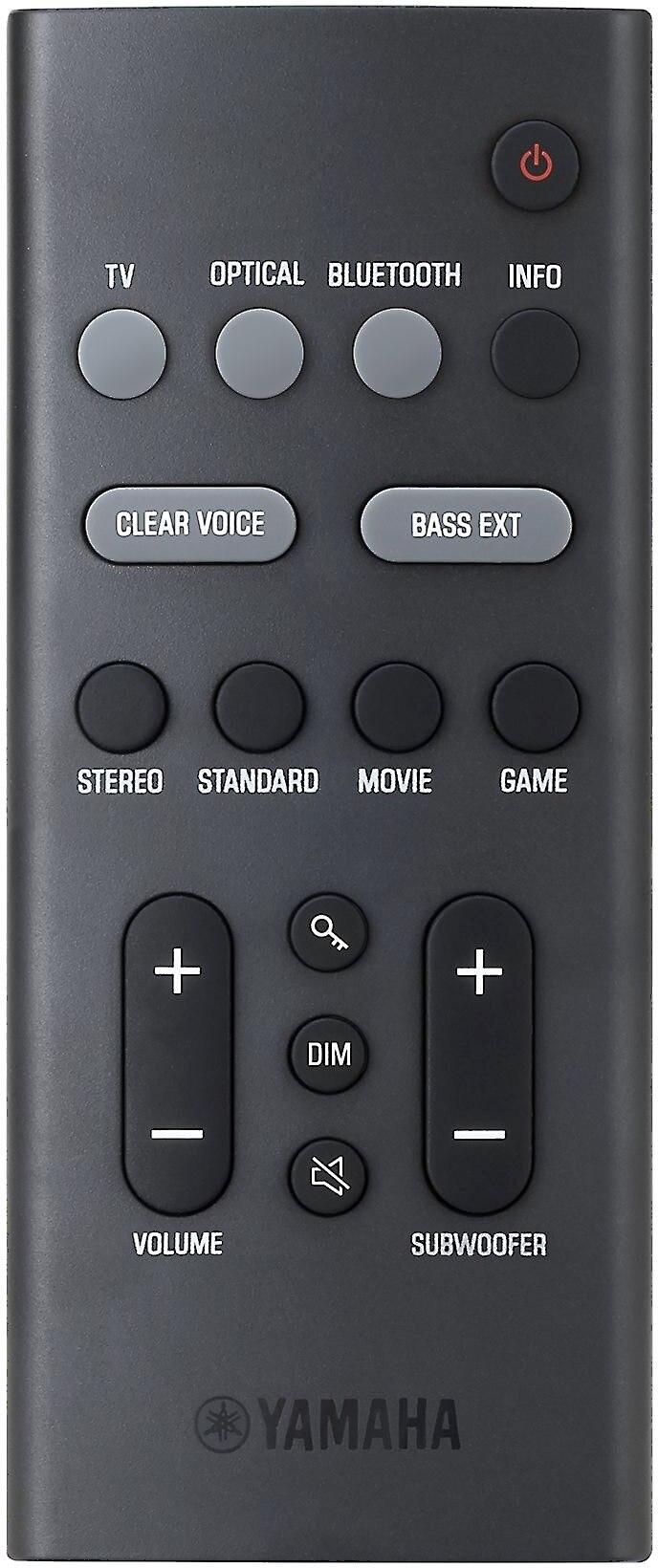
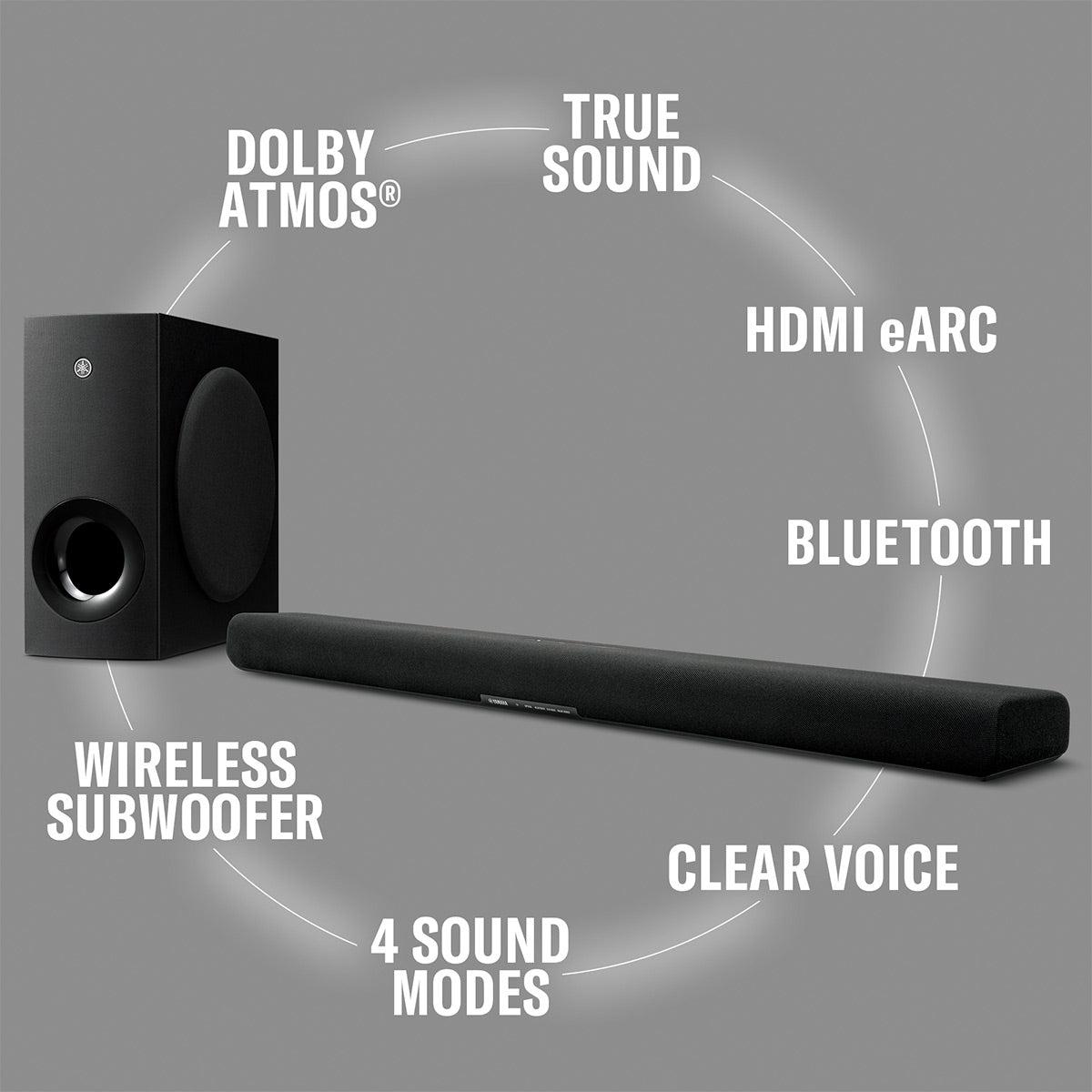
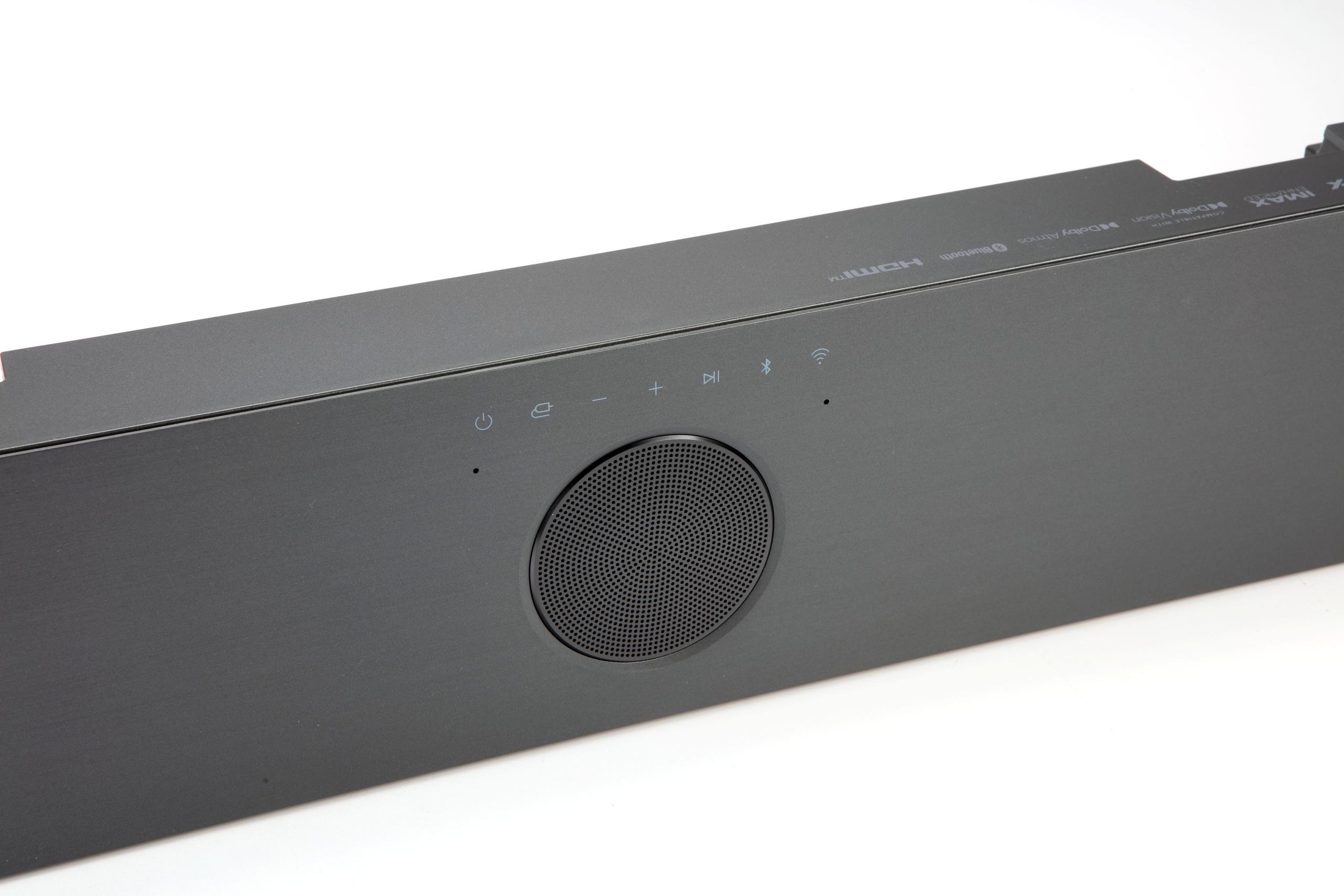
Both soundbars offer remote control and smartphone apps, but with different levels of complexity. The Yamaha's approach focuses on essential adjustments: volume, bass level, clear voice enhancement, and four preset modes (Stereo, Standard, Movie, Game). The dedicated app provides access to tone controls and bass extension features, but the interface remains straightforward.
The LG provides significantly more customization through eight different sound modes, including specialized settings for different content types. The AI Sound Pro mode automatically adjusts settings based on content type, while manual modes let you fine-tune the experience. For audio enthusiasts who enjoy tweaking settings, this flexibility is valuable. For users who prefer "set it and forget it" operation, it can feel overwhelming.
Modern soundbars need to handle more than just TV audio. The Yamaha SR-B40A covers the basics well with Bluetooth 5.1 for wireless music streaming from phones and tablets. The connection range extends about 33 feet, adequate for most home layouts. Sound quality over Bluetooth is good, though not quite matching wired connections.
The LG SC9S goes much further with built-in Wi-Fi, Chromecast, and Apple AirPlay 2 support. These features enable higher-quality wireless streaming and multi-room audio capabilities. Chromecast Group Play lets you sync multiple compatible speakers throughout your home, while AirPlay 2 provides seamless integration with Apple devices.
For households heavily invested in streaming music services, these advanced wireless features provide genuine convenience. You can start playing music in the living room, then extend it to other rooms without touching your phone.
Here's where the technological generation gap becomes apparent. The Yamaha's HDMI eARC connection handles all current audio formats adequately, including Dolby Atmos tracks from streaming services and 4K Blu-rays. However, it depends entirely on your TV's capabilities and processing.
The LG's HDMI 2.1 implementation future-proofs your setup for gaming and high-bandwidth content. As game developers increasingly utilize advanced audio formats and higher frame rates, having direct processing capability in your soundbar becomes more valuable.
Both units support the standard audio formats you'll encounter: Dolby Digital, DTS, and their respective Atmos/surround variants. The difference lies in processing capability and bandwidth for future content.
At $340, the Yamaha SR-B40A represents excellent value for most users upgrading from TV speakers. It provides dramatic improvement in dialogue clarity, music reproduction, and overall audio quality without breaking the bank or complicating your setup. For many people, this level of performance satisfies their needs completely.
The $516 LG SC9S asks you to pay 52% more for genuinely advanced features. Whether that premium is worthwhile depends on your specific situation and priorities. If you're building a dedicated home theater, frequently game on modern consoles, or consume significant amounts of Dolby Atmos content, the additional investment makes sense.
Consider also the peripheral costs. The Yamaha works well with any TV that has eARC, while the LG's premium features shine brightest when paired with compatible LG TVs and modern gaming consoles. If you're planning other upgrades, factor those into your total investment.
In my experience reviewing audio equipment, user satisfaction often correlates more with meeting expectations than raw performance numbers. The Yamaha sets reasonable expectations and consistently exceeds them. Users consistently report satisfaction with its balanced performance and reliability.
The LG creates higher expectations with its premium price and advanced features. When everything works properly—room calibration succeeds, content contains Atmos effects, gaming features function correctly—user satisfaction is very high. However, the complexity creates more potential frustration points.
For dedicated home theater setups, room characteristics become crucial. The Yamaha SR-B40A works best in small to medium rooms (under 300 square feet) where its 200W output provides adequate volume without overwhelming the space. Its balanced sound signature works well in rooms with mixed acoustics—partly carpeted areas with some hard surfaces.
The LG SC9S was designed for larger spaces where its higher power output and multiple drivers can create truly immersive experiences. The upward-firing channels require reasonable ceiling height (8-10 feet) and reflective ceiling surfaces to work properly. In ideal conditions—large room, proper setup, compatible content—it creates genuinely cinematic experiences.
This is where understanding your viewing habits becomes important. If you primarily watch network television, news, and older movies, the sophisticated features of the LG provide limited benefit. Standard stereo and 5.1 surround content doesn't utilize the height channels effectively.
However, if you're streaming current movies from Netflix, Disney+, or Amazon Prime Video—services that increasingly offer Dolby Atmos tracks—the LG's physical height channels create noticeably more immersive experiences. The difference is particularly dramatic with action movies, nature documentaries, and animated films that utilize overhead audio effects creatively.
Choose the Yamaha SR-B40A if you want reliable, high-quality audio improvement without complexity or premium pricing. It's ideal for smaller rooms, primarily TV and music listening, and users who value simplicity over advanced features. The balanced sound signature rarely disappoints, and the straightforward operation means you'll actually use and enjoy its features.
Choose the LG SC9S if you're building a serious home theater setup, game regularly on modern consoles, or frequently watch Dolby Atmos content. The premium price is justified by genuinely advanced features, but only if you'll actually utilize them. It's also the better choice for larger rooms where its additional power and multi-channel design can create truly immersive experiences.
The fundamental question isn't which soundbar is "better"—they're optimized for different use cases and user preferences. The Yamaha excels at being an outstanding everyday audio upgrade, while the LG transforms compatible rooms into mini home theaters. Consider your space, content preferences, technical comfort level, and budget when making your final decision. Both represent solid value within their respective market segments.
| Yamaha SR-B40A | LG SC9S |
|---|---|
| Channel Configuration - Determines immersion level and soundstage width | |
| 2.1 channels with virtual Dolby Atmos processing | 3.1.3 channels with physical upward-firing drivers |
| Total Power Output - Affects maximum volume and dynamic range | |
| 200W (adequate for small-medium rooms) | 310-400W (fills large rooms with authority) |
| Height Channel Implementation - Critical for true Dolby Atmos experience | |
| Virtual processing creates wider soundstage | 3 dedicated upward-firing speakers for authentic overhead effects |
| Subwoofer Design - Impacts bass depth and placement flexibility | |
| Wireless 6.25" subwoofer (balanced integration) | Larger wireless subwoofer extending to 34Hz (deeper bass) |
| Gaming Features - Essential for console gaming with modern TVs | |
| HDMI eARC only (relies on TV processing) | HDMI 2.1 passthrough with 4K/120Hz, VRR, and dedicated gaming modes |
| Room Calibration - Optimizes sound for your specific space | |
| Basic preset modes and manual adjustments | AI Room Calibration Pro with automatic acoustic analysis |
| Connectivity Options - Determines streaming flexibility and device compatibility | |
| HDMI eARC, Optical, Bluetooth 5.1 | HDMI 2.1, eARC, Optical, Wi-Fi, Chromecast, AirPlay 2, Bluetooth |
| Setup Complexity - Affects ease of installation and daily use | |
| Plug-and-play simplicity (10-minute setup) | More involved setup but greater optimization potential |
| Ideal Room Size - Matching power and design to your space | |
| Small to medium rooms (under 300 sq ft) | Large rooms and dedicated home theaters (400+ sq ft) |
| Price and Value Proposition - Cost vs features and performance | |
| $340 - Excellent upgrade value for most users | $516 - Premium features justify 52% higher cost for enthusiasts |
The Yamaha SR-B40A is better suited for small to medium rooms under 300 square feet. Its 200W power output and balanced sound signature won't overwhelm compact spaces, while the LG SC9S with 310-400W is designed for larger rooms and may sound too aggressive in smaller areas.
The key difference is channel configuration: the Yamaha SR-B40A uses 2.1 channels with virtual Dolby Atmos processing, while the LG SC9S features a true 3.1.3 setup with physical upward-firing speakers for authentic overhead sound effects.
The LG SC9S delivers deeper bass with its larger subwoofer extending down to 34Hz, providing more impactful low-end for action movies. The Yamaha SR-B40A offers well-integrated bass that's more balanced for mixed content but less powerful overall.
The LG SC9S is significantly better for gaming with HDMI 2.1 passthrough supporting 4K/120Hz, VRR, and dedicated gaming modes. The Yamaha SR-B40A relies on TV processing through eARC, which can add latency and limit gaming features.
The Yamaha SR-B40A offers plug-and-play simplicity with about 10 minutes of setup time. The LG SC9S requires more involved installation but includes AI Room Calibration Pro for automatic acoustic optimization.
Yes, but differently. The Yamaha SR-B40A creates virtual Dolby Atmos effects through processing, while the LG SC9S uses three physical upward-firing speakers for true overhead sound placement that's more convincing with Atmos content.
The Yamaha SR-B40A at $340 provides excellent value for most users upgrading from TV speakers. The LG SC9S at $516 costs 52% more but offers premium features that justify the price for home theater enthusiasts and gamers.
Both work well for music, but with different strengths. The Yamaha SR-B40A delivers balanced, fatigue-free sound ideal for extended music listening. The LG SC9S has more power and processing that can make music more exciting but may sound less natural.
The LG SC9S is designed for large rooms over 400 square feet with its higher power output and multiple drivers creating room-filling sound. The Yamaha SR-B40A works best in smaller spaces where its 200W output is sufficient.
The Yamaha SR-B40A works with any TV that has HDMI eARC. The LG SC9S is compatible with most TVs but performs best with LG OLED models, including a dedicated mounting bracket for seamless integration.
The LG SC9S offers superior connectivity with Wi-Fi, Chromecast, AirPlay 2, and HDMI 2.1 passthrough. The Yamaha SR-B40A provides basic but reliable connectivity with HDMI eARC, optical input, and Bluetooth 5.1.
For dedicated home theater use, the LG SC9S is the better choice with its true 3.1.3 channel setup, deeper bass, and authentic Dolby Atmos processing. However, the Yamaha SR-B40A still provides a significant upgrade from TV speakers at a more accessible price point.
We've done our best to create useful and informative comparisons to help you decide what product to buy. Our research uses advanced automated methods to create this comparison and perfection is not possible - please contact us for corrections or questions. These are the sites we've researched in the creation of this article: crutchfield.com - visions.ca - shop.usa.yamaha.com - bestbuy.com - bestbuy.com - usa.yamaha.com - my.yamaha.com - europe.yamaha.com - adorama.com - usa.yamaha.com - digitalhomecreations.com - europe.yamaha.com - sundownone.com - consumerreports.org - valueelectronics.com - youtube.com - bestbuy.com - rtings.com - costco.com - bestbuy.com - walts.com - queencityonline.com - blog.son-video.com - videoandaudiocenter.com - lg.com

Privacy Policy
Terms and Conditions - Affiliate Policy
Home Security
© Copyright 2008-2026.
11816 Inwood Rd #1211, Dallas, TX 75244