

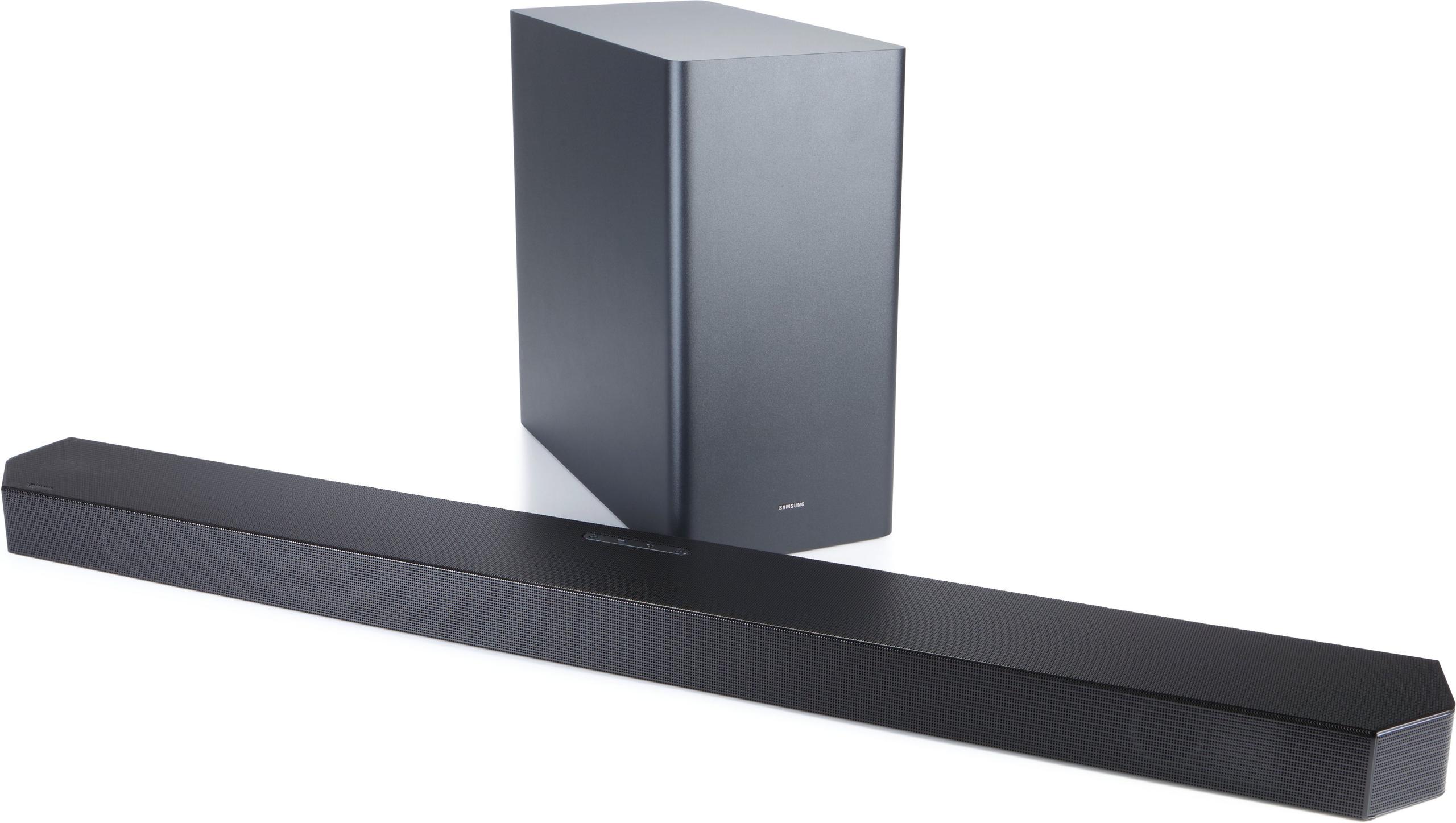
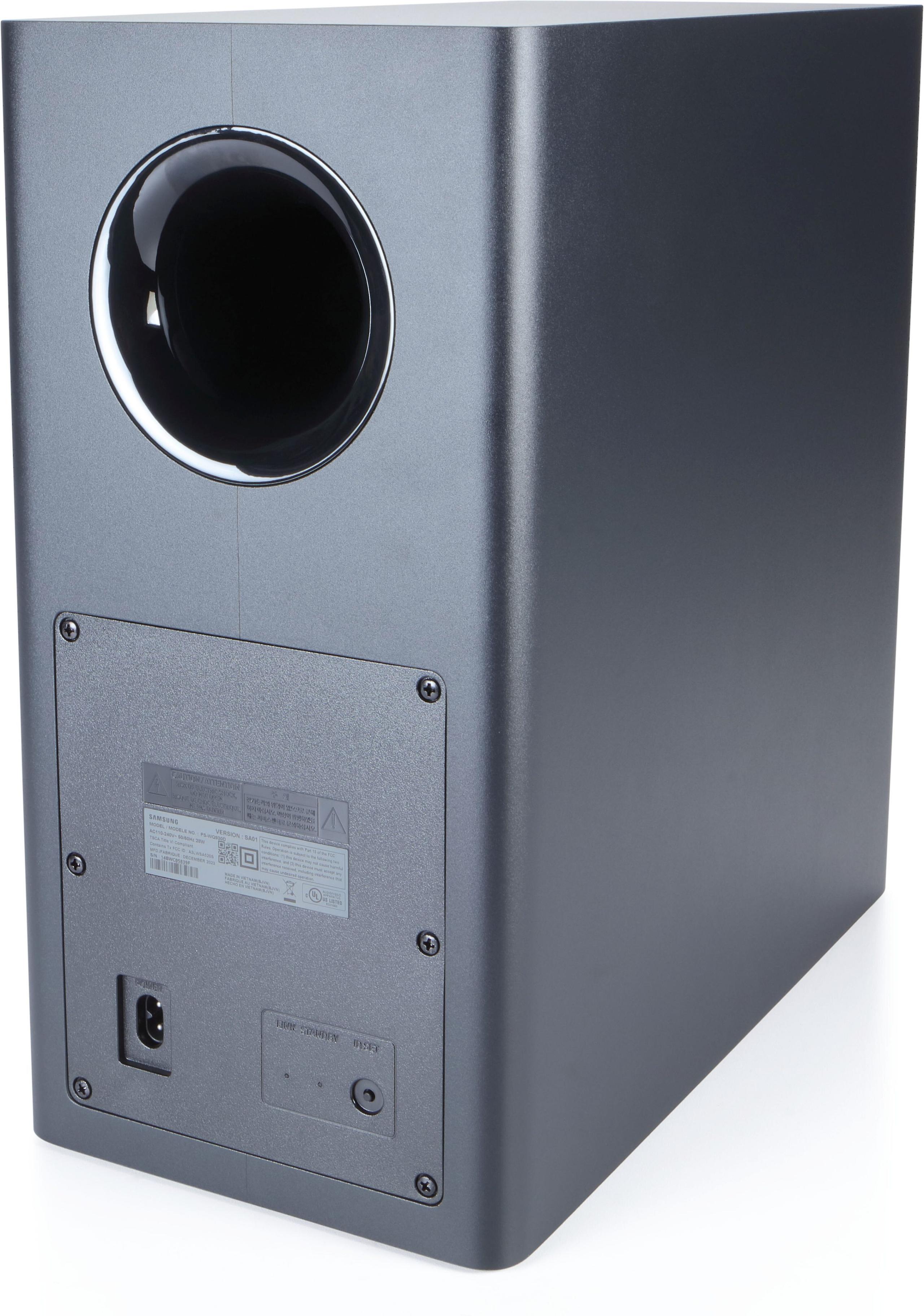
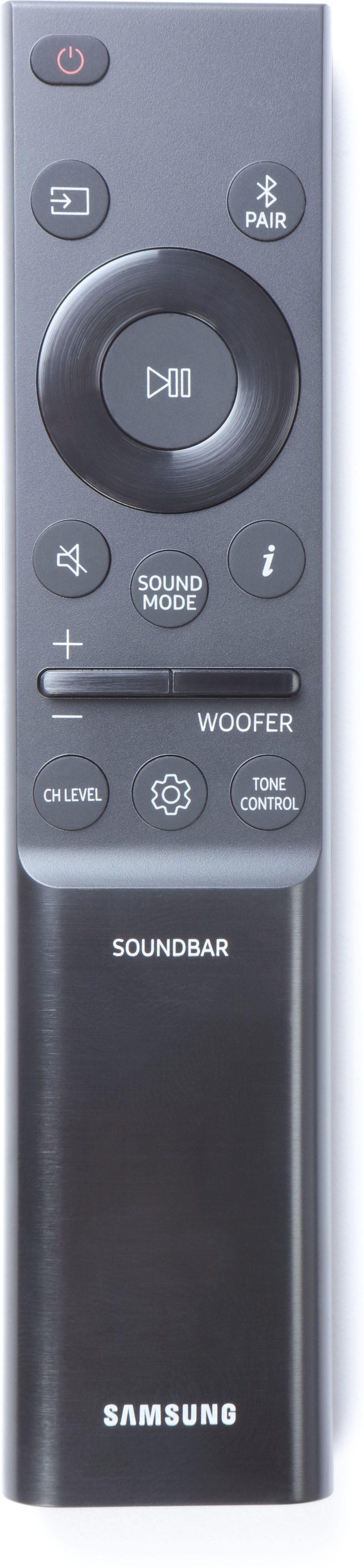
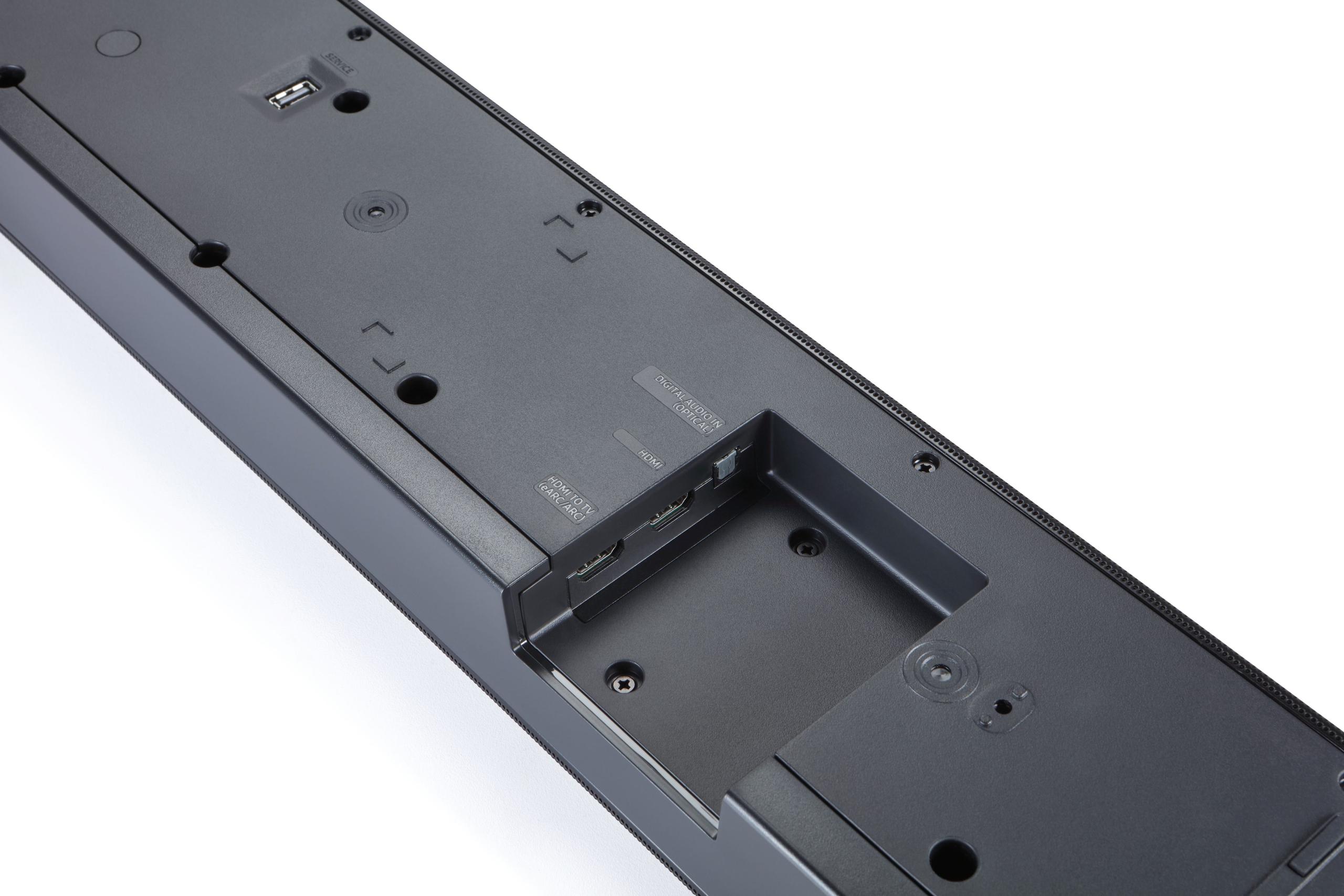
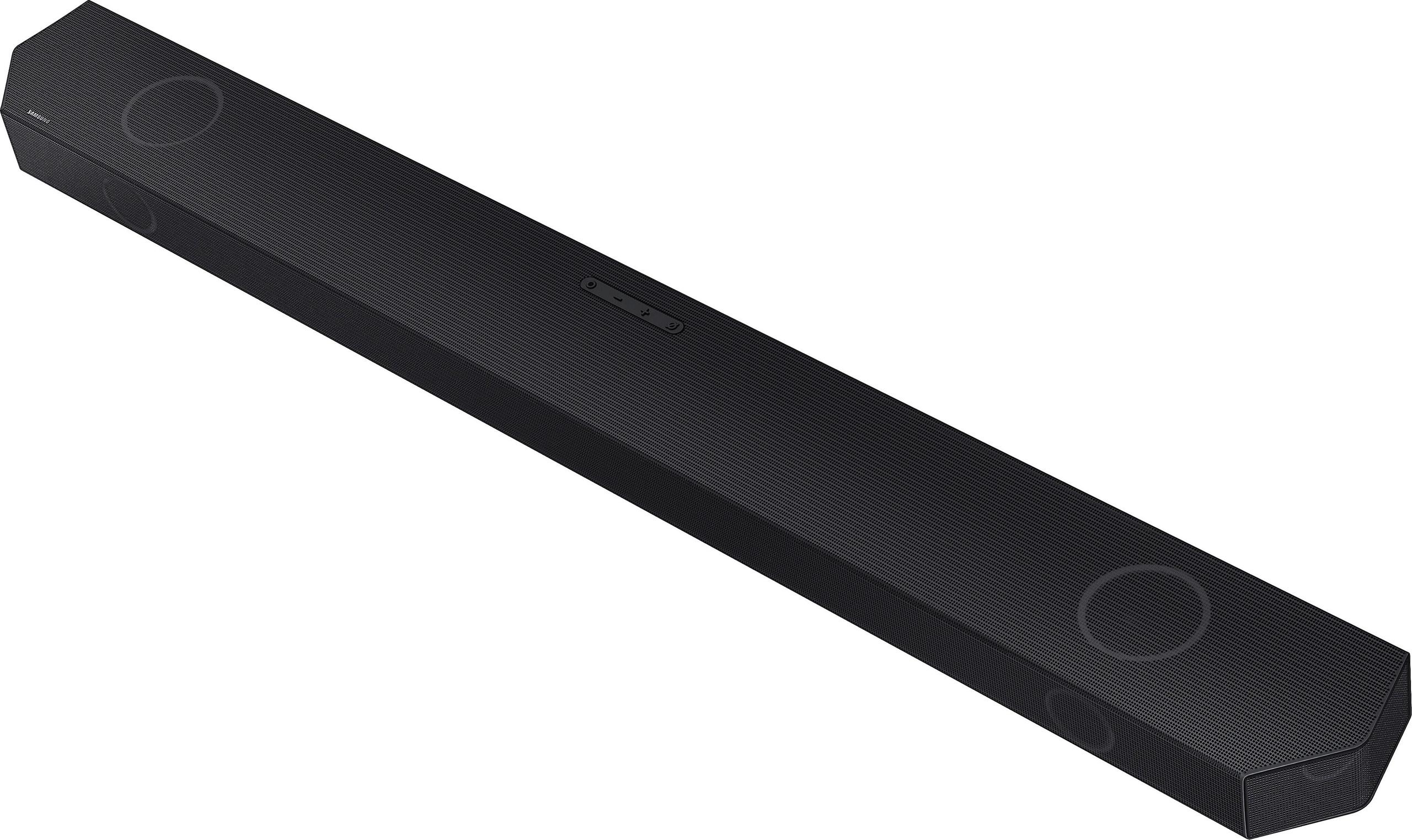
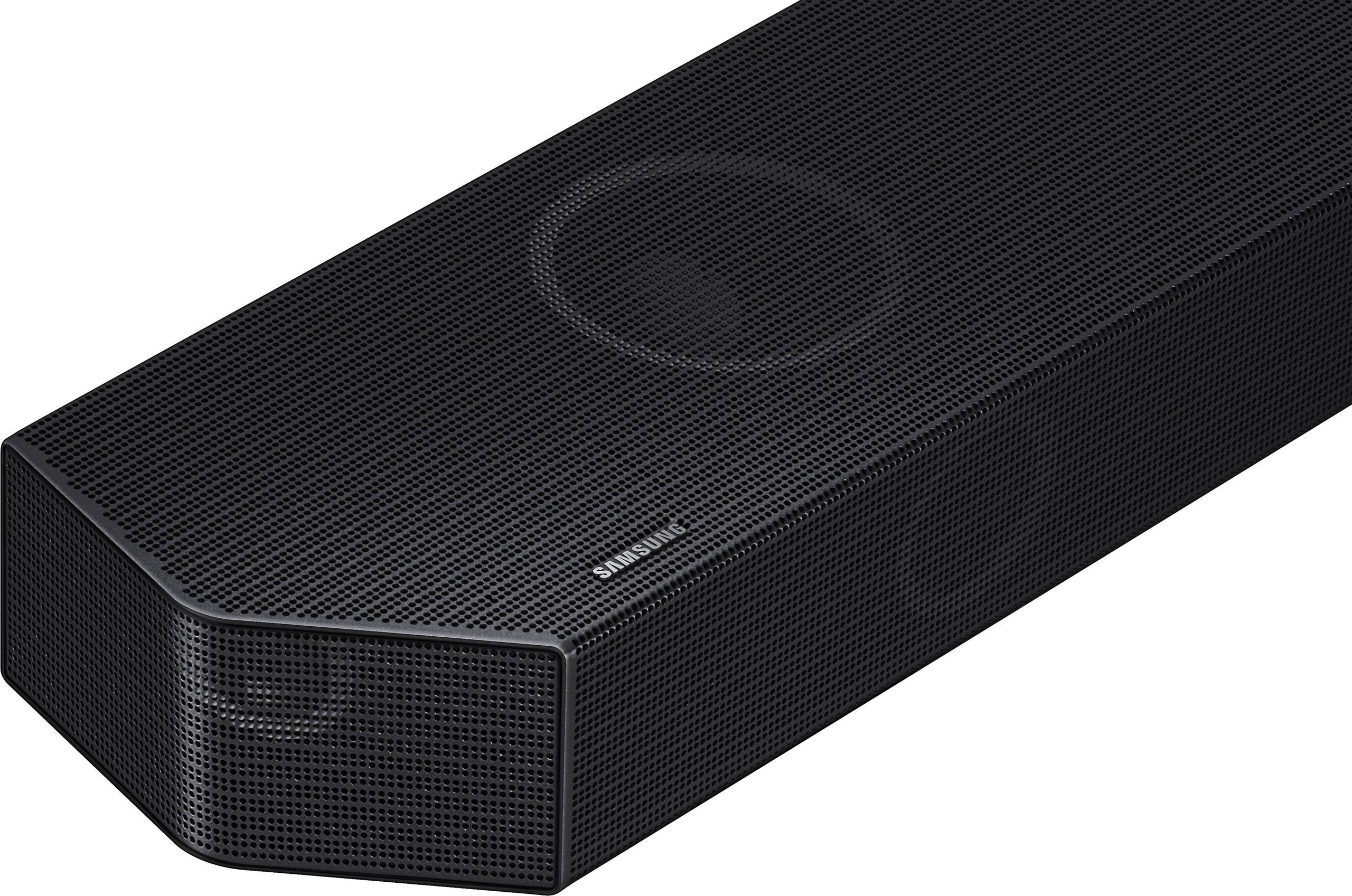




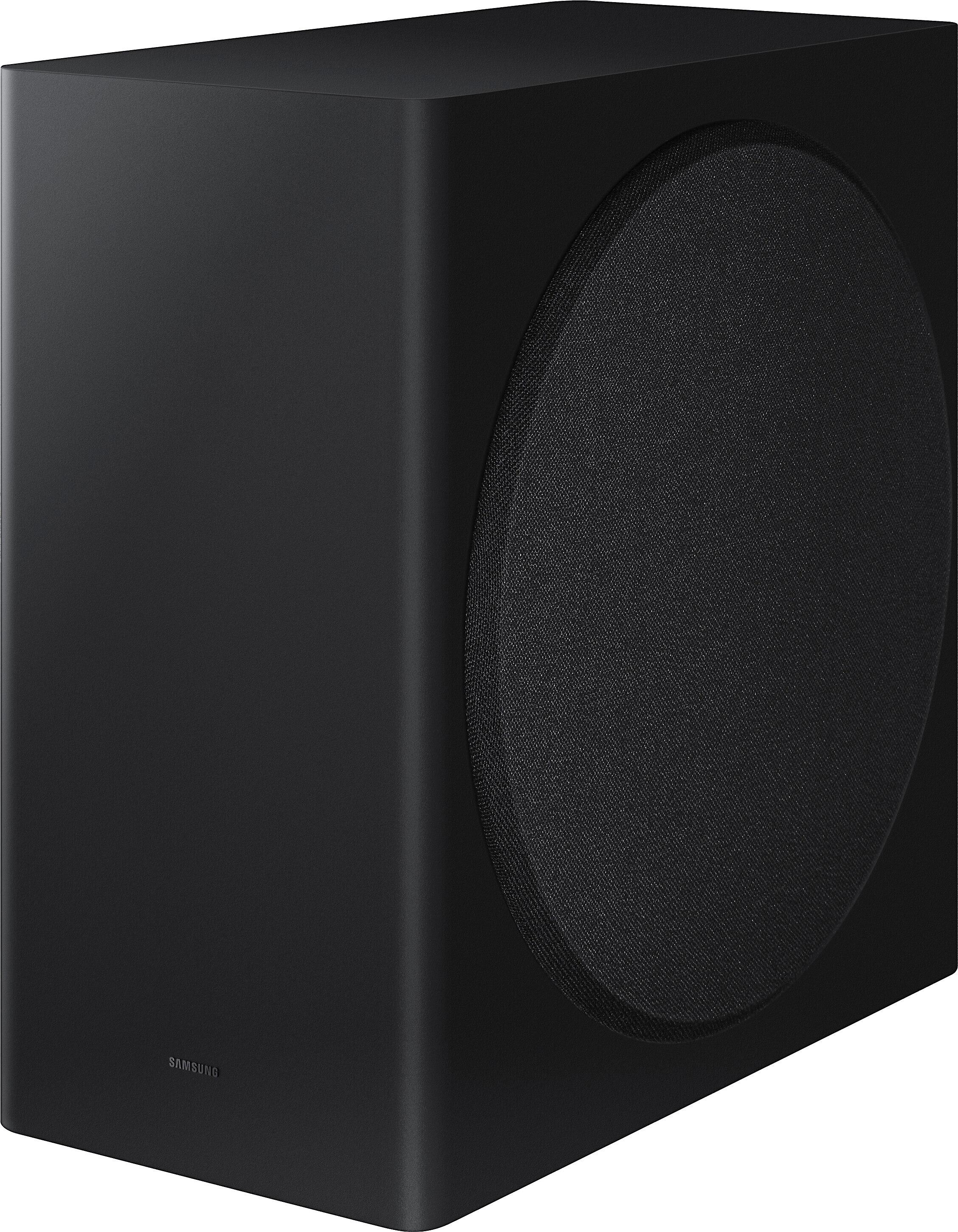


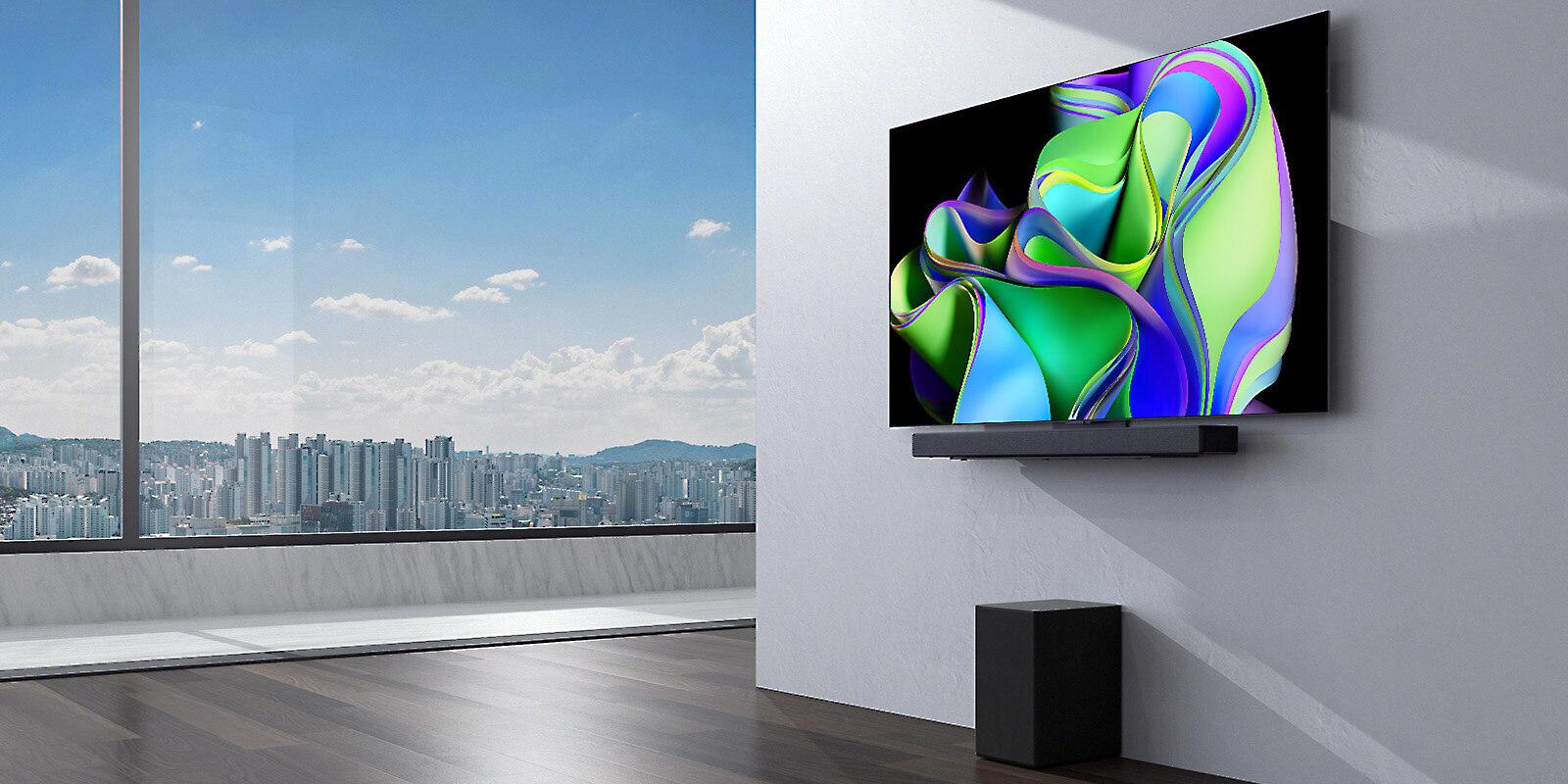
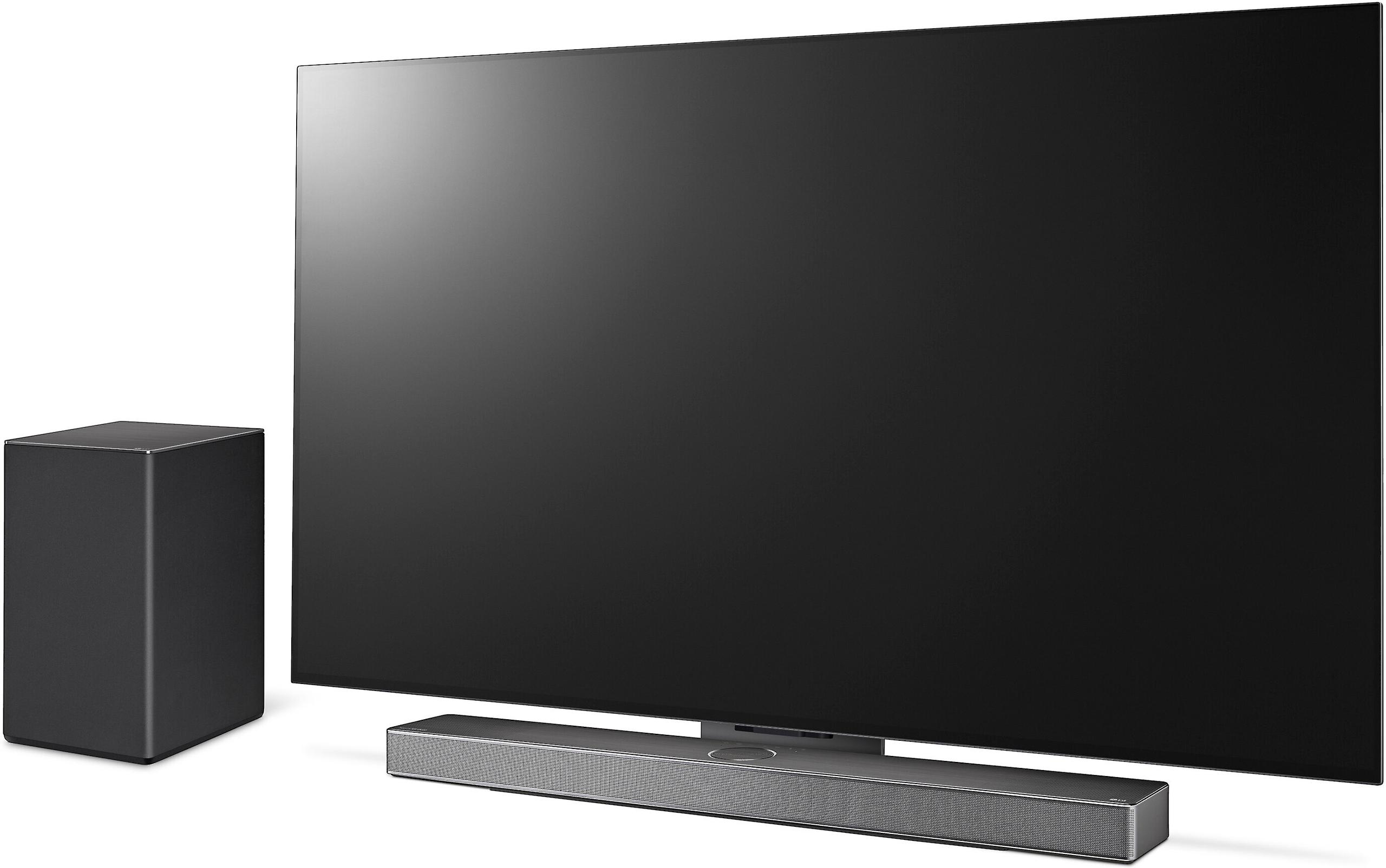
When your TV's built-in speakers just aren't cutting it anymore, you're probably looking at soundbars. But not all soundbars are created equal, and in the premium segment where these two models compete, the differences can make or break your home entertainment experience.
The Samsung HW-Q800D and LG SC9S represent two different philosophies in soundbar design. Samsung released the HW-Q800D in early 2024 as part of their Q-series refresh, while LG launched the SC9S in late 2024 with some interesting technological updates. Both aim to deliver that cinematic audio experience you get in theaters, but they take notably different paths to get there.
Before diving into the specifics, let's talk about what makes a soundbar "premium" and what you should actually care about when spending $500-700 on one.
Premium soundbars do several things that basic models can't. First, they support advanced audio formats like Dolby Atmos—a technology that creates three-dimensional sound by bouncing audio off your ceiling to simulate sounds coming from above and around you. Think of helicopter scenes where you actually hear the aircraft passing overhead, not just left and right.
Second, they include wireless subwoofers. A subwoofer is a specialized speaker that handles low-frequency sounds (bass), and having it separate from the main bar means you get much more impactful explosions, music basslines, and rumbling effects without making the soundbar itself huge.
Third, they offer multiple audio channels. When you see numbers like "5.1.2" or "3.1.3," that's telling you how the soundbar divides up different types of sound. The first number is main channels (left, right, center), the second is subwoofers, and the third is height channels for Dolby Atmos. More channels generally means more precise sound placement.
The key considerations when choosing between premium soundbars are pretty straightforward: How good does it sound with movies? How about music? Does it work well for gaming? How easy is it to set up and use daily? And crucially—does it justify the price compared to alternatives?
The Samsung HW-Q800D follows what I'd call the "jack of all trades" approach. It's a 5.1.2 system, meaning five main channels, one subwoofer, and two height channels. Samsung designed this to perform well across movies, music, and gaming without excelling dramatically in any single area. At around $700, it's positioned as a premium but versatile option.
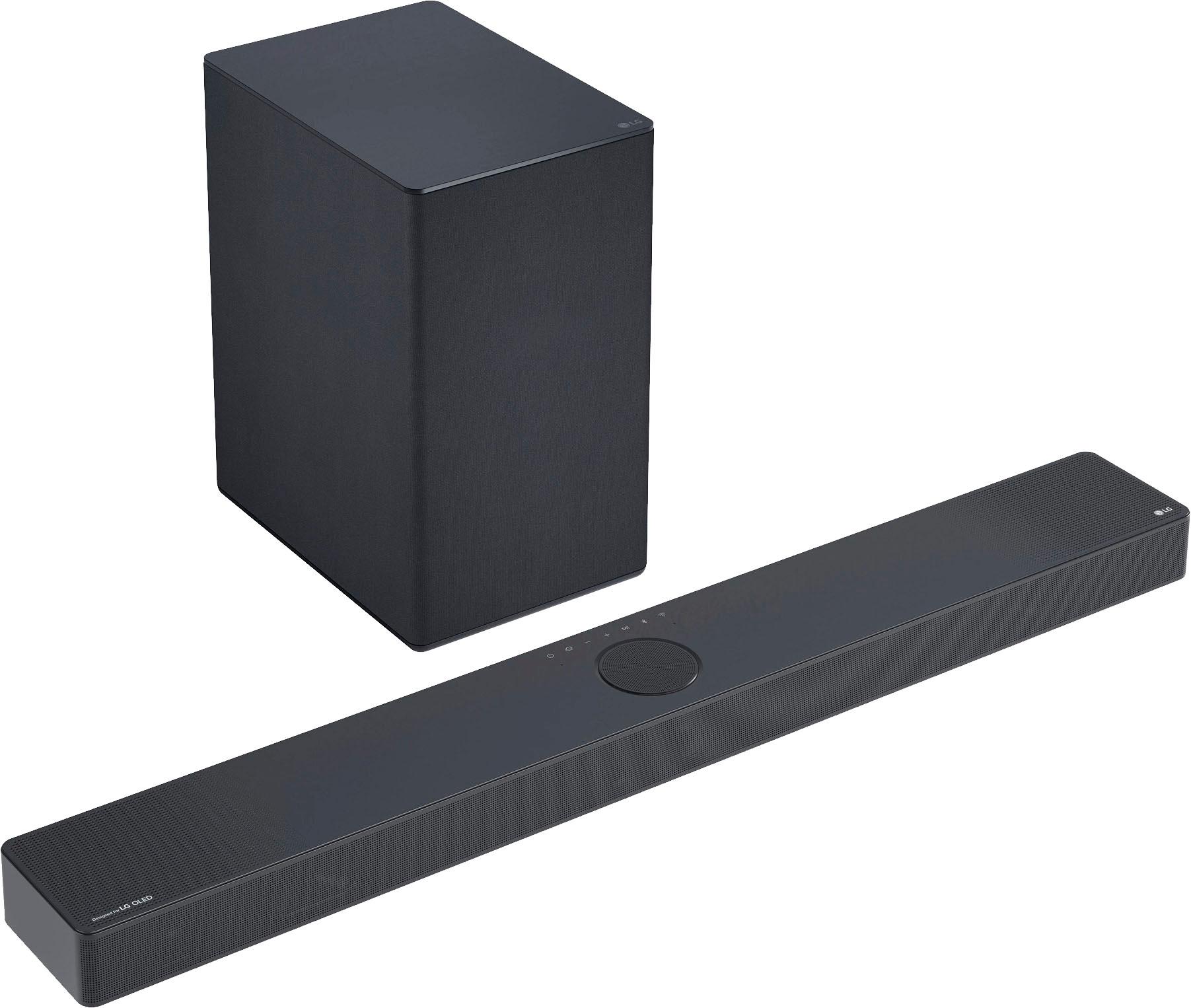
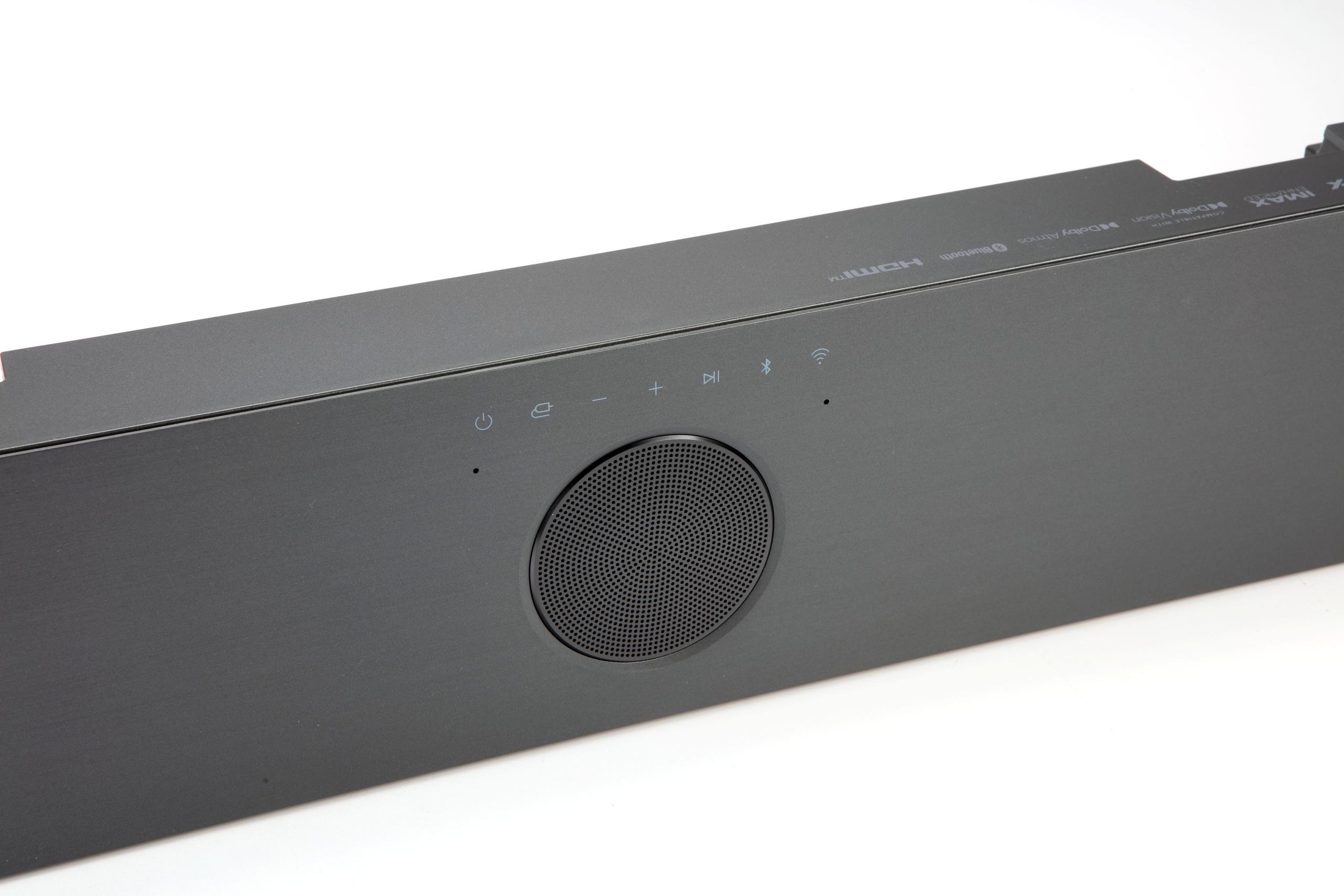
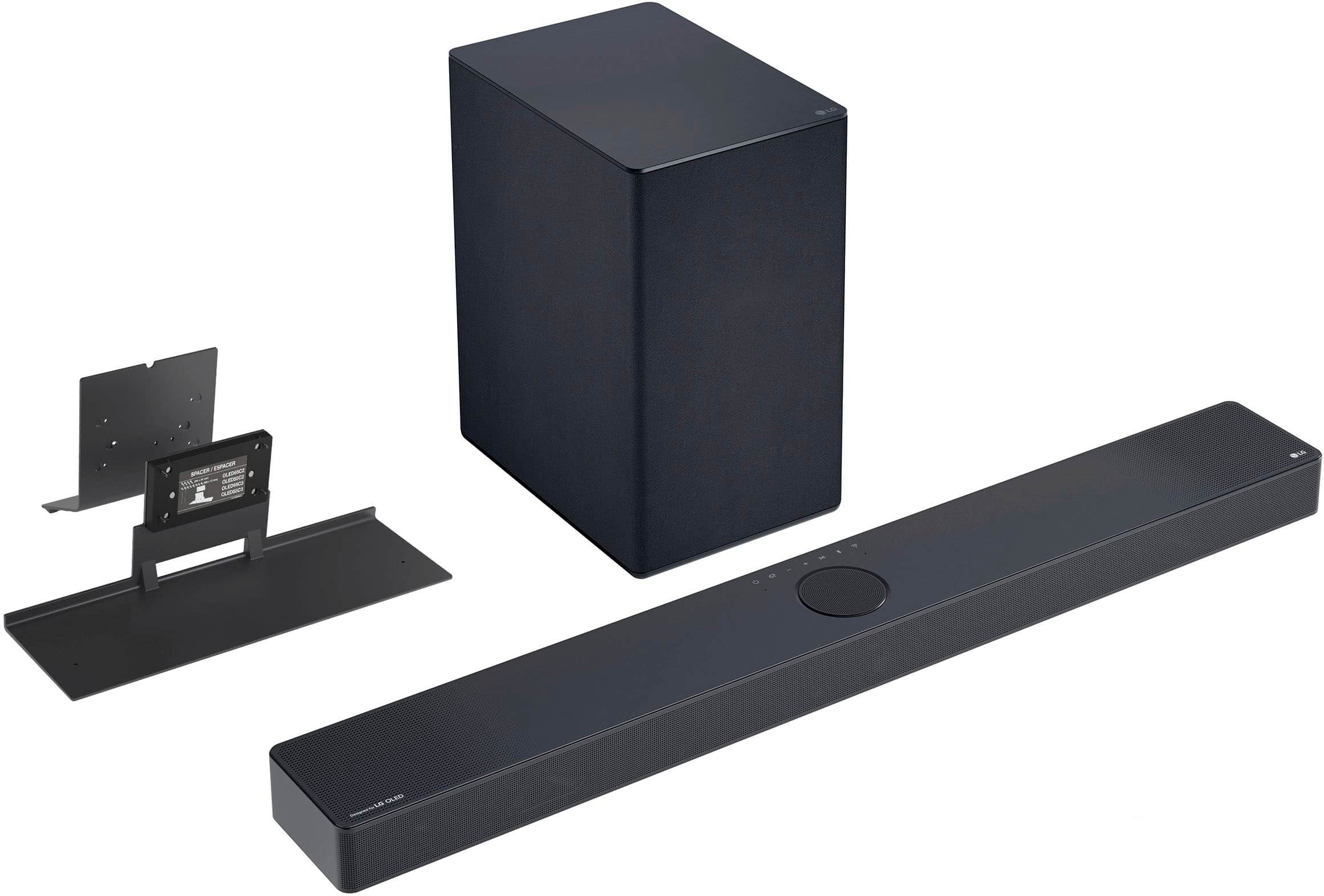
The LG SC9S, meanwhile, takes a more specialized approach. Its 3.1.3 configuration—three main channels, one subwoofer, and three height channels—puts extra emphasis on that overhead Dolby Atmos experience. Priced around $515, it's actually less expensive than the Samsung while offering some unique features that movie enthusiasts will appreciate.
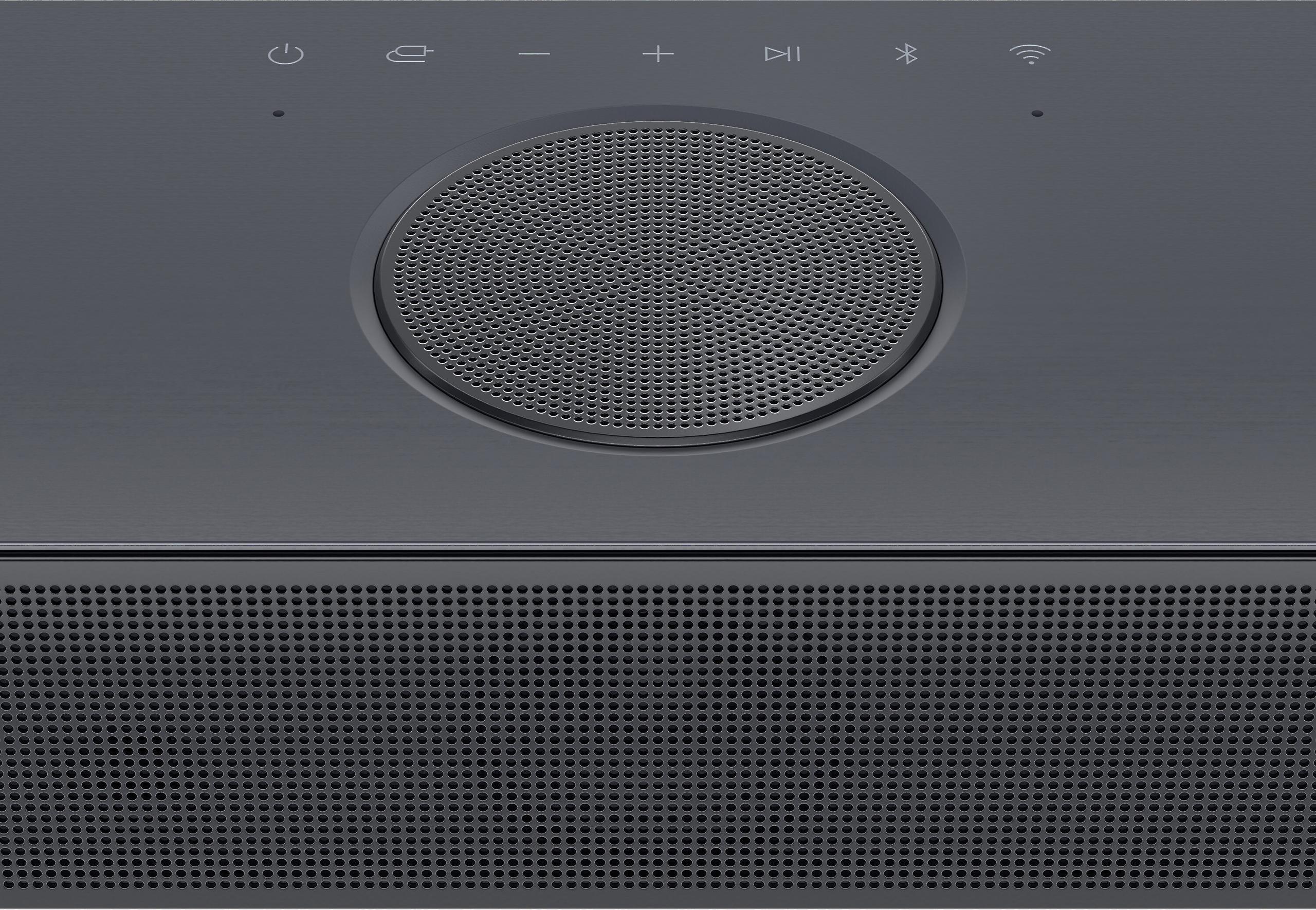
The channel configurations tell an interesting story. Samsung's 5.1.2 setup includes dedicated left and right surround channels, which theoretically provides better side-to-side sound placement. LG's 3.1.3 system sacrifices those dedicated surround channels but adds an extra height channel, creating what they call an "up-firing center channel" that specifically enhances vocal reproduction in the overhead soundfield.
Here's where these soundbars really diverge, and it's probably the most important factor for most buyers.
The Samsung HW-Q800D uses what the industry calls "virtual" Dolby Atmos processing. This means it takes the Atmos audio information and uses digital signal processing to create the illusion of height effects through its two up-firing drivers. Samsung's SpaceFit Sound Pro technology uses built-in microphones to analyze your room's acoustics and adjusts the sound accordingly. In practice, this works quite well in most living rooms, creating a convincing sense of overhead audio without being too dependent on perfect room conditions.
I've found Samsung's approach works consistently across different room sizes and ceiling heights. The virtual processing is sophisticated enough that you get a noticeable improvement over regular surround sound, even if it's not as dramatic as some competitors.
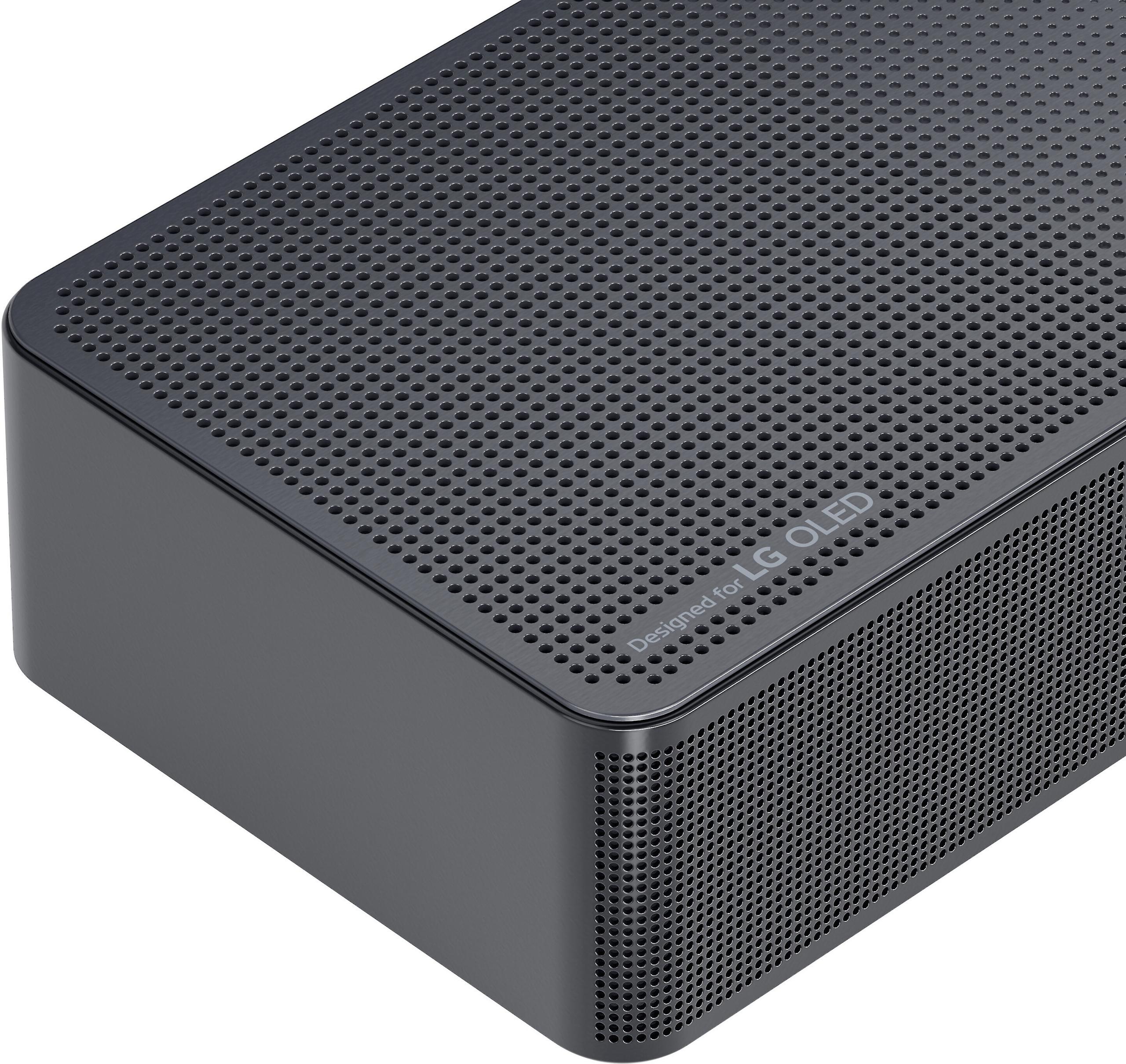
The LG SC9S takes a more aggressive approach with three physical up-firing drivers that actually bounce sound off your ceiling. Two of these handle traditional Dolby Atmos content, while the third acts as that up-firing center channel I mentioned. When this works well—and it really depends on your room—the effect can be genuinely impressive. Helicopter scenes in movies like "Dunkirk" or rain effects in atmospheric films create an almost startling sense of audio coming from directly above.
But here's the catch: LG's approach is much more room-dependent. You need ceilings that are roughly 8-9 feet high and relatively flat. Vaulted ceilings, very high ceilings, or rooms with lots of acoustic dampening (like heavy curtains and carpeting) can significantly reduce the effectiveness of those bounced sound reflections.
The technical difference comes down to physics versus processing. Samsung uses smart algorithms to trick your brain into perceiving height, while LG uses actual sound reflections to create height. Both work, but LG's method can be more dramatic when conditions are right.
This is where the philosophical differences between these soundbars become most apparent.
The Samsung HW-Q800D was clearly tuned with music in mind. It includes a 7-band equalizer that lets you adjust frequencies at 150Hz, 300Hz, 600Hz, 1.2kHz, 2.5kHz, 5.0kHz, and 10.0kHz—covering the full range of human hearing. The sound signature is relatively neutral, meaning it doesn't artificially boost or cut any particular frequency range dramatically.
When listening to music, the Samsung delivers detailed midrange frequencies (where most vocals and instruments live) and smooth high frequencies (cymbals, string instruments, vocal harmonics). The included subwoofer provides controlled bass that adds weight to music without overwhelming the mix. Whether you're listening to jazz, rock, classical, or electronic music, the Samsung maintains good balance and clarity.
The LG SC9S, unfortunately, struggles more with music reproduction. It's clearly optimized for movie content, with a sound signature that emphasizes impact and drama over accuracy. The AI Sound Pro mode, which is one of LG's signature features, can make vocals sound processed or artificial when applied to music. Even in Standard mode, the overall tuning favors the kind of dynamic, punchy sound that works great for action movies but can sound unnatural with music.
I've spent considerable time listening to both systems with various music genres, and the difference is pretty significant. If you're someone who listens to a lot of music through your TV setup—whether from streaming services, vinyl connected through your TV, or your phone via Bluetooth—the Samsung is the much better choice.
For movie content, both soundbars excel, but in different ways that might appeal to different preferences.
The Samsung HW-Q800D provides what I'd call "refined" movie audio. Its Active Voice Amplifier technology analyzes the audio signal in real-time and boosts dialogue frequencies when it detects speech, ensuring you can always hear what characters are saying even during complex audio scenes. The overall sound balance is controlled and apartment-friendly—you get clear dialogue, reasonable bass impact, and good spatial effects without overwhelming your living space or annoying neighbors.
Samsung's approach works particularly well for TV shows, documentaries, and dialogue-heavy films. The sound is clear and natural, and features like Night Mode compress the dynamic range (the difference between quiet and loud sounds) so you can watch movies at lower volumes without losing dialogue clarity.
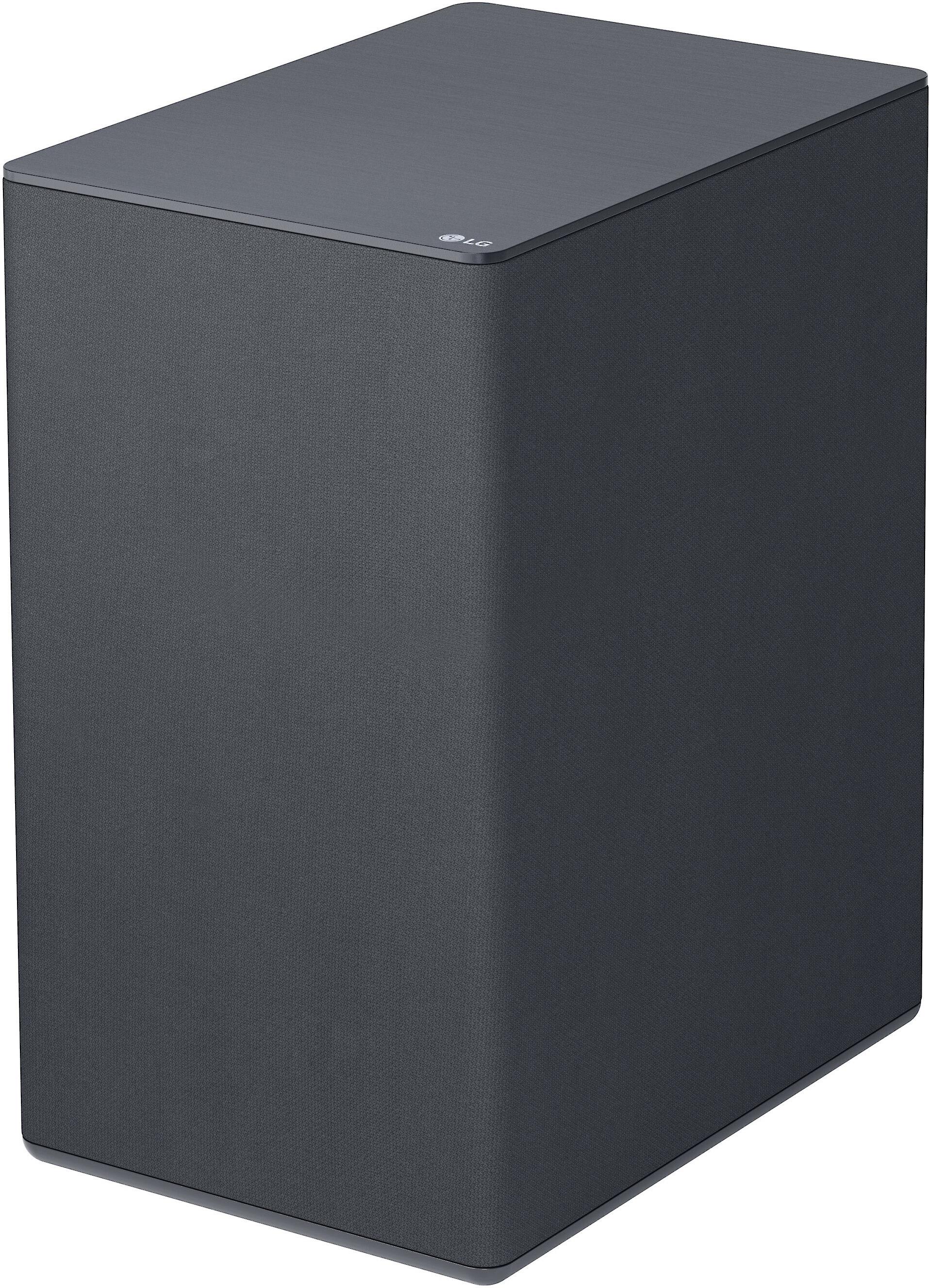
The LG SC9S takes a more aggressive, theater-like approach. Its dual center channels (one traditional, one up-firing) create exceptionally clear dialogue reproduction, while the wireless subwoofer delivers deeper, more impactful bass than the Samsung. When watching action films, the difference is immediately noticeable—explosions have more weight, car chases sound more dramatic, and those overhead Dolby Atmos effects can be genuinely startling.
LG's Cinema mode enhances this theatrical presentation even further, boosting dynamic range and emphasizing surround effects. For blockbuster films and action content, the LG creates a more immersive, "event-like" experience that really does approach what you'd get in a commercial theater.
The trade-off is subtlety. The LG's tuning can make some content sound over-processed or artificially enhanced. Quieter films, indie movies, or television content might sound better on the Samsung's more balanced presentation.
For gaming, there's a clear technical winner, though both soundbars offer advantages.
The LG SC9S supports HDMI 2.1 with 4K/120Hz passthrough, which is crucial for getting the most out of PlayStation 5 and Xbox Series X consoles. HDMI 2.1 provides the bandwidth necessary for 4K gaming at 120 frames per second, plus features like Variable Refresh Rate (VRR) that reduce screen tearing and input lag.
The Samsung HW-Q800D lacks HDMI 2.1, limiting it to 4K/60Hz passthrough. For next-generation gaming, this is a significant limitation. You can still connect your console, but you won't get the full visual experience that these systems are capable of delivering.
From an audio perspective, both soundbars offer gaming-specific modes. Samsung's Game Pro mode optimizes the sound for directional audio cues—helpful in competitive games where hearing enemy footsteps or gunfire direction matters. LG's Game mode reduces audio processing latency and emphasizes clear directional effects.
The LG's height channels can add immersion to games that support Dolby Atmos or spatial audio, creating overhead effects for things like aircraft, environmental sounds, or atmospheric elements. However, Samsung's more balanced tuning can actually be better for competitive gaming where audio clarity and precise positioning matter more than dramatic effects.
At first glance, the LG SC9S appears to offer better value at around $515 compared to the Samsung HW-Q800D at approximately $700. But value analysis requires looking beyond just the initial price.
The Samsung includes several features that add long-term value. Q-Symphony technology allows it to work in harmony with Samsung QLED TVs, using both the TV's speakers and the soundbar simultaneously for enhanced audio. If you own or plan to buy a Samsung TV, this integration can significantly improve the overall experience. The Samsung also supports expansion with optional rear speakers (model SWA-9500S), allowing you to upgrade to true 5.1.2 surround sound later.
The LG includes HDMI 2.1 support, which adds considerable value for gamers and future-proofs the system for next-generation content. It also comes with WOW Orchestra technology for LG TV integration and includes a dedicated mounting bracket designed specifically for LG's C-series OLED TVs.
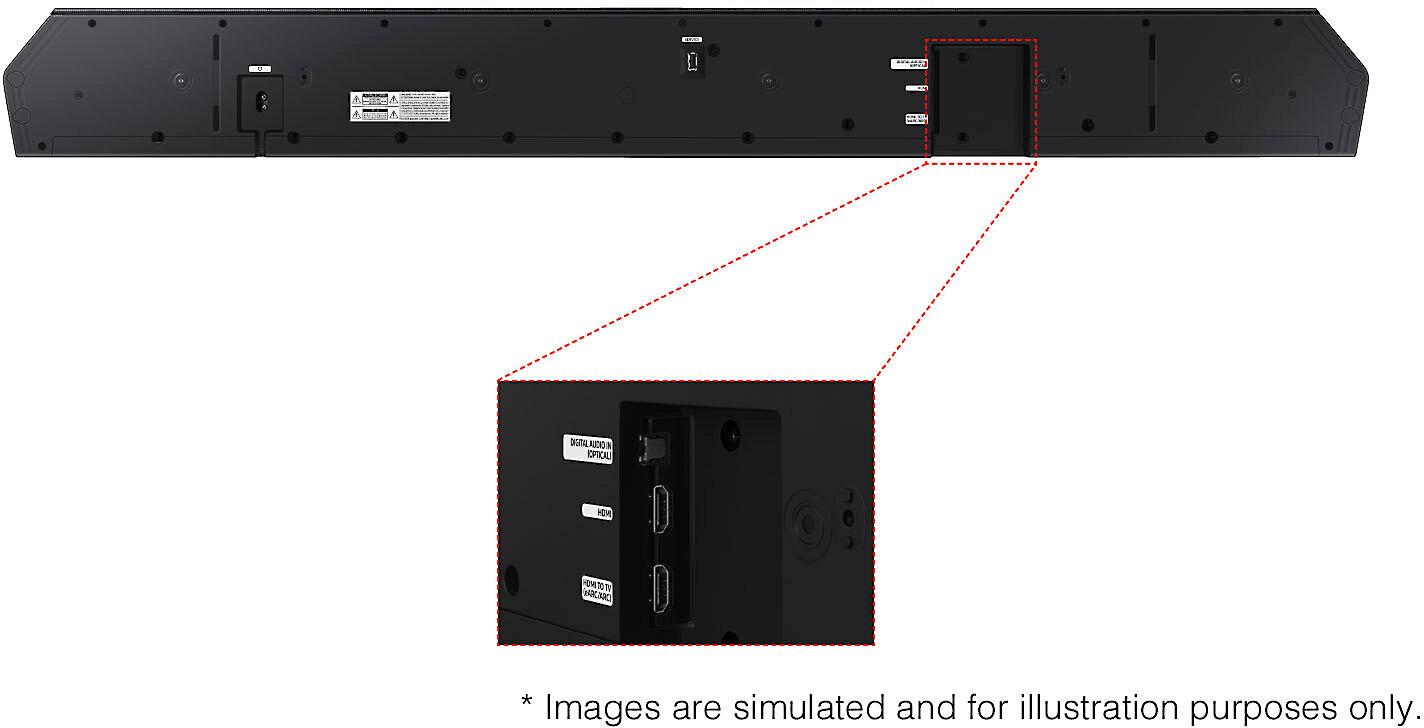
Both soundbars include wireless subwoofers, wall mounting hardware, and remote controls. Both offer multiple connectivity options including HDMI eARC (enhanced Audio Return Channel), optical inputs, and Bluetooth connectivity.
The Samsung's higher price reflects its more sophisticated room correction technology, better music performance, and generally more premium build quality. The LG's lower price makes it accessible while still delivering impressive movie performance and gaming features.
Your room plays a huge role in determining which soundbar will work better for you.
The Samsung HW-Q800D is more forgiving of different room configurations. Its virtual Dolby Atmos processing and SpaceFit Sound Pro room correction adapt to various ceiling heights, room sizes, and acoustic conditions. Whether you have a small apartment, a large living room, vaulted ceilings, or lots of soft furnishings, the Samsung will likely perform consistently.
The LG SC9S requires more consideration of your room's physical characteristics. Those three up-firing drivers need appropriate ceiling height and relatively hard surfaces to create effective sound reflections. In ideal conditions—flat ceilings around 8-9 feet high, minimal acoustic dampening—the LG can deliver more dramatic overhead effects than the Samsung.
Both soundbars offer automatic room calibration features, but they work differently. Samsung's system analyzes the room acoustically and adjusts the sound processing accordingly. LG's AI Room Calibration Pro requires more manual fine-tuning to optimize the height effects for your specific space.
For dedicated home theater setups, both soundbars offer different advantages depending on your priorities and existing equipment.
The Samsung HW-Q800D works well as part of a larger home theater system. Its balanced sound signature won't clash with other components, and the option to add rear speakers means it can grow with your system. The comprehensive equalization options and room correction make it easier to integrate with existing acoustic treatments or room layouts.
The LG SC9S delivers more of that "cinema experience" out of the box, with dramatic bass response and impressive overhead effects that can make a dedicated theater room feel more immersive. However, its more specialized tuning might not integrate as well with other audio components if you plan to expand your system later.
Both support all major audio formats you'll encounter in home theater applications, including Dolby Digital, DTS, and their respective Atmos implementations.
After extensive testing and consideration, here's how to choose between these two excellent soundbars.
Choose the Samsung HW-Q800D if you want the most versatile performance. If you listen to music regularly, watch a variety of content types, or prioritize consistent performance across all uses, the Samsung is the better choice. It's also ideal if you have a smaller room, live in an apartment where controlled bass is important, or own a Samsung TV that can take advantage of Q-Symphony integration. The higher price reflects genuinely better all-around performance and more sophisticated technology.
Choose the LG SC9S if movies and gaming are your primary focus. If you want the most dramatic cinematic experience, have a room with appropriate acoustics for height effects, or need HDMI 2.1 support for next-generation gaming, the LG offers excellent value. It's particularly appealing if you own an LG TV or prioritize getting the most immersive movie experience for your budget.
The decision ultimately comes down to how you'll primarily use your soundbar and what compromises you're willing to make. The Samsung sacrifices some dramatic impact for versatility and consistency. The LG sacrifices music performance and room flexibility for more impressive movie experiences and gaming features.
Both soundbars represent significant upgrades over TV speakers and will satisfy most users. But understanding these differences ensures you choose the one that best matches your specific needs and preferences. Your ears—and your entertainment experience—will thank you for making an informed decision.
| Samsung HW-Q800D | LG SC9S |
|---|---|
| Price - Starting price affects overall value proposition | |
| ~$700 | ~$515 |
| Channel Configuration - Determines sound placement and immersion | |
| 5.1.2 (5 main, 1 sub, 2 height) | 3.1.3 (3 main, 1 sub, 3 height) |
| Dolby Atmos Implementation - Critical for overhead sound effects | |
| Virtual processing with 2 up-firing drivers | 3 physical up-firing drivers (more dramatic but room-dependent) |
| HDMI Passthrough - Essential for next-gen gaming | |
| 4K/60Hz (no HDMI 2.1) | 4K/120Hz with HDMI 2.1 (PS5/Xbox Series X compatible) |
| Music Performance - Important if you stream music frequently | |
| Excellent with 7-band EQ and balanced tuning | Poor to fair, optimized for movies over music |
| Subwoofer - Provides bass impact for movies and music | |
| 8-inch wireless (controlled, apartment-friendly) | Wireless (deeper, theater-like bass) |
| TV Integration - Enhances experience with matching TV brands | |
| Q-Symphony (Samsung TVs) | WOW Orchestra (LG TVs) |
| Room Correction - Helps optimize sound for your space | |
| SpaceFit Sound Pro (automatic calibration) | AI Room Calibration Pro (requires manual tuning) |
| Expandability - Option to upgrade system later | |
| Compatible with optional rear speakers | Limited expansion options |
| Best Use Case - Primary strength of each system | |
| Versatile all-around performance, especially music | Cinematic movies and next-gen gaming |
The LG SC9S is better for movies due to its three physical up-firing drivers that create more dramatic Dolby Atmos effects and deeper bass. The Samsung HW-Q800D offers more balanced movie audio but lacks the cinematic impact of the LG's theater-like presentation.
The Samsung HW-Q800D uses 5.1.2 channels (5 main speakers, 1 subwoofer, 2 height channels) for wider surround sound. The LG SC9S uses 3.1.3 channels (3 main speakers, 1 subwoofer, 3 height channels) with more emphasis on overhead Dolby Atmos effects rather than side surround.
The Samsung HW-Q800D has significantly better music quality with balanced tuning and a 7-band equalizer. The LG SC9S struggles with music reproduction as it's optimized for movies, often making vocals sound processed or artificial.
The LG SC9S fully supports next-gen gaming with HDMI 2.1 and 4K/120Hz passthrough. The Samsung HW-Q800D only supports 4K/60Hz, limiting the visual performance of PS5 and Xbox Series X consoles.
The LG SC9S at ~$515 offers better value for movie enthusiasts and gamers, providing HDMI 2.1 and dramatic Dolby Atmos effects. The Samsung HW-Q800D at ~$700 costs more but delivers superior versatility and music performance.
Room size significantly affects the LG SC9S, which needs 8-9 foot flat ceilings for optimal Dolby Atmos performance. The Samsung HW-Q800D is more adaptable to different room sizes and ceiling heights thanks to its virtual processing technology.
The Samsung HW-Q800D can be expanded with optional rear speakers (SWA-9500S) for true 5.1.2 surround sound. The LG SC9S has limited expansion options and relies primarily on its built-in speaker configuration.
Both offer TV integration: the Samsung HW-Q800D features Q-Symphony technology for Samsung TVs, while the LG SC9S includes WOW Orchestra for LG TVs. Both provide enhanced audio when paired with their respective TV brands.
The LG SC9S uses three physical up-firing drivers for more dramatic overhead effects but requires proper room acoustics. The Samsung HW-Q800D uses virtual Dolby Atmos processing that's more consistent across different room conditions but less dramatic.
The Samsung HW-Q800D is better for apartments with its controlled bass output and Night Mode feature that compresses loud sounds. The LG SC9S produces deeper, more powerful bass that might disturb neighbors in close living situations.
Both the Samsung HW-Q800D and LG SC9S are designed for easy DIY setup with included mounting hardware and wireless subwoofers. The Samsung offers more automatic room calibration, while the LG requires more manual adjustment for optimal performance.
For dedicated home theaters prioritizing cinematic experience, choose the LG SC9S for its dramatic effects and powerful bass. For versatile home theaters where you'll watch various content types and listen to music, the Samsung HW-Q800D provides better all-around performance.
We've done our best to create useful and informative comparisons to help you decide what product to buy. Our research uses advanced automated methods to create this comparison and perfection is not possible - please contact us for corrections or questions. These are the sites we've researched in the creation of this article: techradar.com - valueelectronics.com - samsung.com - rtings.com - samsung.com - crutchfield.com - samsung.com - samsung.com - samsung.com - shidirect.com - consumerreports.org - valueelectronics.com - youtube.com - bestbuy.com - rtings.com - costco.com - bestbuy.com - walts.com - queencityonline.com - blog.son-video.com - videoandaudiocenter.com - lg.com

Privacy Policy
Terms and Conditions - Affiliate Policy
Home Security
© Copyright 2008-2026.
11816 Inwood Rd #1211, Dallas, TX 75244