




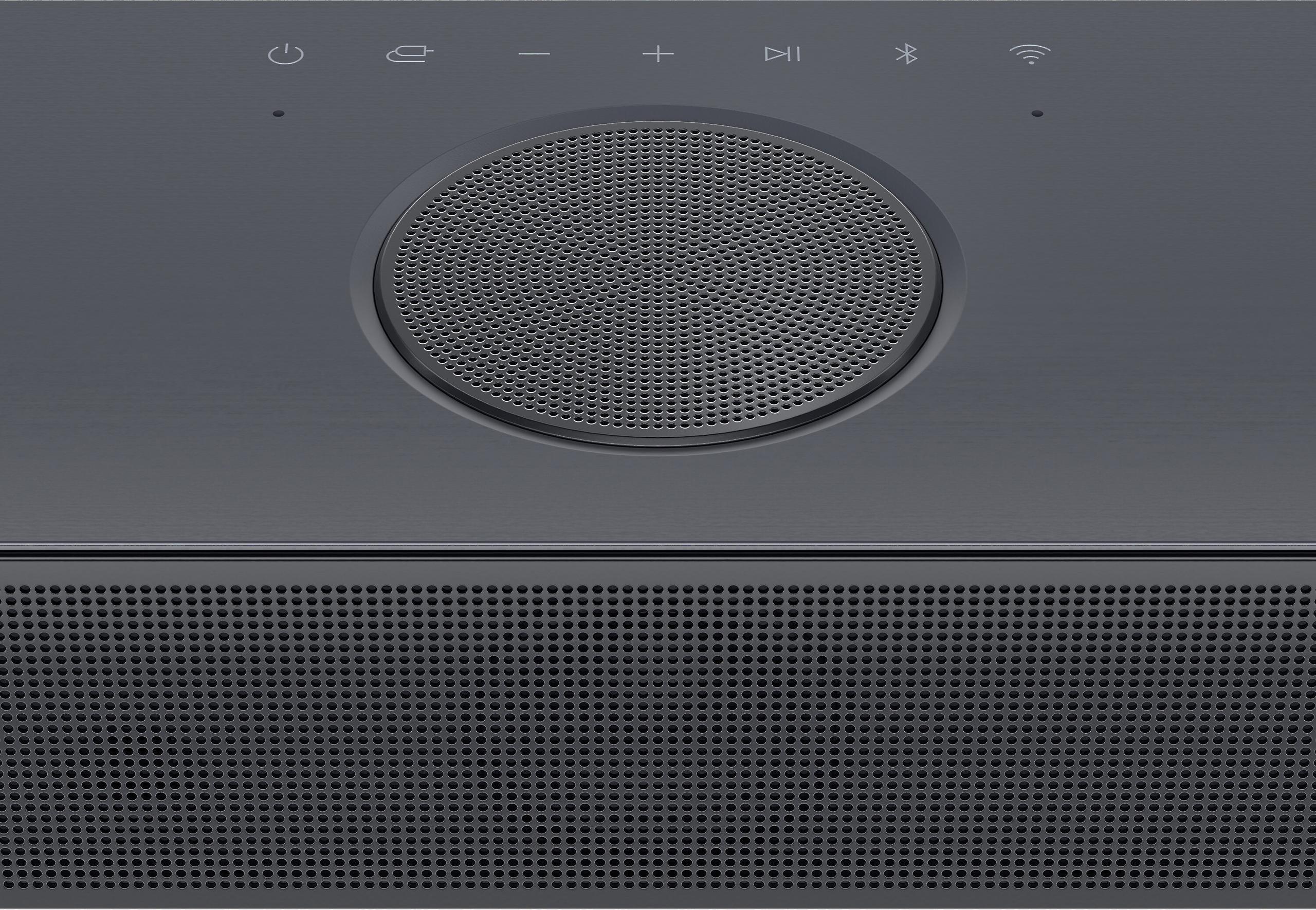
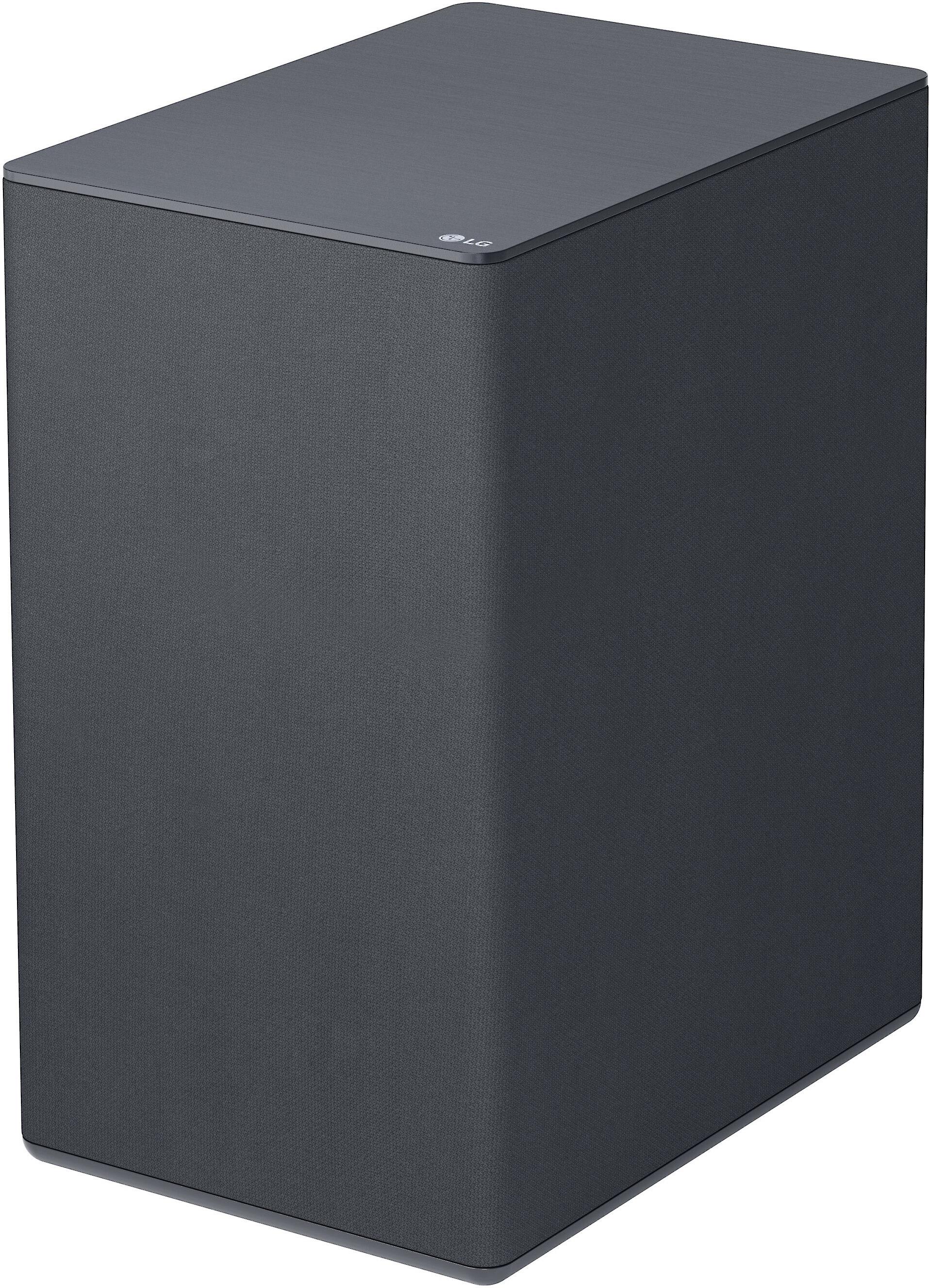
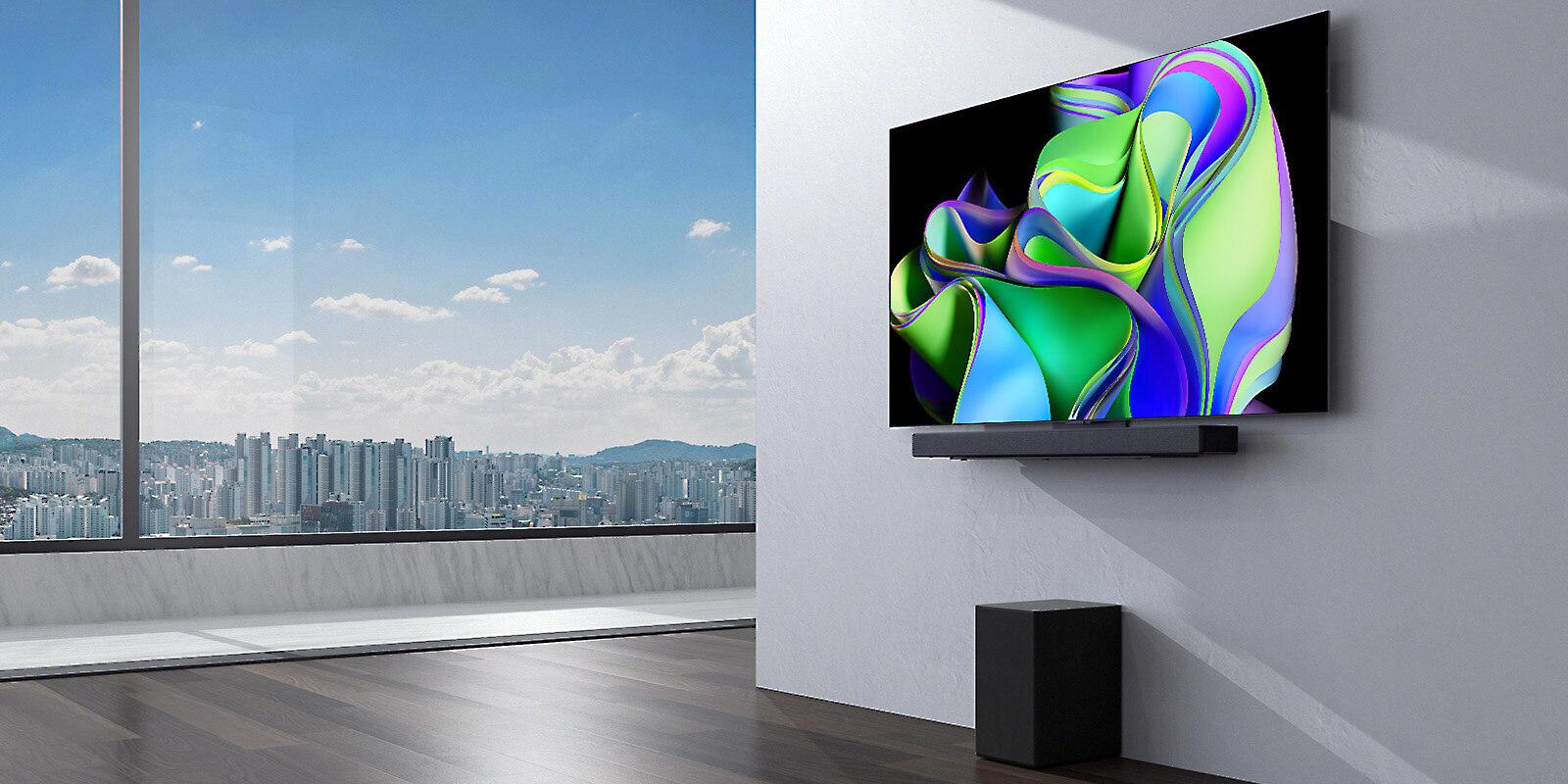
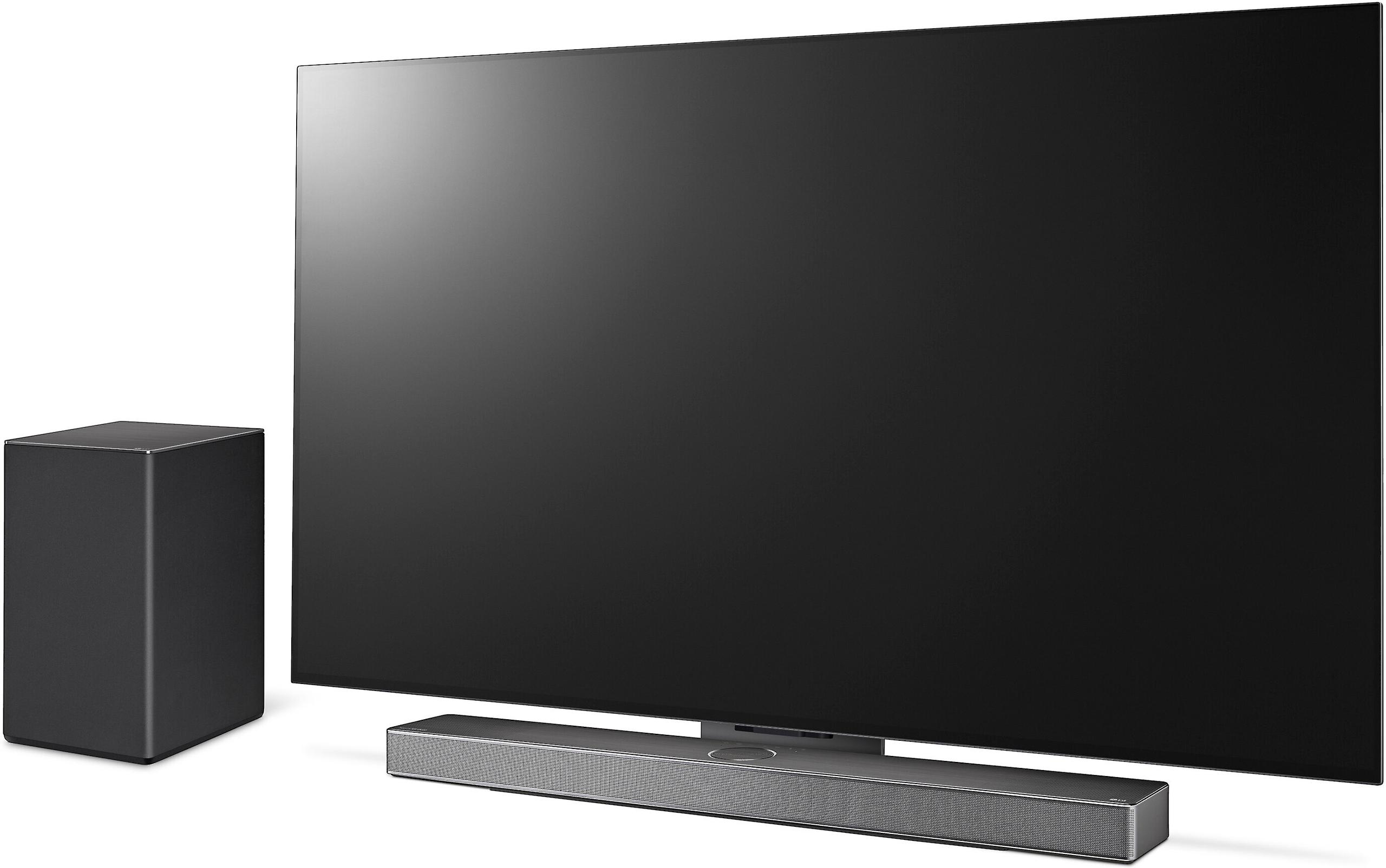
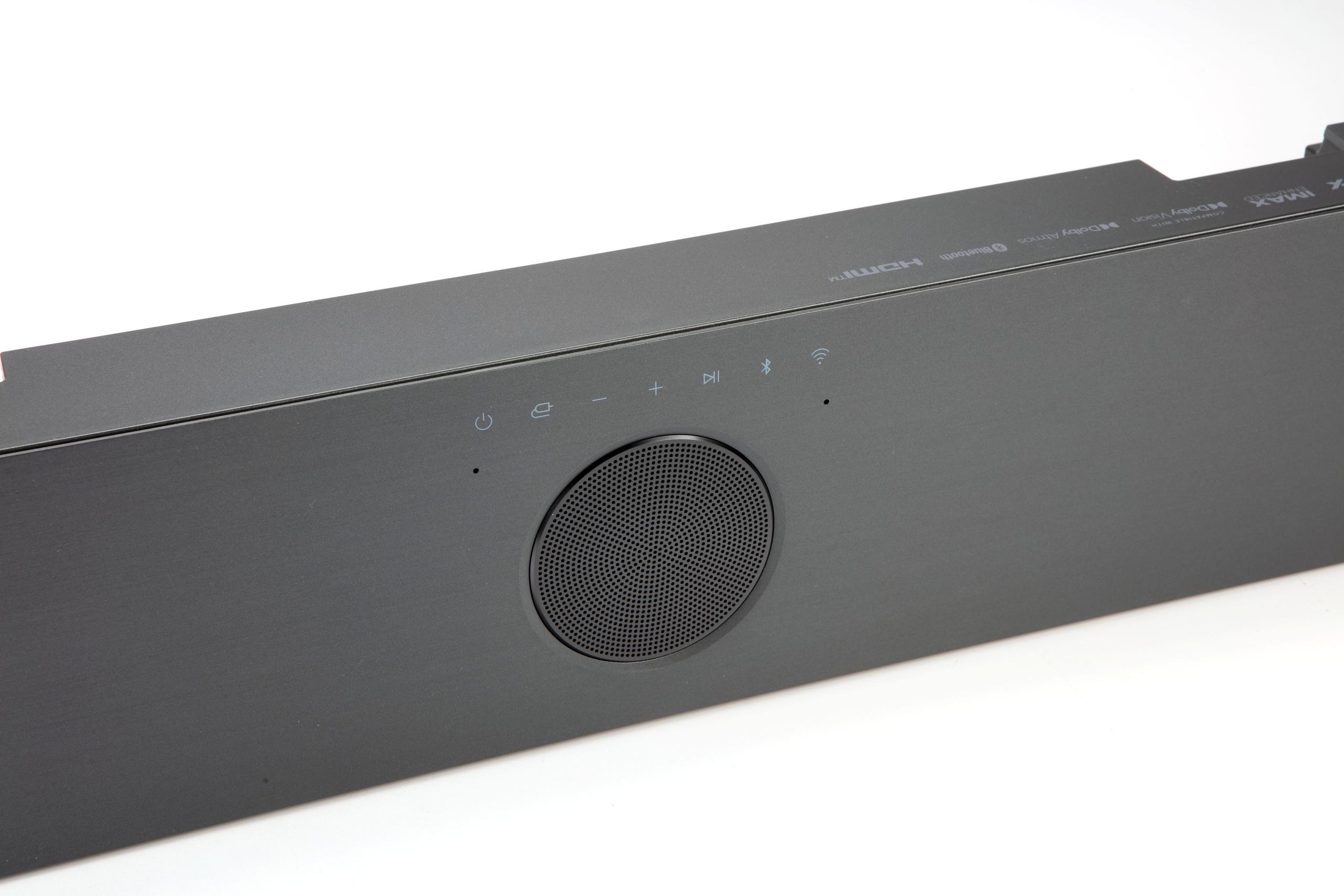
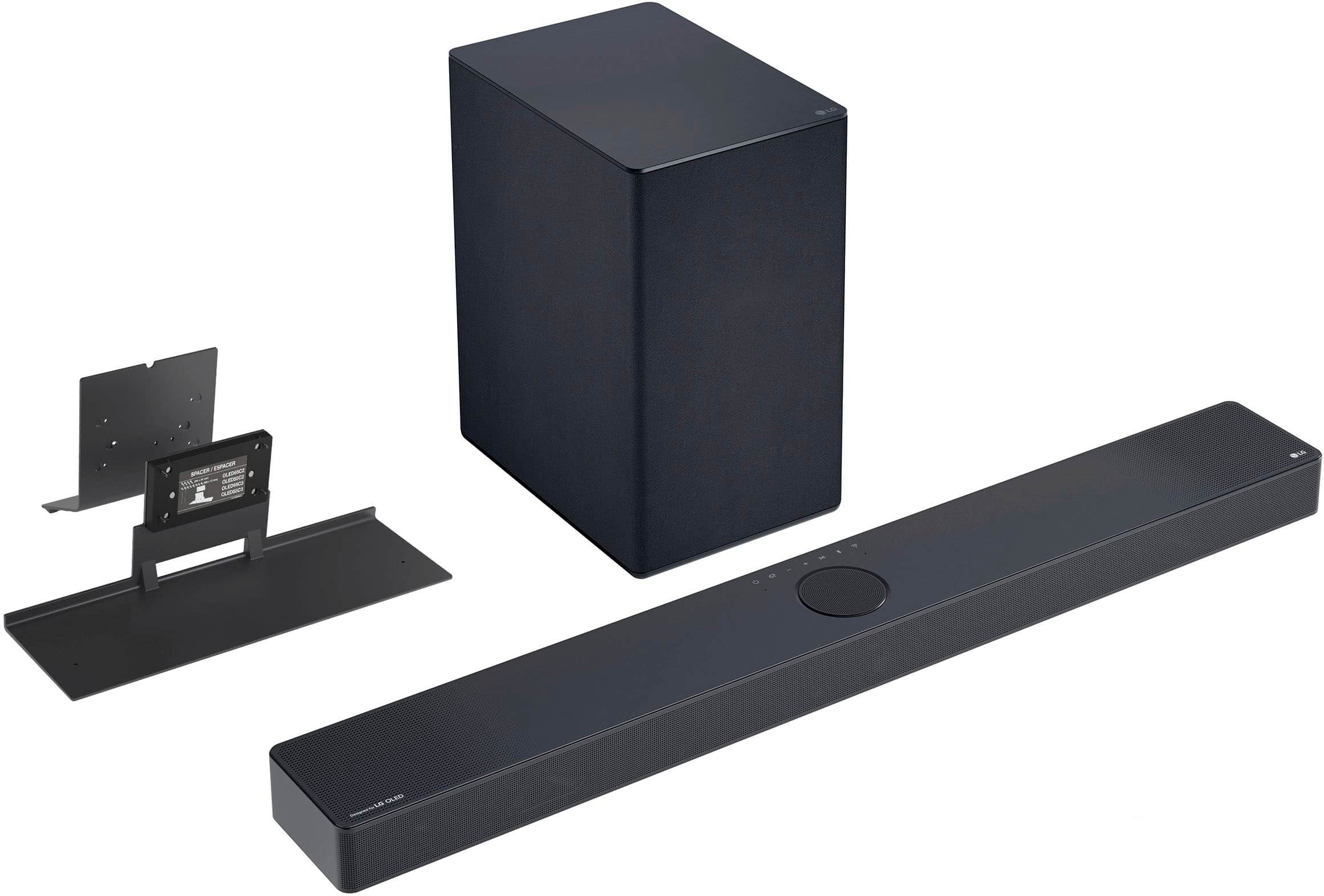
When your TV's built-in speakers just aren't cutting it anymore, you're probably looking at soundbars to transform your living room into something closer to a real theater. But not all soundbars are created equal, and the premium category—where you'll find options like the TCL Q85H Q Class 7.1.4 Channel Sound Bar System at $499.99 and the LG SC9S 3.1.3 Channel Dolby Atmos Soundbar at $515.61—offers some genuinely impressive technology that can make a huge difference in how you experience movies, music, and games.
Before diving into these specific models, it's worth understanding what separates premium soundbars from their cheaper cousins. Premium soundbars typically include multiple audio channels (think of these as different speaker locations that create surround sound), wireless subwoofers for deep bass, and support for advanced audio formats like Dolby Atmos—a technology that adds height to your audio by bouncing sound off your ceiling to create the illusion of helicopters flying overhead or rain falling around you.
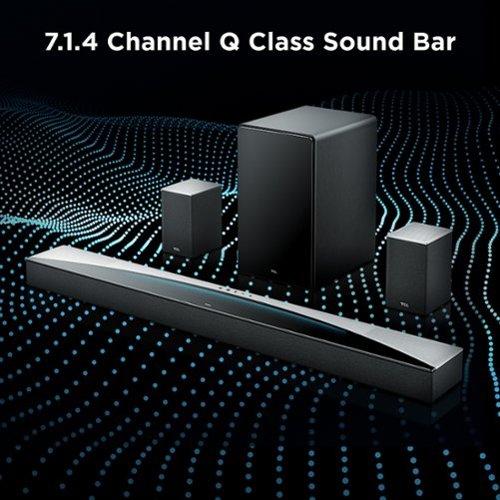
The numbers you see in soundbar names tell you about their channel configuration. When you see "7.1.4," that means seven main speakers around you, one subwoofer (the ".1"), and four height speakers above you. The LG's "3.1.3" setup means three front speakers, one subwoofer, and three height speakers. This immediately tells us these products take very different approaches to creating immersive sound.
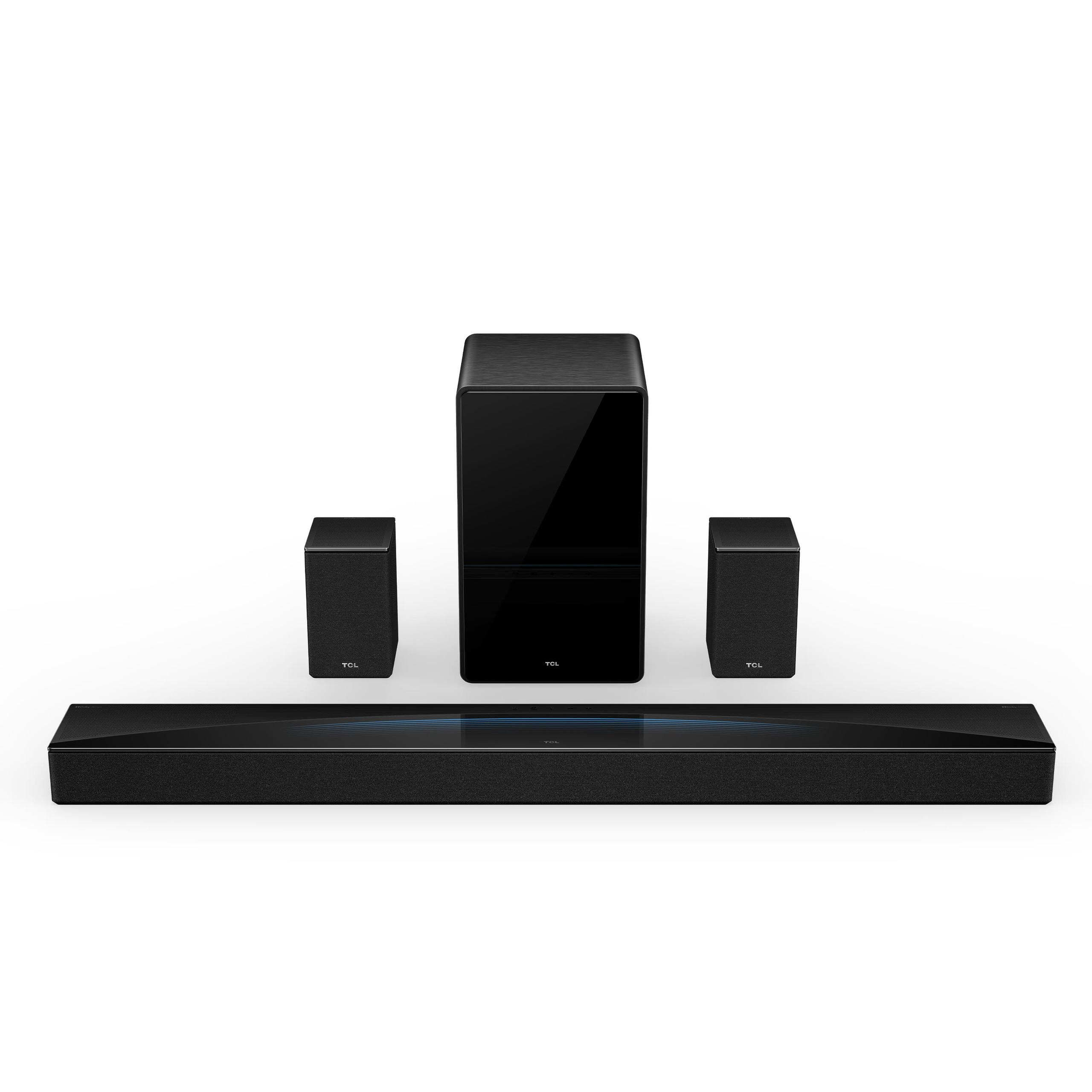
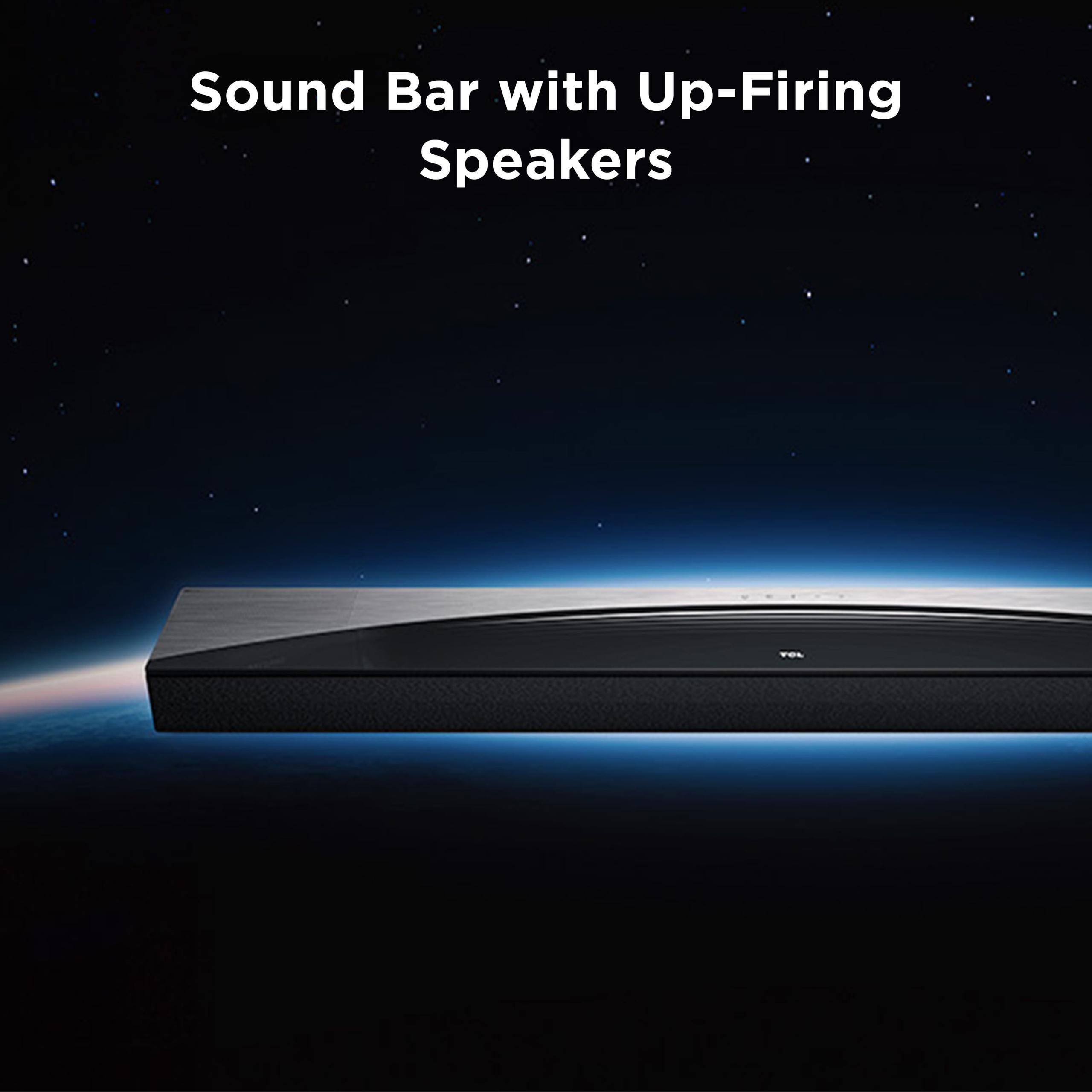
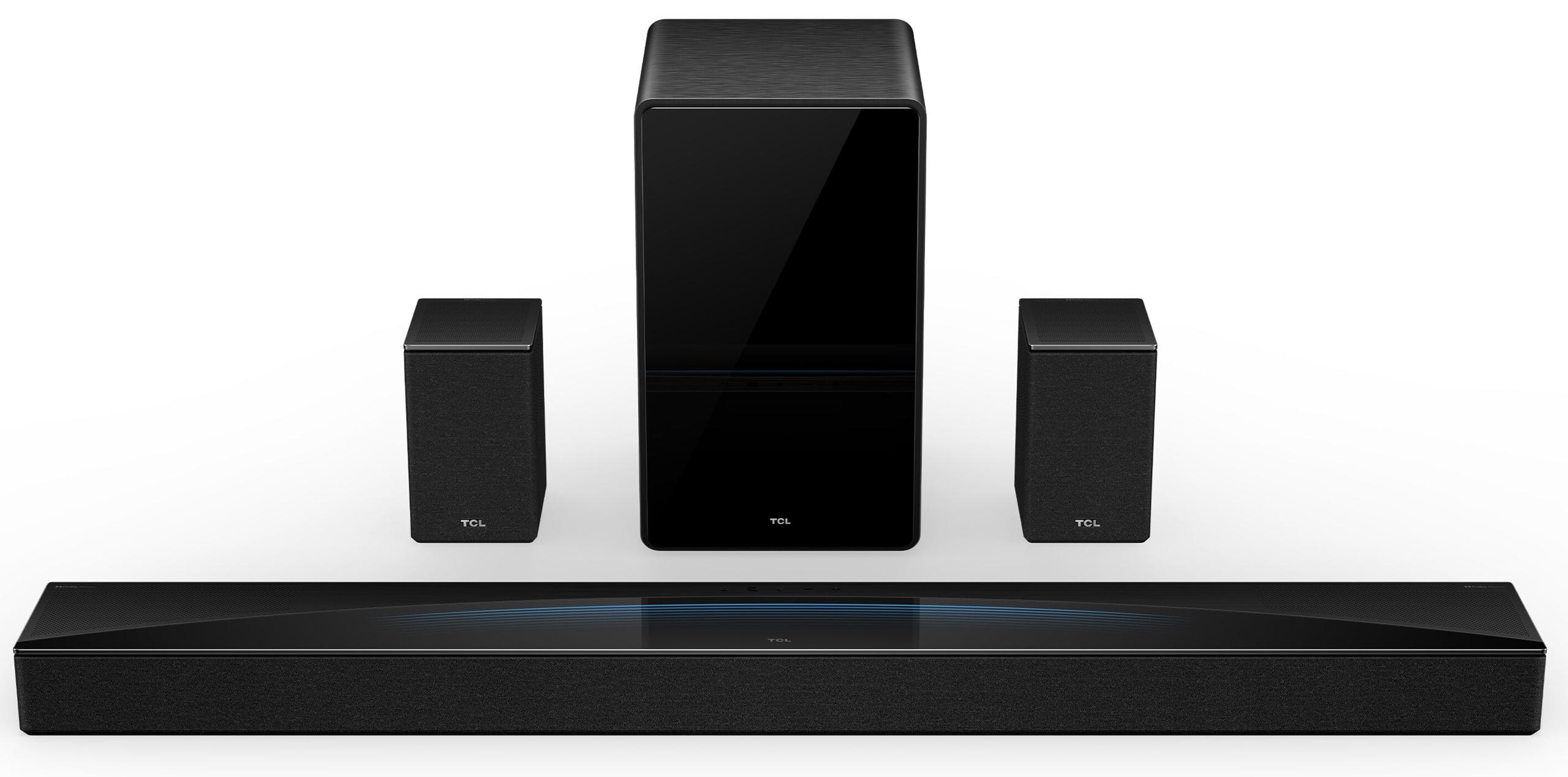
The TCL Q85H, released in 2022, represents what I'd call the "everything included" approach to premium audio. For $499.99, you get not just the main soundbar and wireless subwooffer, but also satellite speakers that you place behind your seating area. This creates a true surround sound bubble around your listening position.
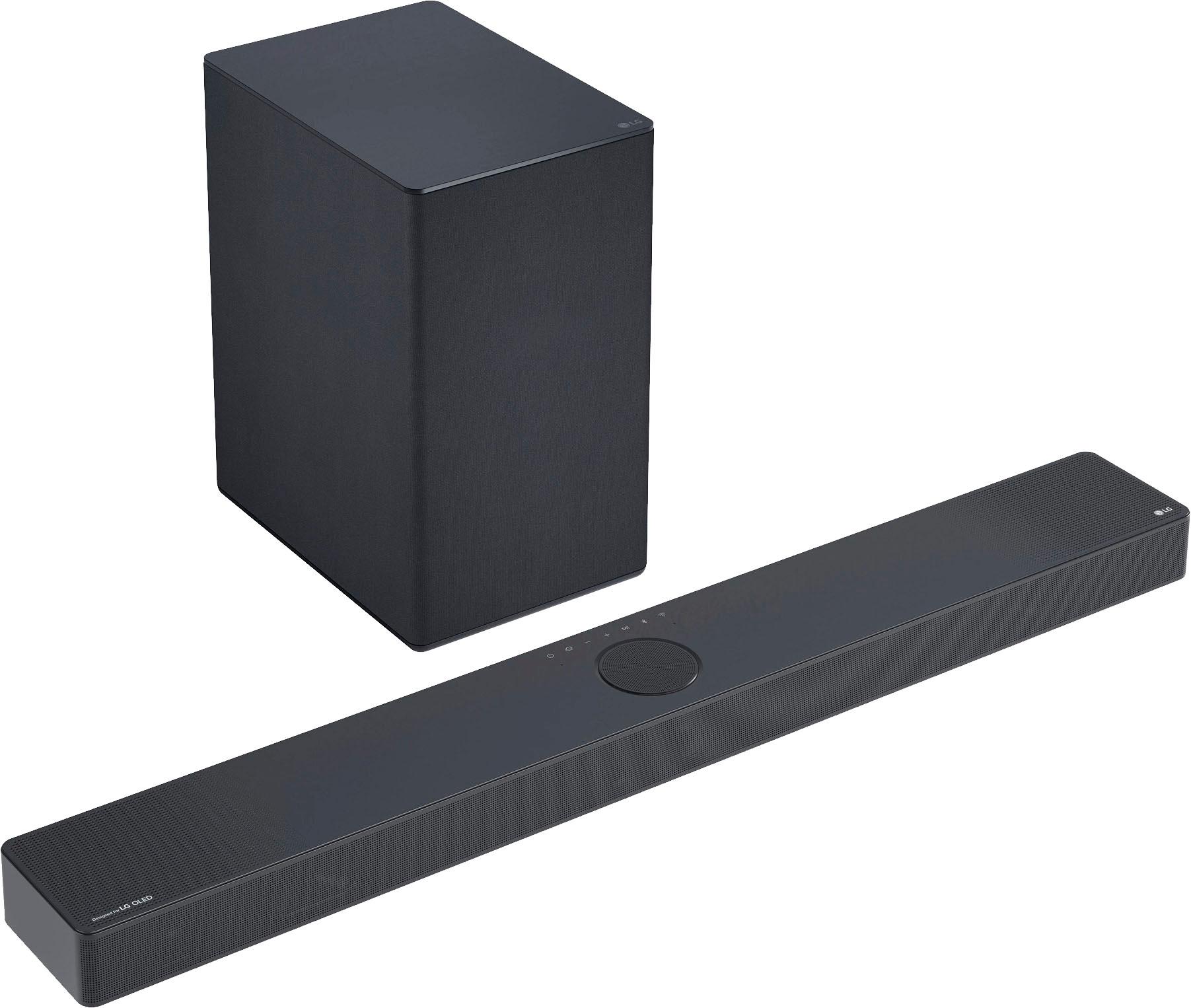
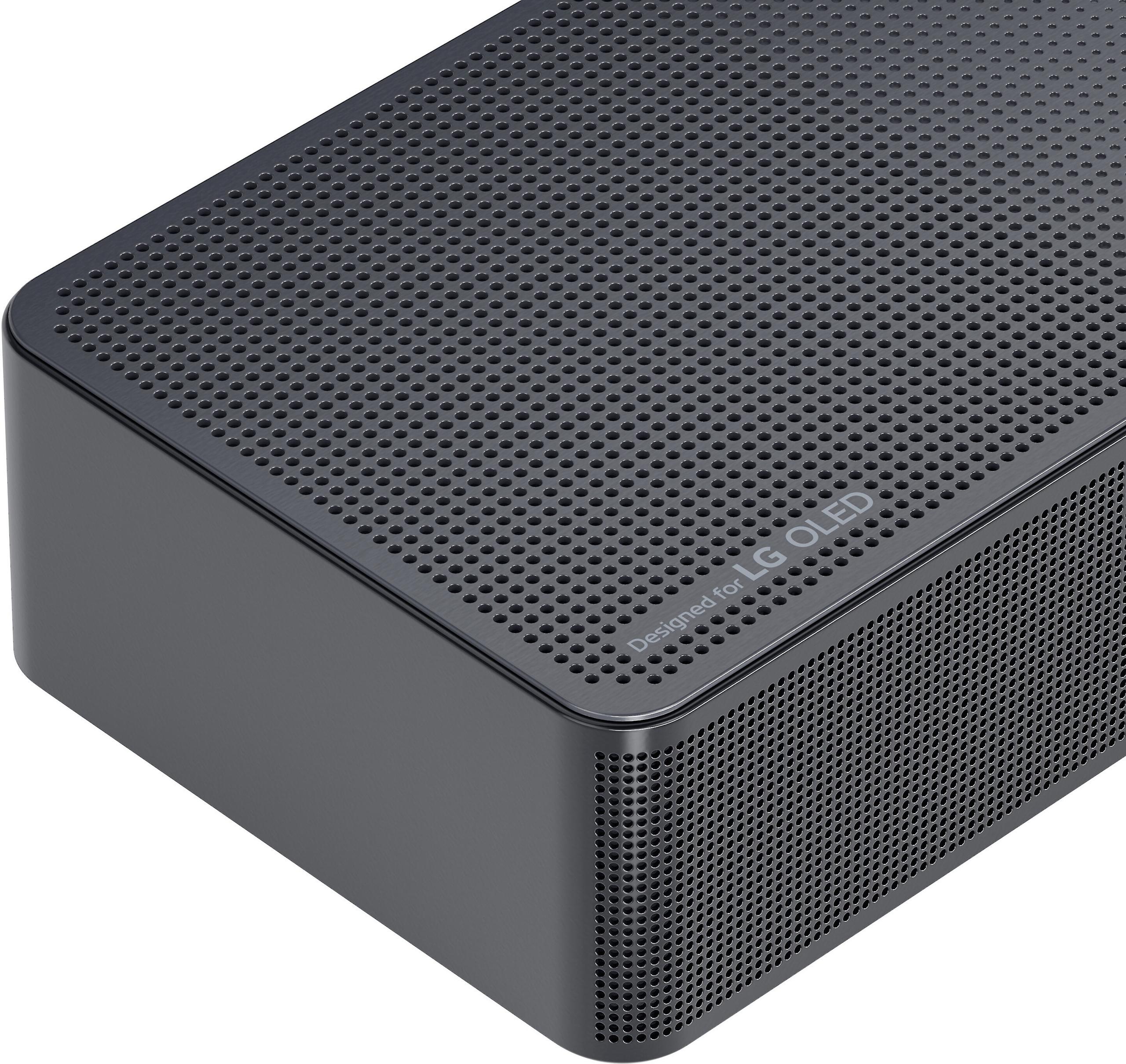
The LG SC9S, launched in 2023, takes a more refined, front-focused approach. At $515.61, it concentrates on perfecting what happens in front of you, with some clever engineering that includes dual center channels—essentially two speakers dedicated just to making dialogue crystal clear. It's worth noting that to get full surround sound with the LG, you'll need to purchase rear speakers separately, which adds another $200-300 to the total cost.
Since the LG came out a year later, it benefits from some newer audio processing technology, particularly in its AI Room Calibration Pro system, which uses more sophisticated algorithms to automatically adjust the sound for your specific room. The TCL, while a year older, still holds its own with features that were ahead of their time, like its Ray Danz technology that we'll explore in detail.
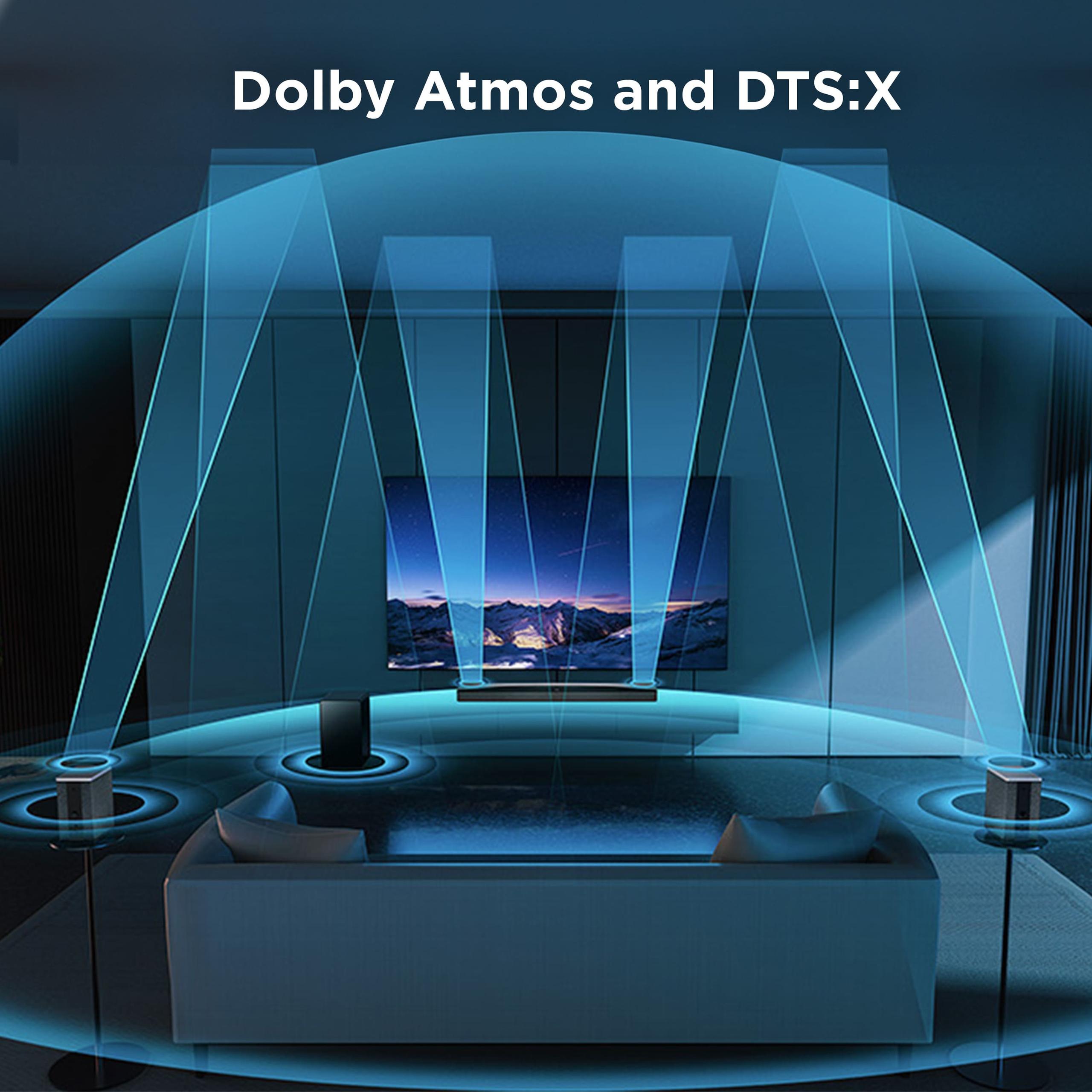
Here's where these two soundbars really show their different personalities. The TCL Q85H creates what I can only describe as an audio bubble around you. Those included satellite speakers aren't just afterthoughts—they're crucial to the experience. When you're watching a movie and hear footsteps moving from the front of the room to behind you, or when playing a game and bullets whiz past your ears, the effect is genuinely immersive.
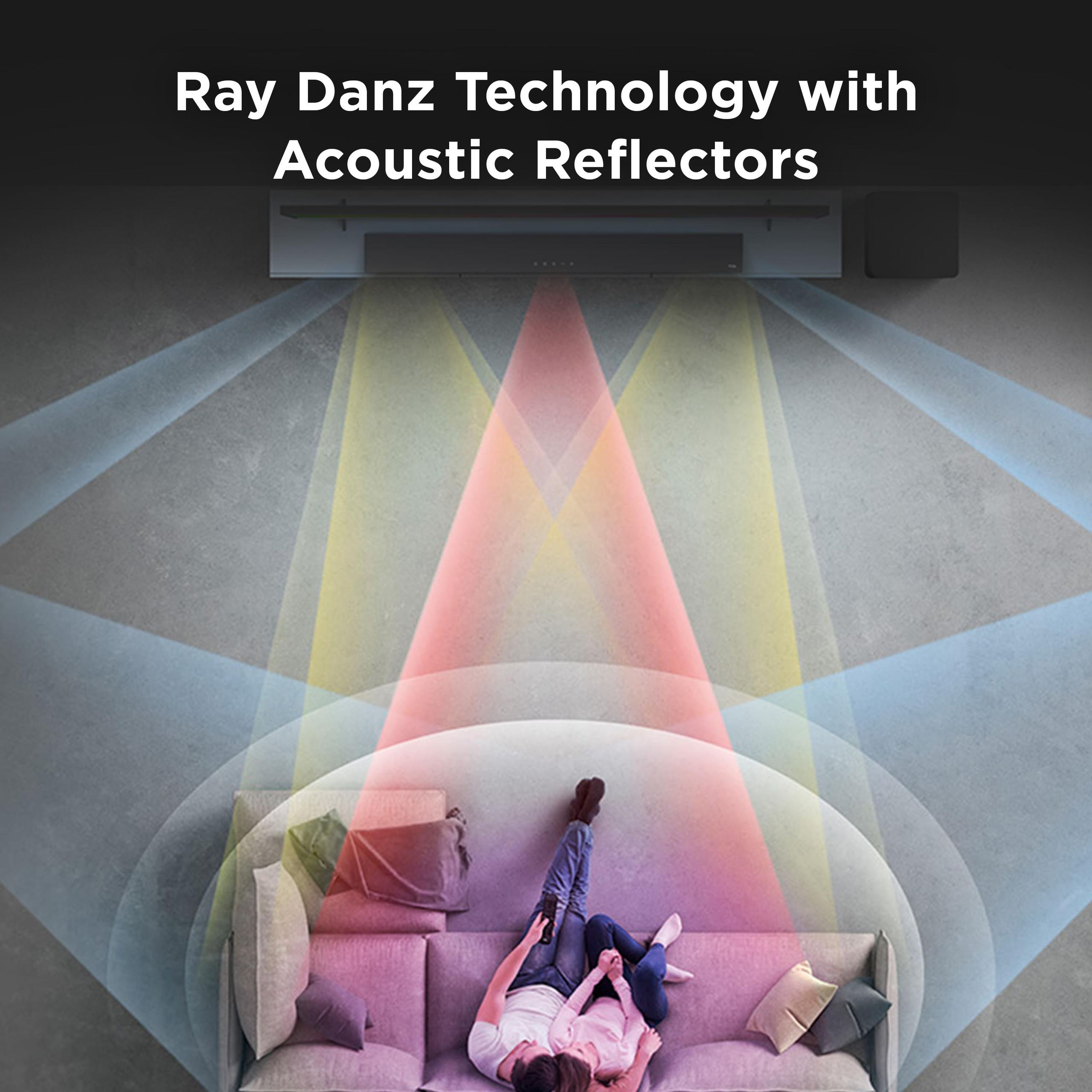
The TCL's Ray Danz technology is particularly clever. Instead of just pointing speakers straight at you, it uses acoustic reflectors—think of them as carefully shaped surfaces that bounce sound off your walls to create a wider soundstage. This means the audio seems to come from beyond where the speakers are actually placed. In my experience with similar systems, this can make a modest living room feel like a much larger space when you're watching movies.
The LG SC9S takes a completely different approach. Rather than trying to surround you with speakers, it focuses intensely on creating incredibly precise audio imaging from the front. Its unique feature is that third up-firing speaker dedicated specifically to dialogue. Most soundbars struggle with the "cocktail party effect"—when dialogue gets lost in busy action scenes with explosions and music. The LG's dual center channels solve this by giving voices their own dedicated space in the mix.
From a technical standpoint, this is fascinating engineering. Traditional soundbars often have dialogue competing with effects for the same frequency space and physical drivers. By having separate center channels, the LG can process dialogue independently, applying different equalization and processing to make sure you never miss a word.
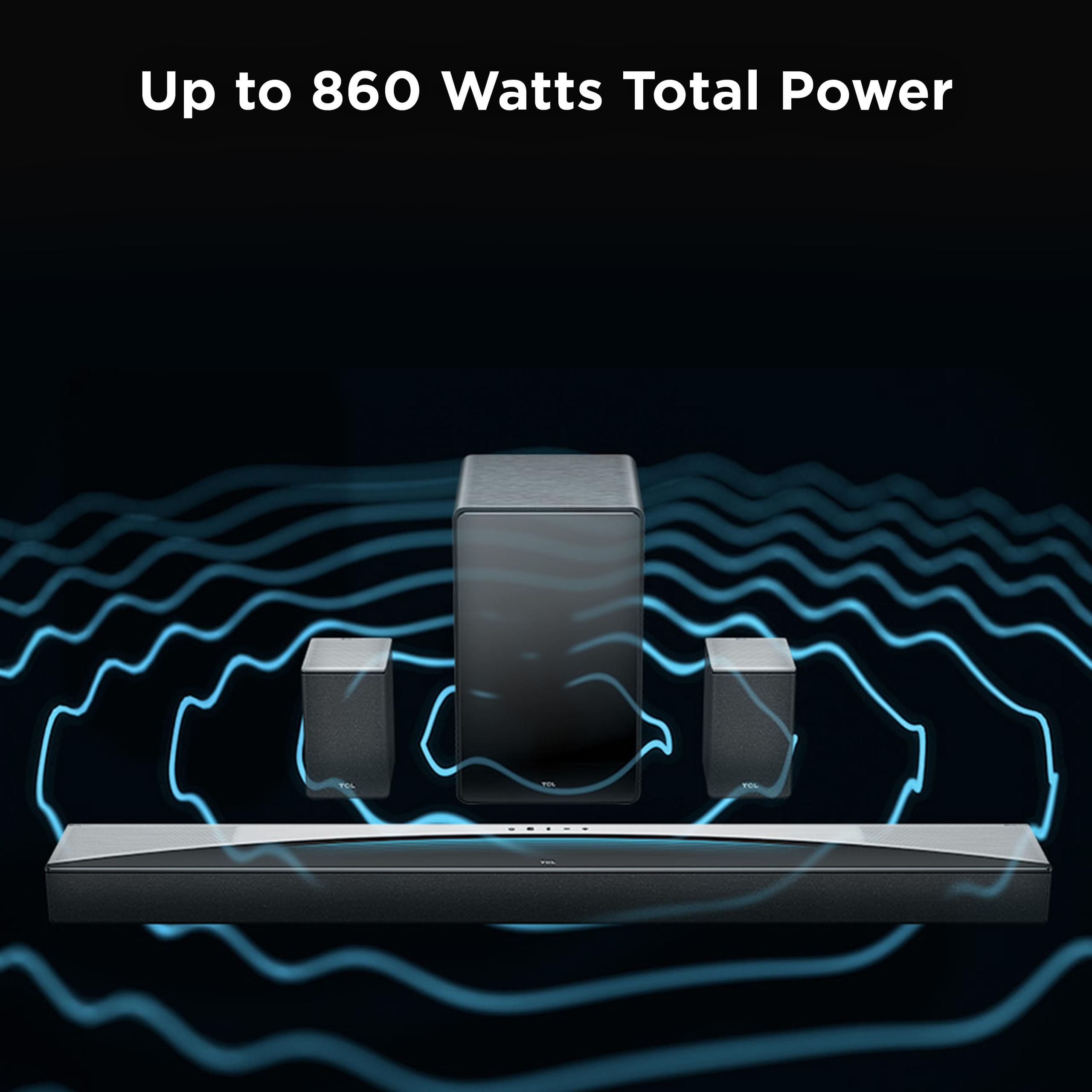
The low-end response—how well these systems handle deep bass—reveals another key difference in philosophy. The TCL Q85H approaches bass with brute force. Its 860-watt peak power rating and 6.5-inch wireless subwoofer driver create what reviewers consistently describe as "punchy" and "room-filling" bass. This is the kind of system that makes action movie explosions feel visceral and gives electronic music that chest-thumping impact.
Bass Boost technology in the TCL actively enhances low frequencies, which means it can make even older movies with limited bass extension sound more dynamic. However, this approach can sometimes overwhelm smaller rooms or annoy neighbors in apartments.
The LG SC9S takes a more measured approach to bass. While LG doesn't publish specific power ratings, user reviews and professional tests indicate the subwoofer can reproduce frequencies down to 34Hz—that's impressively deep bass territory. But rather than emphasizing sheer power, the LG focuses on bass integration. The subwoofer is tuned to blend seamlessly with the main soundbar, creating what audio engineers call a "musical" bass response.
Some users actually report the LG's bass being "overwhelming," which suggests it has plenty of power when needed. The difference is that it's more controlled and musical rather than purely impactful. This makes it better suited for a wider variety of content, from delicate acoustic music to explosive action films.
If there's one area where the LG SC9S completely outclasses the competition, it's dialogue reproduction. Those dual center channels aren't just marketing speak—they represent a fundamental rethinking of how soundbars handle the most important element of most content: human speech.
The engineering here is impressive. One center channel handles the primary dialogue frequencies, while the second can focus on vocal harmonics and breath sounds that make speech feel natural. The up-firing center channel then elevates these vocals, preventing them from getting lost when they're competing with sound effects that occupy similar frequency ranges.
Clear Voice Pro mode takes this even further by applying dynamic processing specifically to dialogue. This means quiet whispers get boosted while shouting doesn't become harsh, and it can even separate multiple speakers in complex scenes. For anyone who's ever struggled to understand dialogue in modern movies (and honestly, who hasn't?), this technology is genuinely game-changing.
The TCL Q85H, while competent in dialogue reproduction, takes a more traditional approach. Its AI Sonic calibration can optimize dialogue clarity, but it's working with a single center channel that has to balance dialogue against other audio elements. It's good, but it's not specialized in the way the LG is.
For gaming, these soundbars offer different advantages. The LG SC9S focuses on low latency—the delay between when something happens on screen and when you hear it. With latency under 100ms and support for HDMI eARC with 4K passthrough, it's optimized for competitive gaming where every millisecond matters.
The LG's game-specific audio modes adjust the sound signature for different types of games. Racing games get enhanced engine sounds and spatial positioning, while RPGs get boosted dialogue clarity for following complex storylines.
The TCL Q85H, with its satellite speakers, creates a more immersive gaming environment. When playing first-person shooters, you can actually hear enemies approaching from behind you. The spatial audio enhancement makes open-world games feel more realistic as environmental sounds surround you naturally.
However, the TCL does have higher latency over optical connections, which might be noticeable in fast-paced competitive games. If you're primarily playing single-player story games or want maximum immersion, the TCL wins. For competitive multiplayer gaming, the LG's lower latency gives it the edge.
Here's where the comparison gets interesting from a value perspective. The TCL Q85H at $499.99 includes everything you need for a complete 7.1.4 surround sound system. Subwoofer, satellite speakers, all cables, even wall mounting hardware—it's all in the box. When you consider that comparable separate surround sound systems can cost well over $1000, the value proposition is compelling.
The LG SC9S at $515.61 initially seems similarly priced, but achieving comparable surround sound requires purchasing rear speakers separately. LG's rear speaker kit typically costs $200-300, bringing the total system cost to $715-815. That's a significant difference.
However, this modular approach has advantages. If you live in an apartment where rear speakers aren't practical, the LG works beautifully as a front-focused system. You can always add rear speakers later when your living situation changes. The TCL, by contrast, is designed as a complete system from day one.
Room size and layout significantly impact which system works better. The TCL Q85H really shines in medium to large rooms where you have space for satellite speaker placement. Those rear speakers need to be positioned properly to create convincing surround effects, which means running speaker wire (even though the main connection is wireless) and having appropriate furniture or stands.
In my experience with similar satellite-based systems, placement flexibility is crucial. If you can't position the satellites at ear level and at appropriate angles, you lose much of the surround effect. This makes the TCL better suited for dedicated home theater rooms or living rooms where you have control over furniture arrangement.
The LG SC9S excels in challenging room situations. Apartments, condos, or rooms where you can't place rear speakers benefit from its front-focused design. The specialized mounting bracket for LG TVs creates a clean, integrated look that doesn't require additional furniture or complicated setup.
The LG's AI Room Calibration Pro deserves special mention here. This 2023 technology uses more sophisticated processing than older room correction systems. It measures not just frequency response but also timing and reflections, then applies complex digital signal processing to optimize the sound for your specific room. While the TCL's AI Sonic calibration is effective, it's not quite as advanced as what LG implemented in their 2023 models.
Both systems support current HDMI standards, but there are subtle differences worth noting. The TCL Q85H includes HDMI 2.1 eARC, which ensures compatibility with the latest gaming consoles and TVs. It also supports both Bluetooth 5.1 and AirPlay 2, giving you flexibility for wireless music streaming from virtually any device.
The LG SC9S includes similar HDMI connectivity but adds Wi-Fi capabilities with Chromecast support. This means you can stream music directly from the internet without needing a phone or tablet as an intermediary. For smart home integration, this is genuinely convenient.
One feature that's particularly impressive on the LG is WOW Orchestra, which works with compatible LG TVs to use the TV's built-in speakers as additional channels. This can create an even wider soundstage and is an example of the kind of ecosystem integration that's becoming more important in modern home theater setups.
Choosing between the TCL Q85H and LG SC9S really comes down to your priorities and living situation.
Go with the TCL if you want maximum immersion and value. If you have a dedicated movie room or a living room where you can properly place satellite speakers, the complete surround sound experience at $499.99 is genuinely impressive. It's particularly great for action movies, gaming, and anyone who wants to feel completely surrounded by their entertainment.
Choose the LG if dialogue clarity is your top priority or if you have space constraints. The dual center channel technology is genuinely innovative, and if you watch a lot of dialogue-heavy content—dramas, documentaries, or foreign films with subtitles you'd rather not use—the difference is remarkable. It's also the better choice for apartments or rooms where rear speakers aren't practical.
The LG's 2023 technology does give it some advantages in processing and room correction, but the TCL's included satellite speakers provide immersion that the LG can't match without additional purchases.
Ultimately, both are excellent soundbars that represent different philosophies in premium audio design. The TCL Q85H prioritizes complete immersion and value, while the LG SC9S focuses on precision and flexibility. Your choice should depend on your room, your content preferences, and whether you value immediate complete surround sound or prefer a more modular, upgrade-friendly approach.
| TCL Q85H Q Class 7.1.4 Channel Sound Bar System | LG SC9S 3.1.3 Channel Dolby Atmos Soundbar |
|---|---|
| Channel Configuration - Determines surround sound immersion | |
| 7.1.4 with physical satellite speakers (true surround) | 3.1.3 front-focused (requires separate rear speakers for full surround) |
| Price and What's Included - Total cost for complete system | |
| $499.99 with all speakers, subwoofer, and mounting hardware | $515.61 for main unit; add $200-300 for rear speakers |
| Release Date and Technology Generation | |
| 2022 model with Ray Danz acoustic technology | 2023 model with latest AI Room Calibration Pro |
| Total Power Output - Affects volume and bass impact | |
| 860W peak power with 15 total drivers | Power not specified, but subwoofer reaches 34Hz |
| Dialogue Clarity Technology - Critical for understanding speech | |
| Single center channel with AI Sonic optimization | Dual center channels plus up-firing center for superior dialogue |
| Room Correction Features - Optimizes sound for your space | |
| AI Sonic calibration adjusts for room acoustics | AI Room Calibration Pro with advanced 2023 processing |
| Connectivity Options - Determines device compatibility | |
| HDMI 2.1 eARC, Bluetooth 5.1, AirPlay 2, optical, USB | HDMI eARC with 4K passthrough, Wi-Fi, Chromecast, AirPlay 2 |
| Gaming Performance - Latency and immersion factors | |
| Higher latency but superior spatial immersion with satellites | Low latency (<100ms) optimized for competitive gaming |
| Setup Complexity - Installation and placement requirements | |
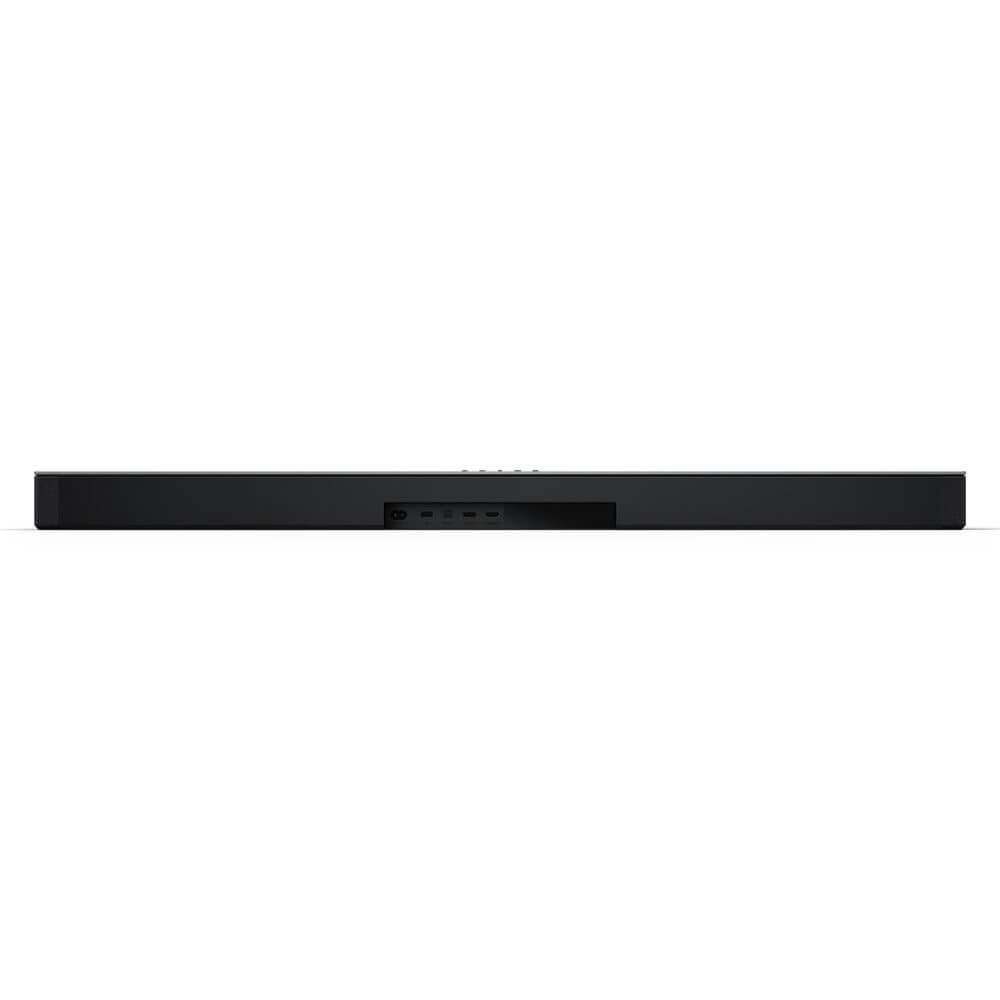
| Requires satellite speaker placement and wire management | Single bar setup with optional LG TV mounting bracket |
| Best Room Size - Optimal space for performance | |
| Medium to large rooms with satellite placement flexibility | Small to medium rooms or space-constrained setups |
| Unique Technologies - Standout features | |
| Ray Danz acoustic reflectors widen soundstage beyond speakers | Dual center channels and up-firing center for dialogue elevation |
The TCL Q85H Q Class 7.1.4 Channel Sound Bar System is better for movies due to its complete 7.1.4 surround sound system with satellite speakers that create true immersion. The included rear speakers make action scenes and Dolby Atmos content more engaging. The LG SC9S 3.1.3 Channel Dolby Atmos Soundbar excels at dialogue clarity but requires separate rear speakers for full movie immersion.
The LG SC9S has superior dialogue clarity thanks to its dual center channels and up-firing center speaker designed specifically for speech. The Clear Voice Pro mode further enhances dialogue intelligibility. While the TCL Q85H has decent dialogue reproduction, it uses a traditional single center channel approach.
Yes, both the TCL Q85H Q Class 7.1.4 Channel Sound Bar System and LG SC9S 3.1.3 Channel Dolby Atmos Soundbar support Dolby Atmos. The TCL has four dedicated height speakers for Atmos effects, while the LG uses three up-firing speakers. Both also support DTS:X for immersive audio.
The LG SC9S is better for small rooms and apartments because it's a single-bar design that doesn't require satellite speaker placement. Its front-focused approach works well in space-constrained environments. The TCL Q85H needs room for satellite speakers and may be too powerful for very small spaces.
The TCL Q85H includes the main soundbar, wireless subwoofer, satellite speakers, all necessary cables, and wall mounting hardware - everything for complete surround sound. The LG SC9S includes the main soundbar, wireless subwoofer, and mounting bracket for LG TVs, but rear speakers are sold separately.
For competitive gaming, the LG SC9S is better due to its low latency under 100ms and game-specific audio modes. For immersive single-player gaming, the TCL Q85H Q Class 7.1.4 Channel Sound Bar System provides superior spatial audio with its satellite speakers, making you feel surrounded by the game environment.
Both soundbars support wireless connectivity. The TCL Q85H supports Bluetooth 5.1 and AirPlay 2 for streaming from most devices. The LG SC9S 3.1.3 Channel Dolby Atmos Soundbar adds Wi-Fi connectivity with Chromecast support, allowing direct internet streaming without needing a phone as an intermediary.
The LG SC9S is easier to set up as a single-bar system with simple wall mounting. The TCL Q85H Q Class 7.1.4 Channel Sound Bar System requires more setup time for satellite speaker placement and wire management, but TCL includes all necessary mounting hardware and the setup process is well-documented.
We've done our best to create useful and informative comparisons to help you decide what product to buy. Our research uses advanced automated methods to create this comparison and perfection is not possible - please contact us for corrections or questions. These are the sites we've researched in the creation of this article: gamerant.com - bestbuy.com - tcl.com - bestbuy.com - tcl.com - tcl.com - nfm.com - tcl.com - electronicexpress.com - tcl.com - tcl.com - digitaltrends.com - consumerreports.org - valueelectronics.com - youtube.com - bestbuy.com - rtings.com - costco.com - bestbuy.com - walts.com - queencityonline.com - blog.son-video.com - videoandaudiocenter.com - lg.com

Privacy Policy
Terms and Conditions - Affiliate Policy
Home Security
© Copyright 2008-2026.
11816 Inwood Rd #1211, Dallas, TX 75244