



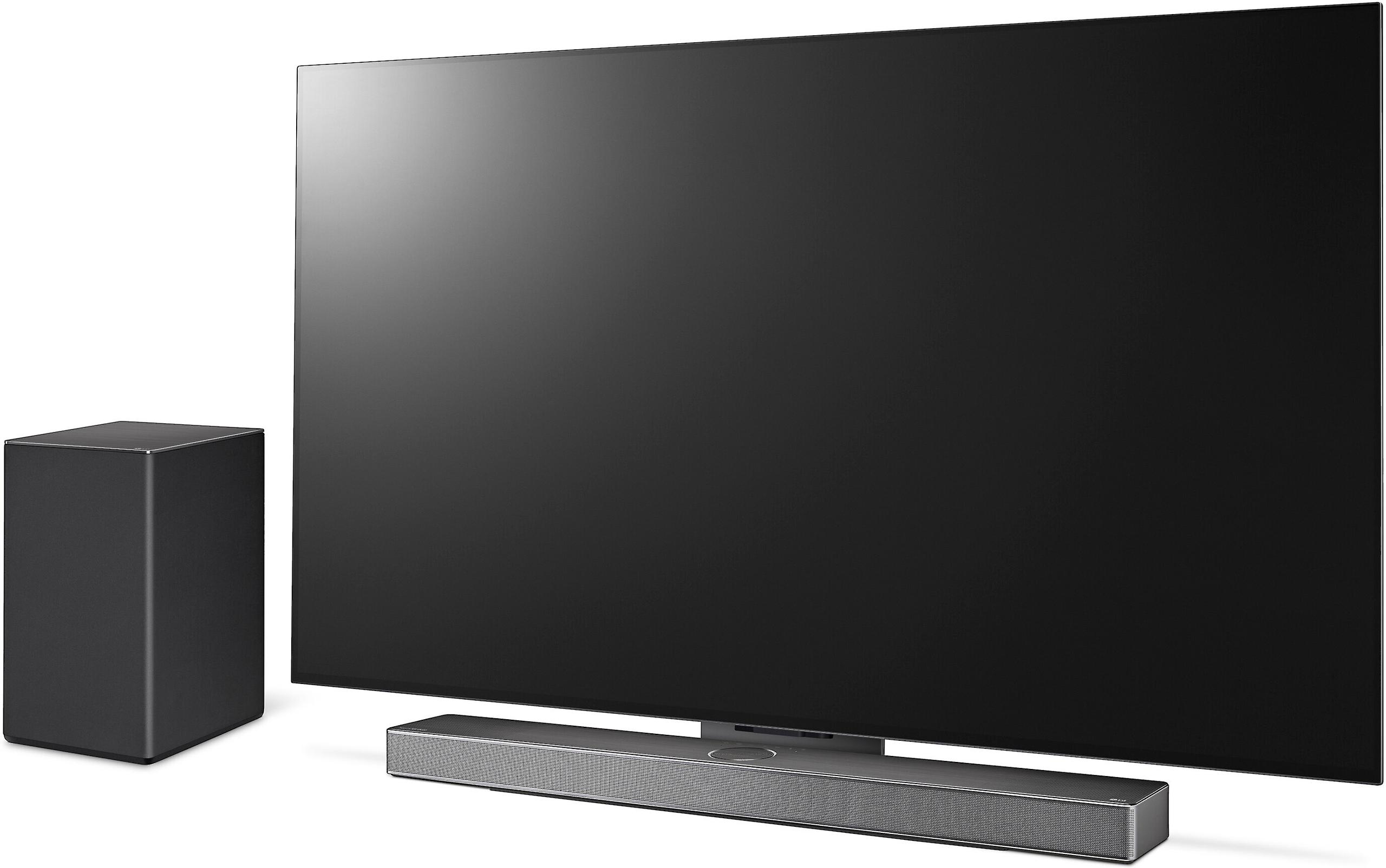
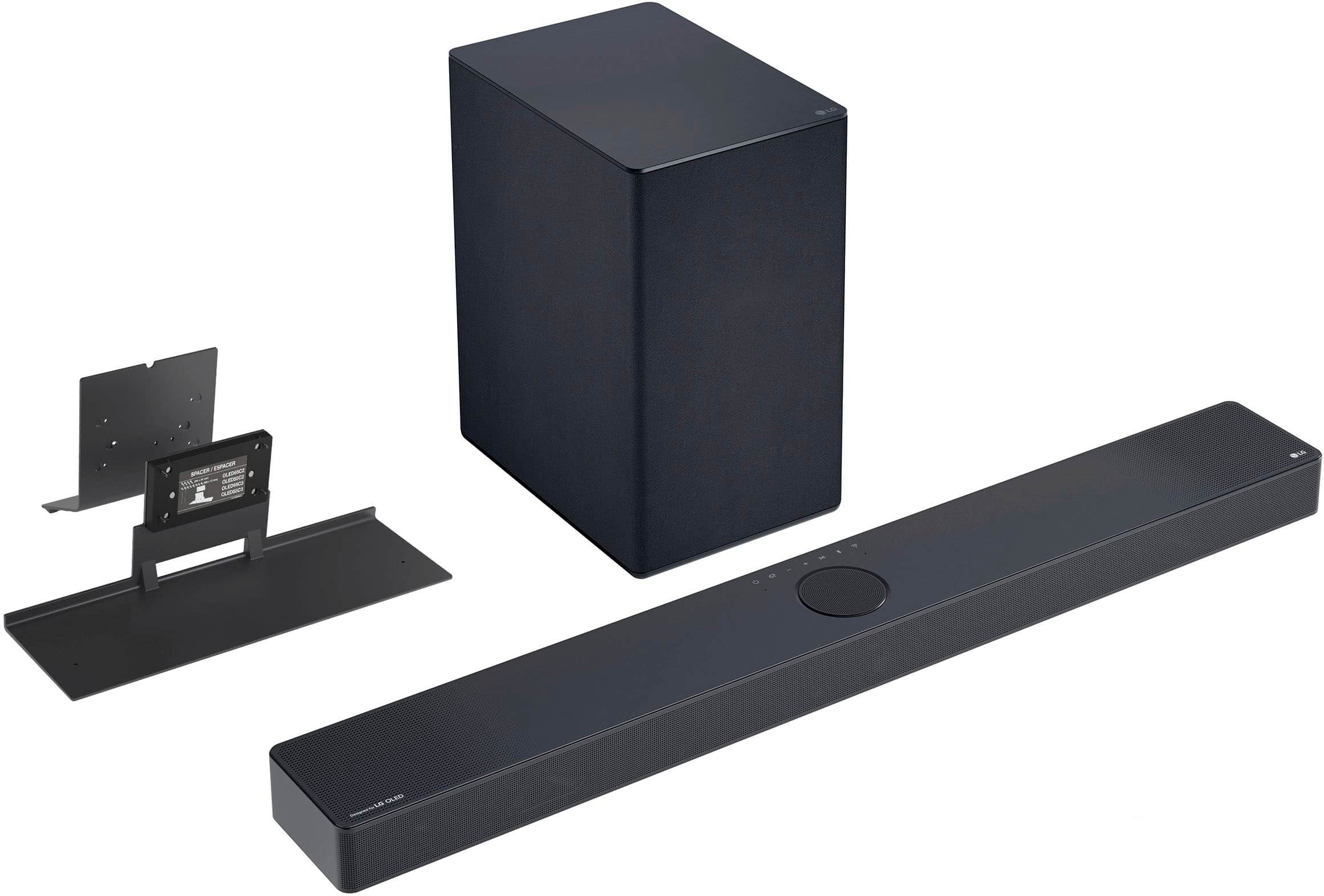
When your TV's built-in speakers make dialogue sound like it's coming from a tin can, it's time to upgrade. But the soundbar market can be overwhelming, with options ranging from basic stereo bars to complex surround sound systems that cost as much as a decent laptop. Today, we're comparing two very different approaches to better TV audio: the Ultimea Aura A40, a budget-focused 7.1 surround system, and the LG SC9S, a premium Dolby Atmos soundbar that takes a more sophisticated approach to audio processing.
These products represent fundamentally different philosophies in soundbar design. The Ultimea Aura A40 follows the "more speakers equals better sound" approach, cramming eight physical drivers into a system that costs about what you'd spend on a nice dinner out. Meanwhile, the LG SC9S takes the premium route, using advanced audio processing and room calibration technology to squeeze maximum performance from fewer, but higher-quality components.
Released in 2023, both soundbars reflect recent trends in home audio. The Ultimea Aura A40 capitalizes on improved wireless technology that makes multi-speaker setups more accessible, while the LG SC9S showcases the growing importance of Dolby Atmos and AI-driven room correction in premium audio systems.
Before diving into specifics, it's worth understanding what makes modern soundbars tick. At their core, soundbars solve the fundamental problem of TV audio: thin screens simply can't house speakers large enough to produce good sound. But beyond that basic function, today's soundbars employ several key technologies.
Channel configuration refers to how many discrete audio streams a system can handle. A 3.1 setup means three main channels (left, center, right) plus one subwoofer channel for low frequencies. The LG SC9S's 3.1.3 configuration adds three height channels for Dolby Atmos effects – those overhead sounds like helicopters or rain that seem to come from above your listening position.
Virtual surround processing creates the impression of surround sound using fewer physical speakers than a traditional home theater setup. The Ultimea Aura A40 takes a hybrid approach, using both virtual processing and physical surround speakers positioned around your room.
Room calibration technology uses microphones or advanced algorithms to measure your room's acoustic properties and adjust the sound accordingly. This addresses the fact that the same soundbar will sound dramatically different in a carpeted living room versus a hard-floored apartment with bare walls.
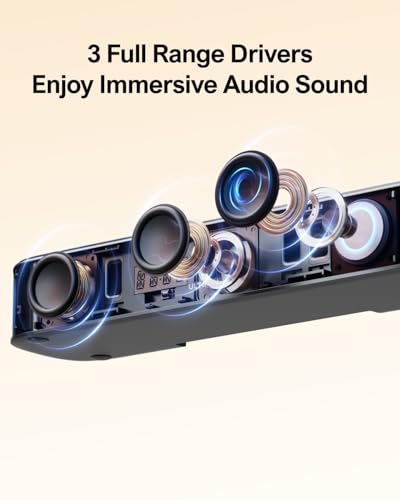
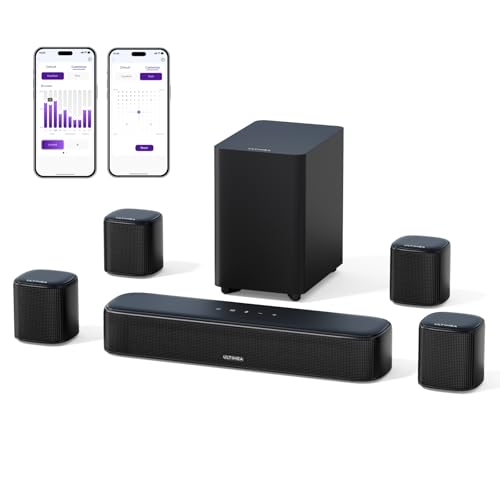
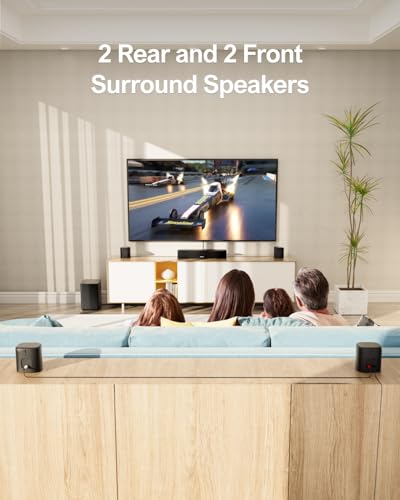
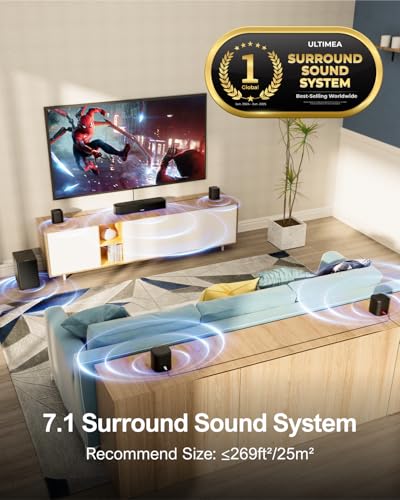
The Ultimea Aura A40 represents what happens when a manufacturer decides to give budget-conscious buyers everything they think they want: lots of speakers, wireless convenience, and extensive customization options. This system includes a main soundbar, four separate surround speakers (two for the front, two for the rear), and a wireless subwoofer – eight drivers total working together to create what Ultimea calls a "360-degree sound field."
What makes this approach interesting is how it handles the traditional surround sound challenge. In a proper 7.1 home theater setup, you'd need to run speaker wire from your receiver to speakers positioned around your room. The Ultimea Aura A40 eliminates this complexity by making the surround speakers wireless, communicating with the main bar via proprietary wireless protocols. This means you can achieve true surround sound separation without the hassle of hiding cables or drilling holes.
The system's SurroundX and BassMX technologies are essentially digital signal processing (DSP) algorithms that optimize how audio is distributed across all eight speakers. SurroundX focuses on creating convincing directional effects – making it sound like a car is driving from your left to right rear, for example – while BassMX manages the low-frequency output to prevent the small subwoofer from distorting when pushed hard.
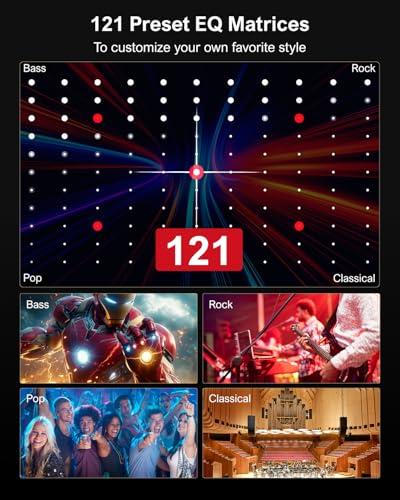
Perhaps the most impressive aspect of the Ultimea Aura A40 is its customization depth. The included smartphone app provides access to a 10-band equalizer, meaning you can adjust ten different frequency ranges independently. The 121 preset EQ matrices cover everything from classical music to heavy metal, essentially providing professionally tuned sound profiles for different content types. This level of control typically requires expensive audiophile equipment.
However, our research into user and expert reviews reveals some significant limitations. The frequency response only extends down to 65Hz, which means you'll miss the deepest bass notes that add impact to action movies and electronic music. For context, a full-range home theater subwoofer typically reaches below 30Hz. The small drivers – 2-inch units in the soundbar and surround speakers – simply can't move enough air to create truly impactful sound, especially in larger rooms.
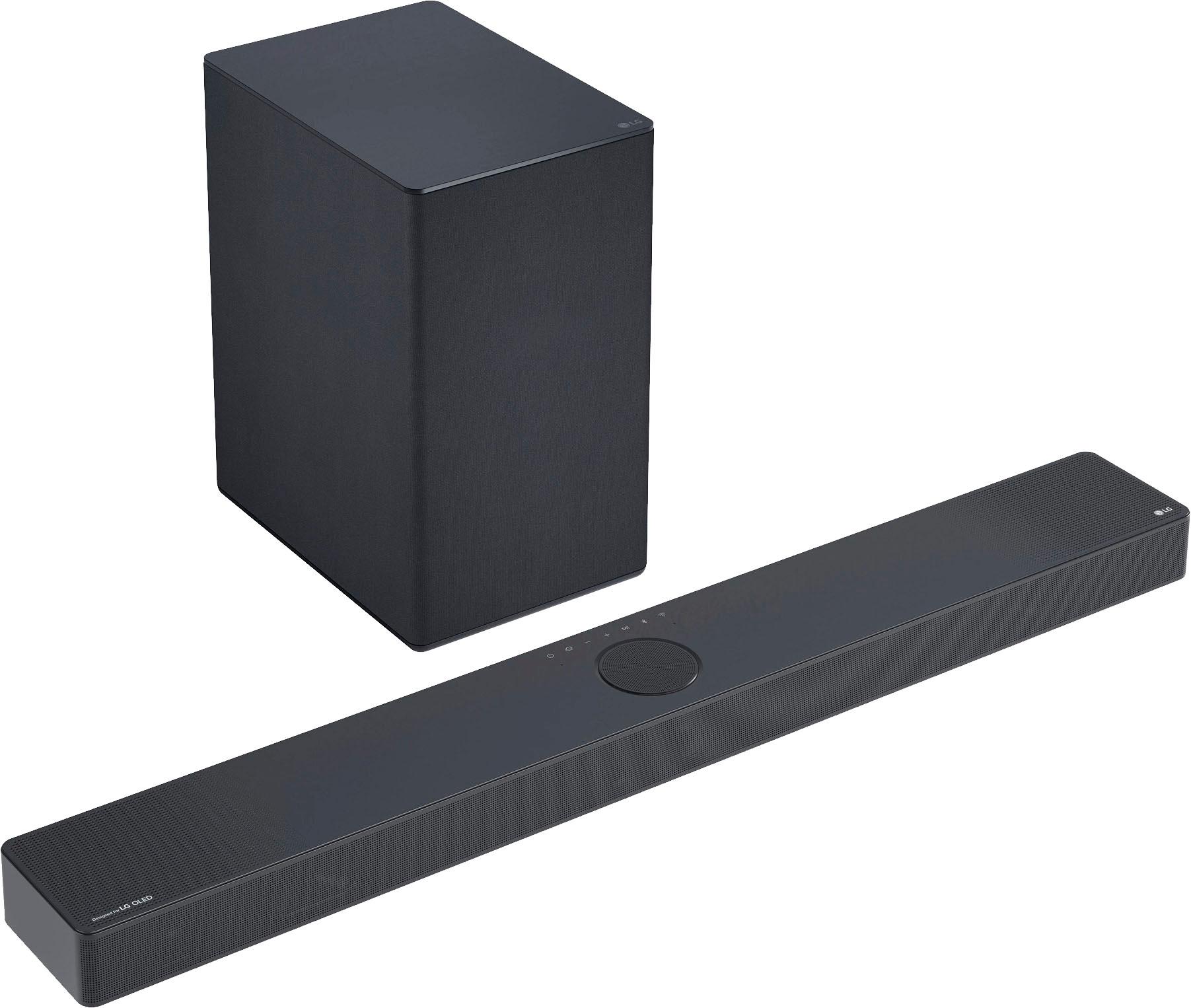
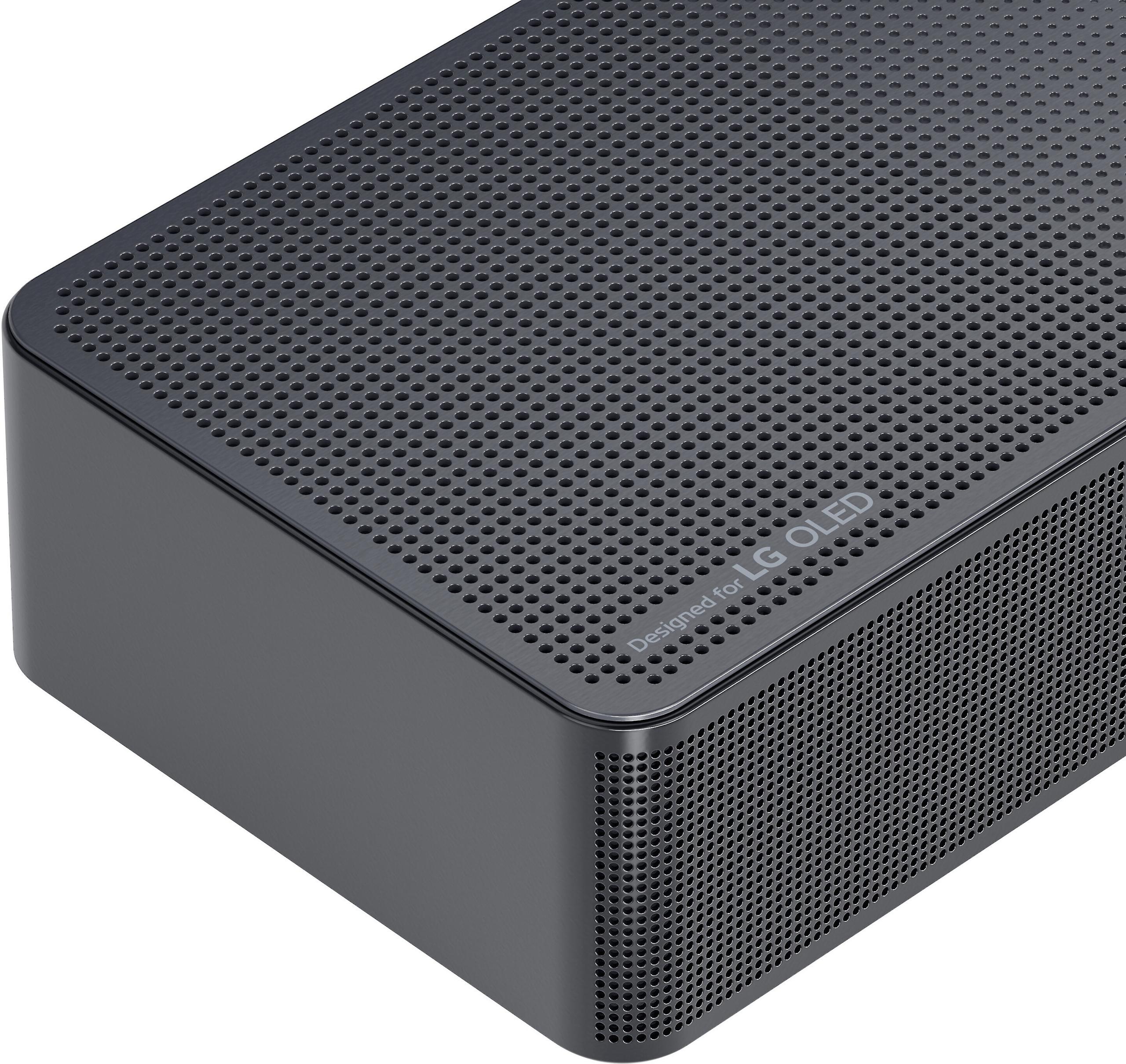
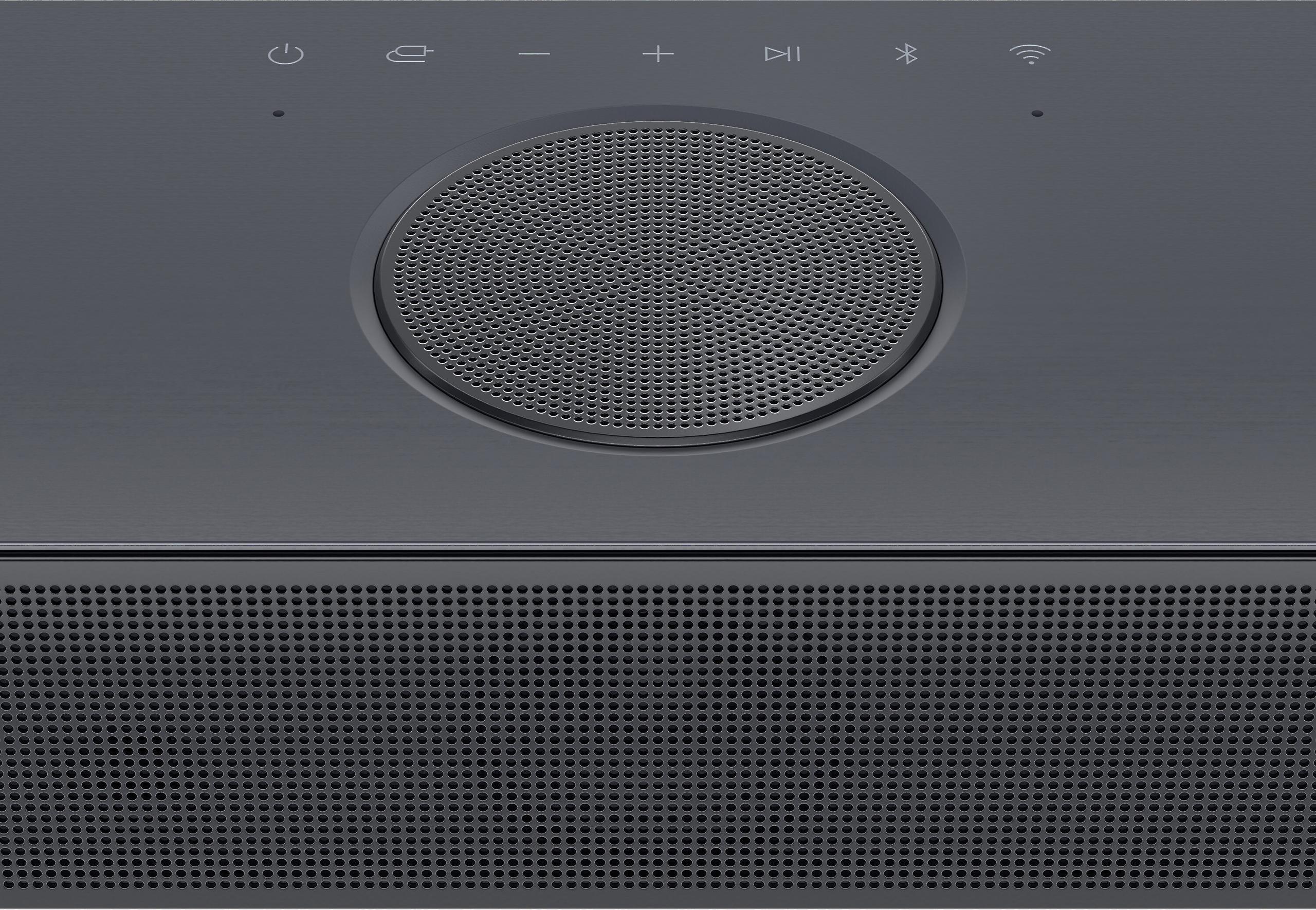
The LG SC9S takes an entirely different approach, focusing on audio processing sophistication rather than speaker count. Its 3.1.3 configuration might seem modest compared to the Ultimea's 7.1 setup, but this system leverages advanced technologies that weren't available in affordable soundbars just a few years ago.
The standout feature is AI Room Calibration Pro, which automatically analyzes your room's acoustics and adjusts the soundbar's output accordingly. This technology addresses one of the biggest challenges in home audio: every room sounds different. Hard surfaces like bare walls and glass tables create reflections that muddy the sound, while soft furnishings like carpets and curtains absorb certain frequencies. Traditional soundbars ignore these differences, but the LG SC9S adapts its sound signature to work optimally in your specific space.
The 3.1.3 configuration includes a unique feature: an up-firing center channel specifically designed to improve vocal clarity. Most soundbars struggle with dialogue because voices get mixed in with music and sound effects. By dedicating a separate driver to handle center channel information and firing it upward to reflect off your ceiling, the LG SC9S creates a more focused vocal presentation that cuts through busy soundtracks.
Dolby Atmos support represents another significant technological advantage. Unlike traditional surround sound, which creates a horizontal sound field around you, Atmos adds a height dimension. Rain sounds like it's falling from above, planes seem to fly overhead, and explosions have a three-dimensional quality that makes action scenes more immersive. The LG SC9S achieves this through precise timing and frequency manipulation of its up-firing speakers, bouncing sound off your ceiling to create the illusion of overhead audio sources.
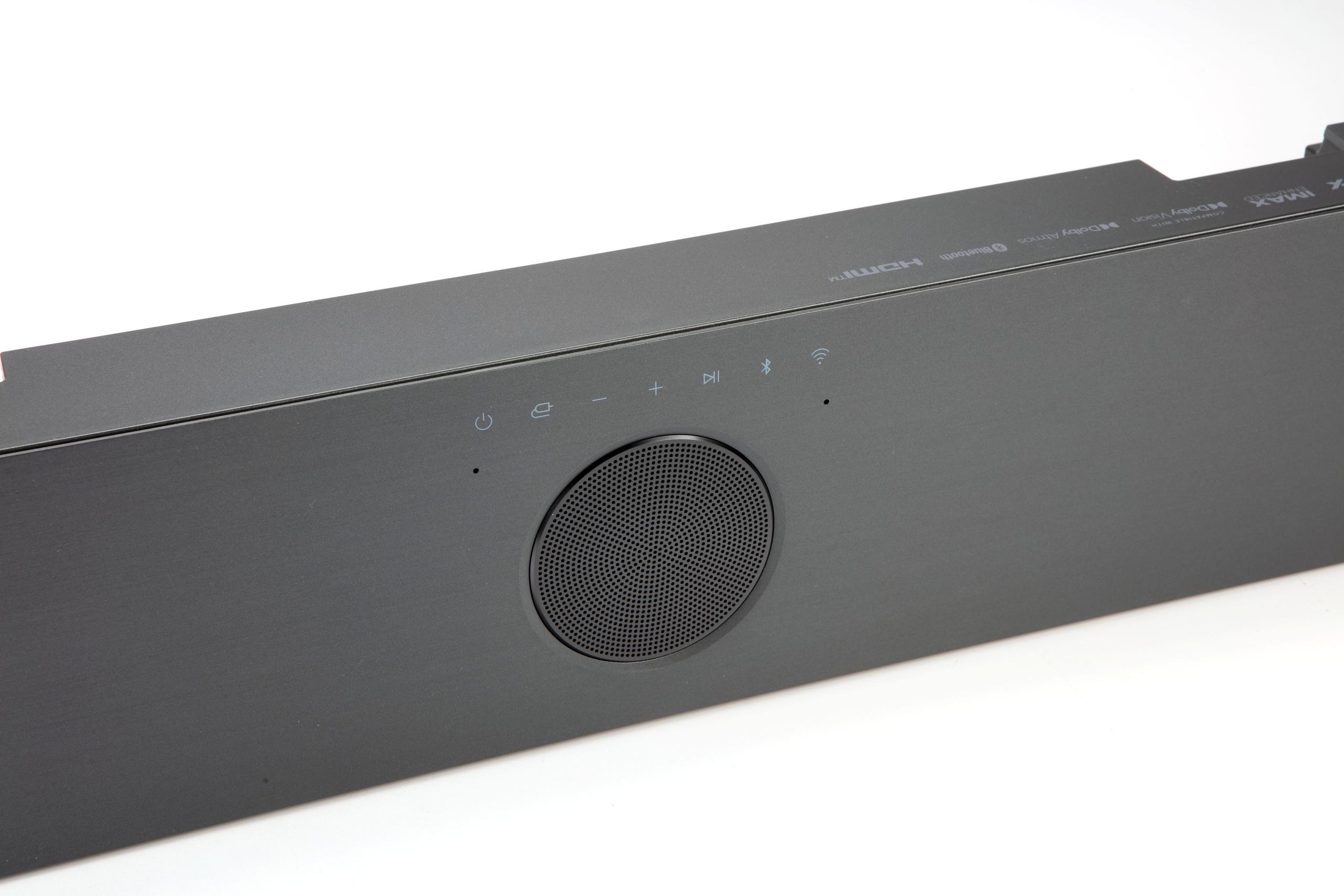
IMAX Enhanced certification means this soundbar meets specific technical standards for reproducing IMAX movie soundtracks at home. While this might seem like marketing fluff, IMAX Enhanced requires soundbars to handle specific dynamic range requirements and frequency responses that ensure you're hearing movie soundtracks as their creators intended.
When it comes to pure sound quality, our analysis of expert reviews and user feedback reveals clear differences between these systems. The LG SC9S consistently receives praise for its refined audio character – voices sound natural, instruments have proper tonal balance, and the overall presentation feels cohesive and professional.
The Ultimea Aura A40, while impressive for its price point, shows its budget origins in critical listening scenarios. Multiple reviews describe the sound as having a "tinny" or "metallic" quality, particularly noticeable when listening to music. This likely results from the small drivers and basic crossover design (the electronic components that divide audio frequencies between different speakers). However, for movie and TV watching, where dialogue clarity and surround effects matter more than audiophile-grade fidelity, these limitations become less noticeable.
Bass performance illustrates another key difference. The LG SC9S's room calibration ensures bass response is tailored to your space, preventing the boomy, one-note bass that plagues many soundbars. The Ultimea Aura A40 requires manual tuning to achieve satisfying bass, and even then, the 4-inch subwoofer has clear limits in larger rooms or for bass-heavy content.
This is where the comparison gets interesting, because each system achieves surround sound through different methods. The Ultimea Aura A40 uses physical speaker placement to create genuine surround separation. When a helicopter flies from front to back in a movie, it's actually moving between different physical speakers positioned around your room. This creates convincing directional effects that work regardless of your seating position.
The LG SC9S relies on psychoacoustic processing – essentially tricking your brain into perceiving surround effects through clever manipulation of timing, phase, and frequency response. When properly calibrated for your room, this can create remarkably convincing surround effects, but the sweet spot is more limited than with discrete physical speakers.
For gaming, the Ultimea Aura A40's approach offers a clear advantage. First-person shooters and competitive games benefit from the precise directional audio cues that only true surround speaker separation can provide. You can hear exactly where enemy footsteps are coming from, giving you a tactical advantage that processed surround sound can't quite match.
However, for movie watching, the LG SC9S's Dolby Atmos processing creates a more sophisticated soundscape. Rather than just moving sound left and right, it can place audio objects in three-dimensional space around you. This works particularly well for blockbuster movies mastered with Atmos soundtracks.
Room acoustics dramatically affect soundbar performance, and this is where the technological approaches diverge significantly. The Ultimea Aura A40 requires manual adjustment through its extensive EQ options and surround level controls. While this gives you ultimate control, it also means you need to understand what you're adjusting and why.
The LG SC9S's room calibration eliminates guesswork by automatically measuring your space and optimizing the sound accordingly. This is particularly valuable in challenging acoustic environments like apartments with hard floors and minimal furnishings, where reflections and standing waves can make even expensive audio equipment sound poor.
Setup complexity varies considerably between systems. The Ultimea Aura A40 requires positioning four additional speakers around your room, which might not be practical in all living situations. While the wireless connection eliminates cable runs, you still need to find appropriate locations for the surround speakers and ensure they have power outlets nearby.
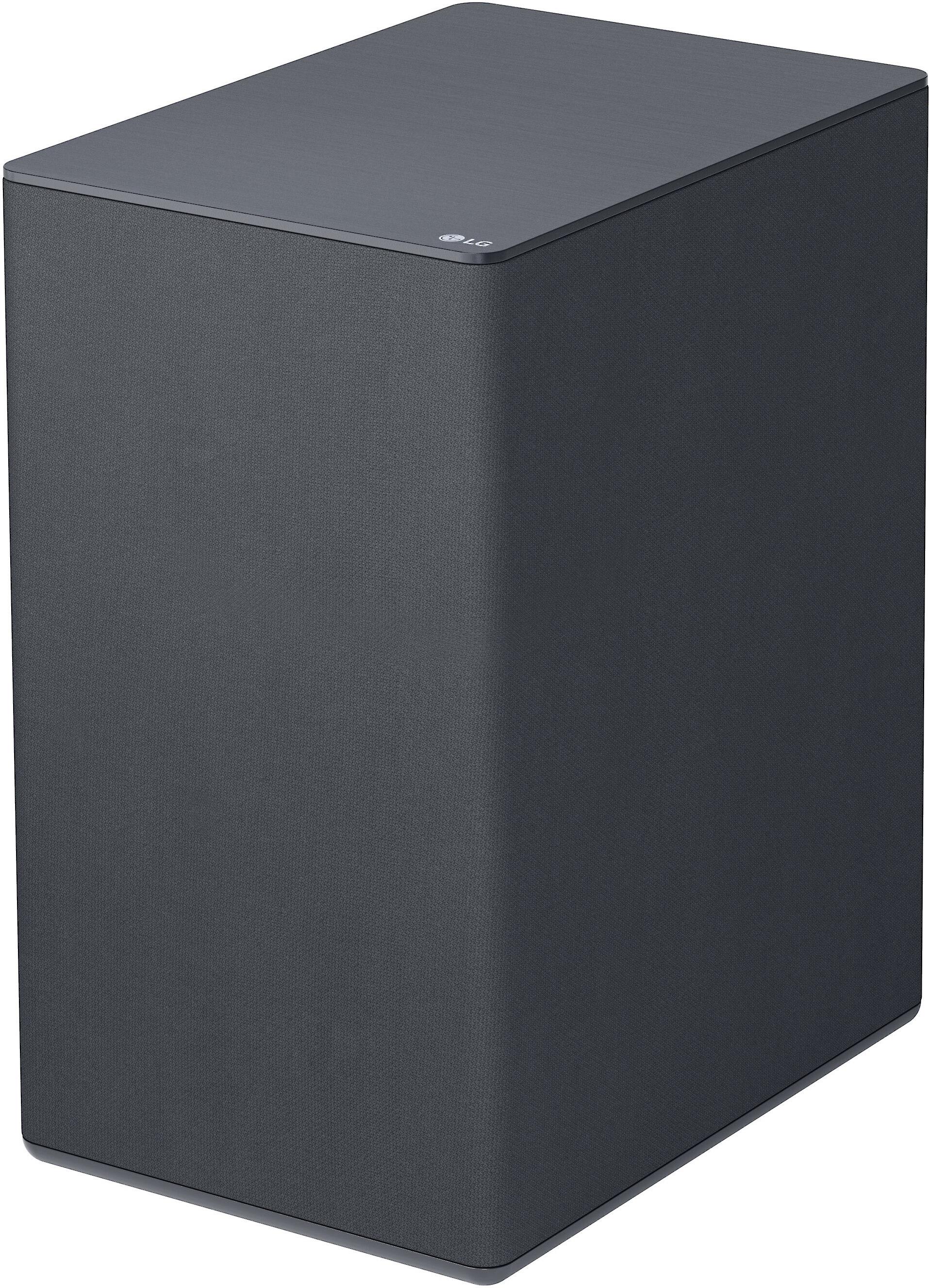
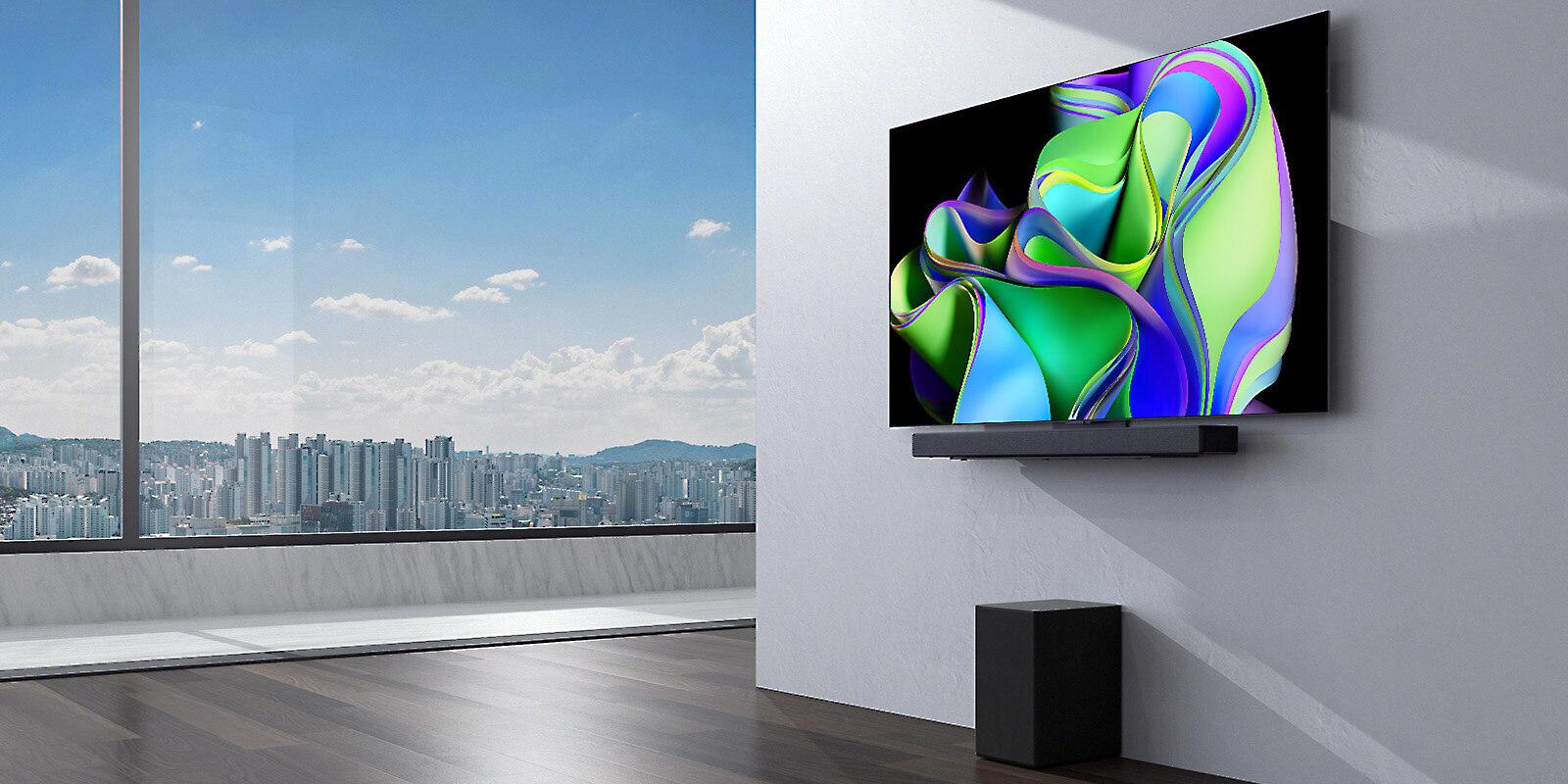
The LG SC9S offers a more traditional soundbar experience – place the bar under your TV, position the wireless subwoofer somewhere in the room, and let the calibration system handle the rest. This approach works better for renters or anyone who doesn't want additional speakers visible in their living space.
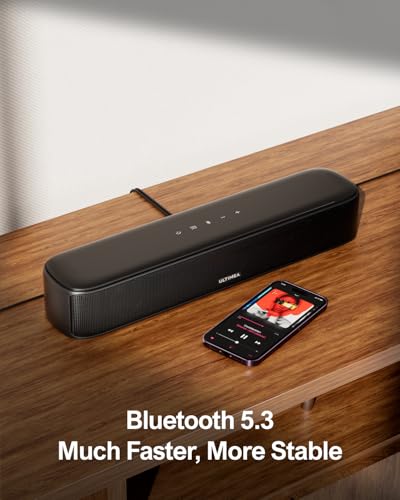
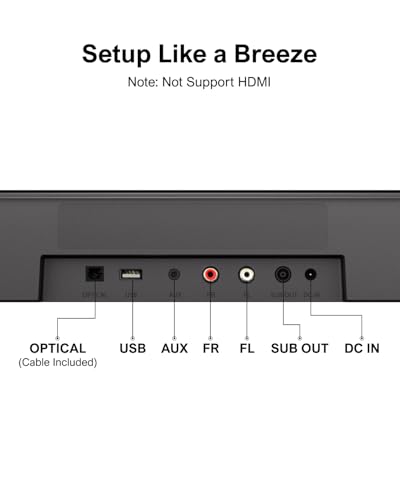
Connectivity options reveal another significant difference between these systems. The Ultimea Aura A40 relies primarily on traditional connections like optical audio and Bluetooth, notably lacking HDMI inputs. This limitation becomes problematic with newer TVs that prioritize HDMI connections, potentially requiring additional adapters or limiting audio quality to compressed formats.
The LG SC9S embraces modern connectivity with HDMI eARC (enhanced Audio Return Channel), which allows uncompressed audio transfer from your TV and enables advanced features like automatic volume synchronization. Wi-Fi connectivity supports high-quality streaming directly to the soundbar, bypassing potential Bluetooth compression artifacts.
Smart home integration also favors the LG SC9S, with support for voice assistants and integration with LG's TV ecosystem. If you own or plan to purchase an LG TV, the synergy between devices creates a more seamless user experience.
At the time of writing, these systems occupy very different price tiers, with the Ultimea Aura A40 positioned as a budget option and the LG SC9S commanding premium pricing. This price difference – roughly 3-4x between the systems – reflects their different target markets and technological approaches.
The Ultimea Aura A40 delivers remarkable value for buyers prioritizing surround speaker count and customization options. Getting eight physical speakers, wireless connectivity, and extensive app control at its price point would have been impossible just a few years ago. For casual movie watching and gaming in small to medium-sized rooms, it provides a significant upgrade over TV speakers without requiring a major financial commitment.
The LG SC9S justifies its premium positioning through advanced processing technologies, build quality, and future-proof connectivity. Room calibration alone adds significant value by ensuring optimal performance regardless of your room's acoustic challenges. The Dolby Atmos processing, while more subtle than discrete surround speakers, provides a more sophisticated and nuanced audio experience.
Your decision should primarily depend on your priorities, room characteristics, and budget constraints. The Ultimea Aura A40 makes sense if you want maximum surround sound immersion at minimal cost, particularly for gaming or if you enjoy tinkering with audio settings. It's ideal for smaller spaces where you can properly position the surround speakers and don't mind having multiple components visible in your room.
Choose the LG SC9S if you prioritize audio refinement, want automated setup and calibration, or if your room presents acoustic challenges that would benefit from intelligent processing. It's particularly compelling if you already own LG displays or if you consume a lot of Atmos-mastered content from streaming services like Netflix and Disney+.
For home theater enthusiasts, the choice often comes down to whether you prefer the obvious surround effects of discrete speakers or the subtle sophistication of advanced processing. The Ultimea Aura A40 provides the "wow factor" of clearly directional sound effects, while the LG SC9S delivers a more refined, cohesive soundscape that doesn't draw attention to itself.
Consider room size carefully in your decision. The Ultimea Aura A40 works best in small to medium rooms where its limited power output can adequately fill the space. The LG SC9S's room calibration helps it adapt to larger or more challenging spaces, making it more versatile for different living situations.
Ultimately, both systems successfully address the fundamental problem of poor TV audio, but through vastly different approaches. The Ultimea Aura A40 democratizes surround sound by making it accessible and affordable, while the LG SC9S represents the sophisticated future of audio processing. Your choice depends on whether you value the straightforward effectiveness of more speakers or the intelligent adaptation of advanced technology.
| Ultimea Aura A40 U2601 | LG SC9S 3.1.3 Channel Dolby Atmos |
|---|---|
| Channel Configuration - Determines surround sound immersion and speaker placement | |
| 7.1 Virtual Surround with 8 physical speakers | 3.1.3 Dolby Atmos with height channels |
| Total Speaker Count - More drivers can mean better sound separation | |
| 8 speakers (soundbar + 4 surround + subwoofer) | Not specified (fewer but higher quality drivers) |
| Audio Processing Technology - Key differentiator for sound quality | |
| SurroundX & BassMX processing with manual EQ | AI Room Calibration Pro with Dolby Atmos |
| Connectivity Options - Affects compatibility with modern TVs | |
| Optical, AUX, USB, Bluetooth 5.3 (no HDMI) | HDMI eARC, Wi-Fi, Chromecast, Apple AirPlay |
| Customization Depth - How much control you have over sound | |
| 10-band EQ, 121 presets, 6 surround levels | Automatic room calibration with preset modes |
| Power Output - Determines maximum volume and dynamic range | |
| 330W peak power | Not specified (likely higher quality amplification) |
| Frequency Response - Shows bass extension and treble reach | |
| 65Hz - 18kHz (limited deep bass) | Not specified (likely better low-end extension) |
| Setup Complexity - Time and effort required for installation | |
| Wireless surround speakers, 30-minute setup | Simple bar + subwoofer with auto calibration |
| Smart Features - Modern convenience and integration | |
| Ultimea Smart App with OTA updates | Voice assistant compatibility, LG TV integration |
| Room Size Recommendation - Optimal performance area | |
| 108-270 ft² (small to medium rooms) | Not specified (likely larger room capability) |
| Premium Audio Format Support - Future-proofing for content | |
| Basic surround formats only | Dolby Atmos, DTS:X, IMAX Enhanced |
| Value Proposition - What you get for the investment | |
| Maximum speakers and features at budget price | Premium processing and room adaptation technology |
The LG SC9S is better for movies due to its Dolby Atmos support and AI Room Calibration Pro, which creates a more refined cinematic experience with overhead sound effects. However, the Ultimea Aura A40 provides more obvious surround sound effects with its physical surround speakers positioned around your room, making action scenes feel more immersive for some viewers.
The Ultimea Aura A40 includes four physical surround speakers that create genuine directional audio effects, especially beneficial for gaming and action movies. If you have space to position these speakers and want maximum surround immersion at a budget price, they're valuable. The LG SC9S achieves surround effects through processing alone, which works well but doesn't provide the same discrete channel separation.
The LG SC9S generally delivers better bass quality due to its room calibration technology that optimizes low-frequency response for your specific space. The Ultimea Aura A40 includes a 4-inch subwoofer that provides adequate bass for smaller rooms but may struggle in larger spaces or with bass-heavy content.
The LG SC9S justifies its premium pricing through advanced features like automatic room calibration, Dolby Atmos processing, and superior build quality. The Ultimea Aura A40 offers exceptional value by providing 7.1 surround sound with physical speakers at a fraction of the cost, making it ideal for budget-conscious buyers who prioritize speaker count over audio refinement.
The LG SC9S is easier to set up as it's essentially a traditional soundbar with wireless subwoofer that handles optimization automatically through room calibration. The Ultimea Aura A40 requires positioning four additional surround speakers around your room and manual tuning through its app, though the wireless connection eliminates cable runs.
The LG SC9S is significantly better for music due to its superior audio processing, room calibration, and higher-quality drivers that provide more natural sound reproduction. The Ultimea Aura A40 can handle music but shows its budget origins with a somewhat "tinny" sound quality that's more noticeable during critical music listening than movie watching.
Both soundbars work well in small rooms, but for different reasons. The Ultimea Aura A40 is specifically designed for rooms between 108-270 square feet and its wireless surround speakers are easier to position in compact spaces. The LG SC9S adapts to any room size through its calibration technology, making it more versatile if you plan to move or upgrade your space.
The LG SC9S includes HDMI eARC for uncompressed audio and advanced TV integration, while the Ultimea Aura A40 lacks HDMI entirely. HDMI connectivity is increasingly important for modern TVs and ensures you can access the highest quality audio formats without compression, making it a significant advantage for the LG system.
The Ultimea Aura A40 is better for competitive gaming due to its discrete surround speakers that provide precise directional audio cues, helping you locate enemies in first-person shooters. The LG SC9S offers good gaming performance with lower latency and cleaner audio processing, but can't match the tactical advantage of true surround speaker separation.
Dolby Atmos in the LG SC9S adds a height dimension to sound, making movies more immersive with overhead effects like rain or aircraft. The Ultimea Aura A40 doesn't support Atmos but provides surround effects through its physical speaker arrangement. Atmos is increasingly important as more streaming content uses this format, making it valuable for future-proofing.
The LG SC9S requires minimal maintenance thanks to its automatic room calibration that handles optimization without user input. The Ultimea Aura A40 offers extensive manual controls through its app with 121 EQ presets and adjustable surround levels, which provides more customization but requires more user involvement to achieve optimal sound.
The LG SC9S is better suited for larger rooms due to its room calibration technology and likely higher power amplification, though specific power ratings aren't disclosed. The Ultimea Aura A40 is designed for smaller to medium spaces and may struggle to fill very large rooms with adequate volume and bass impact despite its 330W peak power rating.
We've done our best to create useful and informative comparisons to help you decide what product to buy. Our research uses advanced automated methods to create this comparison and perfection is not possible - please contact us for corrections or questions. These are the sites we've researched in the creation of this article: walmart.com - newegg.com - youtube.com - ultimea.com - youtube.com - device.report - ultimea.co - manuals.plus - homestudiobasics.com - youtube.com - bestbuy.com - community.ultimea.com - manuals.plus - eu.ultimea.com - navesapeugeot.com.br - bestbuy.com - images.thdstatic.com - provantage.com - ultimea.com - bestbuy.com - consumerreports.org - valueelectronics.com - youtube.com - bestbuy.com - rtings.com - costco.com - bestbuy.com - walts.com - queencityonline.com - blog.son-video.com - videoandaudiocenter.com - lg.com

Privacy Policy
Terms and Conditions - Affiliate Policy
Home Security
© Copyright 2008-2026.
11816 Inwood Rd #1211, Dallas, TX 75244