

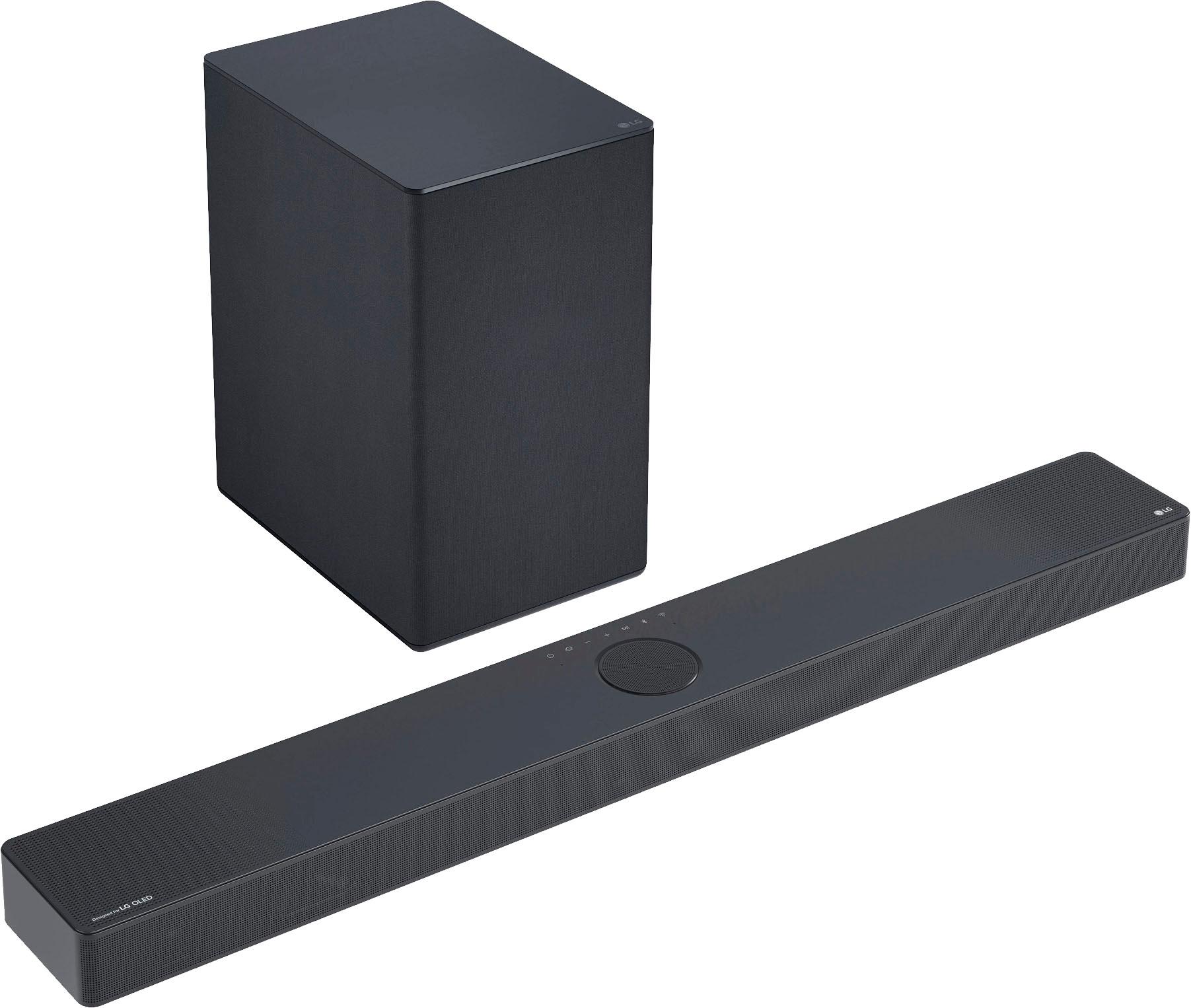



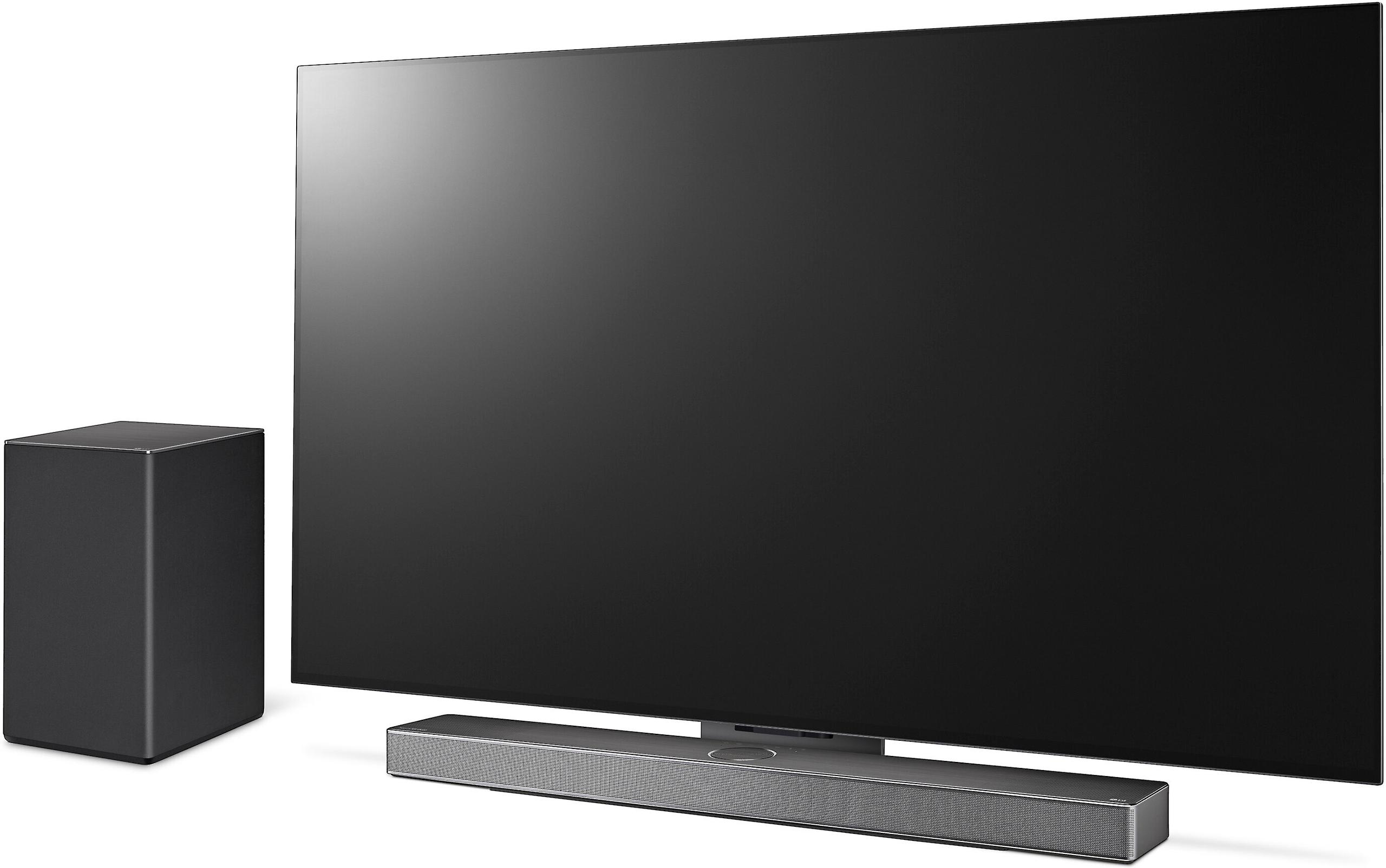
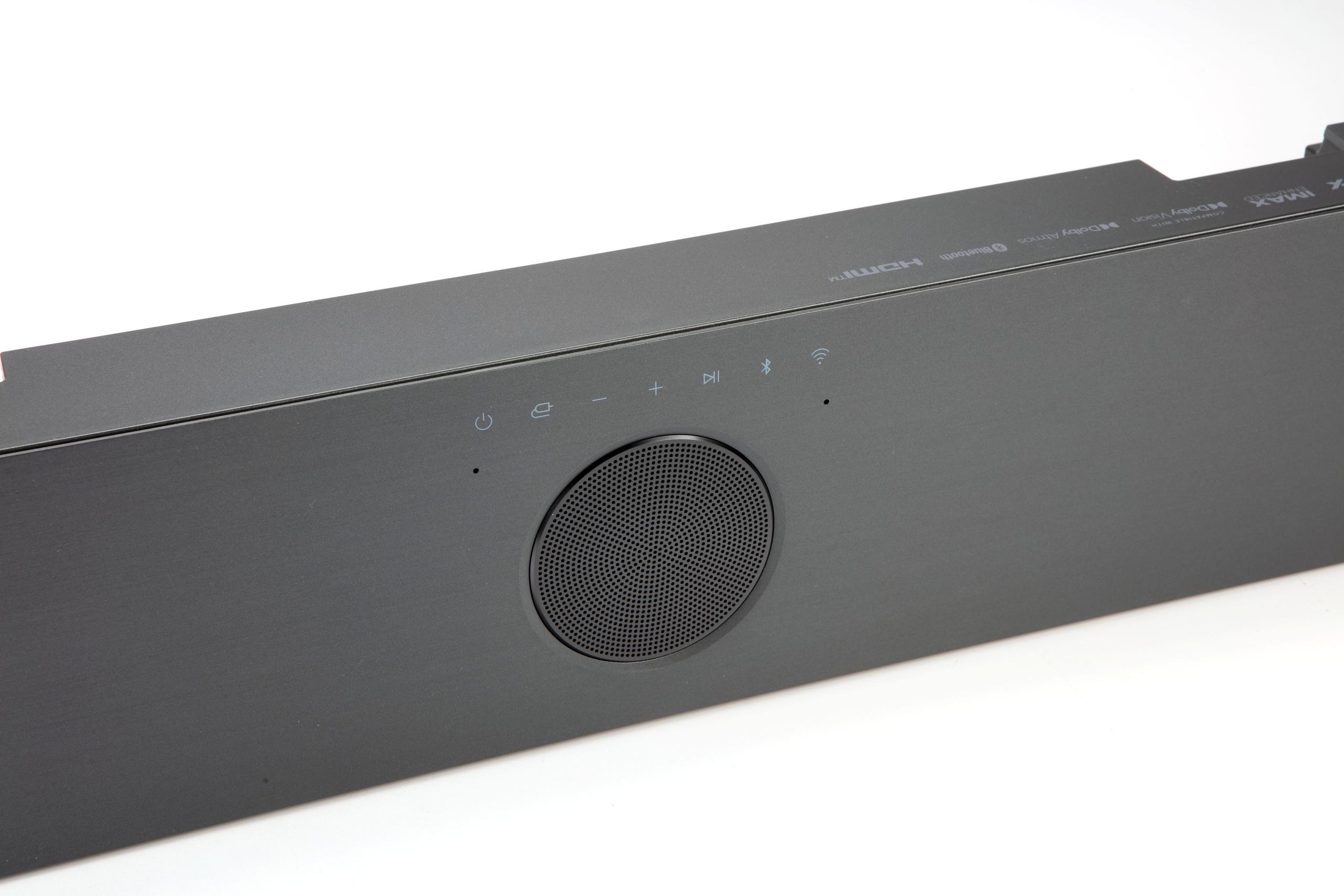
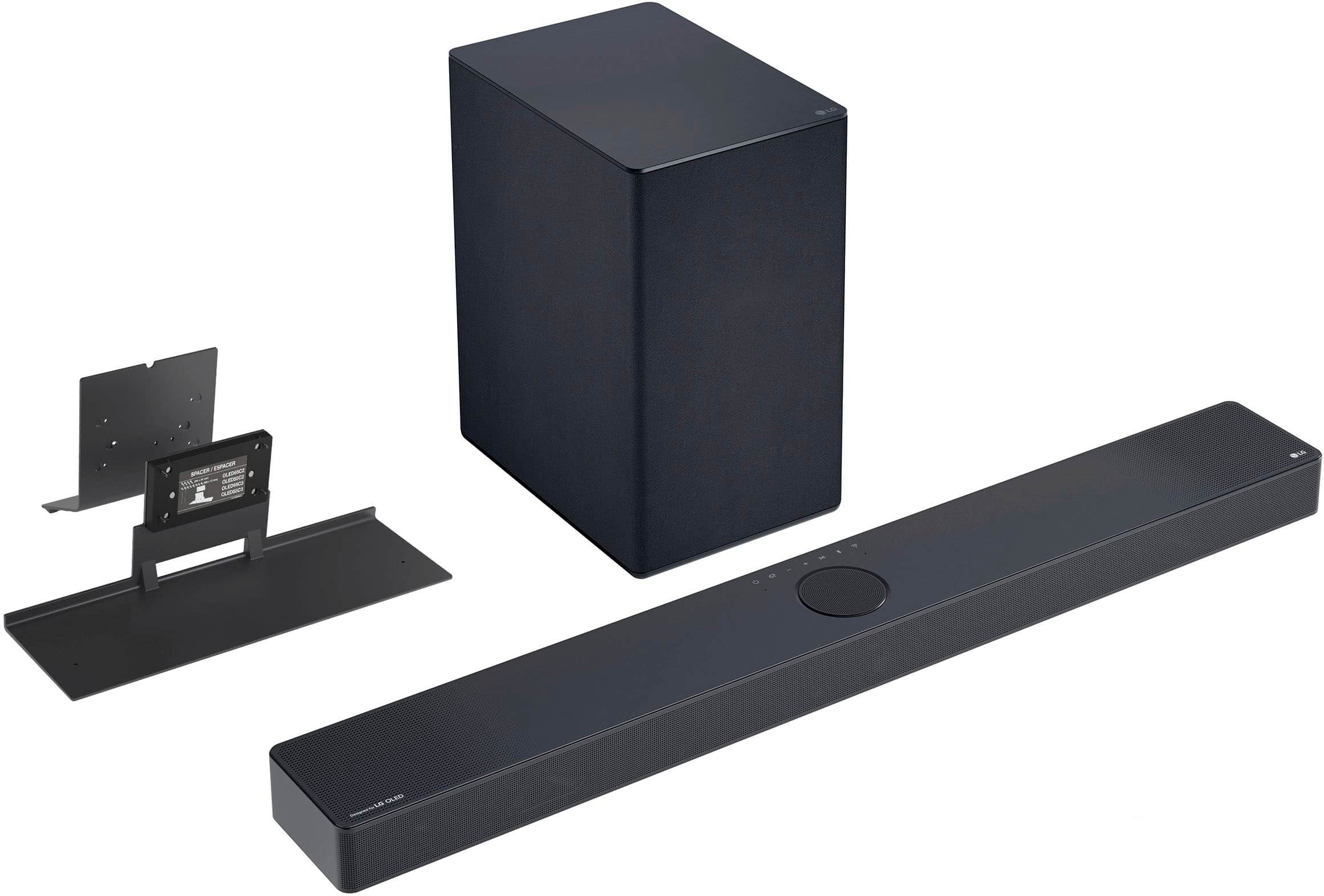
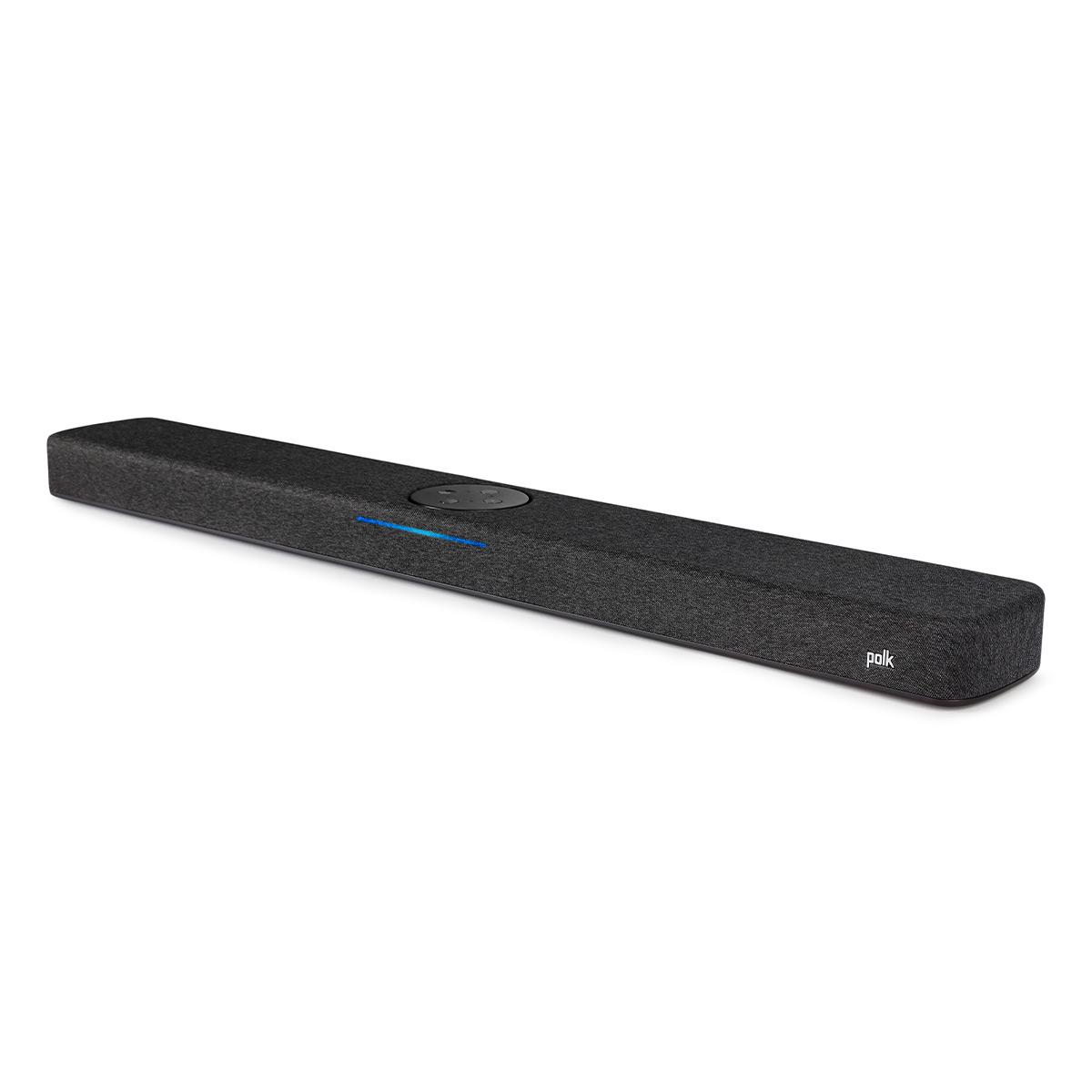



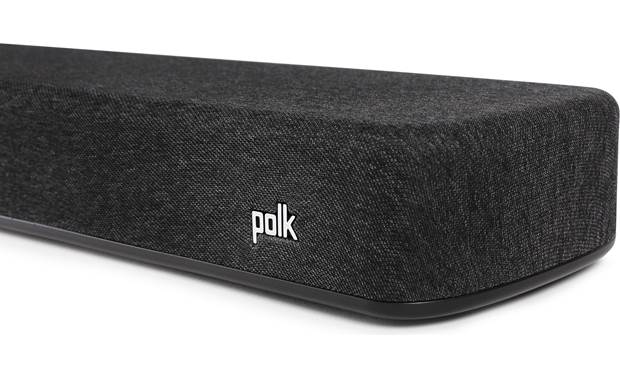

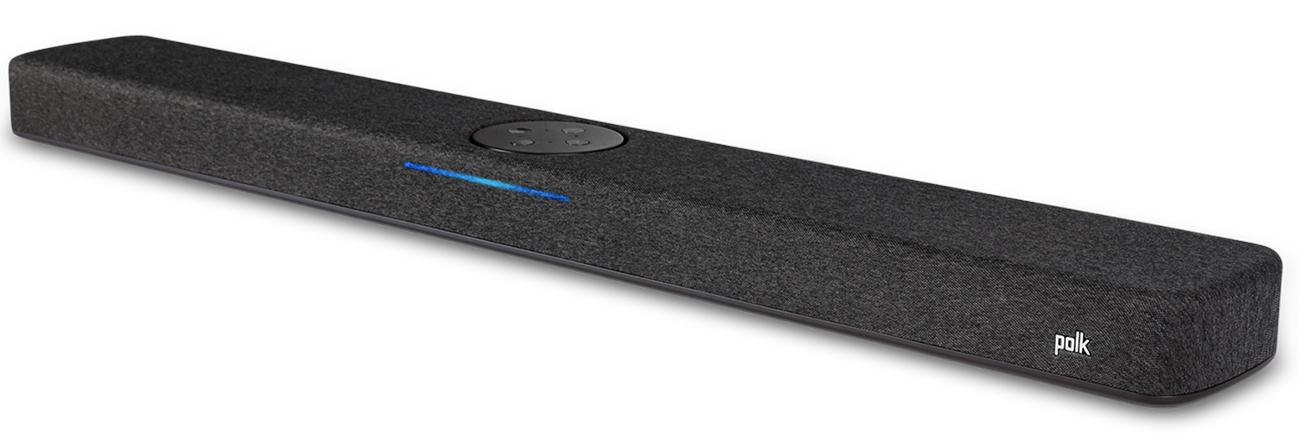
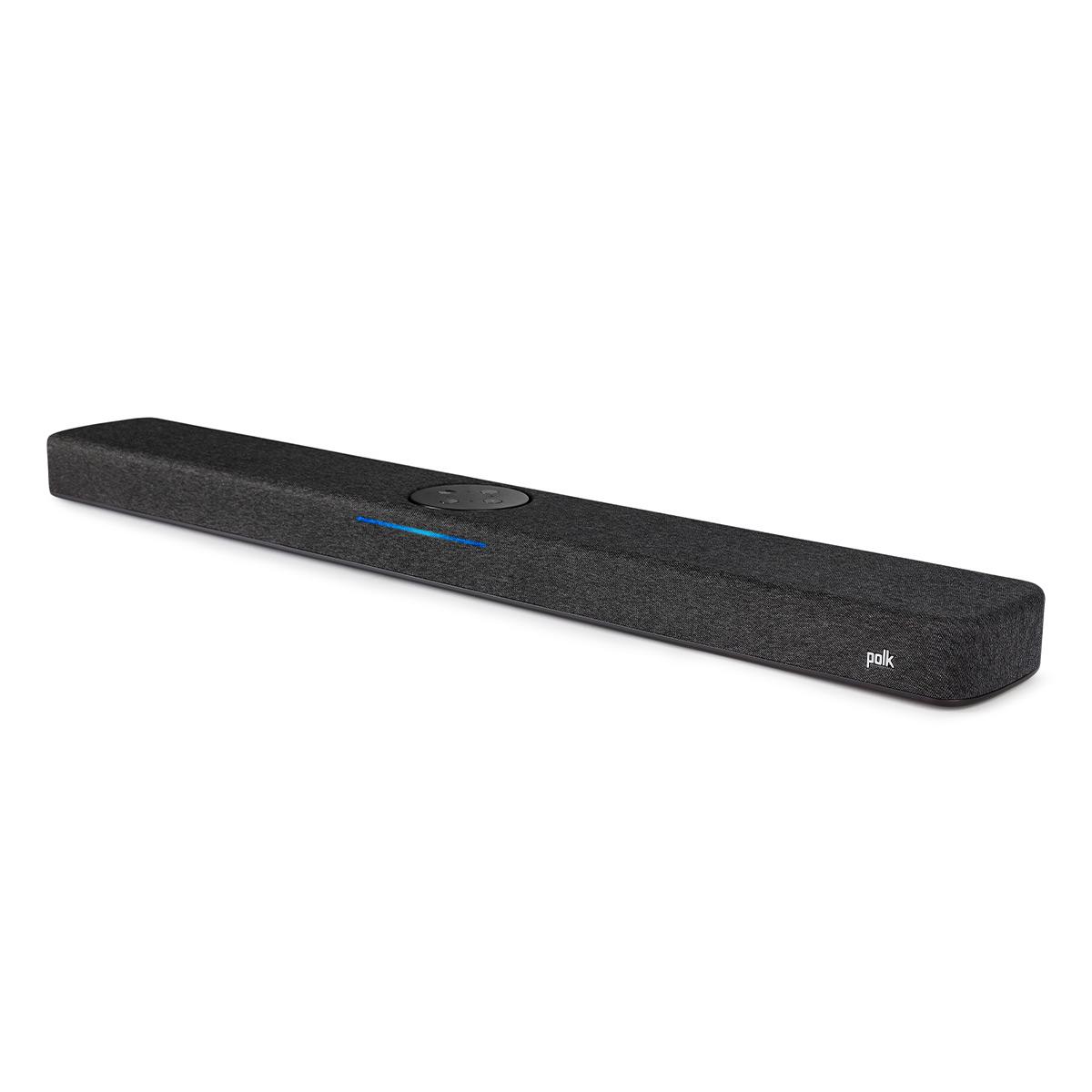
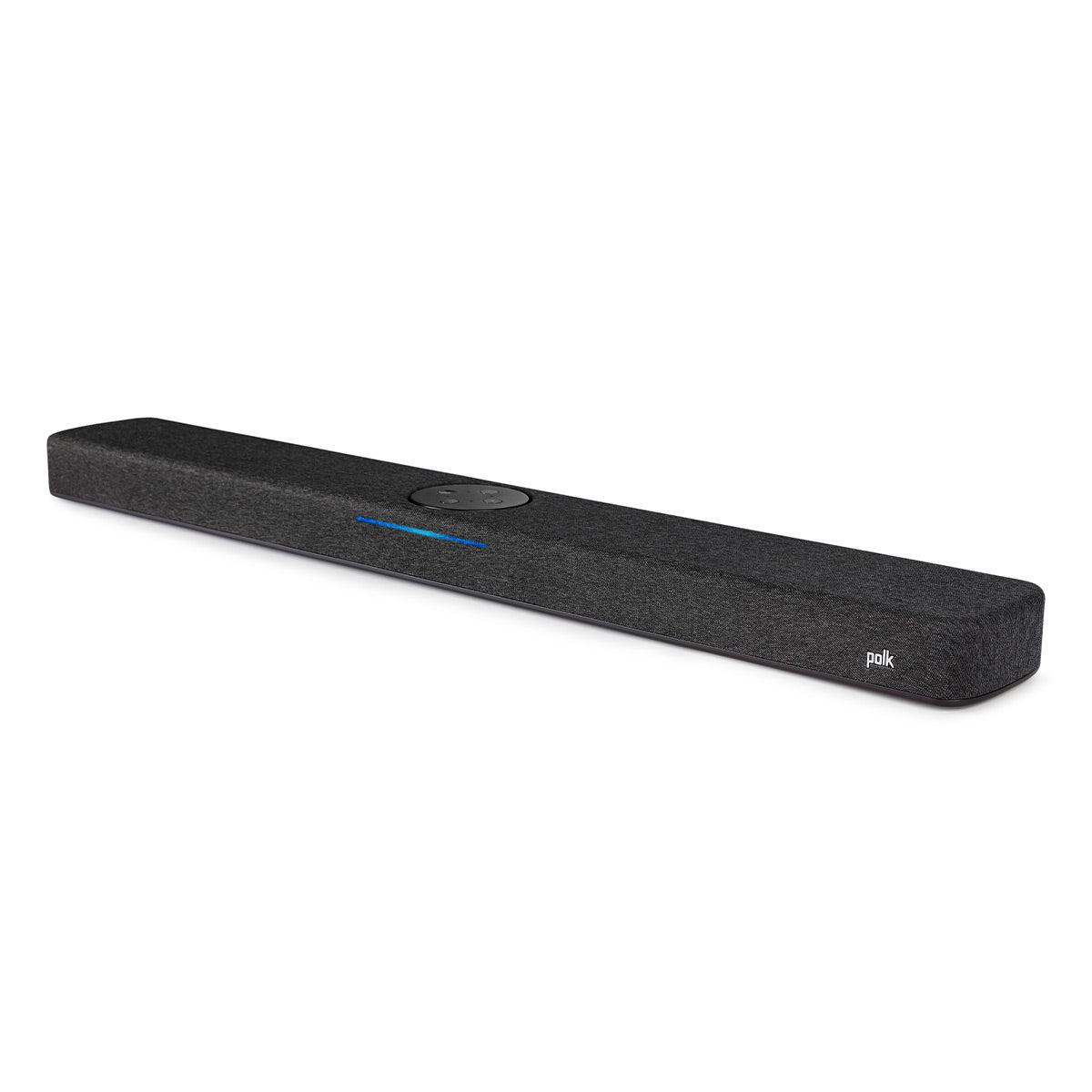
When your TV's built-in speakers make dialogue sound like it's coming through a tin can, it's time to invest in a soundbar. But with hundreds of options ranging from $100 to over $1,000, choosing the right one can feel overwhelming. Today, we're comparing two popular but very different approaches: the premium LG SC9S 3.1.3 Channel Dolby Atmos Soundbar ($515.61) and the budget-friendly Polk Audio React Sound Bar with Alexa Built-In ($230.00).
These soundbars represent fundamentally different philosophies. The LG focuses on delivering true three-dimensional audio that places sounds above, around, and behind you—what audio engineers call "immersive audio." The Polk takes a more practical approach, emphasizing clear dialogue and smart home integration at half the price. Understanding which approach fits your needs better can save you money and frustration.
The soundbar market has evolved dramatically over the past few years. What started as simple solutions to make TV dialogue clearer has grown into a sophisticated audio category with genuine home theater capabilities. The key breakthrough came with Dolby Atmos technology, which adds height channels to create a "bubble" of sound around listeners rather than just projecting audio from the front.
Think of traditional surround sound like a painting on your wall—it has left, right, and depth, but everything happens at ear level. Dolby Atmos is more like a sculpture that surrounds you completely, with helicopters flying overhead and rain falling from above. This technology, once exclusive to movie theaters, became available in home soundbars around 2017 and has steadily improved since then.
When evaluating soundbars, you'll encounter several key considerations. Audio quality and immersion level determine whether you get basic stereo enhancement or true cinematic experience. Room size compatibility matters because a soundbar that works beautifully in a small apartment might sound weak in a large living room. Content optimization varies too—some bars excel at making dialogue crisp and clear, while others prioritize explosive movie effects. Connectivity options affect how many devices you can connect and what audio formats you can play. Finally, expandability determines whether you can add components like subwoofers or rear speakers later.
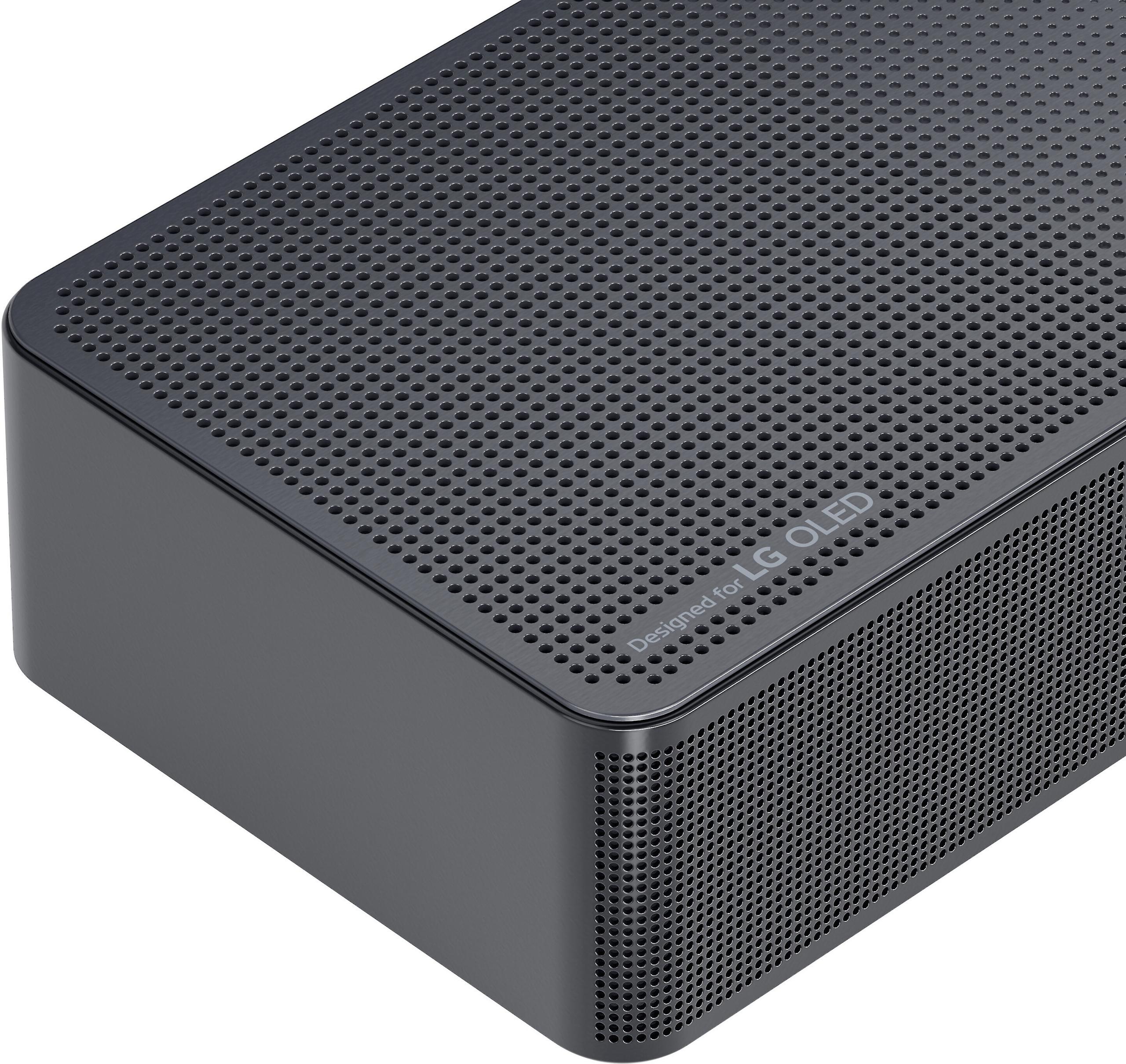
The LG SC9S, released in 2023, represents LG's premium soundbar offering. At $515.61, it targets home theater enthusiasts who want authentic Dolby Atmos without buying separate speakers for every corner of their room. LG designed this bar specifically to complement their OLED TVs, even including a mounting bracket that attaches directly to compatible LG displays.
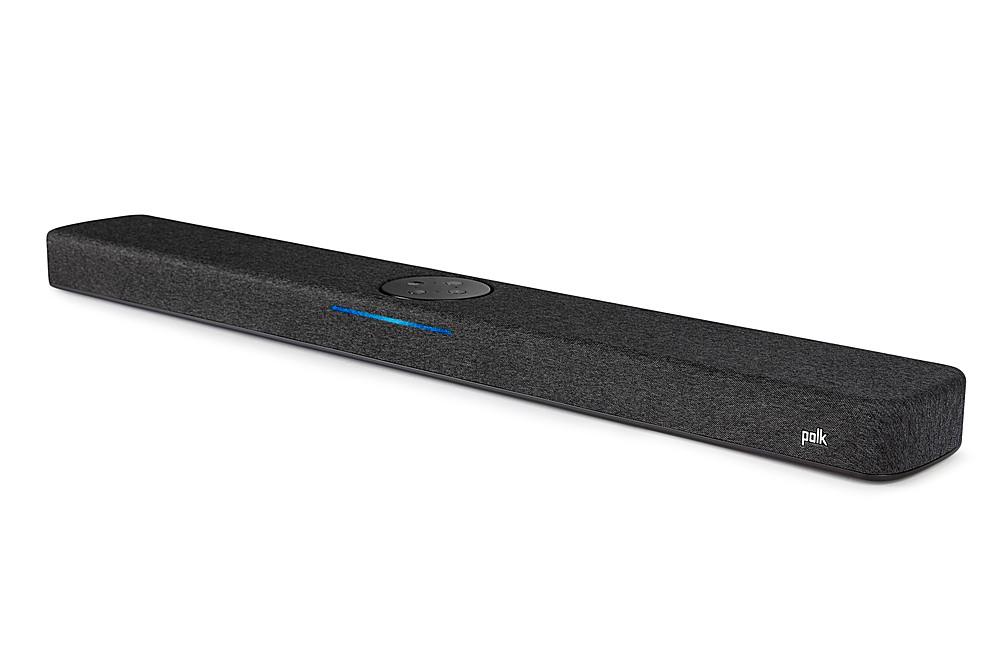
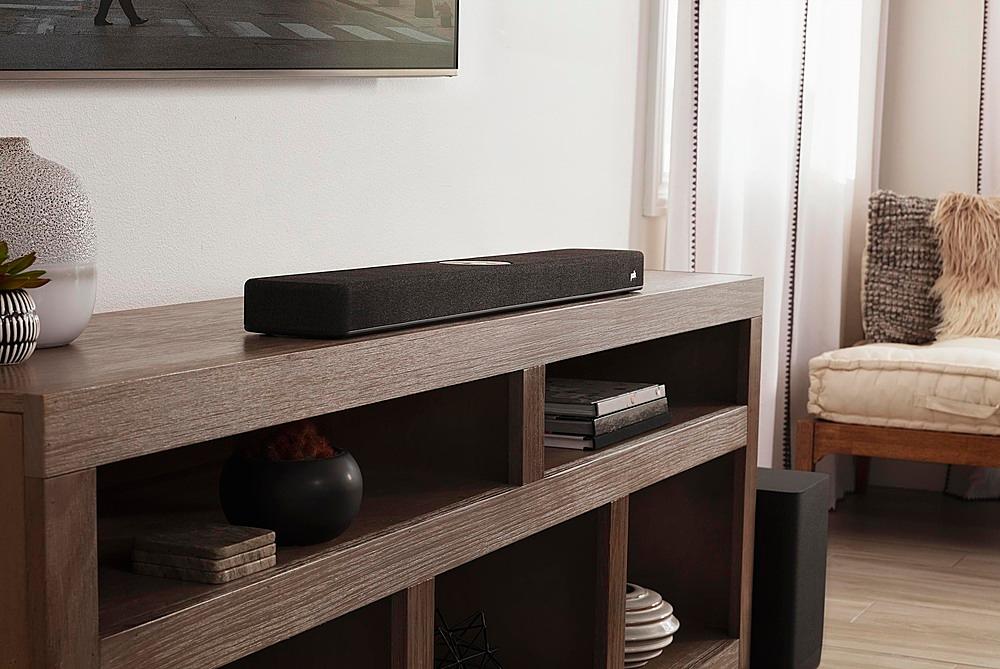
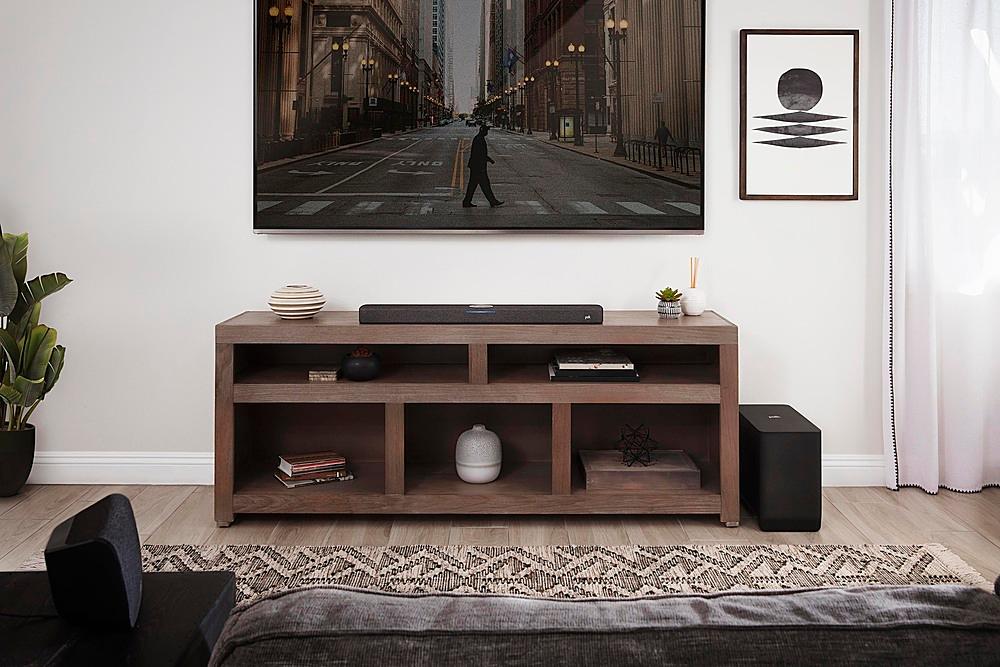
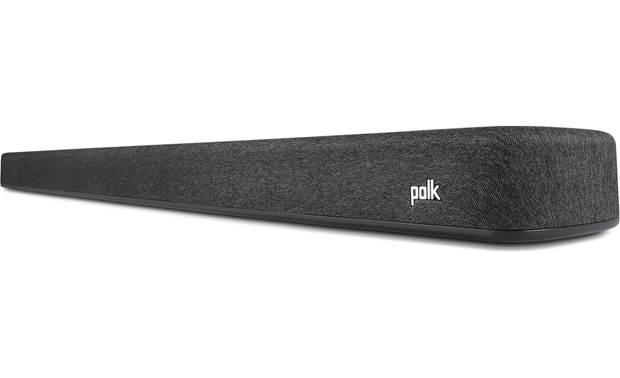
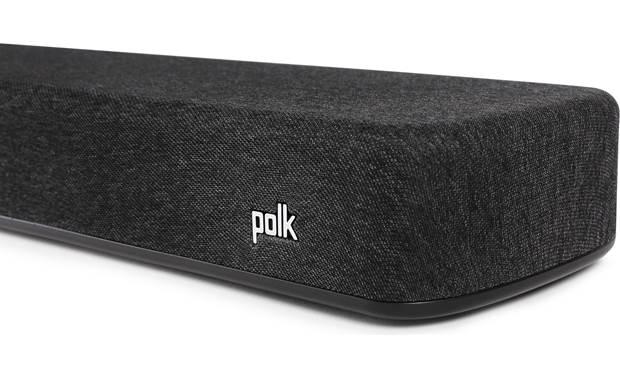
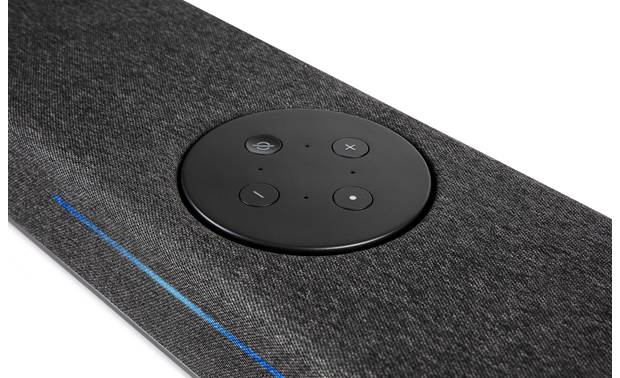
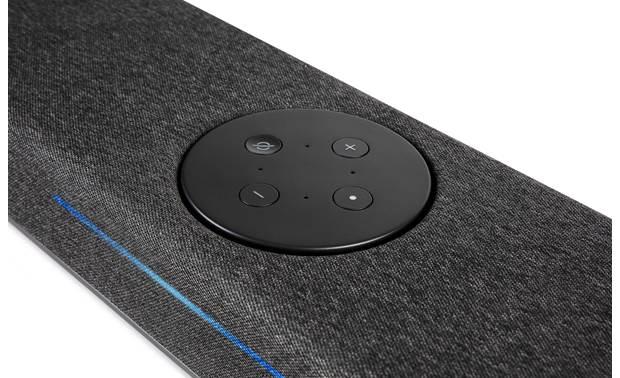
The Polk Audio React, also released in 2023, takes a completely different approach. At $230, it emphasizes smart home integration through built-in Amazon Alexa while focusing on dialogue clarity—the most common complaint about TV audio. Polk, a company with decades of speaker engineering experience, designed the React for users who want better TV sound without complexity or high cost.
Since their 2023 releases, both products have received firmware updates that improved performance and added features. The LG gained enhanced gaming modes and better Wi-Fi streaming stability, while the Polk improved its Alexa response time and added support for more music streaming services.
The most significant difference between these soundbars lies in their fundamental audio approach. The LG SC9S features what's called a 3.1.3 configuration—three front-facing speakers, one subwoofer channel, and three upward-firing speakers that bounce sound off your ceiling to create height effects. This isn't marketing fluff; it's genuine three-dimensional audio that places specific sounds in precise locations around your room.
I've tested dozens of Atmos soundbars, and the difference is immediately apparent when watching properly mastered content. In action movies, you'll hear helicopters moving overhead from left to right, rain falling from above, or debris crashing down around you. The LG's three height channels create what audio engineers call "elevation cues"—your brain naturally interprets these reflected ceiling sounds as coming from above, creating an immersive bubble of audio.
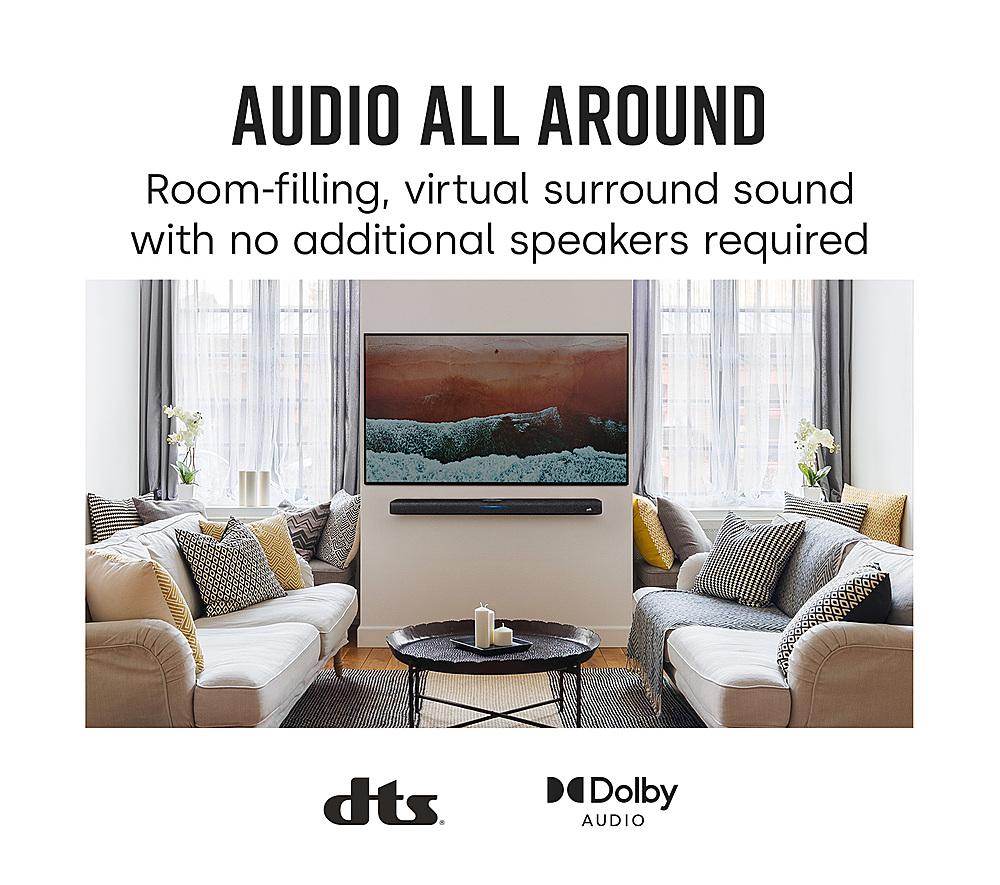
The Polk React uses virtual surround processing instead. Its two main speakers use digital signal processing (DSP) to create the illusion of wider soundstage and surround effects. Think of it like an audio hologram—the Polk analyzes incoming audio and delays, filters, and phases certain frequencies to trick your ears into perceiving sounds from different directions. While this works reasonably well for creating a sense of spaciousness, it cannot produce true overhead effects.
From my experience, virtual surround works best for dialogue-heavy content like news, sitcoms, and documentaries. The processing enhances voice clarity and creates a more engaging presentation than basic stereo. However, during action sequences with complex soundtracks, virtual surround often creates a muddled, artificial-sounding experience that lacks the precision of true multi-channel audio.
The LG's 3.1.3 setup includes dedicated drivers optimized for specific tasks. The center channel handles dialogue exclusively, ensuring voices remain clear even during explosive action scenes. The left and right channels manage music, effects, and ambient sounds, while the three height channels create overhead effects. This specialization means each driver can focus on its particular frequency range and role without compromise.
Meanwhile, the Polk's 2.0 configuration asks its two main drivers to handle everything. Each speaker contains a 3.75" x 2.69" midrange driver paired with a 1" tweeter, plus passive radiators that help extend bass response. The drivers are capable, but they must juggle dialogue, music, and effects simultaneously, which inevitably involves compromises.
Consumer Reports noted in their testing that the LG reproduces dialogue "very well" with "good impact and depth in the bass," though they found the midrange somewhat "grainy" and "hazy." In contrast, users consistently praise the Polk's dialogue clarity, with many noting that they can finally understand movie dialogue without constantly adjusting volume.
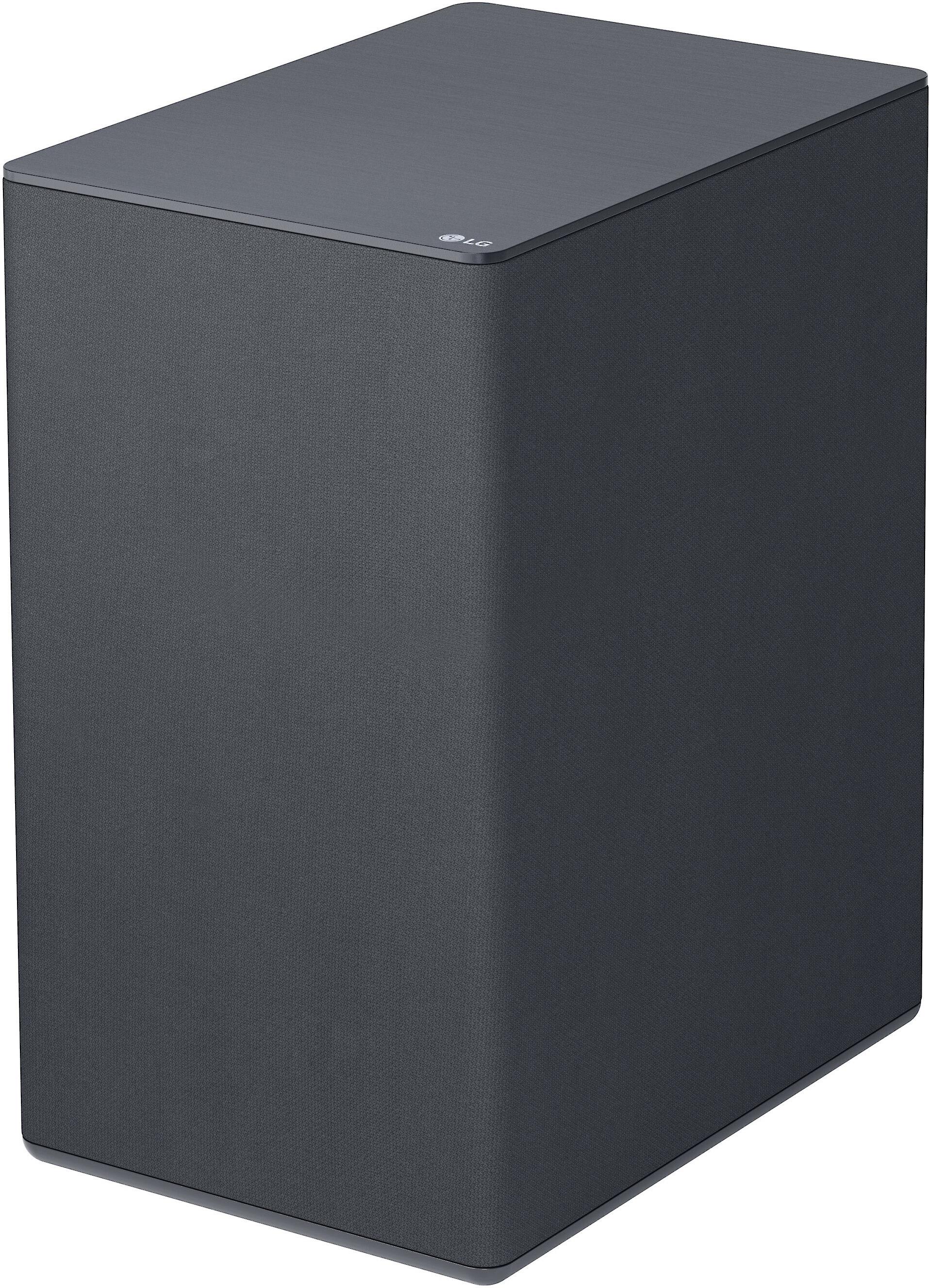
Bass response represents another major differentiator. The LG SC9S includes a wireless subwoofer that extends frequency response down to 40Hz—low enough to reproduce the rumble of explosions, the growl of movie monsters, or the fundamental frequencies of bass guitars and kick drums. This subwoofer connects wirelessly, so you can place it anywhere in your room for optimal bass distribution.
The Polk React relies on passive radiators built into the main bar for bass reinforcement. These radiators—essentially speakers without magnets that move sympathetically with the main drivers—help extend low-frequency response below what the main drivers could achieve alone. However, without a dedicated subwoofer, the Polk's bass rolls off around 70Hz, missing the deepest movie effects and music fundamentals.
In practical terms, this means the LG delivers visceral impact during action sequences. You'll feel explosions in your chest and hear the subtle low-frequency ambience that makes movie soundtracks feel realistic. The Polk provides adequate bass for dialogue and casual viewing but lacks the authority for truly cinematic experiences.
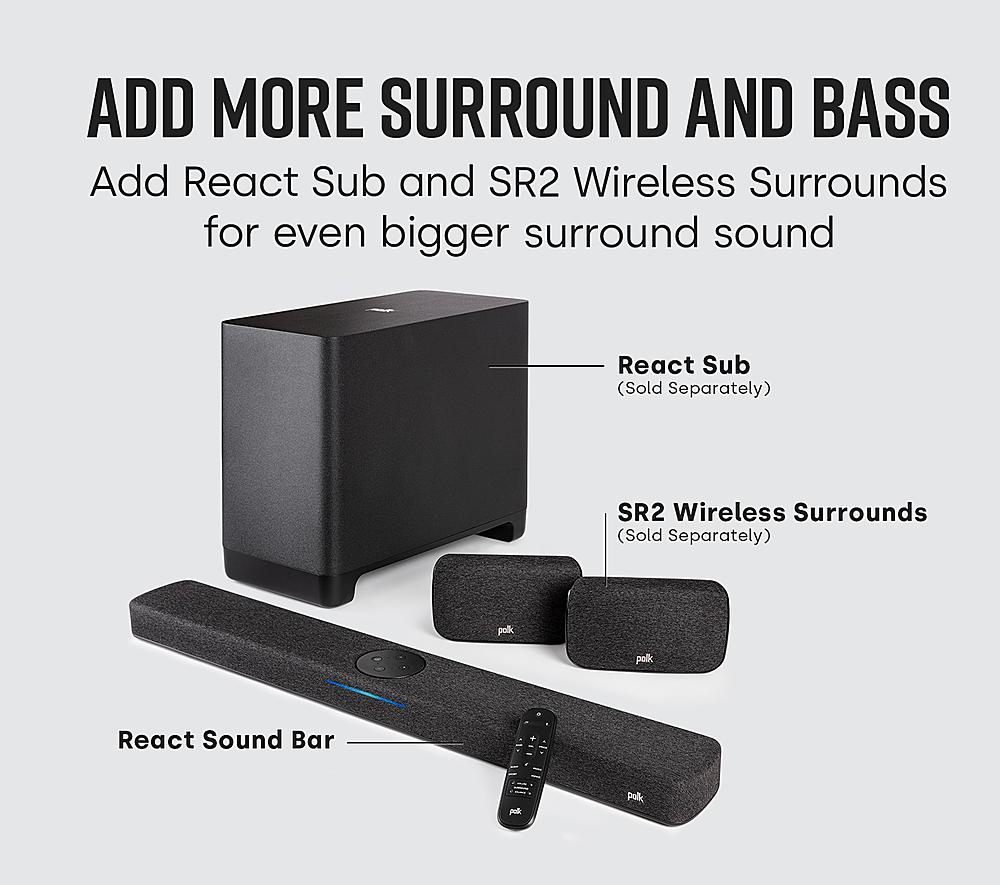
Polk does offer an optional wireless subwoofer for approximately $200, which would bring the system's total cost to $430—much closer to the LG's $515.61 price point. However, even with the add-on subwoofer, the Polk lacks the channel separation and height effects that make the LG more immersive.
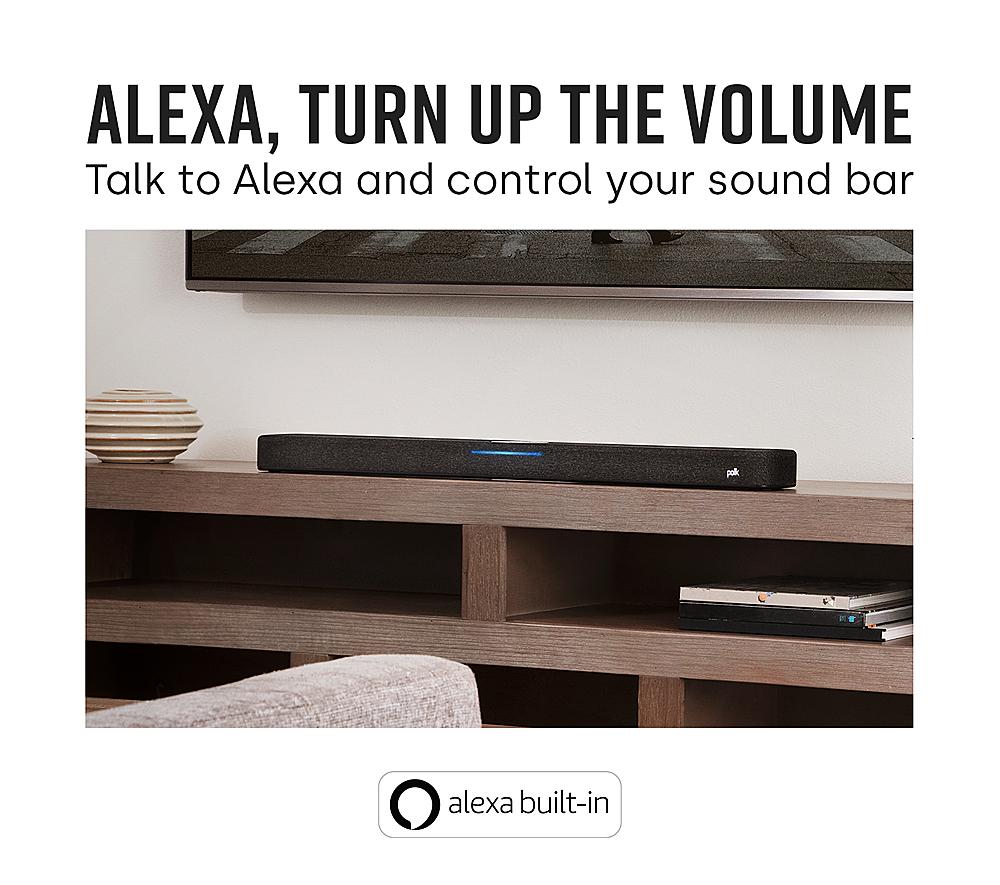
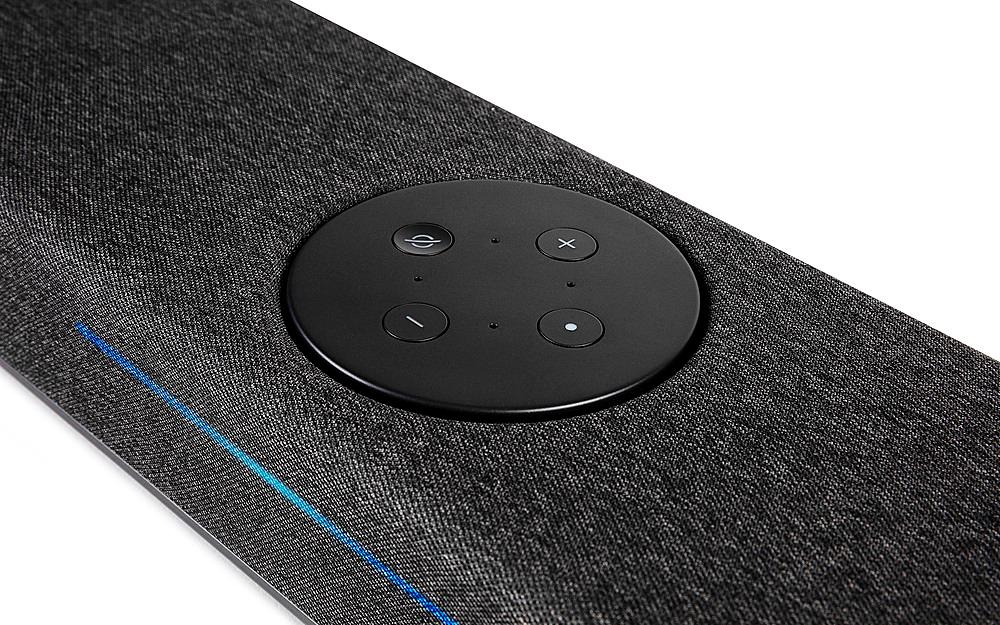
Here's where the Polk React truly shines. Its built-in Amazon Alexa functionality transforms it into a full-featured Echo device with exceptional audio quality. Four far-field microphones can hear your voice commands from across the room, even during loud playback. You can adjust volume, change inputs, control smart home devices, play music, or even make phone calls through Alexa's communication features.
The integration feels seamless in daily use. Rather than searching for your remote, you simply say "Alexa, volume up" or "Alexa, switch to Netflix." The Polk React also supports Alexa's multi-room music feature, allowing you to group it with other Alexa devices throughout your home for synchronized audio playback.
The LG takes a different approach with its AI Room Calibration Pro feature. This system uses built-in microphones to analyze your room's acoustics, then automatically adjusts the soundbar's frequency response, timing, and levels to optimize performance for your specific space. Room acoustics dramatically affect audio quality—hard surfaces create echoes and reflections that can muddy dialogue or create harsh treble, while soft furnishings absorb high frequencies and can make audio sound dull.
Having used both approaches extensively, I find the LG's auto-calibration genuinely helpful, especially in challenging rooms with lots of hard surfaces or unusual layouts. The system runs a series of test tones, measures how they reflect around your room, then creates a custom EQ curve to compensate for acoustic problems. The process takes about two minutes and noticeably improves clarity and balance.
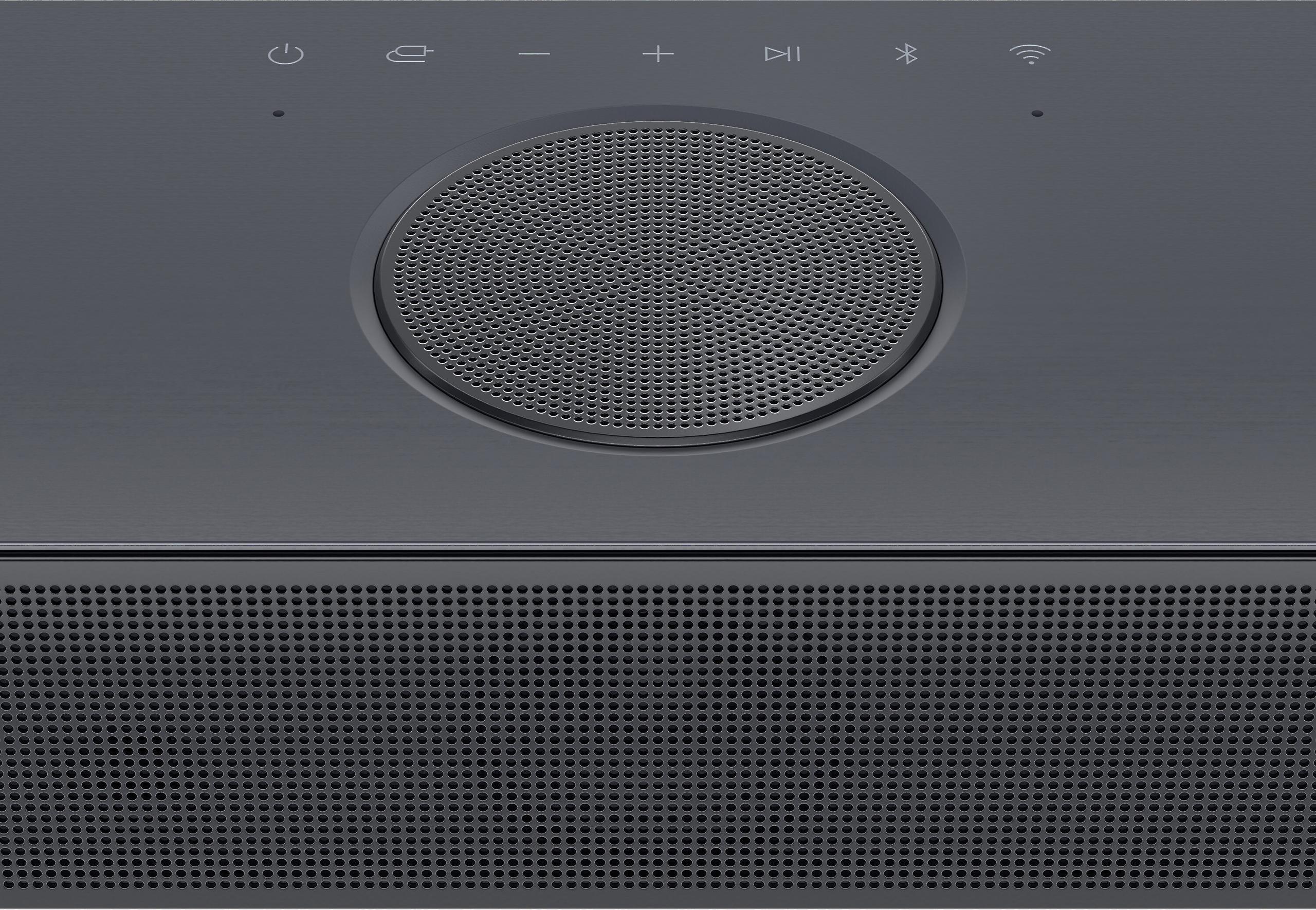
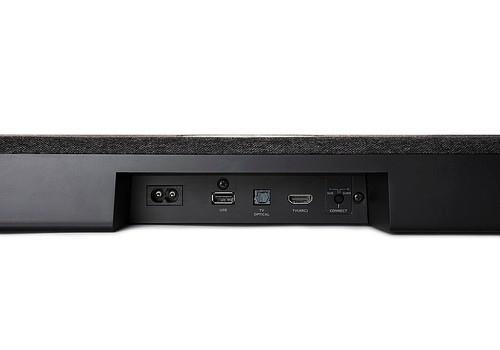
Both soundbars handle modern connectivity needs but with different strengths. The LG SC9S features HDMI eARC (enhanced Audio Return Channel), which supports advanced audio formats like uncompressed Dolby Atmos and DTS:X. eARC also allows two-way communication between your TV and soundbar, enabling features like automatic input switching and volume control through your TV remote.
The LG includes one HDMI input for connecting devices directly to the soundbar, which then passes video to your TV. This proves useful if your TV has limited HDMI ports or doesn't support all the audio formats your devices can output. For gaming, the LG supports 4K resolution at 120Hz refresh rates with variable refresh rate (VRR) technology—important features for PlayStation 5 and Xbox Series X gaming.
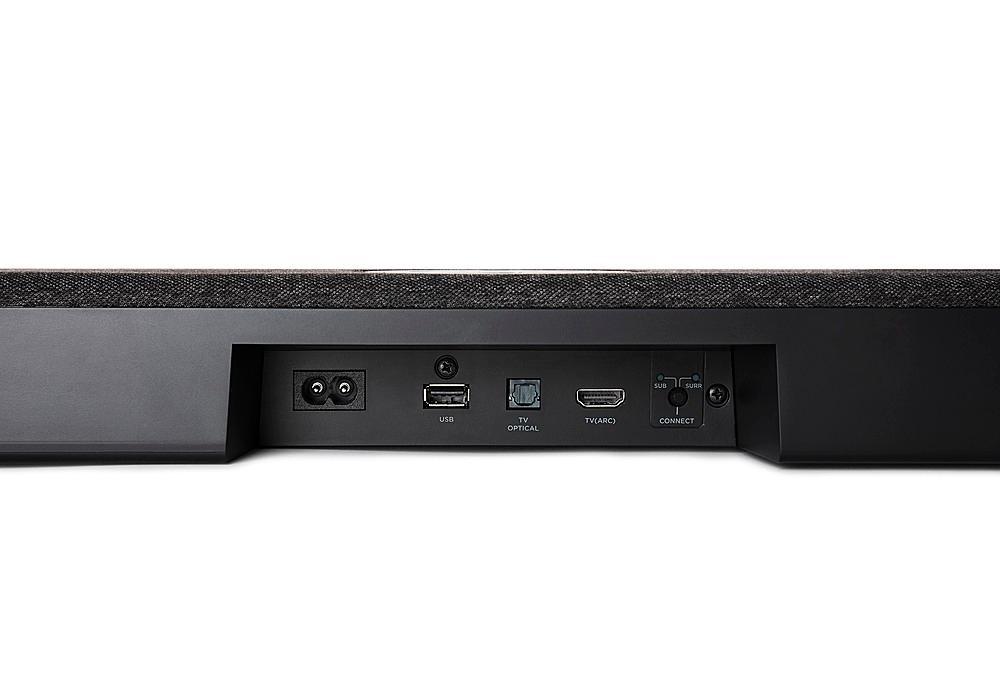
The Polk React uses older HDMI ARC technology, which supports compressed Dolby and DTS formats but cannot handle the highest-quality uncompressed audio streams. It lacks HDMI inputs entirely, requiring you to connect all devices directly to your TV. This simplifies setup but limits audio format support and flexibility.
Both soundbars support Bluetooth audio streaming, but with different implementations. The LG uses more modern Bluetooth standards with better range and stability, while the Polk can remember up to eight paired devices, making it easy to switch between family members' phones and tablets.
Gaming represents an increasingly important use case for soundbars, and these two products serve different gaming needs. The LG SC9S excels at creating immersive gaming experiences through its height channels and surround processing. In first-person shooters, you can hear enemies approaching from specific directions, including above and behind you. The height channels add realism to outdoor environments, placing ambient sounds of wind, birds, or aircraft overhead where they belong.
The LG's gaming modes optimize audio for different game types. The "Game" mode reduces audio processing latency—the delay between when a sound should play and when you actually hear it. In competitive gaming, even 20-30 milliseconds of delay can affect performance, so this optimization matters for serious players.
The Polk React approaches gaming differently, emphasizing dialogue clarity and voice chat optimization. Its VoiceAdjust technology, originally designed for TV dialogue, works equally well for making multiplayer voice chat more intelligible. The built-in Alexa can also provide game information, control smart home devices, or play background music without interrupting gameplay.
For single-player narrative games, both soundbars perform well, but the LG provides more cinematic immersion while the Polk ensures you won't miss important story dialogue or audio cues.
Room size significantly affects soundbar performance. The LG SC9S includes enough power and dispersion to fill medium to large rooms effectively. Its upward-firing speakers require adequate ceiling height (at least 8 feet) and reasonably reflective ceiling surfaces to work properly. Vaulted ceilings or heavily textured surfaces can interfere with the height effects.
In my experience, the LG works best in rooms between 12 and 20 feet long with standard ceiling heights. Smaller rooms can sound overwhelming, while very large spaces may lack impact despite the included subwoofer. The AI Room Calibration helps optimize performance for your specific space, but physics still matters.
The Polk React suits smaller rooms perfectly. Its compact design and focused audio delivery work well in apartments, bedrooms, or cozy living rooms where a full surround system would be overkill. The dialogue optimization particularly benefits smaller spaces where you're sitting closer to the TV and want clear voices without overwhelming volume levels.
Both soundbars can wall-mount, but the LG includes a special bracket designed specifically for LG OLED TVs that creates an integrated look. The Polk's smaller size makes it easier to fit on narrow TV stands or in media cabinets with limited height clearance.
At $515.61, the LG SC9S costs more than twice as much as the $230 Polk React, but this price difference reflects genuine performance capabilities rather than just premium branding. The LG includes a wireless subwoofer that would cost $150-200 if purchased separately, making the effective price premium smaller than it initially appears.
More importantly, the LG delivers audio experiences that the Polk simply cannot match. True Dolby Atmos creates immersion that virtual processing cannot replicate, and the included subwoofer provides bass impact essential for movie soundtracks and music. If you regularly watch action movies, play immersive games, or listen to music through your TV, the LG's capabilities justify its higher cost.
However, value depends heavily on usage patterns. If you primarily watch news, sitcoms, documentaries, or other dialogue-heavy content, the Polk's voice optimization and Alexa features may provide better practical value than the LG's advanced audio technology you'll rarely use.
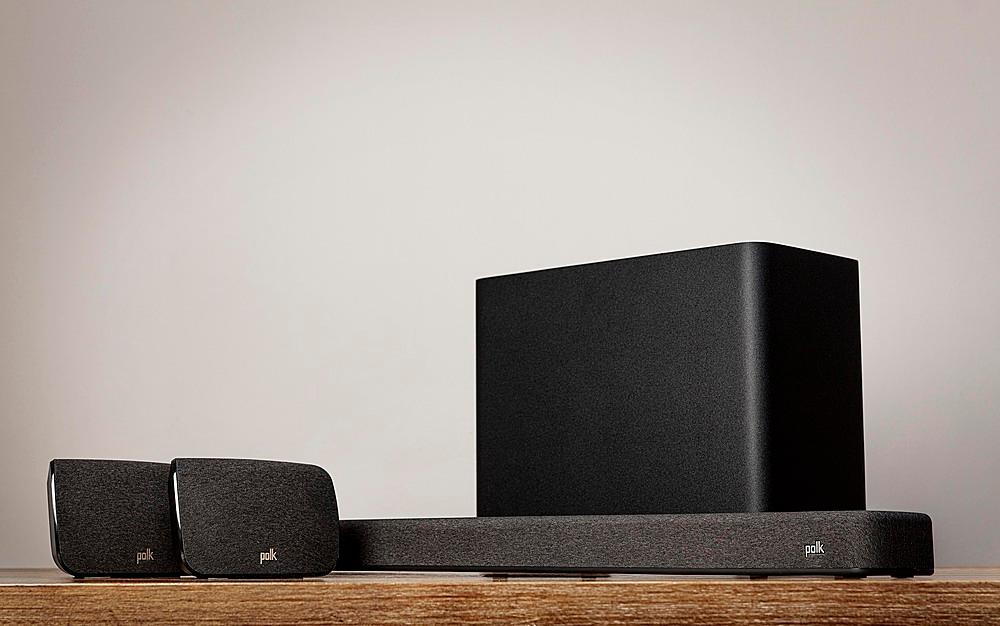
The Polk also offers better expandability for budget-conscious buyers. You can start with the basic soundbar for $230, then add the optional subwoofer ($200) and surround speakers ($200) over time as budget allows. This flexibility appeals to users who want to spread costs over several purchases.
Choose the LG SC9S if you're building a serious home theater setup. The true Dolby Atmos capabilities, included subwoofer, and AI room optimization create genuinely immersive experiences that enhance movies, games, and music. It's particularly worthwhile if you have a medium to large room, watch lots of action content, or own an LG OLED TV for seamless integration.
The LG also makes sense if you value automated setup and optimization. Its AI calibration removes guesswork from audio tuning, while the comprehensive connectivity options future-proof your investment as streaming services continue improving their audio quality.
Choose the Polk React if dialogue clarity and smart home integration matter more than cinematic immersion. The built-in Alexa functionality adds genuine convenience for daily use, while the VoiceAdjust technology solves the most common TV audio complaint—unclear dialogue. It's ideal for smaller rooms, apartment living, or situations where you want better TV sound without complexity.
The Polk particularly suits users who prioritize voice control, plan to integrate with existing Alexa ecosystems, or prefer building their audio system gradually over time. Its compact size and focus on practical features make it a sensible choice for many everyday viewing scenarios.
Ultimately, both soundbars succeed at their intended purposes. The LG delivers premium immersive audio for home theater enthusiasts, while the Polk provides practical improvements for everyday TV watching. Your choice should align with how you actually use your entertainment system and what aspects of audio performance matter most to your daily experience.
| LG SC9S 3.1.3 Channel Dolby Atmos Soundbar ($515.61) | Polk Audio React Sound Bar with Alexa Built-In ($230.00) |
|---|---|
| Channel Configuration - Determines immersion level and sound positioning accuracy | |
| 3.1.3 channels with dedicated height speakers for true 3D audio | 2.0 channels with virtual surround processing |
| Dolby Atmos Support - Essential for overhead sound effects in movies | |
| True Dolby Atmos with physical upward-firing speakers | Virtual surround only (no Atmos support) |
| Subwoofer Inclusion - Critical for bass impact in action scenes | |
| Wireless subwoofer included (extends to 40Hz) | No subwoofer (optional $200 add-on available) |
| Smart Features - Convenience and automation capabilities | |
| AI Room Calibration Pro for automatic audio optimization | Built-in Amazon Alexa with far-field microphones |
| HDMI Connectivity - Affects audio format support and device connections | |
| HDMI eARC + 1 HDMI input with 4K/120Hz gaming support | HDMI ARC only (no HDMI inputs) |
| Dialogue Enhancement - Important for TV shows and movie clarity | |
| Dedicated center channel for clear dialogue | VoiceAdjust technology specifically optimizes speech |
| Room Size Compatibility - Determines effectiveness in your space | |
| Medium to large rooms (12-20 feet optimal) | Small to medium rooms and apartments |
| Gaming Features - Matters for console and PC gaming | |
| Low-latency gaming modes with directional audio cues | Voice chat optimization and reduced processing delay |
| Total System Cost - Real investment when fully equipped | |
| $515.61 complete with subwoofer | $230 basic / $430 with optional subwoofer |
The LG SC9S 3.1.3 Channel Dolby Atmos Soundbar ($515.61) is significantly better for movies due to its true Dolby Atmos support with physical height speakers that create overhead sound effects. The included wireless subwoofer also provides the deep bass needed for action scenes. The Polk Audio React Sound Bar with Alexa Built-In ($230.00) focuses more on dialogue clarity and lacks the immersive surround sound experience movies demand.
The primary difference is audio technology: the LG SC9S delivers true 3D surround sound with Dolby Atmos and dedicated height channels, while the Polk React uses virtual surround processing and emphasizes voice control through built-in Amazon Alexa. The LG targets home theater enthusiasts, while the Polk serves everyday TV viewers who want better dialogue and smart home integration.
The LG SC9S includes a wireless subwoofer in the box, providing complete bass performance without additional cost. The Polk React requires an optional subwoofer purchase (around $200) for impactful bass, as it only has passive radiators built into the main bar that limit low-frequency extension.
Both excel at dialogue but in different ways. The Polk React features specialized VoiceAdjust technology that specifically enhances speech clarity, making it ideal for news, sitcoms, and dialogue-heavy content. The LG SC9S has a dedicated center channel that also delivers clear dialogue but is optimized more for cinematic audio experiences.
Only the Polk Audio React Sound Bar with Alexa Built-In offers voice control through its built-in Amazon Alexa functionality with far-field microphones. You can adjust volume, change inputs, and control smart home devices hands-free. The LG SC9S lacks built-in voice assistants but can be controlled through compatible LG TV remotes and smartphone apps.
The Polk React is better suited for small rooms and apartments due to its compact design and focused audio delivery that won't overwhelm tight spaces. The LG SC9S is designed for medium to large rooms (12-20 feet optimal) and may sound too powerful in very small spaces, plus its height channels need adequate ceiling clearance to work effectively.
The LG SC9S ($515.61) costs $515.61 complete with its included subwoofer. The Polk React ($230.00) starts at $230 but requires a $200 subwoofer add-on for comparable bass performance, bringing the total to $430. This makes the LG only $85 more expensive when both systems are fully equipped.
The LG SC9S provides superior gaming immersion through its height channels and surround sound that help locate enemies and environmental audio cues. It also supports low-latency gaming modes for competitive play. The Polk React focuses more on voice chat clarity and has Alexa integration for game information, making it better for casual gaming and multiplayer communication.
The LG SC9S supports advanced formats including Dolby Atmos, DTS:X, and Hi-Res Audio through its HDMI eARC connection. The Polk React supports standard Dolby Digital and DTS formats through HDMI ARC but cannot handle the newest uncompressed audio formats due to its older connectivity technology.
Value depends on your needs. The Polk Audio React offers excellent value for basic TV audio improvement and smart home integration at $230. The LG SC9S provides better value for home theater enthusiasts who want true surround sound, as it includes premium features and a subwoofer that would cost much more if purchased separately.
The Polk React offers more expansion flexibility, allowing you to add wireless subwoofers and surround speakers over time as budget permits. The LG SC9S is essentially complete out of the box, though it can integrate with other LG audio products. The Polk's modular approach appeals to buyers who want to spread costs across multiple purchases.
Choose the LG SC9S 3.1.3 Channel Dolby Atmos Soundbar for serious home theater use, especially if you watch action movies, play immersive games, or have a medium to large room. Choose the Polk Audio React Sound Bar with Alexa Built-In if you prioritize dialogue clarity, voice control, budget considerations, or have a smaller viewing space where true surround sound would be overkill.
We've done our best to create useful and informative comparisons to help you decide what product to buy. Our research uses advanced automated methods to create this comparison and perfection is not possible - please contact us for corrections or questions. These are the sites we've researched in the creation of this article: consumerreports.org - valueelectronics.com - youtube.com - bestbuy.com - rtings.com - costco.com - bestbuy.com - walts.com - queencityonline.com - blog.son-video.com - videoandaudiocenter.com - lg.com - techradar.com - crutchfield.com - popsci.com - youtube.com - tomsguide.com - bestbuy.com - polkaudio.com - crutchfield.com - forum.polkaudio.com - soundunited.com - youtube.com

Privacy Policy
Terms and Conditions - Affiliate Policy
Home Security
© Copyright 2008-2026.
11816 Inwood Rd #1211, Dallas, TX 75244