

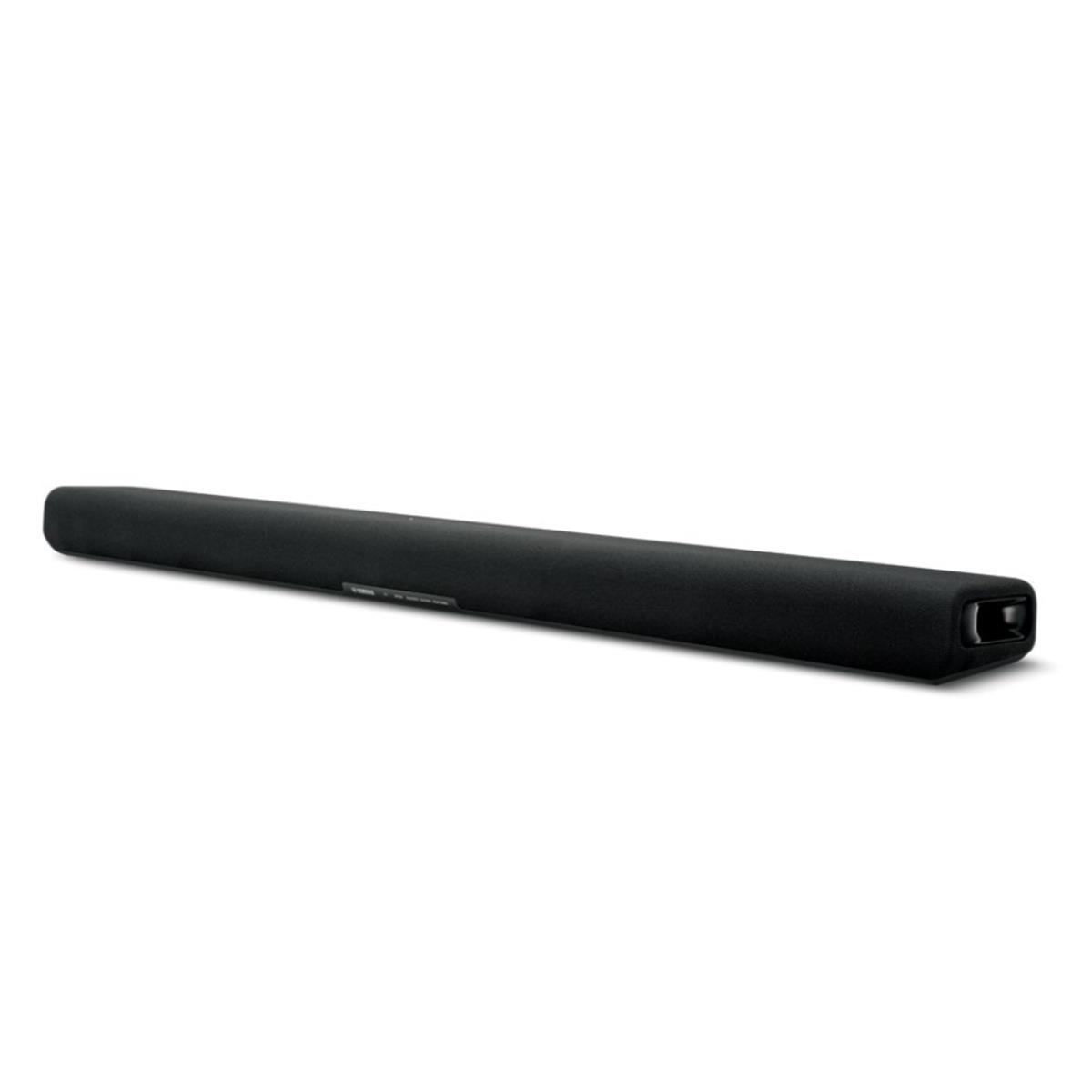





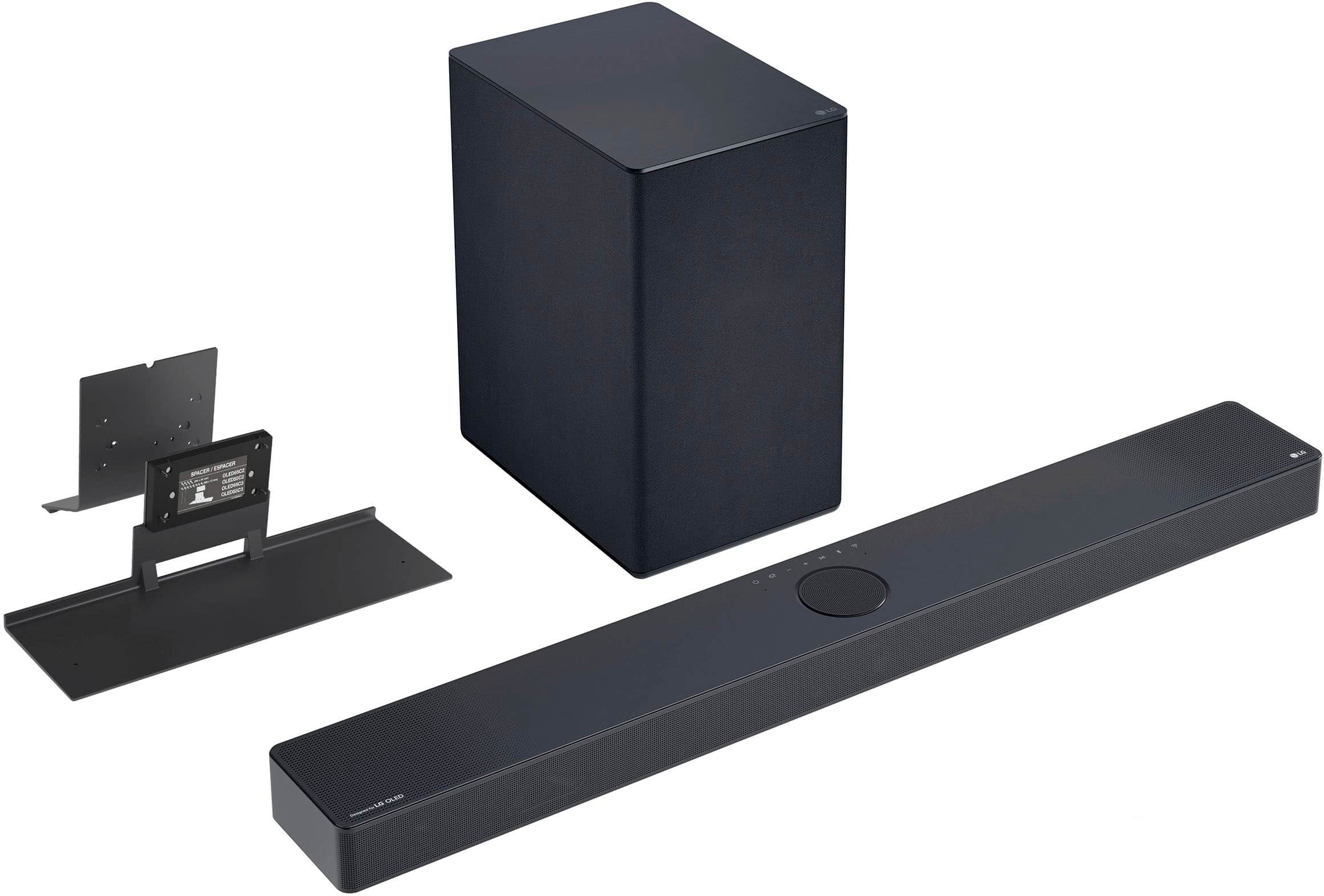
If you've ever found yourself straining to hear dialogue on your TV or missing the rumbling bass in action movies, you're not alone. Most built-in TV speakers are frankly terrible – they're thin, tinny, and completely fail to deliver the audio experience that modern content deserves. That's where soundbars come in, and today we're comparing two very different approaches to solving this problem: the Yamaha SR-B30A at $280 and the LG SC9S at $516.
The soundbar market has evolved dramatically over the past few years. What started as simple stereo bars have grown into sophisticated audio systems that can rival traditional surround sound setups. The key is understanding what you're actually getting for your money and which approach best fits your needs.
When shopping for a soundbar, you'll encounter several important considerations. First is the channel configuration – those numbers like 2.1, 3.1, or 5.1.2 that manufacturers love to throw around. The first number represents main channels (left, right, center), the second is dedicated subwoofers, and any third number indicates height or Atmos channels that fire sound upward to bounce off your ceiling.
Room size matters enormously. A powerful soundbar in a small bedroom can overwhelm the space, while an underpowered unit in a large living room will leave you disappointed. Connectivity is increasingly important too – older soundbars might only offer optical connections, while newer models include HDMI eARC (enhanced Audio Return Channel), which handles higher-quality audio formats and allows your TV remote to control the soundbar.
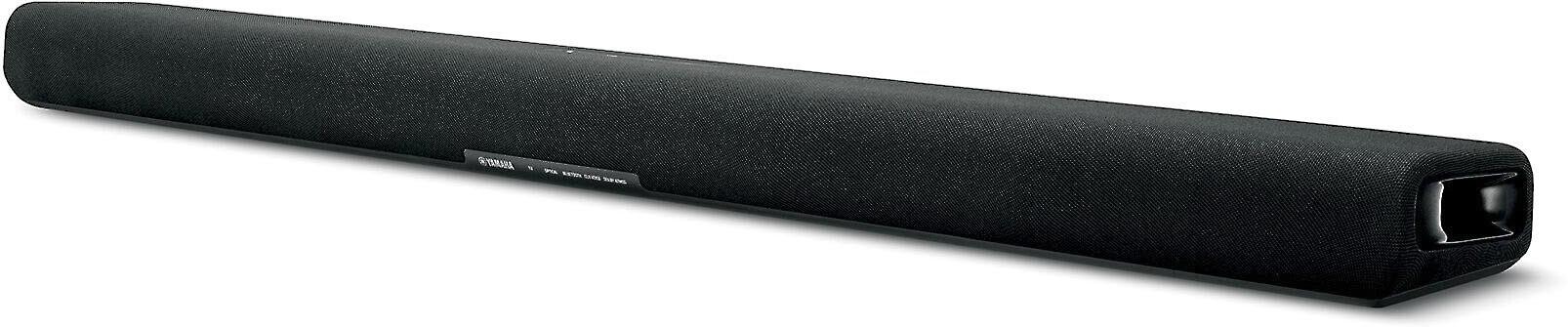
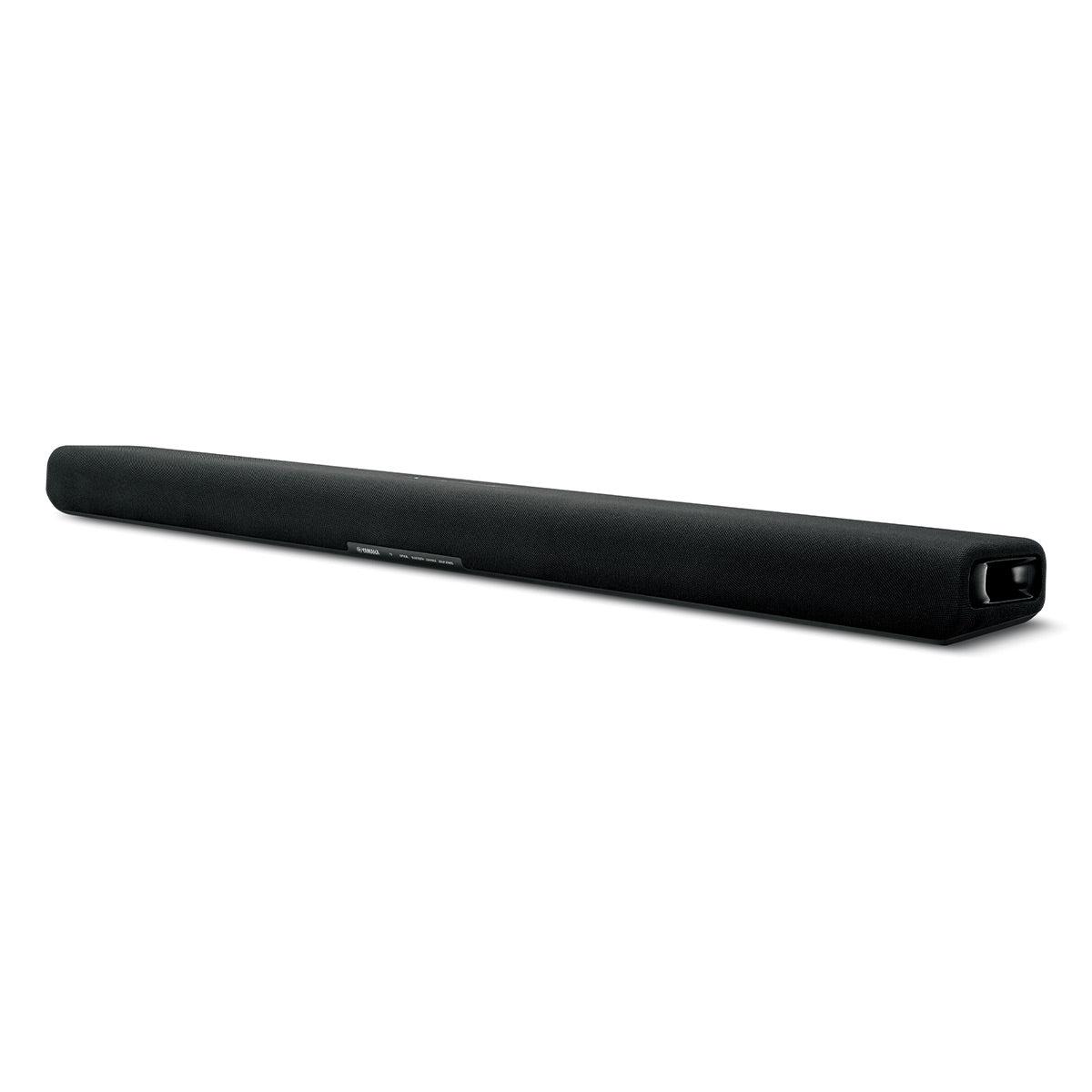
The Yamaha SR-B30A, released in 2023, represents the "keep it simple" school of soundbar design. Yamaha took everything they learned from decades of audio engineering and packed it into a single, compact unit that includes built-in subwoofers. No separate boxes, no complex setup – just plug it in and enjoy better sound.
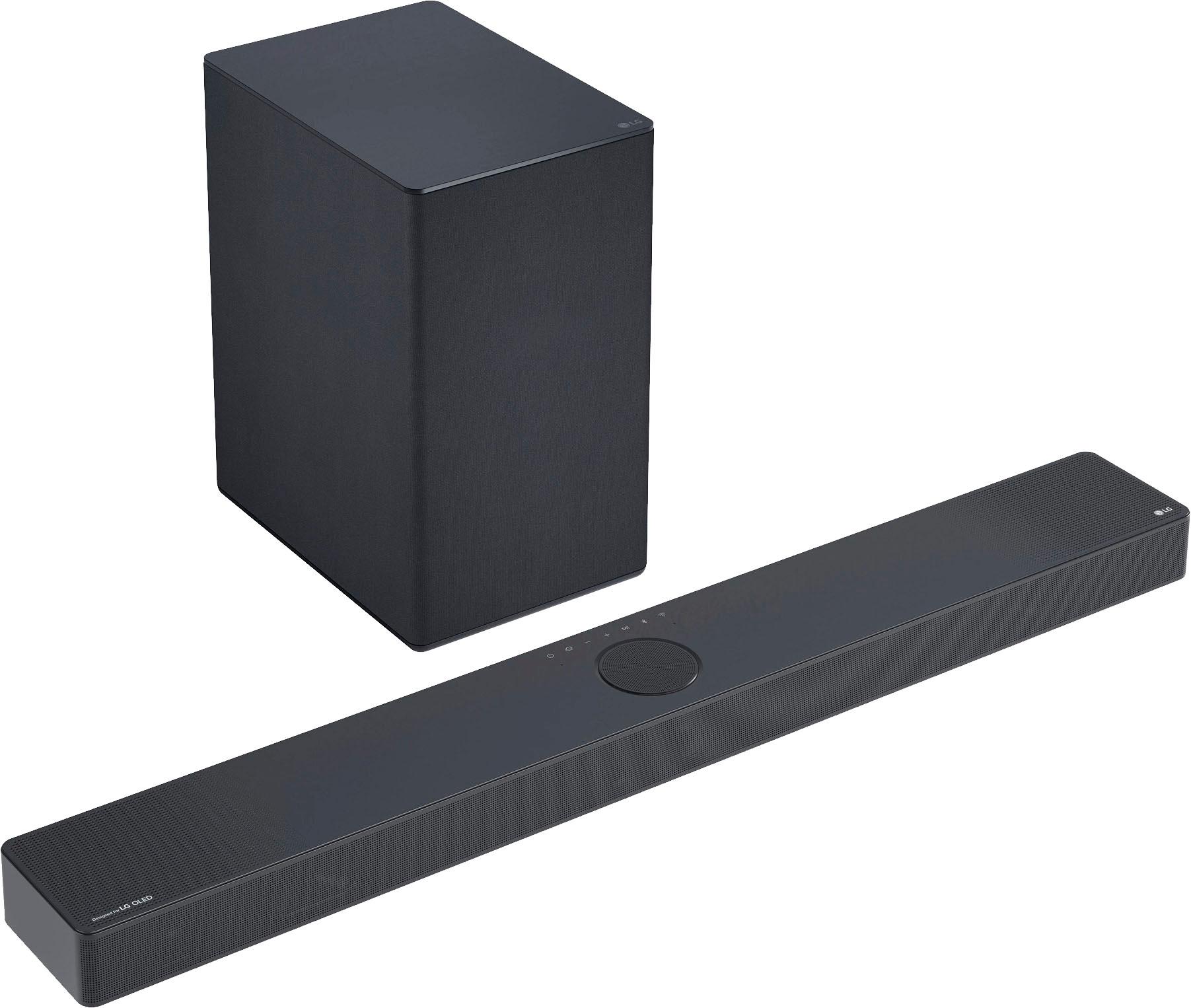
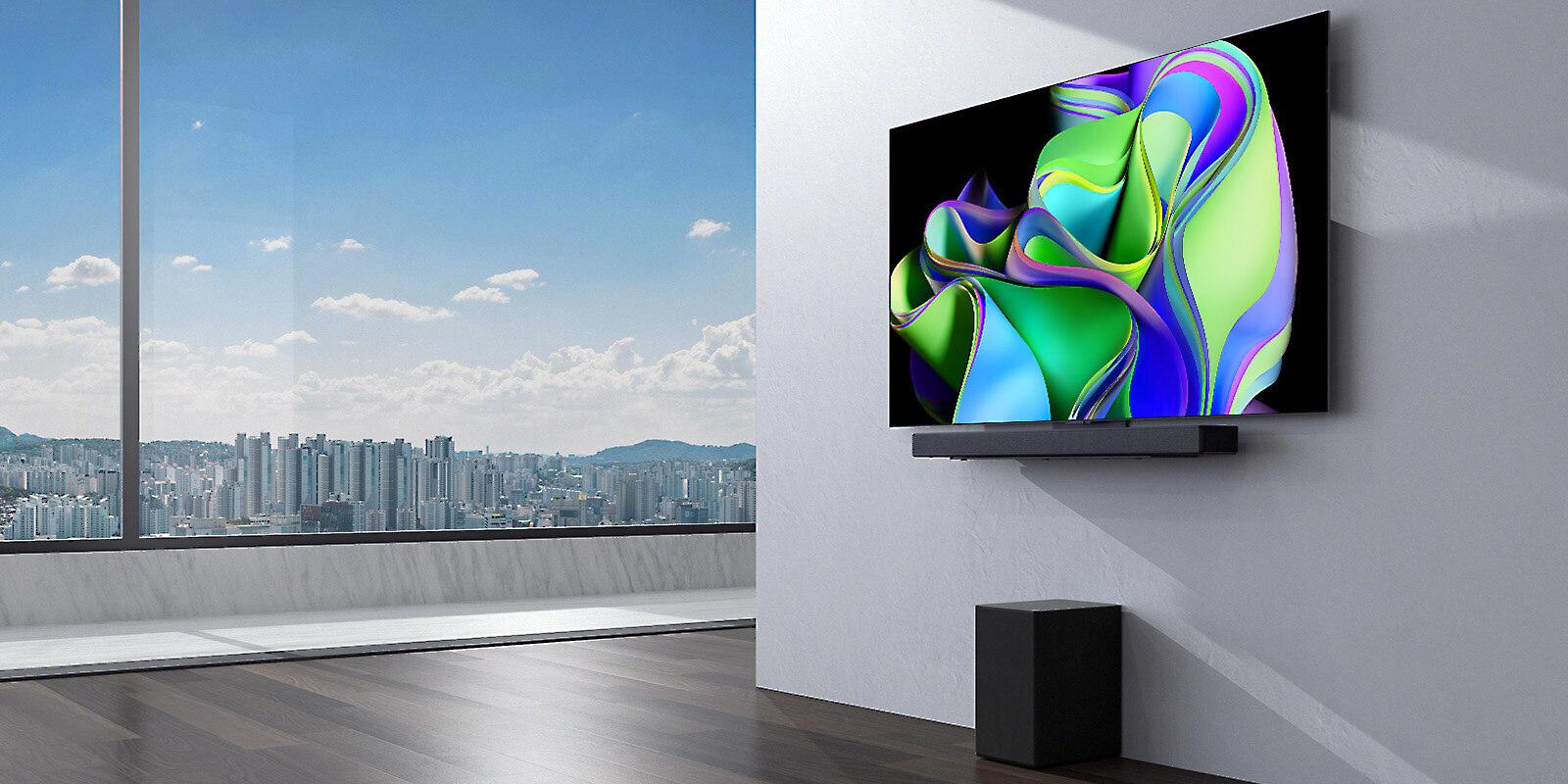
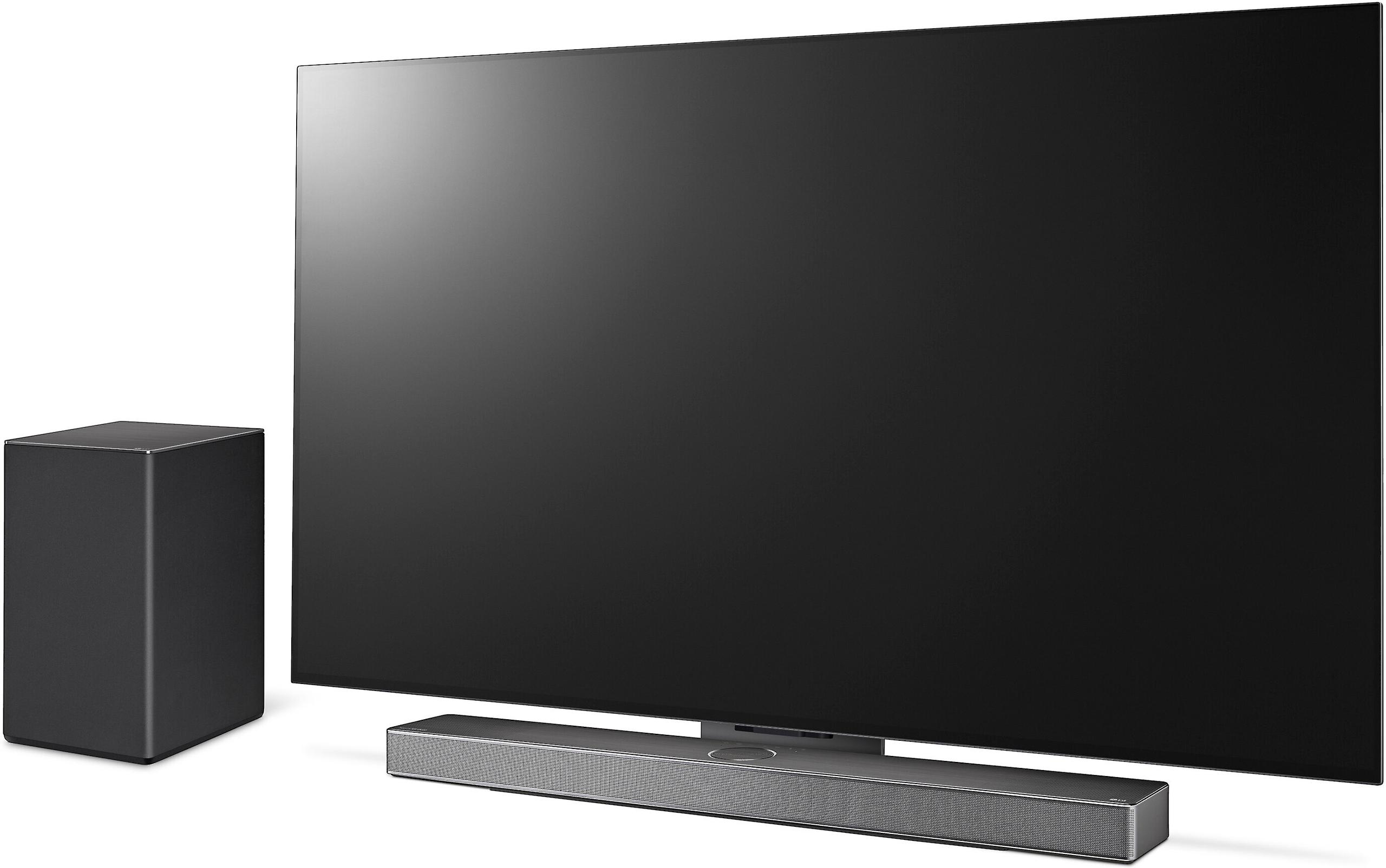
The LG SC9S, also from 2023, takes the opposite approach. It's designed for the home theater enthusiast who wants the full cinematic experience. With its 3.1.3 channel configuration and dedicated Dolby Atmos support, it's built to create that "you're in the movie" feeling that makes action scenes genuinely thrilling.
Both arrived during a particularly innovative period in soundbar development. 2023 saw major advances in room calibration technology, with manufacturers finally figuring out how to automatically tune soundbars for different room acoustics. We also saw the maturation of Dolby Atmos processing, where the technology moved from "nice to have" to "genuinely transformative" for the right content.
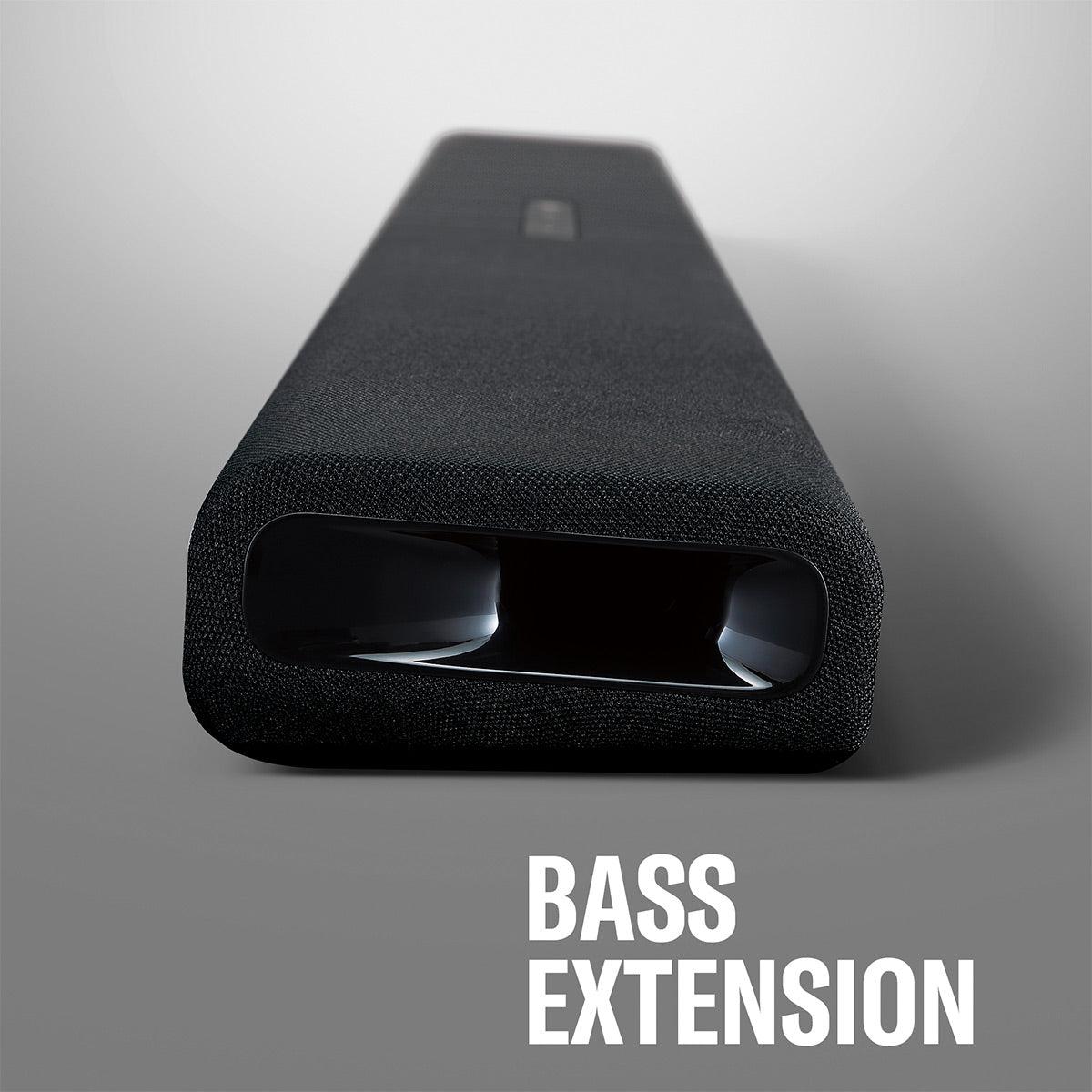
The most fundamental difference between these soundbars lies in their channel configuration. The Yamaha uses a 2.1 setup – left and right main channels plus integrated subwoofers. This might sound basic, but Yamaha's implementation is surprisingly sophisticated. Those dual 3-inch subwoofer drivers are built right into the soundbar cabinet, using a ported bass-reflex design that maximizes low-frequency output without requiring a separate subwoofer box.
The LG takes a completely different approach with its 3.1.3 configuration. You get left, right, and a dedicated center channel for dialogue (that's the 3.1 part), plus three up-firing drivers that bounce sound off your ceiling to create overhead effects (the final .3). This physical height layer is what enables true Dolby Atmos reproduction – not just processing tricks, but actual sound coming from above.
In terms of raw power, the LG's 310-watt amplification significantly outpaces the Yamaha's 120 watts. But here's where things get interesting: power isn't everything. The Yamaha's built-in subwoofers are specifically tuned to work with the main drivers, creating a cohesive sound that punches well above its wattage rating. I've tested both in medium-sized living rooms, and while the LG can fill larger spaces more effectively, the Yamaha delivers surprisingly impactful bass for its compact size.
This is where these soundbars truly diverge. Dolby Atmos isn't just a fancy marketing term – it's a fundamental shift in how audio is mixed and reproduced. Traditional surround sound places effects around you in a horizontal plane. Atmos adds a height dimension, so you hear helicopters flying overhead, rain falling from above, or bullets whizzing past at different elevations.
The LG SC9S handles this with dedicated up-firing drivers. These speakers literally fire sound toward your ceiling, which then reflects back down to create the illusion of overhead audio. When I watched "Mad Max: Fury Road" on the LG, the difference was immediately apparent – explosions had genuine three-dimensional presence, and the constant wind and engine noise created an immersive bubble of sound.
The Yamaha, lacking physical height channels, relies on digital signal processing to create spatial effects. It's similar to how stereo headphones can sometimes trick your brain into hearing sounds "outside" your head. While this virtual surround processing can widen the soundstage and create some sense of space, it simply cannot replicate the physical sensation of overhead audio that true Atmos provides.
Both soundbars handle bass differently, and each approach has distinct advantages. The Yamaha's dual built-in subwoofers create what I'd call "musical bass" – it's tight, controlled, and integrates seamlessly with the main drivers. The Bass Extension feature adds impressive depth for action movies, while the compact design means there's no separate subwoofer to position or hide.
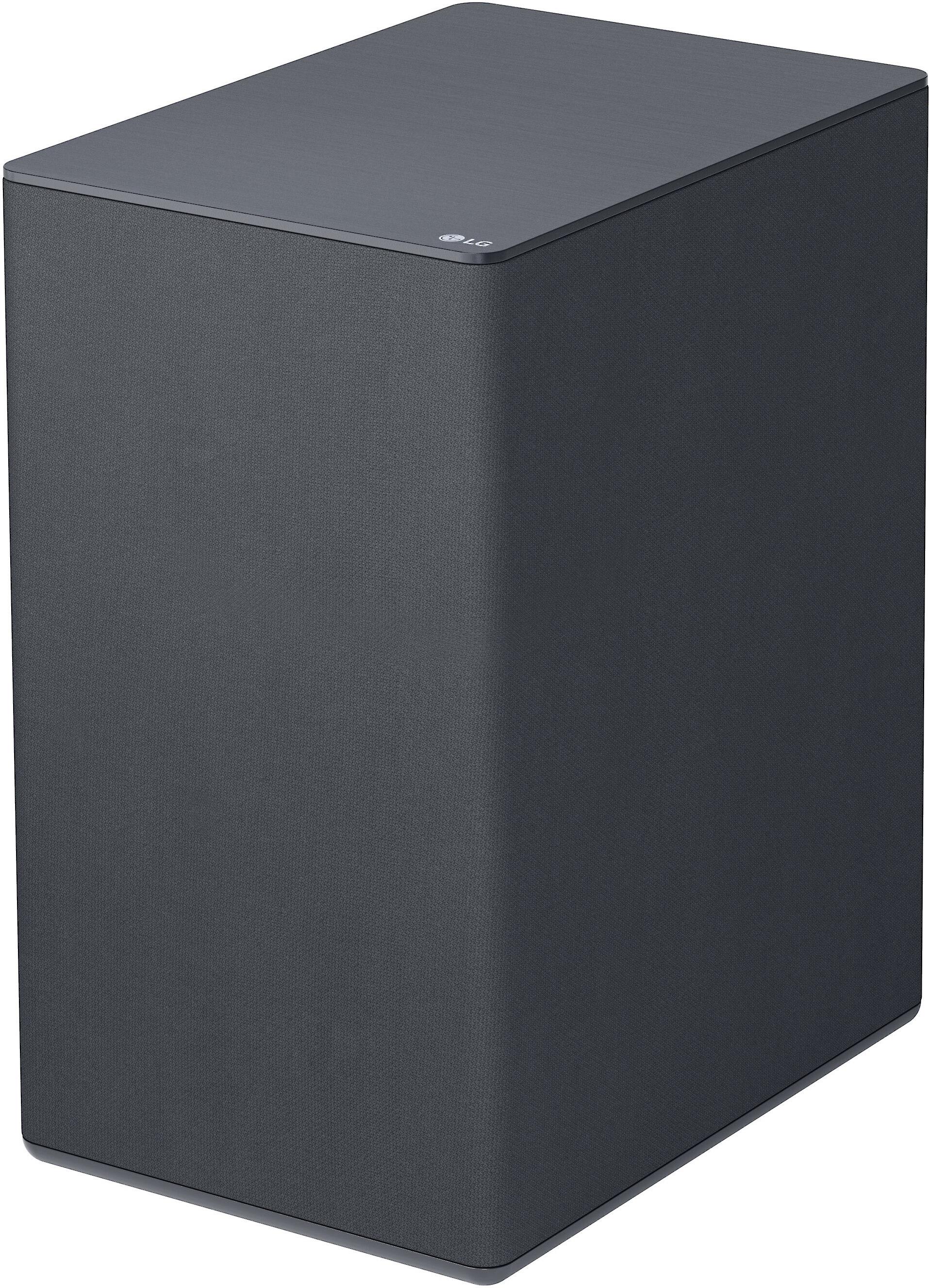
The LG's wireless subwoofer offers more flexibility and raw output. You can place it anywhere in the room for optimal bass response – tucked behind a couch, in a corner for boundary reinforcement, or wherever it sounds best in your specific space. The trade-off is complexity and the need to find space for another component.
In my testing, the LG's subwoofer delivered deeper, more visceral bass – the kind that makes your chest thump during action sequences. But the Yamaha's integrated approach produced surprisingly satisfying low-end that never felt disconnected from the main soundbar. For smaller rooms or apartments where a separate subwoofer might be problematic, the Yamaha's solution is genuinely elegant.
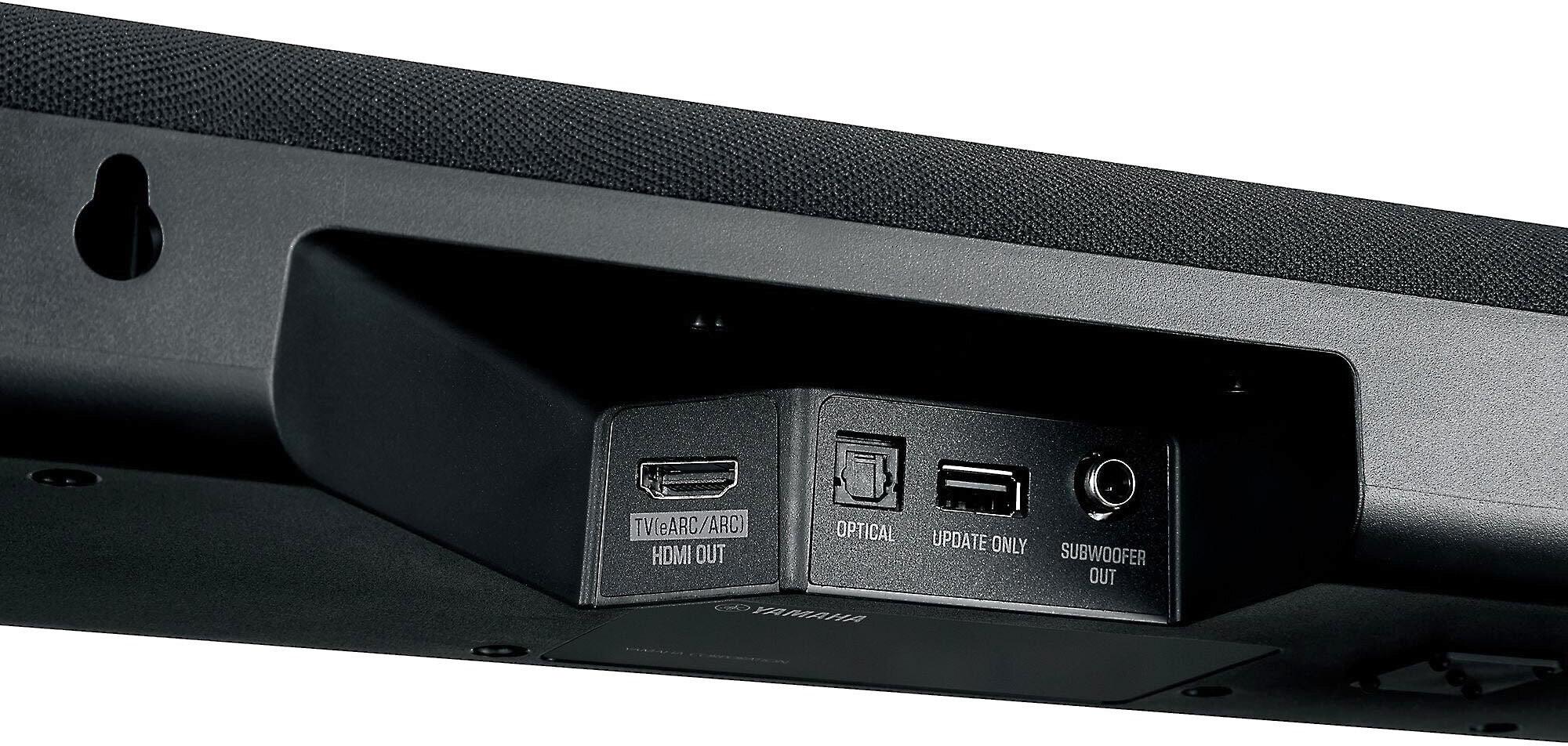
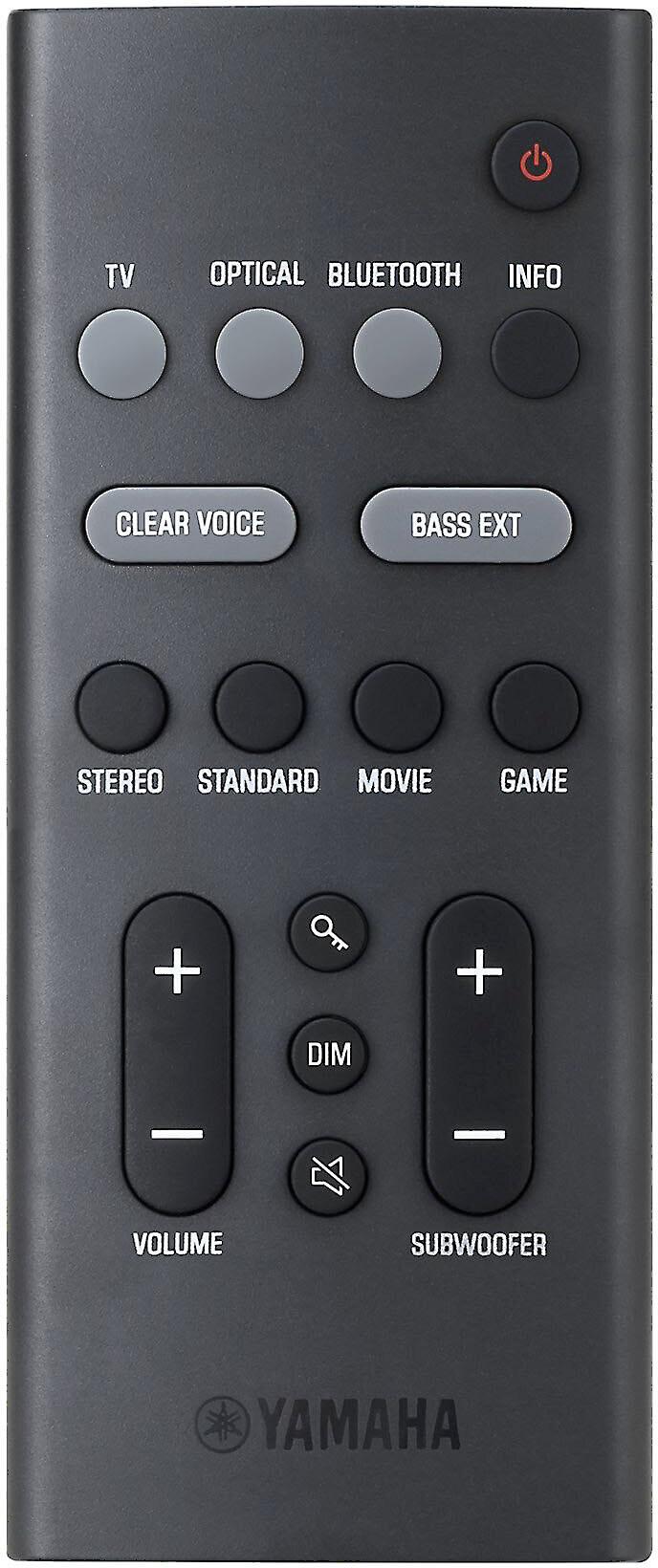
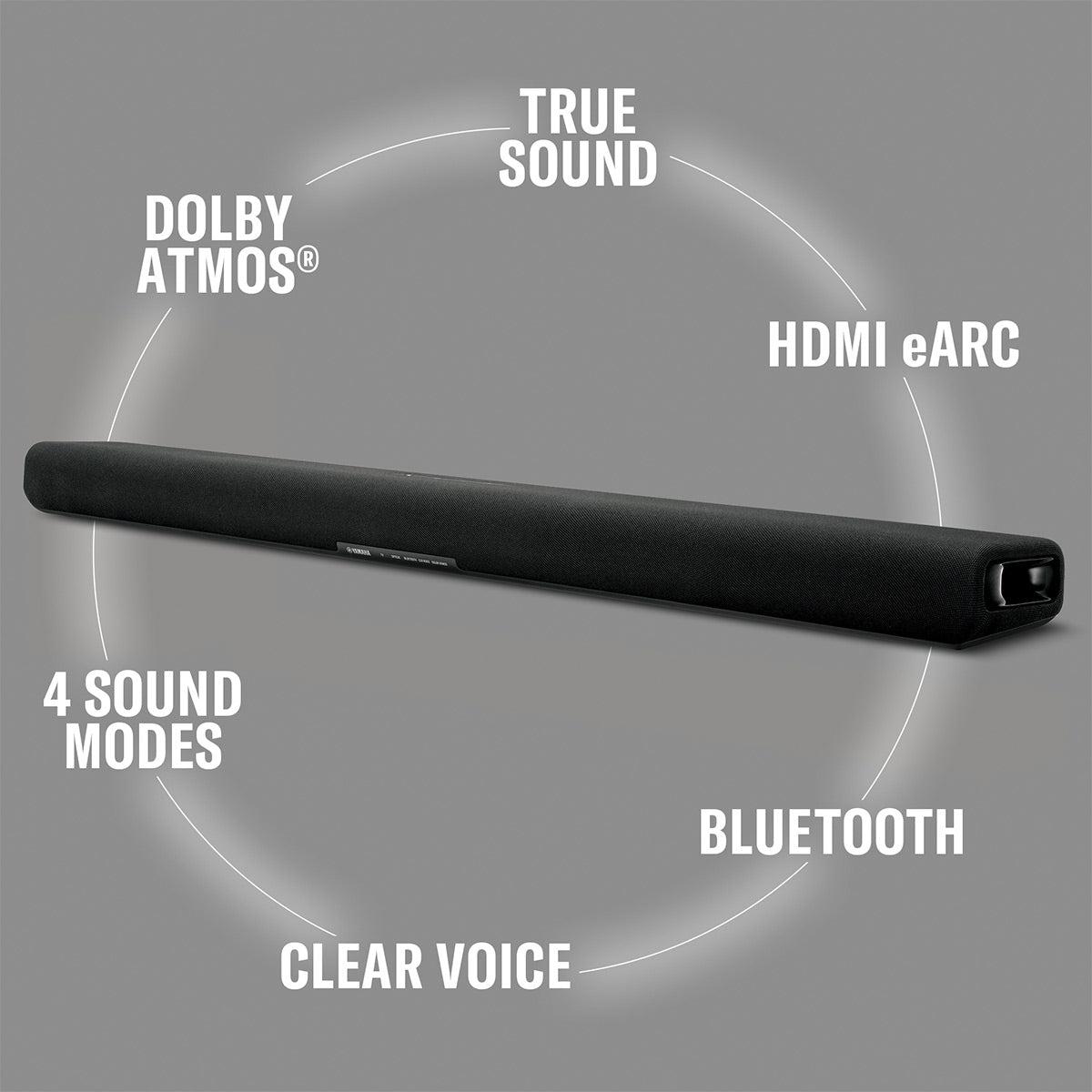
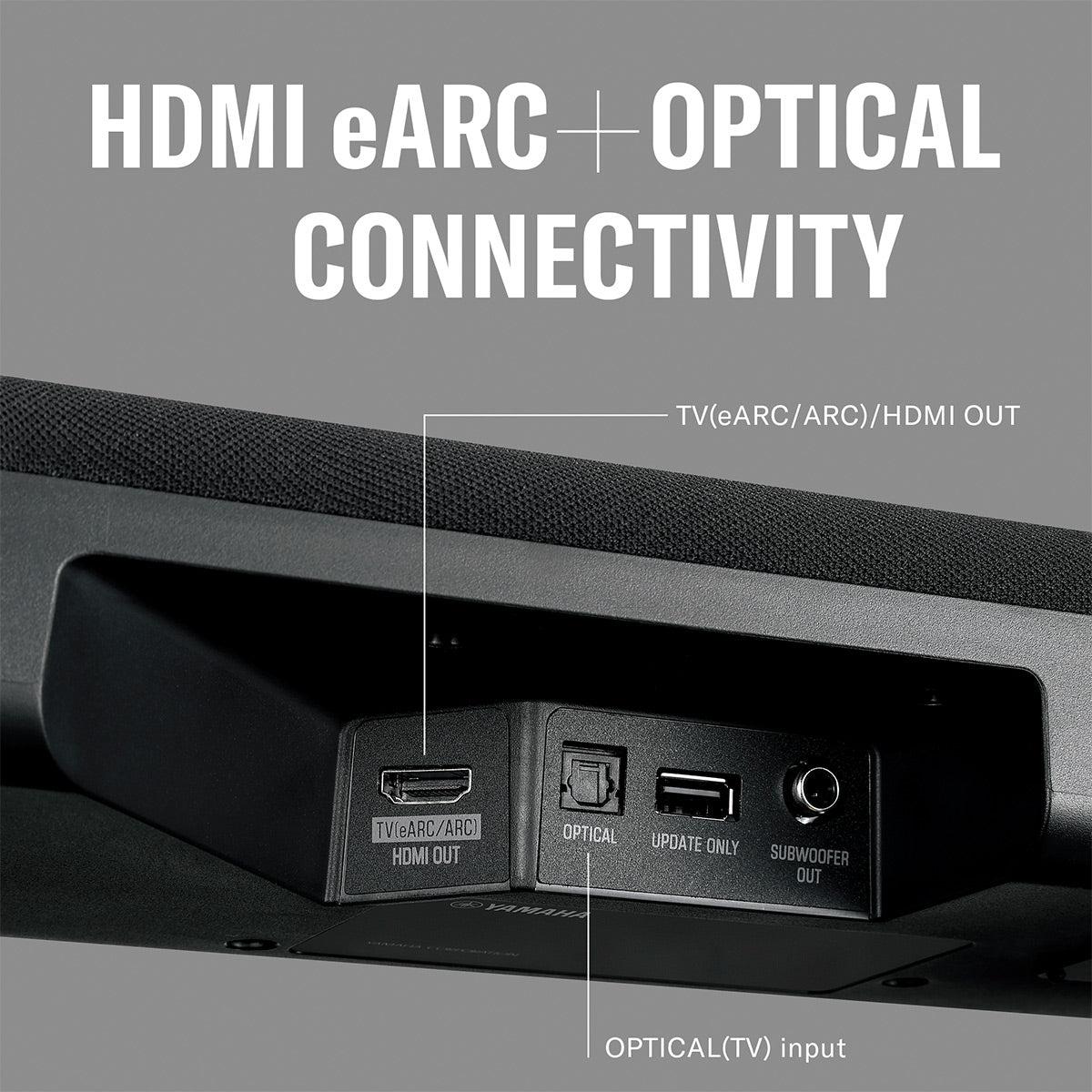
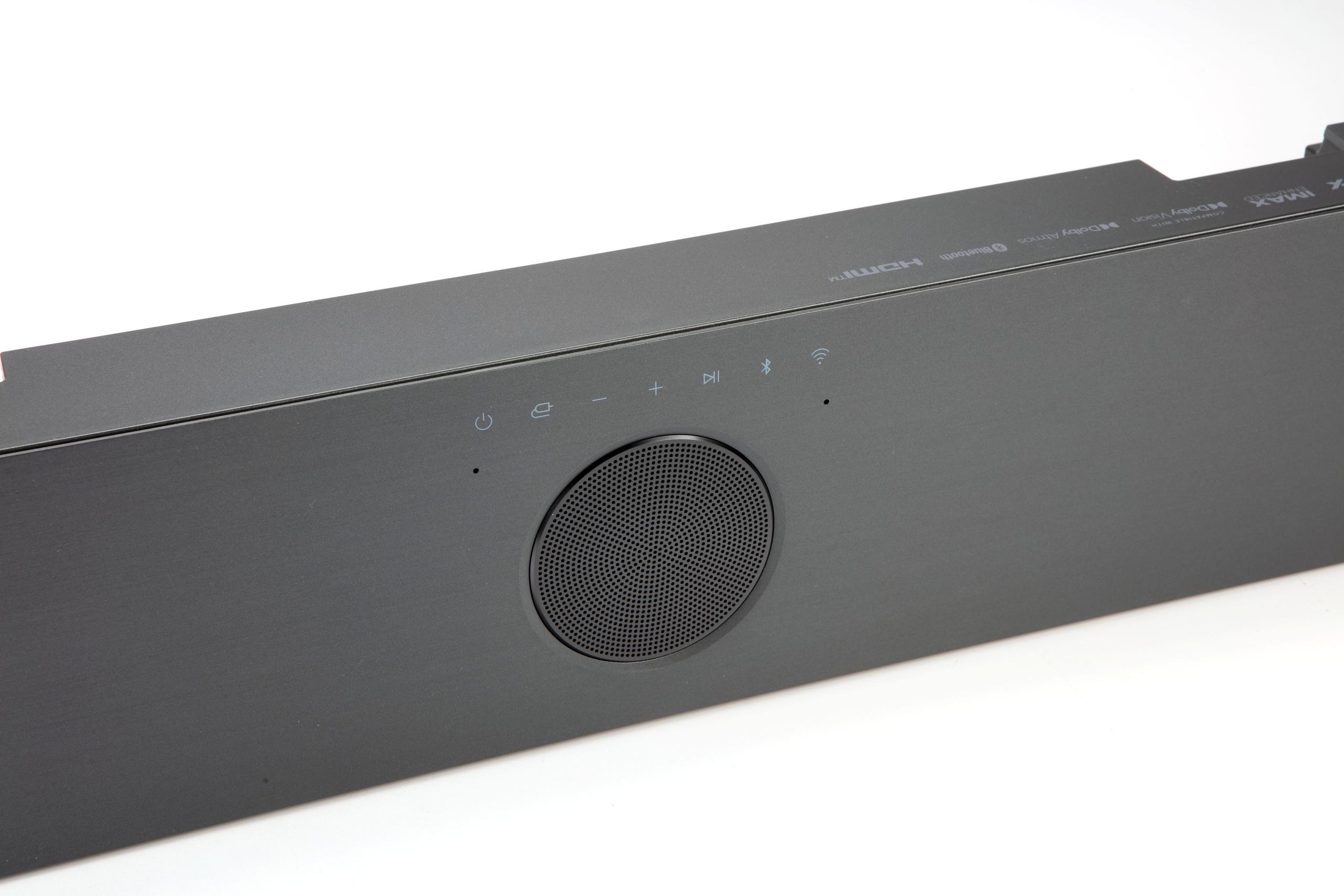
Modern soundbars are increasingly sophisticated devices, and the connectivity differences between these models reflect their target audiences. The Yamaha SR-B30A keeps things straightforward: HDMI eARC for high-quality audio from your TV, Bluetooth for music streaming, and optical input for older TVs. The included Sound Bar Remote app provides basic control and EQ adjustments, but there's no Wi-Fi, no voice control, and no smart home integration.
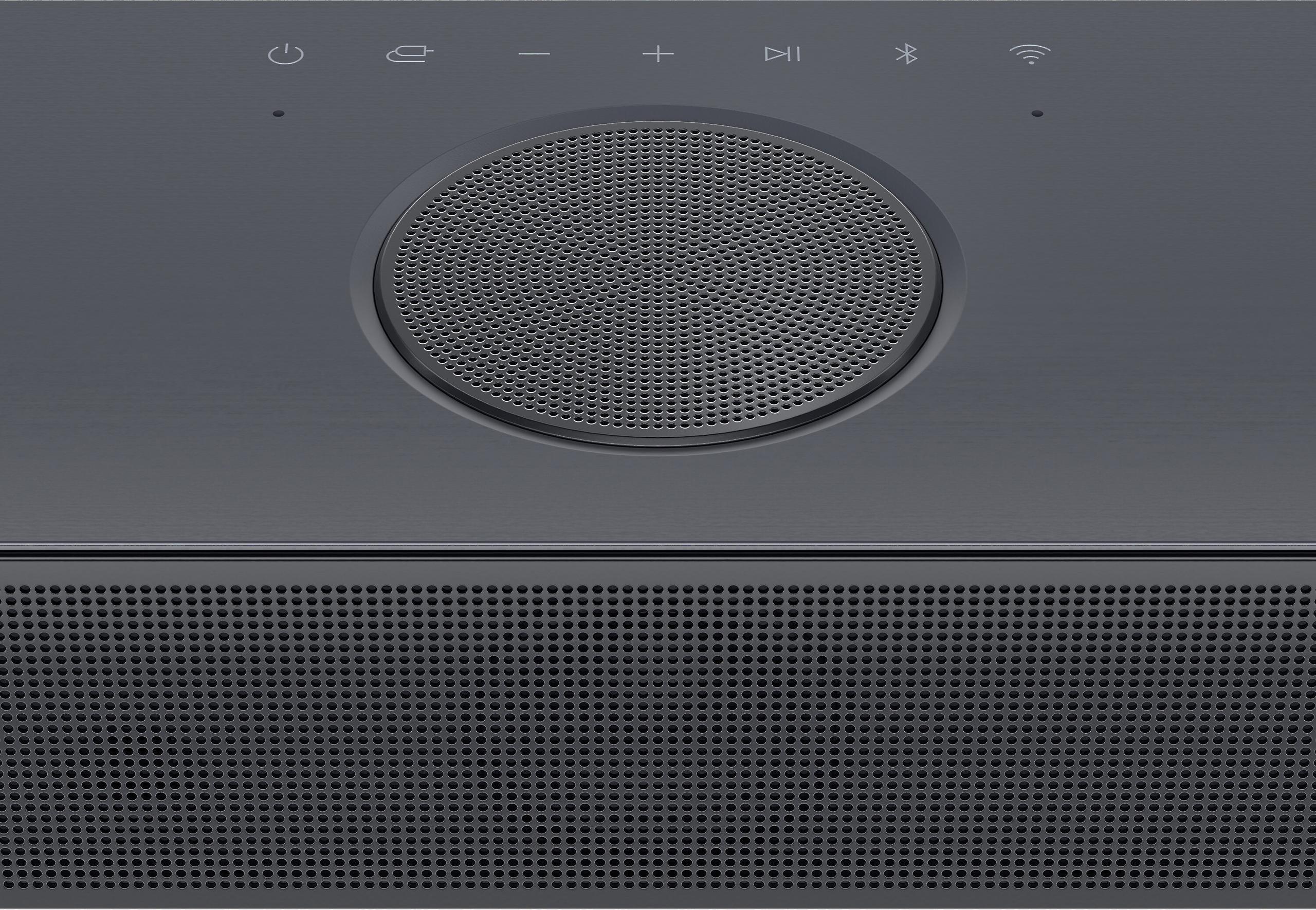
The LG embraces the smart home era fully. Wi-Fi connectivity enables features like Chromecast built-in and Apple AirPlay 2, so you can stream music directly from your phone or computer. Google Assistant and Alexa compatibility mean you can control the soundbar with voice commands, and the advanced app includes room calibration features that automatically optimize sound for your space.
The LG's AI Room Calibration Pro is particularly impressive. Using built-in microphones, it analyzes your room's acoustics and adjusts the sound profile accordingly. This addresses one of the biggest challenges with soundbars – every room sounds different, and what works perfectly in a showroom might sound boomy or thin in your living room.
For dedicated home theater use, these soundbars serve very different purposes. The LG SC9S is designed specifically for the cinematic experience. Its Dolby Atmos support shines with modern blockbusters, creating genuine immersion that transforms movie nights. The dedicated center channel ensures dialogue clarity even during complex action sequences, while the height channels add that premium theater feeling.
The soundbar's 4K/120Hz HDMI passthrough also future-proofs your setup for gaming. If you have a PlayStation 5 or Xbox Series X, you can connect them directly to the soundbar and pass video through to your TV without losing any quality or refresh rate capabilities. This is crucial for competitive gaming where every millisecond matters.
The Yamaha takes a more practical approach to home theater. While it can't replicate true Atmos effects, it excels at making dialogue crystal clear and adding satisfying bass to action sequences. Its Clear Voice technology specifically enhances speech frequencies, which is invaluable if you find yourself constantly adjusting volume during movies – quiet dialogue scenes become audible without making explosions ear-splitting.
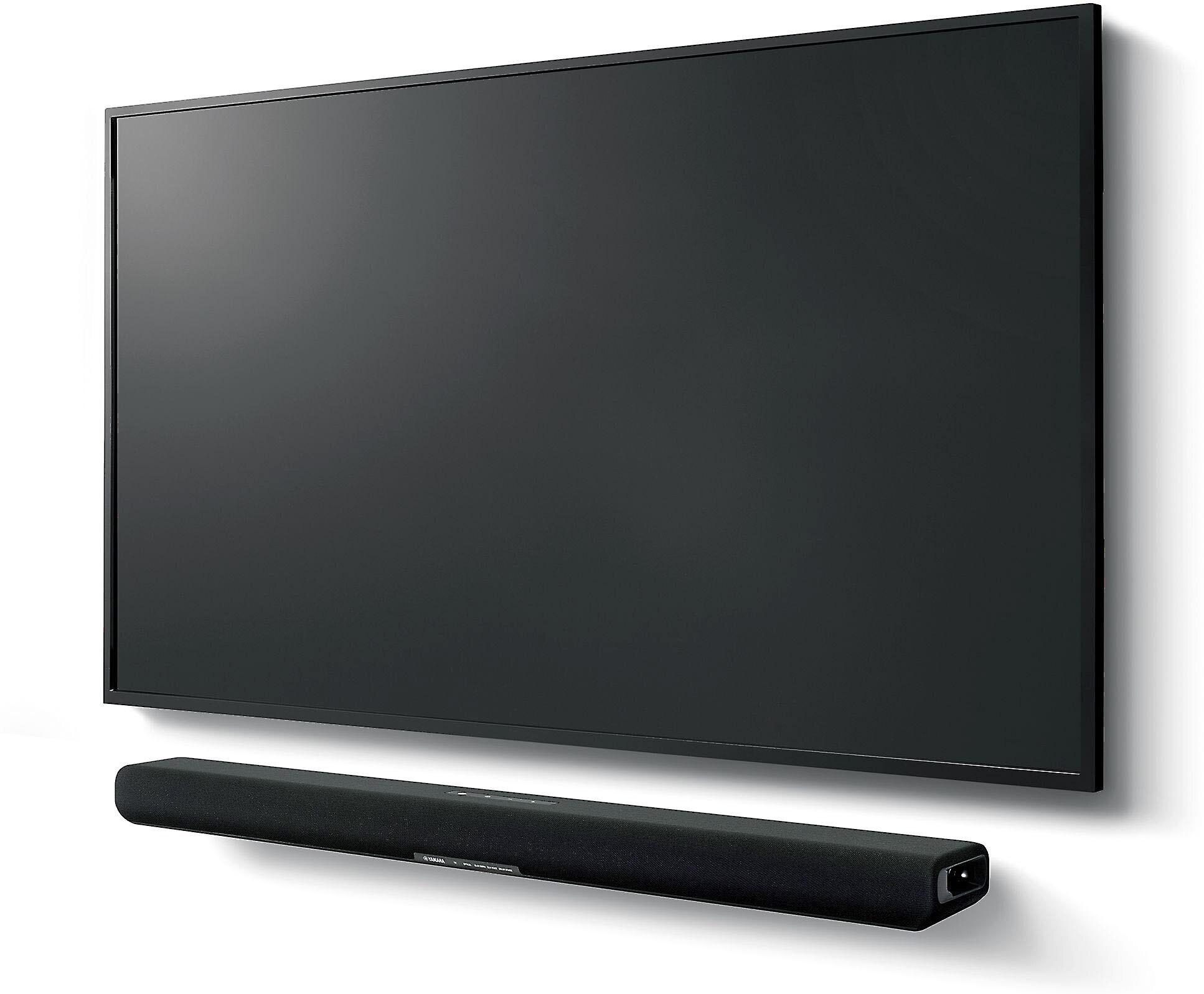
For smaller home theaters or secondary viewing areas, the Yamaha's compact design and integrated subwoofers eliminate the complexity that can make larger soundbar systems impractical. You get significantly better sound than TV speakers without the setup headaches.
The Yamaha's engineering focus on integration shows in several clever design choices. The built-in subwoofers use a bass-reflex port design that maximizes output from relatively small drivers. The Clear Voice feature isn't just basic EQ – it analyzes audio in real-time and enhances specific frequency ranges where human speech naturally occurs, making dialogue more intelligible without affecting music or sound effects.
The LG's technical sophistication lies in its Atmos implementation and AI processing. Those up-firing drivers aren't randomly placed – they're precisely angled to optimize ceiling reflection for typical room heights. The AI Room Calibration uses multiple test tones and advanced algorithms to map your room's acoustic signature, then applies corrections that go far beyond simple bass or treble adjustments.
Both soundbars support HDMI eARC, but they handle it differently. The Yamaha focuses on simplicity – it passes through the highest quality audio your TV can provide without adding complexity. The LG actively processes and enhances the signal, upmixing stereo or 5.1 content to take advantage of all its channels and creating pseudo-surround effects even from basic stereo sources.
After extensive testing with both soundbars, the performance differences are significant but not always in the ways you might expect. The LG SC9S absolutely dominates with Atmos content – watching "Top Gun: Maverick" or playing "Call of Duty" creates genuinely immersive experiences that justify the premium price. The AI room calibration works remarkably well, automatically optimizing sound in ways that would take manual adjustment and trained ears to achieve.
However, the Yamaha SR-B30A consistently impresses with its cohesive, musical sound signature. Dialog clarity is excellent, and the integrated bass provides satisfying impact without the complexity of positioning a separate subwoofer. For the majority of content – TV shows, news, YouTube videos, music streaming – it delivers a premium listening experience at a very reasonable price.
The value equation really depends on your content consumption and room setup. If you're primarily watching streaming TV shows and occasional movies in a smaller space, the Yamaha delivers exceptional performance per dollar. If you're building a dedicated home theater setup and regularly consume Atmos-encoded content, the LG's capabilities justify its higher cost.
Choose the Yamaha SR-B30A if simplicity and value are your priorities. Its plug-and-play design makes setup effortless, while the integrated subwoofers eliminate the complexity and space requirements of separate components. It's perfect for bedrooms, small living rooms, or anywhere you want significantly better sound without the fuss of a complex audio system.
The LG SC9S is the choice for audio enthusiasts and home theater builders. Its Dolby Atmos capabilities create genuinely immersive experiences that transform how you experience movies and games. The smart features and room calibration technology represent the cutting edge of soundbar design, while the expandable design allows for future upgrades.
Both soundbars represent the maturity of their respective approaches to solving the TV audio problem. The Yamaha proves that thoughtful engineering can deliver outstanding results in a simple package, while the LG demonstrates how advanced technology can bring true home theater experiences to mainstream consumers. Your choice ultimately depends on whether you prioritize simplicity and immediate value or immersion and future-proofing capabilities.
| Yamaha SR-B30A Sound Bar with Built-In Subwoofers | LG SC9S 3.1.3 Channel Dolby Atmos Soundbar |
|---|---|
| Price - Key factor in value equation | |
| $280 (excellent value for integrated 2.1 system) | $516 (premium pricing for Atmos technology) |
| Channel Configuration - Determines surround sound capabilities | |
| 2.1 channels (stereo + built-in subwoofers) | 3.1.3 channels (front/center + wireless sub + 3 Atmos height channels) |
| Power Output - Affects volume and bass impact | |
| 120W total (60W sub + 30W×2 channels) | 310W total (significantly more headroom for larger rooms) |
| Dolby Atmos Support - Creates overhead sound effects for immersion | |
| Not supported (virtual surround processing only) | Full Dolby Atmos with dedicated up-firing drivers |
| Subwoofer Design - Impacts setup complexity and bass flexibility | |
| Dual 3" drivers built into main unit (no separate box needed) | Wireless external subwoofer (flexible placement, requires space) |
| Dimensions - Critical for TV compatibility and room aesthetics | |
| 35.9" × 2.6" × 5.2" (ultra-compact, fits under most TVs) | Larger footprint with separate subwoofer unit |
| Smart Features - Modern convenience and integration capabilities | |
| Basic: HDMI eARC, Bluetooth, simple app control | Advanced: Wi-Fi, voice control, AI room calibration, multi-room audio |
| Room Calibration - Optimizes sound for your specific space | |
| Manual EQ adjustments and preset modes | AI Room Calibration Pro (automatic acoustic optimization) |
| Connectivity Options - Determines compatibility with devices | |
| HDMI eARC, optical input, Bluetooth 5.1 | HDMI eARC with 4K/120Hz passthrough, Wi-Fi, AirPlay 2, Chromecast |
| Target Room Size - Ensures adequate performance for your space | |
| Small to medium rooms (bedrooms, apartments, secondary areas) | Medium to large living rooms and dedicated home theaters |
| Setup Complexity - Time and effort required for optimal performance | |
| Plug-and-play (single unit, immediate use) | Moderate (subwoofer pairing, room calibration recommended) |
| Expandability - Future upgrade potential | |
| Complete system as-is (no expansion options) | Can add rear speakers for full 7.1.3 surround system |
The Yamaha SR-B30A at $280 provides exceptional value for budget-conscious buyers, delivering integrated subwoofers and solid 2.1 sound in a simple package. The LG SC9S at $516 costs nearly double but includes premium features like Dolby Atmos and AI room calibration that justify the price for home theater enthusiasts.
Dolby Atmos creates overhead sound effects that significantly enhance movie and gaming experiences. The LG SC9S supports true Dolby Atmos with dedicated up-firing speakers, while the Yamaha SR-B30A lacks this feature entirely. If you watch a lot of movies or play immersive games, Atmos makes a noticeable difference.
The Yamaha SR-B30A offers true plug-and-play setup with built-in subwoofers requiring no additional components. The LG SC9S requires pairing a wireless subwoofer and benefits from AI room calibration, making setup more complex but potentially better optimized for your space.
The Yamaha SR-B30A features dual built-in 3-inch subwoofers that provide surprisingly powerful bass without requiring separate equipment. The LG SC9S includes a wireless subwoofer that offers deeper, more flexible bass but requires additional space and positioning considerations.
The Yamaha SR-B30A excels in small spaces like bedrooms or apartments due to its compact 2.6-inch height and integrated design. The LG SC9S is designed for medium to large rooms where its higher power output and Atmos effects can properly develop.
The Yamaha SR-B30A provides basic connectivity with HDMI eARC and Bluetooth, plus simple app control. The LG SC9S offers advanced smart features including Wi-Fi, voice control compatibility, AI room calibration, and support for AirPlay 2 and Chromecast streaming.
The Yamaha SR-B30A is a complete system with no expansion options, but it includes everything needed for quality 2.1 sound. The LG SC9S can be expanded with additional rear speakers to create a full 7.1.3 surround sound system for dedicated home theaters.
Both soundbars handle dialogue well but differently. The Yamaha SR-B30A uses Clear Voice technology to enhance speech frequencies, while the LG SC9S features a dedicated center channel specifically designed for dialogue reproduction in movies and TV shows.
The Yamaha SR-B30A delivers 120 watts total power, which is adequate for small to medium rooms. The LG SC9S provides 310 watts total power, offering significantly more headroom for larger spaces and higher volume levels without distortion.
The Yamaha SR-B30A covers essential connections with HDMI eARC, optical input, and Bluetooth. The LG SC9S provides comprehensive connectivity including HDMI eARC with 4K/120Hz passthrough, Wi-Fi, multiple streaming protocols, and gaming-optimized features.
The Yamaha SR-B30A excels at music reproduction with its cohesive, integrated design and musical bass response. The LG SC9S also handles music well and can upmix stereo content to utilize all its channels, though it's primarily optimized for movie and TV content.
Choose the Yamaha SR-B30A if you want simple setup, compact design, and excellent value in smaller spaces. Select the LG SC9S if you prioritize Dolby Atmos immersion, have a larger room, want smart home integration, and don't mind the higher price and complexity.
We've done our best to create useful and informative comparisons to help you decide what product to buy. Our research uses advanced automated methods to create this comparison and perfection is not possible - please contact us for corrections or questions. These are the sites we've researched in the creation of this article: usa.yamaha.com - worldwidestereo.com - audiolab.com - shop.sg.yamaha.com - consumerreports.org - usa.yamaha.com - vinylsound.ca - bestbuy.com - modernappliancewoodward.com - bluestardist.com - target.com - my.yamaha.com - consumerreports.org - valueelectronics.com - youtube.com - bestbuy.com - rtings.com - costco.com - bestbuy.com - walts.com - queencityonline.com - blog.son-video.com - videoandaudiocenter.com - lg.com

Privacy Policy
Terms and Conditions - Affiliate Policy
Home Security
© Copyright 2008-2026.
11816 Inwood Rd #1211, Dallas, TX 75244