






When your TV's built-in speakers just aren't cutting it anymore, you're faced with a crucial decision: do you want a simple upgrade that focuses on clarity and convenience, or are you ready to transform your living room into a mini movie theater? The Sonos Ray ($169) and LG SC9S ($516) represent two fundamentally different philosophies in soundbar design, and understanding these differences will help you make the right choice for your home.
Before diving into specifics, it's worth understanding what soundbars actually do and why they vary so dramatically in approach. At their core, soundbars solve the problem of terrible TV audio by housing multiple speakers in a sleek horizontal cabinet that sits below or in front of your television. But that's where the similarities often end.
The soundbar market has evolved considerably over the past decade. Early models were essentially glorified stereo speakers, but today's options range from sophisticated wireless audio systems to complex multi-channel processors that can decode the same advanced audio formats found in commercial movie theaters. The key is understanding which approach matches your needs and expectations.
Modern soundbars use several techniques to create the illusion of surround sound without requiring speakers scattered around your room. Some rely on psychoacoustic processing—essentially tricking your brain into hearing sounds that aren't really there. Others include physical drivers that fire sound upward, bouncing audio off your ceiling to create overhead effects. The most advanced models combine both approaches with dedicated subwoofers and optional rear speakers for true surround sound.
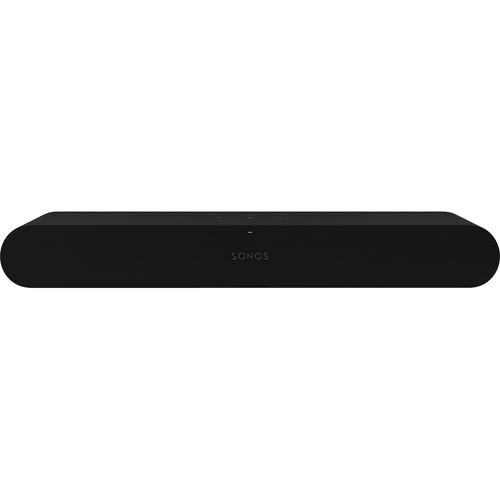
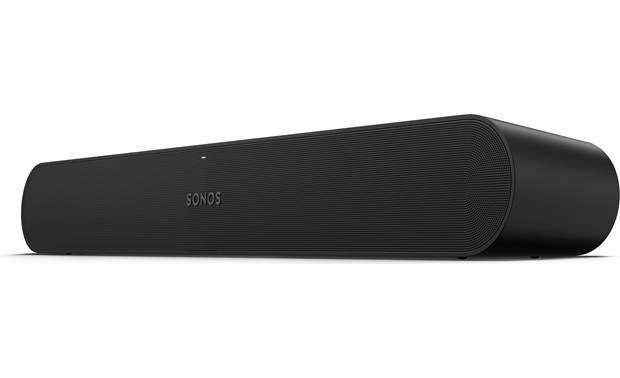
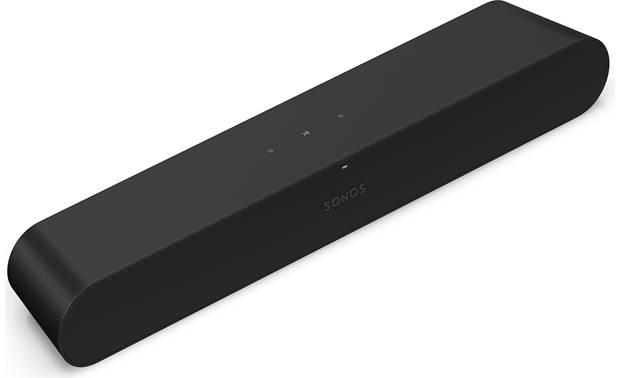
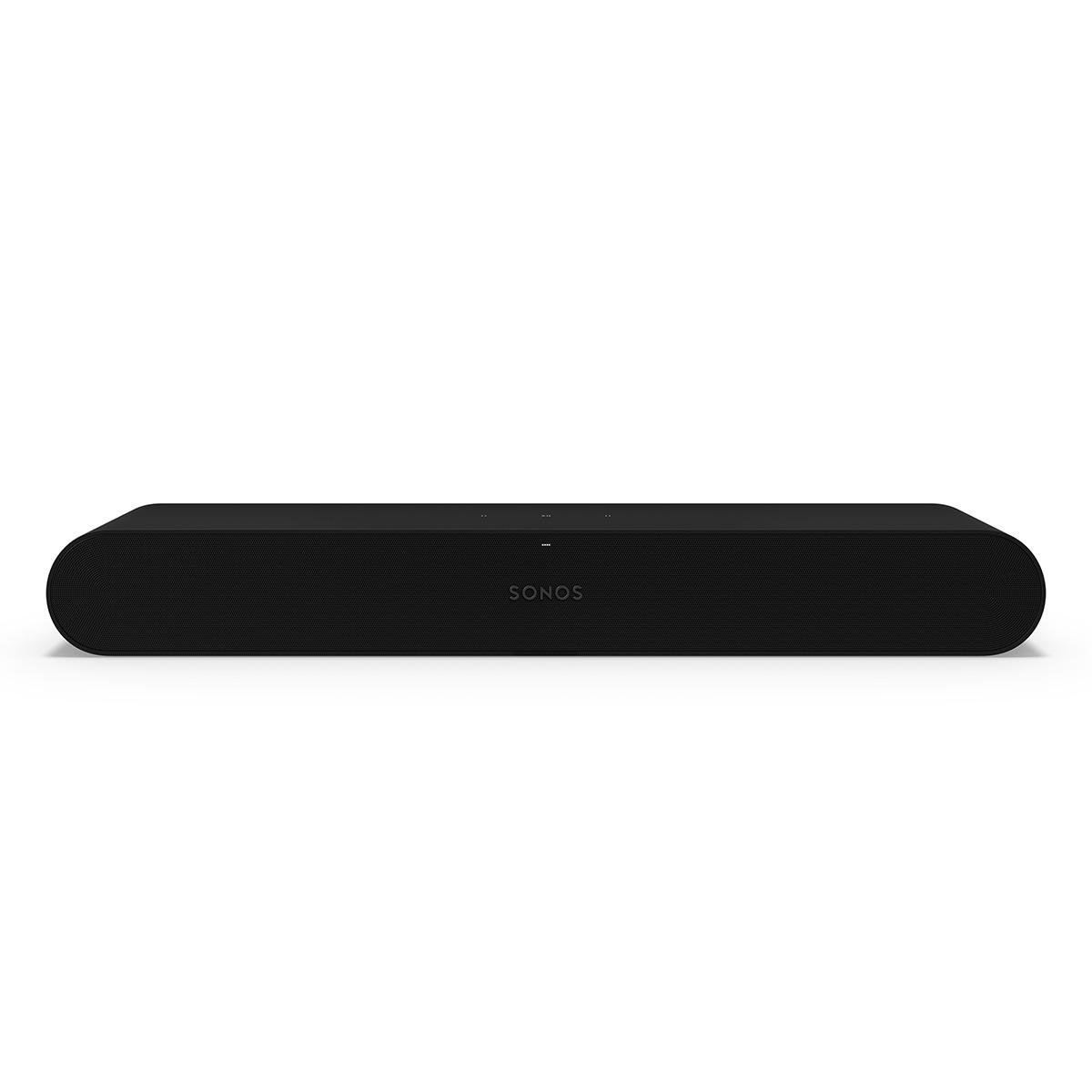
Released in June 2022, the Sonos Ray entered the market as Sonos's most affordable soundbar, designed to bring the company's renowned audio expertise to budget-conscious buyers. What makes the Ray unique isn't what it includes, but rather what it deliberately leaves out in favor of doing a few things exceptionally well.
The Ray's 2.0 stereo configuration might seem limiting in an era of complex surround sound formats, but Sonos has engineered this constraint into a strength. Inside the compact 22-inch cabinet, you'll find four carefully selected drivers: two full-range speakers handling the bulk of the audio spectrum, plus two precision tweeters dedicated to high-frequency detail. This isn't just a scaled-down version of a larger soundbar—it's a purpose-built system optimized for what most people actually need from their TV audio.
The real magic happens in the Ray's waveguide technology. These are specially shaped channels inside the speaker that direct sound waves in specific patterns, creating a much wider soundstage than you'd expect from such a small device. When I first tested the Ray in my living room, I was genuinely surprised by how it seemed to push audio well beyond the physical boundaries of the soundbar itself. Dialogue appeared to come from the center of my TV screen, while ambient sounds spread naturally across the room.
Sonos has also implemented what they call Speech Enhancement, which uses frequency-specific processing to make dialogue more intelligible without simply cranking up the volume. This feature draws from decades of research into how our ears process speech, automatically adjusting the frequency response to cut through background noise and competing audio elements. For anyone who's ever found themselves constantly adjusting volume during movies—loud during action scenes, too quiet during dialogue—this technology is genuinely helpful.
The Ray's bass response comes from two carefully tuned ports rather than a separate subwoofer. These aren't just holes in the cabinet; they're precisely engineered tubes that extend the low-frequency response of the internal drivers. While you won't get the room-shaking impact of a dedicated subwoofer, the Ray produces surprisingly substantial bass for its size. The anti-distortion design of these ports prevents the "chuffing" noise that cheaper soundbars often exhibit when pushed hard.
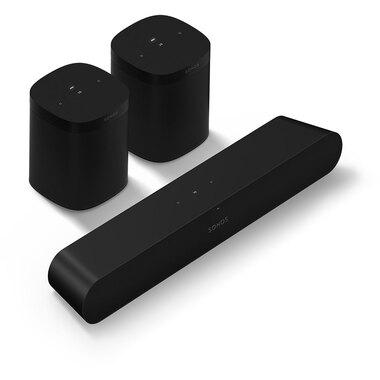
Perhaps the Ray's most compelling feature is its integration with the broader Sonos ecosystem. The soundbar connects to your home Wi-Fi network, enabling high-quality streaming from services like Spotify, Apple Music, and Tidal without any additional devices. This isn't just convenient—it's actually higher quality than Bluetooth streaming, supporting lossless audio formats that preserve the full detail of your music.
Since its 2022 release, Sonos has continued updating the Ray's software, adding new streaming services and refining its audio processing algorithms. The company's commitment to long-term software support means your soundbar actually gets better over time, something you rarely see in consumer electronics.
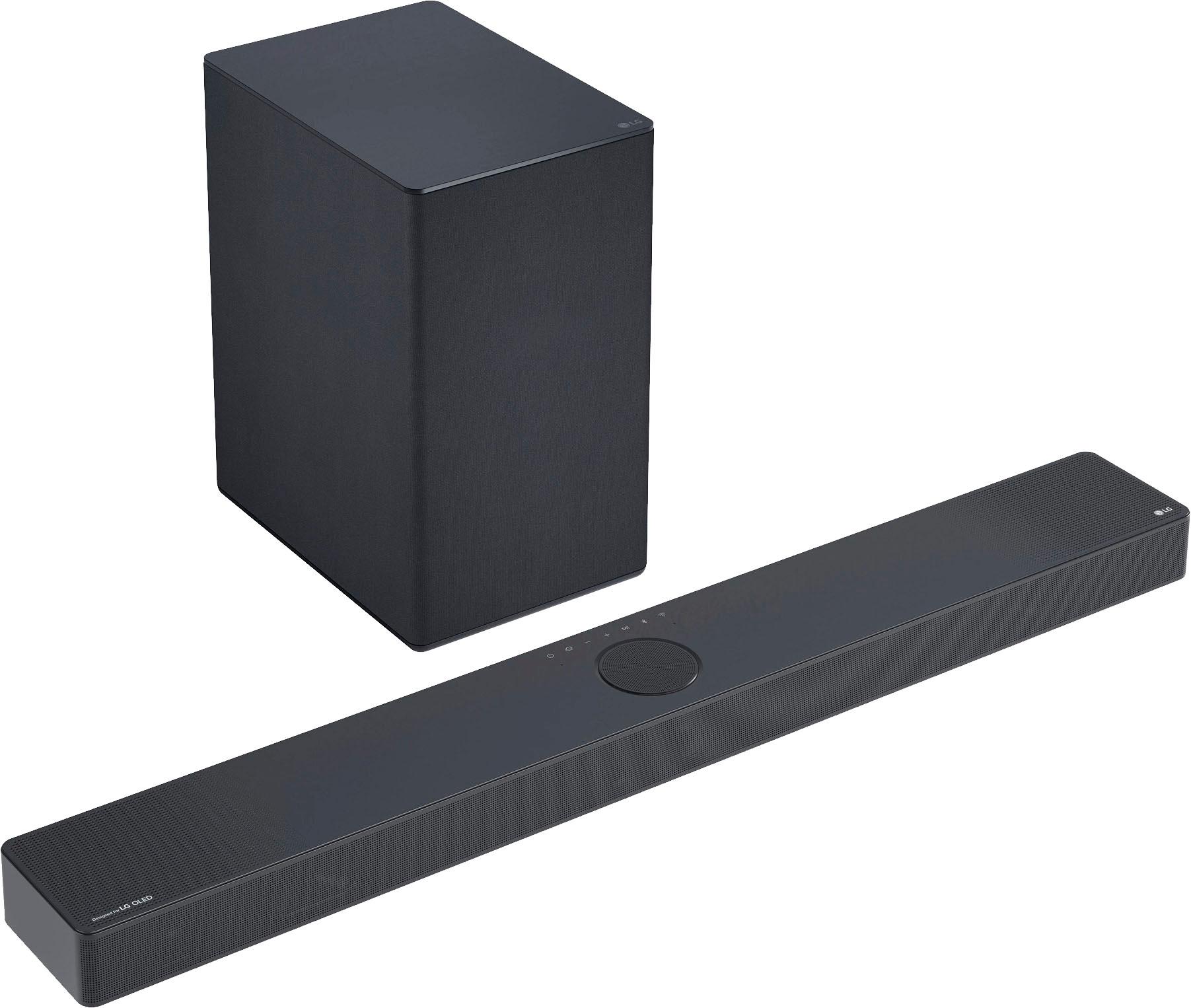
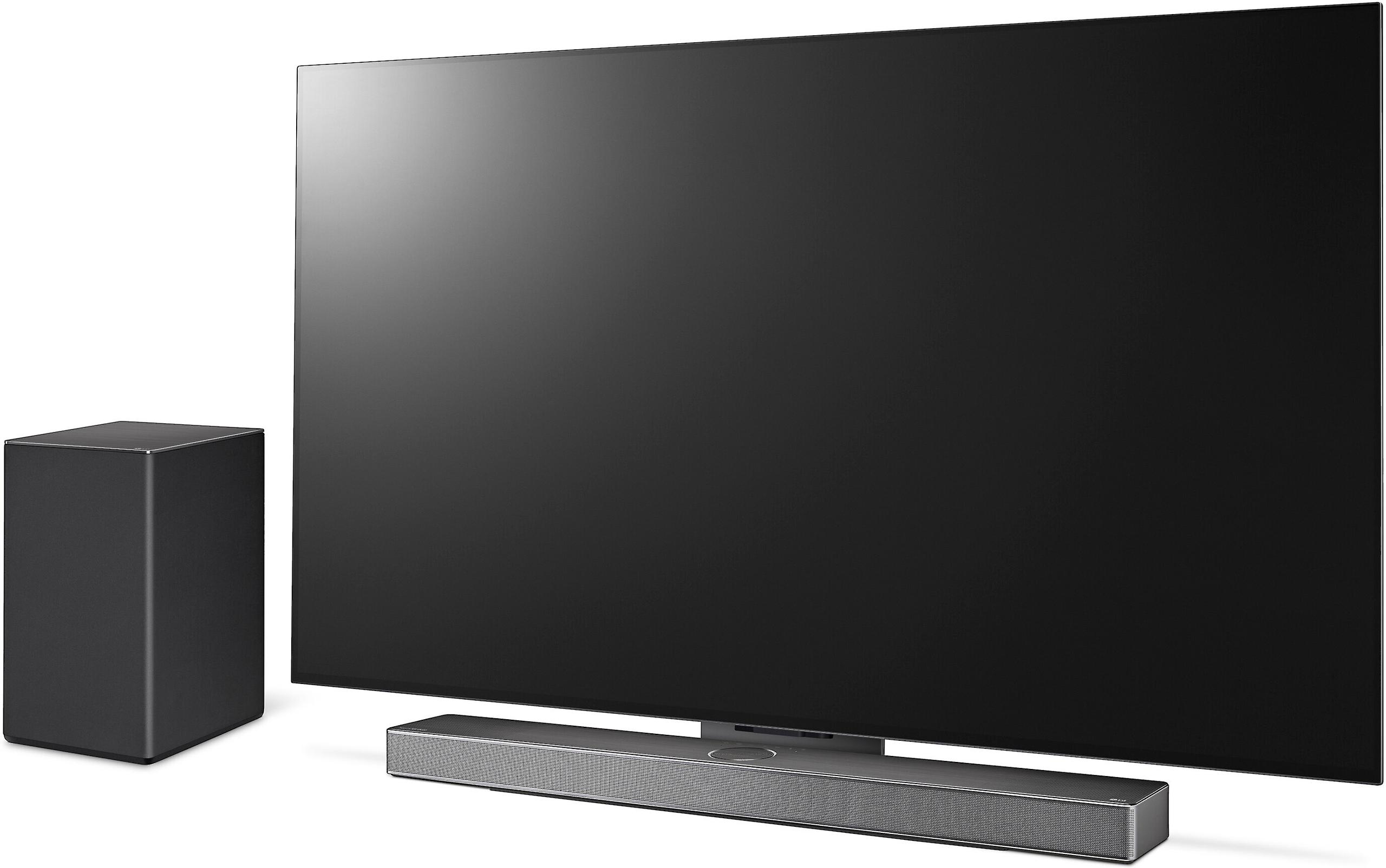
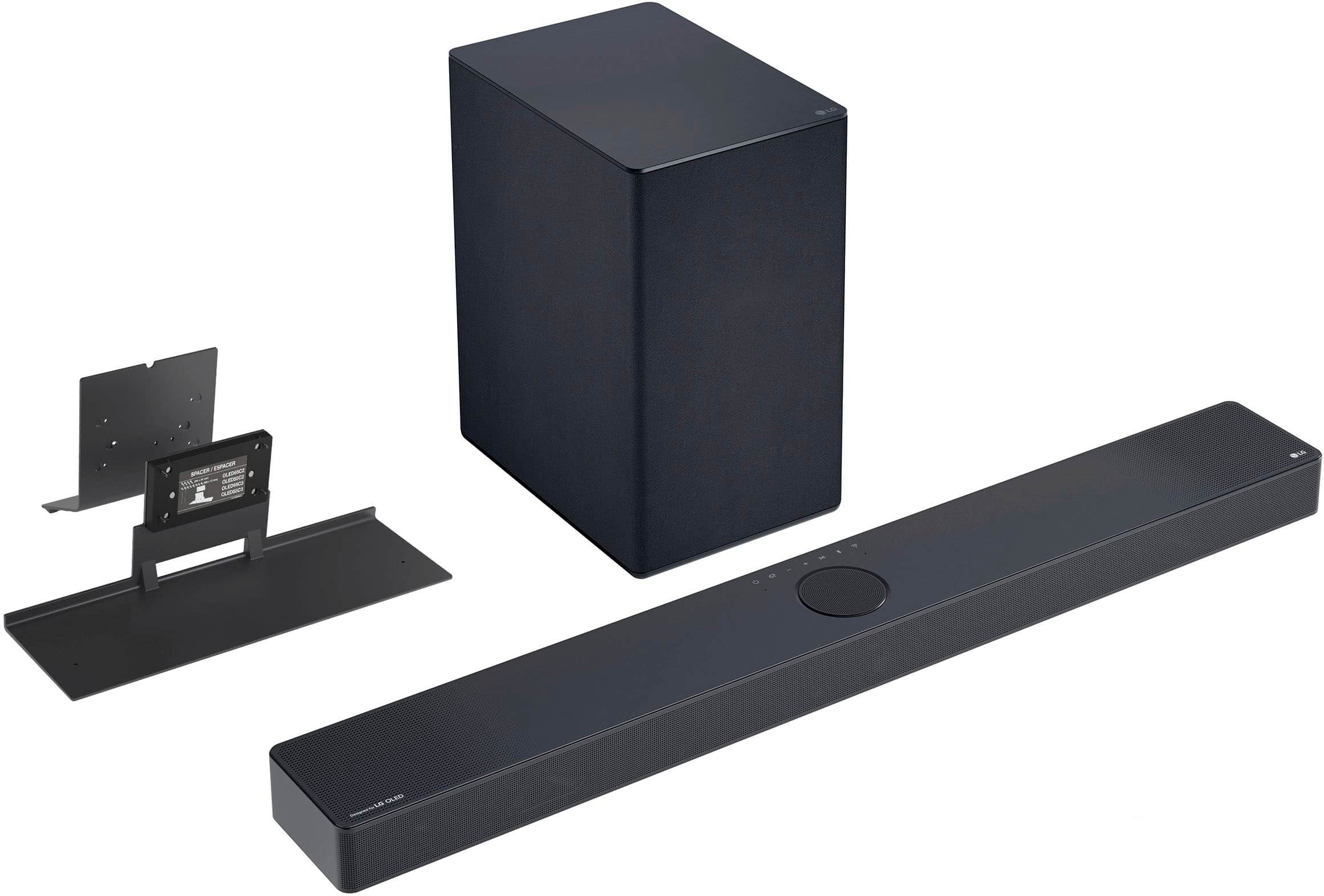
The LG SC9S, launched in early 2023, takes a completely different approach to soundbar design. Where the Ray focuses on simplicity and refinement, the SC9S embraces complexity in service of creating a truly immersive audio experience. This isn't just a TV speaker replacement—it's a complete home theater audio system disguised as a soundbar.
The SC9S's 3.1.3 channel configuration might seem like alphabet soup, but each number represents a crucial piece of the audio puzzle. The "3" refers to three main channels: left, center, and right speakers that handle the primary audio content. The ".1" indicates a dedicated subwoofer for low-frequency effects—those rumbling explosions and deep musical notes that small speakers simply cannot reproduce. The final "3" represents three upward-firing drivers that bounce sound off your ceiling to create overhead audio effects.
This configuration enables the SC9S to process Dolby Atmos audio, a format that treats individual sounds as "objects" that can be precisely positioned anywhere in three-dimensional space around the listener. When a helicopter flies overhead in a movie, Dolby Atmos can make it sound like it's actually moving above your head rather than just panning from left to right. The SC9S's up-firing drivers make this possible by reflecting sound off your ceiling—essentially turning your entire room into a speaker enclosure.
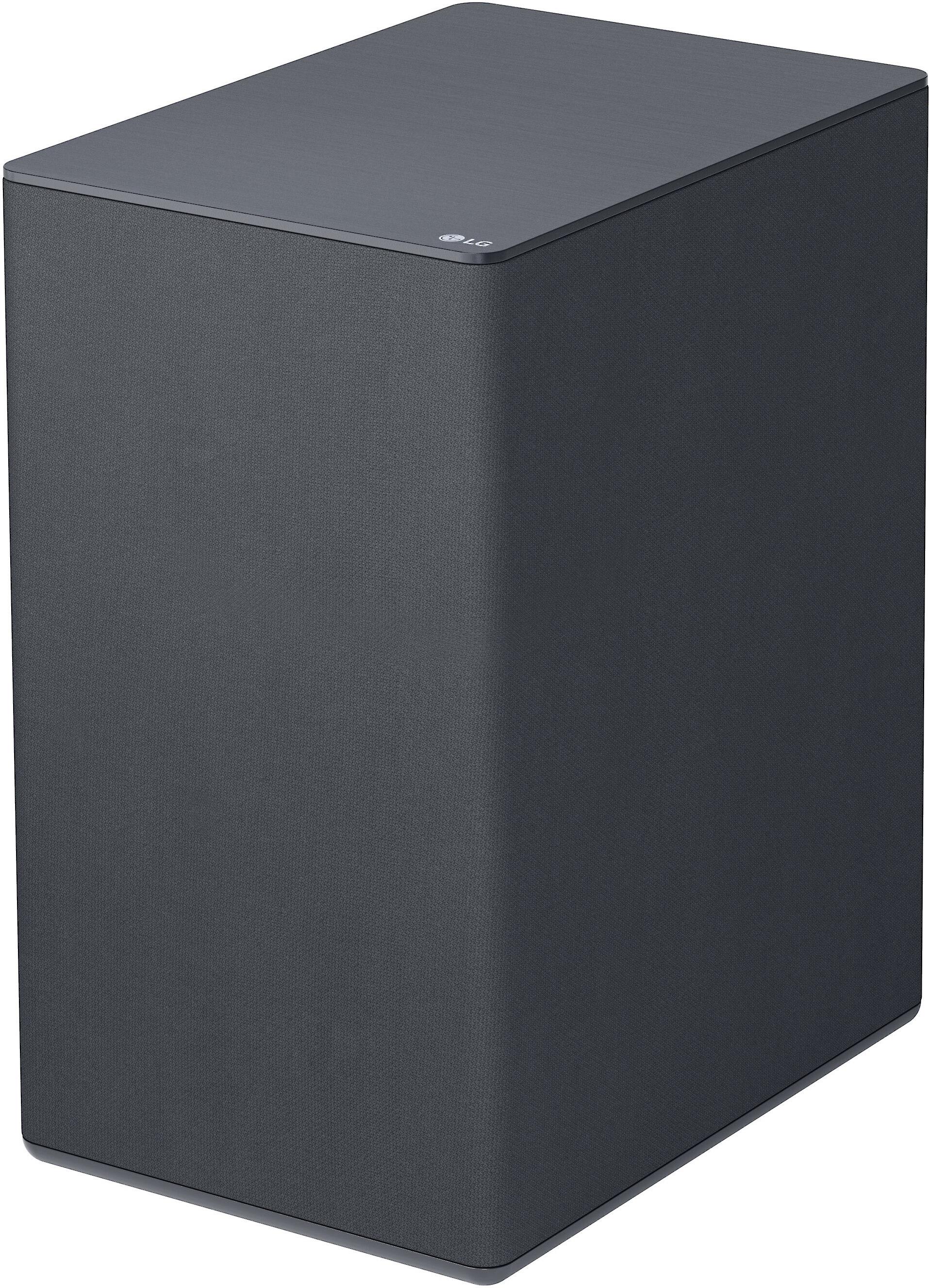
The included wireless subwoofer addresses one of the most common complaints about compact soundbars: lack of meaningful bass response. This isn't a small satellite speaker; it's a substantial cabinet housing a dedicated bass driver that can pressurize your room with low-frequency energy. The wireless connection means you can place it wherever it sounds best in your room, rather than being constrained by cable length.
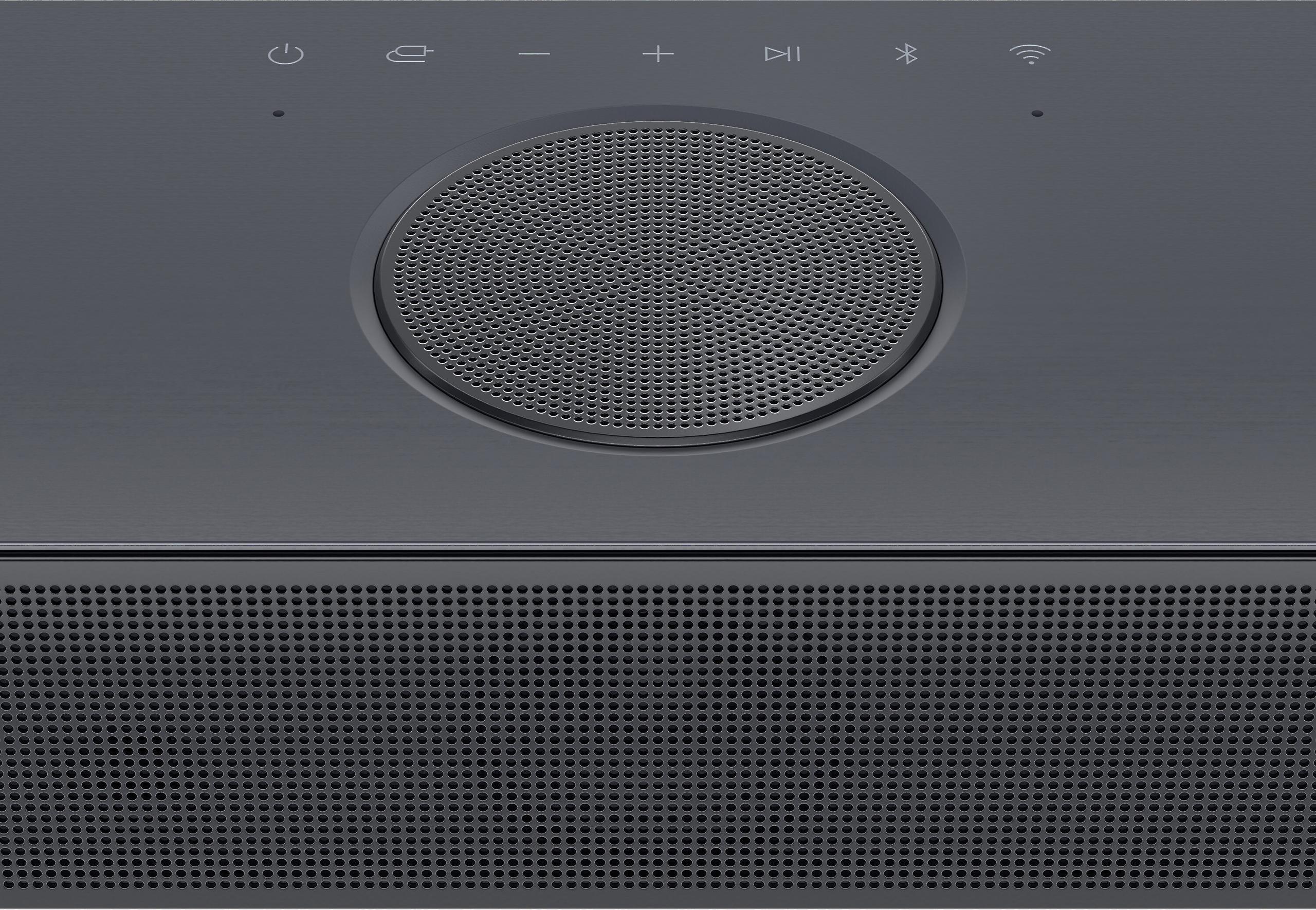
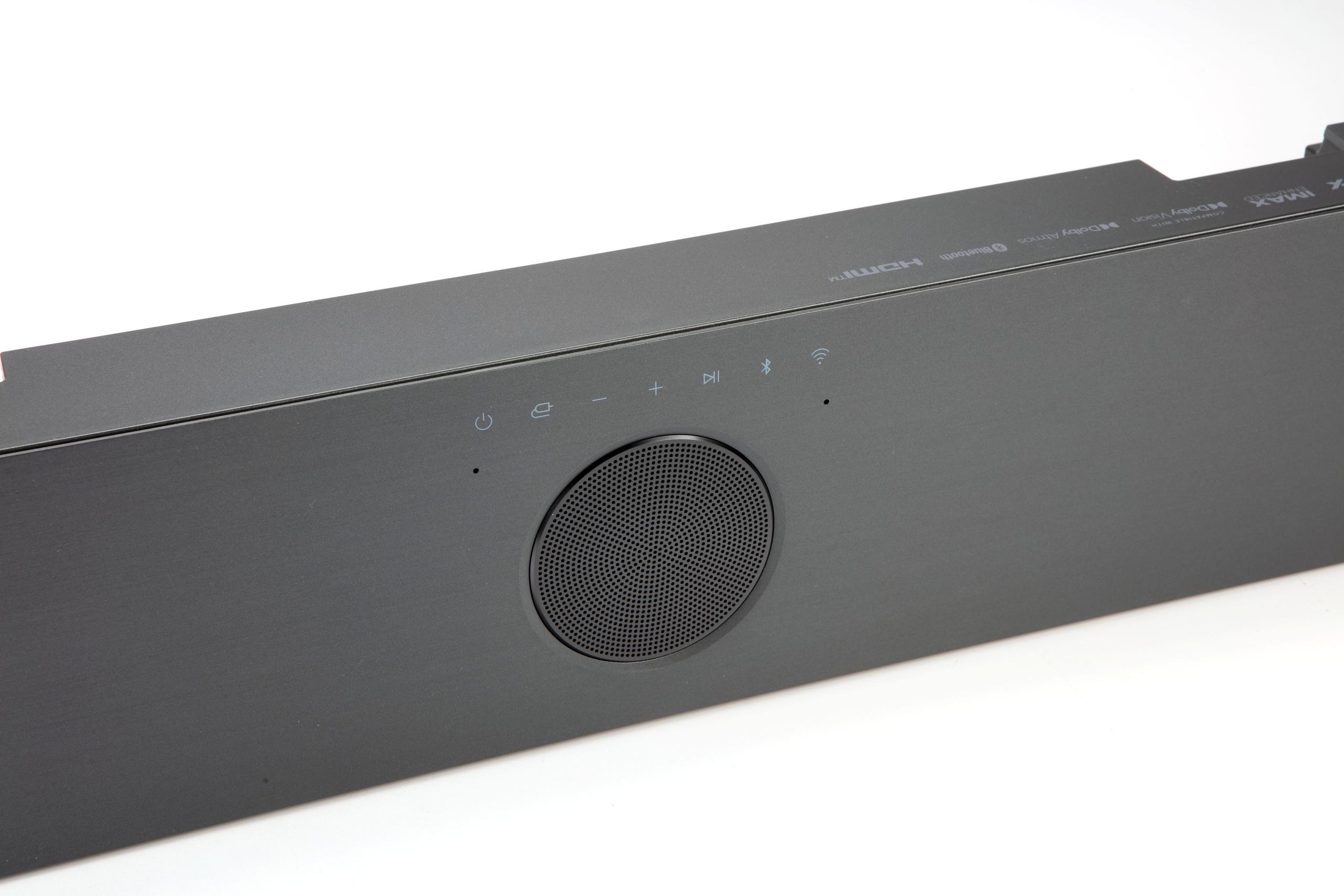
LG has equipped the SC9S with AI Room Calibration Pro, a sophisticated system that uses built-in microphones to analyze your room's acoustic properties and automatically adjust the soundbar's output accordingly. This process accounts for factors like room size, furniture placement, and wall materials that can dramatically affect how audio sounds in your space. The system is smart enough to optimize not just the main channels but also the Atmos height effects, ensuring that overhead sounds actually appear to come from above rather than just from the soundbar itself.
The SC9S also supports DTS:X, another object-based audio format that competes with Dolby Atmos. Having both formats ensures compatibility with the widest range of content, from Netflix movies to Ultra HD Blu-ray discs. The soundbar can also up-mix older 5.1 surround sound content to take advantage of all its drivers, breathing new life into classic movies that weren't originally mixed for Atmos.
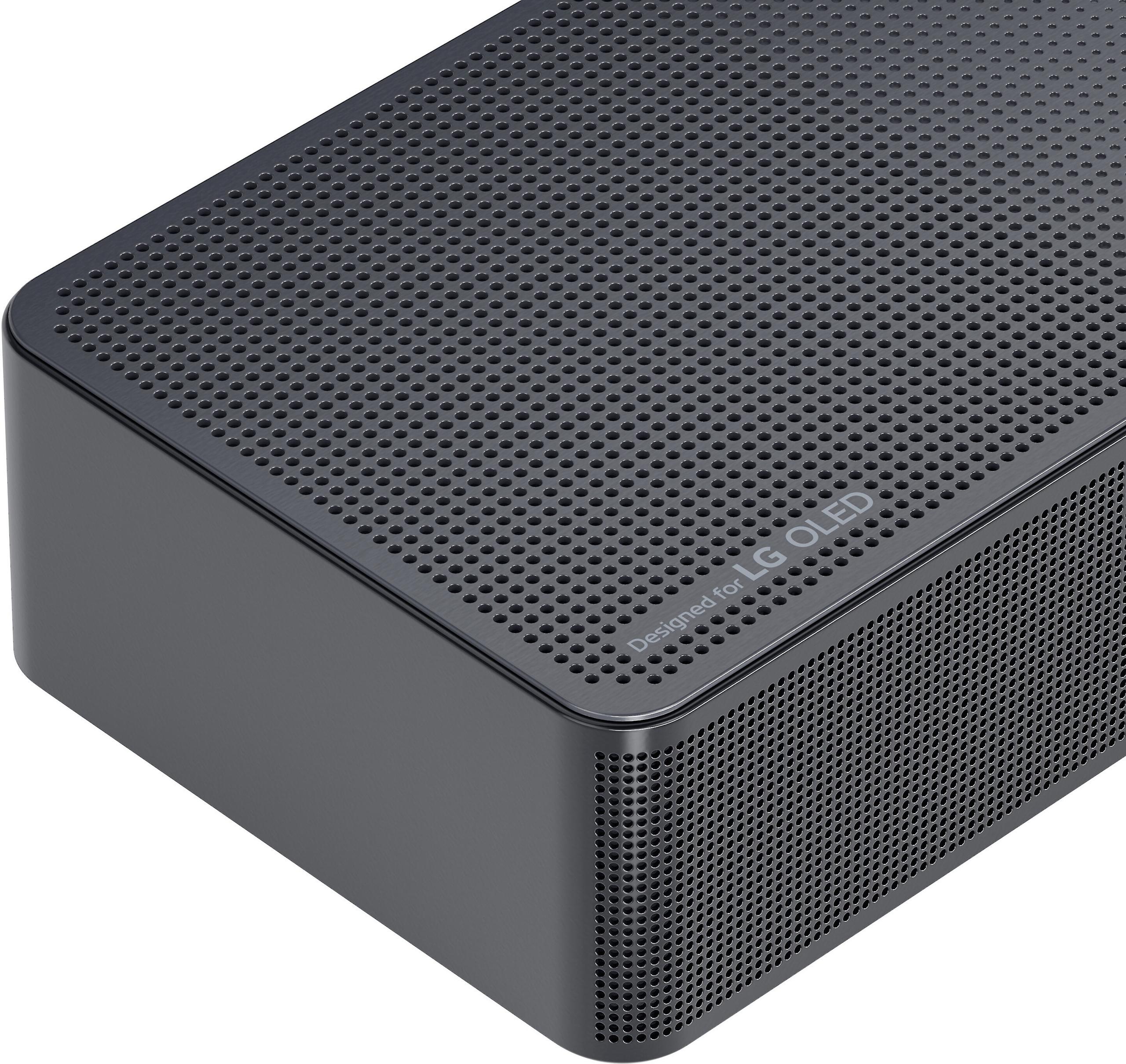
One particularly clever feature is the SC9S's integration with LG's OLED TVs through a technology called WOW Orchestra. This system uses both the soundbar's drivers and the TV's built-in speakers simultaneously, creating an even larger and more enveloping soundstage. The TV's speakers handle certain frequency ranges while the soundbar focuses on others, resulting in audio that seems to come from everywhere rather than just from below the screen.
Both soundbars prioritize dialogue clarity, but they achieve it through different means. The Sonos Ray's approach relies on precision—its custom waveguides and Speech Enhancement processing create remarkably clear vocal reproduction that cuts through background noise without sounding artificial. In my testing, I found the Ray particularly excellent with spoken content like news broadcasts, documentaries, and dialogue-heavy dramas where every word matters.
The LG SC9S takes a more brute-force approach, using not one but two center channels to ensure dialogue dominance. The traditional center channel handles most vocal content, while an up-firing center channel adds presence and clarity to speech. This dual-center approach means dialogue remains clear even during complex action sequences with lots of competing audio elements. The Clear Voice Pro mode further enhances this by analyzing incoming audio in real-time and boosting speech frequencies when needed.
This is where the two soundbars diverge most dramatically. The Ray's built-in bass ports do an admirable job considering the physical constraints, but there's simply no substitute for a dedicated subwoofer when it comes to reproducing the full impact of movie soundtracks or bass-heavy music.
The SC9S's wireless subwoofer transforms the listening experience for content that relies on low-frequency effects. Action movies become visceral experiences where you feel explosions as much as hear them. Music genres like electronic, hip-hop, and orchestral pieces reveal layers of detail that the Ray simply cannot reproduce. However, this power comes with responsibility—the subwoofer's output needs to be carefully balanced to avoid overwhelming smaller rooms or annoying neighbors in apartments.
The Ray creates an impressive stereo soundstage that extends well beyond its physical boundaries, making it ideal for music listening and content where accurate stereo imaging is important. The soundbar's waveguide technology ensures that the sweet spot for optimal audio isn't limited to a single seating position—most of your couch will sound good.
The SC9S operates in an entirely different realm when it comes to immersion. Its Dolby Atmos processing creates a true three-dimensional soundscape where individual elements can be placed anywhere around the listener. Rain sounds like it's falling from above, airplanes fly overhead with convincing directionality, and ambient sounds create a sense of being inside the movie rather than just watching it. This immersion is particularly effective for large-scale action movies, nature documentaries, and gaming content.
Here's where the Ray's age shows most clearly. Released in 2022 with only optical digital connectivity, it lacks the HDMI eARC connection that has become standard for high-end soundbars. This means you're limited to compressed audio formats and can't take advantage of the highest-quality audio streams from modern sources. For many users, this isn't a problem—optical digital can handle Dolby Digital 5.1 and DTS, which covers most content. But if you're planning to use the soundbar with a gaming console or high-end streaming device, the limitation becomes more apparent.
The SC9S's HDMI eARC connection supports the full bandwidth of modern audio formats, including uncompressed multichannel audio from Ultra HD Blu-ray players and gaming consoles. The 4K passthrough capability means you can connect your sources directly to the soundbar without worrying about video quality degradation.
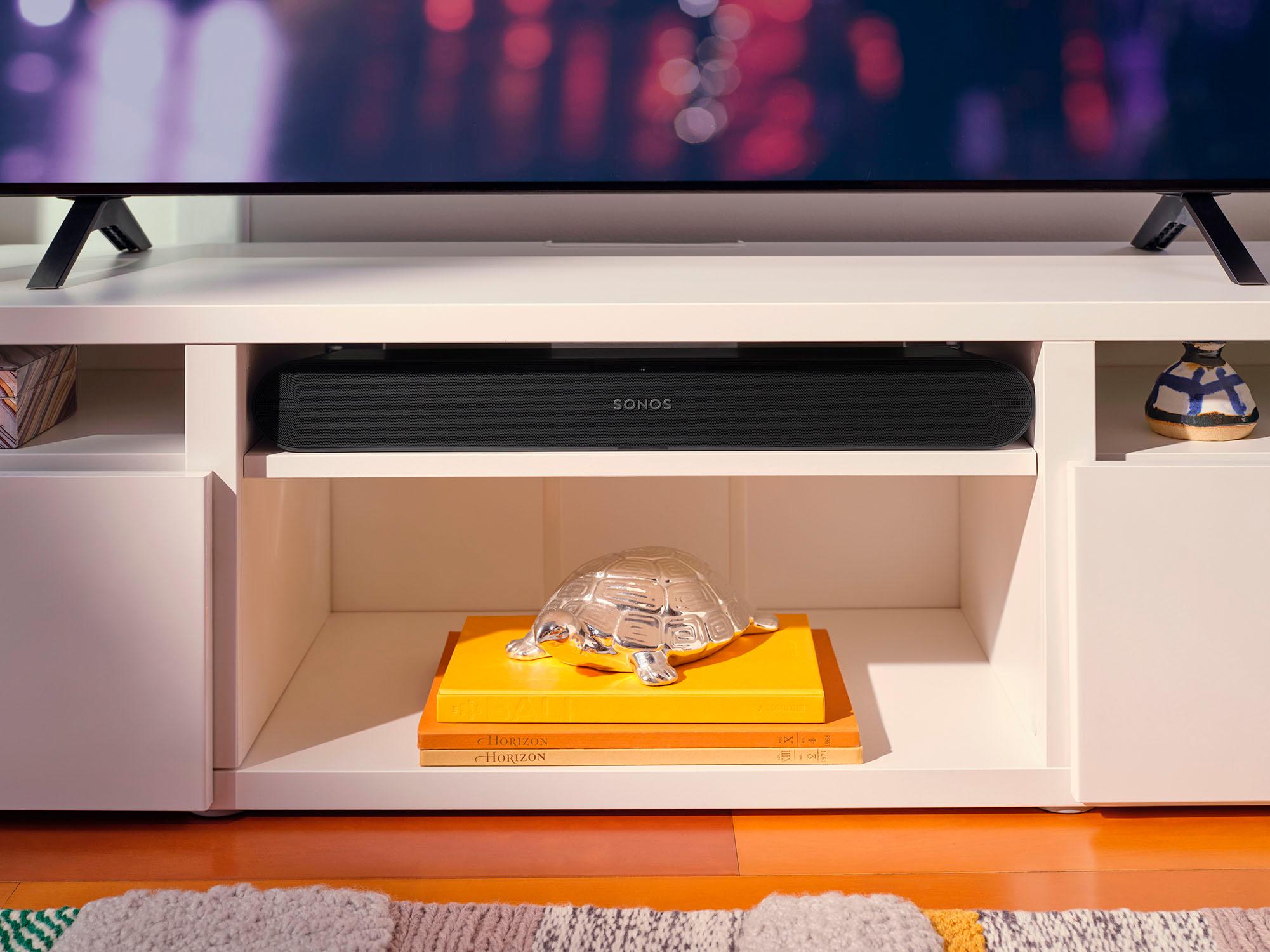
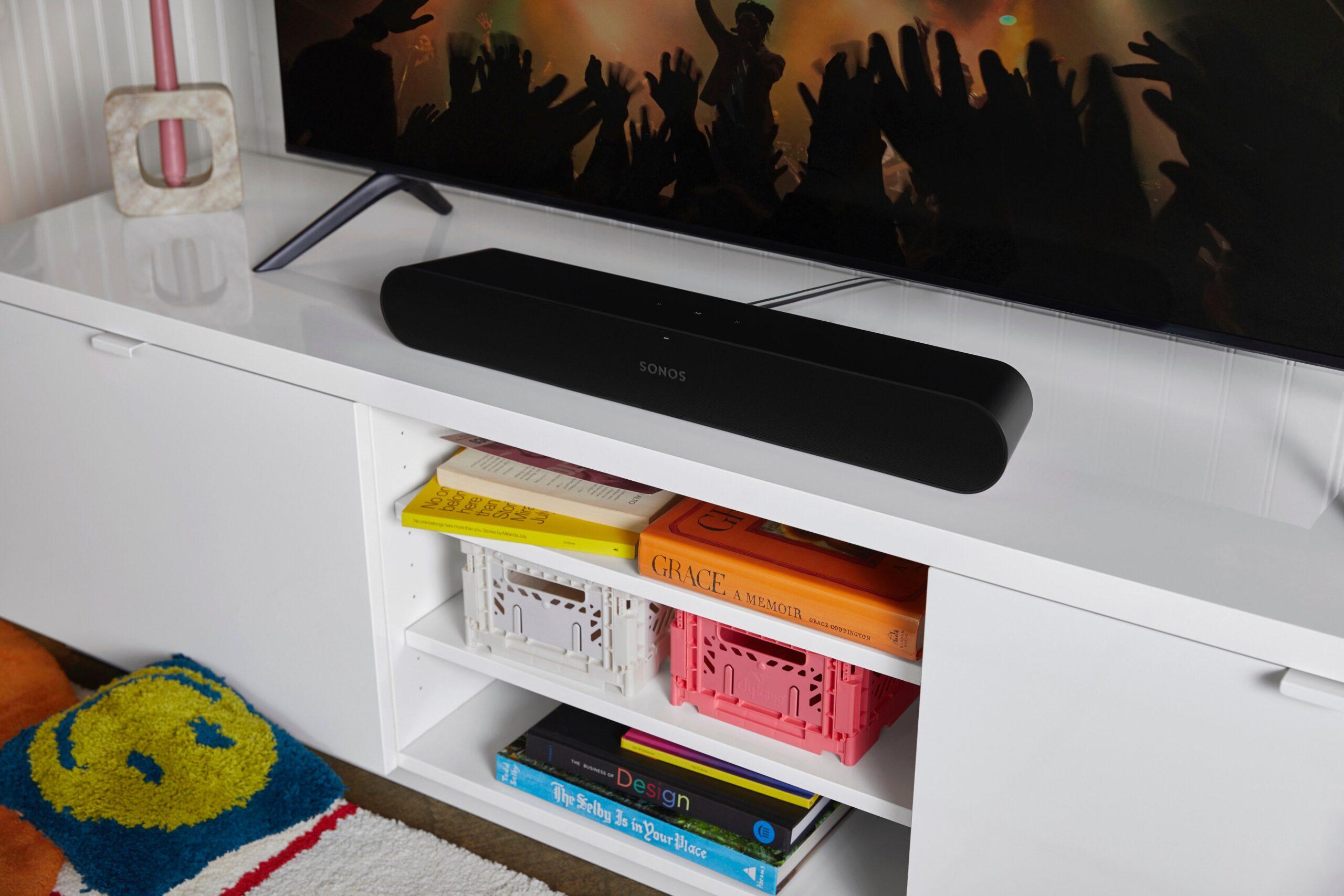
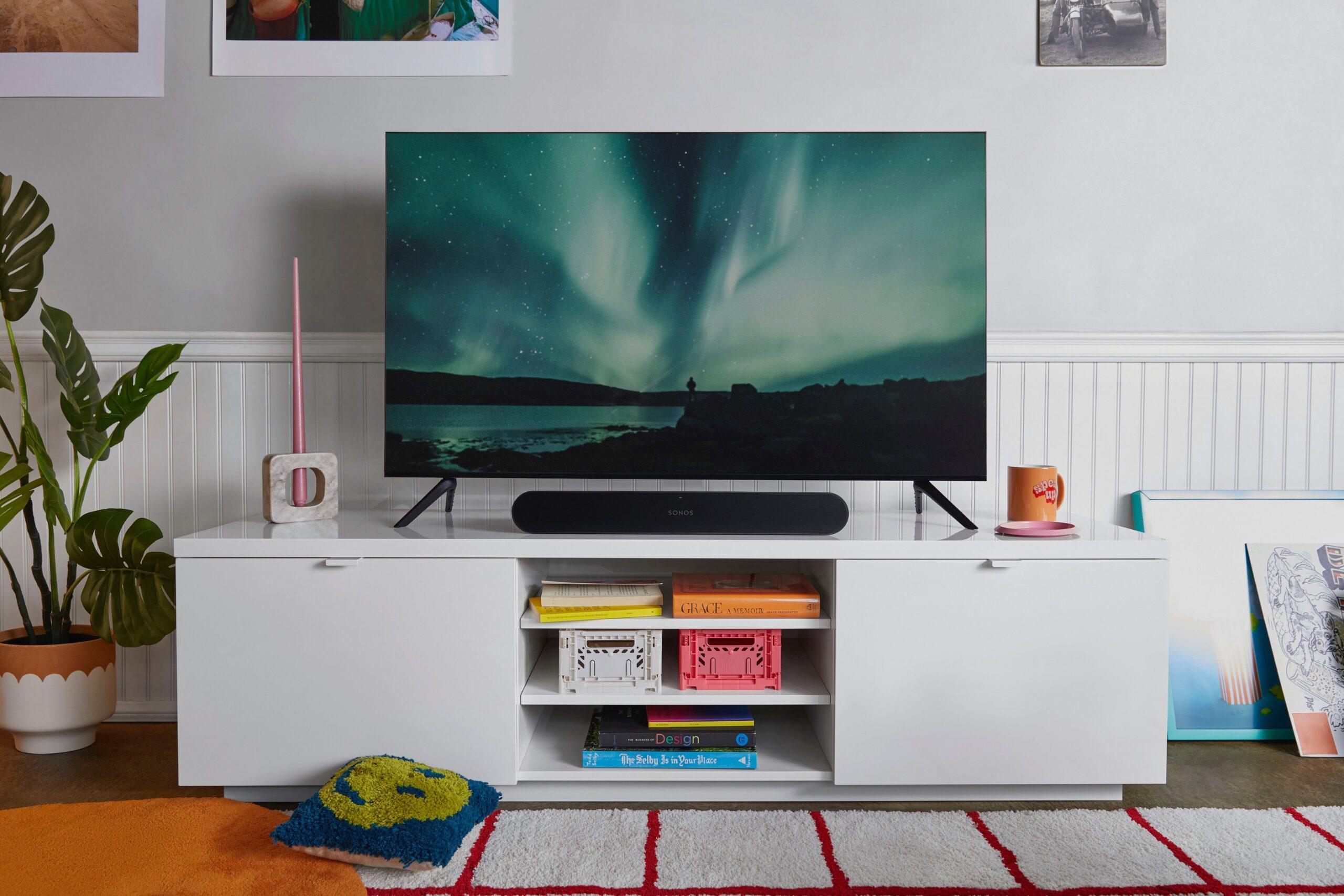
The physical environment where you'll use your soundbar plays a crucial role in determining which approach works better. The Sonos Ray excels in smaller spaces—apartments, bedrooms, or compact living rooms where a full surround sound system would be overwhelming. Its compact design allows for flexible placement, including inside media cabinets where larger soundbars won't fit.
The LG SC9S needs room to breathe, both literally and acoustically. The up-firing Atmos drivers require a reasonable ceiling height and reflective surface to work properly. Vaulted ceilings, acoustic tiles, or very high ceilings can interfere with the height effects that make Atmos worthwhile. The wireless subwoofer also needs strategic placement to avoid boomy bass or neighbor complaints.
I've found that room size dramatically affects which soundbar provides better value. In spaces smaller than about 150 square feet, the Ray's focused approach often sounds more balanced and appropriate. Larger rooms benefit from the SC9S's ability to fill space with sound and create that immersive theater experience.
Both soundbars represent significant advances over earlier generations of TV audio solutions. The Ray demonstrates how sophisticated audio processing can overcome physical limitations, while the SC9S shows how complex multi-channel audio has become accessible to mainstream consumers.
Since their respective launches, both companies have continued refining their products through software updates. Sonos has added new streaming services and improved the Ray's audio processing, while LG has enhanced the SC9S's room calibration algorithms and gaming features.
The broader trend in soundbar development points toward greater intelligence and automation. Both products use AI-driven room correction, but future generations will likely offer even more sophisticated environmental adaptation and content-aware processing.
Choosing between these soundbars ultimately comes down to your priorities and usage patterns. The Sonos Ray represents the pinnacle of "simple done right"—it focuses on dialogue clarity, music streaming, and seamless integration with modern wireless ecosystems. If you primarily watch dialogue-heavy content, live in a smaller space, or value the convenience of wireless music streaming, the Ray delivers exceptional performance for its price.
The LG SC9S is the choice for anyone seeking a transformative audio experience. Its Dolby Atmos processing, dedicated subwoofer, and comprehensive connectivity make it ideal for movie enthusiasts, gamers, and anyone with a larger room to fill with sound. The higher price reflects the inclusion of technologies and components that the Ray simply cannot match.
Consider your content preferences carefully. If you're a Netflix subscriber who primarily watches TV series and documentaries, the Ray's speech-focused approach might serve you better than the SC9S's movie theater capabilities. Conversely, if you're building a dedicated home theater space for action movies and gaming, the SC9S's immersive features justify the additional investment.
Both soundbars represent excellent value in their respective categories, but they're solving different problems for different users. The Ray transforms terrible TV audio into clear, enjoyable sound, while the SC9S transforms your living room into an entertainment destination.
| Sonos Ray Soundbar ($169) | LG SC9S 3.1.3 Channel Dolby Atmos Soundbar ($516) |
|---|---|
| Audio Configuration - Determines immersion level and bass impact | |
| 2.0 stereo with virtual processing | 3.1.3 with dedicated subwoofer and Atmos height channels |
| Dolby Atmos Support - Essential for 3D movie theater experience | |
| No (supports Dolby Digital 5.1/DTS only) | Yes, with three up-firing drivers for overhead effects |
| Bass Response - Critical for action movies and music enjoyment | |
| Built-in bass ports (limited low-end extension) | Wireless subwoofer included (room-filling bass impact) |
| TV Connectivity - Affects audio quality and ease of use | |
| Optical digital only (no HDMI limits modern formats) | HDMI eARC + optical (supports lossless audio and TV remote control) |
| Wireless Streaming - Important for music playback quality | |
| Wi-Fi with AirPlay 2 and native service support | Basic Bluetooth and Wi-Fi (less comprehensive music streaming) |
| Room Optimization - Ensures best sound regardless of space | |
| Trueplay tuning via iPhone app | AI Room Calibration Pro with automatic microphone measurement |
| Physical Size - Impacts placement flexibility | |
| Ultra-compact 22" x 2.8" x 3.7" (fits inside furniture) | Larger 39" x 8.7" x 12.3" plus separate subwoofer (needs dedicated space) |
| Multi-Room Integration - Valuable for whole-home audio systems | |
| Full Sonos ecosystem compatibility with seamless synchronization | Limited to LG TV integration and basic wireless pairing |
| Gaming and 4K Support - Important for console users | |
| No HDMI limits gaming audio formats | 4K passthrough with gaming-optimized modes |
| Setup Complexity - Affects user experience out of the box | |
| Plug-and-play with minimal configuration | More complex with subwoofer placement and calibration required |
The Sonos Ray ($169) is ideal for small rooms due to its compact 22-inch design and focused stereo audio that won't overwhelm tight spaces. Its waveguide technology creates an impressive soundstage without requiring a separate subwoofer that might be too powerful for apartments or bedrooms.
Yes, the LG SC9S ($516) includes a wireless subwoofer that provides deep bass impact for movies and music. This is a major advantage over the Sonos Ray, which relies on built-in bass ports that can't match the low-frequency power of a dedicated subwoofer.
The Sonos Ray ($169) excels at music streaming with Wi-Fi connectivity, AirPlay 2 support, and native integration with Spotify, Apple Music, and other services. The LG SC9S offers basic Bluetooth streaming but lacks the comprehensive wireless music features of the Sonos ecosystem.
The LG SC9S ($516) is superior for home theater use with its 3.1.3 Dolby Atmos configuration, wireless subwoofer, and overhead sound effects. The Sonos Ray focuses on stereo clarity and is better suited for TV shows and casual viewing rather than cinematic experiences.
Both offer good value in their categories. The Sonos Ray ($169) provides excellent dialogue clarity and wireless features at a budget price, while the LG SC9S ($516) includes a complete surround system with subwoofer and Dolby Atmos for the price - representing strong value for home theater enthusiasts.
The Sonos Ray ($169) offers simpler plug-and-play setup with minimal configuration needed. The LG SC9S ($516) requires more initial setup including subwoofer placement and AI Room Calibration, but this extra effort results in optimized performance for your specific room.
The LG SC9S ($516) is better for gaming with its HDMI connection supporting 4K passthrough and gaming-optimized audio modes. The Sonos Ray ($169) lacks HDMI connectivity, limiting its compatibility with modern gaming consoles and high-quality game audio formats.
We've done our best to create useful and informative comparisons to help you decide what product to buy. Our research uses advanced automated methods to create this comparison and perfection is not possible - please contact us for corrections or questions. These are the sites we've researched in the creation of this article: techradar.com - soundandvision.com - youtube.com - appleinsider.com - youtube.com - sonos.com - cnet.com - howtogeek.com - pcrichard.com - en.community.sonos.com - epicsystems.tech - en.community.sonos.com - cepro.com - videoandaudiocenter.com - consumerreports.org - valueelectronics.com - youtube.com - bestbuy.com - rtings.com - costco.com - bestbuy.com - walts.com - queencityonline.com - blog.son-video.com - videoandaudiocenter.com - lg.com

Privacy Policy
Terms and Conditions - Affiliate Policy
Home Security
© Copyright 2008-2026.
11816 Inwood Rd #1211, Dallas, TX 75244