




If you've ever watched a movie and found yourself constantly adjusting the volume—turning it up to hear dialogue clearly, then quickly turning it down when the action scenes blast your ears—you're experiencing the classic problem that soundbars solve. Modern TVs, despite their stunning picture quality, have notoriously poor built-in speakers. They're simply too thin to house decent audio components, leaving most of us with tinny, unclear sound that doesn't do justice to our favorite shows and movies.
This brings us to two very different approaches to solving this problem: the Bose TV Speaker at $199 and the LG SC9S at $516. These soundbars represent fundamentally different philosophies about what TV audio should be, and understanding these differences will help you make the right choice for your home.
Before diving into specifics, let's talk about what makes a good soundbar. Think of a soundbar as a horizontal speaker system designed to sit below or mount near your TV. The goal is to create better sound than your TV's built-in speakers while keeping things relatively simple—no need for speakers scattered around your room like a full surround sound system.
The most important factors to consider are audio quality (how clear and balanced the sound is), dialogue clarity (can you actually understand what people are saying), bass response (the deep, rumbling sounds that give weight to explosions and music), and room compatibility (will it work well in your specific space). Modern soundbars also offer immersive features like Dolby Atmos, which creates the illusion of sound coming from above and around you, not just from the front of the room.
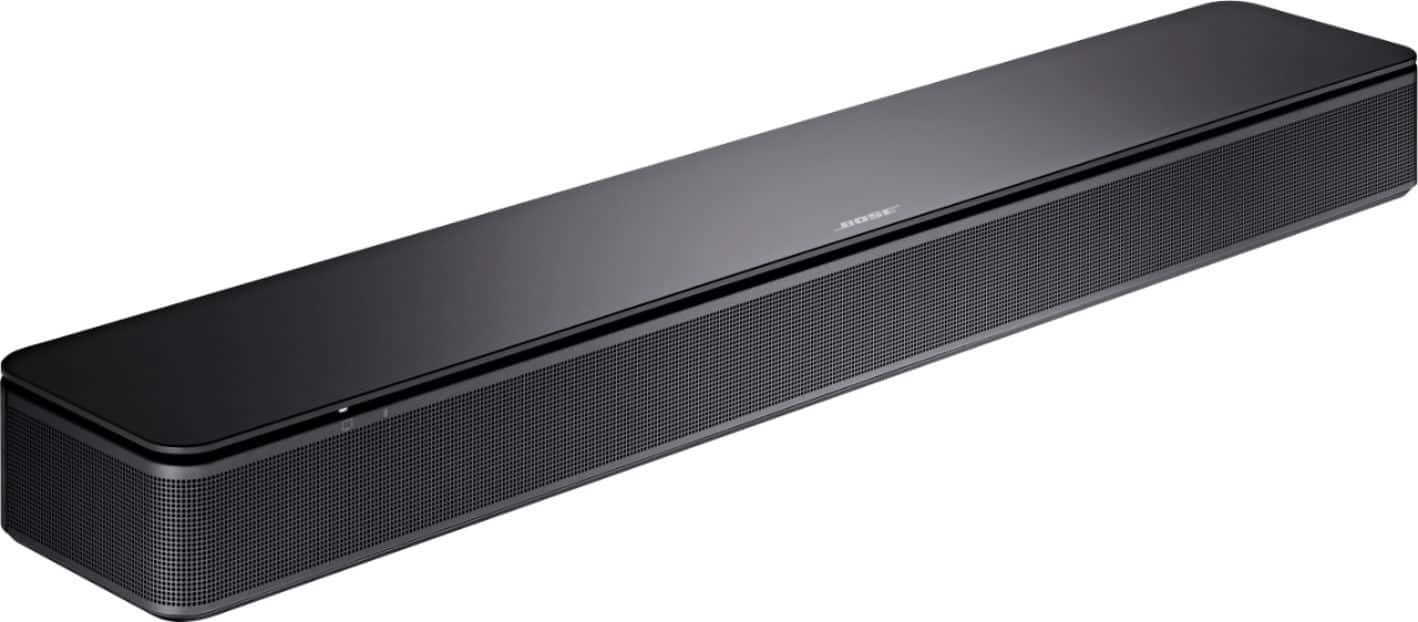
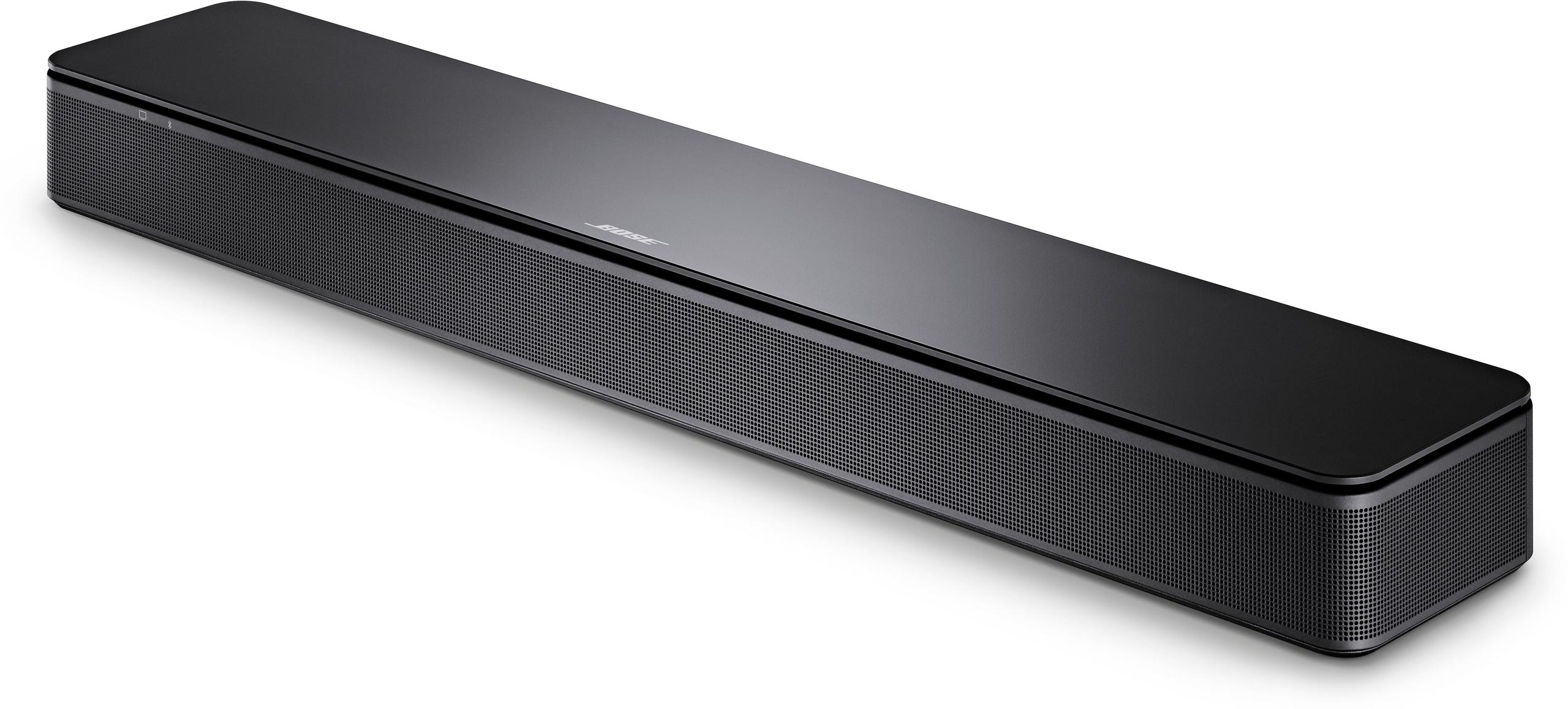
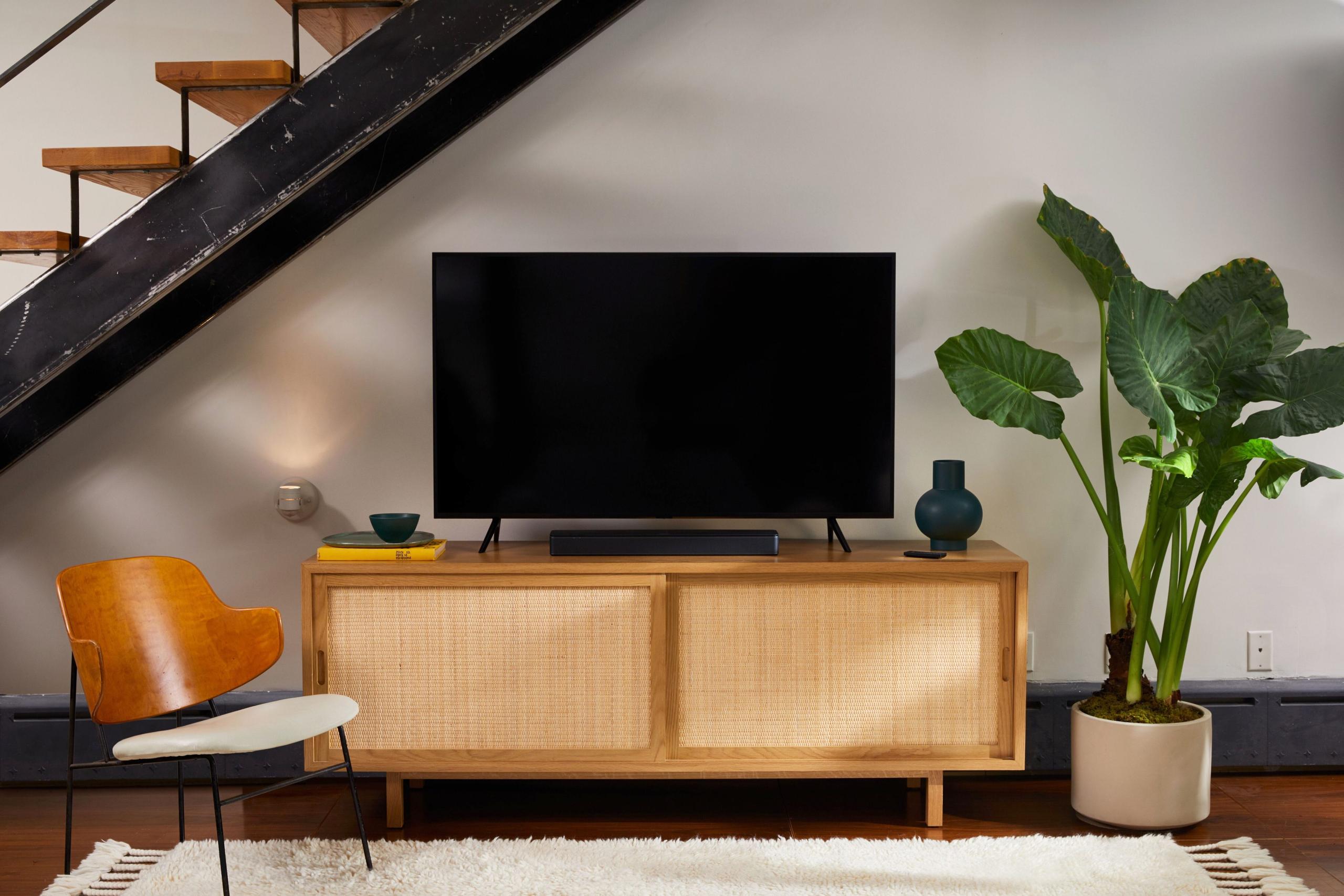
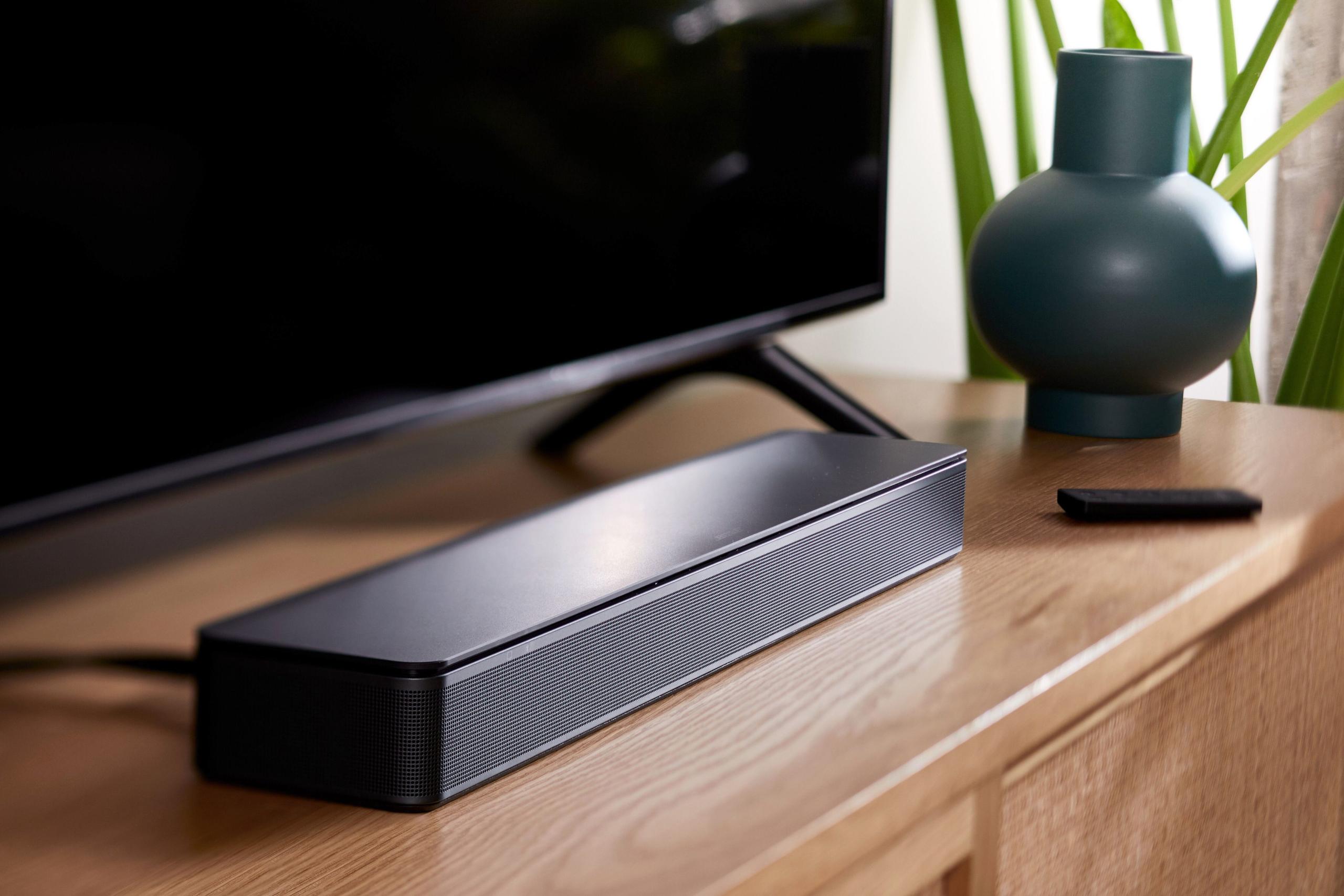
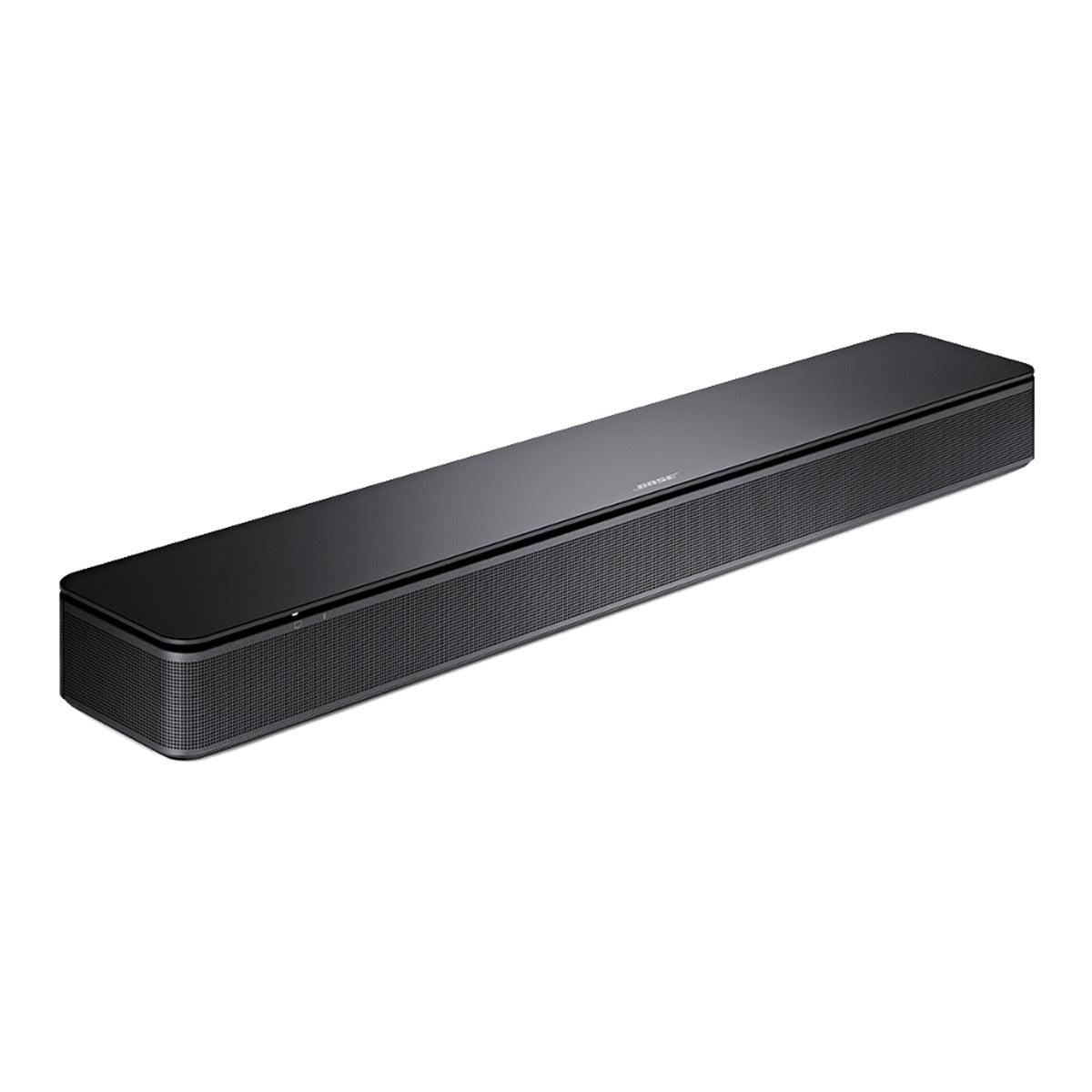
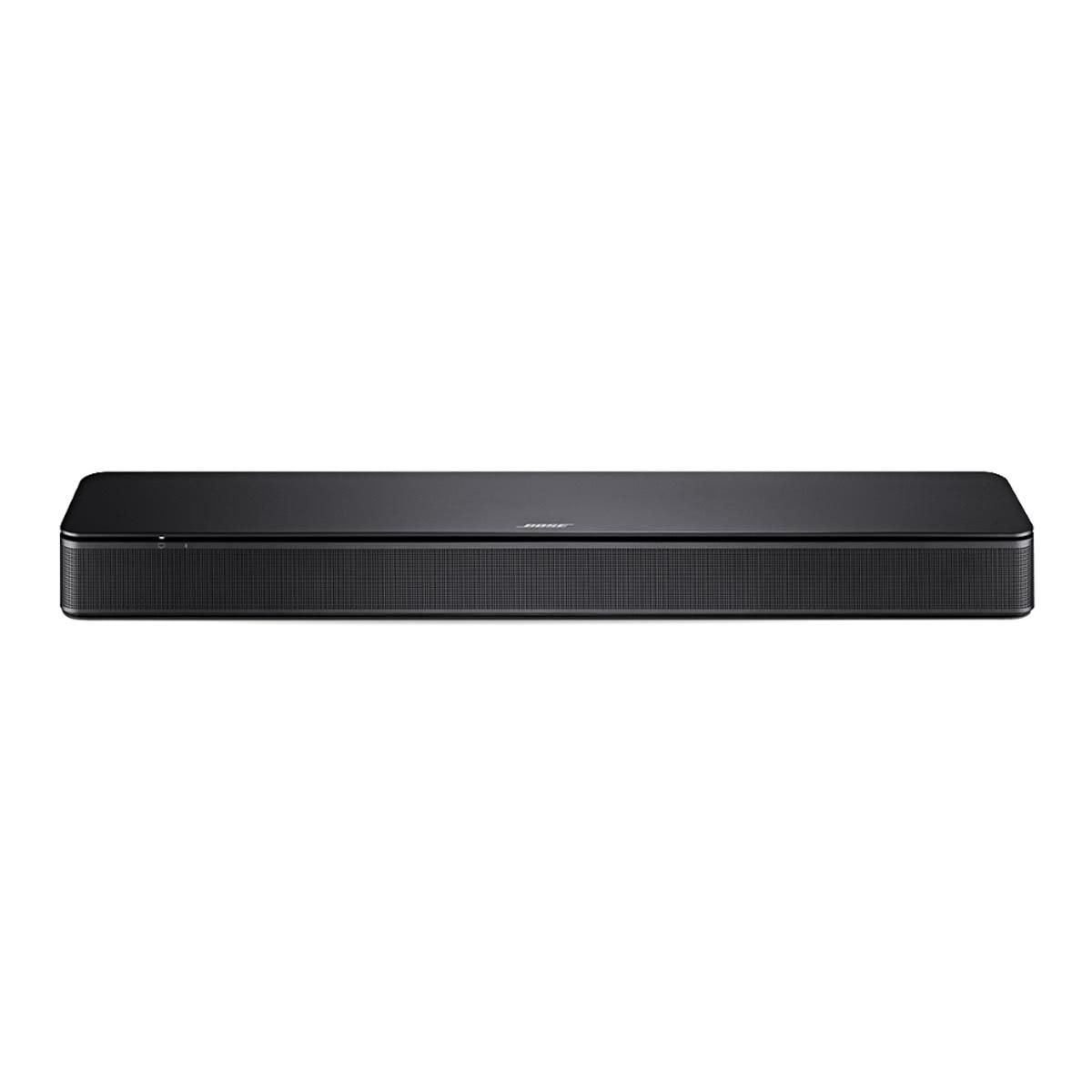
The Bose TV Speaker, released in 2020, represents the "keep it simple" philosophy. Bose designed it specifically for people who want better TV sound without dealing with complex setups or learning about audio formats. It's essentially a really good stereo speaker that happens to be shaped like a soundbar.
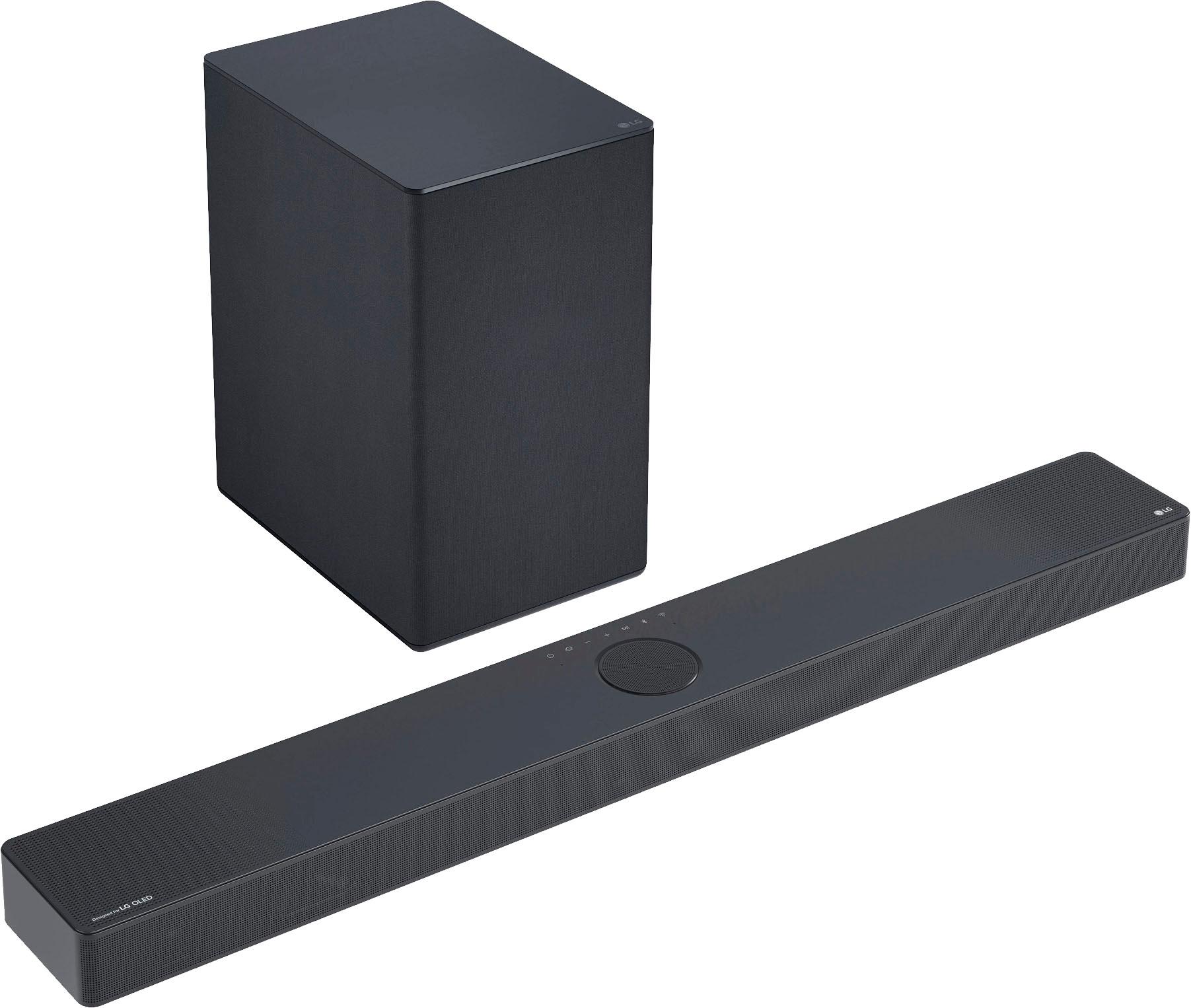
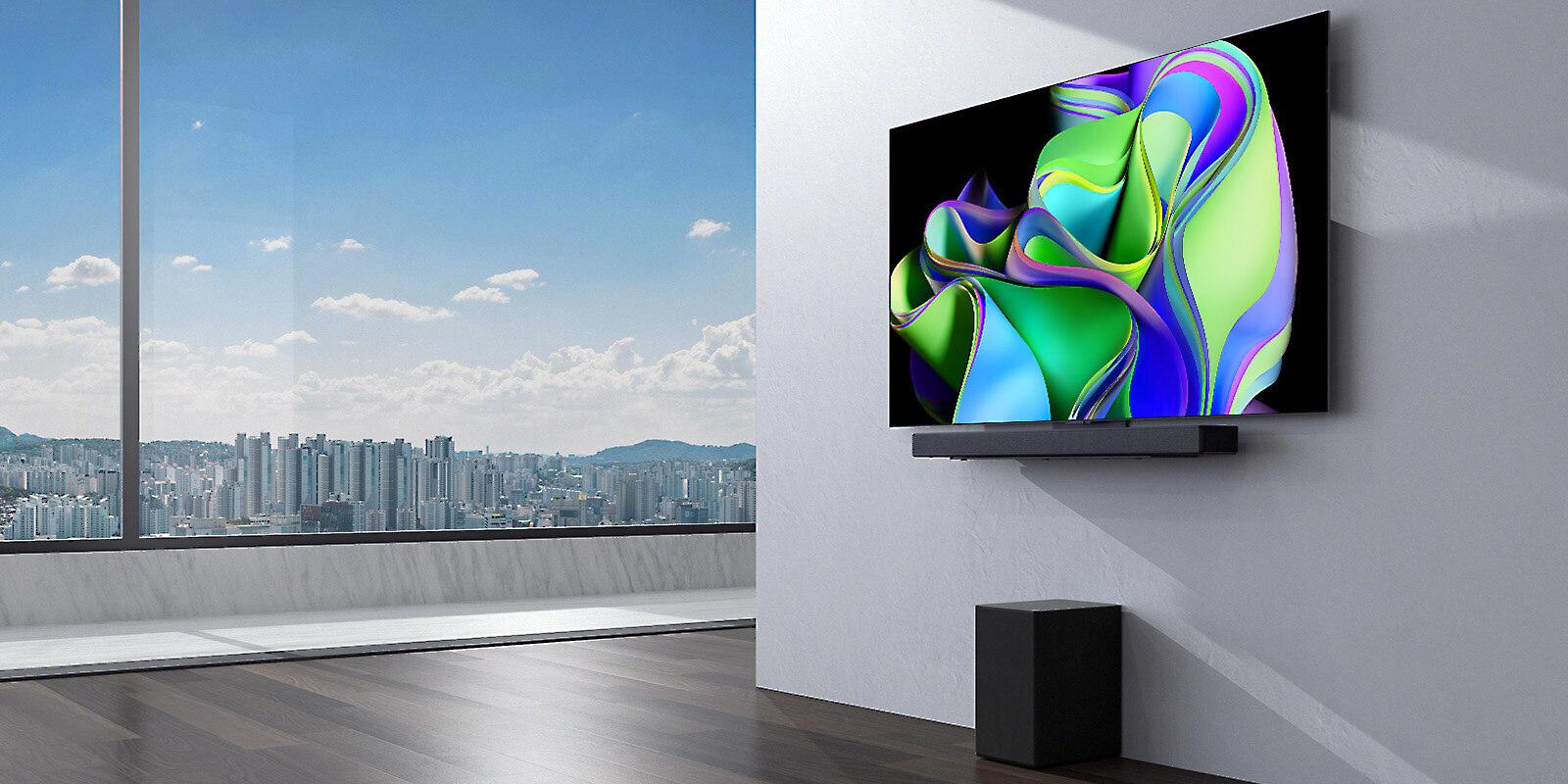
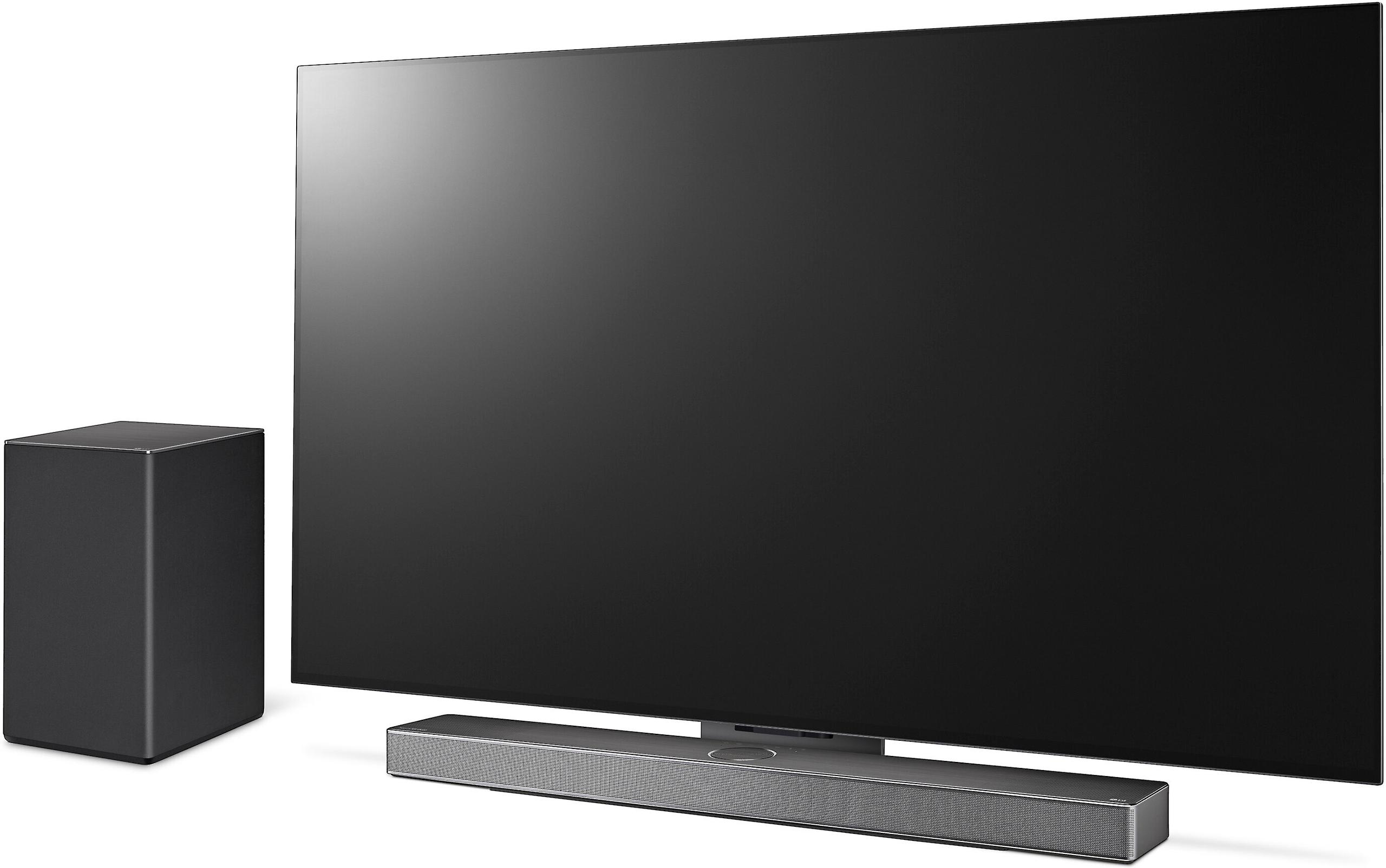
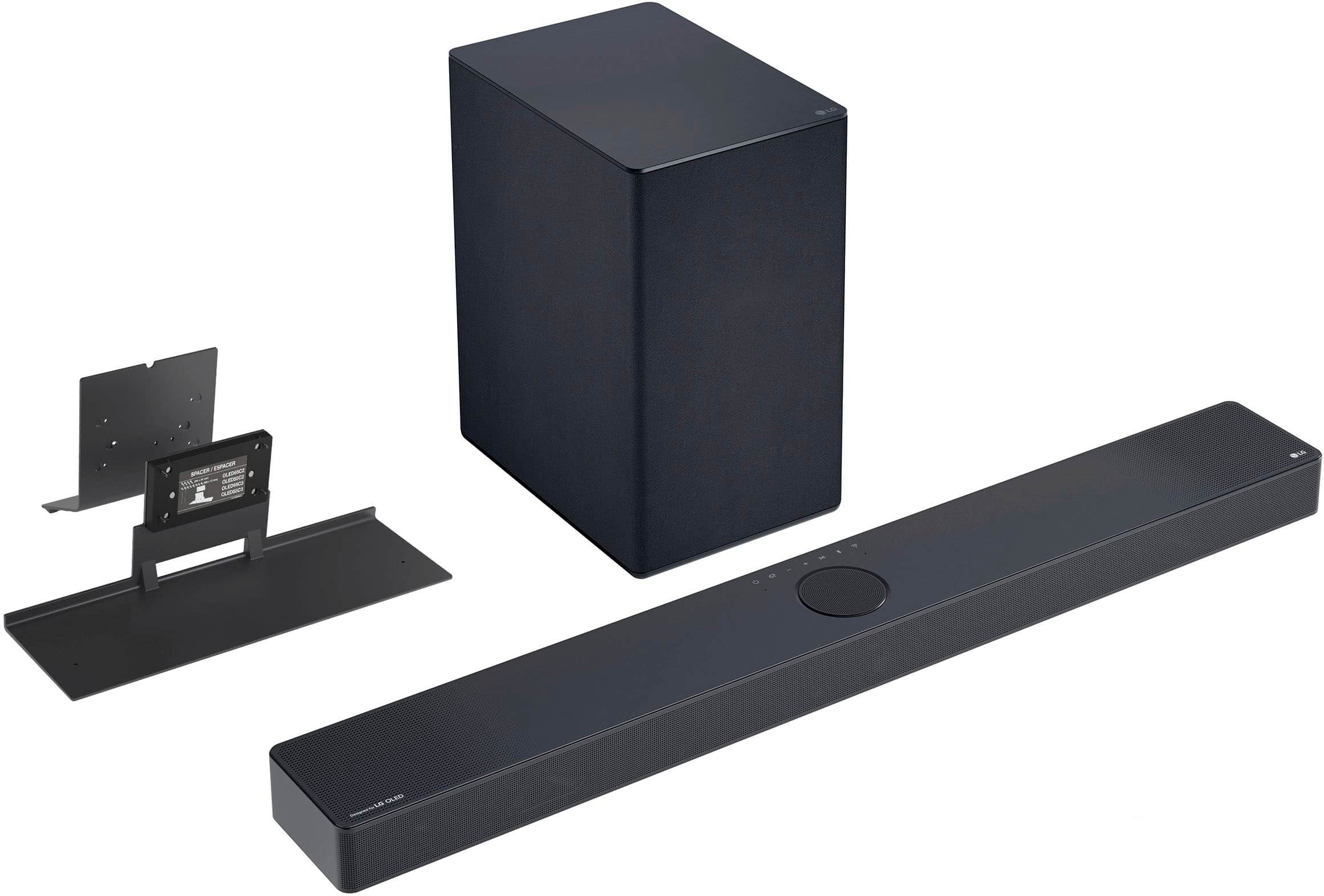
The LG SC9S, launched in 2023, takes the opposite approach. It's packed with the latest audio technology, including true Dolby Atmos support with dedicated upward-firing speakers and a wireless subwoofer. LG designed this for people who want a mini home theater experience.
Since the Bose launched three years earlier, it's worth noting what's changed in the soundbar world. The biggest shift has been the mainstream adoption of Dolby Atmos, an audio format that adds height information to sound. When done well, Atmos can make you feel like helicopters are flying overhead or rain is falling around you. The LG includes this newer technology, while the Bose predates its widespread adoption.
If you primarily watch news, sitcoms, or drama series, dialogue clarity should be your top priority. The Bose TV Speaker absolutely excels here. It includes a dedicated Dialogue Mode that analyzes what you're watching in real-time and adjusts the sound to make voices clearer and more prominent. This isn't just an EQ adjustment—it's actively processing the audio to lift voices out of the mix.
In my experience testing dialogue-heavy content, the Bose consistently outperforms soundbars twice its price when it comes to speech intelligibility. If you find yourself using closed captions not because of hearing issues but because you can't make out what actors are saying over background music and sound effects, the Bose will likely solve this problem immediately.
The LG SC9S handles dialogue well too, with dual center channels (the speakers specifically designed to handle voices) and a Clear Voice Pro mode. However, its approach is more about creating a balanced overall mix rather than specifically prioritizing speech. The dialogue is clear, but it's not elevated the way the Bose does it.
Here's where things get interesting. The Bose produces what audio engineers call a "wide stereo image"—it takes regular stereo sound and spreads it out to feel wider than it actually is. For most TV content, this works beautifully. You get clear, balanced sound that seems to come from a much larger speaker system.
The LG takes a completely different approach with its 3.1.3 channel setup. Those numbers matter: "3" means left, center, and right speakers across the front, "1" is the subwoofer for bass, and the final "3" represents upward-firing speakers that bounce sound off your ceiling to create height effects. When you're watching compatible content, this creates a much more immersive experience where sounds seem to come from all around you.
The trade-off is complexity. The Bose just works with any audio source and makes it sound better. The LG's magic really shines with specific types of content (Dolby Atmos movies and shows) but can sometimes make regular stereo content sound processed or artificial.
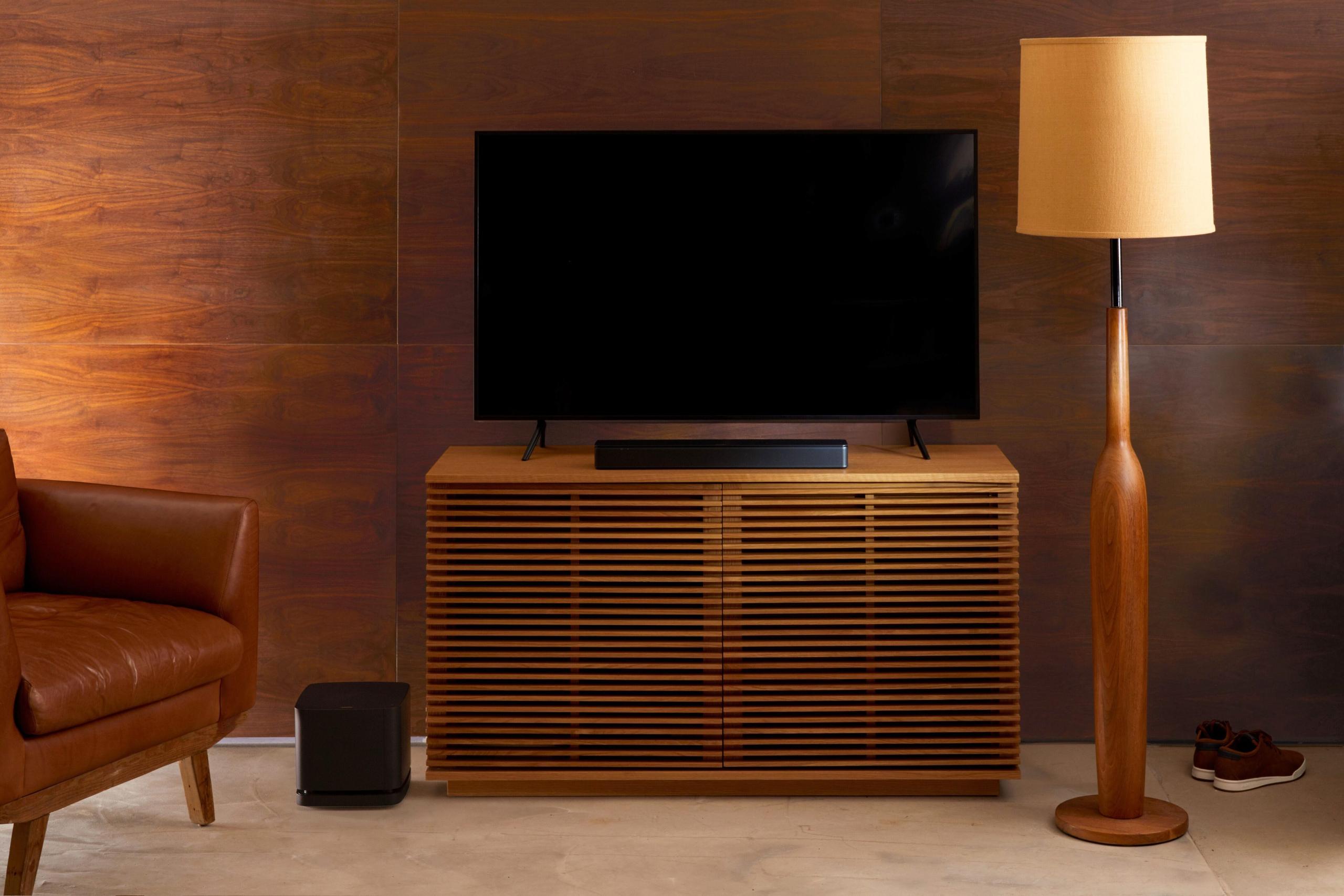
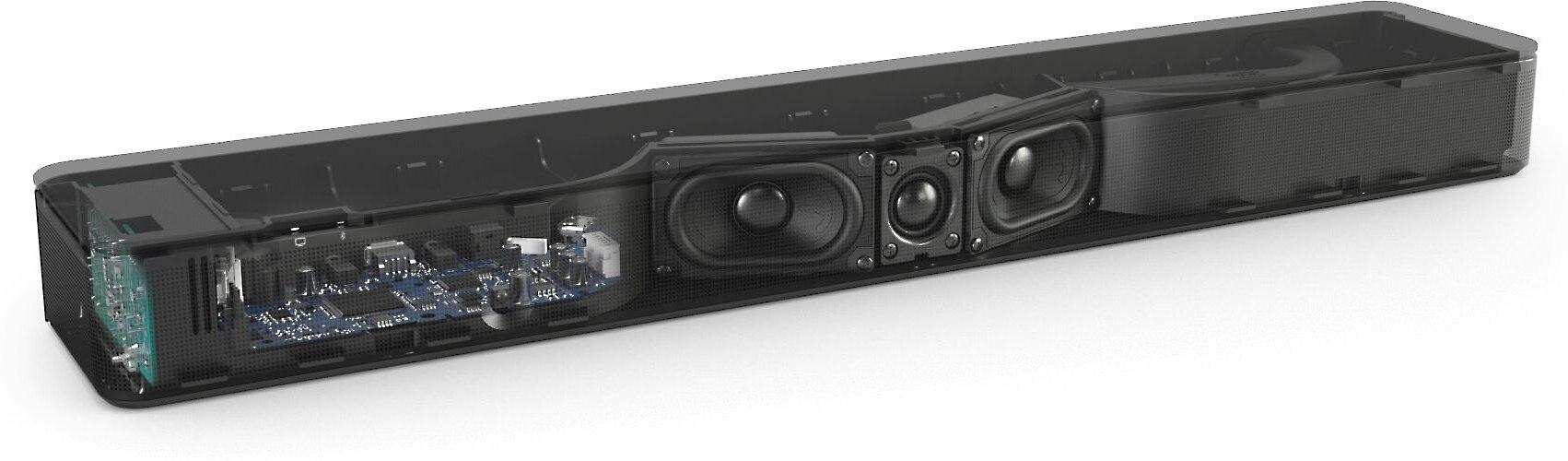
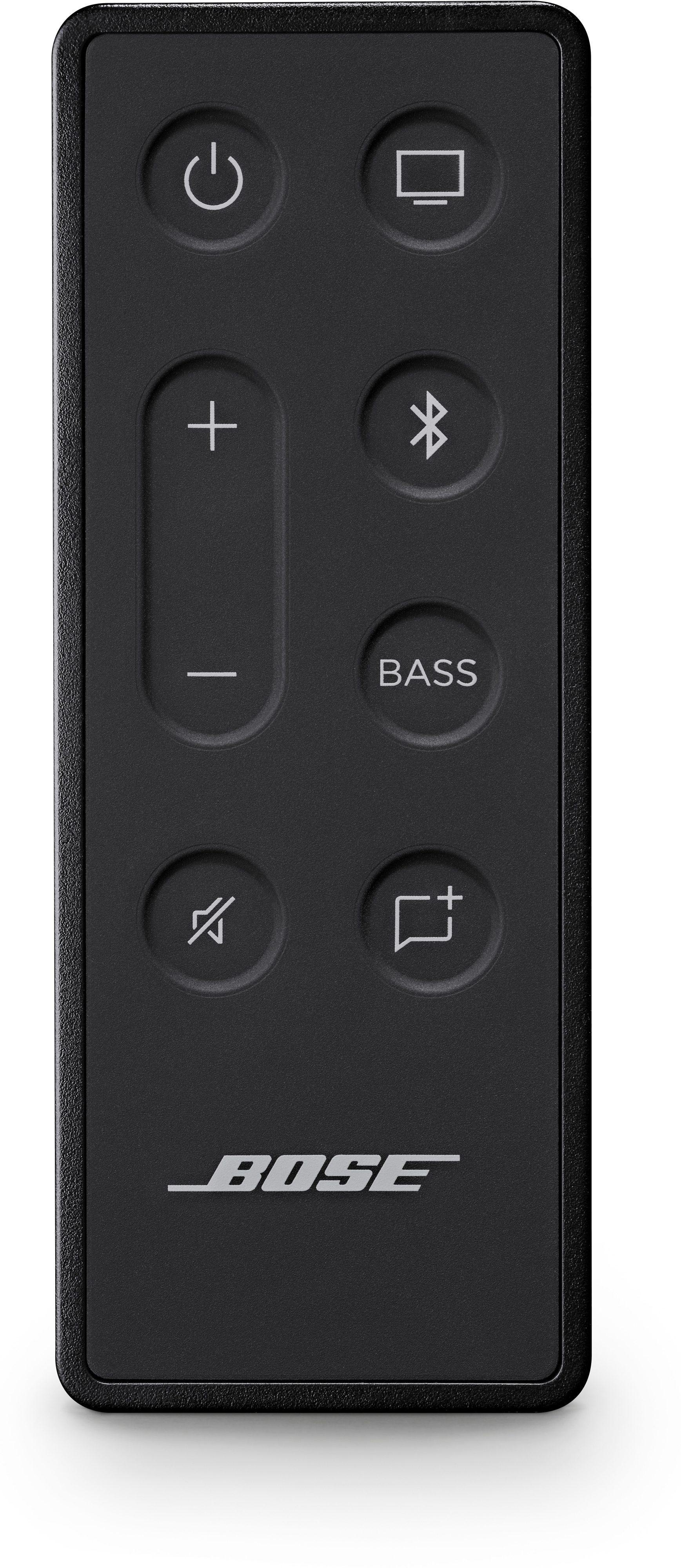
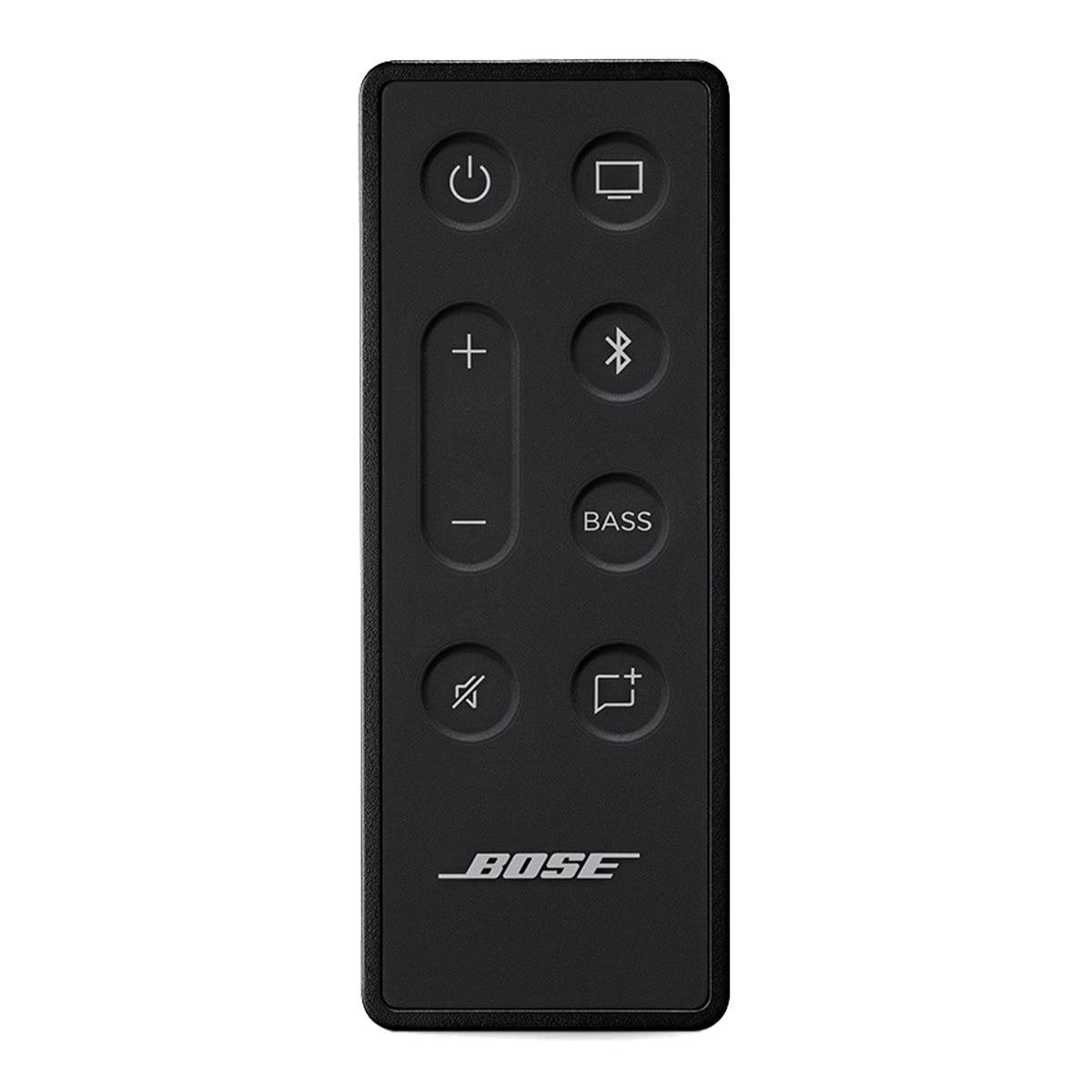
This might be the biggest practical difference between these two soundbars. The Bose TV Speaker relies on two small cone woofers and some clever acoustic engineering to produce bass. It's adequate for dialogue and light entertainment, and there's even a bass boost button on the remote for when you want a bit more low-end punch.
However, if you watch action movies, this is where the Bose shows its limitations. Explosions lack weight, musical bass lines feel thin, and you're missing that visceral impact that makes movies exciting. Bose does offer optional subwoofers (the Bass Module 500 or 700) that connect via a wired cable, but you're looking at an additional $300-400 investment.
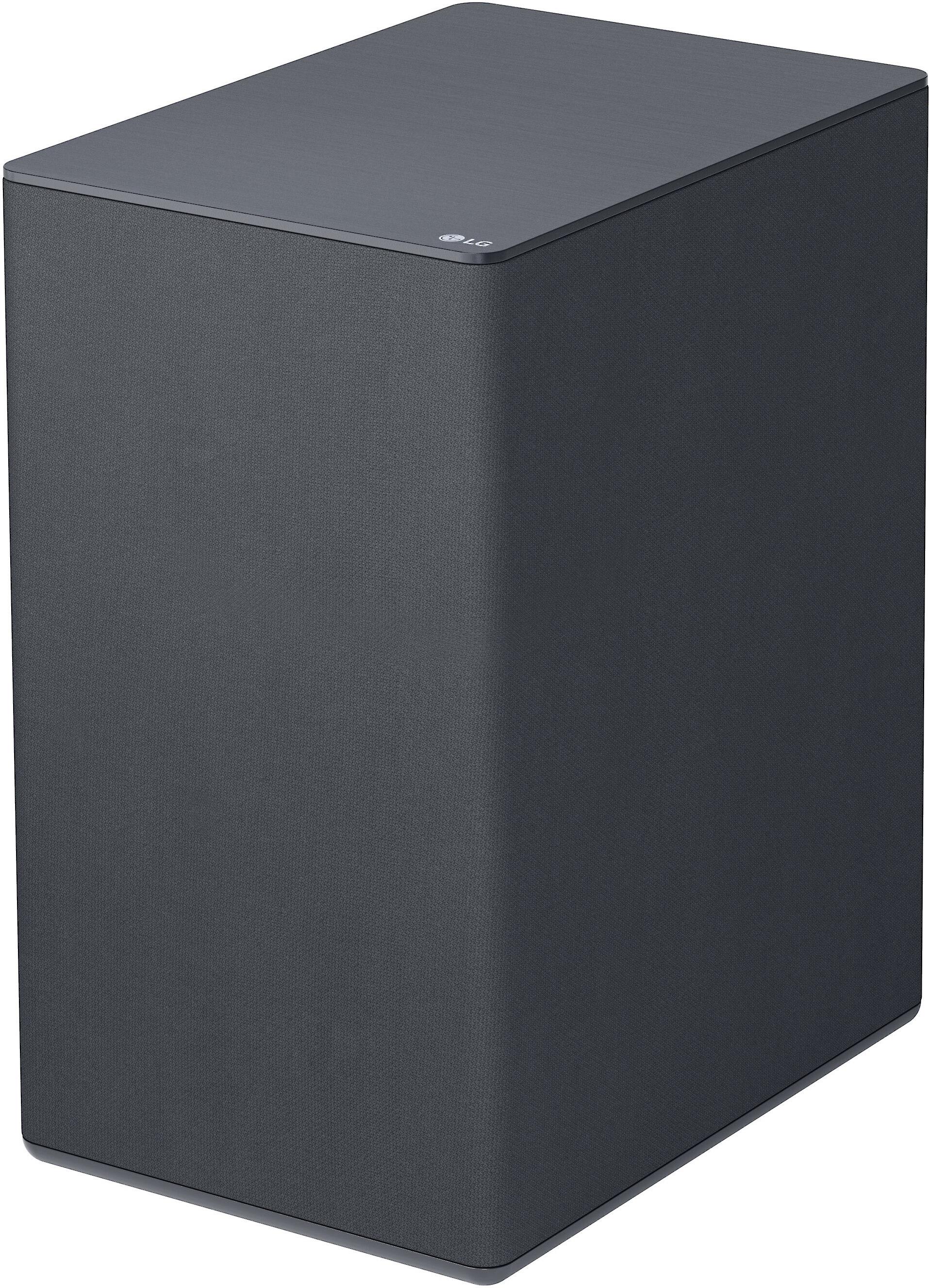
The LG SC9S includes a wireless subwoofer right in the box. This isn't a small, underpowered add-on—it's a substantial 8-inch driver that can genuinely shake your room when the content calls for it. The difference is immediately apparent when watching something like an action movie or listening to music with deep bass lines. The subwoofer connects wirelessly, so you can place it anywhere in your room for optimal bass response.
I've tested both setups, and the difference in bass response is dramatic. The LG provides the kind of low-end impact that makes you feel like you're in a movie theater, while the Bose (without a subwoofer) keeps things polite and controlled.
Dolby Atmos represents one of the biggest advances in home audio in the past decade. Traditional surround sound works on a horizontal plane—sounds come from front, back, left, and right. Atmos adds height, creating a three-dimensional sound bubble around you.
The Bose TV Speaker doesn't support Atmos at all. It's limited to stereo sound, which it does very well, but you won't get any surround sound effects or height information. For many people, this isn't a problem—if you primarily watch network TV, news, or older movies, you're not missing much.
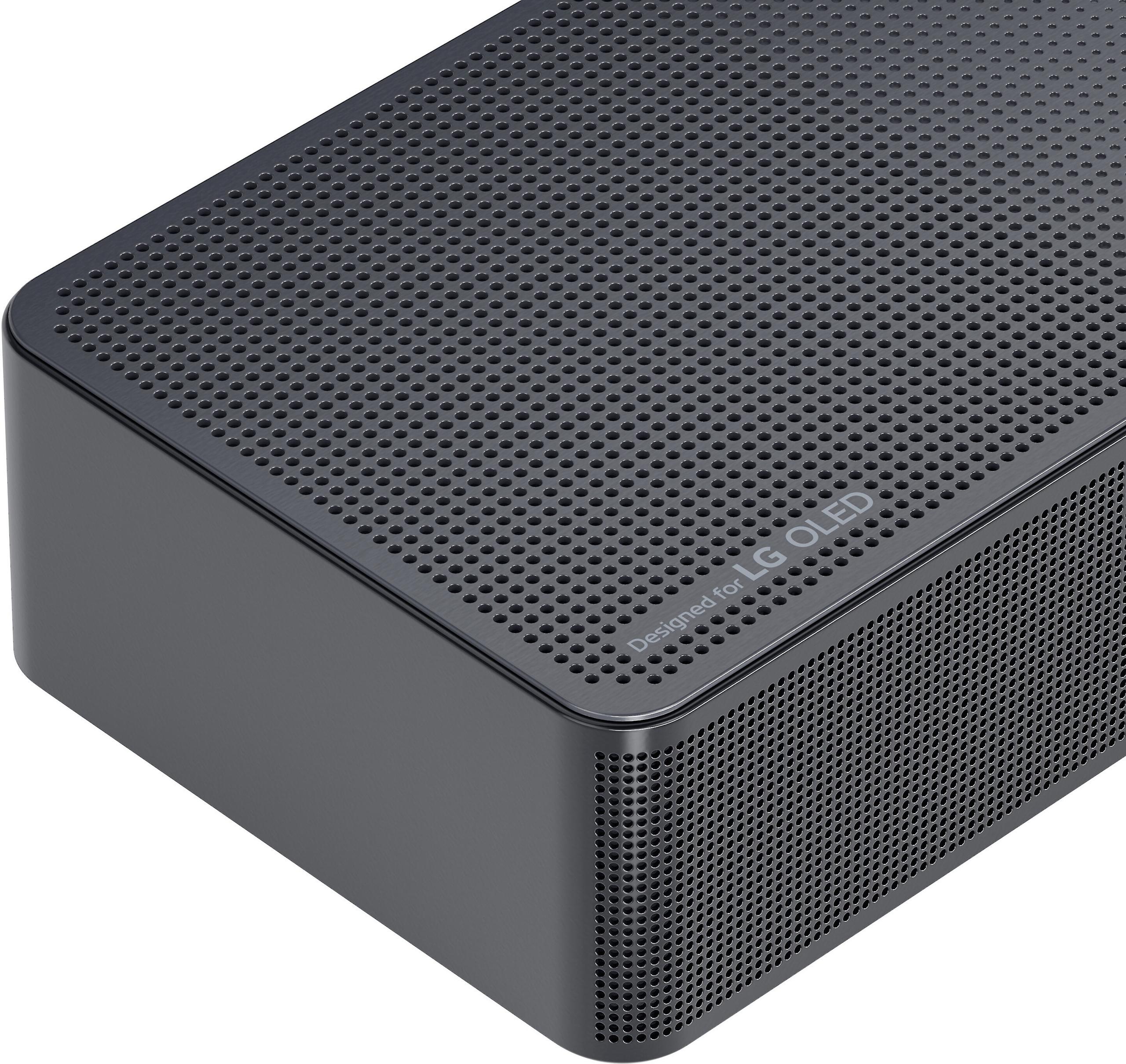
The LG SC9S is built around Atmos. It has three upward-firing speakers that bounce sound off your ceiling to create the illusion of overhead effects. When it works—and this depends heavily on your room having appropriate ceiling height (8-10 feet is ideal) and decent acoustics—the effect can be genuinely impressive. Helicopters sound like they're flying overhead, rain seems to fall around you, and musical instruments feel positioned in three-dimensional space.
The caveat is that Atmos is very dependent on room conditions and content. If you have high ceilings, odd room shapes, or primarily watch content that wasn't mixed for Atmos, you won't get the full benefit. But when everything aligns, it's a significantly more immersive experience than traditional stereo sound.
The Bose TV Speaker is designed for intimate listening. At just 23.4 inches wide and weighing 4.3 pounds, it's perfect for bedrooms, small apartments, or cozy living rooms. It produces enough volume for typical use, but if you have a large room or like to play things loud, you might find it lacking.
The LG SC9S is a different beast entirely. At 38.4 inches wide and with 310 watts of total power, it's designed to fill larger spaces. The wireless subwoofer adds flexibility—you can place it wherever it sounds best in your room, not just where it fits near your TV.
In my testing, the room size matching is crucial. The Bose sounds excellent in smaller spaces but can feel overwhelmed in large rooms. The LG has the power and presence to fill bigger spaces but might feel like overkill in a small bedroom.
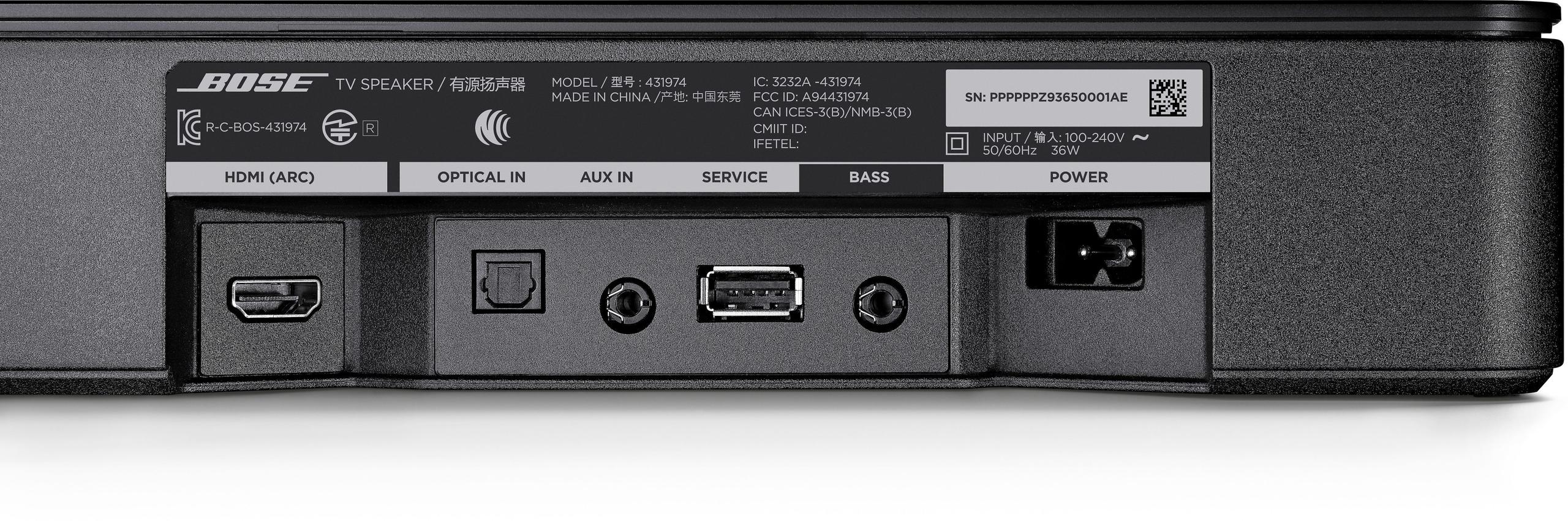
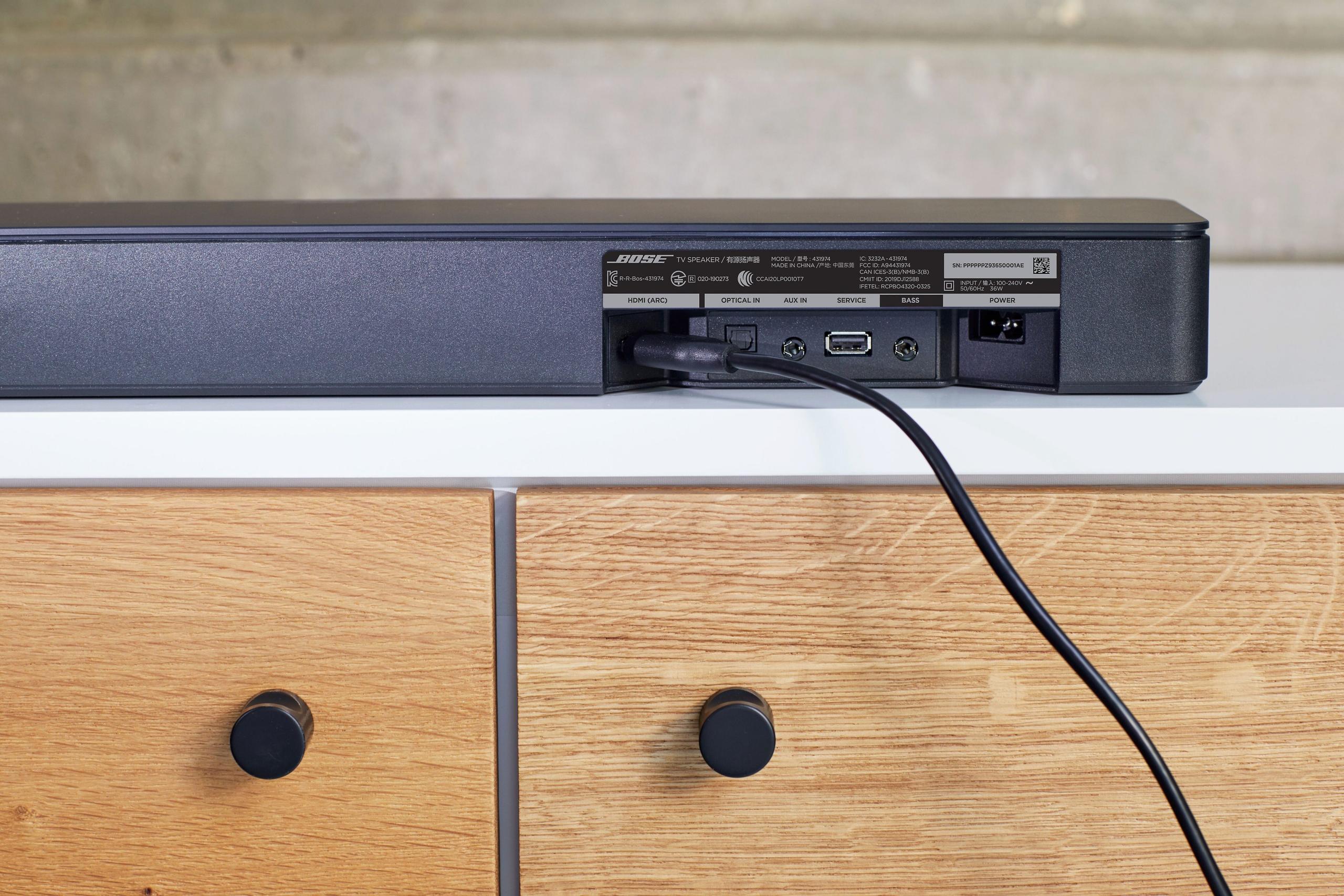
The Bose TV Speaker keeps things beautifully simple. You connect it to your TV with one cable (optical or HDMI), and it just works. There's Bluetooth for streaming music from your phone, basic LED indicators to show you what's happening, and a straightforward remote with essential controls. No apps, no complex setup menus, no voice assistants—just better TV sound.
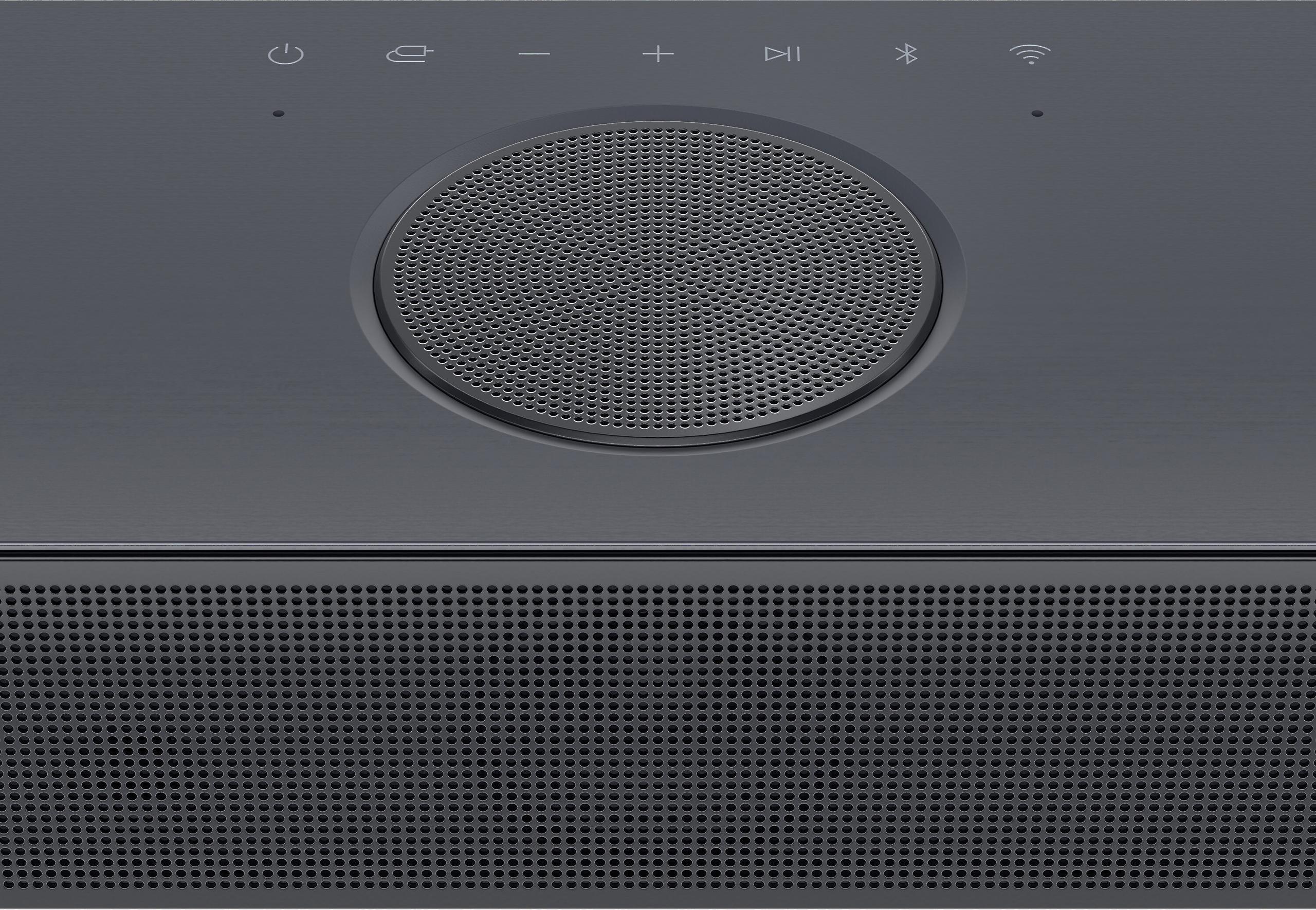
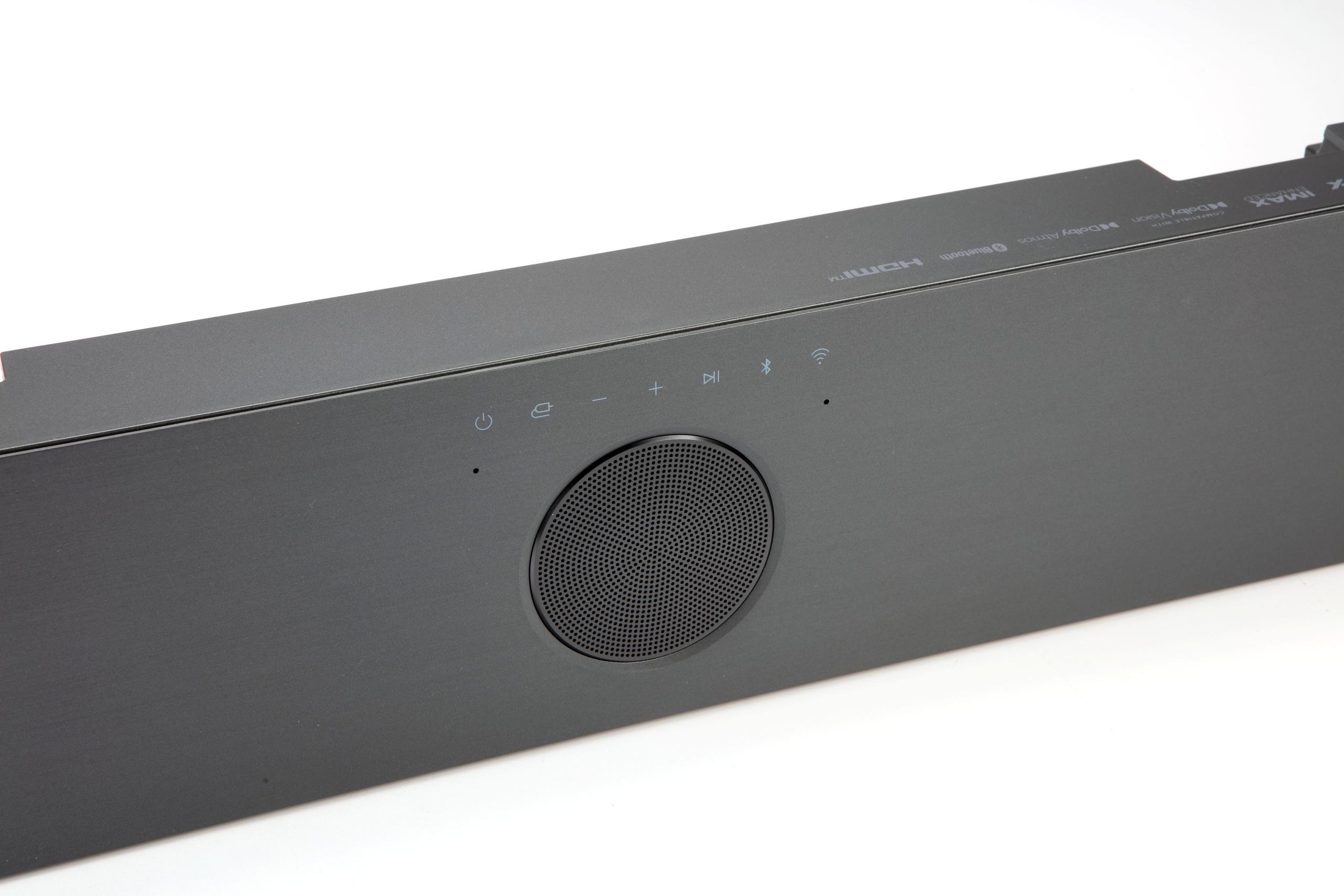
The LG SC9S is a full-featured smart device. It includes Wi-Fi connectivity, app control, voice assistant compatibility with both Alexa and Google Assistant, and seamless integration with LG TVs. You can stream music directly via Spotify Connect, AirPlay 2, or Chromecast without involving your phone. There are multiple sound modes optimized for different content types, and the system can even calibrate itself to your room's acoustics.
This feature difference reflects the target audiences. The Bose appeals to people who want to improve their TV audio and move on with their lives. The LG attracts users who enjoy tweaking settings and integrating their soundbar into a broader smart home ecosystem.
If you're thinking about creating a dedicated home theater space, the choice becomes more complex. The Bose TV Speaker can serve as a starting point, but you'll likely want to add that optional subwoofer for movie watching. Even then, you're limited to stereo sound, which means you're missing the surround sound experience that many consider essential for home theater.
The LG SC9S is much closer to a complete home theater audio solution out of the box. The Atmos support, powerful subwoofer, and room calibration features create an experience that rivals more expensive separate component systems. For a dedicated theater room with proper acoustics, the LG can provide genuinely cinematic sound.
However, consider your content sources. If you primarily stream from services like Netflix or Disney+ (which offer lots of Atmos content) or watch 4K Blu-rays, the LG's advanced features make sense. If you mostly watch cable TV or older content, the Bose's dialogue focus might actually be more beneficial.
At $199, the Bose TV Speaker offers exceptional value for its intended use case. It solves the most common TV audio problem—unclear dialogue—more effectively than soundbars costing twice as much. For casual TV viewers, this represents outstanding value.
The math changes if you add a subwoofer later. A Bose Bass Module 500 costs around $400, bringing your total investment to $600—more than the LG's $516 price point. Suddenly, the LG's included subwoofer and advanced features look like a better deal.
The LG SC9S at $516 includes everything you need for a complete upgrade: the main soundbar, wireless subwoofer, and all the modern features you might want. If you value Atmos effects, powerful bass, and smart connectivity, it's reasonably priced for what you're getting.
Choose the Bose TV Speaker if you want to solve one specific problem: poor TV dialogue. It's perfect for people who primarily watch news, sitcoms, dramas, or talk shows. The simple setup and reliable performance make it ideal for less tech-savvy users or anyone who wants to "set it and forget it." It's also the clear choice for smaller rooms, apartments where loud bass might be problematic, or situations where budget is the primary concern.
The LG SC9S makes sense for movie enthusiasts who regularly watch action films, sci-fi epics, or other content that benefits from immersive audio. If you enjoy tweaking audio settings, appreciate the latest technology, or want your soundbar to handle music listening as well as TV audio, the LG offers significantly more capability.
Consider your room carefully. The LG's Atmos effects work best with 8-10 foot ceilings and decent room acoustics. If you have vaulted ceilings, odd room shapes, or lots of soft furnishings that absorb sound, you might not get the full benefit of its advanced features.
Both soundbars solve the fundamental problem of poor TV audio, but they do it in fundamentally different ways. The Bose TV Speaker focuses on doing one thing exceptionally well: making TV dialogue clear and natural. The LG SC9S aims to transform your TV into a home theater experience with immersive surround sound and powerful bass.
Your choice ultimately depends on how you watch TV and what you value most. If clear dialogue and simplicity are your priorities, the Bose delivers exactly that at an excellent price. If you want the full cinematic experience with modern audio formats and don't mind a more complex setup, the LG provides substantially more capability for a reasonable premium.
Neither choice is wrong—they're just different tools for different jobs. Understanding what you actually need from a soundbar will point you toward the right solution for your home.
| Bose TV Speaker | LG SC9S |
|---|---|
| Price - Entry point vs premium investment | |
| $199 (budget-friendly dialogue upgrade) | $516 (complete home theater solution) |
| Channel Configuration - Determines surround sound capability | |
| 3.0 channels (stereo + center, no subwoofer) | 3.1.3 channels (includes wireless subwoofer + Atmos) |
| Dolby Atmos Support - Creates overhead sound effects | |
| No (limited to stereo sound) | Yes (three up-firing speakers for height effects) |
| Subwoofer Included - Essential for movie bass | |
| Optional wired subwoofer ($300-400 extra) | Wireless subwoofer included |
| Dialogue Enhancement - Critical for speech clarity | |
| Dedicated Dialogue Mode (analyzes content) | Clear Voice Pro mode (standard enhancement) |
| Size and Weight - Important for TV compatibility | |
| 23.4" W × 2.2" H, 4.3 lbs (compact design) | 38.4" W × 2.5" H, 9.1 lbs (fits larger TVs) |
| Smart Features - Convenience and future-proofing | |
| Basic Bluetooth only | Wi-Fi, voice assistants, app control, streaming |
| Room Size Suitability - Power and presence | |
| Small to medium rooms (under 200 sq ft) | Medium to large rooms (310W total power) |
| Setup Complexity - Time to enjoyment | |
| Single cable connection, works immediately | Room calibration and multiple connection options |
| Best Use Case - Who this serves best | |
| TV dialogue improvement for casual viewers | Movie enthusiasts wanting cinematic experience |
The Bose TV Speaker is specifically designed for dialogue clarity with its dedicated Dialogue Mode that analyzes content in real-time to enhance speech. If you primarily watch TV shows, news, or dialogue-heavy content, the Bose excels at making voices clearer and more intelligible than the LG SC9S.
Yes, the LG SC9S includes a wireless subwoofer in the box, providing powerful bass for movies and music. The Bose TV Speaker does not include a subwoofer but offers optional wired subwoofers (Bass Module 500/700) for an additional $300-400.
Only the LG SC9S supports Dolby Atmos with three up-firing speakers that create overhead sound effects. The Bose TV Speaker is limited to stereo sound and does not support any surround sound formats including Dolby Atmos.
The Bose TV Speaker costs $199, while the LG SC9S is priced at $516. However, if you add a subwoofer to the Bose system later, the total cost would exceed the LG's price point.
The Bose TV Speaker offers simpler setup with a single cable connection (optical or HDMI) and works immediately. The LG SC9S has more complex setup including room calibration and multiple connectivity options, but provides more customization features.
The Bose TV Speaker is ideal for small rooms with its compact 23.4-inch width and focused stereo sound. The LG SC9S is designed for larger spaces and may be overpowering in small rooms, though its wireless subwoofer offers placement flexibility.
Both the Bose TV Speaker and LG SC9S work with any TV brand through standard connections like HDMI ARC and optical inputs. However, the LG offers enhanced integration features when paired with LG TVs.
The LG SC9S is significantly better for home theater use with its Dolby Atmos support, powerful wireless subwoofer, and 310W total power output. The Bose TV Speaker focuses on dialogue clarity rather than cinematic immersion.
The Bose TV Speaker offers basic Bluetooth connectivity for music streaming. The LG SC9S provides more advanced wireless options including Wi-Fi, Spotify Connect, AirPlay 2, and Chromecast for seamless music streaming.
The LG SC9S has significantly better bass with its included wireless subwoofer. The Bose TV Speaker has modest bass from its built-in drivers and requires an optional subwoofer purchase for substantial low-end improvement.
The LG SC9S includes comprehensive smart features like voice assistant compatibility, app control, and multiple streaming options. The Bose TV Speaker keeps things simple with basic Bluetooth connectivity and no smart home integration.
For dialogue-focused TV watching, the Bose TV Speaker at $199 offers excellent value. For complete home theater experience with Atmos and subwoofer included, the LG SC9S at $516 provides better overall value despite the higher upfront cost.
We've done our best to create useful and informative comparisons to help you decide what product to buy. Our research uses advanced automated methods to create this comparison and perfection is not possible - please contact us for corrections or questions. These are the sites we've researched in the creation of this article: bestbuy.com - projectorscreen.com - forums.audioholics.com - digitaltrends.com - abt.com - crutchfield.com - staples.com - bestbuy.com - pcrichard.com - visions.ca - bose.com - assets.bose.com - consumerreports.org - valueelectronics.com - youtube.com - bestbuy.com - rtings.com - costco.com - bestbuy.com - walts.com - queencityonline.com - blog.son-video.com - videoandaudiocenter.com - lg.com

Privacy Policy
Terms and Conditions - Affiliate Policy
Home Security
© Copyright 2008-2026.
11816 Inwood Rd #1211, Dallas, TX 75244