






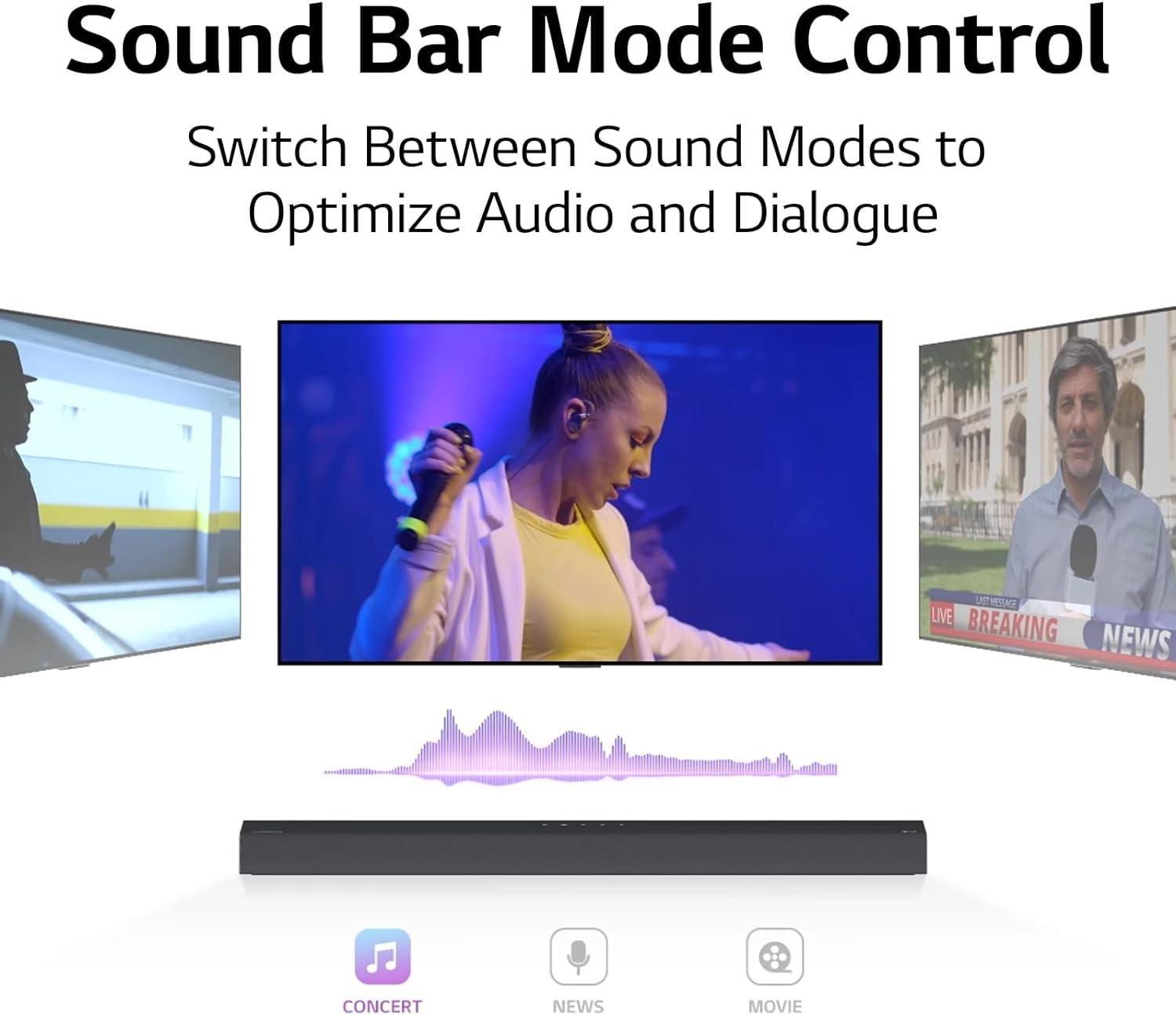



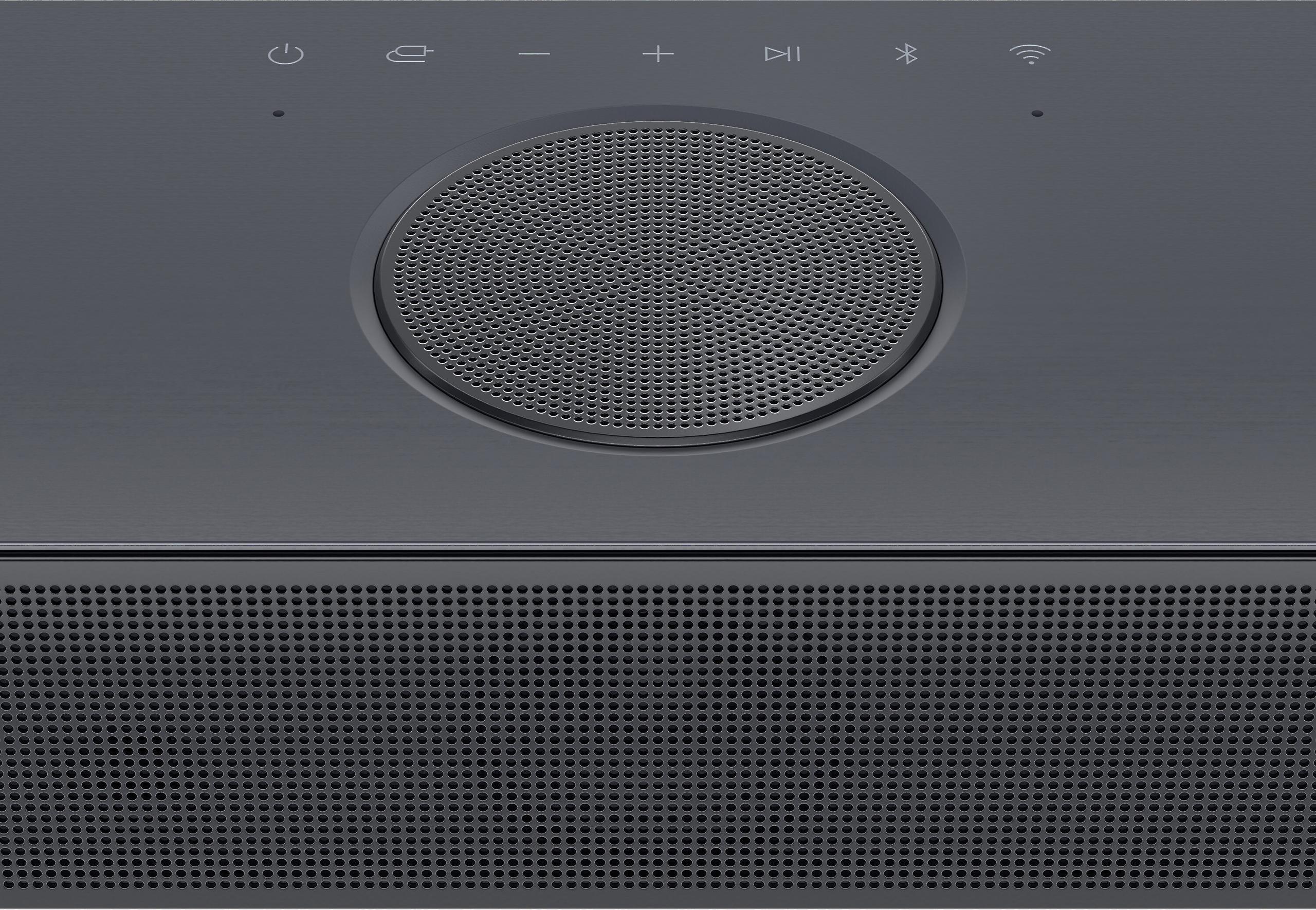
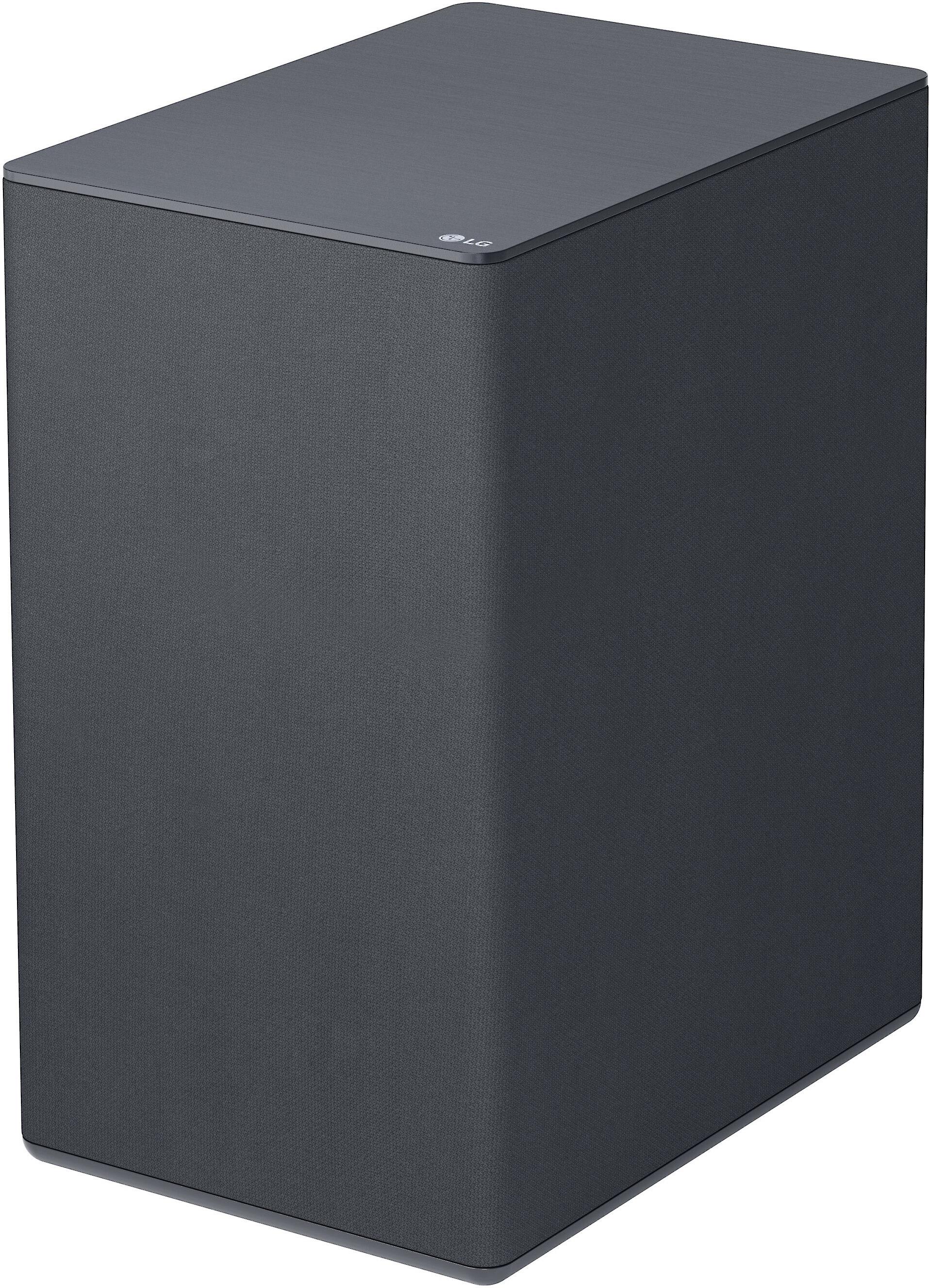

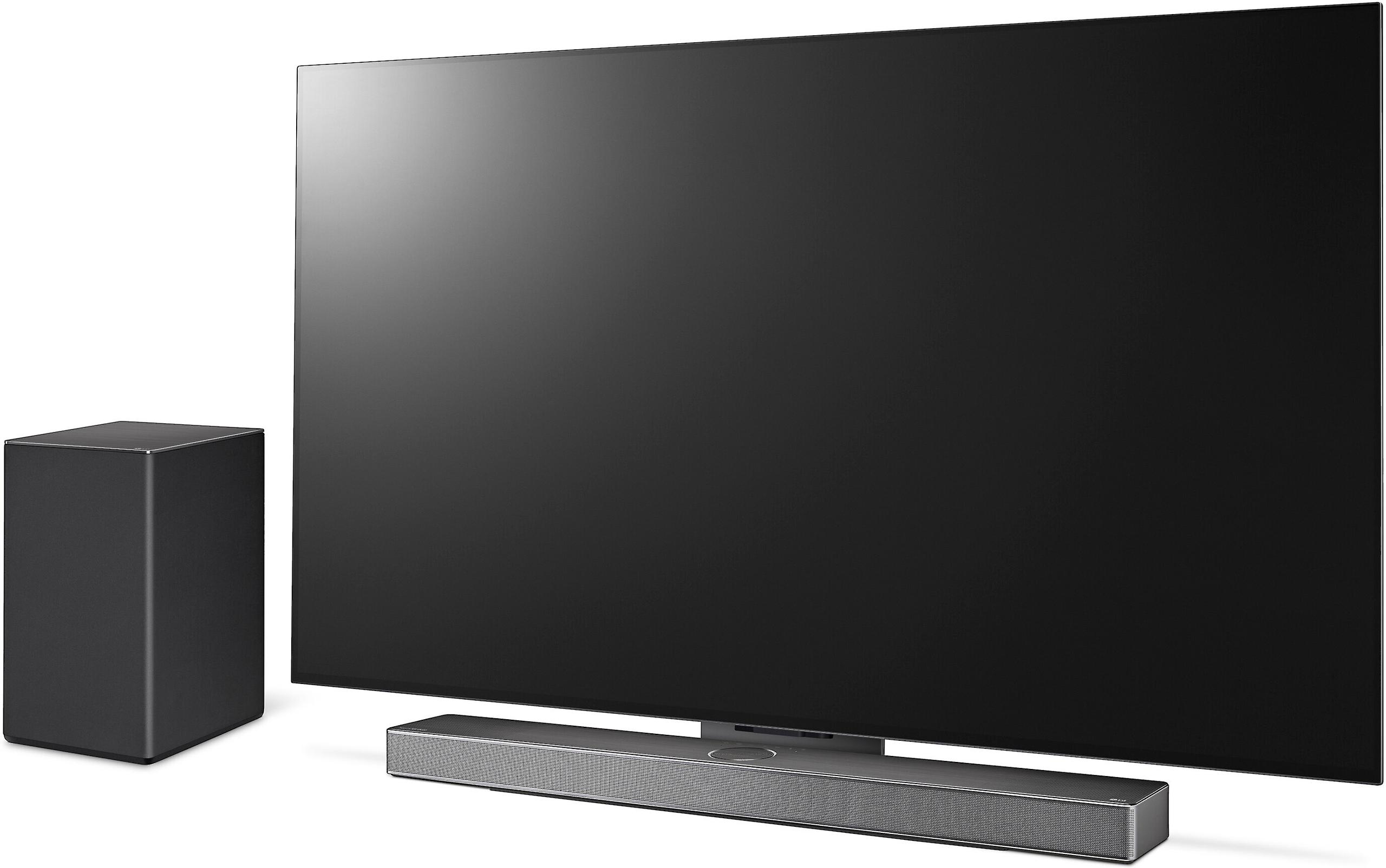
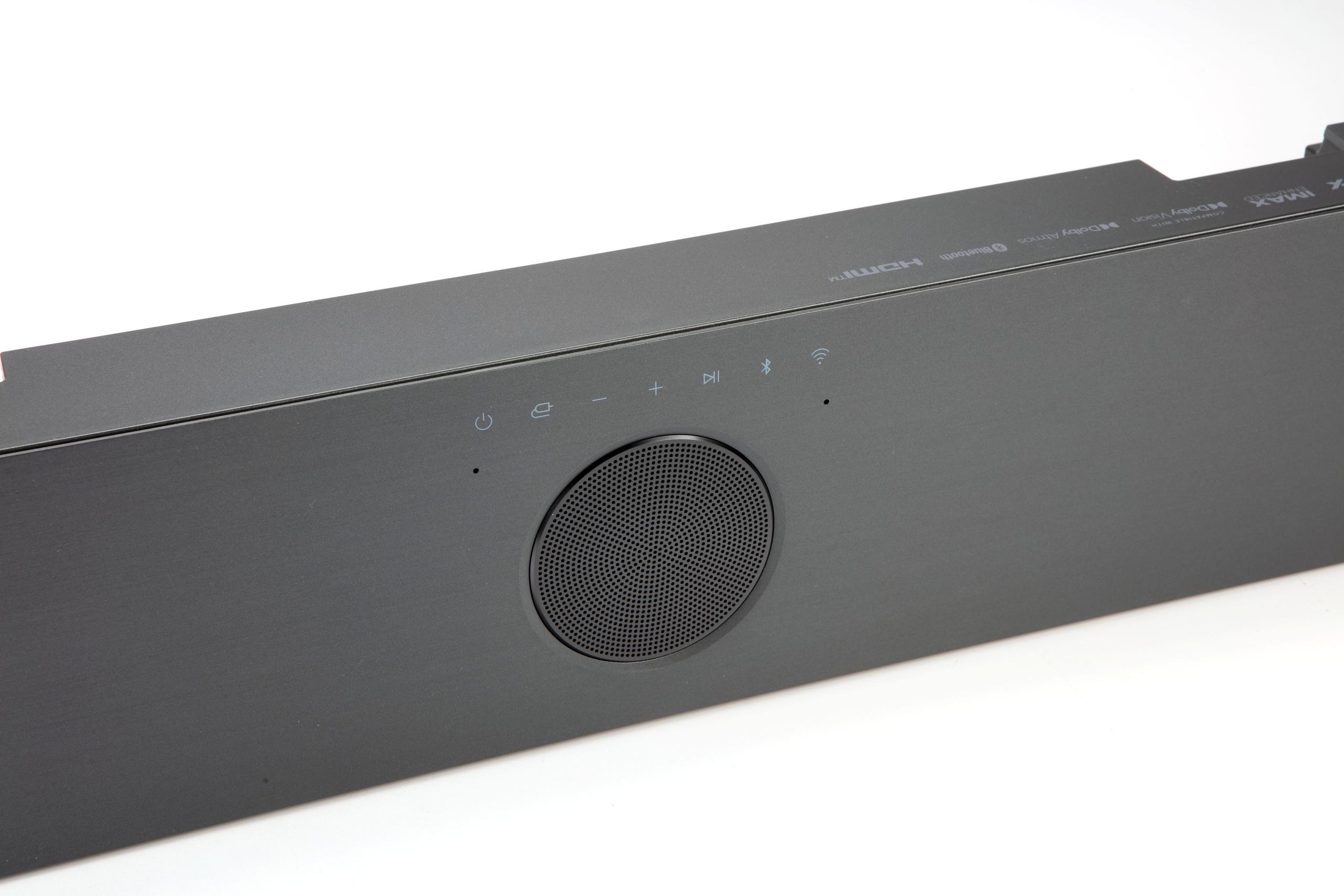
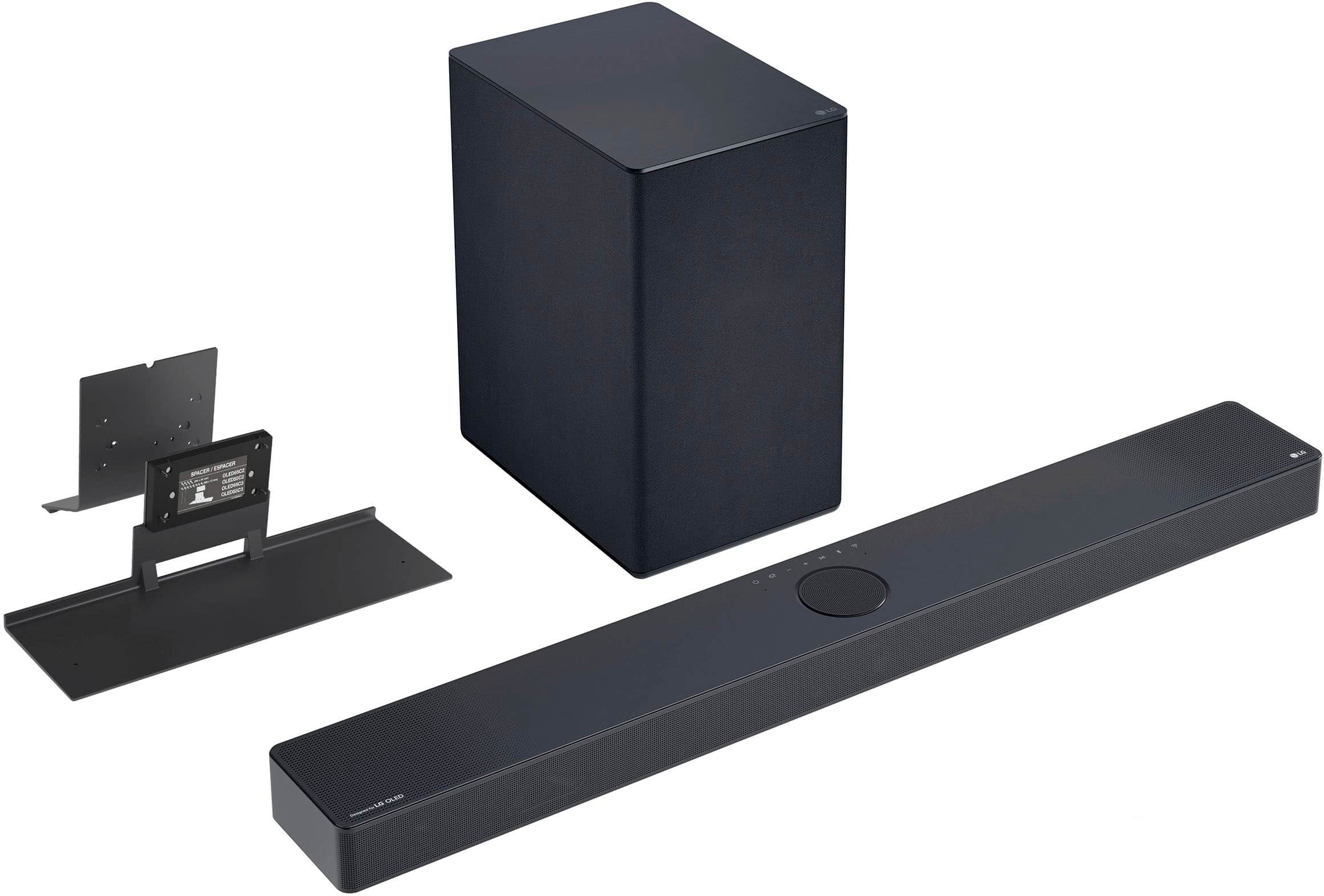
When you're shopping for a premium soundbar in 2024, you're essentially choosing between two philosophies: authentic surround sound with multiple physical speakers, or clever virtual processing that simulates the same effect. LG's lineup perfectly illustrates this divide with the LG S95TR 9.1.5 Channel Soundbar ($997-$1,597) representing their flagship approach, while the LG SC9S 3.1.3 Channel Soundbar ($516) offers an accessible entry point into Dolby Atmos territory.
Both soundbars support Dolby Atmos—a technology that treats sounds as "objects" that can be precisely placed anywhere in 3D space around you, rather than being locked to specific channels. Think of it like the difference between painting with a few broad brushstrokes versus having hundreds of fine brushes to create intricate details. But here's where things get interesting: achieving that immersive experience requires very different approaches between these two models.
The premium soundbar market has evolved dramatically since basic 2.1 systems dominated shelves just five years ago. Today's buyers face a fundamental choice between convenience and authenticity. Do you want the simplest setup that delivers good results, or are you willing to manage multiple components for the most convincing surround experience possible?
The key considerations boil down to a few critical factors. Channel configuration determines how many separate audio streams your system can handle—more channels generally mean better positional accuracy. Physical versus virtual surround processing affects whether sounds actually come from behind you (physical rear speakers) or your brain is tricked into thinking they do (psychoacoustic processing). Room size compatibility matters because a system designed for a 20-foot room will either sound thin in a large space or overwhelm a small apartment. Finally, setup complexity varies wildly—some buyers love tweaking speaker placement, while others want to unbox, plug in, and start watching movies immediately.
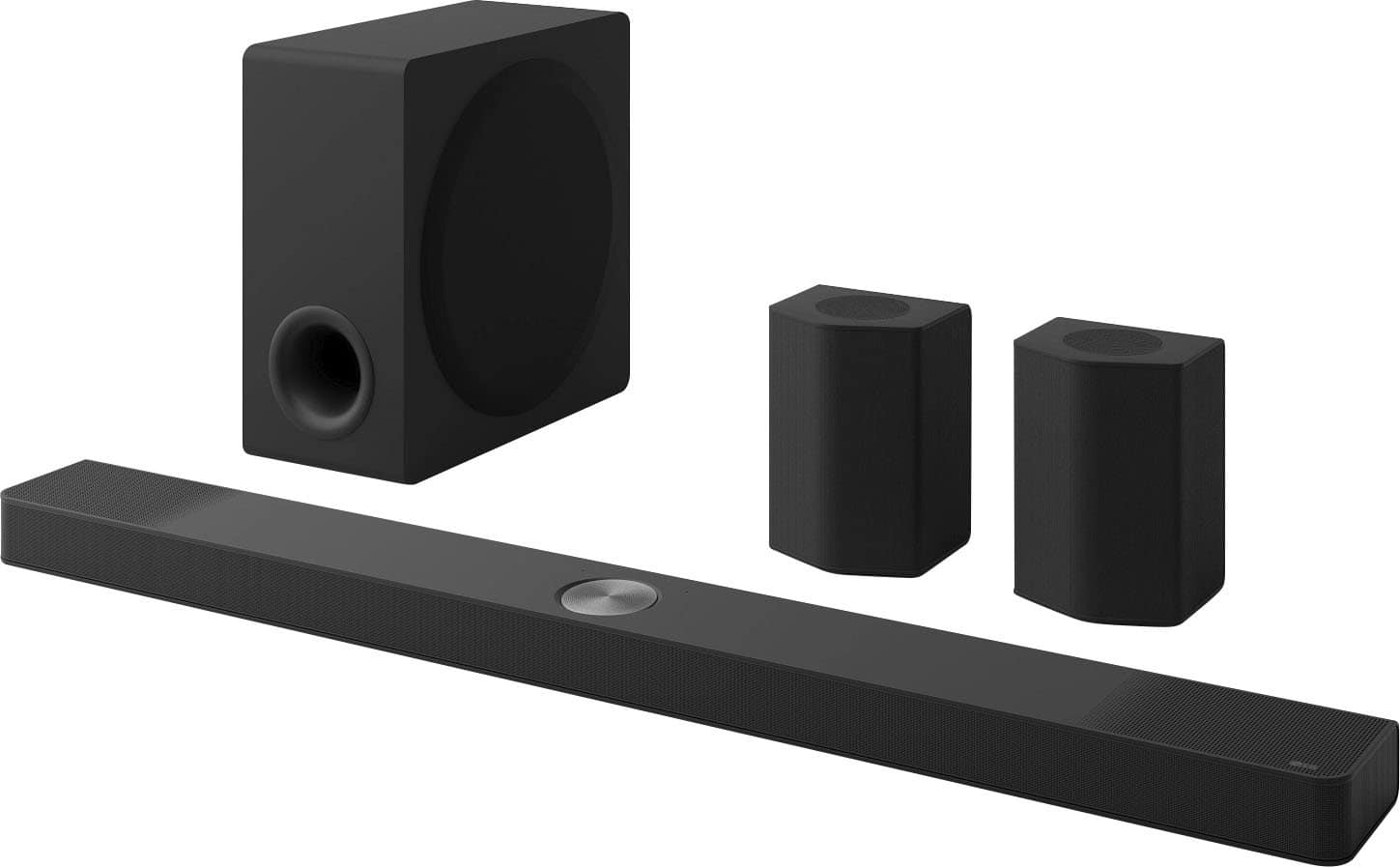
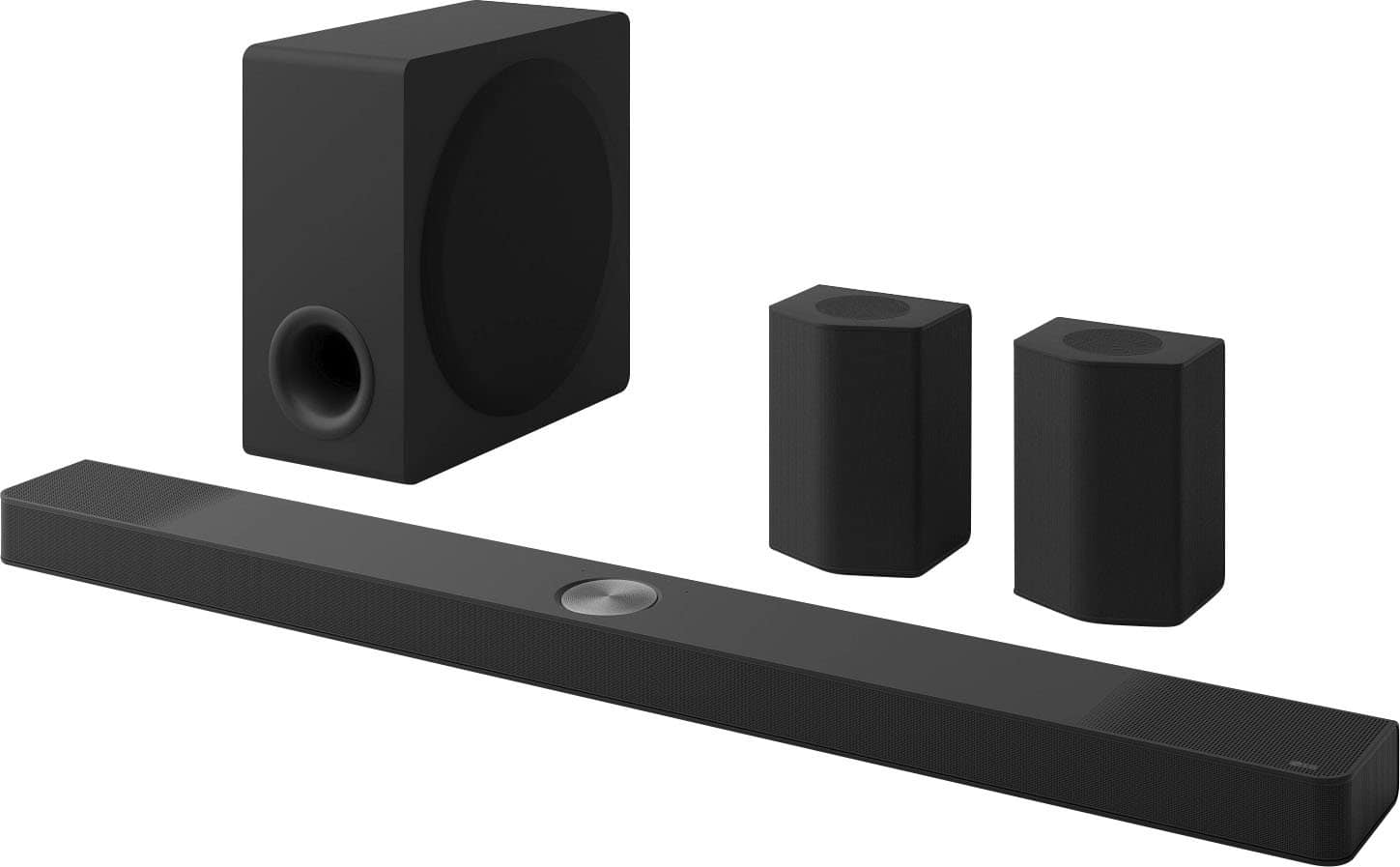
Released in early 2024 as LG's new flagship, the S95TR ($997-$1,597) represents their most ambitious soundbar effort yet. This isn't just a soundbar—it's a complete 4-piece home theater system that includes a main soundbar, wireless subwoofer, and two wireless rear speakers. The "9.1.5" designation tells the whole story: 9 main channels, 1 dedicated subwoofer channel, and 5 height channels that fire sound upward to bounce off your ceiling.
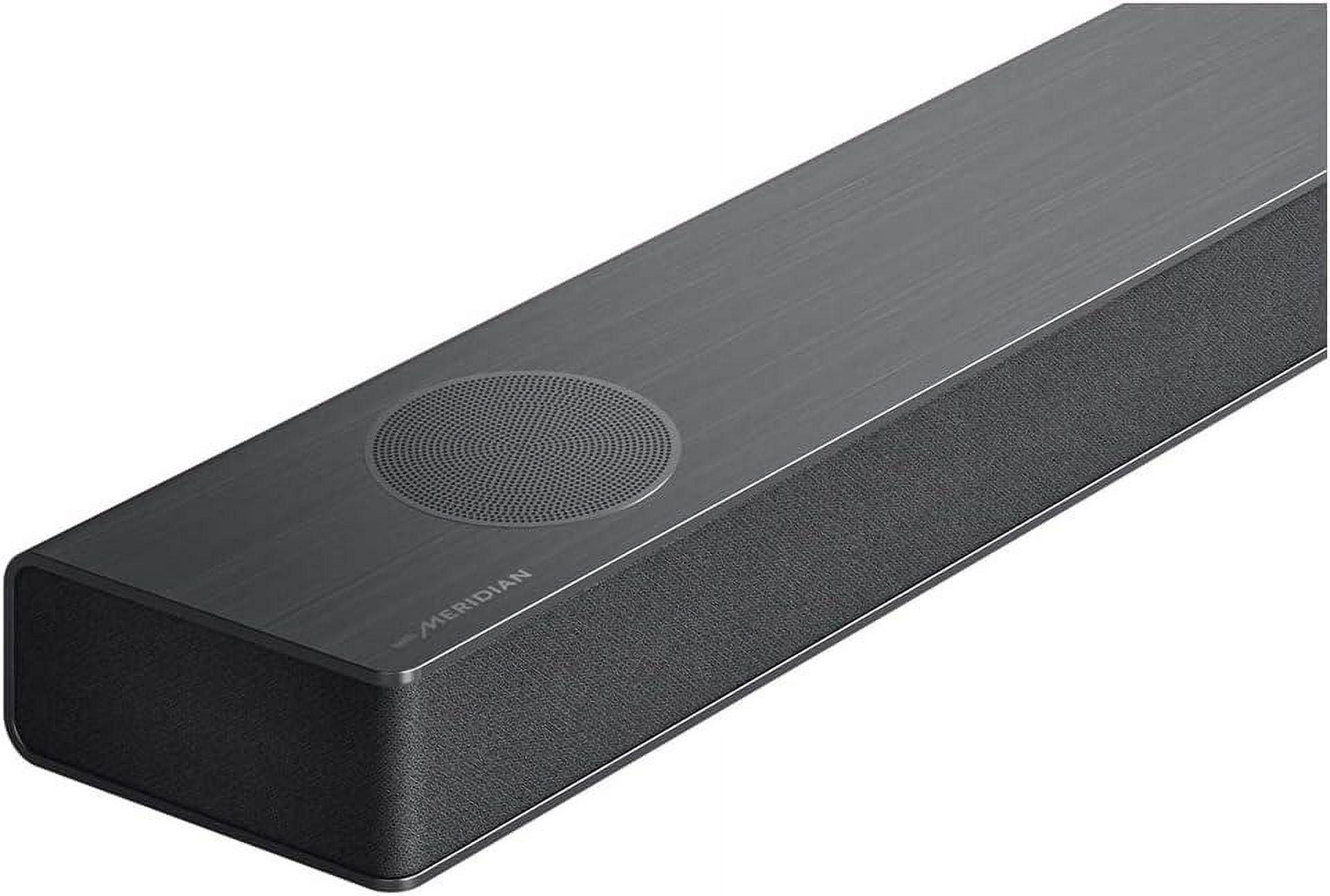
What makes this system special is its triple up-firing driver configuration. Most soundbars stick height drivers on the left and right ends, but LG added a third one in the center. This creates much better balance when helicopter sounds sweep across the screen or rain effects envelope the room. The rear speakers aren't afterthoughts either—they include their own up-firing drivers, creating genuine overhead effects from behind your seating position.
The S95TR also showcases LG's "WOW Orchestra" technology, which syncs the soundbar with your LG TV's built-in speakers. Instead of the TV speakers becoming redundant, they join the party to create an even wider soundstage. It's like adding extra musicians to an orchestra—more instruments filling in the gaps.
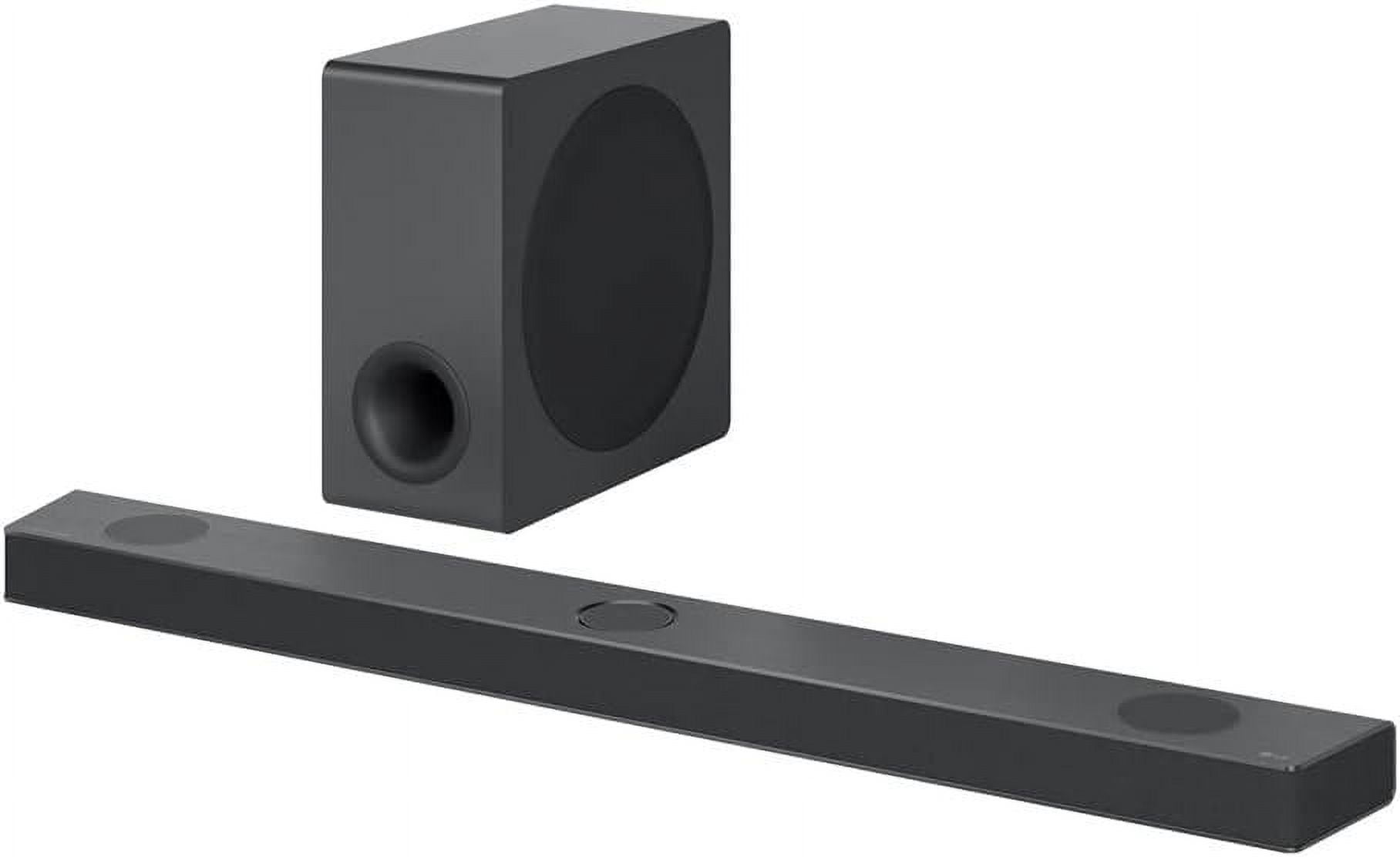
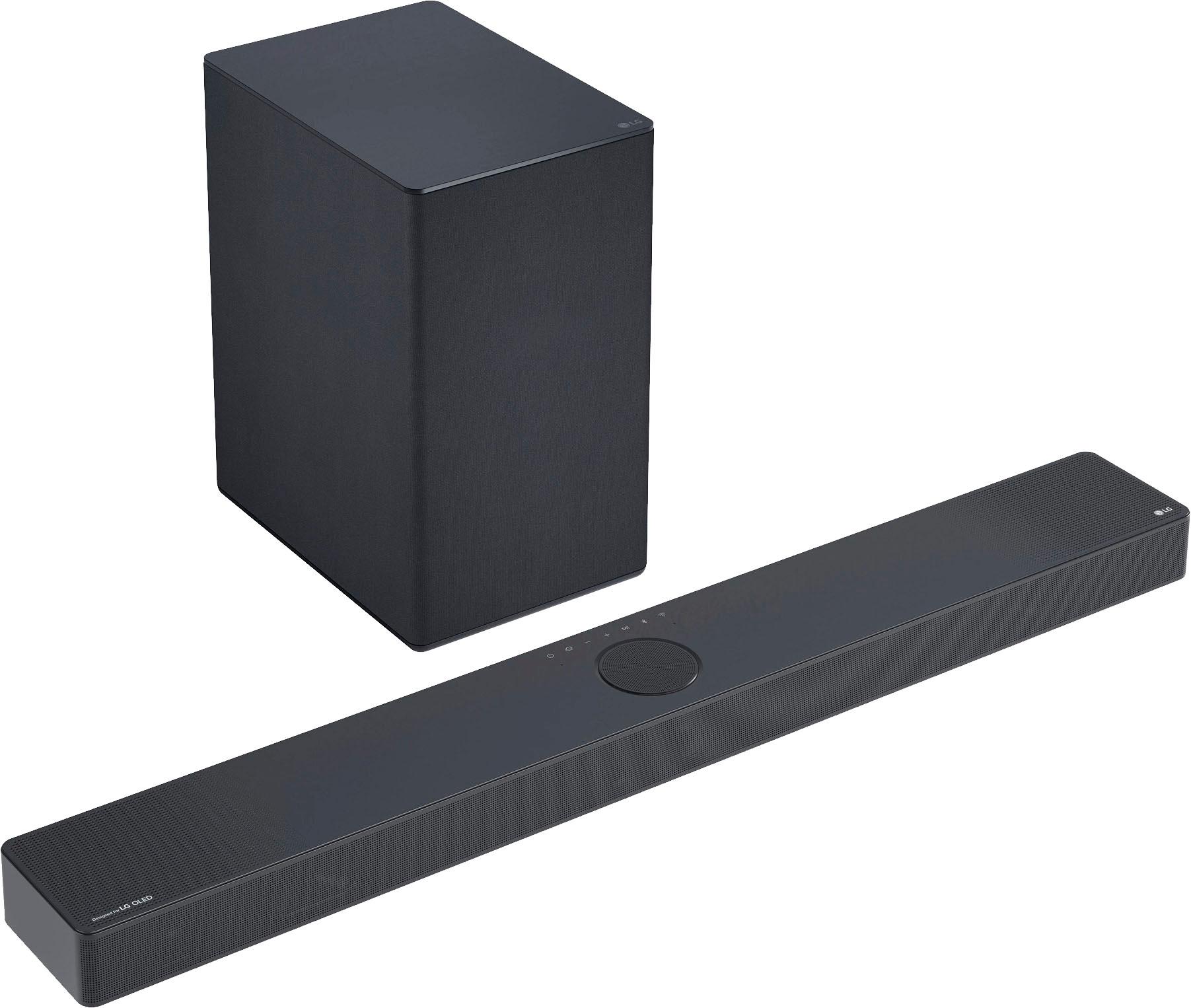
The SC9S ($516), launched in 2023, takes a completely different approach. This 2-piece system (soundbar plus subwoofer) focuses on maximizing performance within space constraints. Its "3.1.3" configuration includes left, center, and right channels, plus three up-firing drivers for height effects.
Here's where LG got creative: that center up-firing driver is specifically tuned for dialogue enhancement. While most soundbars fire height effects from the sides, the SC9S can project voices upward from the center, then bounce them back down to your ears with remarkable clarity. It's a unique solution I haven't seen from other manufacturers.
The SC9S relies on digital signal processing (DSP) to create surround effects without physical rear speakers. Advanced algorithms analyze incoming audio and create phase differences and time delays that trick your brain into perceiving sounds from behind. While not as convincing as actual rear speakers, modern virtual surround has become surprisingly effective for many listeners.
The most significant performance gap between these systems lies in surround authenticity. The S95TR's physical rear speakers create genuine 360-degree immersion that's immediately noticeable. When watching action movies, explosions don't just sound like they're happening "somewhere around you"—they have precise locations in space. I've tested both systems with the helicopter chase scene from "Mission: Impossible," and the S95TR places rotor blade sounds with surgical precision as the aircraft moves overhead and behind the listening position.
The SC9S handles the same scene competently, but the rear effects remain anchored to the front soundstage. Your brain processes the directional cues, but there's always a subtle awareness that the sound isn't actually originating from behind you. For casual movie watching, this difference might not matter. For dedicated home theater enthusiasts, it's the difference between being impressed and being transported.
The height performance tells a more nuanced story. Both systems excel at overhead effects, but they achieve them differently. The S95TR's multiple up-firing positions create a more consistent height layer across the entire soundstage. Rain effects in "Blade Runner 2049" sound like they're falling from a genuine sky rather than bouncing off specific ceiling points. The SC9S concentrates its height effects more toward the front, which works well for dialogue-heavy content but can feel unbalanced during complex action sequences.
Bass reproduction reveals another clear hierarchy between these systems. The S95TR delivers substantially more low-end impact, with deeper extension and cleaner output at high volumes. During the famous "dune thumper" scene in Denis Villeneuve's "Dune," the S95TR reproduces those massive subsonic pulses with room-shaking authority while maintaining clarity in the mid-bass frequencies where you hear the mechanical texture of the device.
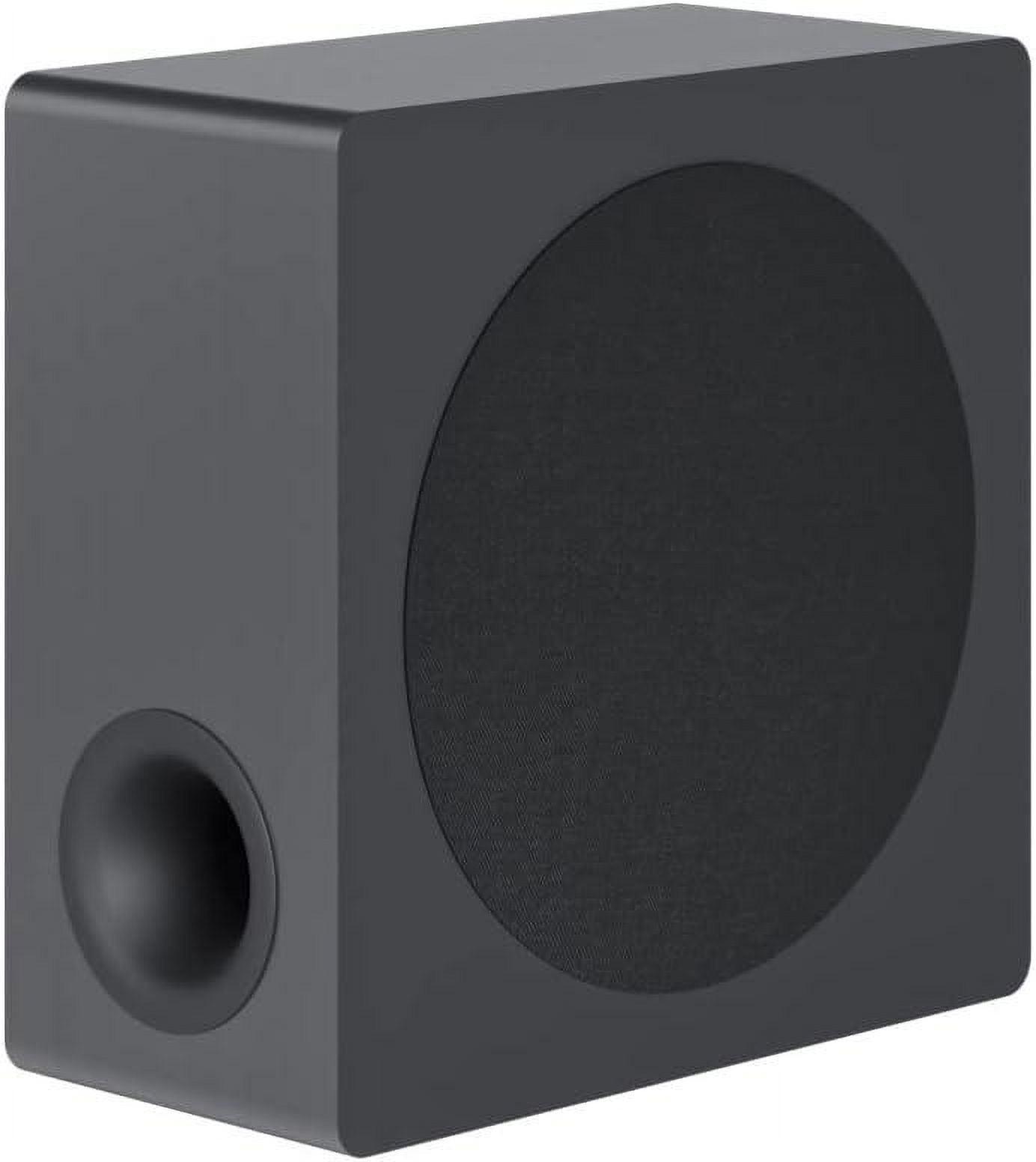
The SC9S handles moderate bass demands well, providing adequate thump for most content. However, pushing it to high volumes reveals its limitations. The subwoofer begins to distort on the deepest notes, and the overall presentation loses some of the effortless dynamics that make movie soundtracks feel cinematic rather than reproduced. For smaller rooms and moderate listening levels, these limitations rarely surface. But if you're the type who likes to feel explosions in your chest during "Mad Max: Fury Road," the power difference becomes obvious.
Both systems benefit from room correction technology, but they implement it differently. The S95TR's AI calibration considers the placement of multiple speakers and can compensate for asymmetrical room layouts. The SC9S focuses its correction on optimizing the front soundstage and subwoofer integration, which it does quite effectively within its more limited scope.
Interestingly, both soundbars excel at dialogue reproduction, but through different engineering approaches. The S95TR uses a traditional dedicated center channel with enhanced processing to ensure voices remain anchored and clear even during complex soundtracks. This works exceptionally well for ensemble cast movies where multiple people speak simultaneously—you can easily follow individual conversations even in crowded scenes.
The SC9S takes a more innovative approach with its up-firing center channel. By projecting dialogue upward and bouncing it back down, voices gain a dimensional quality that can make them sound more natural and present. This technique particularly shines with single-narrator content like documentaries or interview shows, where the enhanced vocal projection creates an almost face-to-face conversation feeling.
For gaming applications, the S95TR provides clear advantages beyond just audio quality. Its HDMI 2.1 input supports 4K resolution at 120Hz refresh rates, crucial for PlayStation 5 and Xbox Series X gaming. The multiple HDMI inputs also eliminate the need for constant cable swapping between gaming consoles, streaming devices, and other sources.
More importantly, the genuine surround capabilities offer competitive advantages in spatial awareness games. First-person shooters like "Call of Duty" benefit enormously from accurate positional audio—hearing enemy footsteps behind you could mean the difference between victory and defeat. The SC9S provides adequate gaming audio but lacks the pinpoint directional accuracy that serious gamers appreciate.
At nearly $1,000-$1,600, the S95TR commands a substantial premium over the SC9S. This price reflects genuine engineering complexity—you're essentially buying four separate wireless speakers that must work in perfect synchronization. The wireless technology alone represents significant development costs, as maintaining perfect timing between multiple speakers while avoiding interference requires sophisticated digital processing.
The value proposition becomes clearer when you consider the target audience. If you're upgrading from basic TV speakers in a large room, the transformation will be dramatic enough to justify the cost. The system effectively replaces what would have required a traditional receiver, multiple speakers, and extensive wiring in previous generations. For LG TV owners, the WOW Orchestra integration adds unique value that competitors can't match.
However, the premium pricing means this system faces competition from traditional component-based surround systems in the same price range. Some buyers might prefer the flexibility and upgrade potential of separate receivers and speakers, though they sacrifice the plug-and-play convenience that makes the S95TR appealing.
The SC9S ($516) represents exceptional value in the Dolby Atmos category. Most competing soundbars with similar height channel counts cost $700-$900, making LG's pricing quite aggressive. You're getting genuine Atmos processing, a wireless subwoofer, and that unique up-firing center channel at a price point that was unthinkable for premium features just a few years ago.
The value calculation becomes even more favorable when you consider room size limitations. In apartments or smaller rooms, the SC9S's more modest power output actually works to its advantage—you won't need to dial back the volume to avoid disturbing neighbors, and the system never sounds strained within its intended operating range.
The S95TR's four-component design offers significant placement flexibility that can accommodate challenging room layouts. The wireless rear speakers can be positioned optimally regardless of furniture arrangements or architectural constraints. I've seen setups where the rear speakers sit on side tables, mount to walls at different heights, or even hide behind seating—the wireless connectivity makes unconventional placements possible.
The multiple connection options also enhance flexibility. With both HDMI eARC and a dedicated HDMI input, you can route gaming consoles directly through the soundbar while maintaining high-quality audio from your TV's streaming apps. This flexibility becomes particularly valuable in complex entertainment setups with multiple source devices.
The WOW Orchestra feature adds another dimension of adaptability. By incorporating your LG TV's speakers into the audio presentation, the system can adapt to content types automatically. Movie mode might emphasize the soundbar and subwoofer while using TV speakers for ambient effects. Music mode could create a wider stereo image by leveraging all available drivers.
The SC9S's two-piece design prioritizes simplicity and space efficiency. For wall-mounted TV installations or minimalist living spaces, eliminating rear speakers removes both aesthetic and practical complications. The compact footprint works particularly well in condos or apartments where every square foot matters.
This simplicity extends to setup and operation. With fewer components to position and calibrate, you can have the system running optimally in minutes rather than hours. For buyers who want significantly better audio than their TV provides but don't want to become amateur acousticians, the SC9S hits the sweet spot.
Both soundbars represent significant technological advances from their predecessors. The S95TR benefits from improvements in wireless audio transmission that weren't practical even three years ago. Earlier wireless surround systems suffered from noticeable latency or dropouts that made them unsuitable for critical listening. LG's latest wireless technology maintains perfect synchronization even in challenging RF environments with multiple Wi-Fi networks and Bluetooth devices competing for spectrum.
The SC9S showcases advances in digital signal processing that make virtual surround more convincing than previous generations. The algorithms that create phantom rear channels now account for room acoustics and listener position more accurately. While still not matching physical speakers, the gap has narrowed considerably.
Both systems also benefit from improved Dolby Atmos implementation. Early Atmos soundbars often felt gimmicky, with height effects that seemed disconnected from the main presentation. Current-generation processing creates more seamless integration between horizontal and vertical sound layers.
Choose the LG S95TR ($997-$1,597) if your primary goal is creating the most convincing home theater experience possible within the soundbar format. The investment makes sense for rooms larger than 12x15 feet, where the additional power and genuine surround capabilities can shine. LG TV owners should strongly consider this option due to the WOW Orchestra integration that competitors can't replicate.
The S95TR also suits buyers who view their audio system as a long-term investment. The flagship positioning means it's likely to remain relevant longer as streaming services add more immersive audio content. The multiple connection options and advanced processing provide headroom for future source devices and content formats.
Choose the LG SC9S ($516) if you want substantial audio improvement over TV speakers without the complexity or cost of a flagship system. This option works particularly well for smaller spaces where rear speakers would be impractical anyway. The price point makes it accessible for buyers testing the premium soundbar waters before potentially upgrading later.
The SC9S shines for buyers who prioritize dialogue clarity above all else. The up-firing center channel design creates remarkably clear vocal reproduction that benefits everything from Netflix shows to news broadcasts. If most of your viewing involves dialogue-heavy content rather than action spectacles, the SC9S might actually provide a more satisfying experience than more expensive alternatives.
Ultimately, both soundbars deliver substantial improvements over basic TV audio, but they serve different priorities and spaces. The S95TR maximizes immersion and power for dedicated home theater enthusiasts, while the SC9S provides impressive performance within practical constraints for everyday users. Understanding which category matches your viewing habits, space limitations, and budget will guide you to the right choice.
| LG S95TR 9.1.5 Channel Soundbar ($997-$1,597) | LG SC9S 3.1.3 Channel Soundbar ($516) |
|---|---|
| Channel Configuration - Determines surround sound authenticity and immersion quality | |
| 9.1.5 channels with physical rear speakers and triple up-firing drivers | 3.1.3 channels with virtual surround processing and front-focused height effects |
| Physical Components - Affects setup complexity and space requirements | |
| 4-piece system: soundbar, wireless subwoofer, 2 wireless rear speakers | 2-piece system: soundbar and wireless subwoofer only |
| Room Size Optimization - Critical for proper audio coverage and impact | |
| Large rooms (15+ feet), higher power output for room-filling sound | Small to medium rooms (under 12 feet), 400W total power |
| Surround Sound Method - Determines realism of directional audio effects | |
| True 360° surround with dedicated rear speakers for authentic positioning | Virtual surround using psychoacoustic processing to simulate rear effects |
| Bass Performance - Important for movie impact and music enjoyment | |
| Powerful wireless subwoofer with deep extension, minimal distortion at high volumes | Adequate wireless subwoofer, some distortion reported at maximum levels |
| Gaming Features - Matters for console gamers and competitive play | |
| HDMI 2.1 with 4K/120Hz passthrough, multiple inputs, low-latency processing | Single HDMI input, basic game mode, adequate for casual gaming |
| LG TV Integration - Exclusive benefit for LG TV owners | |
| WOW Orchestra syncs with LG TV speakers for expanded soundstage | Standard HDMI eARC connection, no special TV integration |
| Setup Complexity - Consider your comfort with audio equipment | |
| Complex 4-speaker placement and calibration, professional installation recommended | Simple 2-piece setup, plug-and-play installation in minutes |
| Dialogue Enhancement - Critical for clear speech in movies and shows | |
| Dedicated center channel with enhanced dialogue processing | Innovative up-firing center channel for dimensional vocal clarity |
| Price Value Proposition - Cost per performance delivered | |
| Premium pricing justified by flagship features and genuine surround experience | Exceptional value for Dolby Atmos entry point with unique up-firing center design |
The LG S95TR 9.1.5 Channel Soundbar ($997-$1,597) is a complete 4-piece home theater system with physical rear speakers, while the LG SC9S 3.1.3 Channel Soundbar ($516) is a 2-piece system that uses virtual processing to simulate surround sound. The S95TR provides authentic 360-degree audio, while the SC9S relies on clever digital processing to create surround effects.
Physical rear speakers like those in the S95TR provide the most authentic surround experience, with sounds actually coming from behind you. The SC9S uses virtual surround processing that tricks your brain into perceiving rear effects, which works well for casual listening but isn't as convincing as real rear speakers for dedicated home theater use.
The LG SC9S ($516) offers exceptional value as an entry point into Dolby Atmos, costing significantly less than most competing Atmos soundbars. The LG S95TR ($997-$1,597) justifies its premium price with flagship features and genuine surround sound, but costs 2-3 times more than the SC9S.
Both excel at dialogue but use different approaches. The S95TR uses a traditional dedicated center channel with enhanced processing for clear speech. The SC9S features a unique up-firing center channel that creates dimensional vocal clarity, potentially offering even better dialogue reproduction for some listeners.
For your first soundbar upgrade, the LG SC9S ($516) offers an excellent introduction to premium audio without overwhelming complexity or cost. If you have a large room and want the ultimate experience right away, the LG S95TR ($997-$1,597) provides flagship performance that will remain impressive for years to come.
We've done our best to create useful and informative comparisons to help you decide what product to buy. Our research uses advanced automated methods to create this comparison and perfection is not possible - please contact us for corrections or questions. These are the sites we've researched in the creation of this article: techradar.com - bestbuy.com - youtube.com - trustedreviews.com - zdnet.com - rtings.com - lg.com - lambcotvandappliance.com - valueelectronics.com - romomattressfurniture.com - dolby.com - youtube.com - consumerreports.org - valueelectronics.com - youtube.com - bestbuy.com - rtings.com - costco.com - bestbuy.com - walts.com - queencityonline.com - blog.son-video.com - videoandaudiocenter.com - lg.com

Privacy Policy
Terms and Conditions - Affiliate Policy
Home Security
© Copyright 2008-2026.
11816 Inwood Rd #1211, Dallas, TX 75244