

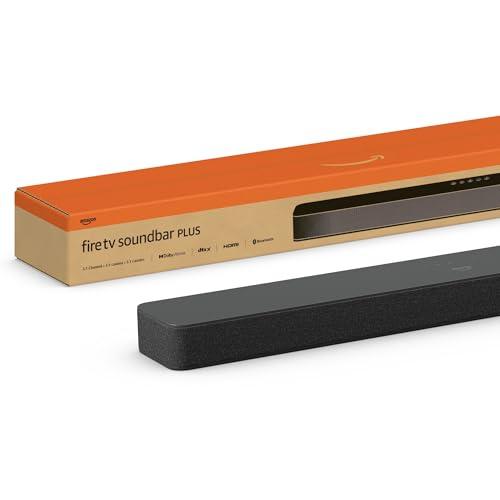


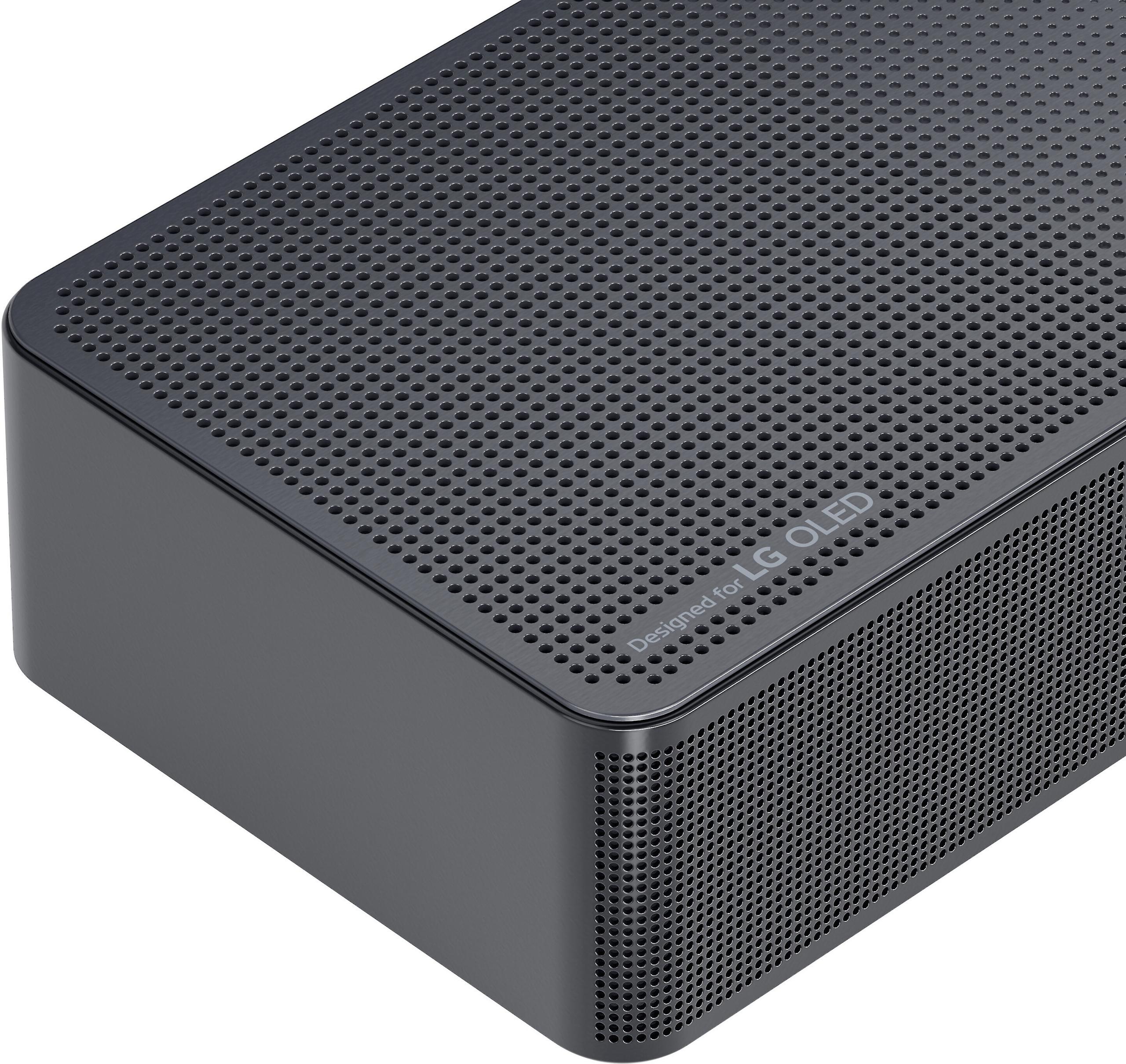
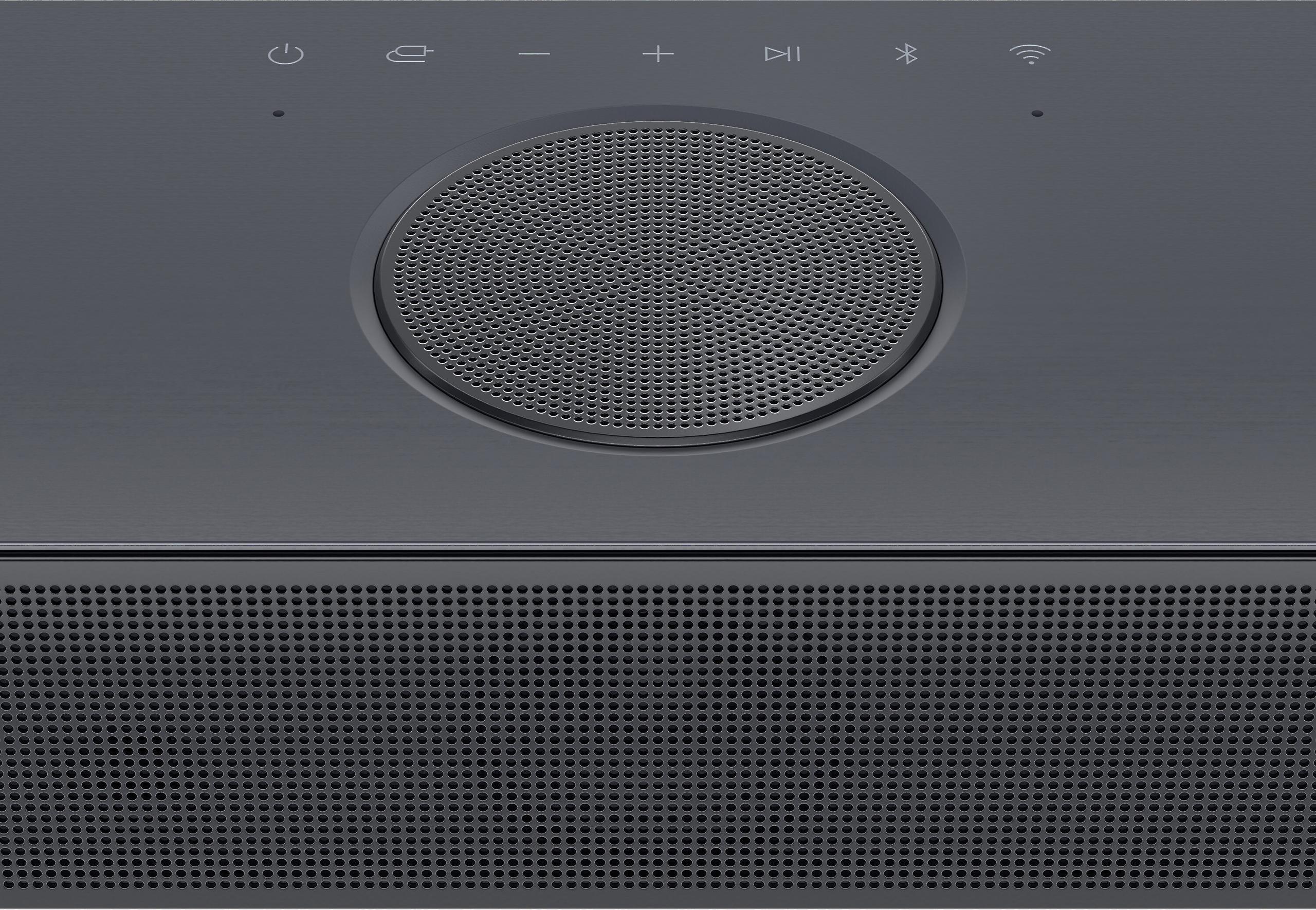

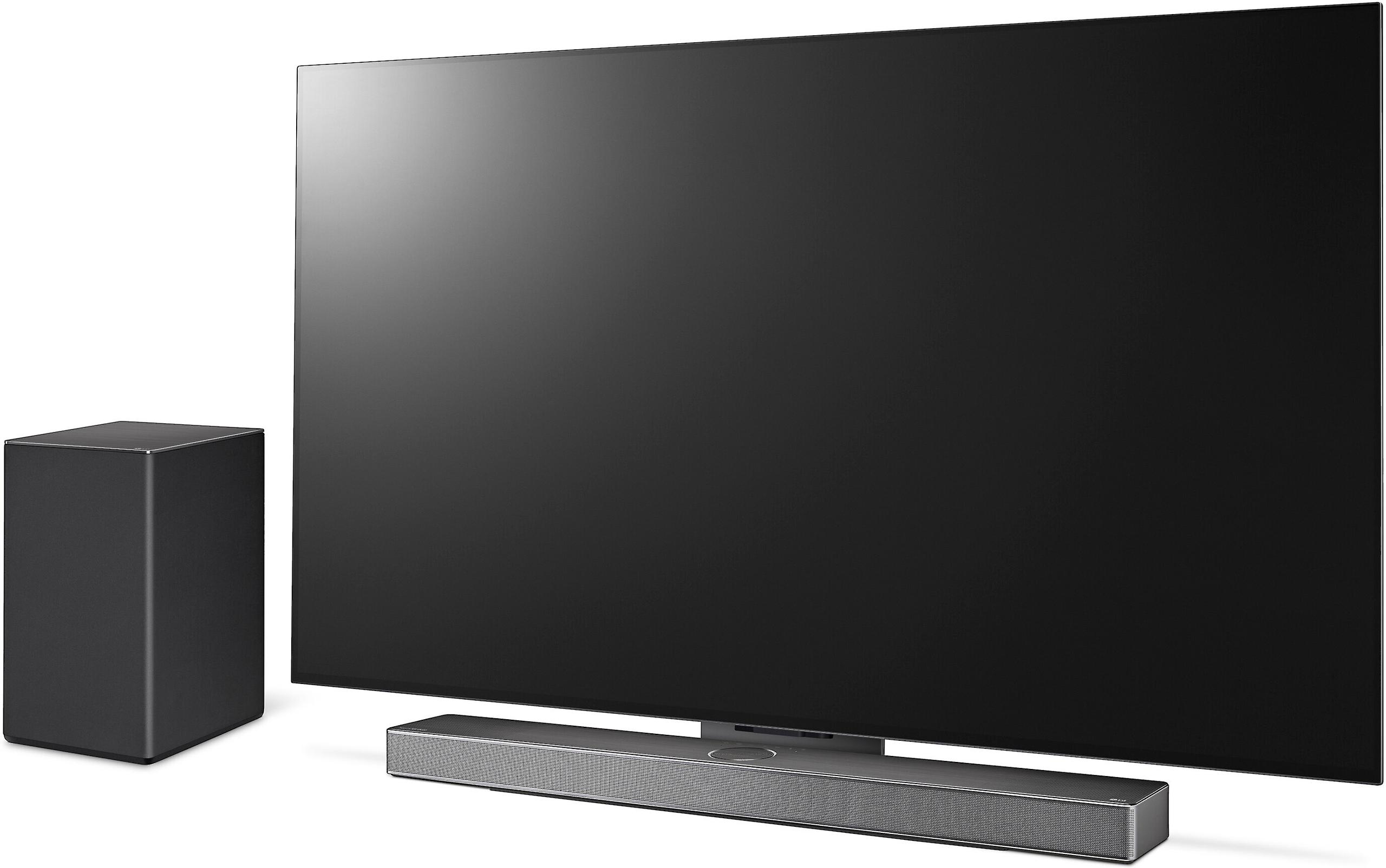
When your TV's built-in speakers make dialogue sound like it's coming from a tin can, you know it's time for an upgrade. The soundbar market has exploded over the past few years, offering everything from basic stereo bars to sophisticated surround sound systems that rival traditional home theater setups. Today, we're comparing two very different approaches to solving your audio woes: the Amazon Fire TV Soundbar Plus and the LG SC9S 3.1.3 Channel Dolby Atmos Soundbar.
These products represent opposite ends of the value spectrum, with Amazon targeting budget-conscious buyers and LG aiming for the premium home theater market. At the time of writing, you're looking at roughly a four-to-one price difference between these systems, which immediately tells you they're designed for different audiences and expectations.
Before diving into specifics, let's establish what makes a good soundbar in 2024. The fundamental job remains the same: take your TV's pathetic built-in speakers and replace them with something that actually sounds like the content creators intended. However, modern soundbars have become incredibly sophisticated, incorporating technologies that were exclusive to expensive home theater receivers just a few years ago.
The key breakthrough has been Dolby Atmos, which adds height information to traditional surround sound. Think of it as audio that can place sounds not just around you, but above you too. When a helicopter flies overhead in a movie, you should hear it moving across the ceiling, not just left to right. This creates what audio engineers call "object-based audio," where individual sounds can be precisely placed in three-dimensional space rather than being locked to specific speaker channels.
Both the Amazon Fire TV Soundbar Plus and LG SC9S support Dolby Atmos, but they achieve it through completely different methods—and that difference is crucial to understanding which one might be right for you.
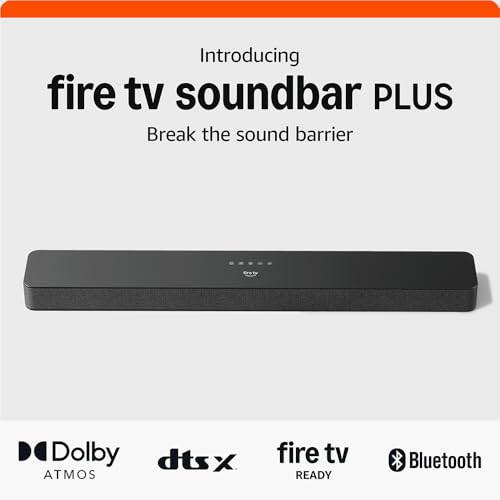
Amazon released the Fire TV Soundbar Plus in 2023 as their second-generation soundbar, building on lessons learned from their original Fire TV Soundbar. The company's goal was clear: bring Dolby Atmos support to the masses without requiring a second mortgage.
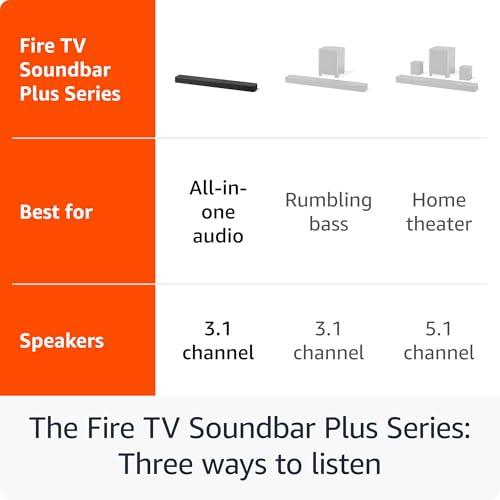
The approach is clever in its simplicity. The Fire TV Soundbar Plus uses a 3.1 channel configuration, meaning it has three main speakers (left, center, right) plus a built-in subwoofer (the ".1" part). This gives you dedicated dialogue reproduction through the center channel—something most TV speakers completely lack—while the integrated subwoofer adds the low-frequency punch that makes explosions feel impactful rather than just loud.
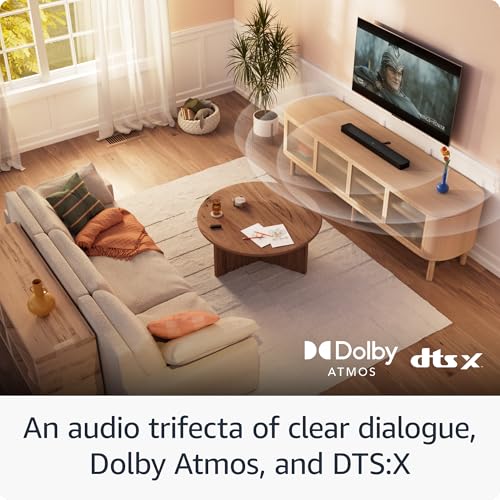
What's particularly interesting about Amazon's implementation is how they handle Dolby Atmos. Instead of physical speakers pointing upward (called up-firing drivers), the Fire TV Soundbar Plus uses virtual processing. Think of it as audio wizardry that tricks your brain into perceiving height effects through careful manipulation of the sound waves. The soundbar analyzes the Dolby Atmos soundtrack and uses psychoacoustic principles—basically, exploiting how your brain processes directional audio cues—to create the impression of overhead sound.
This virtual approach has both advantages and limitations. On the plus side, it keeps costs down and ensures the soundbar works in rooms with various ceiling heights and acoustics. You don't need to worry about sound bouncing off your ceiling in exactly the right way. The downside is that the height effect is more suggestion than reality. It's like the difference between looking at a 3D movie on a regular screen versus actually wearing 3D glasses—you get some depth, but not the full experience.
The Fire TV Soundbar Plus also offers expandability, which is crucial for its target market. You can start with just the main bar and add a wireless subwoofer and rear speakers later, creating a proper 5.1 surround system as your budget allows. This modular approach makes a lot of sense for people who want to spread their investment over time.
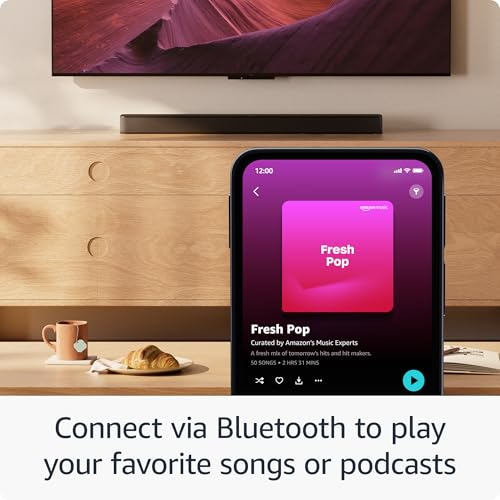
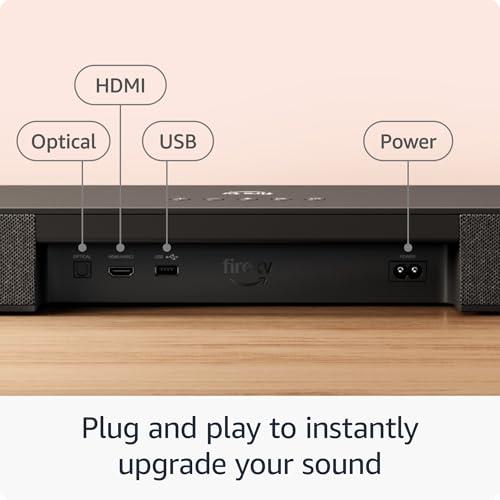
In terms of connectivity, Amazon keeps things straightforward. You get HDMI eARC (Enhanced Audio Return Channel), which is the modern standard for connecting soundbars to TVs and supports high-quality audio formats. There's also optical digital input for older TVs, Bluetooth for streaming music from your phone, and a USB port for playing files directly.
One quirk worth noting: despite carrying the "Fire TV" name, this soundbar doesn't actually have any built-in streaming capabilities or Alexa integration. It's purely an audio device that happens to work well with Fire TV streaming sticks. This naming choice has confused many buyers, so it's worth understanding upfront that you're getting a traditional soundbar, not a smart speaker hybrid.
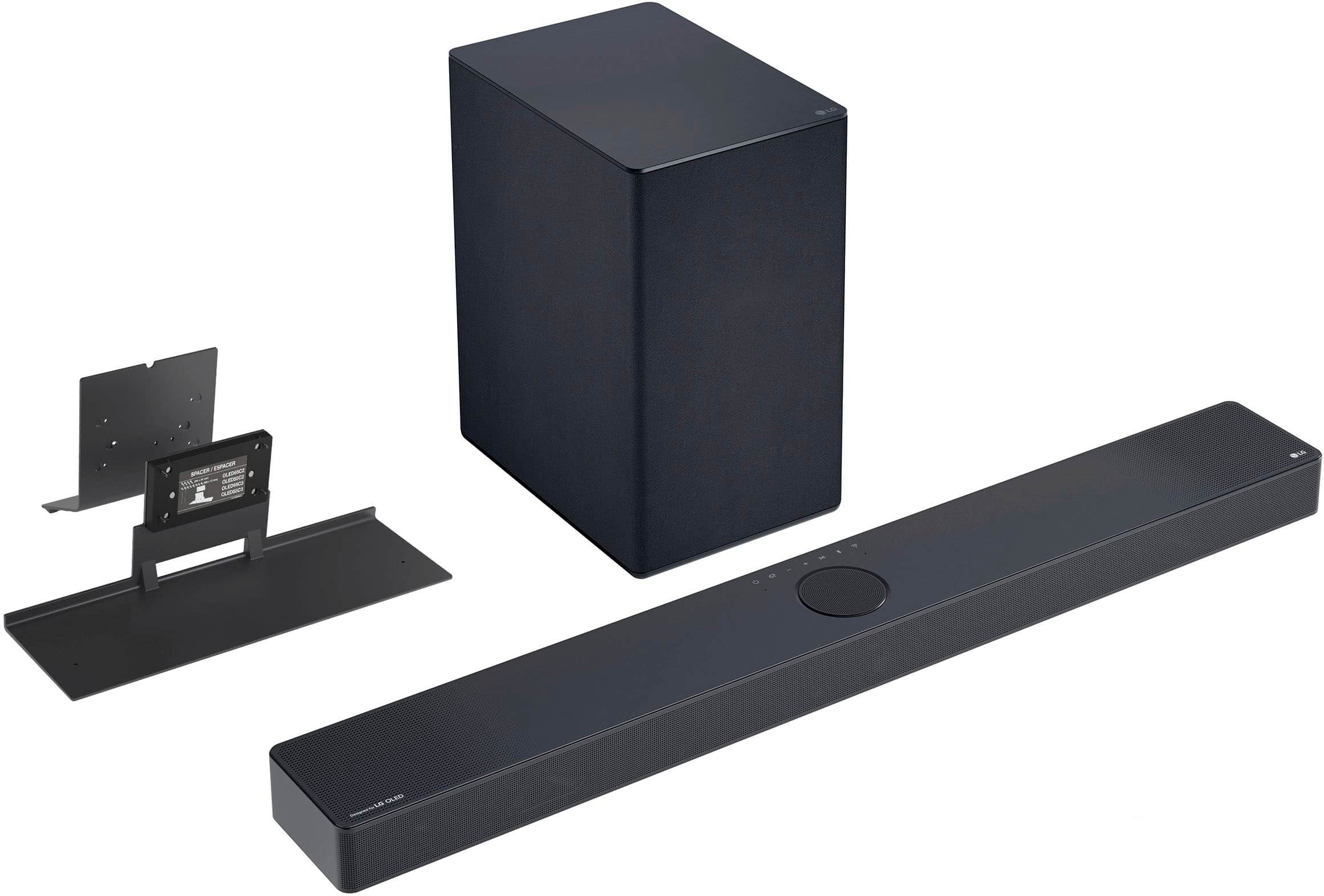
LG took a completely different approach with the SC9S, released in early 2023 as part of their premium soundbar lineup. This is a no-compromises design that prioritizes authentic audio reproduction over cost considerations.
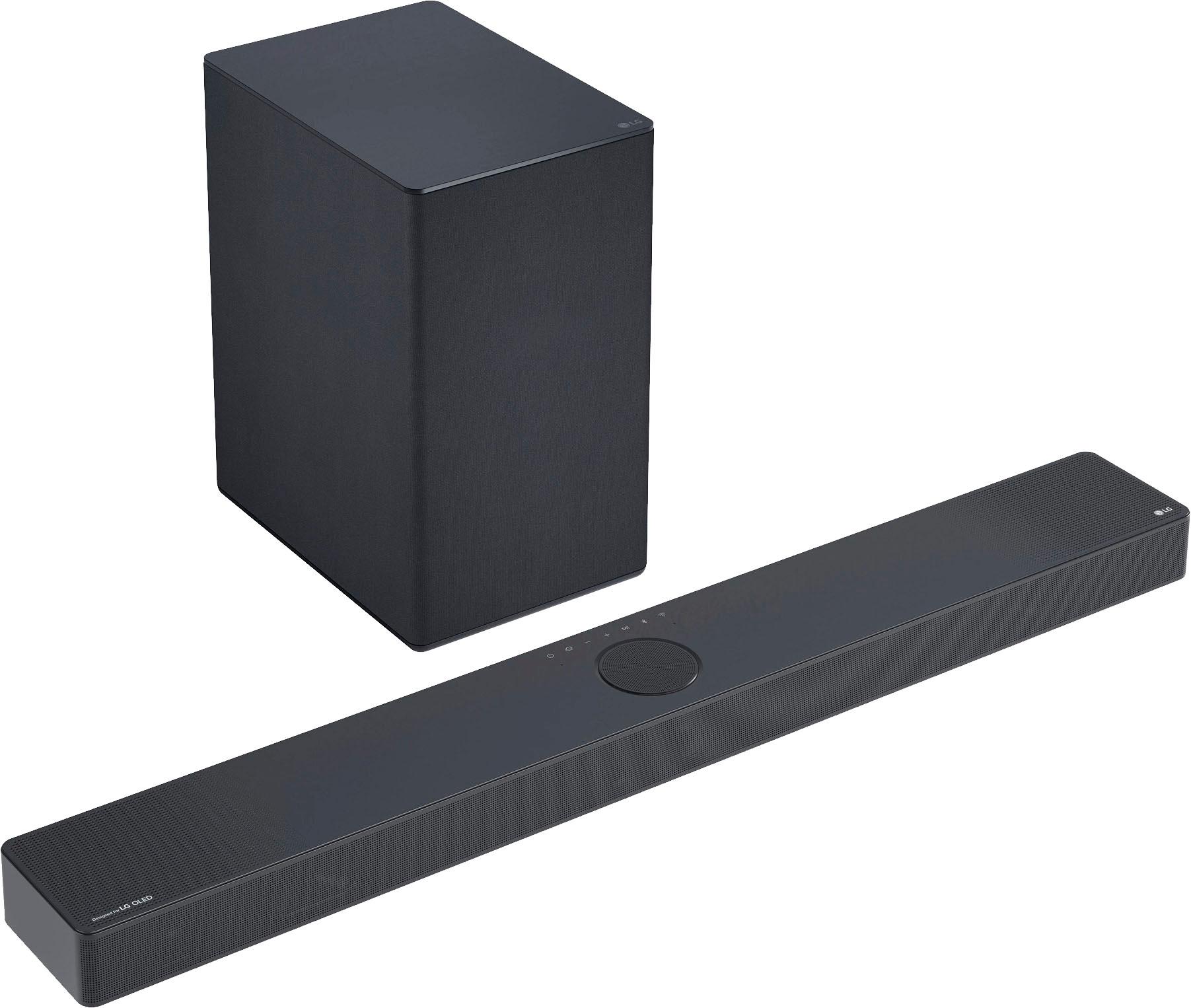
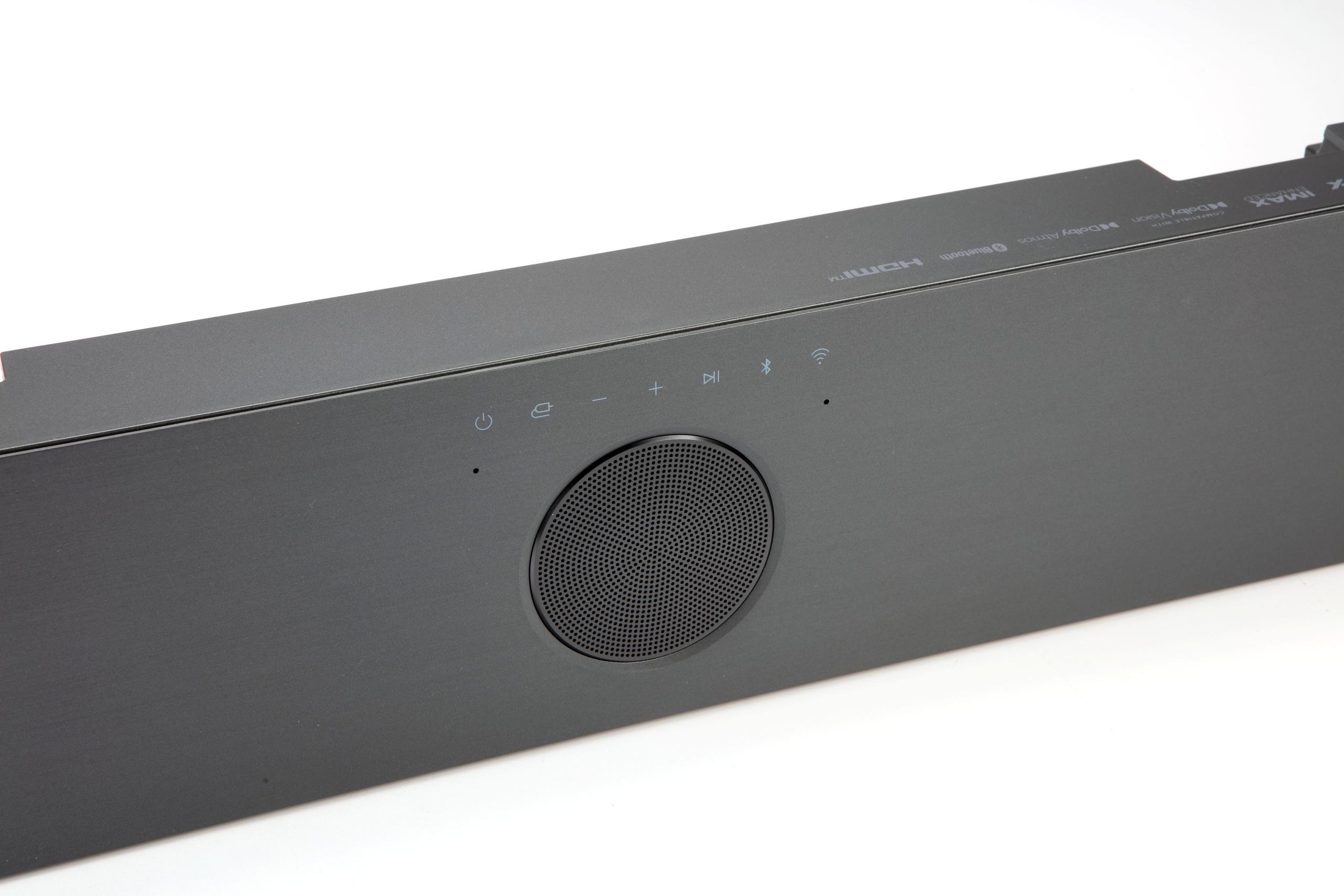
The most immediately obvious difference is the channel configuration: 3.1.3. Those three numbers after the decimal point represent dedicated up-firing speakers—physical drivers that point toward your ceiling to create genuine height effects. Two of these handle standard Dolby Atmos content, while the third is specifically designed as an up-firing center channel to enhance dialogue reproduction.
This design philosophy reflects a fundamental truth about audio: while digital signal processing can work miracles, there's no complete substitute for having speakers actually positioned where the sound is supposed to come from. When the LG SC9S plays a scene with rain, those up-firing drivers bounce sound off your ceiling to create the authentic impression of precipitation falling from above. The virtual processing in the Amazon soundbar can suggest this effect, but the LG system actually creates it.
The SC9S also includes several advanced features that demonstrate LG's commitment to the premium market. AI Room Calibration Pro automatically analyzes your room's acoustics and adjusts the sound accordingly. This is similar to the room correction systems found in high-end AV receivers, measuring how sound reflects off your walls, furniture, and ceiling to optimize the frequency response for your specific environment.
LG's WOW Orchestra technology is another standout feature, especially if you own an LG TV. This system can simultaneously use both your TV's speakers and the soundbar, creating a larger, more immersive soundstage. It's like having a wider array of speakers without actually buying more hardware.
The connectivity suite on the LG SC9S is comprehensive, including not just the standard HDMI and optical connections, but also Wi-Fi, Chromecast, and Apple AirPlay support. This means you can stream music directly to the soundbar without going through your TV, and the Wi-Fi connection enables advanced features like multi-room audio when paired with other LG devices.
Both soundbars use dedicated center channels, but they implement them differently. The Amazon Fire TV Soundbar Plus places its center channel in the traditional position within the main bar, which works well for most content. The system includes dialogue enhancement with five adjustable levels, allowing you to boost speech clarity when needed.
The LG SC9S takes a more ambitious approach with its up-firing center channel. This positions dialogue above the soundbar rather than directly from it, which can create a more natural experience where voices seem to come from the screen rather than below it. In practice, this works particularly well for larger TVs where the soundbar sits notably below the picture.
For rooms with challenging acoustics—think hard surfaces, high ceilings, or unusual layouts—the LG's approach tends to be more forgiving. The combination of room correction and the up-firing center channel helps maintain dialogue clarity even in less-than-ideal environments.
The built-in subwoofer in the Amazon Fire TV Soundbar Plus provides a significant upgrade over TV speakers, but it's clearly designed to a price point. The bass response is adequate for most content, adding weight to explosions and music without completely overwhelming the system. However, it lacks the depth and nuance you'd get from a dedicated subwoofer.
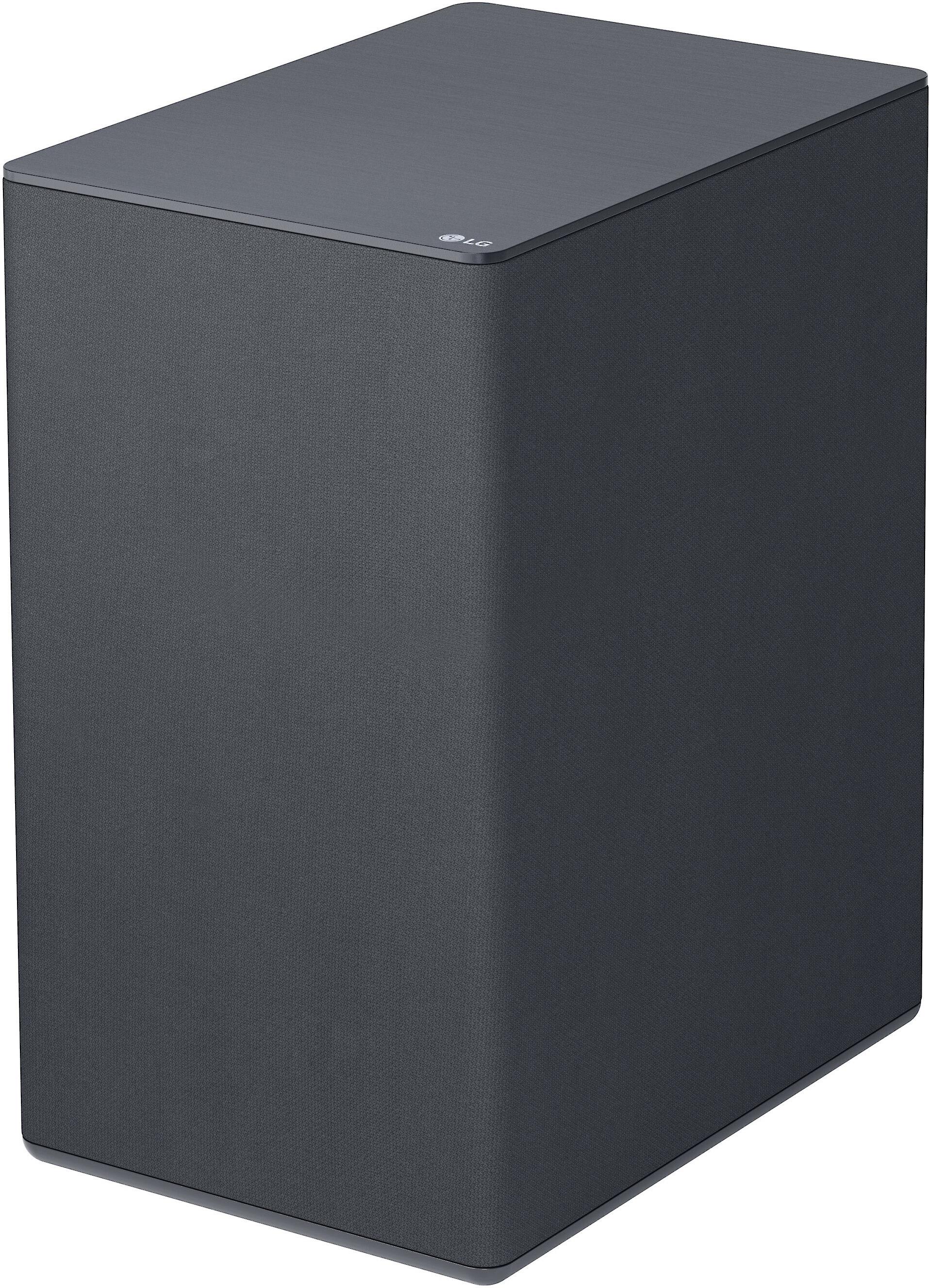
The LG SC9S includes a separate wireless subwoofer that delivers notably deeper bass extension. This separate design allows for a larger driver and more internal volume, which translates to both louder and cleaner low-frequency reproduction. The bass integrates better with the main speakers, avoiding the "one-note" character that can plague integrated subwoofers.
For home theater use, this difference becomes quite apparent during action movies or when listening to music with significant low-end content. The LG system can shake your couch during a good explosion without losing clarity in the midrange frequencies where dialogue lives.
This is where the fundamental design differences between virtual and physical height speakers become most apparent. The Amazon Fire TV Soundbar Plus creates a wider soundstage than you'd expect from a single bar, and the virtual Dolby Atmos processing does add a sense of height to the presentation. However, the effect is more atmospheric than precisely directional.
The LG SC9S delivers genuine surround effects that you can actually localize. When a car passes from left to right in a movie, you hear it travel smoothly across your room. When objects fly overhead, they sound like they're actually above you rather than just "somewhere up there." The three up-firing drivers create distinct height layers that virtual processing simply cannot match.
For gaming, this difference becomes particularly relevant. Competitive gamers often rely on precise positional audio to locate opponents, and the LG SC9S provides more accurate spatial cues than virtual processing can achieve.
Both soundbars handle music reasonably well, but with different strengths. The Amazon Fire TV Soundbar Plus has a slightly bass-forward sound signature that works well for pop and rock music. The Music mode provides a more direct, forward presentation compared to the spatially enhanced Movie mode.
The LG SC9S offers better frequency balance and a wider stereo image, though some users note that the soundstage can feel narrow for stereo music compared to traditional left-right speaker placement. The various EQ modes help tailor the sound to different musical genres, and the room correction ensures consistent performance regardless of your seating position.
The user experience between these systems reflects their different target markets. The Amazon Fire TV Soundbar Plus prioritizes simplicity—plug it in, connect it to your TV, and you're mostly done. The included remote is compact (perhaps too compact for some users' taste) and provides access to the essential controls. The four sound modes (Movie, Music, Sports, Night) cover most use cases without overwhelming casual users with options.
The LG SC9S offers much more sophisticated control options. Beyond the included remote, you can use LG's smartphone app for detailed customization, voice control through Google Assistant or Amazon Alexa, and integration with LG TV remotes for seamless operation. The seven different sound modes include specialized options like Game Mode for low-latency audio during gaming sessions.
This difference in complexity reflects the target audiences. Budget-conscious buyers often prefer simplicity and don't want to spend time tweaking settings. Premium buyers, on the other hand, typically appreciate having control over their audio experience and may even enjoy the process of optimizing their system.
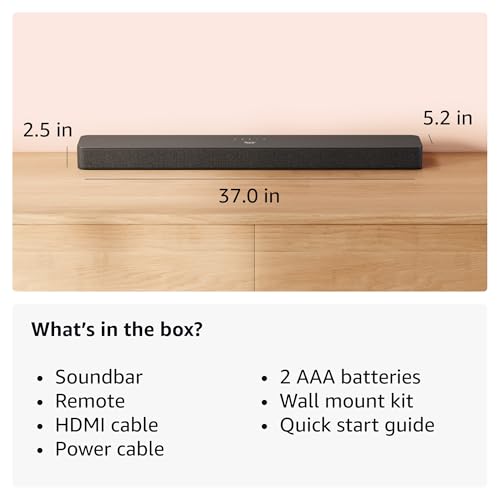
Both soundbars include wall-mounting hardware, but the LG SC9S offers more sophisticated mounting solutions. The WOW Bracket system allows the soundbar to function as a TV stand or integrate seamlessly with certain LG TV models. This attention to installation details reflects LG's understanding that premium buyers often care about aesthetics as much as performance.
Room size plays a significant role in determining which system makes sense. The Amazon Fire TV Soundbar Plus works well in smaller rooms where its power output is sufficient and the virtual surround effects aren't competing with too much ambient noise. In larger spaces, the LG SC9S has the acoustic output and genuine surround capabilities to fill the room effectively.
Ceiling height affects both systems but in different ways. The Amazon soundbar's virtual processing adapts to various room configurations, while the LG's up-firing speakers work best with standard 8-10 foot ceilings. Very high or unusually shaped ceilings can reduce the effectiveness of the up-firing approach.
After extensive consideration of both systems, the decision comes down to matching your priorities with the right tool. The Amazon Fire TV Soundbar Plus excels as an entry point into better TV audio. If you're currently suffering with built-in TV speakers and want a significant upgrade without spending premium money, this system delivers genuine value. The virtual Dolby Atmos, while not as convincing as physical height speakers, still provides a more immersive experience than traditional stereo soundbars.
The expandability factor is particularly compelling for budget-conscious buyers. You can start with just the main bar and add components as your budget allows, eventually building a respectable 5.1 system. This approach spreads the investment over time and allows you to prioritize based on your most pressing audio needs.
The LG SC9S justifies its premium positioning through superior performance in virtually every measurable category. The authentic Dolby Atmos experience, room correction technology, and comprehensive connectivity make this a system you're likely to be satisfied with for many years. For serious home theater enthusiasts or anyone who spends significant time watching movies and playing games, the performance difference is immediately apparent and consistently rewarding.
I particularly recommend the LG system for larger rooms or if you watch a lot of action movies and dynamic content where the surround effects really shine. The up-firing speakers create genuinely immersive moments that virtual processing simply cannot replicate. However, this premium performance comes at a premium price that may not make sense for casual viewers or those with strict budget constraints.
The sweet spot for the Amazon Fire TV Soundbar Plus is the user who wants good dialogue clarity, decent bass response, and some surround effects without getting into high-end pricing. It's an excellent choice for apartments, smaller living rooms, or as a significant upgrade from TV speakers without the complexity of a full surround system.
For the LG SC9S, the ideal buyer is someone who values audio quality, enjoys the latest technology features, and wants a system that will deliver satisfying performance for years to come. If you're planning to keep your soundbar for five or more years, the additional investment in authentic Dolby Atmos and premium features often proves worthwhile over the long term.
Both systems represent honest value propositions within their respective market segments. The key is understanding which segment matches your needs, expectations, and budget reality. At the time of writing, the significant price difference between these systems means they're rarely competing for the same buyer—and that's probably exactly what both companies intended.
| Amazon Fire TV Soundbar Plus | LG SC9S 3.1.3 Channel Dolby Atmos Soundbar |
|---|---|
| Channel Configuration - Determines surround sound capabilities | |
| 3.1 channels with built-in subwoofer, expandable to 5.1 | True 3.1.3 channels with dedicated up-firing drivers |
| Dolby Atmos Implementation - Critical for immersive height effects | |
| Virtual processing only (no up-firing speakers) | Three physical up-firing drivers for authentic height audio |
| Power Output - Affects volume and room-filling capability | |
| Not specified (budget-tier output suitable for smaller rooms) | 400W total system power for larger spaces |
| Subwoofer Type - Impacts bass depth and flexibility | |
| Built-in subwoofer with optional wireless upgrade | Dedicated wireless subwoofer included |
| Room Correction - Optimizes sound for your specific space | |
| None (manual EQ adjustments only) | AI Room Calibration Pro with automatic acoustic optimization |
| Connectivity Options - Determines device compatibility and convenience | |
| HDMI eARC, Optical, Bluetooth, USB-A | HDMI eARC with 4K/120Hz passthrough, Optical, Wi-Fi, Bluetooth, Chromecast, AirPlay |
| Smart Features - Voice control and app integration | |
| No voice control or streaming (despite Fire TV branding) | Google Assistant, Alexa support, dedicated smartphone app |
| Control Options - Ease of use and customization | |
| Compact remote only, 4 sound modes, manual EQ cycling | Multiple control methods, 7+ sound modes, detailed app customization |
| Expandability - Future upgrade potential | |
| Can add wireless subwoofer and rear speakers for 5.1 | Complete system included, compatible with LG ecosystem features |
| Target Room Size - Optimal performance environment | |
| Small to medium rooms (apartments, bedrooms) | Medium to large living rooms and dedicated home theaters |
| Value Proposition - Cost vs performance consideration | |
| Exceptional budget entry to Dolby Atmos with expansion options | Premium authentic surround experience with comprehensive features |
The Amazon Fire TV Soundbar Plus offers exceptional value for budget-conscious buyers, delivering Dolby Atmos support and clear dialogue at an entry-level price point. The LG SC9S justifies its premium pricing with authentic up-firing speakers, room correction technology, and comprehensive smart features. Your choice depends on whether you prioritize affordability or premium performance.
The key difference is how they handle Dolby Atmos. The Amazon Fire TV Soundbar Plus uses virtual processing to simulate height effects, while the LG SC9S features three physical up-firing speakers that bounce sound off your ceiling for genuine overhead audio. This makes the LG soundbar significantly more immersive for movies and gaming.
Yes, both the Amazon Fire TV Soundbar Plus and LG SC9S work with any TV that has HDMI ARC or optical outputs. However, the LG SC9S offers additional features like WOW Orchestra when paired with compatible LG TVs, while the Amazon soundbar provides enhanced integration with Fire TV streaming devices.
Both soundbars excel at dialogue clarity with dedicated center channels. The Amazon Fire TV Soundbar Plus offers five levels of dialogue enhancement, while the LG SC9S features an innovative up-firing center channel that positions voices above the soundbar for more natural speech reproduction, especially with larger TVs.
The Amazon Fire TV Soundbar Plus offers excellent expandability, allowing you to add a wireless subwoofer and rear speakers to create a full 5.1 system over time. The LG SC9S comes complete with a wireless subwoofer included, but has limited expansion options beyond LG's ecosystem integration features.
The Amazon Fire TV Soundbar Plus is ideal for smaller spaces due to its compact design, appropriate power output, and budget-friendly pricing. The virtual Dolby Atmos works well in smaller rooms where you sit closer to the soundbar. The LG SC9S may be overpowered for very small spaces but offers superior performance if your budget allows.
Both soundbars support Bluetooth streaming from phones and tablets. The LG SC9S goes further with Wi-Fi connectivity, Chromecast, and Apple AirPlay support for higher-quality wireless streaming. The Amazon Fire TV Soundbar Plus sticks to basic Bluetooth connectivity, keeping things simple and affordable.
The LG SC9S delivers superior bass with its dedicated wireless subwoofer that provides deeper extension and cleaner low-frequency reproduction. The Amazon Fire TV Soundbar Plus has a built-in subwoofer that's adequate for the price but lacks the depth and impact of a separate subwoofer unit.
The LG SC9S supports both Google Assistant and Amazon Alexa voice control through compatible smart home devices. Surprisingly, the Amazon Fire TV Soundbar Plus doesn't include Alexa integration despite its Fire TV branding, relying solely on remote control and basic Fire TV device integration.
For serious gaming and movie watching, the LG SC9S provides a more immersive experience with its authentic Dolby Atmos implementation and precise positional audio. The Amazon Fire TV Soundbar Plus offers a solid upgrade for casual entertainment but can't match the spatial accuracy and overall performance of the premium LG system.
Both soundbars offer straightforward setup with included mounting hardware. The Amazon Fire TV Soundbar Plus focuses on plug-and-play simplicity with minimal configuration needed. The LG SC9S includes more advanced setup options like room calibration and app-based customization, but also offers simple automatic setup for users who prefer it.
The LG SC9S typically provides better long-term satisfaction due to its superior build quality, comprehensive features, and authentic Dolby Atmos performance that won't feel outdated quickly. The Amazon Fire TV Soundbar Plus offers excellent immediate value but may leave you wanting an upgrade sooner, though its expandability helps extend its useful life as your needs grow.
We've done our best to create useful and informative comparisons to help you decide what product to buy. Our research uses advanced automated methods to create this comparison and perfection is not possible - please contact us for corrections or questions. These are the sites we've researched in the creation of this article: rtings.com - wirelessplace.com - techradar.com - cordbusters.co.uk - whathifi.com - developer.amazon.com - t3.com - dolby.com - youtube.com - youtube.com - youtube.com - dugoutnorthbrook.com - dolby.com - aboutamazon.com - youtube.com - developer.amazon.com - consumerreports.org - valueelectronics.com - youtube.com - bestbuy.com - rtings.com - costco.com - bestbuy.com - walts.com - queencityonline.com - blog.son-video.com - videoandaudiocenter.com - lg.com

Privacy Policy
Terms and Conditions - Affiliate Policy
Home Security
© Copyright 2008-2026.
11816 Inwood Rd #1211, Dallas, TX 75244