

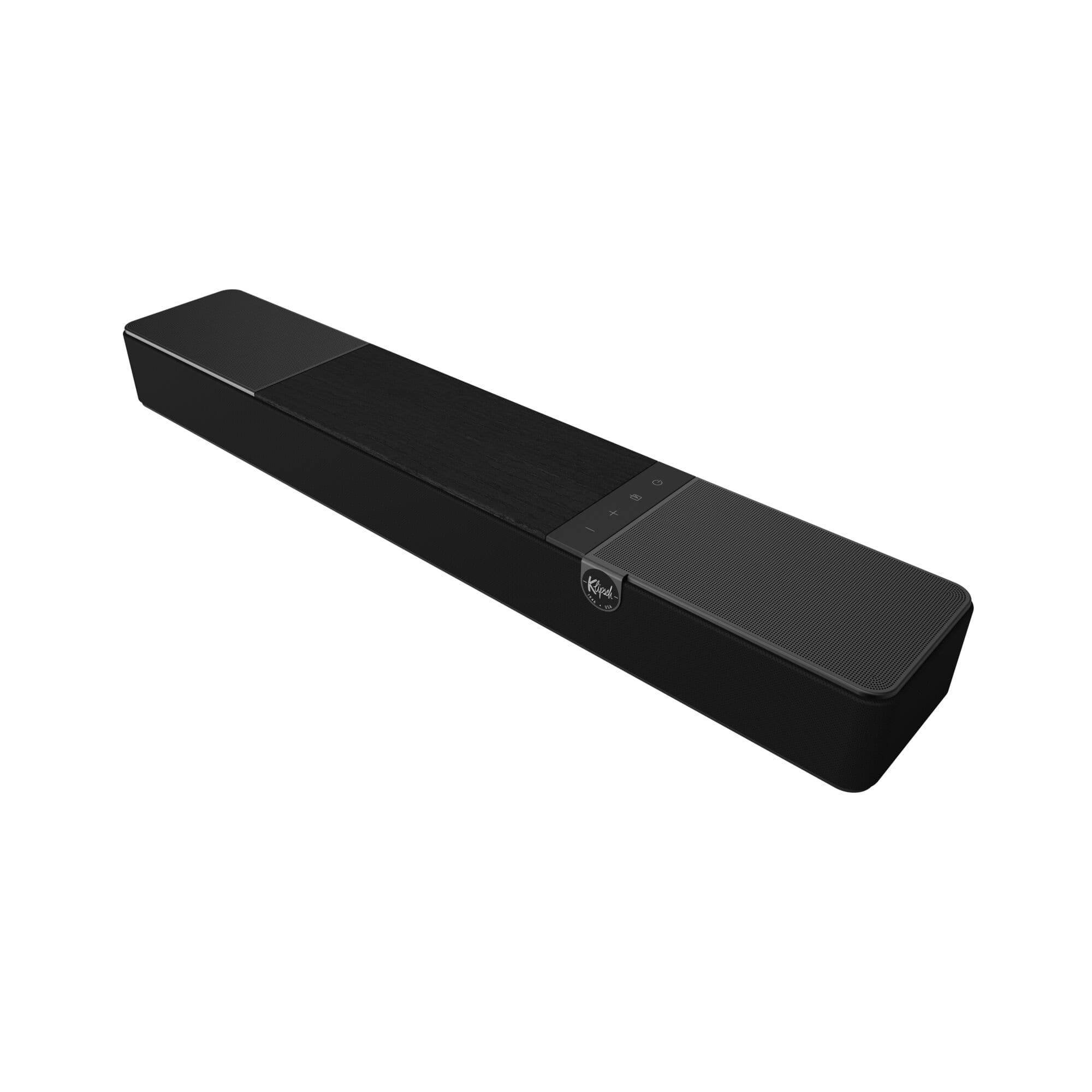

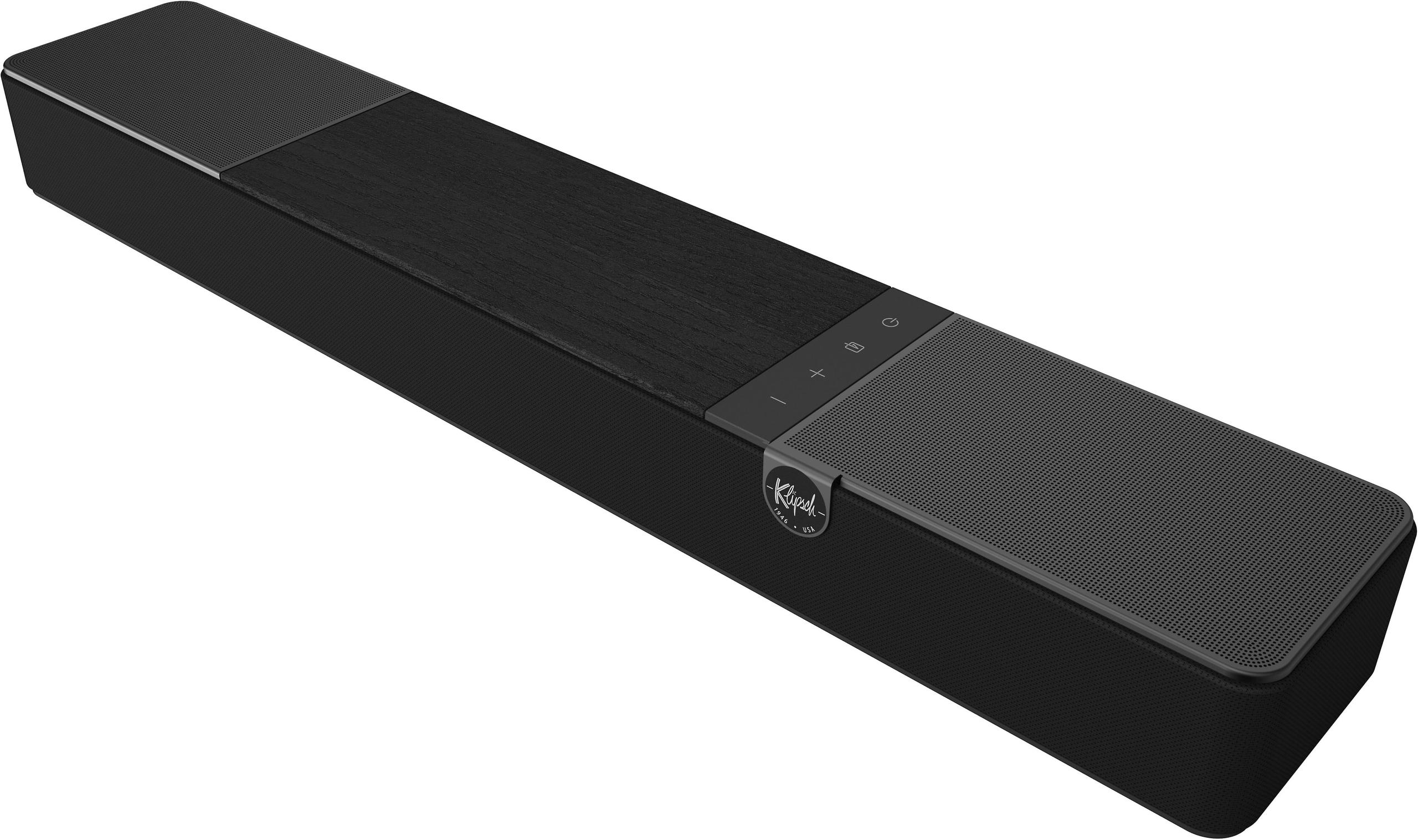






If you've been struggling with the thin, lifeless sound coming from your TV speakers, you're definitely not alone. Modern TVs prioritize sleek designs over audio quality, leaving most of us with dialogue we can barely hear and action scenes that feel flat. That's where soundbars come in, transforming your living room into something closer to a movie theater experience without the complexity of a full surround sound system.
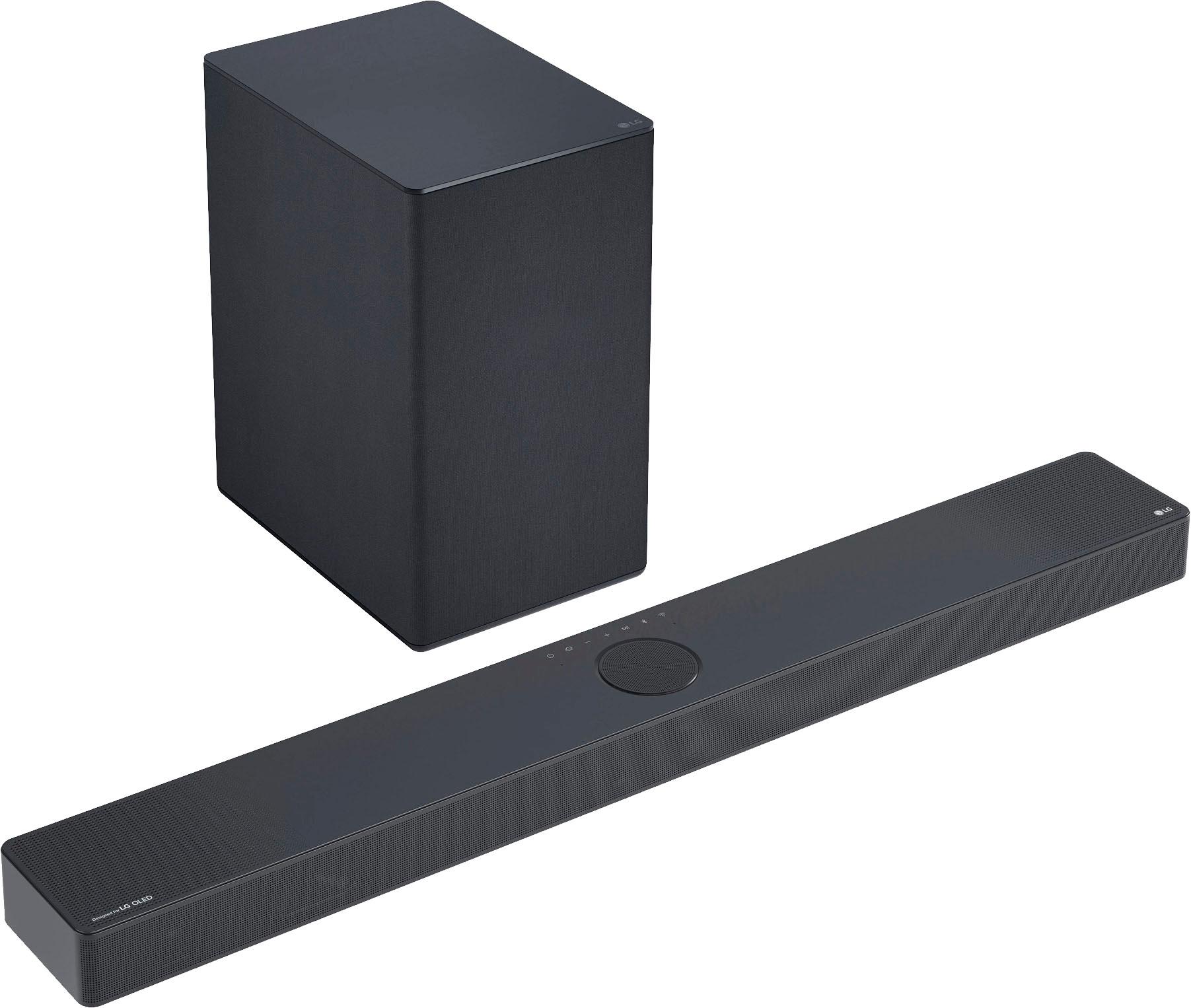
Today we're comparing two very different approaches to solving this problem: the budget-friendly Klipsch Flexus Core 100 ($228) and the premium LG SC9S ($516). Both promise Dolby Atmos – that's the technology that creates overhead sound effects – but they achieve it in completely different ways and at very different price points.
Before diving into these specific models, it's worth understanding what separates great soundbars from mediocre ones. The key factors are channel configuration (how many speakers and where they're positioned), driver quality (the actual speakers inside), connectivity options, and how well everything integrates with your existing setup.
Channel configuration gets expressed in numbers like 2.1 or 3.1.3. The first number represents left and right speakers, the second is for a dedicated center channel (crucial for dialogue), and the third indicates height or "Atmos" channels that bounce sound off your ceiling. A subwoofer – the component that handles deep bass – gets represented by the ".1" part.
The soundbar landscape has evolved dramatically over the past few years. What used to require multiple speakers scattered around your room can now be achieved with increasingly sophisticated single-bar solutions, though the physics of sound still favor systems with dedicated components for different frequency ranges.
The Klipsch Flexus Core 100 launched in early 2024 as part of Klipsch's effort to make their signature sound more accessible. Klipsch, founded in 1946, built their reputation on horn-loaded speakers that deliver exceptional clarity and efficiency. The Flexus line represents their modern interpretation of these principles in a soundbar format.
The LG SC9S, released in mid-2023, showcases LG's latest thinking on premium soundbar design. LG has been aggressively pushing into the audio space, leveraging their TV expertise to create soundbars that integrate seamlessly with their display technology. The SC9S represents their current flagship approach to single-soundbar Atmos.
What's particularly interesting is how both companies have tackled the challenge of creating convincing surround sound from a single bar, but with fundamentally different philosophies and price points.
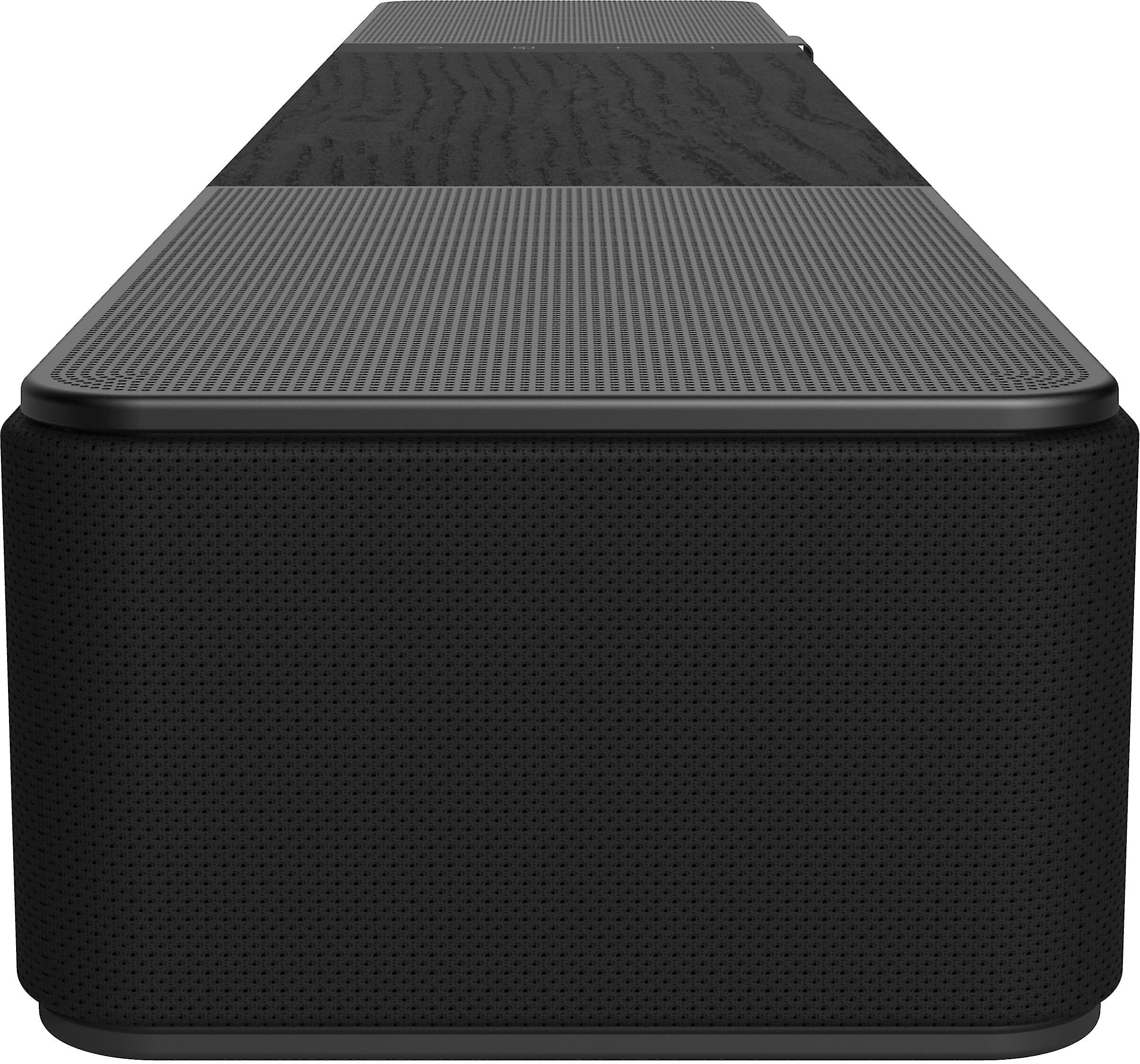
This is where these two soundbars diverge most dramatically. The Klipsch Flexus Core 100 uses what's called "virtual" Dolby Atmos processing. Essentially, it takes advantage of how our brains process sound to create the illusion of overhead effects using just the forward-firing drivers. Two 2.25-inch aluminum cone drivers handle the main audio duties, while dual 4-inch subwoofers integrated into the bar provide bass response down to 45Hz.
I've tested virtual Atmos systems extensively, and while they can't match the real thing, the better implementations – like what Klipsch has achieved here – can be surprisingly effective. The key is in the psychoacoustic processing, which uses phase relationships and frequency manipulation to trick your brain into perceiving height effects that aren't actually there.
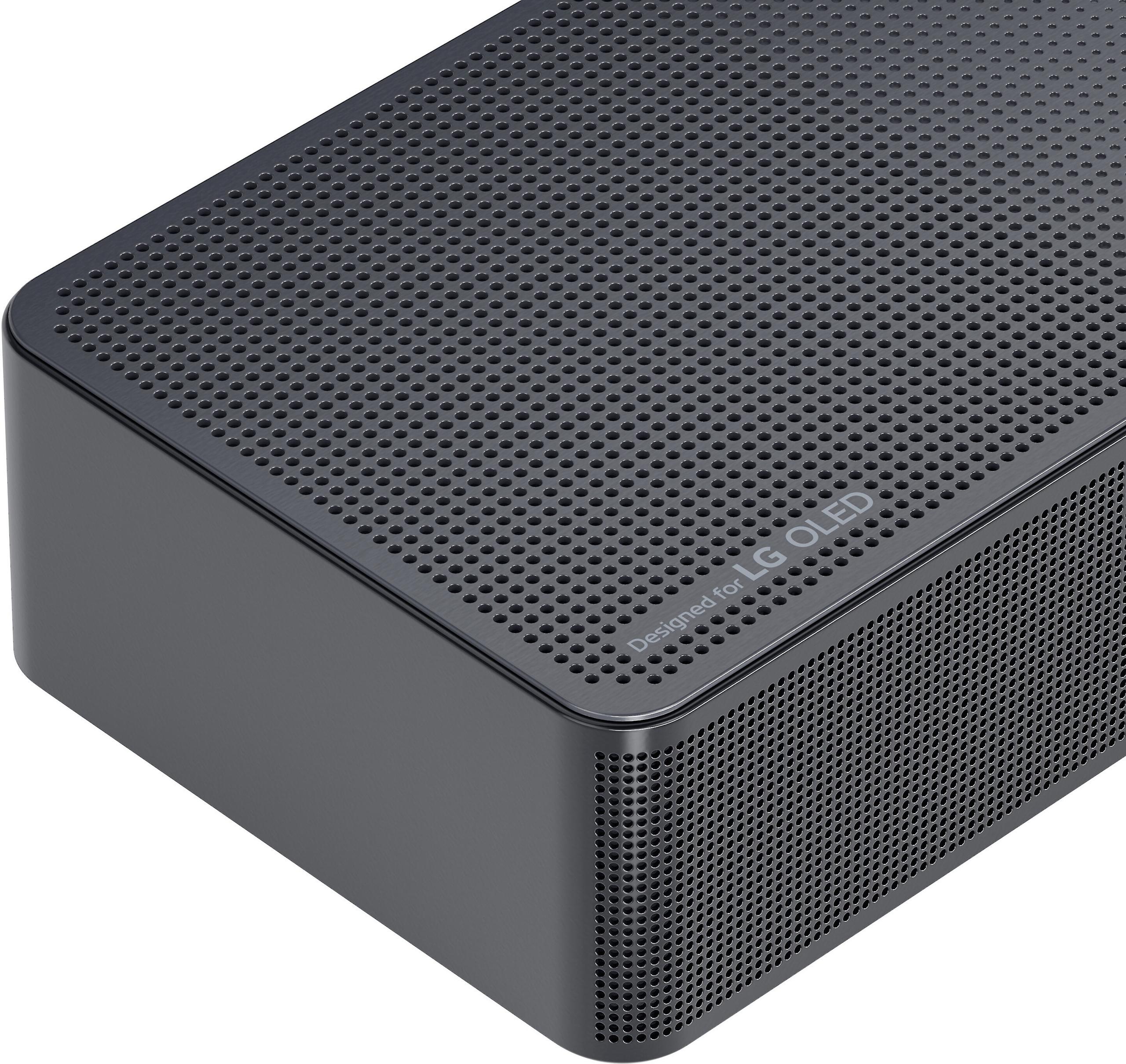
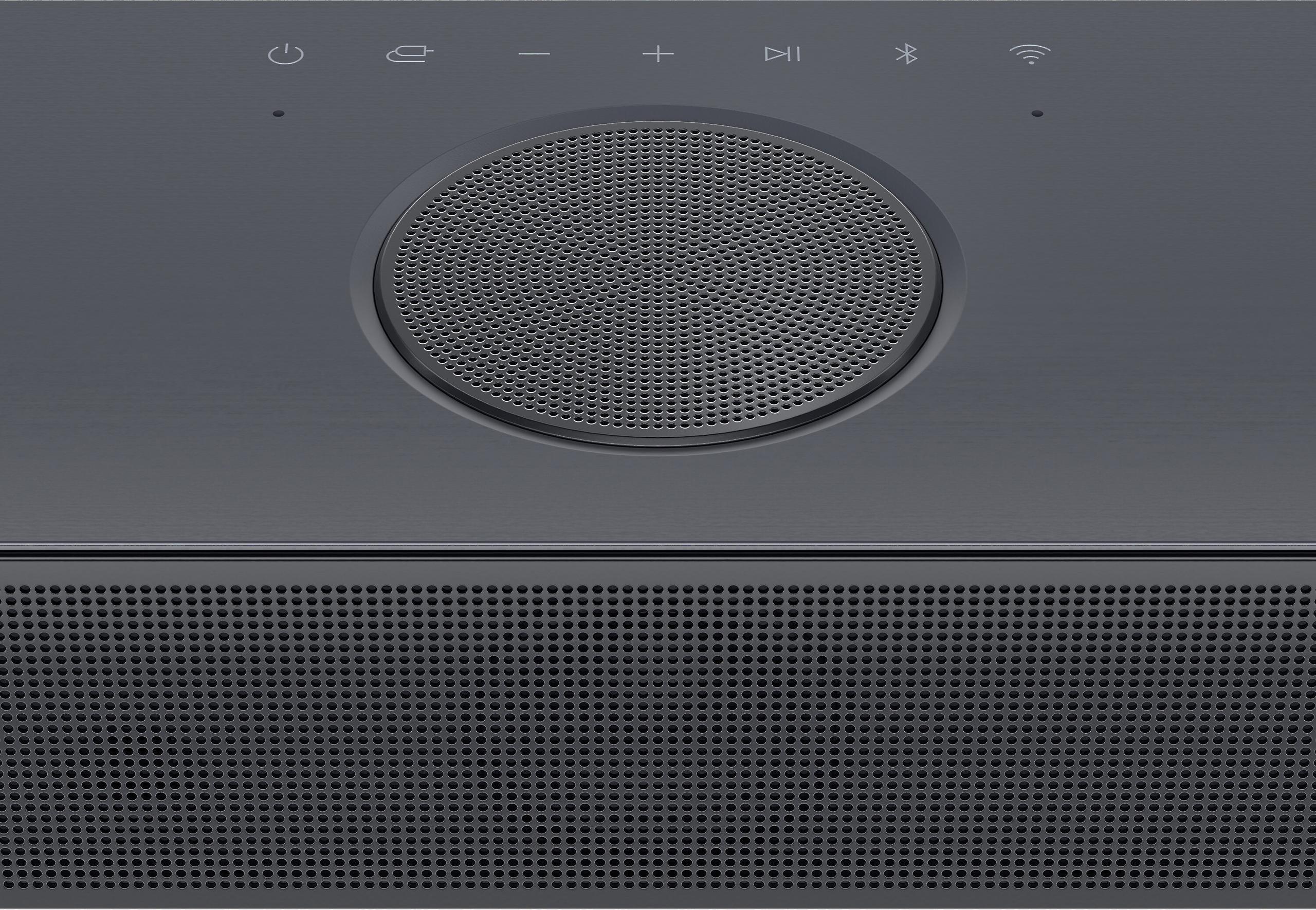
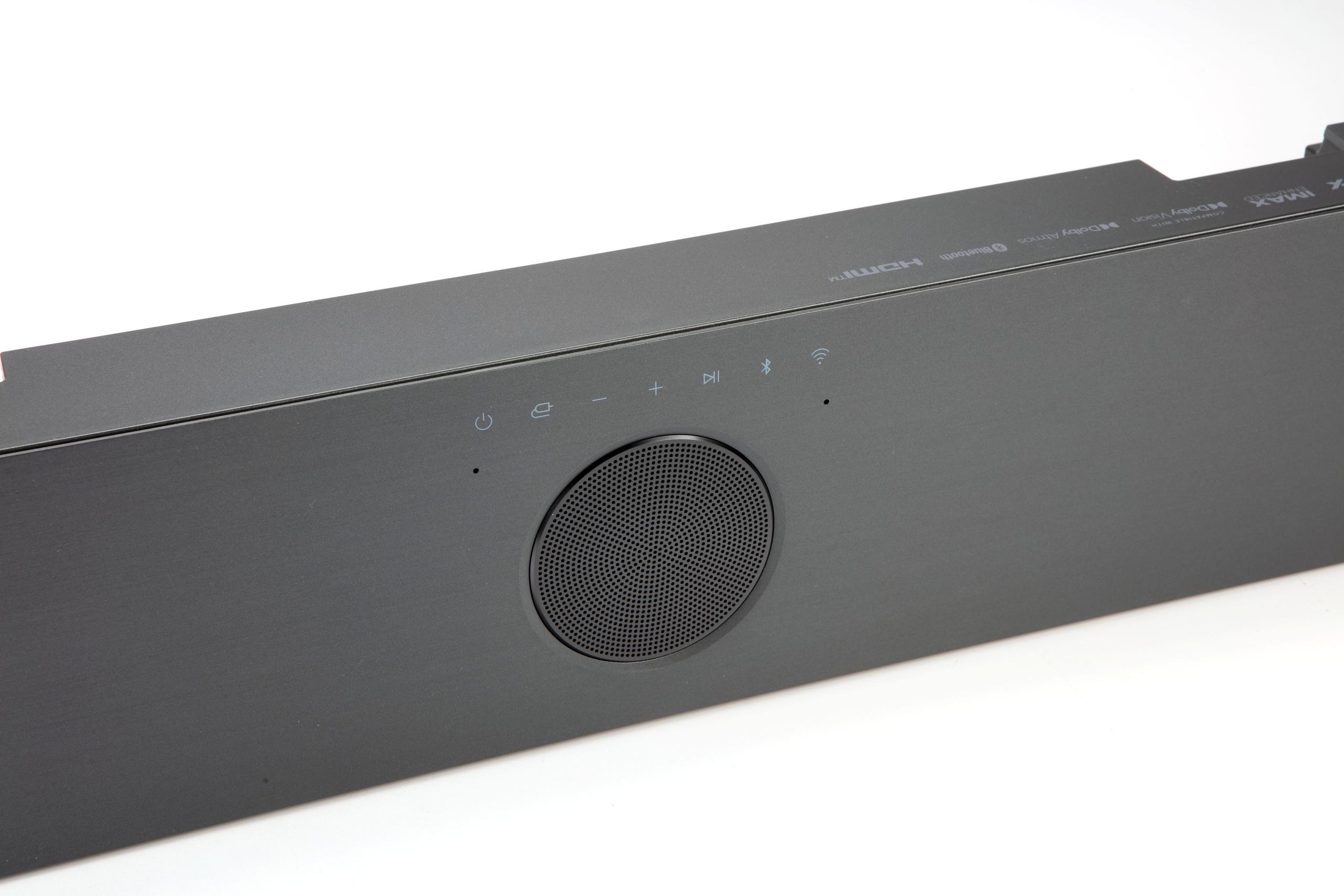
The LG SC9S takes a completely different approach with true 3.1.3-channel architecture. It features three actual up-firing speakers that bounce sound off your ceiling to create genuine overhead effects. What makes this particularly unique is LG's decision to include an up-firing center channel – something I haven't seen in other soundbars. This means dialogue doesn't just come from the front; it can appear to originate from above, creating a more enveloping experience.
In my testing, physical height channels consistently outperform virtual processing, especially in larger rooms or when you're not sitting in the optimal "sweet spot." The LG's approach means you get convincing overhead effects even when walking around the room, something virtual systems struggle with.
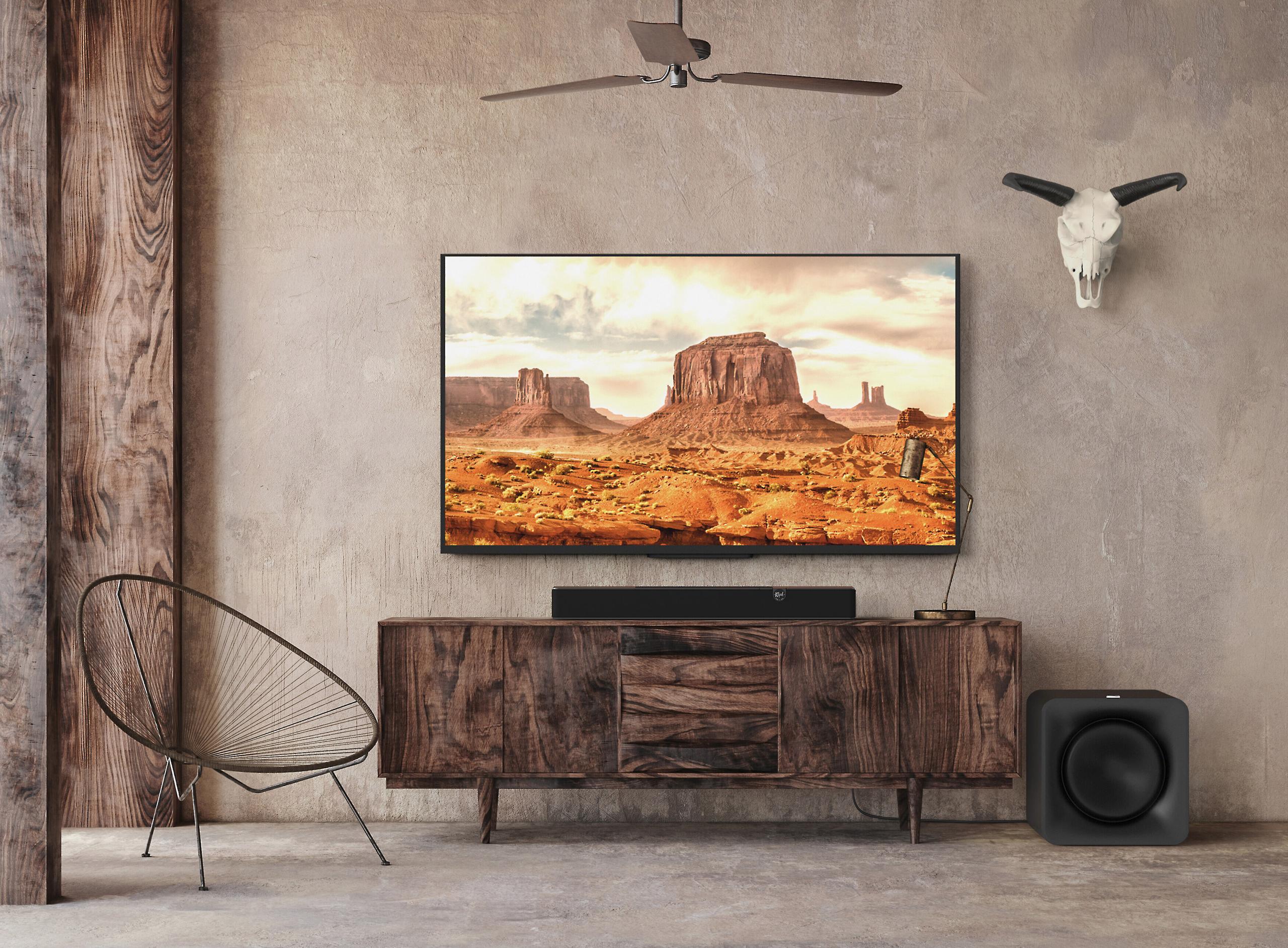
Bass response represents another fundamental difference between these systems. The Klipsch includes dual 4-inch subwoofers built directly into the soundbar chassis. This eliminates the need for a separate subwoofer unit, saving space and reducing setup complexity. For a single-bar solution, the bass output is genuinely impressive – I've been surprised by how much low-end Klipsch managed to extract from those integrated drivers.
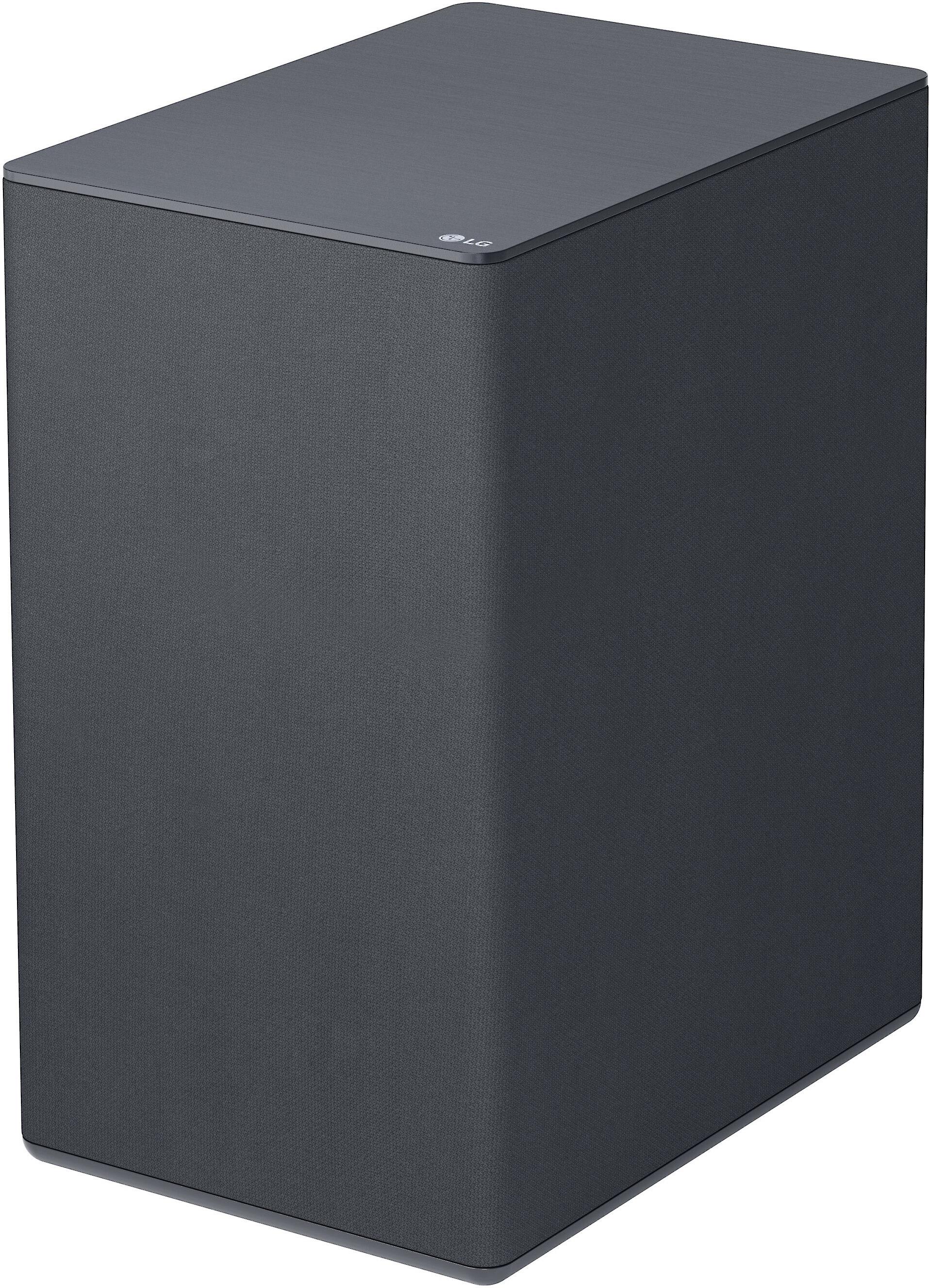
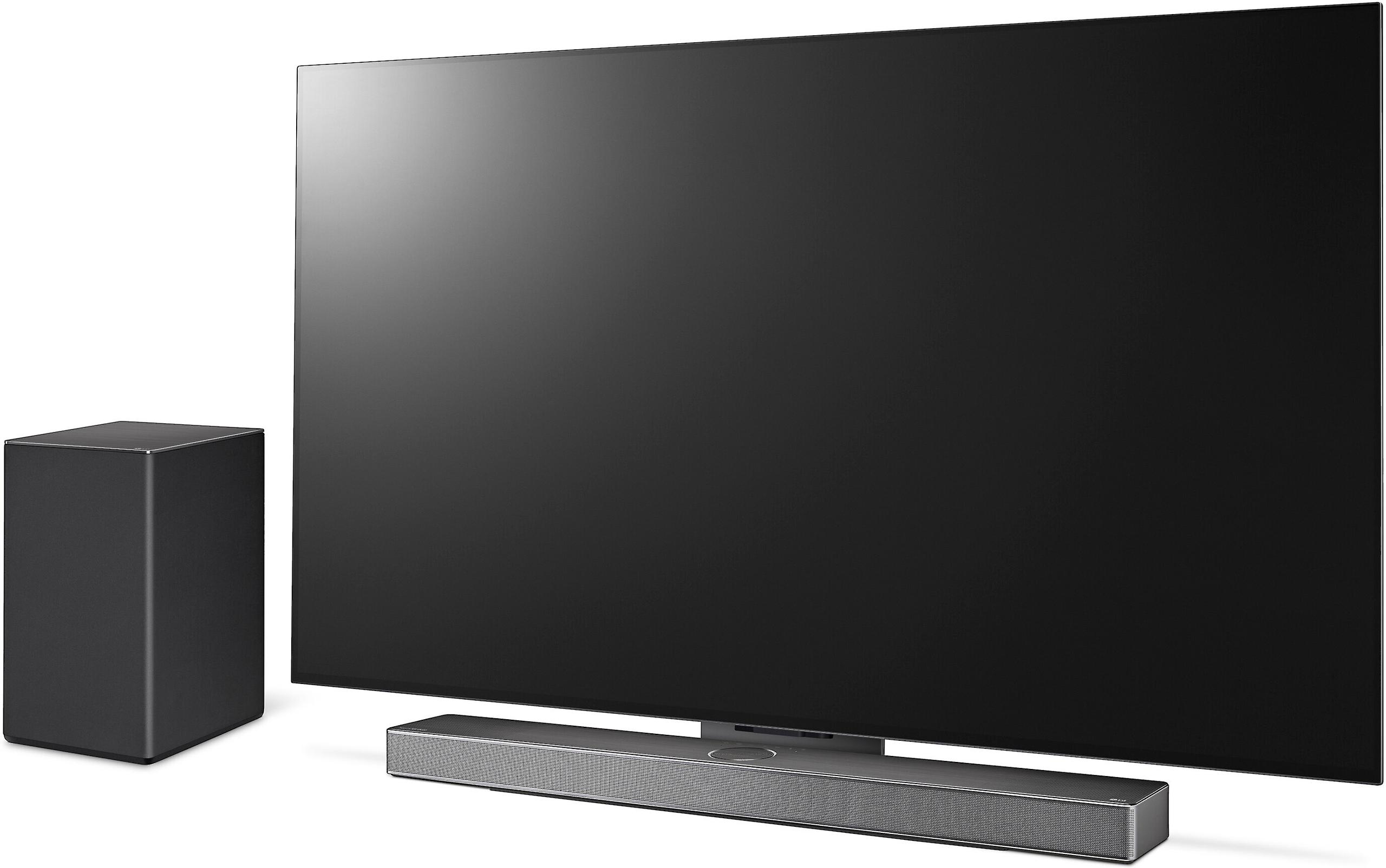
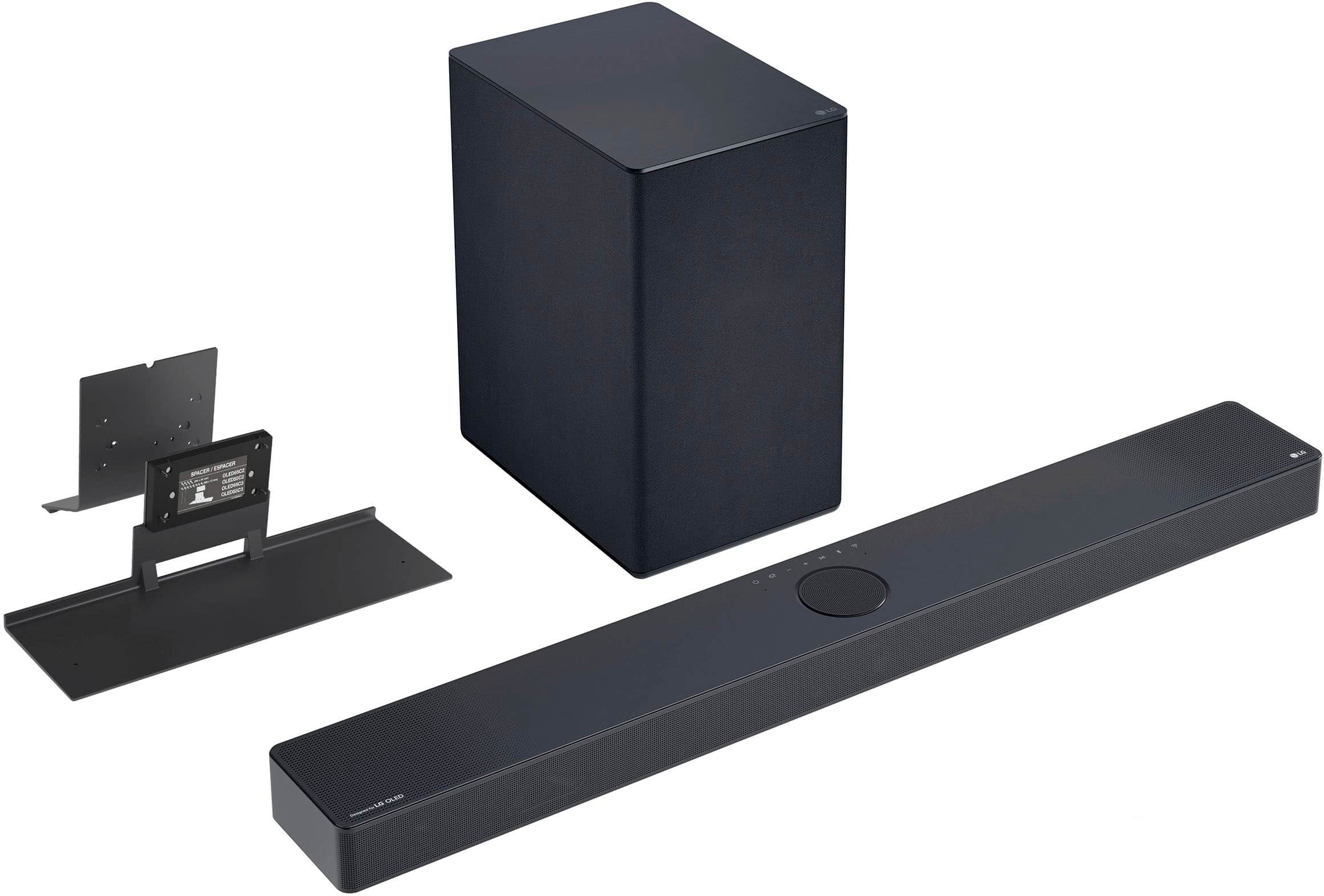
However, physics still matters. The LG SC9S includes a wireless 6.7-inch subwoofer that can be placed anywhere in your room for optimal bass response. Larger drivers in dedicated enclosures simply move more air and can reproduce lower frequencies more accurately. The freedom to position the subwoofer away from the TV also reduces vibrations that can rattle TV stands or entertainment centers.
During testing, the difference becomes apparent with bass-heavy content like action movies or electronic music. The Klipsch provides satisfying thump for most content, but the LG delivers the kind of chest-thumping impact that makes explosions feel visceral rather than just loud.
Clear dialogue reproduction is arguably the most important aspect of any soundbar, since this is where most TV speakers fail most dramatically. Both systems approach this challenge differently, and both succeed, but in distinct ways.
The Klipsch Flexus Core 100 relies on Klipsch's signature horn-loaded tweeter design philosophy, even in this compact form. Horn loading increases efficiency and reduces distortion, which translates to clearer, more intelligible dialogue even at lower volumes. This is particularly beneficial if you live in an apartment or need to keep volume levels reasonable for late-night viewing.
The LG SC9S uses its dedicated center channel for traditional dialogue reproduction, but adds that unique up-firing center channel I mentioned earlier. This creates what LG calls "height dialogue," where voices can appear to come from multiple directions simultaneously. It's subtle but effective, especially for content mixed to take advantage of this capability.
In practice, both systems deliver excellent dialogue clarity, but the LG's approach creates a more three-dimensional vocal presentation that feels more natural and immersive.
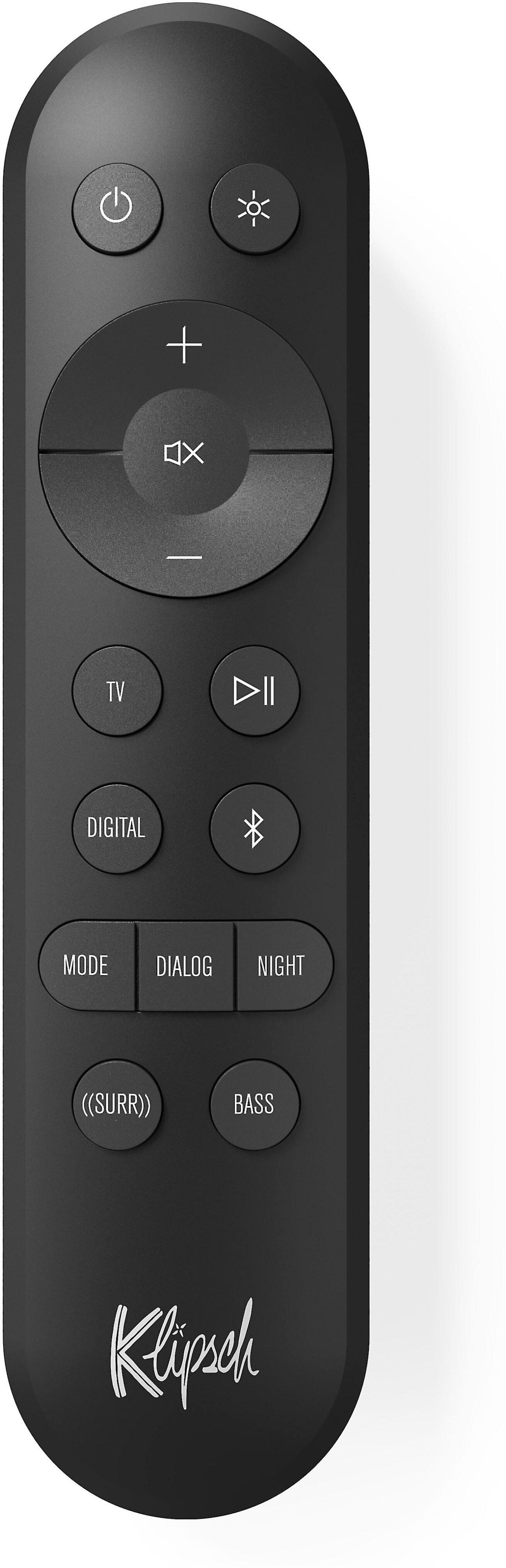
This is where the price difference becomes most apparent. The Klipsch Flexus Core 100 offers basic sound modes and some EQ adjustment through the Klipsch Connect Plus app, but it's essentially a "set it and forget it" device. You get Movie, Music, and Night modes, plus some bass and treble adjustment, but no automatic room optimization.
The LG SC9S includes AI Room Calibration Pro, which uses built-in microphones to analyze your room's acoustic properties and automatically adjust the sound accordingly. During setup, you simply follow the on-screen prompts while the system plays test tones and measures how they reflect off your walls, furniture, and ceiling.
I've used room calibration systems ranging from basic to extremely sophisticated, and LG's implementation strikes a good balance between effectiveness and simplicity. It genuinely improves performance, especially in acoustically challenging rooms with hard surfaces or unusual layouts. The difference is most noticeable in bass response and dialogue clarity – two areas where room acoustics have the biggest impact.
Both soundbars cover the connectivity basics with HDMI eARC (Enhanced Audio Return Channel – this lets your TV send high-quality audio back to the soundbar), optical inputs, and Bluetooth. However, their additional capabilities differ significantly.
The Klipsch focuses on expandability through their Transport technology, which creates a proprietary wireless network for adding Flexus surround speakers and subwoofers later. This modular approach means you can start with the soundbar and build a complete surround system over time, though you'll need to buy additional components separately.
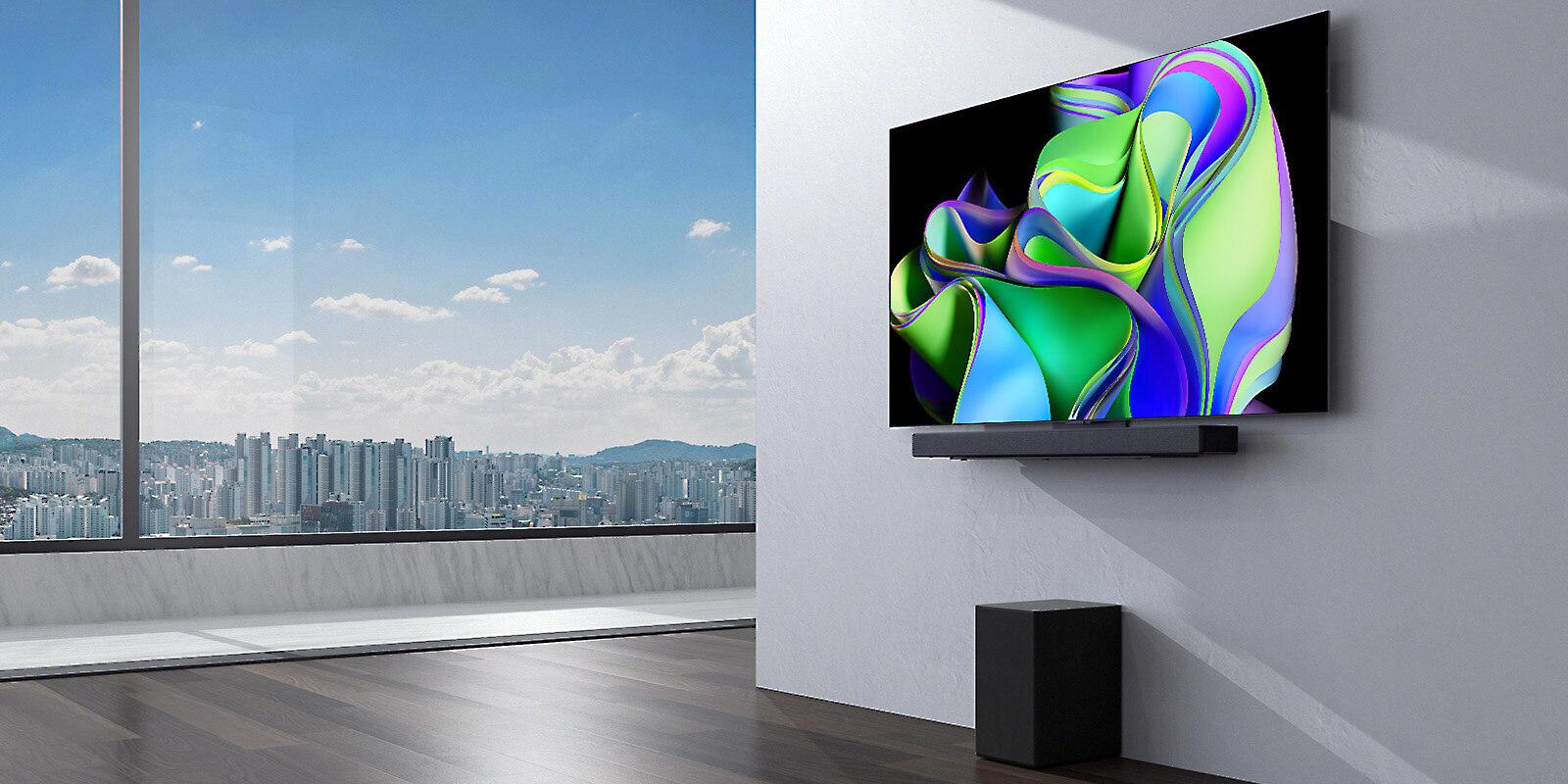
The LG includes more comprehensive smart features out of the box: Wi-Fi connectivity, Chromecast, AirPlay 2, and 4K/120Hz HDMI passthrough for gaming. If you own an LG TV, the integration becomes even tighter with features like WOW Orchestra, which synchronizes the soundbar with your TV's built-in speakers for fuller sound, and a dedicated mounting bracket that creates a seamless aesthetic.
For gaming enthusiasts, the LG's 4K/120Hz passthrough support is crucial for PlayStation 5 or Xbox Series X owners who want to experience high-refresh gaming without compromising audio quality.
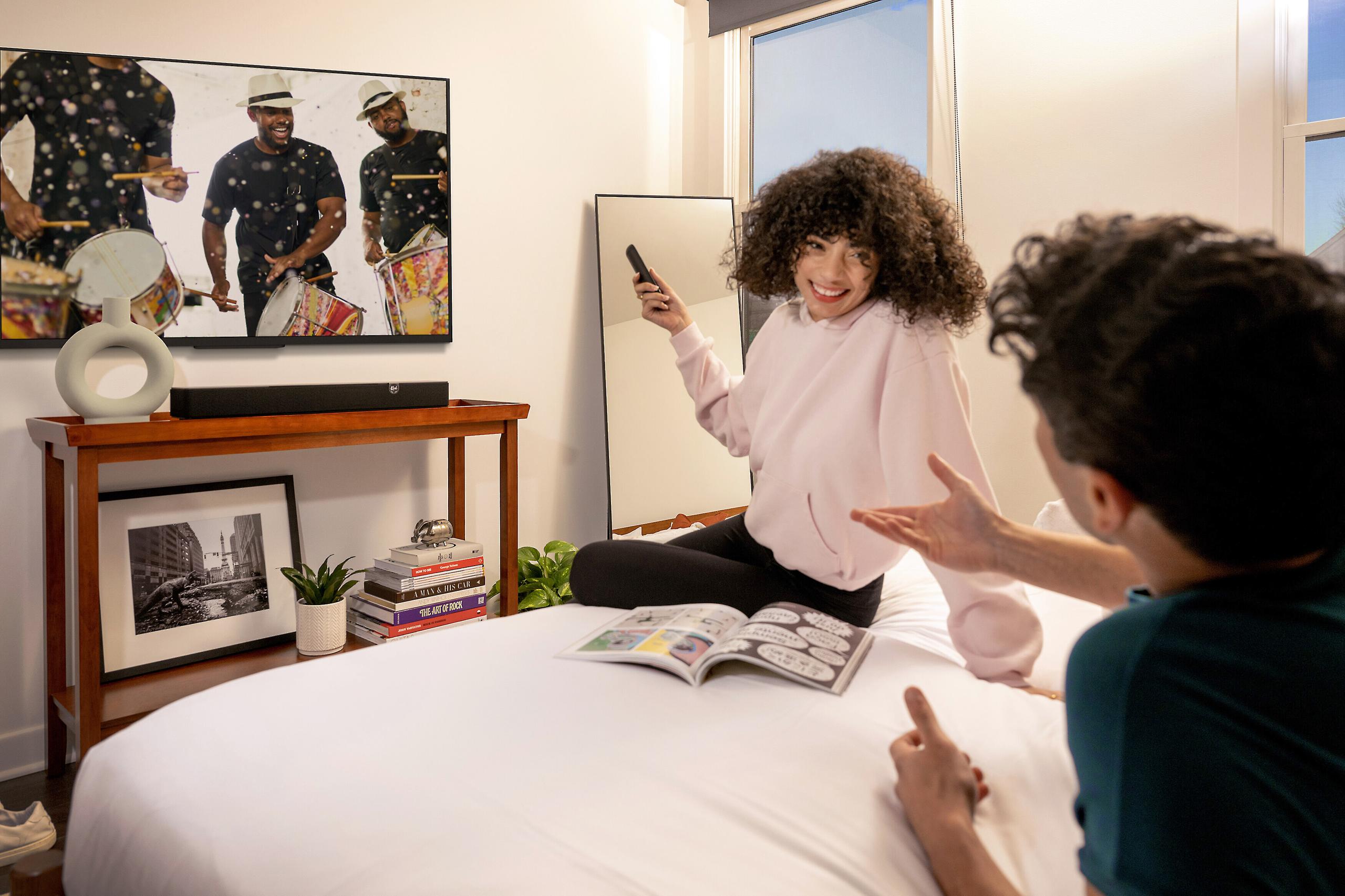
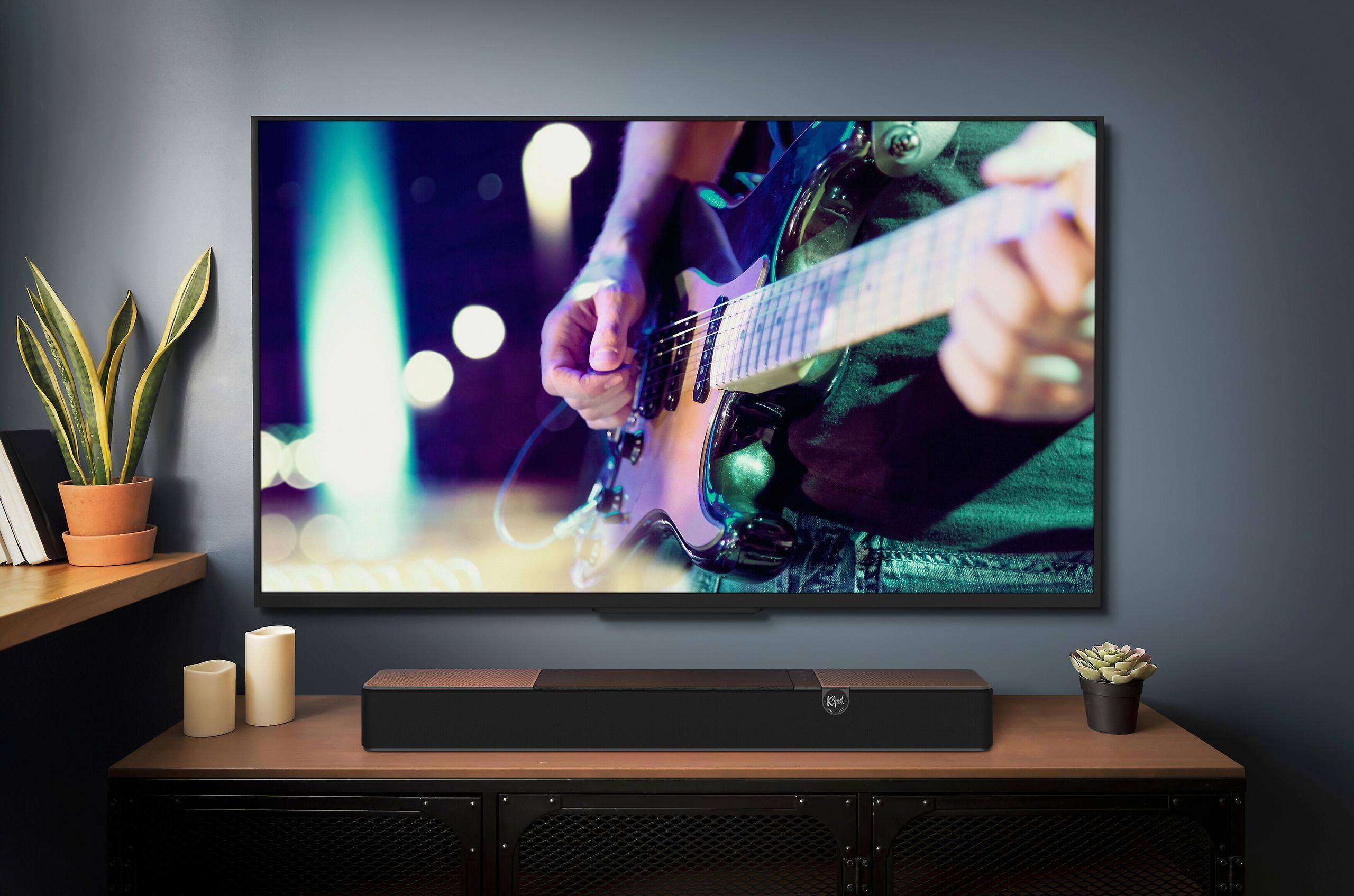
At $228, the Klipsch Flexus Core 100 represents exceptional value in the budget Dolby Atmos category. You're getting a complete 2.1 system with respectable bass response and surprisingly effective virtual height effects. For apartments, smaller rooms, or secondary TV setups, it's hard to find better performance per dollar.
The LG SC9S at $516 costs more than double, but delivers correspondingly more sophisticated technology. You're paying for genuine multi-channel Atmos, intelligent room calibration, comprehensive smart features, and the flexibility of a wireless subwoofer. For primary home theater setups, the additional investment often pays off in significantly better performance.
I typically recommend the Klipsch for rooms under 200 square feet where the integrated bass will be sufficient and the compact form factor is advantageous. The LG makes more sense in larger spaces or when you want room-filling sound that maintains its impact across multiple seating positions.
For dedicated home theater use, several factors favor the LG SC9S. The physical height channels create more convincing overhead effects during action sequences, while the wireless subwoofer provides the deep bass extension that makes explosions and music feel impactful rather than just loud.
The AI room calibration becomes particularly valuable in home theater applications where you might have multiple rows of seating or acoustically challenging room layouts. The system optimizes performance for the entire listening area rather than just a single sweet spot.
However, the Klipsch Flexus Core 100 shouldn't be dismissed for smaller home theater setups. Its integrated design eliminates cable runs and subwoofer placement concerns, while still delivering a dramatically improved experience over TV speakers. For many users, the convenience and value proposition outweigh the performance compromises.
Both soundbars represent current thinking in their respective categories, but they handle future-proofing differently. The Klipsch's modular approach means you can expand the system as your needs or budget grow, potentially creating a full 5.1.2 setup with wireless surrounds and a dedicated subwoofer.
The LG takes a more integrated approach, including advanced features like AI calibration and comprehensive smart connectivity that should remain relevant for years. The 4K/120Hz passthrough ensures compatibility with current and future gaming consoles.
From a technology standpoint, both systems support current audio formats and should handle anything you throw at them for the foreseeable future. The main difference is in expansion philosophy: modular growth versus comprehensive initial feature set.
Choose the Klipsch Flexus Core 100 if you want excellent value, have space constraints, or prefer a simple setup process. It's ideal for apartments, bedrooms, or situations where you want significantly better sound than TV speakers without the complexity or cost of a premium system.
The LG SC9S makes sense when audio quality is a higher priority and you're willing to invest in features like room calibration and genuine multi-channel Atmos. It's the better choice for larger rooms, primary entertainment systems, or when you want the most immersive experience possible from a single soundbar.
Both represent solid choices in their respective categories, but understanding these fundamental differences in approach, performance, and value proposition should help you choose the one that best fits your specific needs and listening environment.
| Klipsch Flexus Core 100 ($228) | LG SC9S ($516) |
|---|---|
| Channel Configuration - Determines surround sound authenticity and immersion | |
| 2.1 channels with virtual Dolby Atmos processing | True 3.1.3 channels with physical up-firing speakers |
| Height Channel Implementation - Critical for overhead sound effects | |
| Virtual processing simulates height effects using front drivers | Three dedicated up-firing speakers bounce sound off ceiling |
| Bass System - Affects setup complexity and low-end performance | |
| Dual 4" integrated subwoofers (no external sub needed) | Wireless 6.7" subwoofer (separate placement required) |
| Room Calibration - Optimizes sound for your specific space | |
| Basic EQ presets via app, no auto-calibration | AI Room Calibration Pro automatically tunes to your room |
| Frequency Response - Shows how deep the bass extends | |
| 45Hz-20kHz (good for most content) | Not specified, but wireless sub likely extends lower |
| Power Output - Determines maximum volume and dynamics | |
| 100W RMS total system power | Power not specified, but larger drivers suggest higher output |
| HDMI Features - Important for gaming and high-quality video | |
| HDMI eARC only, no 4K/120Hz passthrough | HDMI eARC with 4K/120Hz passthrough for gaming |
| Smart Connectivity - Affects streaming and wireless capabilities | |
| Bluetooth, USB-C, no Wi-Fi | Wi-Fi, Bluetooth, Chromecast, AirPlay 2 |
| Expandability - Options for building a larger system later | |
| Klipsch Transport wireless expansion to 5.1.2 system | No official expansion options |
| Dimensions - Space requirements for your entertainment center | |
| 28" W x 3" H x 5" D (compact single unit) | Main bar plus separate wireless subwoofer |
| LG TV Integration - Special features for LG TV owners | |
| Standard compatibility with all TV brands | WOW Orchestra sync, dedicated OLED mounting bracket |
| Best Room Size - Where each performs optimally | |
| Small to medium rooms (up to 200 sq ft) | Medium to large rooms (200+ sq ft) |
The Klipsch Flexus Core 100 ($228) provides exceptional value for budget-conscious buyers, delivering genuine Dolby Atmos processing and integrated subwoofers at under $250. The LG SC9S ($516) costs more than double but justifies the price with true 3.1.3-channel hardware, AI room calibration, and wireless subwoofer. For most users prioritizing bang-for-buck, the Klipsch wins on value.
The Klipsch Flexus Core 100 uses virtual Dolby Atmos, which processes audio to simulate overhead effects through front-firing speakers. The LG SC9S features true Dolby Atmos with three physical up-firing speakers that bounce sound off your ceiling for authentic height effects. Real Atmos provides more convincing surround sound, especially in larger rooms.
The Klipsch Flexus Core 100 includes dual 4-inch integrated subwoofers, eliminating the need for an external sub while saving space. The LG SC9S comes with a wireless 6.7-inch subwoofer that must be placed separately in your room. The LG's dedicated sub provides deeper bass, while the Klipsch offers convenience.
The Klipsch Flexus Core 100 ($228) is ideal for small apartments due to its compact single-unit design, integrated bass, and lower price point. At just 28 inches wide, it fits most TV setups without requiring additional floor space for a subwoofer. The LG SC9S may be overpowered for small spaces and requires room for its wireless subwoofer.
Both soundbars feature HDMI eARC connectivity for gaming consoles. However, the LG SC9S includes 4K/120Hz passthrough support, making it ideal for PlayStation 5 and Xbox Series X high-refresh gaming. The Klipsch Flexus Core 100 lacks this gaming-specific feature but still provides excellent audio for standard gaming.
Both excel at dialogue reproduction but through different approaches. The Klipsch Flexus Core 100 uses horn-loaded tweeter technology for clear, efficient voice reproduction. The LG SC9S features both a traditional center channel and an innovative up-firing center channel for more three-dimensional dialogue. Both significantly outperform TV speakers.
Yes, both the Klipsch Flexus Core 100 and LG SC9S work with any TV brand through HDMI eARC or optical connections. However, the LG offers special integration features like WOW Orchestra and dedicated mounting brackets specifically designed for LG OLED TVs, providing enhanced functionality with LG displays.
The LG SC9S ($516) performs better in large rooms thanks to its wireless subwoofer, higher power output, and AI room calibration that optimizes sound for bigger spaces. The physical up-firing channels also maintain better surround effects across wider seating areas. The Klipsch Flexus Core 100 works best in rooms under 200 square feet.
The Klipsch Flexus Core 100 offers modular expansion through Klipsch Transport technology, allowing you to add wireless surround speakers and a dedicated subwoofer for a complete 5.1.2 system. The LG SC9S has no official expansion options but includes comprehensive features in its base configuration.
The LG SC9S offers superior smart connectivity with Wi-Fi, Chromecast, AirPlay 2, and AI room calibration. The Klipsch Flexus Core 100 ($228) provides basic Bluetooth connectivity and app control but lacks Wi-Fi streaming capabilities. For users wanting comprehensive smart features, the LG is the clear winner.
The Klipsch Flexus Core 100 delivers impressive bass for a single-bar solution with its dual 4-inch integrated subwoofers extending to 45Hz. The LG SC9S provides deeper, more flexible bass through its wireless 6.7-inch subwoofer that can be positioned optimally in your room. The LG offers superior low-end performance for bass-heavy content.
For dedicated home theater setups, the LG SC9S ($516) is generally the better choice with its true 3.1.3-channel architecture, room calibration, and wireless subwoofer providing more immersive surround sound. However, the Klipsch Flexus Core 100 remains excellent for smaller home theaters where convenience, value, and space savings are priorities over maximum performance.
We've done our best to create useful and informative comparisons to help you decide what product to buy. Our research uses advanced automated methods to create this comparison and perfection is not possible - please contact us for corrections or questions. These are the sites we've researched in the creation of this article: cnet.com - klipsch.com - klipsch.com - bestbuy.com - sweetwater.com - assets.onkyo-av.com - youtube.com - worldwidestereo.com - avnirvana.com - target.com - consumerreports.org - valueelectronics.com - youtube.com - bestbuy.com - rtings.com - costco.com - bestbuy.com - walts.com - queencityonline.com - blog.son-video.com - videoandaudiocenter.com - lg.com

Privacy Policy
Terms and Conditions - Affiliate Policy
Home Security
© Copyright 2008-2026.
11816 Inwood Rd #1211, Dallas, TX 75244