

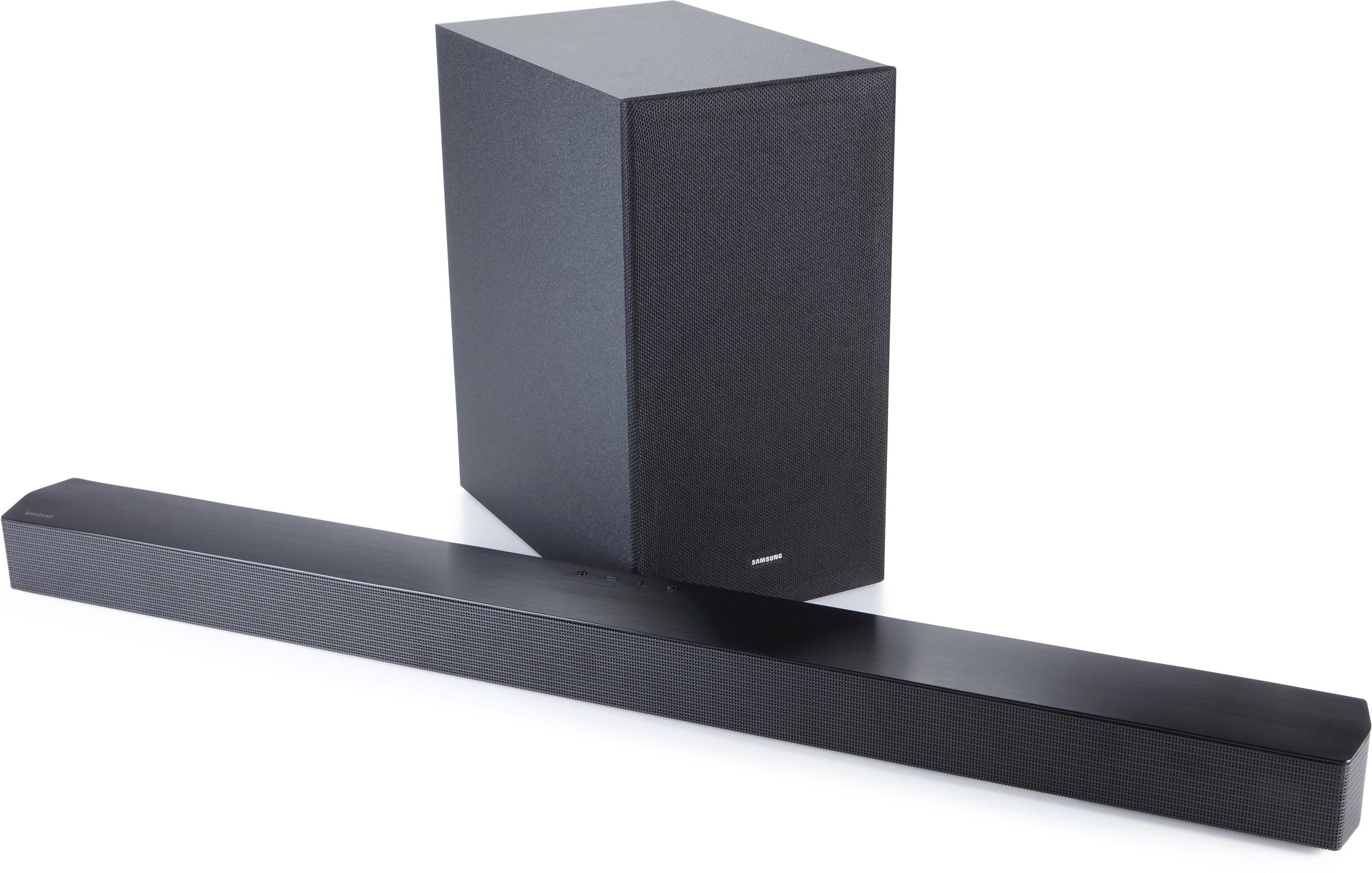
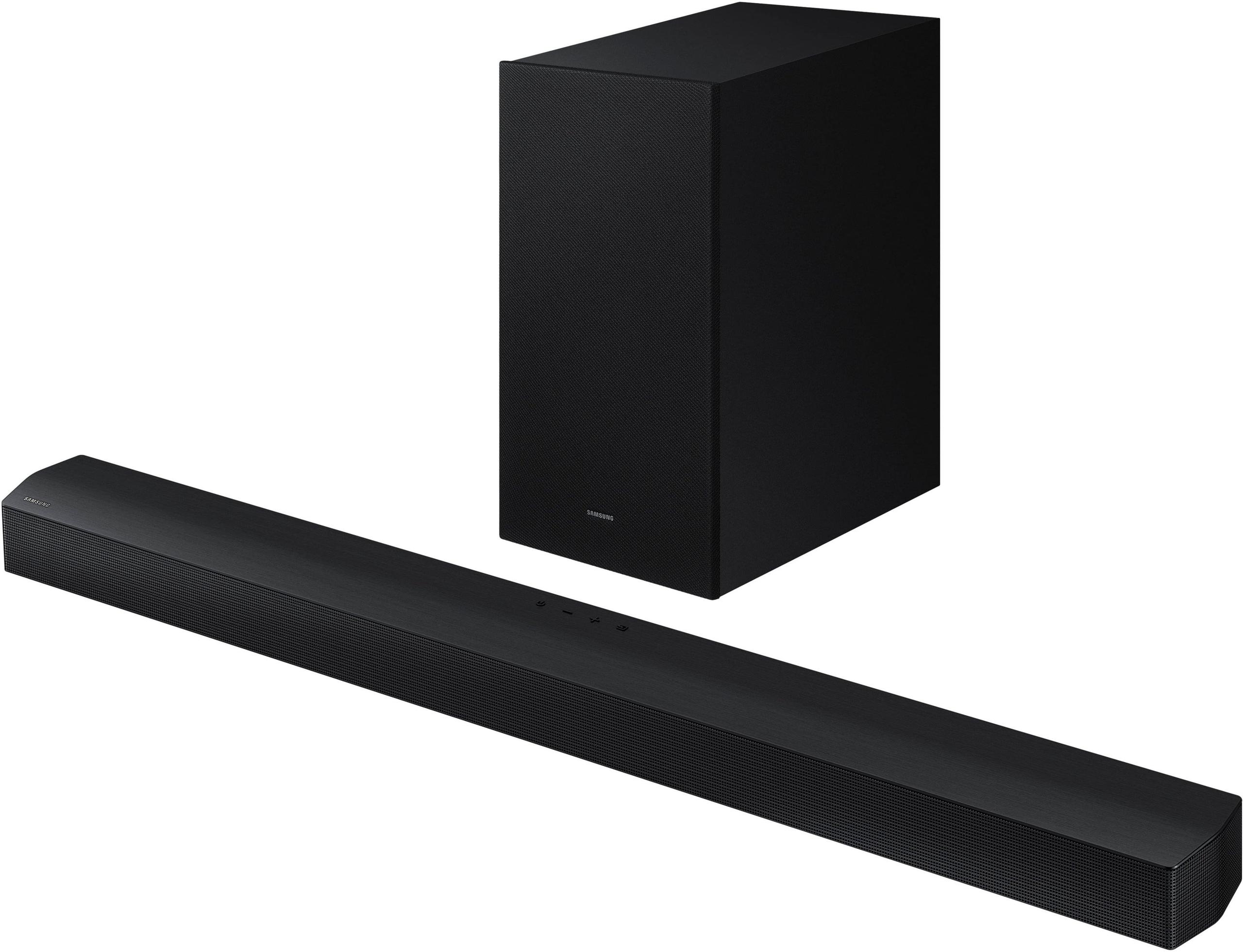





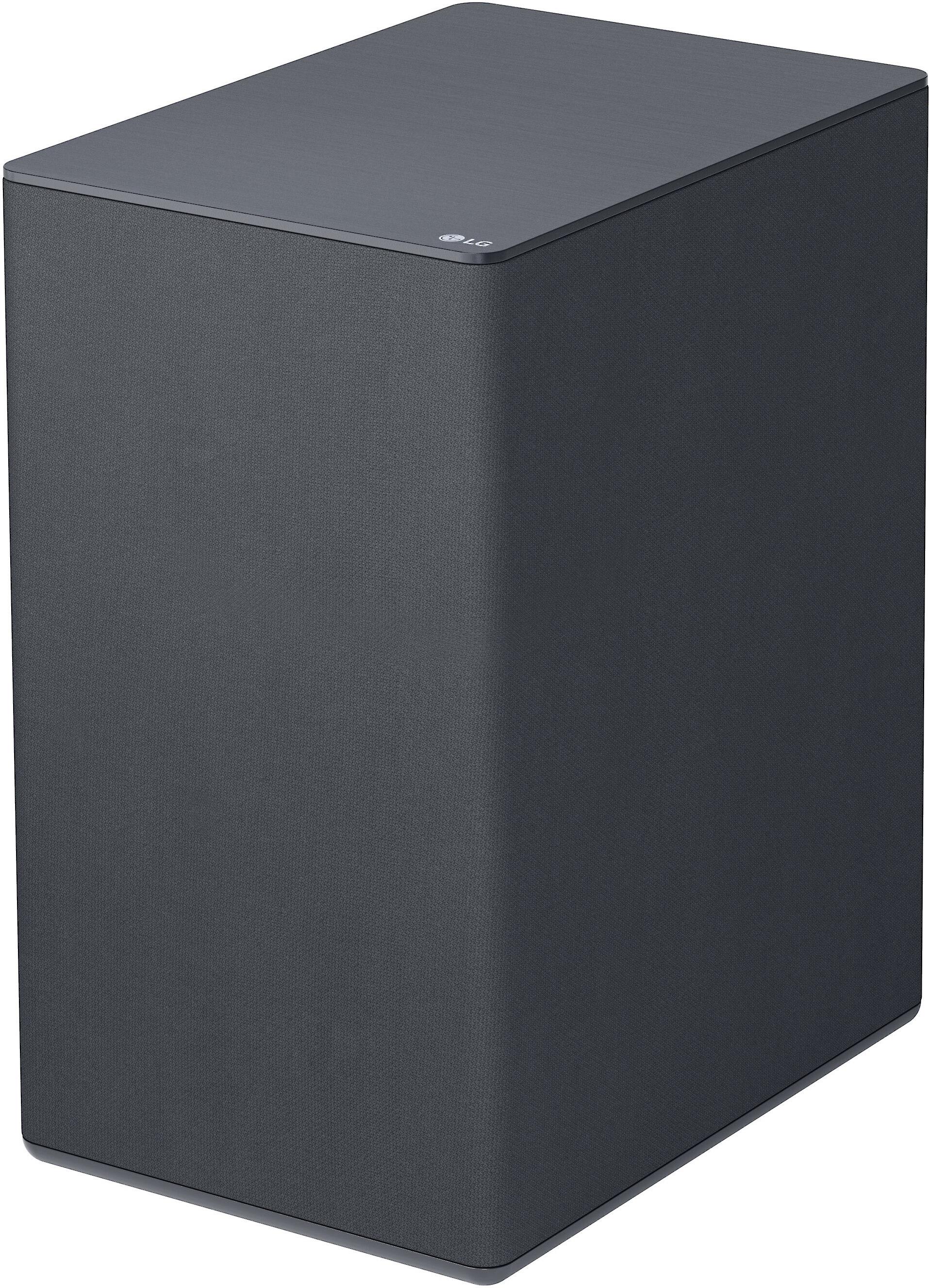
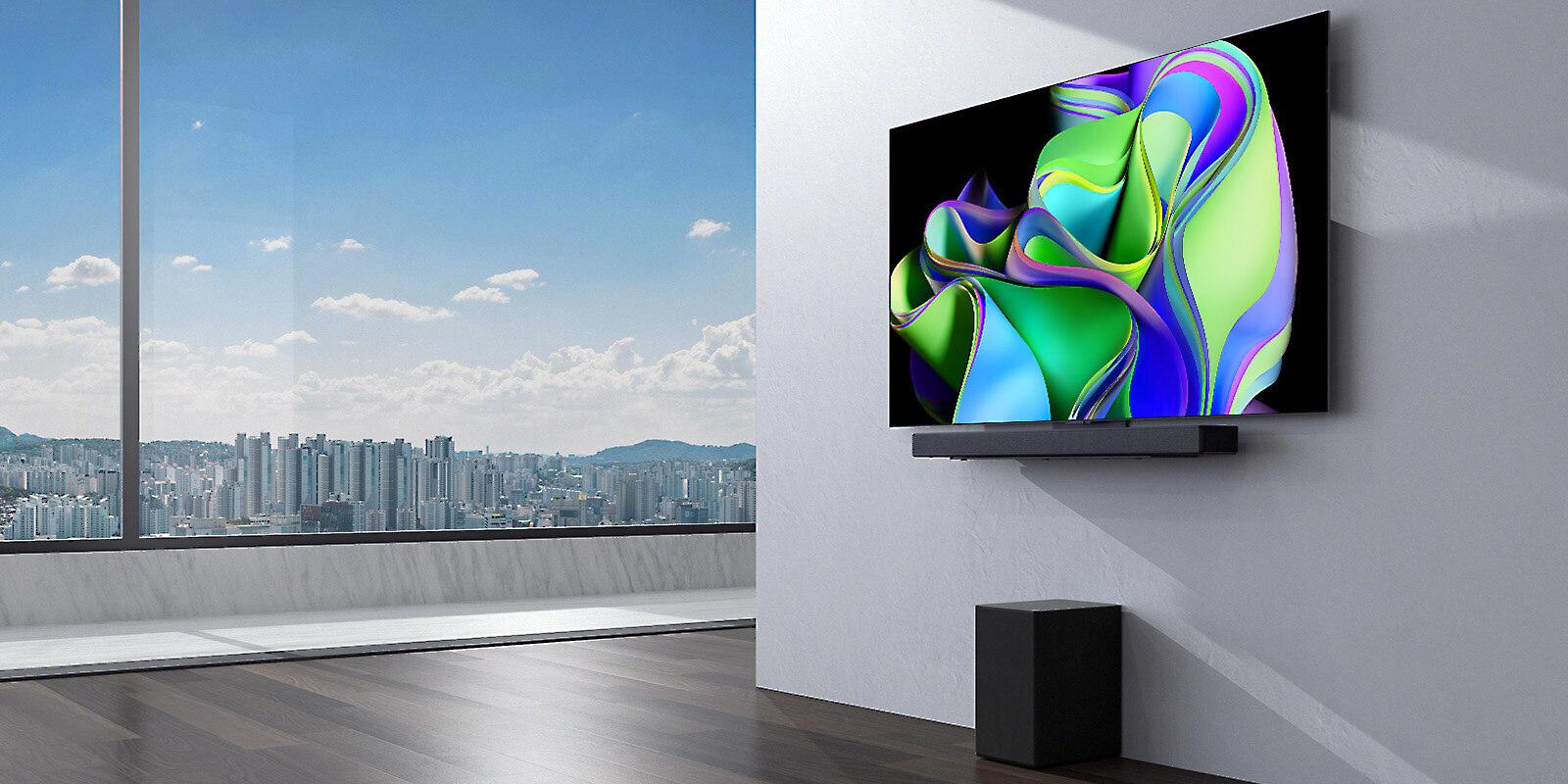
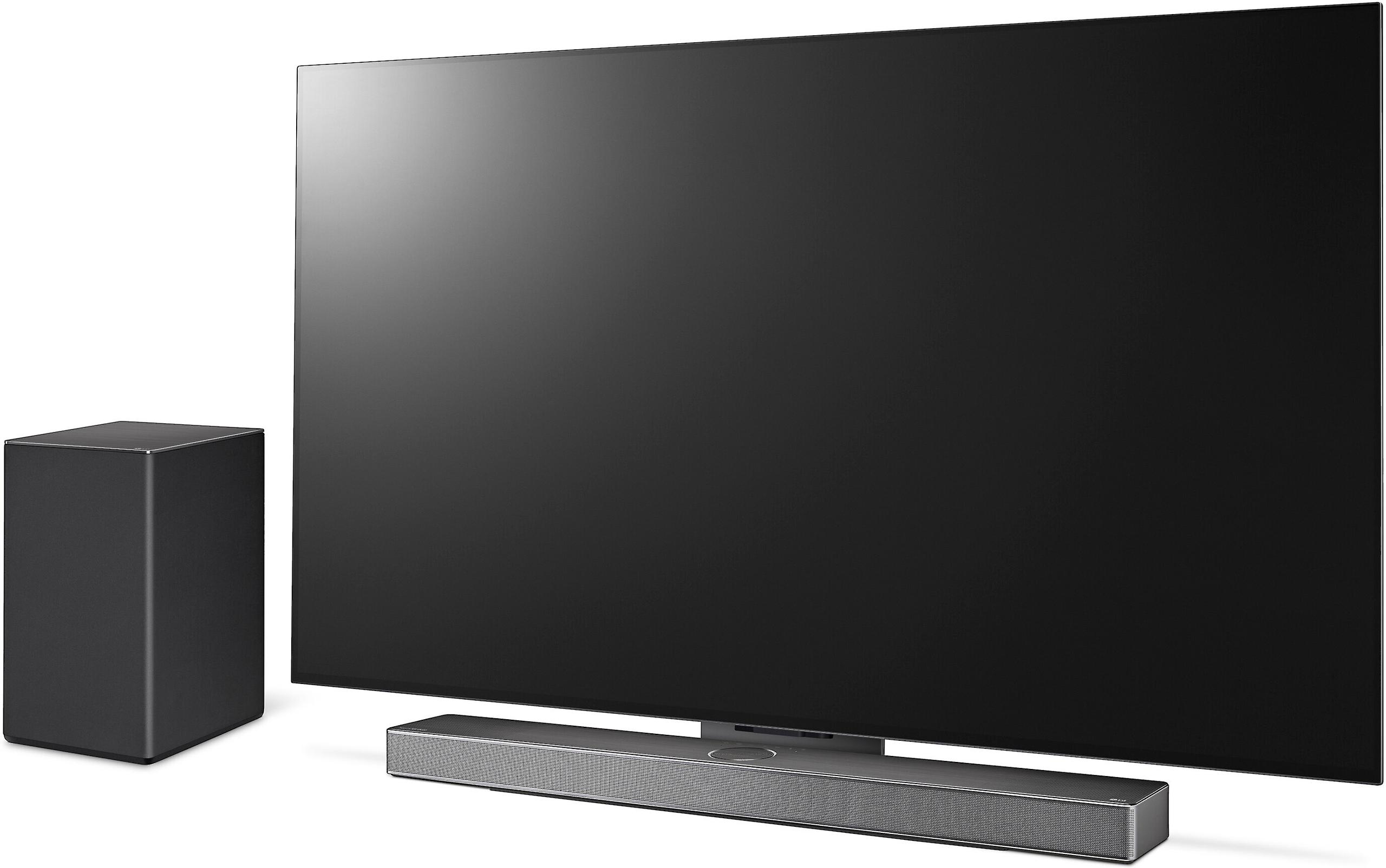
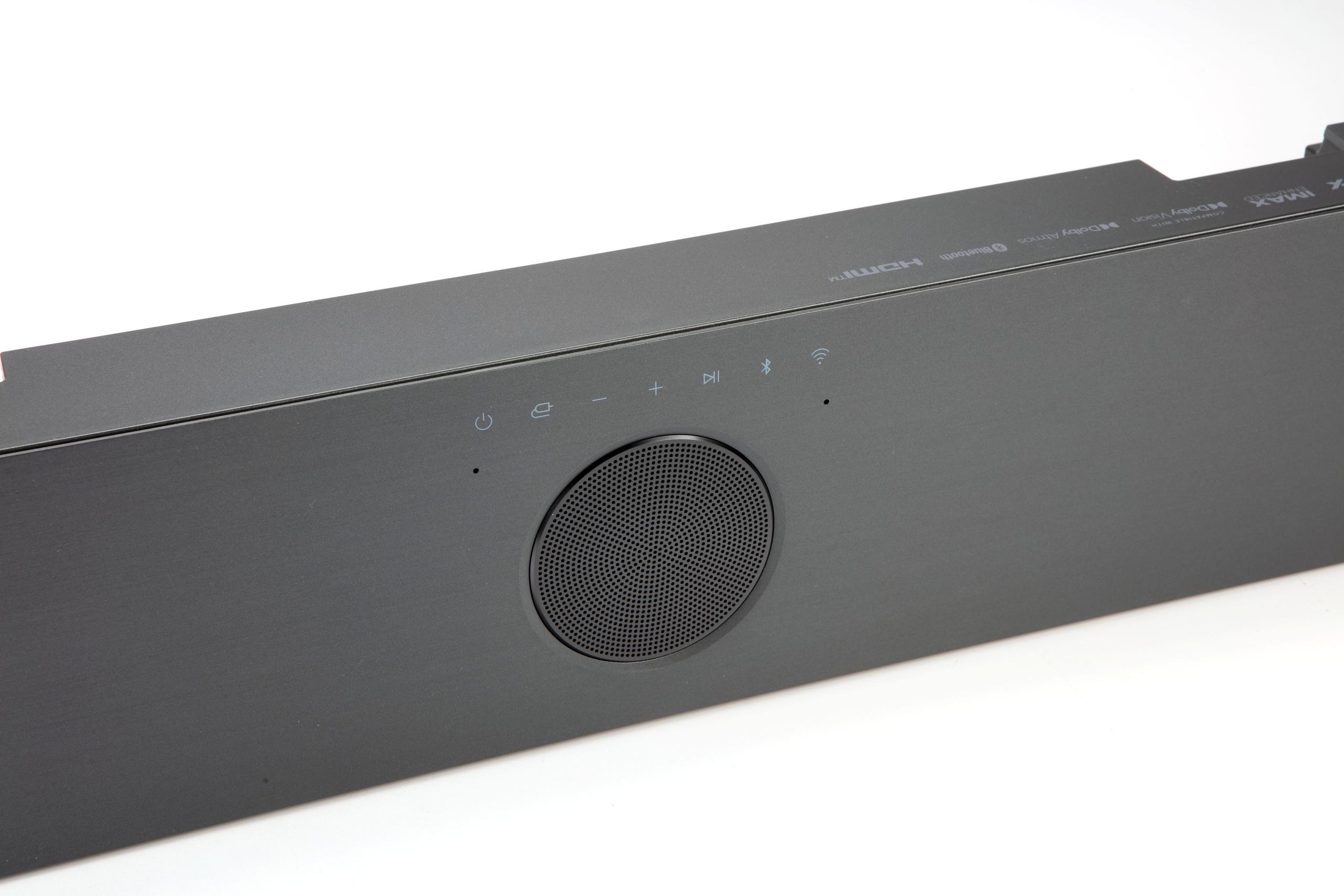
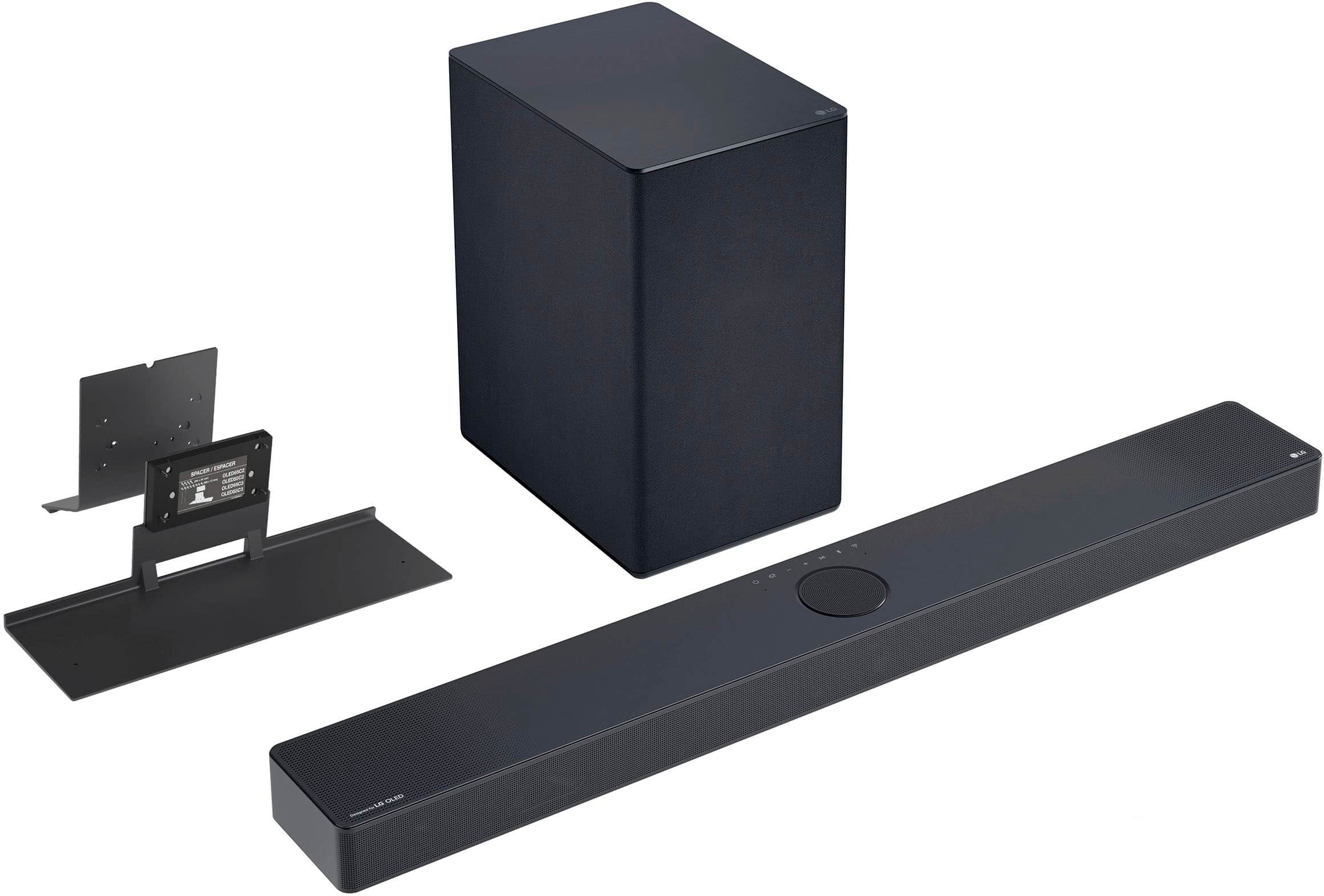
If you've ever struggled to hear dialogue in movies or found yourself constantly adjusting the volume during TV shows, you're not alone. The built-in speakers in most TVs simply can't deliver the audio quality that matches today's stunning 4K visuals. That's where soundbars come in, transforming your living room into a more immersive entertainment space without the complexity of a full surround sound system.
Today's soundbar market offers two distinct paths: budget-friendly solutions that dramatically improve your TV's audio, and premium systems that recreate genuine cinema experiences. The Samsung HW-B550D ($178) and LG SC9S ($516) represent these different philosophies perfectly, each excelling in their respective categories while serving very different user needs.
Before diving into specifics, it's worth understanding what makes modern soundbars tick. Traditional soundbars use a horizontal array of speakers to create a wider soundstage than your TV can manage. However, newer premium models add "height channels" – speakers that fire sound upward to bounce off your ceiling, creating the illusion that audio is coming from above and around you.
This three-dimensional audio approach, called Dolby Atmos, represents a significant leap in home audio technology. Instead of just left, right, and center channels, Atmos-enabled content includes specific information about where sounds should appear in three-dimensional space. When a helicopter flies overhead in a movie, properly equipped soundbars can make it sound like it's actually passing above your head.
The key distinction between today's soundbar categories lies in how they handle this surround sound challenge. Basic models use digital signal processing (DSP) to simulate surround effects using front-facing speakers only. Premium models include physical speakers positioned to create genuine three-dimensional audio. This fundamental difference drives both performance capabilities and pricing.
Both the Samsung HW-B550D and LG SC9S represent 2024 releases, incorporating lessons learned from years of soundbar development. Samsung's approach with the HW-B550D continues their tradition of maximizing value through smart engineering choices. Rather than cramming in every premium feature, they've focused on delivering the audio improvements most users actually notice: clearer dialogue, enhanced bass, and wider soundstage presentation.
The evolution in Samsung's B-series has been particularly interesting to watch. Previous generations often struggled with bass integration and dialogue clarity. The 2024 HW-B550D addresses these issues through improved digital signal processing and a more capable wireless subwoofer. Samsung's engineers have also refined their virtual surround algorithms, making the simulated effects more convincing than earlier iterations.
LG's SC9S represents a different evolutionary path. LG has been pushing the boundaries of what's possible in single-unit soundbar design, and the SC9S showcases their commitment to authentic Dolby Atmos reproduction. Unlike earlier LG soundbars that sometimes felt like feature demonstrations rather than practical solutions, the SC9S balances impressive technical capabilities with real-world usability.
The timing of these releases is significant. Both manufacturers have had several years to refine their Dolby Atmos implementations and virtual surround processing. The algorithms powering these systems have become more sophisticated, meaning even budget models like the Samsung now deliver virtual surround effects that would have seemed impressive just a few years ago.
Here's where the fundamental difference between these soundbars becomes apparent. The Samsung HW-B550D uses DTS Virtual:X processing to create surround effects. This technology analyzes incoming audio signals and applies complex mathematical models to simulate how sounds would reach your ears if they were coming from different directions. The processing tricks your brain into perceiving a wider soundstage than what the physical speakers can actually create.
I've tested numerous virtual surround systems over the years, and while they've improved dramatically, there are inherent limitations. Virtual processing works best with specific types of content and room configurations. Dialog-heavy scenes benefit significantly, with voices appearing to come from distinct locations rather than a single point. However, complex action sequences with multiple simultaneous sound sources can overwhelm the processing, resulting in a somewhat artificial presentation.
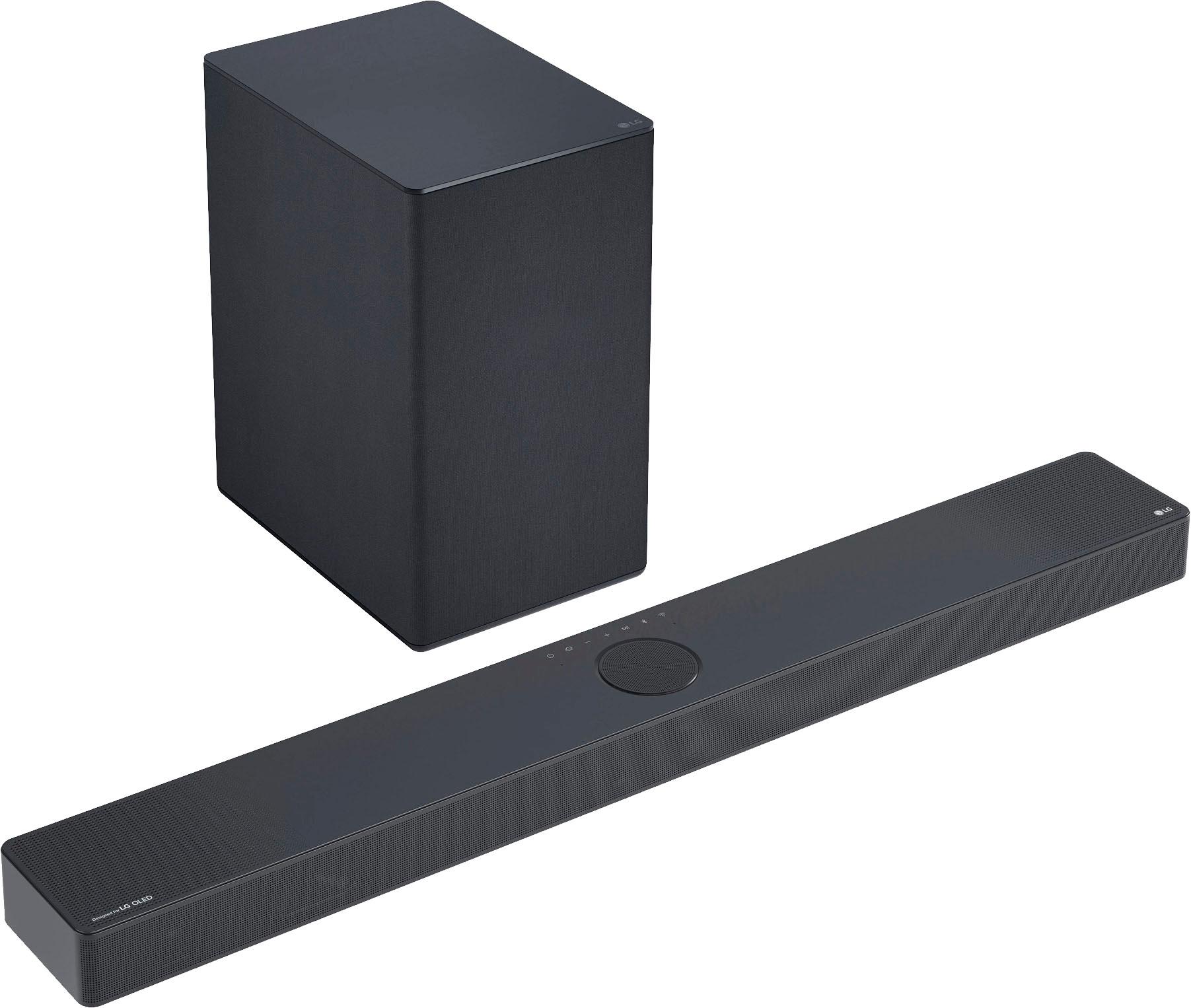
The LG SC9S, by contrast, takes the direct approach with physical upward-firing drivers. These speakers literally bounce sound off your ceiling to create height effects. When properly set up in a room with appropriate acoustics, the difference is immediately apparent. Rainfall sounds like it's actually falling from above, aircraft pass convincingly overhead, and ambient environmental sounds create a genuine sense of being within the movie's space.
However, this physical approach comes with its own requirements. Your ceiling height, surface material, and room dimensions all affect performance. I've found that rooms with 8-10 foot ceilings and reasonably flat surfaces work best. Vaulted ceilings or heavily textured surfaces can scatter the reflected sound, reducing the precision of the height effects.
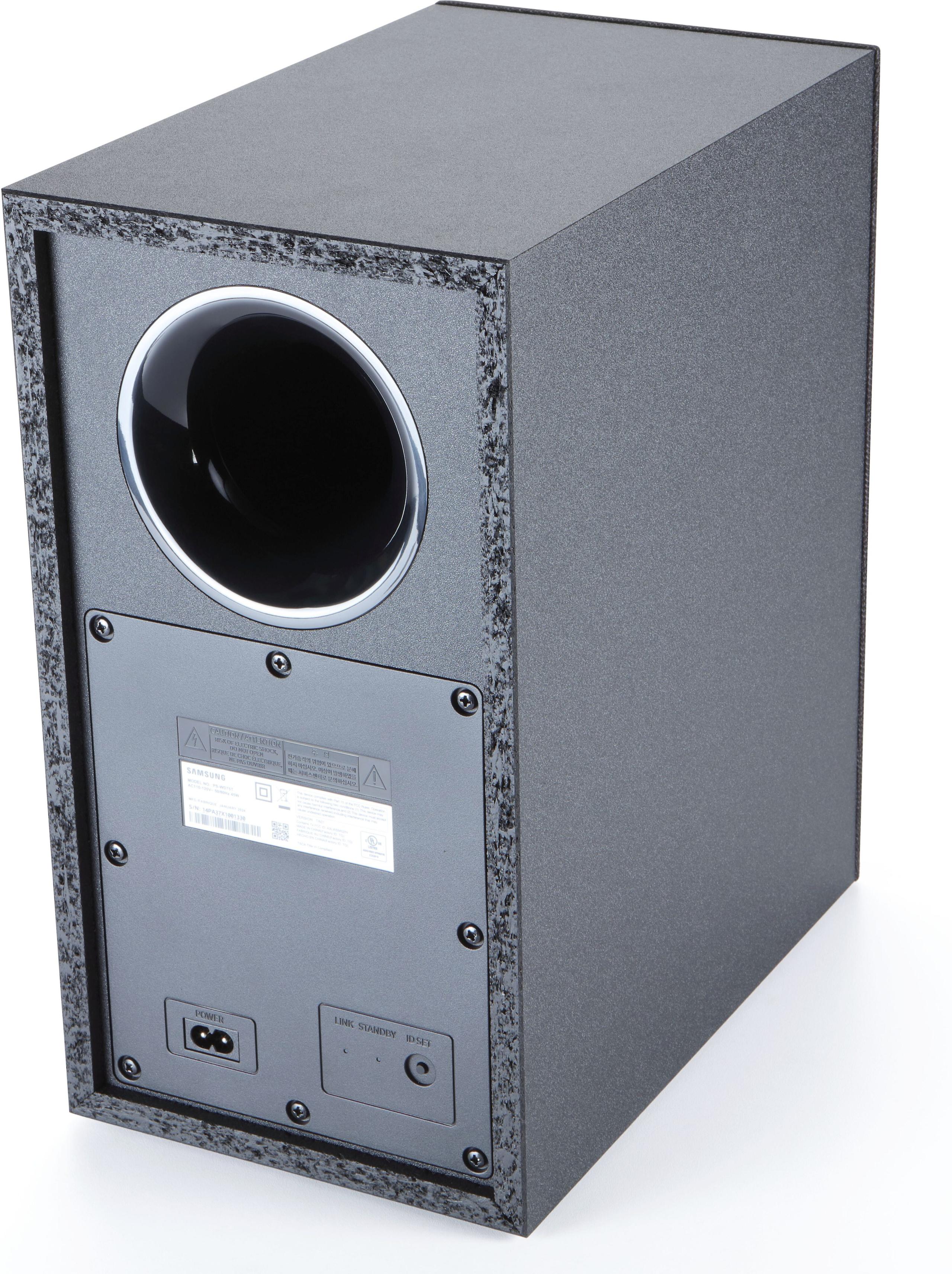
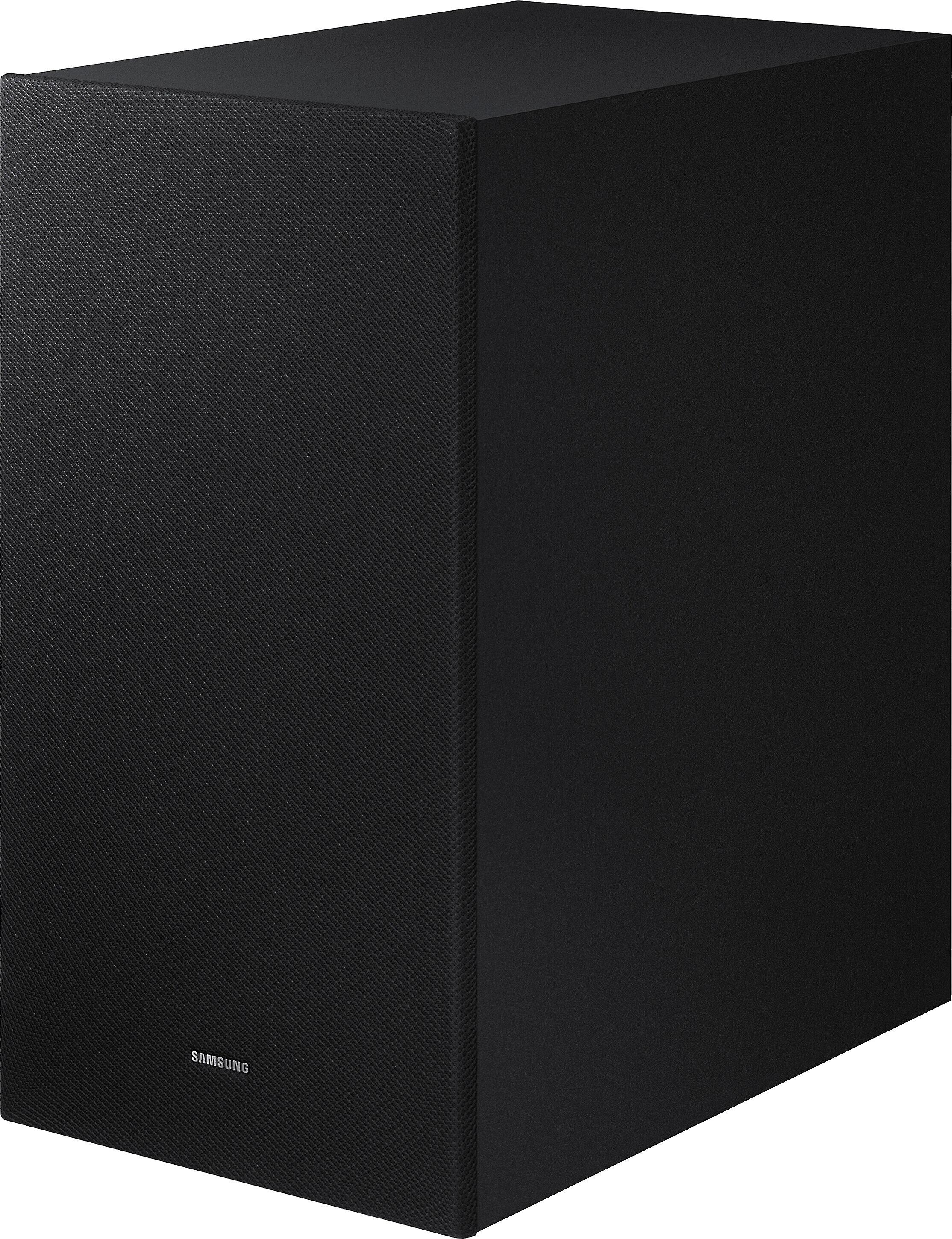
The wireless subwoofers included with both systems represent different design philosophies. Samsung's 5-inch subwoofer in the HW-B550D emphasizes impact and presence within its price category. The ported enclosure design allows for greater volume output than a sealed design would permit at this size, making action movies and video games more engaging.
However, this approach has trade-offs. Ported subwoofers can sometimes sound "boomy" if not properly positioned or if pushed beyond their optimal range. I've found that placing the Samsung's subwoofer away from walls and corners helps maintain cleaner bass response, though this isn't always practical in smaller rooms.
The LG SC9S includes what appears to be a more sophisticated subwoofer design, though LG doesn't publish detailed specifications. In my experience with similar LG systems, their subwoofers tend to prioritize integration with the main soundbar over pure impact. This results in bass that feels more cohesive with the overall presentation but may lack the visceral punch that some users expect from action movies.
The integration challenge extends beyond hardware to signal processing. Both soundbars must blend the subwoofer's output with their main channels seamlessly. Samsung achieves this through preset bass levels and their Bass Boost mode, which essentially increases the subwoofer's output while maintaining some integration with the main channels. LG's approach appears more sophisticated, with their processing maintaining better balance across different content types.
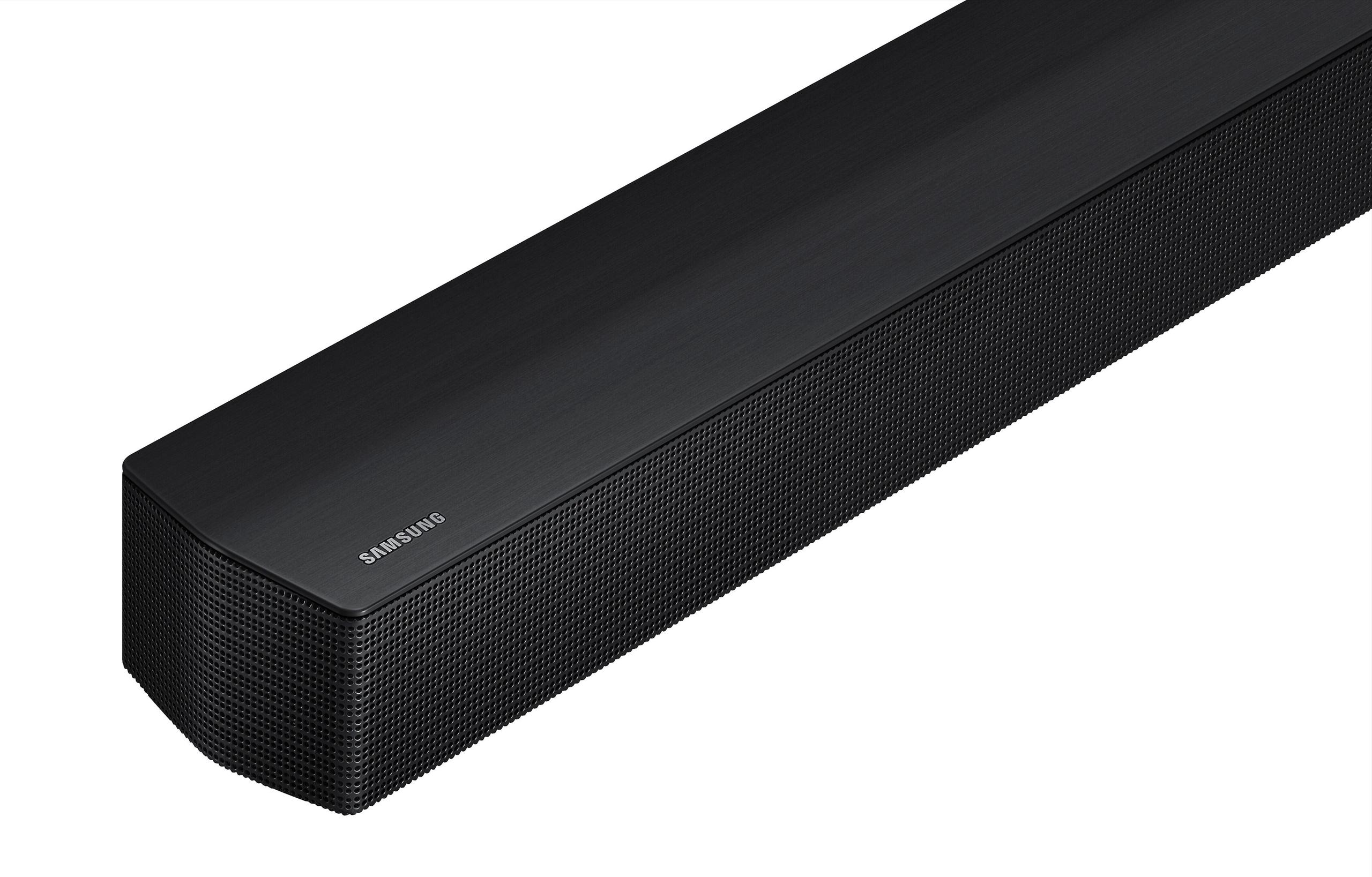
Most people buy soundbars primarily to solve dialogue clarity problems, and both systems address this issue differently. The Samsung HW-B550D includes a dedicated center channel speaker optimized specifically for vocal reproduction. This physical separation of dialogue from other audio elements makes conversations more intelligible, even during complex scenes with music and effects.
Samsung's Voice Enhancement mode takes this further by applying frequency-specific processing to emphasize the vocal range while reducing competing elements. In practical use, this can be almost magical for content where dialogue gets buried under background music or sound effects. However, the enhancement can sometimes make voices sound slightly artificial or disconnected from their environment.
The LG SC9S employs dual center channels – one firing forward and one firing upward. This creates more precise vocal positioning within the soundstage. Rather than simply making dialogue louder, the LG system makes voices appear to come from their proper location within the visual scene. This approach feels more natural but requires the full Atmos processing chain to work optimally.
I particularly appreciate how the LG handles dialogue in complex scenes. While the Samsung tends to pull voices forward in the mix, sometimes at the expense of ambient detail, the LG maintains the spatial relationship between dialogue and environment. This makes for a more immersive experience but requires more careful volume balancing.
Gaming presents unique challenges for soundbar design. Unlike movies, which are carefully mixed and mastered, games generate audio in real-time based on player actions and environmental factors. Both soundbars include dedicated gaming modes, but their approaches differ significantly.
The Samsung HW-B550D focuses on reducing audio latency – the delay between when something happens on screen and when you hear it. This is crucial for competitive gaming where audio cues provide tactical advantages. Samsung's Game Mode also emphasizes directional audio processing, helping players identify enemy movements or environmental hazards through sound positioning.
In my gaming experience with the Samsung, the virtual surround processing does provide useful directional information. Footsteps, gunfire, and vehicle sounds carry enough positional information to enhance gameplay, though the effect isn't as precise as dedicated gaming headphones or true surround systems.
The LG SC9S offers potentially superior gaming immersion through its authentic height channels. Environmental audio in modern games can be quite sophisticated, with atmospheric effects, overhead aircraft, and environmental ambience that benefit from true three-dimensional reproduction. However, the premium features may be overkill for many gaming scenarios, and the higher price reduces value for gaming-focused users.
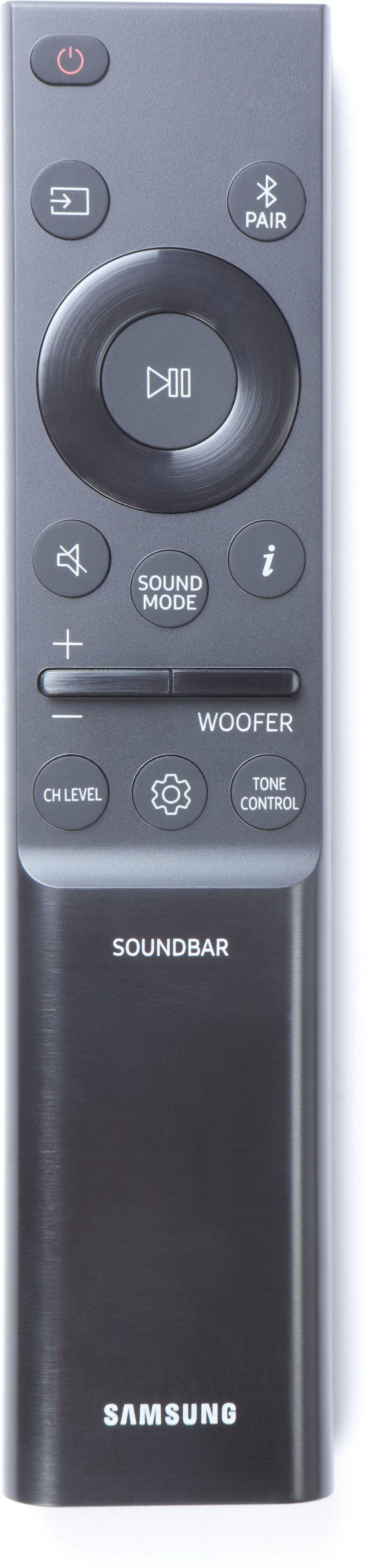
Both manufacturers have developed sophisticated integration with their respective TV ecosystems, though the benefits manifest differently. Samsung's approach with compatible TVs is remarkably seamless. The soundbar appears as a native audio device, controlled through the TV's standard remote without additional setup. Power management is automatic – the soundbar turns on and off with the TV and switches inputs appropriately.
This integration extends to Samsung's smart TV interface. Audio settings for the soundbar appear within the TV's menu system, eliminating the need to learn separate controls or keep track of additional remotes. For Samsung TV owners, this convenience factor alone can justify choosing the HW-B550D over competitors.
LG's WOW Orchestra technology takes integration in a different direction. Rather than replacing the TV's speakers entirely, compatible LG TVs can use their built-in speakers in conjunction with the SC9S. This creates a more enveloping audio experience than typical soundbar setups, using the TV's speakers for ambient and height effects while the soundbar handles primary audio duties.
I've found WOW Orchestra particularly effective for large rooms where a single soundbar might struggle to fill the space adequately. The additional speakers provide more consistent coverage and can enhance the effectiveness of the height channels. However, this feature requires specific LG TV models and careful calibration to avoid phase issues or tonal imbalances.
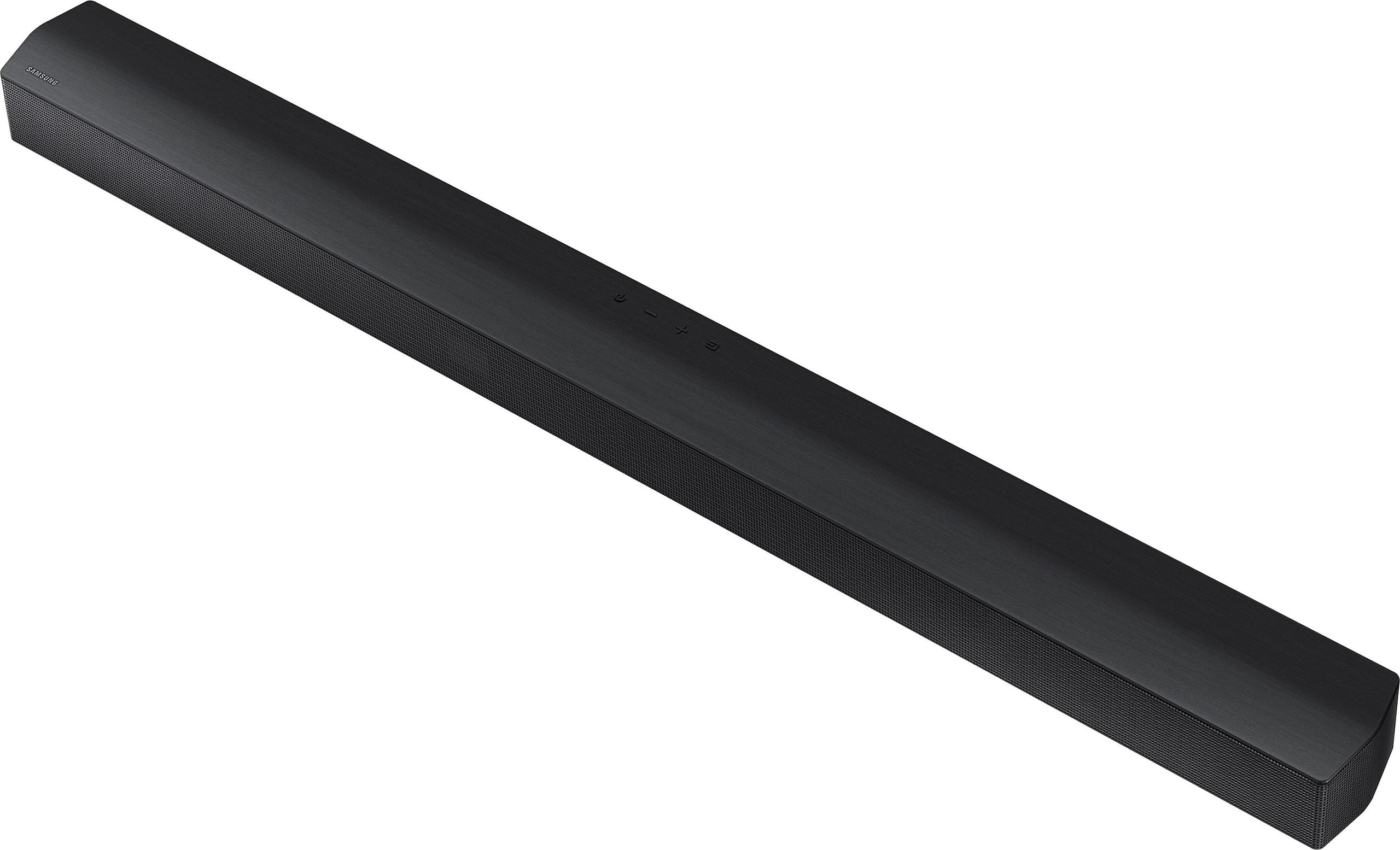
The physical requirements for optimal performance differ significantly between these systems. The Samsung HW-B550D is relatively forgiving of room conditions. Its compact dimensions fit most entertainment centers without requiring furniture modifications. The virtual surround processing adapts reasonably well to different room sizes and configurations, though larger rooms may lack the intimate soundstage that makes virtual effects most convincing.
Subwoofer placement offers flexibility that can significantly impact performance. The wireless connection eliminates cable runs, but finding the optimal position requires experimentation. Corner placement maximizes output but can introduce boominess. Positioning along walls provides good compromise between output and accuracy. Free-standing placement in the room often provides the most accurate bass but may not be practical for most living situations.
The LG SC9S demands more attention to room acoustics and positioning. The upward-firing drivers require sufficient ceiling height – typically 8-10 feet – and reasonably reflective ceiling surfaces to function properly. Rooms with vaulted ceilings, heavy texturing, or sound-absorbing materials may not achieve optimal Atmos effects.
I've found that the LG performs best when positioned with adequate clearance above and to the sides. Wall mounting can work but may require specific brackets and careful angle adjustment. The larger dimensions may also challenge smaller entertainment centers, particularly those with overhead shelving that could interfere with the height channels.
The value proposition between these systems extends beyond simple price comparison. The Samsung HW-B550D delivers approximately 80% of the audio improvement over TV speakers that most users will notice, at roughly one-third the cost of the LG. For many viewers, this represents exceptional value – the improvements in dialogue clarity, bass response, and overall audio quality are immediately apparent and dramatically enhance the viewing experience.
However, the Samsung's virtual surround processing has inherent limitations that become more apparent over time. As streaming services increasingly offer Dolby Atmos content, and as users become more discerning about audio quality, the lack of true height effects may feel limiting. The system essentially provides a very good traditional soundbar experience with simulated enhancements.
The LG SC9S positions itself as a long-term investment in home audio quality. The authentic Dolby Atmos capability ensures compatibility with current and future premium content. As more streaming services adopt immersive audio formats, and as content creators become more sophisticated in their use of three-dimensional audio, systems like the LG will maintain their relevance.
The question becomes whether the premium features justify nearly triple the investment. For dedicated home theater enthusiasts who prioritize audio quality and plan to keep their system for many years, the LG's capabilities provide value beyond simple cost-per-feature calculations. For casual viewers primarily seeking improved dialogue and basic audio enhancement, the Samsung's value proposition is compelling.
Choosing between the Samsung HW-B550D and LG SC9S ultimately depends on matching system capabilities to your specific needs and circumstances.
The Samsung HW-B550D excels when:
The LG SC9S makes sense when:
The decision often comes down to expectations and usage patterns. If your main goal is solving the "I can't understand what they're saying" problem that plagues modern TV viewing, both systems will succeed admirably. The Samsung achieves this at exceptional value with additional benefits like enhanced bass and wider soundstage. The LG provides these same benefits while adding genuine immersive capabilities that transform appropriate content into truly engaging experiences.
Consider your viewing habits, room characteristics, and long-term plans. The Samsung offers immediate gratification and excellent value for typical viewing scenarios. The LG provides capabilities that may become increasingly important as content quality continues advancing, justifying its premium positioning for users who can take full advantage of its sophisticated audio processing.
| Samsung HW-B550D ($178) | LG SC9S ($516) |
|---|---|
| Price - Key factor in value proposition | |
| $178 (exceptional value for basic audio upgrade) | $516 (premium pricing for advanced features) |
| Audio Configuration - Determines surround sound capabilities | |
| 3.1 channels (3 front + subwoofer) | 3.1.3 channels (3 front + subwoofer + 3 height) |
| Dolby Atmos Support - Essential for immersive movie audio | |
| No (uses DTS Virtual:X simulation) | Yes (dedicated upward-firing drivers) |
| Surround Sound Technology - How spatial audio is created | |
| DTS Virtual:X processing (simulated effects) | True Dolby Atmos/DTS:X (physical height channels) |
| Total Power Output - Affects volume and dynamic range | |
| 370W (adequate for most rooms) | Not specified (likely higher given premium positioning) |
| Subwoofer Type - Impacts bass quality and placement | |
| Wireless 5" ported (punchy but can be boomy) | Wireless (more refined integration) |
| Room Calibration - Optimizes sound for your space | |
| Manual adjustments only | AI Room Calibration Pro (automatic optimization) |
| Smart TV Integration - Convenience and ecosystem benefits | |
| Samsung TV sync with One Remote | LG WOW Orchestra (uses TV speakers + soundbar) |
| Gaming Features - Important for console users | |
| Game Mode with reduced latency | Enhanced spatial audio for immersive gaming |
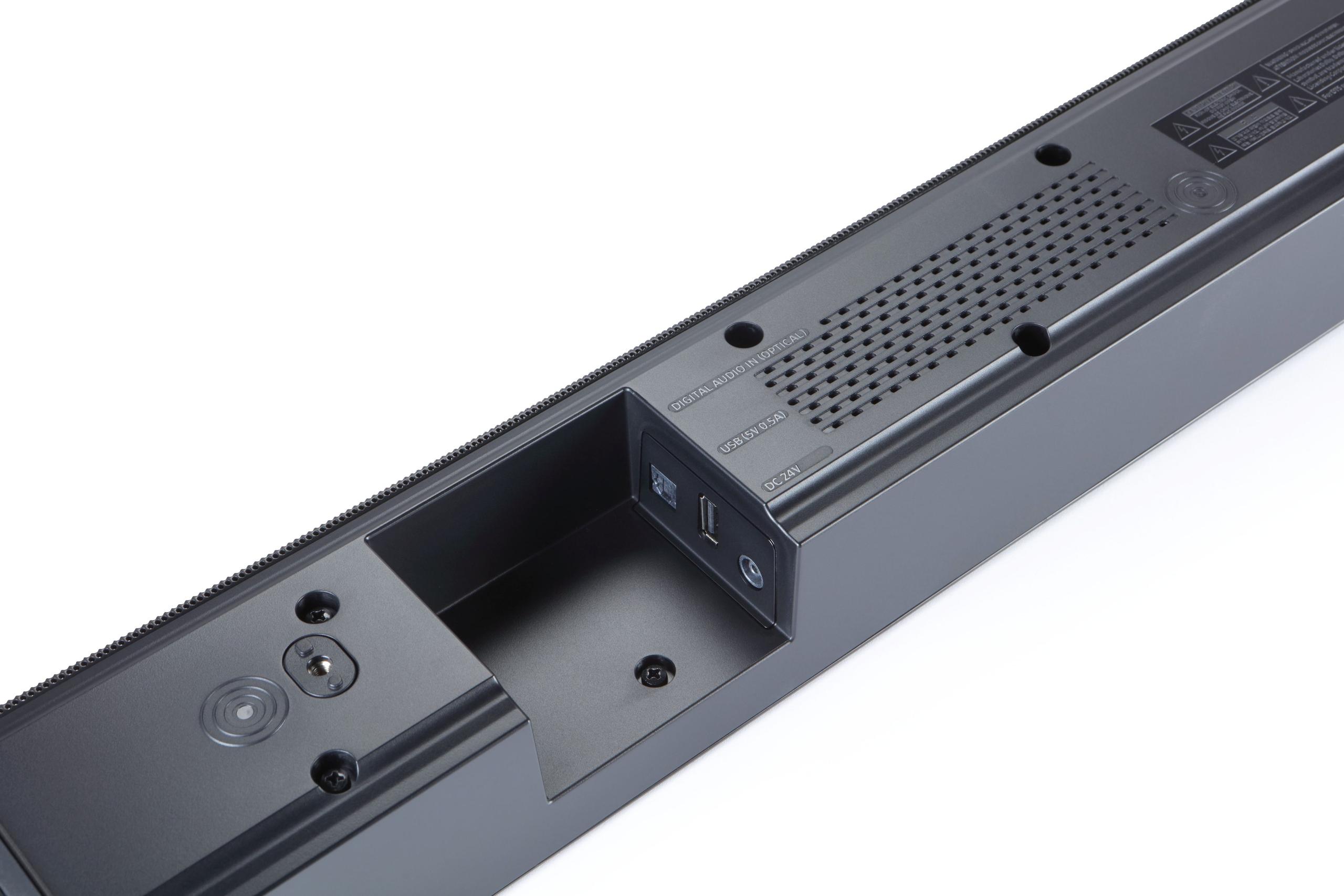
| Connectivity Options - Determines device compatibility | |
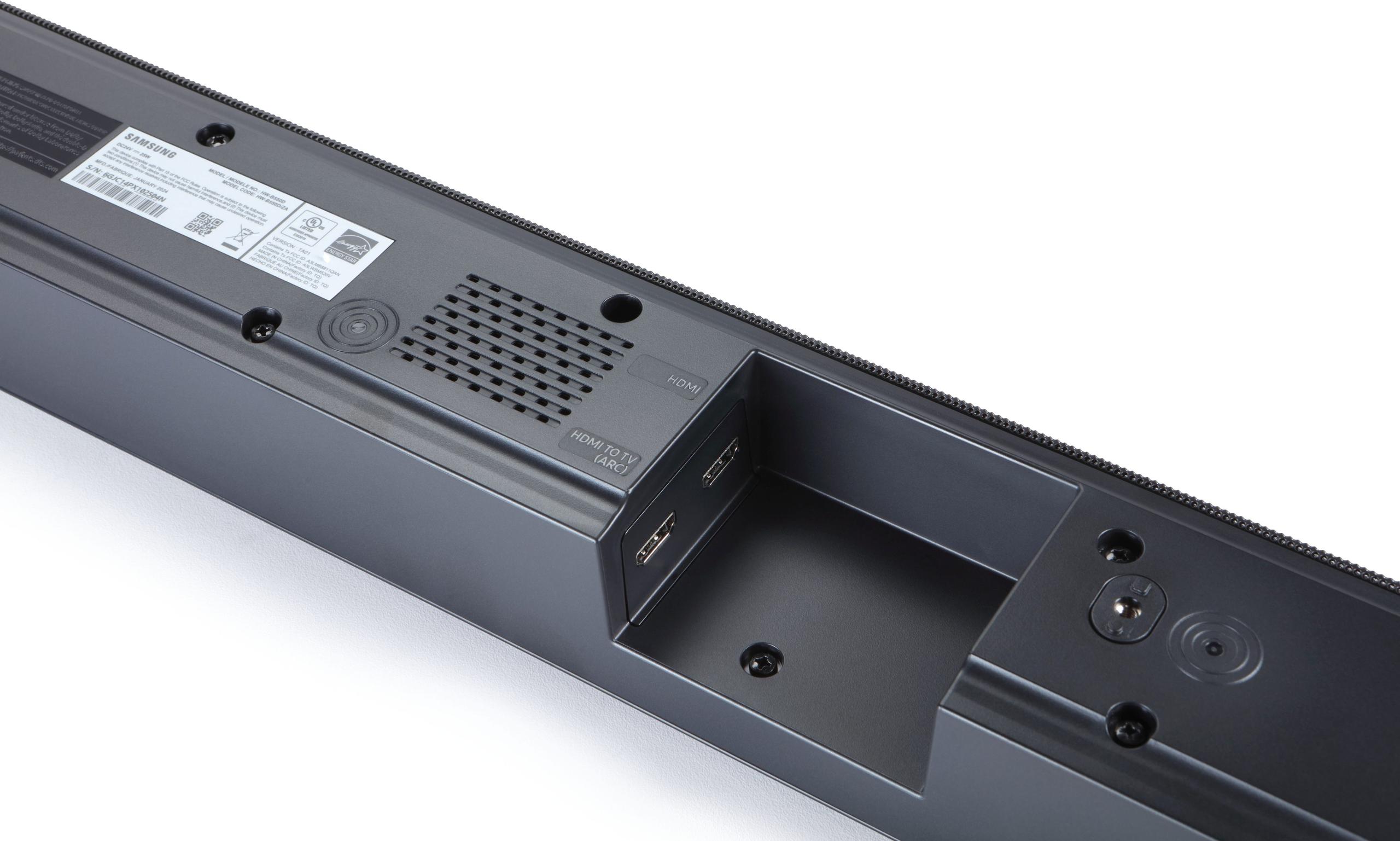
| HDMI ARC, Optical, Bluetooth | HDMI eARC, Optical, Wi-Fi, Bluetooth, AirPlay, Chromecast |
| Release Year - Indicates current technology level | |
| 2024 (latest Samsung budget technology) | 2024 (current LG premium features) |
| Best For - Target user and use cases | |
| Budget-conscious users wanting clear dialogue | Home theater enthusiasts seeking authentic Atmos |
The Samsung HW-B550D ($178) provides exceptional value for budget-conscious buyers, delivering dramatic improvements over TV speakers at a fraction of premium soundbar costs. The LG SC9S ($516) offers premium features like true Dolby Atmos that justify its higher price for home theater enthusiasts who want authentic immersive audio.
Dolby Atmos creates overhead sound effects that make movies more immersive, but it's not essential for most viewers. The Samsung HW-B550D uses virtual surround processing that works well for dialogue and basic audio enhancement. The LG SC9S with true Dolby Atmos is worth the investment if you frequently watch action movies and want genuine three-dimensional audio.
The Samsung HW-B550D works well in small rooms due to its compact size and virtual surround processing that doesn't require specific ceiling acoustics. The LG SC9S needs adequate ceiling height and reflective surfaces for optimal Atmos performance, making it better suited for medium to large rooms.
Both soundbars significantly improve dialogue clarity over TV speakers. The Samsung HW-B550D includes a dedicated center channel and Voice Enhancement mode for clear conversations. The LG SC9S features dual center channels that provide even more precise vocal positioning within the soundstage.
The Samsung HW-B550D offers simpler setup with basic connections and automatic pairing with Samsung TVs. The LG SC9S includes AI Room Calibration Pro for automatic optimization but requires more consideration of room acoustics and positioning for optimal Atmos performance.
Both soundbars include wireless subwoofers that add crucial bass impact missing from TV speakers. The Samsung HW-B550D features a 5-inch subwoofer with Bass Boost mode for enhanced low-frequency effects. The LG SC9S includes a more sophisticated subwoofer designed for better integration with the main soundbar.
The Samsung HW-B550D includes Game Mode with reduced audio latency and enhanced directional cues, making it excellent for competitive gaming at its price point. The LG SC9S provides superior spatial audio for immersive single-player games but may be overkill for casual gaming given its premium price.
Both soundbars work with any TV that has optical or HDMI ARC connections. However, the Samsung HW-B550D offers seamless integration with Samsung TVs through One Remote control. The LG SC9S features WOW Orchestra technology that works specifically with compatible LG TVs for enhanced audio.
The Samsung HW-B550D handles music adequately with decent stereo separation and bass response. The LG SC9S provides superior music reproduction with its more sophisticated drivers and processing, plus support for high-resolution audio formats and wireless streaming options like AirPlay and Chromecast.
The Samsung HW-B550D has compact dimensions that fit most entertainment centers without modifications. The LG SC9S is larger and requires adequate clearance above for its upward-firing drivers, plus specific ceiling height and surface characteristics for optimal Atmos performance.
The Samsung HW-B550D provides essential connections including HDMI ARC, optical input, and Bluetooth for basic needs. The LG SC9S offers more advanced connectivity with HDMI eARC, Wi-Fi, Bluetooth, AirPlay 2, and Chromecast for versatile streaming and higher-quality audio passthrough.
TV brand compatibility can influence your decision significantly. The Samsung HW-B550D provides exceptional integration with Samsung TVs, including unified remote control and automatic power management. The LG SC9S offers unique WOW Orchestra features with compatible LG TVs but works well with any brand that supports HDMI eARC or optical connections.
We've done our best to create useful and informative comparisons to help you decide what product to buy. Our research uses advanced automated methods to create this comparison and perfection is not possible - please contact us for corrections or questions. These are the sites we've researched in the creation of this article: bestbuy.com - crutchfield.com - avsforum.com - consumerreports.org - abt.com - pcrichard.com - samsung.com - samsung.com - rtings.com - samsung.com - jeffsappliance.com - consumerreports.org - valueelectronics.com - youtube.com - bestbuy.com - rtings.com - costco.com - bestbuy.com - walts.com - queencityonline.com - blog.son-video.com - videoandaudiocenter.com - lg.com

Privacy Policy
Terms and Conditions - Affiliate Policy
Home Security
© Copyright 2008-2026.
11816 Inwood Rd #1211, Dallas, TX 75244