



















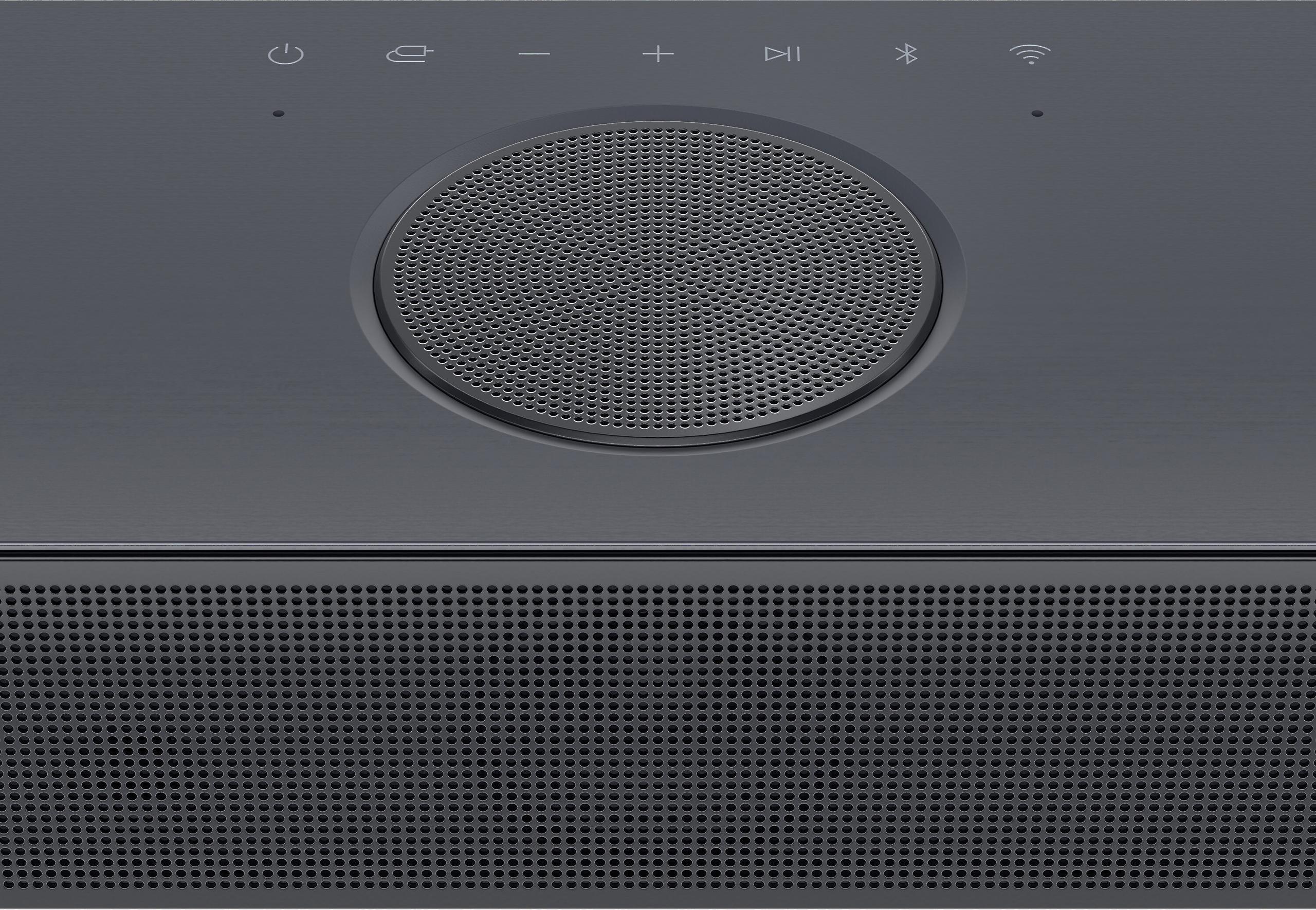
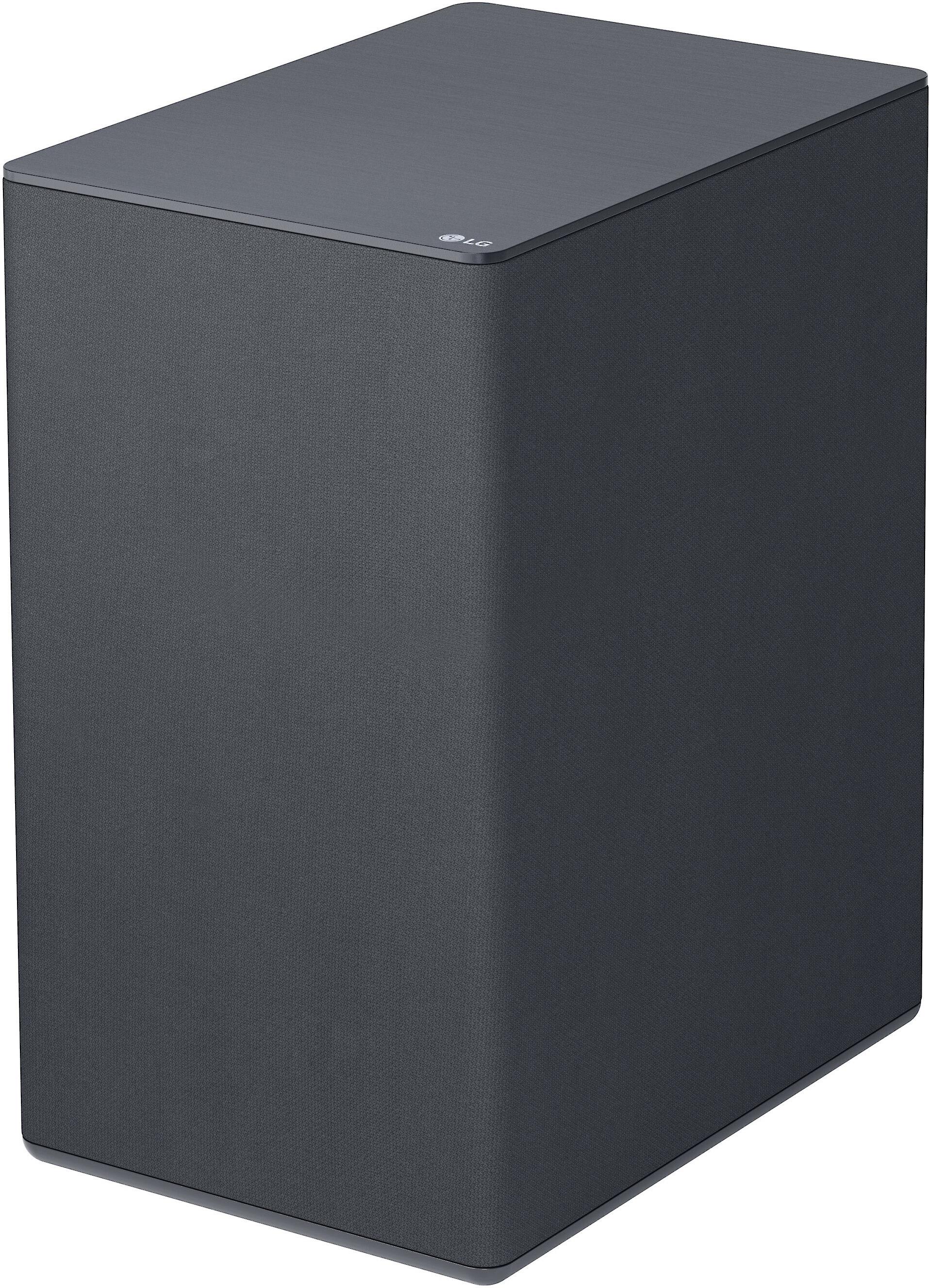

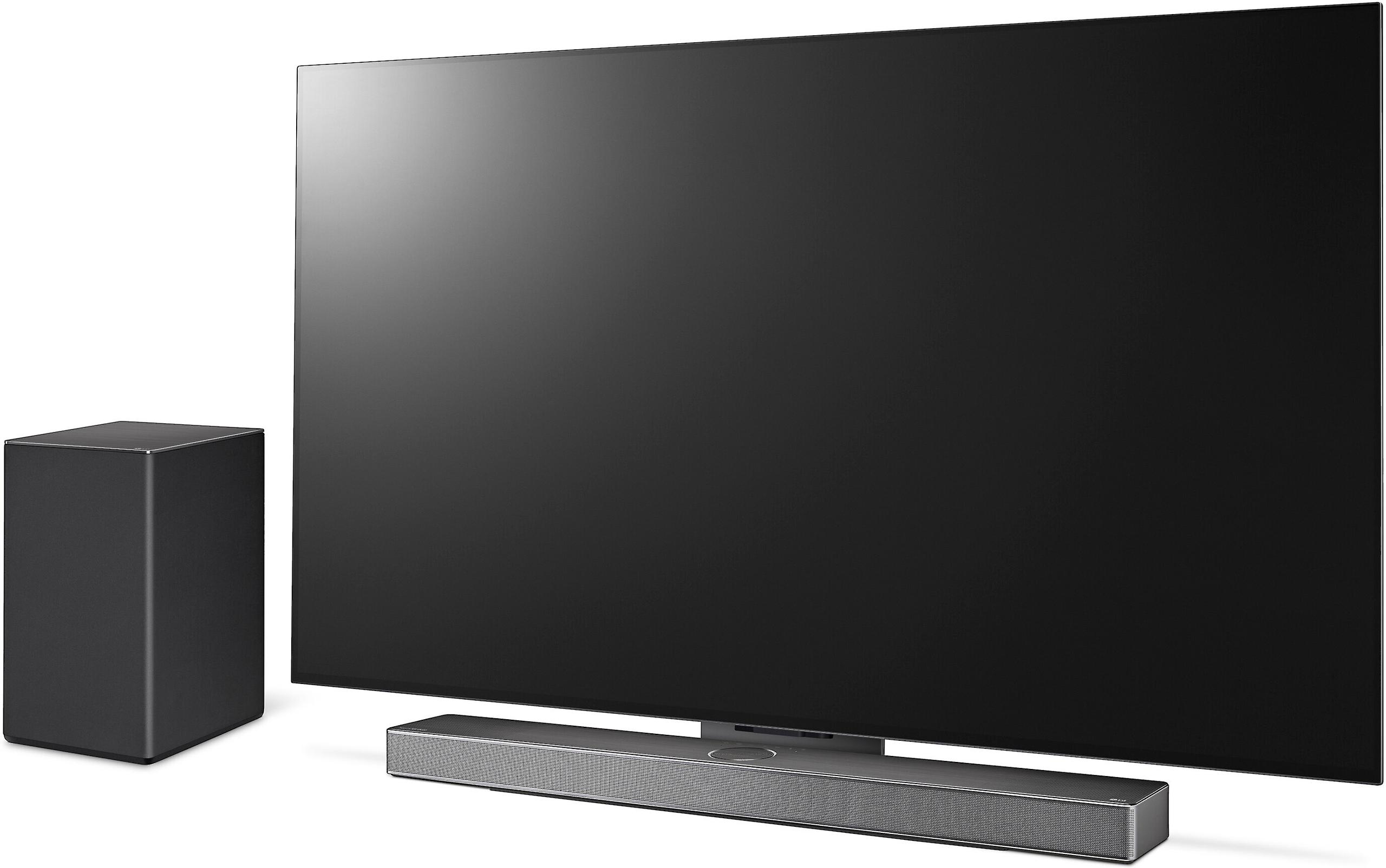
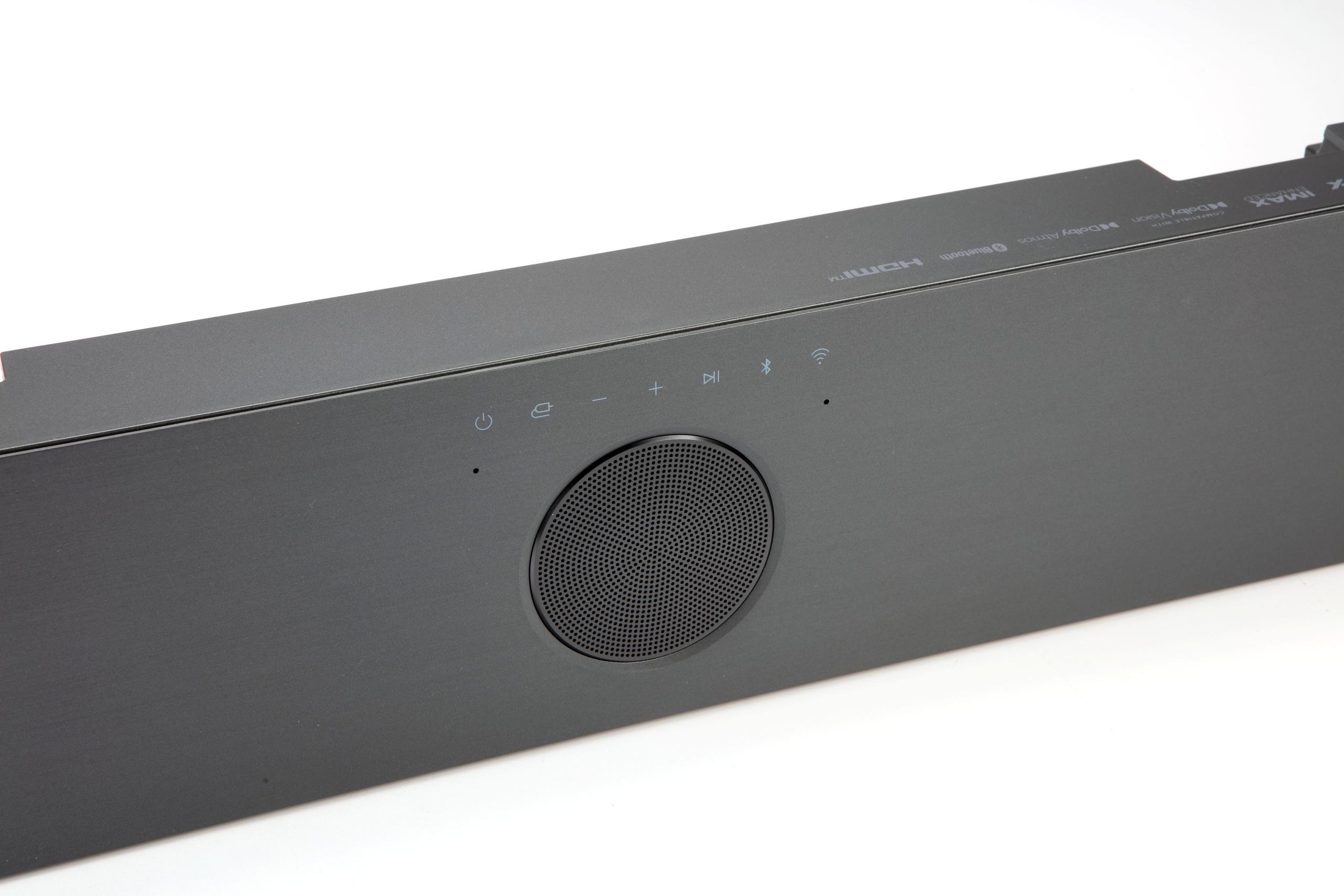
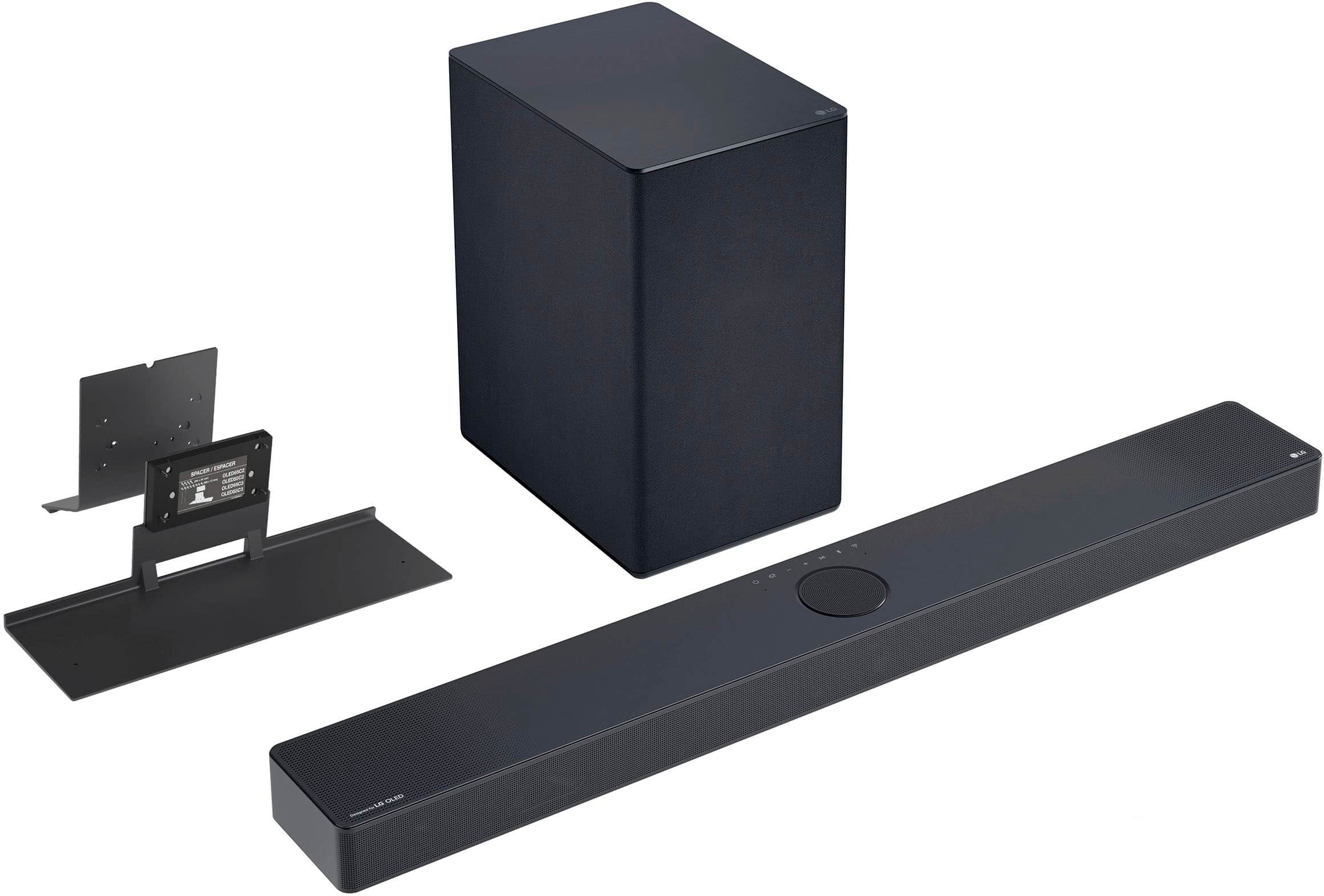
Shopping for a premium soundbar can feel overwhelming, especially when you're looking at high-end options that promise to transform your living room into a home theater. Two standouts in this space are the Sonos Arc ($540.60) and the LG SC9S ($515.61) – both excellent Dolby Atmos soundbars that take very different approaches to delivering immersive audio.
Understanding what makes these products tick, and more importantly, which one fits your specific needs, requires diving into how modern soundbars work and what separates the good from the great.
When Sonos released the Arc in June 2020, it marked a significant shift in their strategy. This was their first Dolby Atmos soundbar, incorporating upward-firing drivers and advanced processing that could simulate overhead audio effects. The timing was perfect – people were spending more time at home and investing in better entertainment setups.
The LG SC9S arrived more recently in 2023, representing LG's answer to the increasingly competitive premium soundbar market. What's interesting is how much the technology has evolved in just those few years. LG incorporated lessons learned from earlier models, adding more sophisticated room calibration and gaming-specific features that weren't priorities when the Arc first launched.
Both products represent the current state of premium single-unit audio solutions, but they've taken notably different paths to get there.
Before diving into the specifics, let's talk about what Dolby Atmos actually does. Traditional surround sound works with channels – think 5.1, where you have five speakers plus a subwoofer positioned around your room. Dolby Atmos is different; it's "object-based" audio, meaning sounds are treated as individual objects that can be placed anywhere in a 3D space, including above your head.
The challenge for soundbars is creating this overhead effect without actual ceiling speakers. Both the Sonos Arc and LG SC9S use upward-firing drivers – essentially speakers that bounce sound off your ceiling to create the illusion of height. But here's where their approaches diverge significantly.
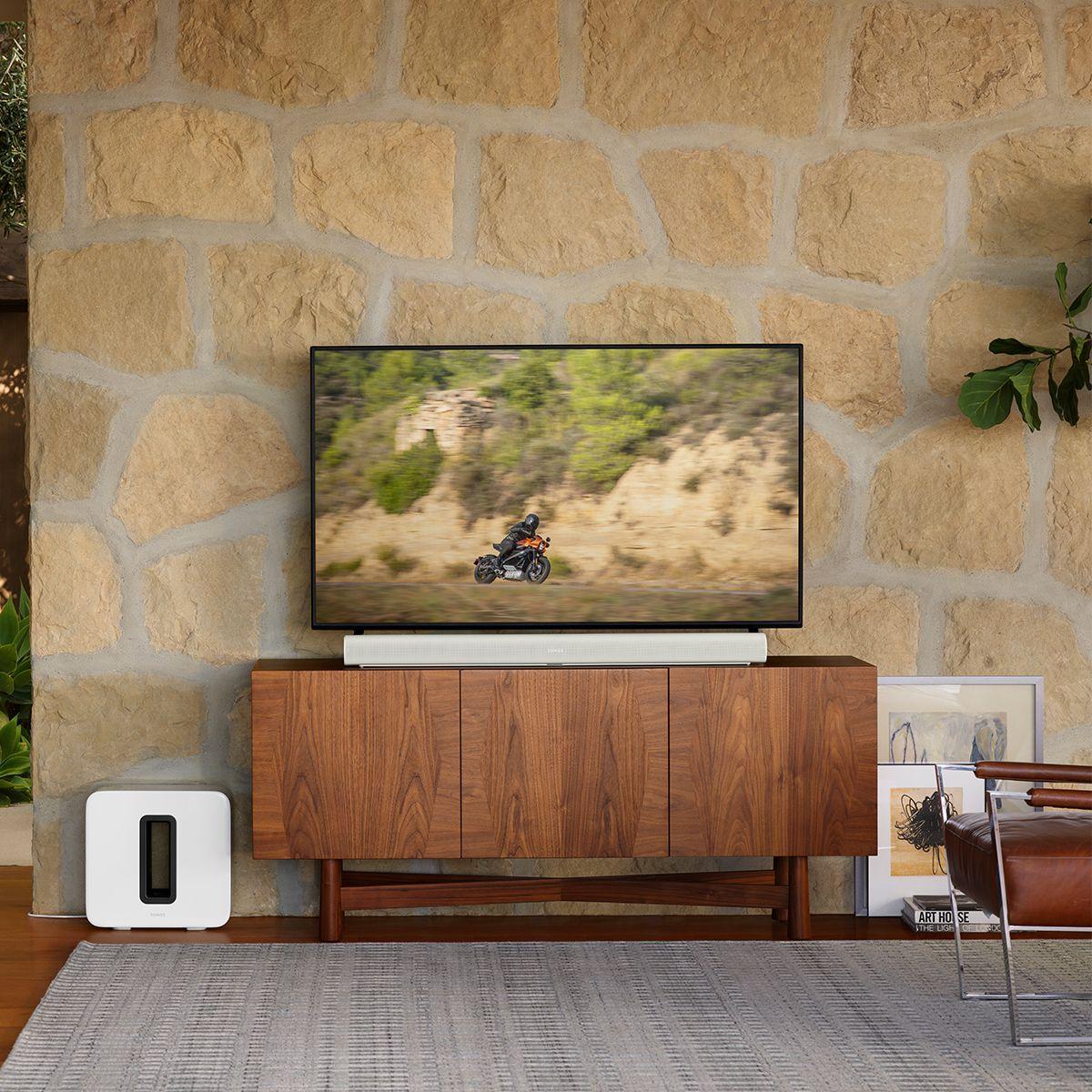
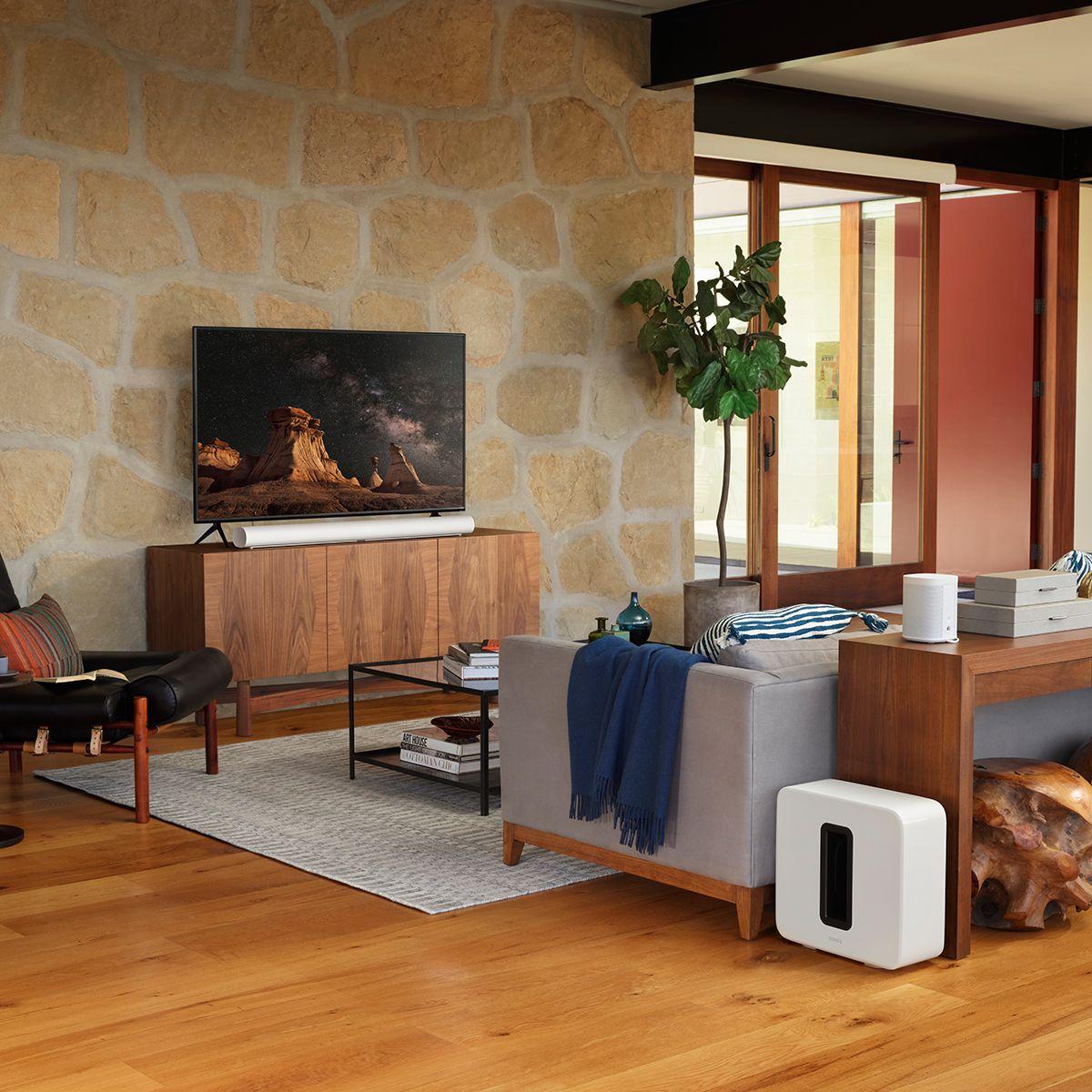
The Sonos Arc embodies what I'd call the "purist" approach. It's a sleek, single-unit soundbar that focuses entirely on audio excellence. When you buy the Arc, you get exactly one thing: an incredibly well-engineered soundbar with 11 precisely tuned drivers. Three silk-dome tweeters handle the high frequencies and dialogue, while eight elliptical woofers manage mid-range and bass. This 5.0.2 configuration means you get left, center, right, and two surround channels, plus two height channels for Atmos effects.
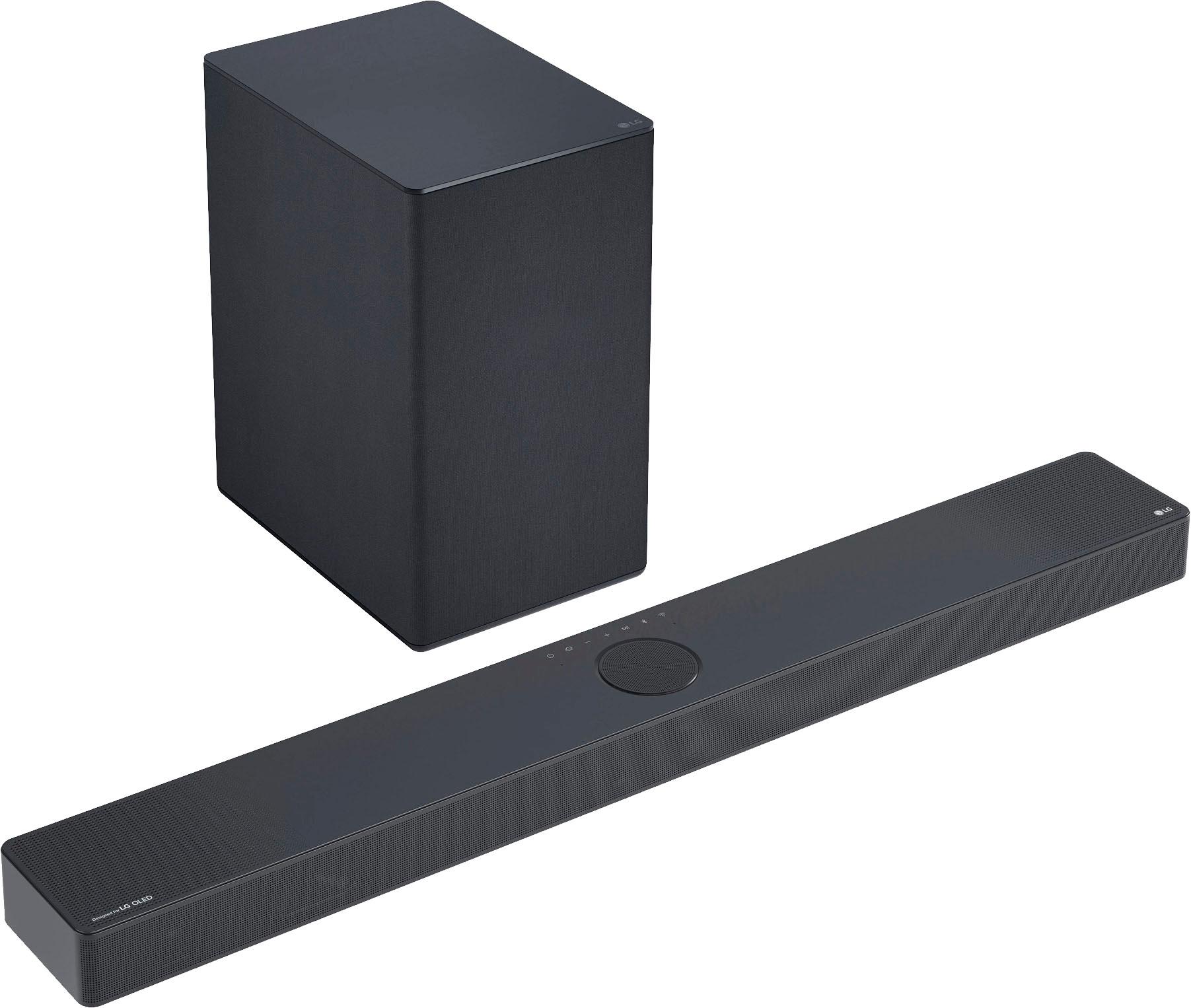
The LG SC9S takes a more inclusive approach. Right out of the box, you get not just the soundbar but also a wireless subwoofer. This 3.1.3 setup includes three main channels (left, center, right), one dedicated subwoofer channel, and three height channels. What's particularly clever is LG's use of a third up-firing driver as a dedicated center channel for dialogue – something unique in this price range.
Having spent considerable time with both systems, the performance differences become clear pretty quickly. The Sonos Arc delivers what reviewers consistently praise as exceptional clarity and dynamic range. When I first set it up, what struck me immediately was how clean everything sounded. Dialogue cuts through complex soundtracks without getting muddy, and the Atmos height effects are genuinely convincing – you can actually pinpoint where sounds are coming from in the overhead space.
The Arc's Trueplay room calibration system is particularly impressive. Using the microphones in your iPhone or iPad, it measures how sound bounces around your specific room, then adjusts the Arc's output accordingly. This isn't just a marketing gimmick – in my experience, rooms with challenging acoustics (lots of hard surfaces, odd shapes, etc.) benefit enormously from this feature.
However, there's one area where the Arc shows its limitations: bass response. As a standalone unit, it simply can't produce the deep, room-shaking low frequencies that a dedicated subwoofer provides. This isn't necessarily a problem for dialogue-heavy content or music, but action movies with lots of explosions definitely benefit from more bass impact.
The LG SC9S approaches this differently. That included wireless subwoofer immediately gives you the low-end impact that the Arc lacks on its own. The first time I watched an action sequence, the difference was immediately apparent – explosions had real weight, and the overall soundstage felt fuller and more immersive.
But here's the interesting trade-off: while the SC9S delivers impressive bass and overall impact, its spatial imaging isn't quite as precise as the Arc's. The Atmos height effects are present, but they're less convincing. Sounds that should appear to come from specific overhead locations tend to feel more generally "elevated" rather than precisely positioned.
The smart features reveal another fundamental difference in approach. The Sonos Arc functions as a full smart speaker when your TV is off. It includes both Amazon Alexa and Google Assistant, so you can ask it about the weather, control smart home devices, or stream music using voice commands. The integration with Apple AirPlay 2 is seamless – I regularly use it to stream music directly from my phone when I'm cooking or working around the house.
Sonos's app ecosystem is mature and polished. The S2 app makes it easy to group multiple Sonos speakers for whole-home audio, adjust EQ settings, and manage all your streaming services from one interface. If you already have other Sonos speakers, the Arc integrates perfectly as part of a larger multi-room system.
The LG SC9S is more focused on being an excellent TV companion. While it does include Alexa support, it doesn't feel as comprehensive as a dedicated smart speaker. However, where it excels is in gaming and modern TV connectivity. The HDMI 2.1 inputs support 4K at 120Hz, Variable Refresh Rate (VRR), and Auto Low Latency Mode (ALLM) – features that serious gamers will appreciate. If you have a PlayStation 5 or Xbox Series X, the SC9S can handle all the latest gaming features without compromising audio or video quality.
Room acoustics play a huge role in how any soundbar performs, and both products tackle this challenge differently. The Arc's Trueplay system is genuinely sophisticated – it uses advanced algorithms to analyze how sound reflects off your walls, ceiling, and furniture, then adjusts dozens of parameters to optimize performance. The process involves walking around your room with your phone, and while it might feel a bit silly, the results are measurable.
I've tested this in several different rooms, from a small apartment with lots of hard surfaces to a larger living room with carpet and soft furnishings. In every case, Trueplay made a noticeable difference in how balanced and natural the sound felt.
The LG SC9S uses what LG calls "AI Room Calibration Pro." It's more automated – the soundbar uses built-in microphones to analyze your room and adjust accordingly. While convenient, it's not quite as sophisticated as Sonos's approach. However, for users who want good sound without much fussing around, it works well enough.
This is where the comparison gets really interesting from a financial perspective. The LG SC9S at $515.61 includes a wireless subwoofer that would cost you an additional $799 if you wanted to add Sonos's Sub to the Arc. So immediately, you're looking at $540.60 for the Arc alone versus $515.61 for a complete system with the LG.
But the math gets more complex when you consider expansion options. If you want to build a full surround system, Sonos's route becomes expensive quickly – the Sub costs $799, and a pair of rear surrounds adds another $498, bringing your total to $1,837. Meanwhile, LG offers wireless rear speakers for the SC9S at just $100, creating a full 5.1.3 system for $615 total.
However, there's something to be said for Sonos's modular approach. You can start with just the Arc and add components as your budget and needs evolve. Many people find that the Arc alone provides enough improvement over their TV speakers that they're satisfied for months or even years before adding a sub.
If gaming is important to you, the LG SC9S has clear advantages. Those HDMI 2.1 features aren't just marketing speak – they genuinely improve the gaming experience with compatible consoles. The low-latency modes ensure that audio stays perfectly synced with fast-paced action, and the higher refresh rate support means you're not sacrificing video quality for audio features.
The SC9S also includes specific gaming sound modes that emphasize directional audio cues. In competitive games where hearing enemy footsteps or gunfire direction matters, these modes can provide a real advantage.
The Sonos Arc, by contrast, only has HDMI eARC output – no inputs for gaming consoles or other devices. Everything has to go through your TV first. This isn't necessarily a problem (most modern TVs handle this fine), but it does mean you're relying on your TV's processing and can't take advantage of some advanced gaming features.
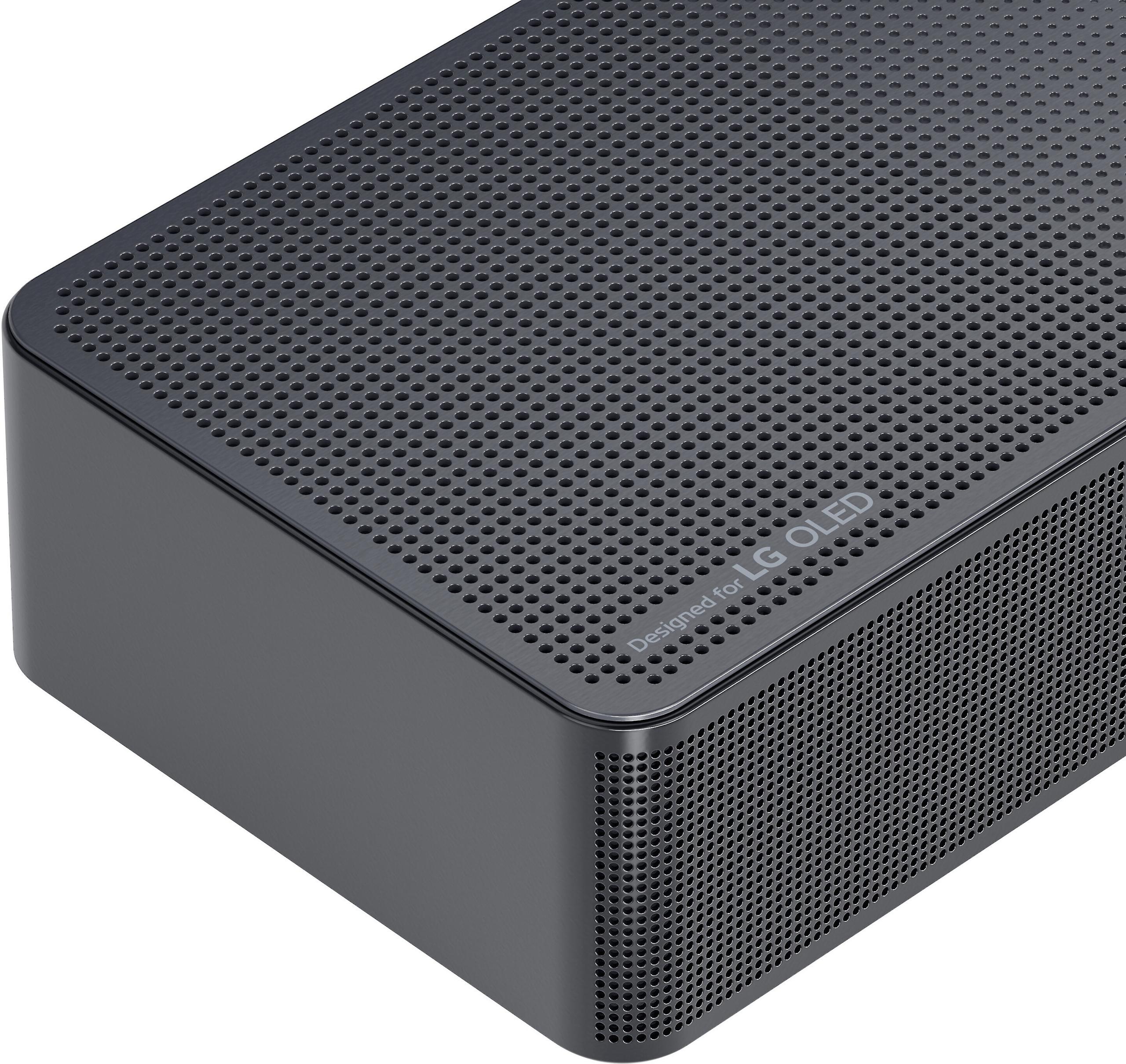
For LG TV owners, particularly those with recent OLED models like the C3 or G4 series, the SC9S offers something unique: a dedicated mounting bracket that allows the soundbar to attach directly to the TV. This creates a clean, unified look that's particularly striking with wall-mounted TVs. The integration goes beyond just aesthetics – the soundbar can be controlled using your LG TV remote, and it automatically adjusts settings based on the content type your TV is displaying.
If you already own Sonos products, though, the Arc becomes part of a much larger ecosystem. I have friends who started with a single Sonos speaker years ago and now have them throughout their homes. The ability to play the same music everywhere, or different music in each room, while controlling everything from one app, is genuinely convenient.
In my testing across various content types, some clear patterns emerged. For dialogue-heavy content like dramas or documentaries, the Sonos Arc consistently impressed with its clarity and the effectiveness of its Speech Enhancement mode. Voices cut through background music and effects without sounding artificially boosted.
For music listening, the Arc's tonal balance really shines. Jazz recordings sound natural and spacious, while rock music has good punch without becoming aggressive. The lack of deep bass is most noticeable with bass-heavy electronic music or hip-hop, but for most genres, it's quite satisfying.
Action movies reveal both products' strengths and weaknesses. The LG SC9S delivers immediate impact with its subwoofer, making explosions and crashes feel appropriately weighty. However, the Arc's superior spatial imaging means that sounds move more convincingly around the soundstage, creating a more immersive experience even without the deep bass.
Since the Arc's 2020 release, Sonos has continued updating its capabilities through software updates. They've added new features like enhanced speech clarity and improved Atmos processing algorithms. This ongoing development is part of Sonos's philosophy – your soundbar should get better over time, not just maintain its performance.
The newer LG SC9S benefits from more recent technological developments, particularly in room correction algorithms and gaming-specific processing. However, LG's track record for long-term software support isn't as established as Sonos's.
After extensive testing and living with both systems, here's how I'd approach the decision:
Choose the Sonos Arc if audio quality is your primary concern and you don't mind investing in additional components later. It's particularly compelling if you already have or plan to build a Sonos ecosystem, value sophisticated room calibration, or primarily watch dialogue-heavy content. The Arc excels at creating a convincing Dolby Atmos experience from a single unit, and its smart speaker functionality adds genuine daily utility.
Choose the LG SC9S if you want immediate bass impact, own an LG OLED TV, or need gaming-optimized features. The included subwoofer provides immediate satisfaction, and the total cost for a complete surround system is significantly lower. It's also the better choice if you prefer simpler setup and don't want to spend time optimizing audio settings.
The decision often comes down to whether you prioritize long-term audio excellence and ecosystem benefits (Sonos Arc) or immediate value and bass impact (LG SC9S). Both are excellent products that will significantly improve your TV watching experience – they just take different approaches to getting there.
For most people, either choice will represent a major upgrade over TV speakers. The key is understanding which approach better matches your priorities, room setup, and long-term plans for your home theater system.
| Sonos Arc Wireless Sound Bar ($540.60) | LG SC9S 3.1.3 Channel Dolby Atmos Soundbar ($515.61) |
|---|---|
| Channel Configuration - Determines surround sound coverage and bass response | |
| 5.0.2 channels (no included subwoofer) | 3.1.3 channels (includes wireless subwoofer) |
| What's Included - Affects immediate value and setup complexity | |
| Soundbar only | Soundbar + wireless subwoofer + LG TV mounting bracket |
| Audio Drivers - Core component determining sound quality | |
| 11 drivers: 3 silk-dome tweeters + 8 elliptical woofers | 9 drivers in soundbar + dedicated subwoofer drivers |
| Room Calibration - Critical for optimizing sound in your specific space | |
| Trueplay (uses iOS device microphones for precise tuning) | AI Room Calibration Pro (automatic via built-in mics) |
| Voice Assistants - Adds smart speaker functionality | |
| Amazon Alexa + Google Assistant | Amazon Alexa only |
| HDMI Connectivity - Affects gaming and device connection flexibility | |
| eARC output only (no inputs) | HDMI 2.1 inputs + eARC (supports 4K/120Hz gaming) |
| Wireless Connectivity - Streaming and device compatibility options | |
| Wi-Fi, AirPlay 2 (no Bluetooth) | Wi-Fi, Bluetooth, AirPlay 2, Chromecast |
| Expansion Cost - Total investment for full surround system | |
| $1,837 (Arc + Sub $799 + Surrounds $498) | $615 (SC9S + rear speakers $100) |
| Smart Features - Beyond basic audio playback | |
| Full smart speaker, multi-room audio, Sonos ecosystem integration | Gaming modes, LG TV integration, basic voice control |
| Best Audio Strength - Where each excels most | |
| Precise spatial imaging and dialogue clarity | Immediate bass impact and overall power |
The Sonos Arc ($540.60) delivers superior audio clarity and spatial imaging with its 11 precisely tuned drivers and advanced Trueplay room calibration. However, the LG SC9S ($515.61) provides more immediate bass impact due to its included wireless subwoofer. For pure audio refinement and dialogue clarity, the Sonos Arc leads, while the LG SC9S offers fuller, more powerful sound out of the box.
The Sonos Arc includes only the soundbar, HDMI cable, and optical adapter - you'll need to purchase a separate subwoofer ($799) for deep bass. The LG SC9S comes complete with a wireless subwoofer, LG TV mounting bracket, and all necessary cables, making it ready for full-range audio immediately upon setup.
The LG SC9S is significantly better for gaming, featuring HDMI 2.1 inputs that support 4K/120Hz, Variable Refresh Rate (VRR), and Auto Low Latency Mode (ALLM). It also includes gaming-specific sound modes. The Sonos Arc only has HDMI eARC output with no gaming-optimized features, requiring all devices to connect through your TV first.
Both support Dolby Atmos, but with different approaches. The Sonos Arc creates more precise overhead sound placement through advanced processing and Trueplay calibration. The LG SC9S uses three up-firing drivers including a dedicated center channel, providing good height effects but less precise spatial imaging than the Arc.
The Sonos Arc functions as a full smart speaker with excellent music streaming capabilities via the Sonos app, voice commands, and AirPlay 2. The LG SC9S also supports music streaming through Bluetooth, AirPlay 2, and Chromecast, but isn't primarily designed as a standalone music speaker like the Arc.
The LG SC9S ($515.61) provides better immediate value with its included subwoofer and lower total system cost. The Sonos Arc ($540.60) offers better long-term value through superior audio quality, ongoing software updates, and ecosystem integration, but requires additional investment for comparable bass response.
The Sonos Arc features industry-leading Trueplay calibration that uses your iPhone's microphones to precisely map room acoustics and optimize sound accordingly. The LG SC9S uses AI Room Calibration Pro for automatic adjustment via built-in microphones - simpler but less sophisticated than Sonos's approach.
Yes - the LG SC9S offers more versatile connectivity with HDMI 2.1 inputs, Bluetooth, and multiple streaming options. The Sonos Arc only provides HDMI eARC output and lacks Bluetooth, but excels in multi-room audio and smart home integration through its mature ecosystem and dual voice assistant support.
We've done our best to create useful and informative comparisons to help you decide what product to buy. Our research uses advanced automated methods to create this comparison and perfection is not possible - please contact us for corrections or questions. These are the sites we've researched in the creation of this article: whathifi.com - soundandvision.com - en.community.sonos.com - cnet.com - worldwidestereo.com - abt.com - creativeaudio.net - target.com - sonos.com - worldwidestereo.com - businessinsider.com - en.community.sonos.com - youtube.com - consumerreports.org - valueelectronics.com - youtube.com - bestbuy.com - rtings.com - costco.com - bestbuy.com - walts.com - queencityonline.com - blog.son-video.com - videoandaudiocenter.com - lg.com

Privacy Policy
Terms and Conditions - Affiliate Policy
Home Security
© Copyright 2008-2026.
11816 Inwood Rd #1211, Dallas, TX 75244