



If you've been living with your TV's built-in speakers, you're missing out on what movies and shows are supposed to sound like. But choosing between soundbars can feel overwhelming, especially when you're comparing two completely different approaches like the Amazon Fire TV Soundbar Plus 5.1 Channel System and the LG SC9S 3.1.3 Channel Dolby Atmos Soundbar.
These aren't just different brands—they represent fundamentally different philosophies about how to deliver great home theater sound. The Amazon Fire TV system follows the traditional playbook with separate speakers placed around your room, while the LG SC9S uses modern spatial audio technology to create overhead sound effects from a single unit. Understanding which approach works better for your situation will save you from buyer's remorse and help you get the most immersive experience possible.
Before diving into specifics, let's decode what "5.1" and "3.1.3" actually mean, because these numbers tell you everything about how each soundbar creates sound around you.
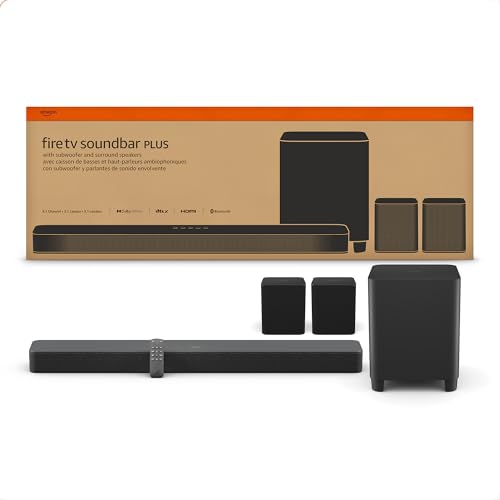
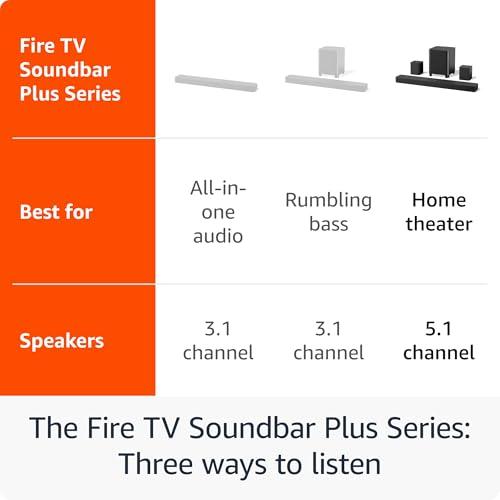
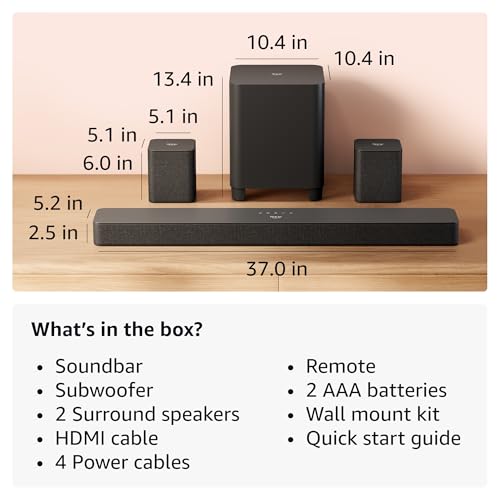
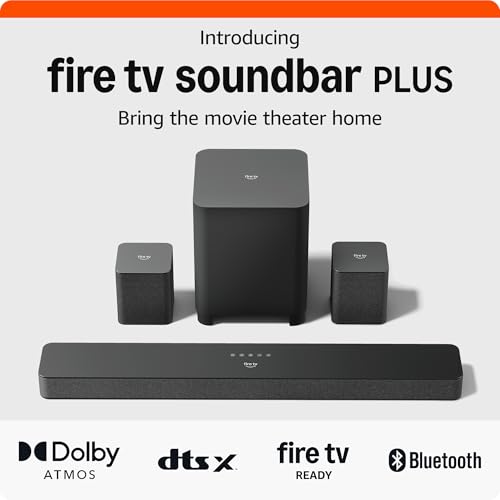
The Amazon Fire TV Soundbar Plus uses a 5.1 configuration, which means five main speakers plus one subwoofer (that's the ".1" part). Those five speakers include left, right, and center channels in the main soundbar, plus two separate satellite speakers you place behind your couch. This setup has been the gold standard for home theater since the 1990s because it matches how most movies are mixed in studios.
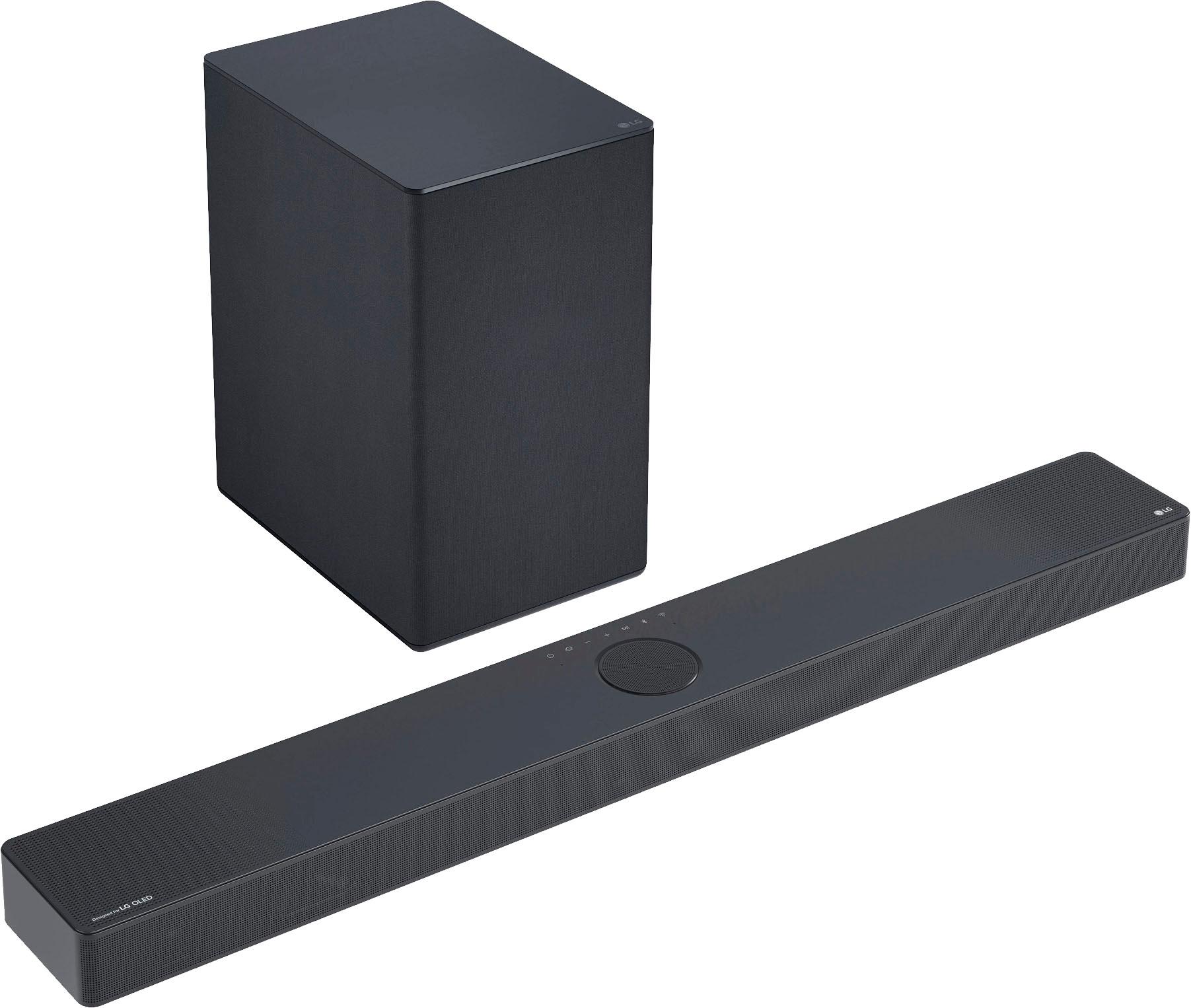
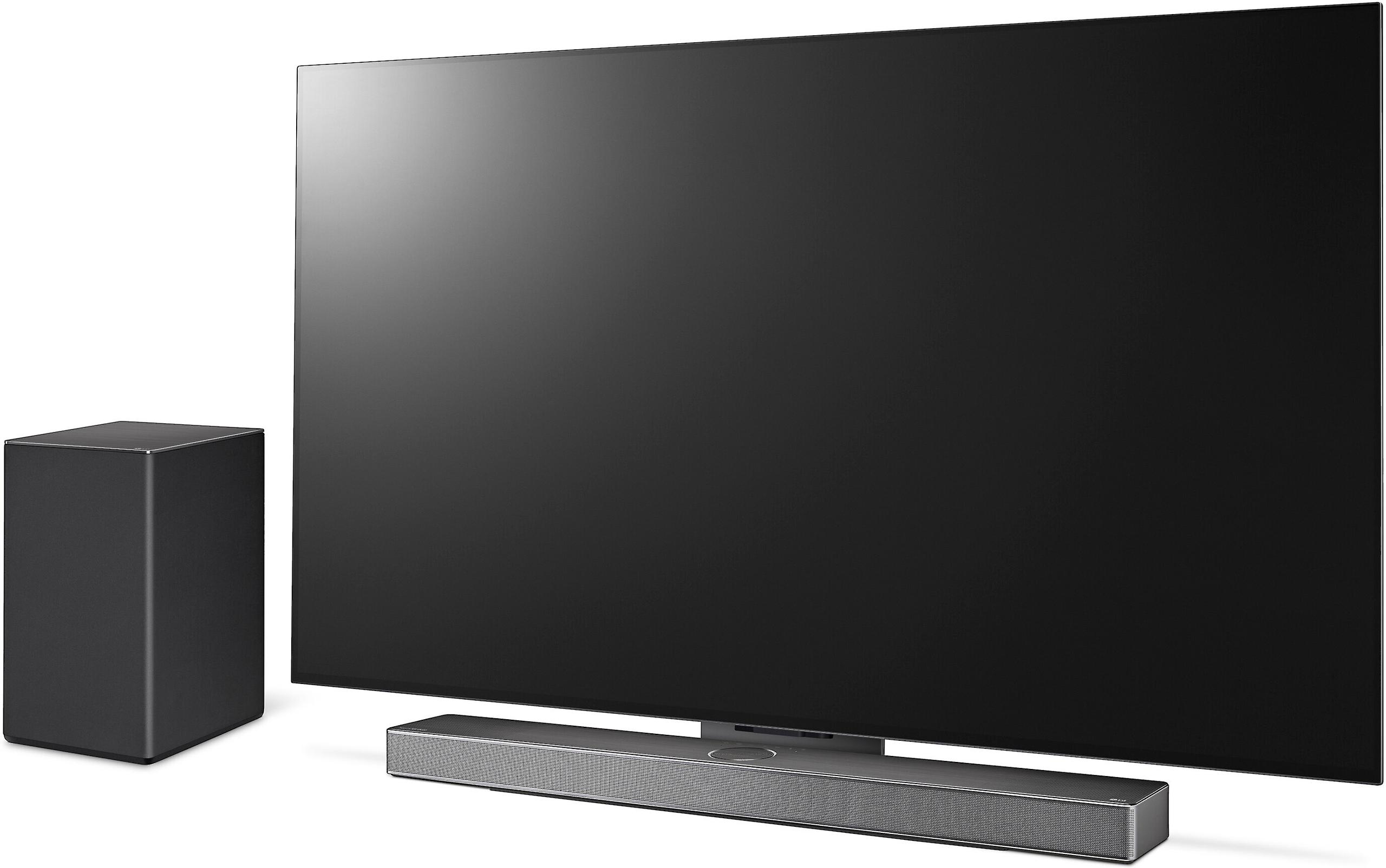
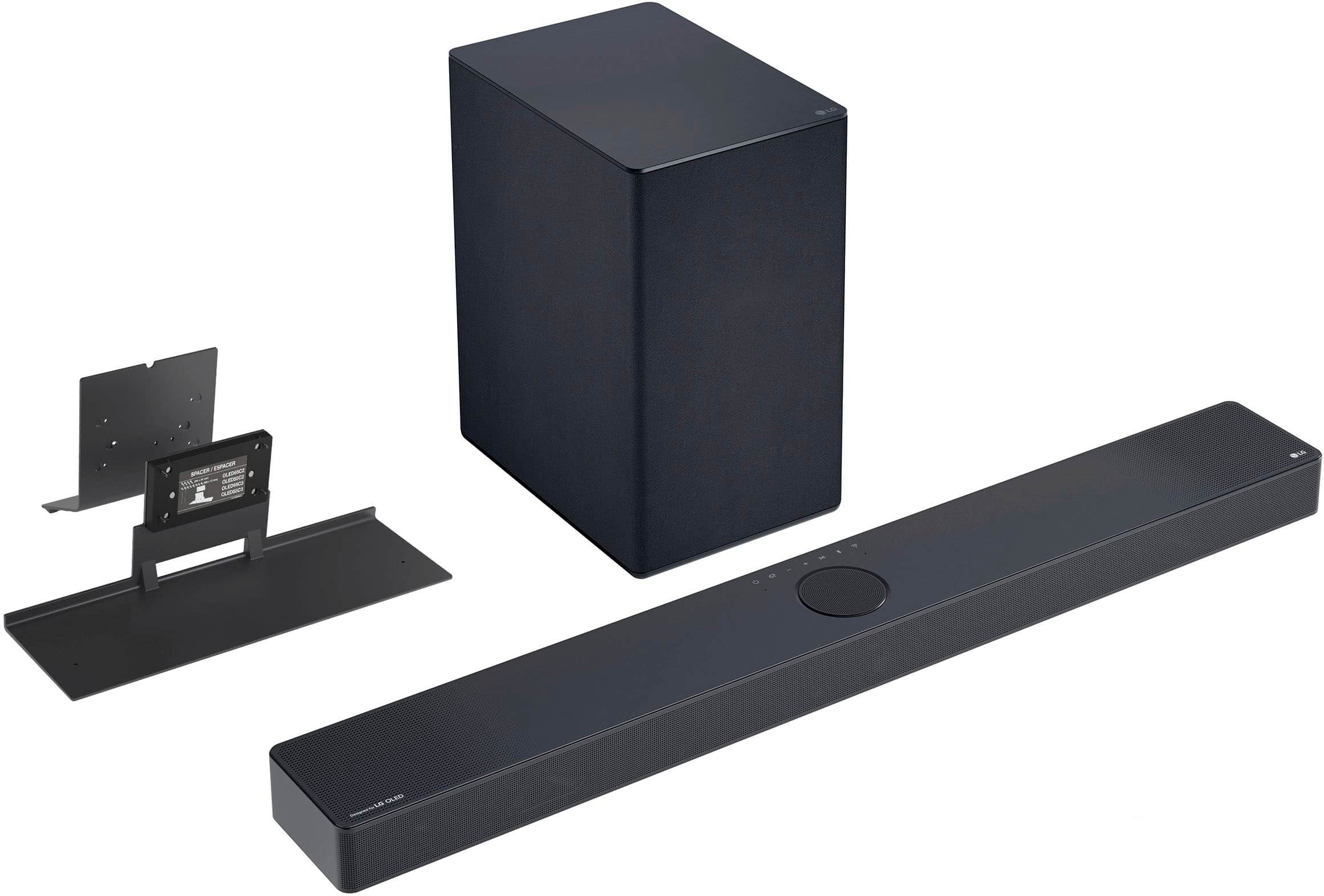
The LG SC9S uses a 3.1.3 setup, which is more modern but requires explanation. You get three main channels (left, right, center) plus a subwoofer, but then three additional "height" channels that fire sound upward toward your ceiling. These height channels bounce audio off your ceiling to create the illusion of sound coming from above—like helicopters flying overhead or rain falling down.
Released in 2023 as Amazon's answer to premium home theater systems, the Amazon Fire TV Soundbar Plus takes a no-nonsense approach to surround sound. Instead of trying to simulate surround effects from a single bar, it gives you actual speakers placed around your room.
The biggest advantage here is authenticity. When a car races from left to right in a movie, you hear it move through discrete speakers positioned around you. The two rear satellite speakers create genuine surround positioning that single-bar systems simply can't match through audio trickery.
Based on our research into user experiences, the Amazon system excels at creating that "you're in the action" feeling during action sequences. The satellite speakers handle ambient sounds like crowd noise in sports or environmental effects in nature documentaries particularly well. However, the system does have some quirks—several reviews mention noticeable gaps in the stereo soundstage where panning audio can sound unnatural as it moves between speakers.
The included wireless subwoofer deserves special mention. Unlike the tiny drivers crammed into most TV speakers, this dedicated subwoofer can actually reproduce the low-frequency effects that make explosions feel visceral and music sound full. User feedback consistently highlights strong, punchy bass that adds real impact to action scenes, though some note it can occasionally overpower dialogue if not properly adjusted.
Here's where things get practical: those rear speakers need to go somewhere. You'll need to position them 6-10 feet behind your main seating area, and while they're wireless to the main unit, they still need power outlets. This isn't necessarily a dealbreaker, but it does require planning and potentially running extension cords or having outlets in the right places.
The Amazon system works best in medium-sized rooms where you can properly position those satellites. In smaller spaces, they might end up too close to your seating position, creating an unbalanced soundstage.
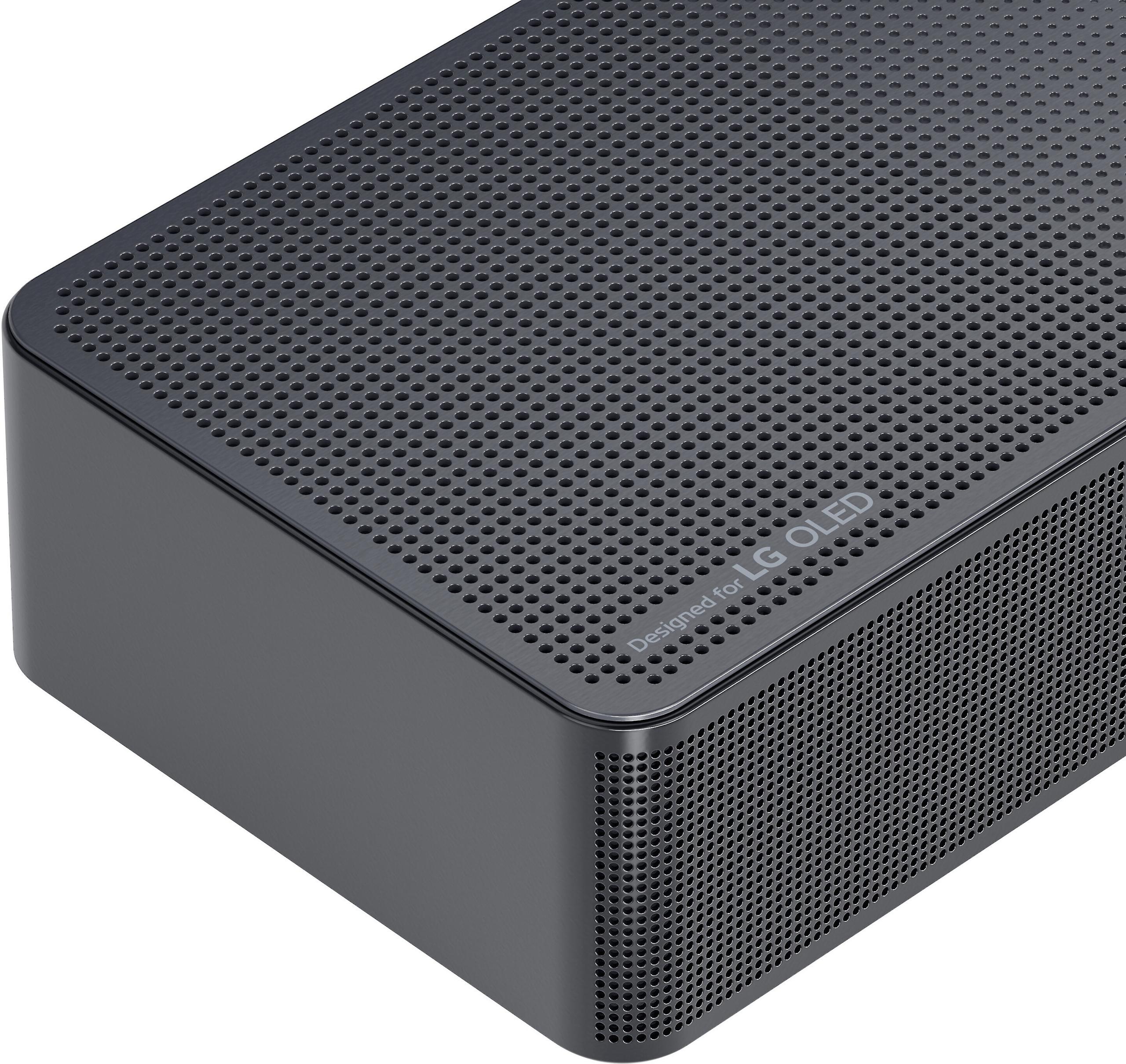
The LG SC9S, launched in late 2023, represents a completely different approach. Instead of surrounding you with separate speakers, it uses advanced audio processing and upward-firing drivers to create three-dimensional sound from a single location.
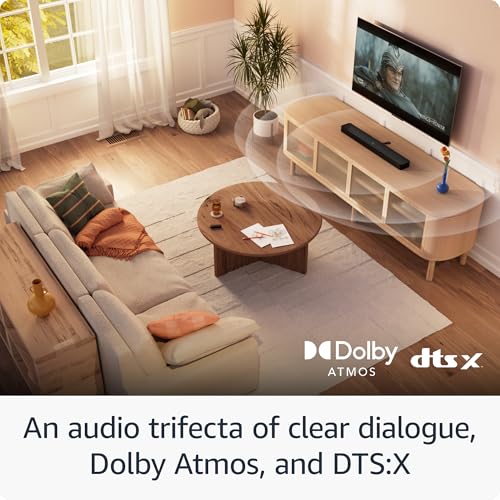
Dolby Atmos isn't just another surround sound format—it's a fundamentally different way of thinking about audio. Traditional surround sound assigns specific sounds to specific speakers. Atmos treats sounds as objects that can be placed anywhere in three-dimensional space, including above you.
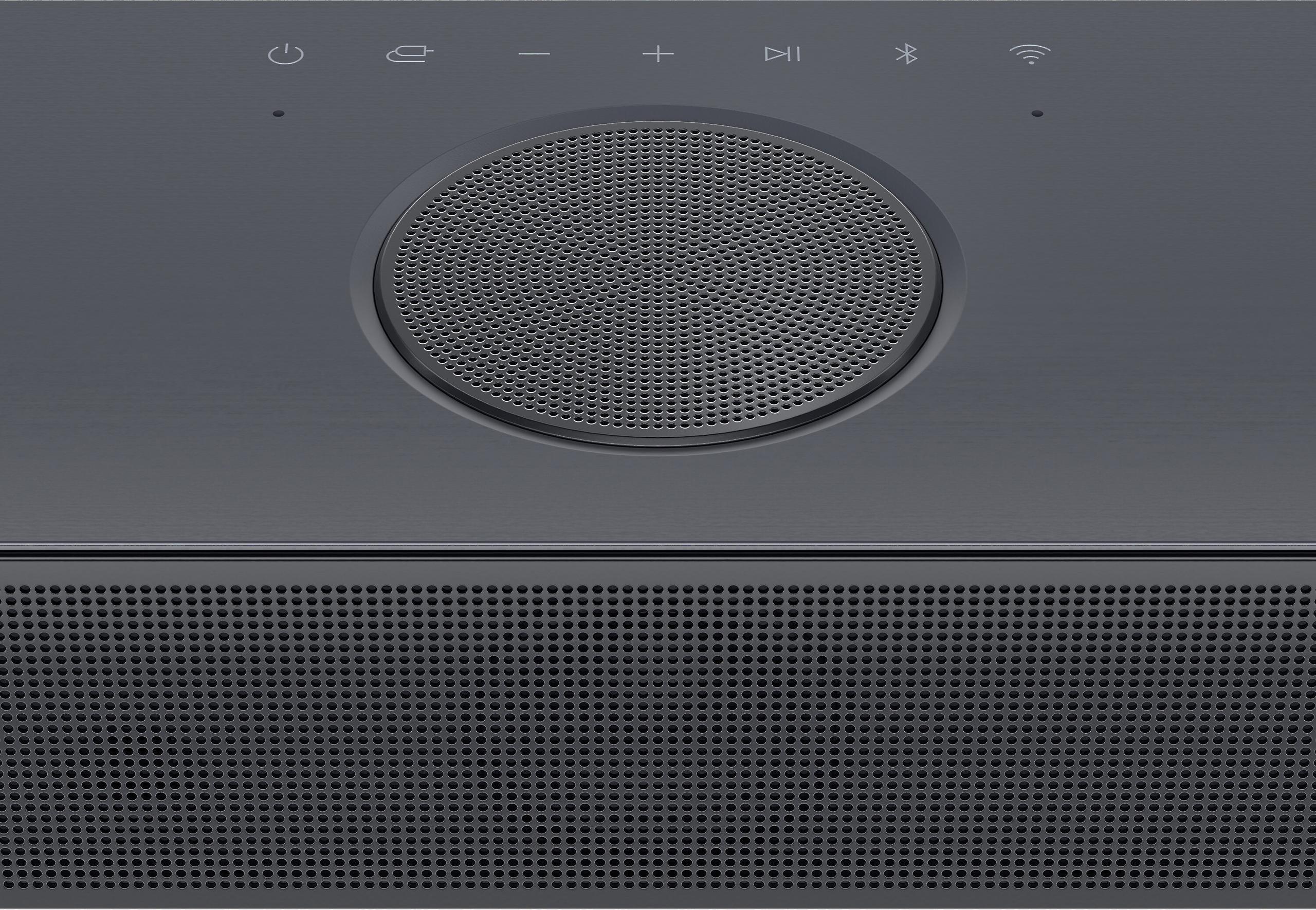
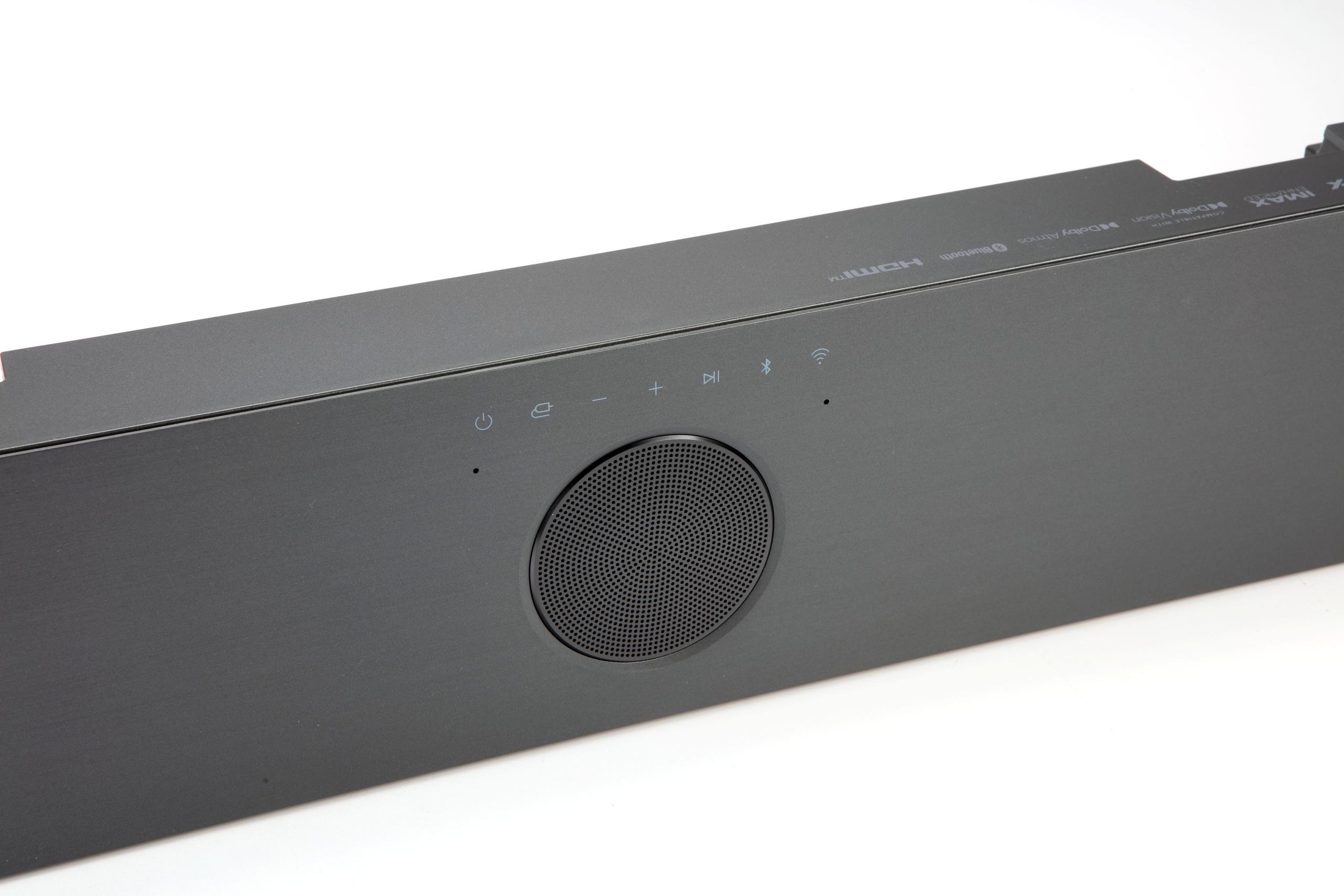
The LG SC9S includes three discrete upward-firing speakers that bounce sound off your ceiling to create height effects. This isn't the fake "virtual" surround you get from basic soundbars—these are actual speakers pointing up, creating genuine overhead positioning. When implemented well, you can hear rain droplets falling from above or aircraft flying over your head with startling realism.
One standout feature of the LG system is its AI Room Calibration Pro technology. This system uses built-in microphones to analyze your room's acoustics and automatically adjusts the sound accordingly. Different rooms have different acoustic properties—hardwood floors reflect sound differently than carpets, and large rooms need different bass management than small ones.
Based on user reports, this automatic calibration works impressively well, creating balanced sound without the manual tweaking that many soundbars require. The system learns your room's unique characteristics and optimizes everything from bass levels to dialogue clarity automatically.
The effectiveness of the LG SC9S's height channels depends heavily on your room setup. You need a relatively standard ceiling height (8-10 feet) and a ceiling that can effectively reflect sound. High vaulted ceilings or heavily textured surfaces can interfere with the height effects.
User experiences vary significantly here. In optimal conditions, people report genuinely impressive overhead effects that add serious immersion to movies and shows. However, in challenging room setups, the height effects can be subtle or ineffective.
Both systems handle dialogue differently, and this matters more than you might think. Poor dialogue clarity is one of the biggest complaints people have about TV audio, so getting this right is crucial.
The Amazon Fire TV system uses a traditional center channel approach, dedicating specific drivers in the main soundbar to handle dialogue. This works well for most content, though some users report that deeper male voices can sound somewhat thin. The system includes adjustable dialogue enhancement that can boost speech clarity, though it works best at moderate settings—maxing it out can make dialogue sound artificial.
The LG SC9S takes a more sophisticated approach with dual center channels—both a traditional center channel and an upward-firing center channel. This creates more natural vocal reproduction and helps dialogue cut through complex soundtracks. The Clear Voice Pro technology actively analyzes content to enhance speech intelligibility without making it sound processed.
Both systems include wireless subwoofers, but they implement bass differently. The Amazon system's subwoofer focuses on impact and punch. It's designed to make action sequences feel visceral, though this can occasionally come at the expense of nuance. Several reviews mention the bass as "one-note" compared to more premium alternatives, but effective for the price range.
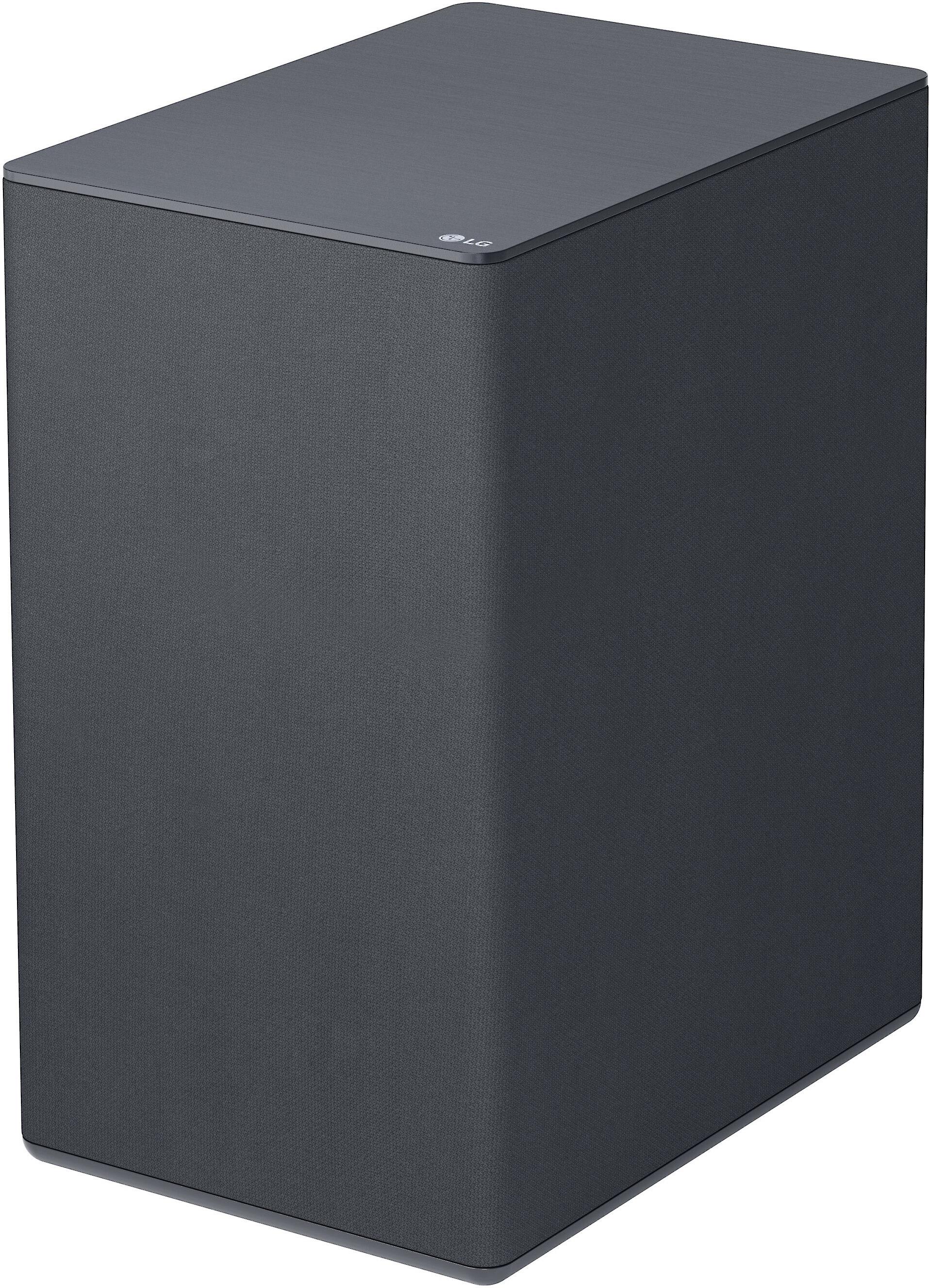
The LG SC9S's 220-watt subwoofer takes a more balanced approach, integrating low frequencies more seamlessly with the main soundbar. The AI room calibration helps optimize bass levels for your specific space, preventing the boomy, overwhelming bass that can plague poorly tuned systems.
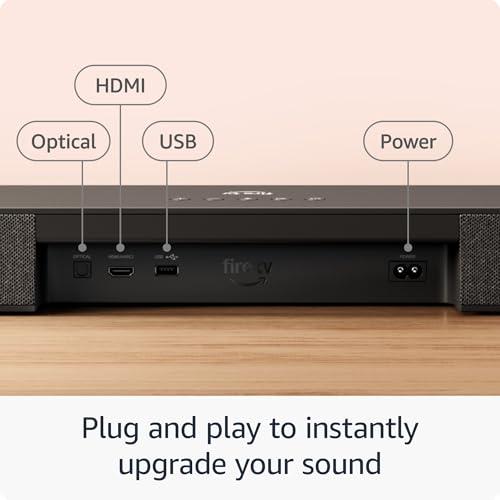
This is where the age difference between approaches becomes apparent. The Amazon Fire TV system focuses primarily on audio performance, with smart features limited to integration with Fire TV devices. When connected via HDMI to a compatible Fire TV, you can control basic settings through your TV's interface, but don't expect advanced connectivity options.
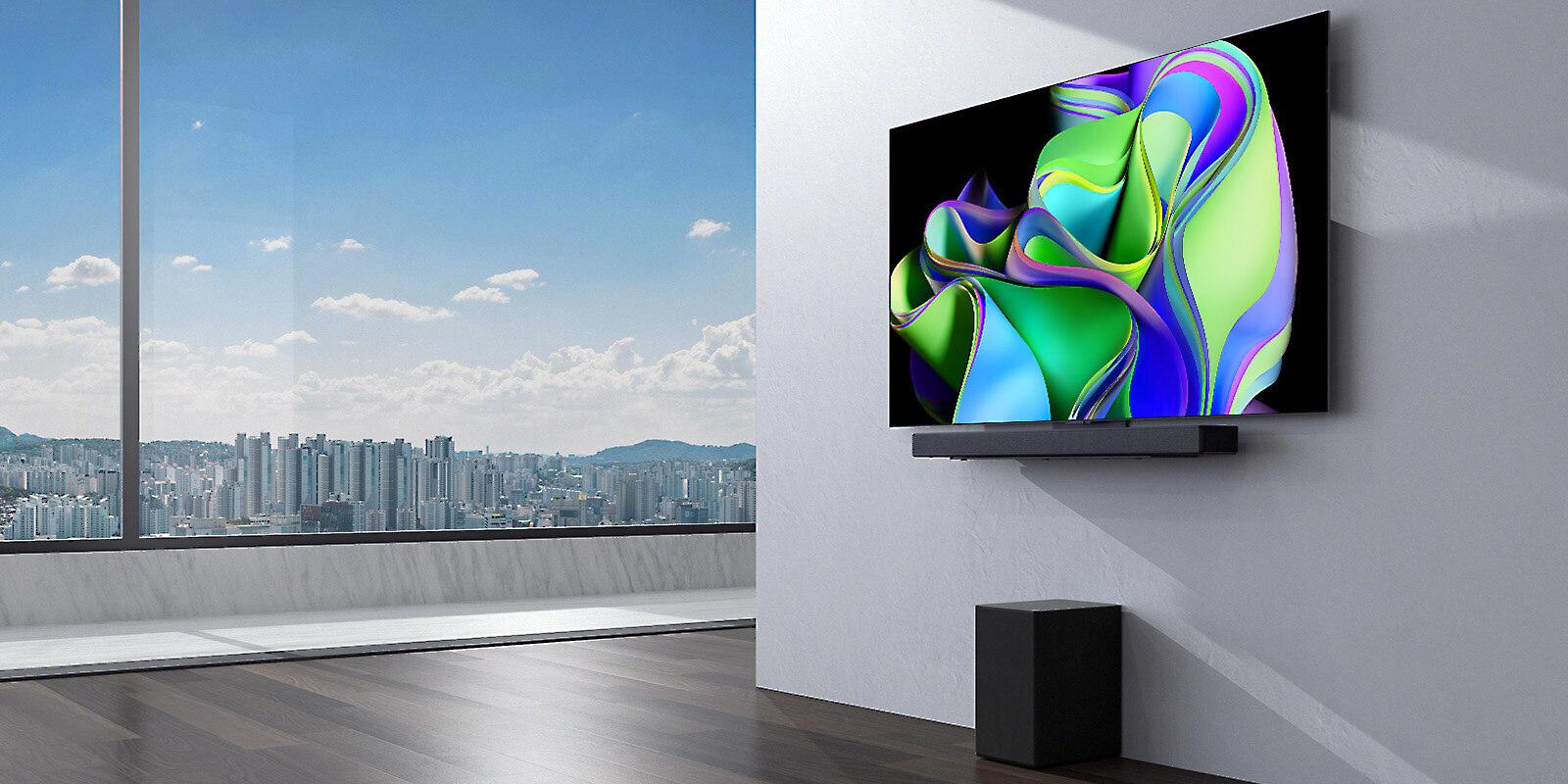
The LG SC9S embraces modern smart home integration with Wi-Fi connectivity, Chromecast support, Apple AirPlay 2, and compatibility with voice assistants. The WOW Orchestra feature can coordinate with compatible LG TVs to use both TV speakers and soundbar speakers simultaneously, creating an even wider soundstage.
At the time of writing, these systems occupy different price tiers, with the Amazon Fire TV Plus positioned as a value-oriented option that still delivers genuine surround sound. You're getting true 5.1 channels with discrete satellite speakers at a price point where most competitors offer only simulated surround effects.
The LG SC9S commands a premium price—roughly 60-70% more than the Amazon system—but delivers cutting-edge spatial audio technology and premium build quality. The question becomes whether authentic Dolby Atmos height effects and advanced smart features justify the additional cost.
Your physical space might make this decision for you. The Amazon Fire TV system requires proper satellite speaker placement to work as designed. You need space behind your seating area, available power outlets, and ideally a room size that allows 6-10 foot speaker separation. In cramped spaces or awkward room layouts, those satellites might end up positioned poorly, undermining the entire surround sound experience.
The LG SC9S works in more challenging spaces since everything operates from a single location. However, it has its own requirements—primarily ceiling height and acoustic properties that allow effective height channel reflection.
Consider what you actually spend time watching. If you're primarily streaming Netflix, Disney+, and other modern services, you'll encounter plenty of content mixed with Dolby Atmos that can take advantage of the LG SC9S's height channels. Modern streaming content increasingly uses object-based audio mixing that benefits from spatial audio technology.
If you watch a lot of traditional TV, older movies, or content with standard 5.1 surround mixing, the Amazon Fire TV system's discrete channel approach might serve you better. Traditional surround sound content was mixed with specific speaker placement in mind, making discrete channels potentially more effective than spatial audio processing.
Both systems handle gaming differently. The Amazon Fire TV Plus provides solid positional audio for gaming, with the satellite speakers helping you locate enemies or environmental cues in competitive games. However, it lacks specialized gaming modes or low-latency features.
The LG SC9S includes dedicated gaming modes and supports higher refresh rates through HDMI passthrough. The spatial audio can create impressive environmental effects in games, though the effectiveness varies by game and how well it supports Dolby Atmos.
After researching user experiences and expert opinions, here's how to approach this decision:
Choose the Amazon Fire TV Soundbar Plus 5.1 if you have a medium-sized room where you can properly position satellite speakers, value authentic discrete surround channels over height effects, and want maximum audio performance per dollar spent. This system excels for people who primarily want traditional surround sound done well at a reasonable price.
Choose the LG SC9S 3.1.3 if you want cutting-edge spatial audio technology, can't accommodate satellite speakers in your room, or prioritize modern features like room calibration and smart connectivity. The height effects genuinely add immersion when they work well, and the convenience of single-unit setup appeals to many users.
The decision often comes down to whether you value channel quantity or channel sophistication. The Amazon system gives you more discrete channels for less money, while the LG system provides fewer total channels but with more advanced spatial positioning technology.
Consider your long-term content consumption patterns too. If you're investing in a soundbar for the next several years, the LG SC9S's Dolby Atmos support might prove more future-proof as more content adopts object-based audio mixing.
Both systems will dramatically improve your TV audio experience compared to built-in speakers. The question is whether you prefer the tried-and-true approach of discrete surround speakers or the modern convenience and spatial audio capabilities of height channel technology. Either choice represents a significant upgrade—just make sure your room and usage patterns align with your chosen system's strengths.
| Amazon Fire TV Soundbar Plus 5.1 Channel System | LG SC9S 3.1.3 Channel Dolby Atmos Soundbar |
|---|---|
| Channel Configuration - Determines surround sound approach and room requirements | |
| True 5.1 with discrete satellite speakers | 3.1.3 with height channels (no satellites needed) |
| Height Audio Support - Critical for modern Dolby Atmos content | |
| Virtualized Dolby Atmos (simulated overhead effects) | 3 discrete up-firing drivers (genuine height channels) |
| Room Setup Requirements - Major factor in practicality and placement | |
| Requires satellite speaker placement 6-10ft behind seating | Single soundbar placement, no satellite positioning needed |
| Subwoofer - Essential for deep bass and movie impact | |
| External wireless subwoofer (punchy, impact-focused) | 220W wireless subwoofer with AI room optimization |
| Smart Features - Convenience and future-proofing capabilities | |
| Basic Fire TV integration, limited connectivity | AI Room Calibration, Wi-Fi, AirPlay 2, Chromecast support |
| Audio Format Support - Compatibility with different content types | |
| Dolby Atmos (virtualized), DTS:X, lossless Dolby TrueHD | Dolby Atmos (discrete), DTS:X, IMAX Enhanced, Hi-Res Audio |
| HDMI Connectivity - Video passthrough and control options | |
| HDMI eARC only (audio return from TV) | HDMI eARC + 1 HDMI input (4K passthrough up to 120Hz) |
| Release Date - Technology generation and feature currency | |
| 2023 (value-focused traditional surround) | Late 2023 (premium spatial audio technology) |
| Ideal Room Size - Performance optimization for space | |
| Medium rooms up to 250 sq ft with satellite placement | Small to large rooms with 8-10ft standard ceilings |
| Voice Control Integration - Smart home compatibility | |
| Fire TV remote compatibility when connected | Google Assistant and Alexa compatible through connected devices |
| Mounting Options - Installation flexibility and aesthetics | |
| Soundbar wall mount included (satellites need separate mounting) | Complete system wall mountable with LG TV synergy bracket |
| Best Use Case - Who should choose each system | |
| Traditional surround sound enthusiasts with proper room setup | Modern spatial audio fans prioritizing convenience and height effects |
The LG SC9S is better for small rooms because it doesn't require satellite speaker placement. The Amazon Fire TV Soundbar Plus 5.1 needs space behind your seating for rear speakers, which can be challenging in cramped spaces. The LG SC9S delivers impressive spatial audio from a single unit.
Not necessarily. The Amazon Fire TV Soundbar Plus 5.1 uses actual rear speakers for authentic surround positioning, while the LG SC9S creates immersive audio using height channels and advanced processing. Both approaches work well, but the Amazon system offers more traditional discrete channel separation.
Both include wireless subwoofers, but they handle bass differently. The Amazon Fire TV Plus focuses on punchy, impactful bass for action scenes. The LG SC9S offers more refined bass integration with 220W of power and AI room calibration that automatically optimizes low frequencies for your space.
The Amazon Fire TV Soundbar Plus 5.1 has five main speakers plus a subwoofer, including discrete rear speakers. The LG SC9S has three main channels, a subwoofer, and three height channels that fire sound upward for Dolby Atmos effects. The LG system focuses on overhead audio rather than rear surround.
The LG SC9S is much easier to set up since everything operates from one location. The Amazon Fire TV Plus 5.1 requires positioning satellite speakers behind your seating area and ensuring they have power outlets. The LG SC9S also includes automatic room calibration that optimizes sound without manual adjustments.
Yes, but differently. The Amazon Fire TV Soundbar Plus 5.1 virtualizes Dolby Atmos through processing, creating simulated height effects. The LG SC9S has three actual upward-firing speakers for genuine Dolby Atmos with real overhead sound positioning, making it better for modern spatial audio content.
Both handle dialogue well but use different approaches. The Amazon Fire TV Plus has a dedicated center channel with adjustable dialogue enhancement. The LG SC9S uses dual center channels and Clear Voice Pro technology for more natural speech reproduction. The LG system generally maintains better dialogue balance during complex scenes.
Yes, both work well for music. The Amazon Fire TV Soundbar Plus 5.1 provides good stereo separation and instrument positioning. The LG SC9S offers Hi-Res Audio support and multiple streaming options including AirPlay 2 and Chromecast, making it more versatile for music streaming from various devices.
The LG SC9S has significantly more smart features including Wi-Fi connectivity, voice assistant compatibility, and advanced room calibration. The Amazon Fire TV Plus 5.1 focuses mainly on audio performance with basic Fire TV integration when connected via HDMI to compatible devices.
The Amazon Fire TV Soundbar Plus 5.1 works with any ceiling height since it uses satellite speakers for surround effects. The LG SC9S needs standard 8-10 foot ceilings for optimal height channel performance, as it bounces sound off the ceiling to create overhead effects.
The Amazon Fire TV Soundbar Plus 5.1 offers more total channels at a lower price point, making it excellent value for traditional surround sound. The LG SC9S costs significantly more but provides premium spatial audio technology and advanced features. Value depends on whether you prioritize channel quantity or modern audio technology.
The LG SC9S is generally better for gaming with dedicated gaming modes and 4K passthrough up to 120Hz refresh rates. It also provides impressive spatial audio effects in compatible games. The Amazon Fire TV Plus 5.1 offers solid positional audio through its satellite speakers but lacks specialized gaming features and high refresh rate support.
We've done our best to create useful and informative comparisons to help you decide what product to buy. Our research uses advanced automated methods to create this comparison and perfection is not possible - please contact us for corrections or questions. These are the sites we've researched in the creation of this article: rtings.com - cordbusters.co.uk - techradar.com - developer.amazon.com - t3.com - hometechnologyreview.com - youtube.com - hometechnologyreview.com - whathifi.com - hometechnologyreview.com - hometechnologyreview.com - youm.design - hometechnologyreview.com - dolby.com - consumerreports.org - valueelectronics.com - youtube.com - bestbuy.com - rtings.com - costco.com - bestbuy.com - walts.com - queencityonline.com - blog.son-video.com - videoandaudiocenter.com - lg.com

Privacy Policy
Terms and Conditions - Affiliate Policy
Home Security
© Copyright 2008-2026.
11816 Inwood Rd #1211, Dallas, TX 75244