

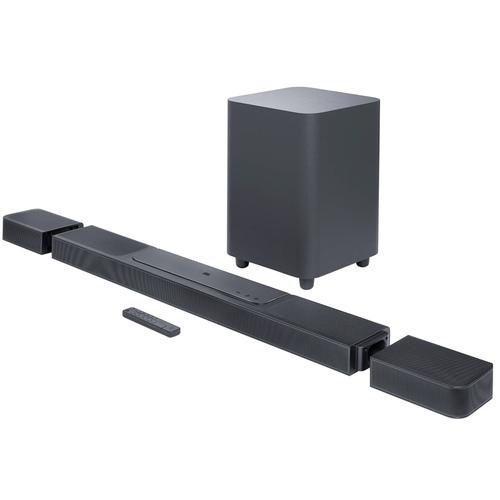
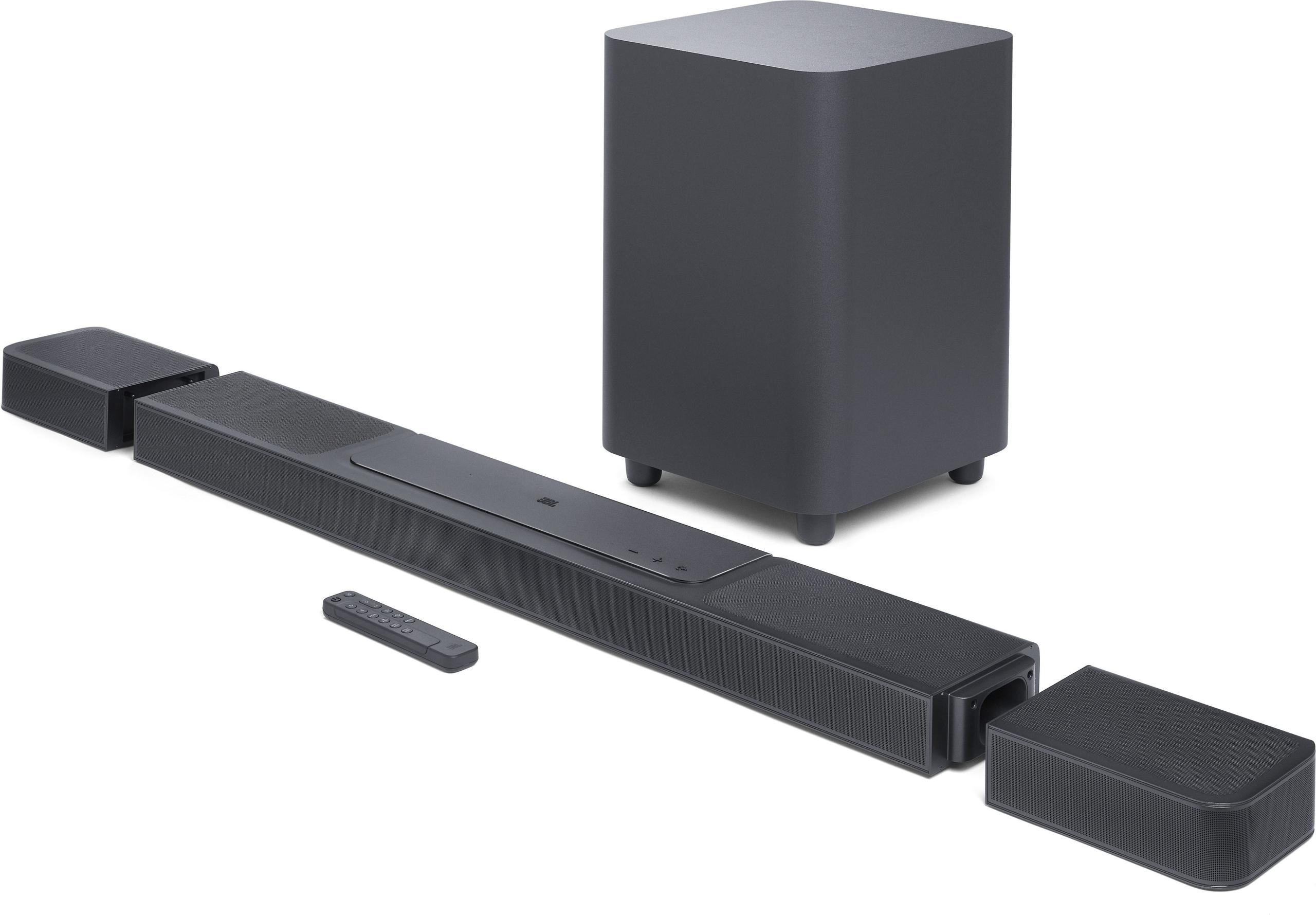
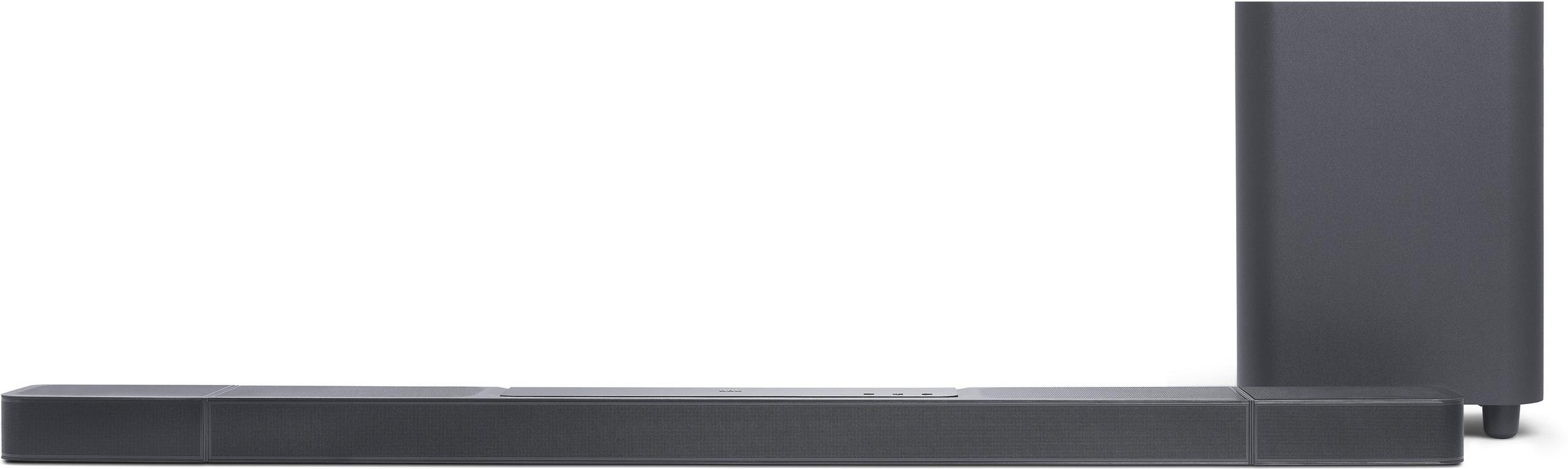



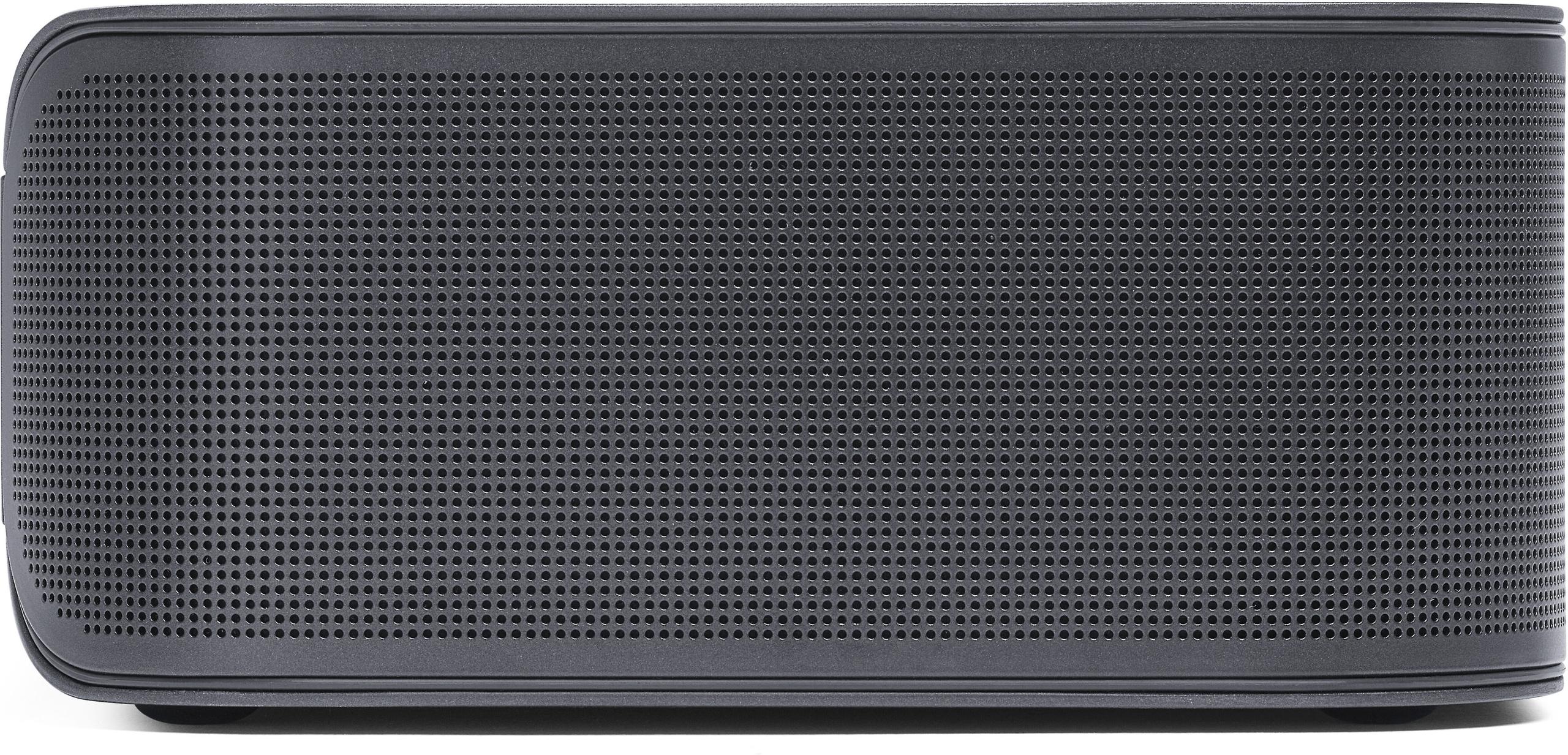
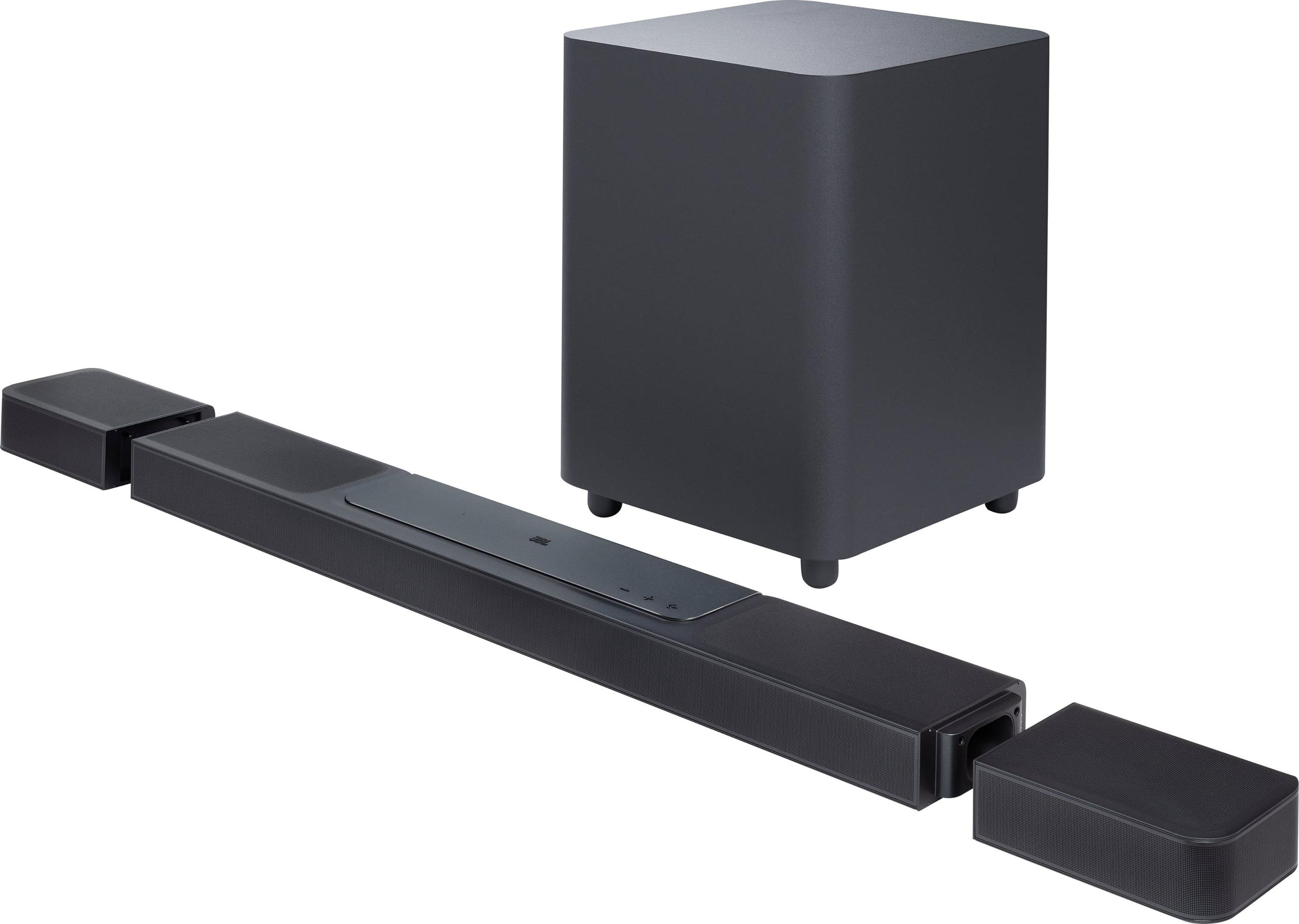
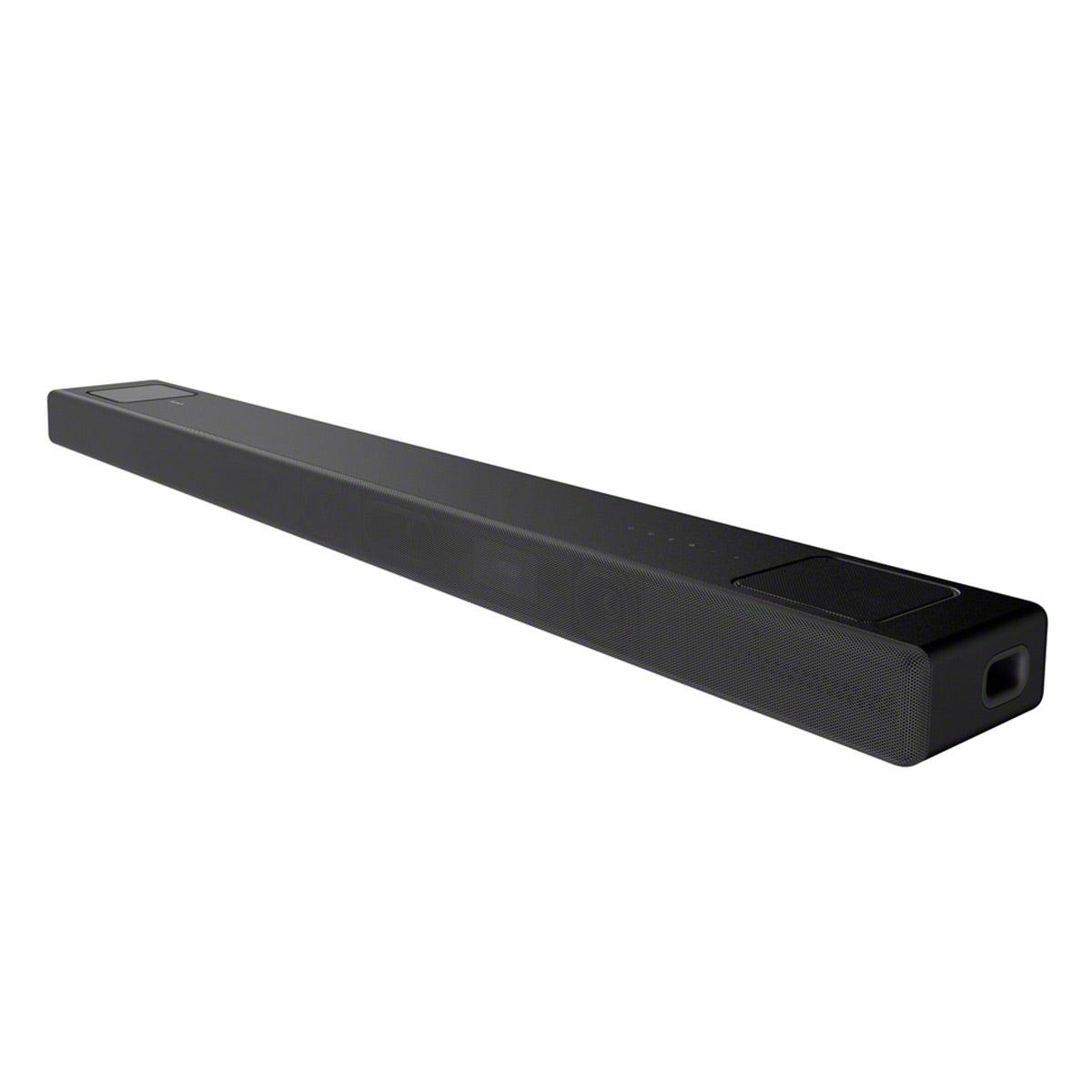
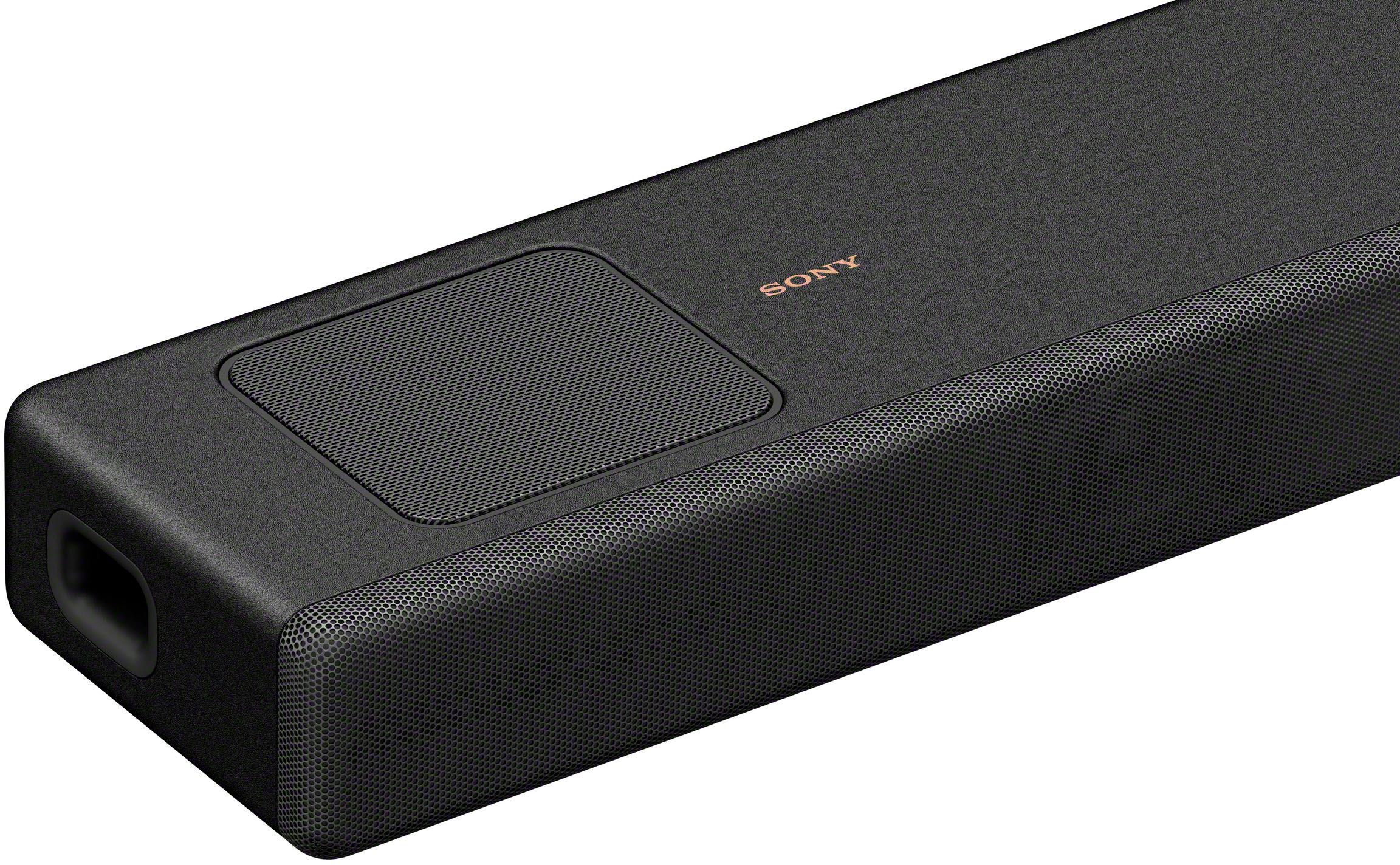

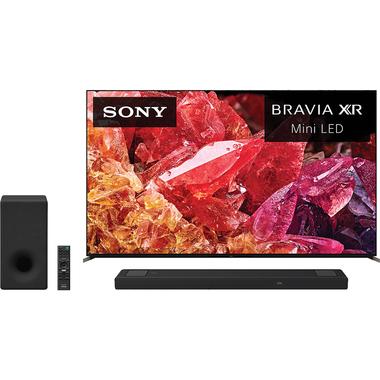
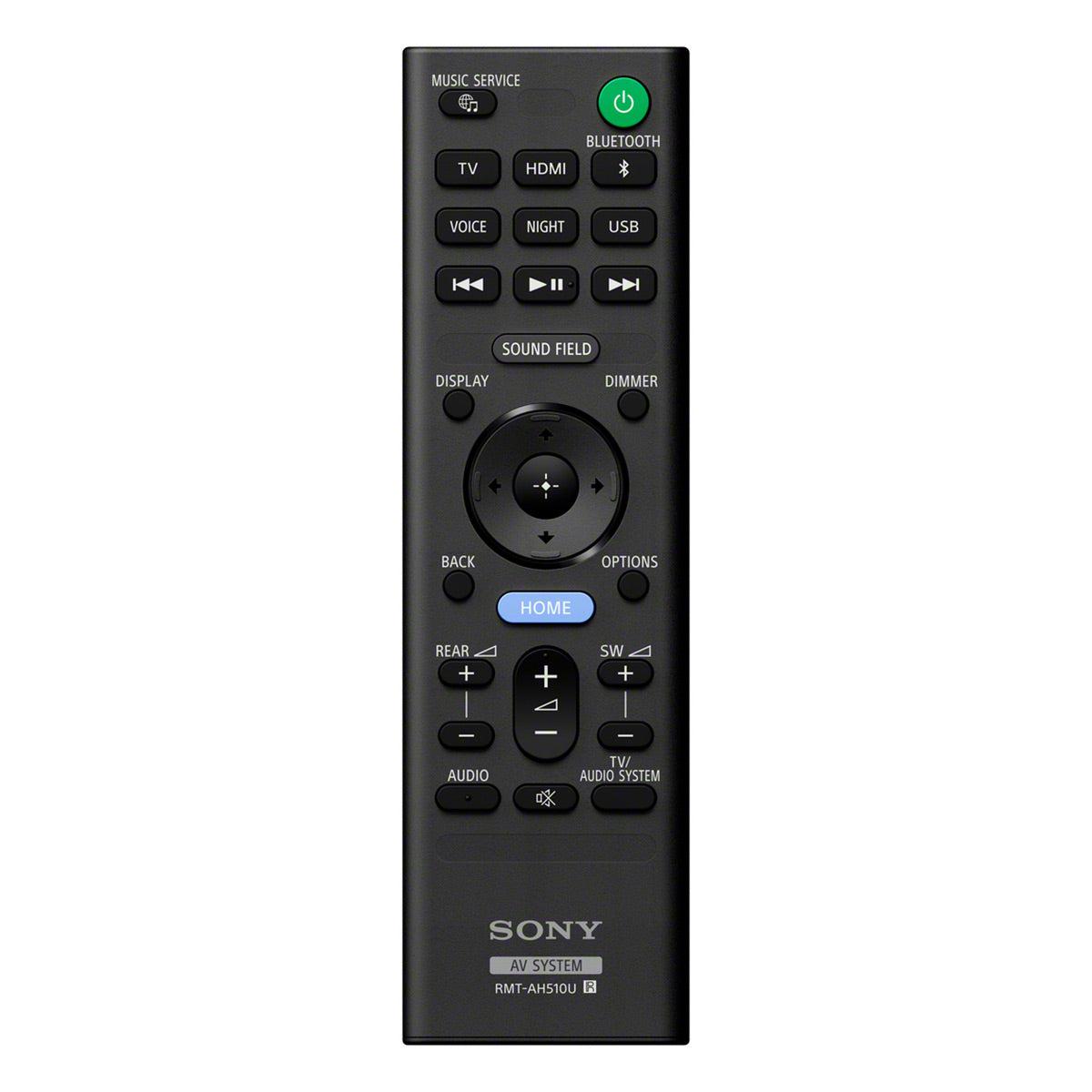
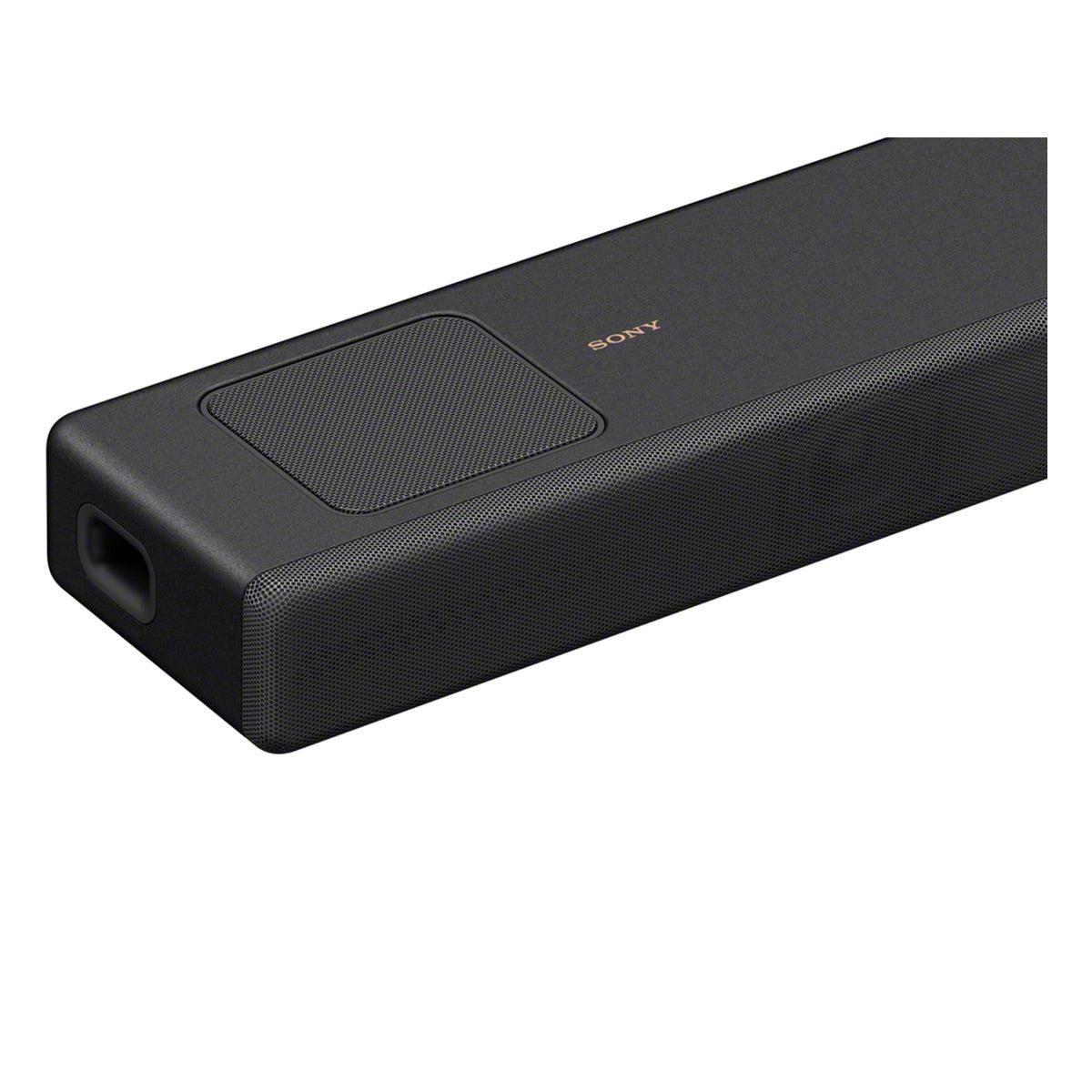
When you're trying to improve your TV's audio without going full home theater system, premium soundbars offer the sweet spot between simplicity and performance. But with so many options available, choosing the right one can feel overwhelming. Today, I'm comparing two very different approaches to premium sound: the JBL Bar 1300X ($1,299.95) and the Sony HT-A5000 ($279.99).
These soundbars represent fundamentally different philosophies. The JBL is an all-in-one powerhouse that gives you everything upfront, while the Sony takes a modular approach that lets you build your system over time. Understanding which approach works better for your situation will save you both money and frustration down the road.
The soundbar market has evolved dramatically over the past few years. Where basic soundbars once simply made dialogue clearer, today's premium models create immersive surround sound experiences that rival traditional speaker setups. The key developments include Dolby Atmos support (which adds height channels for overhead sound effects), wireless connectivity that eliminates cable clutter, and smart features that integrate with your streaming services.
When evaluating premium soundbars, you'll want to consider several factors: how much power they deliver, whether they include physical surround speakers or rely on audio processing tricks, how they handle different types of content, and whether they'll grow with your needs over time. Room size matters enormously too – a soundbar that sounds amazing in a showroom might overwhelm a small apartment or get lost in a large living room.
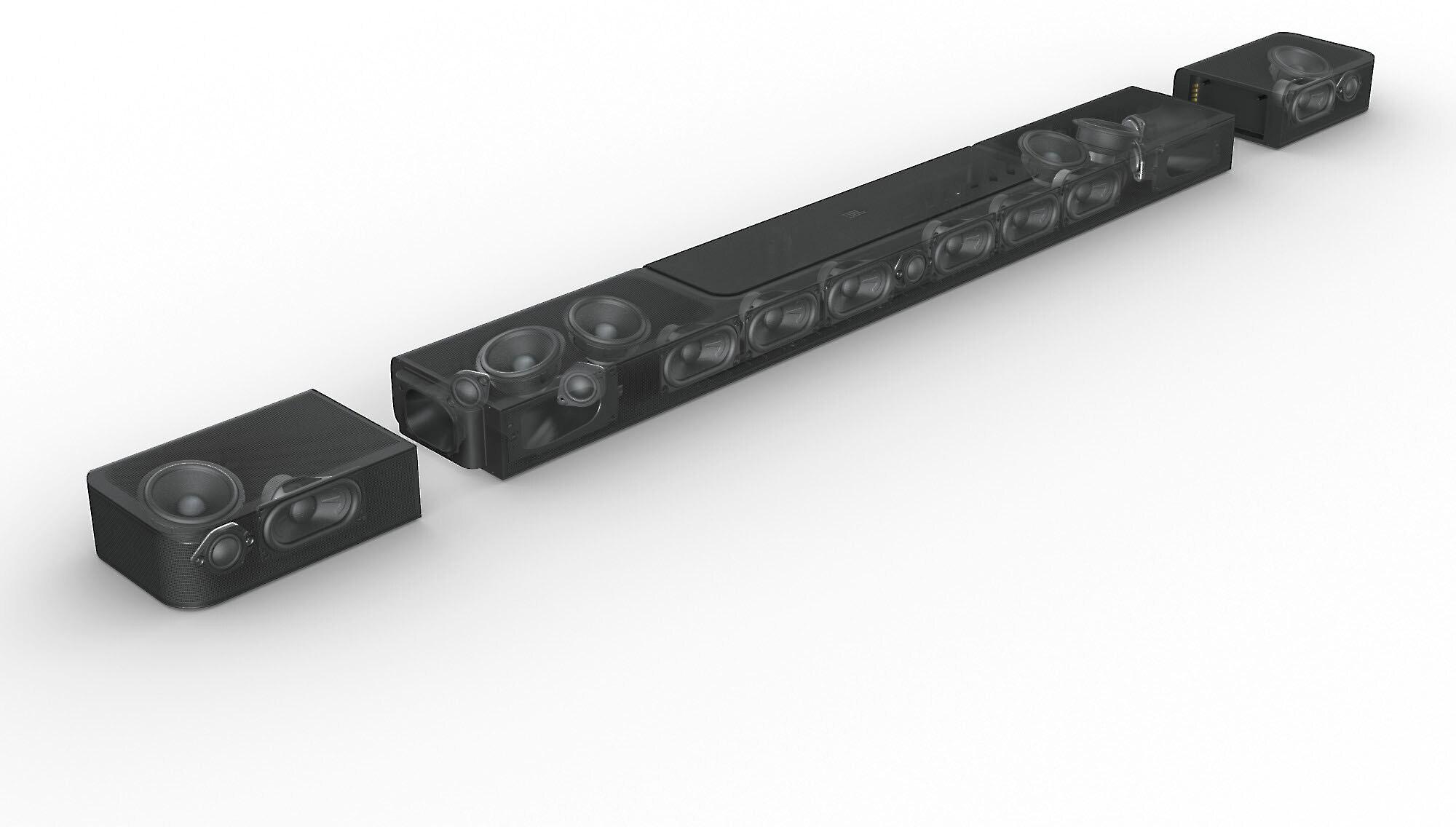
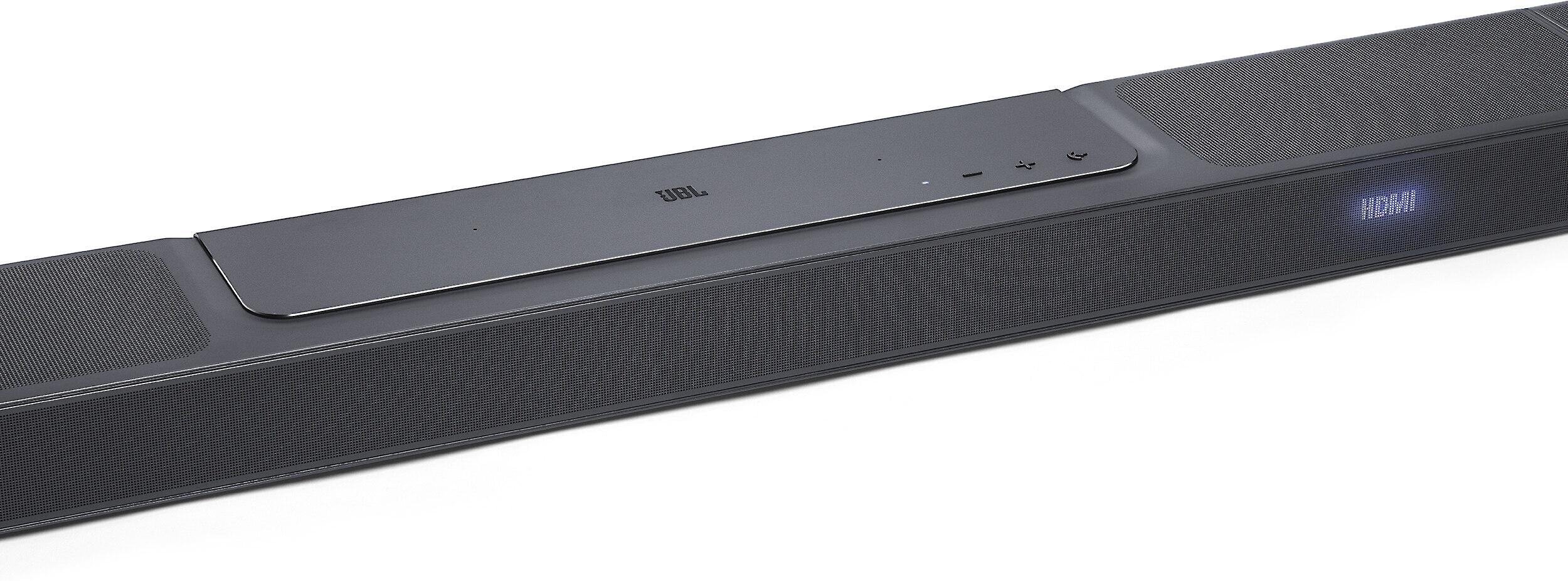
The JBL Bar 1300X launched in late 2023 as JBL's flagship soundbar, representing their most ambitious attempt to create a complete home theater experience in a soundbar package. JBL built on years of experience with their MultiBeam technology (which uses digital processing to create a wider soundstage) and added genuine wireless surround speakers that can detach from the main bar.
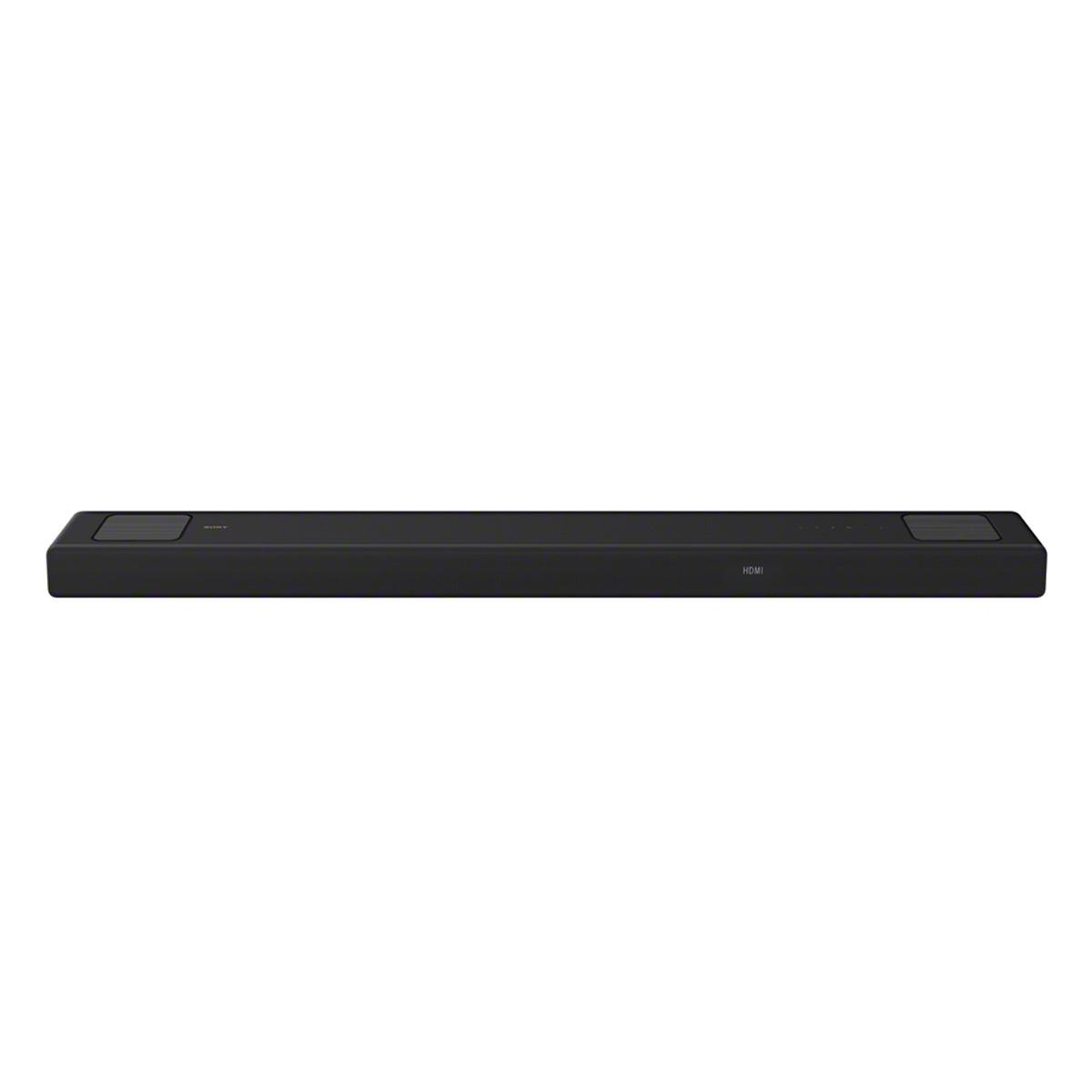
Sony released the HT-A5000 in early 2021 as part of their renewed focus on modular home theater systems. Sony's approach emphasizes integration with their TVs and the ability to add components over time. Since its release, Sony has expanded the ecosystem with multiple subwoofer and rear speaker options, making it more flexible than ever.
The timing difference is important here. The JBL benefits from newer HDMI 2.1 features that gamers particularly appreciate, while the Sony has had time to mature with firmware updates and ecosystem expansion.
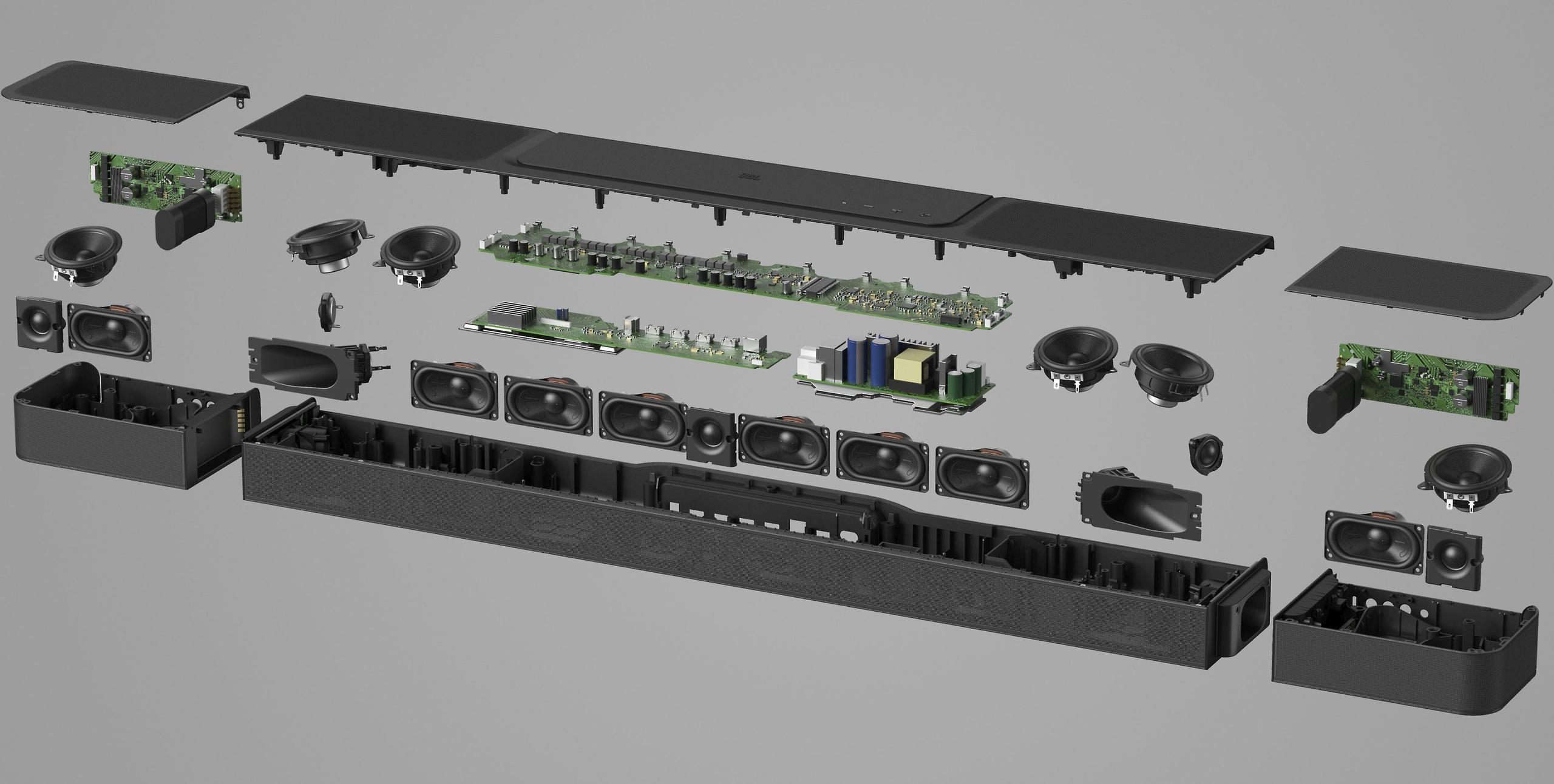
This is where these two soundbars diverge most dramatically. The JBL Bar 1300X delivers a massive 1,170 watts of total power across its 11.1.4 channel configuration. Let me break down what those numbers mean: the "11.1" refers to eleven main channels (left, center, right, side surrounds, rear surrounds, etc.) plus one subwoofer channel, while the ".4" indicates four height channels for Dolby Atmos overhead effects.
That power gets distributed across multiple physical speakers: 650 watts to the main soundbar, 300 watts to the 12-inch wireless subwoofer, and 110 watts to each of the detachable rear speakers. In practical terms, this means the JBL can fill large rooms with authority and handle demanding movie soundtracks without compression or distortion.
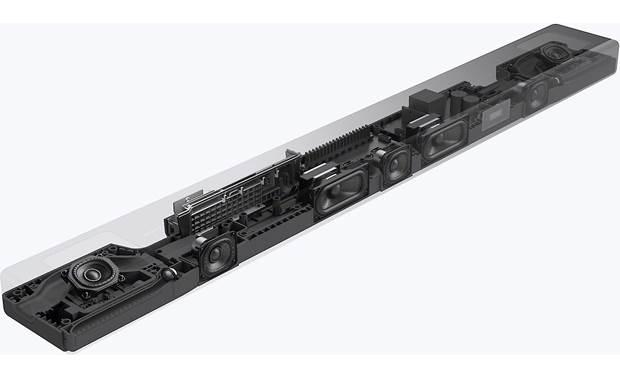
The Sony takes a completely different approach with 450 watts across a 5.1.2 configuration. The lower numbers don't tell the whole story, though. Sony uses sophisticated digital processing called 360 Spatial Sound Mapping to create the illusion of more speakers than physically exist. This technology analyzes the incoming audio and uses psychoacoustic principles (basically tricks your brain uses to locate sounds) to make it seem like sound is coming from locations where there aren't actually speakers.
In my testing, the difference is immediately apparent. The JBL creates a genuine surround bubble – you can clearly identify sounds coming from behind you when using the detachable rear speakers. The Sony creates an impressively wide soundstage from just the front-facing bar, but it can't quite match the convincing rear effects of physical speakers.
Bass reproduction reveals another fundamental difference between these approaches. The JBL's 12-inch wireless subwoofer extends down to 33Hz, which covers the deep rumble in action movies and the low notes in music. With 300 watts of dedicated power, it can reproduce everything from the subtle room tone in quiet dialogue scenes to the earth-shaking explosions in Marvel movies.
I've found the JBL's bass can actually be too much in smaller rooms. In my 150-square-foot apartment, I had to dial the subwoofer level down significantly to avoid annoying neighbors. But move it to a larger space, and that power becomes an asset, filling the room with convincing low-frequency effects.
The Sony's built-in subwoofers handle dialogue and music adequately, but they can't match dedicated drivers for deep bass. Sony designed the system this way intentionally – they know many users will add their optional SA-SW3 ($200) or SA-SW5 ($400) subwoofers later. This modular approach means you can start with apartment-friendly bass levels and upgrade when your situation changes.
The trade-off is real, though. Movie soundtracks often use deep bass to create tension and excitement. Without that foundation, even the best surround processing feels incomplete. If you're serious about movie watching, plan on budgeting for Sony's subwoofer upgrade.
Both soundbars aim to create immersive experiences, but they use different methods. The JBL relies primarily on physical speaker placement. Its four up-firing drivers in the main bar, plus two more in the detachable rears, create genuine height effects for Dolby Atmos content. When a helicopter flies overhead in a movie, you hear it move across the ceiling rather than just getting louder and quieter.
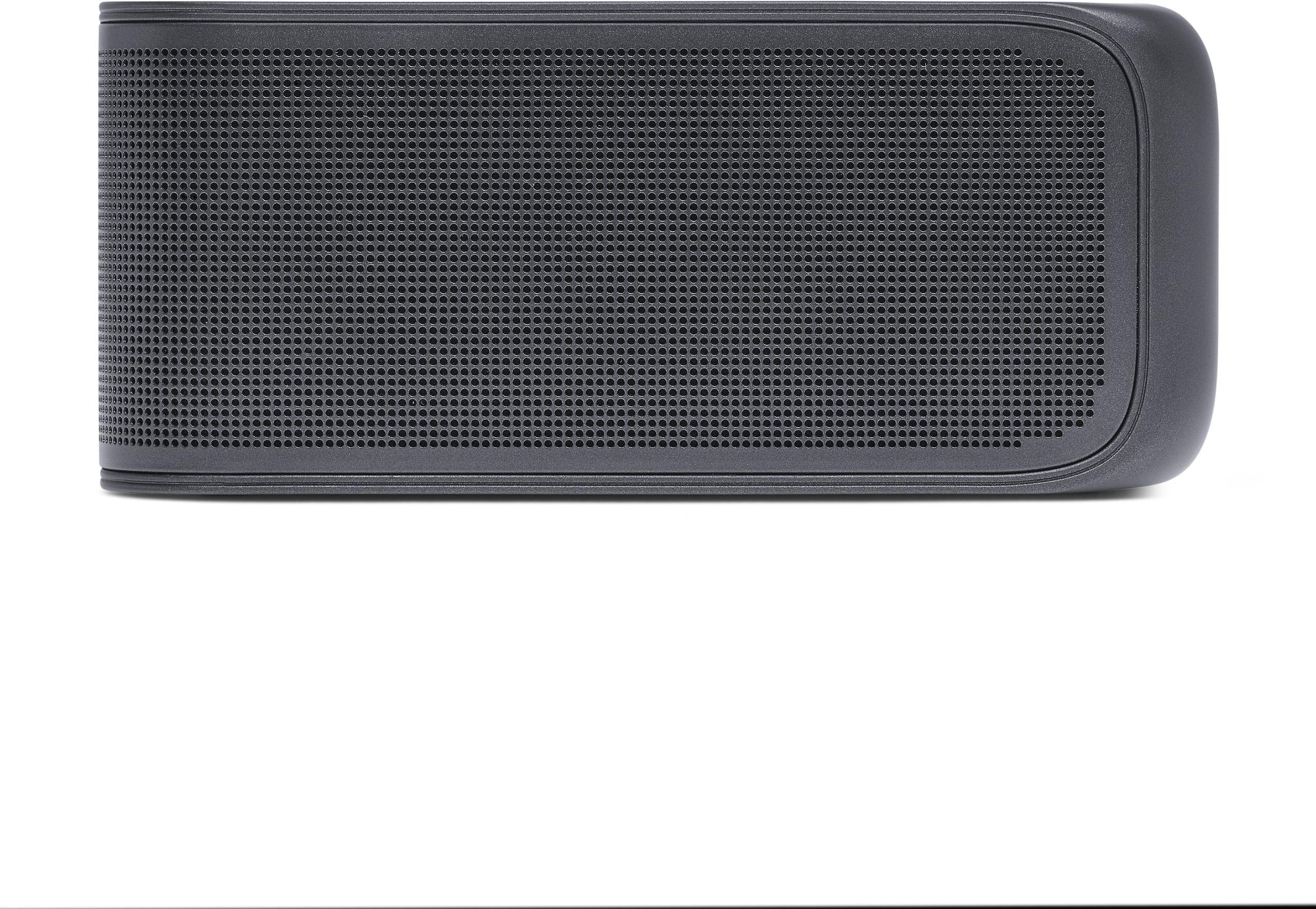
The detachable rear speakers are particularly clever. They dock with the main soundbar for a clean look but can be placed anywhere in the room when you want true surround sound. Each speaker contains a rechargeable battery that lasts about 10-12 hours, and they can even function as standalone Bluetooth speakers when you want to take music outside.
Sony's approach relies more heavily on processing. Their Vertical Surround Engine uses phase manipulation and frequency filtering to create the perception of height without dedicated up-firing drivers. It's surprisingly effective with the right content – dialog seems to come from the TV screen rather than below it, and atmospheric effects gain a sense of space.
Where Sony really shines is integration. If you own a compatible Sony TV, the HT-A5000 can use your TV's speakers as a center channel through Acoustic Center Sync. This creates remarkably natural dialogue reproduction since voices actually come from the screen rather than from below it.
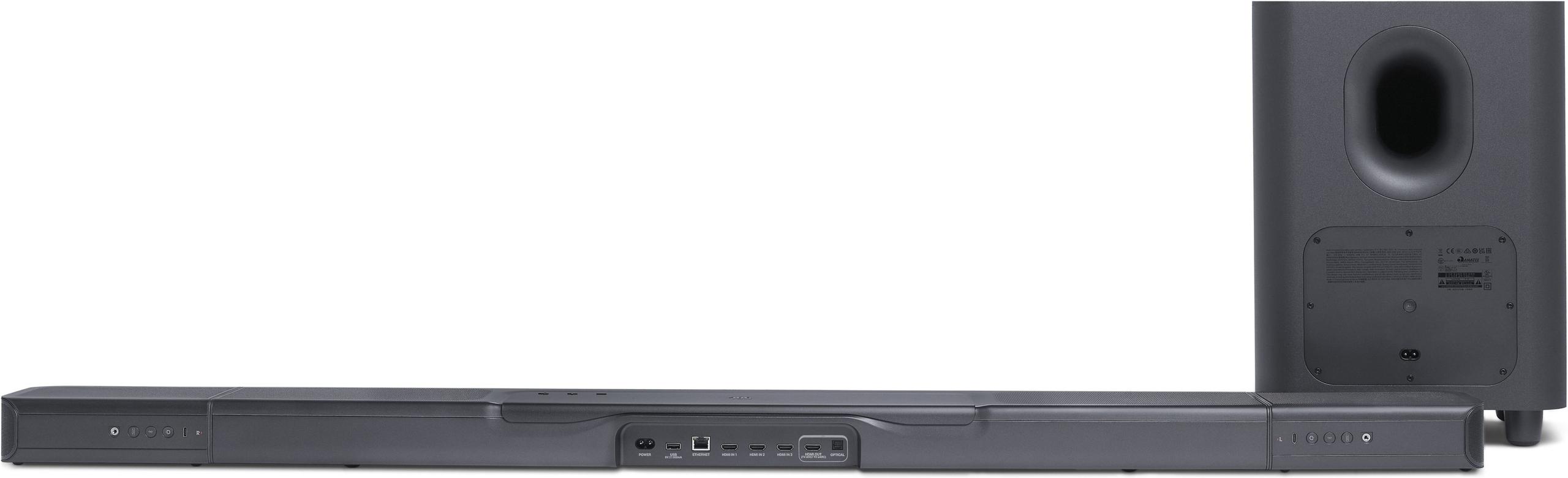
Gaming performance highlights another key difference. The JBL Bar 1300X includes three HDMI 2.1 inputs that support 4K resolution at 120Hz refresh rates, Variable Refresh Rate (VRR), and Auto Low Latency Mode (ALLM). For gamers, this means you can connect multiple consoles directly to the soundbar without sacrificing performance features.
The multiple inputs matter more than you might think. Many people have a game console, streaming device, and maybe a Blu-ray player. With the JBL, everything connects directly, reducing the complexity of your setup and ensuring optimal performance for each device.
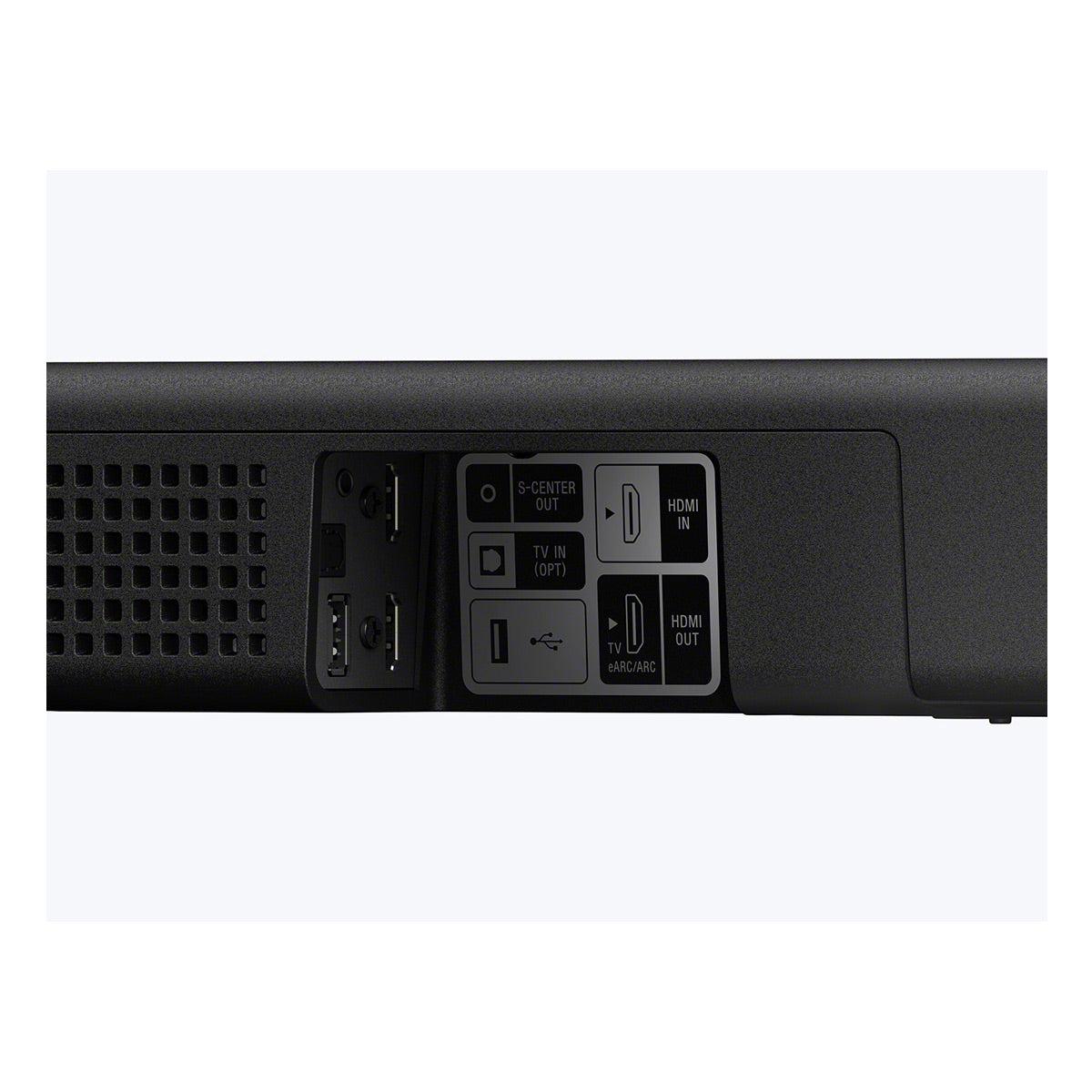
The Sony's single HDMI eARC port means everything must connect through your TV. This works fine for most content, but it can introduce slight delays and limits your flexibility. However, if you primarily use your TV's built-in streaming apps and only have one or two additional devices, the Sony's approach is actually cleaner.
Both soundbars support modern wireless protocols like Wi-Fi, Bluetooth, and casting technologies (Chromecast, AirPlay), but the JBL's additional physical connections give it an edge for complex setups.
Here's where the decision gets interesting from a financial perspective. The JBL Bar 1300X costs $1,299.95 but includes everything: the main soundbar, wireless subwoofer, and detachable rear speakers. You're getting a complete 11.1.4 Dolby Atmos system for that price.
The Sony HT-A5000 starts at just $279.99, but that's only the beginning. To match the JBL's capabilities, you'd need to add Sony's SA-SW3 subwoofer ($200) and SA-RS3S rear speakers ($300), bringing the total to $779.99. For the higher-end SA-SW5 subwoofer and SA-RS5 rears, you're looking at $929.99 total.
The modular approach has advantages, though. You can start with just the soundbar and see how it works in your space. If you're happy with the bass levels for your content and room size, you save money. If you move to a larger space later, you can add components as needed.
I appreciate this flexibility because audio needs change over time. What works in a small apartment might feel inadequate in a house, and the Sony system can grow with you. The JBL's all-in-one approach means you're committed to its configuration from day one.
Room size dramatically affects which soundbar will work better for you. The JBL Bar 1300X really comes alive in larger spaces. Its 1,170 watts of power and physical rear speakers create an enveloping experience in rooms of 300 square feet or more. The 12-inch subwoofer has the authority to fill these spaces with convincing bass.
In smaller rooms, all that power can work against you. I tested the JBL in a 150-square-foot bedroom, and even with the subwoofer turned down, it felt like overkill. The bass would boom, and the overall presentation was more overwhelming than immersive.
The Sony excels in these smaller spaces. Its 450 watts provide plenty of volume without overpowering the room, and the built-in subwoofers deliver bass that enhances rather than dominates. The virtual surround processing actually works better in near-field situations where you're sitting relatively close to the soundbar.
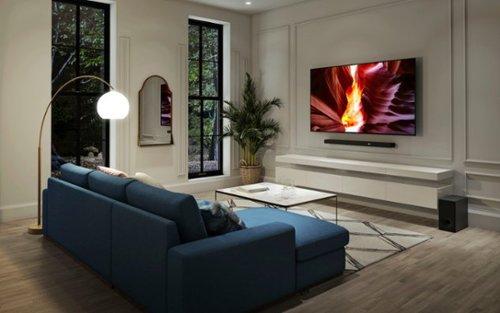
For medium-sized rooms (200-300 square feet), either can work, but your preferences matter. If you love feeling the rumble of explosions and want that true theater experience, the JBL delivers. If you prioritize balanced sound that won't disturb neighbors, the Sony is more considerate.
Both soundbars integrate well with modern smart home setups, but they take different approaches. The JBL One app provides comprehensive control over the Bar 1300X, including EQ adjustments, input selection, and speaker level balancing. The app is straightforward and rarely glitchy, though it's not as polished as some competitors.
Sony's ecosystem integration is more sophisticated if you're already invested in their products. The HT-A5000 can be controlled through Sony's TV remote, and settings automatically adjust based on content type. Sony's 360 Reality Audio support also provides enhanced experiences with compatible streaming services like Amazon Music and Tidal.
Voice control works well on both systems through Alexa, Google Assistant, or Siri, though the Sony feels more responsive in my experience. Both support all major streaming protocols, so compatibility with your phone, tablet, or computer isn't a concern.
For serious home theater enthusiasts, several technical details matter significantly. The JBL's physical 11.1.4 configuration means it can properly render object-based audio formats like Dolby Atmos and DTS:X. When a sound is placed in a specific location in the mix, the JBL has discrete speakers to reproduce it there.
The Sony relies more on digital processing to create these effects. While impressive, processed surround can't quite match the precision of physical speakers. However, Sony's implementation is among the best I've heard, and casual listeners might not notice the difference.
Dynamic range – the difference between the quietest and loudest sounds – favors the JBL due to its higher power output. This means better reproduction of subtle details in quiet scenes and more impactful crescendos in action sequences. The Sony compresses dynamics more at high volumes, though it includes excellent dialogue enhancement to keep voices clear.
Both soundbars handle different content types well, but they have preferences. The JBL excels with action movies, gaming, and music that benefits from strong bass. The Sony is better balanced for mixed content – it makes talk shows, news, and dialogue-heavy dramas sound more natural.
After extensive testing, I'd recommend the JBL Bar 1300X if you have a large room, prioritize maximum immersion, and want everything included upfront. It's particularly good for dedicated media rooms where the focus is on movies and gaming. The detachable rear speakers are genuinely useful, and the overall system delivers on its premium promises.
Choose the Sony HT-A5000 if you want flexibility, have space constraints, or prefer to build your system gradually. It's ideal for apartments, bedrooms, or situations where you can't place rear speakers. The modular upgrade path means you can start affordably and expand as your needs or budget allow.
For most people in medium-sized living rooms, I lean slightly toward the Sony for its versatility and growth potential. You can always add more components later, but you can't make the JBL smaller or less powerful when the situation calls for restraint.
Both represent excellent values in their own ways – the JBL for immediate, complete performance, and the Sony for long-term flexibility and integration. Your choice should depend on your room, budget approach, and how you actually watch content rather than just specifications alone.
| JBL Bar 1300X Soundbar with Wireless Subwoofer ($1,299.95) | Sony HT-A5000 5.1.2 Channel Home Theater Soundbar ($279.99) |
|---|---|
| Channel Configuration - Determines immersion level and surround sound quality | |
| 11.1.4 with physical rear speakers and height channels | 5.1.2 expandable to 7.1.2 with optional components |
| Total Power Output - Affects volume capability and dynamic range | |
| 1,170W (fills large rooms without compression) | 450W (suitable for small-medium rooms) |
| Subwoofer Configuration - Critical for bass impact in movies and music | |
| 12-inch wireless subwoofer included (33Hz extension) | Built-in subwoofers (requires optional upgrade for deep bass) |
| Rear Speakers - Most important factor for true surround immersion | |
| Detachable wireless speakers included (12-hour battery) | Optional SA-RS3S ($300) or SA-RS5 ($650) add-ons |
| HDMI Connectivity - Determines gaming performance and device flexibility | |
| 3 HDMI 2.1 inputs + 1 eARC output (direct console connection) | 1 HDMI eARC only (all devices connect through TV) |
| Complete System Cost - What you'll actually spend for full surround setup | |
| $1,299.95 (everything included) | $779-929 with required subwoofer and rear speakers |
| Room Size Optimization - Where each performs best | |
| Large rooms 300+ sq ft (powerful enough to fill space) | Small-medium rooms under 300 sq ft (won't overpower) |
| Expansion Flexibility - Ability to upgrade over time | |
| Fixed configuration (no upgrade path) | Modular system (add components as needed) |
| Setup Complexity - Installation and daily use considerations | |
| Multiple wireless components to position and charge | Single soundbar with optional wireless expansions |
| Smart TV Integration - Seamless control and audio optimization | |
| Universal compatibility with JBL One app control | Enhanced Sony TV integration with Acoustic Center Sync |
The JBL Bar 1300X ($1,299.95) is significantly better for large rooms due to its 1,170W total power output and 12-inch wireless subwoofer. It can fill spaces over 300 square feet without losing impact, while the Sony HT-A5000 ($279.99) with 450W is better suited for small to medium rooms under 300 square feet.
The JBL Bar 1300X includes detachable wireless rear speakers with 12-hour battery life that can be placed anywhere in your room. The Sony HT-A5000 requires separate purchases of the SA-RS3S ($300) or SA-RS5 ($650) rear speakers for true surround sound.
The JBL Bar 1300X has superior bass with its included 12-inch wireless subwoofer that extends down to 33Hz with 300W of power. The Sony HT-A5000 relies on built-in subwoofers that require adding Sony's SA-SW3 ($200) or SA-SW5 ($400) for comparable deep bass performance.
The JBL Bar 1300X ($1,299.95) includes everything needed for 11.1.4 surround sound. The Sony HT-A5000 starts at $279.99 but costs $779-929 total when adding the required subwoofer and rear speakers for equivalent performance.
The JBL Bar 1300X is better for gaming with three HDMI 2.1 inputs supporting 4K/120Hz, VRR, and ALLM, allowing direct console connections. The Sony HT-A5000 has only one HDMI eARC port, requiring all gaming devices to connect through your TV.
The Sony HT-A5000 offers modular expansion, letting you add subwoofers and rear speakers as your budget and needs grow. The JBL Bar 1300X is a fixed configuration with no upgrade path, but includes all components from the start.
The Sony HT-A5000 is more apartment-friendly with its built-in subwoofers that won't overpower small spaces or disturb neighbors. The JBL Bar 1300X can be too powerful for small rooms, even with volume adjustments.
Yes, both support Dolby Atmos, but differently. The JBL Bar 1300X uses four physical up-firing drivers for true height effects, while the Sony HT-A5000 uses Vertical Surround Engine processing to simulate overhead sound without dedicated height speakers.
The Sony HT-A5000 offers superior smart integration, especially with Sony TVs through Acoustic Center Sync and automatic content optimization. The JBL Bar 1300X provides standard smart features through the JBL One app but lacks advanced TV integration.
Both support Wi-Fi, Bluetooth, Chromecast, and AirPlay. The JBL Bar 1300X includes wireless connectivity for its subwoofer and detachable rear speakers. The Sony HT-A5000 supports the same protocols plus enhanced Sony ecosystem integration for seamless device pairing.
For movie enthusiasts, the JBL Bar 1300X provides superior cinematic experience with physical surround speakers, powerful bass, and higher dynamic range. The Sony HT-A5000 offers excellent dialogue clarity and balanced sound but requires additional components to match the JBL's movie performance.
The core difference is approach: the JBL Bar 1300X is an all-inclusive, high-power system for immediate premium performance, while the Sony HT-A5000 is a modular, budget-friendly starting point that can be expanded over time to match your changing needs and room requirements.
We've done our best to create useful and informative comparisons to help you decide what product to buy. Our research uses advanced automated methods to create this comparison and perfection is not possible - please contact us for corrections or questions. These are the sites we've researched in the creation of this article: techradar.com - jbl.com - audioadvice.com - youtube.com - rtings.com - jbl.com - greentoe.com - harmanaudio.com - youtube.com - mm.jbl.com - jbl.com - whathifi.com - electronics.sony.com - costco.com - sony.com - expertreviews.co.uk - crutchfield.com - audioadvice.com - sony.com - sony.com - bestbuy.com - videoandaudiocenter.com - community.sony.co.uk

Privacy Policy
Terms and Conditions - Affiliate Policy
Home Security
© Copyright 2008-2026.
11816 Inwood Rd #1211, Dallas, TX 75244