

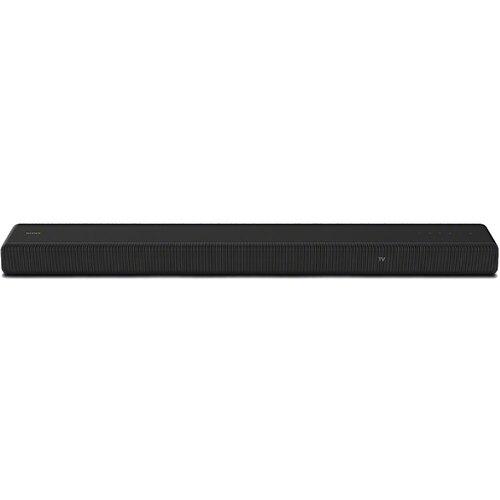

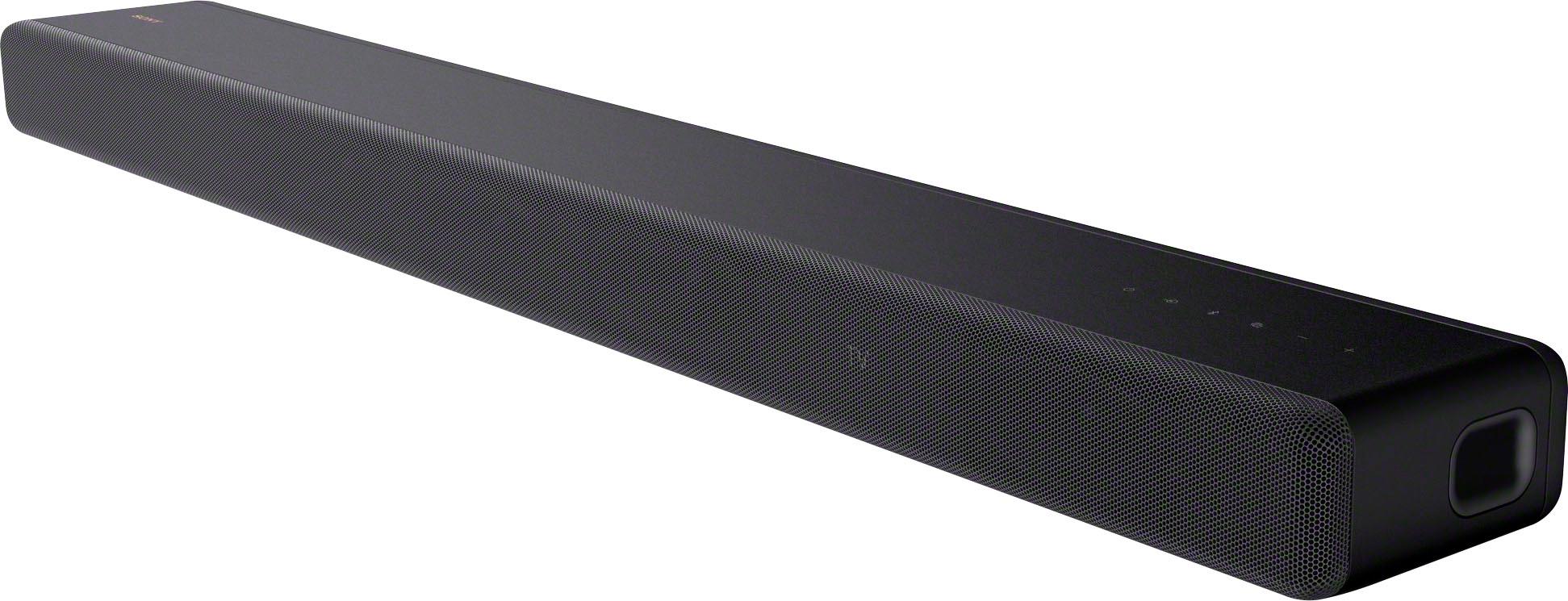
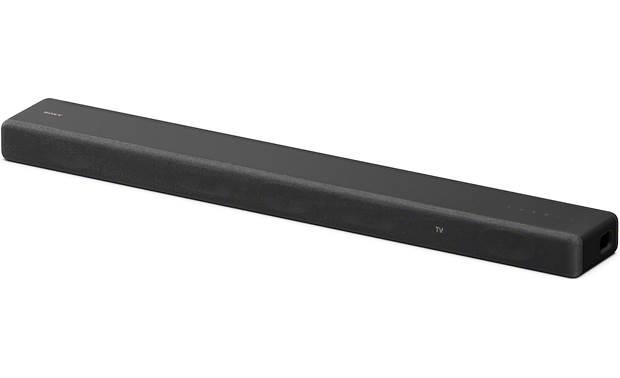

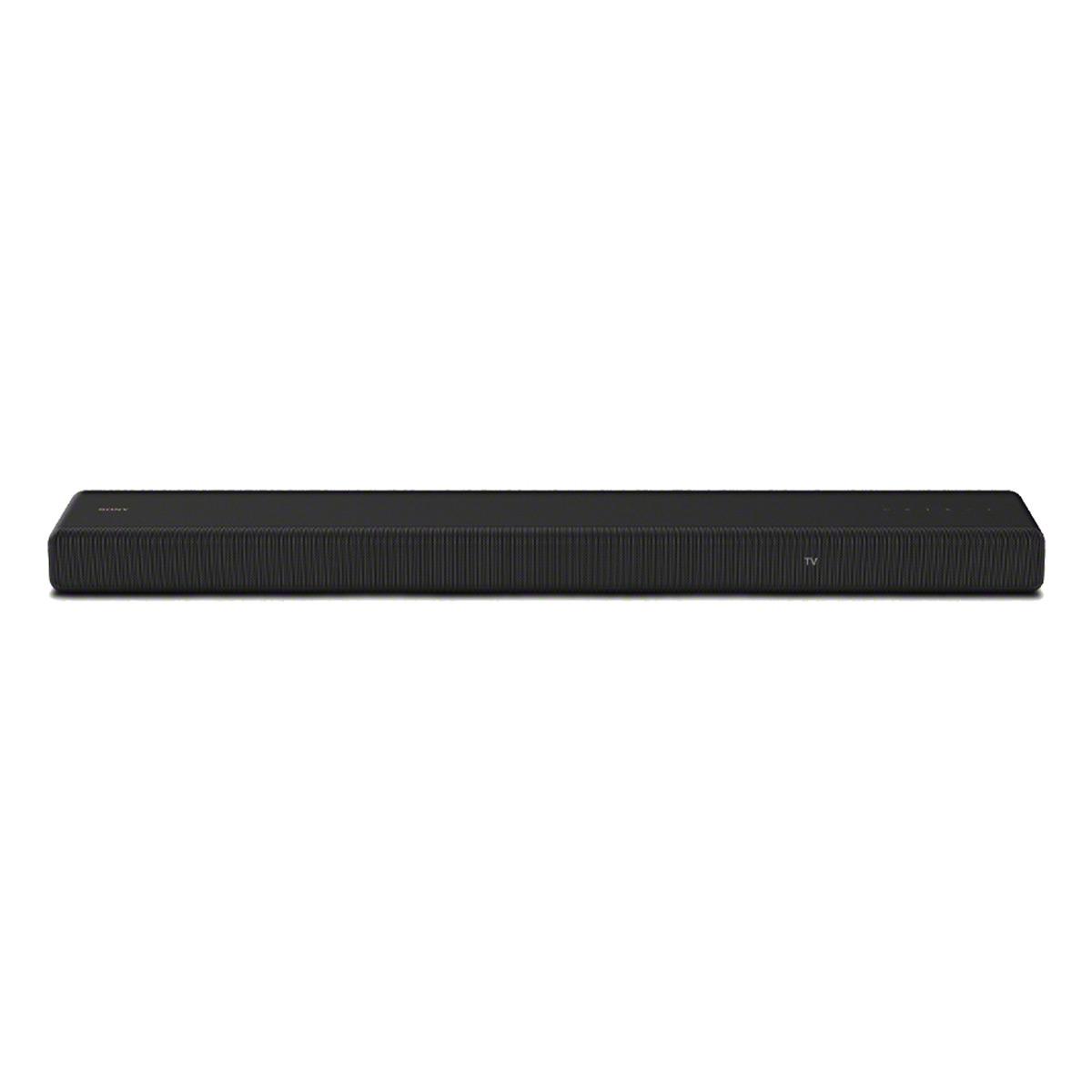
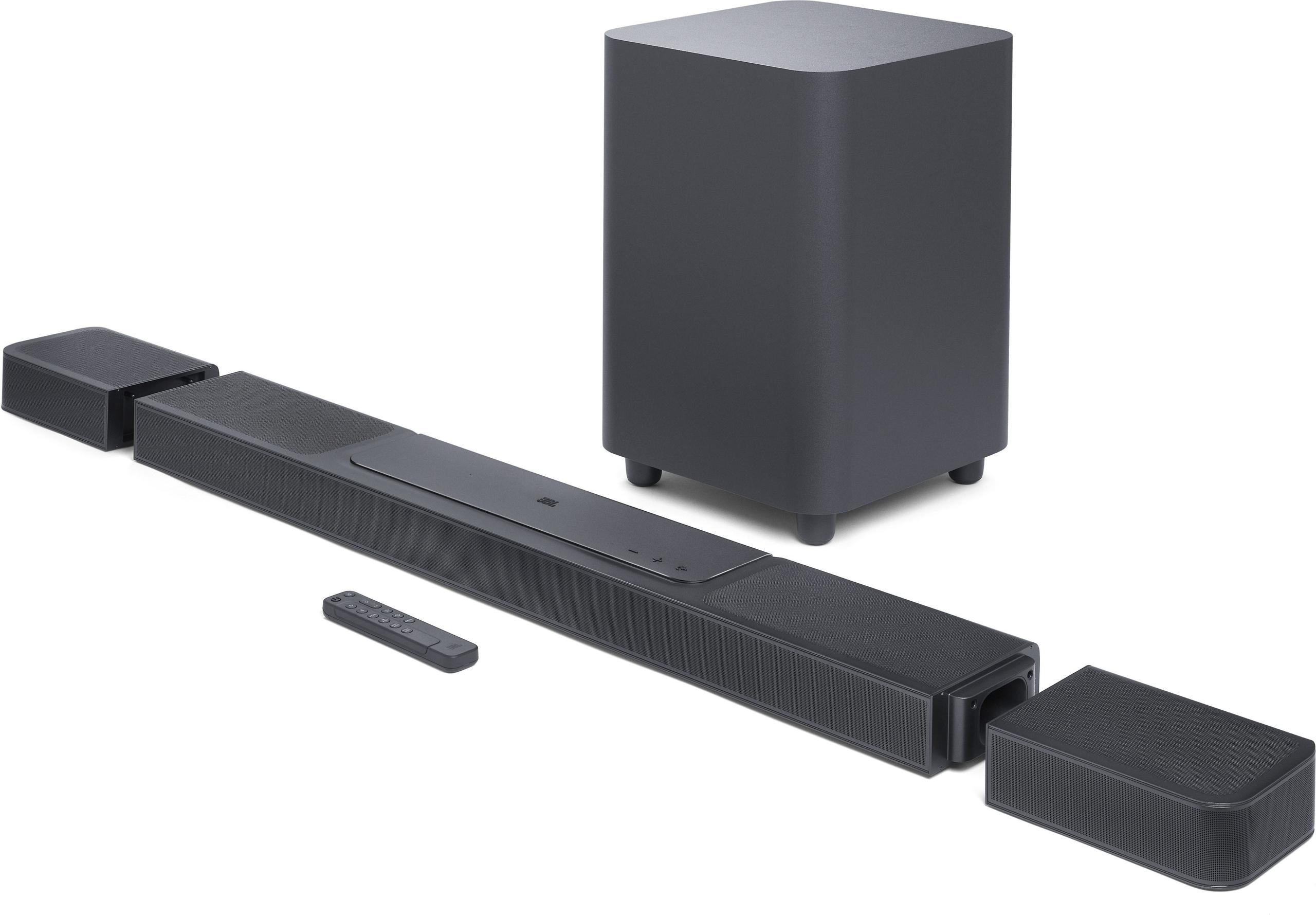



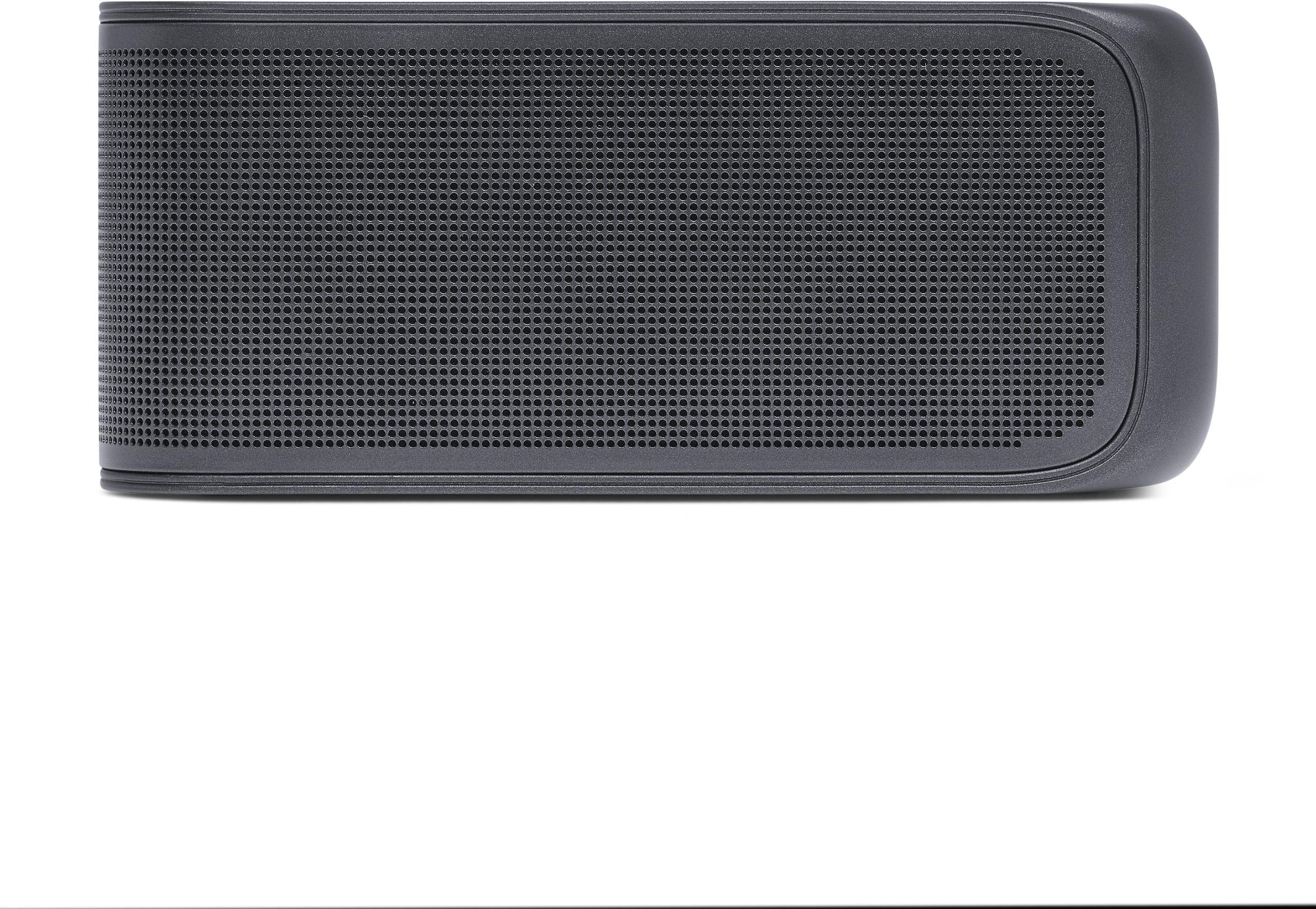
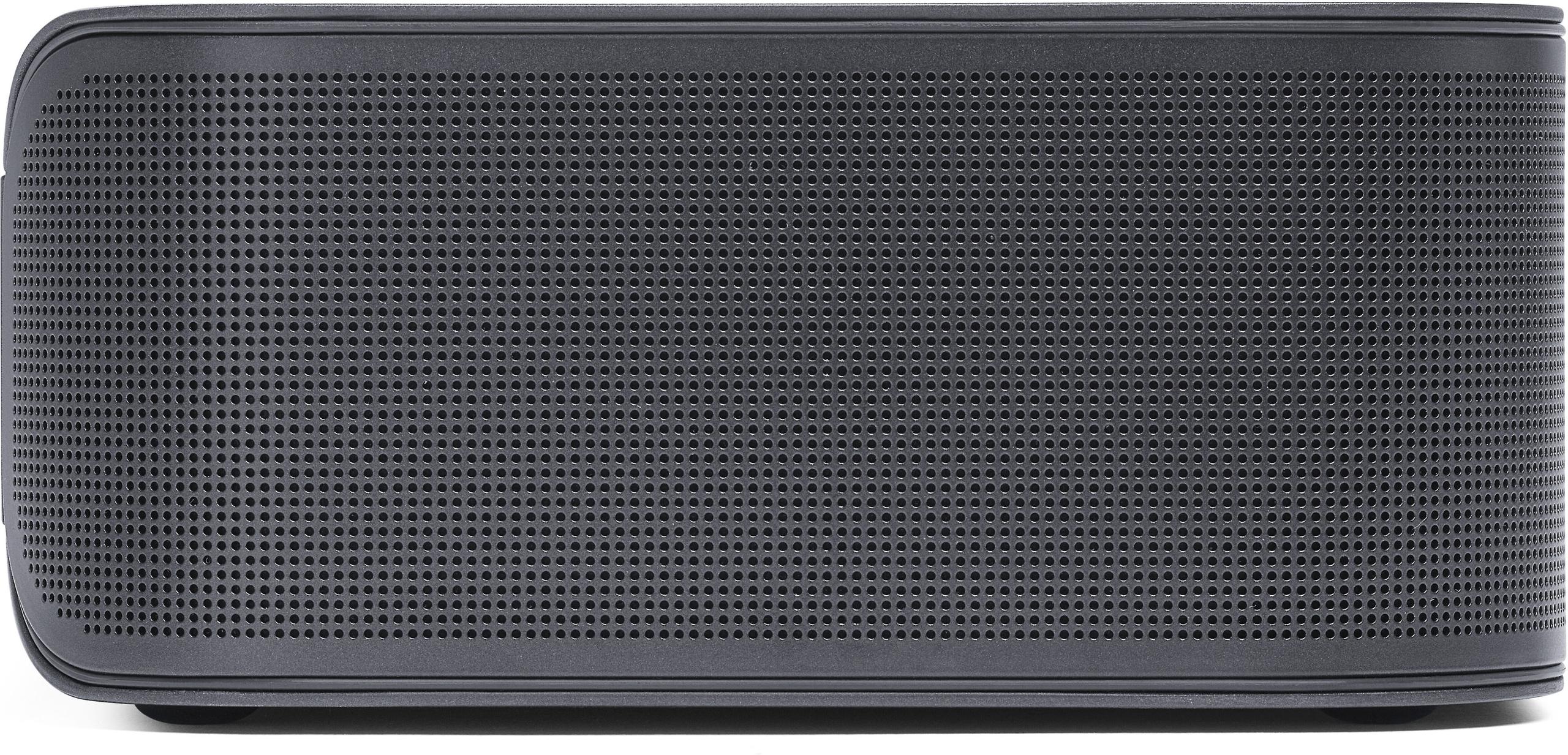
When you're tired of cranking up the TV volume just to hear dialogue clearly, or when action scenes sound flat and lifeless, it's time to consider a soundbar upgrade. But with so many options on the market, choosing the right one can feel overwhelming. Today, we're comparing two very different approaches to premium audio: the Sony HT-A3000 ($429) and the JBL Bar 1300X ($1,299).
These soundbars represent fundamentally different philosophies in home audio. The Sony takes a streamlined, budget-conscious approach that uses clever virtual processing to create surround sound, while the JBL goes all-out with physical speakers and genuine surround sound positioning. Understanding these differences will help you make the right choice for your space and budget.
The soundbar market has evolved dramatically over the past few years. What started as simple audio bars designed to improve TV sound has transformed into sophisticated home theater systems that can rival traditional surround sound setups. The key advancement has been the widespread adoption of Dolby Atmos—a technology that adds height information to audio, creating a three-dimensional sound bubble around listeners.
When evaluating premium soundbars, several factors matter most: audio performance across different content types, overall value proposition, how well they integrate with your room, connectivity options for all your devices, and how easy they are to live with day-to-day. The challenge is that manufacturers take vastly different approaches to achieve these goals.
Some, like Sony with the HT-A3000, focus on virtual processing—using sophisticated algorithms to trick your ears into hearing surround sound from a single bar. Others, like JBL with the Bar 1300X, believe in physical speaker placement to create authentic surround effects. Neither approach is inherently better, but they excel in different situations.
The Sony HT-A3000 launched in 2022 as part of Sony's effort to bring Dolby Atmos capability to more affordable price points. At $429, it represented a significant step down from Sony's flagship models while still delivering the company's signature audio processing technologies. Sony's strategy was clear: create a soundbar that could grow with users over time through optional add-on speakers.
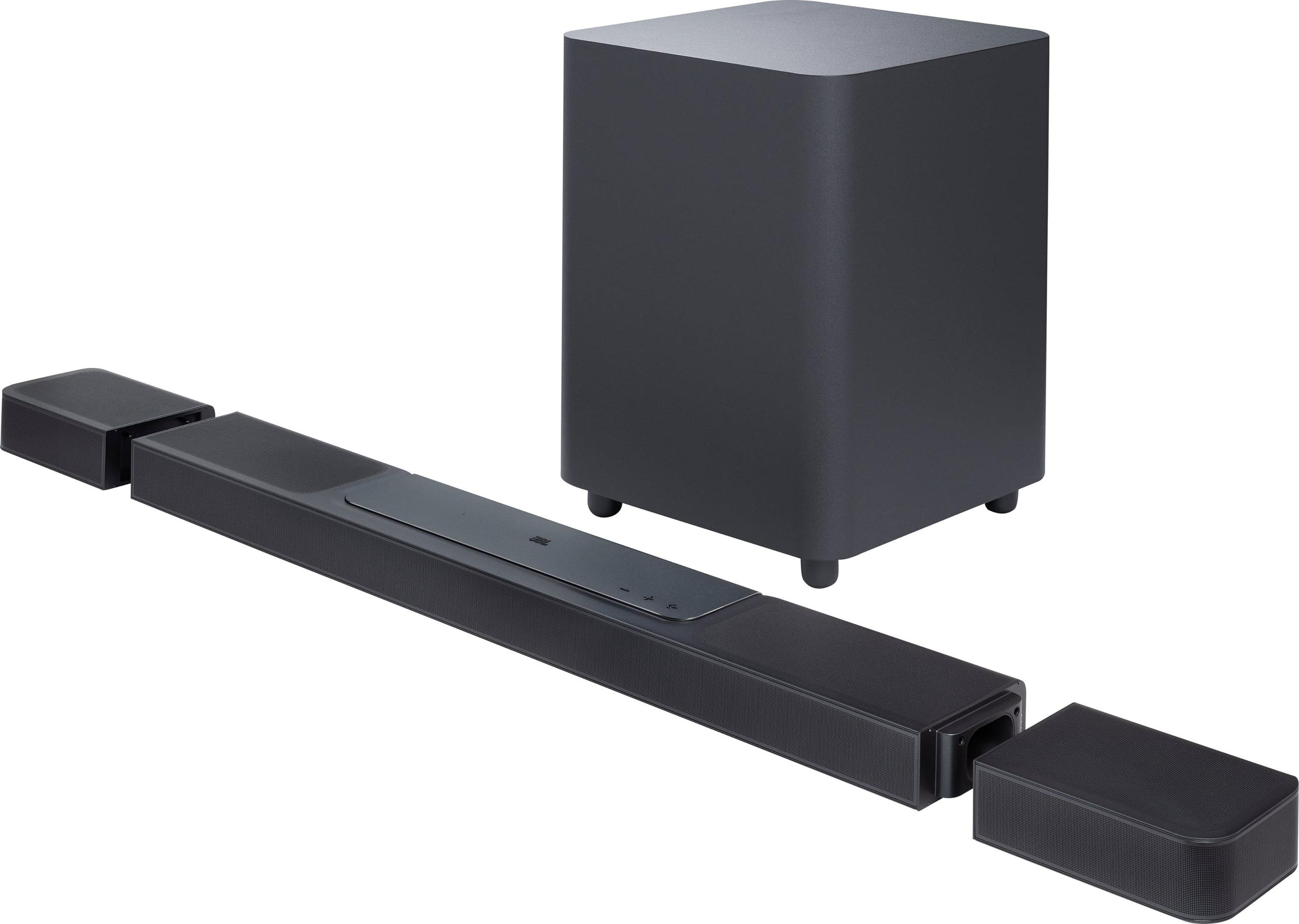
The JBL Bar 1300X, arriving in late 2023, took the opposite approach. Rather than asking customers to build their system piece by piece, JBL included everything upfront—wireless subwoofer, detachable rear speakers, and even portable functionality. At $1,299, it positioned itself as a complete, premium solution from day one.
Since their releases, both products have benefited from firmware updates that improved connectivity and added new streaming features. The JBL, being newer, launched with more advanced Wi-Fi capabilities including Wi-Fi 6 support, while the Sony has received updates to enhance its room calibration algorithms.
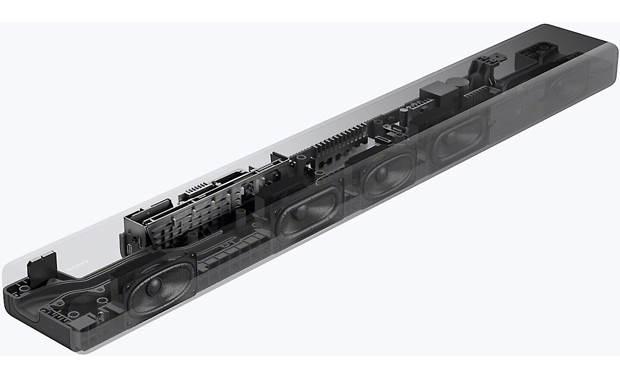
The most fundamental difference between these soundbars lies in their basic design philosophy. The Sony HT-A3000 is a 3.1-channel system, meaning it has separate left, center, and right channels, plus a dedicated low-frequency channel handled by dual built-in subwoofers. This creates a foundation for clear dialogue (thanks to the center channel) and decent bass response without requiring additional components.
What makes the Sony interesting is its virtual processing capabilities. The Vertical Surround Engine uses psychoacoustic principles—essentially tricks your brain uses to locate sounds—to create the impression of height effects from speakers that are physically located at ear level. Similarly, S-Force PRO Front Surround creates virtual rear channels by carefully timing and processing audio signals. This works surprisingly well in many situations, though it has limitations we'll discuss.
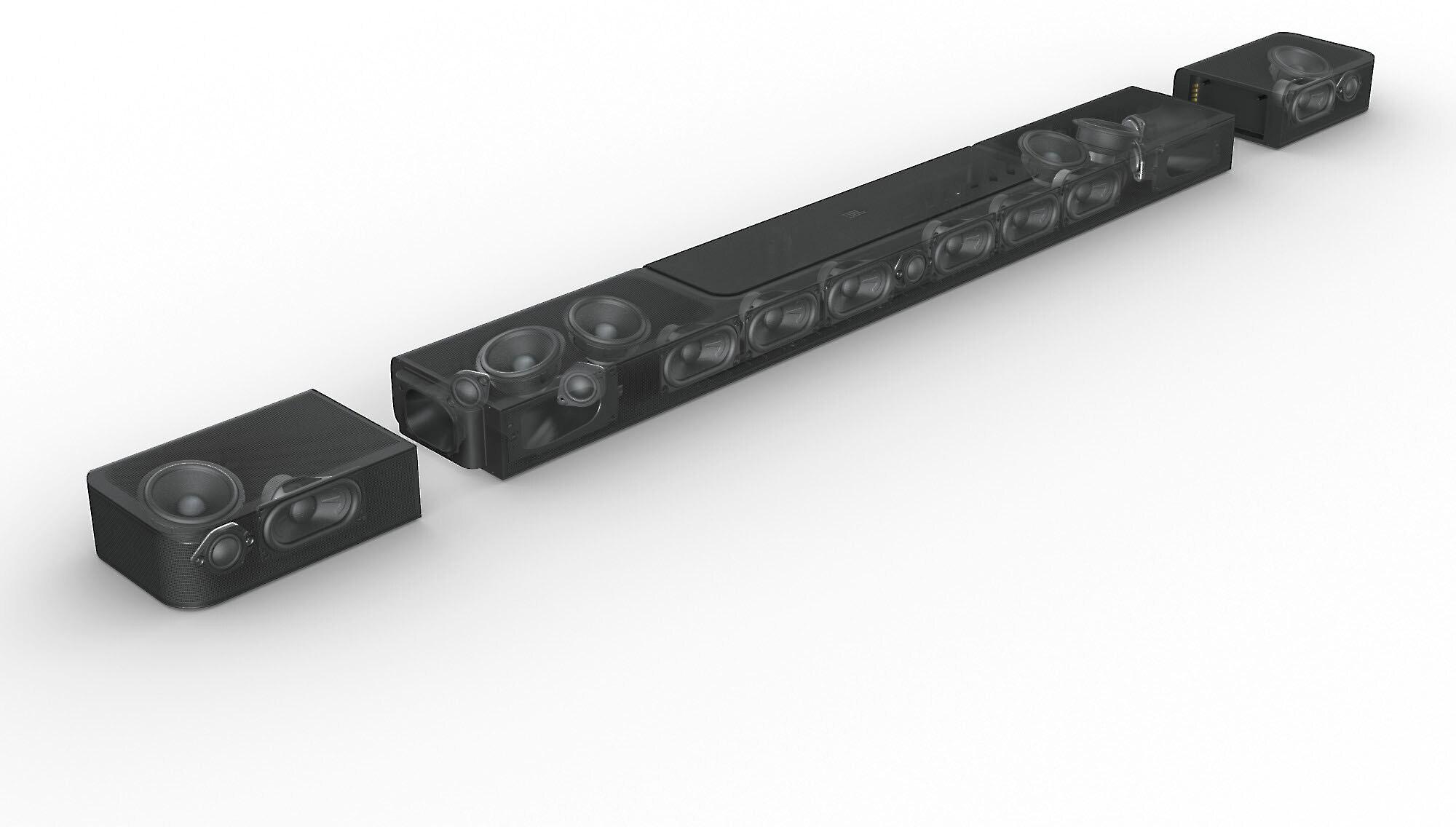
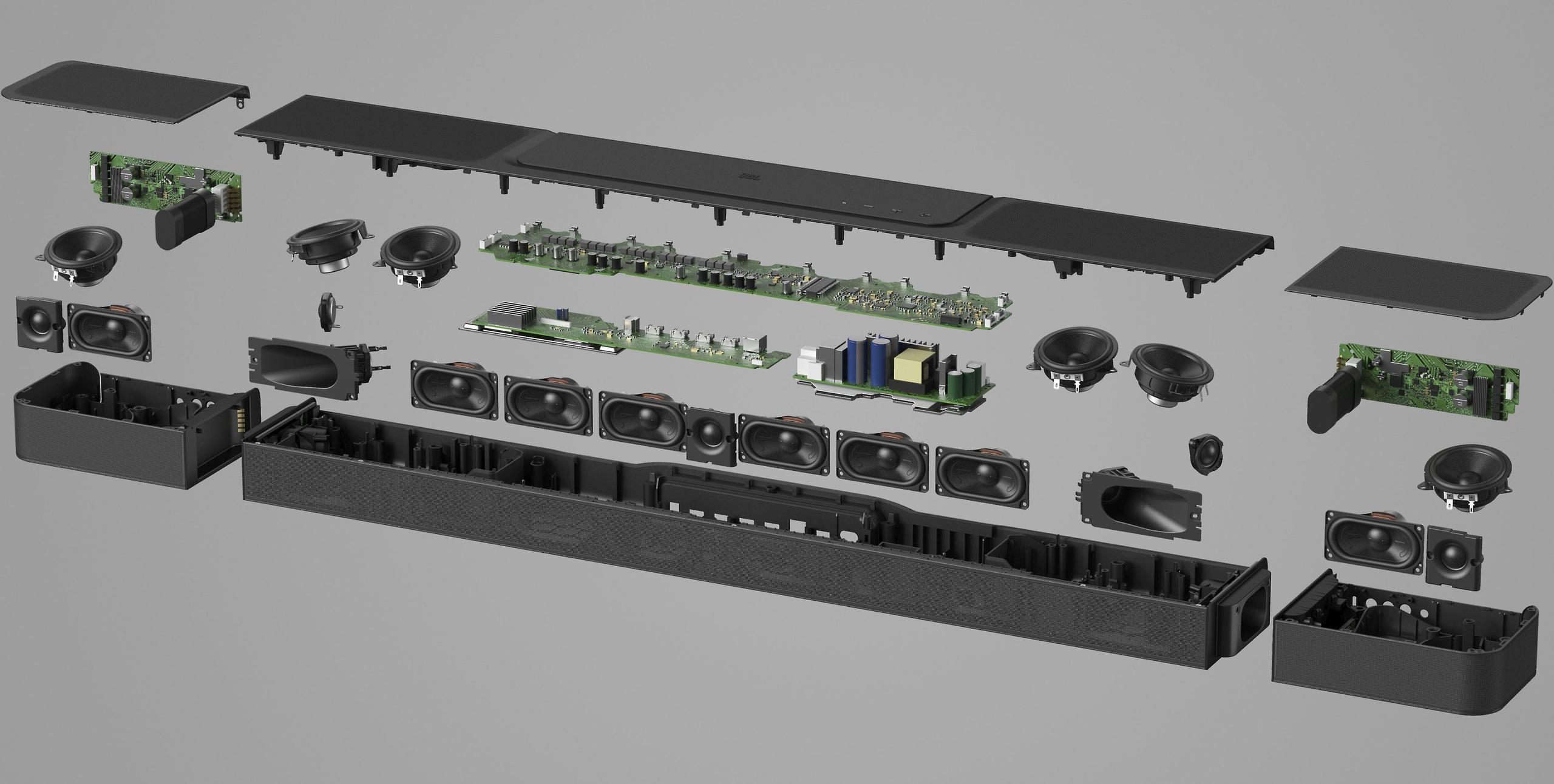
The JBL Bar 1300X operates as a true 11.1.4 system. Those numbers tell the story: 11 main channels, 1 subwoofer channel, and 4 height channels. This means dedicated speakers for front left/right, center, surround left/right, rear surround left/right, and four up-firing drivers for overhead effects. The ".4" designation indicates four height channels—two in the main bar and two in the detachable rear speakers.
This physical approach means when a helicopter flies overhead in a movie, you'll hear it from actual speakers mounted above or angled toward the ceiling, not from virtual processing. The trade-off is complexity and cost, but the payoff is authenticity that virtual systems simply cannot match.
Let's talk numbers, because they reveal a lot about these systems' capabilities. The Sony HT-A3000 delivers 250 watts total across its five amplified channels. That might sound modest compared to the JBL's massive 1,170 watts, but power figures can be misleading. What matters more is how that power translates into real-world performance.
The Sony's dual built-in subwoofers measure 4.375" x 1.8" each—compact by subwoofer standards but surprisingly capable. They're designed using Sony's X-Balanced Speaker Unit technology, which maximizes the driver's surface area to move more air efficiently. In practice, this means the Sony can deliver satisfying bass for most content, though it won't shake your couch during action sequences.
The JBL's approach is entirely different. Its 12-inch wireless subwoofer is a dedicated bass powerhouse that extends down to 33Hz—well into the range where you feel bass rather than just hear it. With 300 watts dedicated solely to low-frequency reproduction, it can deliver the kind of room-shaking impact that makes action movies truly thrilling. The difference is immediately apparent: explosions have weight, musical bass lines have texture, and you'll feel the rumble of approaching storms.
But raw power isn't everything. The Sony compensates with intelligent processing. Its DSEE Extreme technology analyzes compressed audio files in real-time, identifying individual instruments and vocals to restore high-frequency detail lost during compression. This makes streaming music sound noticeably better, which matters since most of us stream content rather than play uncompressed files.
This is where the philosophical differences become most apparent. The Sony's virtual surround processing is genuinely impressive for a single-bar system. The Vertical Surround Engine creates height effects by manipulating phase relationships and timing—the same cues your brain uses to locate sounds naturally. When properly positioned and calibrated, it can create a convincing sense of overhead action.
However, virtual processing has inherent limitations. It works best when you're sitting in the optimal listening position, typically centered in front of the soundbar. Move to the side, and the illusion breaks down. Complex scenes with multiple simultaneous effects can overwhelm the processing, causing the soundstage to collapse or become muddled.
The JBL's physical approach eliminates these compromises. Its detachable rear speakers can be positioned optimally for your seating arrangement, creating genuine surround effects that work from any seat. The four up-firing drivers—two in the main bar and two in the rear speakers—bounce sound off your ceiling to create authentic overhead effects. This is particularly effective in rooms with standard 8-10 foot ceilings.
I've tested both approaches extensively, and the difference is striking with complex content. During the opening scene of "Blade Runner 2049," where multiple flying cars move through three-dimensional space, the JBL tracks each vehicle's movement with pinpoint accuracy. The Sony creates an impressive sense of space, but individual objects blend together during busy passages.
Both soundbars excel at dialogue reproduction, but through different methods. The Sony's discrete center channel ensures voices stay anchored to the screen, while its Voice enhancement mode boosts speech frequencies to cut through background noise. This is particularly useful for older movies or shows with inconsistent audio mixing.
The JBL's PureVoice technology takes a more sophisticated approach, using dynamic processing to maintain dialogue clarity even during loud action sequences. It's like having an invisible audio engineer constantly adjusting levels to keep speech intelligible. This proves invaluable during movies that jump between quiet dialogue and explosive action—you won't find yourself constantly adjusting the volume.
For daily usability, the Sony wins on simplicity. Setup involves plugging in the soundbar and running a brief room calibration routine. The JBL requires positioning the subwoofer, charging the rear speakers, and running a more complex calibration process. However, once set up, the JBL's results justify the extra effort.
Soundbars traditionally compromise music reproduction in favor of movie performance, but both of these models handle music surprisingly well. The Sony HT-A3000 supports 360 Reality Audio, Sony's spatial music format that creates an immersive bubble of sound around listeners. With compatible tracks, the effect is remarkable—instruments appear to float in specific locations around the room.
The Sony's LDAC Bluetooth codec deserves special mention. While most soundbars use standard Bluetooth that compresses audio significantly, LDAC transmits much more data, preserving detail in high-resolution music files. If you stream music from Android devices or Sony's own players, this makes a noticeable difference in clarity and dynamic range.
The JBL's MultiBeam technology shines with music reproduction. By analyzing the incoming audio signal and distributing it across multiple drivers, it creates a wider, more enveloping soundstage than traditional soundbars. Complex orchestral pieces benefit enormously—you can pick out individual instrument sections rather than hearing a wall of blended sound.
Bass response reveals the biggest musical difference between these systems. The Sony delivers tight, controlled bass that works well for most genres but lacks the authority for electronic music or hip-hop. The JBL's 12-inch subwoofer reproduces the full weight and texture of bass lines, making electronic music come alive and giving acoustic instruments their natural warmth and body.
Here's where the age difference becomes apparent. The Sony's single HDMI eARC connection reflects older design thinking—fine for simple setups but limiting if you have multiple gaming consoles, streaming devices, or other sources. You'll likely need to run everything through your TV and rely on eARC passthrough, which can introduce compatibility issues with certain formats.
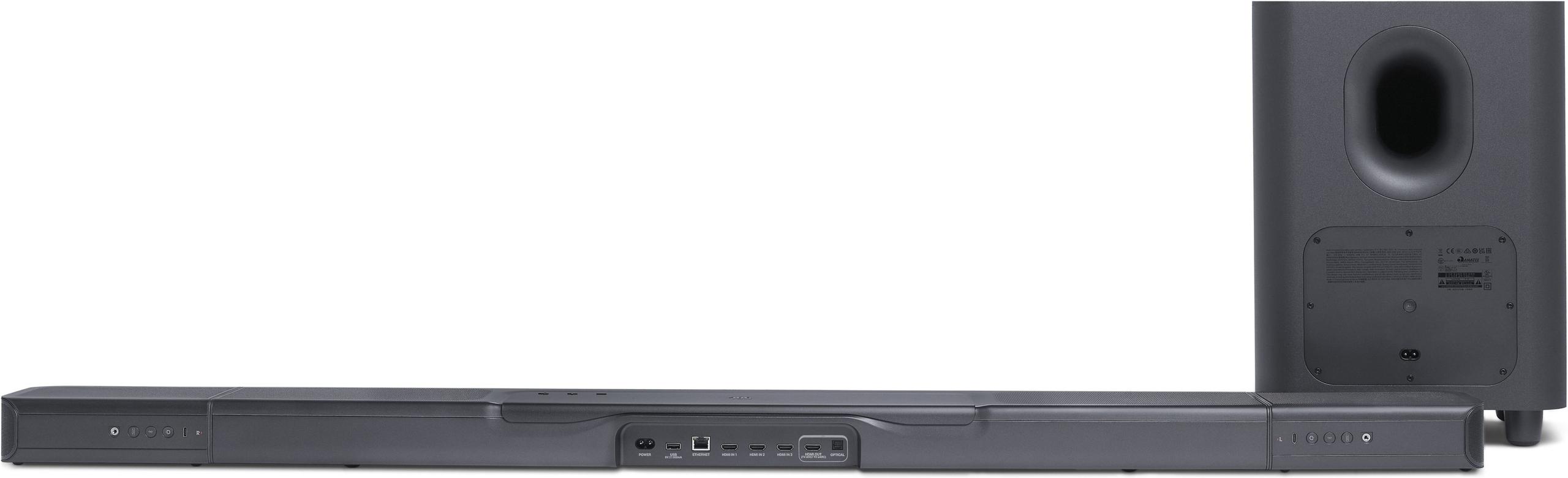
The JBL Bar 1300X, being newer, includes three HDMI inputs plus the eARC output. This means you can connect your gaming console, streaming device, and Blu-ray player directly to the soundbar, then send video to your TV through a single cable. It's cleaner, more reliable, and supports the latest gaming features like Variable Refresh Rate (VRR) passthrough.
Wireless capabilities show a similar gap. The Sony supports basic Wi-Fi streaming and Bluetooth 5.0, adequate for most users but not cutting-edge. The JBL includes Wi-Fi 6, AirPlay 2, Chromecast built-in, and voice assistant integration. The practical difference is reliability and features—the JBL connects more consistently and supports more streaming services natively.
The Sony's compact design (39.4 inches wide) fits easily into most entertainment centers and works well in small to medium rooms. Its built-in subwoofers eliminate the need for floor space dedicated to a separate sub, important in apartments or smaller homes. The Sound Field Optimization uses built-in microphones to measure your room and adjust the audio accordingly, though this calibration is less sophisticated than the JBL's system.
One of the Sony's smartest features is its expandability. You can start with the basic soundbar and add Sony's optional rear speakers or wireless subwoofer later as your budget and needs evolve. This staged upgrade path makes sense for many buyers who want good sound now but might want reference-quality audio eventually.
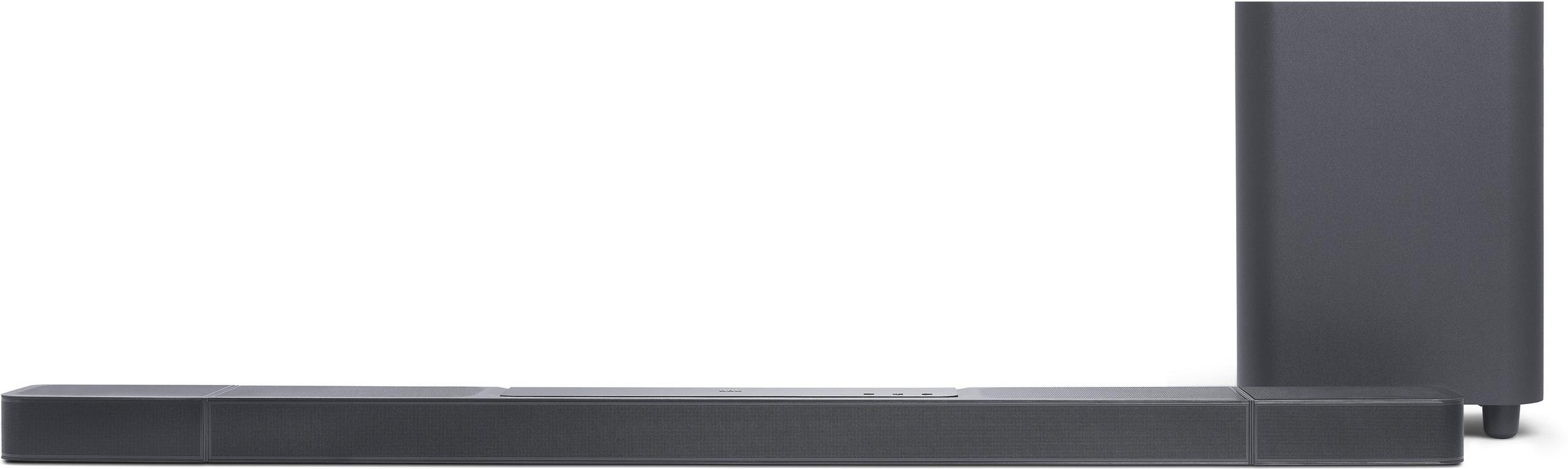
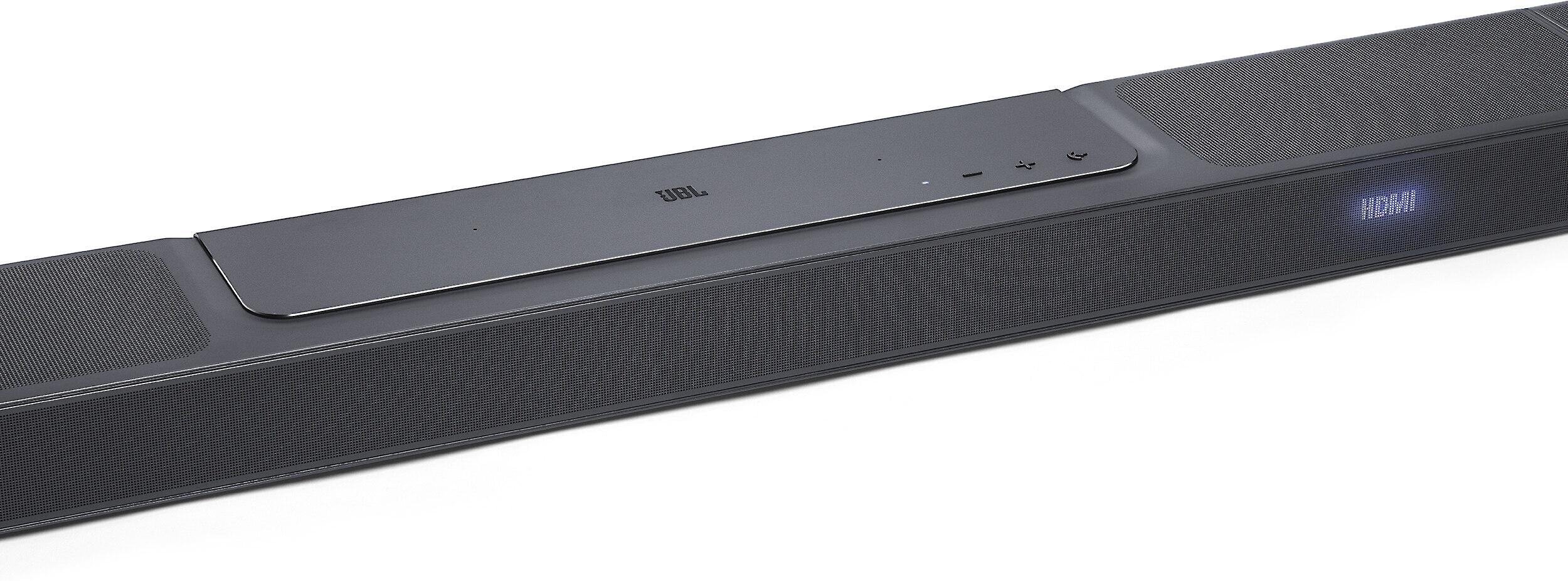
The JBL's larger footprint (54.2 inches for the complete bar) requires more space but delivers proportionally more impressive sound. Its automatic room calibration is more sophisticated, measuring not just distance but also acoustic reflections to optimize the surround processing. The system adapts to your room's specific characteristics rather than applying generic settings.
Perhaps the JBL's cleverest feature is its detachable rear speakers' dual functionality. These battery-powered units (with 12-hour battery life) can be removed from their charging cradles and used as portable Bluetooth speakers around the house, in the yard, or even taken on trips. It's an unexpected bonus that adds real value to the system.
For dedicated home theater use, the differences become most pronounced. The Sony creates an impressive sense of scale for its size and price, but it can't match the JBL's physical presence and dynamic range. During the pod race sequence in "Star Wars Episode I," the Sony creates excitement and clear dialogue, but the JBL makes you feel like you're in the stadium—engines scream overhead, crowd noise surrounds you, and crashes impact with physical force.
Gaming reveals another important distinction. Both soundbars handle gaming well, but the JBL's lower latency and more precise positional audio provide competitive advantages in first-person shooters and immersive RPGs. You'll hear enemy footsteps more clearly and pinpoint their location more accurately.
However, the Sony shouldn't be dismissed for home theater use. In smaller rooms (under 200 square feet), its virtual processing creates satisfying immersion without overwhelming the space. The JBL's powerful subwoofer can actually be too much for small rooms, requiring careful calibration to avoid disturbing neighbors or family members.
After extensive testing, the decision comes down to your priorities, room size, and budget. The Sony HT-A3000 ($429) represents exceptional value for buyers who want significant audio improvement over TV speakers without complexity or high cost. It's ideal for small to medium rooms, primarily TV watching, and situations where simplicity matters most. The upgrade path through optional speakers makes it a smart choice for buyers who might want to expand their system gradually.
The JBL Bar 1300X ($1,299) justifies its premium price with authentic surround sound, impressive bass response, and innovative features like portable rear speakers. It's the clear choice for large rooms, dedicated home theaters, serious movie watching, and situations where audio quality takes priority over budget considerations.
Your room size often makes the decision for you. In spaces under 200 square feet, the Sony delivers excellent results and the JBL might actually be overkill. In larger spaces, the JBL's additional power and authentic surround positioning become essential for proper sound coverage.
Consider also your content preferences. If you primarily watch dialogue-heavy shows and occasionally stream music, the Sony provides everything you need. If you're an action movie enthusiast, serious gamer, or music lover who values bass response, the JBL's superior performance justifies the investment.
Both soundbars represent smart choices within their respective price categories. The Sony proves that sophisticated audio processing can deliver impressive results at accessible prices, while the JBL demonstrates that when you want the best possible home theater experience, there's no substitute for dedicated components and ample power. Your choice should align with your space, usage patterns, and how much audio quality matters to your overall entertainment experience.
| Sony HT-A3000 3.1ch Dolby Atmos Soundbar | JBL Bar 1300X Soundbar with Wireless Subwoofer |
|---|---|
| Price - Major value difference that affects everything else | |
| $429 (budget-friendly premium soundbar) | $1,299 (flagship pricing for complete system) |
| Channel Configuration - Determines surround sound authenticity | |
| 3.1 channels with virtual Dolby Atmos processing | True 11.1.4 channels with physical surround speakers |
| Total Power Output - Affects maximum volume and dynamic range | |
| 250W (adequate for small-medium rooms) | 1,170W (powerful enough for large home theaters) |
| Subwoofer Setup - Critical for bass impact and room placement flexibility | |
| Dual built-in 4.375" x 1.8" subwoofers | Dedicated wireless 12" subwoofer (300W, extends to 33Hz) |
| Surround Speakers - Determines true vs. virtual surround experience | |
| Virtual processing only (expandable with optional speakers) | Included detachable wireless rear speakers with 12-hour battery |
| HDMI Connectivity - Important for multiple device setups | |
| 1 HDMI eARC input only | 3 HDMI inputs + 1 eARC output (much more versatile) |
| Wireless Features - Affects streaming quality and smart home integration | |
| Bluetooth 5.0 with LDAC, basic Wi-Fi | Wi-Fi 6, AirPlay 2, Chromecast, voice assistant support |
| Dimensions - Room compatibility and aesthetic impact | |
| 39.4" x 2.4" x 5.5" (compact, fits most TV stands) | 54.2" x 2.4" x 5.5" (requires larger entertainment center) |
| Best Room Size - Where each performs optimally | |
| Small to medium rooms (under 200 sq ft) | Large rooms and dedicated home theaters (250+ sq ft) |
| Unique Features - Standout capabilities that justify the choice | |
| 360 Reality Audio, expandable system, Sony TV integration | Portable rear speakers, MultiBeam technology, room calibration |
The Sony HT-A3000 ($429) offers exceptional value for budget-conscious buyers, delivering Dolby Atmos capability and clear dialogue at an accessible price point. The JBL Bar 1300X ($1,299) provides premium value with its complete 11.1.4 system including wireless subwoofer and rear speakers. For most users, the Sony represents better bang-for-buck, while the JBL justifies its higher cost with superior performance and features.
The primary difference is their approach to surround sound. The Sony HT-A3000 uses virtual processing to simulate surround effects from a single 3.1 channel bar, while the JBL Bar 1300X provides true 11.1.4 surround sound with physical rear speakers and a dedicated subwoofer. This makes the JBL more immersive but also more expensive and complex to set up.
The Sony HT-A3000 is ideal for small to medium rooms under 200 square feet. Its compact design fits most TV stands, and its virtual surround processing works well in smaller spaces. The JBL Bar 1300X can actually be overwhelming in small rooms due to its powerful 12-inch subwoofer and may require careful calibration to avoid disturbing neighbors.
Yes, the wireless subwoofer is essential to the JBL Bar 1300X's performance. It provides deep bass down to 33Hz that the main bar cannot produce alone. In contrast, the Sony HT-A3000 has built-in subwoofers that handle bass adequately for most content, though they lack the impact of a dedicated subwoofer.
The Sony HT-A3000 is significantly easier to set up - just plug it in and run a quick room calibration. The JBL Bar 1300X requires positioning the wireless subwoofer, charging the rear speakers, pairing multiple components, and running a more complex calibration process. However, the JBL's superior results justify the extra setup time.
The Sony HT-A3000 is designed for expansion - you can add Sony's optional rear speakers and wireless subwoofer as your budget allows. The JBL Bar 1300X comes complete with all components included and doesn't require expansion, though it also can't be easily upgraded beyond its current configuration.
Both excel at dialogue, but through different methods. The Sony HT-A3000 uses a dedicated center channel and Voice enhancement mode to ensure clear speech. The JBL Bar 1300X features PureVoice technology that maintains dialogue clarity even during loud action scenes. Both are excellent choices for speech intelligibility.
The Sony HT-A3000 has only one HDMI eARC connection, limiting you to running devices through your TV. The JBL Bar 1300X includes three HDMI inputs plus one eARC output, allowing you to connect multiple devices directly to the soundbar. This makes the JBL much more versatile for complex entertainment setups.
The JBL Bar 1300X delivers superior music performance with its wider frequency response, deeper bass extension, and MultiBeam technology that creates a spacious soundstage. The Sony HT-A3000 handles music well and supports 360 Reality Audio and LDAC Bluetooth for high-quality streaming, but lacks the full-range impact of the JBL's dedicated subwoofer.
Both work well for gaming, but the JBL Bar 1300X has advantages with lower latency, more precise positional audio, and multiple HDMI inputs for connecting consoles directly. The Sony HT-A3000 provides good gaming audio and works fine with console audio, but you'll need to connect gaming systems through your TV due to limited HDMI connectivity.
The JBL Bar 1300X includes detachable battery-powered rear speakers that serve double duty - they provide authentic surround sound for your home theater and can be removed to use as portable Bluetooth speakers around the house or outdoors. Each speaker offers up to 12 hours of battery life, adding significant versatility to the system.
For dedicated home theaters and large rooms, the JBL Bar 1300X is the clear winner with its true surround sound, powerful bass, and room-filling audio. For smaller spaces or budget-conscious buyers who still want excellent sound quality, the Sony HT-A3000 delivers impressive performance at a much lower price point. Your room size and budget should guide the decision.
We've done our best to create useful and informative comparisons to help you decide what product to buy. Our research uses advanced automated methods to create this comparison and perfection is not possible - please contact us for corrections or questions. These are the sites we've researched in the creation of this article: rtings.com - electronics.sony.com - crutchfield.com - store.sony.com.au - digitaltrends.com - videoandaudiocenter.com - abt.com - sony.com - merlinstv.com - crutchfield.com - youtube.com - techradar.com - jbl.com - audioadvice.com - youtube.com - rtings.com - jbl.com - greentoe.com - harmanaudio.com - youtube.com - mm.jbl.com - jbl.com

Privacy Policy
Terms and Conditions - Affiliate Policy
Home Security
© Copyright 2008-2026.
11816 Inwood Rd #1211, Dallas, TX 75244