




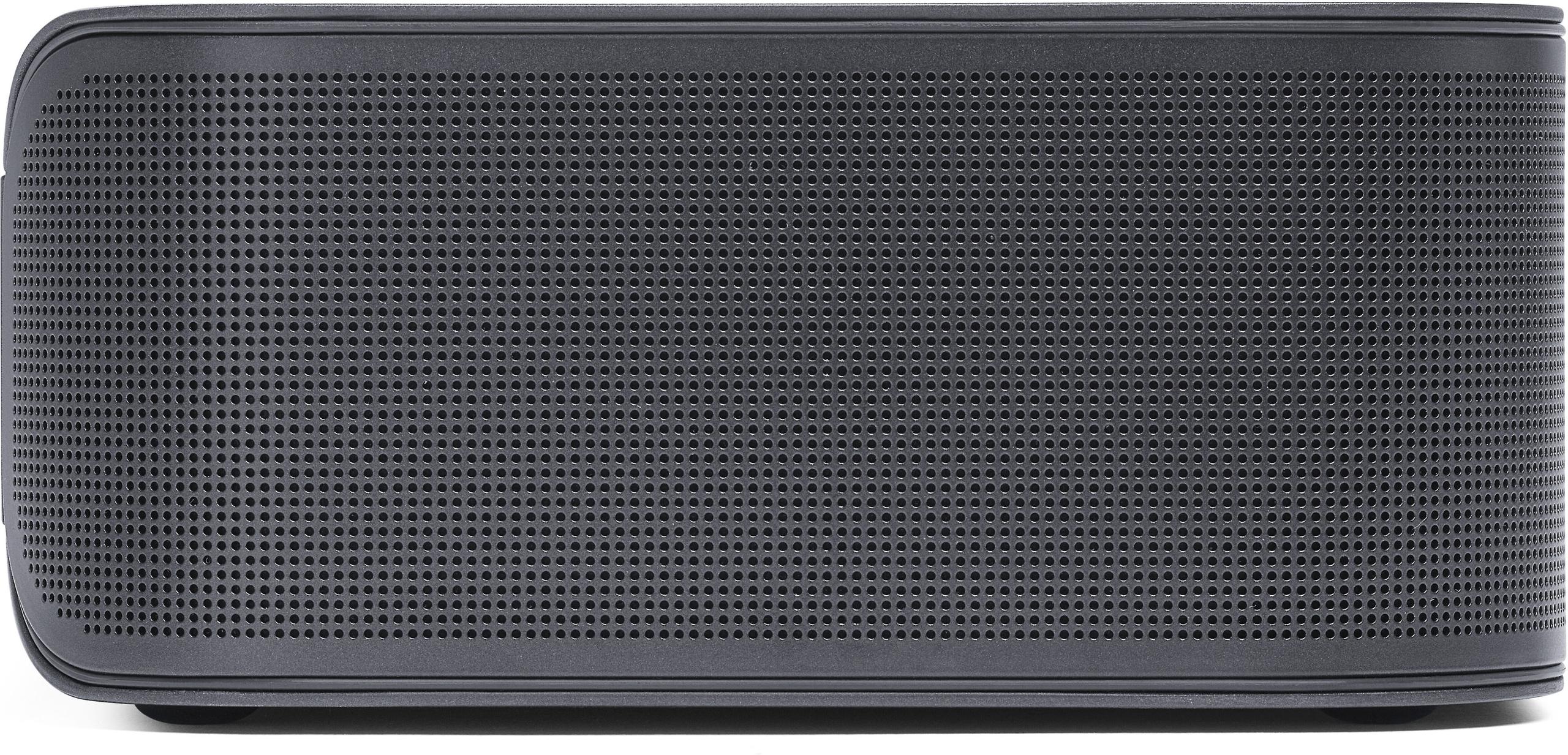
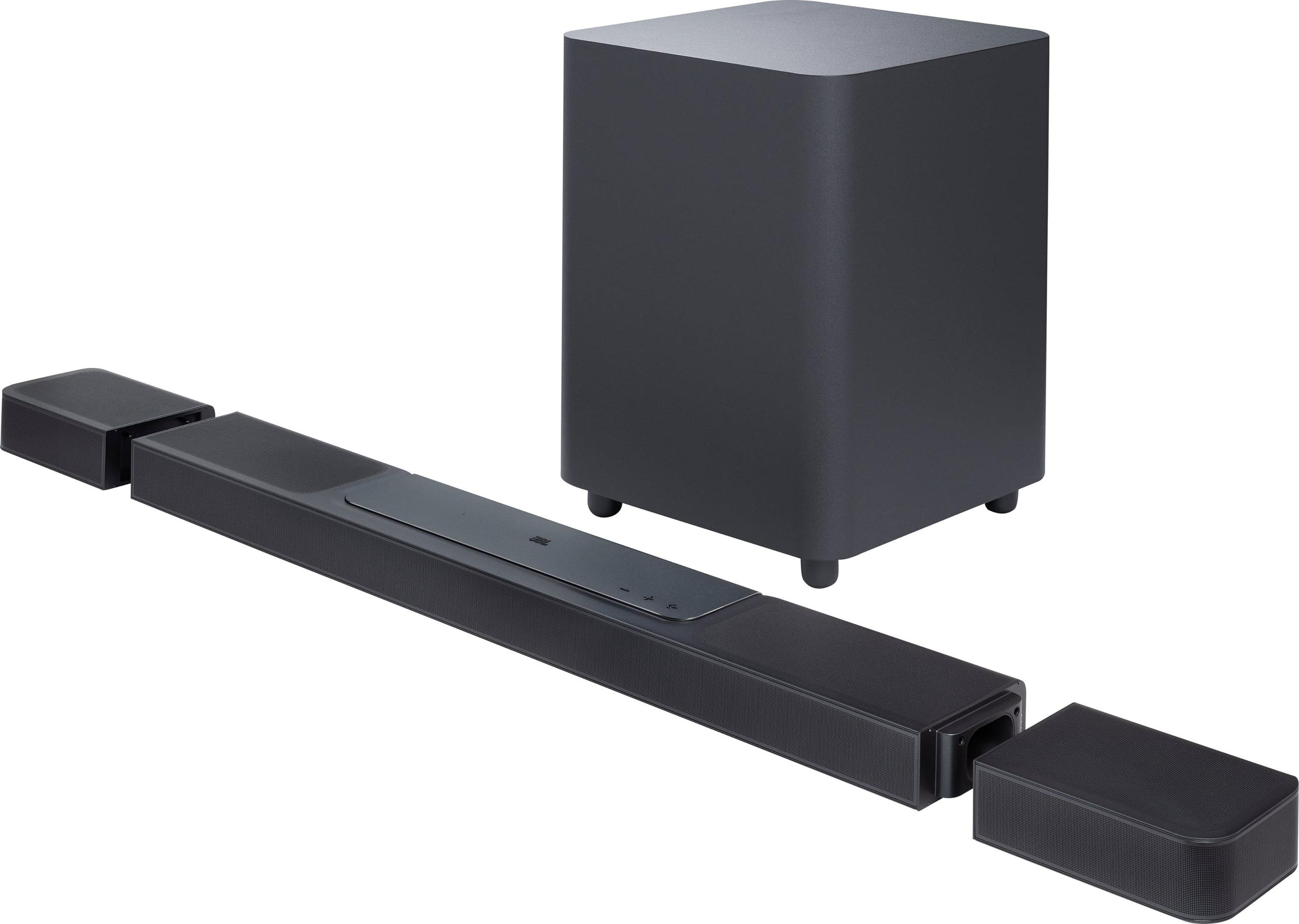
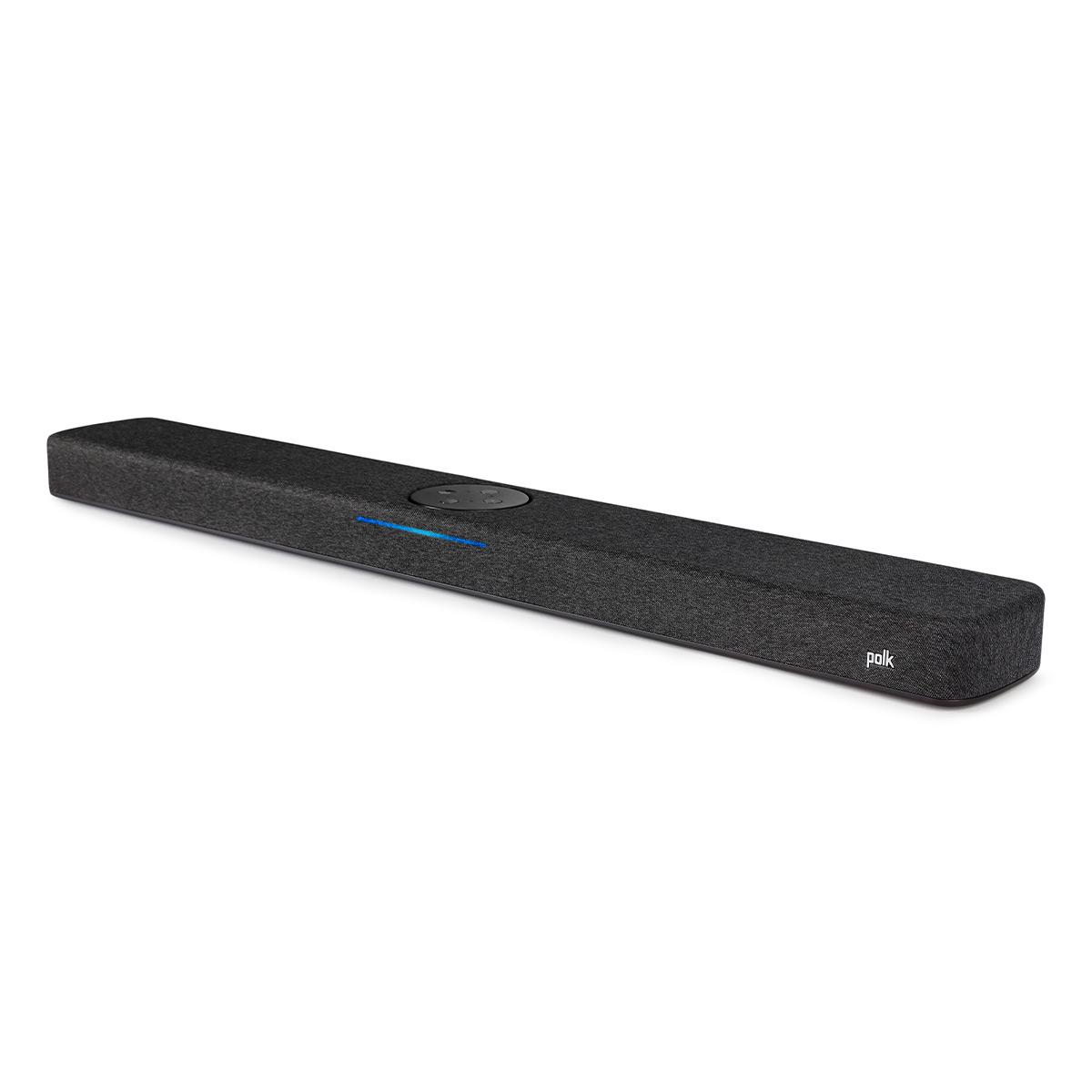

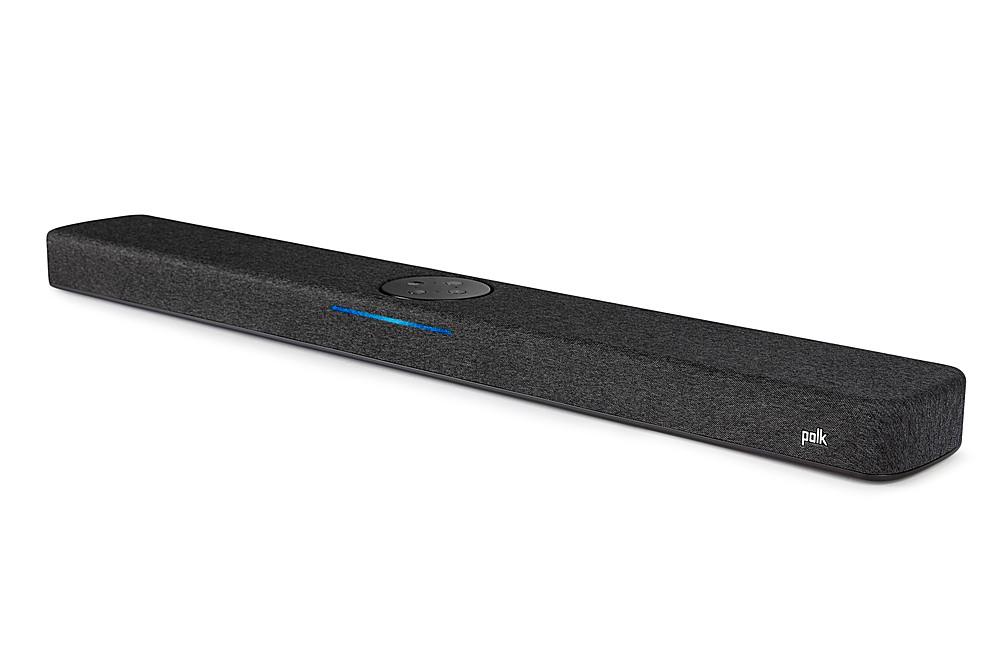

When shopping for a soundbar, you'll quickly discover that the market splits into distinct camps. On one side, you have budget-friendly options designed to make your TV sound better without breaking the bank. On the other, premium models promise to transform your living room into a movie theater. Today, we're comparing two soundbars that perfectly represent these different philosophies: the flagship JBL Bar 1300X ($1,300) and the budget-focused Polk Audio React ($230).
Understanding what separates these price tiers isn't just about dollars—it's about fundamentally different approaches to solving the same problem: making your entertainment sound better.
Before diving into specifics, it's worth understanding what soundbars actually do. Traditional surround sound systems use multiple speakers placed around your room to create an immersive audio experience. Soundbars pack multiple drivers (the actual speakers that produce sound) into a single horizontal bar, using clever processing to simulate that surround effect without cluttering your space.
The key considerations when evaluating any soundbar include audio performance (how good it actually sounds), immersion level (how well it creates that "surround sound" feeling), smart features (voice assistants and streaming capabilities), connectivity options, and of course, value for money.
What's particularly interesting about comparing these two models is how they represent the evolution of soundbar technology over different time periods and price points. The JBL Bar 1300X launched in late 2024 as JBL's flagship offering, incorporating the latest advances in audio processing and wireless technology. The Polk Audio React, while still available, represents an earlier generation of budget soundbars that prioritized smart home integration over pure audio performance.
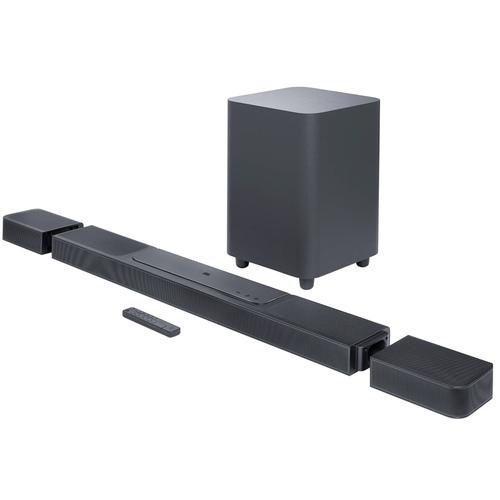
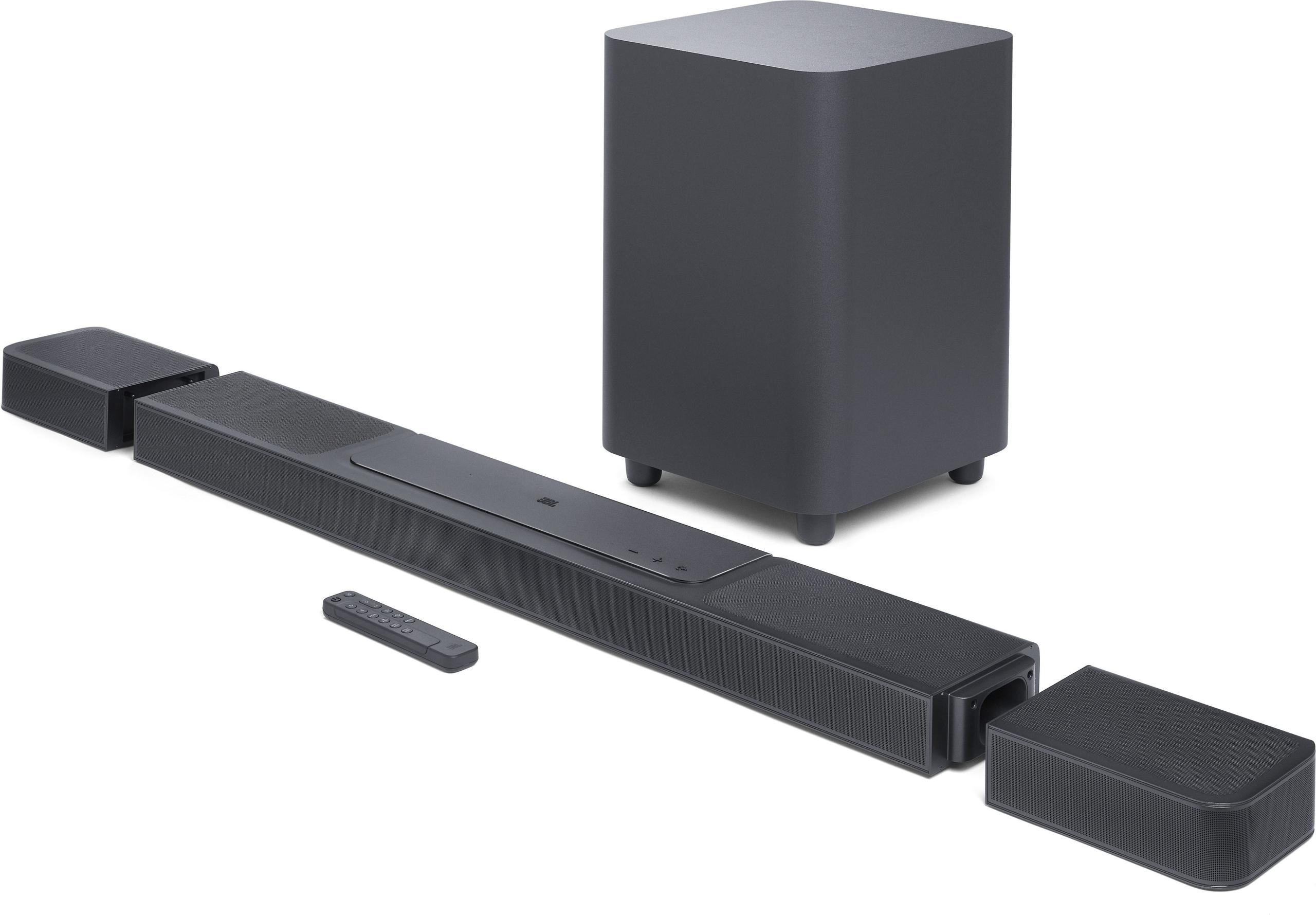
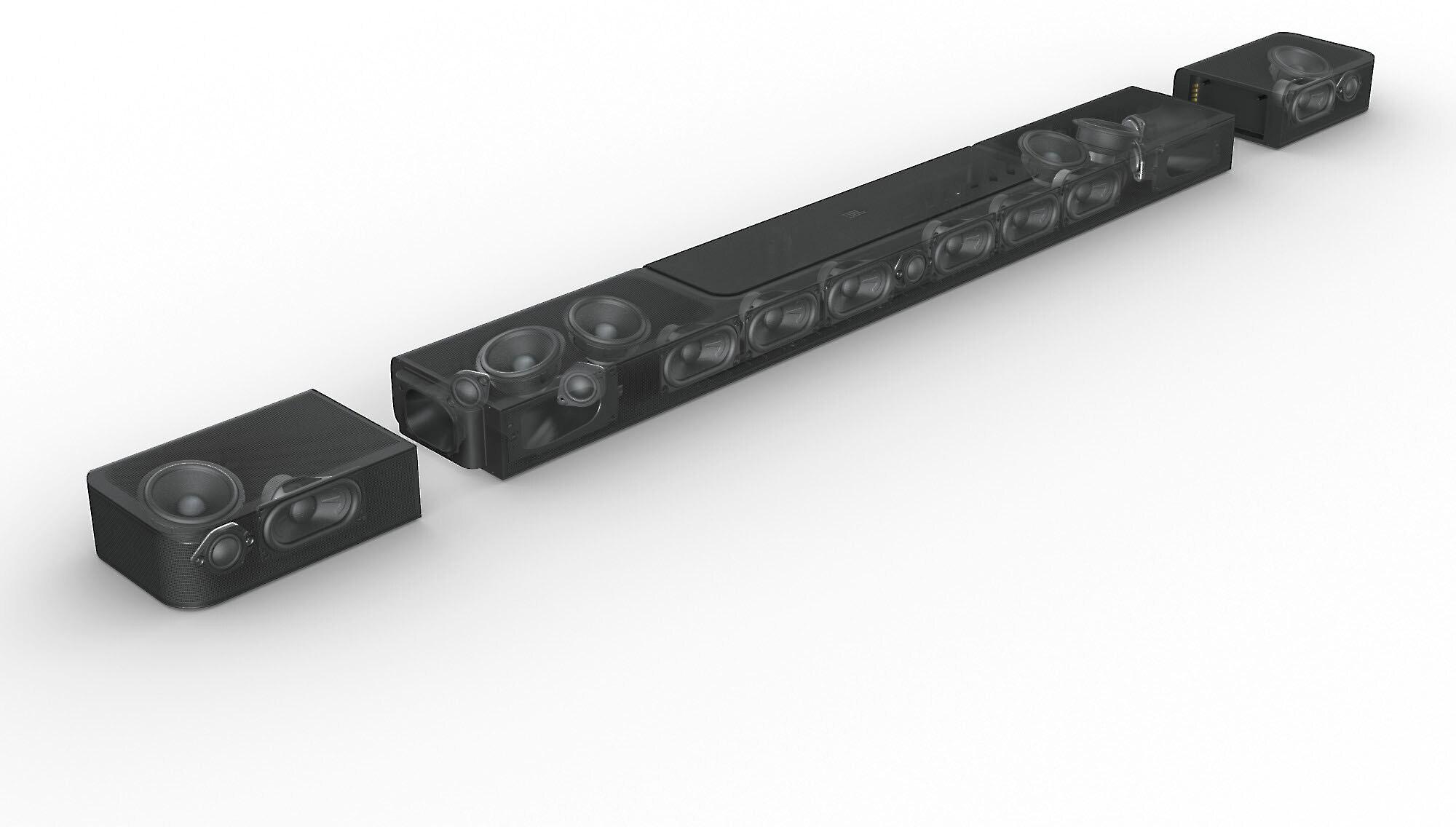
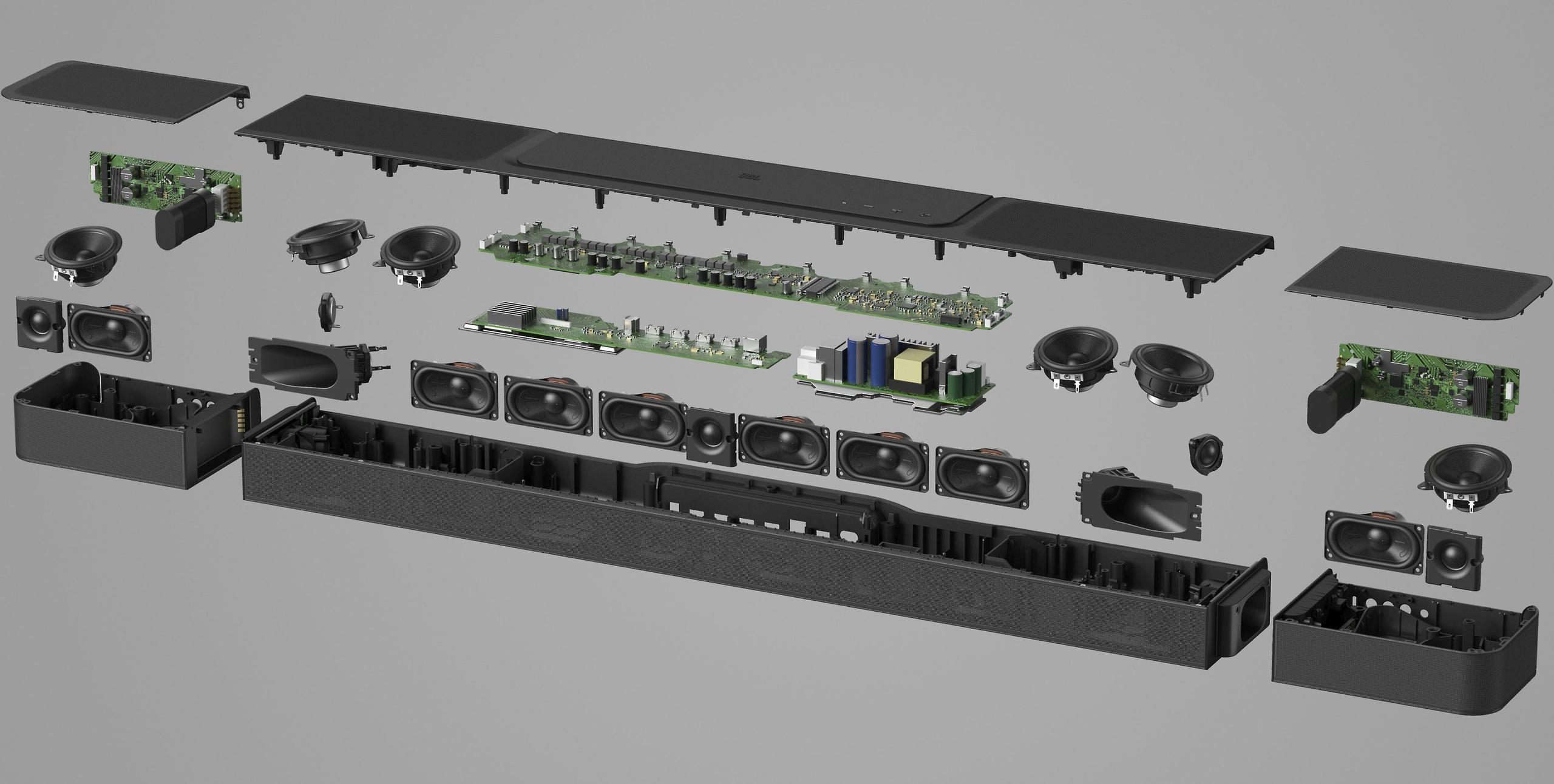
The JBL Bar 1300X doesn't just want to improve your TV's audio—it wants to replace a full surround sound system. This is immediately obvious from its 11.1.4 channel configuration, which sounds complicated but breaks down simply: 11 main channels for surround sound, 1 subwoofer channel for bass, and 4 height channels for overhead effects.
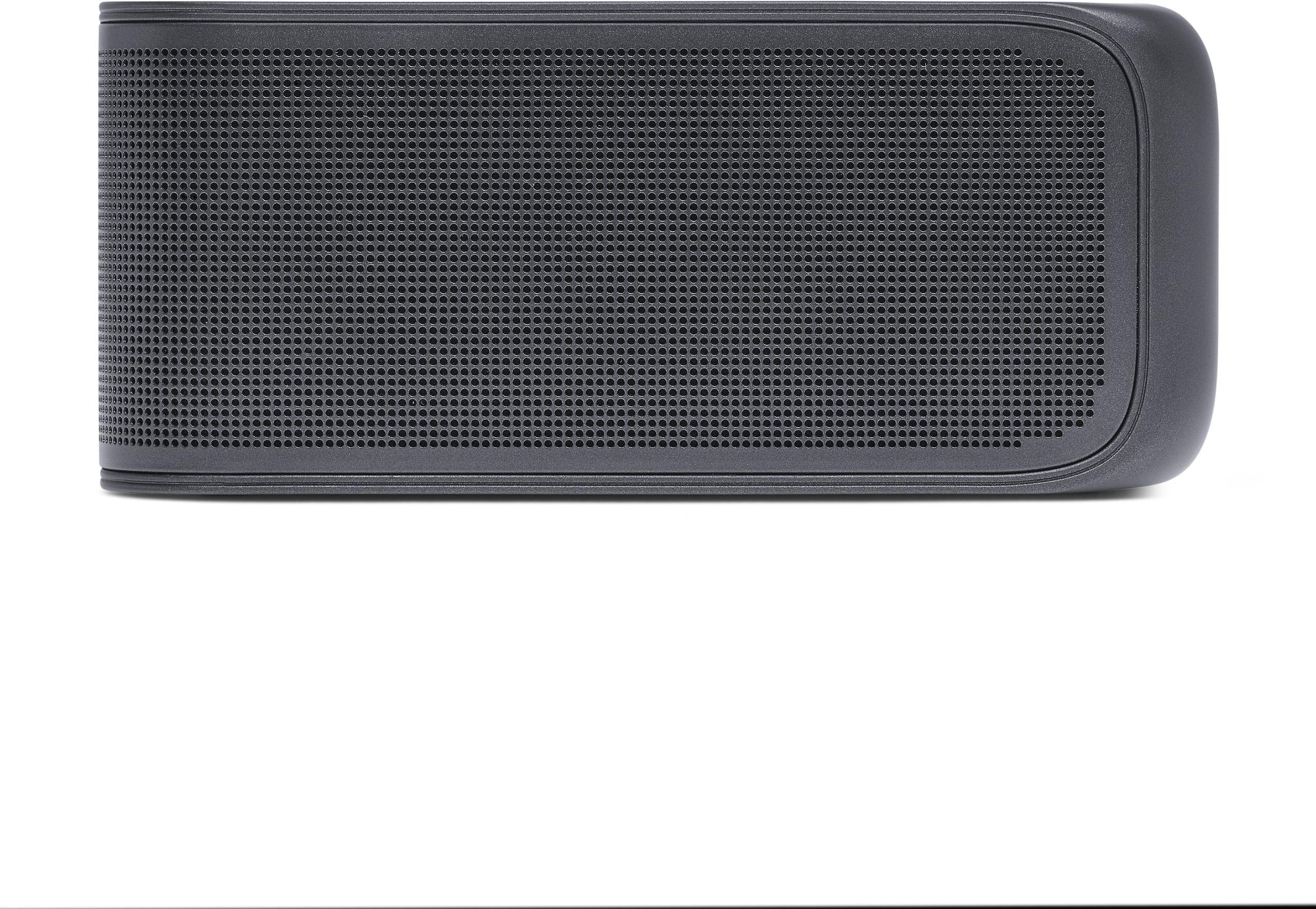
What makes this particularly impressive is the inclusion of detachable wireless surround speakers. These aren't just bonus accessories—they're legitimate rear channel speakers that run on rechargeable batteries, lasting up to 12 hours per charge. When you're not watching movies, they can even function as standalone Bluetooth speakers around your house. It's this kind of flexibility that justifies the premium pricing.
The system's total power output of 1,170 watts might seem like marketing fluff, but it translates to genuine room-filling sound. The 12-inch wireless subwoofer alone receives 300 watts, which explains why reviews consistently mention its ability to "shake the room" during action sequences. Having tested similar high-powered subwoofers, I can confirm that this level of bass response creates a visceral experience that smaller drivers simply can't match.
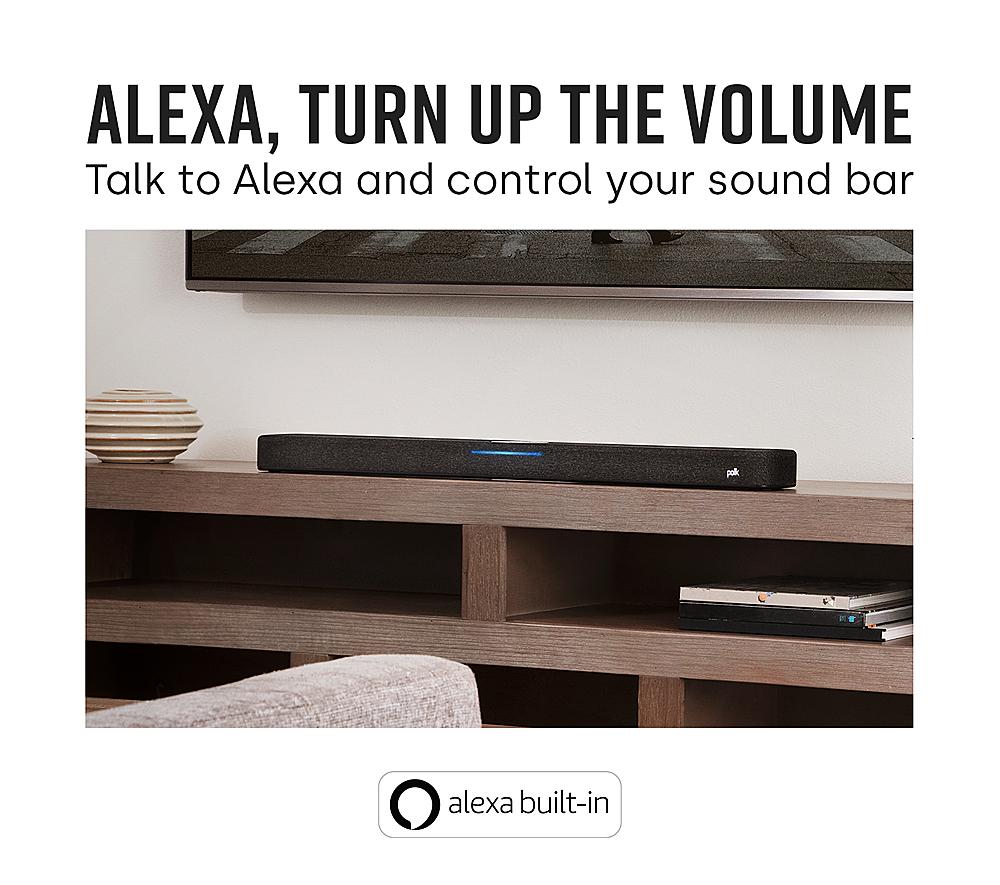
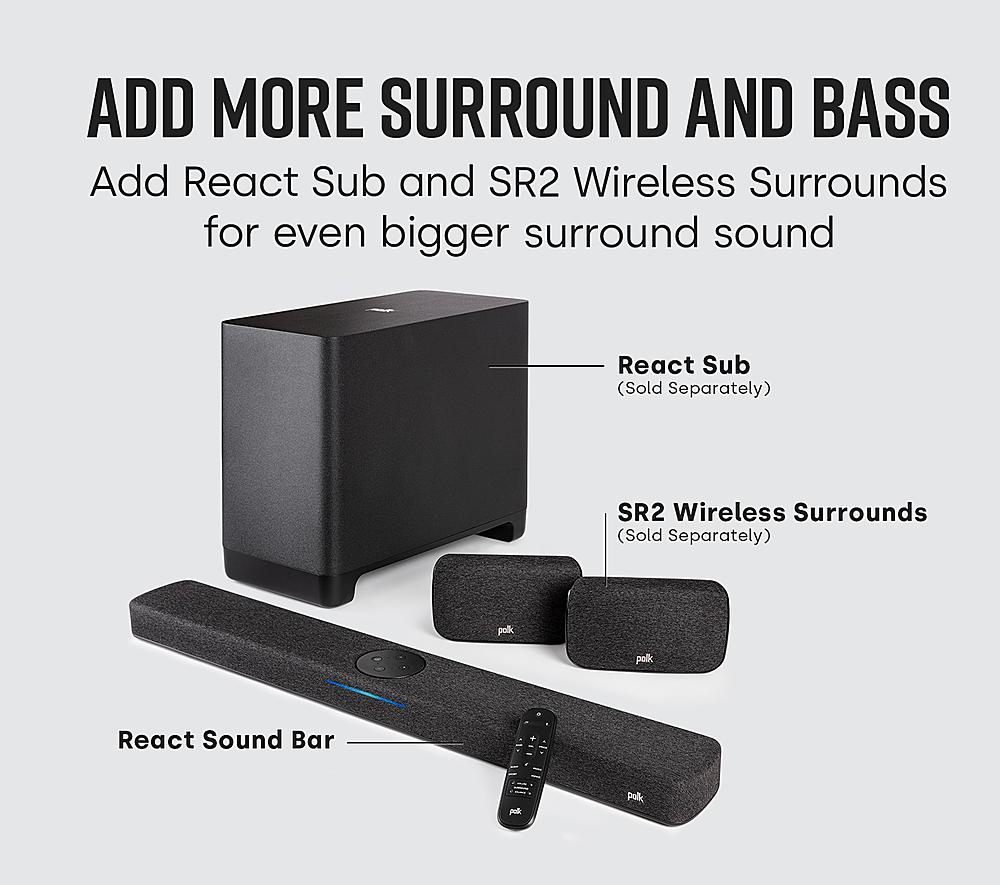
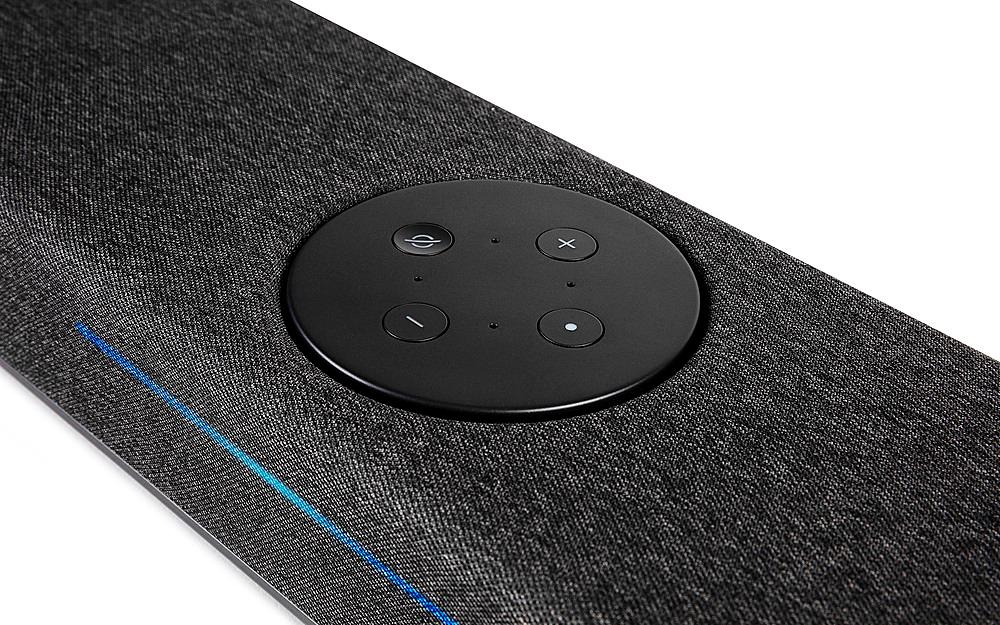
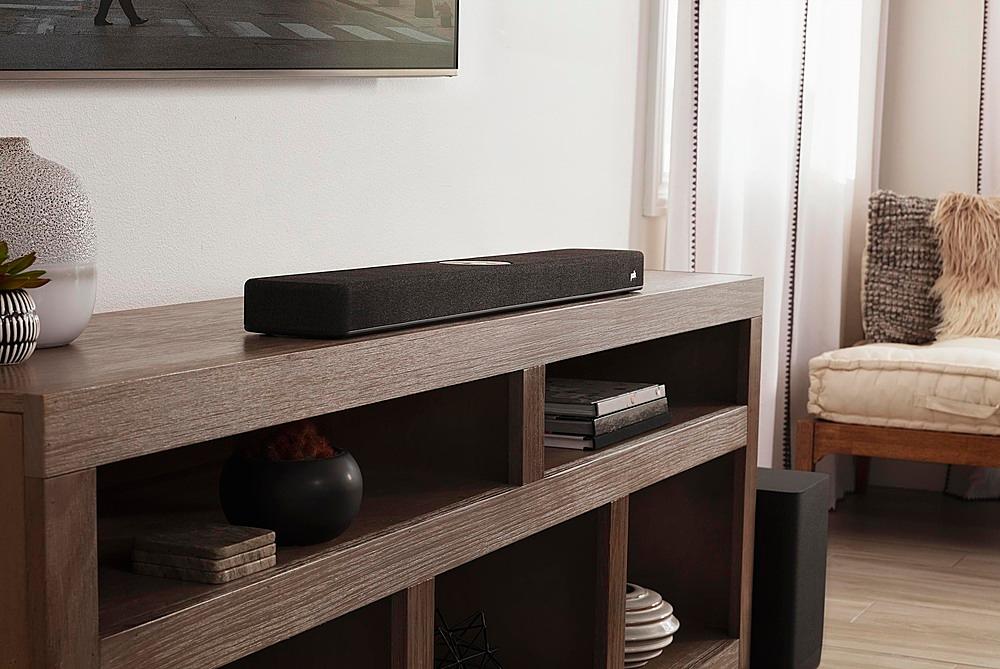
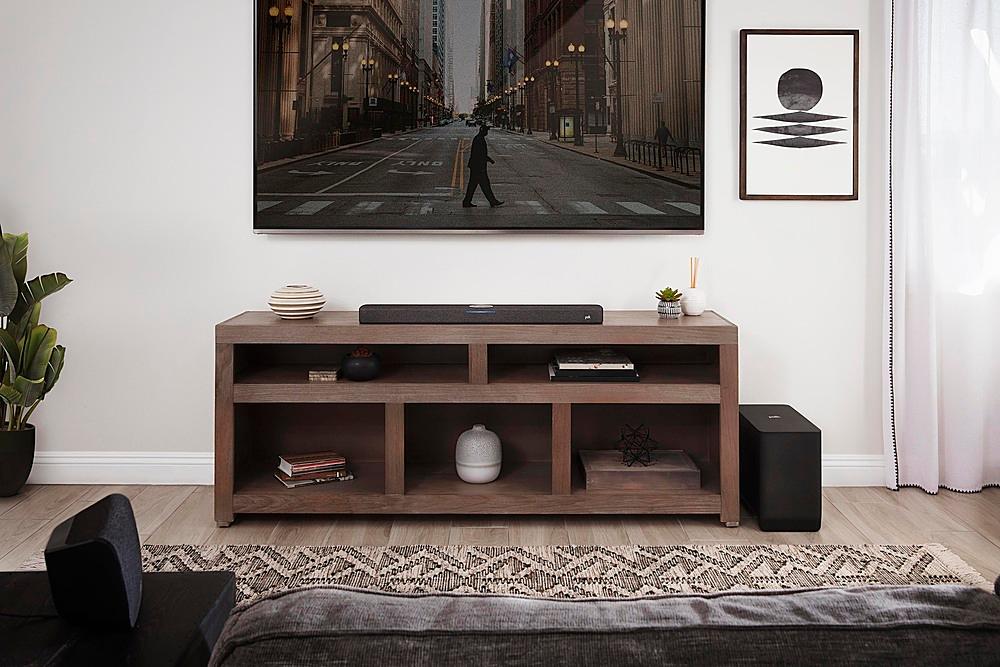
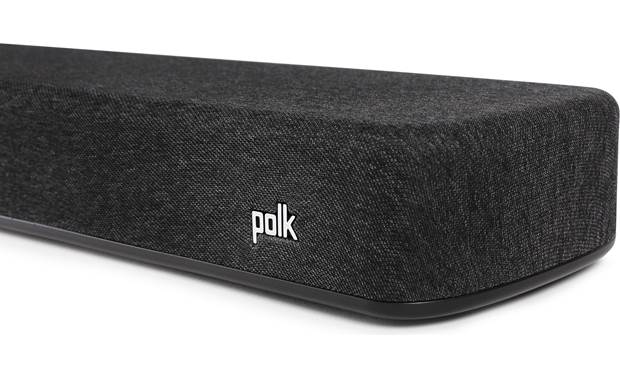
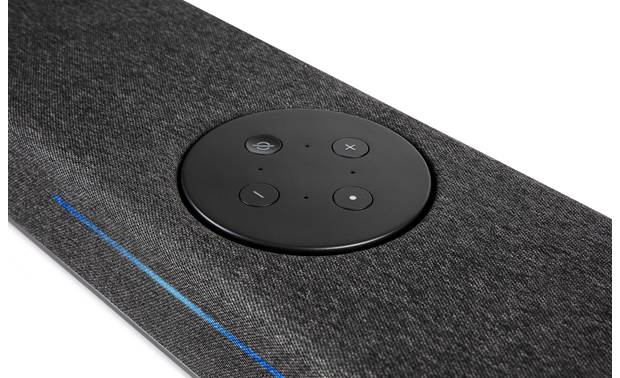
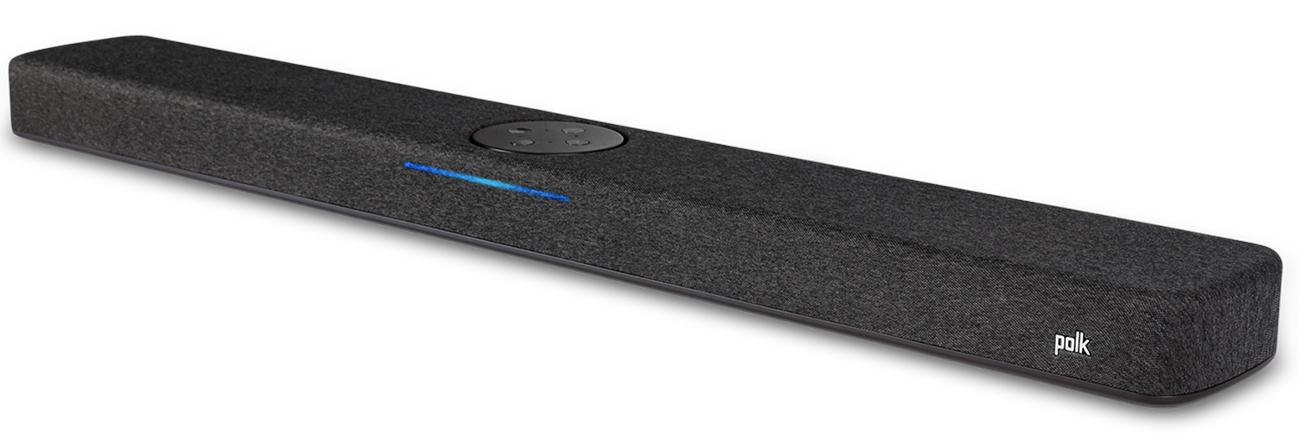
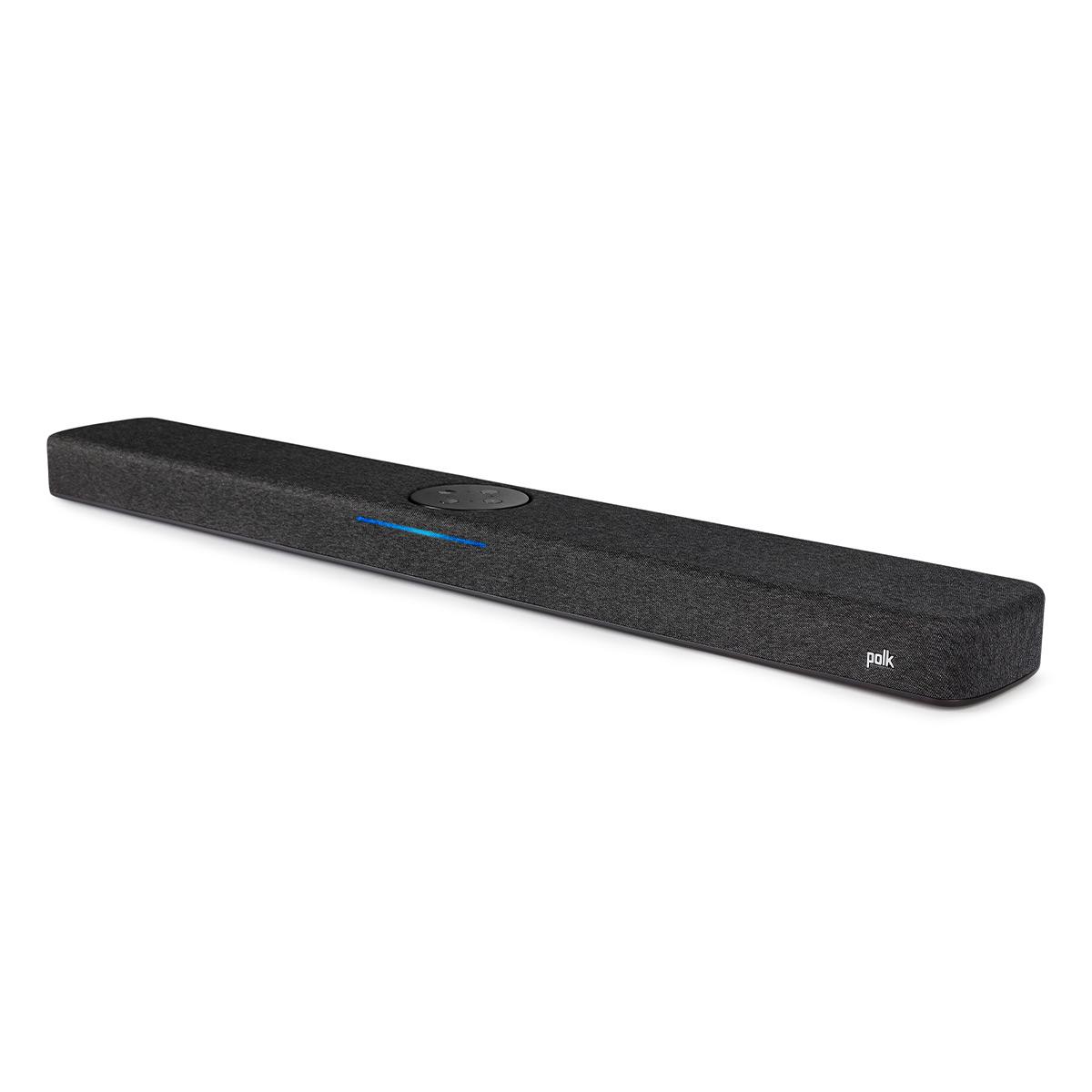
The Polk Audio React takes a completely different approach. Rather than chasing maximum audio performance, it focuses on convenience and smart home integration. The star feature here is built-in Amazon Alexa, complete with far-field microphones that can hear your voice commands across the room.
This isn't just Alexa compatibility—the React essentially functions as a full Amazon Echo device that happens to also improve your TV's sound. You can make calls, control smart home devices, play music from streaming services, and even integrate it into Alexa's multi-room music system. For households already invested in the Alexa ecosystem, this integration feels seamless and natural.
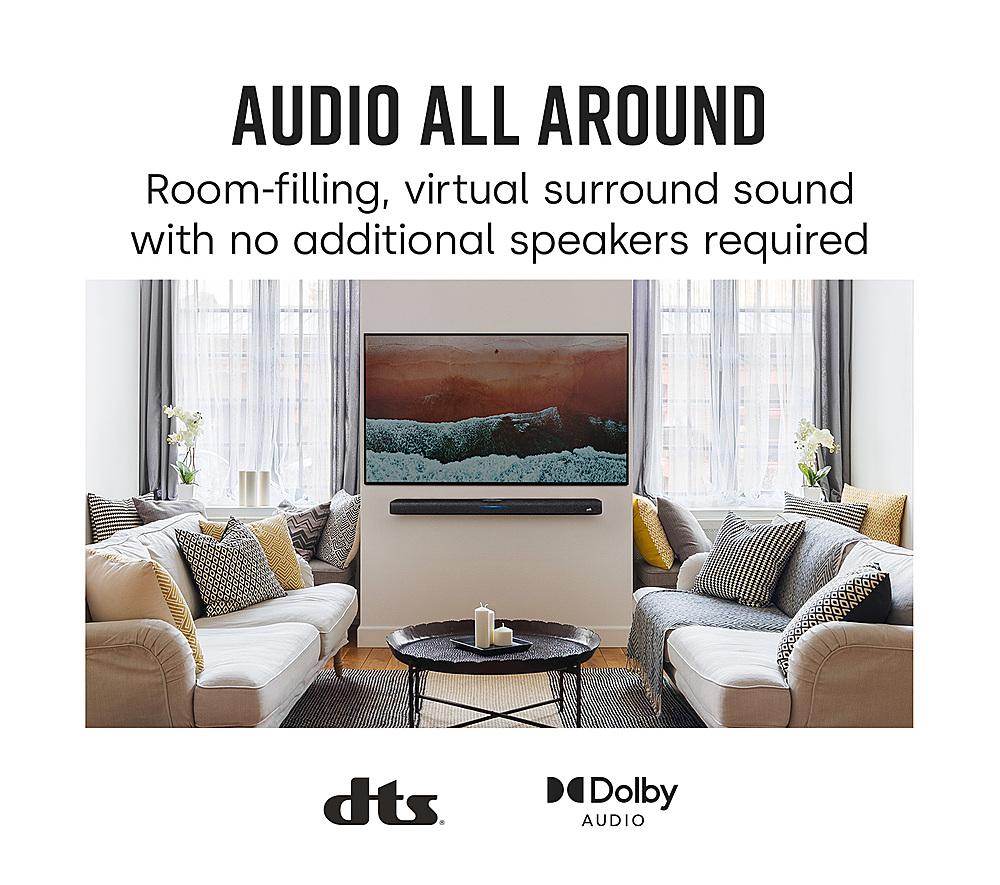
The audio components are necessarily more modest: a 2.1-channel system with virtual surround processing, meaning it uses psychoacoustic tricks (essentially fooling your brain) to create the impression of surround sound without physical rear speakers. The total power output is around 100 watts—respectable for the price, but clearly in a different league than the JBL.
The most significant performance gap between these soundbars lies in their approach to surround sound. The JBL Bar 1300X uses physical speakers positioned around your listening area to create genuine 360-degree audio. When a helicopter flies overhead in a movie, you'll hear it move from front to back through actual speakers positioned behind you. The four up-firing drivers on the main bar and surrounds bounce sound off your ceiling to create height effects—when it works well, bullets literally seem to whiz over your head.
JBL's MultiBeam technology adds another layer of sophistication. This system analyzes your room's acoustics and adjusts the sound beam patterns accordingly. If you have a challenging room layout or reflective surfaces, MultiBeam helps optimize the soundfield for your specific space. It's the kind of room correction technology you'd typically find in much more expensive home theater processors.
The Polk Audio React, by contrast, relies entirely on virtual surround processing. This technique uses carefully timed delays and phase adjustments to trick your brain into perceiving directional audio from a single source. While modern virtual surround has improved dramatically, it's still fundamentally limited by physics. You'll get a wider soundstage than your TV speakers, but nothing approaching the precise positioning that physical surround speakers provide.
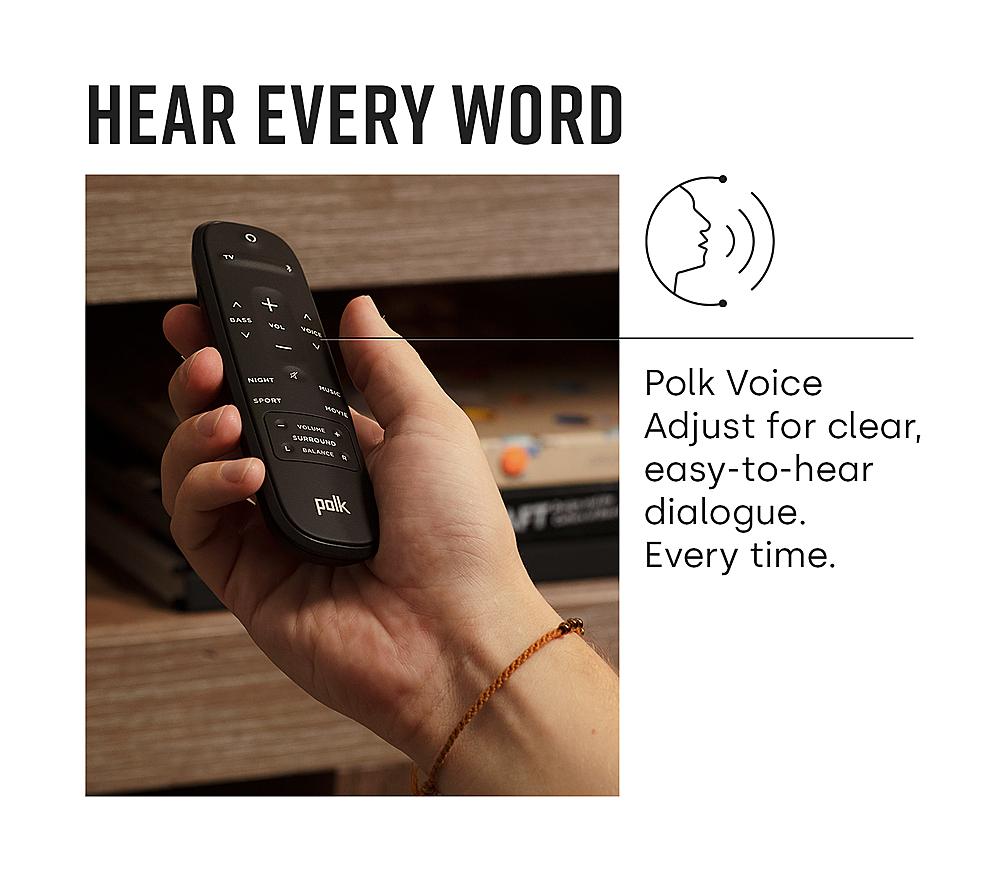
In practical terms, this means the JBL excels with complex movie soundtracks where precise audio placement matters—think Marvel action sequences or war films where bullets and explosions need to feel spatially accurate. The Polk works perfectly well for dialogue-heavy content, sitcoms, and casual movie watching where you want better sound without the complexity.
Bass response reveals another stark difference between these price tiers. The JBL Bar 1300X's 12-inch subwoofer extends down to 33Hz, which covers the fundamental frequencies of most movie sound effects and music. This isn't just about volume—it's about reproducing the full frequency spectrum that creates emotional impact in film scores and the tactile sensation of explosions or thunder.
The subwoofer's 300-watt amplifier provides the headroom needed for dynamic peaks without distortion. During quiet dialogue, it remains silent. When a T-Rex stomps across the screen, it delivers the kind of visceral impact that makes you feel the sound rather than just hear it. This dynamic range is crucial for the cinematic experience—you want whisper-quiet dialogue and room-shaking action sequences from the same system.
The Polk Audio React's bass response, while adequate for its price point, operates in a more constrained range. The smaller subwoofer and lower power amplification mean it can enhance your TV's bass response without overwhelming smaller rooms, but it won't deliver the theater-like impact that makes action movies truly exciting. For casual viewing and music streaming, this limitation isn't necessarily problematic—many users prefer controlled bass that doesn't disturb neighbors or family members.
Here's where the technology generation gap becomes most apparent. The JBL Bar 1300X supports both Dolby Atmos and DTS:X, the two major object-based audio formats that place individual sounds in three-dimensional space. When streaming services like Netflix or Disney+ deliver Atmos content, the JBL can fully decode and render these immersive soundtracks as intended.
Object-based audio represents a fundamental shift from traditional channel-based surround sound. Instead of mixing audio for specific speaker locations, content creators can place sounds at precise coordinates in 3D space. The soundbar then renders these "audio objects" based on your actual speaker configuration. It's why the same Atmos soundtrack sounds different on a 5.1 system versus an 11.1.4 setup—the audio adapts to your available speakers.
The Polk Audio React predates this format revolution, supporting only traditional Dolby Digital and DTS decoding. This isn't necessarily a dealbreaker—plenty of content still uses these older formats—but it does limit your ability to experience the latest audio innovations. As streaming services continue expanding their Atmos catalogs, this gap will only widen.
The smart features comparison reveals how soundbar priorities have shifted over the past few years. The Polk Audio React launched when voice assistants were the hot new technology, and built-in Alexa felt revolutionary. You could control your TV, adjust volume, play music, and manage smart home devices all through voice commands. The integration remains impressive—the React functions as a legitimate Echo device with quality audio output.
However, the JBL Bar 1300X reflects a more mature approach to smart features. Rather than building voice assistants directly into the soundbar, it focuses on connectivity and audio performance while remaining compatible with existing smart home ecosystems. You can connect it to Alexa, Google Assistant, or Siri devices, but JBL didn't compromise audio space for microphone arrays.
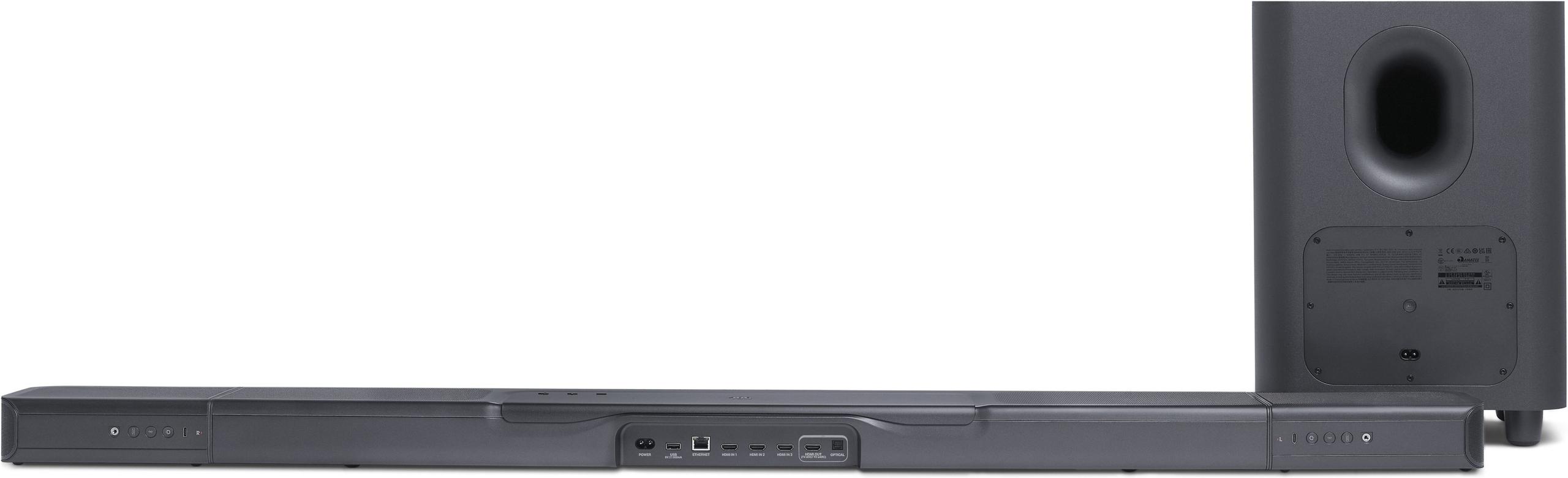
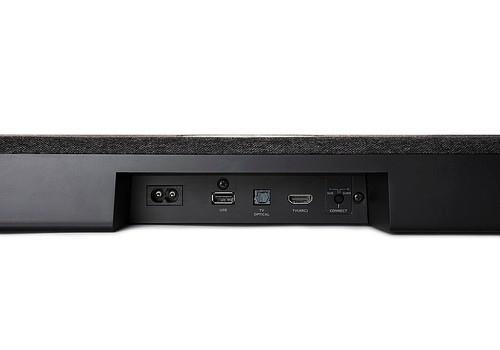
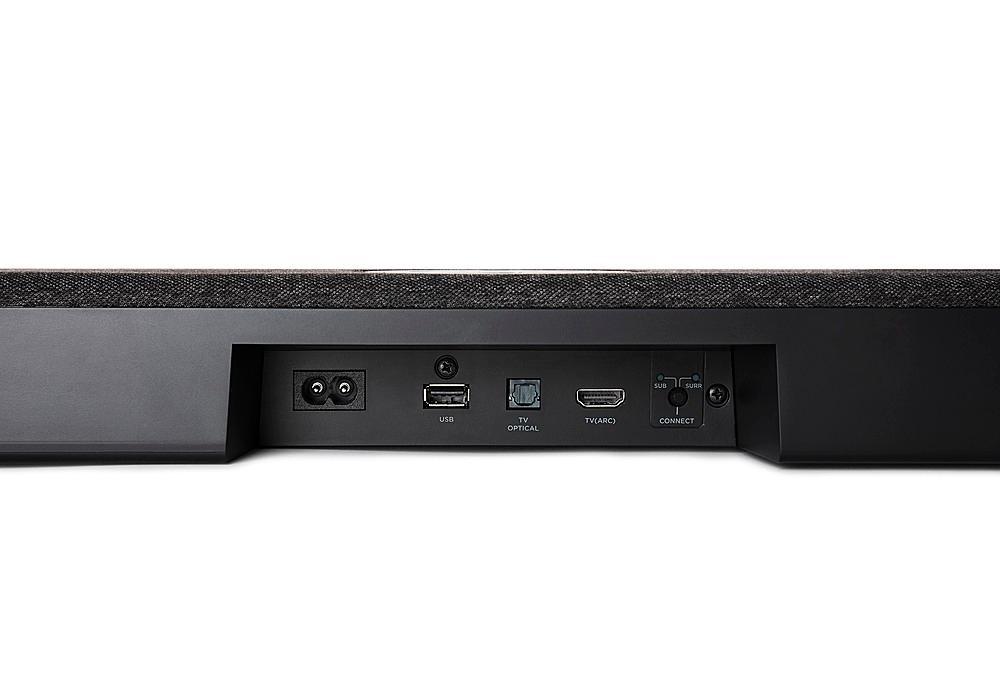
The connectivity options tell a similar story. The JBL offers three HDMI inputs plus eARC output, supporting 4K Dolby Vision passthrough and serving as a true AV switching hub. This matters if you have multiple devices—game consoles, streaming boxes, Blu-ray players—that all need high-bandwidth connections to your TV. The Polk's single HDMI ARC connection reflects simpler entertainment setups where most content comes from smart TV apps or a single streaming device.
Wireless connectivity has also evolved significantly. The JBL Bar 1300X includes Wi-Fi with AirPlay 2 and Chromecast built-in, enabling high-quality wireless streaming from phones, tablets, and computers. Bluetooth 5.0 provides improved range and stability compared to older Bluetooth implementations. The Polk Audio React's Bluetooth 4.2 works fine for basic music streaming but lacks the bandwidth and reliability of newer standards.
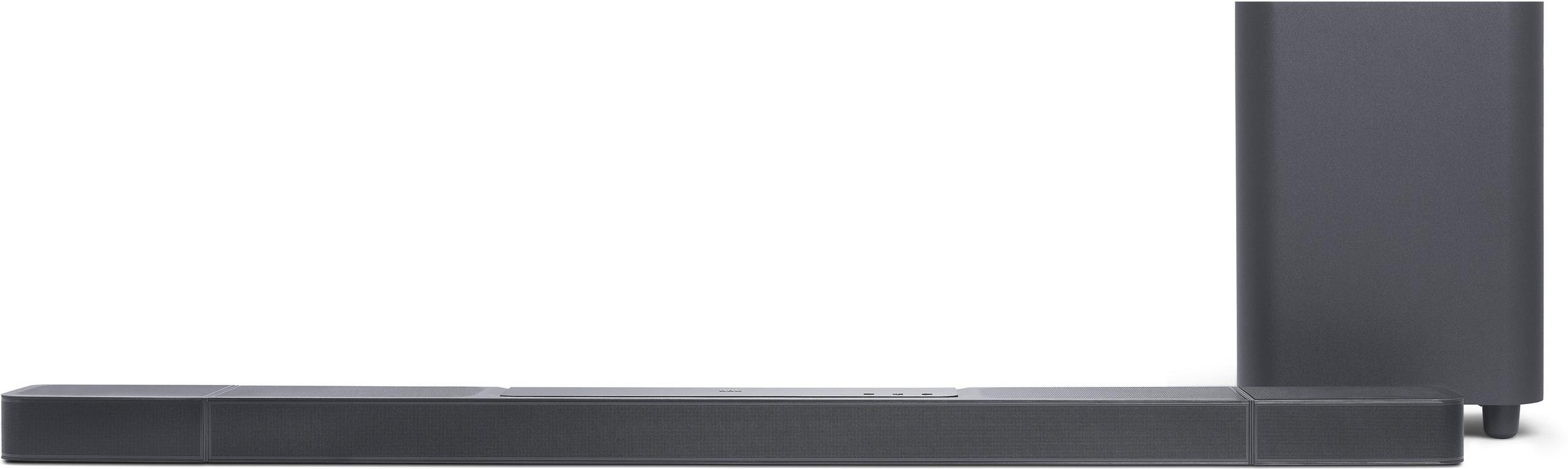
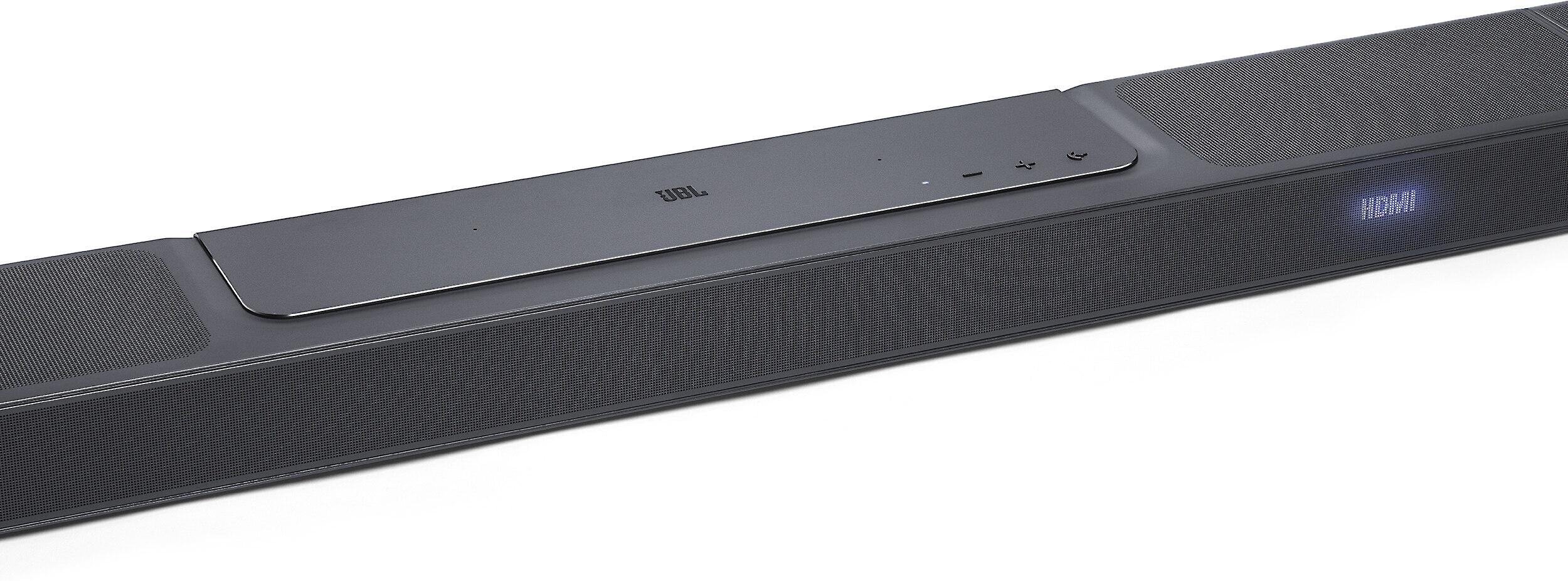
These soundbars represent fundamentally different design philosophies that extend beyond just audio performance. The JBL Bar 1300X embraces complexity in service of performance. The main bar stretches 54 inches wide—longer than many TVs—and the complete system requires positioning a large subwoofer and two wireless surrounds around your room. Setup involves running calibration routines and potentially adjusting speaker positions for optimal performance.
This complexity pays dividends for serious home theater enthusiasts. The detachable surround speakers can be moved based on seating arrangements or removed entirely for music listening. The battery power means no ugly speaker wires running across your floor, but you do need to remember to charge them periodically. It's the kind of system that rewards engagement and tweaking.
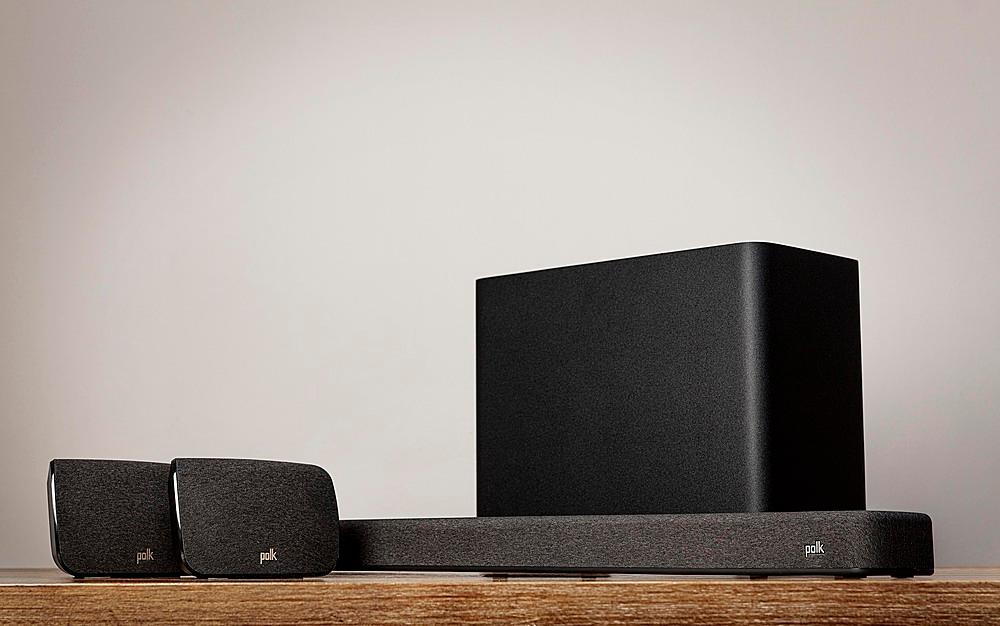
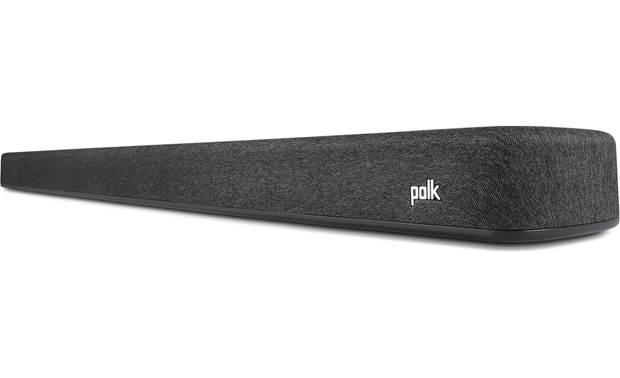
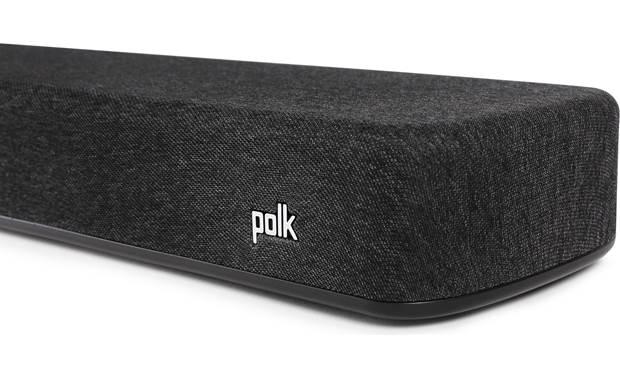
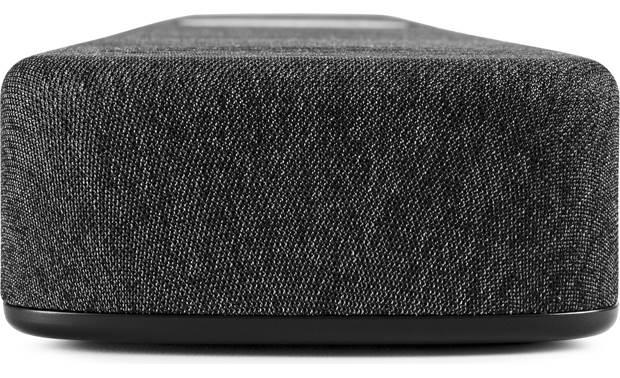
The Polk Audio React prioritizes simplicity above all else. The compact design fits under most TVs without dominating the space. Setup involves plugging in two cables and connecting to your Wi-Fi network. There's no calibration routine, no additional speakers to position, and no batteries to maintain. For users who want better TV sound without becoming home theater hobbyists, this approach makes perfect sense.
For dedicated movie watching, the differences between these soundbars become immediately apparent. The JBL Bar 1300X transforms action films into immersive experiences. During a recent viewing of "Top Gun: Maverick," the jet engine sounds felt genuinely three-dimensional, with precise positioning as aircraft moved across the screen. The overhead height channels made dogfight sequences feel spatially accurate in ways that virtual processing simply cannot match.
The powerful subwoofer adds emotional weight to film scores and visceral impact to action sequences without overwhelming dialogue. JBL's PureVoice technology ensures that quiet conversations remain intelligible even when surrounded by complex soundscapes. This balance between dynamic impact and dialogue clarity is crucial for the cinematic experience.
The Polk Audio React provides a more modest but still meaningful improvement over TV speakers. Dialogue sounds clearer thanks to dedicated center channel processing, and the built-in subwoofer adds bass presence that makes movies more engaging. However, complex action sequences can sound congested, and the virtual surround processing sometimes creates an artificially wide but imprecise soundstage.
Music reproduction reveals interesting differences in these soundbars' tuning philosophies. The JBL Bar 1300X delivers powerful, room-filling sound with impressive bass extension and clear highs. The MultiBeam processing can be adjusted or disabled entirely for stereo music, allowing the system to focus on creating a traditional left-right soundstage rather than artificial surround effects.
The Polk Audio React takes a more conservative approach to music playback, with balanced frequency response that works well for most genres without becoming fatiguing during extended listening sessions. The built-in Alexa integration shines here—voice commands make it incredibly convenient to switch between streaming services or adjust volume without reaching for a remote.
Evaluating value requires looking beyond initial purchase price to consider performance per dollar and long-term satisfaction. The JBL Bar 1300X at $1,300 competes with traditional surround sound systems costing $2,000 or more while offering superior convenience and modern connectivity. For users serious about home theater performance, it delivers exceptional value despite the premium price.
The system's modular design also provides upgrade flexibility. The detachable surrounds function as portable speakers for outdoor use or other rooms. Software updates ensure compatibility with future audio formats and streaming services. The premium build quality suggests a long service life that justifies the higher initial investment.
The Polk Audio React at $230 represents outstanding value for users prioritizing smart home integration and basic audio improvement. The built-in Alexa functionality alone adds significant utility beyond just TV audio enhancement. For apartments, secondary rooms, or users with modest performance expectations, it delivers far more capability than the price suggests.
However, the React's limited upgrade path means you'll likely need to replace the entire system if your needs evolve. The lack of modern audio format support also limits its long-term relevance as streaming services expand their immersive audio catalogs.
The decision between the JBL Bar 1300X and Polk Audio React ultimately depends on your priorities, space, and intended usage patterns.
Choose the JBL Bar 1300X if you're serious about home theater performance and have the space and budget to support a premium system. It's ideal for movie enthusiasts who want cinematic immersion, gamers seeking competitive audio advantages, and music lovers who appreciate powerful, room-filling sound. The complex setup and higher price are justified by genuinely superior performance that approaches dedicated surround sound systems.
The Polk Audio React makes more sense for users who want convenient smart home integration with modest audio improvement. It's perfect for apartments, bedrooms, or family rooms where simplicity matters more than maximum performance. The built-in Alexa functionality adds utility that extends well beyond TV watching, making it an excellent value for smart home enthusiasts.
Both soundbars successfully solve the problem of poor TV audio, but they do so with completely different philosophies and target audiences. The JBL Bar 1300X maximizes performance for dedicated entertainment spaces, while the Polk Audio React maximizes convenience and integration for everyday living. Understanding which approach better matches your priorities will guide you toward the right choice for your home theater setup.
| JBL Bar 1300X Soundbar with Wireless Subwoofer | Polk Audio React Sound Bar with Alexa Built-In |
|---|---|
| Price - Major factor determining feature set and performance level | |
| $1,300 (premium flagship model) | $230 (budget-friendly entry level) |
| Audio Channels - Determines surround sound immersion quality | |
| 11.1.4 channels with physical rear speakers | 2.1 channels with virtual surround processing |
| Total Power Output - Affects volume capability and dynamic range | |
| 1,170W (theater-level performance) | ~100W (adequate for small-medium rooms) |
| Subwoofer - Critical for bass impact in movies and music | |
| 12" wireless subwoofer, 300W dedicated power | Smaller integrated subwoofer, lower power |
| Dolby Atmos Support - Essential for modern immersive movie content | |
| Yes, with 4 up-firing drivers for true height effects | No, limited to older Dolby Digital formats |
| Surround Speakers - Real vs. simulated surround sound experience | |
| Detachable battery-powered wireless rear speakers | Virtual processing only, no physical rear channels |
| Voice Assistant Integration - Convenience for smart home control | |
| Compatible with external Alexa/Google devices | Built-in Alexa with integrated microphones |
| HDMI Connectivity - Important for multiple device connections | |
| 3 HDMI inputs + eARC output with 4K passthrough | 1 HDMI ARC connection |
| Wireless Streaming - Modern connectivity options | |
| Wi-Fi, AirPlay 2, Chromecast, Bluetooth 5.0 | Basic Bluetooth 4.2, limited streaming options |
| Setup Complexity - Time and effort required for installation | |
| Complex setup with room calibration and speaker positioning | Simple plug-and-play installation |
| Best Use Case - Primary scenarios where each excels | |
| Dedicated home theater with movie/gaming focus | Smart home integration with casual TV viewing |
The JBL Bar 1300X ($1,300) is a premium home theater soundbar with true 11.1.4 surround sound, detachable wireless rear speakers, and Dolby Atmos support. The Polk Audio React ($230) is a budget-friendly soundbar focused on smart home integration with built-in Alexa and virtual surround sound processing.
The JBL Bar 1300X is significantly better for home theater use. It features physical surround speakers, Dolby Atmos with height channels, and a powerful 12-inch subwoofer that creates genuine cinematic immersion. The Polk Audio React only offers virtual surround processing and lacks modern audio format support.
Yes, the Polk Audio React has built-in Amazon Alexa with integrated microphones, allowing direct voice control without additional devices. The JBL Bar 1300X requires external smart speakers or TV integration for voice control but focuses on audio performance instead.
It depends on your needs. The Polk Audio React ($230) offers exceptional value for basic TV audio improvement and smart home integration. The JBL Bar 1300X ($1,300) provides premium value for serious home theater enthusiasts who want cinema-quality sound.
The JBL Bar 1300X delivers 1,170 watts of total power with a dedicated 300-watt subwoofer, compared to the Polk Audio React's estimated 100 watts total. This translates to significantly louder volume capability and more dynamic bass response.
The Polk Audio React is much easier to set up with simple plug-and-play installation and no additional speakers to position. The JBL Bar 1300X requires more complex setup including wireless surround speaker placement, room calibration, and battery management.
No, only the JBL Bar 1300X supports Dolby Atmos and DTS:X with four up-firing drivers for true height effects. The Polk Audio React only supports older formats like Dolby Digital and DTS, without immersive audio capabilities.
The JBL Bar 1300X offers superior connectivity with three HDMI inputs plus eARC, Wi-Fi, AirPlay 2, Chromecast, and Bluetooth 5.0. The Polk Audio React has basic connectivity with one HDMI ARC port, optical input, and Bluetooth 4.2.
Yes, the JBL Bar 1300X's detachable surround speakers can function as standalone Bluetooth speakers with up to 12 hours of battery life. This adds flexibility for portable music listening or other rooms in your home.
The Polk Audio React is better suited for small apartments due to its compact size, simple setup, and built-in Alexa functionality. The JBL Bar 1300X requires more space and may be overpowered for smaller living areas.
The JBL Bar 1300X includes a large 12-inch wireless subwoofer with 300 watts of dedicated power, extending down to 33Hz for deep, room-shaking bass. The Polk Audio React has a smaller, less powerful subwoofer suitable for modest bass enhancement.
The JBL Bar 1300X is more future-proof with support for modern Dolby Atmos and DTS:X formats, multiple HDMI inputs for new devices, and advanced wireless connectivity. The Polk Audio React lacks support for newer audio formats and has limited upgrade potential.
We've done our best to create useful and informative comparisons to help you decide what product to buy. Our research uses advanced automated methods to create this comparison and perfection is not possible - please contact us for corrections or questions. These are the sites we've researched in the creation of this article: techradar.com - jbl.com - audioadvice.com - youtube.com - rtings.com - jbl.com - greentoe.com - harmanaudio.com - youtube.com - mm.jbl.com - jbl.com - techradar.com - crutchfield.com - popsci.com - youtube.com - tomsguide.com - bestbuy.com - polkaudio.com - crutchfield.com - forum.polkaudio.com - soundunited.com - youtube.com

Privacy Policy
Terms and Conditions - Affiliate Policy
Home Security
© Copyright 2008-2026.
11816 Inwood Rd #1211, Dallas, TX 75244