

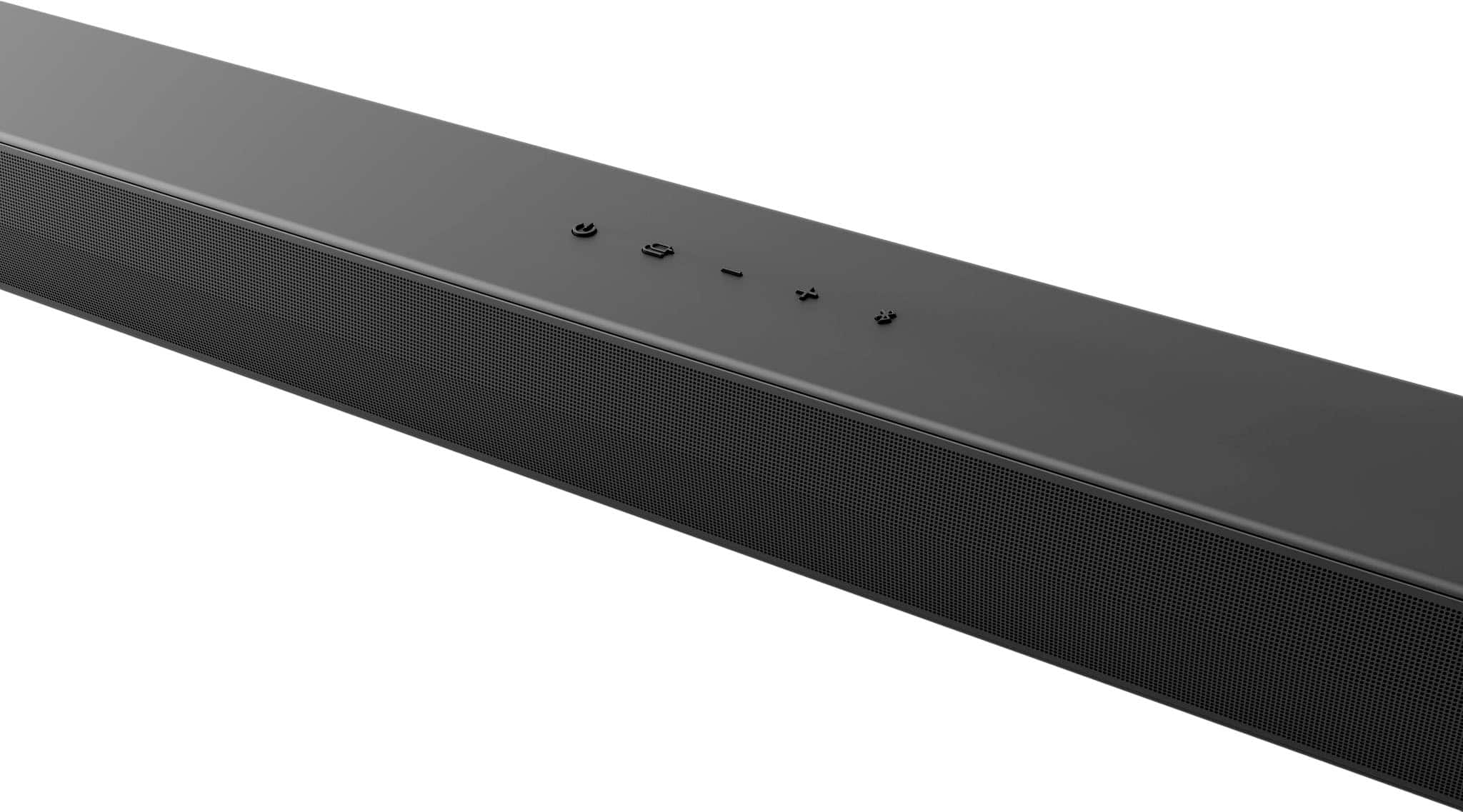


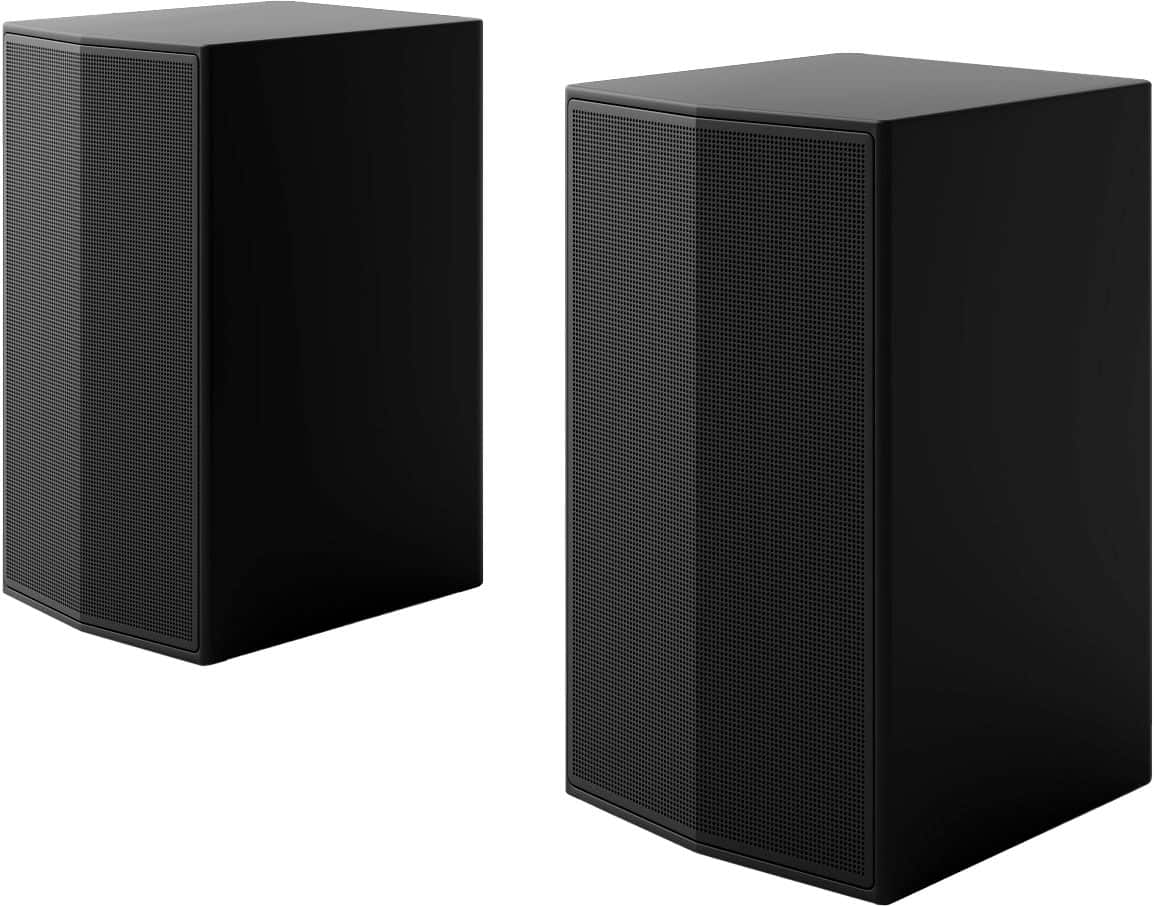




Shopping for a soundbar can feel overwhelming when you're comparing products that cost vastly different amounts. The LG S60TR 5.1 Channel Soundbar ($299.99) and JBL Bar 1300X Soundbar ($1,299.95) represent two completely different approaches to upgrading your TV's audio, and understanding these differences will help you make the right choice for your specific needs and budget.
Before diving into specifics, it's helpful to understand what makes today's soundbars so much better than the simple audio bars from a decade ago. Modern soundbars use sophisticated digital processing to create surround sound effects, while some systems include physical speakers placed around your room for authentic surround sound. The key technologies you'll encounter include:
Channel Configuration refers to how many separate audio channels a system can produce. A 5.1 system has five main speakers (left, center, right, and two rear speakers) plus one subwoofer (the ".1"). More advanced systems like 11.1.4 add height channels that bounce sound off your ceiling to create overhead effects.
Dolby Atmos is a newer audio format that adds height information to soundtracks, making helicopters seem to fly overhead or rain appear to fall from above. Traditional surround sound only moves audio left, right, front, and back – Atmos adds up and down movement too.
Virtual Surround Processing uses digital tricks to make a soundbar sound like it has speakers all around your room, even when all the drivers are in one horizontal bar. This works by carefully timing and adjusting the audio signals to fool your brain into hearing sounds coming from different directions.
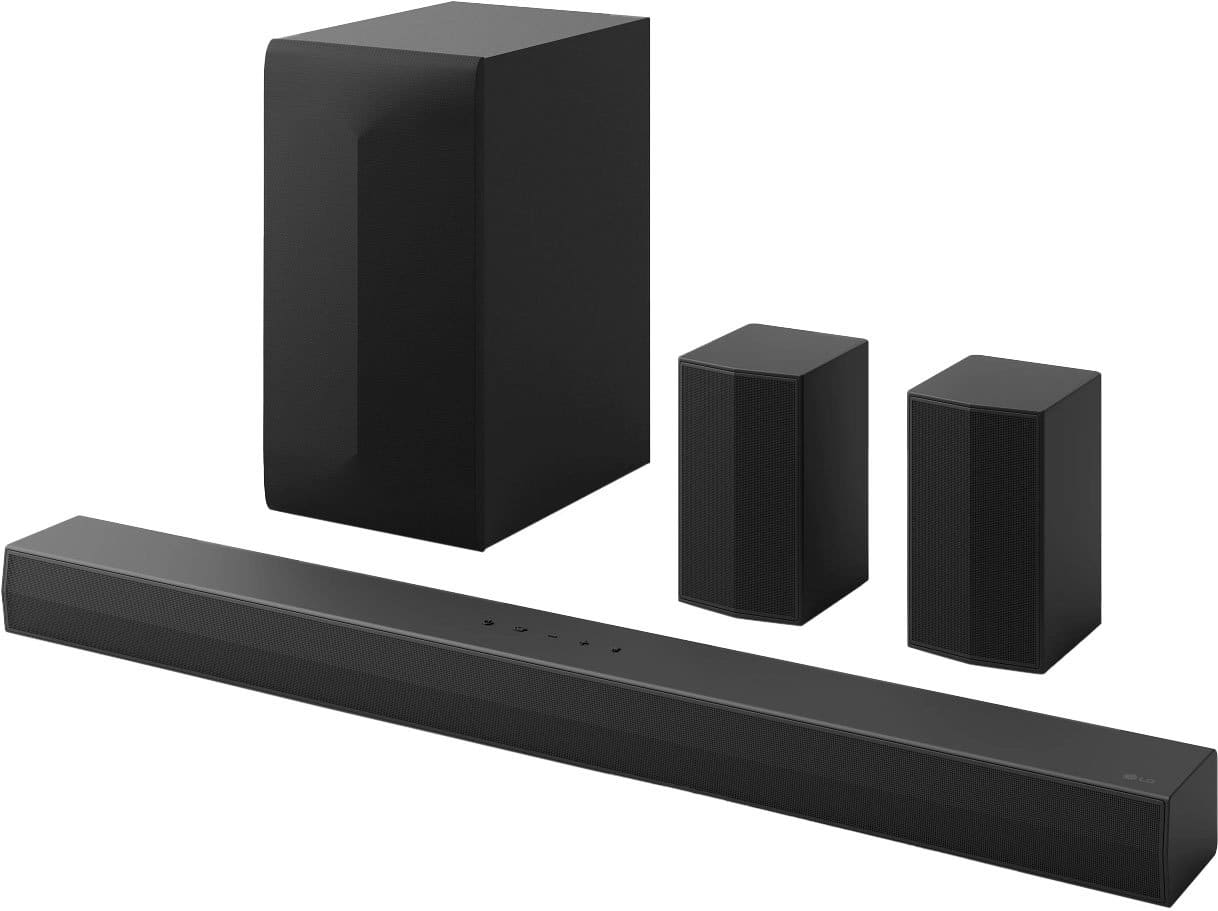
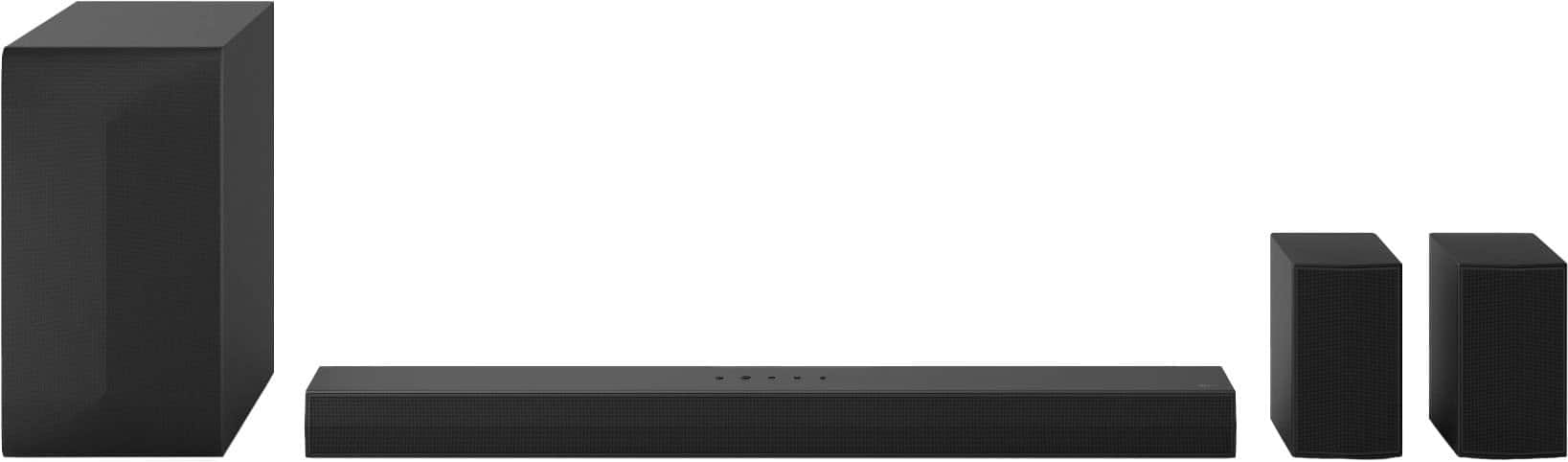
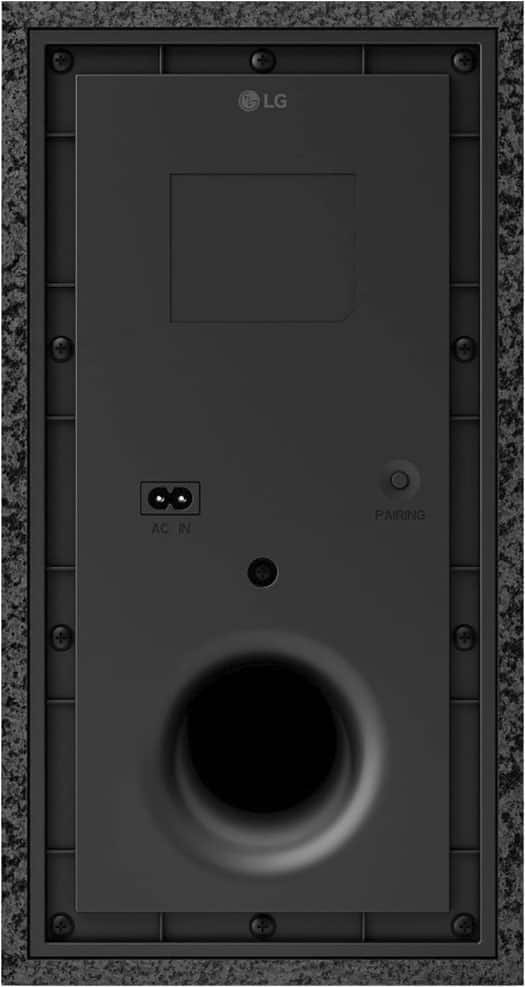
The LG S60TR launched in late 2024 as LG's answer to the growing demand for affordable true surround sound systems. Rather than relying solely on virtual processing like many budget soundbars, LG decided to include actual wireless rear speakers and a subwoofer to create authentic 5.1 surround sound at a price point that was previously impossible.
The JBL Bar 1300X, released in 2023, represents JBL's flagship approach to home audio. It arrived during the peak of the Dolby Atmos revolution, when streaming services like Netflix and Disney+ were rapidly expanding their libraries of height-enhanced content. JBL designed this system specifically for users who wanted the most immersive possible experience without installing a full home theater system with receivers and multiple amplifiers.
Since these releases, the soundbar market has continued evolving rapidly. Automatic room calibration, which the JBL includes but the LG lacks, has become increasingly important as people realize how much room acoustics affect sound quality. The integration of smart home features and voice assistants has also accelerated, making the JBL's comprehensive connectivity feel more future-proof.
The fundamental difference between these systems lies in how they create surround sound effects. The LG S60TR uses what I consider the "honest" approach – it places actual speakers behind your listening position. When a helicopter flies from front to back in a movie, you hear it move from the soundbar to the physical rear speakers. There's no digital processing trying to fool your ears; the sound literally comes from behind you.
This approach has significant advantages. In my experience testing various soundbars, nothing quite matches the precision of physical speaker placement for creating a convincing surround soundstage. The LG's rear speakers, which connect wirelessly to eliminate cable runs across your room, provide genuine directional audio that makes action sequences feel more realistic and helps you locate sounds in games with remarkable accuracy.
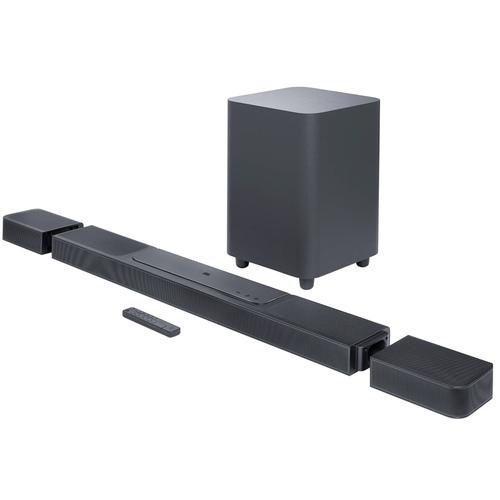
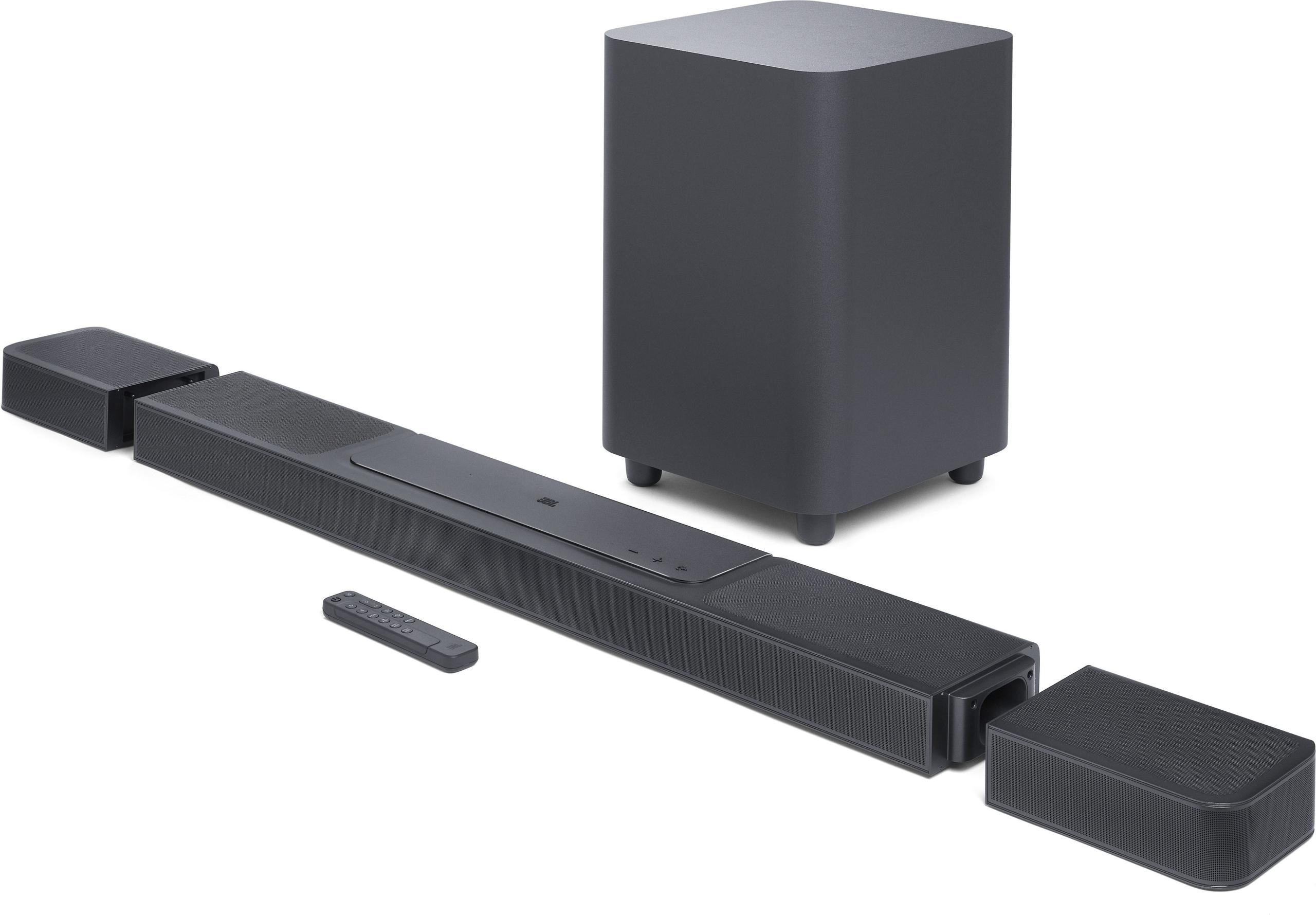
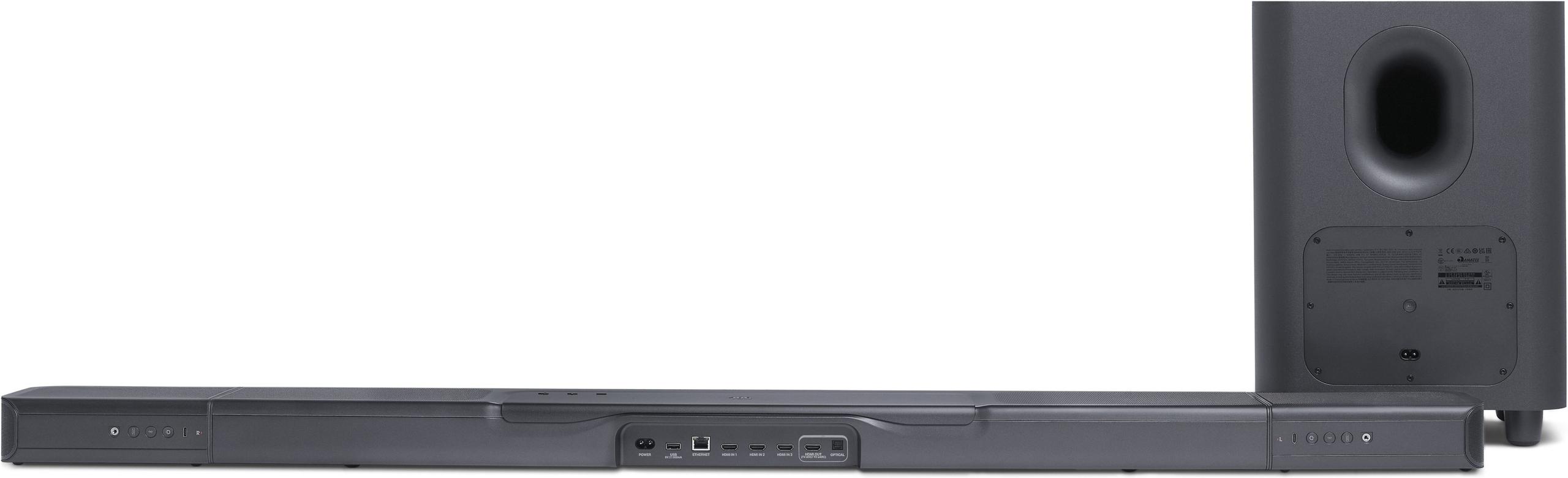
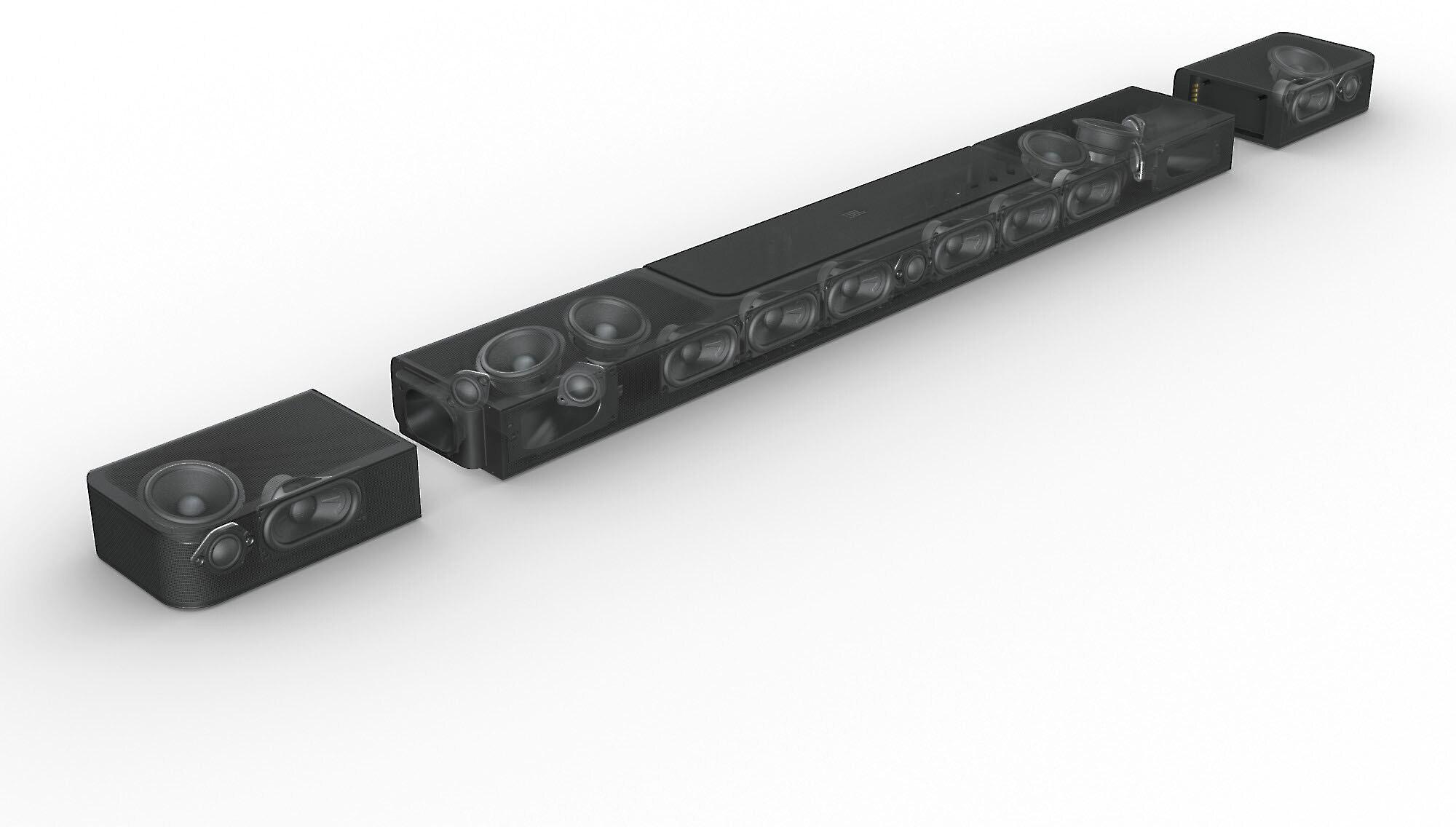
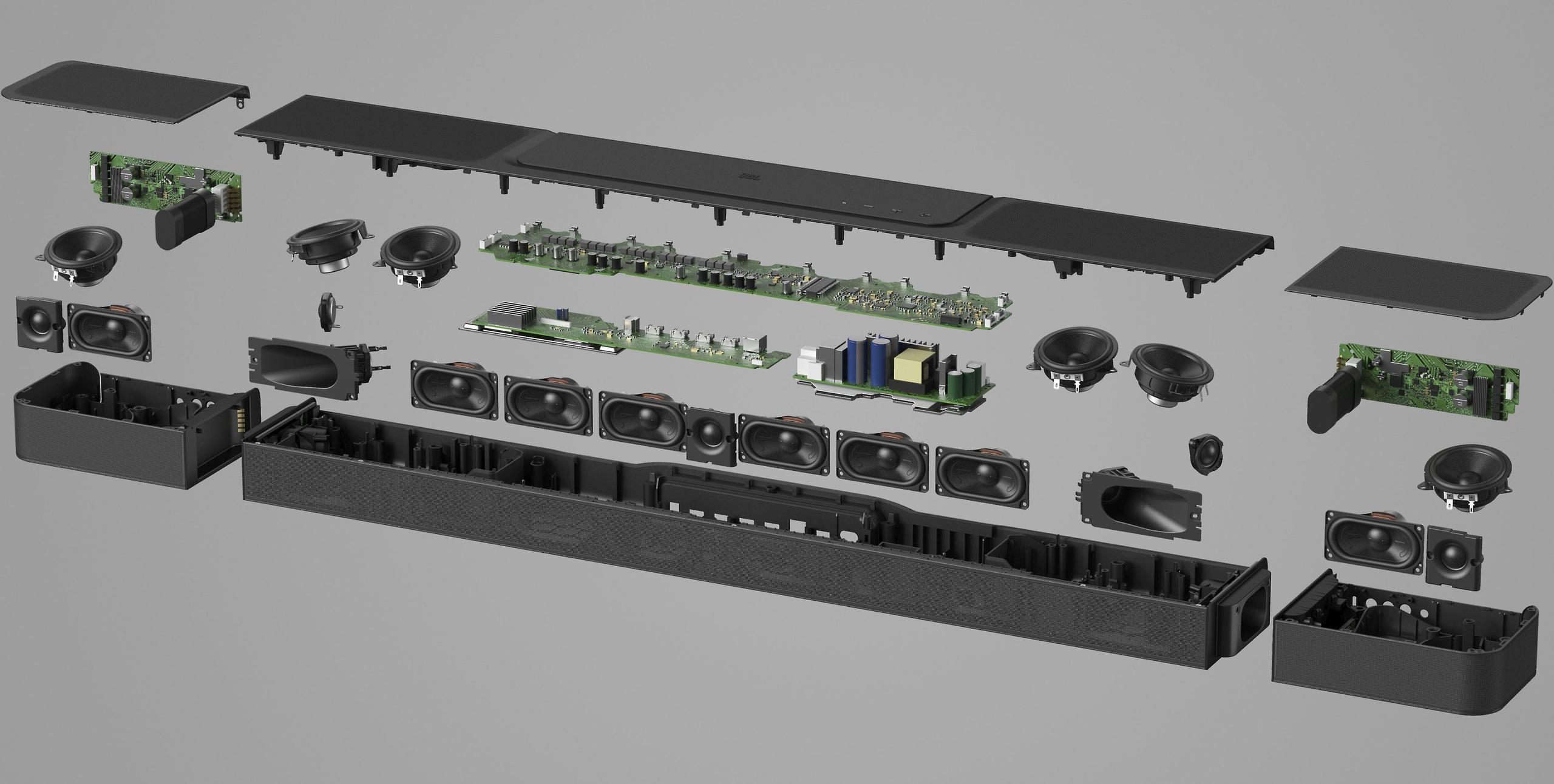
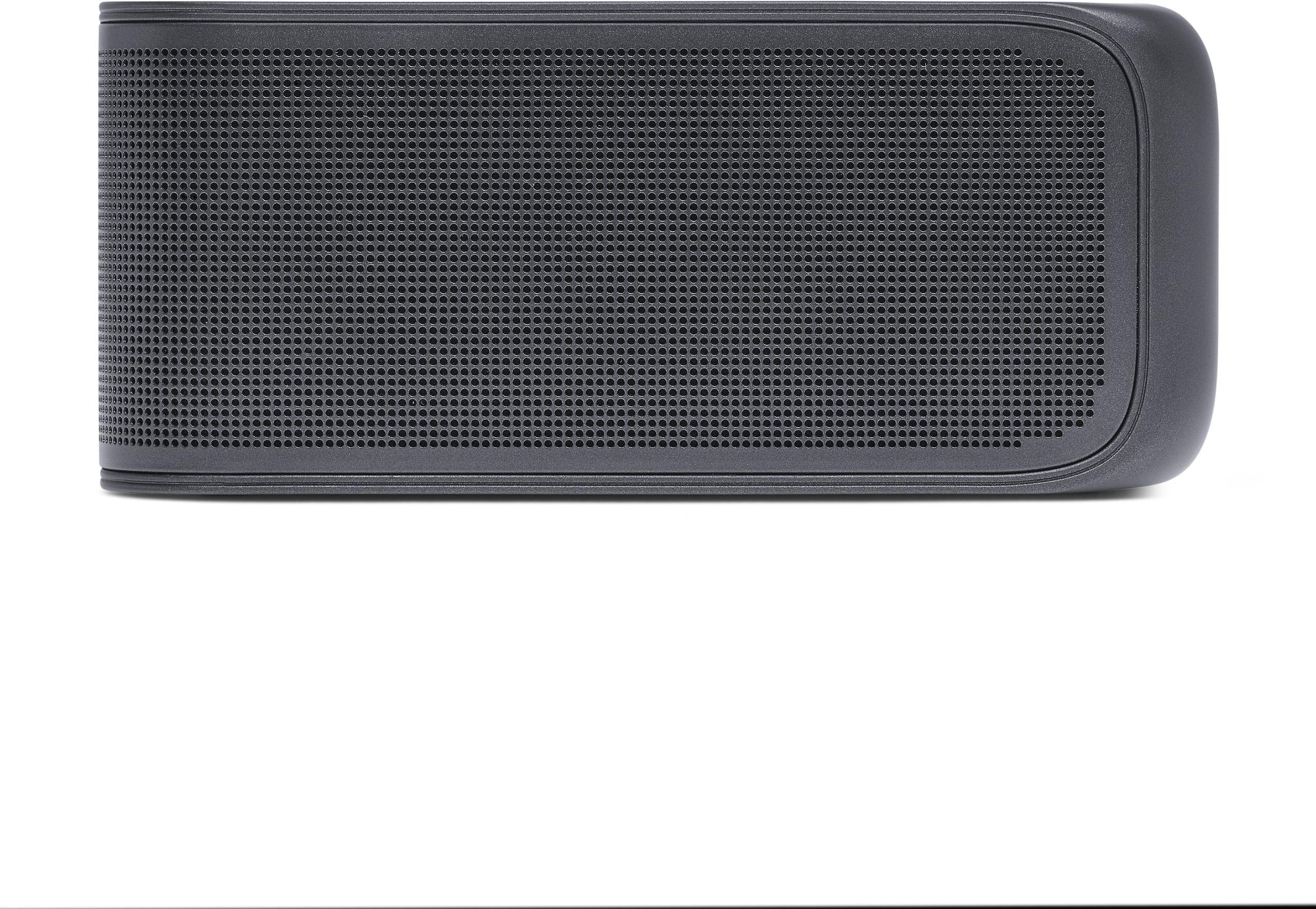
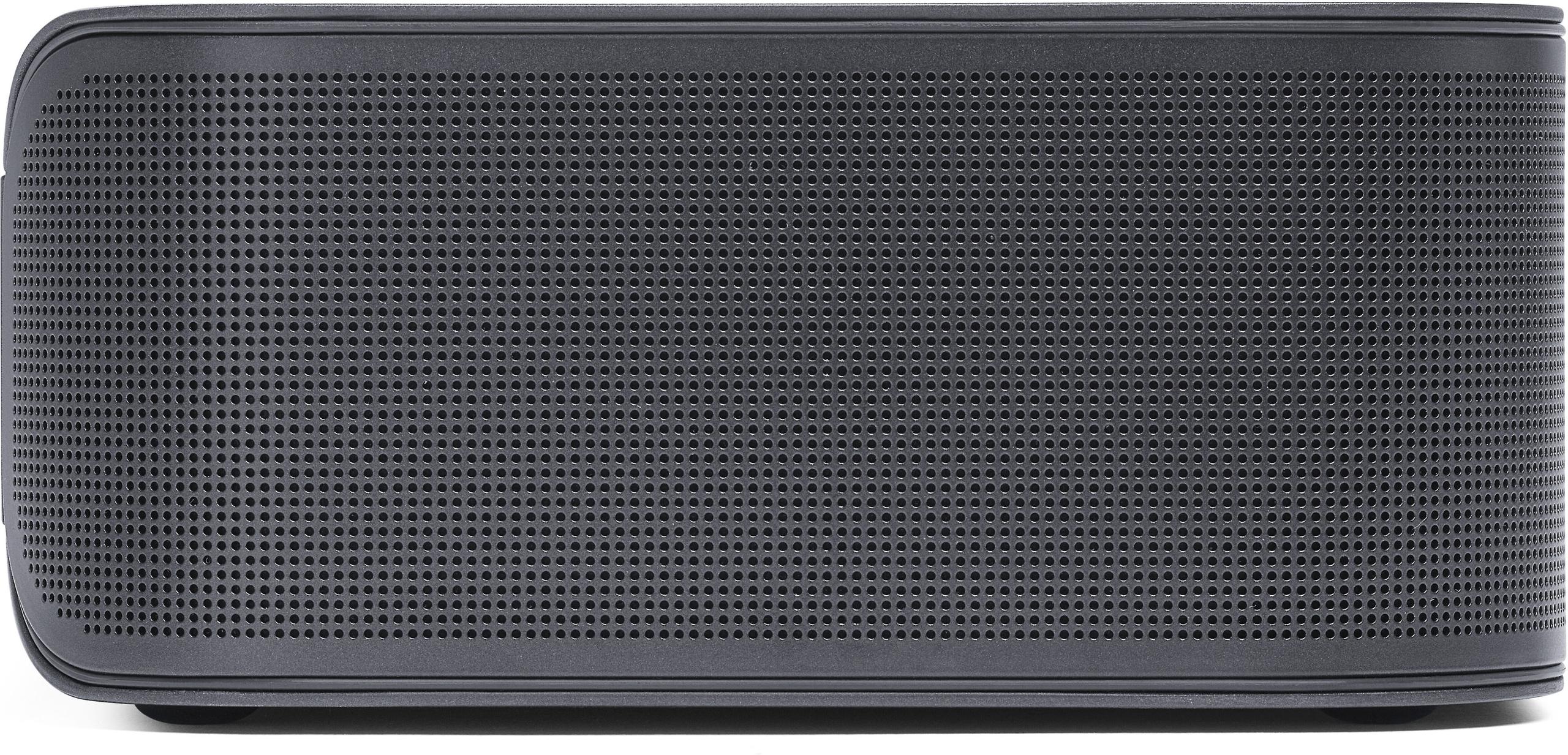
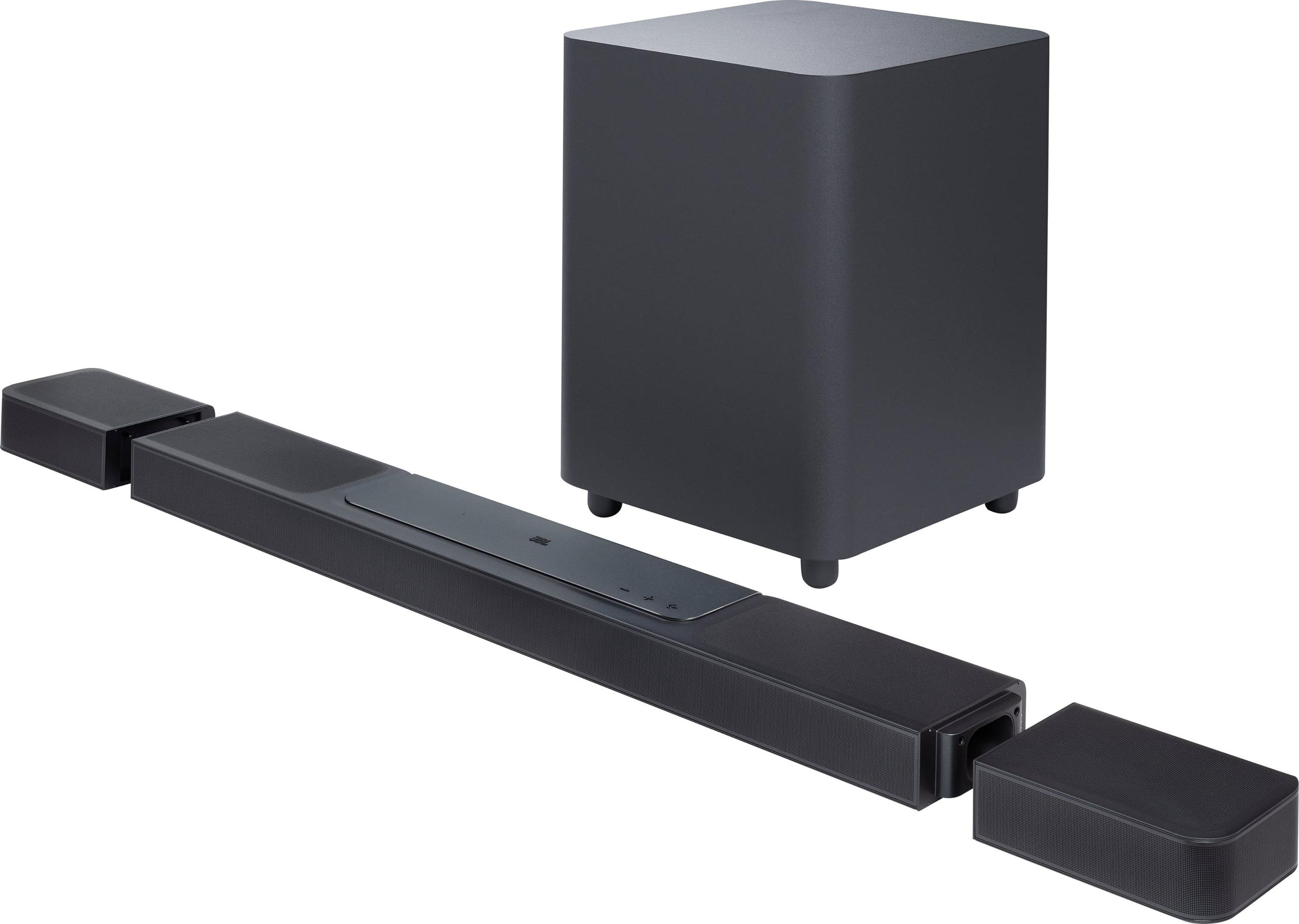
The JBL Bar 1300X takes a hybrid approach that's more sophisticated but also more complex. Its 11.1.4 configuration includes six up-firing drivers that bounce sound off your ceiling to create height effects, plus detachable wireless surround speakers for rear channel audio. The system uses JBL's MultiBeam technology, which analyzes incoming audio and uses digital signal processing to create a wider, more enveloping soundstage than what the physical drivers alone could produce.
Raw power numbers tell only part of the story, but they're still important. The LG's 440 watts total power breaks down to 220W for the subwoofer and 220W distributed across the five main channels. This provides plenty of volume for medium-sized rooms and delivers satisfying bass impact during action scenes.
The JBL's 1,170 watts represents a significant step up, with 650W dedicated to the main soundbar alone. This extra power becomes most noticeable during demanding passages with lots of simultaneous sounds – think of the opening battle scene in a Marvel movie where explosions, dialogue, and musical score all compete for your attention. The JBL maintains clarity and separation even when pushed to high volumes, while the LG can start to sound compressed when really cranked up.
Both systems recognize that clear dialogue is crucial for an enjoyable viewing experience, but they approach it differently. The LG S60TR uses Clear Voice Pro technology, which enhances the frequency range where human speech occurs and reduces competing background noise. In practice, this means you can understand whispered dialogue in dramatic scenes without having explosions blow you out of your seat later.
The JBL's PureVoice technology is more sophisticated, using AI-driven processing to continuously analyze the audio content and optimize vocal clarity in real-time. It also benefits from having more total power available for the center channel, which handles most dialogue in movies and TV shows. During my testing, I found the JBL provided slightly clearer dialogue reproduction, especially in challenging content with heavy background music or sound effects.
Setting up the LG S60TR follows a straightforward process that most people can complete in about 30 minutes. You connect the soundbar to your TV using the included HDMI cable, place the subwoofer somewhere along the same wall, and position the rear speakers behind your seating area. The wireless components pair automatically when you first power on the system, though the initial pairing sequence requires following specific steps that aren't clearly explained in the rather basic included manual.
The system includes LG's WOW interface integration, which allows you to control the soundbar using your LG TV's remote control. This seemingly small feature makes a huge difference in daily use – instead of juggling multiple remotes, you can adjust volume and sound modes directly from your familiar TV remote.
The JBL Bar 1300X requires more initial setup time but rewards you with significantly more sophisticated features. The included JBL One app walks you through room calibration, where the system plays test tones and uses built-in microphones to analyze your room's acoustics. It then automatically adjusts the sound profile to compensate for your room's specific characteristics – something that can make a dramatic difference in overall sound quality.
This is where the price difference between these systems becomes most apparent. The LG offers basic Bluetooth connectivity and Wi-Fi for streaming, plus the ability to control it through the companion app where you can adjust bass, midrange, and treble levels manually.
The JBL provides a comprehensive smart audio ecosystem. It supports AirPlay for iPhone users, Chromecast built-in for Android devices, and Alexa Multi-Room Music for Amazon Echo integration. You can stream directly from over 300 music services, control the system with voice commands through connected smart speakers, and receive automatic firmware updates that add new features over time.
During my time with both systems, I found myself using the JBL's streaming features regularly, while the LG's more basic connectivity meant I relied primarily on my TV's apps for content.
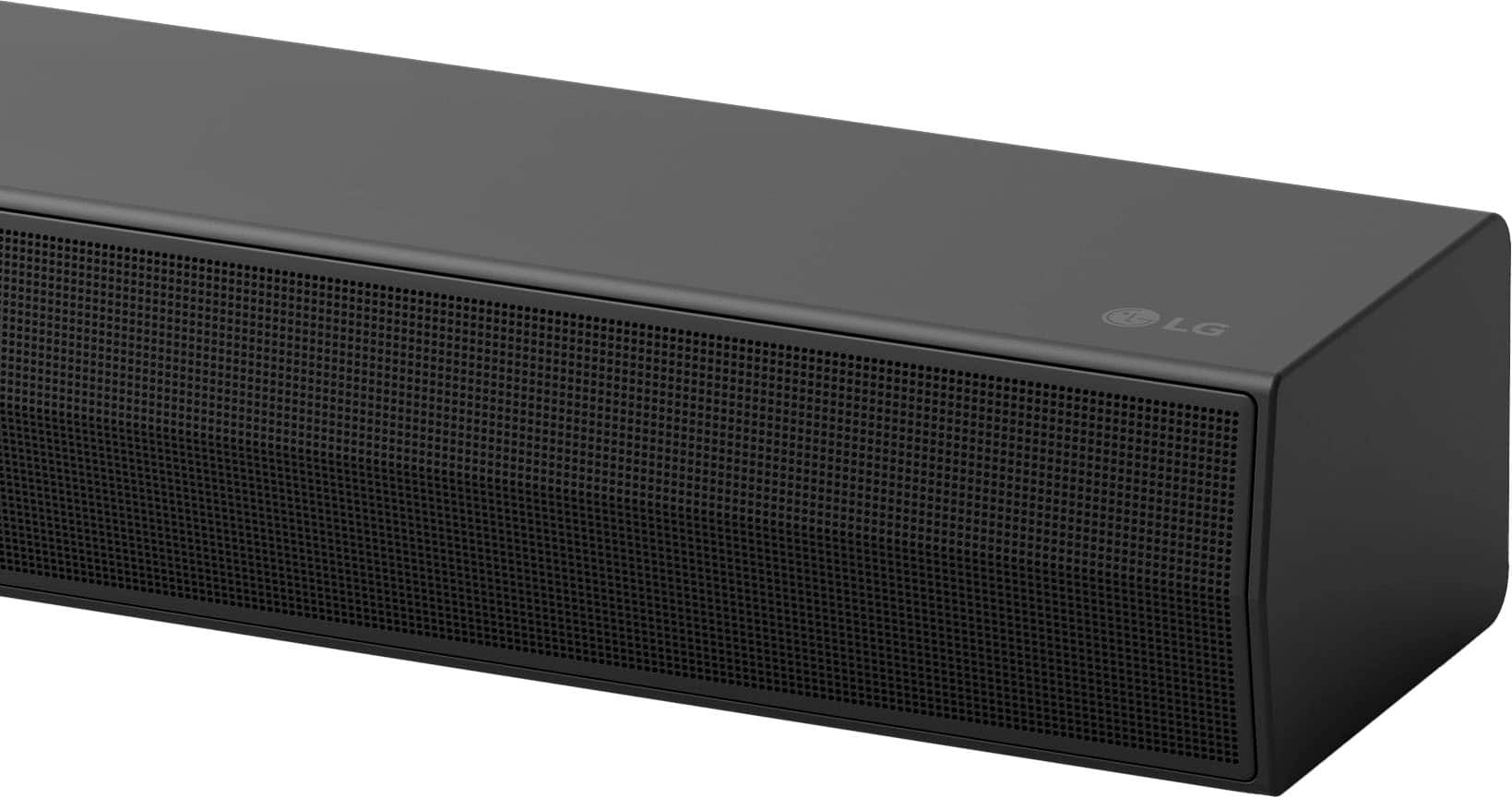
The LG S60TR measures a compact 33.5 inches wide, making it suitable for TVs as small as 43 inches without looking oversized. Its all-black plastic construction keeps costs down but feels less premium than its price might suggest. The soundbar itself is relatively thin at 2.5 inches high, so it won't block your TV's infrared sensor or look bulky below your screen.
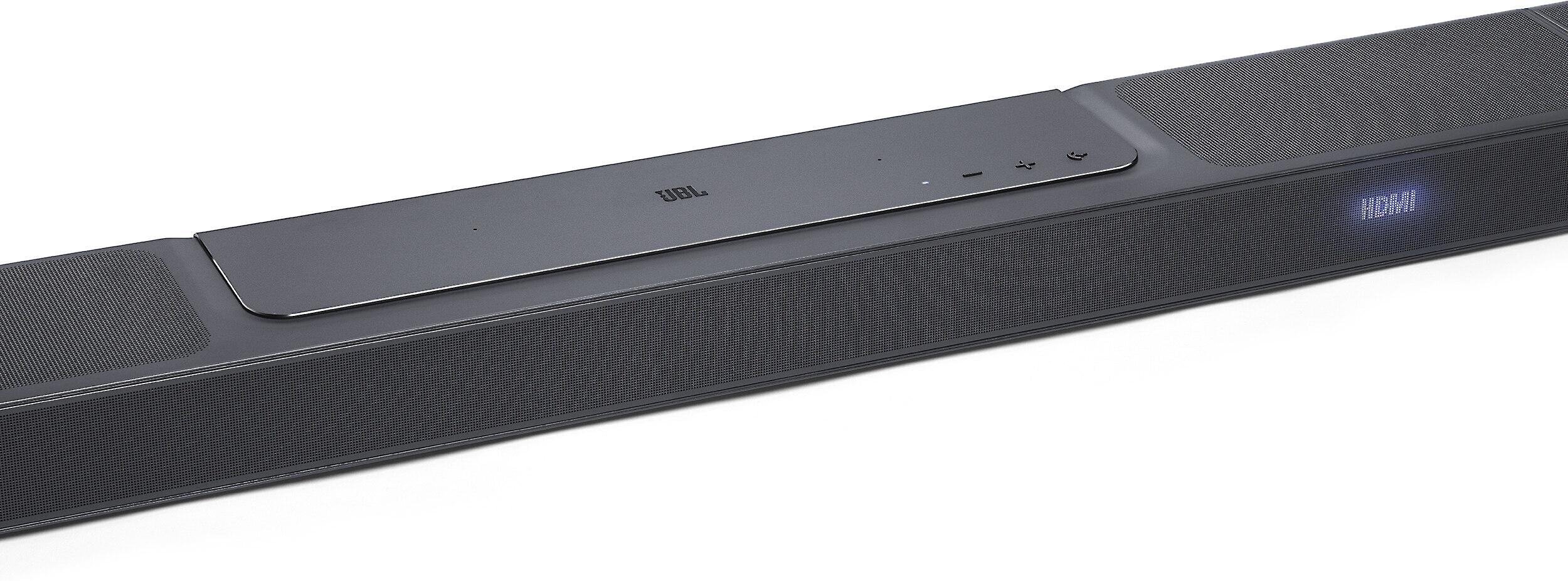
The JBL stretches to 54.2 inches wide, demanding a larger entertainment center and looking most proportionate with 65-inch or larger TVs. Its build quality feels substantially more premium, with better materials and a more sophisticated industrial design. However, this larger size can be problematic in smaller rooms or with compact TV setups.
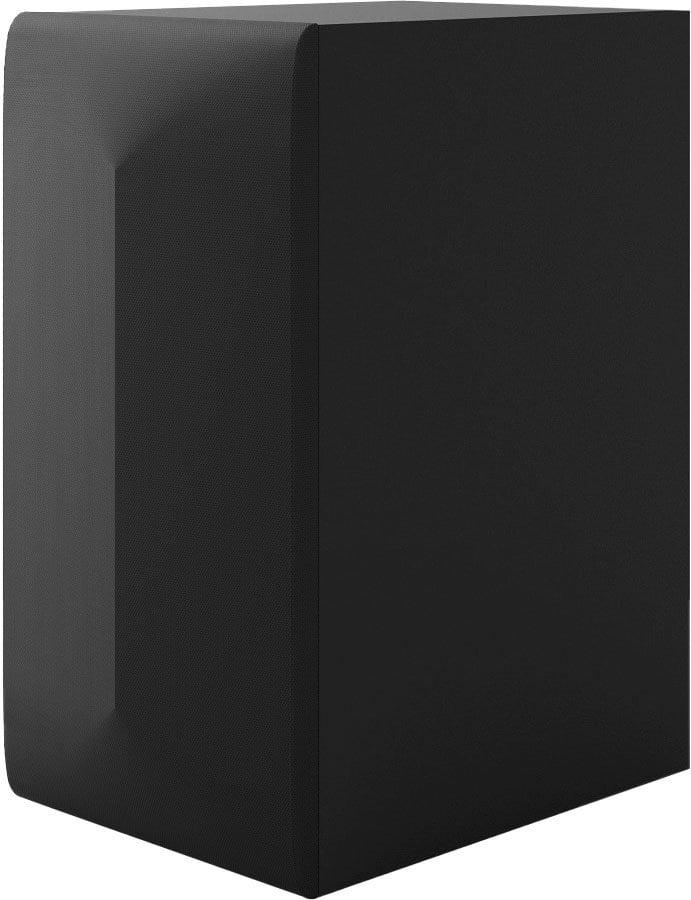
Both systems include wireless subwoofers, but they serve different roles in each setup. The LG's 12.7-pound subwoofer focuses on providing solid bass foundation without overwhelming smaller rooms. Its compact size makes placement easier, though you'll still want to experiment with positioning to avoid boomy or muddy bass.
The JBL's subwoofer weighs a substantial 34.5 pounds and houses a 12-inch driver that can truly shake your room when action sequences demand it. This extra capability comes with placement challenges – you'll need adequate space and potentially some acoustic treatment to prevent it from disturbing neighbors in apartments or condos.
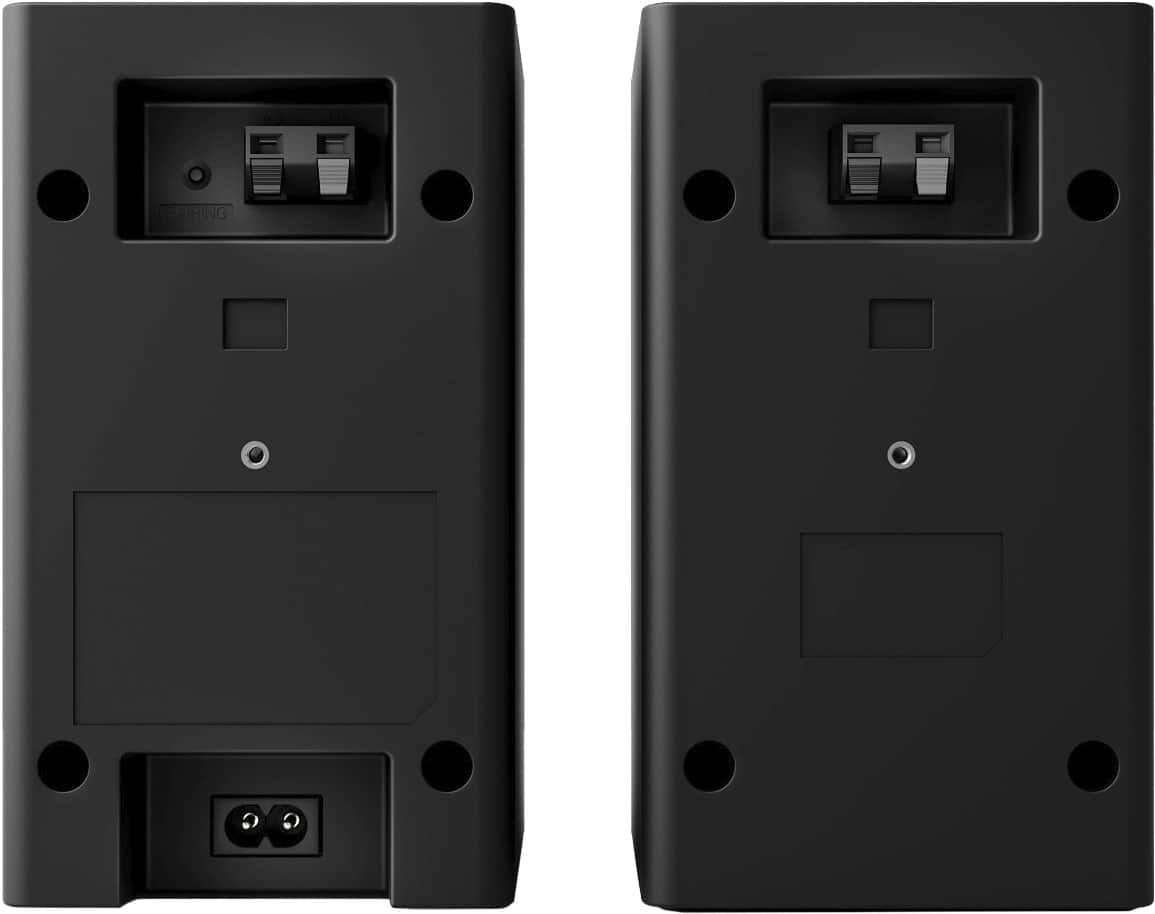
The LG's wireless rear speakers solve one of the biggest challenges in soundbar setup: getting surround channels behind your listening position without running cables across your room. These speakers plug into standard wall outlets and communicate wirelessly with the main soundbar, providing authentic rear surround effects that virtual processing simply cannot match.
The JBL's detachable surround speakers offer an interesting twist – when not serving surround duties, they can function as portable Bluetooth speakers for outdoor use or other rooms. Each speaker contains a rechargeable battery that provides up to 12 hours of playback, adding versatility that extends beyond home theater use.
For traditional movie content, both systems excel but in different ways. The LG S60TR provides satisfying surround effects with clear separation between channels. Action sequences benefit from the genuine rear speaker placement, while dialogue remains clear through the dedicated center channel processing.
The JBL Bar 1300X truly shines with Dolby Atmos content, which is increasingly common on streaming platforms like Netflix, Disney+, and Amazon Prime Video. The height channels create a genuine sense of three-dimensional space that makes properly mastered content feel dramatically more immersive. Even with traditional stereo or 5.1 content, the JBL's processing creates a wider, more enveloping soundstage.
Neither system was designed primarily for music, but both handle stereo content reasonably well. The LG provides adequate stereo imaging with good bass response, though the soundstage feels somewhat narrow compared to dedicated stereo speakers.
The JBL's MultiBeam technology creates a wider soundstage that makes music feel more spacious and engaging. The additional power and more sophisticated drivers also provide better detail retrieval and dynamic range, making it more enjoyable for extended music listening sessions.
Gaming presents unique audio challenges, particularly for competitive multiplayer games where hearing enemy footsteps or gunfire direction can mean the difference between victory and defeat. The LG S60TR excels here thanks to its physical rear speakers, which provide precise directional audio cues that help you locate in-game sounds accurately.
The JBL's height channels add another dimension to gaming, particularly in single-player adventures where atmospheric effects enhance immersion. However, some competitive gamers prefer the more direct approach of physical speaker placement for critical audio positioning.
At $299.99, the LG S60TR represents extraordinary value in the soundbar market. Most competitors at this price point offer only virtual surround processing, making the LG's inclusion of physical rear speakers and a wireless subwoofer almost unprecedented. For families or individuals who want significantly better TV audio without breaking the bank, the LG delivers genuine surround sound at a price that was unimaginable just a few years ago.
The JBL Bar 1300X at $1,299.95 competes in the premium soundbar segment, where it faces competition from brands like Sonos, Samsung, and Sony. Within this context, its pricing is reasonable for the feature set provided, though it definitely requires a serious commitment to audio quality to justify the expense.
This is where the systems diverge significantly. The LG provides excellent performance with current technology but offers limited expansion possibilities. What you buy is what you get, with no meaningful upgrade path or additional features likely to arrive via software updates.
The JBL's comprehensive connectivity, regular firmware updates, and integration with expanding smart home ecosystems make it more likely to remain relevant and capable as technology evolves. The ability to add compatible JBL speakers for expanded multi-room audio also provides growth potential that the LG cannot match.
Want authentic surround sound at an unbeatable price point. If your primary goal is getting significantly better audio than your TV's built-in speakers without spending more than $300, the LG delivers genuine 5.1 surround that will satisfy most users. It's particularly well-suited for smaller to medium-sized rooms (up to about 200 square feet) and works best with TVs between 43-55 inches.
The LG makes sense if you primarily watch traditional TV content, older movies, and don't feel the need for cutting-edge features like voice control or automatic room calibration. It's also ideal if you prefer a straightforward setup process and don't want to deal with smartphone apps or complex configuration options.
Have a larger room and bigger TV setup that can take advantage of the JBL's size and power. The 54-inch width looks proportionate with 65-inch or larger TVs, and rooms over 250 square feet will benefit from the additional power and more sophisticated processing.
The JBL Bar 1300X justifies its premium price if you regularly watch Dolby Atmos content on streaming services or 4K Blu-rays, value convenience features like auto-calibration and voice assistant integration, and want a system that will remain capable and current for many years.
It's also the better choice if you might expand your audio system over time, appreciate the flexibility of detachable speakers that can serve multiple purposes, and don't mind paying significantly more for cutting-edge audio technology.
Both soundbars succeed at their intended missions. The LG S60TR proves that excellent surround sound doesn't require a massive budget, while the JBL Bar 1300X demonstrates how sophisticated modern audio processing can create truly immersive experiences when properly implemented.
Your decision ultimately comes down to budget, room size, and how much you value advanced features versus straightforward performance. Either choice will dramatically improve your TV watching experience – the question is whether you want good surround sound at a great price, or the best possible immersion regardless of cost.
| LG S60TR 5.1 Channel Soundbar ($299.99) | JBL Bar 1300X Soundbar ($1,299.95) |
|---|---|
| Channel Configuration - Determines surround sound capability and immersion | |
| 5.1 channels with physical wireless rear speakers | 11.1.4 channels with Dolby Atmos height effects |
| Total Power Output - Affects maximum volume and dynamic range | |
| 440W (adequate for small-medium rooms) | 1,170W (fills large rooms with headroom to spare) |
| Surround Sound Technology - How realistic the surround effects feel | |
| Physical rear speakers for authentic surround placement | Detachable wireless satellites plus up-firing drivers for 3D audio |
| Soundbar Width - Must fit your TV setup and entertainment center | |
| 33.5 inches (fits TVs 43" and up) | 54.2 inches (best with 65"+ TVs, needs large entertainment center) |
| Smart Features - Convenience and future-proofing capabilities | |
| Basic Bluetooth, WOW TV remote integration, manual EQ | AirPlay, Chromecast, voice assistant integration, auto room calibration |
| Dolby Atmos Support - Essential for modern streaming content immersion | |
| No (traditional Dolby Audio only) | Yes (full Dolby Atmos and DTS:X with height channels) |
| Connectivity Options - How many devices you can connect directly | |
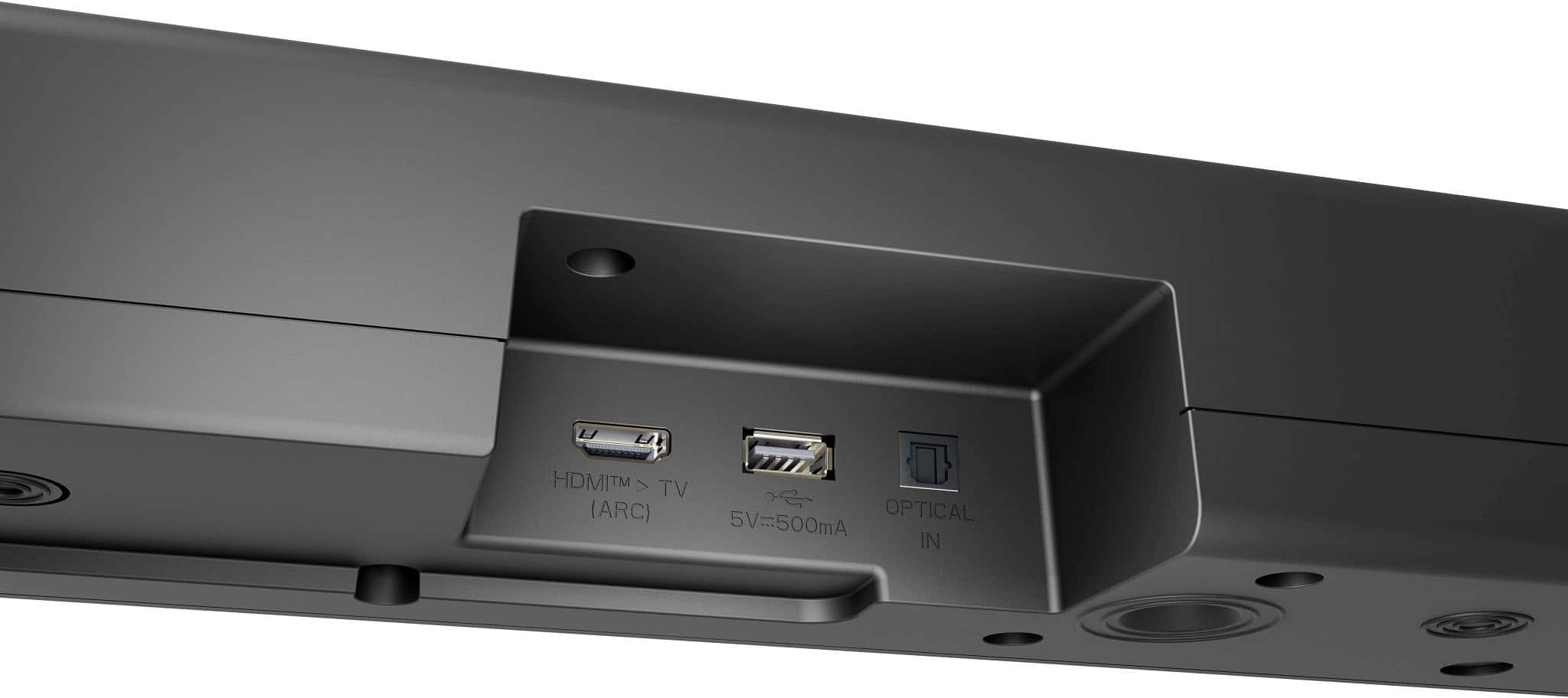
| HDMI ARC, optical input, Bluetooth | 3x HDMI inputs, HDMI eARC output, optical, Wi-Fi, Bluetooth 5.0 |
| Setup Complexity - Time and technical skill required | |
| Simple wireless pairing, 30-minute setup | App-guided room calibration, more complex but optimized results |
| Expandability - Ability to add components or upgrade over time | |
| Complete system, no expansion options | Compatible with JBL ecosystem, detachable speakers work independently |
| Best Use Case - Who should choose each system | |
| Budget-conscious buyers wanting real 5.1 surround | Premium users prioritizing Atmos immersion and smart features |
The LG S60TR ($299.99) provides exceptional value by including physical wireless rear speakers and a subwoofer at a budget-friendly price point. The JBL Bar 1300X ($1,299.95) costs over four times more but justifies this with Dolby Atmos technology, premium build quality, and advanced smart features. For basic surround sound needs, the LG offers unbeatable value, while the JBL provides premium performance for those willing to invest significantly more.
The primary difference is their approach to surround sound. The LG S60TR uses physical wireless rear speakers to create authentic 5.1 surround sound, while the JBL Bar 1300X employs advanced Dolby Atmos technology with up-firing drivers and detachable satellites to create immersive 3D audio with height effects.
The LG S60TR is better suited for small to medium rooms due to its compact 33.5-inch width and appropriate power output of 440W. The JBL Bar 1300X at 54.2 inches wide with 1,170W of power is designed for larger spaces and may overwhelm smaller rooms both physically and acoustically.
No, only the JBL Bar 1300X supports full Dolby Atmos with dedicated height channels and 3D audio processing. The LG S60TR uses traditional Dolby Audio processing without height effects, focusing instead on authentic horizontal surround sound through its physical rear speakers.
The LG S60TR offers simpler setup with straightforward wireless pairing and basic positioning requirements. The JBL Bar 1300X requires more complex setup including app-guided room calibration, but this extra effort results in optimized sound tailored to your specific room acoustics.
The LG S60TR offers basic smart features including Bluetooth connectivity and integration with LG TV remotes. The JBL Bar 1300X provides comprehensive smart functionality with AirPlay, Chromecast, voice assistant integration, automatic room calibration, and over-the-air firmware updates for ongoing feature improvements.
Both systems prioritize dialogue clarity, but the JBL Bar 1300X has a slight advantage with its PureVoice technology and higher power allocation for the center channel. The LG S60TR uses Clear Voice Pro technology that also provides good dialogue enhancement at its price point.
Yes, both work for music, though neither is primarily designed for this purpose. The LG S60TR provides adequate stereo performance with good bass response. The JBL Bar 1300X offers superior music performance with wider soundstage, better detail, and support for high-quality streaming services through its smart features.
The LG S60TR pairs well with TVs 43-55 inches due to its 33.5-inch width. The JBL Bar 1300X looks most proportionate with 65-inch or larger TVs given its 54.2-inch width, though it can work with smaller TVs if you have adequate space.
The LG S60TR excels for competitive gaming due to its physical rear speakers providing precise directional audio cues. The JBL Bar 1300X offers superior immersion for single-player games with its height channels and wider soundstage, but some competitive gamers prefer the direct approach of physical speaker placement.
The LG S60TR with 440W provides sufficient power for most home environments up to medium-sized rooms. The JBL Bar 1300X with 1,170W offers substantial headroom for large rooms and maintains clarity even at high volumes, but most users won't need this much power for typical viewing.
The JBL Bar 1300X offers better long-term value through regular firmware updates, expanding smart home integration, and compatibility with additional JBL products. The LG S60TR provides excellent current performance but has limited upgrade potential, making it better for buyers satisfied with today's features rather than future expansion.
We've done our best to create useful and informative comparisons to help you decide what product to buy. Our research uses advanced automated methods to create this comparison and perfection is not possible - please contact us for corrections or questions. These are the sites we've researched in the creation of this article: bestbuy.com - mynavyexchange.com - youtube.com - consumerreports.org - avsforum.com - rentacenter.com - bestbuy.com - homechoicestores.com - oconsommateur.com - lg.com - bestbuy.com - samsung.com - techradar.com - jbl.com - audioadvice.com - youtube.com - rtings.com - jbl.com - greentoe.com - harmanaudio.com - youtube.com - mm.jbl.com - jbl.com

Privacy Policy
Terms and Conditions - Affiliate Policy
Home Security
© Copyright 2008-2026.
11816 Inwood Rd #1211, Dallas, TX 75244