







Shopping for a soundbar can feel overwhelming when you're comparing products that seem to do similar things but take completely different approaches. That's exactly what we're dealing with when looking at the Sonos Beam Gen 2 ($449) and the JBL Bar 1300X ($1,300). These aren't just different price points—they represent two fundamentally different philosophies about how to upgrade your TV's audio.
Before diving into specifics, let's talk about what soundbars are trying to accomplish. Your TV's built-in speakers are basically an afterthought—thin panels with tiny drivers that can barely handle dialogue, let alone the rumbling bass of an action movie. Soundbars solve this by packing better speakers into a sleek package that sits below your TV.
But modern soundbars go way beyond just "louder and clearer." They're trying to recreate the experience of a full surround sound system using clever audio processing and strategic speaker placement. Technologies like Dolby Atmos (which creates the illusion of sound coming from above) and room calibration (which adjusts the sound based on your specific space) have transformed what's possible from a single bar.
The key decision you'll face is between two approaches: compact systems that can grow over time, or all-in-one solutions that give you everything upfront. Each has distinct advantages depending on your situation.
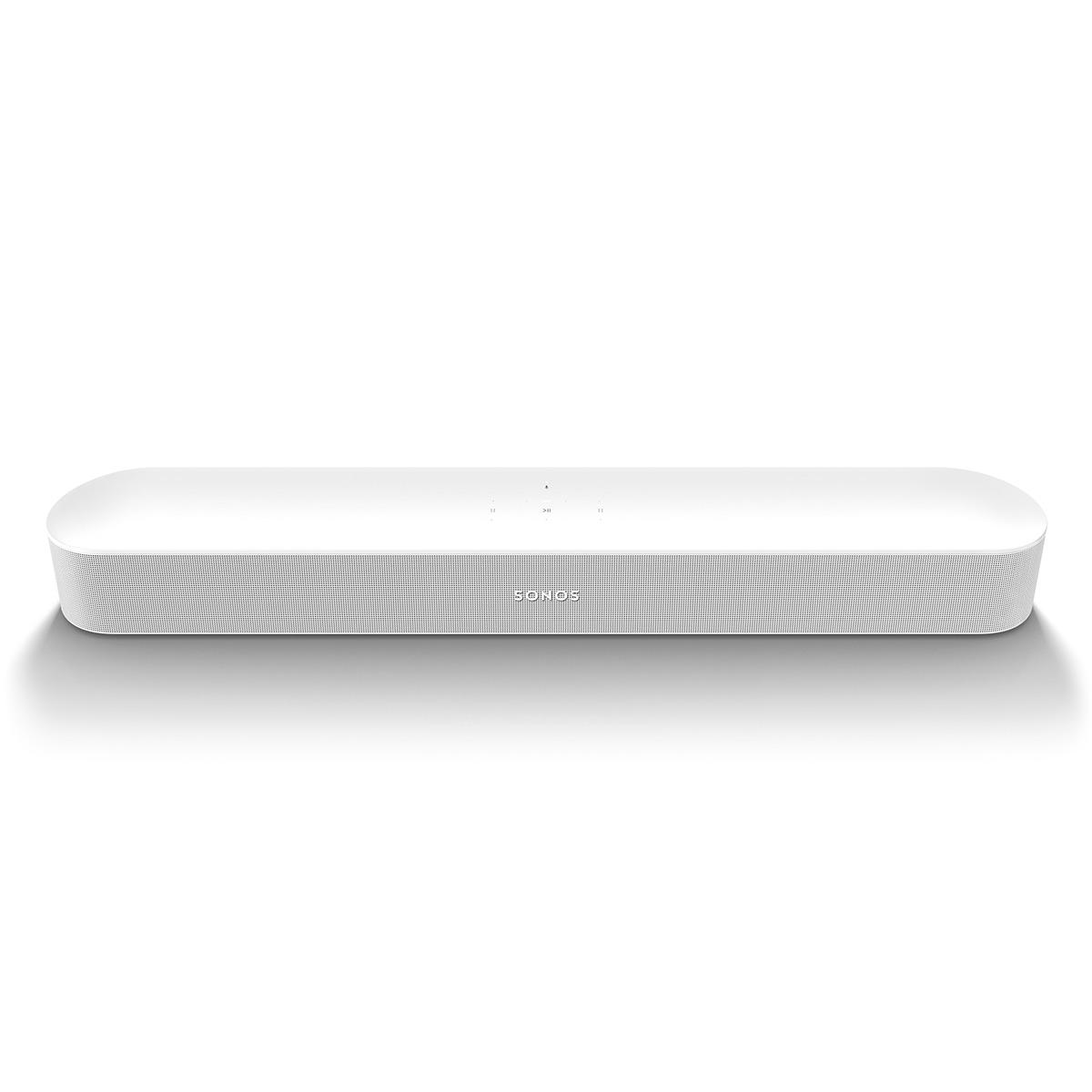
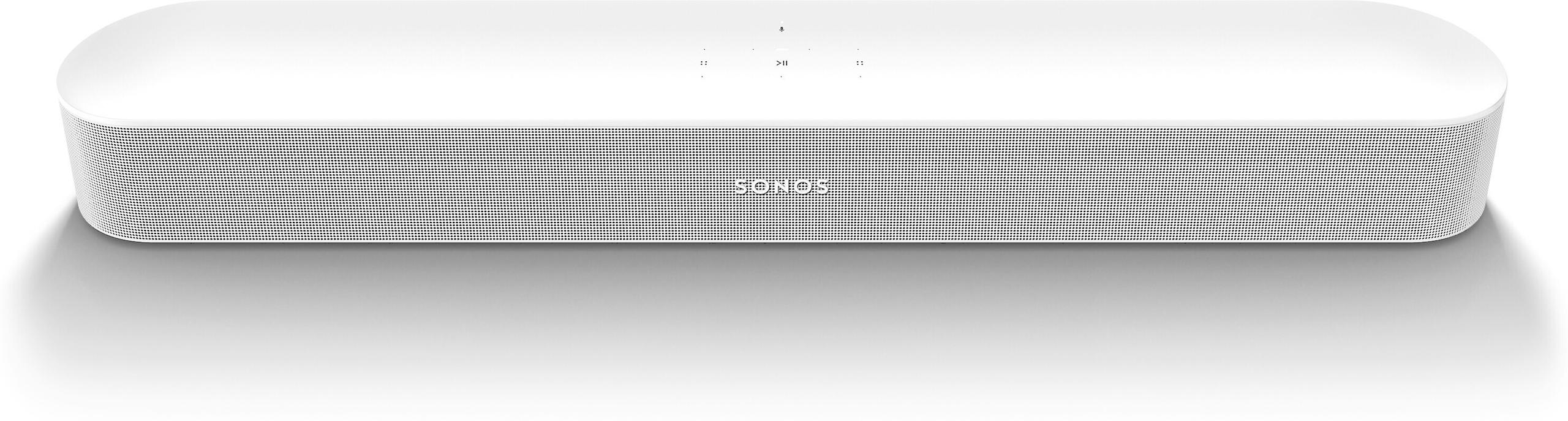
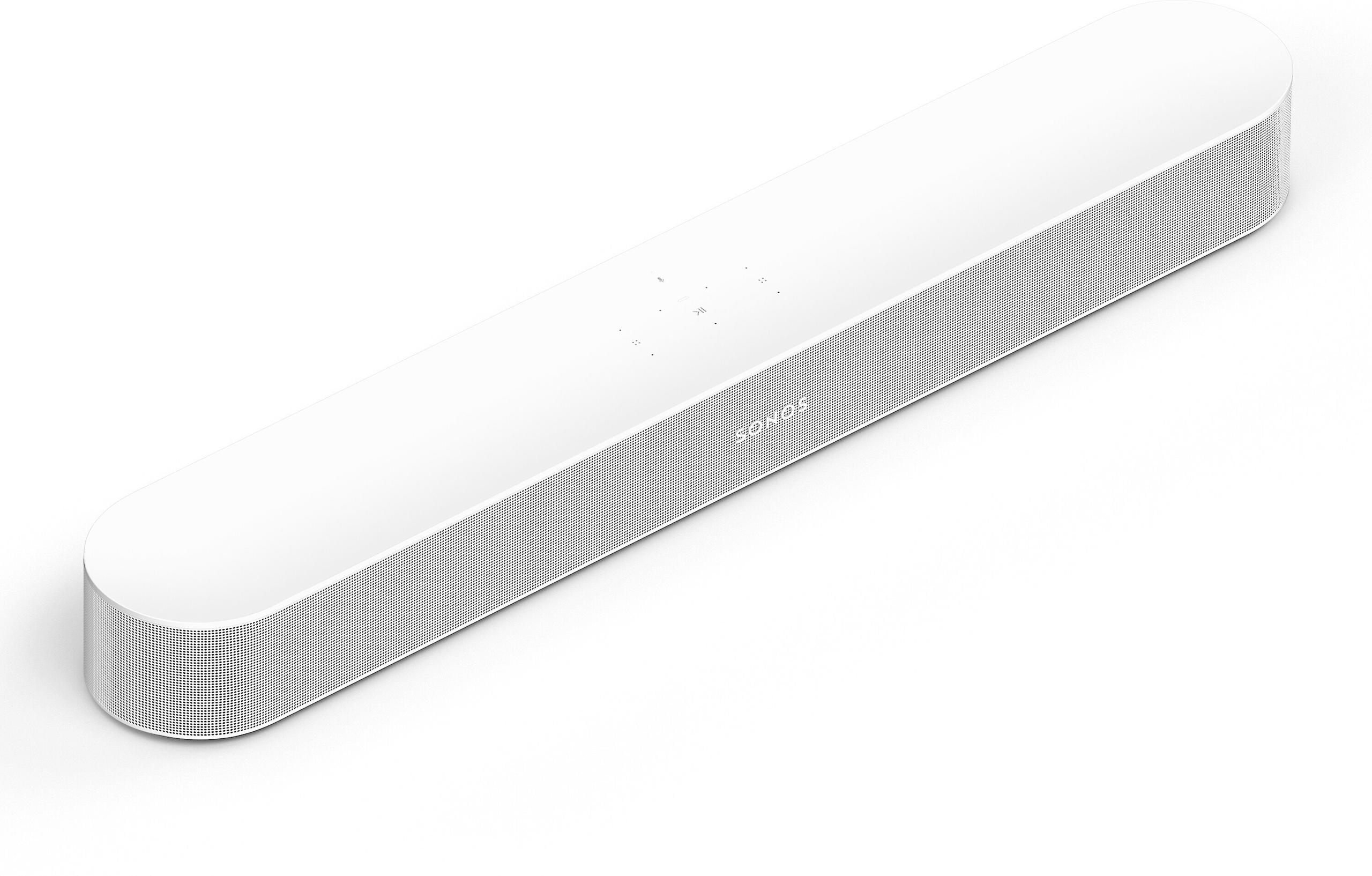
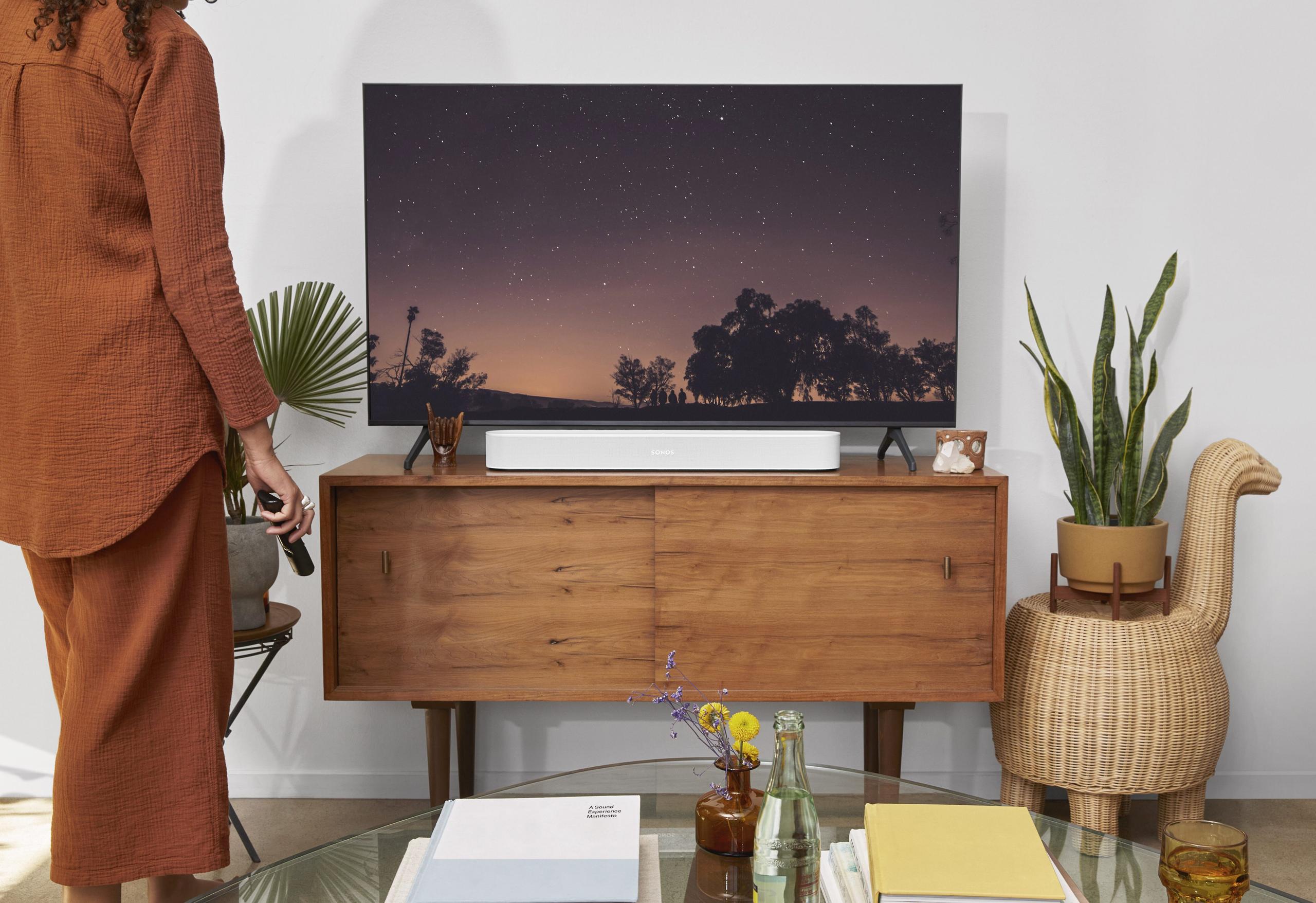
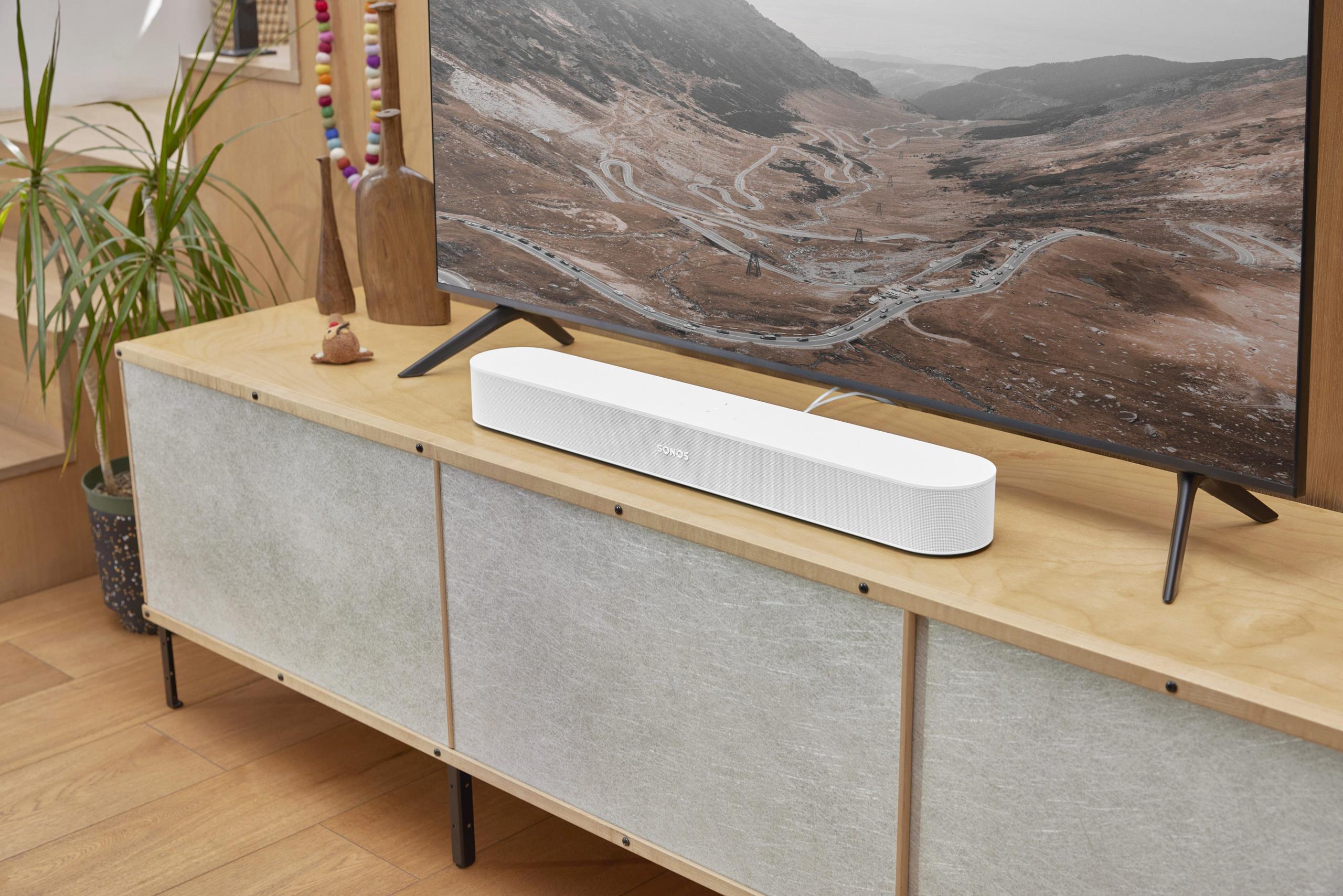
When Sonos released the Beam Gen 2 in October 2021, they weren't trying to reinvent their successful formula—they were refining it. The original Beam had already proven that a compact soundbar could deliver surprisingly rich audio for smaller spaces. The Gen 2 added two crucial upgrades: Dolby Atmos support and HDMI eARC connectivity.
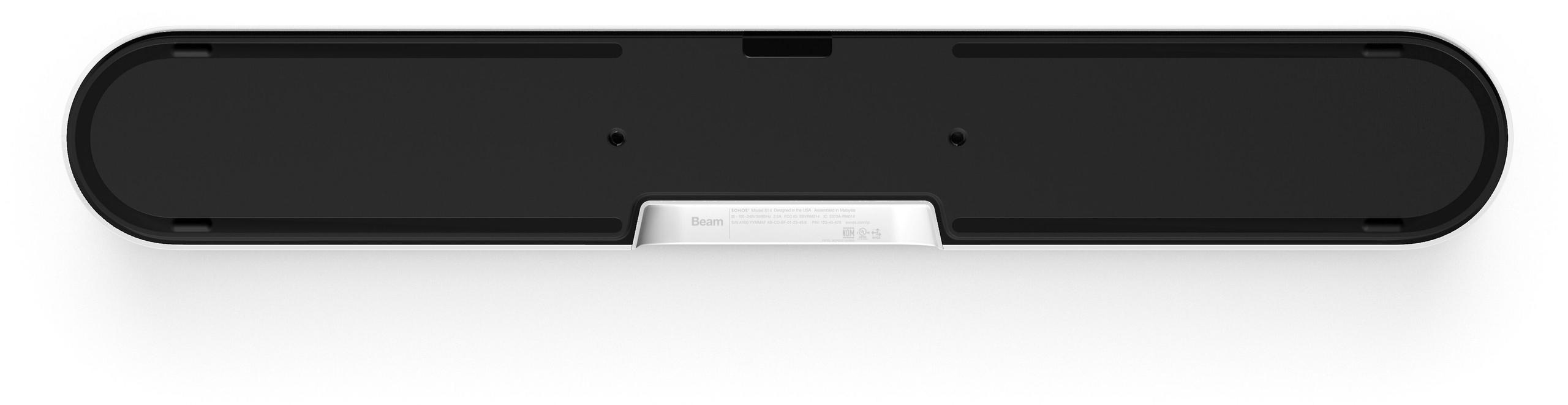
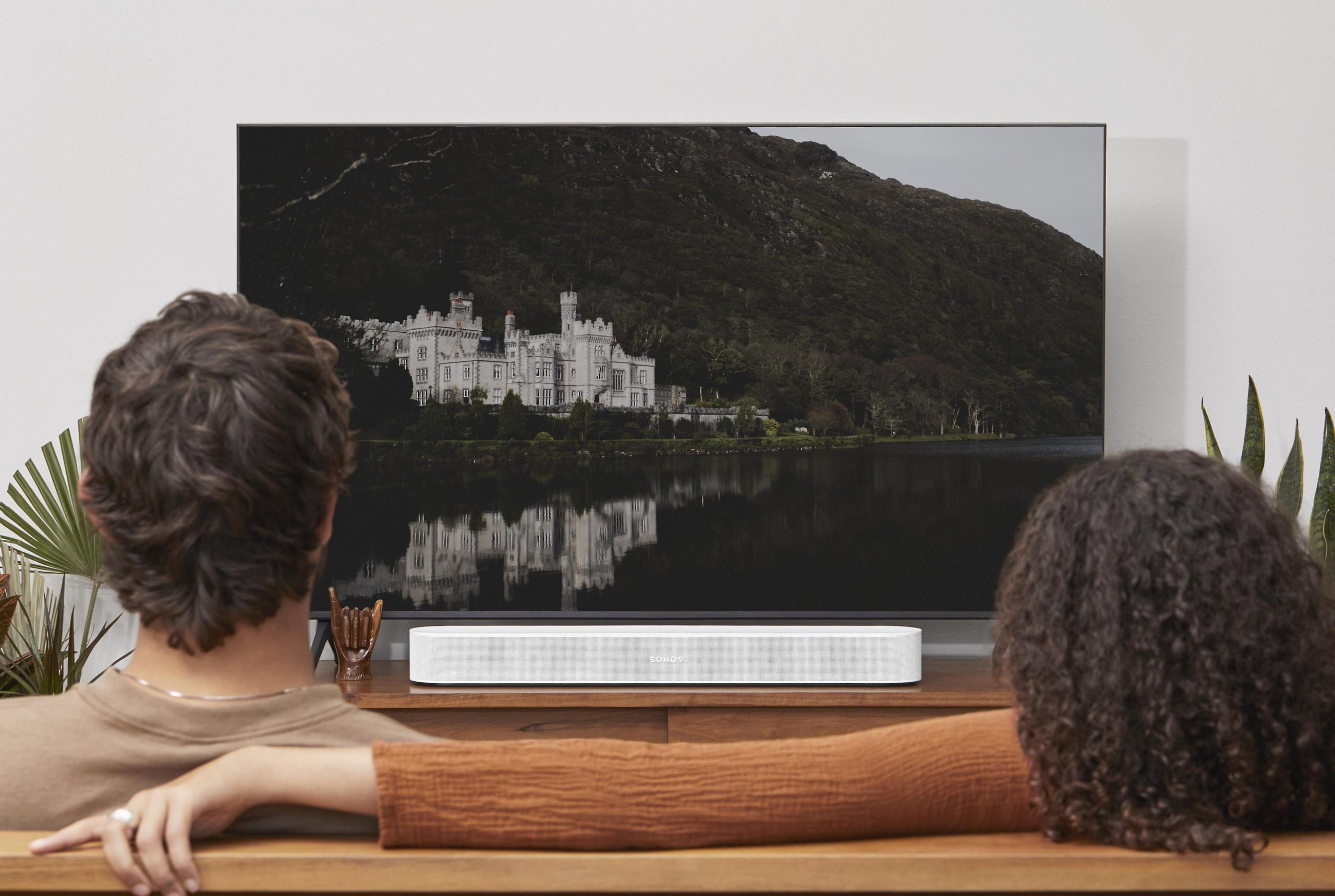
What makes the Beam Gen 2 special is its size-to-performance ratio. At just 25.6 inches wide and weighing 6.35 pounds, it's designed for spaces where a massive soundbar would look ridiculous. But don't mistake compact for compromised—this little bar packs sophisticated audio processing that punches well above its weight class.
The Dolby Atmos implementation here is what's called "virtual" Atmos, which means it doesn't use physical upward-firing speakers like larger systems. Instead, it relies on psychoacoustic processing—basically tricking your brain into hearing sounds from directions where there aren't actually speakers. The Beam Gen 2 uses side-firing drivers and bounces sound off your walls and ceiling to create height effects. It's not as dramatic as systems with dedicated up-firing speakers, but in smaller rooms with good wall surfaces, the effect can be surprisingly convincing.
One feature I've found particularly impressive is Sonos' TruePlay room calibration. Using an iOS device (unfortunately, Android isn't supported), you walk around your room while the app plays test tones through the soundbar. The system analyzes how sound reflects in your specific space and adjusts its output accordingly. The difference is noticeable—dialogue becomes clearer, and the soundstage opens up in ways that feel tailored to your room.
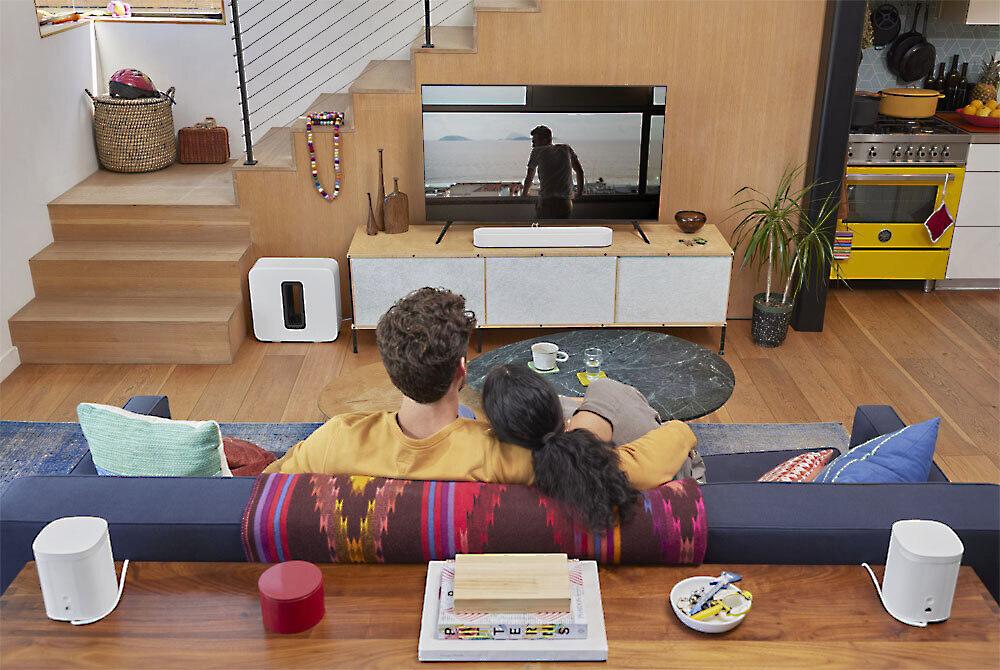
The Beam Gen 2 also benefits from Sonos' broader ecosystem integration. If you already have other Sonos speakers, the Beam can become part of a whole-home audio system. You can start music in the kitchen and have it follow you to the living room, or group speakers for party mode. The built-in Alexa and Google Assistant support means you can control not just the soundbar, but your smart home devices too.
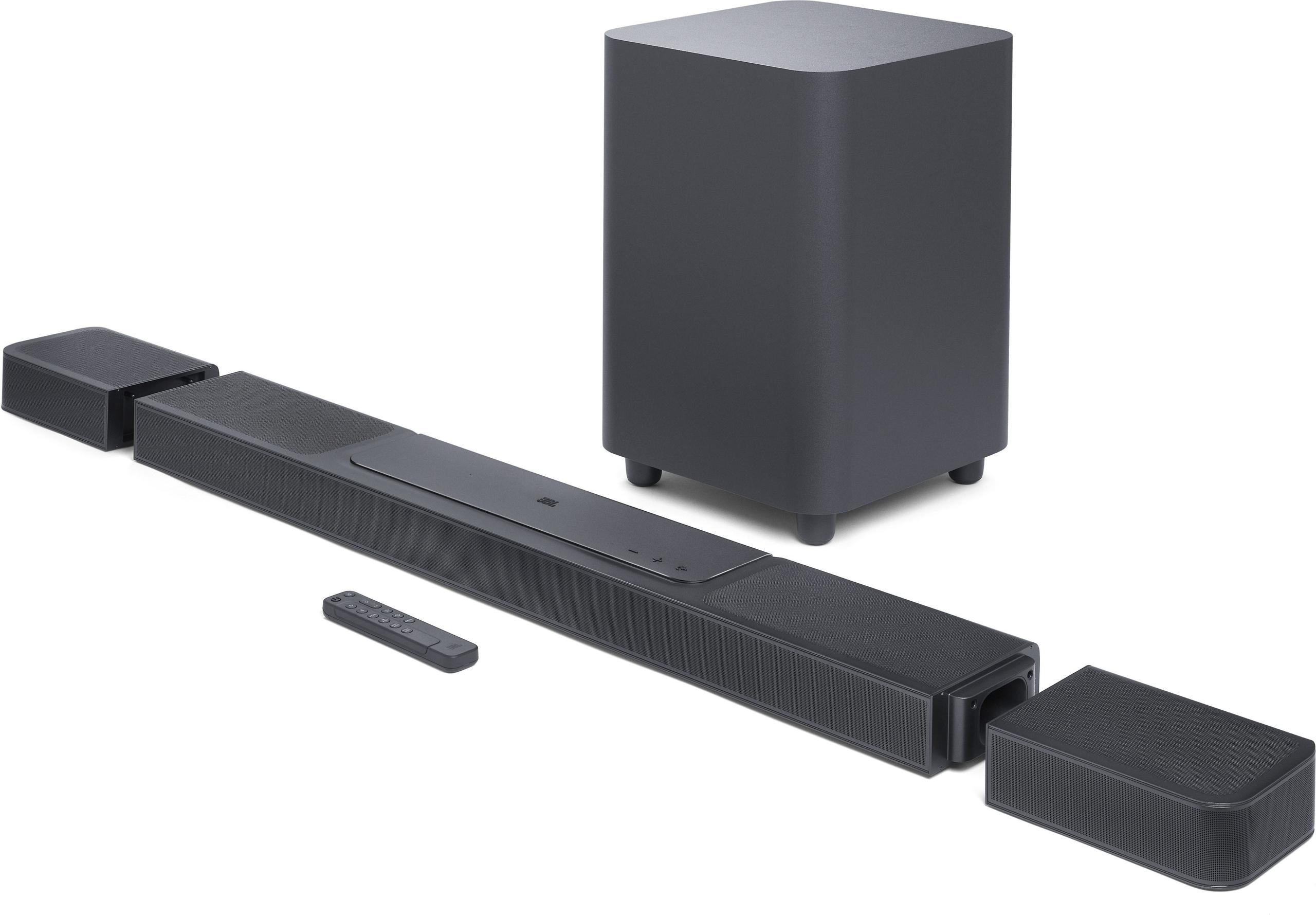
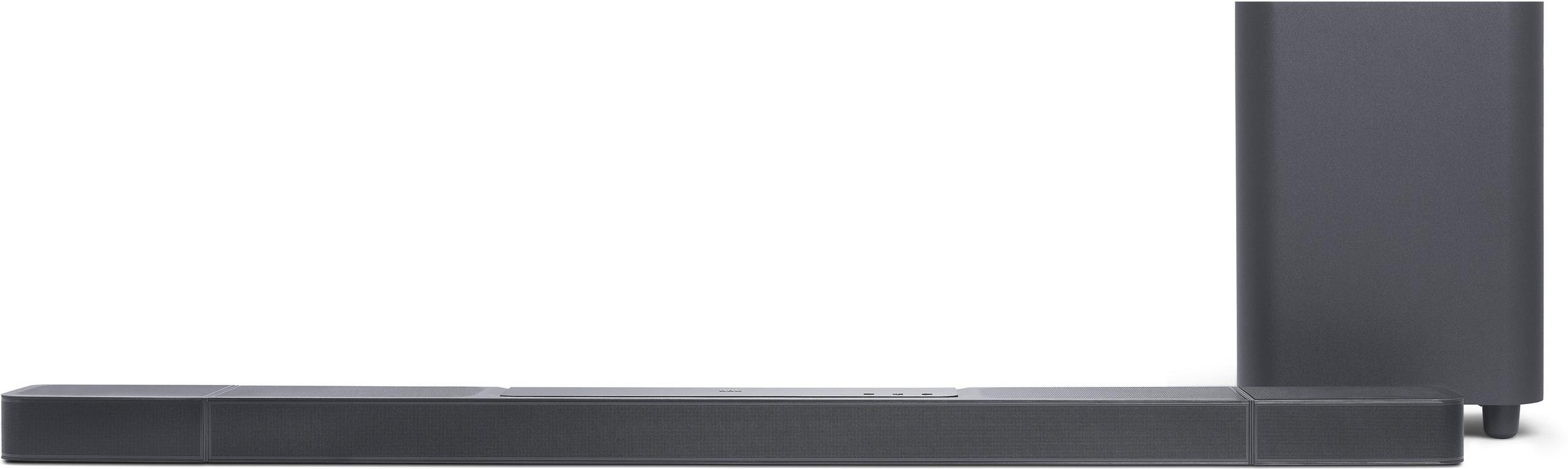
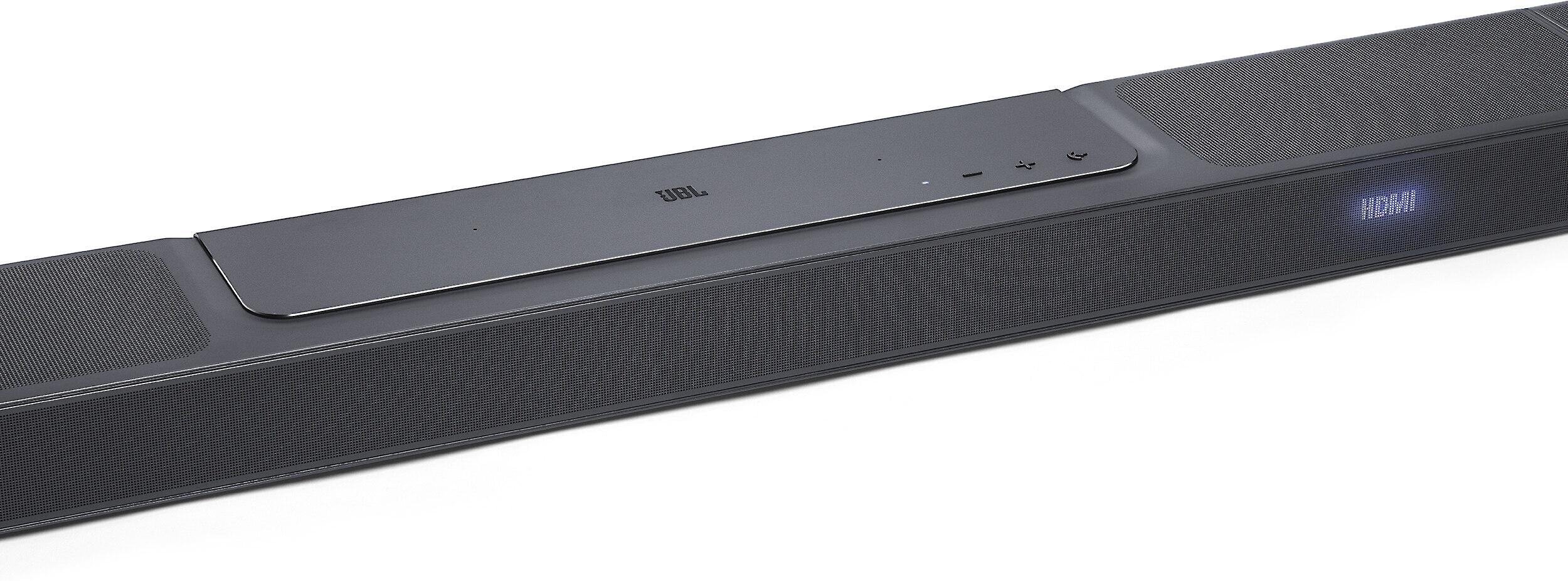
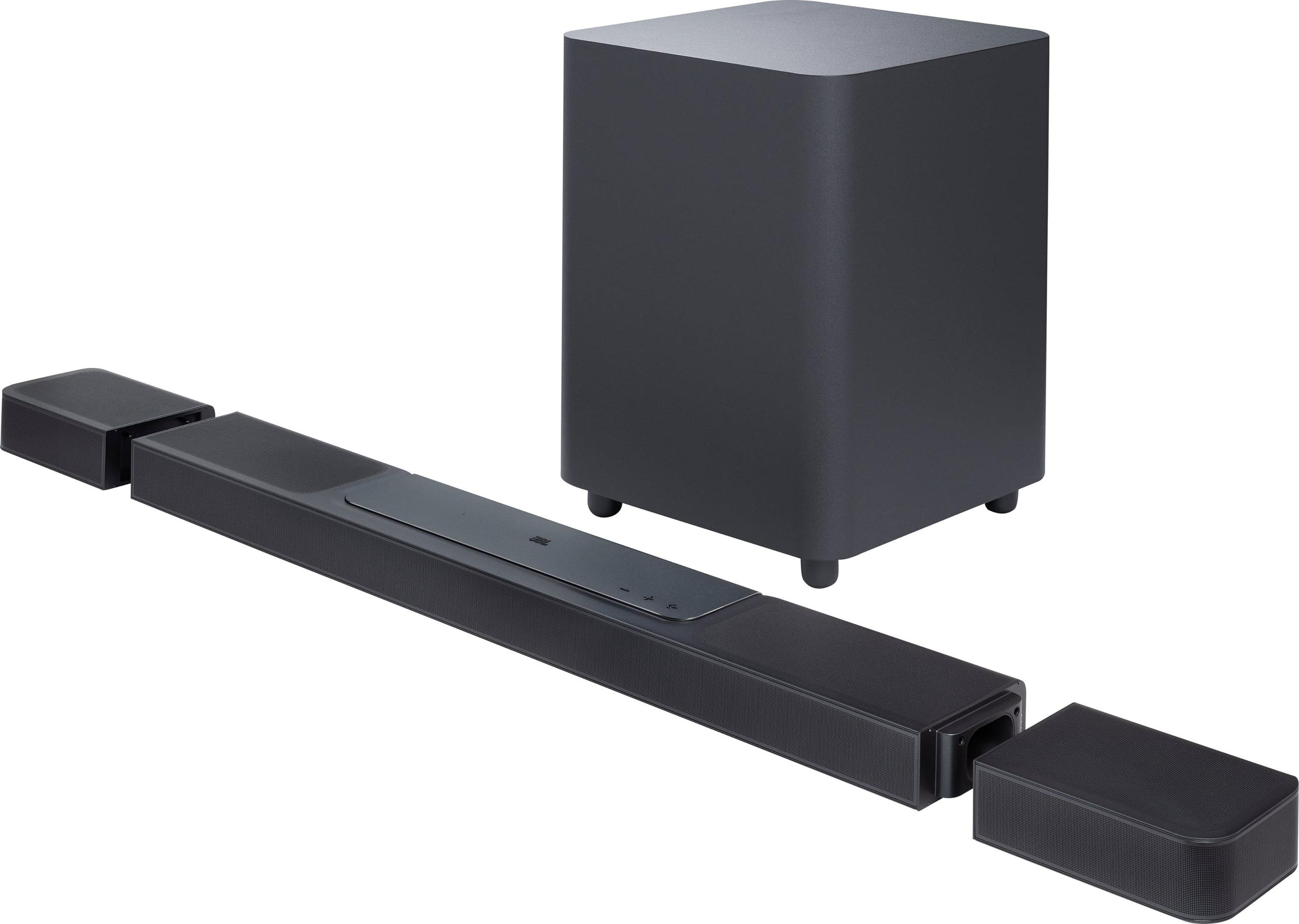
JBL took a completely different approach with the Bar 1300X, released in early 2023. Instead of compact and expandable, they went for immediate, room-filling impact. This is essentially a complete home theater system disguised as a soundbar package.
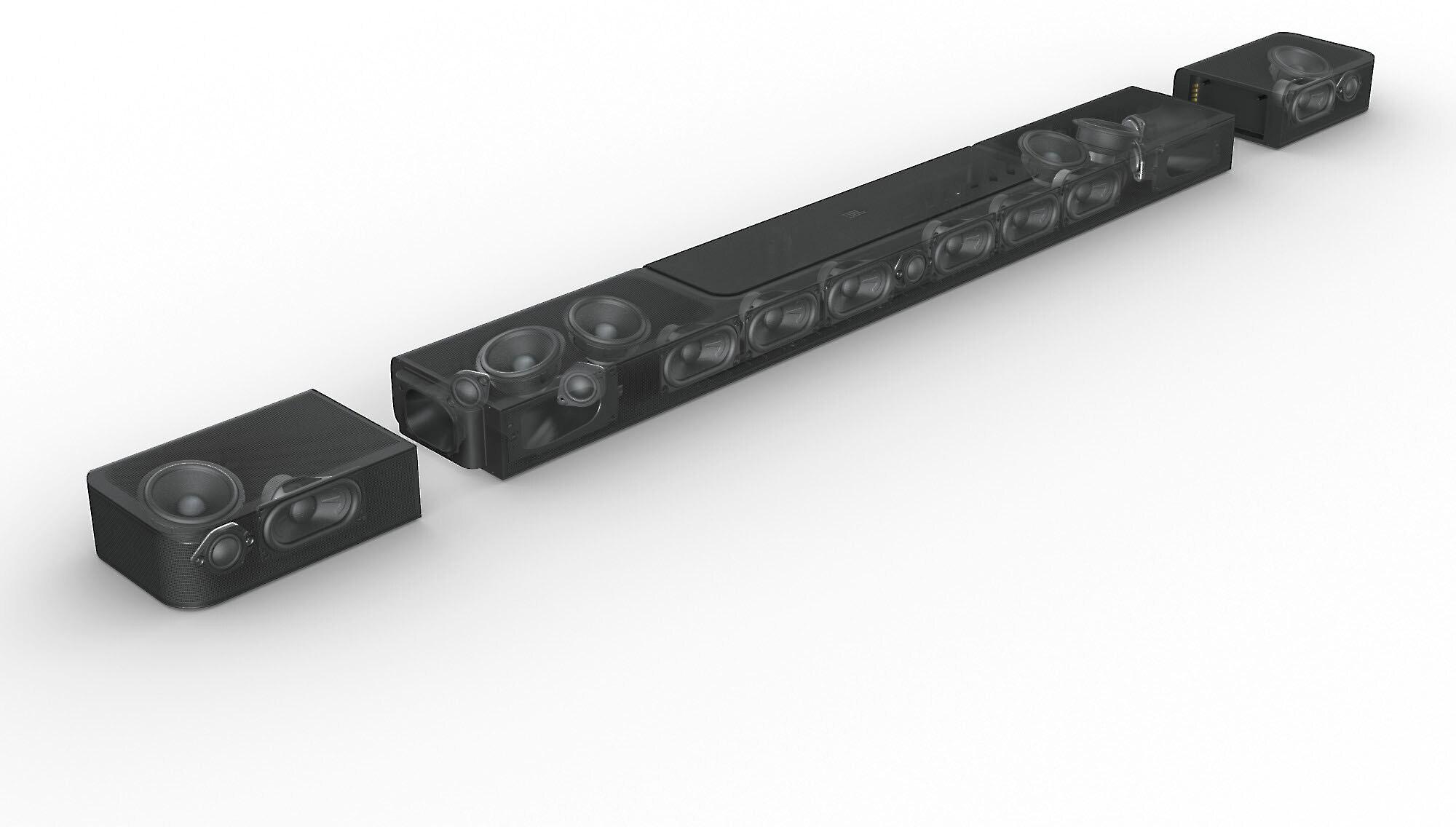
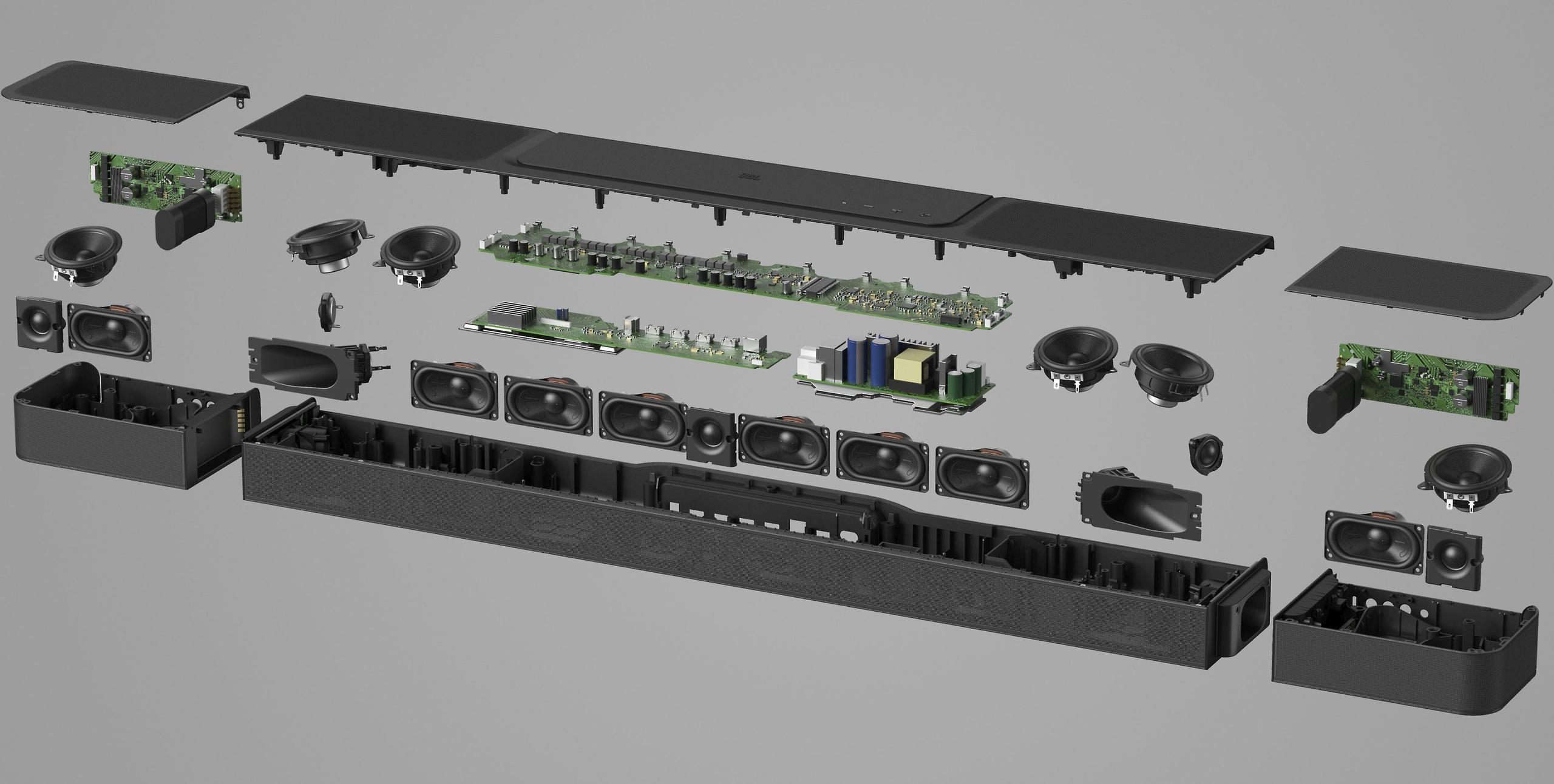
The most striking feature is the detachable surround speakers. These aren't just rear speakers—they're full-featured satellite speakers that magnetically attach to the ends of the main soundbar for charging. When you want true surround sound, you detach them and place them behind your seating area. They're battery-powered (up to 12 hours of playback), so there are no wires to run across your room. When you're not watching movies, these speakers can function as standalone Bluetooth speakers for other rooms.
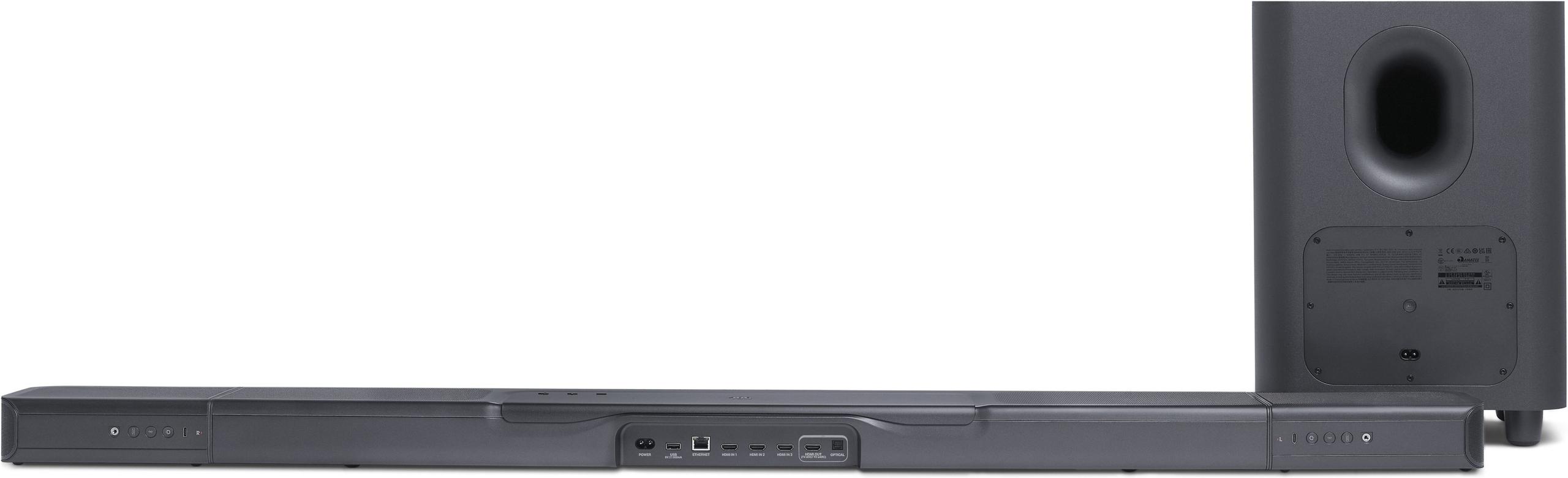
The 12-inch wireless subwoofer is where the JBL really flexes its muscles. This isn't a compact sub trying to squeeze bass out of a small enclosure—it's a full-sized driver that can genuinely shake your room. The frequency response extends down to 33Hz, which means you're hearing (and feeling) the deep bass that many compact systems simply can't reproduce. When a T-Rex stomps across the screen in Jurassic Park, you'll know it.
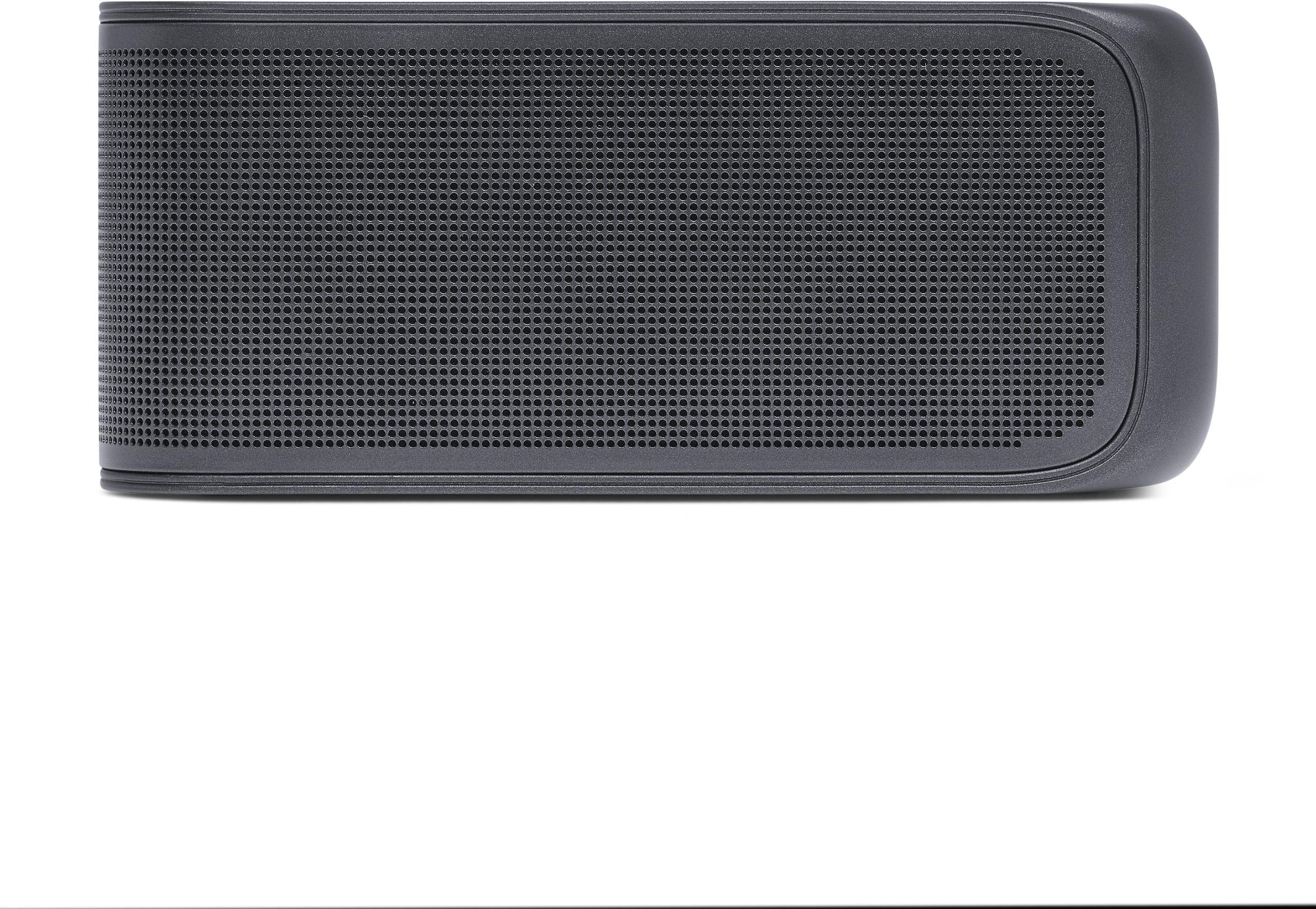
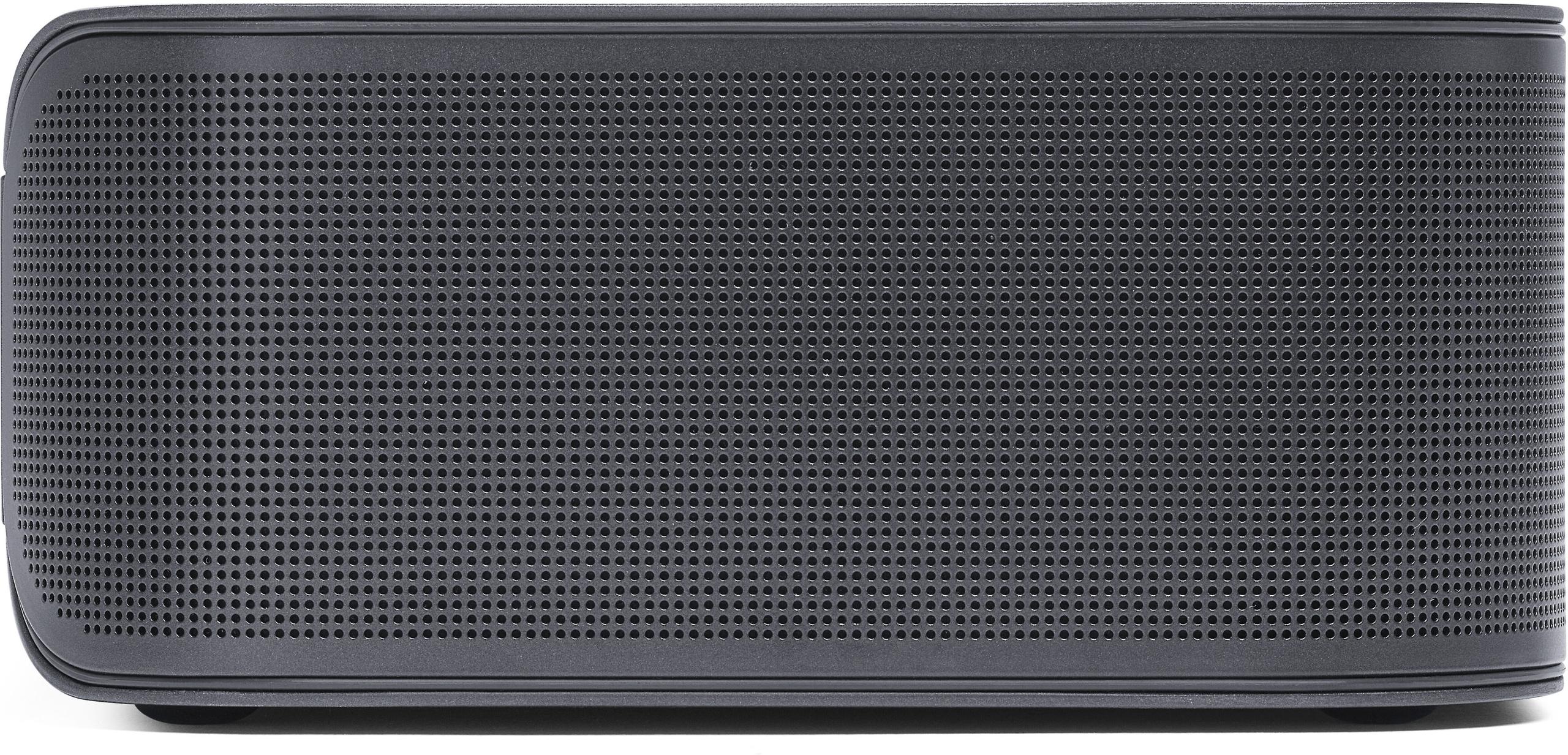
The main soundbar itself houses an impressive driver array: six racetrack drivers, five tweeters, and four dedicated up-firing speakers for Dolby Atmos. These up-firing speakers are the real deal—physical drivers that bounce sound off your ceiling to create overhead effects. Combined with JBL's MultiBeam technology (which uses digital processing to widen the soundstage), the result is a much more convincing Dolby Atmos experience than virtual implementations can achieve.
The difference in audio approach between these systems becomes apparent the moment you start listening. The Sonos Beam Gen 2 prioritizes accuracy and dialogue clarity. Its center tweeter is specifically tuned for vocal frequencies, and the Speech Enhancement feature can make dialogue stand out even during loud action sequences. If you watch a lot of dramas, documentaries, or dialogue-heavy shows, the Beam's natural vocal reproduction is hard to beat.
The JBL Bar 1300X, meanwhile, is tuned for excitement. Its 1,170 watts of total system power creates a much more dynamic listening experience. The integrated subwoofer means explosions have real weight, music has depth, and even quiet scenes benefit from the extended frequency range. The physical up-firing speakers create height effects that feel more natural than virtual processing, especially in larger rooms.
I've noticed that the Sonos tends to be more forgiving of poor source material. Whether you're streaming compressed Netflix audio or watching cable TV, the intelligent processing helps optimize whatever signal it receives. The JBL, with its more powerful and revealing system, can sometimes expose the limitations of lower-quality audio sources.
This is where the technical differences become most apparent. The Beam Gen 2's virtual Atmos works by analyzing the incoming audio signal and using sophisticated algorithms to determine which sounds should appear to come from above. It then processes these sounds and sends them to specific drivers, relying on room acoustics to create the height effect.
The Bar 1300X uses a more straightforward approach: dedicated up-firing speakers that physically direct sound toward your ceiling. These speakers fire audio upward at specific angles, and the sound bounces back down to create genuine overhead effects. The result is more obvious height information, especially during helicopter flyovers or rainfall scenes.
In practical terms, the JBL's approach works better in larger rooms with higher ceilings, while the Sonos can be more effective in smaller, more reflective spaces. The virtual Atmos processing in the Beam Gen 2 is quite sophisticated, but it can't overcome poor room acoustics the way physical up-firing speakers can.
This is perhaps the biggest practical difference between the two systems. The Beam Gen 2, despite its impressive processing, is fundamentally limited by physics. Its compact enclosure and small drivers can only produce so much bass. It's adequate for dialogue and mid-range frequencies, but action movies and music with deep bass will leave you wanting more. Sonos knows this, which is why they offer the Sonos Sub as an add-on, but that brings the total system cost to nearly $1,200.
The JBL's 12-inch subwoofer changes the entire character of the system. Suddenly, you're not just hearing explosions—you're feeling them. The low-frequency extension down to 33Hz means you're getting the full range of movie soundtracks. Music becomes more engaging because you're hearing the full bass line, not just the upper harmonics.
The Sonos Beam Gen 2 treats smart features as a core part of the experience. The integration with Amazon Alexa and Google Assistant isn't just about controlling volume—you can use voice commands to switch inputs, adjust bass levels, or control other smart home devices. The Sonos app provides detailed EQ controls and the ability to group the soundbar with other Sonos speakers throughout your home.
The system's Wi-Fi connectivity enables features like automatic software updates and direct streaming from services like Spotify Connect. The lack of Bluetooth might seem like a limitation, but Wi-Fi streaming typically provides better audio quality and more stable connections.
The JBL takes a more traditional approach to connectivity. It includes both Wi-Fi and Bluetooth, which gives you flexibility in how you connect devices. The JBL One app handles basic setup and control, but it's not as sophisticated as Sonos' ecosystem management. You won't find voice assistant integration or multi-room audio capabilities, but you will get straightforward connectivity with gaming consoles, phones, and streaming devices.
Here's where the decision gets interesting from a financial perspective. The Bar 1300X costs $1,300 upfront, but that's it—you have a complete system. The Beam Gen 2 starts at $449, but if you want comparable bass response, you'll need to add the Sonos Sub ($749). For true surround sound, you'll want rear speakers (Sonos One SL pair at $449). Suddenly, you're looking at $1,647 for a complete Sonos system.
But there's value in the gradual approach. You can start with the Beam Gen 2 and live with it for months or years before deciding if you need more bass or surround effects. Many users find the Beam sufficient for their needs, especially in smaller rooms or apartments where a full subwoofer might be overkill (or upset the neighbors).
The JBL approach means you get everything immediately, but you're also paying for capabilities you might not use. If you live in an apartment or have close neighbors, that powerful subwoofer might spend most of its time turned down to avoid disturbing others.
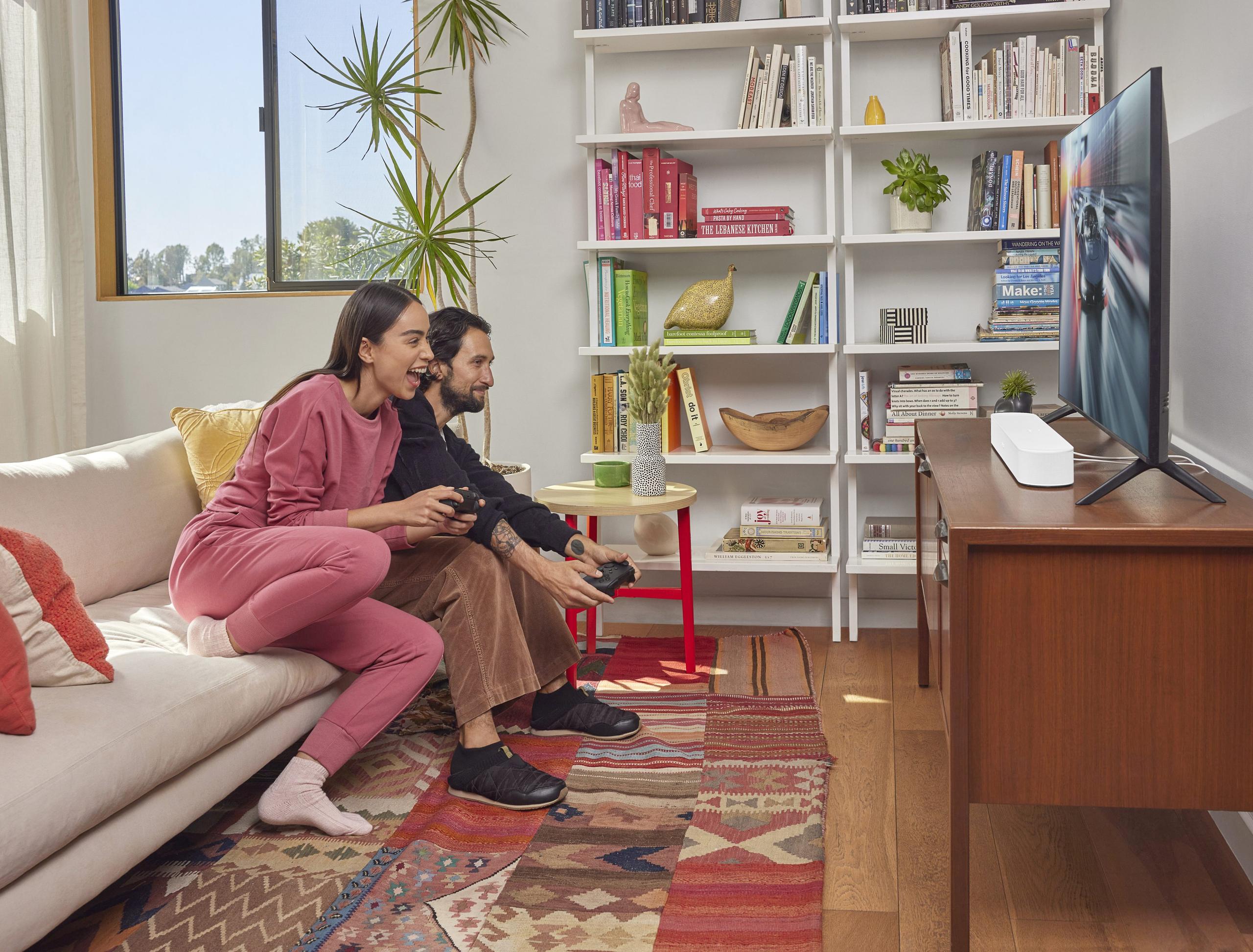
In smaller spaces, the Sonos Beam Gen 2 often performs better than you'd expect. The compact size means it won't dominate your TV stand, and the virtual Atmos processing works well when you're sitting relatively close to the soundbar. The TruePlay calibration is particularly effective in smaller rooms where the system can optimize for your specific listening position.
I've used the Beam Gen 2 in a 12x14 bedroom setup, and it provided plenty of volume and clarity for nighttime TV watching. The Night Sound feature, which compresses dynamic range to keep loud scenes from waking others, is genuinely useful in close quarters.
This is where the JBL Bar 1300X really shines. Large spaces need more acoustic energy to sound full, and the combination of the powerful soundbar, substantial subwoofer, and detachable rear speakers can fill rooms that would leave smaller systems sounding thin and weak.
The detachable speakers are particularly clever in large rooms. You can place them on end tables or bookshelves behind your seating area without running wires across the room. The 12-hour battery life means you won't be constantly worrying about charging, and they automatically reconnect when you turn on the system.
Both systems offer features for considerate listening, but they handle it differently. The Beam Gen 2's smaller scale means it naturally produces less room-shaking bass, and the Night Sound feature effectively manages dynamic range for late-night viewing.
The Bar 1300X's powerful subwoofer can be adjusted or even turned off when you need to keep things quiet, but you're essentially negating one of the system's main advantages. The detachable speakers can still provide surround effects without the floor-shaking bass.
The Beam Gen 2 represents Sonos' commitment to long-term software support. The company regularly releases updates that add new features or improve existing ones. Since its 2021 release, updates have refined the Dolby Atmos processing and added new streaming service integrations.
The JBL Bar 1300X, being newer (2023), includes more recent connectivity standards and processing capabilities. However, JBL's track record for long-term software updates isn't as strong as Sonos'. You're more likely to get the system as-is without major feature additions over time.
After spending time with both systems, I've found that the choice often comes down to your viewing habits and room characteristics. The Sonos Beam Gen 2 excels when dialogue clarity is your priority. If you watch a lot of dramas, documentaries, or dialogue-heavy content, its natural vocal reproduction and intelligent processing create an engaging experience that doesn't fatigue your ears during long viewing sessions.
Choose the Beam Gen 2 if you have a smaller to medium-sized room, value smart home integration, want the flexibility to expand over time, or primarily watch dialogue-focused content. It's also the better choice if you're building a multi-room audio system or want the most sophisticated room calibration available.
The JBL Bar 1300X is the clear winner for cinematic impact and large room performance. If you watch a lot of action movies, play games, or want to feel fully immersed in your entertainment, the combination of true Dolby Atmos, powerful bass, and surround speakers creates an experience that compact systems simply can't match.
Choose the Bar 1300X if you have a larger room, want immediate full-theater impact, prefer complete systems over gradual expansion, or frequently watch action-heavy content. It's also ideal if you want the versatility of portable surround speakers or need a system that can handle both intimate viewing and party-level volume.
Both systems represent excellent examples of their respective approaches to home theater audio. The Sonos proves that compact doesn't mean compromised, while the JBL demonstrates that you can get true theater performance without the complexity of traditional component systems. Your choice ultimately depends on whether you prioritize refined intelligence or raw cinematic power.
| Sonos Beam Gen 2 Soundbar ($449) | JBL Bar 1300X Soundbar with Wireless Subwoofer ($1,300) |
|---|---|
| Price - Entry cost vs complete system value | |
| $449 (requires $749 sub + $449 rears for full system = $1,647 total) | $1,300 (complete 11.1.4 system with sub and wireless rears included) |
| Size & Design - Room compatibility and aesthetics | |
| Compact 25.6" x 2.7" x 3.9", 6.35 lbs (perfect for smaller TVs/rooms) | Large 54.2" x 2.4" x 5.5", plus 12" subwoofer (requires more space) |
| Dolby Atmos Implementation - Height effect quality | |
| Virtual Atmos using psychoacoustic processing and wall reflections | True Atmos with 6 physical up-firing drivers (4 in bar, 2 in detachable speakers) |
| Bass Performance - Low-frequency impact without add-ons | |
| Limited bass extension, requires separate Sonos Sub for deep impact | Integrated 12" wireless subwoofer extends down to 33Hz for room-shaking bass |
| Total System Power - Volume and dynamic range capability | |
| Not specified (optimized for balanced output in smaller spaces) | 1,170W total system power (650W soundbar, 300W sub, 220W surrounds) |
| Surround Sound Setup - Rear speaker configuration | |
| Requires separate Sonos speakers ($449) placed permanently | Detachable battery-powered speakers (12-hour battery) that double as Bluetooth speakers |
| Smart Features - Voice control and ecosystem integration | |
| Built-in Alexa/Google Assistant, Sonos multi-room ecosystem, TruePlay calibration | Basic smart features, no voice assistants, standalone system with JBL One app |
| Connectivity Options - How you connect devices | |
| Wi-Fi only, HDMI eARC, AirPlay 2 (no Bluetooth) | Wi-Fi, Bluetooth 5.0/5.2, 3x HDMI inputs, HDMI eARC, Chromecast built-in |
| Room Calibration - Audio optimization for your space | |
| TruePlay room tuning (iOS only) with sophisticated acoustic analysis | Basic room calibration, less advanced than Sonos |
| Expandability - Future upgrade options | |
| Highly expandable within Sonos ecosystem (sub, rears, additional rooms) | Complete system with no expansion options beyond detachable speaker placement |
| Best Use Case - Ideal buyer and room type | |
| Small-medium rooms, dialogue-focused viewing, gradual system building | Large rooms, cinematic viewing, immediate full-theater impact needed |
The Sonos Beam Gen 2 ($449) is better for small rooms due to its compact 25.6-inch design and virtual Dolby Atmos that works well in close listening environments. Its TruePlay room calibration optimizes sound specifically for smaller spaces, while the JBL Bar 1300X ($1,300) may overpower cramped areas with its large size and powerful subwoofer.
The JBL Bar 1300X comes complete with detachable wireless surround speakers and a 12-inch subwoofer included. The Sonos Beam Gen 2 works as a standalone soundbar but requires separate purchases of the Sonos Sub ($749) and rear speakers ($449) for a full surround system, bringing the total cost to $1,647.
The JBL Bar 1300X has significantly better bass with its included 12-inch wireless subwoofer that extends down to 33Hz. The Sonos Beam Gen 2 has limited bass due to its compact design and requires purchasing the separate Sonos Sub for deep bass impact.
The JBL Bar 1300X ($1,300) provides a complete 11.1.4 surround system out of the box. A comparable Sonos Beam Gen 2 system costs $1,647 total ($449 soundbar + $749 sub + $449 rear speakers), making the JBL $347 less expensive for a complete setup.
The Sonos Beam Gen 2 excels at dialogue clarity with its dedicated center tweeter, AI-enhanced speech processing, and Speech Enhancement feature that makes voices stand out during loud scenes. While the JBL Bar 1300X has PureVoice technology, the Sonos provides more natural and clear vocal reproduction.
Only the Sonos Beam Gen 2 has built-in Amazon Alexa and Google Assistant support for voice control of the soundbar and smart home devices. The JBL Bar 1300X lacks voice assistant integration, though it can be controlled through compatible smart speakers via Bluetooth or Wi-Fi.
The JBL Bar 1300X is designed for larger spaces with its 1,170 watts of total power, 12-inch subwoofer, and physical up-firing drivers that create convincing Dolby Atmos effects in big rooms. The Sonos Beam Gen 2 works best in small to medium rooms and may sound weak in larger spaces without additional speakers.
Yes, but differently. The Sonos Beam Gen 2 uses virtual Dolby Atmos processing that creates height effects through psychoacoustic techniques and wall reflections. The JBL Bar 1300X offers true Dolby Atmos with six physical up-firing speakers that bounce sound off your ceiling for more convincing overhead effects.
Both are relatively easy to set up, but the Sonos Beam Gen 2 requires only one HDMI connection and offers TruePlay room calibration through the app. The JBL Bar 1300X involves placing the wireless subwoofer and positioning the detachable surround speakers, though all connections are wireless after initial setup.
The Sonos Beam Gen 2 is highly expandable within the Sonos ecosystem - you can add the Sonos Sub, rear speakers, and connect other Sonos speakers for multi-room audio. The JBL Bar 1300X is a complete system with no expansion options, though the detachable speakers can be repositioned for optimal surround sound.
The Sonos Beam Gen 2 offers superior music streaming with Wi-Fi connectivity, integration with 100+ music services, multi-room audio capabilities, and the ability to group with other Sonos speakers. The JBL Bar 1300X supports music streaming via Bluetooth, Wi-Fi, and Chromecast but lacks multi-room features.
The core difference is philosophy: the Sonos Beam Gen 2 is a compact, smart soundbar designed for gradual expansion and smaller spaces with excellent dialogue clarity. The JBL Bar 1300X is a complete home theater system focused on immediate cinematic impact with powerful bass and true surround sound for larger rooms.
We've done our best to create useful and informative comparisons to help you decide what product to buy. Our research uses advanced automated methods to create this comparison and perfection is not possible - please contact us for corrections or questions. These are the sites we've researched in the creation of this article: whathifi.com - en.community.sonos.com - techradar.com - youtube.com - consumerreports.org - bestbuy.com - youtube.com - sonos.com - wave-electronics.com - en.community.sonos.com - epicsystems.tech - tomsguide.com - bestbuy.com - techradar.com - jbl.com - audioadvice.com - youtube.com - rtings.com - jbl.com - greentoe.com - harmanaudio.com - youtube.com - mm.jbl.com - jbl.com

Privacy Policy
Terms and Conditions - Affiliate Policy
Home Security
© Copyright 2008-2026.
11816 Inwood Rd #1211, Dallas, TX 75244