


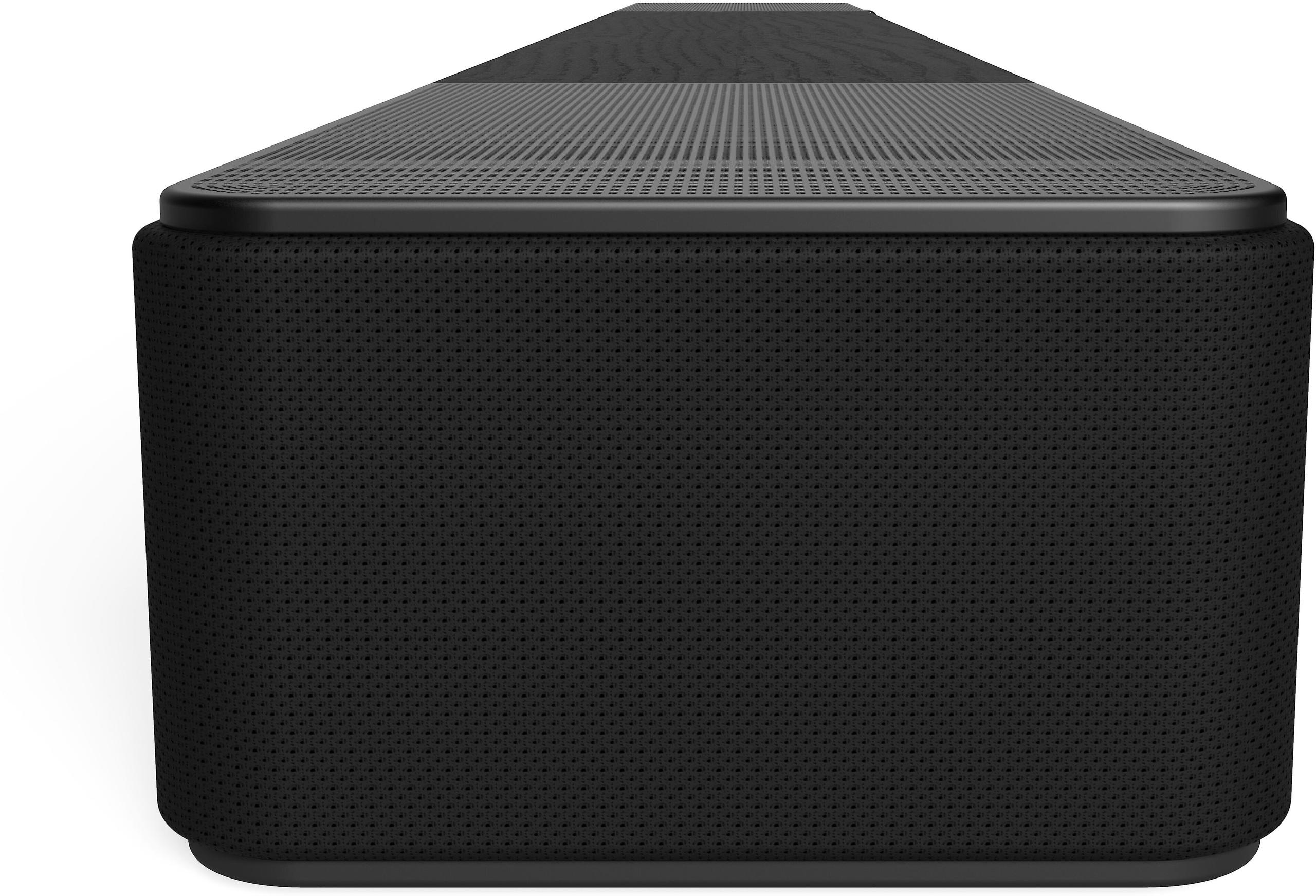

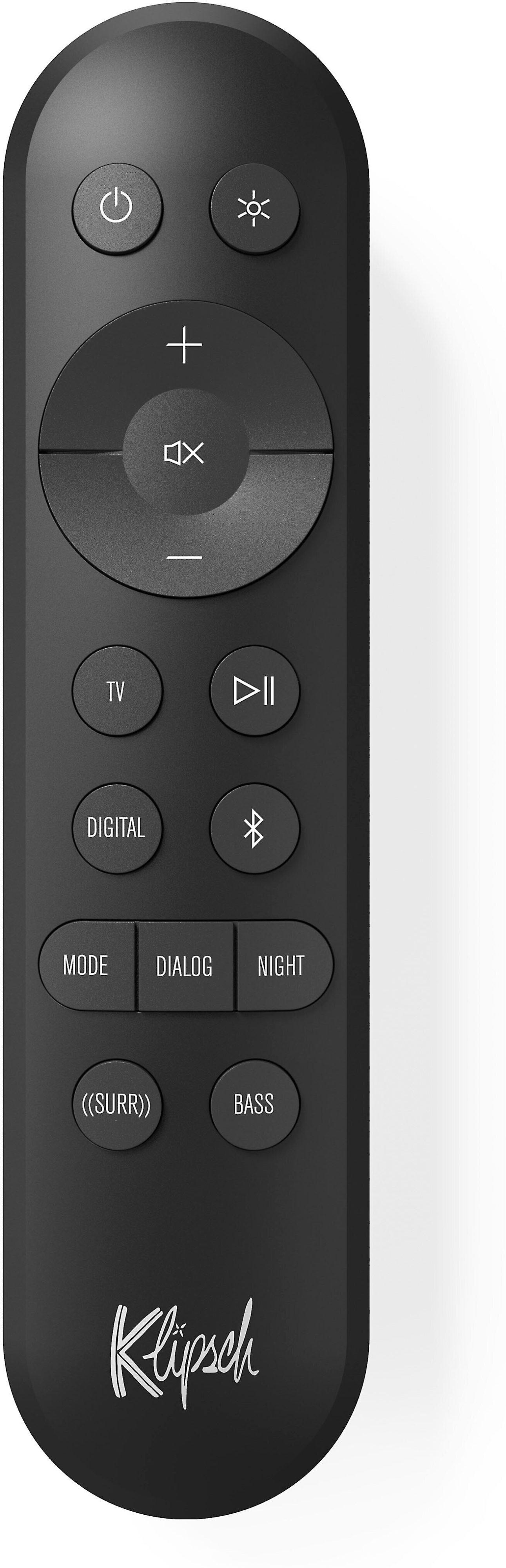
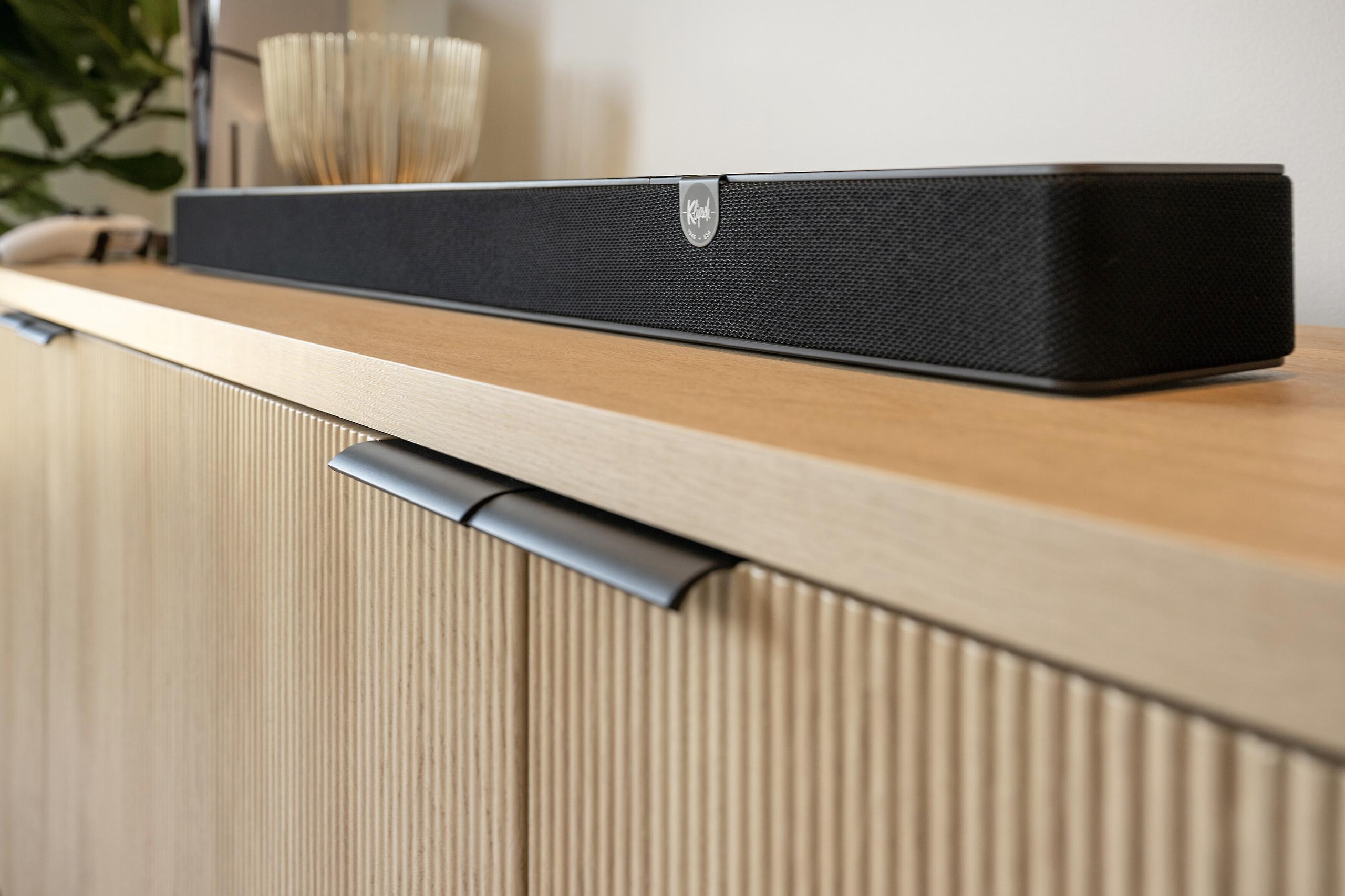
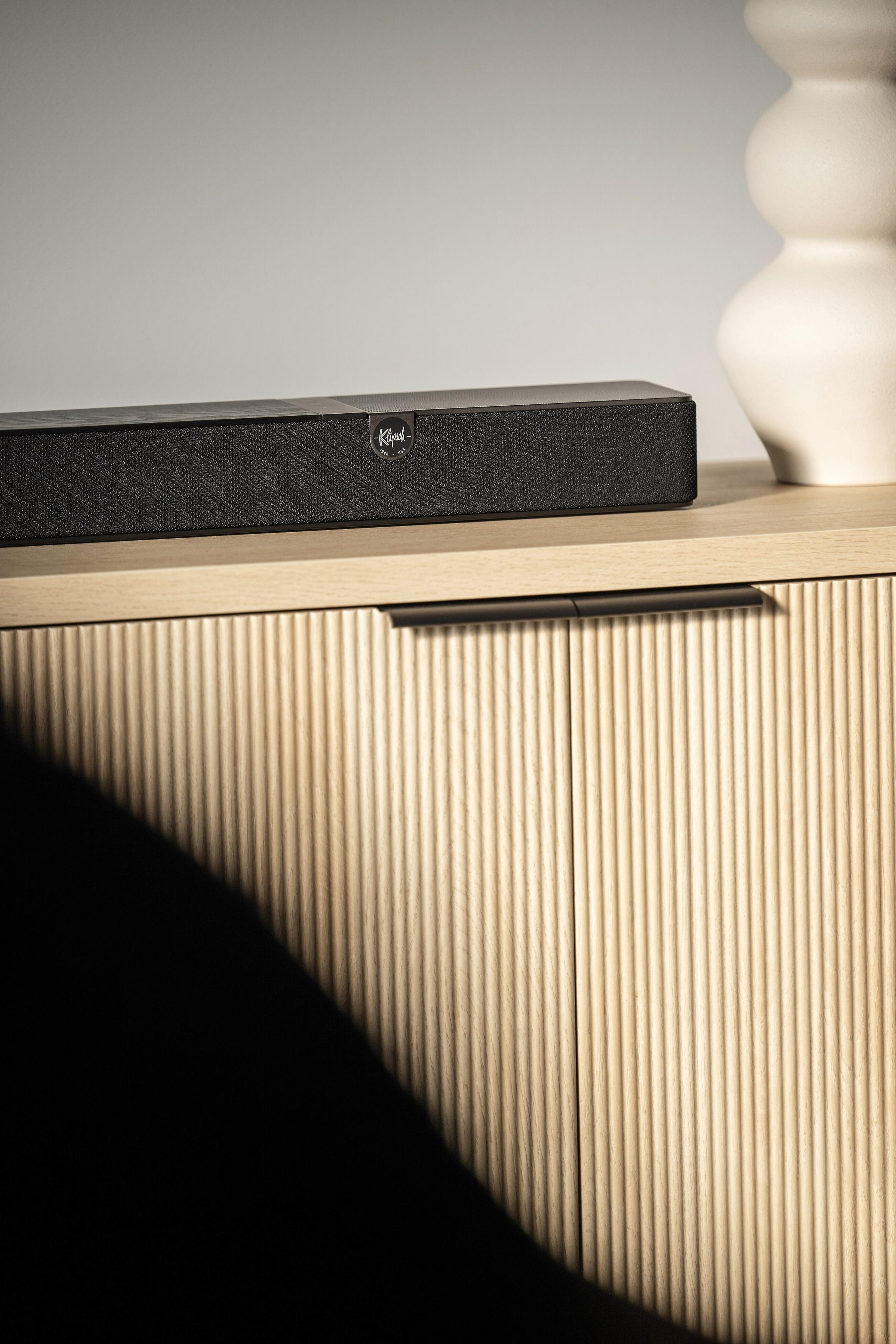
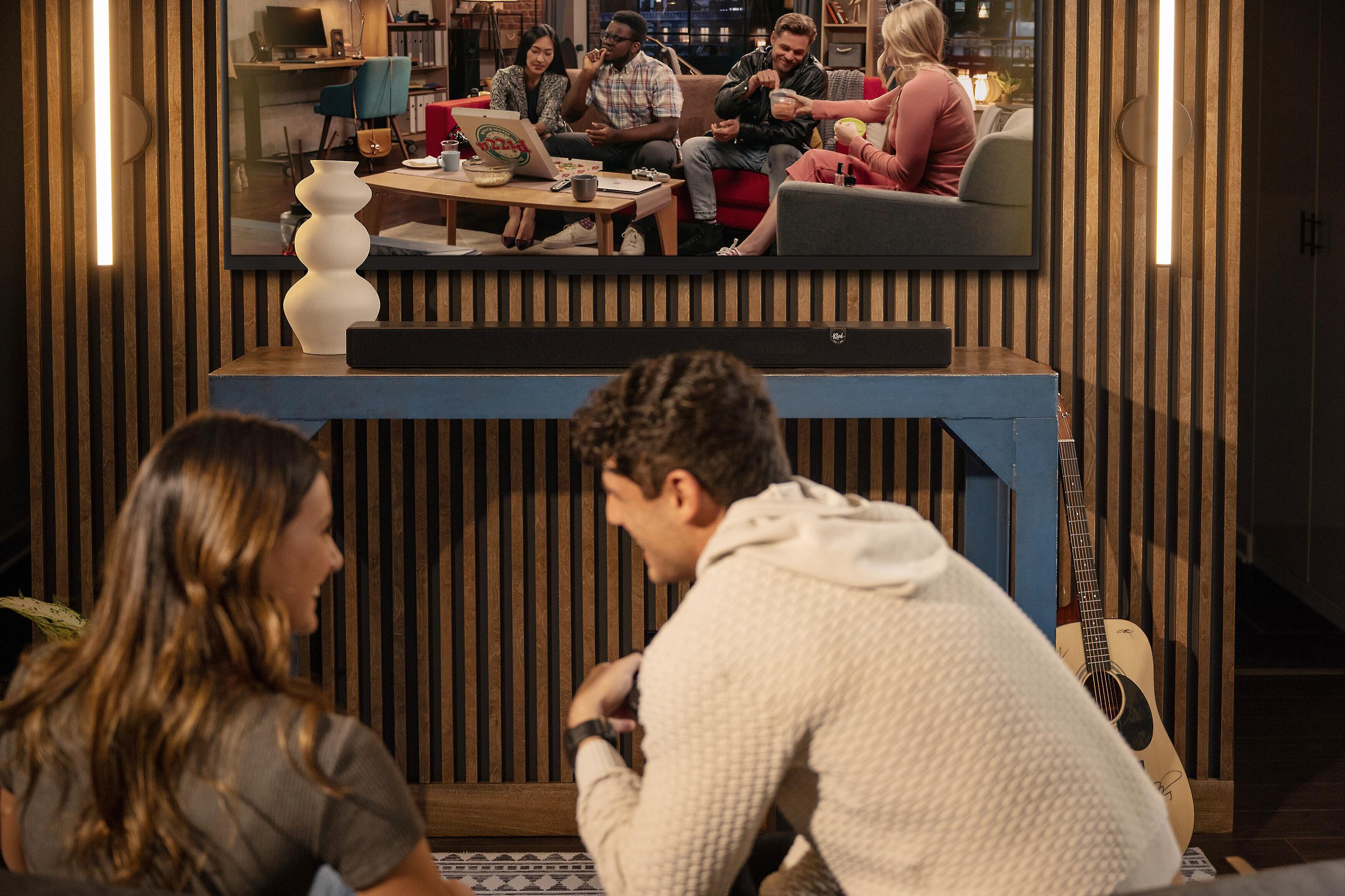
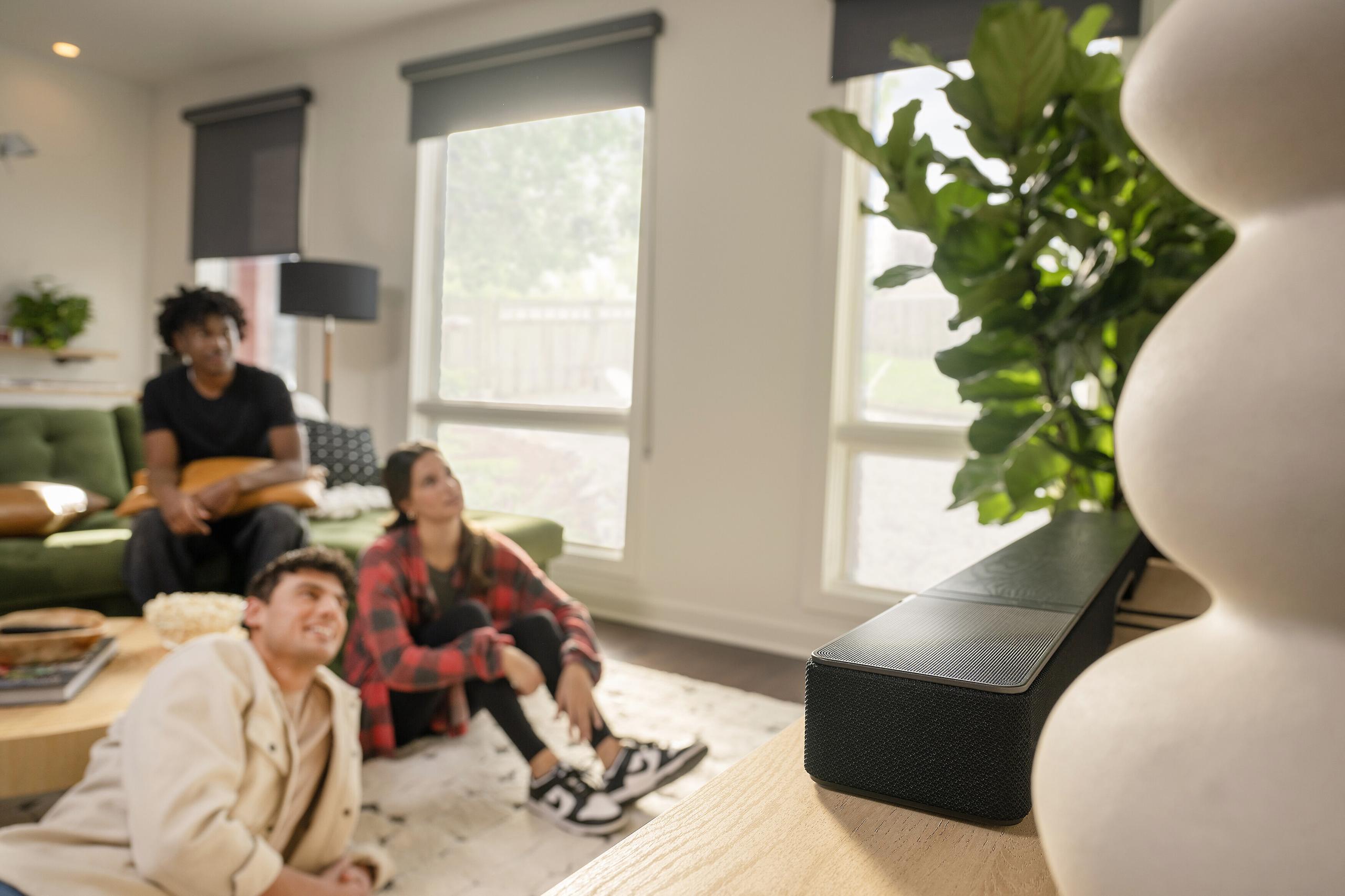



When I first started reviewing soundbars back in 2019, the market was pretty straightforward. You had basic TV speakers, then you jumped to massive home theater systems with receivers and multiple speakers scattered around your room. Today's premium soundbar market has evolved into something much more interesting, offering two distinct paths to better audio: ultra-efficient all-in-one systems and complete multi-component theater setups.
The Klipsch Flexus Core 200 ($369) and JBL Bar 1300X ($1,299.95) perfectly represent these two philosophies. After spending considerable time with both systems, I've found they're not really direct competitors despite both being premium soundbars. They're solving different problems for different people, and understanding which problem you're trying to solve will make your decision much clearer.
Before diving into these specific models, it's worth understanding what we mean by "premium" soundbars in 2025. The market has essentially split into two camps. On one side, you have space-conscious systems that pack everything into a single bar—these prioritize convenience and room integration. On the other, you have component-based systems that recreate traditional home theater setups with wireless connectivity.
The key considerations haven't changed much over the years: you still want clear dialogue, immersive surround effects, and bass that doesn't muddy the rest of the sound. What has changed is how manufacturers achieve these goals. Modern soundbars use sophisticated digital signal processing (DSP)—think of it as a smart computer that analyzes audio in real-time and adjusts how different sounds are played through various speakers—to create effects that would have required multiple physical speakers just a few years ago.
Both Dolby Atmos and DTS:X have become standard features, but they work differently depending on the system. Dolby Atmos adds "height" information to regular surround sound, making it feel like sounds are coming from above you—like a helicopter flying overhead or rain falling from the sky. Some soundbars create this effect using upward-firing speakers that bounce sound off your ceiling, while others use digital processing to simulate the same effect.
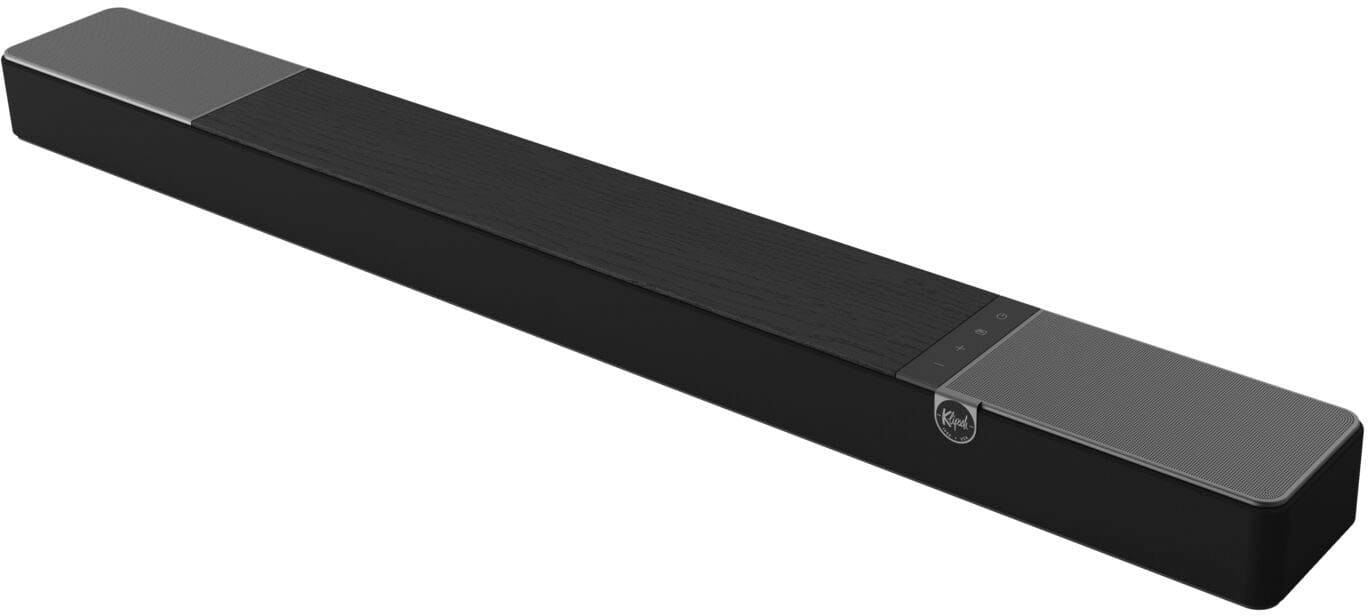
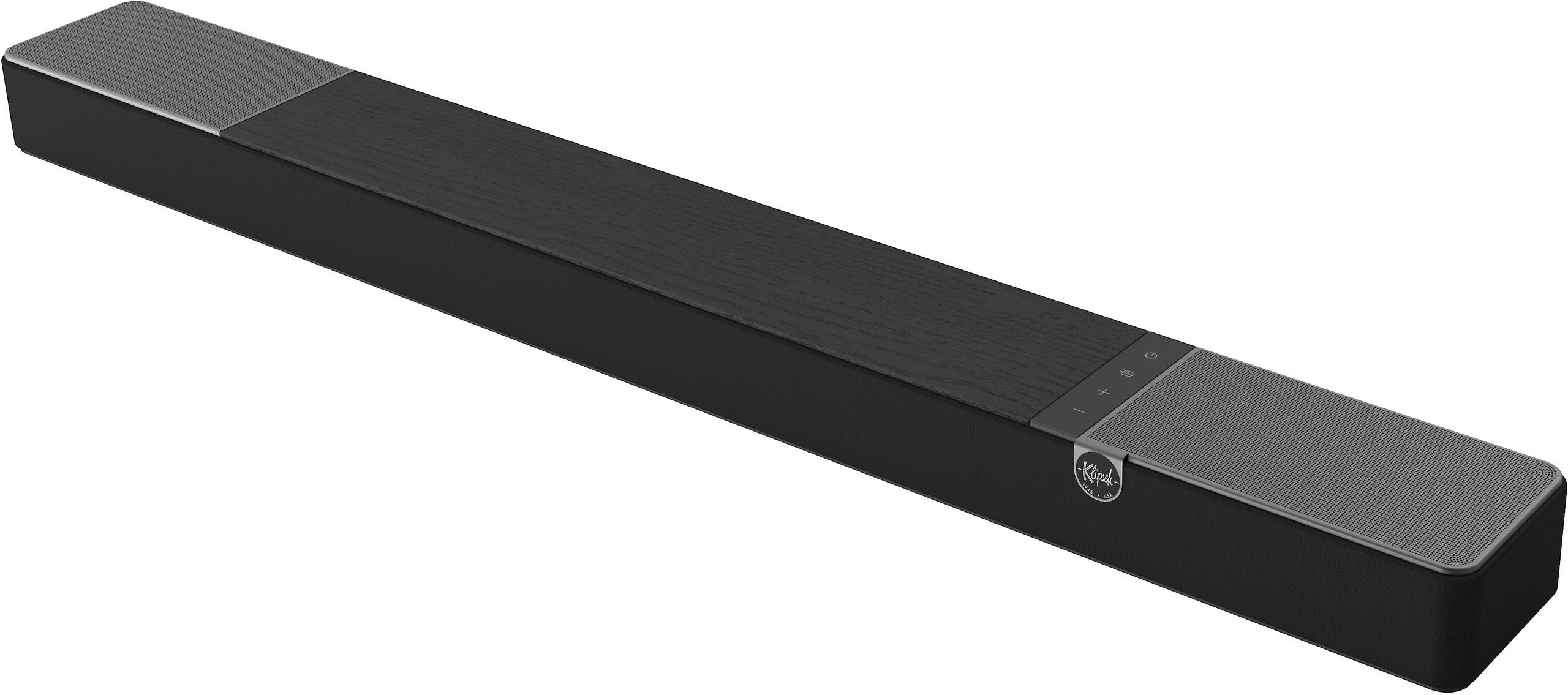
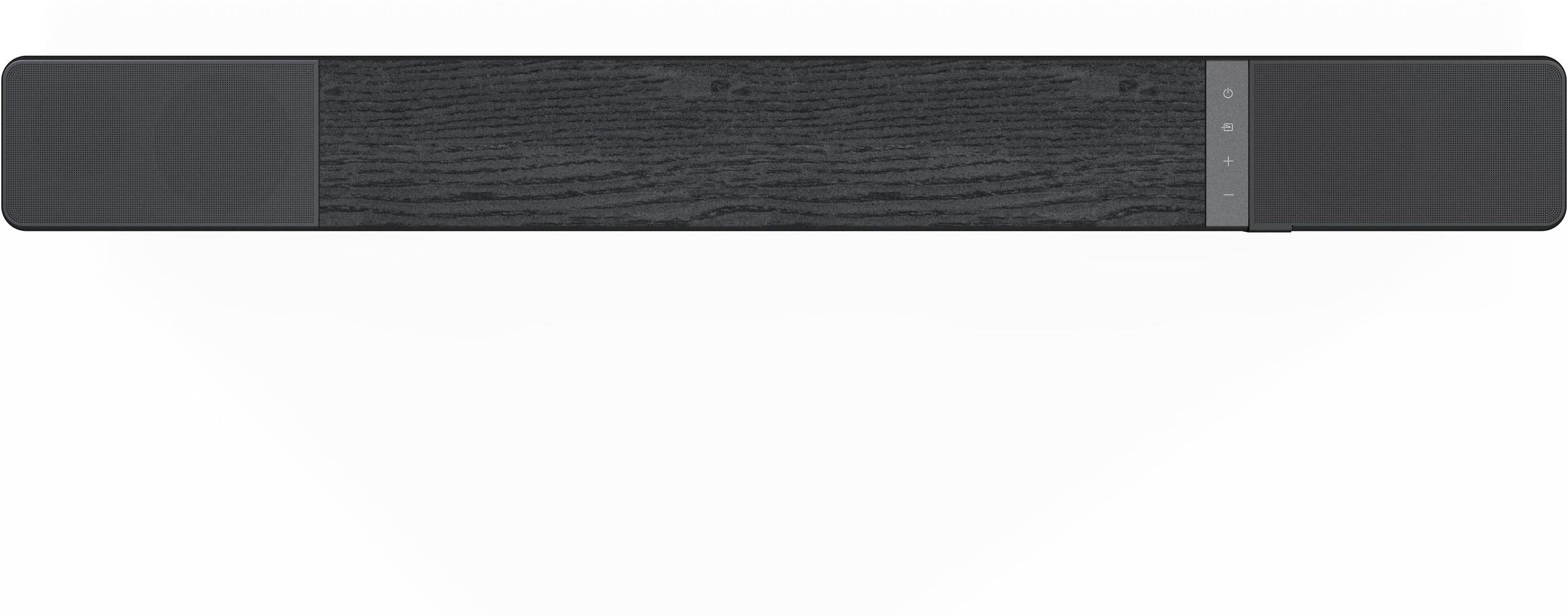
Released in late 2022 and refined through 2024, the Klipsch Flexus Core 200 represents what I consider the smartest evolution in soundbar design. Rather than trying to be everything to everyone, Klipsch focused intensely on one question: how do you get the most cinematic sound possible from a single 44-inch bar?
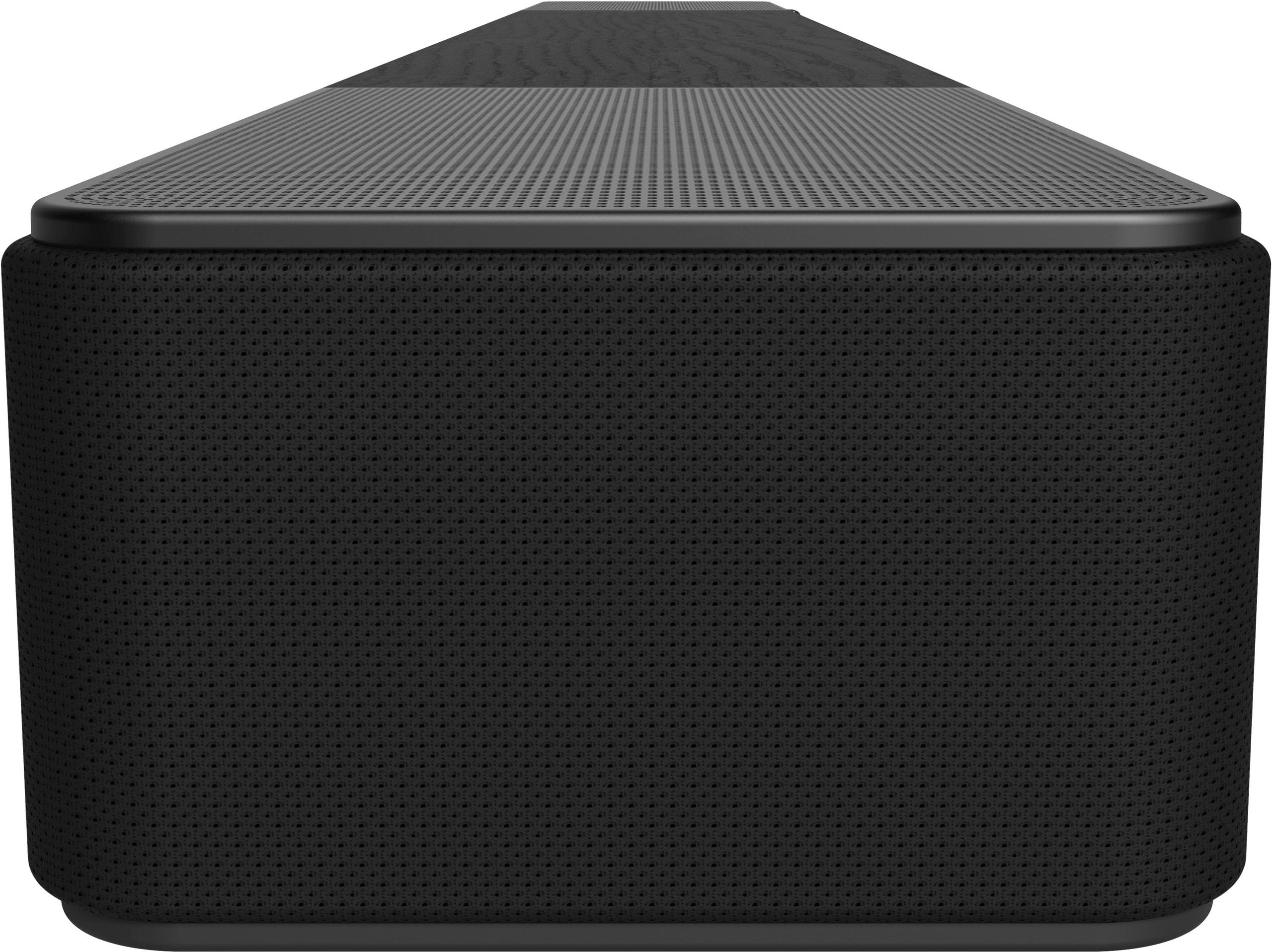
The answer lies in their driver configuration and some clever acoustic engineering. Inside this relatively compact soundbar, you'll find nine individual speakers working together. Four 2.25-inch aluminum cone drivers handle the main front channels, while a single 0.75-inch horn-loaded tweeter takes care of dialogue and high frequencies. Two additional 2.25-inch full-range drivers fire upward to create Dolby Atmos height effects, and here's the kicker—dual 4-inch subwoofers are built right into the bar.
That horn-loaded tweeter deserves special attention. Klipsch has been using horn technology since the 1940s, and it's essentially a funnel-shaped waveguide that makes speakers more efficient and directional. In practical terms, this means dialogue comes through with exceptional clarity without needing digital enhancement that can make voices sound artificial. During my testing, I consistently found myself understanding whispered dialogue in movies without having to adjust the volume—something that's surprisingly rare even in premium soundbars.
The dual built-in subwoofers are perhaps the most impressive technical achievement here. Most soundbars either skip bass entirely or require a separate subwoofer box. Klipsch managed to fit dual 4-inch woofers that can dig down to 43Hz—low enough to handle most movie soundtracks and music with authority. The frequency response extends smoothly up to 20kHz, covering the full range of human hearing.
What really sets this system apart is its expandability through Klipsch Transport technology—their proprietary wireless protocol that lets you add components without dealing with traditional wireless pairing headaches. You can start with just the soundbar and later add the Flexus Sub 100 wireless subwoofer or Flexus Surr 100 rear speakers without starting over with a new system.
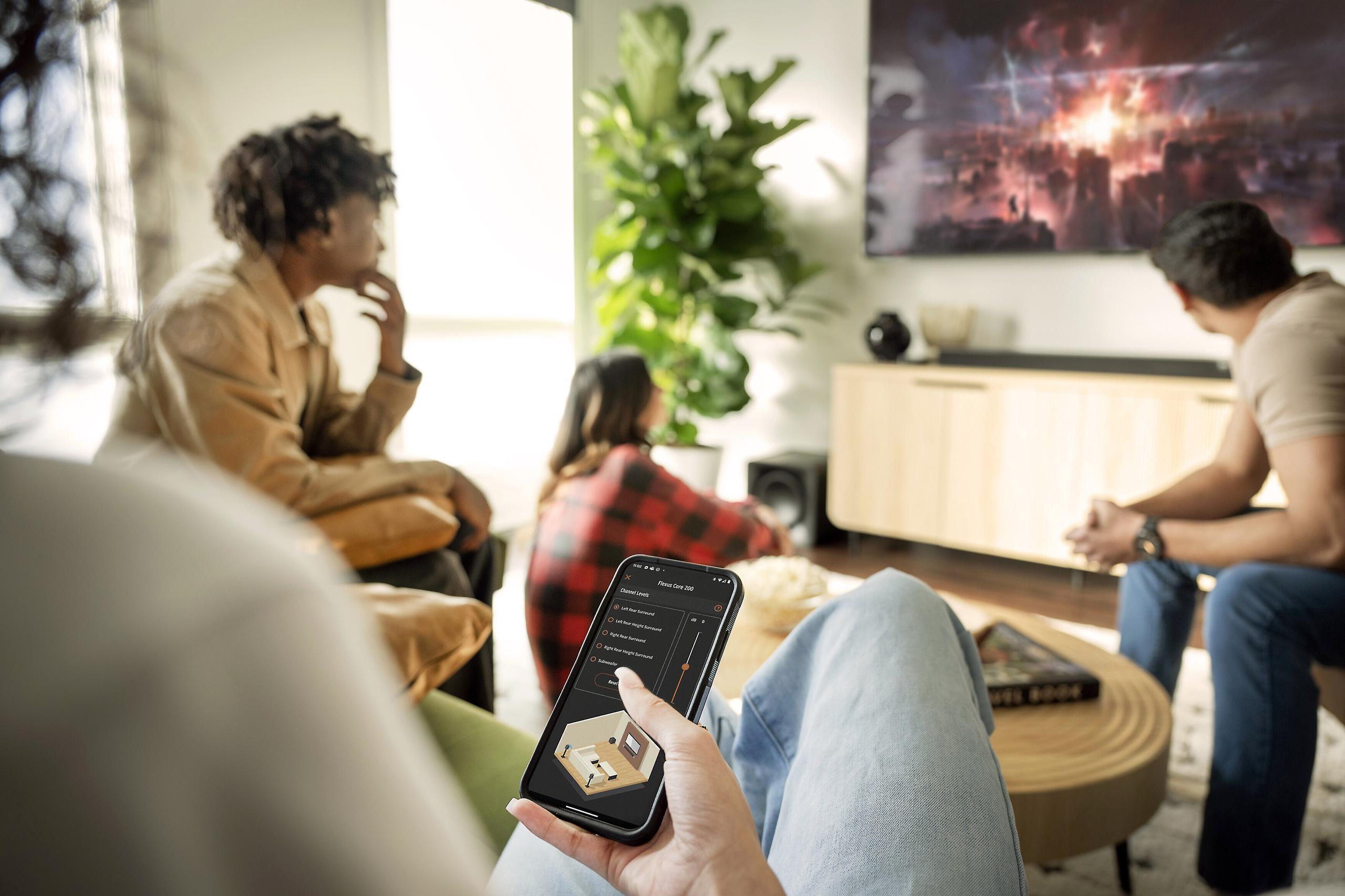
The setup process involves Dirac Live calibration, which uses an included microphone to measure your room's acoustics and adjust the sound accordingly. This takes about 15-30 minutes but results in sound that's genuinely tailored to your space. Dirac Live is the same room correction technology used in high-end audiophile systems costing thousands more.
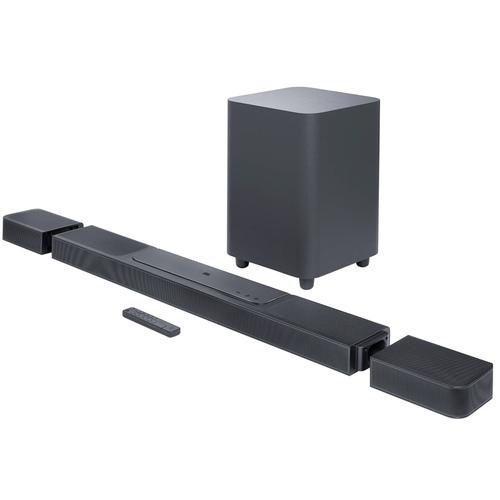
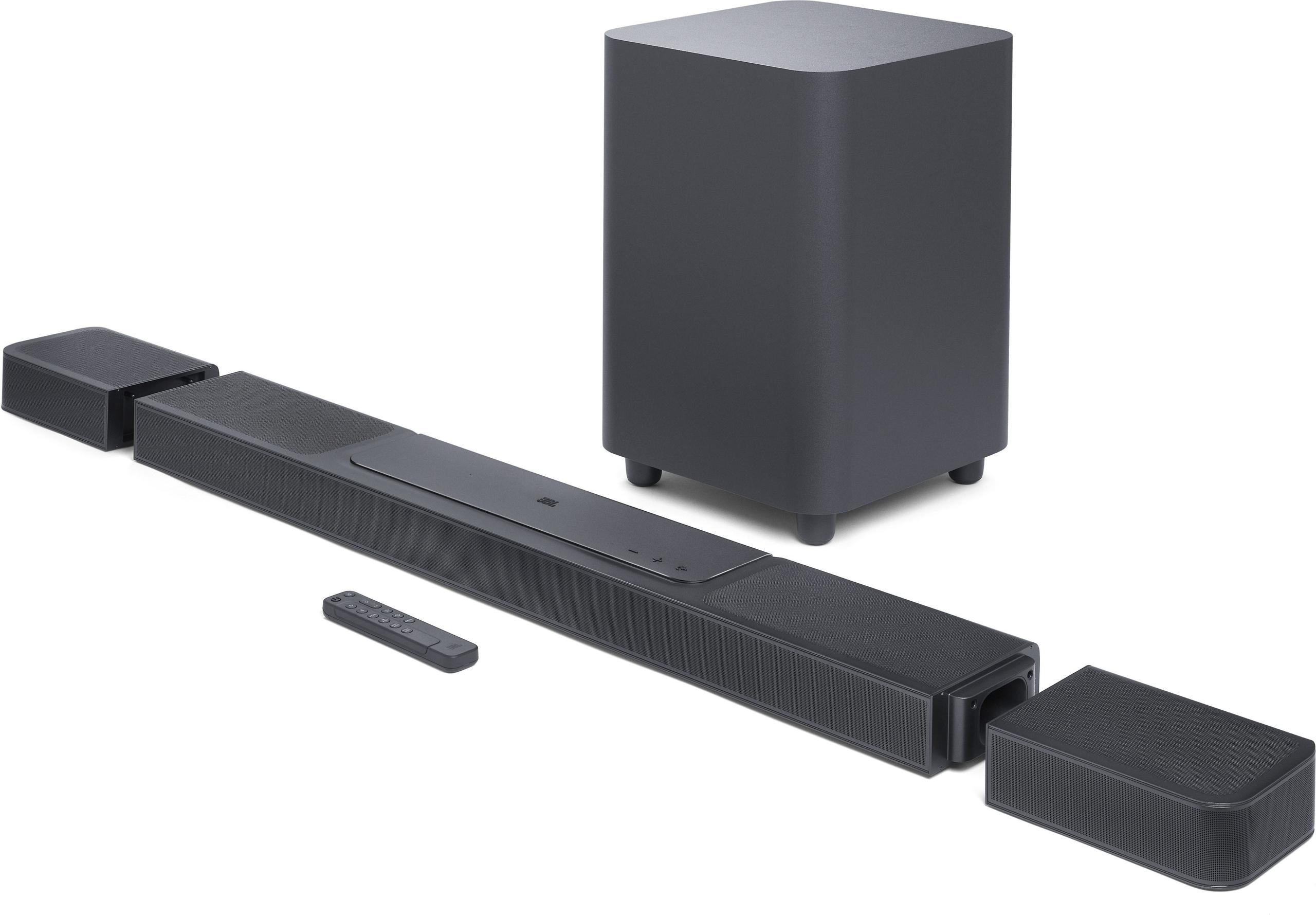
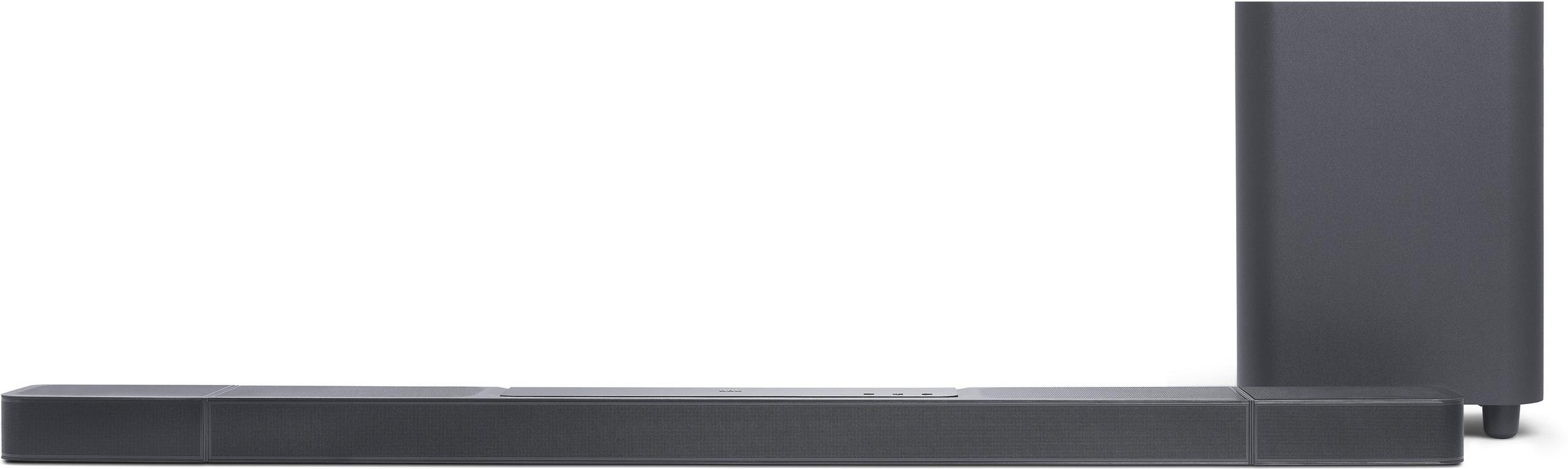
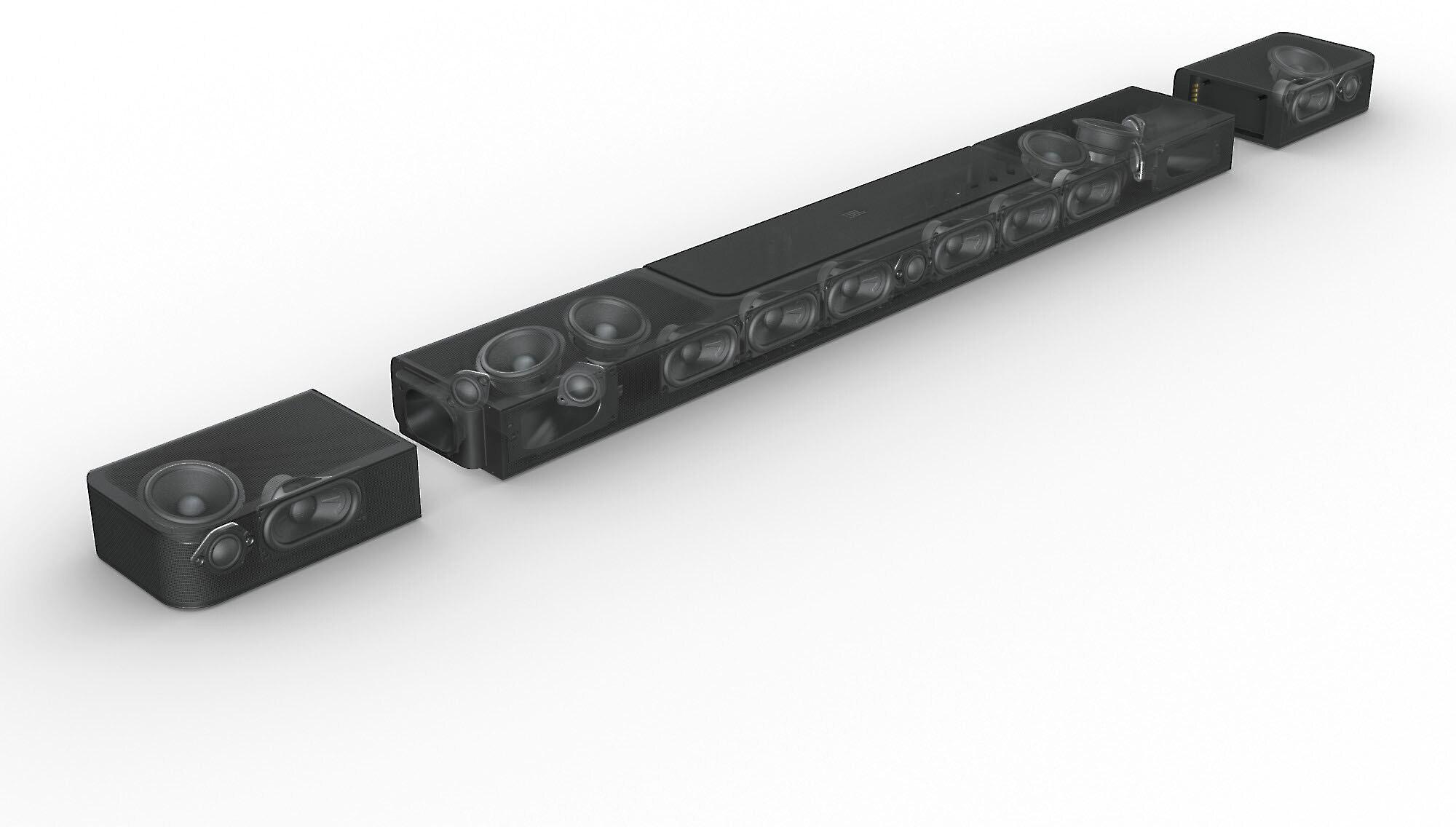
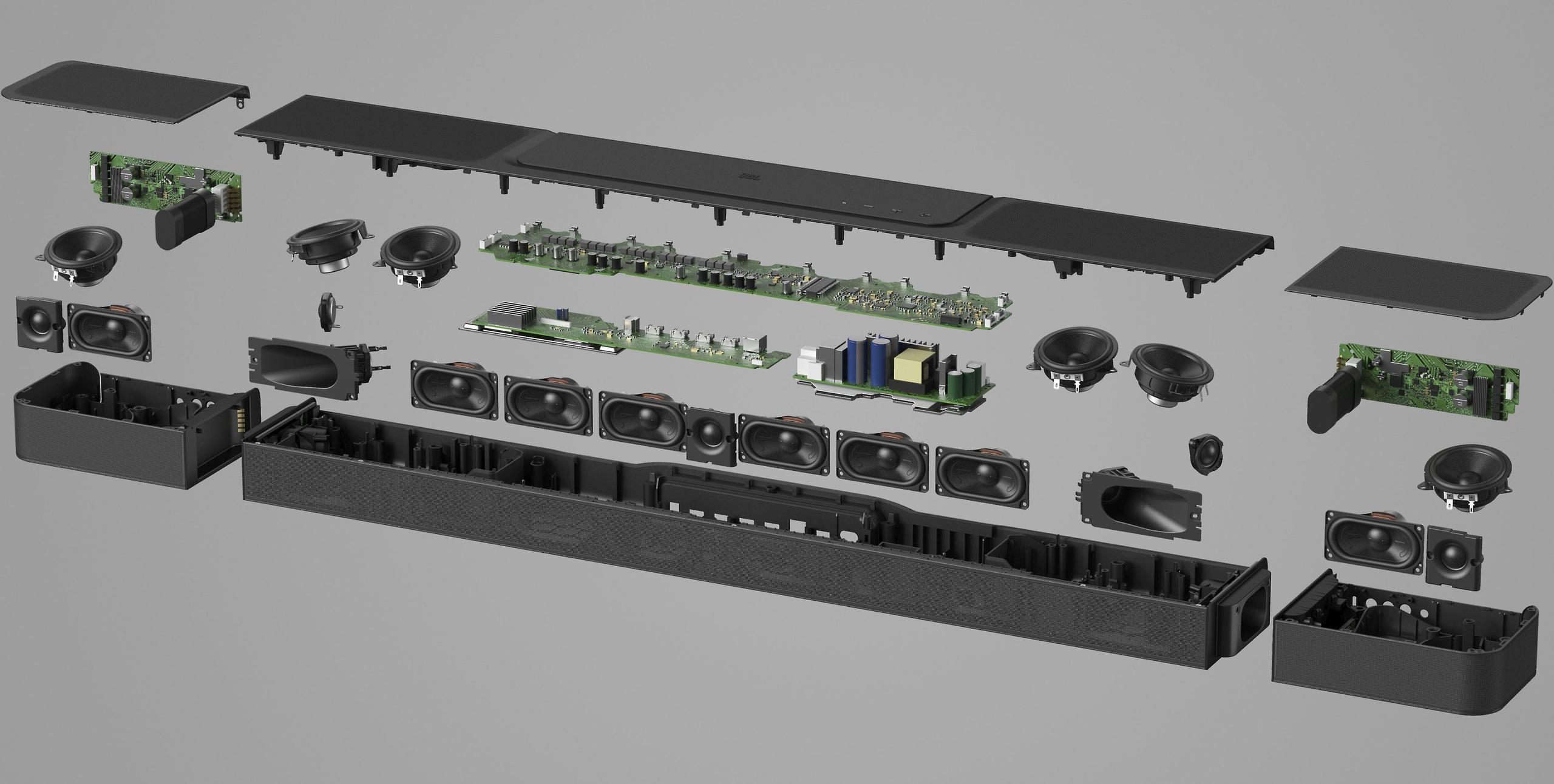
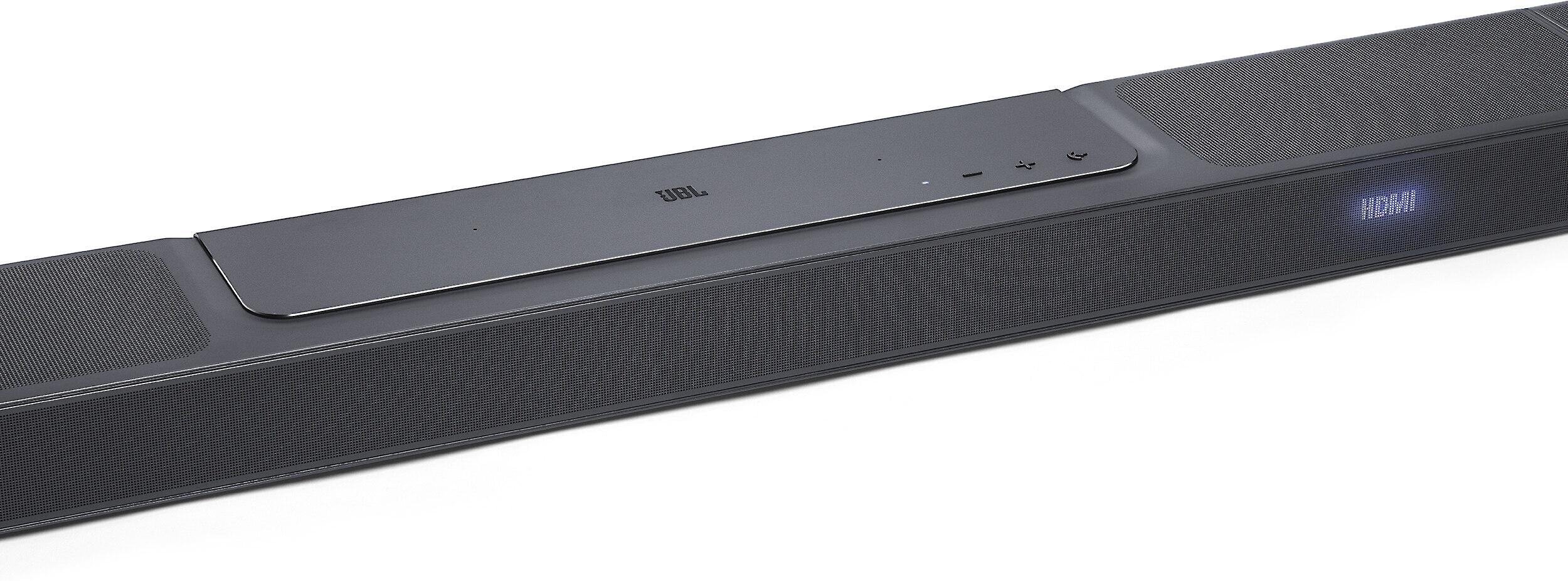
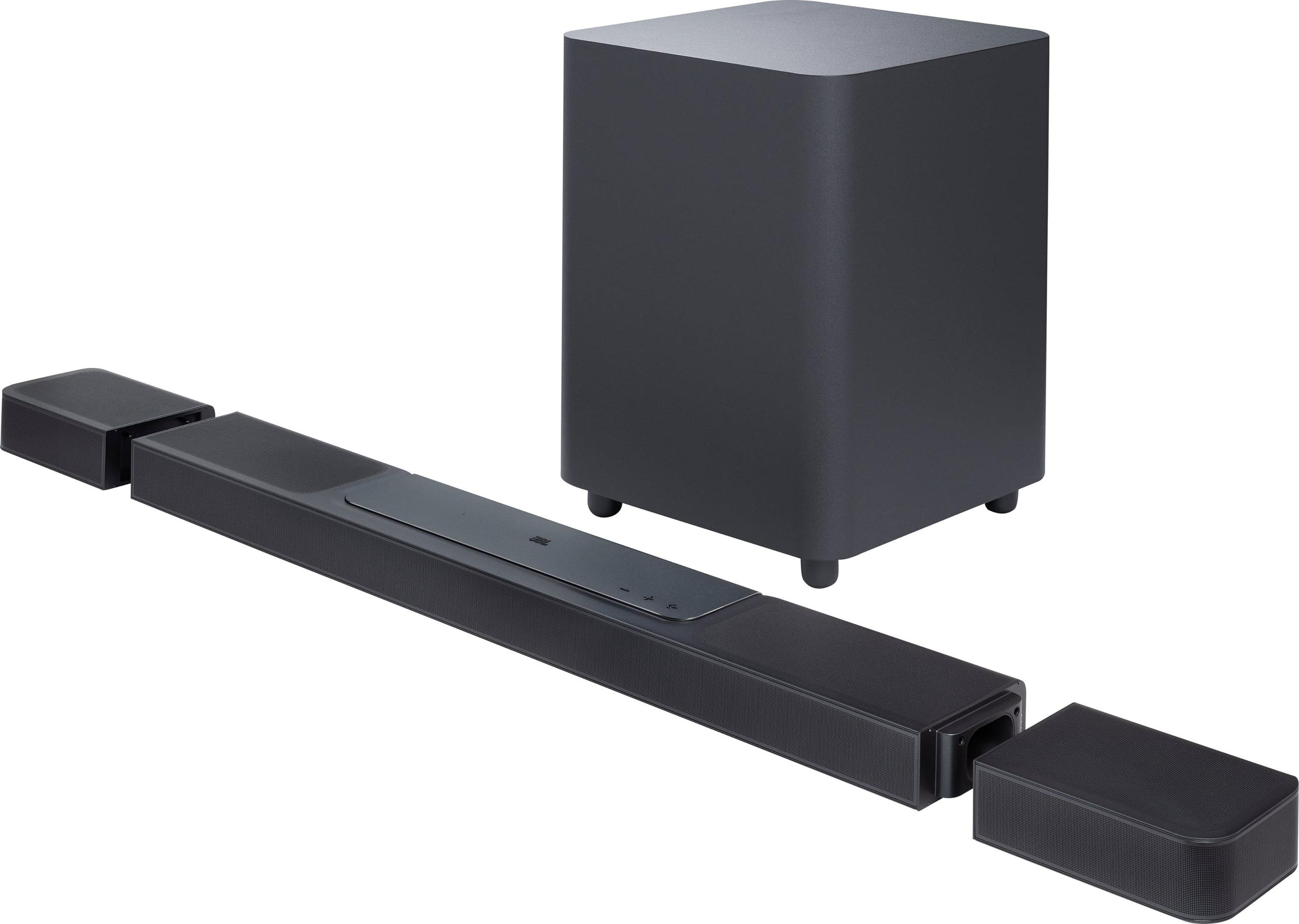
The JBL Bar 1300X, launched in 2025, takes the opposite approach. Instead of cramming everything into one bar, JBL created a complete home theater system that happens to connect wirelessly. The main soundbar measures 54.2 inches and houses six racetrack drivers, five tweeters, and four upward-firing full-range drivers. But the real magic happens when you add the included 12-inch wireless subwoofer and two detachable surround speakers.
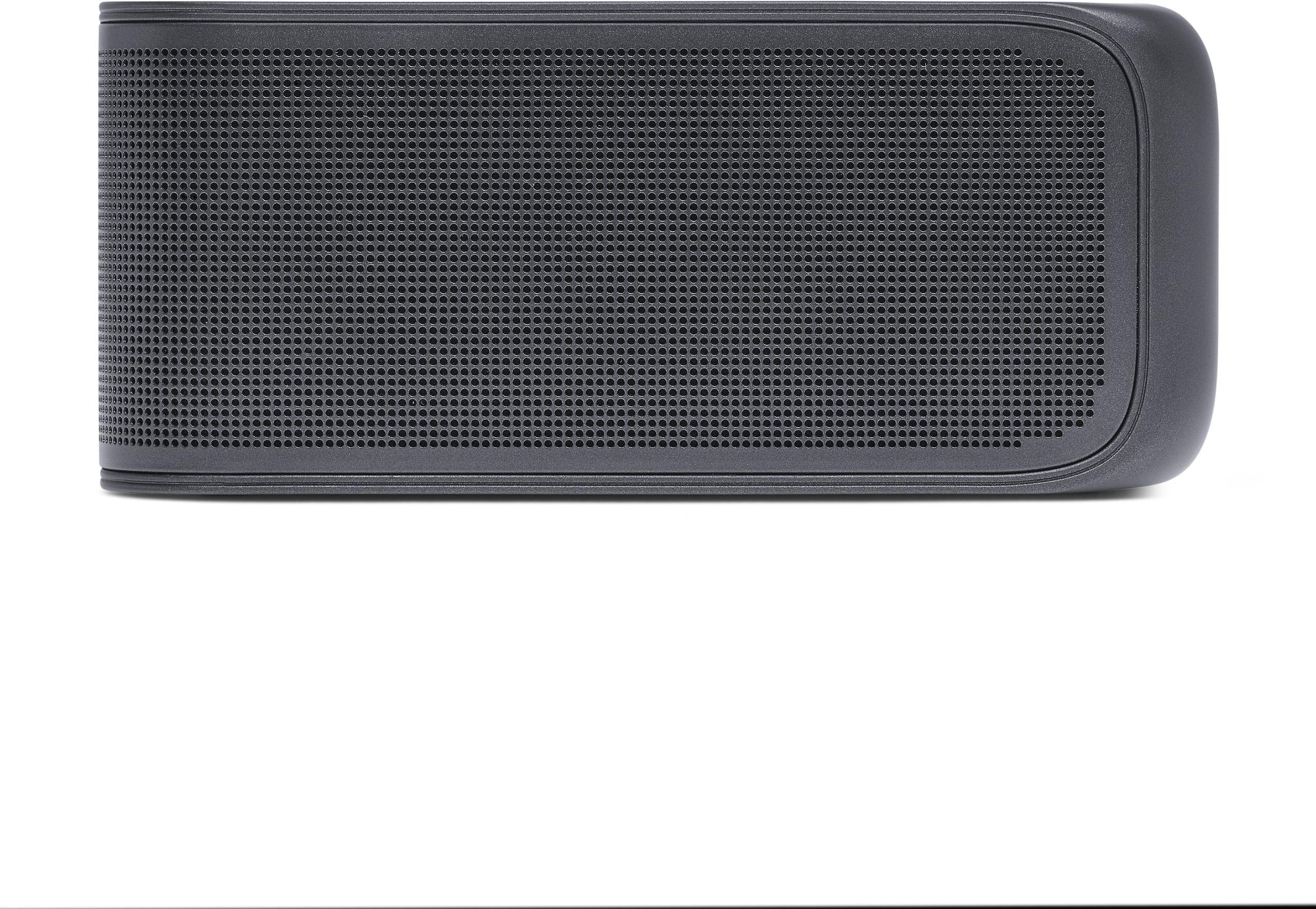
Those detachable surrounds are genuinely innovative. They're essentially mini soundbars that attach magnetically to the ends of the main bar during storage and charging, but can be placed anywhere in your room for true surround sound. Each one contains its own racetrack driver, tweeter, upward-firing driver, and dual passive radiators (which help extend bass response without requiring power). They run on built-in batteries that last up to 12 hours and can even function as standalone Bluetooth speakers.
The subwoofer is where JBL shows its muscle. That 12-inch driver can reach down to 33Hz—a full 10Hz lower than the Klipsch—with 300 watts of dedicated power. In a large room, this creates the kind of tactile bass experience that makes action movies genuinely thrilling. However, in smaller spaces or apartments, this can quickly become overwhelming.
JBL's MultiBeam technology deserves explanation because it's quite different from traditional surround processing. Instead of just sending different audio channels to different speakers, MultiBeam analyzes the incoming signal and uses digital beamforming to create virtual sound sources in your room. Think of it like audio spotlights that can be aimed at different locations to create the illusion of sounds coming from places where there are no physical speakers.
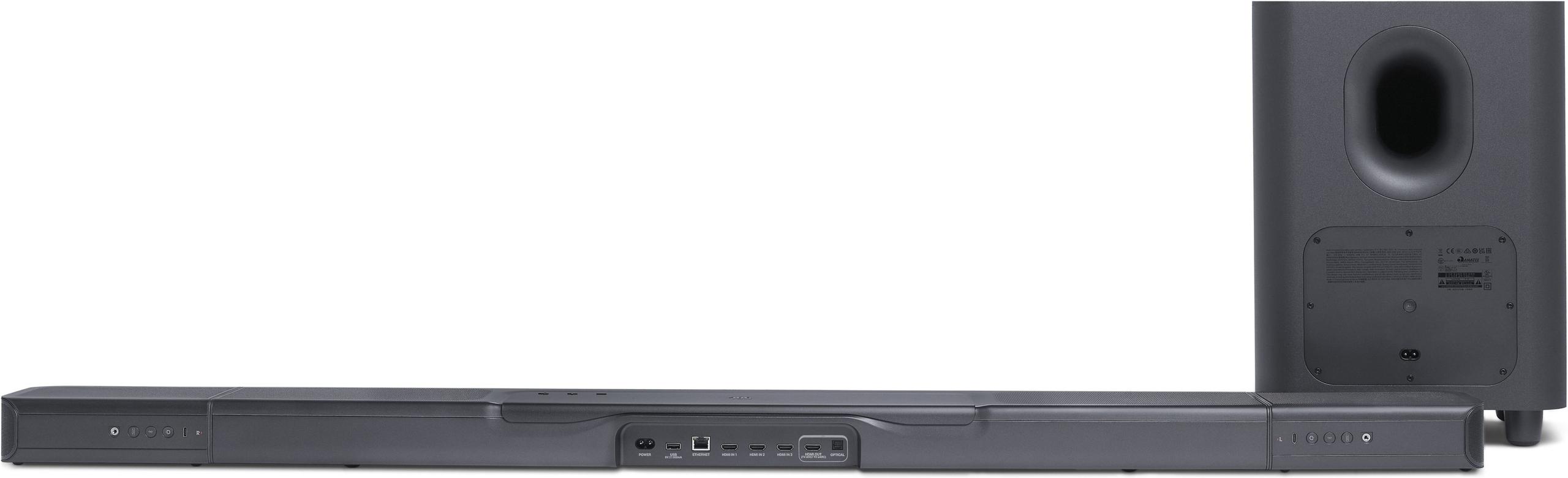
The system supports both Dolby Atmos and DTS:X, with a total of 1,170 watts of power distributed across all components. Three HDMI inputs handle multiple sources, while Wi-Fi connectivity enables streaming from over 300 services through AirPlay, Chromecast, or Alexa integration.
This is where the philosophical differences between these systems become most apparent. The Klipsch Flexus Core 200 handles dialogue with a naturalness that's honestly refreshing. That horn-loaded tweeter creates a focused, clear presentation that cuts through even the most complex soundtracks without sounding artificial.
During my testing with dialogue-heavy films like "The Social Network" or "Marriage Story," the Klipsch consistently delivered every word with crisp intelligibility. Even whispered conversations came through clearly without needing to boost the center channel or use dialogue enhancement features.
The JBL Bar 1300X takes a more processed approach with its PureVoice technology. This system digitally analyzes the audio stream and boosts frequencies where human speech typically occurs while slightly reducing competing sounds. It works well most of the time, but during complex action sequences with lots of simultaneous sounds, dialogue can take on a slightly artificial quality that some users find distracting.
For pure dialogue performance, especially in smaller rooms where you're sitting relatively close to the soundbar, the Klipsch approach feels more natural and effortless.
Here's where the systems diverge most dramatically. The Klipsch's dual 4-inch built-in subwoofers provide what I'd call "appropriate" bass—enough to add weight and impact to movies and music without overwhelming the rest of the frequency spectrum. In a typical living room or bedroom, this approach works beautifully. You get the excitement of movie explosions and the foundation that makes music feel full and engaging.
The JBL's 12-inch wireless subwoofer is in a completely different league. It can produce genuinely room-shaking bass that transforms action movies into visceral experiences. During scenes like the underground chase in "The Matrix Reloaded" or any Marvel movie with substantial low-frequency effects, the JBL creates the kind of physical impact that you feel in your chest.
However, this power comes with responsibility. In smaller rooms, apartments, or homes with thin walls, the JBL's bass capabilities can quickly become problematic. I've found that many users end up turning down the subwoofer to avoid disturbing neighbors, which somewhat defeats the purpose of having such a powerful system.
The Klipsch strikes a more diplomatic balance, providing enough bass to satisfy most listeners while remaining neighbor-friendly and room-appropriate.
For true surround sound immersion, the JBL has a significant advantage thanks to its physical rear speakers. When properly positioned, these create genuine behind-you sound effects that no amount of digital processing can fully replicate. During helicopter scenes or ambient environmental sounds in movies like "Blade Runner 2049," having actual speakers behind your listening position creates a convincing bubble of sound.
The Klipsch relies entirely on psychoacoustic processing and its upward-firing drivers to create surround effects. It's impressive what modern DSP can accomplish, and the Dirac Live calibration helps optimize these effects for your specific room. You'll definitely hear sounds that seem to come from beside and above you, but it's not quite the same as having physical speakers in those locations.
That said, the Klipsch's approach has practical advantages. There are no rear speakers to position, no batteries to monitor, and no additional wireless connections to potentially drop out during critical movie moments.
Both systems handle music well, but with different strengths. The Klipsch presents music with a more traditional audiophile approach—balanced, natural, and detailed. Its horn-loaded tweeter brings out subtle details in vocals and acoustic instruments, while the built-in bass provides foundation without overwhelming the midrange.
The JBL creates a more expansive, room-filling presentation that some listeners prefer for casual music listening. The MultiBeam processing can make stereo music sound wider and more enveloping, though purists might find this artificial.
For serious music listening, especially acoustic genres like jazz or classical, the Klipsch's more neutral presentation tends to be more revealing and accurate.
The price difference between these systems—$369 versus $1,299.95—represents more than just different feature sets. It reflects fundamentally different approaches to the soundbar market.
The Klipsch Flexus Core 200 delivers what I'd estimate as about 80% of the JBL's performance at roughly 28% of the price. That's exceptional value, especially considering you're getting genuine Dolby Atmos processing, room calibration, and expandability options that let you build a larger system over time.
The JBL Bar 1300X commands its premium through convenience and completeness. You're paying for the included subwoofer (which would cost $300-400 separately), the innovative detachable surround speakers, multiple HDMI inputs, and comprehensive streaming capabilities. If you want the full home theater experience immediately without researching additional components, the JBL delivers everything in one purchase.
From a practical standpoint, the Klipsch makes more sense for most people. It fits easily into existing entertainment centers, works well in typical living rooms, and provides room to grow. The JBL requires more planning—you need space for that large subwoofer, consideration for neighbors regarding bass levels, and rooms large enough to benefit from the full surround speaker setup.
Both systems represent current thinking in soundbar design, but they've arrived at different solutions. The Klipsch approach—maximizing performance within physical constraints—seems more sustainable long-term. As room sizes shrink and living situations become more varied, systems that work well in multiple environments have broader appeal.
The JBL approach—recreating traditional home theater with modern convenience—serves users who have both the space and desire for maximum immersion. Its modular design is clever, but it's essentially a complete system with no expansion path.
Looking ahead, I expect to see more innovation in the Klipsch direction—systems that pack more performance into smaller packages while maintaining expansion options. The JBL approach will likely remain a premium niche serving dedicated home theater enthusiasts.
Choose the Klipsch Flexus Core 200 if you want excellent sound quality that works in most rooms, appreciate natural dialogue reproduction, prefer a minimal footprint, or like having future expansion options. It's particularly well-suited for apartments, smaller homes, or situations where simplicity matters more than ultimate immersion.
Choose the JBL Bar 1300X if you have a large room that can accommodate the full system, want immediate access to true surround sound, don't mind the complexity of multiple components, or value the convenience of having everything included from day one.
Both systems will significantly improve your TV's audio, but they're optimized for different users and situations. The Klipsch maximizes value and versatility, while the JBL maximizes immediate impact and convenience. Understanding which priority matters more to you will make the decision straightforward.
After extensive testing with both systems, I find myself gravitating toward the Klipsch approach for most real-world scenarios. It strikes that sweet spot between performance, value, and practicality that works for the widest range of users and living situations.
| Klipsch Flexus Core 200 | JBL Bar 1300X |
|---|---|
| Price - Major factor in value proposition | |
| $369 (exceptional value for premium features) | $1,299.95 (premium pricing for complete system) |
| System Configuration - Determines setup complexity and room requirements | |
| Single 44" soundbar with everything built-in | Multi-component: 54" soundbar + 12" wireless sub + detachable surrounds |
| Bass Handling - Critical for movie impact and music fullness | |
| Dual 4" built-in subwoofers (43Hz response, apartment-friendly) | 12" wireless subwoofer (33Hz response, room-shaking power) |
| Total Power Output - Affects maximum volume and dynamic range | |
| 185W RMS (efficient, clean power delivery) | 1,170W total system power (much higher headroom) |
| Dialogue Clarity Technology - Essential for understanding speech | |
| Horn-loaded tweeter (natural, unprocessed vocal clarity) | PureVoice 2.0 digital processing (can sound artificial in complex scenes) |
| Surround Sound Implementation - Determines immersion level | |
| 3.1.2 virtual surround with upfiring drivers | True surround with physical rear speakers |
| Room Calibration - Optimizes sound for your specific space | |
| Dirac Live manual calibration (15-30 min setup, superior results) | Automatic room calibration (instant setup, good results) |
| Expandability - Future upgrade potential | |
| Modular system: add Flexus Sub 100 or Surr 100 speakers later | Complete system with no expansion options |
| Physical Footprint - Space requirements in your room | |
| Single unit: 44"W × 3.1"H × 4.9"D | Large footprint: 54" bar + 14.4"×18.9" subwoofer placement needed |
| Connectivity Options - Determines source flexibility | |
| HDMI eARC, optical, USB-C, Bluetooth | 3x HDMI inputs + eARC, optical, USB, Wi-Fi streaming, Bluetooth |
| Unique Features - Special capabilities that differentiate each product | |
| Klipsch Transport wireless tech, 8K passthrough, modular expansion | Detachable battery-powered surrounds (12hr battery, portable Bluetooth use) |
The Klipsch Flexus Core 200 at $369 provides exceptional value, delivering premium Dolby Atmos sound with built-in subwoofers at less than one-third the price of competitors. The JBL Bar 1300X at $1,299.95 costs significantly more but includes a complete system with wireless subwoofer and detachable surround speakers. For most buyers, the Klipsch offers better bang for your buck.
The Klipsch Flexus Core 200 has dual 4-inch subwoofers built right into the soundbar, so no separate subwoofer is required for most rooms. The JBL Bar 1300X comes with a powerful 12-inch wireless subwoofer included in the box. Both systems provide adequate bass, but the JBL's dedicated sub delivers deeper, more powerful low frequencies.
The Klipsch Flexus Core 200 is ideal for apartments due to its compact single-unit design and neighbor-friendly built-in bass that won't disturb others through thin walls. The JBL Bar 1300X requires more space for its large subwoofer and can produce room-shaking bass that may be too powerful for close living quarters.
The Klipsch Flexus Core 200 requires a 15-30 minute Dirac Live calibration process using an included microphone for optimal sound. The JBL Bar 1300X offers plug-and-play convenience with automatic room calibration that works immediately out of the box. The JBL is easier to set up, while the Klipsch provides more customized results.
The Klipsch Flexus Core 200 excels at dialogue with its horn-loaded tweeter technology that delivers natural, clear speech without digital processing. The JBL Bar 1300X uses PureVoice 2.0 digital enhancement which works well but can sound slightly artificial during complex movie scenes. For pure dialogue clarity, the Klipsch has the advantage.
The Klipsch Flexus Core 200 is designed for expansion - you can add Flexus Sub 100 subwoofers or Flexus Surr 100 rear speakers using Klipsch Transport wireless technology. The JBL Bar 1300X is a complete system with no expansion options, but includes everything you need from day one including detachable surround speakers.
The Klipsch Flexus Core 200 delivers more natural, audiophile-quality music reproduction with balanced sound and detailed vocals. The JBL Bar 1300X creates a wider, more room-filling sound using MultiBeam technology that some prefer for casual music listening. Music enthusiasts typically favor the Klipsch's more accurate presentation.
The Klipsch Flexus Core 200 needs only the space for a single 44-inch soundbar under your TV. The JBL Bar 1300X requires placement for a 54-inch main bar plus a large 14.4" x 18.9" wireless subwoofer somewhere in your room. The Klipsch is much more space-efficient for smaller entertainment areas.
The JBL Bar 1300X provides true surround sound with physical detachable rear speakers that create genuine behind-you sound effects. The Klipsch Flexus Core 200 uses virtual surround processing and upfiring drivers to simulate surround effects. For maximum movie immersion, the JBL's real surround speakers have a clear advantage.
The Klipsch Flexus Core 200 includes HDMI eARC, optical, USB-C, and Bluetooth connections with 8K passthrough support. The JBL Bar 1300X offers more inputs with 3 HDMI ports plus eARC, optical, USB, Wi-Fi streaming capabilities, and Bluetooth. The JBL provides more flexibility for connecting multiple devices.
Both the Klipsch Flexus Core 200 and JBL Bar 1300X come with standard manufacturer warranties. Klipsch has a strong reputation for customer service and product reliability in the audio industry. JBL, owned by Harman (Samsung), also provides solid support. Both brands offer good after-purchase support, though specific warranty terms may vary by region.
Choose the Klipsch Flexus Core 200 if you want excellent sound quality on a budget, have limited space, or prefer a simple setup with future expansion options. Choose the JBL Bar 1300X if you have a large room, want immediate true surround sound, don't mind the higher price, and value having a complete system with powerful bass from day one.
We've done our best to create useful and informative comparisons to help you decide what product to buy. Our research uses advanced automated methods to create this comparison and perfection is not possible - please contact us for corrections or questions. These are the sites we've researched in the creation of this article: soundandvision.com - avnirvana.com - avsforum.com - cnet.com - klipsch.com - klipsch.com - youtube.com - assets.klipsch.com - klipsch.com - worldwidestereo.com - klipsch.com - crutchfield.com - digitaltrends.com - techradar.com - jbl.com - audioadvice.com - youtube.com - rtings.com - jbl.com - greentoe.com - harmanaudio.com - youtube.com - mm.jbl.com - jbl.com

Privacy Policy
Terms and Conditions - Affiliate Policy
Home Security
© Copyright 2008-2026.
11816 Inwood Rd #1211, Dallas, TX 75244