







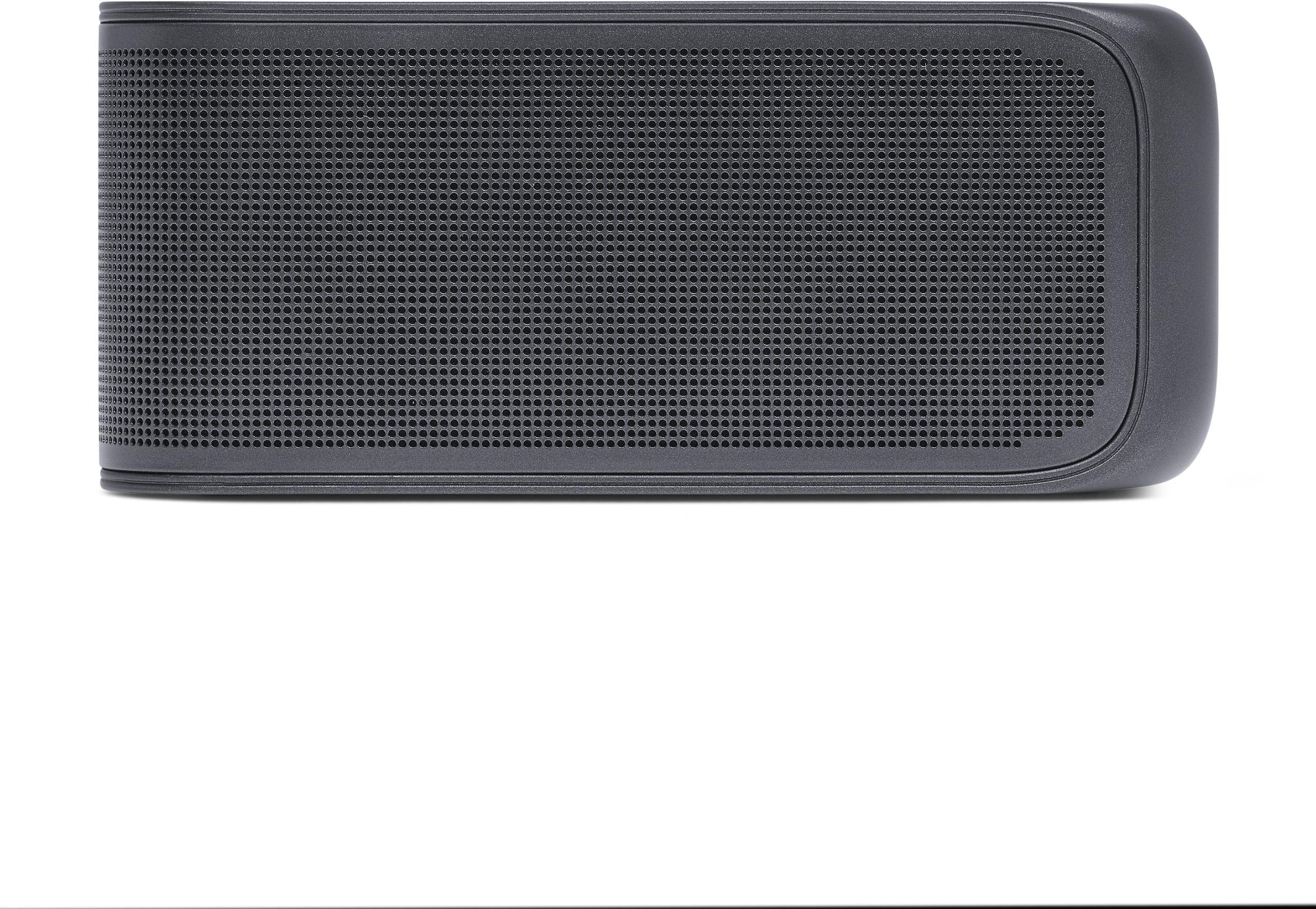
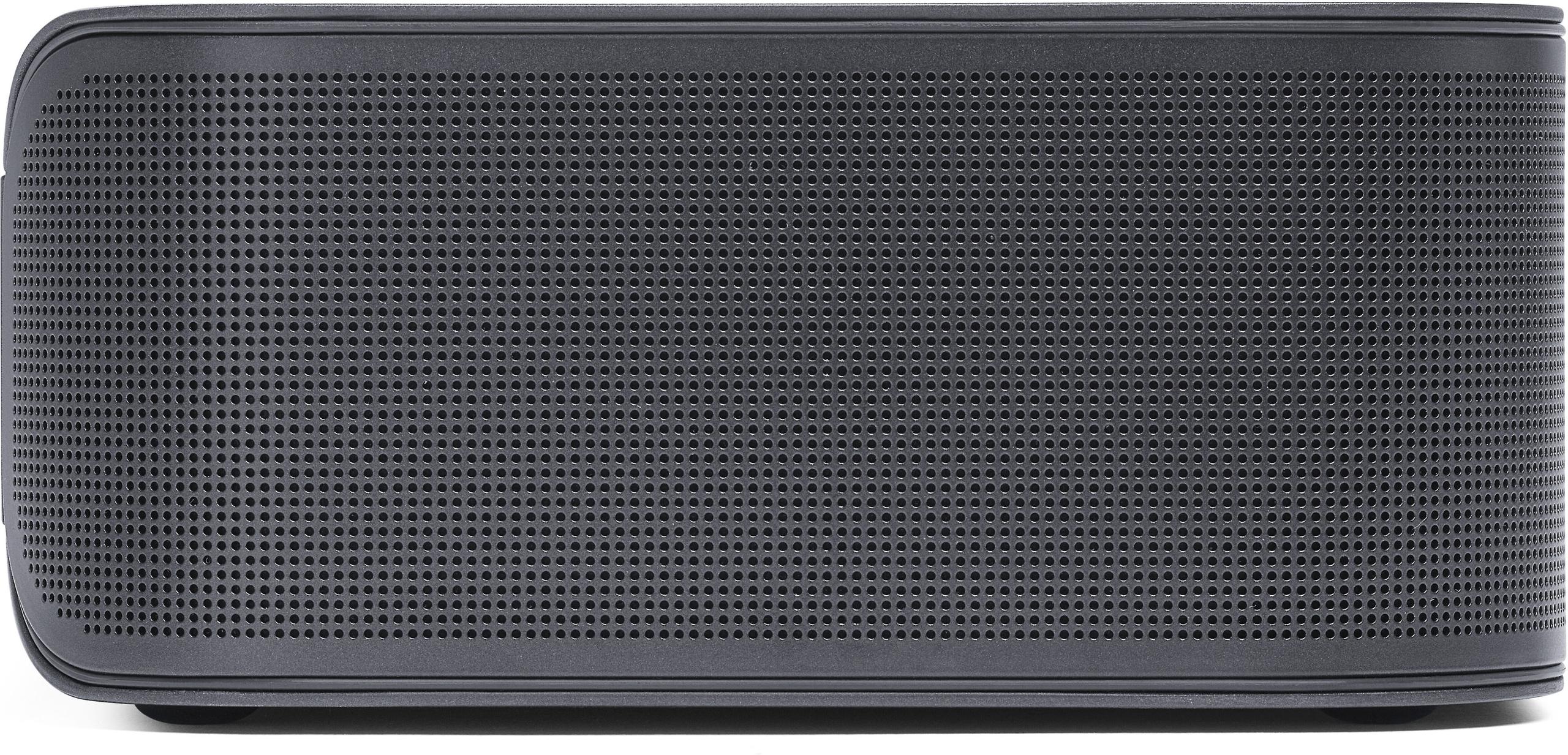
If you've ever found yourself cranking up the TV volume just to understand what the characters are saying, or wished movie explosions had more punch, you're not alone. TV speakers have gotten progressively worse as manufacturers make screens thinner, leaving no room for decent audio components. That's where soundbars come in – they're designed to dramatically improve your TV's audio without requiring a full surround sound system installation.
But choosing the right soundbar can be overwhelming, especially when comparing products at vastly different price points like the Yamaha SR-B30A ($280) and the JBL Bar 1300X ($1,300). These two represent completely different philosophies in soundbar design, and understanding their approaches will help you make the right choice for your home and budget.
Before diving into these specific products, it's worth understanding what makes a good soundbar. The main considerations include audio performance (how good it sounds), value proposition (what you get for your money), room compatibility (will it work well in your space), connectivity options (how it connects to your devices), setup complexity (how hard it is to install and use), and design integration (how well it fits with your TV setup).
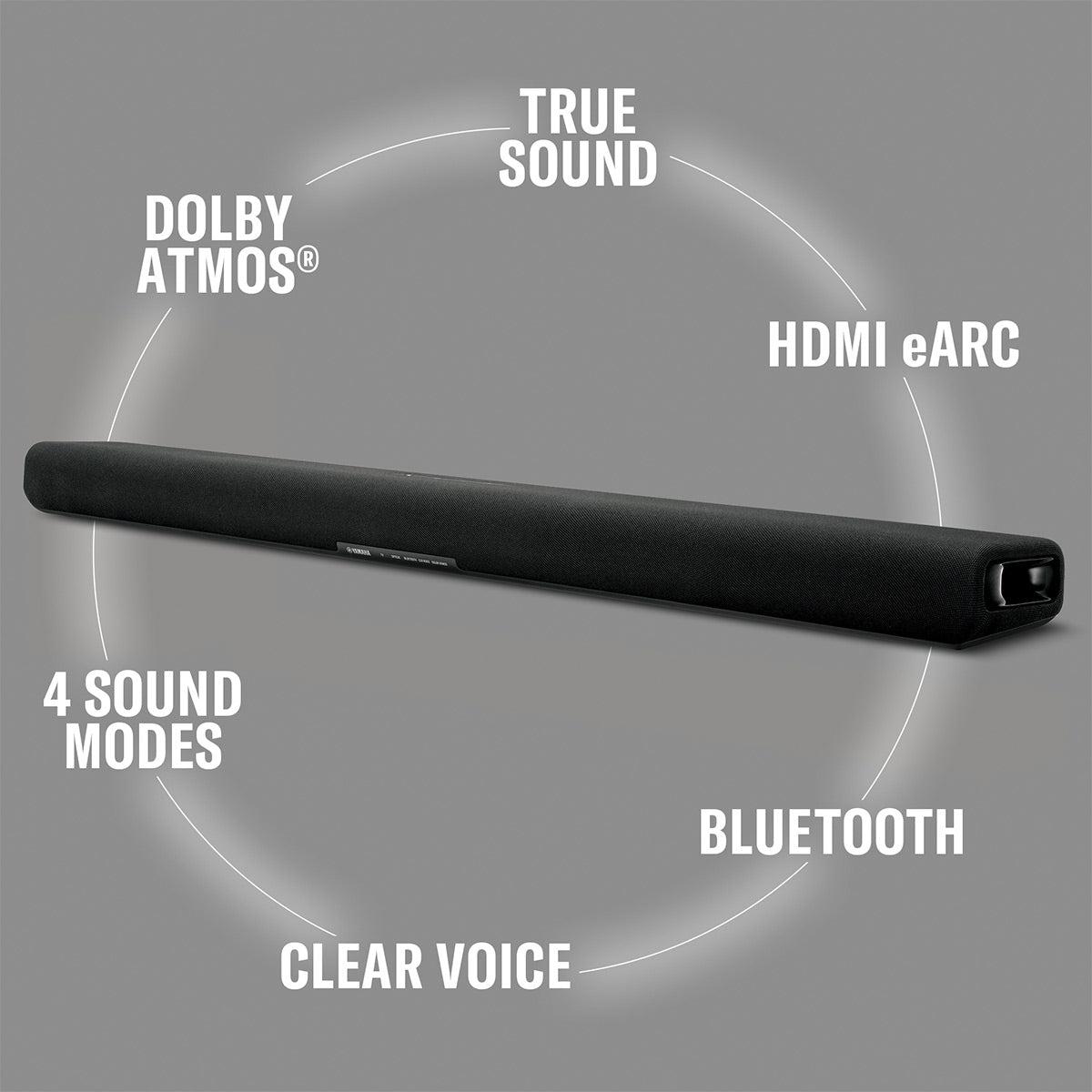
Modern soundbars also need to handle increasingly complex audio formats. Dolby Atmos, for example, creates three-dimensional sound by adding height channels that bounce audio off your ceiling. This creates the impression that sounds are coming from above you – think of rain falling or helicopters flying overhead in movies. However, there's a big difference between "virtual" Atmos (created through digital processing) and "true" Atmos (using dedicated upward-firing speakers).
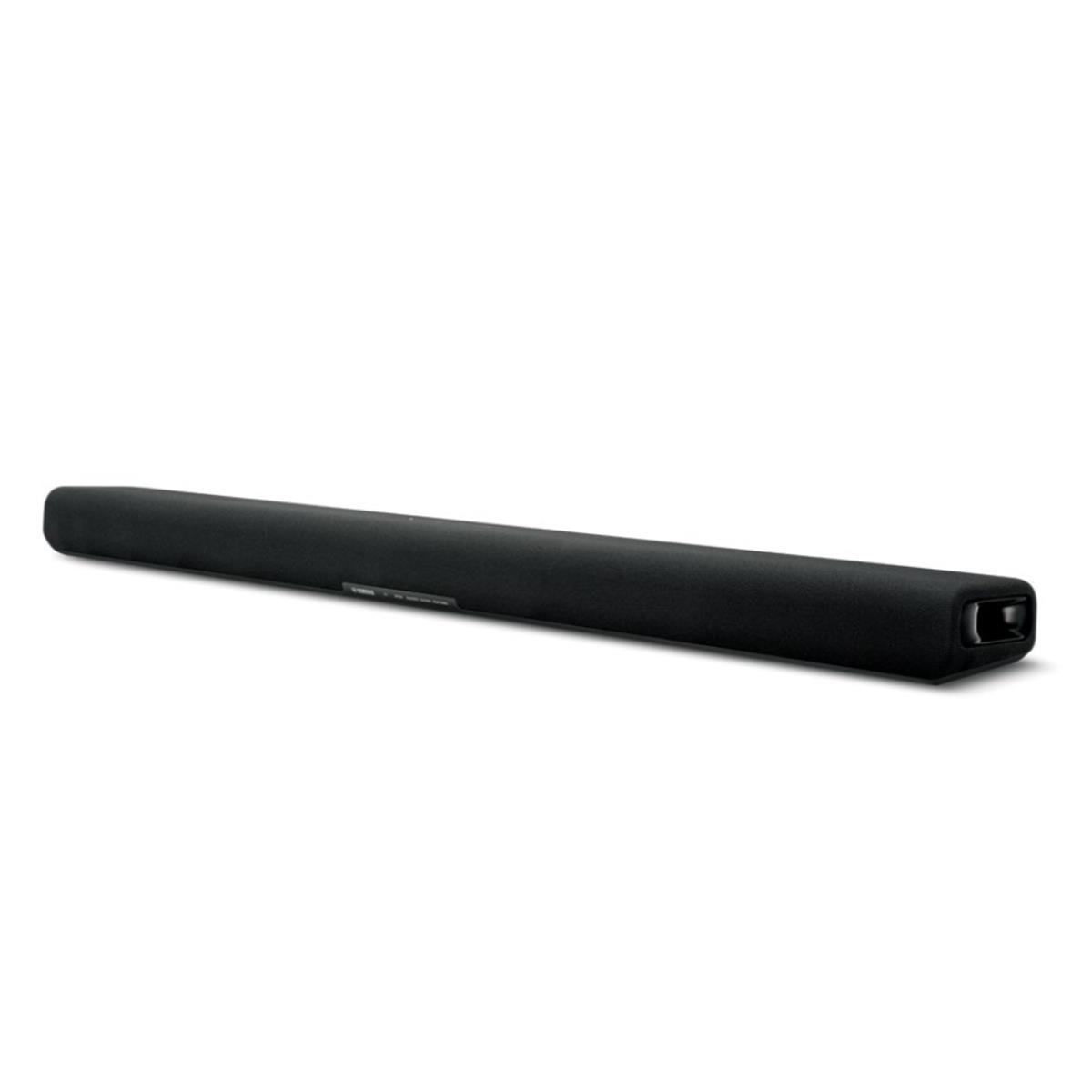
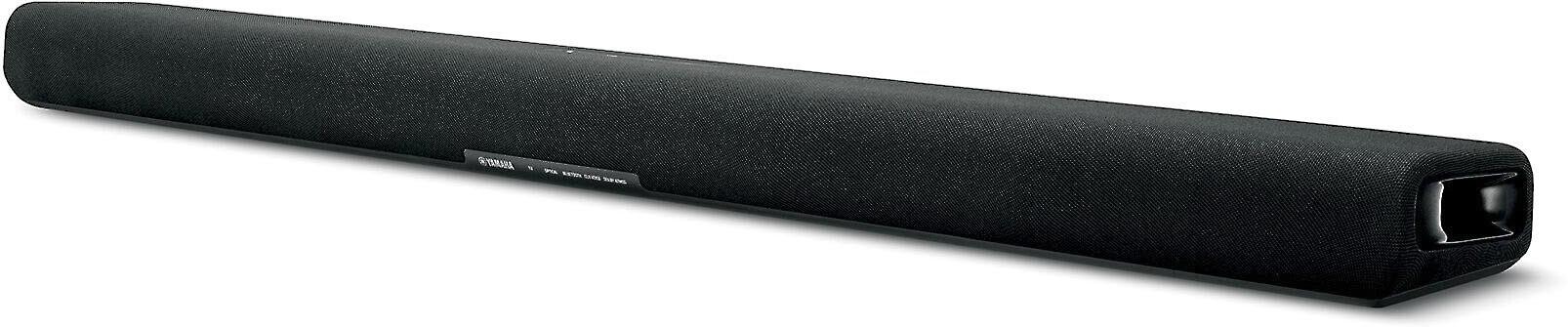
The Yamaha SR-B30A launched in 2023 as part of Yamaha's effort to bring Dolby Atmos technology to budget-conscious consumers. Yamaha, known for their audio expertise spanning decades, designed this as an entry-level solution that wouldn't compromise on their sound quality standards. The built-in subwoofer approach was particularly innovative at this price point, eliminating the need for separate components while maintaining decent bass response.
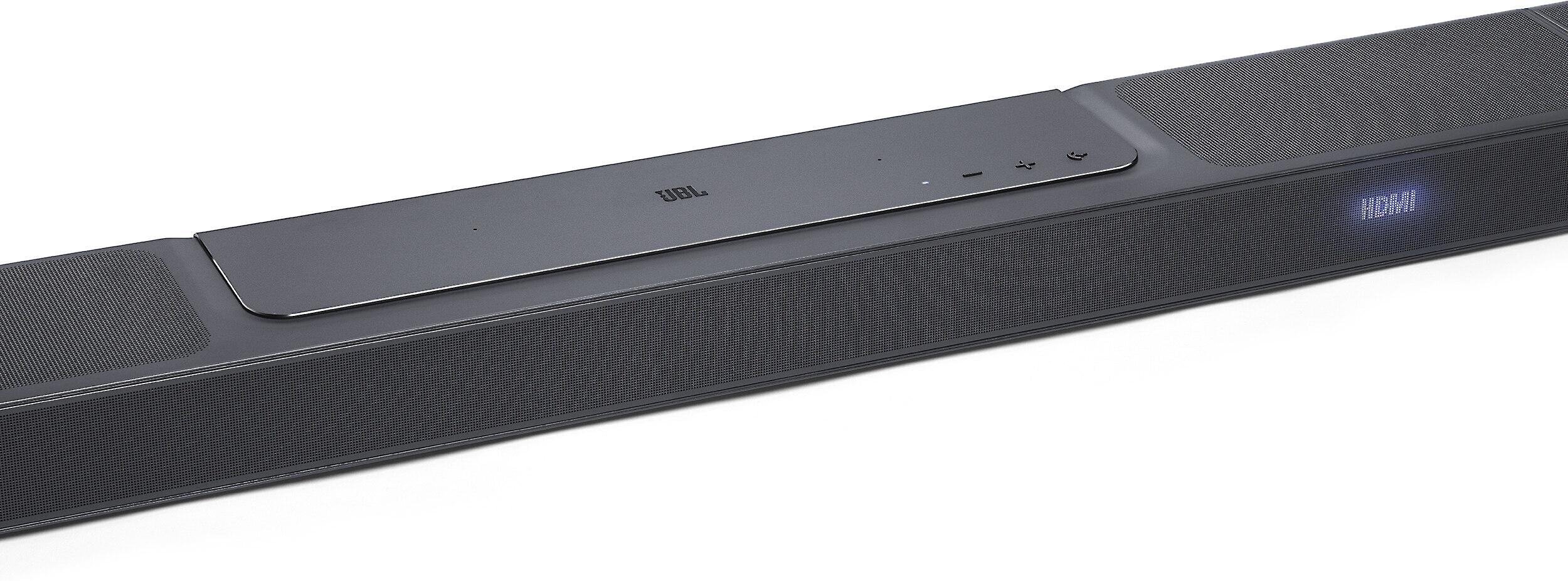
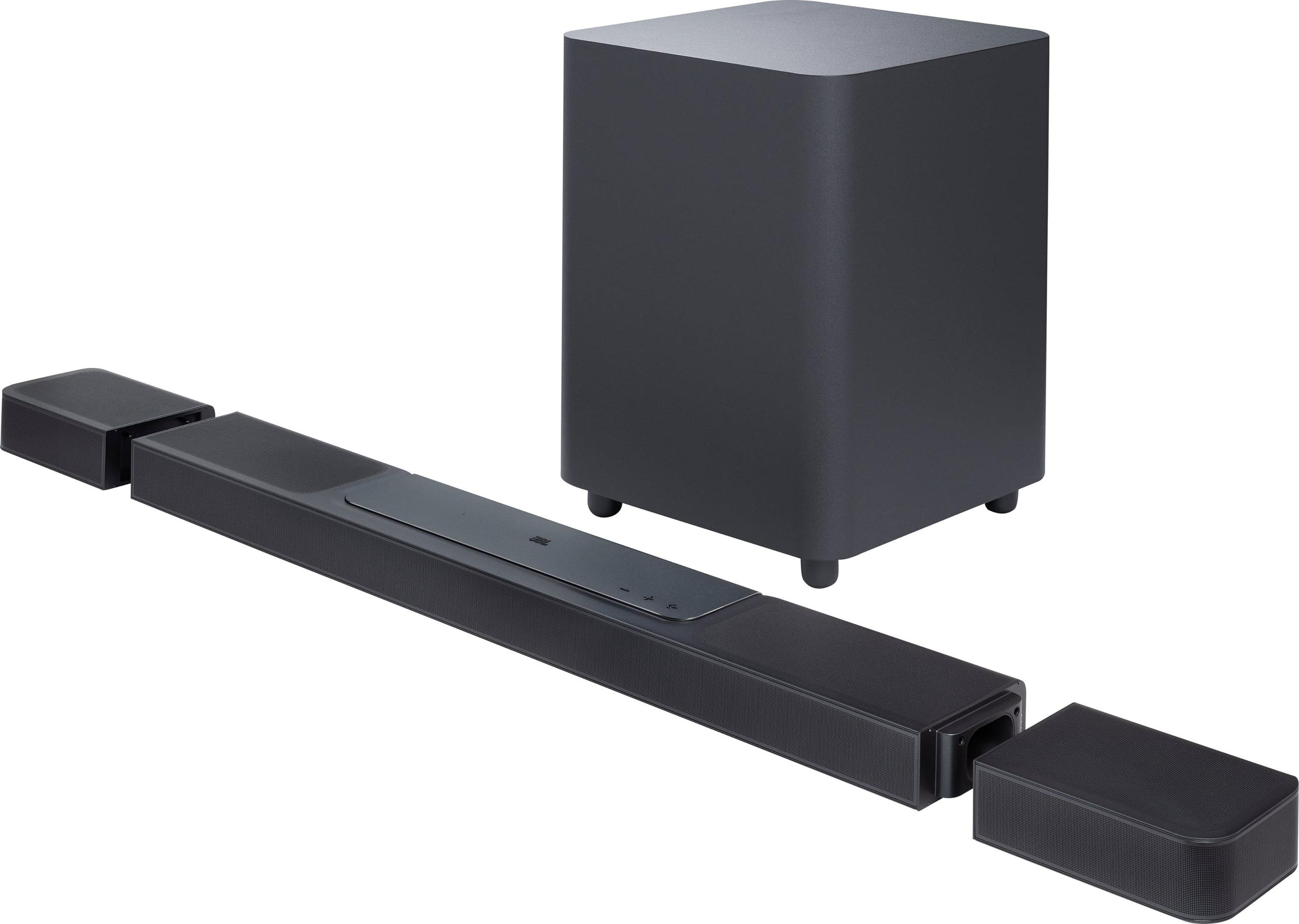
The JBL Bar 1300X, released in 2024, represents JBL's flagship soundbar technology. Coming from Harman International (now owned by Samsung), JBL leveraged their professional audio heritage to create what they call a "true 11.1.4" system. The detachable surround speakers were a breakthrough feature – they can function as part of the main system or as standalone Bluetooth speakers, powered by built-in rechargeable batteries.
Since their releases, both products have received firmware updates that improved performance. The Yamaha gained better bass management through software optimization, while the JBL added enhanced room calibration features and improved dialogue processing through their PureVoice technology.
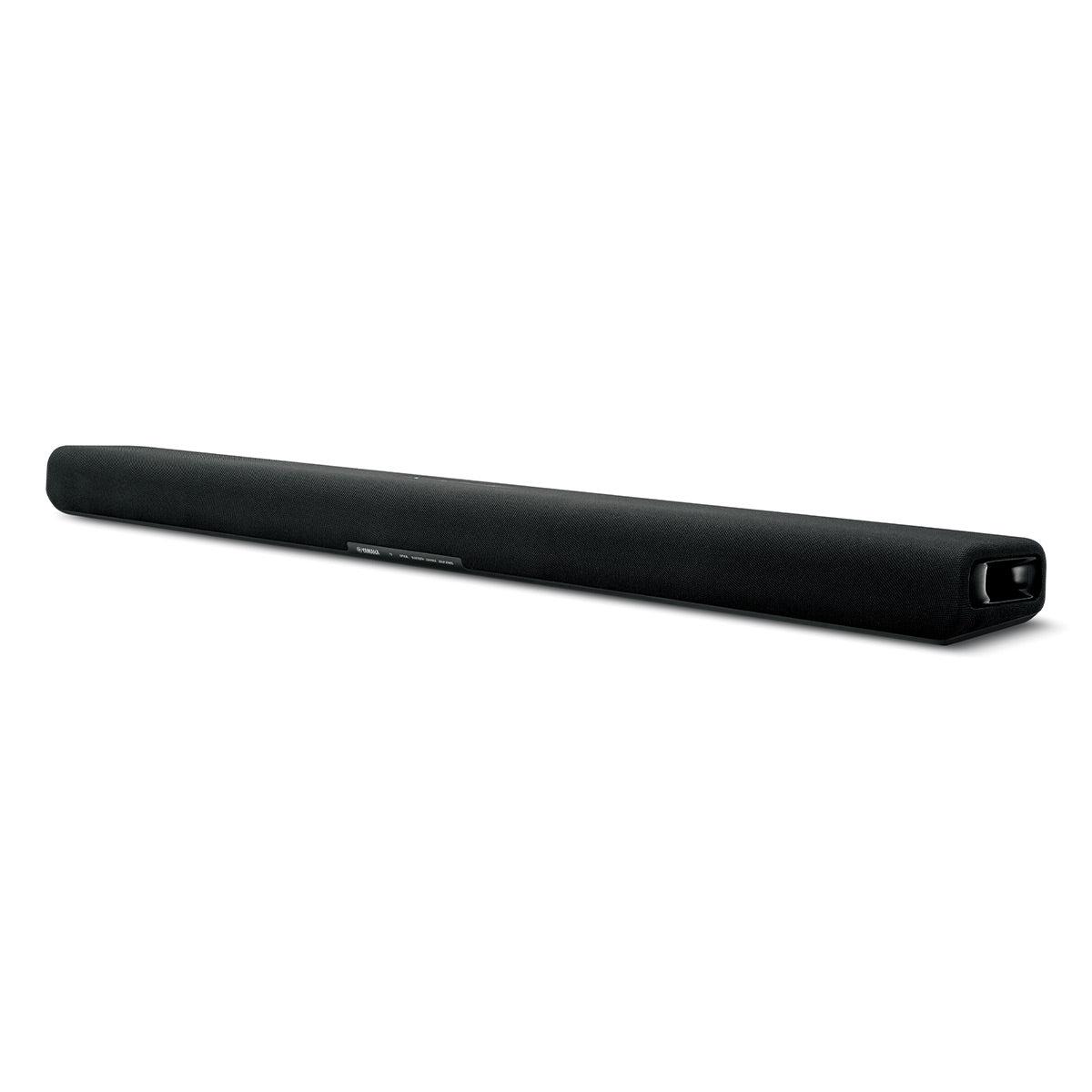
These soundbars couldn't be more different in their approach. The Yamaha follows the "all-in-one" philosophy – everything you need is built into a single 36-inch bar. This means two 3-inch subwoofer drivers are integrated directly into the main unit, along with dedicated tweeters (high-frequency speakers) and mid-range drivers. The result is a clean, minimalist setup that works immediately out of the box.
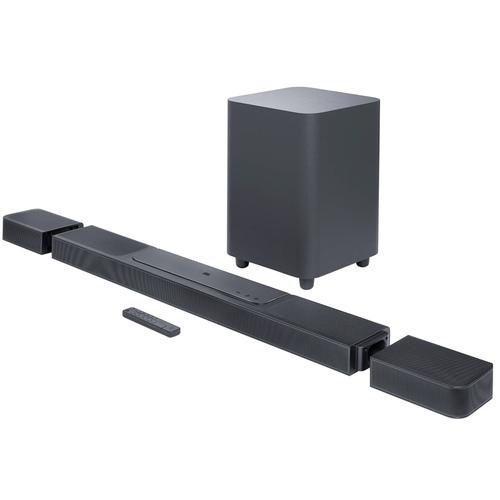
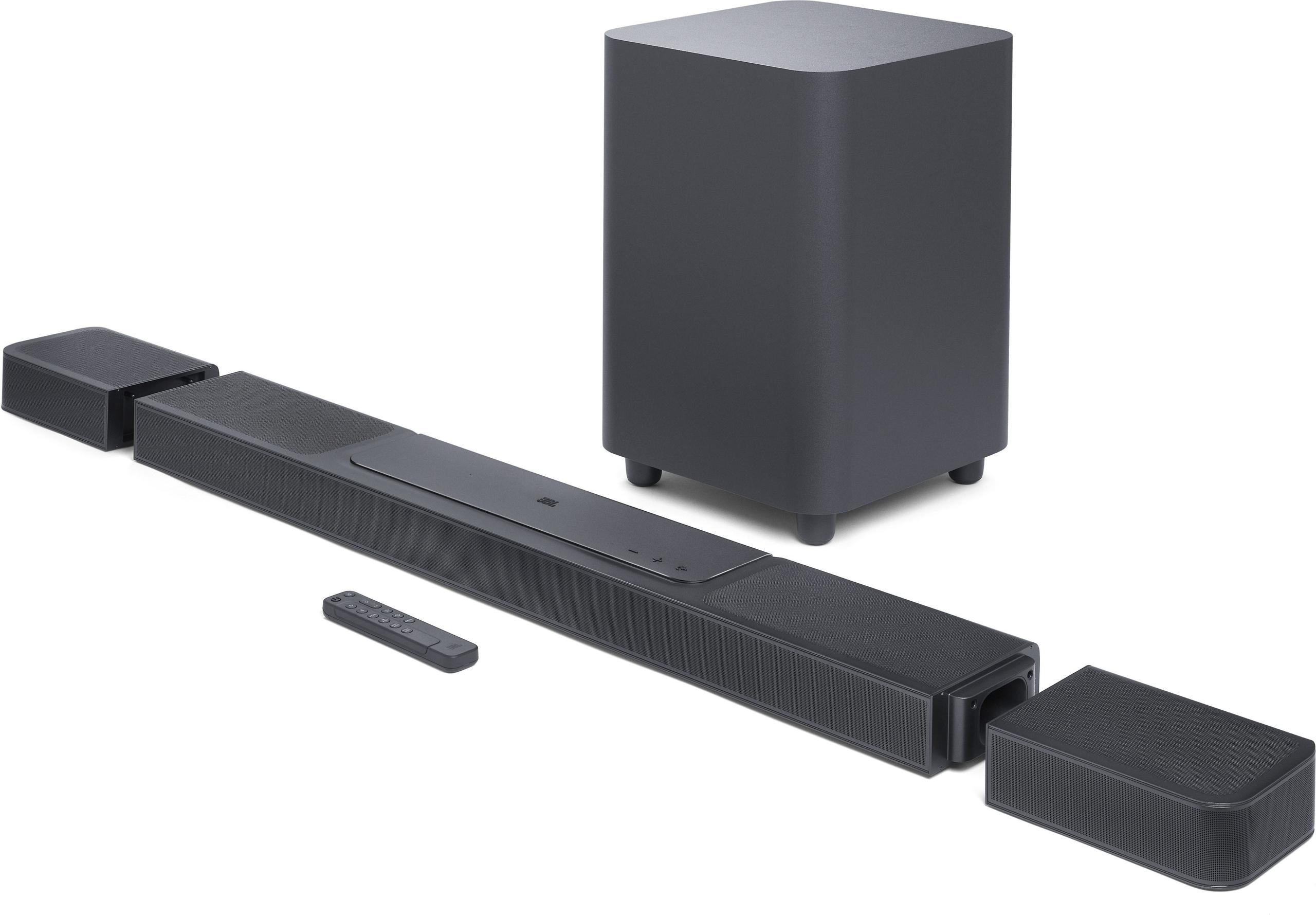
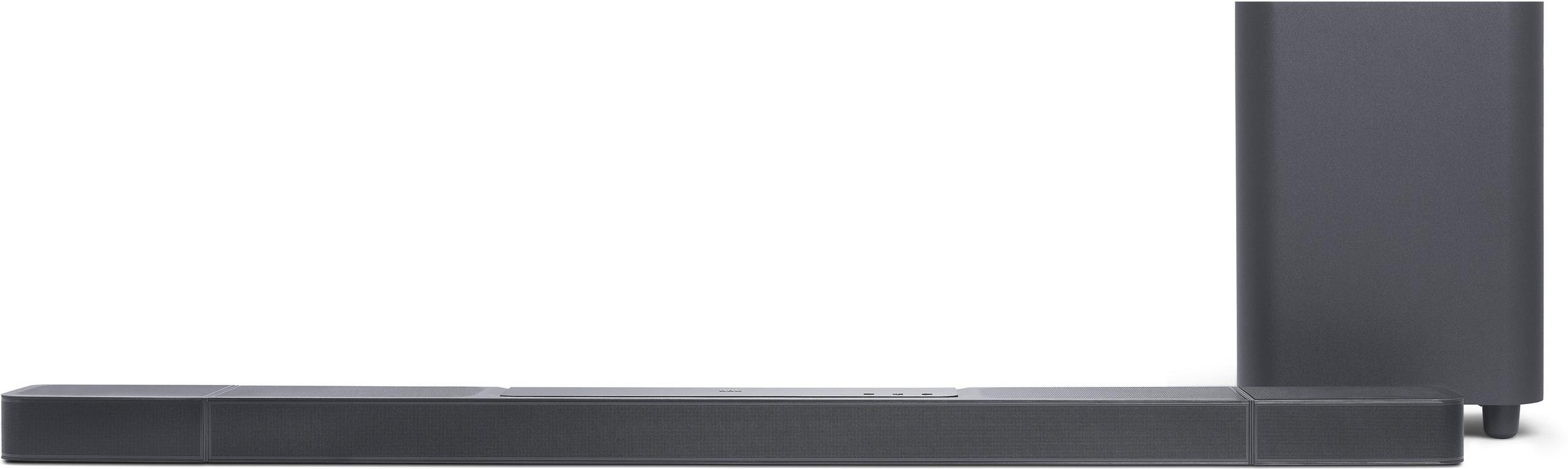
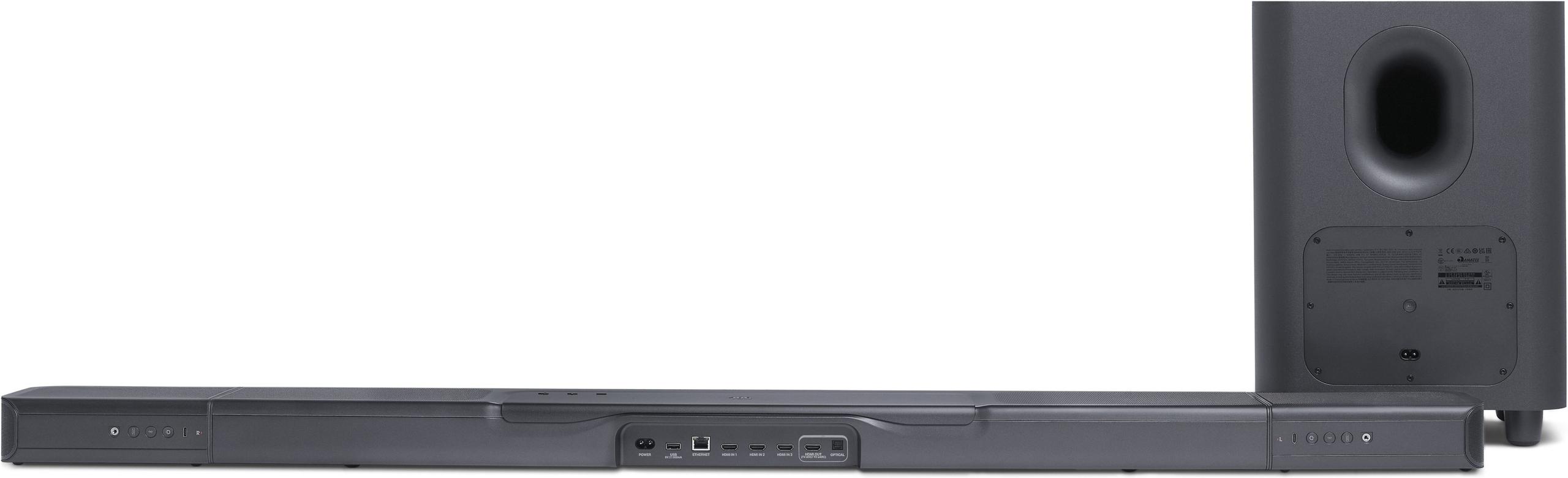
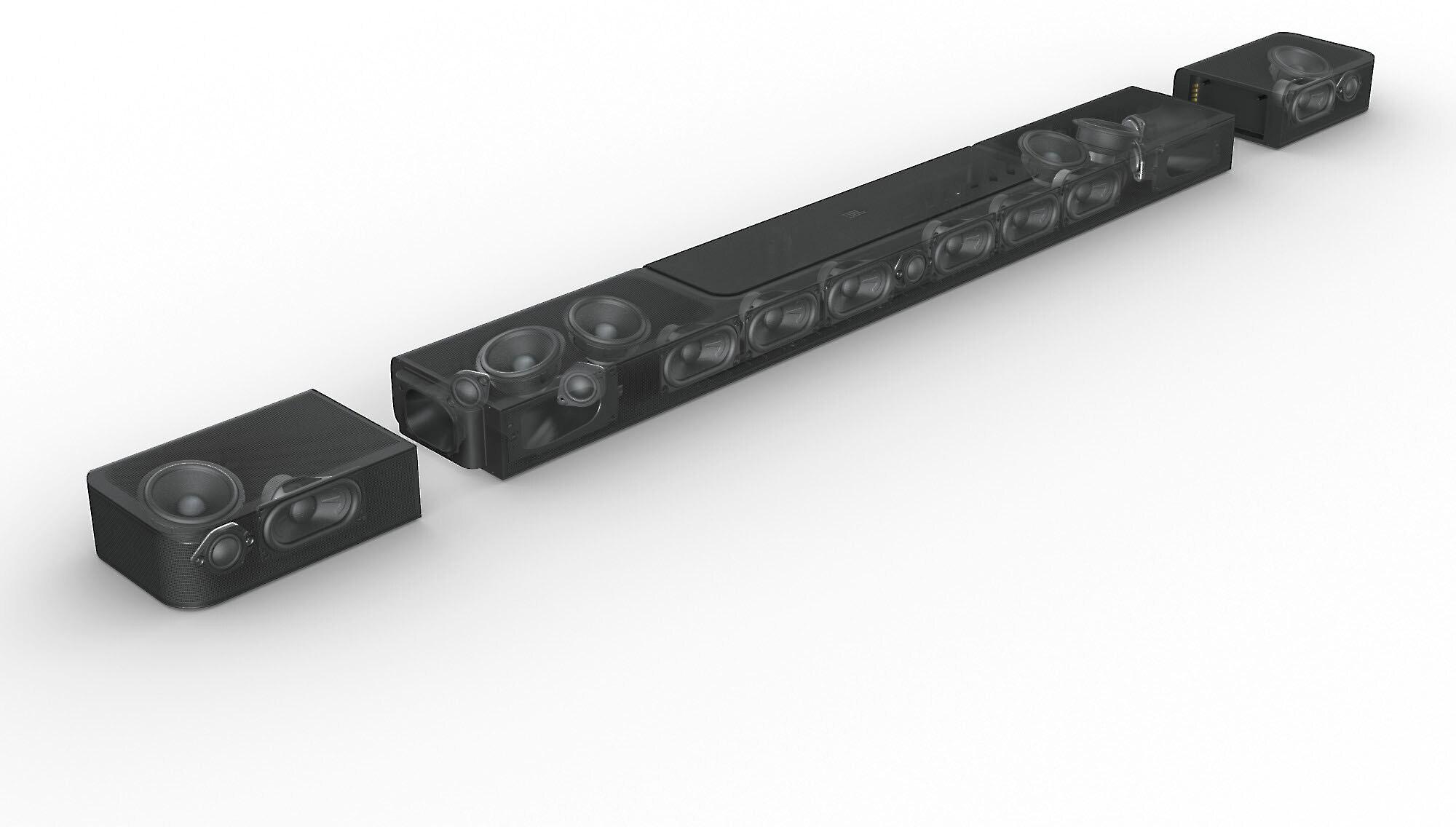
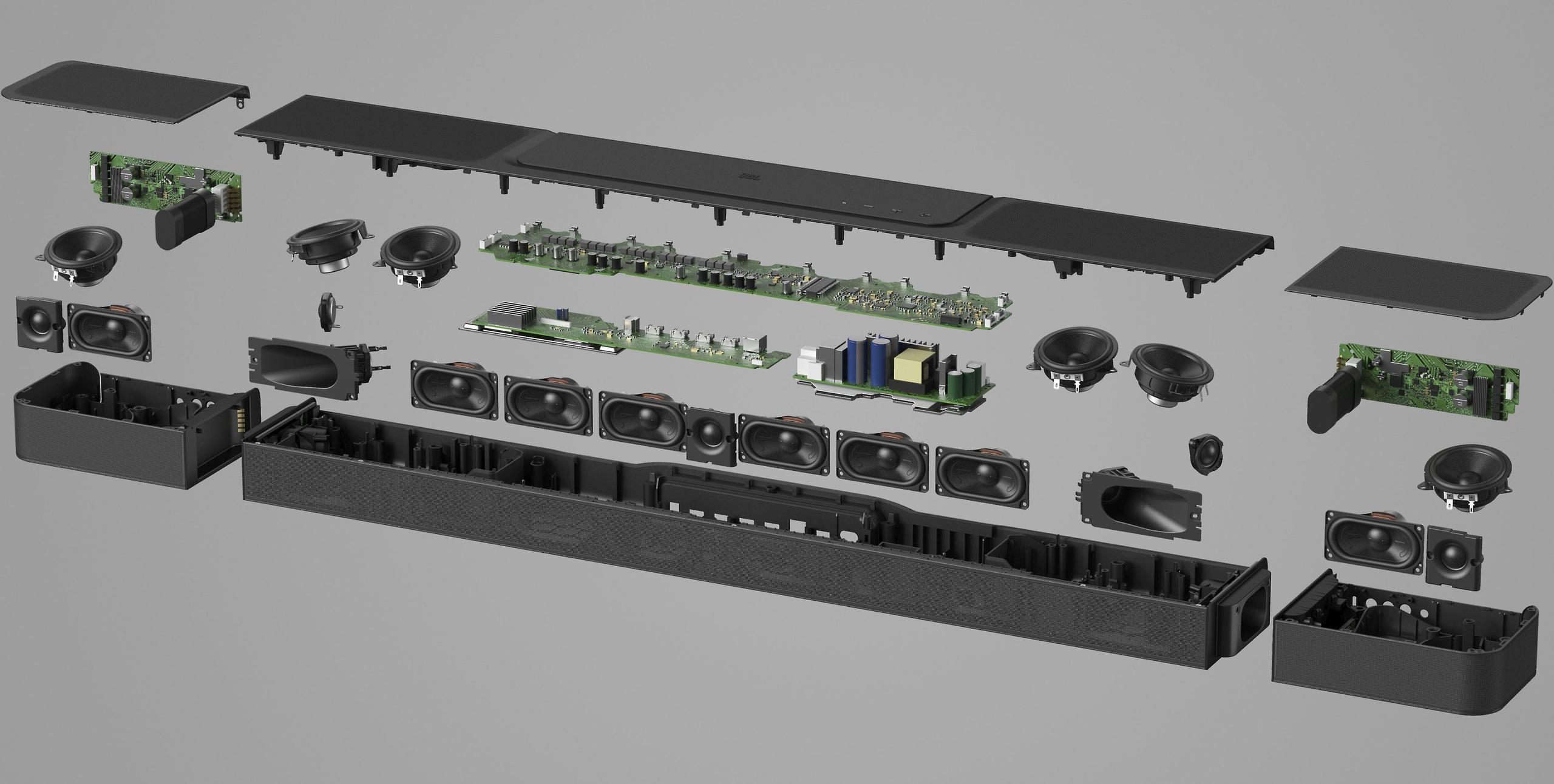
The JBL takes the "component system" approach, breaking the audio into specialized parts. You get a main soundbar, a separate 12-inch wireless subwoofer (which connects without cables but needs its own power outlet), and two detachable battery-powered surround speakers. Each component is optimized for specific frequency ranges and positioning, creating a more authentic surround sound experience.
The price difference reflects these philosophies: the Yamaha at $280 targets users who want significant audio improvement without complexity, while the JBL at $1,300 aims at those seeking a true home theater experience.
The most obvious difference is raw power. The Yamaha delivers 120 watts total – 30 watts each for the left and right channels, plus 60 watts for the built-in subwoofers. While this might sound modest, it's actually well-matched to the drivers and sufficient for rooms up to about 200 square feet.
The JBL, by contrast, pumps out an impressive 1,170 watts total. The main soundbar alone uses 650 watts, the wireless subwoofer gets 300 watts, and each detachable surround speaker receives 110 watts. This isn't just about getting louder – it's about having enough headroom to reproduce dynamic movie soundtracks without distortion. When a movie scene goes from quiet dialogue to explosive action, the JBL can handle those sudden volume spikes much better.
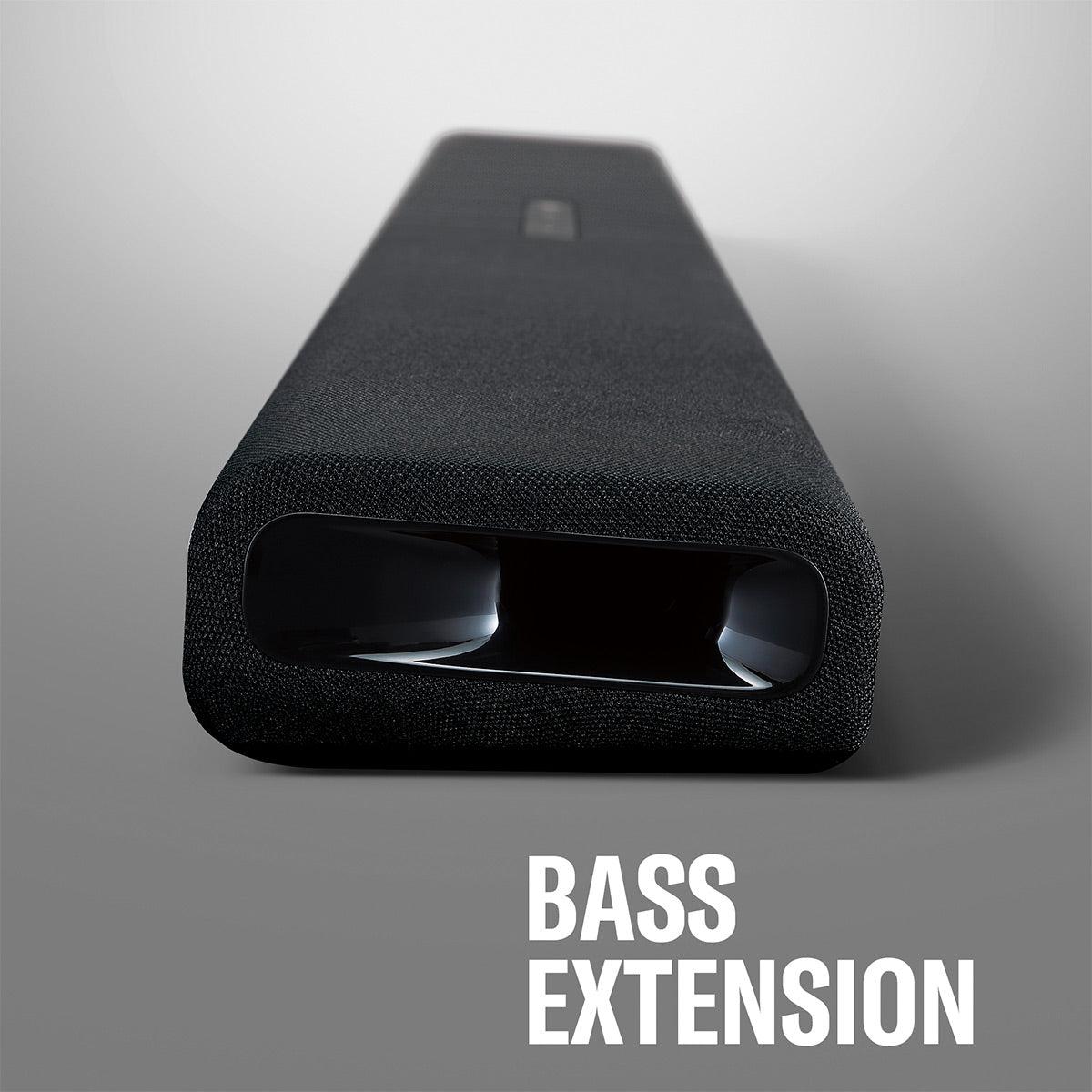
This is where the design philosophies create the biggest performance gap. The Yamaha's dual 3-inch built-in subwoofers, enhanced by bass-reflex ports (openings that help extend low-frequency response), do a surprisingly good job for their size. They provide enough bass punch for most TV content and music, particularly in smaller rooms where a large subwoofer might be overwhelming.
However, physics can't be cheated entirely. The JBL's 12-inch dedicated subwoofer moves significantly more air, producing deeper, more impactful bass. During action movies, you'll feel the difference – explosions have more weight, music has fuller low-end presence, and sound effects like rumbling vehicles or thunderstorms become genuinely immersive. The wireless connection also means you can position the subwoofer optimally in your room for the best bass response.
Here's where the products diverge most dramatically. The Yamaha uses virtual surround processing – sophisticated digital algorithms that manipulate the audio to create the impression of sounds coming from around you. It works by carefully adjusting timing, phase relationships, and frequency response to trick your brain into perceiving a wider soundstage. For a 2.1 system, it's impressive, but it's still limited by having only front-facing speakers.
The JBL employs true 11.1.4 surround sound, which breaks down as follows: 11 main channels (left, center, right, side surrounds, rear surrounds, etc.), 1 subwoofer channel, and 4 height channels. The detachable rear speakers create genuine surround effects – when a car passes from front to back in a movie, you actually hear it travel around you rather than just getting a processed approximation.
The height channels deserve special mention. Both products support Dolby Atmos, but they achieve it differently. The Yamaha bounces processed audio off your ceiling to simulate overhead effects. The JBL uses dedicated upward-firing drivers in both the main bar and surround speakers to create authentic height layers. If you've ever experienced true Atmos in a movie theater, the JBL gets much closer to that experience.
Both manufacturers recognize that clear dialogue is crucial for modern content. Streaming services often have inconsistent audio mixing, and many movies prioritize spectacular sound effects over vocal clarity.
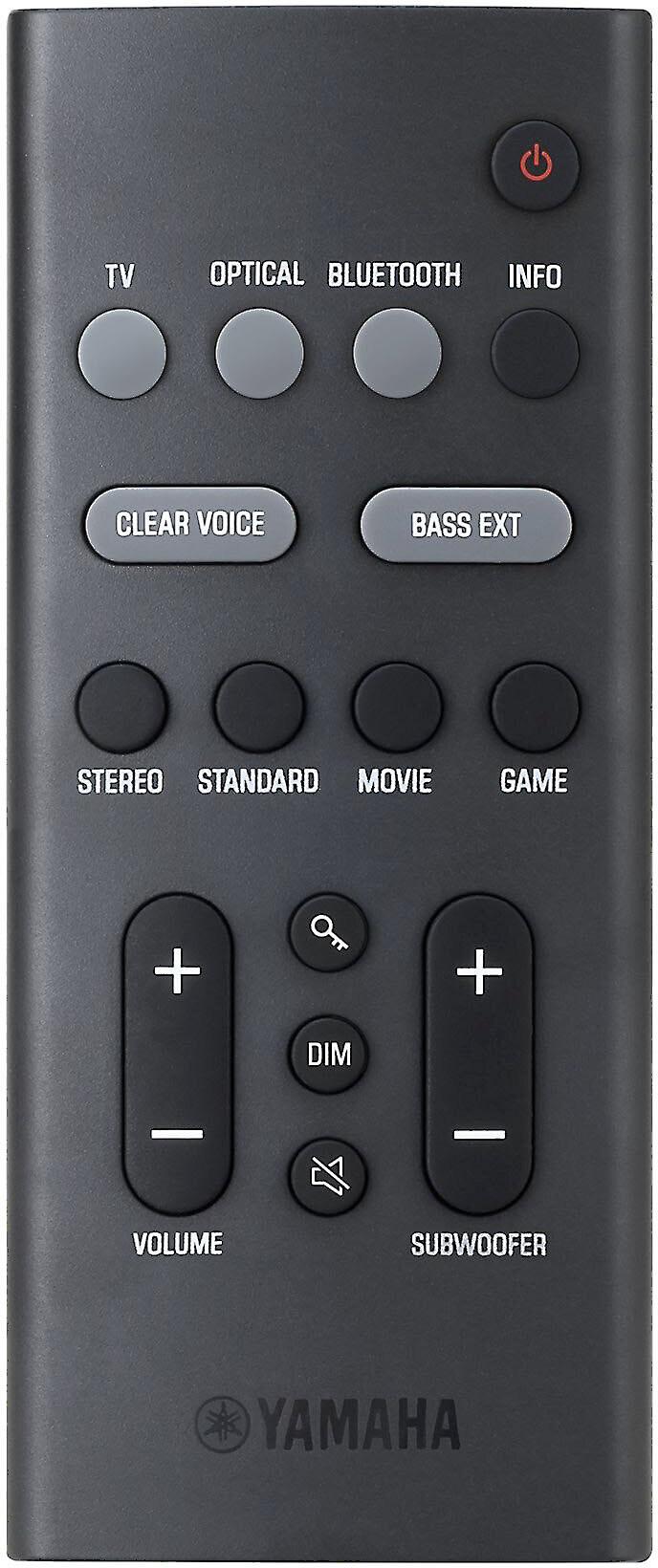
The Yamaha addresses this with Clear Voice technology, which analyzes incoming audio and boosts the frequency ranges where human speech occurs (typically 300Hz to 3kHz). It's effective and works across all content types, though it can sometimes make dialogue sound slightly artificial if pushed too far.
The JBL uses PureVoice technology combined with a dedicated center channel. Having a separate center channel speaker is huge for dialogue – it's specifically designed to reproduce human voices clearly while leaving other channels free to handle music and effects. The PureVoice processing then optimizes this center channel output, maintaining natural sound quality while ensuring voices cut through complex soundtracks.
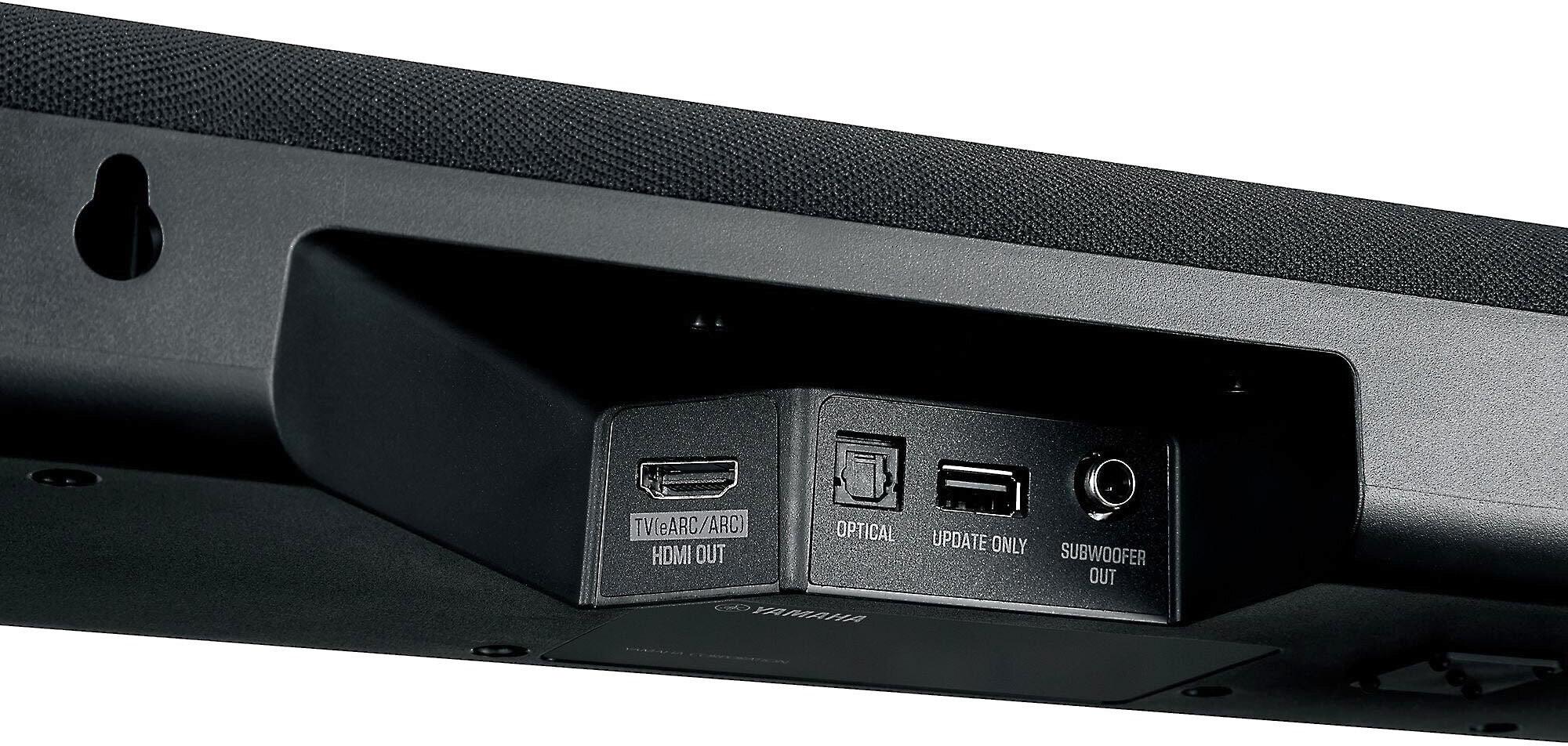
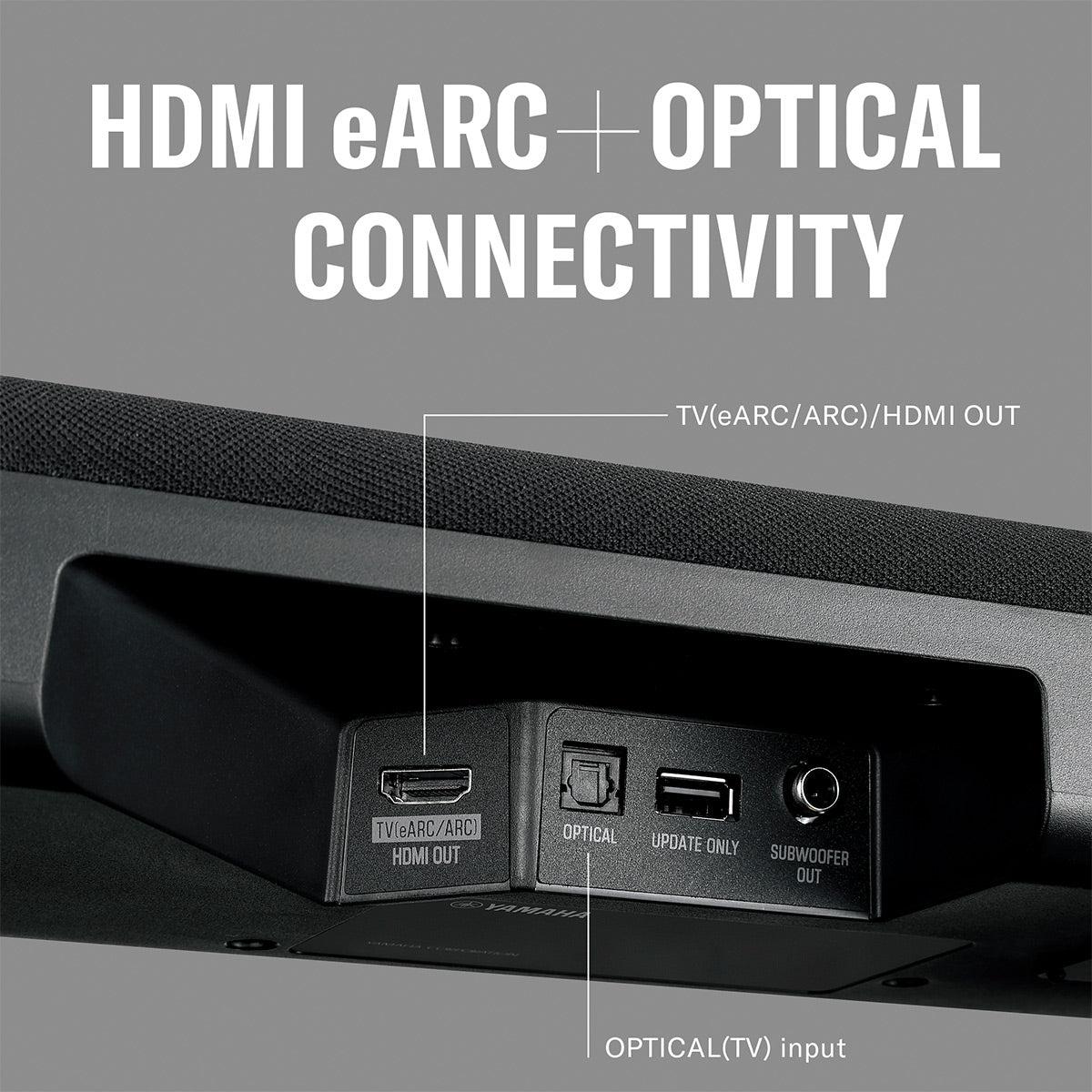
The connection options reveal each product's target audience. The Yamaha SR-B30A keeps things simple with HDMI eARC (enhanced Audio Return Channel, which carries high-quality audio back from your TV to the soundbar) and optical input. Bluetooth 5.1 handles wireless music streaming from phones and tablets. There's also a companion app for basic adjustments, but it's straightforward without overwhelming options.
The JBL Bar 1300X is built for the future with three HDMI 2.1 inputs plus eARC output. HDMI 2.1 supports 4K video at 120Hz refresh rates – crucial for next-generation gaming consoles like PlayStation 5 and Xbox Series X. It also passes through advanced HDR formats like Dolby Vision, ensuring your video quality isn't compromised.
The JBL's smart features are extensive: built-in Wi-Fi enables Chromecast, AirPlay, and direct streaming from services like Spotify. Amazon Alexa integration allows voice control, and automatic software updates keep the system current with new features and improvements.
Your room size dramatically affects which soundbar will work better. I've tested both in various environments, and the differences are stark.
In smaller spaces (under 200 square feet), like bedrooms or small apartments, the Yamaha actually has advantages. Its built-in subwoofers provide adequate bass without overwhelming the space, and the compact design doesn't dominate the room visually. The virtual surround processing works reasonably well when you're sitting relatively close to the soundbar.
Medium-sized rooms (200-400 square feet) represent the crossover point where either could work, depending on your priorities and budget. The Yamaha will provide meaningful improvement over TV speakers, while the JBL starts to demonstrate its superior capabilities without being overkill.
Large living rooms (400+ square feet) really showcase the JBL's strengths. The additional power becomes necessary to fill the space adequately, and the physical surround speakers create immersive effects that virtual processing simply cannot match at that scale.
For dedicated home theater use, the performance gap widens significantly. The JBL's true surround sound creates the kind of immersive experience that makes you forget you're at home. During action sequences, effects move convincingly around the room. The height channels add genuine overhead dimension – rain sounds like it's falling from above, and aircraft genuinely seem to fly over your head.
The Yamaha, while competent, remains limited by its 2.1 configuration. It improves dramatically on TV speakers and provides solid movie audio, but it can't create the enveloping soundfield that makes blockbuster movies truly exciting. For casual movie watching, it's perfectly adequate. For serious home theater enthusiasts, it will leave you wanting more.
Gaming performance also differs substantially. The JBL's HDMI 2.1 support means no compromises with next-generation consoles – you get full 4K/120Hz gaming with low-latency audio. The surround speakers help with positional audio in competitive games. The Yamaha handles gaming adequately but lacks the advanced features that enhance the modern gaming experience.
This is where personal priorities become crucial. The Yamaha at $280 represents exceptional value for its intended use case. You're getting Yamaha's audio expertise, Dolby Atmos processing, built-in subwoofers, and meaningful audio improvement in a simple package. For many users, especially those upgrading from basic TV speakers, the improvement will be transformative.
The JBL at $1,300 requires more justification, but it delivers proportionally more performance. When you consider that a quality separate subwoofer alone costs $300-500, and wireless surround speakers run $200-400 per pair, the pricing becomes more reasonable. You're essentially getting a complete home theater system that would cost significantly more if purchased as separate components.
The JBL offers unique flexibility through its detachable surround speakers. These battery-powered units (lasting up to 12 hours per charge) can be removed and used as standalone Bluetooth speakers for outdoor gatherings, different rooms, or travel. This dual functionality adds value beyond the main soundbar system.
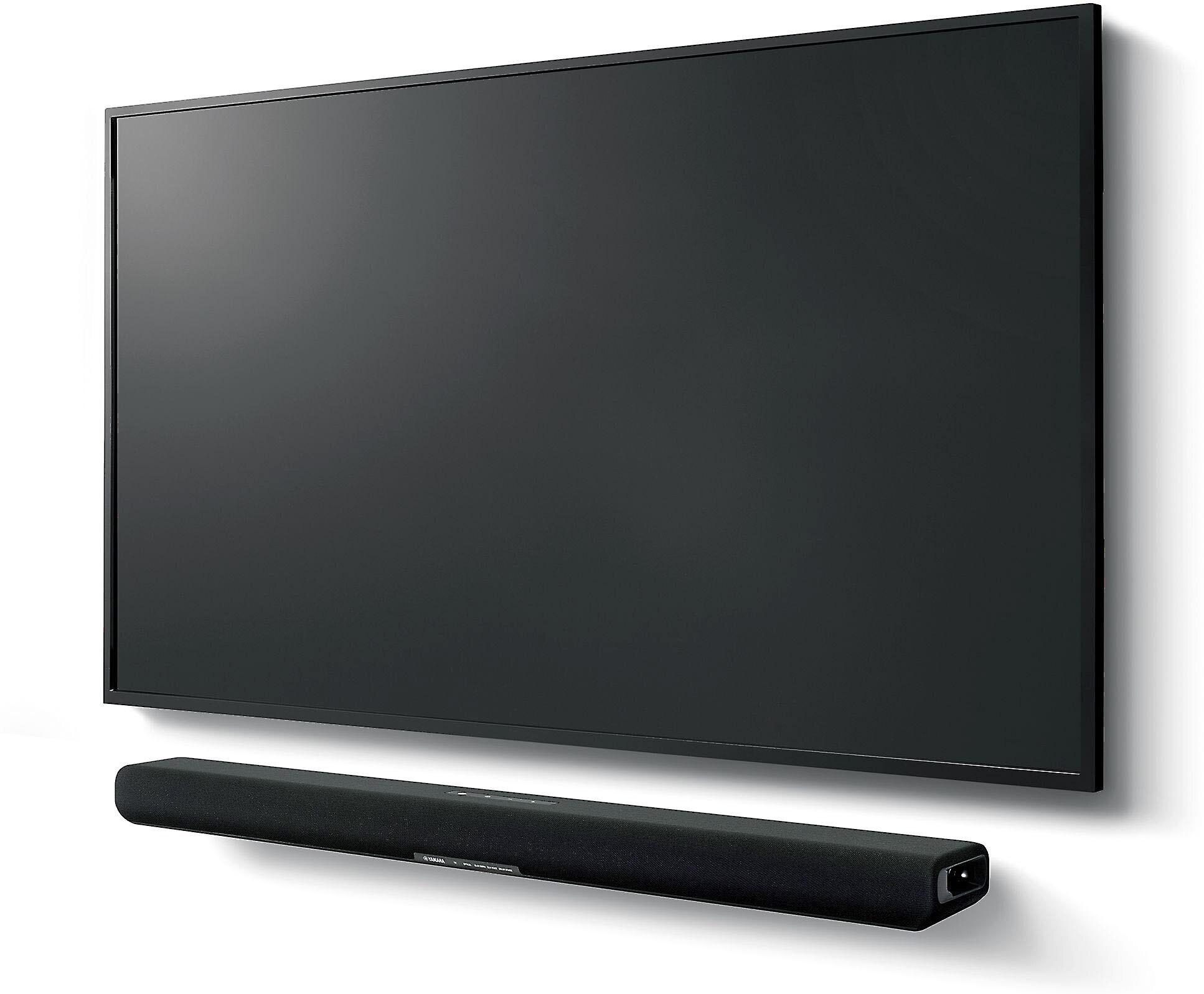
The Yamaha's flexibility is more about placement simplicity. With no separate subwoofer to position and only one power connection required, it works in situations where the JBL might be impractical – like wall-mounted installations in tight spaces or rental properties where you can't run additional power cables.
Both products incorporate meaningful technical innovations, but at different levels. The Yamaha's achievement is packaging effective bass reproduction and Dolby Atmos processing into an affordable, compact unit. The bass-reflex design and driver arrangement maximize performance within strict size and cost constraints.
The JBL pushes multiple boundaries simultaneously. The MultiBeam technology uses advanced digital signal processing to optimize sound distribution based on room characteristics. The detachable speakers represent genuine innovation in soundbar design. The comprehensive connectivity ensures compatibility with future devices and formats.
Choose the Yamaha SR-B30A if you want meaningful audio improvement without complexity or high cost. It's perfect for smaller spaces, secondary TVs, or situations where simplicity matters more than ultimate performance. The built-in subwoofers eliminate placement concerns, and the sound quality represents excellent value at this price point.
Choose the JBL Bar 1300X if you're building a dedicated home theater experience and can justify the investment. The true surround sound, powerful subwoofer, and advanced features create an immersive experience that rivals much more expensive systems. The future-proof connectivity and additional flexibility through detachable speakers add long-term value.
Your room size, budget, and audio expectations will ultimately guide the decision. Both products excel within their intended markets – the Yamaha as an affordable upgrade that significantly improves TV audio, and the JBL as a comprehensive home theater solution that delivers professional-quality results. Consider your space, your budget, and how important audio quality is to your overall entertainment experience. Either choice will represent a massive improvement over built-in TV speakers, but they'll take you to very different destinations in your audio journey.
| Yamaha SR-B30A Sound Bar with Built-In Subwoofers | JBL Bar 1300X Soundbar with Wireless Subwoofer |
|---|---|
| Price - The most important factor for most buyers | |
| $280 (exceptional value for basic upgrade) | $1,300 (premium pricing for home theater features) |
| Audio Channels - Determines surround sound authenticity | |
| 2.1 channels with virtual Dolby Atmos | True 11.1.4 channels with physical surround speakers |
| Total Power Output - Affects maximum volume and dynamic range | |
| 120W (adequate for small-medium rooms) | 1,170W (fills large spaces without distortion) |
| Subwoofer Design - Critical for bass impact and placement flexibility | |
| Dual 3" built-in subwoofers (no placement needed) | 12" wireless external subwoofer (deeper bass, flexible positioning) |
| Surround Speakers - Determines immersion quality for movies | |
| None (relies on virtual processing) | Detachable battery-powered rear speakers (true surround sound) |
| HDMI Connectivity - Important for gaming and future devices | |
| 1 HDMI eARC (basic TV connection) | 3 HDMI 2.1 inputs + eARC (supports 4K/120Hz gaming) |
| Smart Features - Affects streaming convenience and voice control | |
| Basic Bluetooth and app control | Wi-Fi streaming, Chromecast, AirPlay, Alexa integration |
| Setup Complexity - Time and effort required for installation | |
| Single cable connection, wall-mountable | Multiple components, wireless setup, room calibration |
| Ideal Room Size - Where each performs best | |
| Small to medium rooms (under 300 sq ft) | Medium to large rooms (300+ sq ft) |
| Dialogue Enhancement - Critical for understanding speech | |
| Clear Voice technology (frequency boost) | PureVoice + dedicated center channel (superior clarity) |
| Best For - Primary use case recommendation | |
| Budget-conscious users wanting simple TV audio upgrade | Home theater enthusiasts seeking immersive surround experience |
The Yamaha SR-B30A ($280) offers exceptional value for budget-conscious buyers, providing Dolby Atmos processing and built-in subwoofers at an entry-level price. The JBL Bar 1300X ($1,300) justifies its higher cost with true 11.1.4 surround sound, wireless subwoofer, and detachable rear speakers that create a complete home theater experience.
The primary difference is system design: the Yamaha SR-B30A is an all-in-one soundbar with built-in subwoofers, while the JBL Bar 1300X is a multi-component system with a separate wireless subwoofer and detachable battery-powered surround speakers for true surround sound.
The Yamaha SR-B30A is ideal for small rooms under 300 square feet. Its compact design with built-in subwoofers provides adequate bass without overwhelming the space, and the single-unit setup works perfectly in bedrooms or small apartments where the JBL Bar 1300X might be overkill.
Yes, both support Dolby Atmos, but differently. The Yamaha SR-B30A uses virtual Atmos processing to simulate height effects, while the JBL Bar 1300X features dedicated upward-firing drivers in both the main bar and surround speakers for authentic three-dimensional sound.
The JBL Bar 1300X delivers superior bass with its 12-inch wireless subwoofer that produces deeper, more impactful low frequencies. The Yamaha SR-B30A has dual 3-inch built-in subwoofers that provide decent bass for the price but can't match the depth and power of a dedicated large subwoofer.
The Yamaha SR-B30A has one HDMI eARC connection plus optical input, keeping connectivity simple. The JBL Bar 1300X offers three HDMI 2.1 inputs plus eARC output, supporting multiple devices and advanced features like 4K/120Hz gaming.
The Yamaha SR-B30A is much easier to set up, requiring only a single HDMI or optical cable connection to your TV. The JBL Bar 1300X involves positioning multiple components, connecting the wireless subwoofer, and setting up the detachable surround speakers, though it includes helpful room calibration features.
Both soundbars enhance dialogue clarity but use different approaches. The Yamaha SR-B30A uses Clear Voice technology to boost speech frequencies, while the JBL Bar 1300X combines PureVoice processing with a dedicated center channel for superior vocal reproduction and more natural-sounding dialogue.
The JBL Bar 1300X is significantly better for gaming with its HDMI 2.1 support, enabling 4K/120Hz gaming with next-generation consoles. The surround speakers also provide better positional audio for competitive gaming. The Yamaha SR-B30A handles gaming adequately but lacks advanced gaming features.
The Yamaha SR-B30A offers basic Bluetooth 5.1 streaming from phones and tablets, plus app control for settings. The JBL Bar 1300X provides comprehensive wireless features including Wi-Fi streaming, Chromecast built-in, AirPlay support, and Amazon Alexa integration for voice control.
The JBL Bar 1300X excels for dedicated home theater setups with its true 11.1.4 surround sound creating an immersive cinematic experience. The detachable rear speakers and powerful subwoofer deliver theater-quality audio that the Yamaha SR-B30A cannot match, though the Yamaha still provides meaningful improvement over TV speakers.
The Yamaha SR-B30A performs best in small to medium rooms under 300 square feet, where its 120W output provides adequate coverage. The JBL Bar 1300X is designed for medium to large rooms over 300 square feet, where its 1,170W power output and surround speakers can properly fill the space with immersive audio.
We've done our best to create useful and informative comparisons to help you decide what product to buy. Our research uses advanced automated methods to create this comparison and perfection is not possible - please contact us for corrections or questions. These are the sites we've researched in the creation of this article: usa.yamaha.com - worldwidestereo.com - audiolab.com - shop.sg.yamaha.com - consumerreports.org - usa.yamaha.com - vinylsound.ca - bestbuy.com - modernappliancewoodward.com - bluestardist.com - target.com - my.yamaha.com - techradar.com - jbl.com - audioadvice.com - youtube.com - rtings.com - jbl.com - greentoe.com - harmanaudio.com - youtube.com - mm.jbl.com - jbl.com

Privacy Policy
Terms and Conditions - Affiliate Policy
Home Security
© Copyright 2008-2026.
11816 Inwood Rd #1211, Dallas, TX 75244