


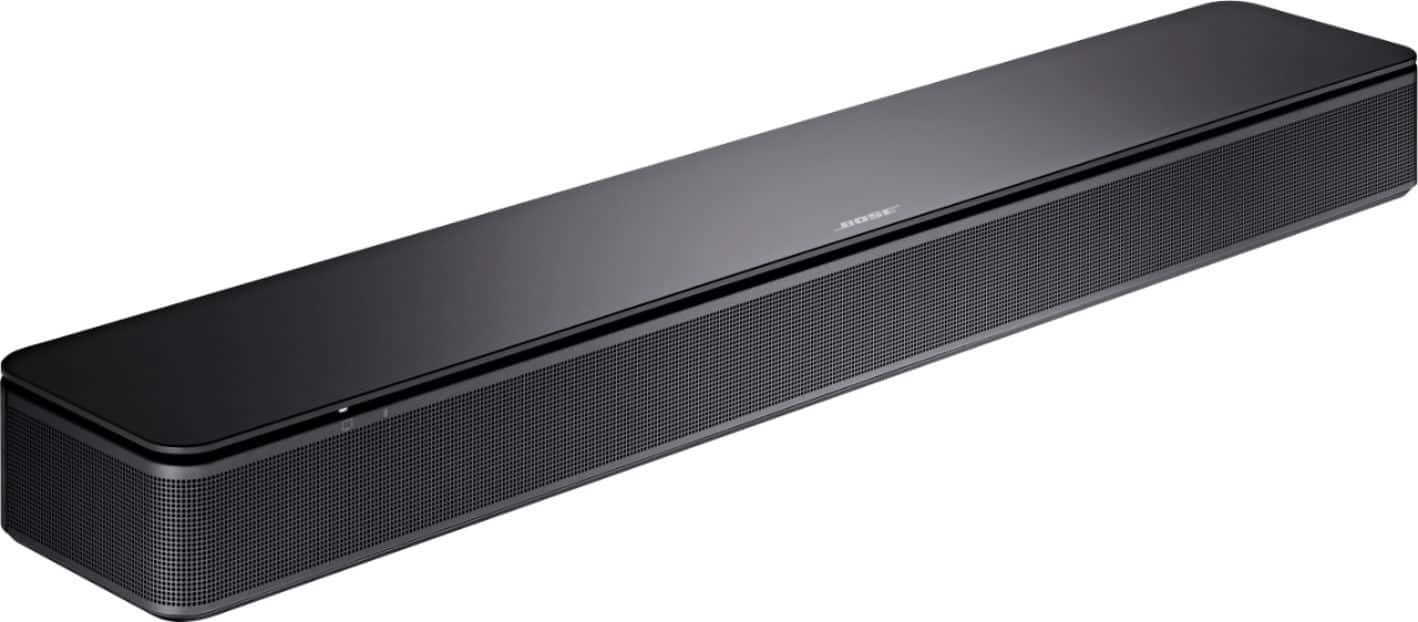
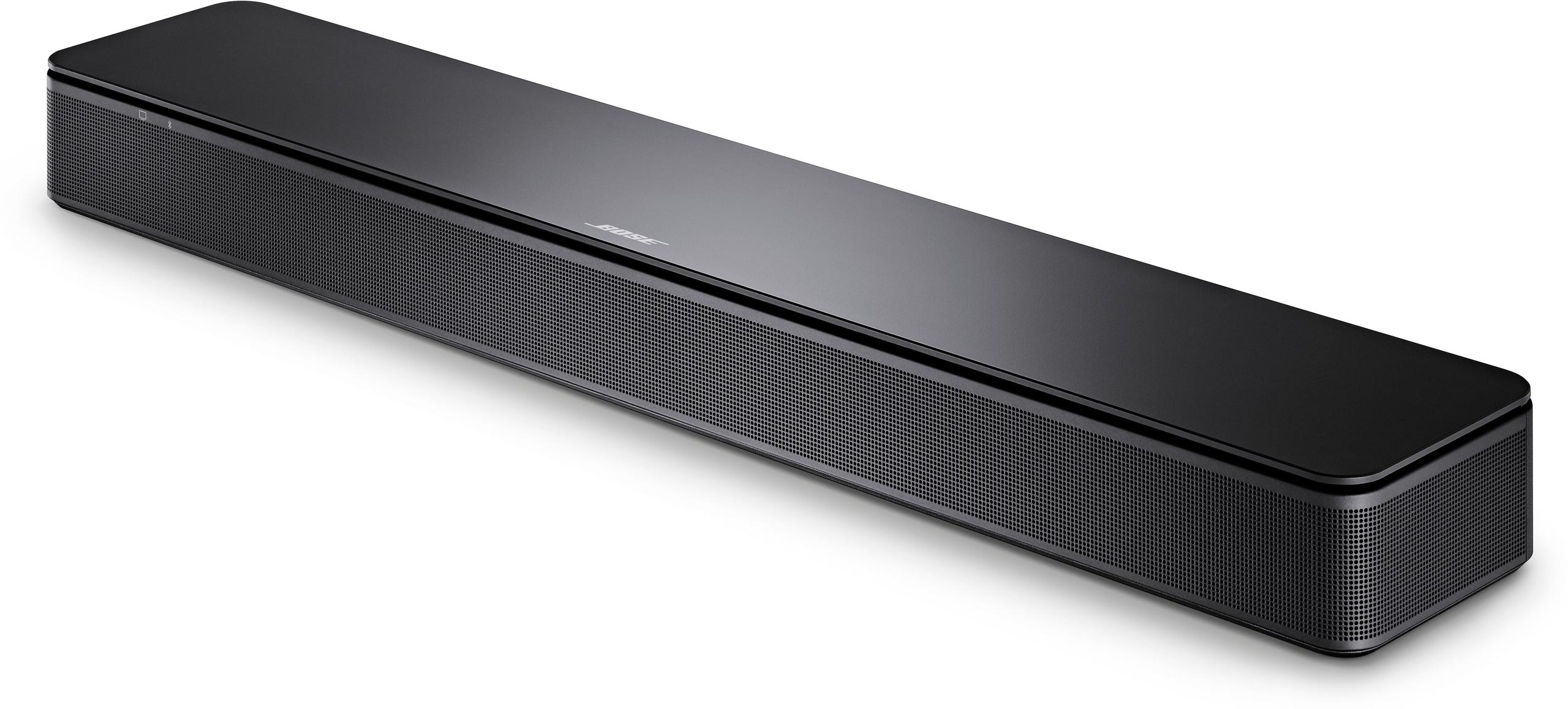
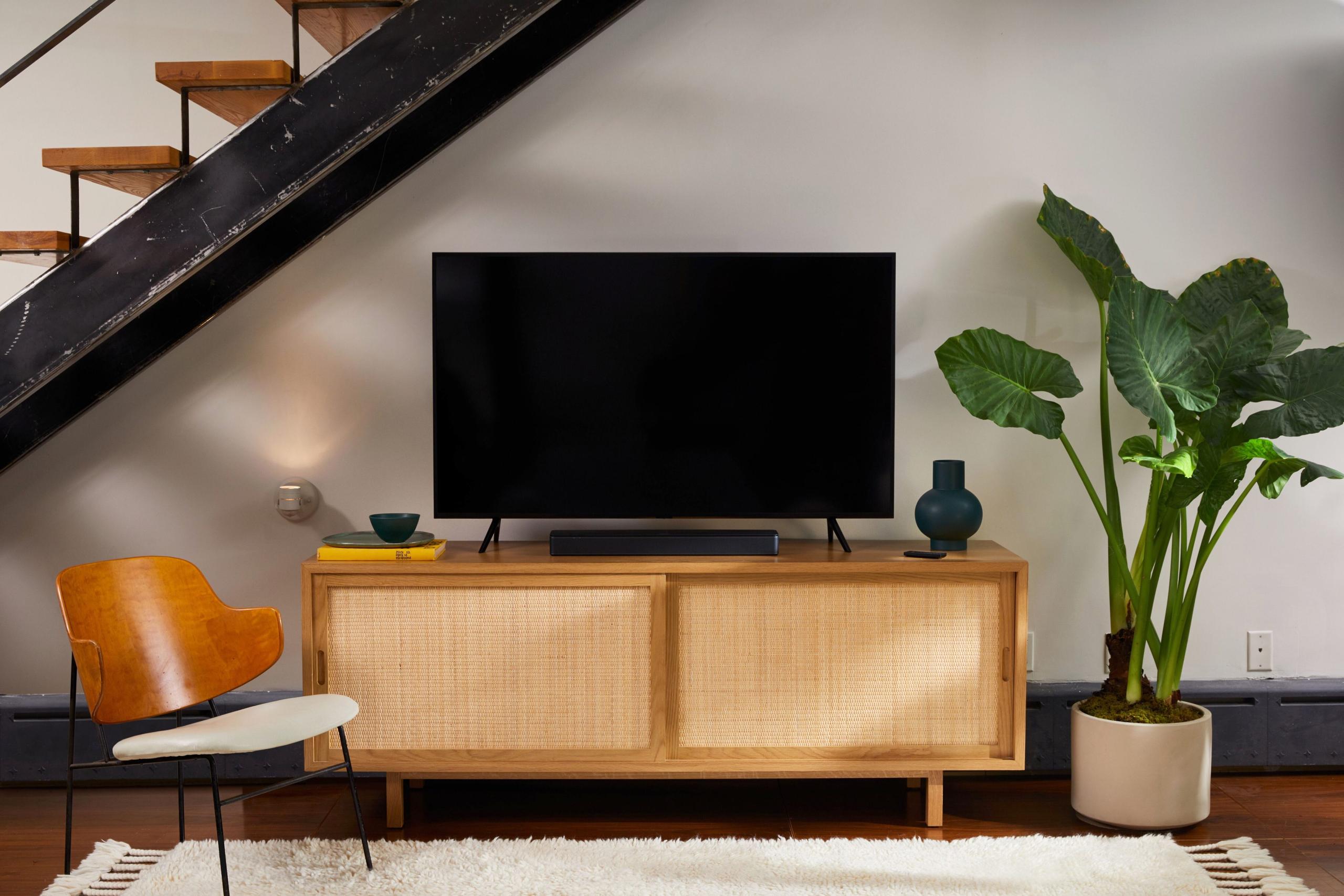
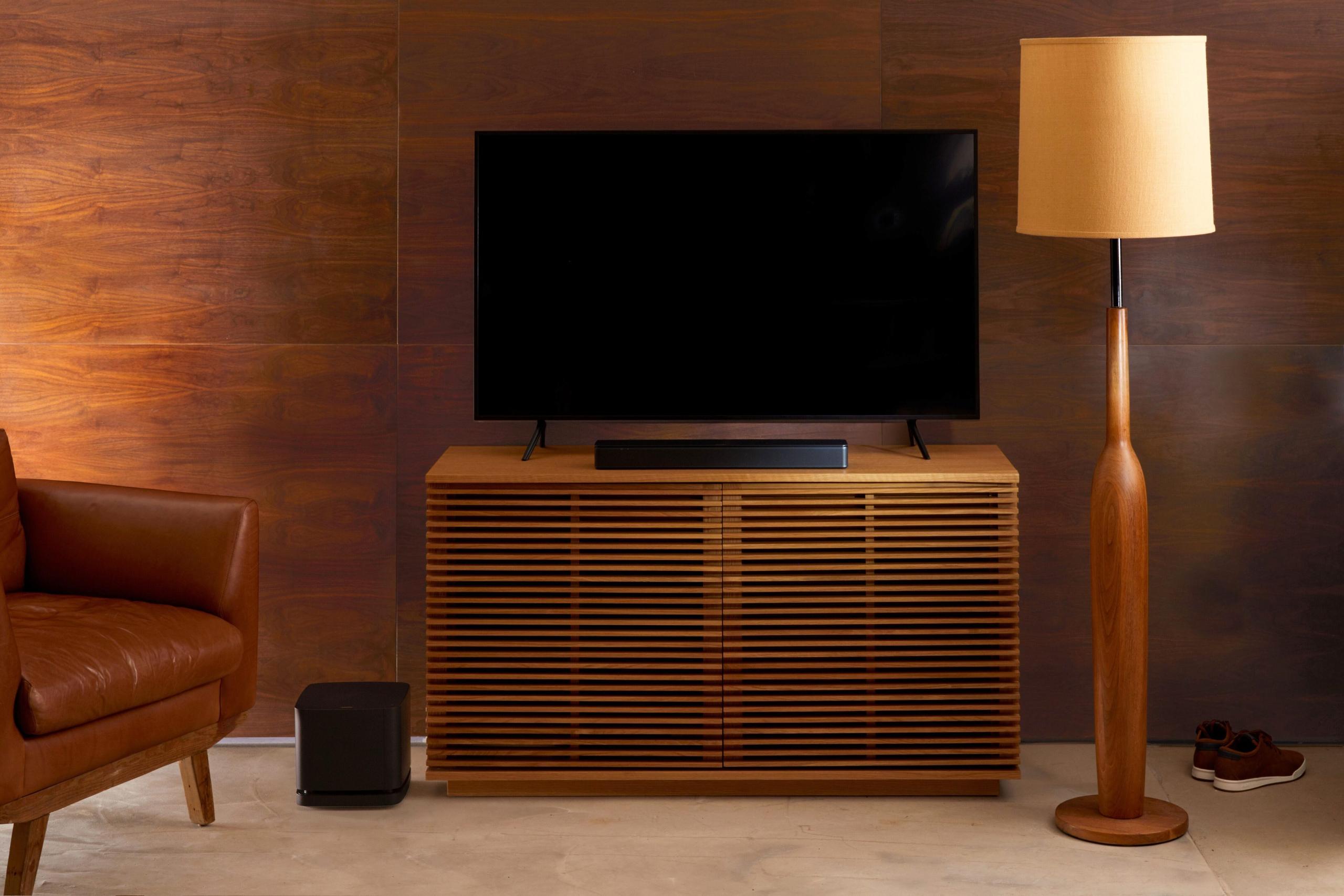
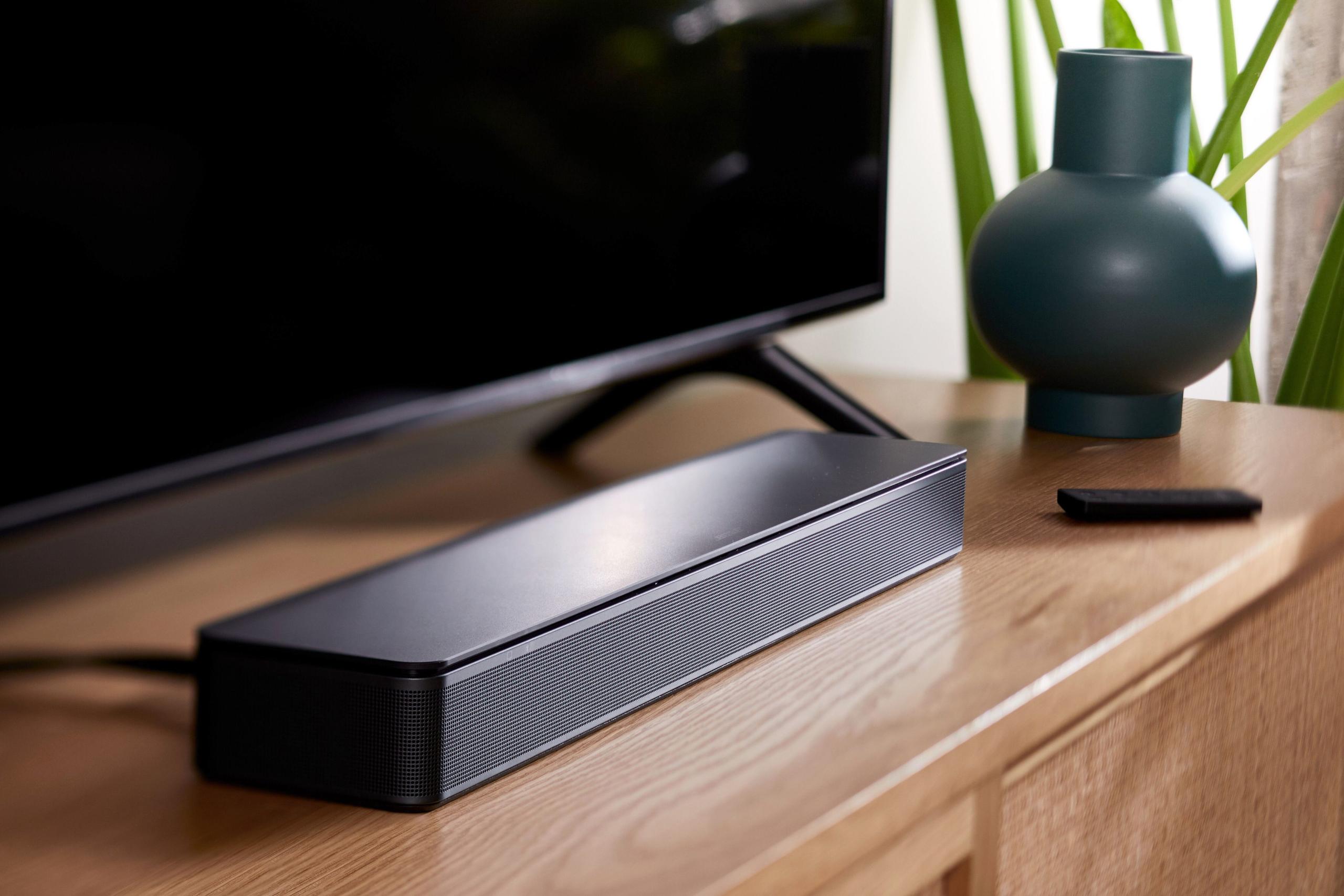
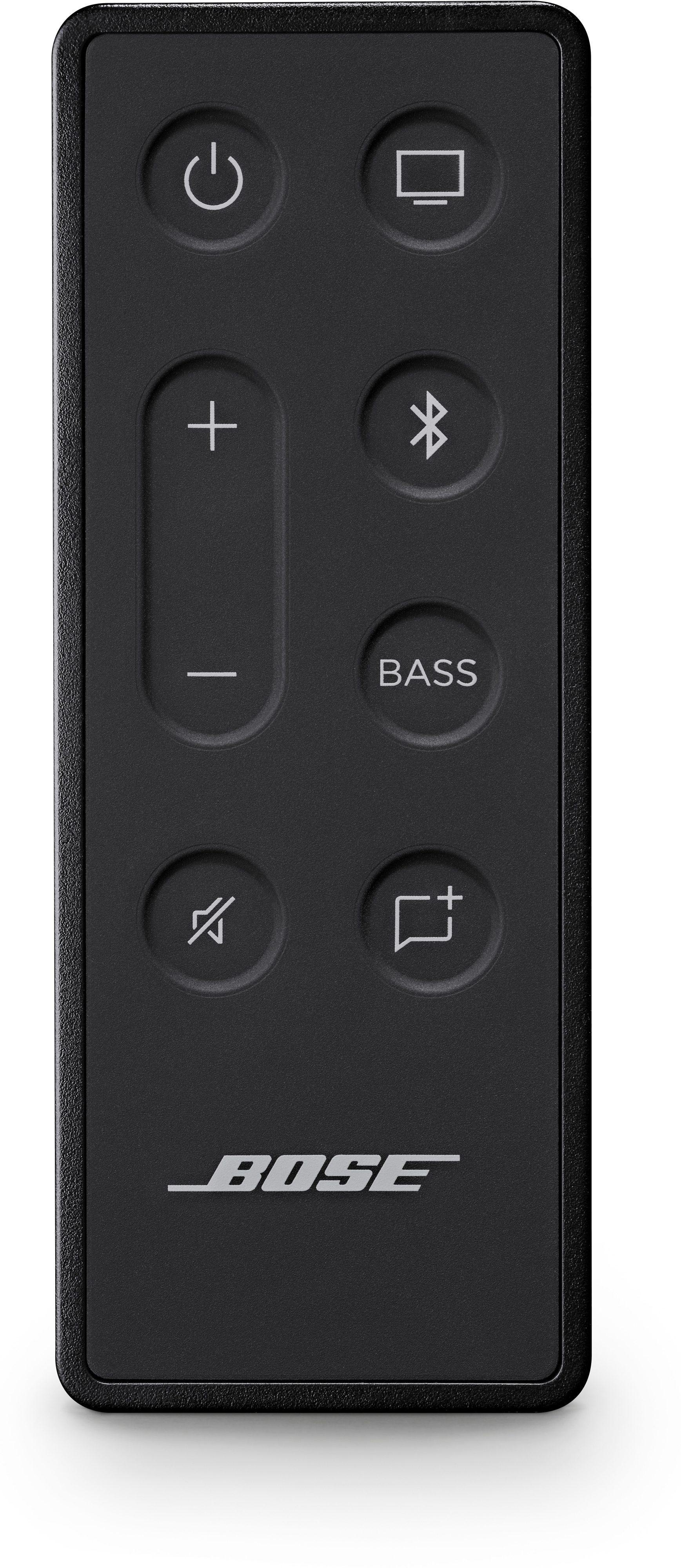
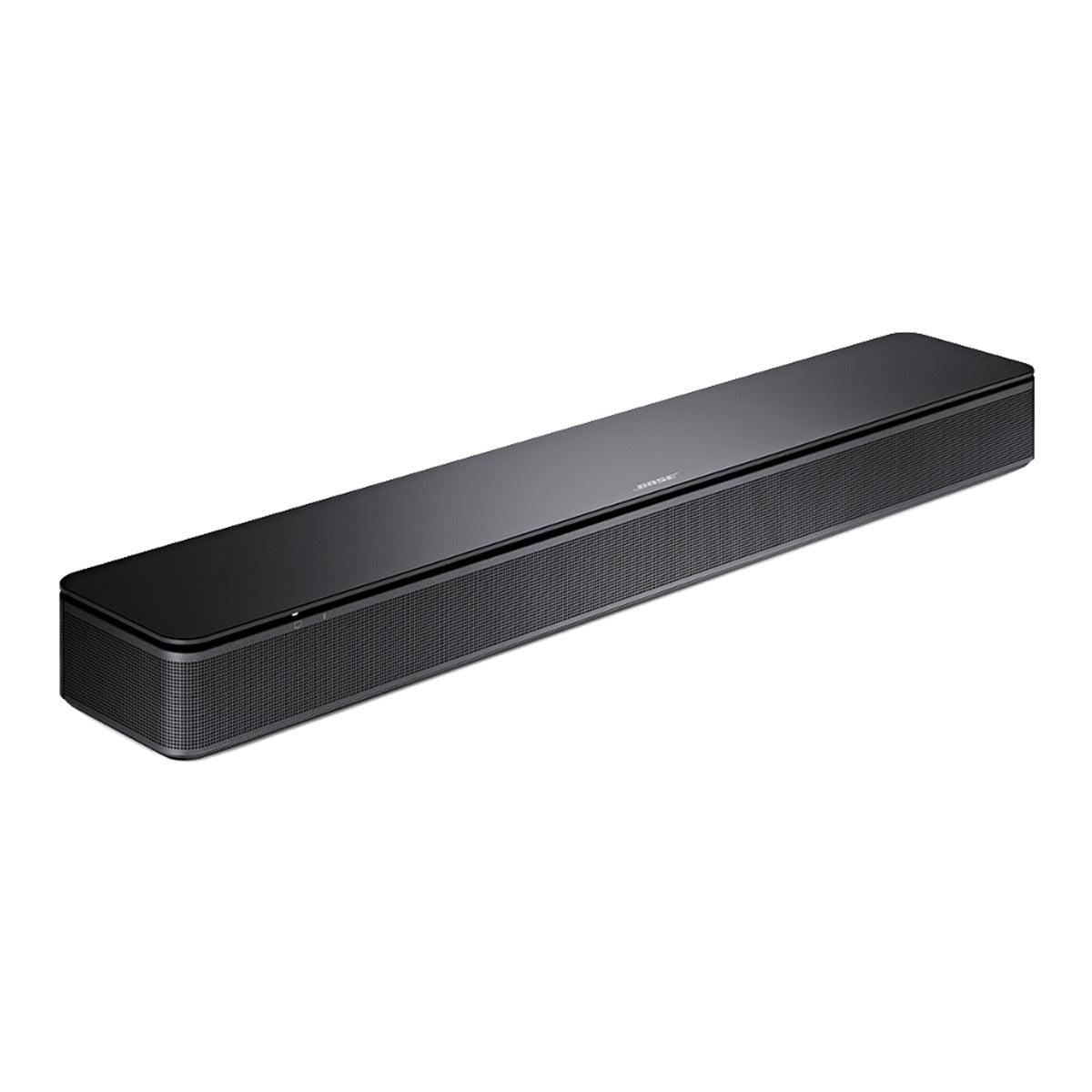
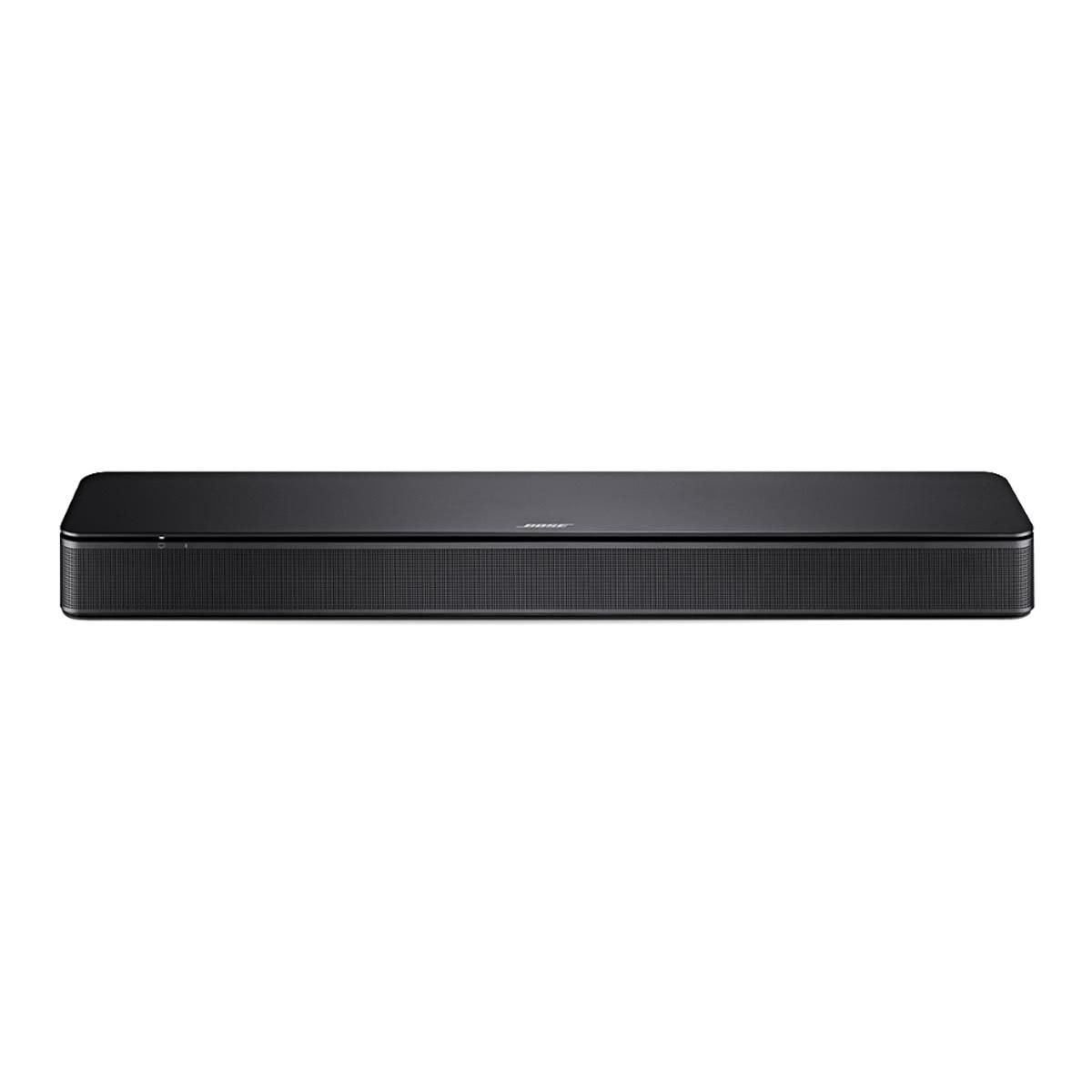



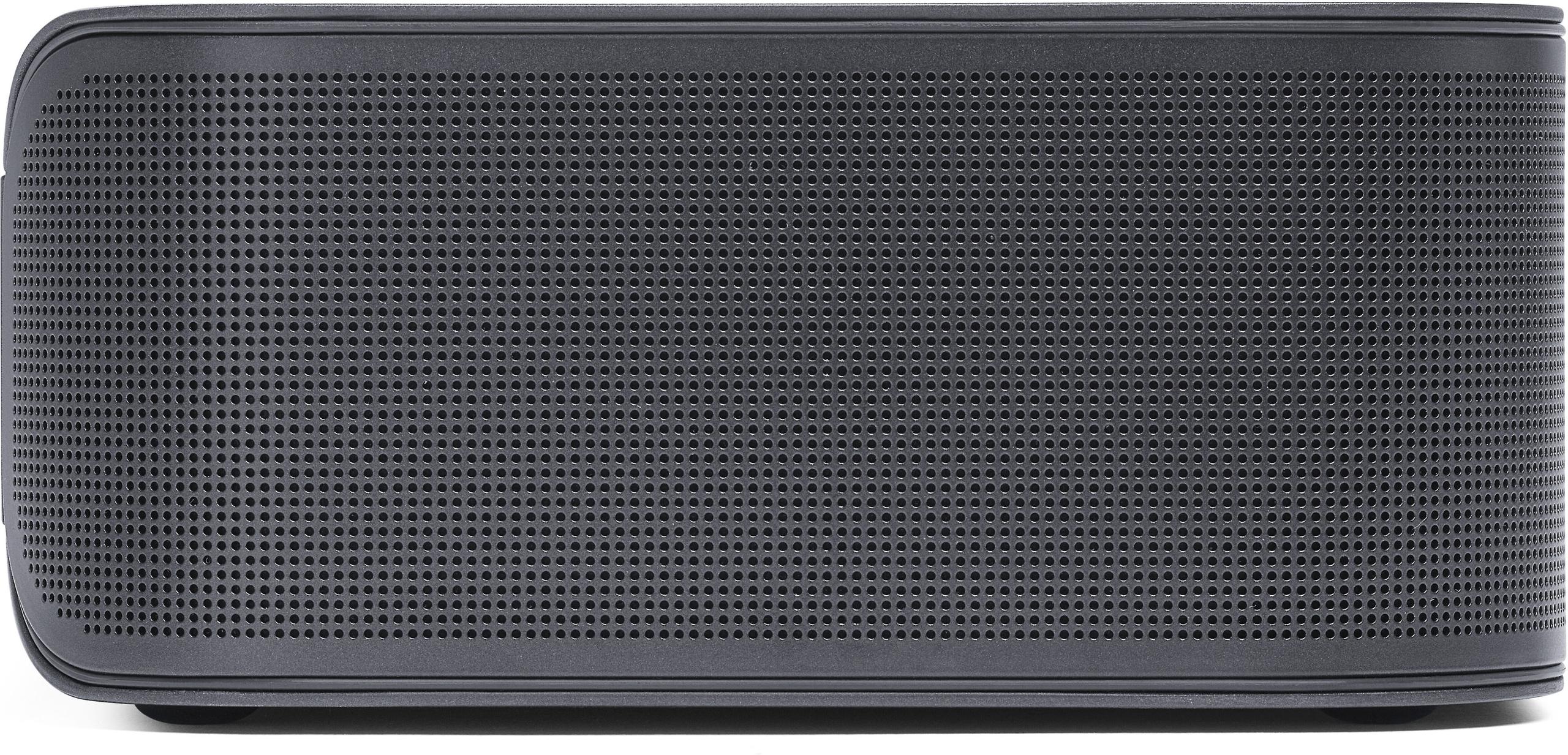
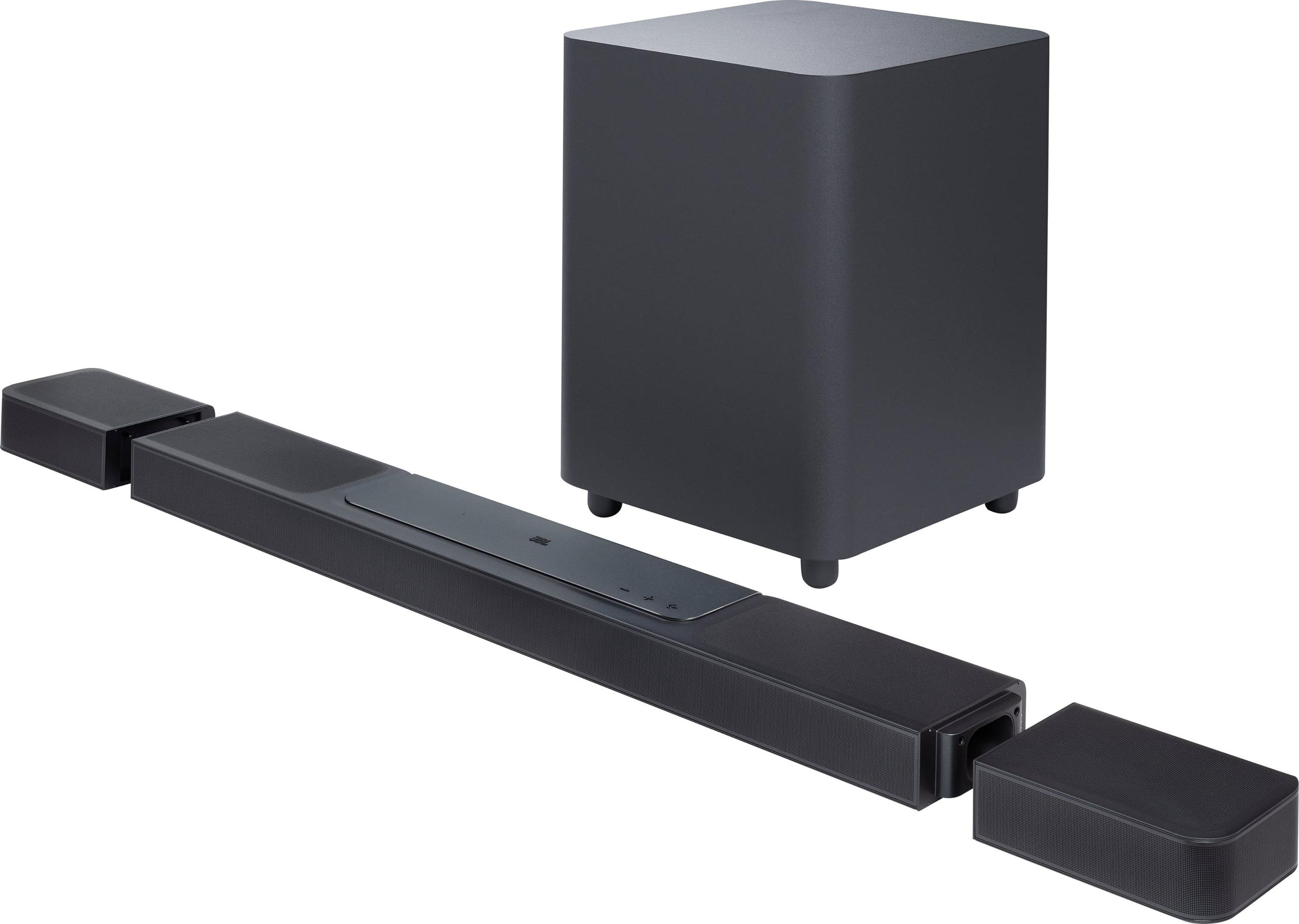
When your TV's built-in speakers leave you squinting to catch dialogue or missing the rumble of explosions, a soundbar becomes essential. But the soundbar market has evolved dramatically, creating a massive gap between entry-level and premium options. Today, we're comparing two products that perfectly illustrate this divide: the Bose TV Speaker ($199-279) and the JBL Bar 1300X ($1,300).
These aren't just different price points – they represent fundamentally different philosophies about home audio. One prioritizes simplicity and dialogue clarity, while the other delivers a full cinematic experience. Let me walk you through everything you need to know to make the right choice for your setup.
Before diving into specifics, it's worth understanding what soundbars actually do and why the technology matters. Your TV's speakers face downward or backward, creating muffled sound that bounces around before reaching your ears. Soundbars place drivers (the actual speakers) facing forward, immediately improving clarity.
The channel count tells you how many separate audio streams a soundbar can handle. A 3.0 system has left, right, and center channels. An 11.1.4 system has eleven main channels, one subwoofer channel, and four height channels for overhead effects. More channels generally mean more precise sound placement and better immersion.
Modern soundbars also handle different audio formats. Basic stereo is what you get from most TV broadcasts. Dolby Atmos and DTS:X are object-based formats that can place sounds in 3D space around you – like helicopters flying overhead or rain falling from above. These formats require specific hardware and processing power to work properly.
The Bose TV Speaker launched in 2020 during a period when people were upgrading their home entertainment setups but didn't necessarily want complexity. Bose designed it as a "better than TV speakers" solution rather than a home theater replacement. Four years later, it remains virtually unchanged – a testament to its focused design but also highlighting its limitations compared to newer technology.
The JBL Bar 1300X arrived in 2023, representing the current state-of-the-art in soundbar design. It incorporates lessons learned from years of soundbar development, including true wireless surround speakers and advanced spatial processing. The technology gap between these products reflects how rapidly the premium soundbar market has evolved.
Both soundbars excel at their intended dialogue performance, but through different methods. The Bose TV Speaker uses what they call Dialogue Mode – a digital processing feature that analyzes incoming audio and boosts vocal frequencies. When you press the dialogue button on the remote, the soundbar essentially applies an EQ curve that makes voices more prominent.
In my testing, this works remarkably well for news broadcasts and drama series. The Bose manages to make even poorly mixed TV shows more intelligible. However, the processing can sometimes make voices sound slightly artificial, especially with content that's already well-mixed.
The JBL Bar 1300X takes a hardware approach with its dedicated center channel and PureVoice technology. Instead of just boosting frequencies, it uses a separate driver specifically for dialogue reproduction. This physical separation means voices don't compete with other sounds for the same driver's attention.
The difference is noticeable immediately. Dialogue through the JBL sounds more natural and effortless, even in complex action scenes where explosions and music compete for attention. The dedicated center channel handles vocal nuances better, making it easier to distinguish between different speakers in group conversations.
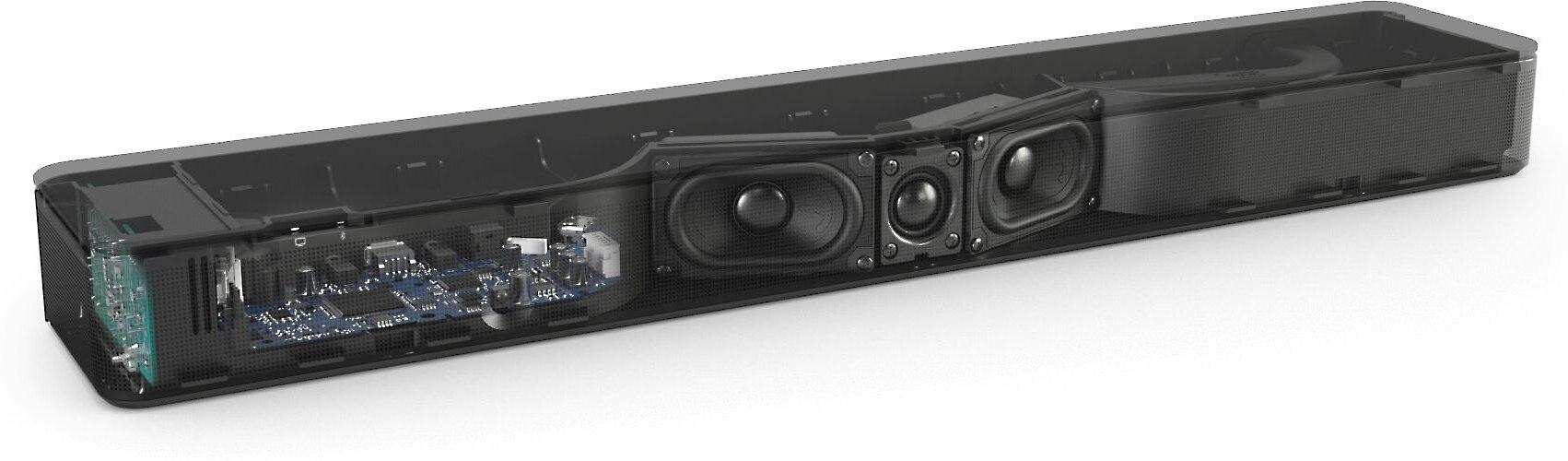
Here's where the products diverge dramatically. The Bose TV Speaker delivers surprisingly full sound for its size, but physics ultimately limits what two small drivers can accomplish. The frequency response extends down to about 60Hz, which covers most dialogue and midrange content well. However, deep bass – the stuff you feel in your chest during action movies – simply isn't there without adding the optional subwoofer.
The soundstage (how wide the audio feels) is limited to the soundbar's physical width. There's no virtual surround processing or speaker beamforming to create a wider sound field. What you get is clean, direct audio that works well for most TV content but lacks the immersive quality that makes movies exciting.
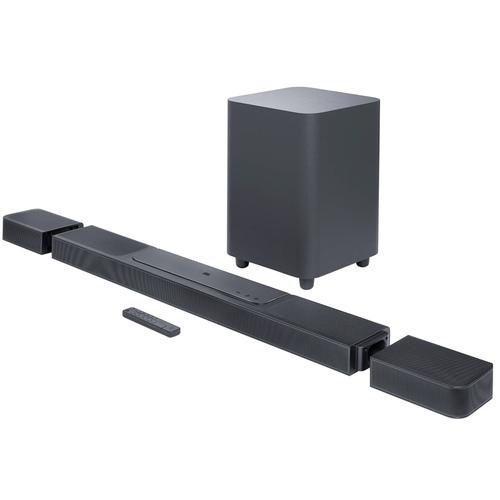
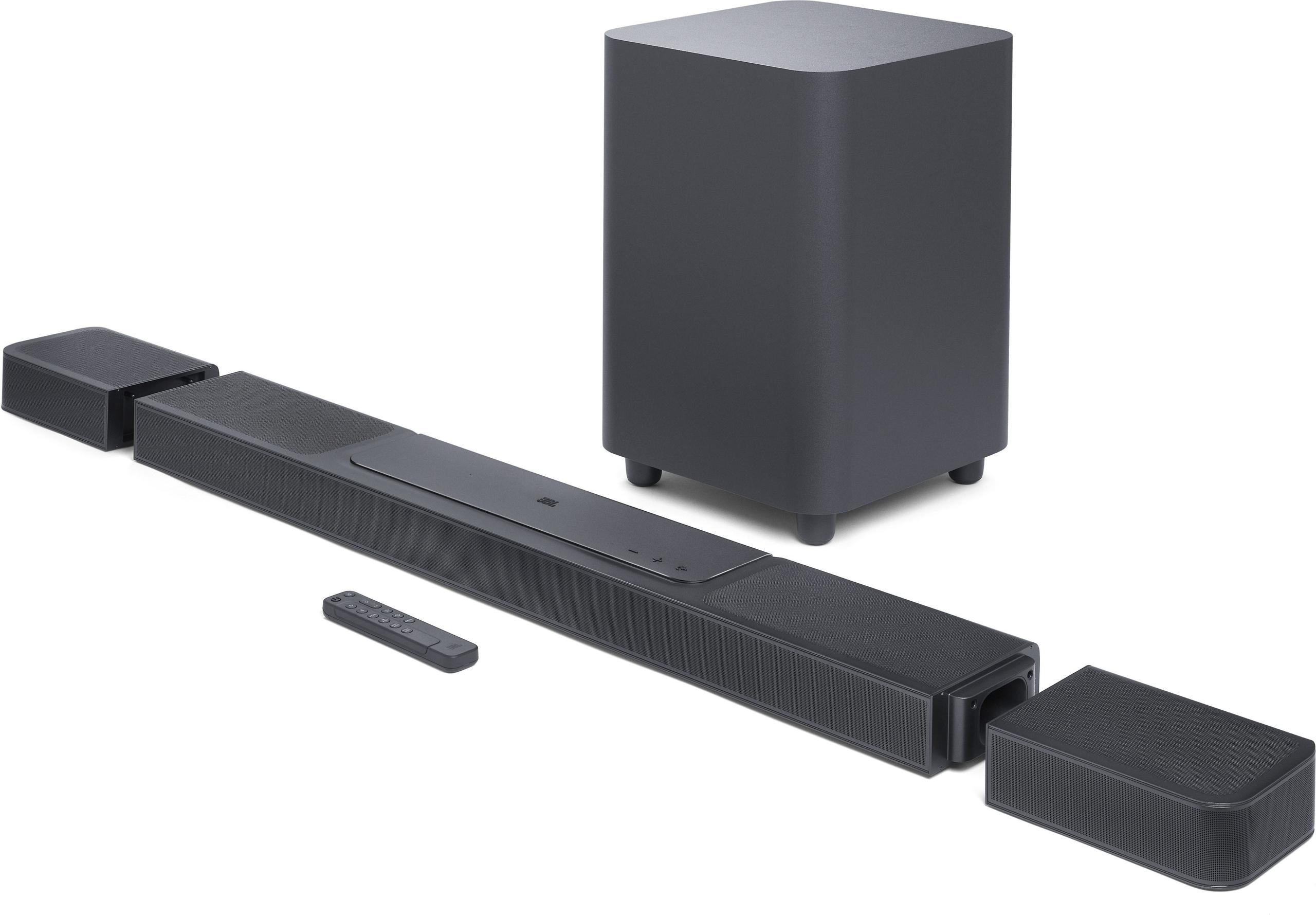
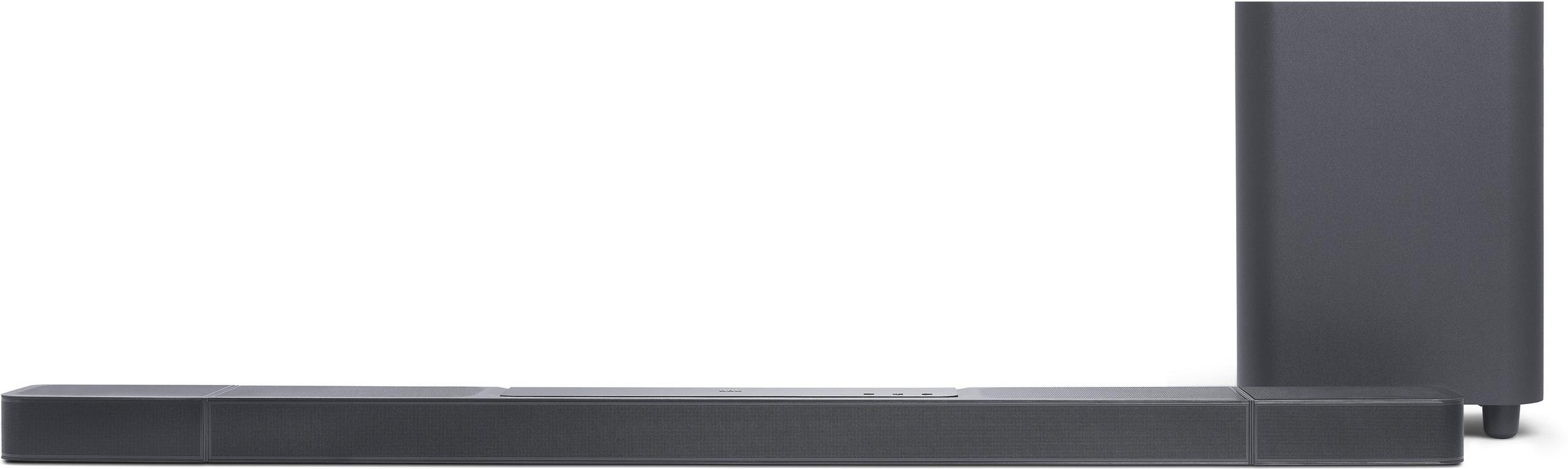
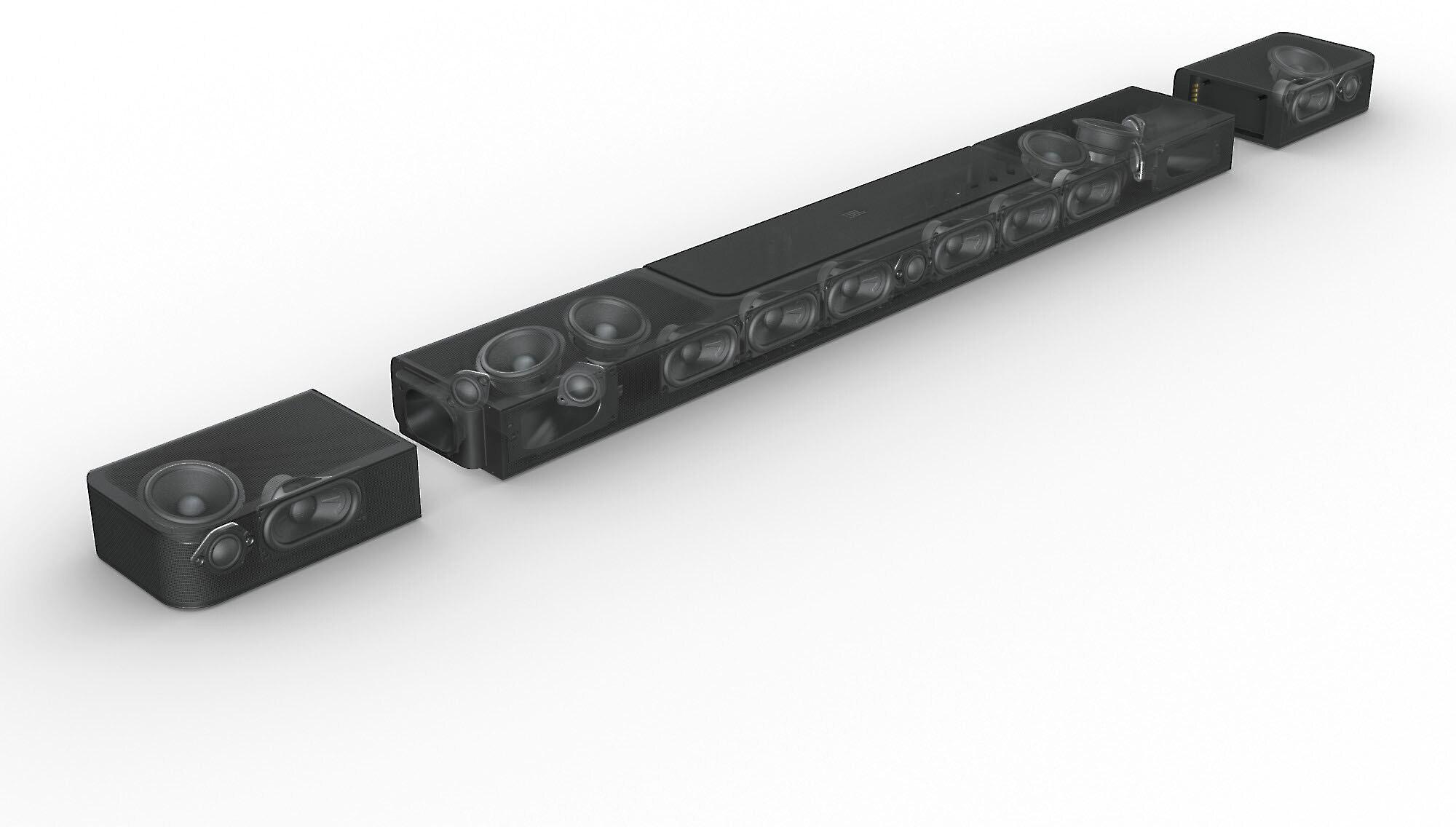
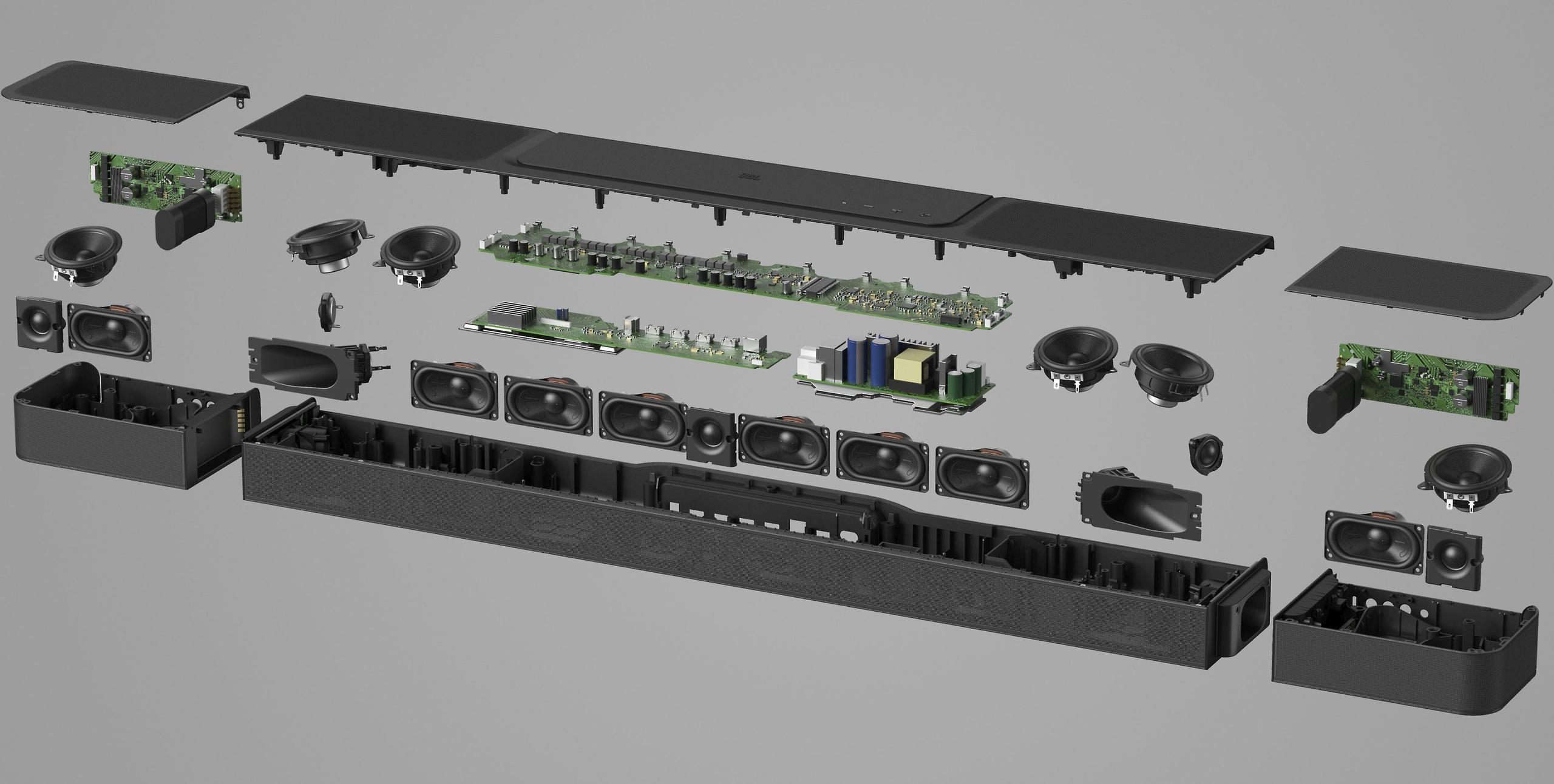
The JBL Bar 1300X operates in a different league entirely. Its frequency response extends down to 33Hz thanks to the included 12-inch subwoofer, capturing the deep rumbles that add impact to explosions and music. The six up-firing drivers create actual height effects for Dolby Atmos content, while the MultiBeam technology uses digital signal processing to widen the soundstage beyond the physical speakers.
In practical terms, this means helicopters actually sound like they're flying overhead, and music has the depth and separation you'd expect from a proper stereo system. The JBL doesn't just make TV louder – it transforms how content sounds.
Bass performance represents the starkest difference between these systems. The Bose TV Speaker includes a bass boost button that does help with some low-end presence, but you're still asking small drivers to produce frequencies they're not designed for. The result is audible bass that adds some warmth to music but won't shake your couch during action scenes.
Bose offers an optional wired subwoofer, but this requires running cables and increases the total system cost significantly. Even then, you're adding a single component to a system that wasn't originally designed around bass management.
The JBL Bar 1300X was engineered from the ground up as a complete system. The 12-inch wireless subwoofer connects automatically and includes sophisticated bass management processing. This means the main soundbar can focus on midrange and high frequencies while the subwoofer handles everything below about 80Hz.
The practical difference is dramatic. Movie soundtracks have the weight and impact that directors intended. Music reproduction includes the full frequency spectrum, making the system genuinely enjoyable for music listening. The wireless connection also means you can place the subwoofer wherever it sounds best in your room, rather than being limited by cable length.
This is perhaps the most important distinction for home theater use. The Bose TV Speaker provides only stereo output – left and right channels with some center information. There's no virtual surround processing or height effects. For dialogue-focused content, this isn't necessarily a limitation, but it means you're missing the spatial elements that make movies immersive.
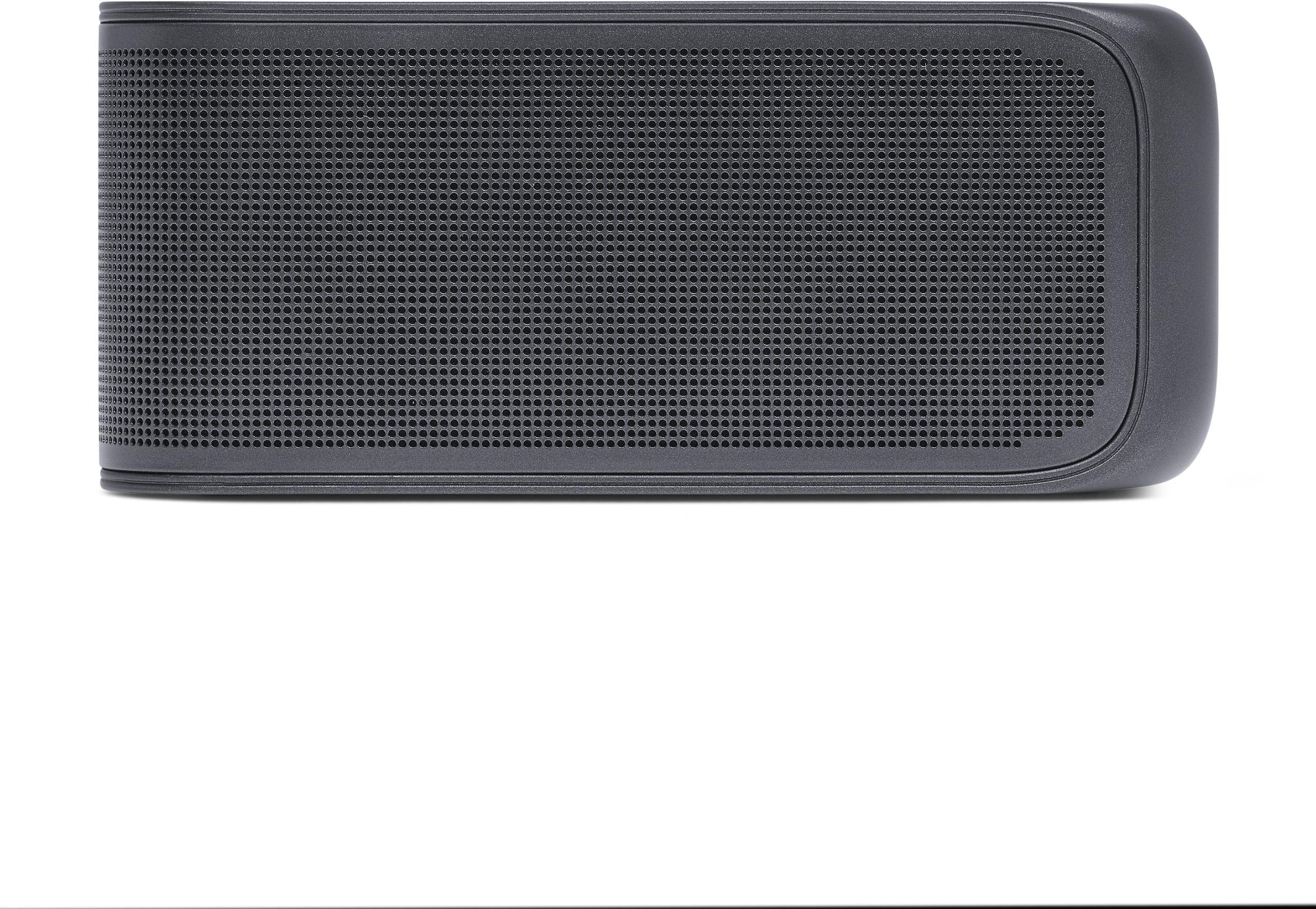
The JBL Bar 1300X includes actual wireless surround speakers that detach from the main soundbar. These battery-powered units can be placed behind your seating position, creating genuine surround sound rather than relying on acoustic tricks. Combined with the up-firing drivers for height effects, you get true 11.1.4 surround sound with physical speakers in multiple locations.
I've tested many virtual surround systems, and while some work reasonably well, nothing matches having actual speakers behind you. The JBL's detachable surrounds create convincing directional effects that make you forget you're listening to a soundbar system rather than separate components.
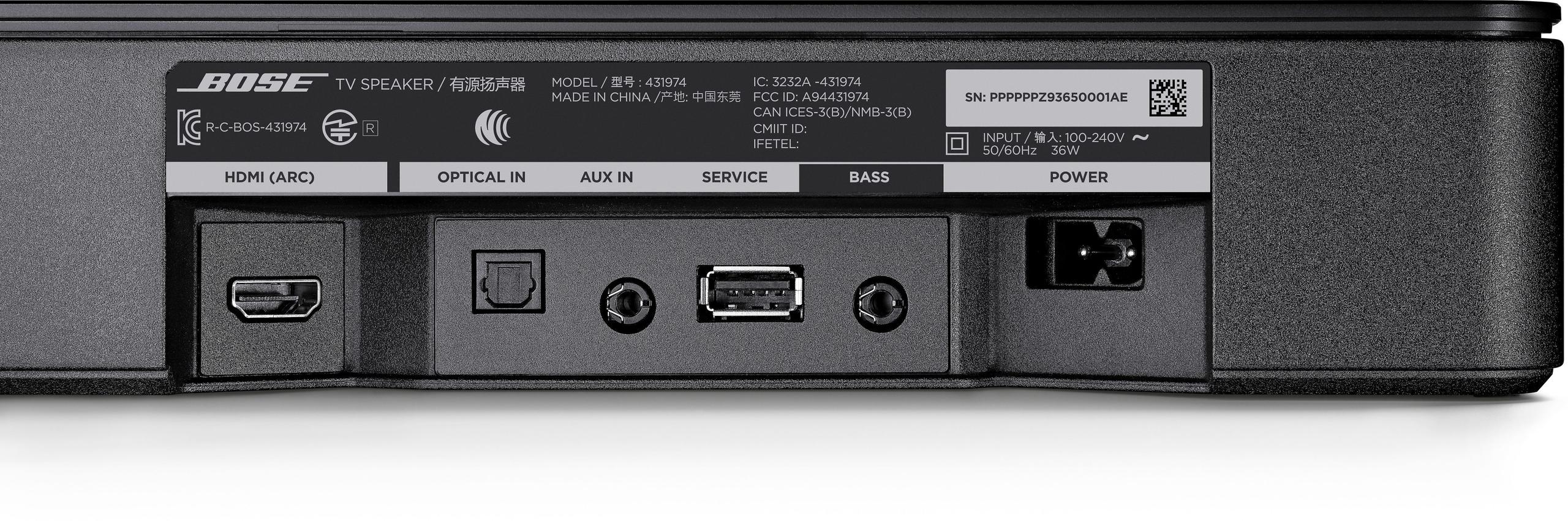
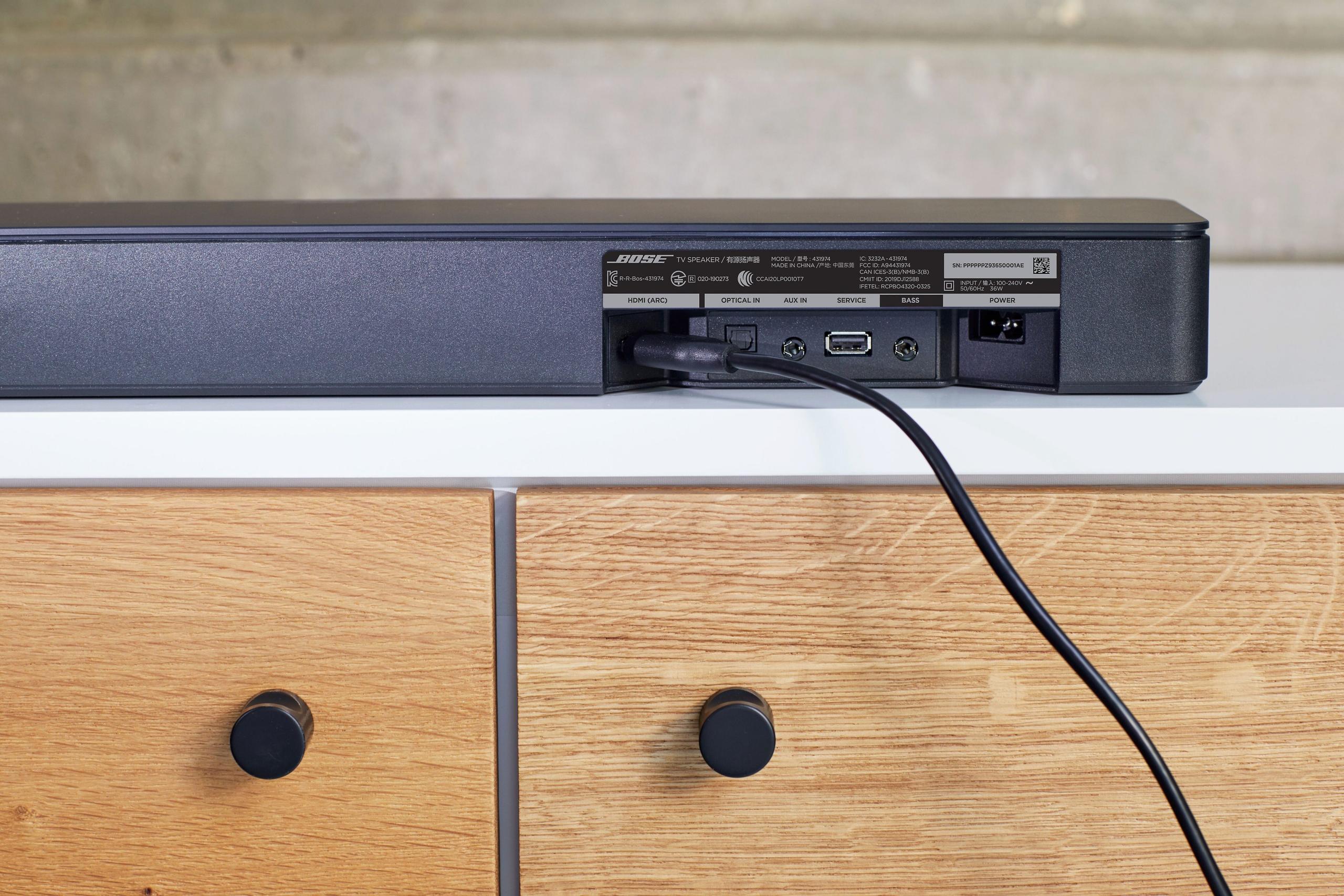
The Bose TV Speaker keeps connectivity simple: HDMI ARC, optical input, and Bluetooth for music streaming. This covers the basics for most users, but lacks the flexibility that many people expect from modern devices. There's no Wi-Fi connectivity, no streaming service integration, and no voice assistant support.
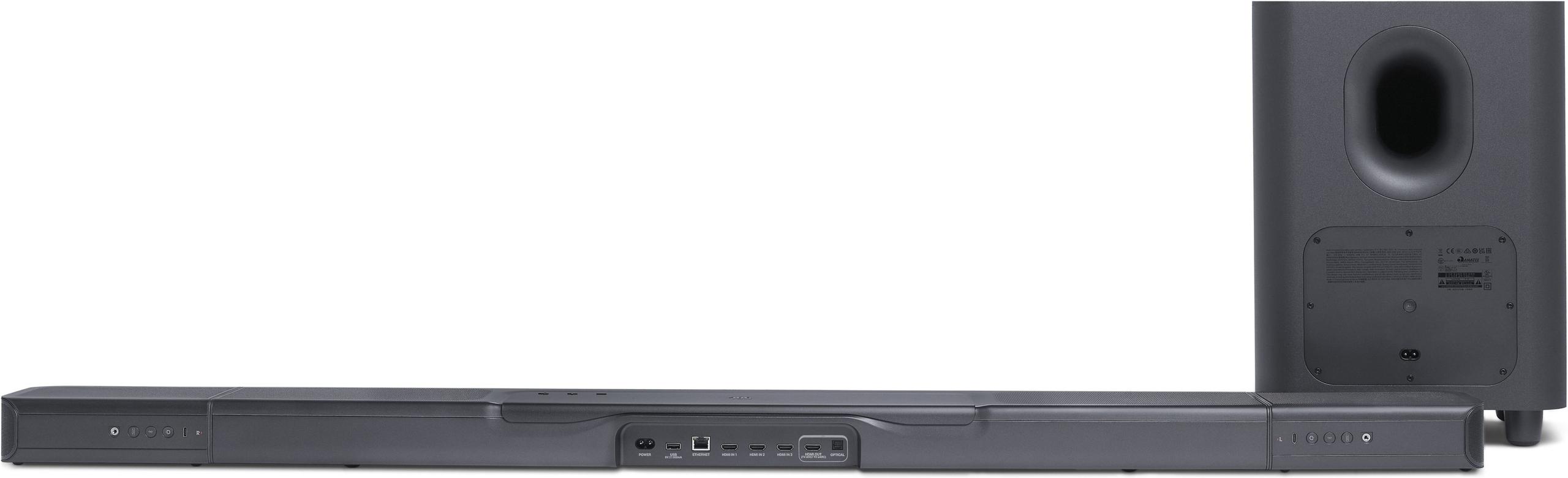
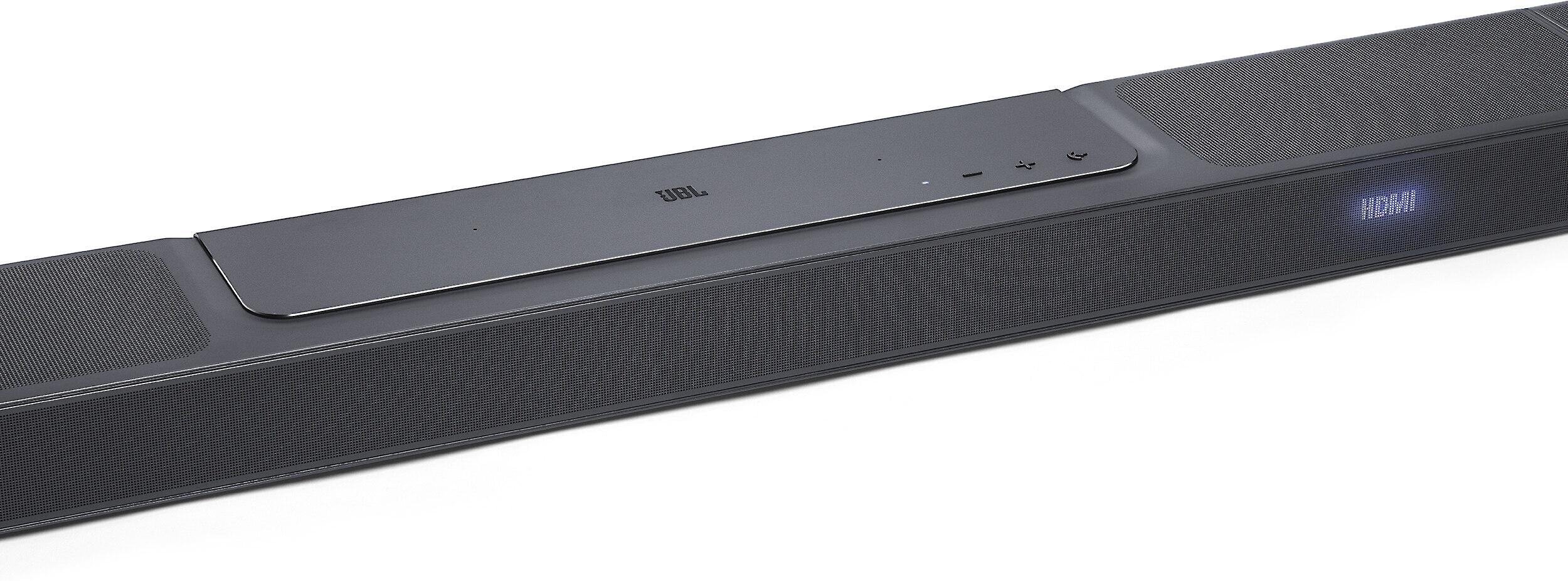
The JBL Bar 1300X includes comprehensive connectivity with multiple HDMI inputs, 4K/Dolby Vision passthrough, and full Wi-Fi integration. It supports AirPlay, Chromecast, and Alexa Multi-Room Music, essentially functioning as a complete streaming audio system. The JBL One app provides room calibration, EQ adjustment, and access to integrated streaming services.
For home theater setups, the HDMI inputs on the JBL prove particularly valuable. You can connect multiple sources directly to the soundbar, reducing cable clutter and ensuring all audio passes through the system's processing.
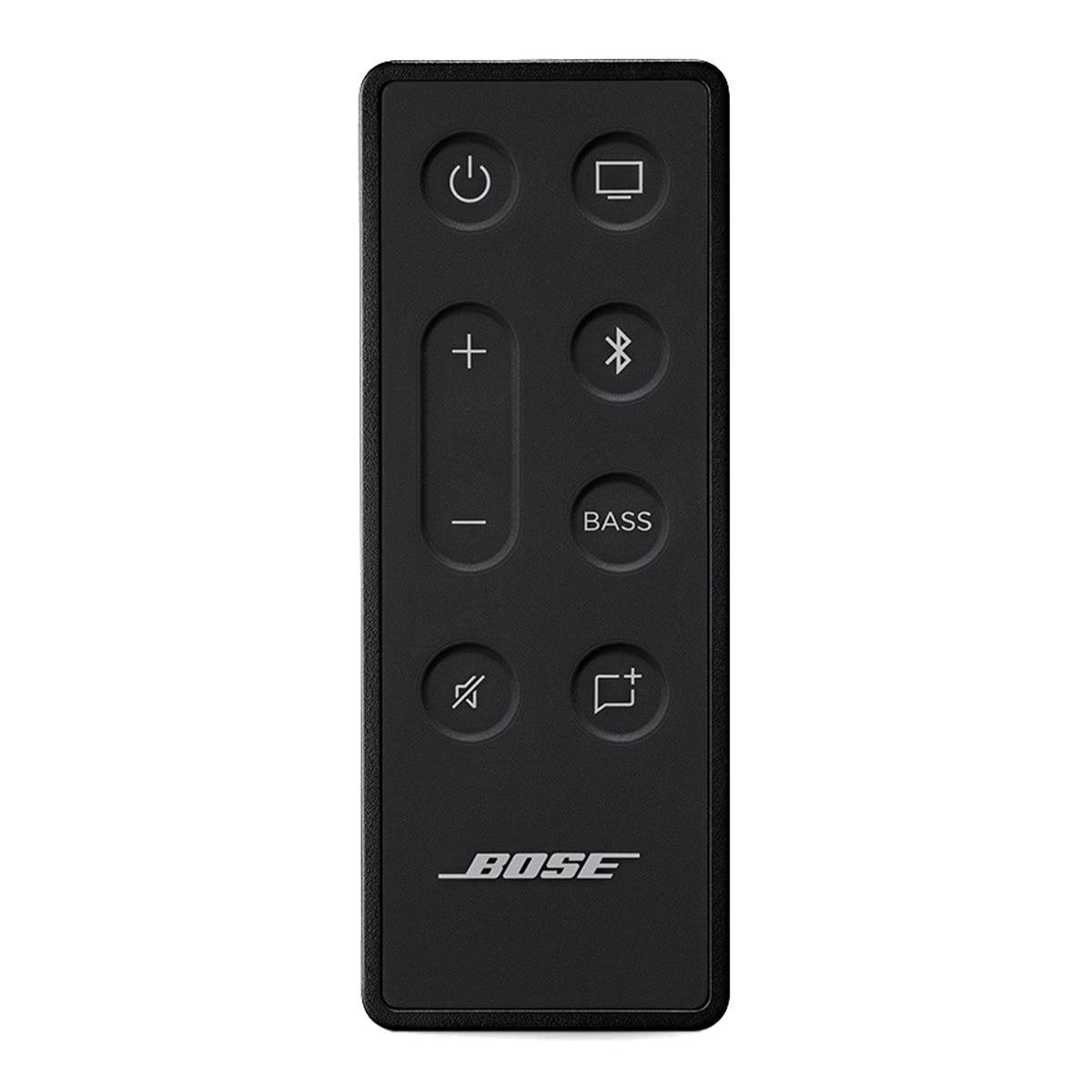
The Bose TV Speaker wins decisively on simplicity. One cable to your TV, power connection, and you're done. The included remote handles basic functions, and most users can have it working perfectly within minutes. This plug-and-play approach makes it ideal for less tech-savvy users or anyone who wants immediate improvement without complexity.
The JBL Bar 1300X requires more involved setup. You'll need to position the subwoofer, pair the surround speakers, configure the HDMI connections, and ideally run the room calibration through the app. The process isn't difficult, but it takes time and some technical comfort level.
However, the JBL's complexity pays dividends once configured. The room calibration adjusts the sound specifically for your space, the app provides detailed control over every aspect of performance, and the multiple connection options mean you can optimize the system for your specific equipment.
Evaluating value requires considering what you're actually getting for your money. The Bose TV Speaker at $199-279 delivers dramatic improvement over TV speakers at a reasonable price point. If your primary goal is clearer dialogue and you don't need bass or surround effects, it provides excellent value for its intended purpose.
The JBL Bar 1300X at $1,300 costs significantly more but includes components that would cost even more if purchased separately. A quality 12-inch subwoofer alone typically costs $300-500, and wireless surround speakers add another $200-400. When viewed as a complete home theater system rather than just a soundbar, the pricing becomes more reasonable.
For dedicated home theater use, the differences become even more pronounced. The Bose TV Speaker works well for casual movie watching but doesn't deliver the dynamic range and spatial effects that make cinema-quality content engaging. It's better suited for TV shows, news, and dialogue-heavy content where immersion isn't the primary goal.
The JBL Bar 1300X was designed specifically for home theater applications. The Dolby Atmos support means you'll hear sound effects as directors intended them. The powerful subwoofer provides the low-frequency effects that add impact to action sequences. The surround speakers create the enveloping soundfield that makes you feel part of the action.
If you have a dedicated media room or consider movie watching a primary entertainment activity, the JBL's additional capabilities justify the higher cost. For casual viewing in a living room that serves multiple purposes, the Bose may provide sufficient improvement at a more reasonable price.
Choose the Bose TV Speaker if you primarily watch news, TV shows, and dialogue-heavy content in a small to medium room. It's perfect for apartments, bedrooms, or secondary TV locations where you want better sound without complexity or high cost. The simple setup and reliable performance make it ideal for users who want immediate improvement without learning curve.
Choose the JBL Bar 1300X if you regularly watch movies, enjoy music through your TV system, or want a complete home theater experience. The investment makes sense for larger rooms, dedicated entertainment spaces, or situations where audio quality significantly impacts your enjoyment. The flexibility of wireless components and comprehensive feature set provide future-proofing that justifies the higher cost.
Consider your viewing habits honestly. If you mostly have the TV on as background noise or primarily watch talk shows and news, the Bose TV Speaker provides all the improvement you'll notice. If you look forward to movie nights, appreciate good music reproduction, or want your entertainment system to impress guests, the JBL Bar 1300X delivers capabilities that transform the experience.
The soundbar market continues evolving rapidly, but these two products represent mature approaches to their respective market segments. Whether you choose simplicity or sophistication, both deliver on their core promises – just make sure your choice aligns with how you actually use your entertainment system.
| Bose TV Speaker ($199-279) | JBL Bar 1300X ($1,300) |
|---|---|
| Audio Channels - Determines surround sound capability and immersion | |
| 3.0 channels (stereo + center, no surround) | 11.1.4 channels (full surround + height effects) |
| Subwoofer - Essential for movie bass and music depth | |
| None included (optional wired add-on sold separately) | 12-inch wireless subwoofer included |
| Dolby Atmos Support - Creates overhead sound effects in movies | |
| Not supported (basic stereo only) | Full Dolby Atmos and DTS:X support |
| Surround Speakers - Real vs virtual surround sound | |
| No surround speakers (front-facing audio only) | Detachable wireless battery-powered rear speakers |
| Total Power Output - Affects volume and dynamic range | |
| Not specified (estimated ~50W based on size) | 1,170W total system power |
| Connectivity Options - Affects compatibility with devices | |
| HDMI ARC, optical, Bluetooth 4.2 | Multiple HDMI inputs, Wi-Fi, AirPlay, Chromecast |
| Setup Complexity - Time and effort to get working | |
| Plug-and-play (single cable to TV) | Multi-component setup with app configuration |
| Room Size Compatibility - Maximum effective coverage | |
| Small to medium rooms (up to ~200 sq ft) | Medium to large rooms (300+ sq ft) |
| Smart Features - Streaming and voice control integration | |
| Basic Bluetooth music streaming only | Full streaming services, voice assistant support |
| Dialogue Enhancement - Critical for TV shows and movies | |
| Dialogue Mode with frequency boosting | PureVoice with dedicated center channel |
| Expandability - Future upgrade options | |
| Limited to optional wired subwoofer | Complete system (no expansion needed) |
| Value Proposition - What you get for the price | |
| Excellent dialogue clarity for budget-conscious buyers | Premium home theater experience with all components included |
The JBL Bar 1300X ($1,300) is significantly better for home theater use. It offers true 11.1.4 surround sound with Dolby Atmos support, a powerful 12-inch subwoofer, and wireless rear speakers that create genuine surround effects. The Bose TV Speaker ($199-279) only provides basic stereo sound without surround capabilities or included bass, making it better suited for casual TV watching rather than cinematic experiences.
The Bose TV Speaker costs $199-279, while the JBL Bar 1300X is priced at $1,300. This makes the JBL about 4-5 times more expensive, but it includes a complete home theater system with wireless subwoofer and surround speakers, whereas the Bose requires separate purchases for bass enhancement.
No, only the JBL Bar 1300X supports Dolby Atmos and DTS:X for immersive 3D audio effects. The Bose TV Speaker only supports basic stereo and Dolby Digital, lacking the height channels needed for overhead sound effects that make movies more engaging.
Both excel at dialogue but use different approaches. The Bose TV Speaker features a dedicated Dialogue Mode that enhances vocal frequencies, making it excellent for news and TV shows. The JBL Bar 1300X uses PureVoice technology with a dedicated center channel, providing more natural-sounding dialogue even during complex action scenes.
The JBL Bar 1300X includes a powerful 12-inch wireless subwoofer as part of the package. The Bose TV Speaker has limited bass and would benefit from an optional wired subwoofer (sold separately), which adds to the total cost and requires additional cables.
The Bose TV Speaker is much easier to set up, requiring just one cable connection to your TV. The JBL Bar 1300X involves positioning multiple wireless components, pairing surround speakers, and configuring settings through a mobile app, though this complexity enables much better performance.
Yes, but with different capabilities. The Bose TV Speaker offers basic Bluetooth streaming for music from your phone. The JBL Bar 1300X includes Wi-Fi connectivity with support for AirPlay, Chromecast, and integrated streaming services, plus the ability to use the detachable speakers as portable Bluetooth speakers.
The Bose TV Speaker is ideal for small rooms, apartments, or bedrooms due to its compact size and appropriate power output. The JBL Bar 1300X is designed for medium to large rooms and might overwhelm smaller spaces, though its room calibration can help optimize performance for any size room.
The Bose TV Speaker has one HDMI ARC connection plus optical and analog inputs. The JBL Bar 1300X offers multiple HDMI inputs with 4K/Dolby Vision passthrough, allowing you to connect several devices directly to the soundbar rather than your TV.
This depends on your needs. The Bose TV Speaker offers excellent value for users who primarily want clearer TV dialogue at a budget-friendly price. The JBL Bar 1300X provides better value for home theater enthusiasts who want a complete surround sound system, as buying equivalent components separately would cost significantly more.
The JBL Bar 1300X supports Alexa Multi-Room Music and can integrate with various voice assistants through its Wi-Fi connectivity. The Bose TV Speaker lacks voice assistant integration and smart home connectivity features.
Choose the Bose TV Speaker if you want simple dialogue enhancement for everyday TV watching in a small to medium room on a budget. Choose the JBL Bar 1300X if you want a complete home theater experience with surround sound, powerful bass, and smart features for movie nights and music listening in larger spaces.
We've done our best to create useful and informative comparisons to help you decide what product to buy. Our research uses advanced automated methods to create this comparison and perfection is not possible - please contact us for corrections or questions. These are the sites we've researched in the creation of this article: bestbuy.com - projectorscreen.com - forums.audioholics.com - digitaltrends.com - abt.com - crutchfield.com - staples.com - bestbuy.com - pcrichard.com - visions.ca - bose.com - assets.bose.com - techradar.com - jbl.com - audioadvice.com - youtube.com - rtings.com - jbl.com - greentoe.com - harmanaudio.com - youtube.com - mm.jbl.com - jbl.com

Privacy Policy
Terms and Conditions - Affiliate Policy
Home Security
© Copyright 2008-2026.
11816 Inwood Rd #1211, Dallas, TX 75244