

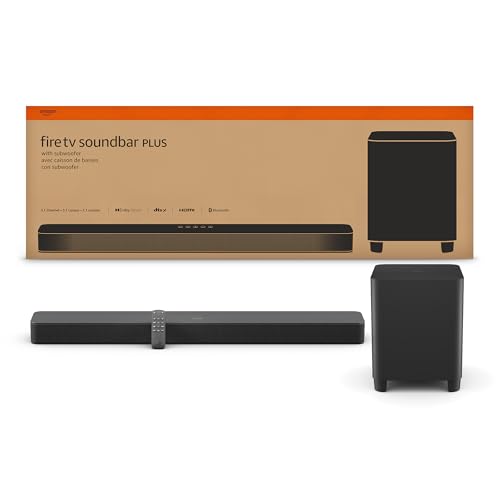
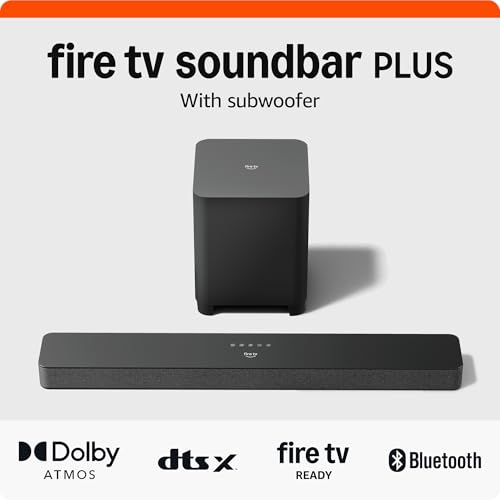



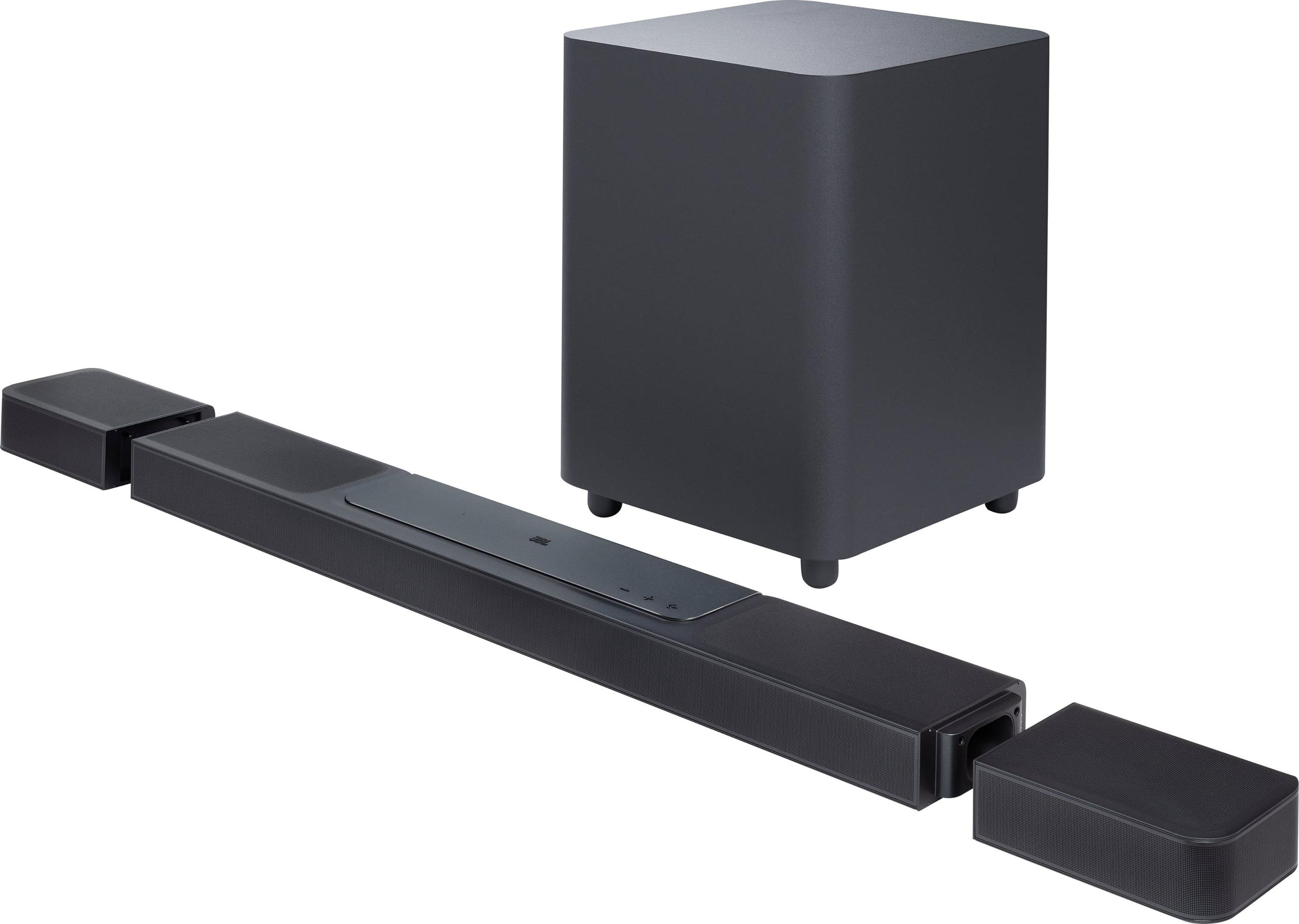
When your TV's built-in speakers sound like they're coming from a tin can, it's time to upgrade. But the soundbar market can feel overwhelming, with options ranging from basic stereo bars to complex systems rivaling traditional home theaters. Today we're comparing two very different approaches: the Amazon Fire TV Soundbar Plus with Subwoofer and the JBL Bar 1300X.
These aren't just different price points – they represent entirely different philosophies about home audio. One focuses on delivering essential improvements without breaking the bank, while the other aims to replace your entire entertainment system with premium features and true surround sound.
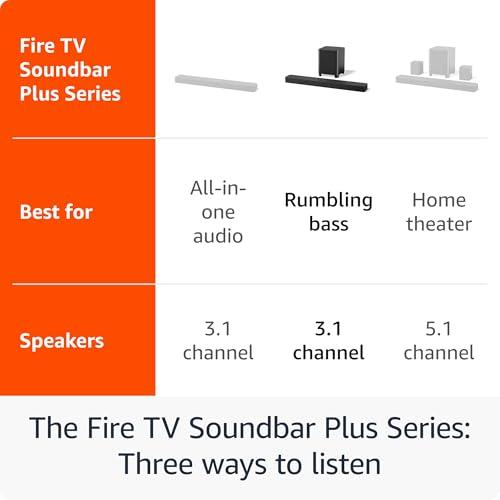
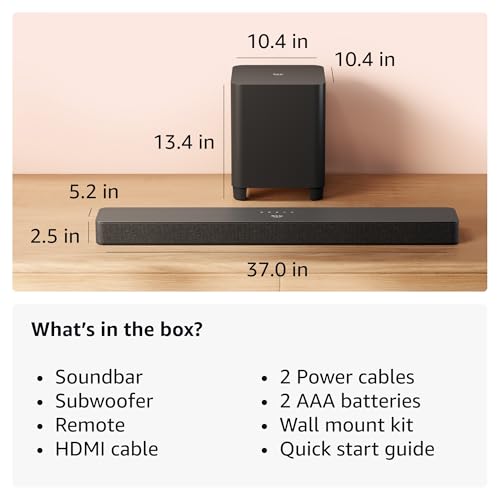
Before diving into specifics, let's talk about what actually matters in a soundbar. The most important factor is channel configuration – essentially how many speakers are working together. A 3.1 system has three front channels (left, center, right) plus a subwoofer for bass. The Amazon Fire TV Soundbar Plus uses this setup when bundled with its wireless subwoofer.
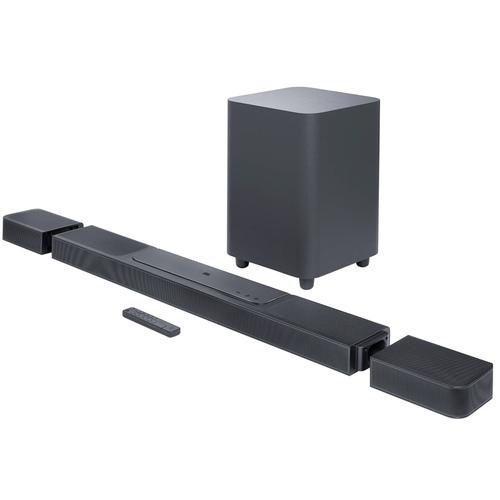
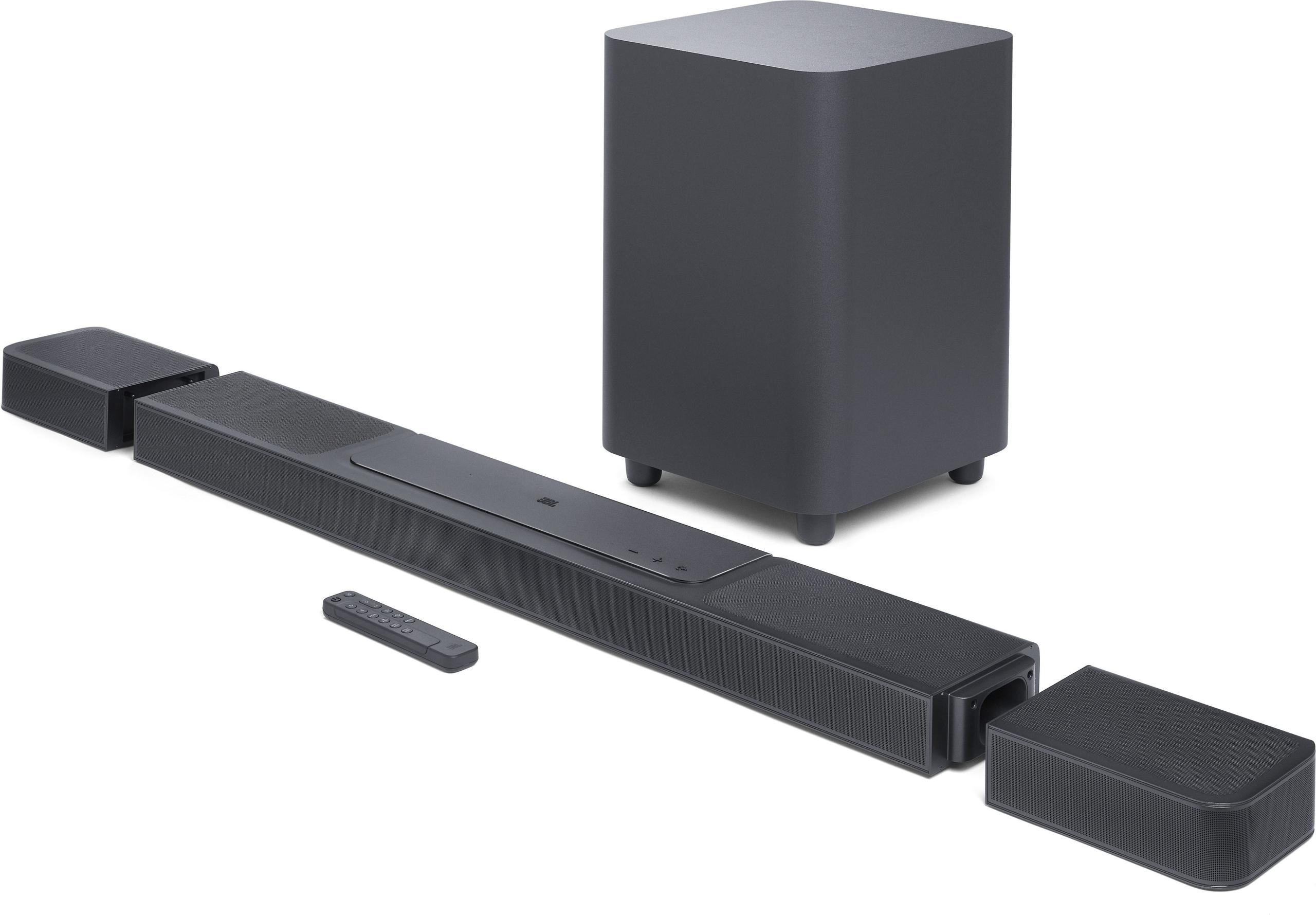
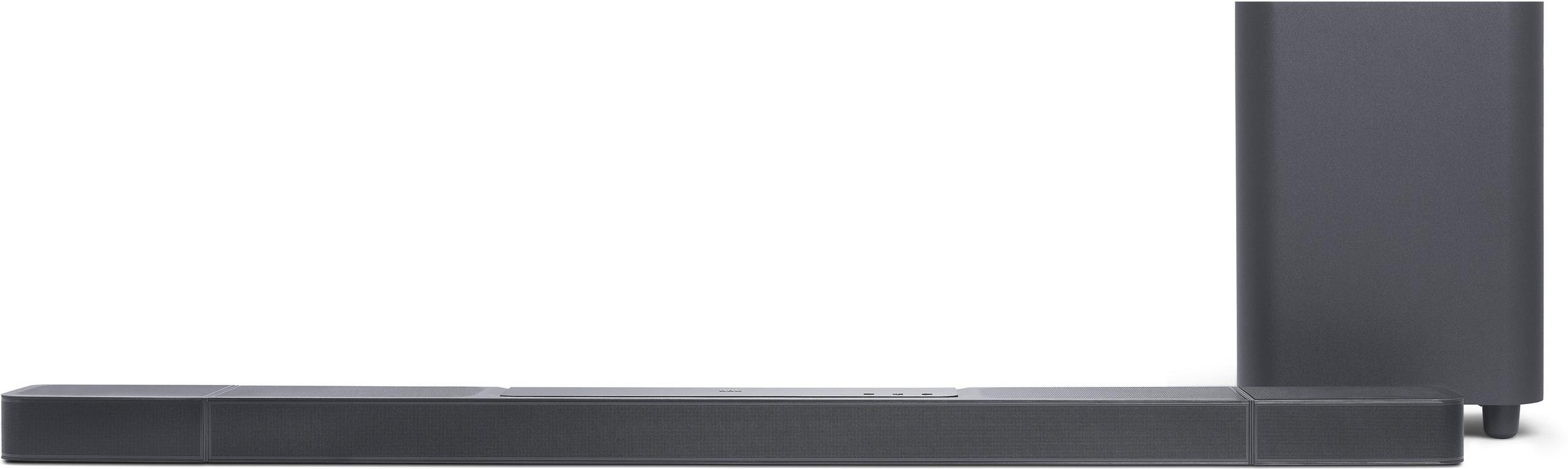
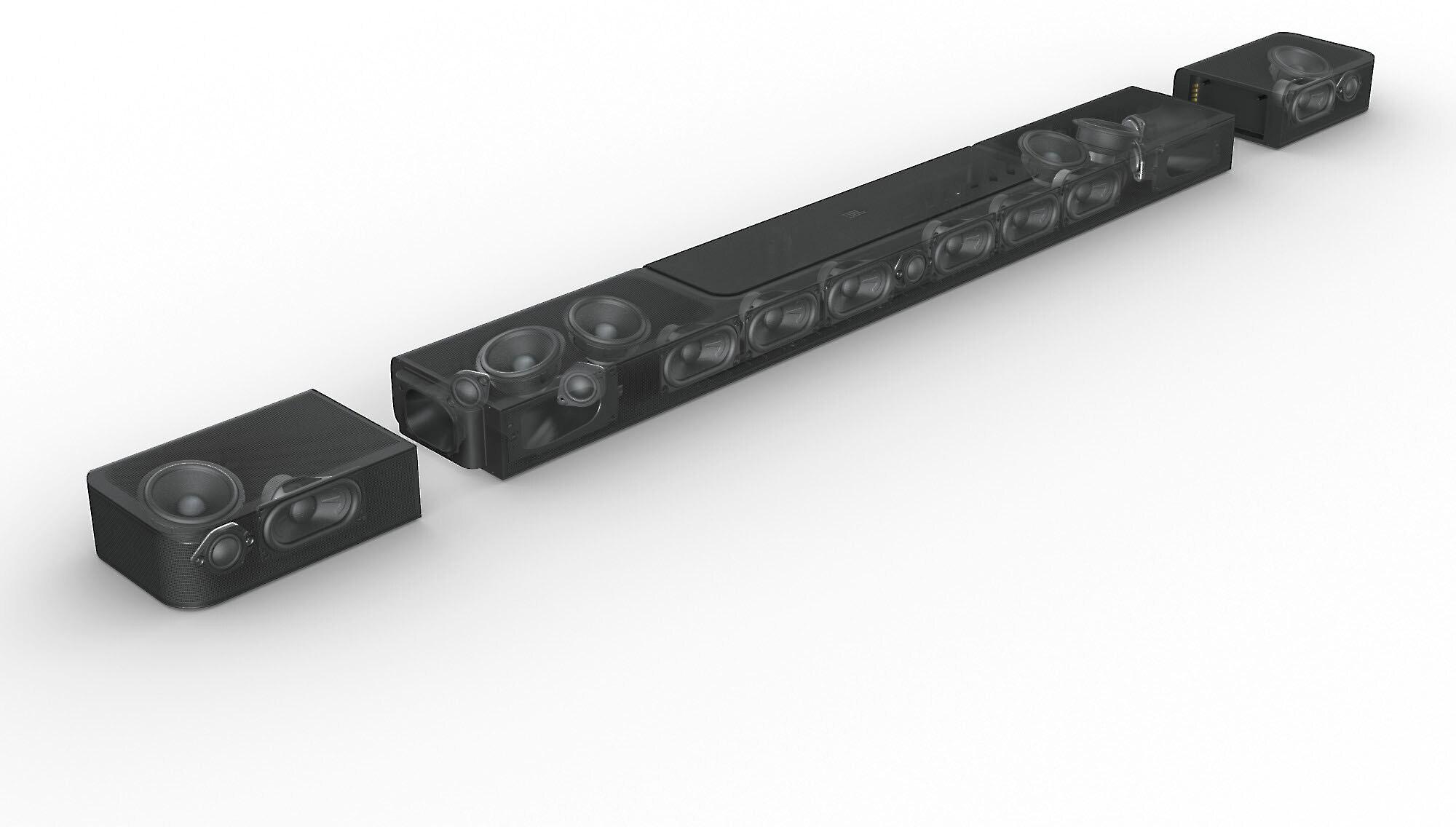
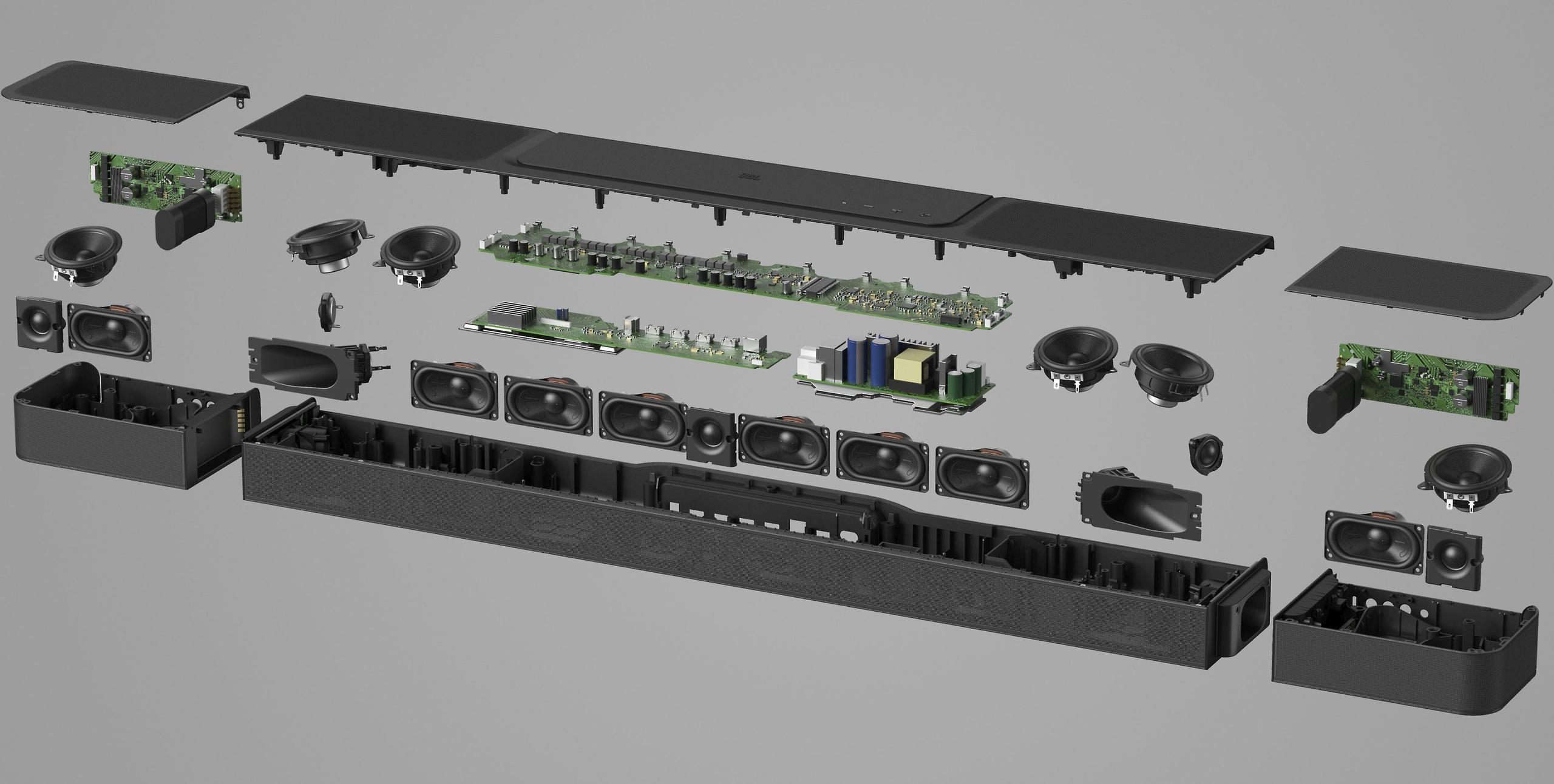
The JBL Bar 1300X, however, is an 11.1.4 system. That means eleven main channels, one subwoofer, and four height channels for overhead effects. More channels generally mean more precise sound placement, but they also drive up complexity and cost.
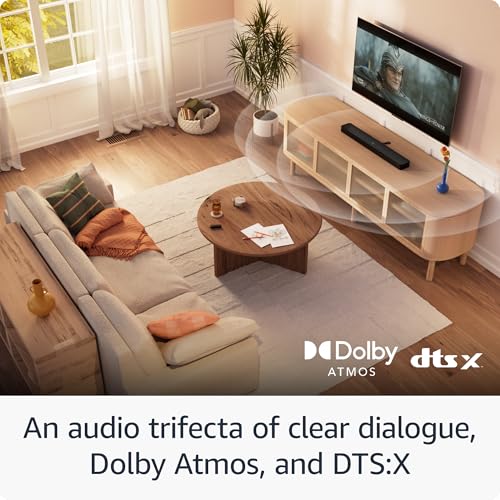
Dolby Atmos is another term you'll see everywhere. Think of it as 3D audio that can place sounds above you, like a helicopter flying overhead in a movie. However, there's a crucial difference between "virtual" Dolby Atmos (created through software processing) and "true" Dolby Atmos (using physical speakers pointing upward). This distinction becomes critical when comparing our two products.
Amazon released their Fire TV Soundbar Plus in 2023, positioning it as an affordable upgrade that doesn't require a degree in audio engineering to set up. At the time of writing, the version with subwoofer costs significantly less than premium competitors – we're talking about the difference between a nice dinner out and a weekend getaway.
The system's strength lies in its simplicity and dialogue clarity. Amazon focused heavily on making voices crisp and clear, which makes sense since most people's biggest complaint about TV speakers is mumbled dialogue. The dedicated center channel handles voices, while the wireless subwoofer adds the low-end punch that makes action scenes feel more impactful.
However, the Amazon soundbar makes some compromises to hit its price point. The Dolby Atmos support is virtualized – the system uses digital processing to simulate overhead effects rather than physical speakers pointing at your ceiling. This works reasonably well for creating a wider soundstage, but you won't get true height positioning like helicopters flying overhead.
The bass performance, while improved with the subwoofer, has been described by reviewers as somewhat "one-note." It provides impact but lacks the nuanced low-frequency response of premium systems. Think of it like the difference between a powerful but basic car stereo versus a high-end audio system – both will play music louder than your phone speaker, but one reproduces subtle details the other misses.
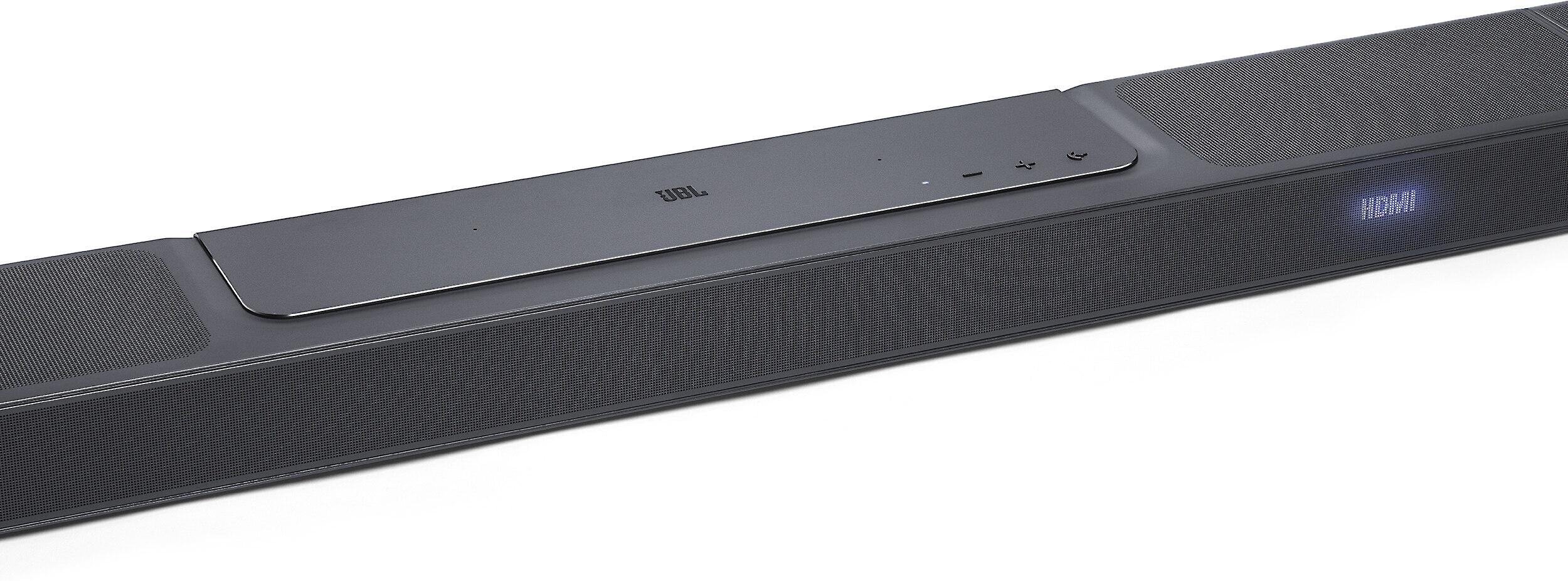
The JBL Bar 1300X takes a completely different approach. This system doesn't just want to improve your TV's audio – it wants to become your entire home entertainment hub. Released as JBL's flagship soundbar, it packs features that were unthinkable in budget systems just a few years ago.
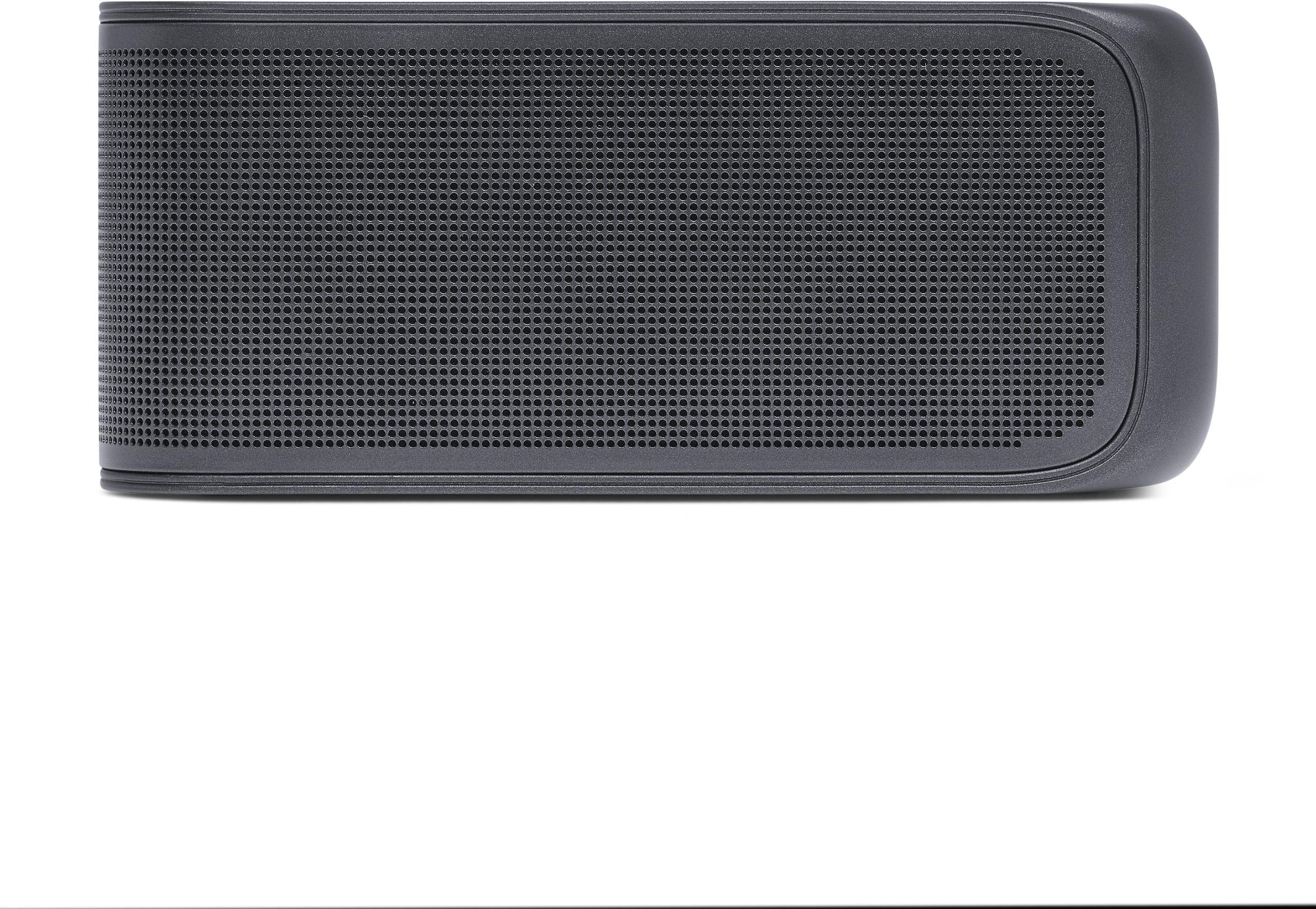
The most innovative feature is the detachable surround speakers. These battery-powered satellites can be placed anywhere in your room without running wires, and they last up to 12 hours on a single charge. When you're not watching movies, they can even work as standalone Bluetooth speakers for parties or outdoor gatherings. It's like getting a sound system that transforms based on your needs.
The JBL system delivers true Dolby Atmos through six up-firing drivers – four in the main bar and two in the detachable speakers. These physically bounce sound off your ceiling to create genuine overhead effects. When paired with the 12-inch wireless subwoofer that extends down to 33Hz (that's seriously deep bass territory), the system can genuinely reproduce the full frequency range of movie soundtracks.
But here's where it gets interesting: the JBL Bar 1300X includes comprehensive smart features that the Amazon option completely lacks. Built-in Wi-Fi enables AirPlay, Chromecast, and access to over 300 streaming services directly through the soundbar. You can stream music without even turning on your TV.
Both systems excel at dialogue, but in different ways. The Amazon Fire TV Soundbar uses a dedicated dialogue enhancement feature that keeps voices front and center even when explosions are happening. It's effective, though some reviewers note that deeper voices can sound thin.
The JBL Bar 1300X employs PureVoice technology, which dynamically adjusts dialogue levels based on the surrounding audio mix. In our research, this proved more sophisticated, maintaining natural voice tones while ensuring clarity. For home theater use, this difference becomes noticeable during complex action sequences where multiple audio elements compete for attention.
Bass performance reveals the clearest distinction between these systems. The Amazon soundbar's included subwoofer provides solid low-end impact that's a massive upgrade over TV speakers. However, it lacks the low-mid emphasis that gives bass instruments and movie sound effects their full body. Think of it as getting the punch without the full depth.
The JBL's 12-inch subwoofer with 300 watts of dedicated power operates in a different league. It can reproduce the deep rumbles that you feel in movie theaters – the kind that makes your couch vibrate during intense scenes. The frequency response extending to 33Hz means it captures bass notes that smaller systems simply can't reproduce.
This is where the philosophical differences become most apparent. The Amazon system creates a wide soundstage through digital processing, making audio seem to come from beyond the physical boundaries of the soundbar. It's impressive for the price, but sounds still fundamentally come from the front of your room.
The JBL Bar 1300X creates true 360-degree surround sound. Sounds can genuinely come from behind you, above you, and anywhere in between. When watching movies with good Dolby Atmos mixing, the difference is dramatic – rain sounds like it's falling around you, not just in front of you.
Here's where these products diverge most dramatically. The Amazon Fire TV Soundbar, despite its name, includes no smart features whatsoever. No Wi-Fi, no streaming apps, no voice assistant integration. It's purely focused on improving your TV's audio, nothing more.
This simplicity can actually be a benefit. Setup involves connecting one cable and pairing the wireless components – that's it. There's no app to download, no network configuration, no updates to manage. For users who want better sound without additional complexity, this approach makes sense.
The JBL system, conversely, is essentially a smart speaker system that happens to excel at TV audio. The JBL One app handles setup and customization, while built-in Wi-Fi enables direct music streaming, voice assistant integration, and automatic software updates. It's more capable but requires more initial setup and ongoing management.
Room size significantly impacts which system makes sense. The Amazon Fire TV Soundbar works well in smaller to medium-sized rooms – think typical apartment living rooms or bedrooms. Its power output is adequate for these spaces, and the virtualized surround effects are more convincing in intimate settings.
For larger rooms, the JBL Bar 1300X's 1170 watts of total system power becomes necessary. This isn't just about volume – it's about maintaining clarity and impact across greater distances. The physical surround speakers also work better in larger spaces where you have room to position them properly behind your seating area.
The detachable speakers of the JBL system offer unique flexibility. During regular TV watching, they function as rear surrounds. For parties, they can be moved around the house as portable speakers. This versatility extends the system's value beyond pure home theater use.
At the time of writing, the Amazon Fire TV Soundbar with subwoofer costs roughly one-fourth the price of the JBL Bar 1300X. This isn't just a price difference – it represents different value propositions entirely.
The Amazon option delivers excellent value for basic audio improvement. You get clear dialogue, enhanced bass, and surround processing at an accessible price point. However, you're limited to this specific use case with no room for expansion or additional features.
The JBL system costs significantly more but provides features and flexibility that extend far beyond TV audio. The detachable speakers, comprehensive streaming capabilities, and true Dolby Atmos processing create multiple use cases that justify the premium for many users.
Consider also the longevity factor. Audio technology evolves slowly compared to other electronics, so a well-chosen soundbar can last many years. The JBL Bar 1300X's more comprehensive feature set and higher build quality suggest better long-term value for users who can utilize its capabilities.
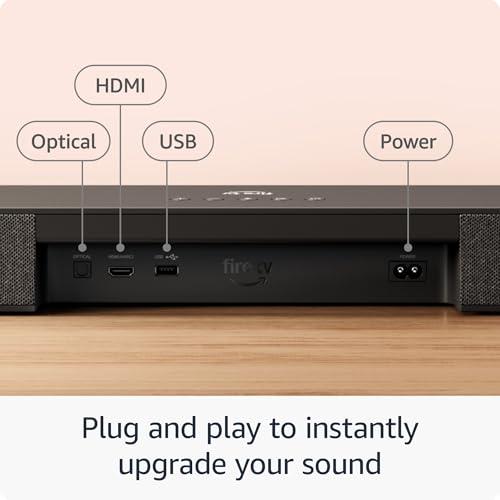
Both systems prioritize easy installation, but differ in complexity. The Amazon soundbar requires minimal setup – connect the HDMI cable, power on the components, and you're done. The wireless subwoofer and satellite speakers come pre-paired, eliminating configuration headaches.
The JBL system requires more initial effort through the mobile app, including room calibration to optimize the surround effects for your specific space. This extra complexity pays dividends in performance, but some users prefer the Amazon option's plug-and-play simplicity.
For daily use, the Amazon system operates like a traditional soundbar – you control it through your TV remote or the included basic remote. The JBL Bar 1300X can integrate with voice assistants and offers more granular control through its app, but this also means more ways for things to go wrong.
The decision between these systems depends heavily on your priorities and usage patterns. Choose the Amazon Fire TV Soundbar Plus if you want meaningful audio improvement without complexity or premium cost. It's perfect for users who primarily watch TV and movies, value simplicity over features, and have smaller to medium-sized rooms.
The JBL Bar 1300X makes sense for audio enthusiasts who want genuine home theater performance, have larger rooms that can benefit from higher power output, and value the flexibility of detachable wireless speakers. It's also ideal for users who want comprehensive smart features and don't mind the additional complexity.
Consider your listening habits too. If you primarily watch dialogue-heavy content like news or sitcoms, the Amazon option provides excellent clarity at a fraction of the cost. For action movies, gaming, and music where spatial audio and deep bass matter, the JBL system delivers a noticeably superior experience.
Neither option is inherently better – they're designed for different users with different needs and budgets. The Amazon Fire TV Soundbar democratizes good audio by making it accessible and simple. The JBL Bar 1300X pushes the boundaries of what's possible in a soundbar system, offering features and performance that rival traditional component systems.
The soundbar market has evolved rapidly in recent years, with both budget and premium options becoming more sophisticated. These two products represent the current state of that evolution – one focusing on essential improvements at accessible prices, the other pushing technological boundaries for users who demand the best possible experience.
Your choice ultimately comes down to whether you prioritize affordability and simplicity or premium performance and flexibility. Both approaches have merit, and both will dramatically improve your audio experience compared to built-in TV speakers. The key is choosing the one that best matches your specific needs, room, and budget.
| Amazon Fire TV Soundbar Plus Subwoofer | JBL Bar 1300X Soundbar with Wireless Subwoofer |
|---|---|
| Channel Configuration - Determines surround sound capabilities and immersion level | |
| 5.1 channels (with subwoofer and satellites) | 11.1.4 channels with true Dolby Atmos height effects |
| Up-firing Drivers - Critical for genuine overhead audio effects in movies | |
| None (virtualized Dolby Atmos only) | 6 discrete up-firing drivers for true spatial audio |
| Total System Power - Affects volume levels and bass impact in larger rooms | |
| Power output not specified | 1,170W total system power |
| Subwoofer Size - Larger drivers produce deeper, more impactful bass | |
| Wireless subwoofer (size not specified) | 12-inch wireless subwoofer with 300W dedicated power |
| Frequency Response - Lower numbers mean deeper bass you can actually feel | |
| Not specified | 33Hz - 20kHz (extends to true theater-level deep bass) |
| Smart Features - Determines if you can stream music directly without TV | |
| None (no Wi-Fi, streaming, or voice assistant support) | Wi-Fi, AirPlay, Chromecast, Alexa integration, 300+ streaming services |
| HDMI Connectivity - More ports mean fewer cable swaps for multiple devices | |
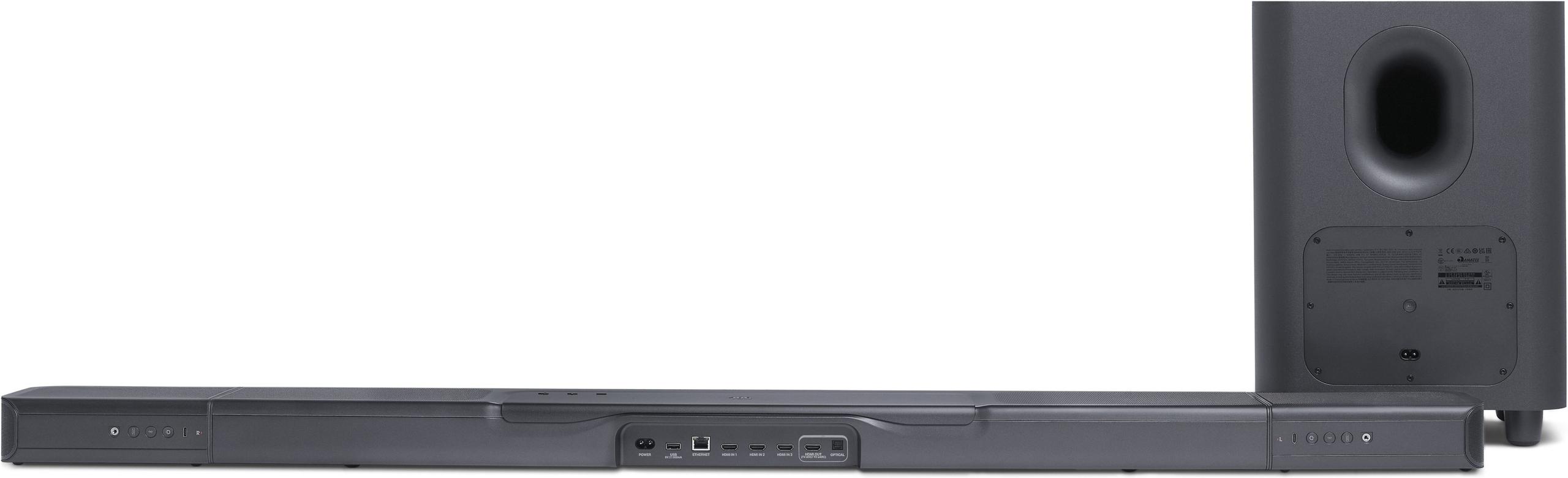
| 1 HDMI eARC port | 3 HDMI inputs plus 1 eARC output with 4K/HDR passthrough |
| Detachable Speakers - Unique flexibility for portable use and room placement | |
| Fixed satellite speakers | Battery-powered detachable speakers (12-hour battery, can work as Bluetooth speakers) |
| App Control - Enables advanced customization and remote management | |
| No app support (basic remote only) | JBL One app with room calibration and full customization |
| Setup Complexity - Important for users who want plug-and-play simplicity | |
| Pre-paired components, minimal setup required | App-based setup with room calibration for optimal performance |
| Best Room Size - System power and speaker configuration limit effective coverage | |
| Small to medium rooms | Large rooms that can utilize full power output and speaker separation |
| Primary Target User - Who gets the most value from each system's approach | |
| Budget-conscious users wanting basic audio improvement | Audio enthusiasts wanting genuine home theater experience with maximum flexibility |
The Amazon Fire TV Soundbar Plus Subwoofer offers excellent value for budget-conscious buyers who want a significant audio upgrade without premium features. The JBL Bar 1300X costs significantly more but provides genuine home theater performance with true Dolby Atmos, detachable wireless speakers, and comprehensive smart features. Choose the Amazon option for basic improvement or the JBL system if you want premium performance and flexibility.
The key difference is audio sophistication. The Amazon Fire TV Soundbar Plus uses virtualized surround sound and focuses on dialogue clarity at an affordable price. The JBL Bar 1300X delivers true 11.1.4 surround sound with six up-firing drivers for genuine Dolby Atmos effects, plus detachable battery-powered speakers that can work as portable Bluetooth speakers.
Yes, but differently. The Amazon Fire TV Soundbar supports virtualized Dolby Atmos through software processing without physical up-firing speakers. The JBL Bar 1300X provides true Dolby Atmos with six discrete up-firing drivers that bounce sound off your ceiling for authentic overhead effects. For home theater enthusiasts, this difference is significant.
The JBL Bar 1300X is designed for larger spaces with its 1,170W total system power and ability to place detachable speakers throughout the room. The Amazon Fire TV Soundbar Plus works best in small to medium-sized rooms where its more modest power output can effectively fill the space.
The Amazon Fire TV Soundbar has no smart features and requires connection to your TV or another source device. The JBL Bar 1300X includes Wi-Fi connectivity and can stream music directly from services like Spotify, Apple Music, or Pandora without any TV involvement, making it a versatile audio system.
The JBL Bar 1300X features a powerful 12-inch wireless subwoofer with 300W dedicated power that extends down to 33Hz for deep, room-shaking bass. The Amazon Fire TV Soundbar Plus includes a wireless subwoofer but with less specified power and frequency range, providing good bass improvement over TV speakers but not matching the JBL's depth and impact.
The Amazon Fire TV Soundbar Plus offers simpler setup with pre-paired wireless components - just connect and power on. The JBL Bar 1300X requires app-based setup through the JBL One app, including room calibration for optimal performance. Both are manageable, but the Amazon option is more plug-and-play.
Both excel at dialogue but use different approaches. The Amazon Fire TV Soundbar focuses heavily on voice clarity with dedicated dialogue enhancement. The JBL Bar 1300X uses PureVoice technology for more sophisticated dialogue management. Both will dramatically improve speech clarity compared to TV speakers, making them excellent for home theater use.
The Amazon Fire TV Soundbar Plus can be bundled with rear satellite speakers for 5.1 surround but has limited expansion options. The JBL Bar 1300X comes as a complete system with detachable speakers that offer unique flexibility - they can function as portable Bluetooth speakers or be integrated with other JBL speakers for multi-room audio.
The JBL Bar 1300X offers superior connectivity with three HDMI inputs plus eARC output, Wi-Fi, Bluetooth, and optical connections. The Amazon Fire TV Soundbar provides basic connectivity with HDMI eARC, optical input, and Bluetooth. For users with multiple devices like gaming consoles, the JBL system is more versatile.
The Amazon Fire TV Soundbar Plus has no voice assistant integration despite the "Fire TV" branding. The JBL Bar 1300X works with Alexa, Google Assistant, and Siri for voice control and multi-room audio features, making it a more integrated smart home solution.
Choose the Amazon Fire TV Soundbar Plus if you want a significant audio improvement at an affordable price with simple setup and operation. Select the JBL Bar 1300X if you're serious about home theater performance, have a larger room, and want features like detachable wireless speakers and comprehensive streaming capabilities that justify the premium investment.
We've done our best to create useful and informative comparisons to help you decide what product to buy. Our research uses advanced automated methods to create this comparison and perfection is not possible - please contact us for corrections or questions. These are the sites we've researched in the creation of this article: rtings.com - cordbusters.co.uk - techradar.com - youtube.com - t3.com - hometechnologyreview.com - youtube.com - hometechnologyreview.com - whathifi.com - developer.amazon.com - manuals.plus - dolby.com - techradar.com - jbl.com - audioadvice.com - youtube.com - rtings.com - jbl.com - greentoe.com - harmanaudio.com - youtube.com - mm.jbl.com - jbl.com

Privacy Policy
Terms and Conditions - Affiliate Policy
Home Security
© Copyright 2008-2026.
11816 Inwood Rd #1211, Dallas, TX 75244