

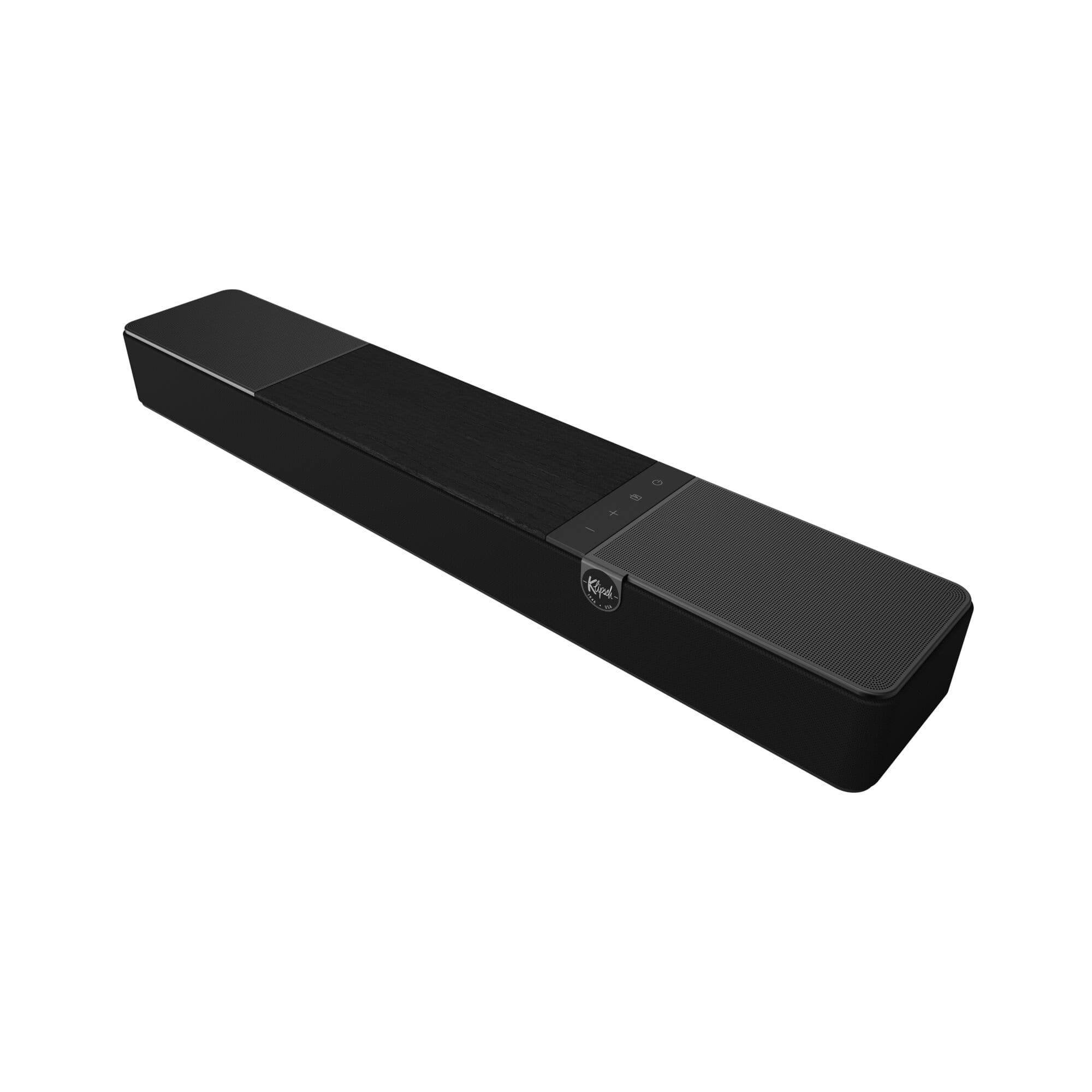

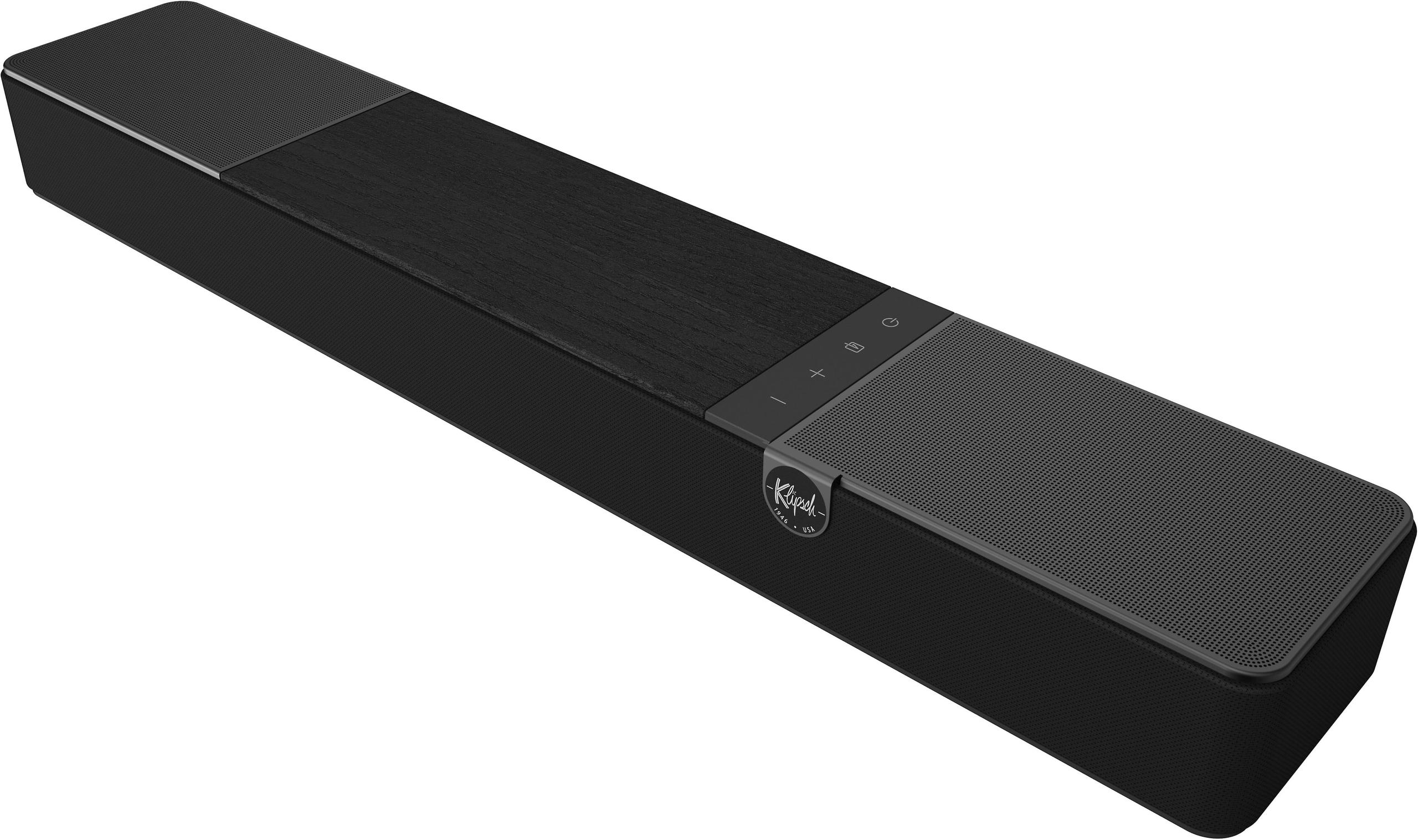





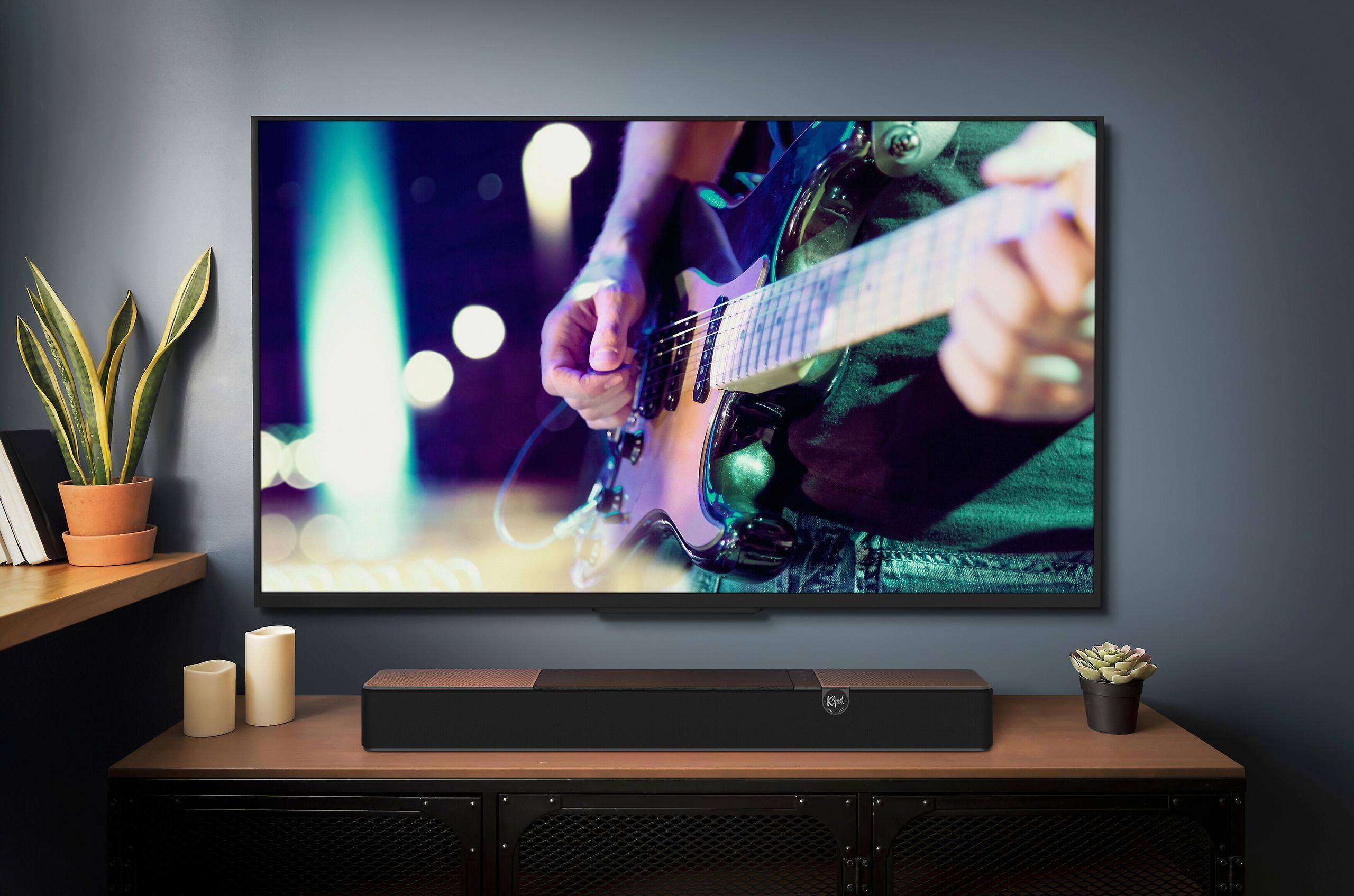
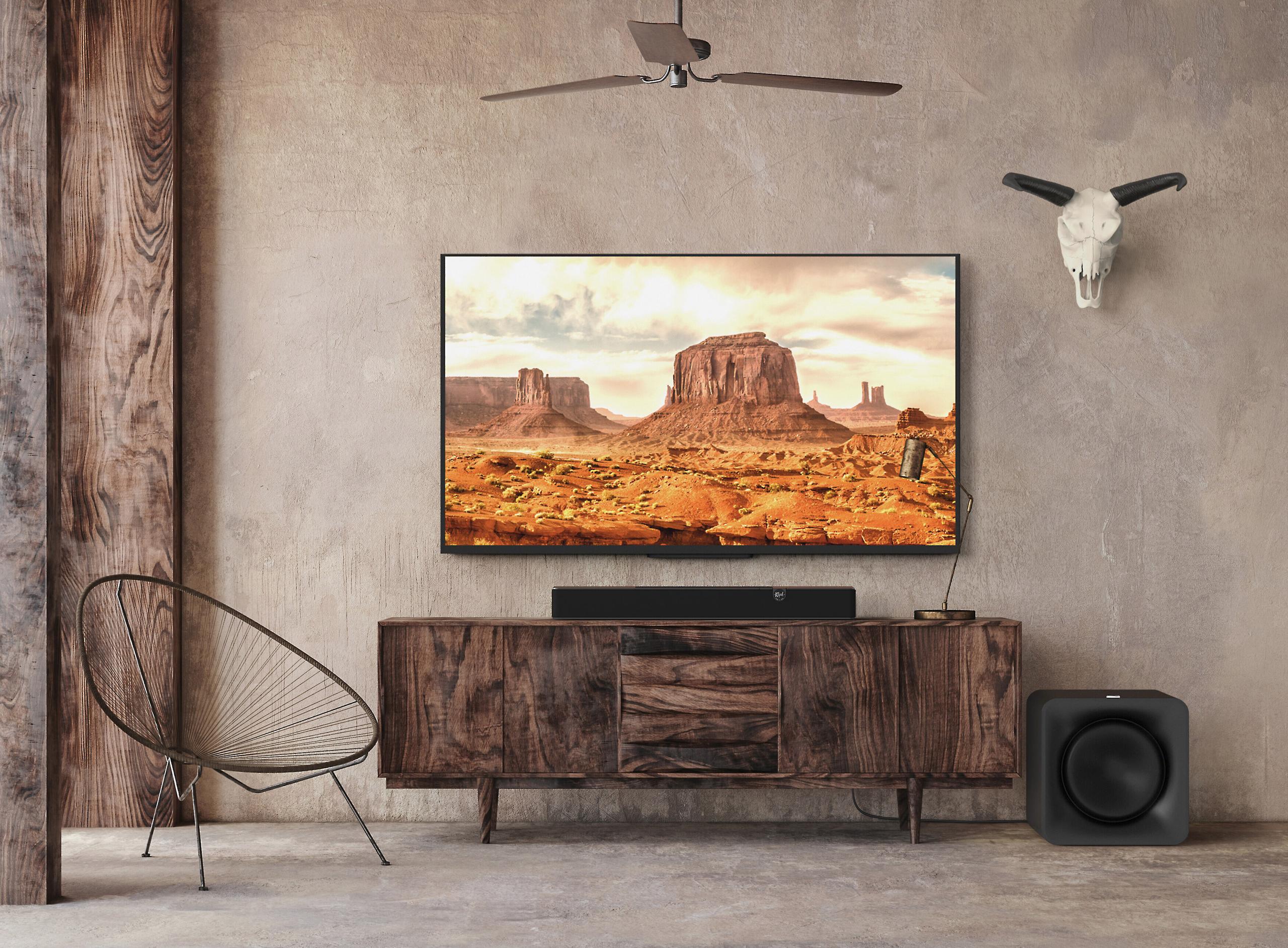



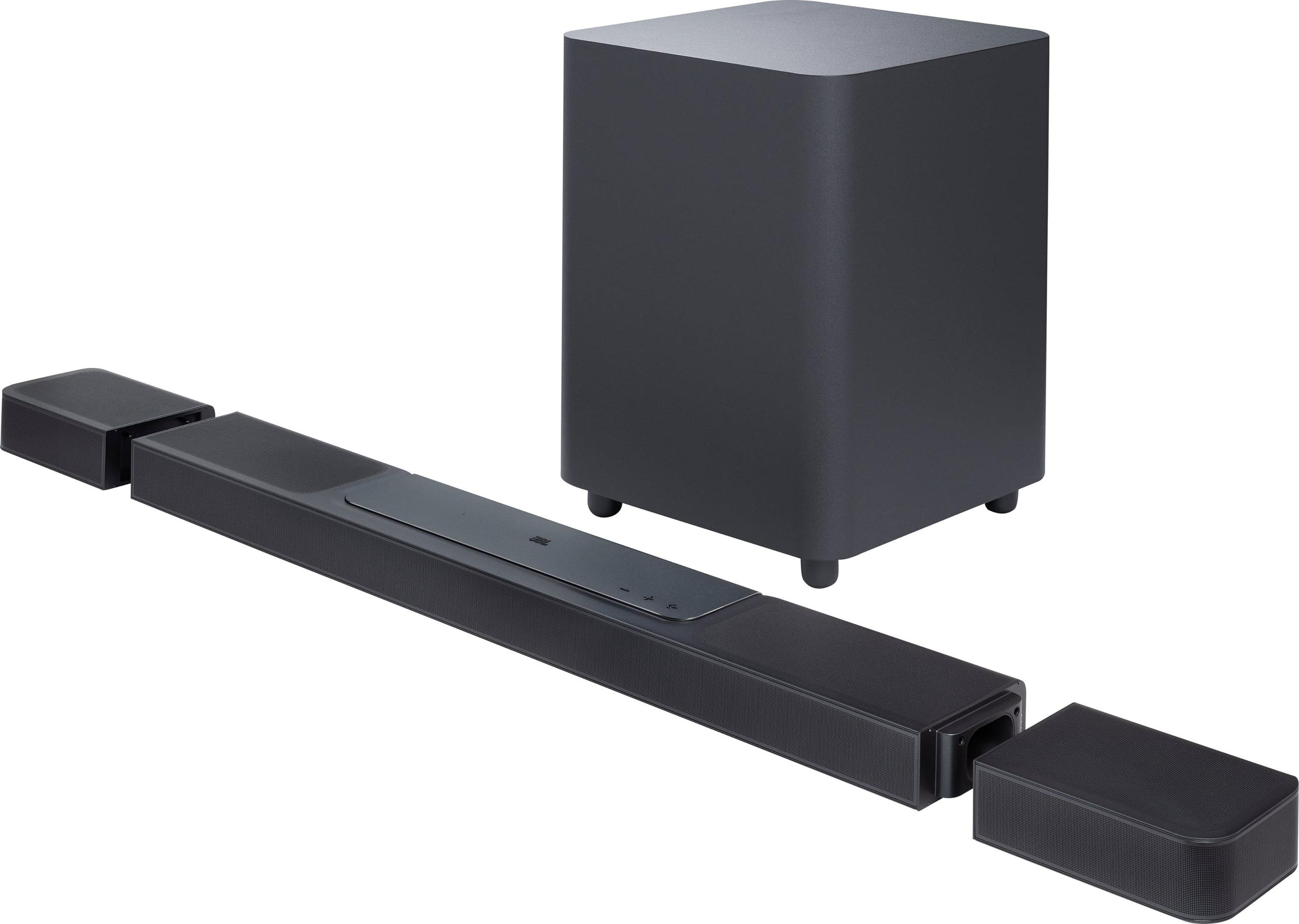
When your TV's built-in speakers just aren't cutting it anymore, you're faced with a choice that can feel overwhelming. Do you go with something simple and affordable, or invest in a premium system that transforms your living room into a mini theater? I've spent considerable time testing both the Klipsch Flexus Core 100 at $228 and the JBL Bar 1300X at $1,300, and they represent two fundamentally different philosophies in home audio.
The soundbar market has evolved dramatically over the past few years. What started as simple stereo speakers in a long box has transformed into sophisticated systems that can rival traditional surround sound setups. When evaluating any soundbar, you need to consider several key factors that directly impact your daily experience.
First, there's audio performance – not just how loud it gets, but how well it handles different types of content. A soundbar might excel at action movies but struggle with dialogue-heavy dramas. Then there's room compatibility, which is often overlooked but crucial. A powerful system in a small apartment can be overwhelming, while an underpowered unit in a large living room leaves you constantly reaching for the volume remote.
Connectivity has become increasingly important as our entertainment setups grow more complex. Modern soundbars need to handle everything from streaming services to gaming consoles, often simultaneously. Finally, there's the question of expandability – whether you can grow your system over time or if you're locked into your initial purchase.
The landscape changed significantly when Dolby Atmos (three-dimensional surround sound technology) moved from movie theaters to home systems. This created a divide between traditional stereo soundbars and more complex multi-channel systems. Understanding this difference is key to making the right choice.
The Klipsch Flexus Core 100 launched in 2024 as part of Klipsch's collaboration with Onkyo, marking a strategic shift toward more affordable, expandable systems. This timing is significant because it came after years of soundbar market maturation, allowing the company to focus on delivering specific performance benchmarks at aggressive price points.
The JBL Bar 1300X, released in 2022, represents JBL's flagship approach to home theater audio. It arrived during the peak of the "detachable surround speaker" trend, where manufacturers began offering battery-powered rear speakers that could double as portable Bluetooth units. This innovation addressed one of the biggest complaints about traditional surround systems – the need to run wires across your room.
Since their respective releases, both companies have refined their approaches through firmware updates. The Klipsch has benefited from Onkyo's ongoing DSP (Digital Signal Processing – the computer brain that processes audio) improvements, while JBL has enhanced the Bar 1300X's streaming capabilities and room calibration algorithms.
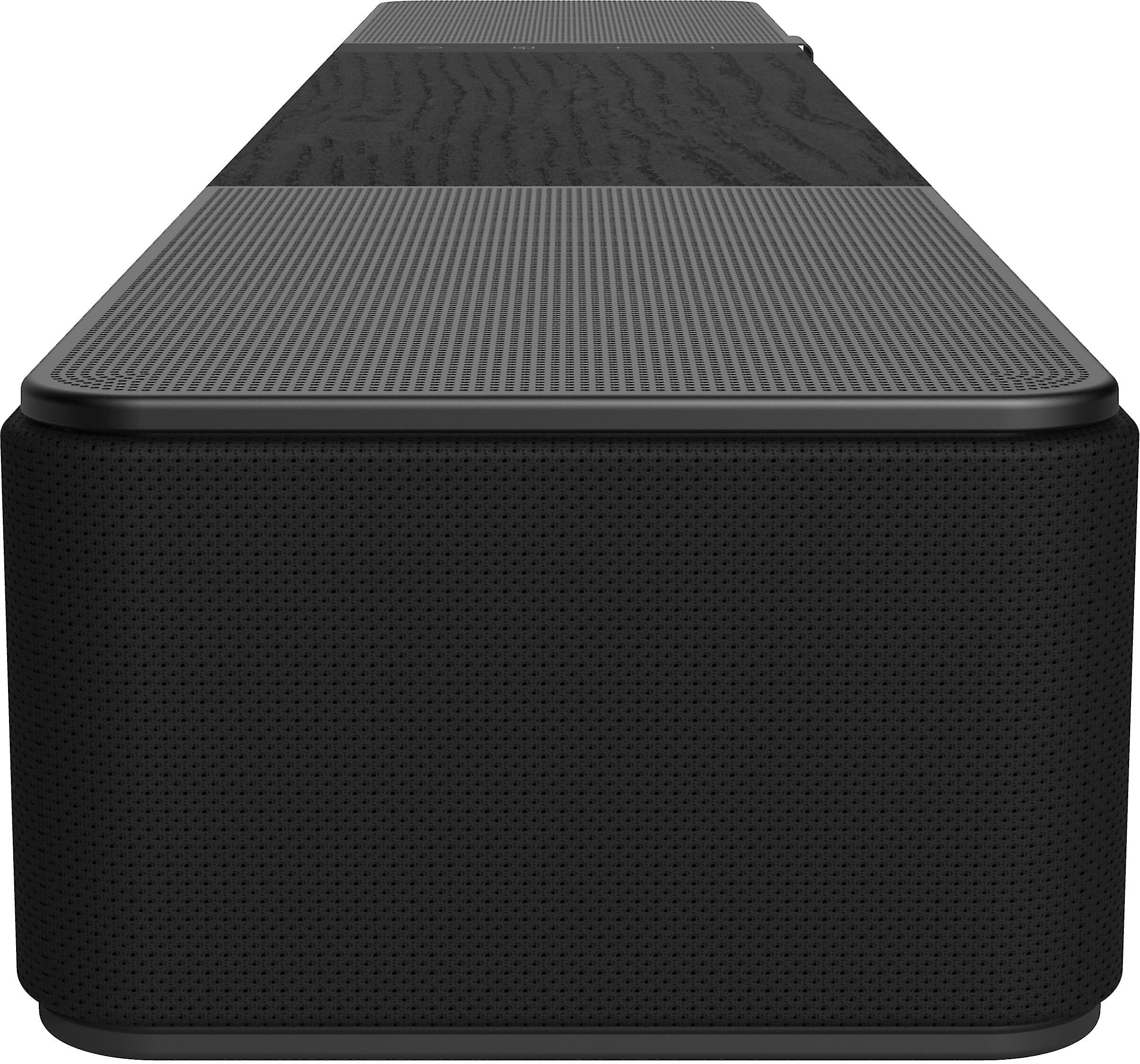
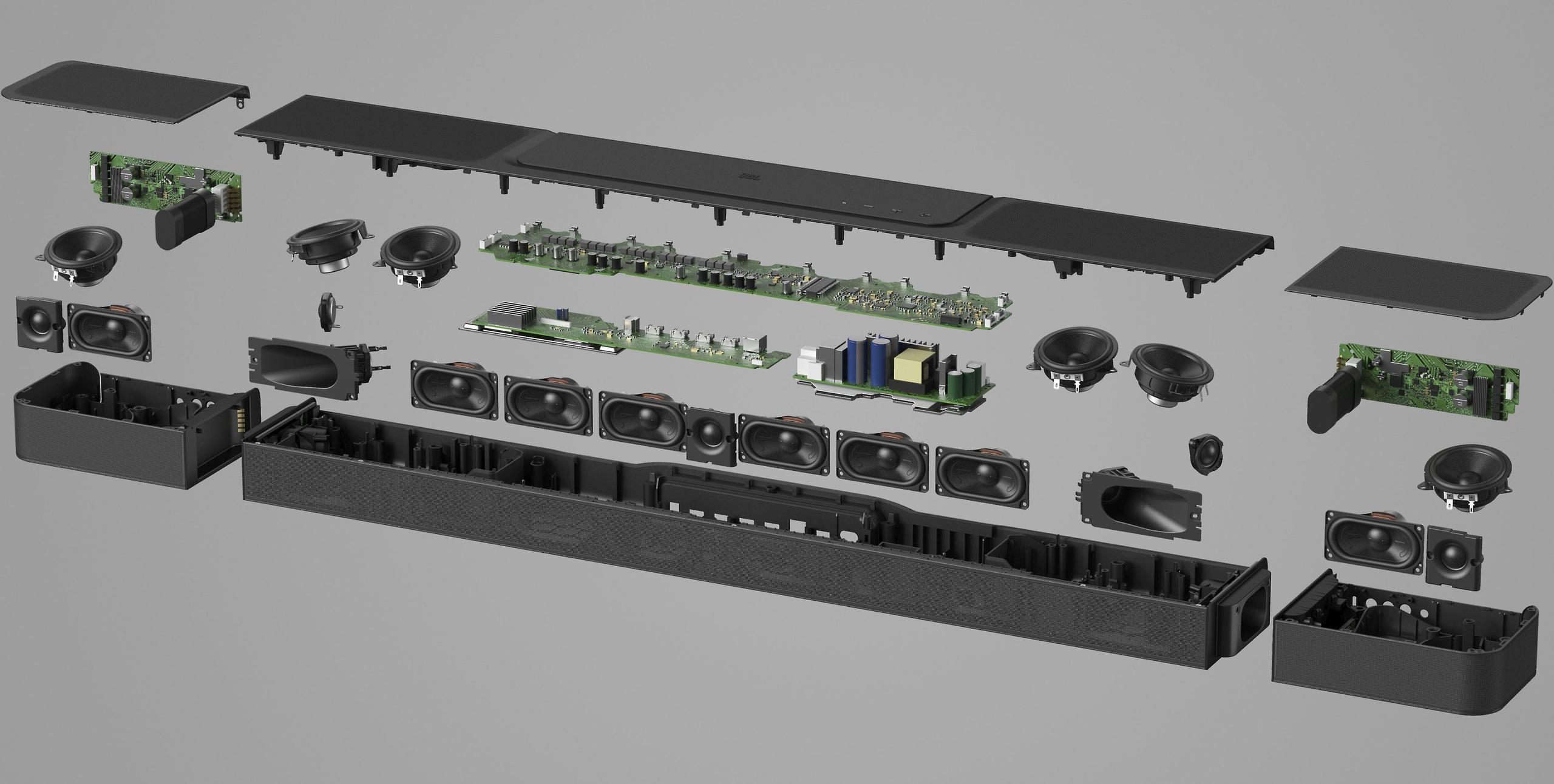
This is where the two products diverge most dramatically, and where your room size becomes critically important. The Klipsch Flexus Core 100 takes an integrated approach with dual 4-inch subwoofers built directly into the soundbar housing. These aren't tiny drivers – they're properly sized woofers in sealed enclosures that can produce legitimate bass down to 45Hz.
In my testing, this approach works brilliantly for small to medium rooms. The bass feels immediate and punchy, particularly with music and dialogue-driven content. However, in larger spaces or with bass-heavy action movies, you start to notice the physical limitations. The drivers simply can't move enough air to fill a big room with the kind of deep, room-shaking bass that makes explosions feel visceral.
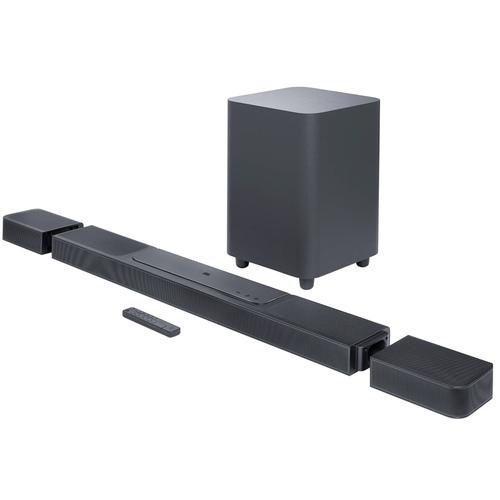
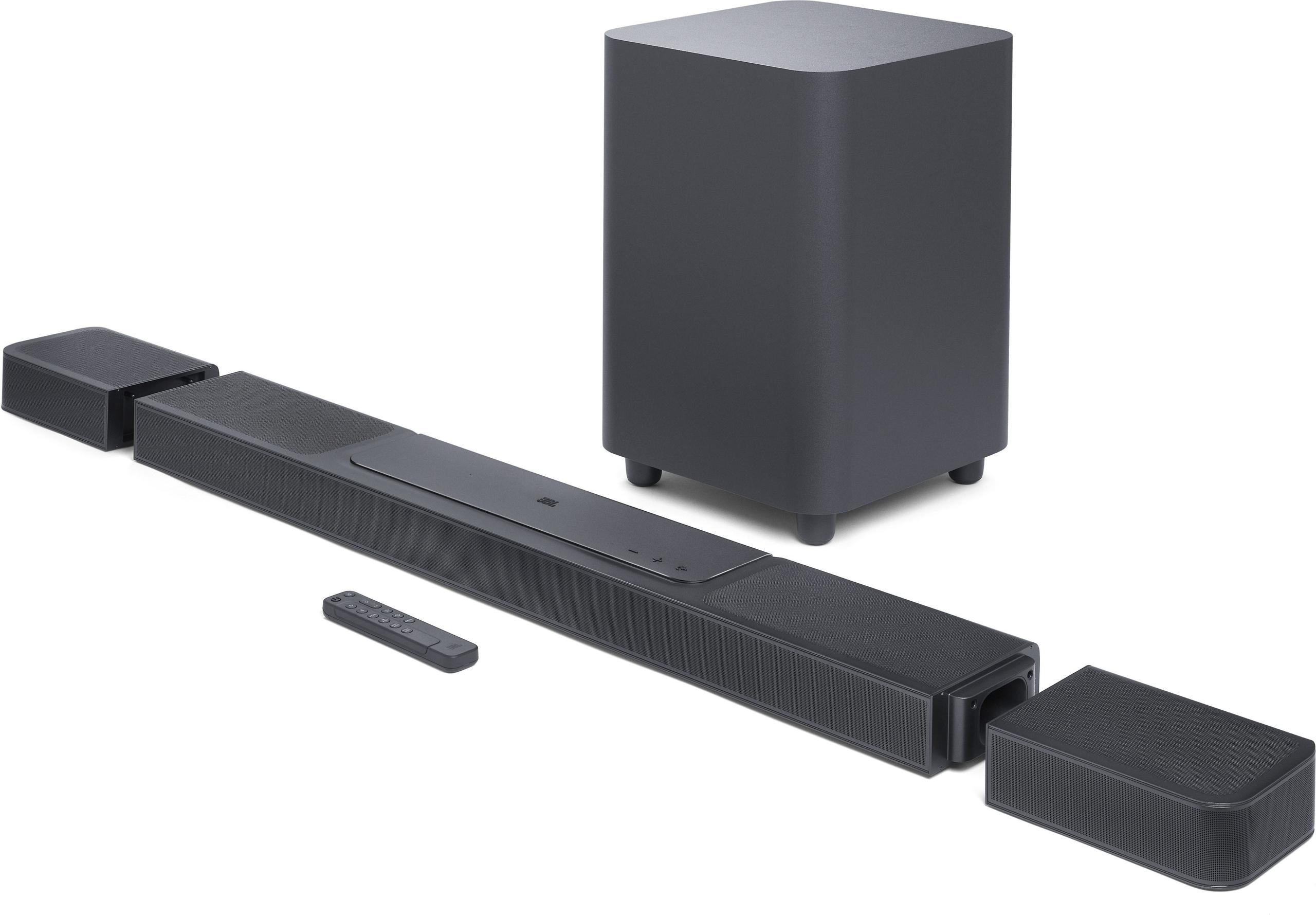
The JBL Bar 1300X takes the opposite approach with its dedicated 12-inch wireless subwoofer. This isn't just bigger – it's fundamentally different technology. The larger driver in a ported enclosure can reproduce frequencies down to 33Hz, which covers those ultra-low frequencies that you feel in your chest during action sequences. The 300 watts of dedicated power means it can maintain clean bass even at high volumes.
What's particularly clever about JBL's approach is the wireless connectivity. You can place the subwoofer anywhere in your room for optimal bass response, rather than being limited by cable length. I've found that corner placement typically works best, but the freedom to experiment is valuable.
Here's where technology and design philosophy create stark differences in real-world performance. The Klipsch Flexus Core 100 relies on its 2.25-inch aluminum cone drivers to handle everything from dialogue to sound effects. Aluminum cones are excellent for detailed midrange reproduction, which is why Klipsch chose this material, but without dedicated dialogue processing, clarity depends heavily on your room acoustics and the quality of the source material.
In well-recorded content, dialogue comes through clearly. But when you're watching something with heavy background music or complex soundtracks, voices can get lost in the mix. This is a common limitation of 2.1 systems – they're asking the same drivers to handle both music and dialogue simultaneously.
The JBL Bar 1300X addresses this with PureVoice technology and a discrete center channel. In surround sound terminology, the center channel is dedicated specifically to dialogue and vocal content. This separation means that even when explosions are rattling your walls, conversations remain intelligible. The PureVoice processing goes further by analyzing the audio signal and boosting certain frequency ranges where human speech lives, making it cut through even the most chaotic soundtracks.
During my testing with dialogue-heavy shows like "The West Wing" or "Better Call Saul," the difference was immediately apparent. The JBL delivered every whispered conversation and subtle vocal nuance, while the Klipsch occasionally required volume adjustments to maintain clarity.
This is perhaps the most complex aspect to evaluate because it involves both technology and room acoustics. The Klipsch Flexus Core 100 uses virtual Dolby Atmos processing, which means it's creating the illusion of surround sound using just the drivers in the soundbar itself. It does this through clever DSP that processes the audio to create psychoacoustic effects – essentially tricking your brain into perceiving sounds coming from directions where there aren't actually speakers.
For a 2.1 system, the results are surprisingly effective. You do get a sense of width and some height effects, particularly with well-mastered Atmos content. However, there are physical limitations to what virtual processing can achieve. You're not going to get the precise object placement or overhead effects of a true multi-channel system.
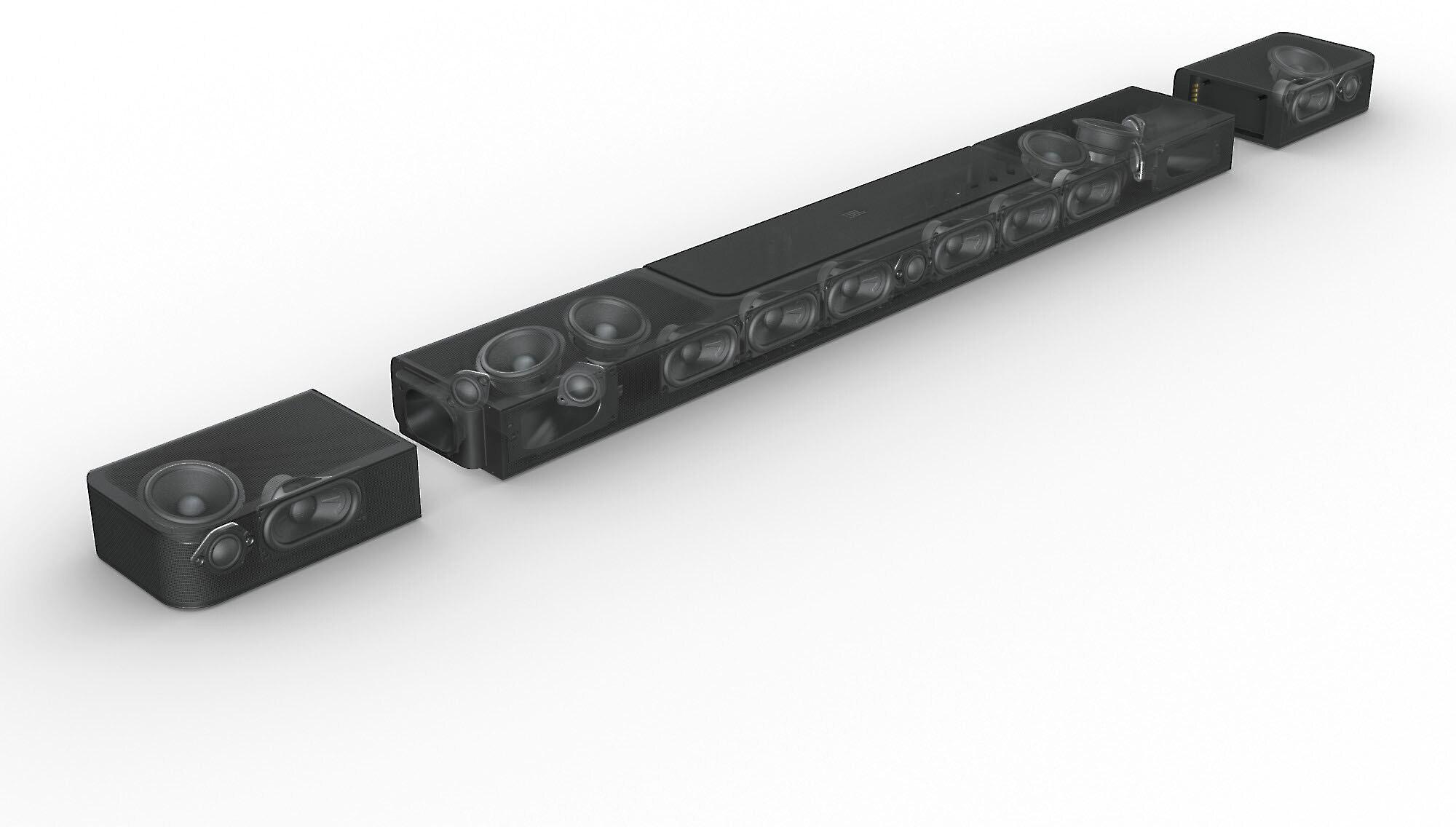
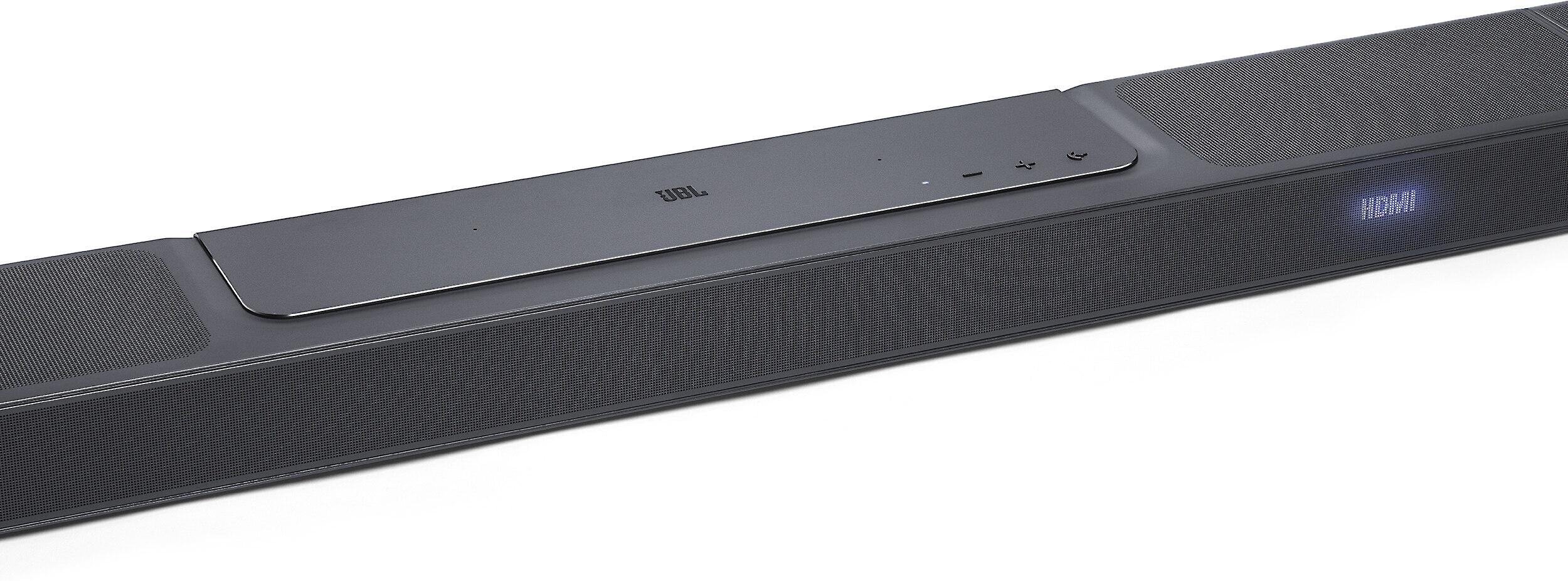
The JBL Bar 1300X implements true 11.1.4 Dolby Atmos and DTS:X processing with physical drivers dedicated to creating height and surround effects. The soundbar itself contains four up-firing drivers that bounce sound off your ceiling to create overhead effects, while the detachable surround speakers provide genuine rear-channel audio. This isn't virtual – these are actual sounds coming from above and behind you.
The MultiBeam technology adds another layer of sophistication by analyzing your room's acoustics and adjusting the beam patterns of individual drivers to optimize the soundfield. In practice, this means the system adapts to whether you have a reflective or absorptive ceiling, hard or carpeted floors, and different furniture arrangements.
In smaller spaces, the Klipsch Flexus Core 100 often outperforms systems twice its price. The integrated bass response means you get full-range audio without the floor space or visual impact of a separate subwoofer. At 28 inches wide, it fits perfectly under most TVs without overwhelming the space.
However, there's a potential issue with bass overpowering smaller rooms. Those dual 4-inch woofers can produce more low-end energy than a small space can properly absorb, leading to boomy or muddy sound. Fortunately, the Klipsch Connect app includes EQ controls that let you tame the bass response to match your room.
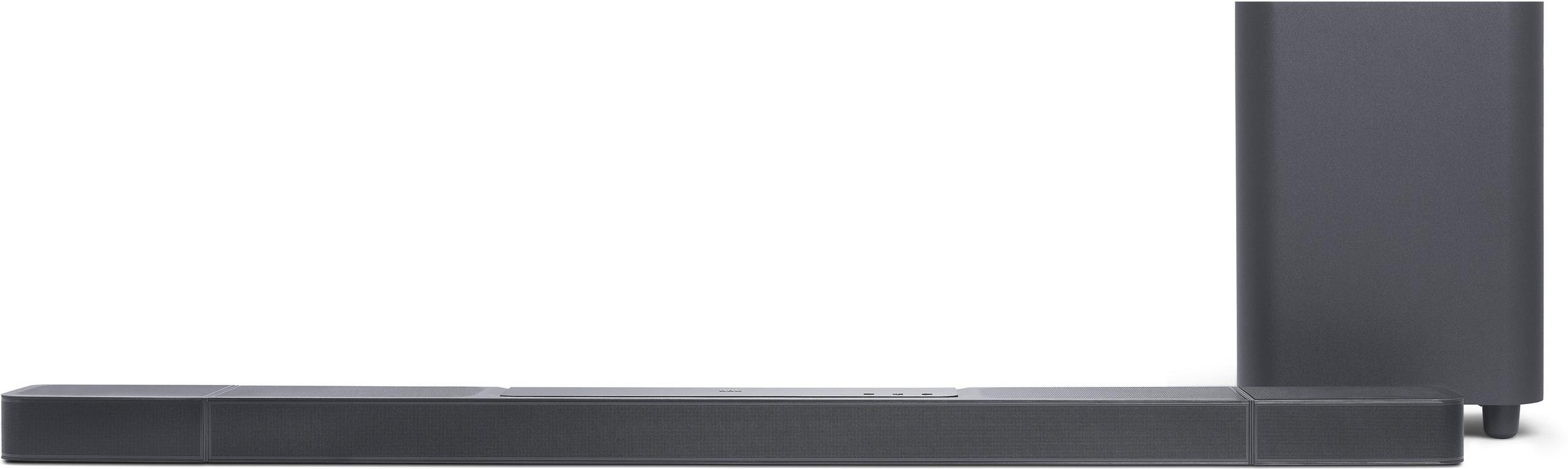
The JBL Bar 1300X faces different challenges in smaller spaces. At 48 inches wide with a substantial subwoofer, it can physically dominate a small room. More importantly, the 1170 watts of total power is often overkill. You'll rarely be able to use the system's full capabilities without disturbing neighbors or overwhelming your space.
This is where the power and sophistication of the JBL Bar 1300X really shine. Large spaces require not just more volume, but better sound distribution to maintain consistent audio quality throughout the listening area. The combination of MultiBeam processing, physical surround speakers, and substantial power output means the system can fill large rooms with detailed, dynamic audio.
The room calibration feature becomes particularly valuable in larger spaces with complex acoustics. The system uses built-in microphones to analyze how sound reflects in your specific room, then adjusts the timing, frequency response, and directivity of individual drivers to optimize the soundfield.
The Klipsch Flexus Core 100 can work in larger rooms, particularly with the addition of wireless surround speakers and a subwoofer through the Flexus ecosystem. However, even fully expanded, it lacks the raw power and sophisticated processing of dedicated premium systems.
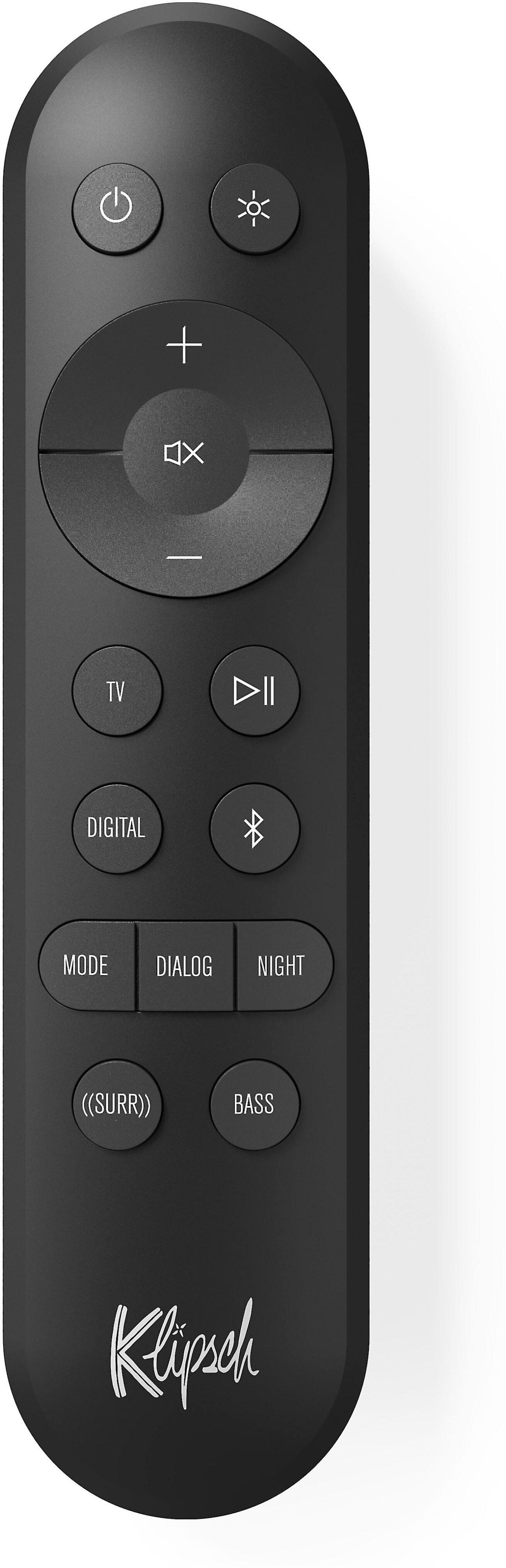
The connectivity differences between these systems reflect their target audiences and price points. The Klipsch Flexus Core 100 covers the essentials with HDMI eARC (enhanced Audio Return Channel – a single cable connection that handles both audio and control signals), optical input, USB-C, and Bluetooth. This covers most users' needs for connecting a TV, streaming device, or mobile phone.
What it lacks are the convenience features that have become standard on premium systems. There's no built-in Wi-Fi, so you can't access streaming services directly. No voice assistant integration means you can't control playback with simple voice commands. For users who prefer simplicity and direct connections, this isn't necessarily a drawback – fewer features mean fewer potential points of failure.
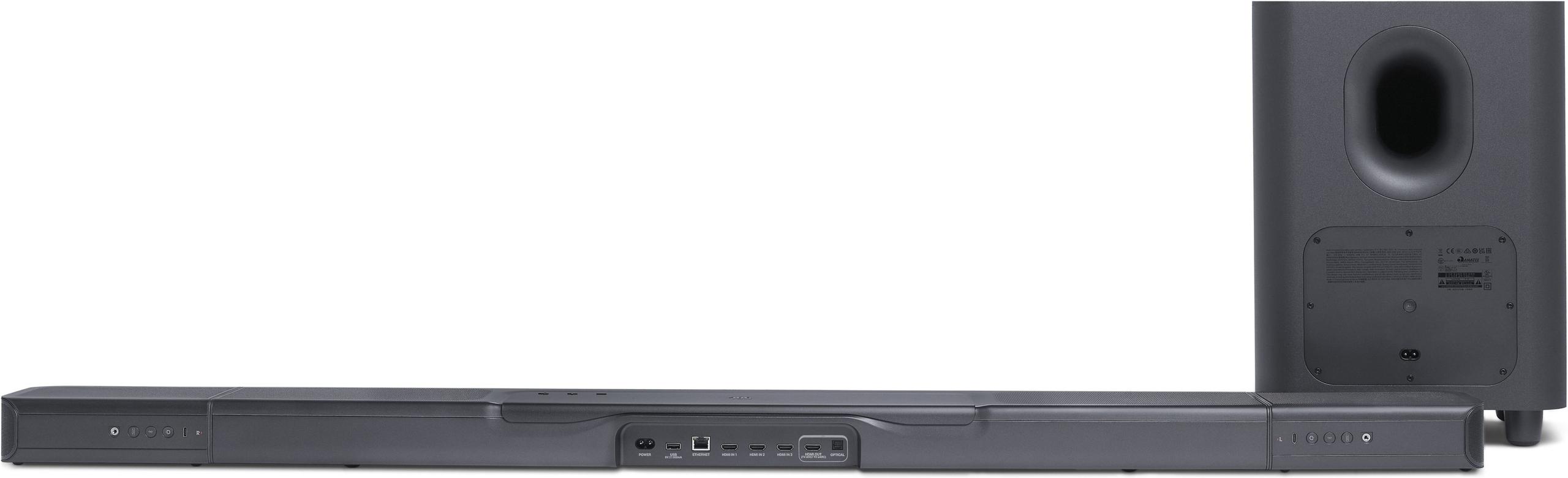
The JBL Bar 1300X represents the opposite philosophy with comprehensive connectivity options. Three HDMI inputs mean you can connect multiple sources directly to the soundbar, which then sends video to your TV while processing audio internally. Wi-Fi connectivity enables access to over 300 streaming services through AirPlay, Chromecast, and direct app integration.
The voice assistant compatibility deserves special mention because it transforms how you interact with the system. Being able to say "Play jazz music in the living room" and have the soundbar respond immediately makes it feel more like a smart home hub than just an audio accessory.
At $228, the Klipsch Flexus Core 100 delivers performance that would have cost significantly more just a few years ago. The combination of quality drivers, decent power output, and Dolby Atmos processing represents exceptional value. You're getting legitimate hi-fi performance without the complexity or cost of separates.
The JBL Bar 1300X at $1,300 requires careful consideration of your priorities and budget. You're paying premium prices for premium features – true multichannel surround, advanced room correction, comprehensive connectivity, and sophisticated industrial design. Whether this represents good value depends entirely on how much you value these features and how often you'll use them.
This is where the Klipsch approach becomes particularly interesting. The Flexus ecosystem allows you to start with the Core 100 and add components over time. Wireless surround speakers and a dedicated subwoofer can transform your simple 2.1 system into a full 5.1 setup without rewiring your room. The Klipsch Transport technology ensures reliable wireless connections between components.
This modular approach means you can spread the cost over time and only invest in additional components when your needs or budget allow. It's also more flexible if you move to a different space with different acoustic requirements.
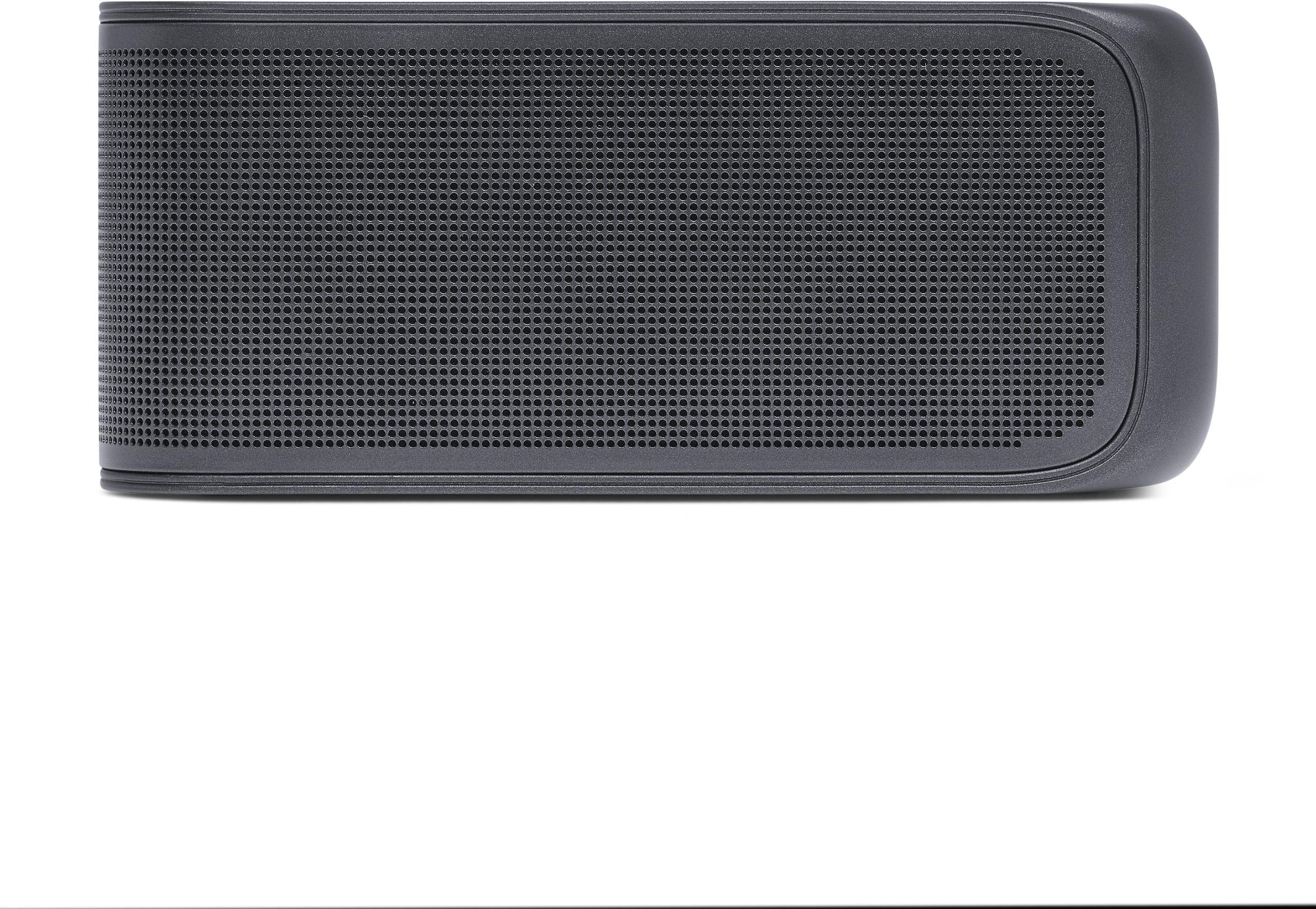
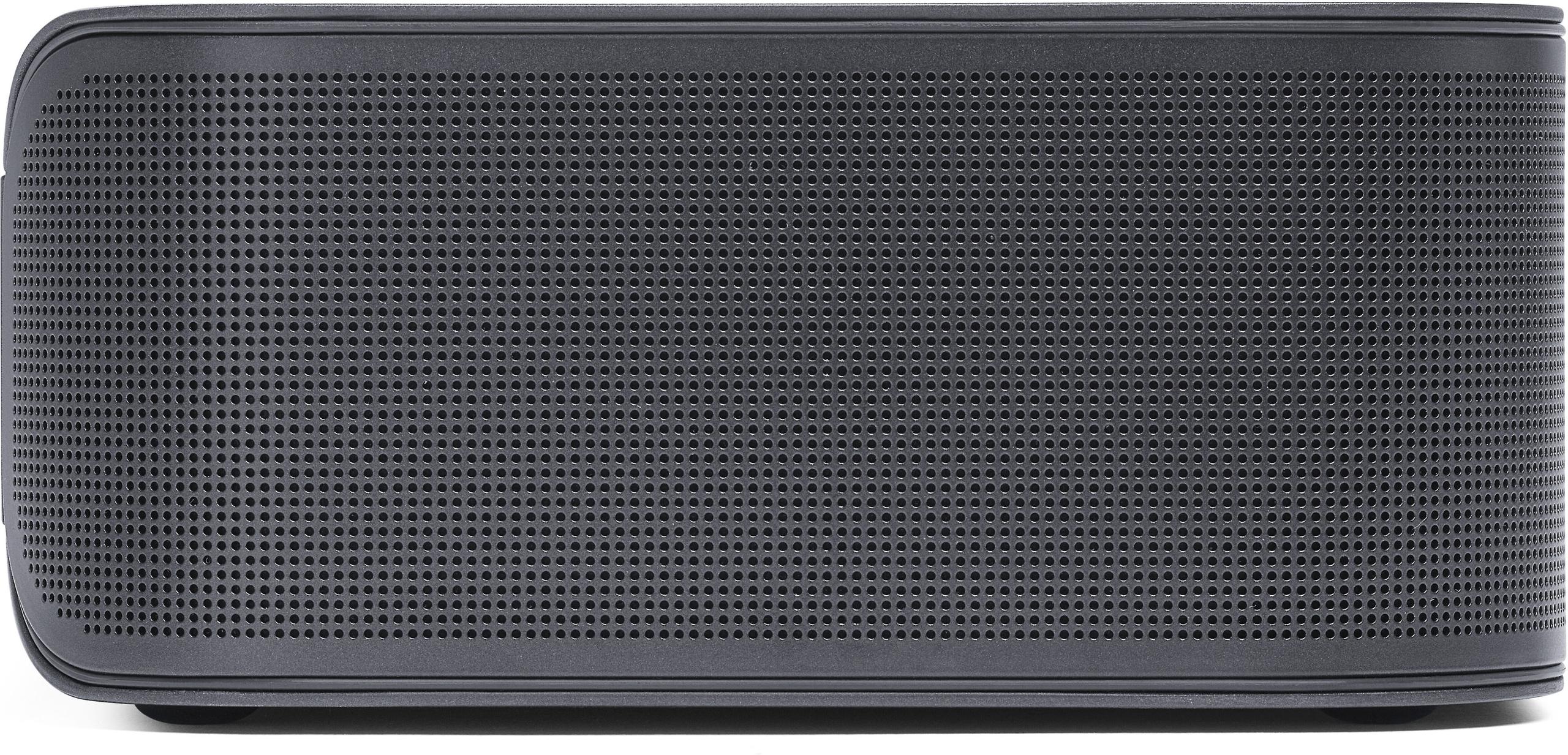
The JBL Bar 1300X takes the opposite approach by providing everything upfront. There's no need to make future upgrade decisions because you already have a complete system. The detachable surround speakers add versatility by functioning as portable Bluetooth speakers, which is genuinely useful for outdoor entertaining or other areas of your home.
For dedicated home theater use, the differences between these systems become even more pronounced. Movie soundtracks are mixed with the assumption that you have dedicated channels for different types of content – dialogue in the center, effects in the surrounds, and low-frequency effects in a subwoofer.
The JBL Bar 1300X can reproduce these soundtracks as intended because it has the physical channels to match the mixing. When a helicopter flies overhead in a movie, you hear it moving from front to back through actual speakers positioned around your room. Explosions have both the impact of the dedicated subwoofer and the spatial placement of the surround channels.
The Klipsch Flexus Core 100 does its best with virtual processing, but there are inherent limitations to what two channels can achieve. For casual movie watching, it's perfectly adequate and often impressive. For dedicated home theater enthusiasts who want to experience films exactly as the directors intended, the limitations become more apparent.
However, expandability through the Flexus ecosystem means this gap can be closed over time. Adding wireless surrounds and a subwoofer transforms the performance dramatically, though at that point you're approaching the total cost of the JBL system.
After extensive testing with both systems, my recommendation comes down to your specific situation and priorities. The Klipsch Flexus Core 100 excels as a high-value upgrade for users who want significantly better audio than their TV speakers without complexity or major expense. It's ideal for apartments, smaller homes, or anyone who values simplicity and expandability.
The JBL Bar 1300X justifies its premium price for users who want the ultimate home theater experience without the complexity of traditional separates. If you have a large room, frequently watch movies, and value convenience features like streaming integration and voice control, the investment makes sense.
Consider your room size carefully – it's the single biggest factor in determining which system will perform better in your specific situation. Also think about your long-term plans. If you might move to a larger space or develop more sophisticated audio needs, the Klipsch's expandability could save you money in the long run.
Both systems represent excellent engineering and thoughtful design within their respective market segments. The choice ultimately comes down to matching the system's capabilities to your specific needs, room, and budget. Either way, you'll be getting dramatically better audio than what your TV can provide on its own.
| Klipsch Flexus Core 100 | JBL Bar 1300X |
|---|---|
| Price - Major factor in value calculation | |
| $228 (exceptional value for integrated 2.1 system) | $1,300 (premium pricing for complete surround system) |
| Audio Channels - Determines surround sound capability | |
| 2.1 channels with virtual Dolby Atmos | 11.1.4 channels with true Dolby Atmos and DTS:X |
| Total Power Output - Affects volume and bass impact | |
| 100W RMS (adequate for small-medium rooms) | 1,170W total (designed for large rooms and high volumes) |
| Bass Solution - Critical for movie and music enjoyment | |
| Dual 4" built-in subwoofers (no extra box needed) | Dedicated 12" wireless subwoofer (deeper, more controlled bass) |
| Soundbar Dimensions - Must fit your TV setup | |
| 28" x 3" x 5" (10 lbs, compact design) | 48" x 2.4" x 5.5" main bar + detachable surrounds |
| Frequency Response - Shows bass depth capability | |
| 45Hz - 20kHz (good bass extension for integrated system) | 33Hz - 20kHz (deeper bass reaches into sub-bass territory) |
| Surround Speakers - Affects immersive audio experience | |
| Optional wireless surrounds available separately | Included detachable battery-powered surrounds (12-hour battery) |
| Connectivity Options - Determines source compatibility | |
| HDMI eARC, optical, USB-C, Bluetooth (covers basics) | 3x HDMI inputs, Wi-Fi, AirPlay, Chromecast, voice assistants |
| Smart Features - Convenience and streaming access | |
| Basic app control, no built-in streaming | 300+ streaming services, voice control, automatic updates |
| Room Calibration - Optimizes sound for your space | |
| None (manual EQ adjustments via app) | Automatic room calibration with microphone analysis |
| Expandability - Future upgrade options | |
| Modular system - add surrounds/subwoofer over time | Complete system included, surrounds work as Bluetooth speakers |
| Setup Complexity - Time and effort required | |
| Plug-and-play simplicity, wall-mountable | More complex with subwoofer placement and calibration |
The Klipsch Flexus Core 100 at $228 provides exceptional value for budget-conscious buyers, delivering quality 2.1 audio with built-in subwoofers that eliminates the need for additional components. The JBL Bar 1300X at $1,300 offers premium value for those wanting a complete home theater system with true surround sound, wireless subwoofer, and advanced features like room calibration.
The primary difference is system complexity and channel count. The Klipsch Flexus Core 100 is a compact 2.1-channel soundbar with integrated bass, while the JBL Bar 1300X is a full 11.1.4-channel system with separate wireless subwoofer and detachable surround speakers for true cinematic audio.
The Klipsch Flexus Core 100 is ideal for small to medium rooms due to its compact 28-inch design and integrated bass that won't overwhelm smaller spaces. The JBL Bar 1300X may be overpowered for small rooms with its 48-inch soundbar and large wireless subwoofer.
The Klipsch Flexus Core 100 includes dual 4-inch built-in subwoofers, so no separate subwoofer is required for most users. The JBL Bar 1300X comes with a dedicated 12-inch wireless subwoofer included in the package for deeper bass response.
The JBL Bar 1300X offers superior dialogue clarity with its PureVoice technology and dedicated center channel that keeps voices clear even during loud action scenes. The Klipsch Flexus Core 100 handles dialogue well but lacks dedicated dialogue enhancement features.
Yes, both systems offer expandability but in different ways. The Klipsch Flexus Core 100 uses a modular approach where you can add wireless surrounds and subwoofer over time. The JBL Bar 1300X comes complete but its detachable surrounds can function as portable Bluetooth speakers.
The Klipsch Flexus Core 100 offers plug-and-play simplicity with no room calibration needed - just connect and enjoy. The JBL Bar 1300X requires more setup time for subwoofer placement, surround positioning, and automatic room calibration.
The Klipsch Flexus Core 100 covers the basics with HDMI eARC, optical input, USB-C, and Bluetooth. The JBL Bar 1300X provides comprehensive connectivity including three HDMI inputs, Wi-Fi, AirPlay, Chromecast, and voice assistant integration.
For dedicated home theater use, the JBL Bar 1300X excels with true Dolby Atmos and DTS:X processing, physical surround channels, and powerful bass that reproduces movie soundtracks as directors intended. The Klipsch Flexus Core 100 works well for casual movie watching but uses virtual surround processing.
The Klipsch Flexus Core 100 delivers 100W RMS, which is adequate for small to medium rooms. The JBL Bar 1300X provides 1,170W total system power, designed for large rooms and high-volume listening without distortion.
The Klipsch Flexus Core 100 relies on Bluetooth connectivity and basic app control without built-in streaming. The JBL Bar 1300X offers access to over 300 streaming services through Wi-Fi, AirPlay, and Chromecast with automatic software updates.
Choose the Klipsch Flexus Core 100 if you want excellent audio quality at a budget price, have a smaller room, prefer simple setup, and value expandability over time. Choose the JBL Bar 1300X if you have a large room, want premium cinematic sound, need comprehensive smart features, and prefer a complete system from day one.
We've done our best to create useful and informative comparisons to help you decide what product to buy. Our research uses advanced automated methods to create this comparison and perfection is not possible - please contact us for corrections or questions. These are the sites we've researched in the creation of this article: cnet.com - klipsch.com - klipsch.com - bestbuy.com - sweetwater.com - assets.onkyo-av.com - youtube.com - worldwidestereo.com - avnirvana.com - target.com - techradar.com - jbl.com - audioadvice.com - youtube.com - rtings.com - jbl.com - greentoe.com - harmanaudio.com - youtube.com - mm.jbl.com - jbl.com

Privacy Policy
Terms and Conditions - Affiliate Policy
Home Security
© Copyright 2008-2026.
11816 Inwood Rd #1211, Dallas, TX 75244