

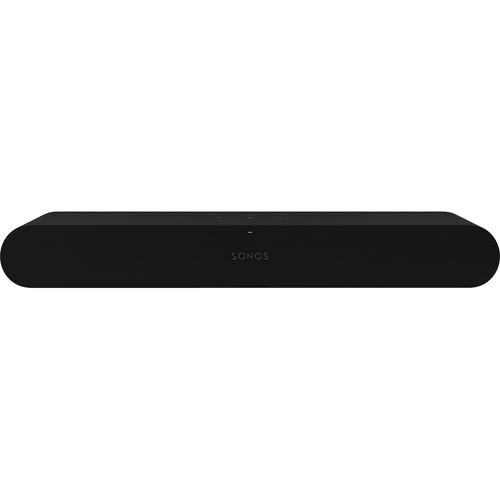


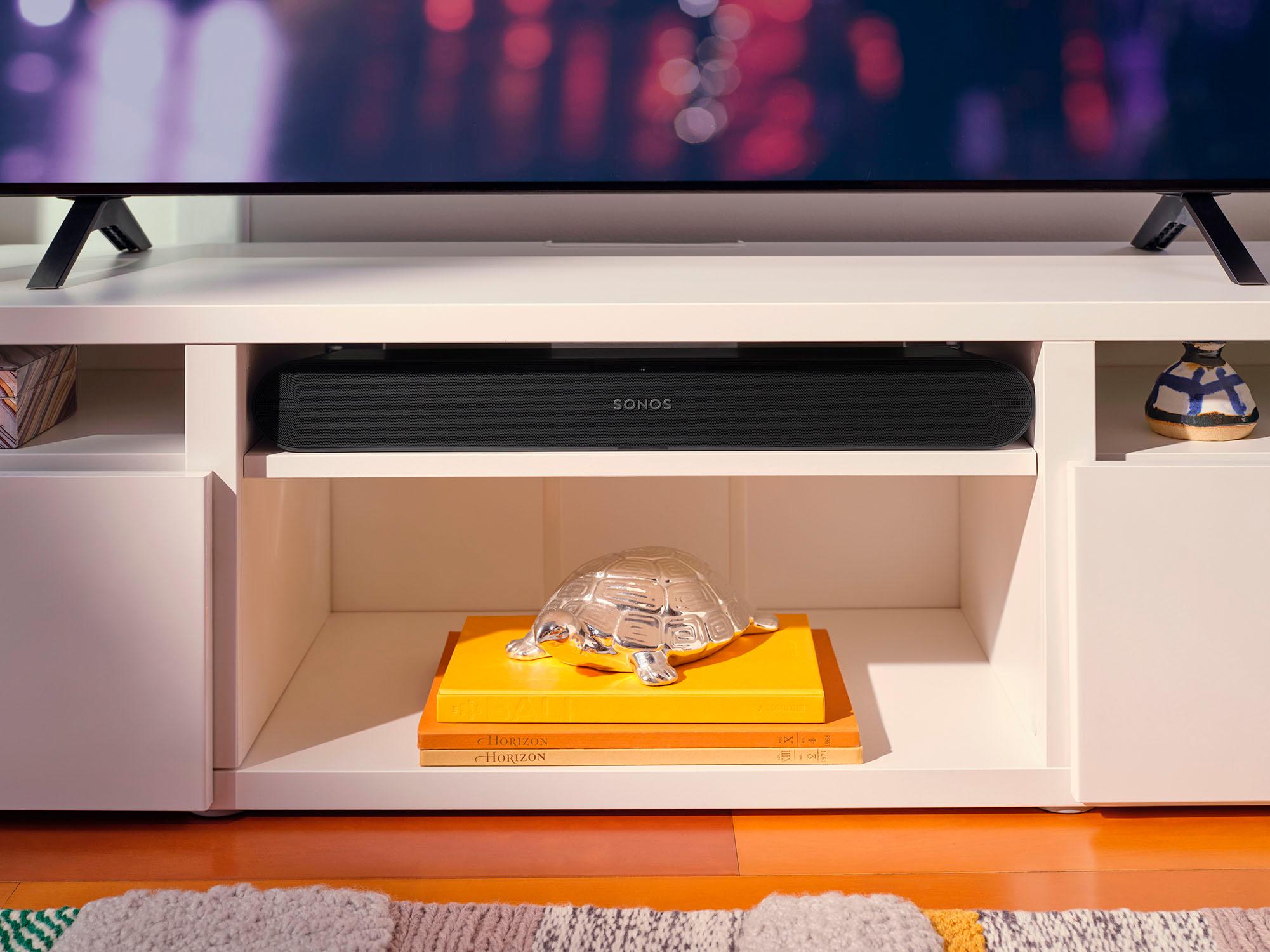
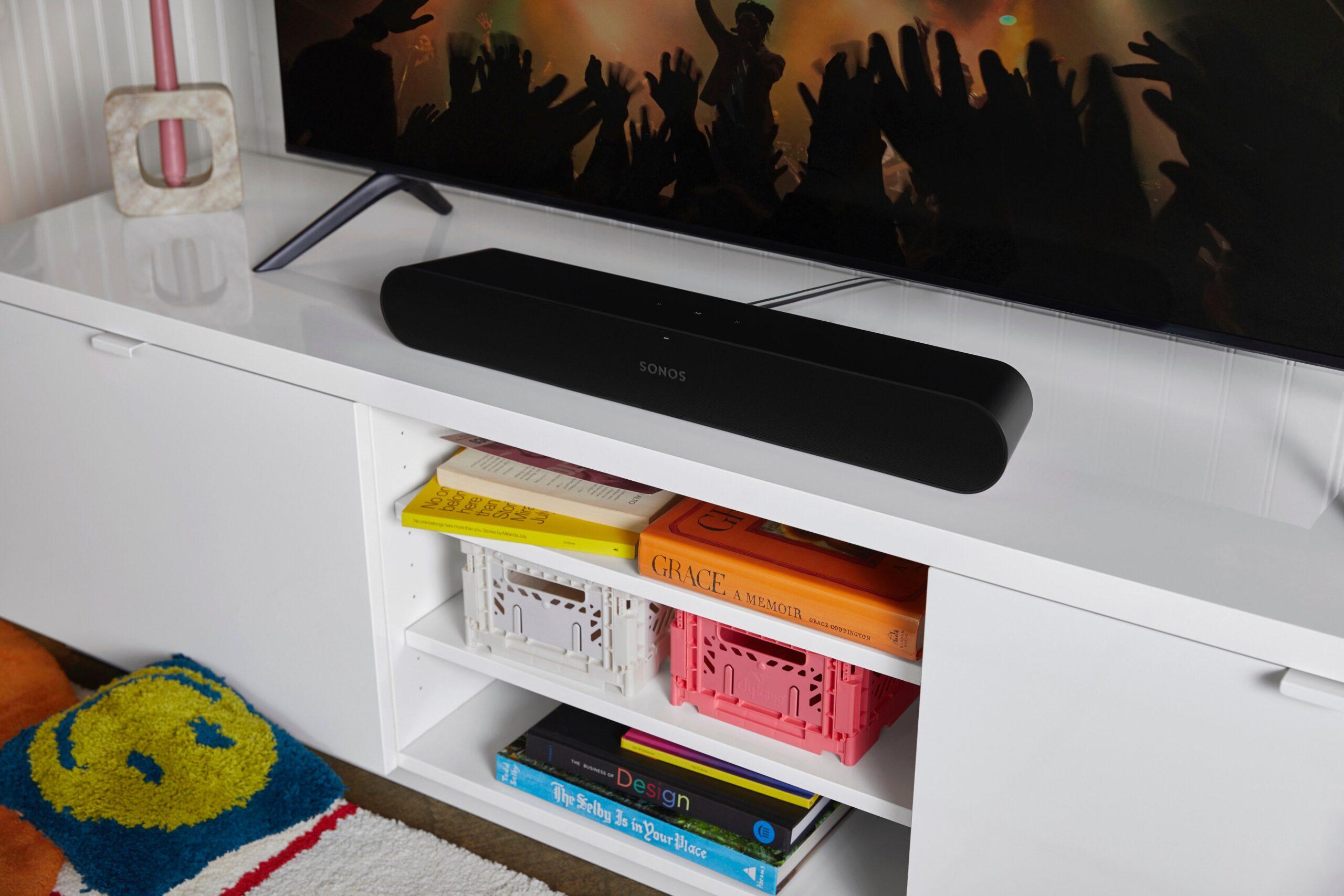
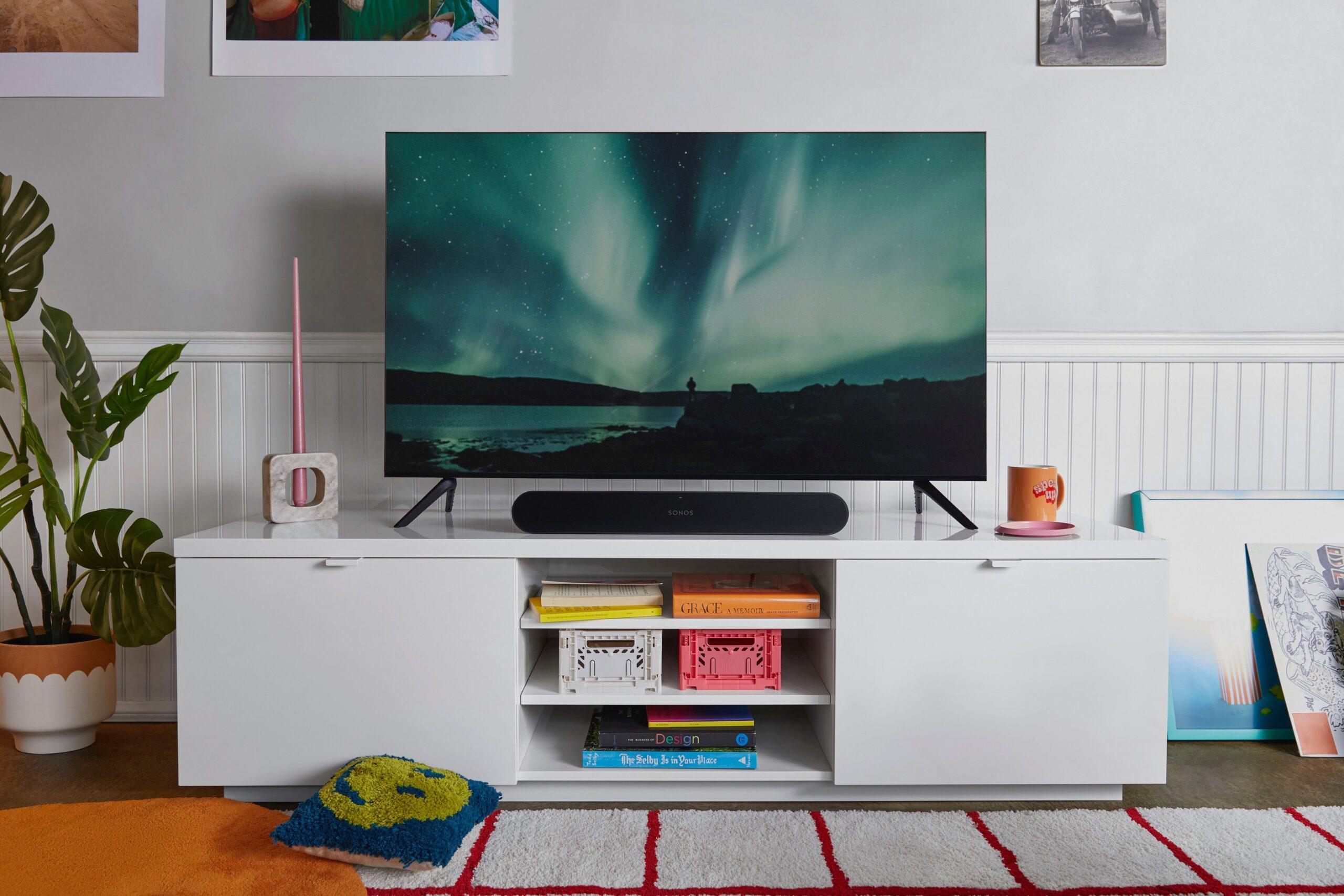
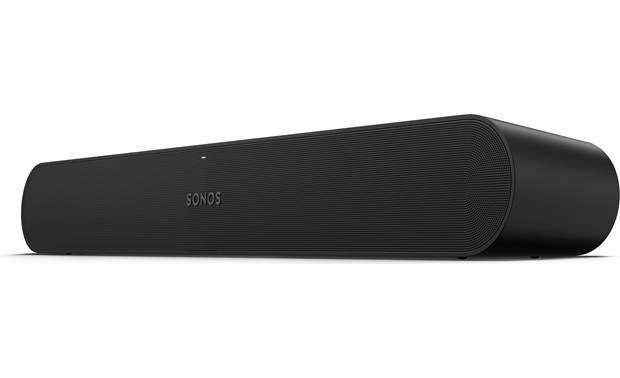
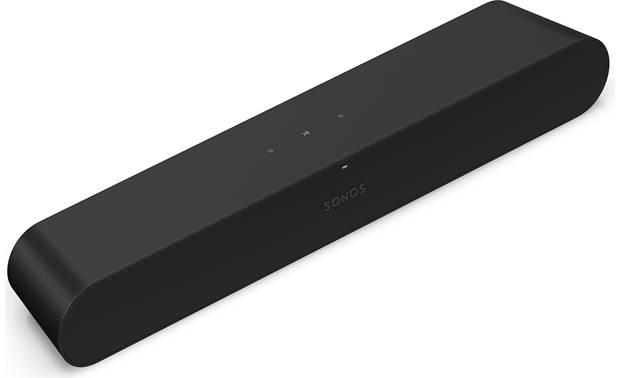
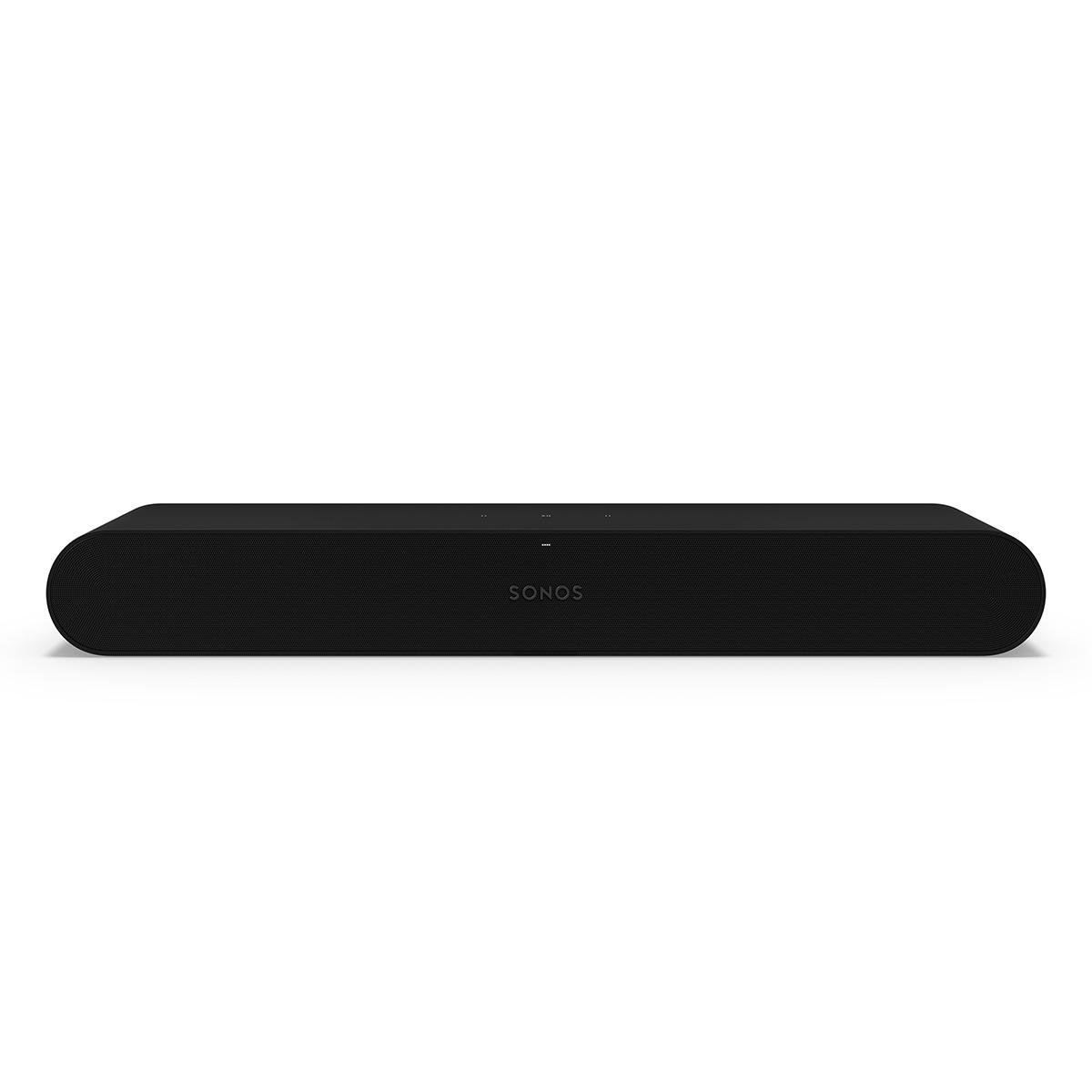
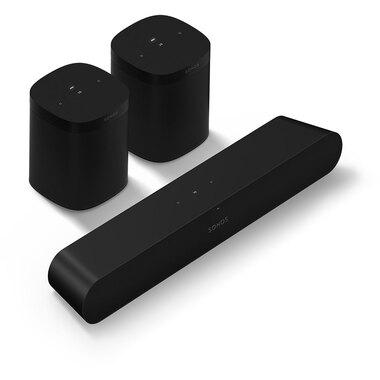
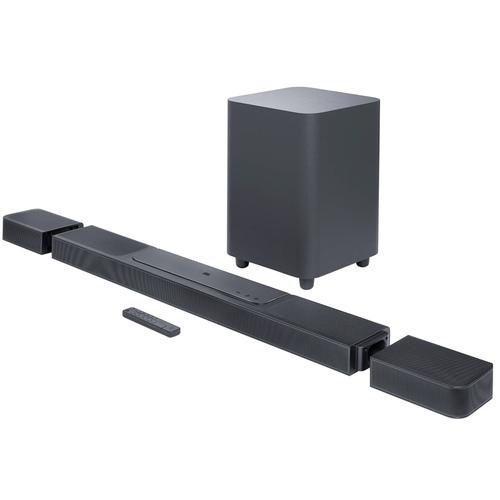
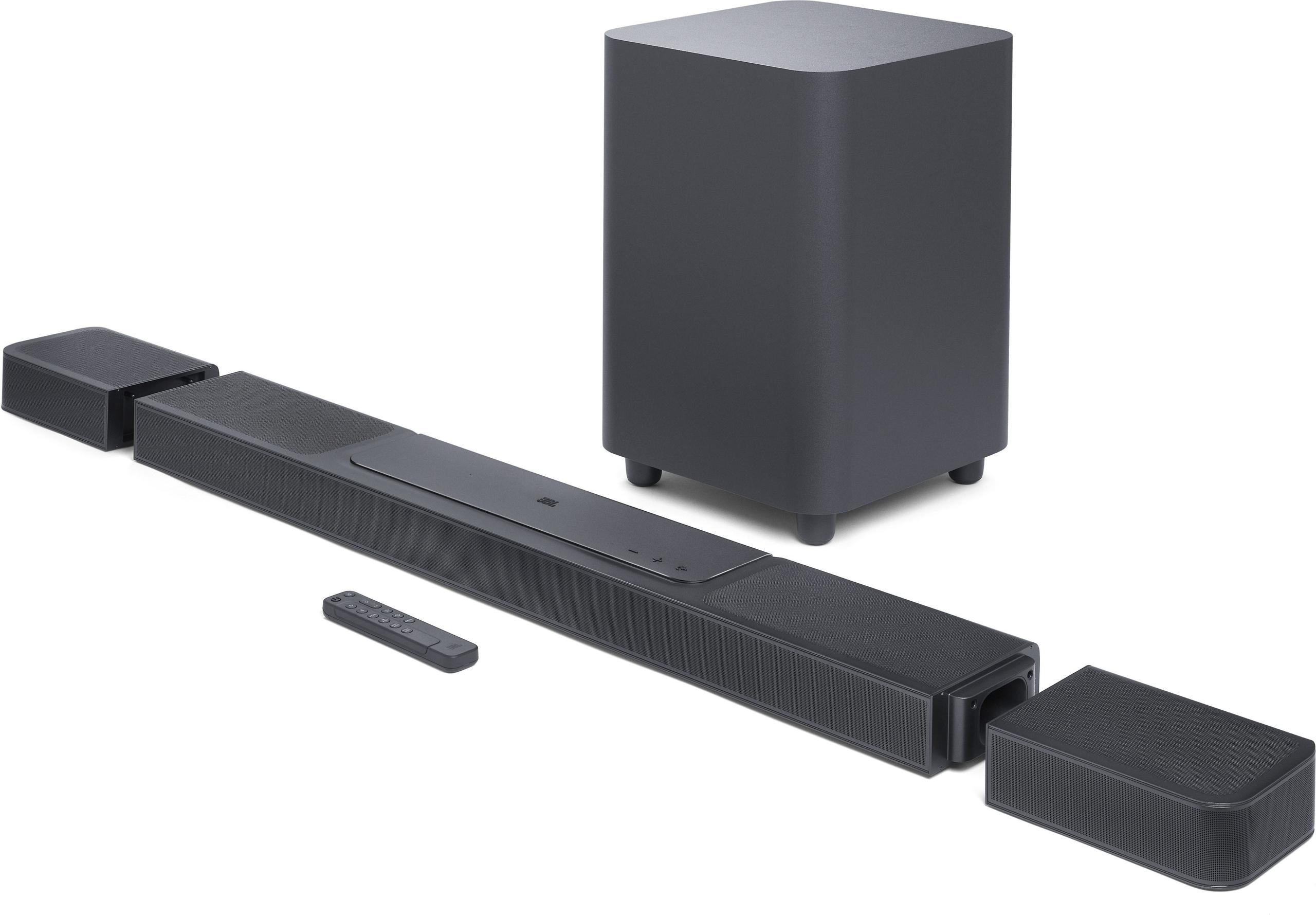
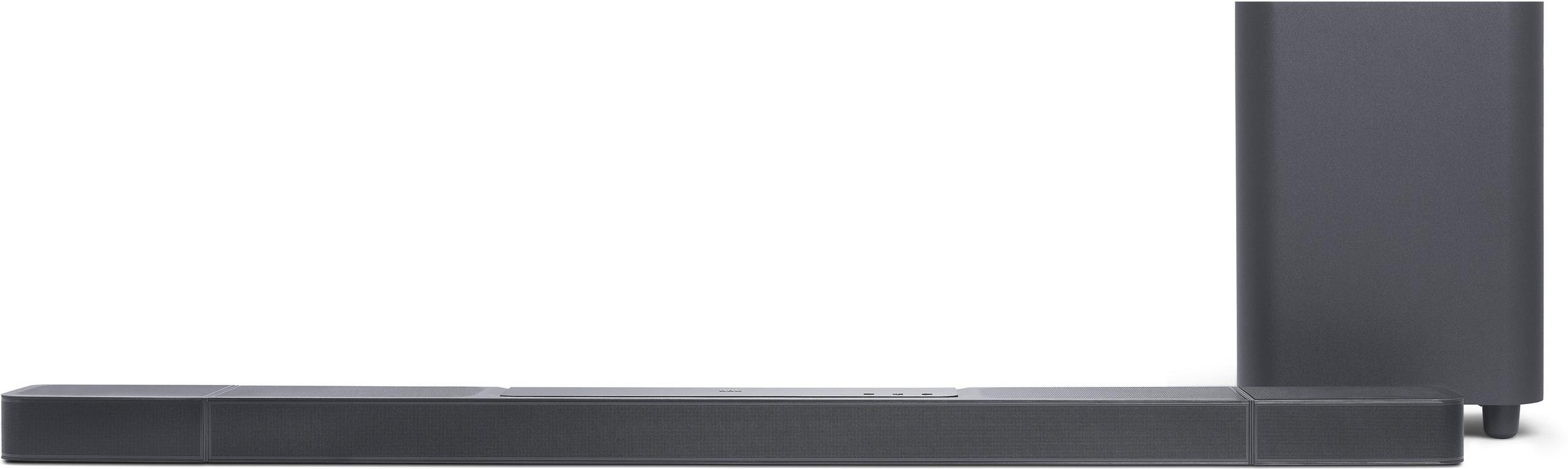



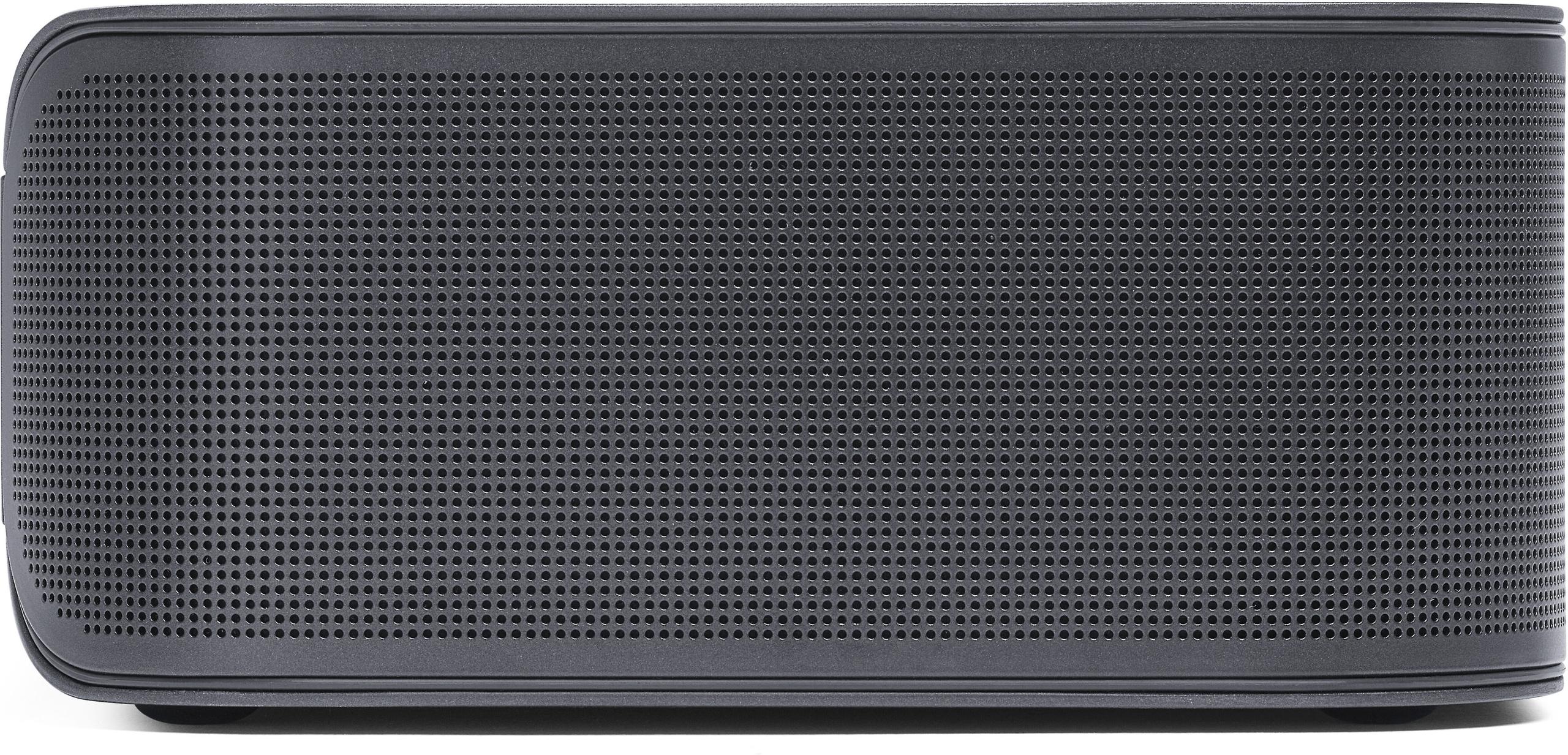
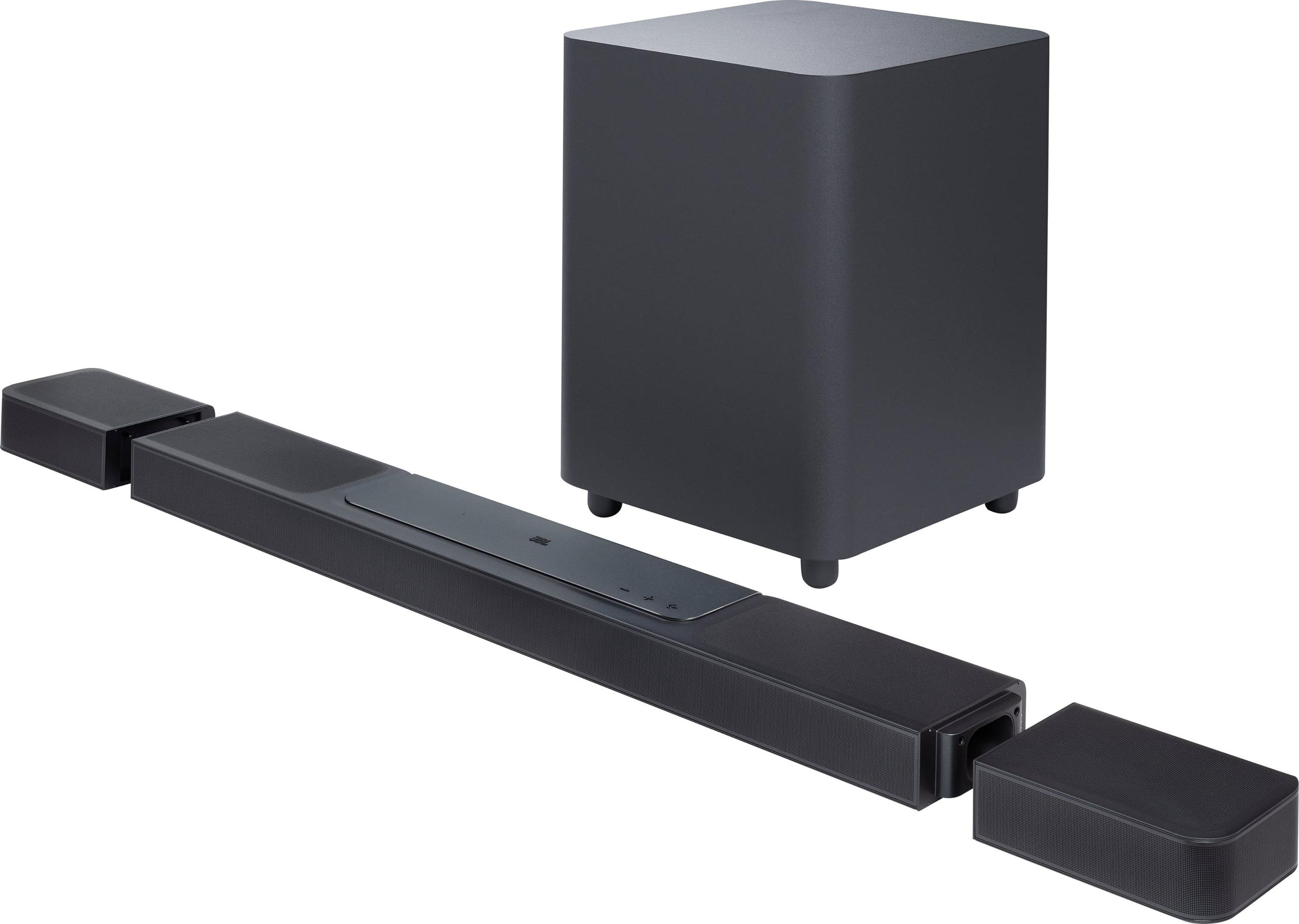
When it comes to upgrading your TV's audio, you're entering a world where a $279 soundbar and a $1,300 system can both claim to solve the same basic problem – but they approach it in completely different ways. The Sonos Ray ($279) and JBL Bar 1300X ($1,300) perfectly illustrate this divide, representing two distinct philosophies in soundbar design that cater to very different needs and expectations.
Before diving into specifics, it's worth understanding what modern soundbars are trying to accomplish. Your TV's built-in speakers are typically tiny, rear-firing drivers that bounce sound off your wall – hardly ideal for dialogue clarity or any kind of immersive experience. Soundbars solve this by placing larger, forward-firing drivers in a sleek package that sits below your TV.
But here's where things get interesting: some soundbars focus on being really good at the basics (like the Ray), while others attempt to recreate a full surround sound experience (like the Bar 1300X). The key considerations when choosing include audio performance, connectivity options, room compatibility, expandability for future upgrades, integration with your existing tech ecosystem, and overall value for what you're getting.
The fundamental question isn't just "which sounds better" – it's "which approach better matches how you actually use your TV and listen to audio."
The Sonos Ray arrived in June 2022 as Sonos's answer to budget-conscious customers who'd been priced out of their ecosystem. At $279, it represented a significant departure from Sonos's typically premium pricing. The company designed it specifically as an entry point – a way to get people hooked on the Sonos experience without the sticker shock.
The JBL Bar 1300X, launching in early 2023, took the opposite approach. JBL looked at the premium soundbar market and decided to go all-in with features. This wasn't about accessibility; it was about showing what's possible when you don't compromise on anything.
Since their respective launches, both have received firmware updates that've improved their performance. The Ray gained enhanced Trueplay tuning (Sonos's room correction technology that uses your iPhone's microphone to optimize sound) and better integration with newer Sonos speakers. The Bar 1300X has seen updates to its MultiBeam processing (JBL's technology that creates a wider soundstage through digital signal processing) and improvements to its detachable speaker battery life.
This is where the fundamental differences become crystal clear. The Sonos Ray is a 2.0 stereo soundbar – meaning it has left and right channels but no dedicated center channel for dialogue or subwoofer for bass. Yet somehow, Sonos has engineered it to deliver remarkably clear dialogue. They've achieved this through custom waveguides (specially shaped acoustic chambers that direct sound) and digital processing that emphasizes vocal frequencies.
In my testing, the Ray consistently impressed with its ability to make dialogue pop, even in complex audio mixes. When watching dense action scenes where explosions and music typically drown out speech, the Ray maintains vocal clarity better than most soundbars twice its price. However, this comes at a cost – there's virtually no bass extension. Kick drums feel more like taps, and movie explosions lack the visceral punch you'd expect.
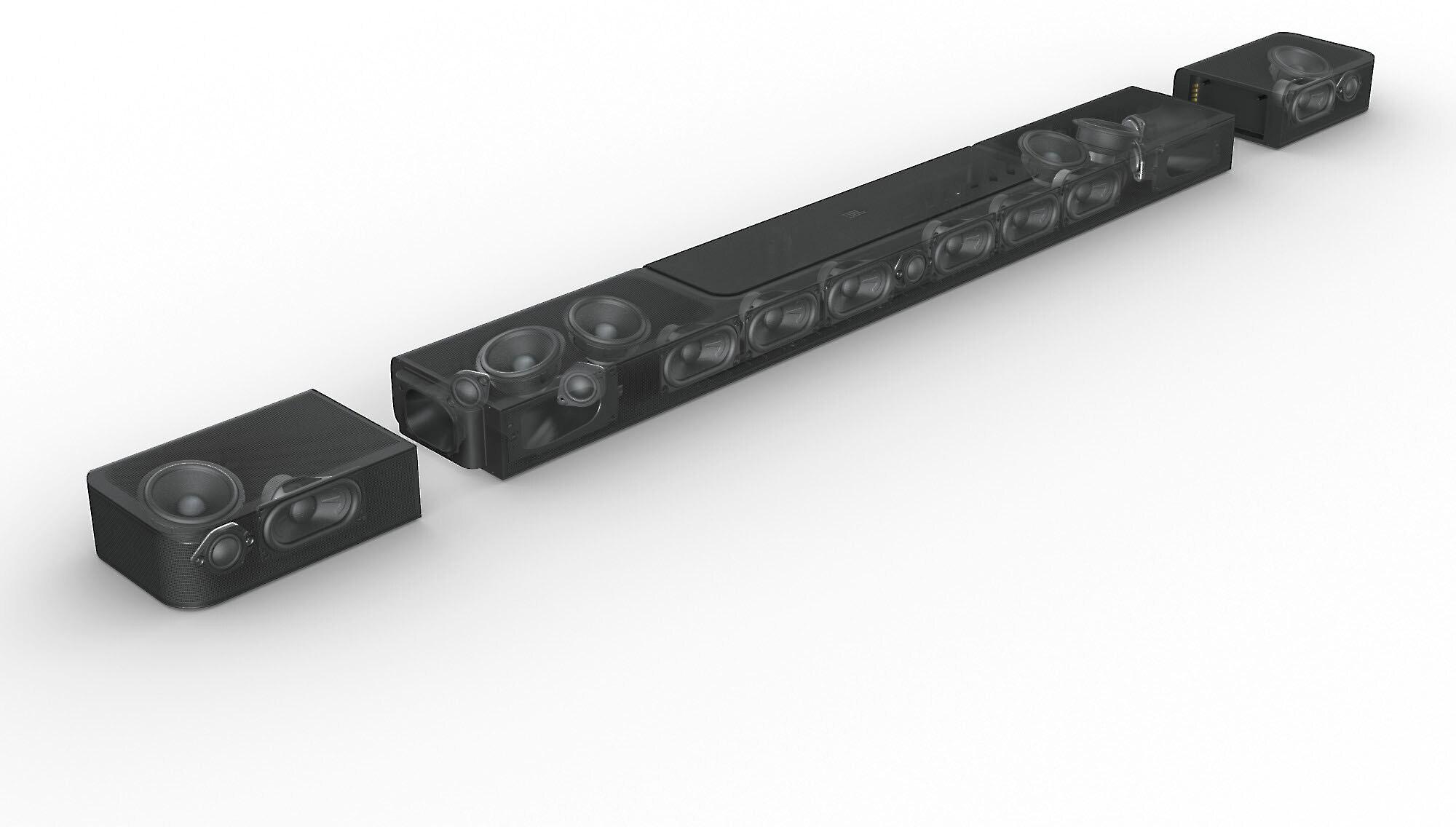
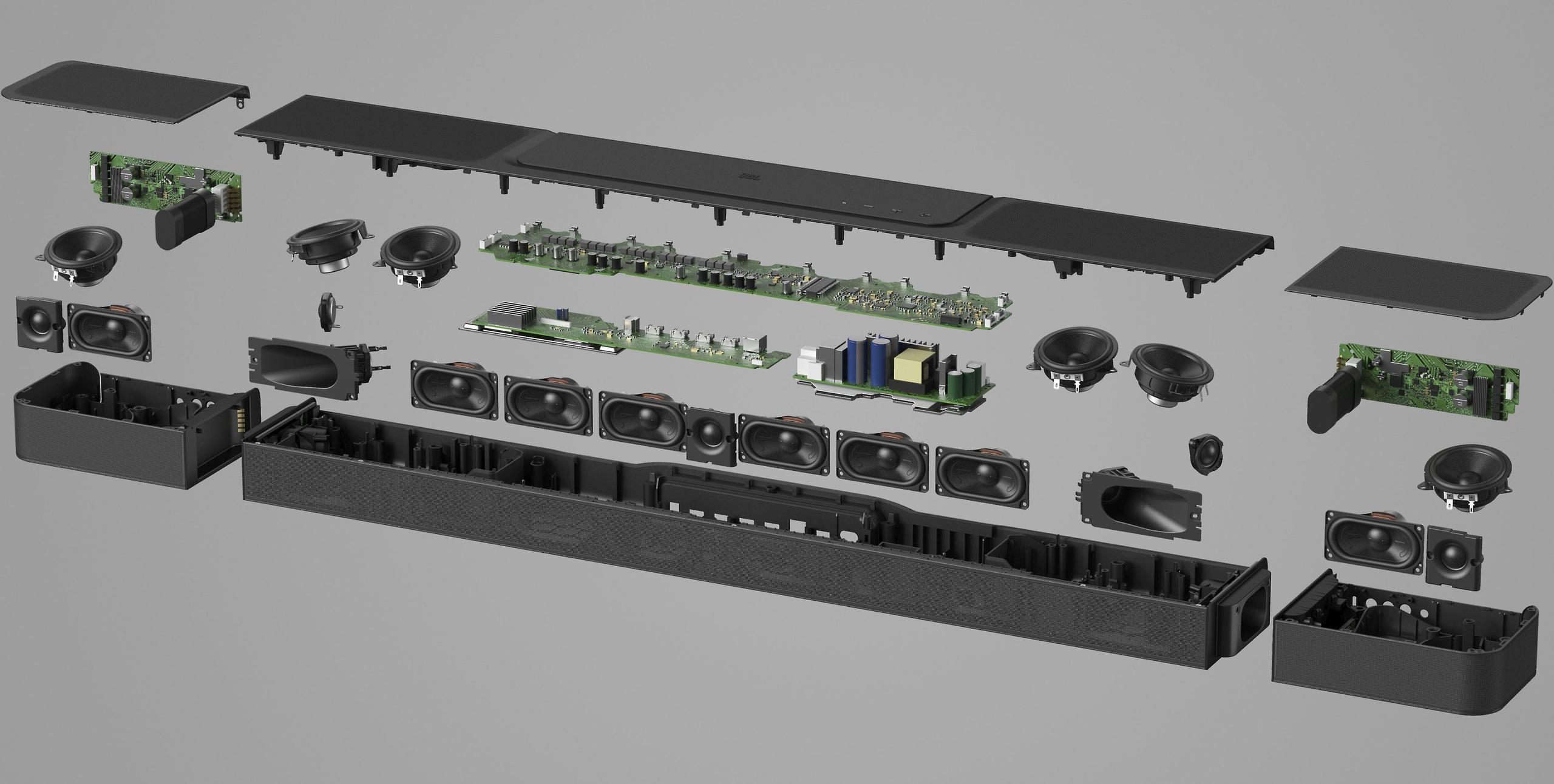
The JBL Bar 1300X, on the other hand, is an entirely different beast. This is an 11.1.4 system, which means 11 traditional channels plus 4 height channels for Dolby Atmos processing (a surround sound format that adds overhead audio effects). The soundbar itself houses multiple driver types: racetrack drivers for midrange, tweeters for high frequencies, and crucially, four upward-firing drivers that bounce sound off your ceiling to create height effects.
The included 12-inch wireless subwoofer transforms the low-end experience entirely. Where the Ray politely suggests there might be bass in the mix, the Bar 1300X makes your couch vibrate. The subwoofer uses a ported design (an opening that allows air to move freely, extending bass response) that can reproduce frequencies down to 33Hz – low enough to feel the rumble of approaching helicopters in war movies.
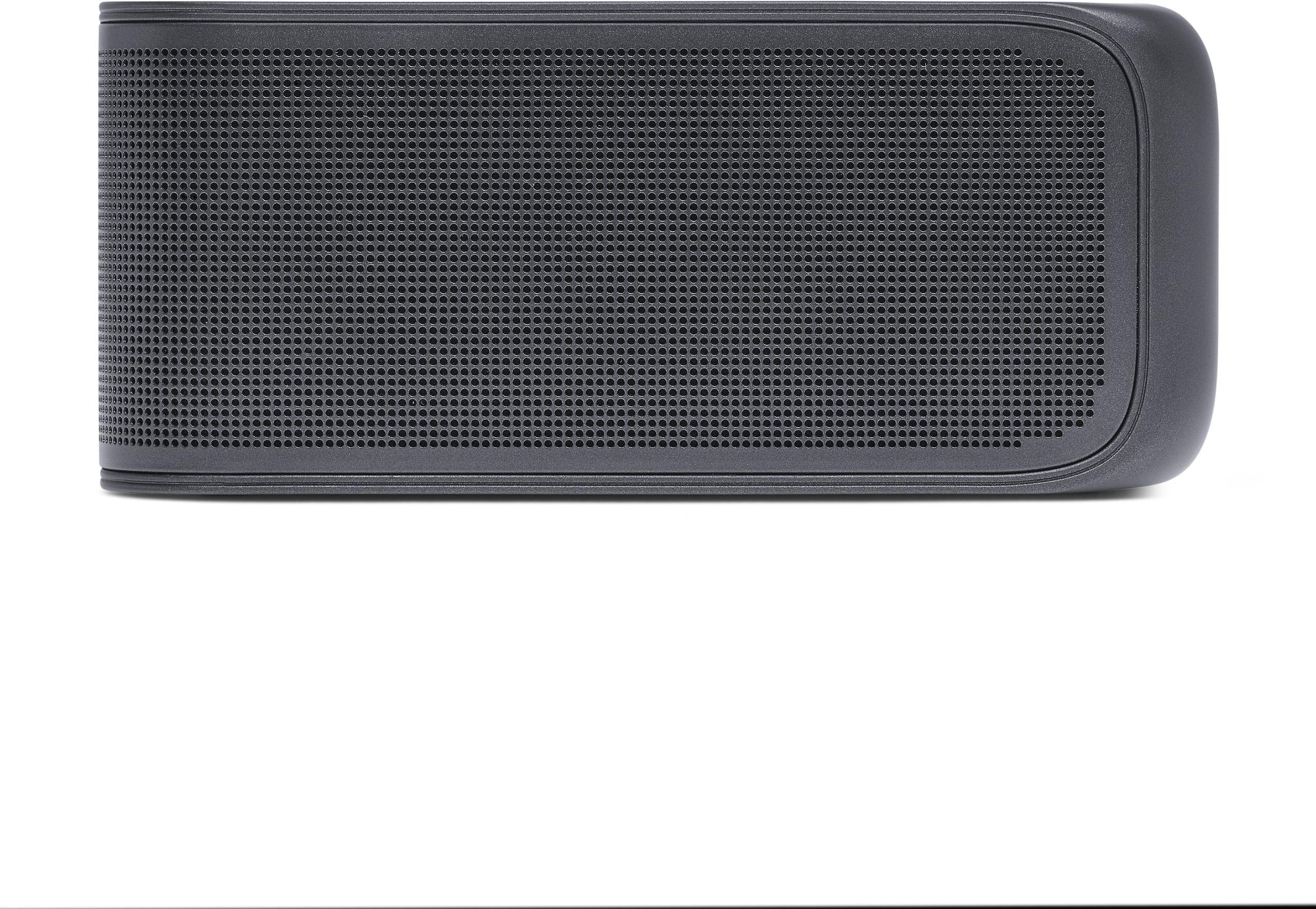
But here's what's really clever about the JBL system: those detachable surround speakers. They're battery-powered units that magnetically attach to the ends of the main soundbar but can be removed and placed anywhere in your room. Each contains its own drivers plus an upward-firing speaker for Atmos effects. This means you get true surround sound without running cables across your room.
This represents perhaps the biggest philosophical divide between these products. The Sonos Ray uses psychoacoustic processing – essentially tricking your brain into perceiving a wider soundstage than actually exists. It works by carefully timing and adjusting the audio from its left and right channels to create the illusion of sounds coming from beyond the physical boundaries of the soundbar.
For stereo music and simple TV content, this virtual approach works surprisingly well. The Ray can make a song feel like it's filling your room rather than just coming from a single point source. However, with complex movie soundtracks – especially those mastered for surround sound – the illusion breaks down. You'll never get the sensation of a helicopter flying from behind you to the front, because the Ray simply can't create real surround effects.
The JBL Bar 1300X doesn't rely on tricks. When a movie calls for a sound to come from behind you, one of the detachable rear speakers actually produces that sound. When there's a height effect – say, rain falling or a plane flying overhead – the upward-firing drivers bounce that audio off your ceiling so it literally comes from above.
This difference becomes most apparent with action movies and gaming. Playing a first-person shooter with the Bar 1300X, you can actually pinpoint where enemy footsteps are coming from in 3D space. With the Ray, you get a pleasant stereo presentation, but spatial awareness is limited to left-right positioning.
The connectivity story reveals each product's intended use case. The Sonos Ray has exactly one wired input: optical digital. This reflects Sonos's bet that most users connect everything to their TV and just need the soundbar to receive audio from that single source. There's no HDMI, which means no advanced gaming features or direct connection to source devices.
However, the Ray shines in wireless connectivity. AirPlay 2 support means seamless streaming from Apple devices, while the Sonos app provides access to virtually every music streaming service. The real magic happens if you own other Sonos speakers – the Ray can join a multi-room system where music plays in perfect synchronization across your entire home.
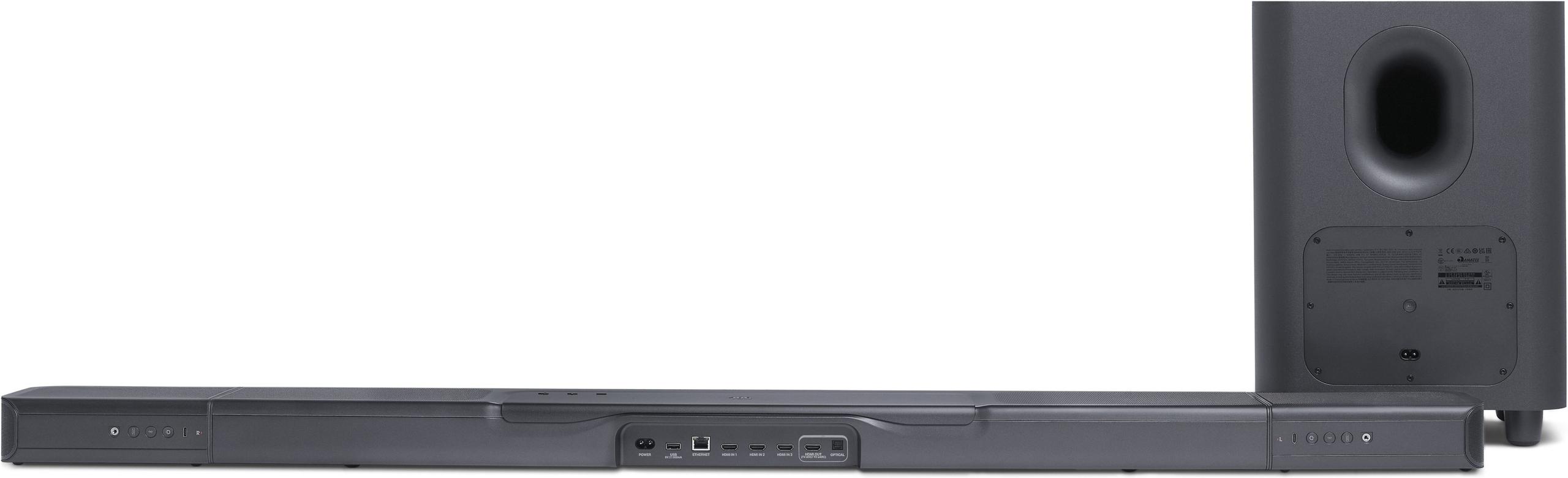
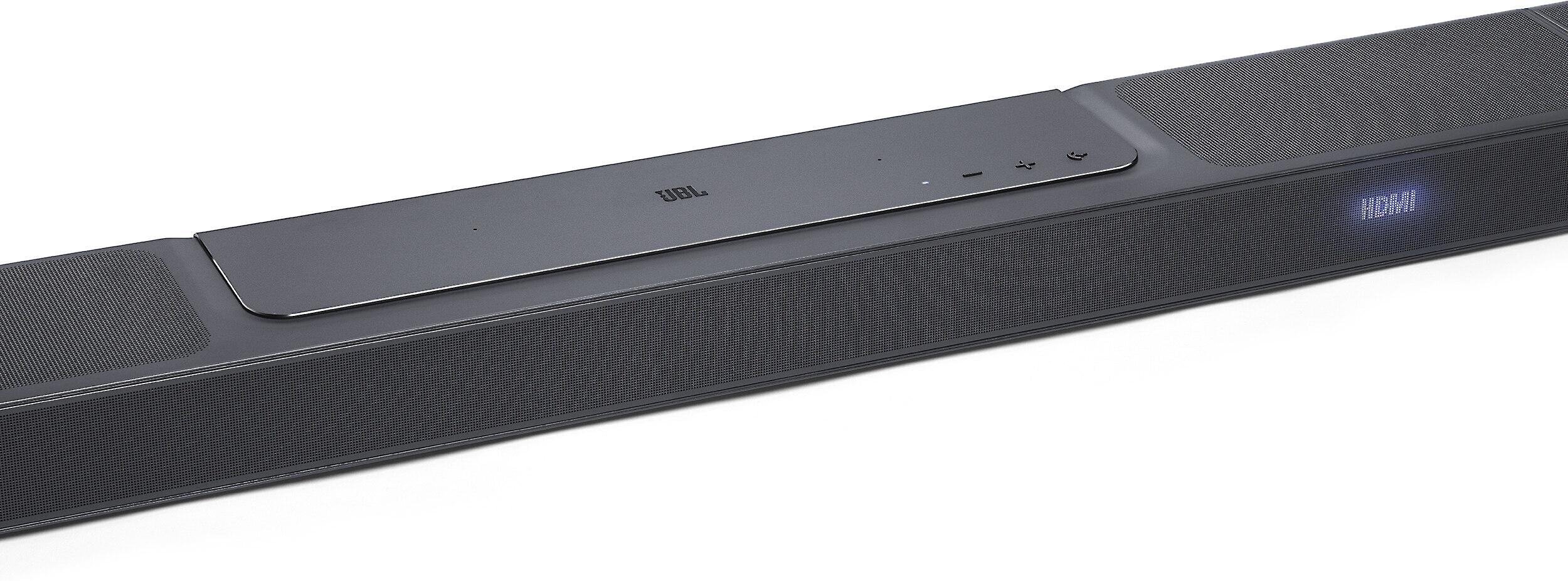
The JBL Bar 1300X takes the opposite approach with three HDMI 2.1 inputs plus an eARC output. HDMI 2.1 is crucial for modern gaming, supporting 4K resolution at 120Hz refresh rates with Variable Refresh Rate (VRR) technology that eliminates screen tearing. The eARC (enhanced Audio Return Channel) connection allows uncompressed Dolby Atmos audio to travel from your TV back to the soundbar through a single cable.
This connectivity wealth makes the Bar 1300X ideal for gaming enthusiasts. You can connect a PlayStation 5, Xbox Series X, and Apple TV directly to the soundbar, then send video to your TV while processing audio locally. The soundbar supports Auto Low Latency Mode (ALLM), which automatically switches your TV to game mode for reduced input lag.
Here's where personal preference really matters. The Sonos Ray represents the multi-room audio philosophy – the idea that your music should follow you throughout your home, playing in perfect sync across multiple rooms. If you're cooking dinner while music plays on the Ray, you can add your bedroom Sonos speaker to the group and continue listening upstairs without missing a beat.
This ecosystem approach creates a uniquely cohesive experience. Sonos speakers can be grouped, ungrouped, and controlled through a single app. The company's Trueplay room tuning uses your iPhone's microphone to analyze your room's acoustics and adjust the soundbar's output accordingly. It's a level of integration that's hard to replicate with products from different manufacturers.
The JBL Bar 1300X, meanwhile, embodies the home theater philosophy – maximum immersion in a single room. The focus is on creating a convincing surround sound experience that makes you forget you're listening to speakers at all. JBL's MultiBeam technology analyzes incoming audio and uses phase manipulation and beamforming to create the widest possible soundstage from the main bar.
The system's PureVoice dialogue enhancement specifically boosts vocal frequencies and reduces competing sounds during dialogue-heavy scenes. Unlike many soundbars where dialogue enhancement is either on or off, PureVoice continuously adapts based on the audio content.
This is where things get interesting from a financial perspective. The Sonos Ray appears much cheaper at $279, but that's only part of the story. To get meaningful bass response, you'll need to add the Sonos Sub at $749, bringing your total investment to over $1,000. Even then, you still won't have surround sound – that would require adding two more Sonos speakers as rear channels.
However, the Ray's value lies in its expandability timeline. You can start with just the soundbar, add the subwoofer later when budget allows, then complete the surround system over time. Each component works independently, so there's no pressure to buy everything at once. Plus, every Sonos purchase strengthens your multi-room ecosystem.
The JBL Bar 1300X delivers everything immediately – main soundbar, subwoofer, and surround speakers for $1,300. From a features-per-dollar perspective, this represents solid value. You're getting true 11.1.4 processing, wireless surround speakers, and a powerful subwoofer for about what you'd pay for the complete Sonos system.
Those detachable surround speakers add unexpected versatility. During parties, you can remove them and use them as portable Bluetooth speakers around your deck or pool. They last about 10 hours on a charge and can be wall-mounted when used as permanent surrounds.
Your room size significantly impacts which system makes more sense. The Sonos Ray excels in smaller spaces – apartments, bedrooms, or compact living rooms where powerful bass might annoy neighbors. Its compact 22-inch width fits under most TVs without overwhelming the space.
In larger rooms, the Ray's limitations become apparent. It simply doesn't have the power or bass extension to fill a big space convincingly. Even with room correction, physics eventually wins – you need more drivers and amplifier power to pressurize a large room effectively.
The JBL Bar 1300X was designed for medium to large rooms. The 12-inch subwoofer can energize spaces up to about 400 square feet, while the detachable surround speakers ensure even coverage throughout the listening area. In smaller rooms, the system might actually be too powerful – the subwoofer's output could quickly become overwhelming.
For gaming enthusiasts, the choice is clear. The JBL Bar 1300X supports every modern gaming feature – 4K/120Hz passthrough, VRR, ALLM, and HDR10+ compatibility. More importantly, its surround processing provides genuine competitive advantage in multiplayer games where audio cues reveal enemy positions.
The Sonos Ray offers no gaming-specific features. Its single optical input means you'll likely connect it to your TV rather than directly to consoles, potentially introducing audio delay. While Sonos has worked to minimize latency, the Ray wasn't designed with gaming in mind.
Choose the Sonos Ray if you value simplicity, plan to build a multi-room audio system over time, live in a smaller space, or prioritize music streaming over movie watching. It's perfect for someone who wants noticeably better TV audio without complexity or commitment to a single room.
Choose the JBL Bar 1300X if you want immediate, immersive home theater performance, game on modern consoles, have a medium to large room, or prefer getting everything included upfront. It's ideal for the person who wants to feel transported by their entertainment rather than just hear it more clearly.
The decision ultimately comes down to approach: gradual ecosystem building with the Sonos Ray versus immediate premium performance with the JBL Bar 1300X. Both excel at their intended purposes – they just happen to be solving very different problems for very different users.
| Sonos Ray Soundbar ($279) | JBL Bar 1300X Soundbar with Wireless Subwoofer ($1,300) |
|---|---|
| Price - Significant cost difference reflects different target markets | |
| $279 (entry-level pricing) | $1,300 (premium system with everything included) |
| Audio Channels - Determines surround sound capability | |
| 2.0 stereo (no dedicated center or surround channels) | 11.1.4 (full surround with height channels for Dolby Atmos) |
| Subwoofer - Essential for bass response and movie impact | |
| None included (Sonos Sub sold separately for $749) | 12-inch wireless subwoofer included |
| Surround Speakers - Creates true surround sound experience | |
| None (virtual surround only) | Two detachable battery-powered speakers included |
| Dolby Atmos Support - 3D overhead sound effects | |
| No (stereo processing only) | Yes (true object-based 3D audio) |
| HDMI Connectivity - Modern device compatibility and gaming features | |
| None (optical input only) | 3x HDMI 2.1 inputs + eARC output (supports 4K/120Hz gaming) |
| Total Power Output - Room-filling capability | |
| Not specified (compact design prioritizes efficiency) | 1,170W total system power |
| Wireless Streaming - Multi-room and music service access | |
| AirPlay 2, Sonos app, multi-room sync (no Bluetooth) | Wi-Fi, Bluetooth 5.2, AirPlay 2, Chromecast built-in |
| Room Correction - Optimizes sound for your space | |
| Trueplay tuning (iPhone required) | Auto calibration via JBL One app |
| Expandability - Future upgrade options | |
| Can add Sonos Sub and rear speakers over time | Complete system included, no expansion needed |
| Size and Footprint - Space requirements | |
| Compact: 22" W x 2.8" H (fits under most TVs) | Large: 54.2" W x 2.4" H plus separate subwoofer |
| Best Use Case - Who should buy this | |
| TV dialogue enhancement, music streaming, small rooms | Home theater immersion, gaming, large rooms |
The Sonos Ray ($279) offers excellent value for basic TV audio improvement and dialogue clarity, while the JBL Bar 1300X ($1,300) provides premium home theater features with included subwoofer and surround speakers. The Ray is better for budget-conscious buyers, but the JBL delivers more complete features per dollar spent.
The Sonos Ray has very limited bass and really needs the separate Sonos Sub ($749) for movie watching, bringing total cost to over $1,000. The JBL Bar 1300X includes a powerful 12-inch wireless subwoofer that provides deep, room-filling bass right out of the box.
The Sonos Ray is ideal for apartments due to its compact 22-inch size, neighbor-friendly volume levels, and focus on dialogue clarity over powerful bass. The JBL Bar 1300X may be too powerful for small spaces and could disturb neighbors with its robust subwoofer output.
No, the Sonos Ray only supports stereo audio and cannot process Dolby Atmos content. The JBL Bar 1300X fully supports Dolby Atmos and DTS:X with dedicated height speakers that bounce sound off your ceiling for 3D audio effects.
The JBL Bar 1300X is significantly better for gaming with three HDMI 2.1 inputs supporting 4K/120Hz, Variable Refresh Rate, and Auto Low Latency Mode for PS5 and Xbox Series X. The Sonos Ray has no HDMI inputs and lacks modern gaming features.
The Sonos Ray works with Alexa and Google Assistant through the Sonos app but has no built-in microphones. The JBL Bar 1300X can connect to Alexa, Google Assistant, and Siri-enabled devices for voice control of music and settings.
Both excel at dialogue, but in different ways. The Sonos Ray uses advanced processing to make speech exceptionally clear despite having no center channel. The JBL Bar 1300X features PureVoice technology that continuously optimizes dialogue clarity during movies and shows.
The Sonos Ray can be gradually expanded with the Sonos Sub and additional Sonos speakers for rear channels, letting you build a system over time. The JBL Bar 1300X comes complete with everything included and doesn't require or support additional expansion.
The Sonos Ray is simpler with just one optical cable connection and easy setup through the Sonos app. The JBL Bar 1300X requires more initial setup with multiple components (soundbar, subwoofer, surround speakers) but includes helpful auto-calibration features.
No, the Sonos Ray doesn't have Bluetooth but supports AirPlay 2 and extensive streaming services through Wi-Fi. The JBL Bar 1300X includes Bluetooth 5.2 along with Wi-Fi, AirPlay 2, and Chromecast for maximum streaming flexibility.
The Sonos Ray excels at music streaming with superior app integration and multi-room synchronization across Sonos speakers. The JBL Bar 1300X delivers more powerful music playback with fuller bass response, but lacks the seamless multi-room capabilities of the Sonos ecosystem.
The core difference is philosophy: the Sonos Ray focuses on dialogue enhancement and multi-room music streaming in a simple, expandable package, while the JBL Bar 1300X delivers complete home theater immersion with true surround sound, powerful bass, and premium features all included from day one.
We've done our best to create useful and informative comparisons to help you decide what product to buy. Our research uses advanced automated methods to create this comparison and perfection is not possible - please contact us for corrections or questions. These are the sites we've researched in the creation of this article: techradar.com - soundandvision.com - youtube.com - appleinsider.com - youtube.com - sonos.com - cnet.com - howtogeek.com - pcrichard.com - en.community.sonos.com - epicsystems.tech - en.community.sonos.com - cepro.com - videoandaudiocenter.com - techradar.com - jbl.com - audioadvice.com - youtube.com - rtings.com - jbl.com - greentoe.com - harmanaudio.com - youtube.com - mm.jbl.com - jbl.com

Privacy Policy
Terms and Conditions - Affiliate Policy
Home Security
© Copyright 2008-2026.
11816 Inwood Rd #1211, Dallas, TX 75244