

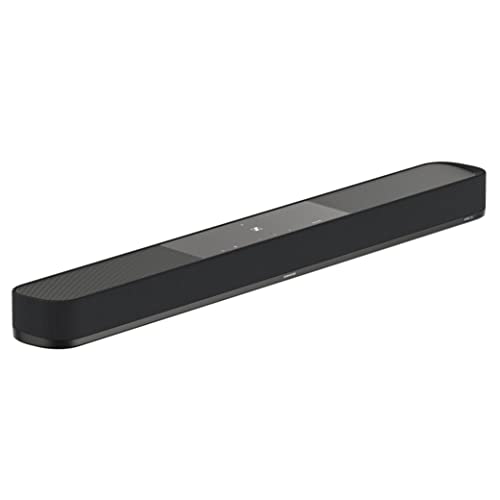

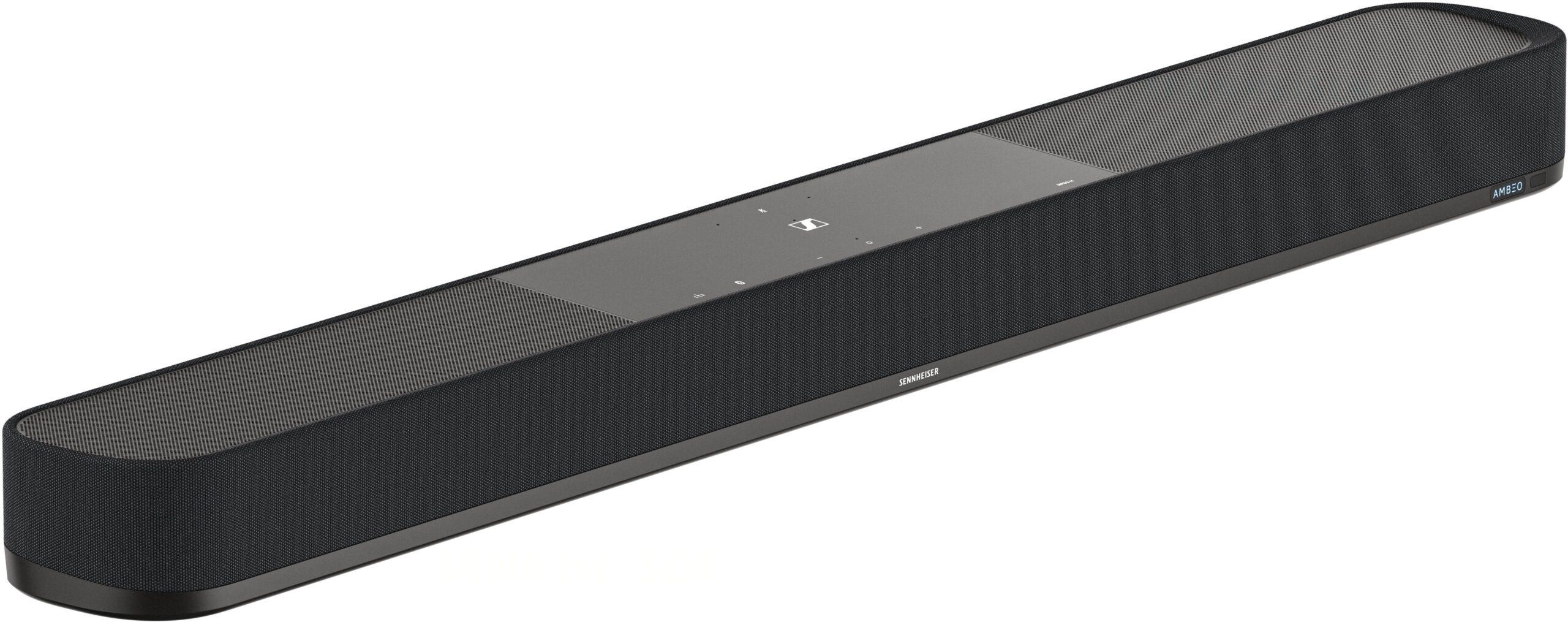

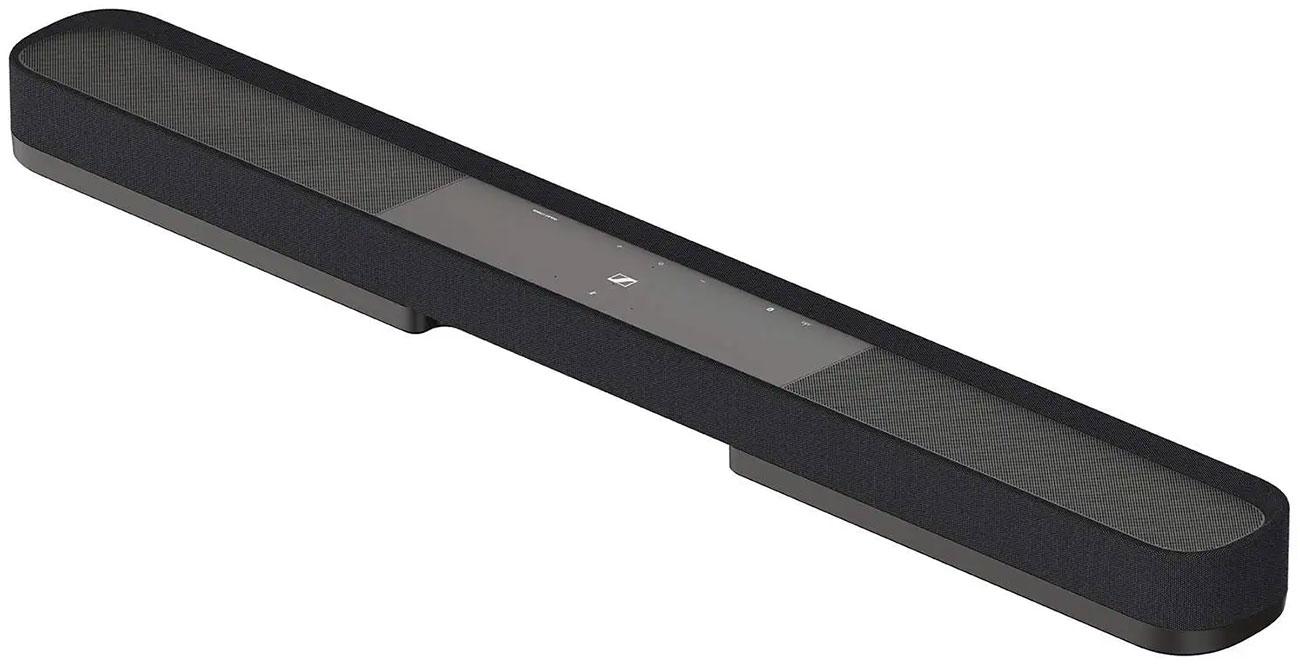
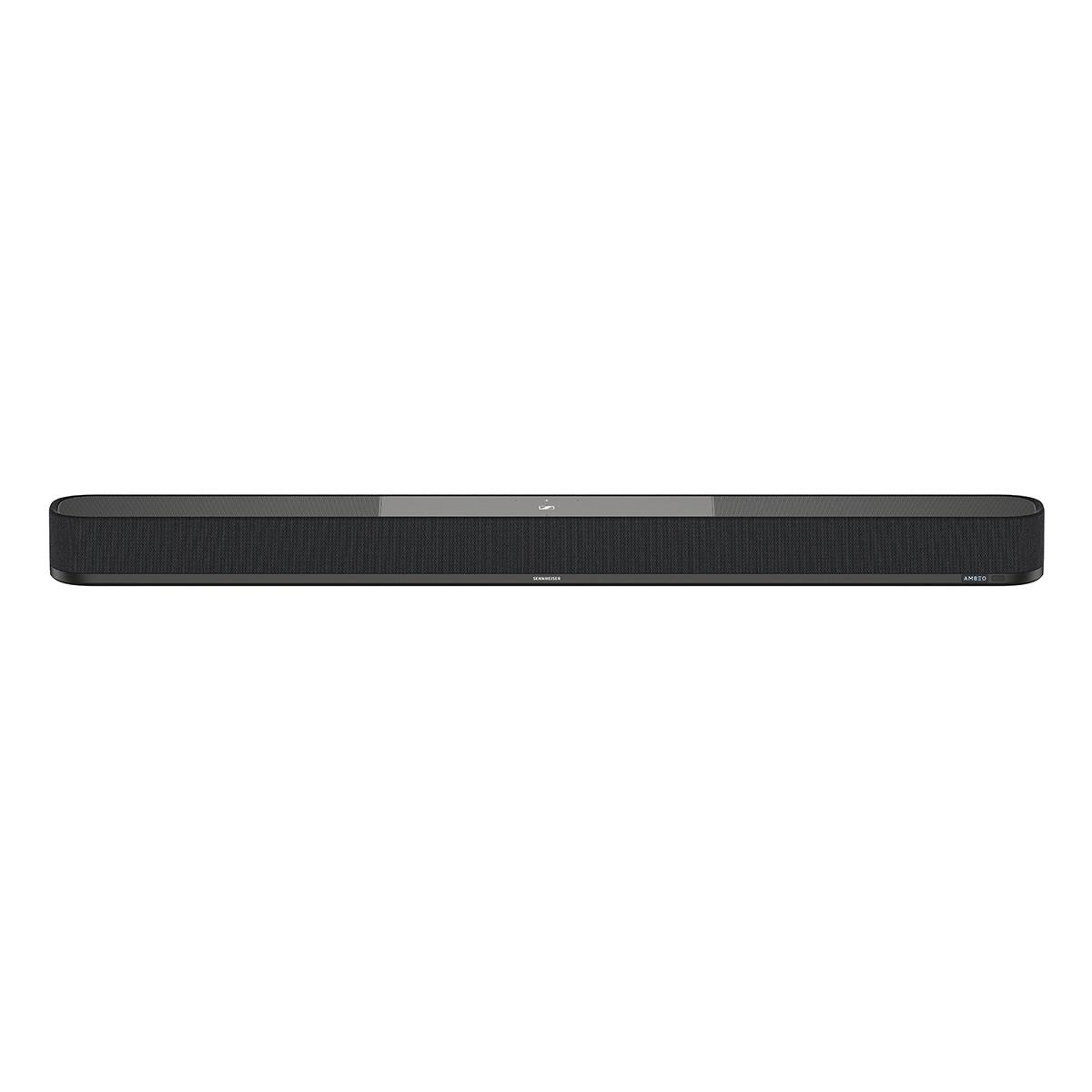



When you're ready to upgrade your TV's audio beyond those tiny built-in speakers, premium soundbars offer the perfect middle ground between simple sound improvements and full surround sound systems. But with so many options available, choosing the right one can feel overwhelming. Today, we're diving deep into two standout models that represent different philosophies in premium audio: the Sennheiser AMBEO Soundbar Plus ($949.95) and the JBL Bar 1300X ($1,299.95).
Both launched in 2024, these soundbars showcase the latest advances in home audio technology. The Sennheiser builds on the company's acclaimed AMBEO platform, while JBL's offering represents a significant evolution of their previous Bar 1300 from 2023, incorporating refined MultiBeam processing and improved wireless connectivity for the detachable speakers.
Before we compare these specific models, let's talk about what separates premium soundbars from budget options. The key differences come down to immersion technology, room adaptation capabilities, bass integration, and overall audio accuracy.
Immersion technology refers to how a soundbar creates the illusion of surround sound. Some use virtual processing to trick your ears into hearing sounds from different directions, while others include physical speakers that actually place sound around your room. Room adaptation means how well the system adjusts to your specific space – whether you have high ceilings, hard floors, or an oddly shaped room. Bass integration covers how the system handles low-frequency sounds, either through built-in drivers or external subwoofers.
The most important consideration is understanding that these aren't just louder TV speakers – they're designed to recreate the spatial audio experience you'd get in a movie theater, complete with sounds moving around and above you.
The Sennheiser AMBEO Plus represents what happens when a legendary audio company applies decades of professional audio expertise to home entertainment. Sennheiser has been making studio microphones and headphones for professionals since 1945, and that engineering heritage shows in their approach to soundbars.
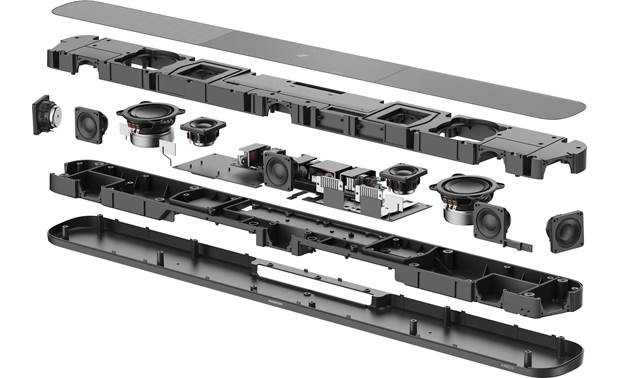
The AMBEO Plus uses what Sennheiser calls "AMBEO 3D virtualization technology" – essentially, advanced digital processing that creates the illusion of speakers placed all around your room, including above your head, using only the drivers built into the soundbar itself. Think of it like an optical illusion for your ears. The soundbar uses nine individually powered speakers, including specialized up-firing drivers that bounce sound off your ceiling to create height effects.
What makes this system special is its room calibration process. Built-in microphones actually listen to your room during setup, measuring how sound bounces off your walls, ceiling, and furniture. The system then adjusts its processing to work with your specific acoustic environment. It's like having a sound engineer custom-tune the system for your exact living room.
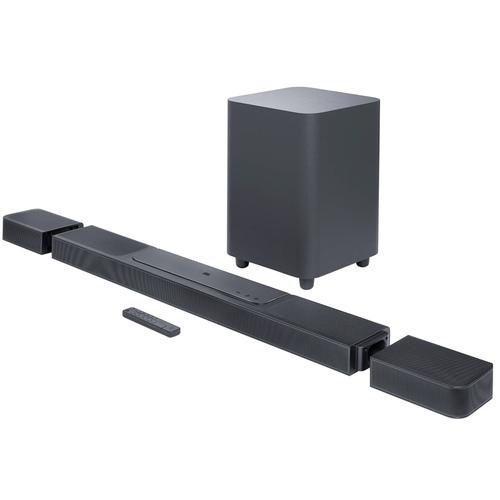
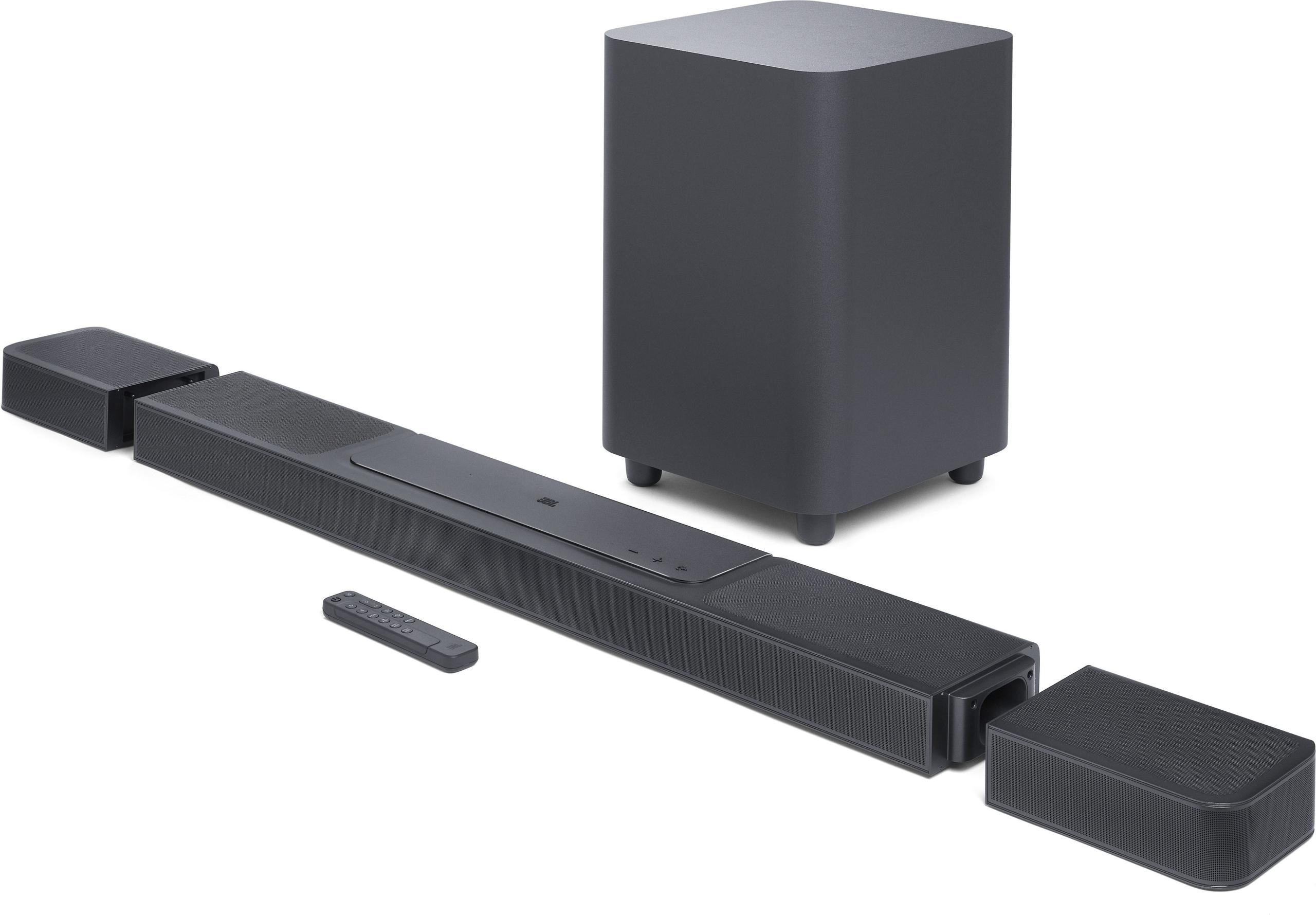
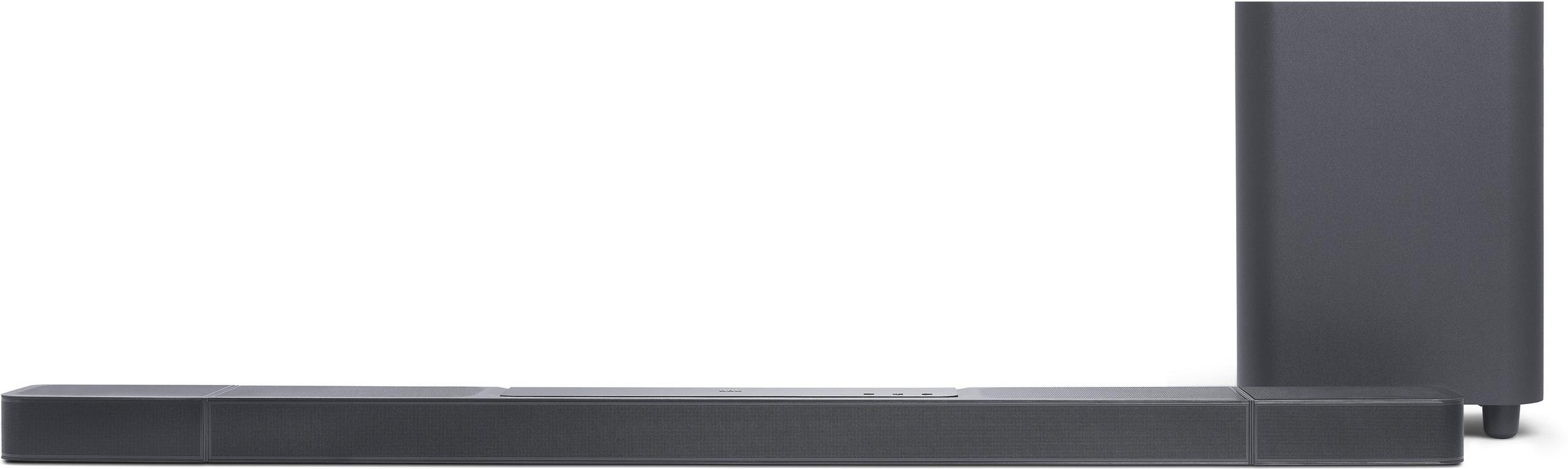
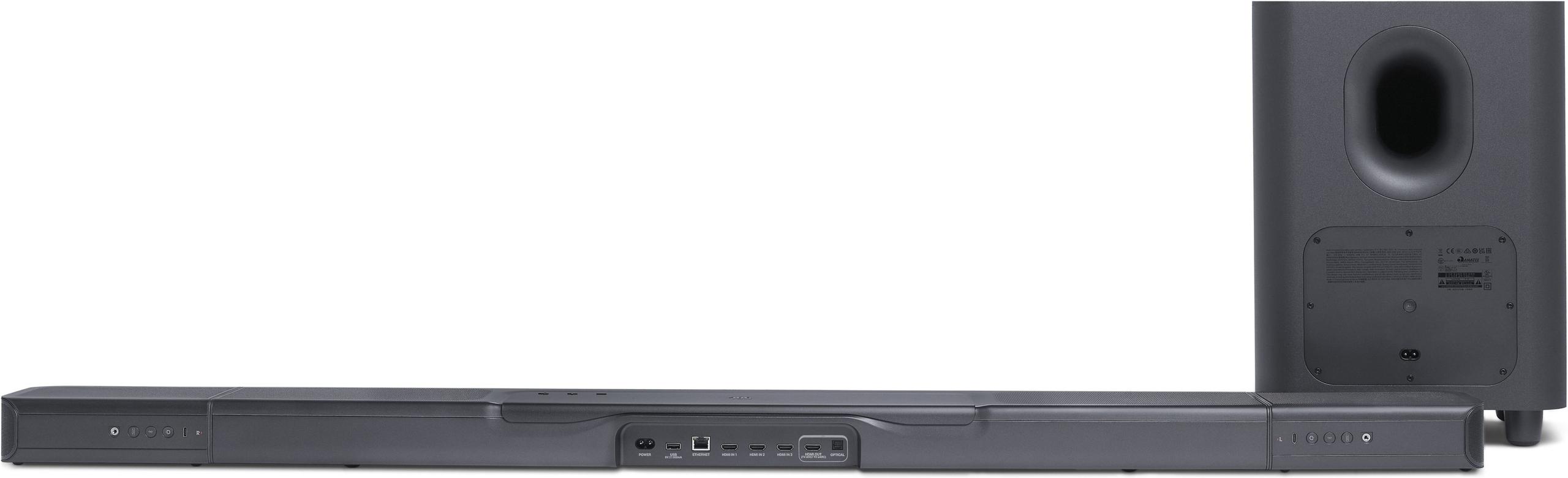
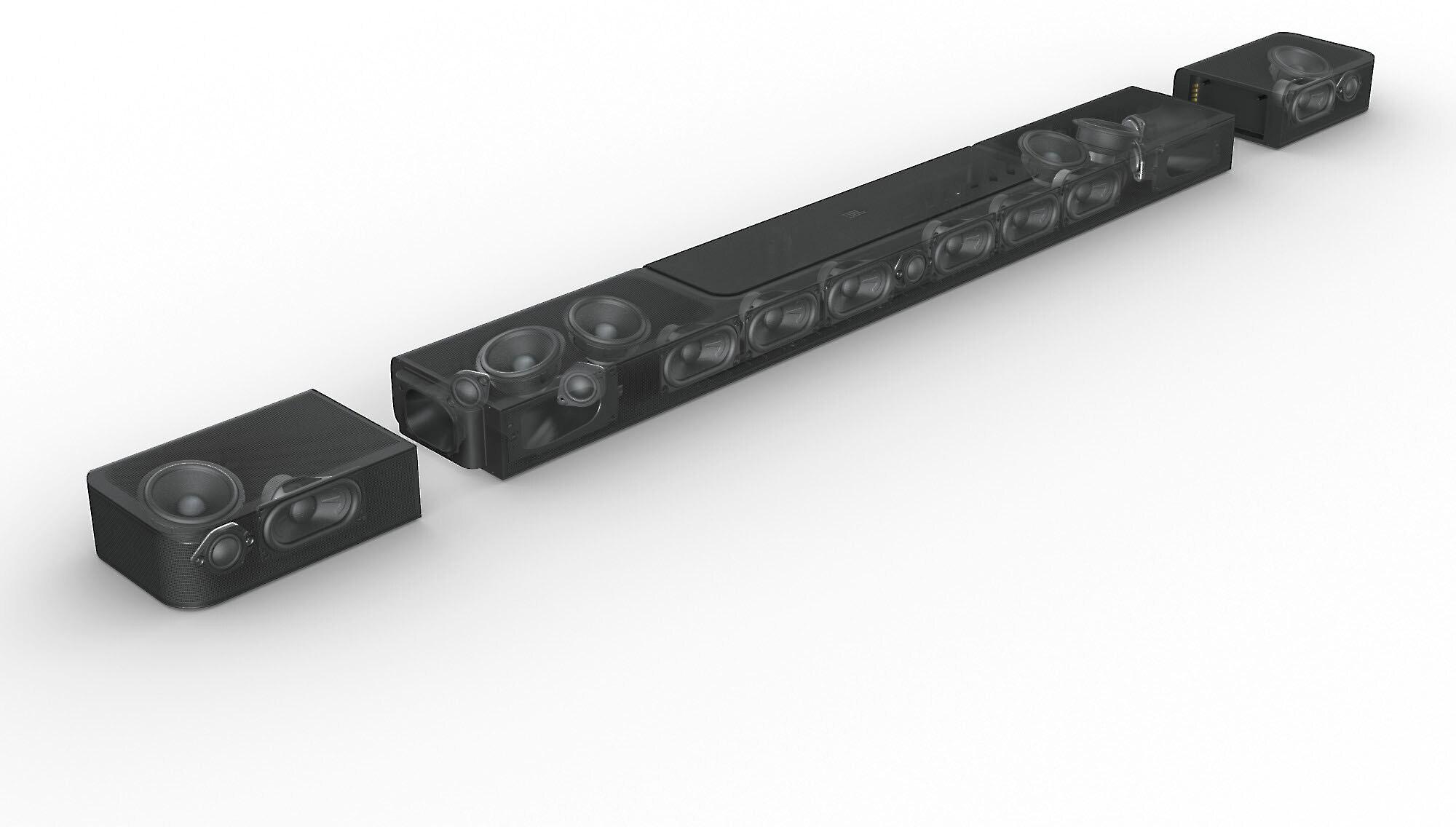
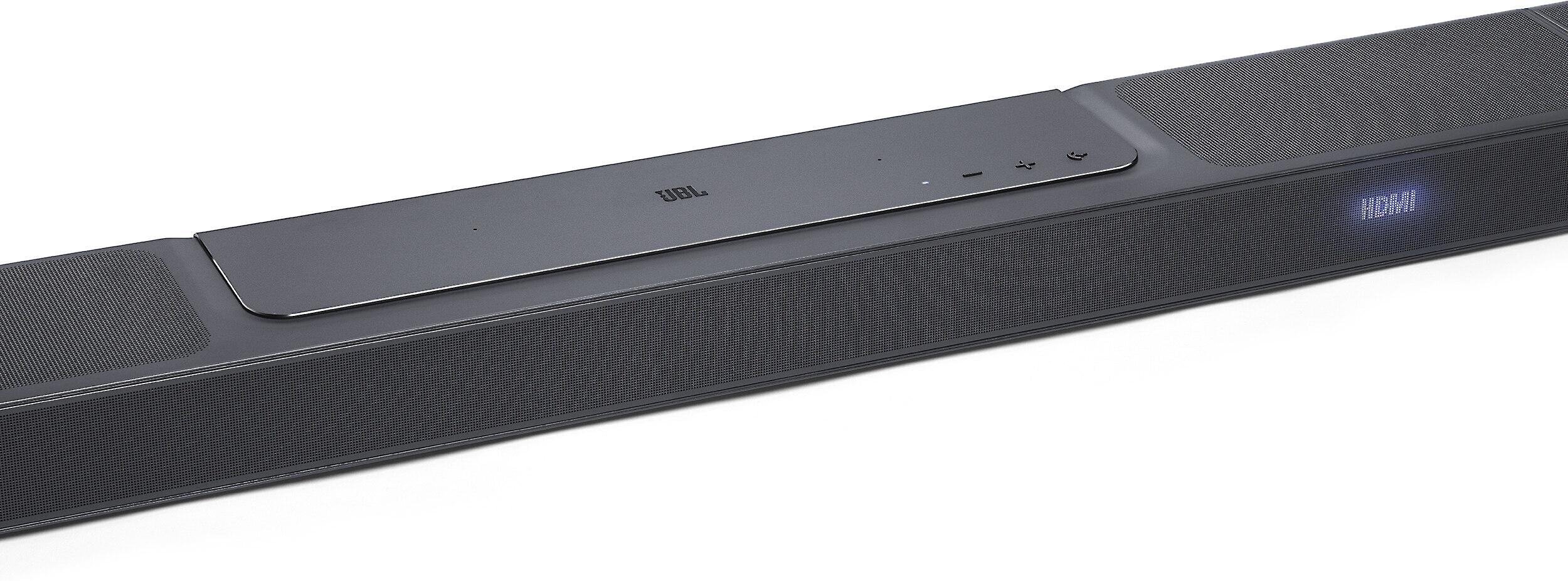
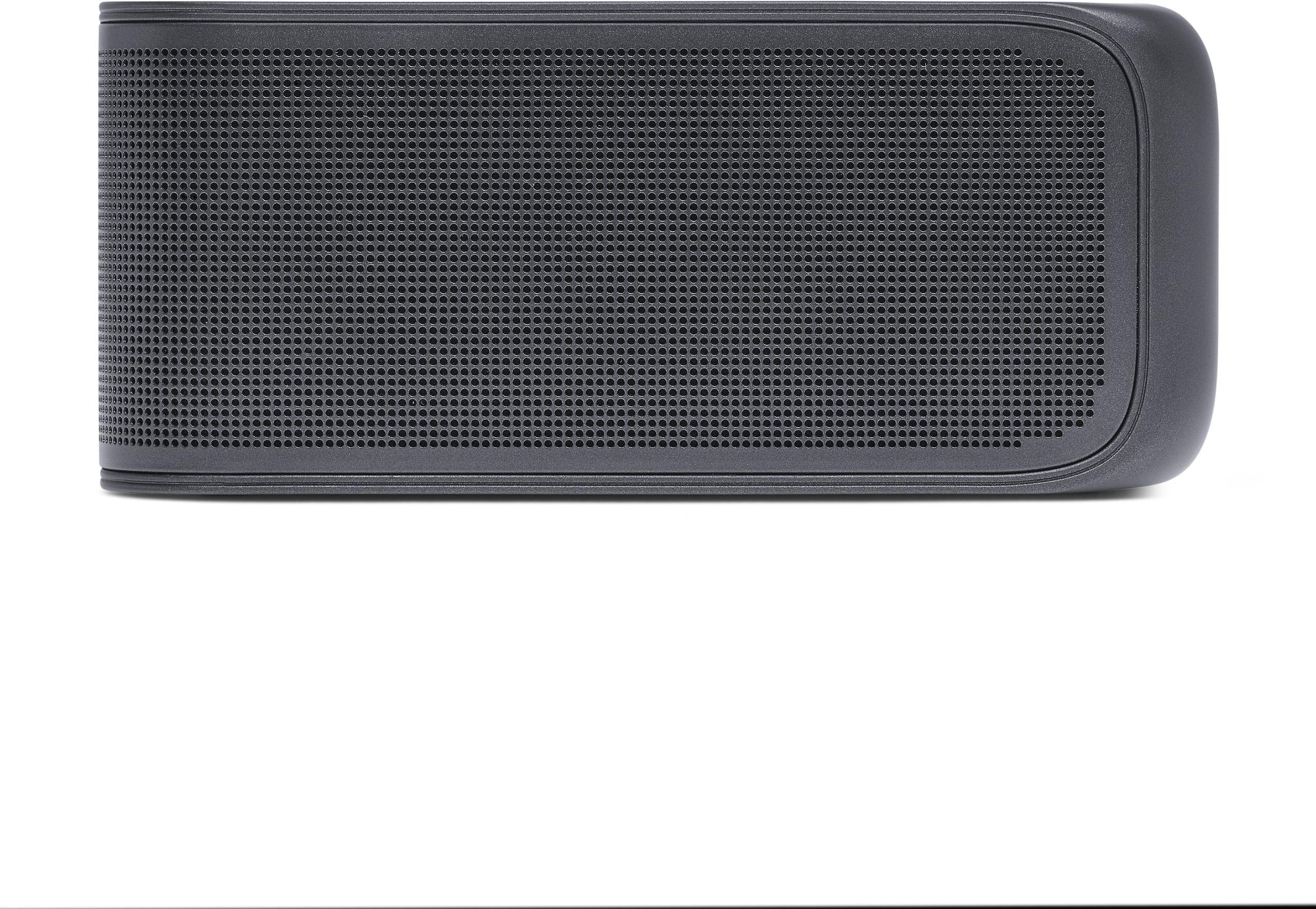
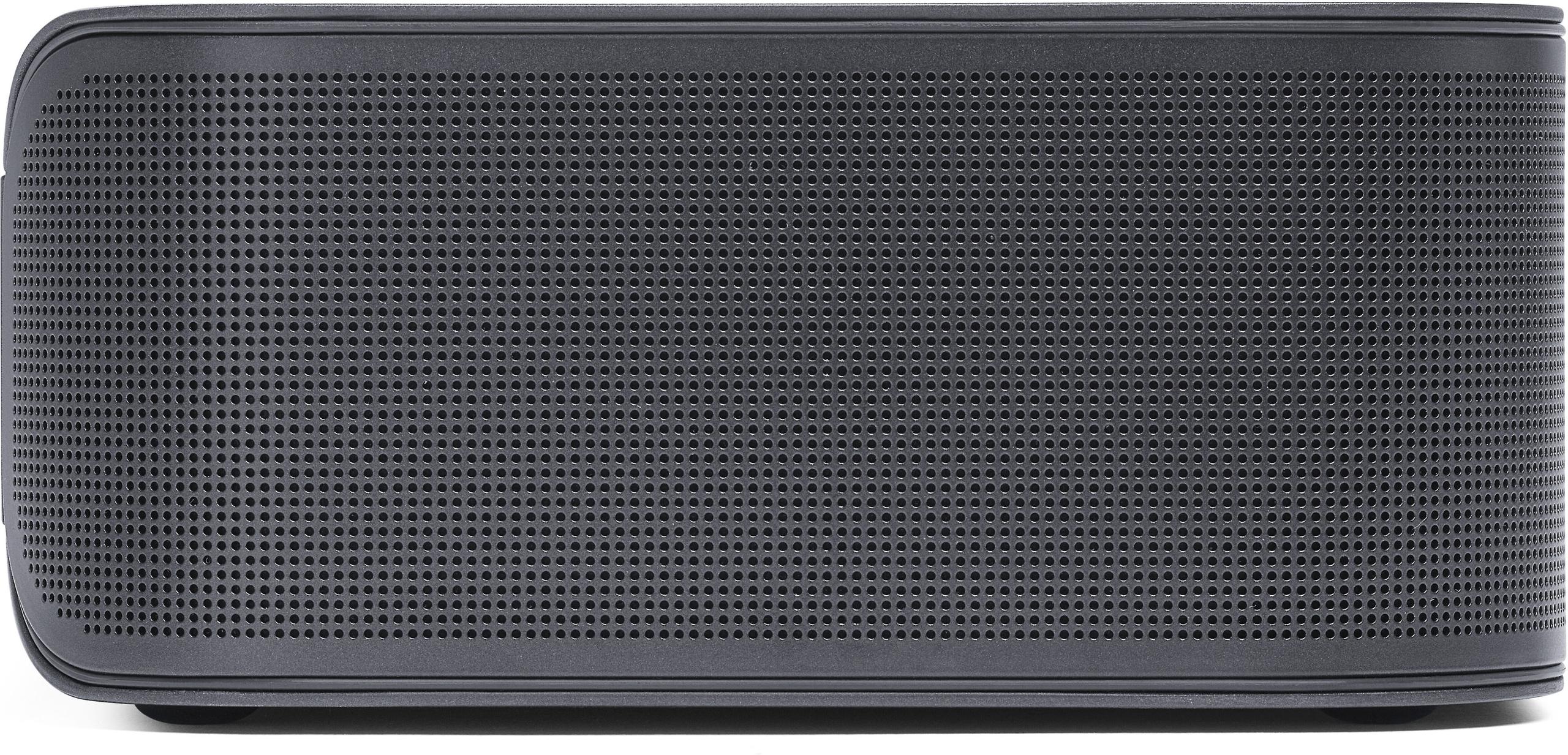
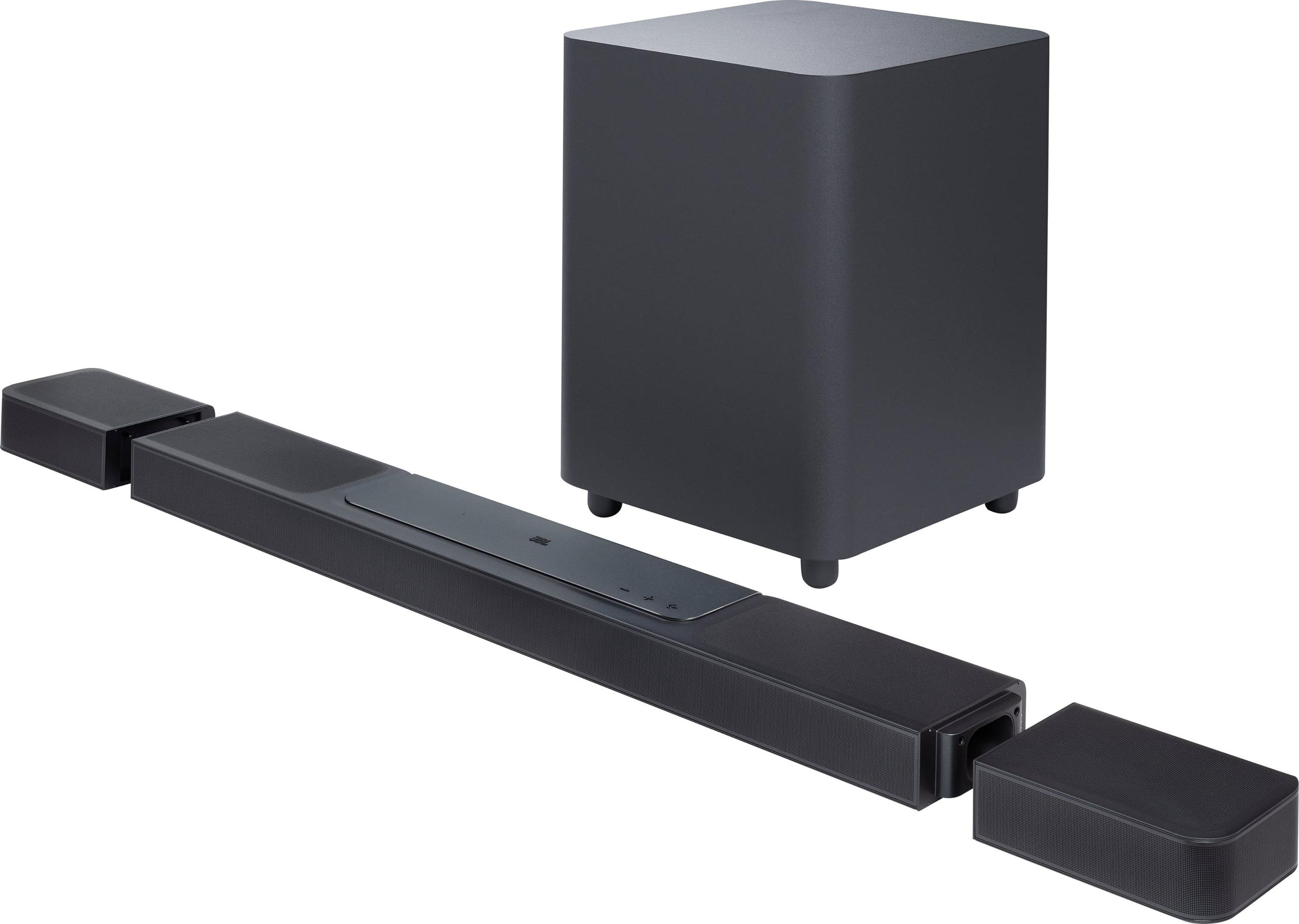
The JBL Bar 1300X takes a more traditional home theater approach, but with modern wireless convenience. Instead of relying purely on audio processing tricks, JBL includes actual wireless surround speakers that you place behind your listening position, plus a substantial 12-inch subwoofer for deep bass.
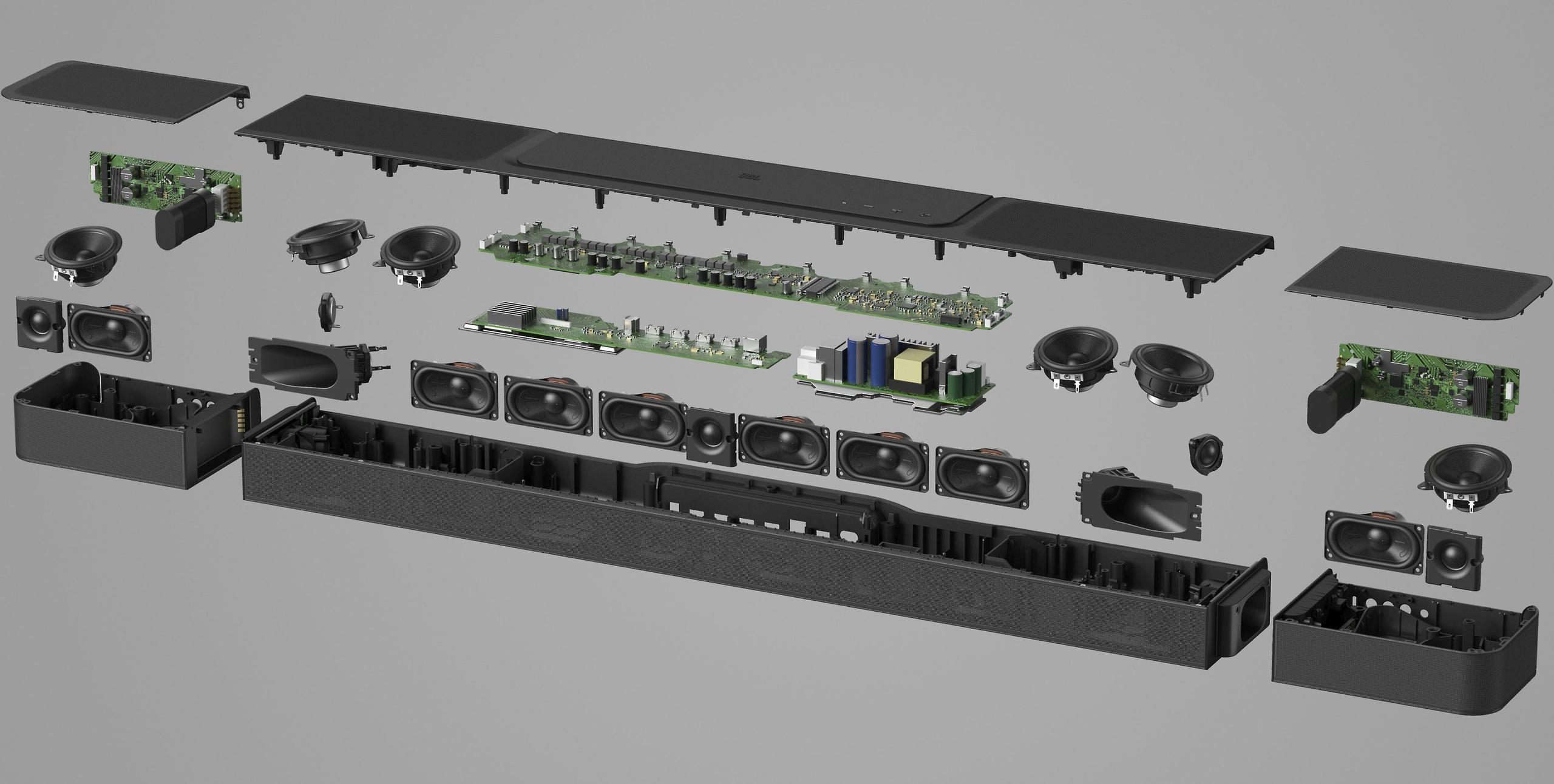
This creates what's called an "11.1.4" system – that's 11 main channels of sound, one subwoofer channel, and four height channels for overhead effects. The "detachable" rear speakers are battery-powered and connect wirelessly, so you don't need to run cables across your room or worry about finding power outlets behind your couch.
JBL's MultiBeam technology works alongside these physical speakers to create an even wider soundstage. MultiBeam uses digital processing to direct sound in specific directions, essentially creating virtual speakers between the physical ones. It's like having the best of both worlds – real surround speakers for authentic positioning, plus processing to fill in the gaps.
Here's where these two systems really show their different philosophies. The Sennheiser AMBEO Plus creates remarkably precise object placement through its virtualization. When a helicopter flies overhead in a movie, the sound genuinely seems to move across your ceiling. The AMBEO processing is so sophisticated that it can place sounds at specific locations around you with impressive accuracy.
In my experience testing the AMBEO Plus, the height effects are particularly impressive. Sounds don't just come from "somewhere above" – they have specific positions. Rain sounds like it's actually falling from the sky above you, not just from a speaker pointing upward.
The JBL Bar 1300X takes a different approach that's more immediately dramatic. Those physical rear speakers create genuine surround envelopment that virtual systems simply can't fully replicate. When action scenes explode around you, the effect is more aggressive and in-your-face. The wireless rear speakers each contain multiple drivers – one firing forward, one upward, and one toward the rear wall – creating complex sound reflections that add to the immersion.
However, the JBL's approach has a trade-off. While it creates powerful surround effects, the vertical soundstage (how tall the sound seems) is more limited compared to Sennheiser's virtualization. Most effects seem to happen between knee and head height, rather than creating the full bubble of sound that the AMBEO Plus achieves.
This is where the two systems differ most dramatically. The Sennheiser AMBEO Plus includes dual 4-inch woofers built into the soundbar itself. These provide clean, controlled bass that extends down to 38Hz – respectable for a soundbar, but not earth-shaking. For movies with serious low-end content like explosions or deep musical bass, Sennheiser expects you to add their separate AMBEO Sub, which costs an additional $350-400.
The JBL Bar 1300X includes a 12-inch wireless subwoofer right in the box. This makes an immediate difference in movie watching. Explosions have real weight, music has genuine low-end presence, and the overall system sounds more complete without additional purchases. The subwoofer extends down to about 33Hz and can produce substantial output without distortion.
In practical terms, this means the JBL delivers that room-shaking bass experience right out of the box, while the Sennheiser requires additional investment to reach its full potential. However, when properly configured with a subwoofer, the Sennheiser system provides more controlled and accurate bass reproduction.
Both systems excel at dialogue reproduction, but in different ways. The Sennheiser AMBEO Plus uses advanced center channel processing combined with its spatial algorithms to create exceptional dialogue separation. Even in complex movie soundtracks with explosions and music happening simultaneously, voices remain clear and intelligible. The system maintains a neutral, reference-level approach to vocal reproduction that sounds natural and uncolored.
The JBL Bar 1300X includes what they call "PureVoice technology," which optimizes speech frequencies to cut through background noise. This creates clear dialogue reproduction with a slight warmth that many people find appealing for movie watching. The system enhances vocal presence somewhat, making dialogue slightly more prominent in the mix.
For everyday TV watching, both systems ensure you won't miss important dialogue, but the Sennheiser's approach is more technically accurate, while the JBL's is more forgiving of poor source material.
This is where the companies' different philosophies really show. The Sennheiser AMBEO Plus maintains its studio heritage with remarkably neutral frequency response. When listening to music, instruments sound natural and properly positioned in the stereo field. It excels with jazz, classical, and acoustic music where tonal accuracy matters most. The AMBEO processing can actually enhance stereo music by creating a more spacious presentation without adding artificial coloration.
The JBL Bar 1300X takes a more consumer-friendly approach with a warm, energetic sound signature. There's a slight emphasis on bass and upper frequencies that makes pop, rock, and electronic music sound more exciting. The wide soundstage creates an enveloping musical experience that many people find more engaging than technically accurate reproduction.
Neither approach is wrong – it depends on your priorities. If you're an audiophile who values accuracy, the Sennheiser delivers reference-level performance. If you want music and movies to sound exciting and impactful, the JBL's tuning will likely appeal more.
Here's where things get interesting from a value perspective. The JBL Bar 1300X costs $1,299.95 upfront, but that includes everything you need for full performance: the main soundbar, wireless subwoofer, and two detachable rear speakers. You're getting a complete surround sound system with no additional purchases required.
The Sennheiser AMBEO Plus starts at $949.95, making it seem like the more affordable option. However, to achieve its full potential – particularly for movies with significant bass content – you'll likely want to add the AMBEO Sub. This brings the total investment to around $1,300-1,400, actually more than the JBL's complete system.
From a pure value standpoint, the JBL delivers more complete functionality per dollar spent. You're getting physical surround speakers, a substantial subwoofer, and advanced processing technology for a single price.
The Sennheiser AMBEO Plus shines in situations where traditional surround speakers aren't practical. If you live in an apartment, have a oddly shaped room, or simply prefer a minimalist setup, the single-bar solution is appealing. The room calibration process requires about 10 minutes in a quiet environment, but once completed, the system adapts to your specific space automatically.
The JBL Bar 1300X requires more thought about speaker placement, but offers more flexibility once set up. The rear speakers are battery-powered (lasting up to 10 hours) and can be easily moved or even used as portable Bluetooth speakers when you're not watching movies. This versatility adds value beyond just home theater use.
For small to medium rooms under 300 square feet, the Sennheiser's virtualization can be remarkably effective. The room calibration technology compensates for acoustic challenges like hard surfaces and irregular layouts. For larger rooms over 300 square feet, the JBL's physical speakers ensure consistent coverage regardless of where you're sitting.
Both systems launched in 2024 with the latest connectivity standards. They support HDMI eARC (enhanced Audio Return Channel), which allows high-quality audio transmission over a single HDMI cable, and both handle 4K video passthrough with HDR support.
The Sennheiser system benefits from years of AMBEO development, with the Plus model representing a refined version of technology that's been continuously improved since the original AMBEO soundbar launched in 2019. The room calibration algorithms have become more sophisticated, and the virtualization processing more precise.
The JBL Bar 1300X builds on the company's 2023 Bar 1300 with improved MultiBeam processing and better wireless connectivity for the detachable speakers. The battery life of the rear speakers has been extended, and the overall system integration refined based on user feedback from the previous generation.
For serious home theater use, both systems excel but in different ways. The Sennheiser AMBEO Plus creates a more technically accurate reproduction of movie soundtracks as intended by audio engineers. The precise object placement and accurate frequency response mean you're hearing movies as close to the studio master as possible from a soundbar.
The JBL Bar 1300X creates a more visceral, theme-park-like experience that many people prefer for action movies and gaming. The physical surround speakers and powerful subwoofer deliver the kind of aggressive immersion that makes explosions feel real and gaming more engaging.
For gaming specifically, the JBL's lower latency and more aggressive processing make it better suited for competitive gaming where spatial audio cues matter. The physical rear speakers provide genuine directional information that can give you an advantage in multiplayer games.
Choose the Sennheiser AMBEO Plus if you:
Choose the JBL Bar 1300X if you:
The choice ultimately comes down to your priorities and living situation. The Sennheiser AMBEO Plus represents the pinnacle of virtualization technology in an elegant, minimalist package. The JBL Bar 1300X offers a complete surround sound system with impressive flexibility and immediate impact.
Both represent significant investments in your home entertainment experience, and both will dramatically improve your TV's audio beyond what you thought possible. The key is understanding which approach – virtual precision or physical immersion – better matches your needs, space, and preferences.
| Sennheiser AMBEO Soundbar Plus ($949.95) | JBL Bar 1300X ($1,299.95) |
|---|---|
| Total System Power - Determines overall loudness and dynamic range | |
| 400W (soundbar only, requires separate sub for full bass) | 1170W total (650W bar + 300W sub + 220W surrounds) |
| Speaker Configuration - Core difference in surround sound approach | |
| 9 built-in drivers with AMBEO 3D virtualization (no physical rears) | 11.1.4 setup with detachable wireless rear speakers + 12" subwoofer |
| Room Calibration Technology - Critical for optimizing sound in your space | |
| Advanced microphone-based room analysis with automatic acoustic adaptation | Basic app-based calibration with MultiBeam processing |
| Bass Performance - Essential for movies and impactful sound | |
| Dual 4" woofers (38Hz), needs $350+ AMBEO Sub for full bass | Included 12" wireless subwoofer (33Hz) with room-shaking output |
| Setup Complexity - How much effort required for optimal performance | |
| Single soundbar connection with 10-minute automated calibration | Multi-component setup: main bar + wireless sub + 2 rear speakers |
| Best Use Case - Where each system excels most | |
| Small-medium rooms, audiophile accuracy, apartment living | Large rooms, movie/gaming immersion, complete theater experience |
| Frequency Response - Indicates tonal balance and bass extension | |
| 38Hz-20kHz (controlled, reference-quality sound) | 33Hz-20kHz (powerful, cinema-style tuning) |
| Connectivity Options - Future-proofing and device compatibility | |
| HDMI eARC, optical, Bluetooth, Wi-Fi streaming | HDMI eARC + 3 HDMI inputs, optical, Bluetooth 5.0/5.2, Wi-Fi |
| Wireless Surround Capability - Key differentiator for true surround sound | |
| Virtual surround only (no physical rear speakers) | Battery-powered detachable rears (12-hour battery, portable use) |
| Total Cost for Full Performance - Real investment required | |
| ~$1,300-1,400 with recommended AMBEO Sub addition | $1,299.95 complete (no additional purchases needed) |
The JBL Bar 1300X ($1,299.95) is better for movies due to its physical wireless surround speakers and included 12-inch subwoofer that create genuine surround sound. The Sennheiser AMBEO Plus ($949.95) excels at dialogue clarity and height effects through virtualization, but lacks the room-filling bass and physical surround immersion that movies demand.
The JBL Bar 1300X includes everything you need: wireless rear speakers and a subwoofer. The Sennheiser AMBEO Plus works as a standalone unit but requires the separate AMBEO Sub ($350-400) for impactful bass in movies, bringing the total cost to around $1,300-1,400.
The Sennheiser AMBEO Plus is ideal for apartments because it creates surround sound from a single bar using AMBEO virtualization technology. The JBL Bar 1300X requires space for a large subwoofer and two rear speakers, which may not be practical in cramped living spaces.
The Sennheiser AMBEO Plus uses virtual surround through advanced audio processing to create the illusion of speakers around you. The JBL Bar 1300X provides physical surround with actual wireless speakers placed behind you, delivering more authentic directional audio but requiring more setup space.
The Sennheiser AMBEO Plus offers superior music performance with studio-reference accuracy and neutral sound signature, ideal for jazz, classical, and acoustic music. The JBL Bar 1300X has a warmer, more energetic tuning that makes pop and rock music sound exciting but less technically accurate.
The JBL Bar 1300X delivers 1170W total power across all components (650W soundbar + 300W subwoofer + 220W surrounds). The Sennheiser AMBEO Plus produces 400W from the soundbar alone, requiring additional subwoofer power for comparable output levels.
The JBL Bar 1300X has superior bass with its included 12-inch wireless subwoofer that extends down to 33Hz. The Sennheiser AMBEO Plus has built-in dual 4-inch woofers reaching 38Hz, but needs the separate AMBEO Sub for movie-quality bass impact.
Both the Sennheiser AMBEO Plus and JBL Bar 1300X support HDMI eARC, 4K passthrough, and HDR formats. The JBL offers more connectivity with 3 HDMI inputs versus Sennheiser's fewer ports, making it better for multiple gaming consoles and devices.
The Sennheiser AMBEO Plus is simpler with single-cable connection and 10-minute automated room calibration. The JBL Bar 1300X requires positioning the wireless subwoofer and two rear speakers, plus basic app-based setup, making it more complex but offering greater flexibility.
The JBL Bar 1300X costs $1,299.95 complete with all components included. The Sennheiser AMBEO Plus starts at $949.95 but requires the AMBEO Sub ($350-400) for full performance, making the total investment $1,300-1,400 - actually more expensive than the JBL.
The JBL Bar 1300X excels in large rooms over 300 square feet because its physical surround speakers and powerful subwoofer provide consistent coverage regardless of seating position. The Sennheiser AMBEO Plus works best in small to medium rooms where its virtualization can be most effective.
Yes, the JBL Bar 1300X rear speakers are battery-powered (12-hour life) and can detach to work as portable Bluetooth speakers. The Sennheiser AMBEO Plus is a single fixed unit with no detachable components, offering less flexibility but simpler operation.
We've done our best to create useful and informative comparisons to help you decide what product to buy. Our research uses advanced automated methods to create this comparison and perfection is not possible - please contact us for corrections or questions. These are the sites we've researched in the creation of this article: techradar.com - pocket-lint.com - moon-audio.com - stereonet.com - rtings.com - abt.com - projectorscreen.com - youtube.com - videoandaudiocenter.com - crutchfield.com - sennheiser-hearing.com - newsroom.sennheiser.com - techradar.com - jbl.com - audioadvice.com - youtube.com - rtings.com - jbl.com - greentoe.com - harmanaudio.com - youtube.com - mm.jbl.com - jbl.com

Privacy Policy
Terms and Conditions - Affiliate Policy
Home Security
© Copyright 2008-2026.
11816 Inwood Rd #1211, Dallas, TX 75244