


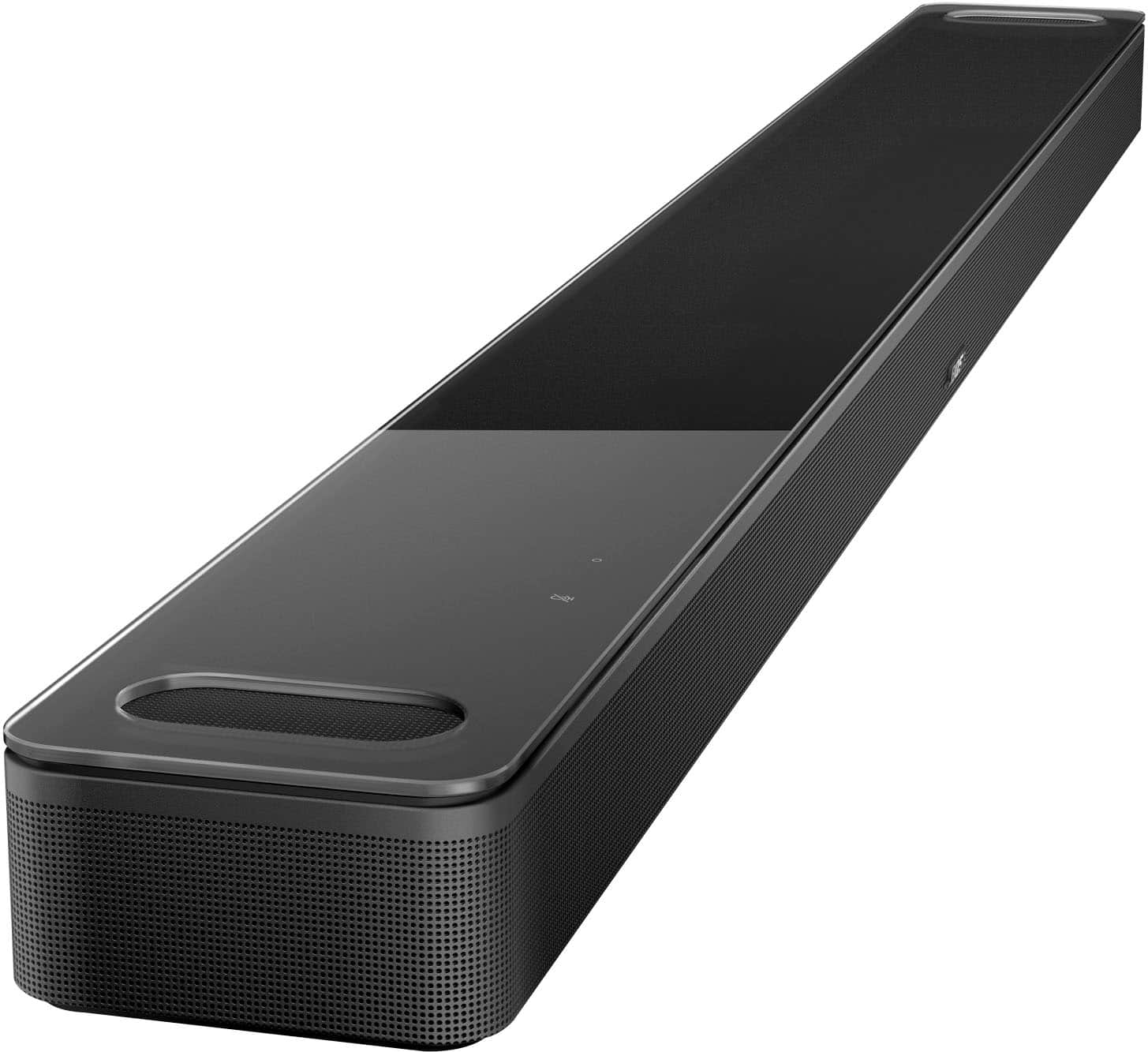
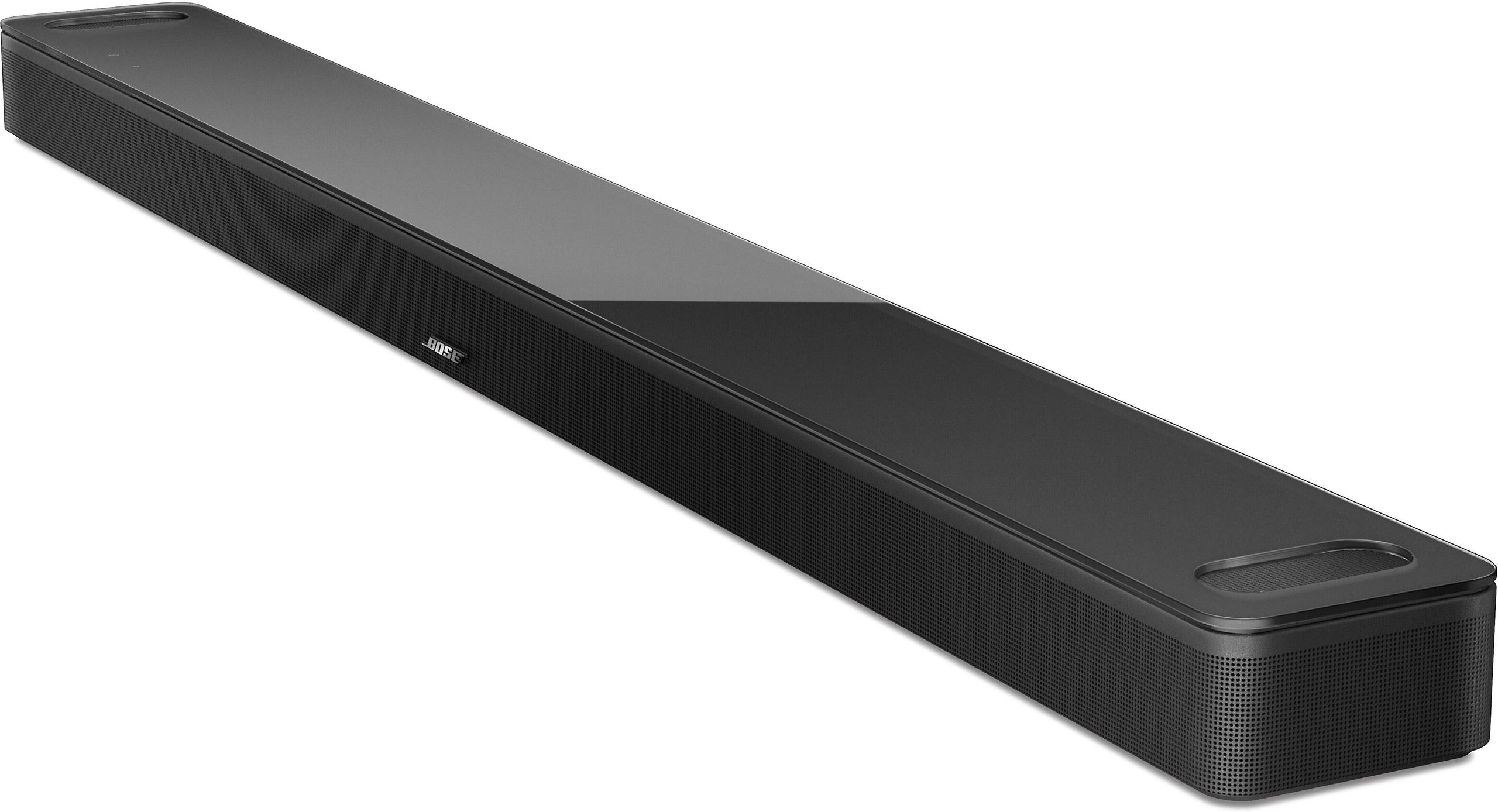
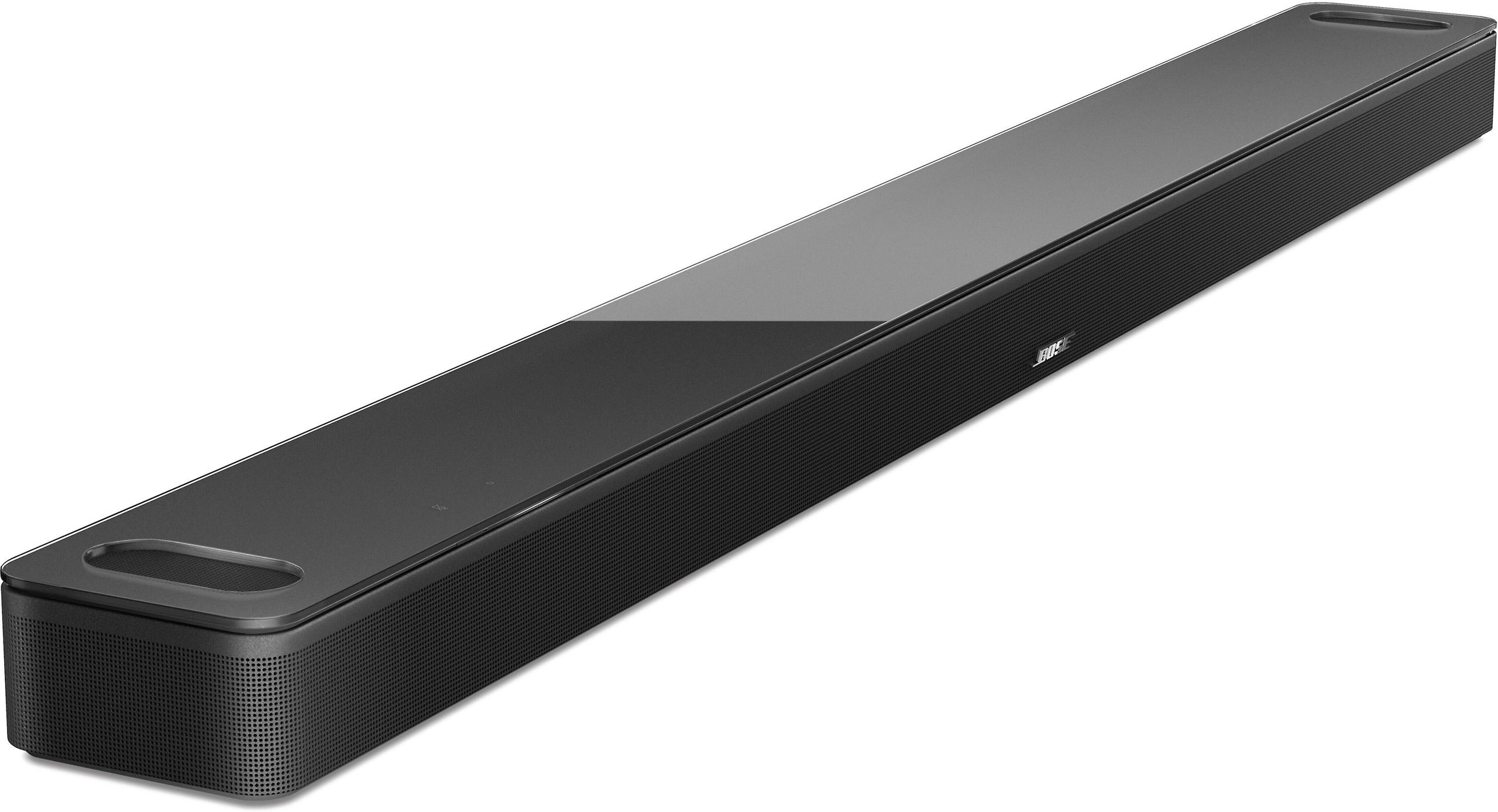

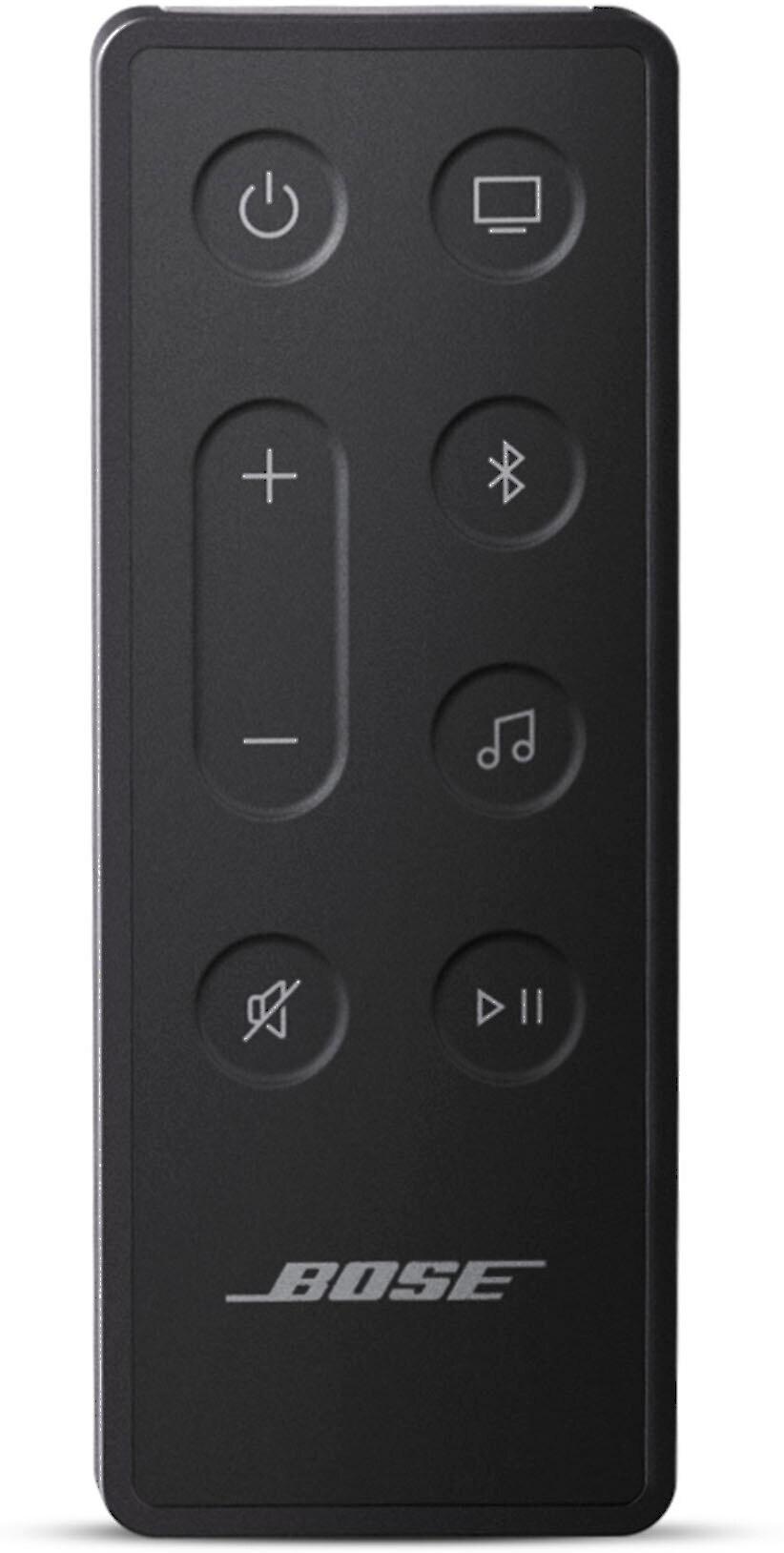
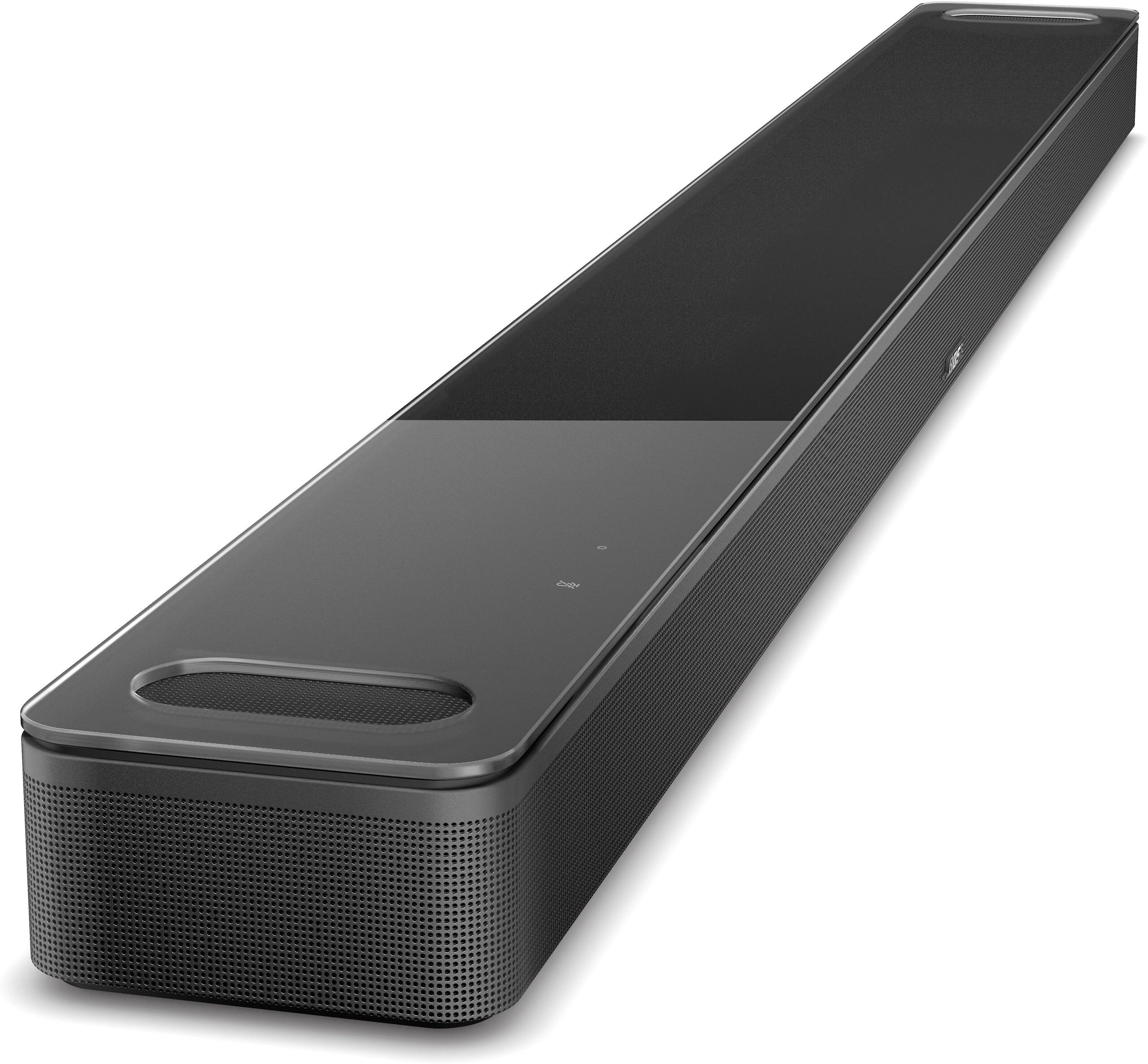
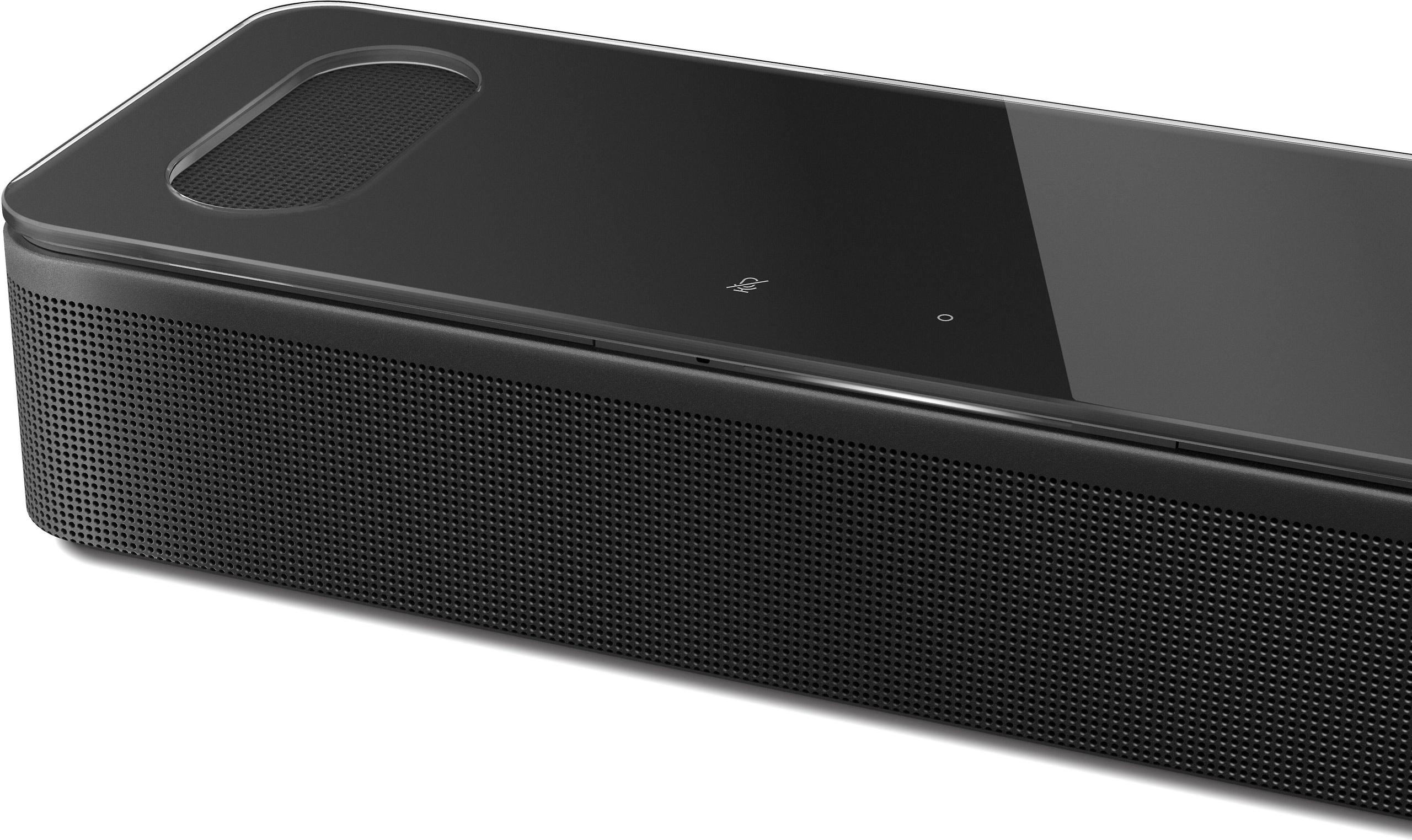
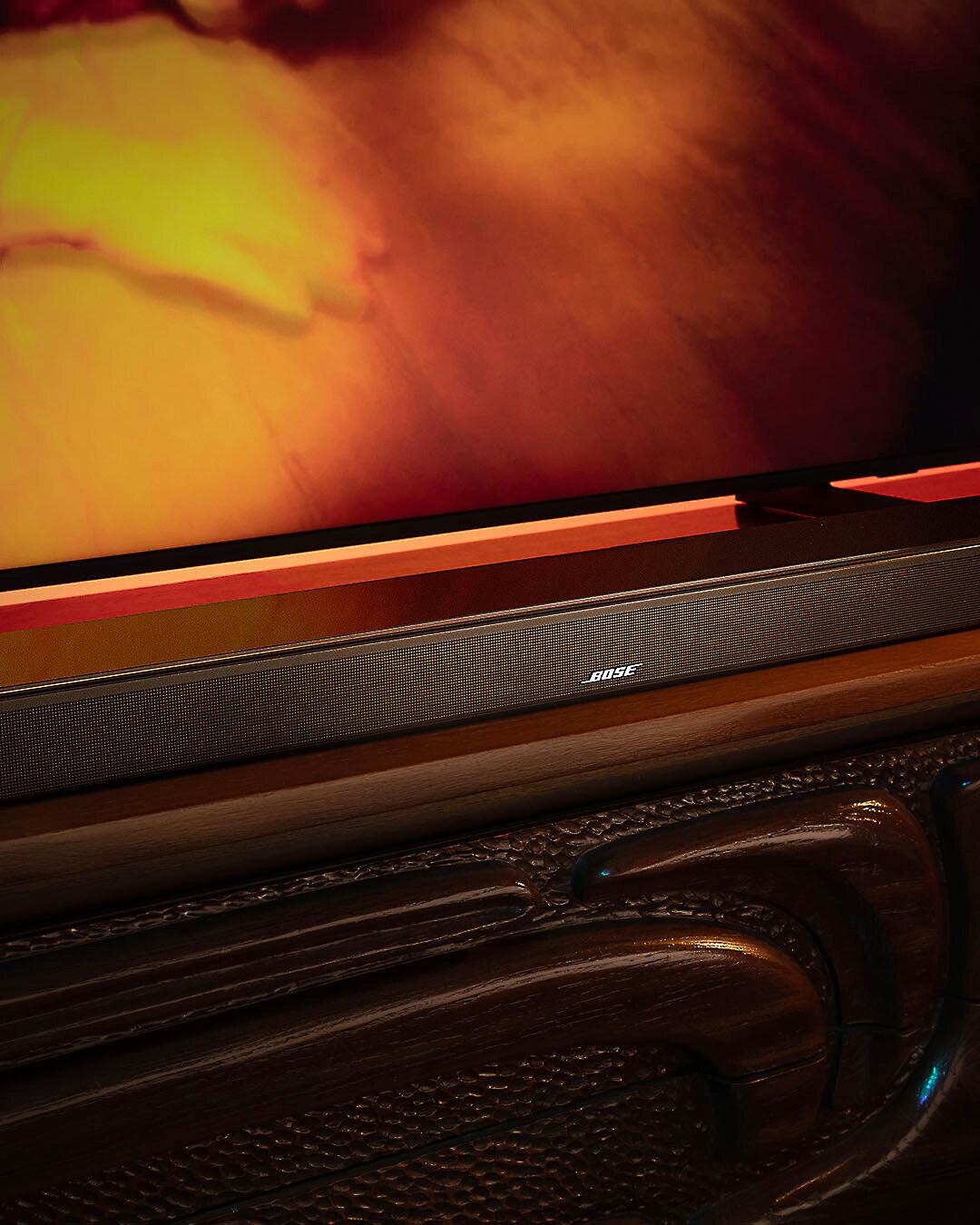
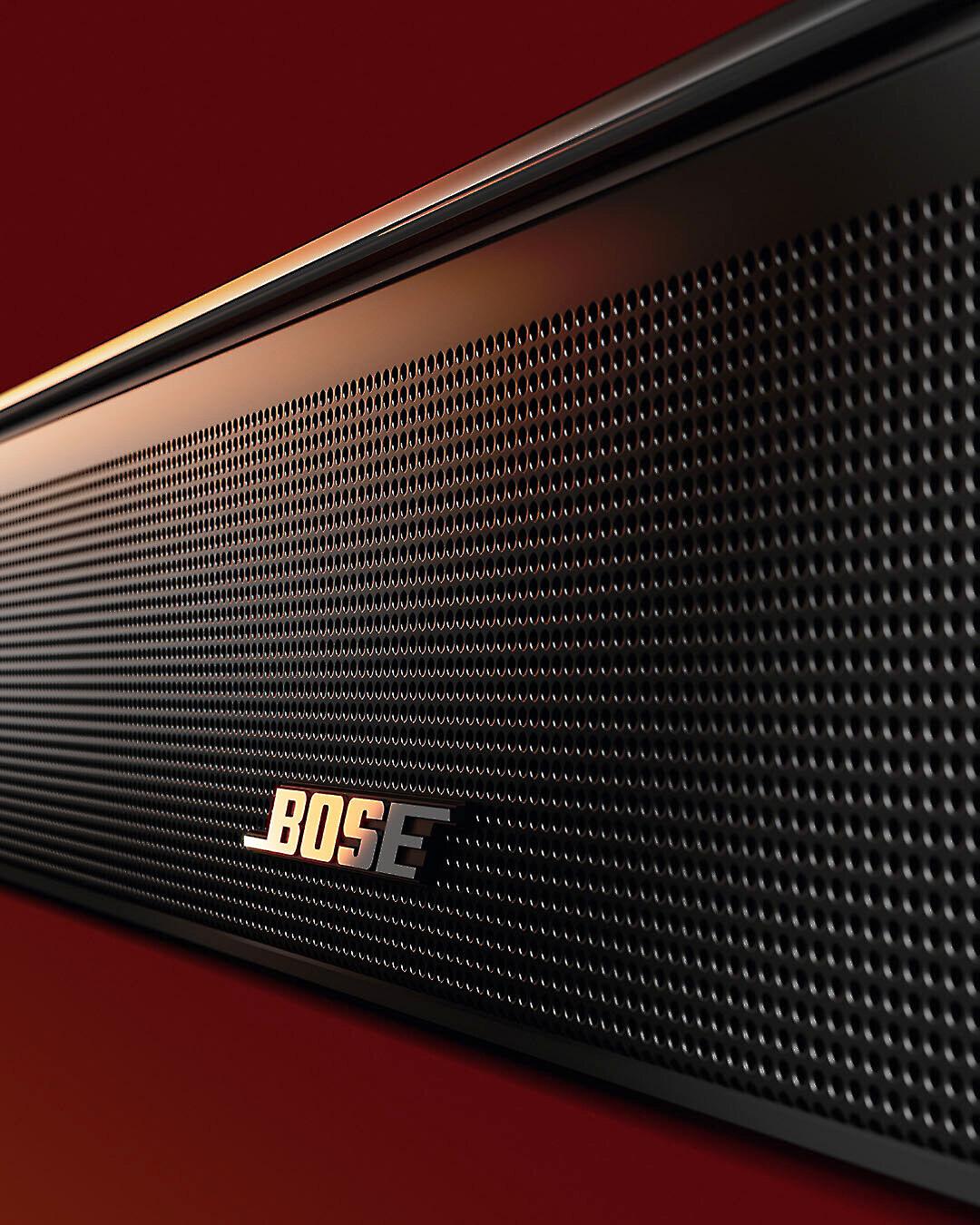
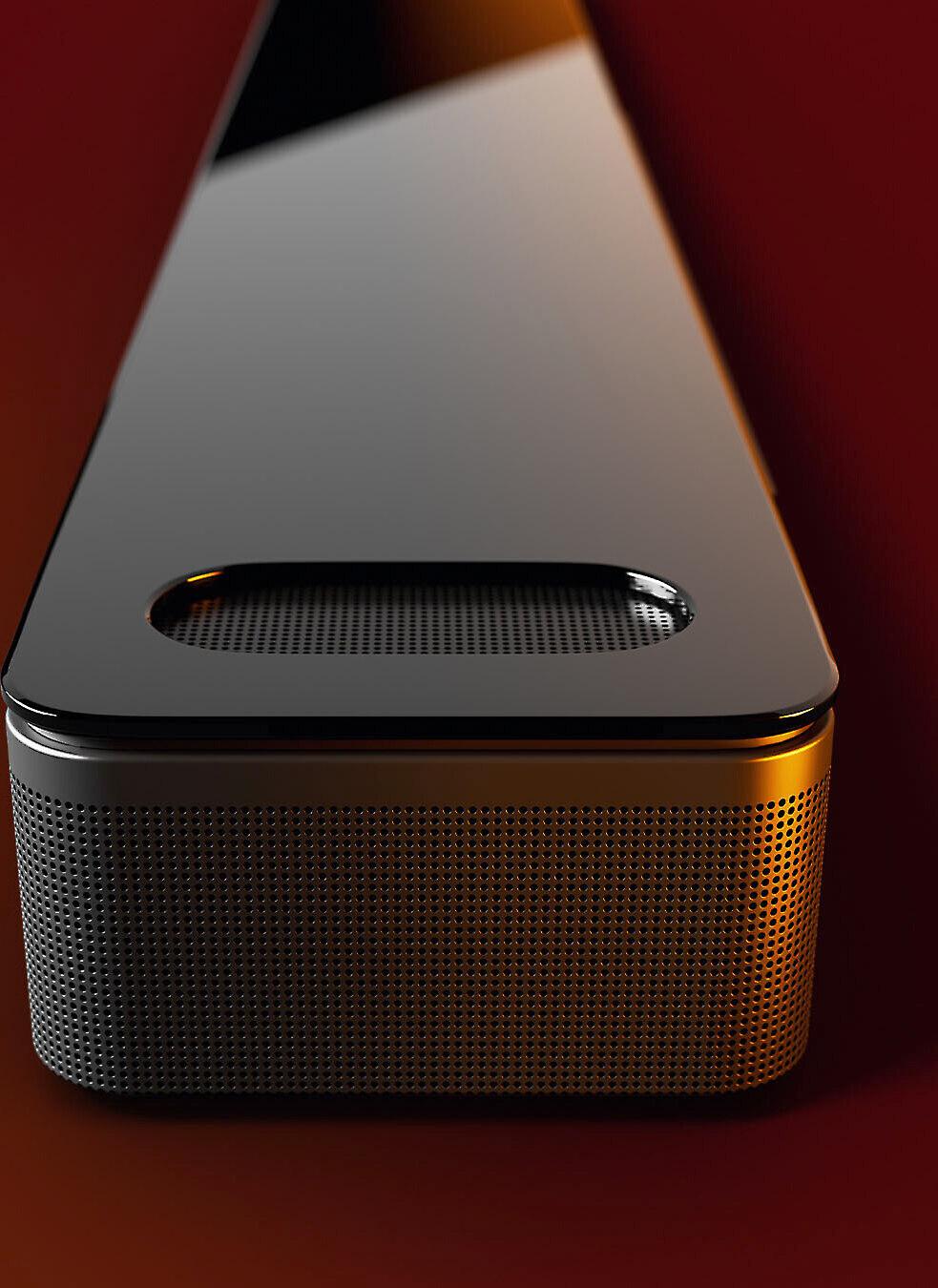
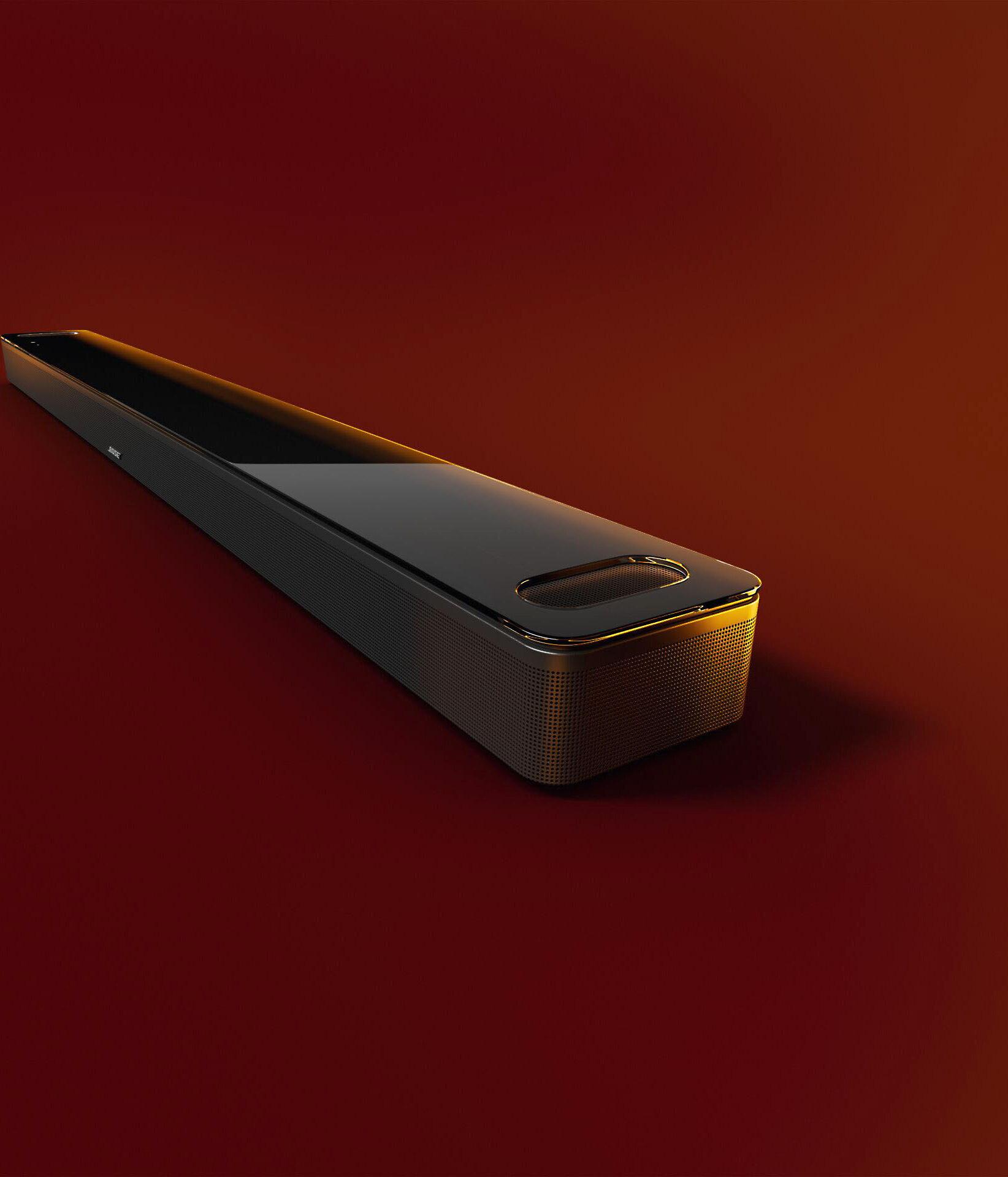
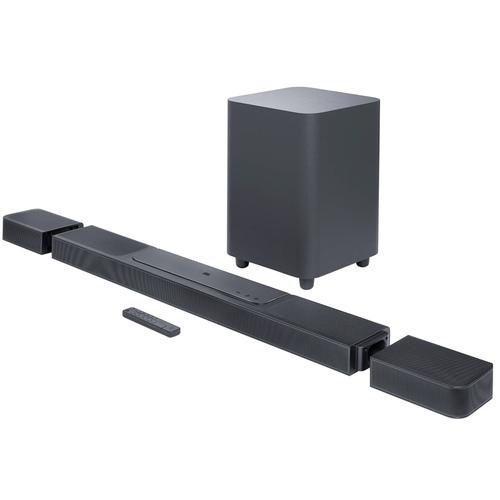



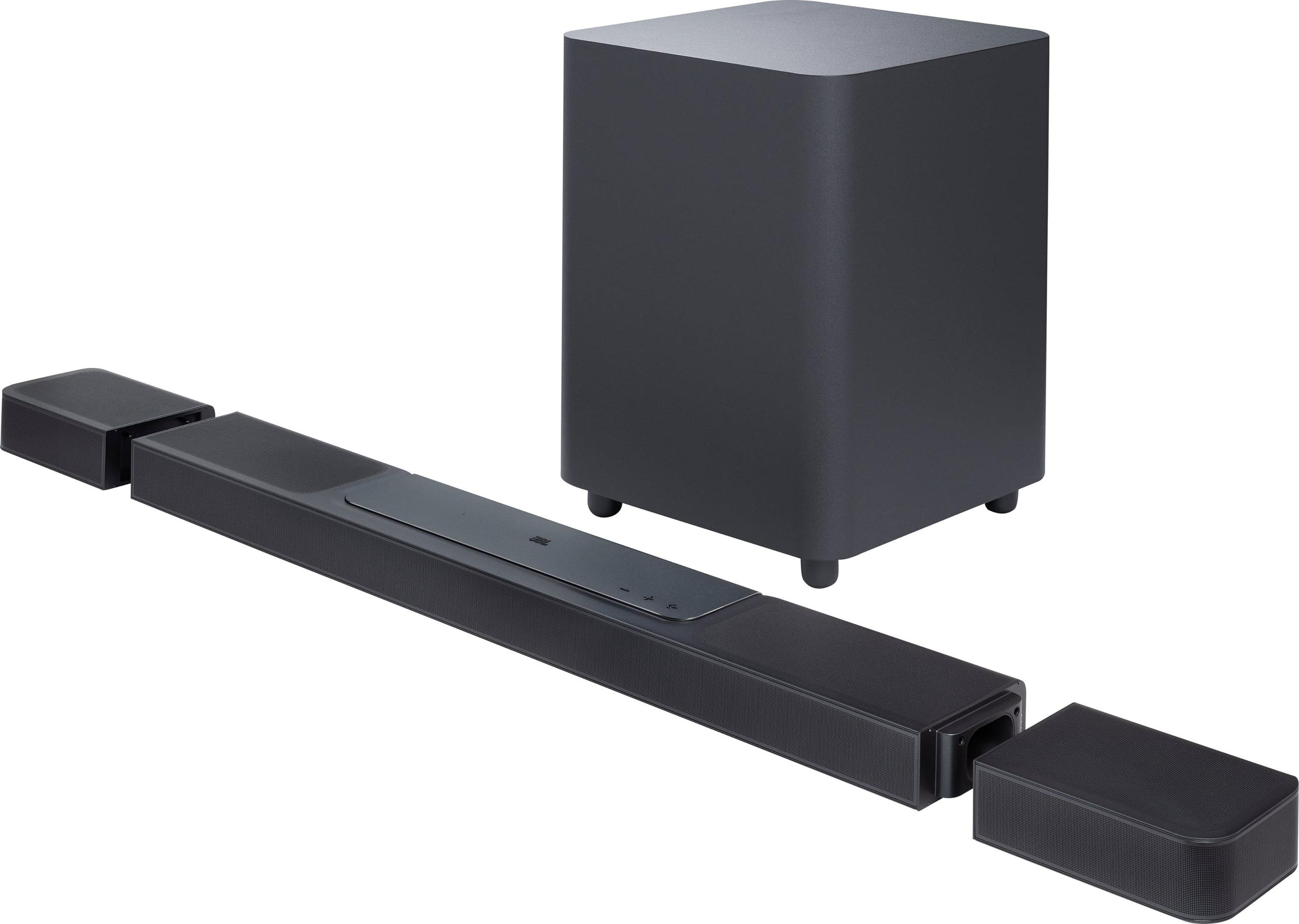
When your TV's built-in speakers just aren't cutting it anymore, you're probably ready for a soundbar upgrade. But with so many options out there, how do you choose between a sleek, AI-powered system and a full-blown home theater setup? I've spent considerable time with both the <a href="Bose Smart Ultra Soundbar>) at $599 and the <a href="JBL Bar 1300X>) at $1,299.95, and they represent two very different philosophies in premium audio.
The soundbar market has exploded in recent years, largely because they solve a real problem: modern TVs sound terrible. As manufacturers make TVs thinner, there's simply no room for decent speakers. Enter soundbars, which promise to deliver cinematic audio without the complexity of a full surround sound system.
But here's where it gets interesting – not all soundbars take the same approach. Some, like the Bose, use sophisticated digital processing to create the illusion of surround sound from a single bar. Others, like the JBL, include actual surround speakers to give you the real deal. The key considerations when shopping include how they handle immersive audio technologies like Dolby Atmos (which creates overhead sound effects), dialogue clarity (crucial since modern movie mixes often bury voices), room adaptation capabilities, and whether you want virtual or physical surround sound.
The <a href="Bose Smart Ultra Soundbar>) launched in September 2023 as Bose's flagship model, representing their "less is more" philosophy. At just 2.3 inches tall, it's designed to disappear under your TV while delivering surprisingly immersive sound through advanced processing algorithms. The standout feature is something called A.I. Dialogue Mode – essentially, machine learning that automatically makes voices clearer without you having to touch any settings.
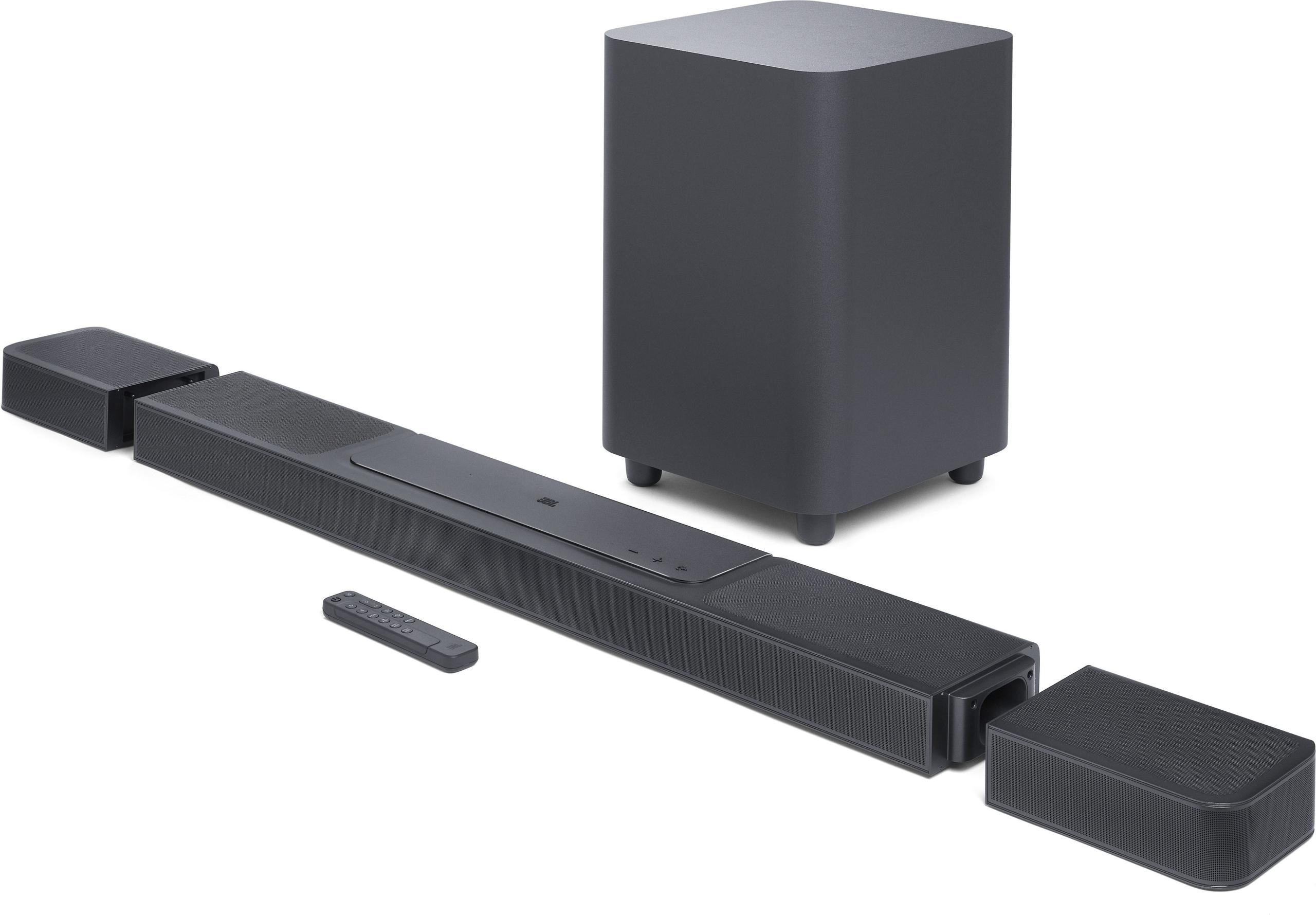
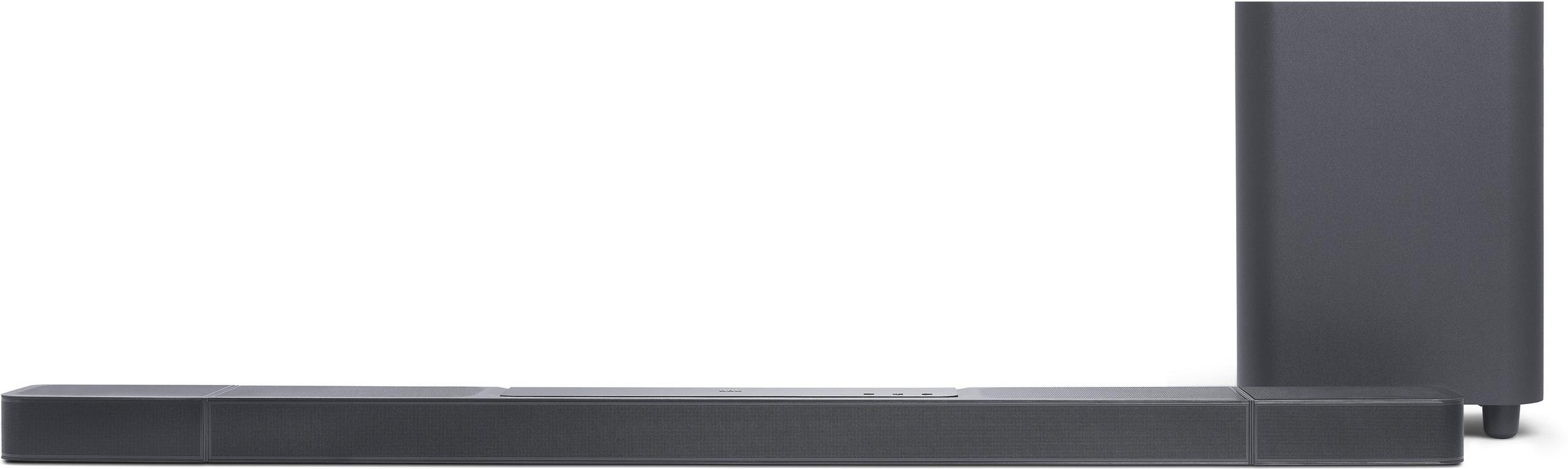
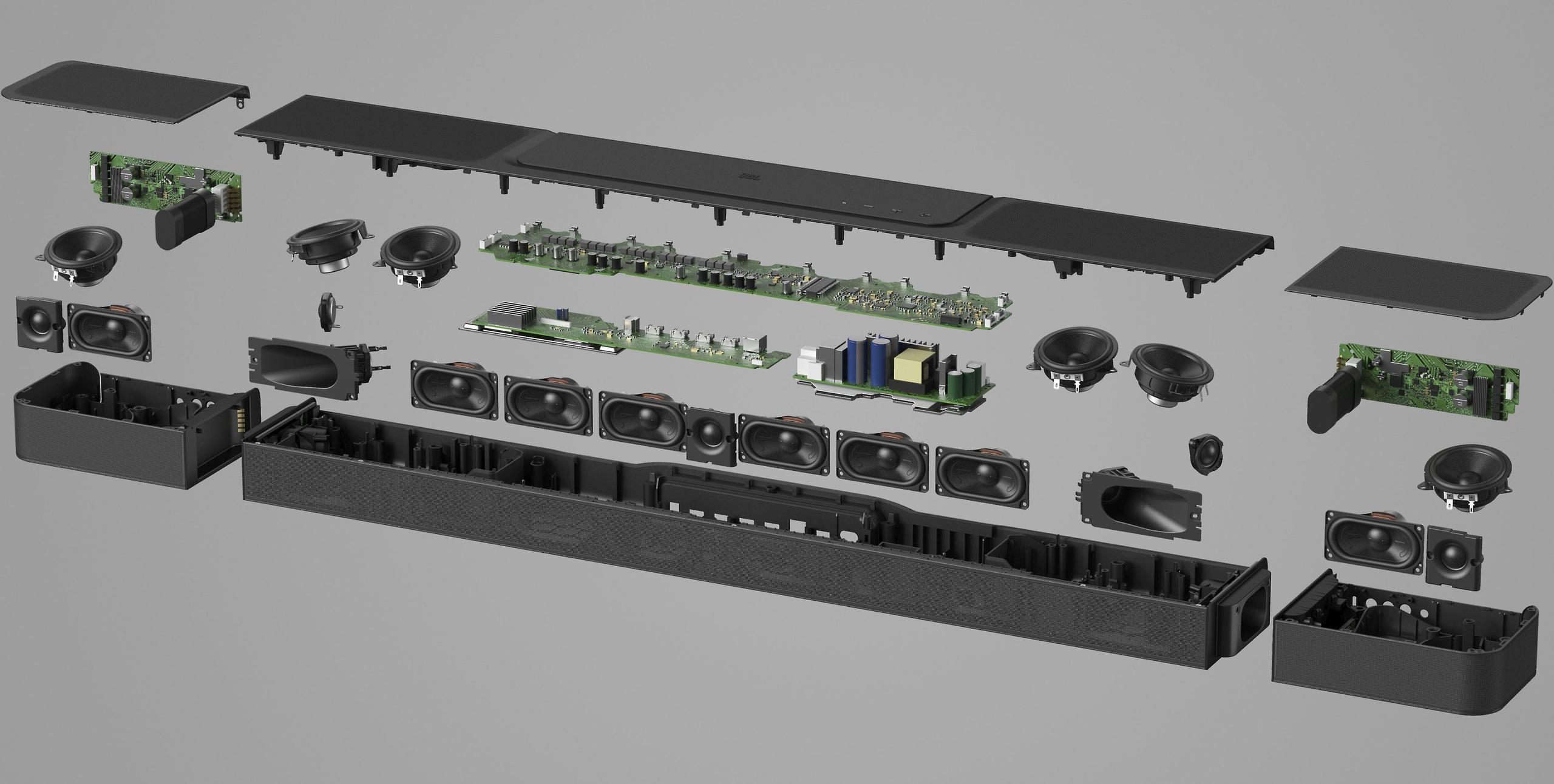
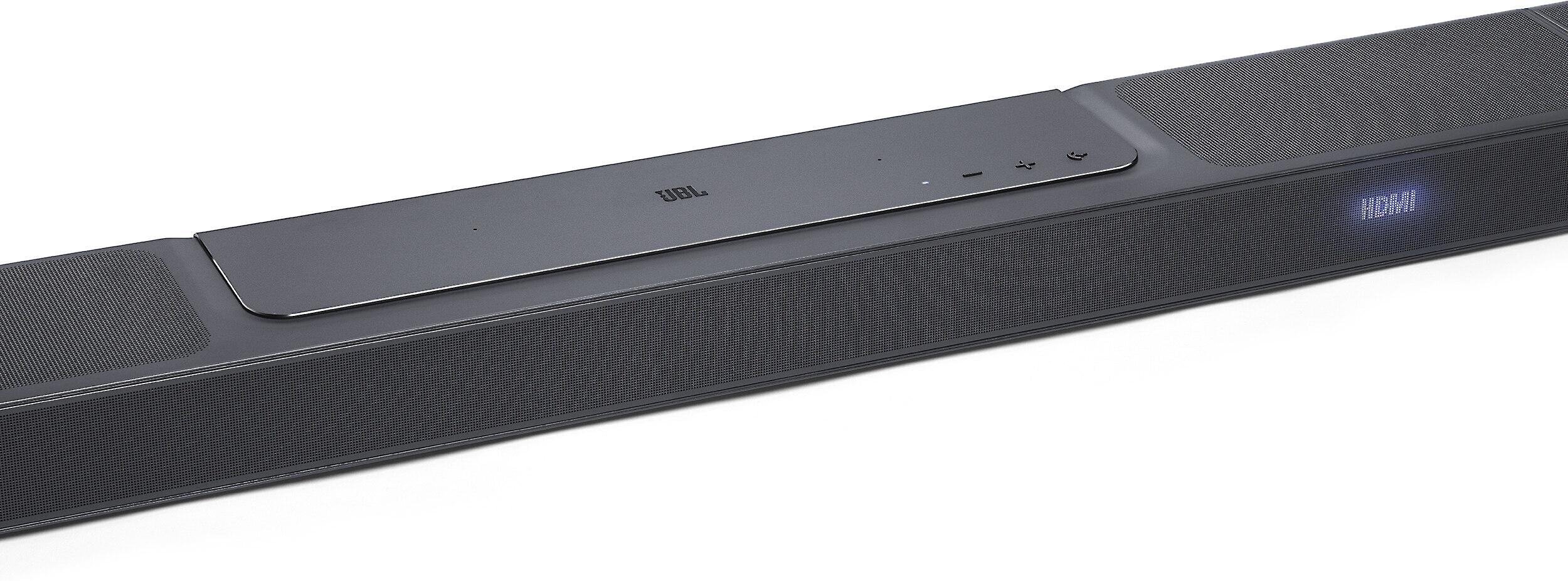
The <a href="JBL Bar 1300X>), which arrived later in 2023, takes the opposite approach. This is a full-scale home theater system disguised as a soundbar, complete with detachable battery-powered surround speakers and a massive 12-inch wireless subwoofer. JBL's bet is that there's no substitute for actual speakers placed around your room.
Here's where these two systems really diverge. The Bose relies on something called TrueSpace technology, which uses clever audio processing to bounce sound around your room, creating the impression that audio is coming from places where there are no speakers. It's genuinely impressive – I've had friends swear they heard helicopter sounds coming from behind them, even though the only speaker was in front of the TV.
The secret lies in Bose's PhaseGuide technology, which essentially aims different frequencies at different parts of your room. The soundbar contains dipole transducers (speakers that fire sound in opposite directions) and specialized drivers that work together to create what audio engineers call a "phantom image" – sound that appears to come from empty space.
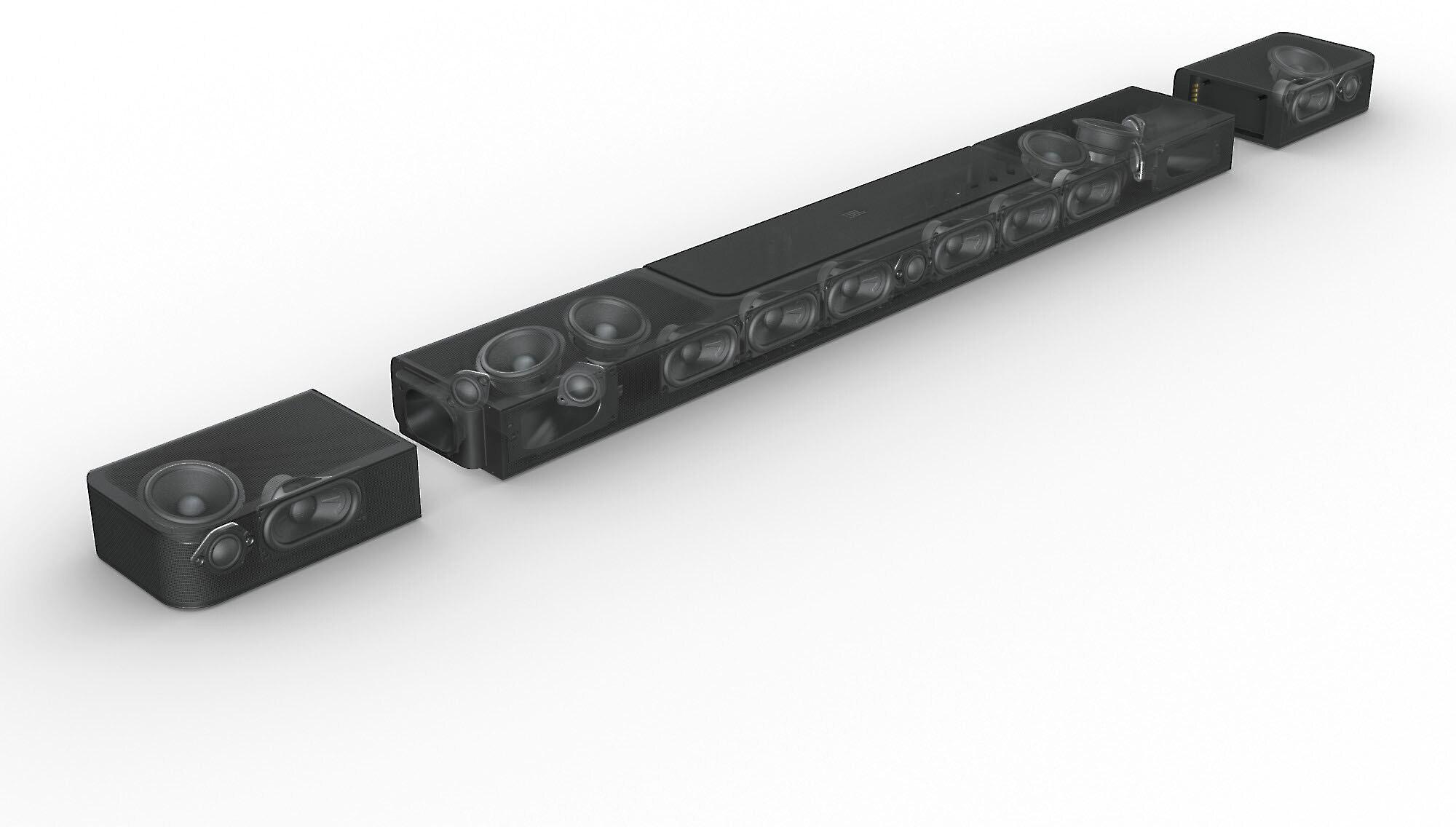
The JBL takes a more straightforward approach with its true 11.1.4 channel setup. Those numbers might look confusing, but they're actually quite logical: the first number (11) represents speakers at ear level, the second (.1) is the subwoofer, and the third (4) indicates speakers firing upward for overhead effects. The JBL includes actual wireless surround speakers that you place behind your seating area, along with four upward-firing drivers that bounce sound off your ceiling to create genuine overhead effects.
In my testing, both approaches have merit. The Bose creates a remarkably wide soundstage that fills the room, and its virtual height effects are more convincing than you'd expect. However, when watching action sequences like the helicopter chase in Mission: Impossible or the dragon scenes in House of the Dragon, the JBL's physical surround speakers provide positioning that virtual processing simply cannot match. You genuinely feel surrounded by sound rather than just hearing a wide stereo image.
This is where the Bose really shines, and it's thanks to a feature that represents a genuine technological breakthrough. The A.I. Dialogue Mode uses machine learning algorithms trained on millions of audio clips to automatically identify when dialogue is happening and adjust the sound accordingly. It's not just a simple volume boost – the system analyzes the frequency content and dynamically adjusts the tonal balance to make voices cut through complex soundscapes.
During my testing with everything from Marvel movies to BBC nature documentaries, this feature consistently impressed me. In scenes where explosions, music, and dialogue compete for attention, the Bose manages to keep voices clear without completely neutering the impact of sound effects. It's like having an audio engineer constantly adjusting levels in real-time.
The JBL takes a more traditional approach with its PureVoice technology and dedicated center channel. The center channel is crucial for dialogue because it's specifically designed to handle the frequency range of human speech. The JBL's center channel uses a discrete driver configuration optimized for vocal reproduction, and it does an excellent job. However, it requires more manual adjustment to get the dialogue balance just right for your room and content.
Here's where the value proposition really comes into focus. The <a href="JBL Bar 1300X>) includes a 12-inch wireless subwoofer that delivers 300 watts of dedicated bass power. This thing can shake your room when called upon – I've had to turn it down during late-night movie sessions to avoid disturbing neighbors.
The <a href="Bose Smart Ultra>), on the other hand, includes no subwoofer at its $599 price point. The soundbar itself produces adequate bass for casual viewing, but if you want the room-rattling low-end that makes action movies and bass-heavy music truly exciting, you'll need to add Bose's Bass Module 700 for an additional $799. That brings your total investment to nearly $1,400 – more than the complete JBL system.
This isn't necessarily a dealbreaker for the Bose. Some users prefer to start with just the soundbar and add bass later, especially in apartments where excessive low-end might cause neighbor complaints. But it's worth knowing upfront that the Bose's complete experience requires additional investment.
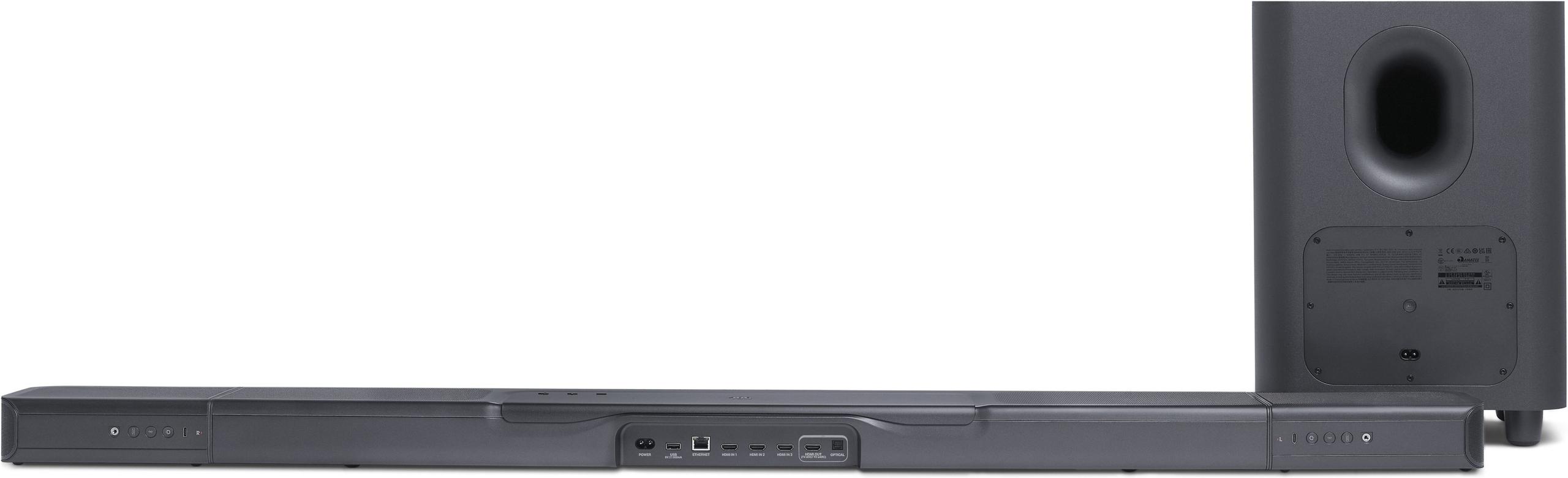
If you're a gamer, connectivity becomes crucial. The <a href="JBL Bar 1300X>) includes multiple HDMI 2.1 ports that support 4K resolution at 120Hz refresh rates – essential for getting the most out of PlayStation 5 or Xbox Series X consoles. The system also supports HDR10 and Dolby Vision passthrough, ensuring your visual experience isn't compromised.
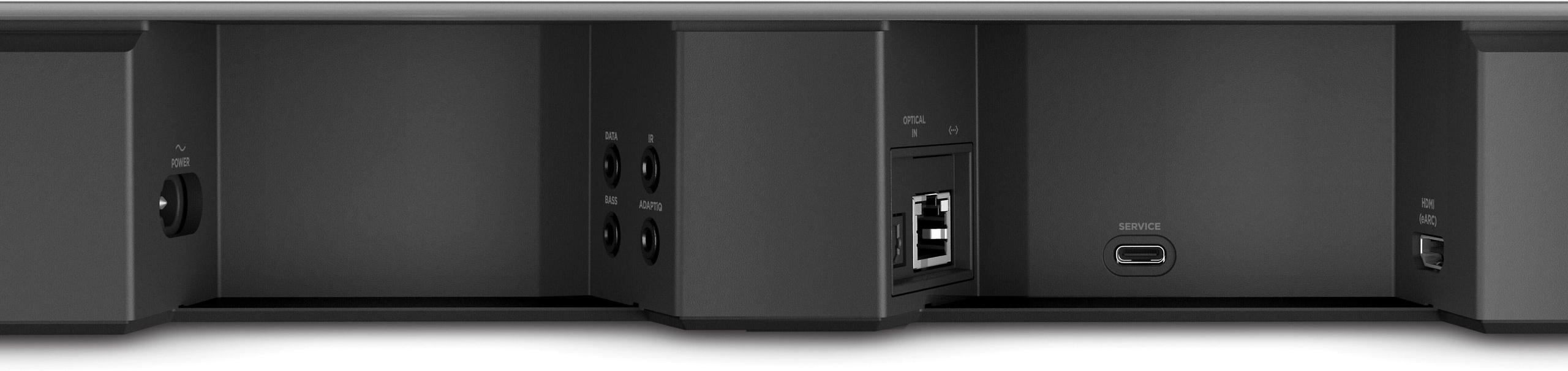
The Bose, while offering excellent audio quality for gaming, provides only a single HDMI eARC connection. This means you'll need to use your TV's HDMI switching if you have multiple gaming consoles, which could introduce additional latency. However, the Bose does excel in competitive gaming scenarios where dialogue clarity can provide tactical advantages – hearing enemy footsteps or team communications clearly can make a real difference in multiplayer games.
Both soundbars embrace the smart home era, but in different ways. The Bose includes Amazon Alexa built-in, so you can control your TV, ask questions, or manage smart home devices using voice commands. The Voice4Video feature is particularly clever – you can say "Alexa, turn on ESPN" and it will switch your TV to the right input and channel with a single command.
The Bose also integrates seamlessly with other Bose speakers for multi-room audio, and it includes an interesting feature called Personal Surround mode. This lets you connect Bose earbuds to create a private surround sound experience – useful for late-night viewing without disturbing others, though it feels somewhat gimmicky for extended use.
The JBL supports voice assistants through compatible devices and includes Chromecast built-in for easy music streaming. It also provides access to over 300 streaming services directly through the soundbar. The standout feature here is the detachable surround speakers, which can function as independent Bluetooth speakers. This genuinely adds value – you can take them to different rooms, use them outdoors, or bring them to other locations entirely.
Both systems include room calibration features, but they work differently. The Bose includes ADAPTiQ technology with a dedicated headset. You wear the headset and sit in your listening position while the system plays test tones, measuring how sound reflects off your walls, furniture, and ceiling. It then adjusts its output to compensate for your room's acoustic properties.
The JBL includes automatic calibration that measures your room without requiring additional hardware. While convenient, it's not as comprehensive as the Bose's personalized approach. In my experience, the Bose's calibration makes a noticeable difference, especially in rooms with challenging acoustics like those with high ceilings or lots of hard surfaces.
For dedicated home theater use, these systems serve different audiences. The <a href="Bose Smart Ultra>) excels in smaller to medium-sized rooms where its virtual surround processing can work effectively. It's particularly impressive with dialogue-heavy content like prestige dramas, documentaries, and news programs. The slim profile also means it won't interfere with TV sensors or dominate your entertainment center visually.
The <a href="JBL Bar 1300X>) is designed for larger spaces and more demanding home theater applications. The physical surround speakers and powerful subwoofer create a more visceral experience that's better suited to action movies, concerts, and content where you want to feel physically engaged with the audio. The 1,170 total watts of power can fill even large rooms without strain.
I've found the JBL more fatiguing over extended viewing sessions due to its more aggressive sound signature, while the Bose maintains a more balanced, refined approach that works well for everything from Netflix binges to background music during dinner parties.
At $599, the <a href="Bose Smart Ultra>) represents excellent value if you prioritize dialogue clarity, room adaptation, and don't need thunderous bass immediately. The AI-powered features genuinely work as advertised, and the build quality is exceptional. However, remember that a complete system with subwoofer approaches $1,400.
The <a href="JBL Bar 1300X>) at $1,299.95 includes everything you need for a complete surround sound experience right out of the box. When you factor in the included subwoofer and surround speakers, plus their dual functionality as portable Bluetooth speakers, the value proposition is quite strong for the asking price.
Choose the Bose if you have space constraints, live in an apartment where excessive bass might be problematic, or if dialogue clarity is your primary concern. It's also the better choice if you're already invested in the Bose ecosystem or prefer the elegance of a single-component solution that can be expanded later.
Go with the JBL if you want immediate surround sound gratification, have a dedicated home theater space, or if gaming with multiple HDMI inputs is important. The included subwoofer and versatile surround speakers make it the better value for users who want everything included upfront.
Both represent excellent choices in their respective categories. The Bose proves that clever engineering and AI can create impressive immersion from a compact package, while the JBL demonstrates that sometimes there's no substitute for the real thing. Your choice ultimately depends on whether you value sophisticated processing and space efficiency (Bose) or authentic surround sound and immediate completeness (JBL).
Either way, you'll be getting a significant upgrade over your TV's built-in speakers, and both companies continue to refine their technologies through software updates, ensuring your investment stays current with the latest audio innovations.
| Bose Smart Ultra Soundbar with Dolby Atmos | JBL Bar 1300X Soundbar with Wireless Subwoofer |
|---|---|
| Price - Significant budget difference affects total system cost | |
| $599 (subwoofer sold separately for $799) | $1,299.95 (complete system included) |
| Audio Channels - More channels typically mean better surround immersion | |
| 5.1.2 channels (9 speakers total) | 11.1.4 channels (15+ speakers total) |
| Total Power Output - Higher wattage allows louder, more dynamic sound | |
| 650W (soundbar only) | 1,170W (entire system) |
| Subwoofer - Essential for impactful bass in movies and music | |
| Not included (requires separate $799 purchase) | 12" wireless subwoofer included (300W) |
| Surround Speakers - Physical speakers provide more authentic positioning | |
| Virtual surround via TrueSpace processing | Detachable battery-powered wireless surrounds included |
| Dialogue Enhancement - Critical for understanding speech in complex audio mixes | |
| A.I. Dialogue Mode with machine learning | PureVoice technology with center channel optimization |
| Room Calibration - Optimizes sound for your specific room acoustics | |
| ADAPTiQ with included calibration headset | Automatic calibration (no additional hardware) |
| HDMI Connections - More ports reduce need for external switchers | |
| 1 HDMI eARC port | 3 HDMI inputs + 1 HDMI eARC output |
| Gaming Features - Important for console gaming performance | |
| Single HDMI, low latency processing | HDMI 2.1 with 4K/120Hz passthrough, HDR10/Dolby Vision |
| Smart Features - Built-in streaming reduces need for external devices | |
| Amazon Alexa built-in, AirPlay 2, Bluetooth 5.0 | Chromecast built-in, 300+ streaming services, Wi-Fi 6 |
| Dimensions - Size affects placement options and room aesthetics | |
| 34.5" x 2.3" x 3.5" (compact, fits under most TVs) | 54.2" x 2.4" x 5.5" (plus separate subwoofer and surrounds) |
| Unique Technology - Standout features that differentiate each product | |
| TrueSpace virtual height, Personal Surround via earbuds | Detachable surrounds double as Bluetooth speakers (12-hour battery) |
| Best For - Target user based on priorities and use case | |
| Dialogue clarity, compact spaces, gradual system building | Complete home theater, gaming, immediate surround immersion |
The JBL Bar 1300X at $1,299.95 includes everything you need: soundbar, wireless subwoofer, and detachable surround speakers. The Bose Smart Ultra Soundbar costs $599 initially but requires an additional $799 Bass Module for complete bass performance, totaling nearly $1,400. For immediate complete system value, the JBL wins.
The JBL Bar 1300X includes a powerful 12-inch wireless subwoofer in the box, providing deep bass for movies and music immediately. The Bose Smart Ultra Soundbar has adequate built-in bass for casual listening but lacks the room-shaking low-end that makes action movies exciting without purchasing the separate Bass Module 700.
The Bose Smart Ultra Soundbar excels here with its revolutionary A.I. Dialogue Mode that uses machine learning to automatically enhance speech clarity without manual adjustment. While the JBL Bar 1300X offers good dialogue through its center channel and PureVoice technology, it requires more manual tweaking to achieve optimal vocal clarity.
The JBL Bar 1300X provides true 11.1.4 surround sound with physical wireless speakers you place behind your seating area, creating authentic positional audio. The Bose Smart Ultra Soundbar uses virtual surround processing through TrueSpace technology to simulate surround effects from a single bar - impressive but not as immersive as real surround speakers.
The Bose Smart Ultra Soundbar is significantly more compact at 34.5 inches wide and just 2.3 inches tall, designed to fit discretely under most TVs. The JBL Bar 1300X is larger at 54.2 inches wide plus requires space for a separate subwoofer and wireless surround speakers throughout your room.
The JBL Bar 1300X is superior for gaming with three HDMI 2.1 inputs supporting 4K/120Hz passthrough for PS5 and Xbox Series X, plus HDR10/Dolby Vision support. The Bose Smart Ultra Soundbar has only one HDMI eARC port, requiring your TV to handle input switching, though it offers excellent low-latency audio processing.
The Bose Smart Ultra Soundbar is ideal for apartments due to its compact size and controlled bass output that won't disturb neighbors. The virtual surround processing works well in smaller spaces. The JBL Bar 1300X may be too powerful for close quarters and requires space for multiple components.
The Bose Smart Ultra Soundbar has Amazon Alexa built-in with Voice4Video functionality for controlling your TV with voice commands. The JBL Bar 1300X is compatible with Alexa, Google Assistant, and Siri but requires a separate voice assistant device to function.
The JBL Bar 1300X provides access to over 300 streaming services with Chromecast built-in and Wi-Fi 6 support. The Bose Smart Ultra Soundbar offers AirPlay 2, Bluetooth 5.0, and integrates well with other Bose speakers for multi-room audio but has fewer direct streaming options.
The Bose Smart Ultra Soundbar can be expanded with the Bass Module 700 subwoofer and integrates with other Bose speakers. The JBL Bar 1300X arrives as a complete system with no official expansion options, though the detachable surround speakers can be used independently as Bluetooth speakers.
For dedicated home theater setups, the JBL Bar 1300X delivers superior immersion with true surround speakers, powerful bass, and 1,170 watts total power that can fill large rooms. The Bose Smart Ultra Soundbar works well for smaller home theaters where dialogue clarity and space efficiency are priorities over maximum impact.
The Bose Smart Ultra Soundbar includes ADAPTiQ room calibration with a dedicated headset that measures your specific room acoustics for personalized optimization. The JBL Bar 1300X features automatic calibration without additional hardware, which is convenient but less comprehensive than Bose's personalized approach.
We've done our best to create useful and informative comparisons to help you decide what product to buy. Our research uses advanced automated methods to create this comparison and perfection is not possible - please contact us for corrections or questions. These are the sites we've researched in the creation of this article: techradar.com - bose.com - bestbuy.com - tomsguide.com - pcrichard.com - rtings.com - bose.com - boselatam.com - avsforum.com - bose.com - techradar.com - jbl.com - audioadvice.com - youtube.com - rtings.com - jbl.com - greentoe.com - harmanaudio.com - youtube.com - mm.jbl.com - jbl.com

Privacy Policy
Terms and Conditions - Affiliate Policy
Home Security
© Copyright 2008-2026.
11816 Inwood Rd #1211, Dallas, TX 75244