




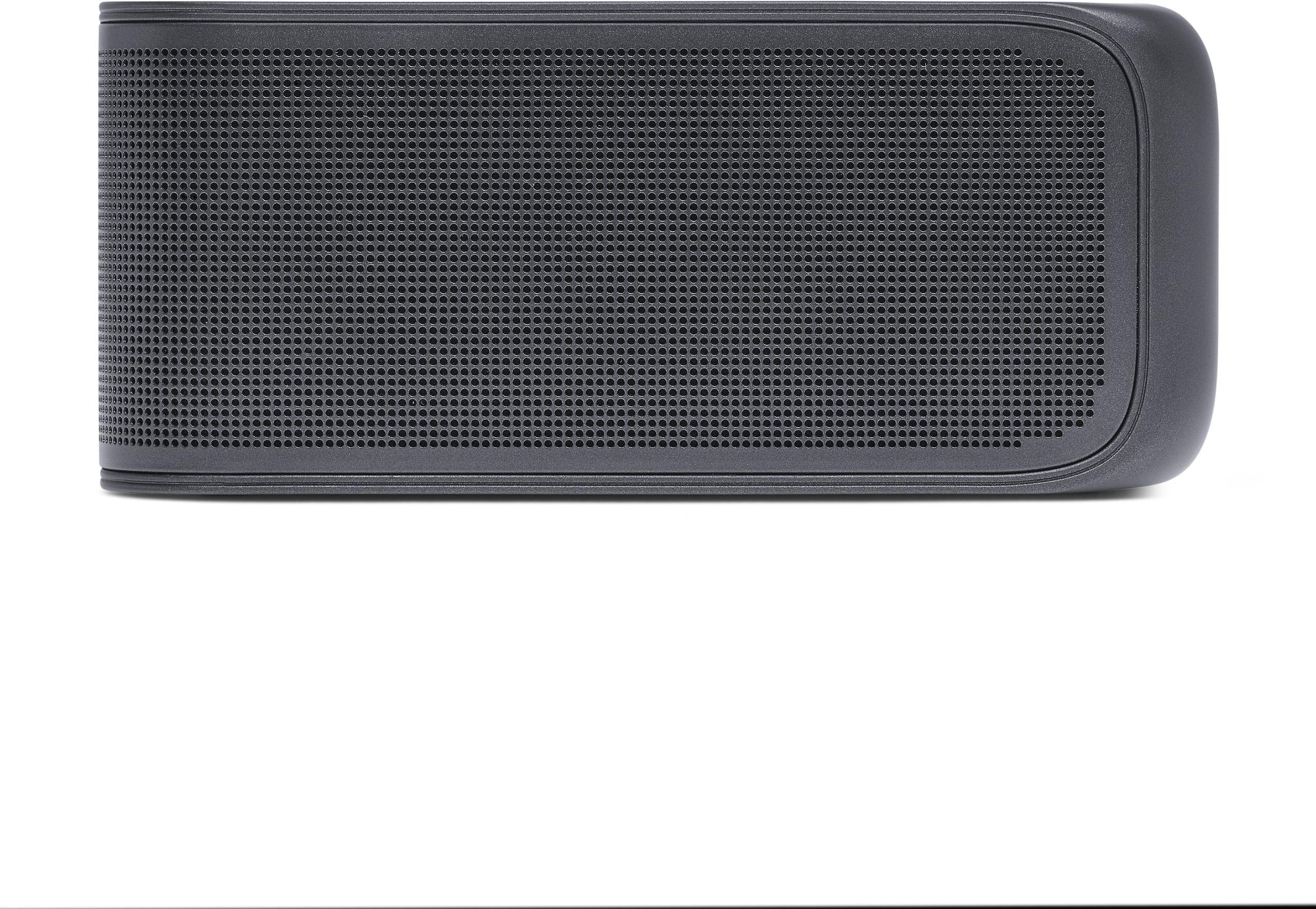
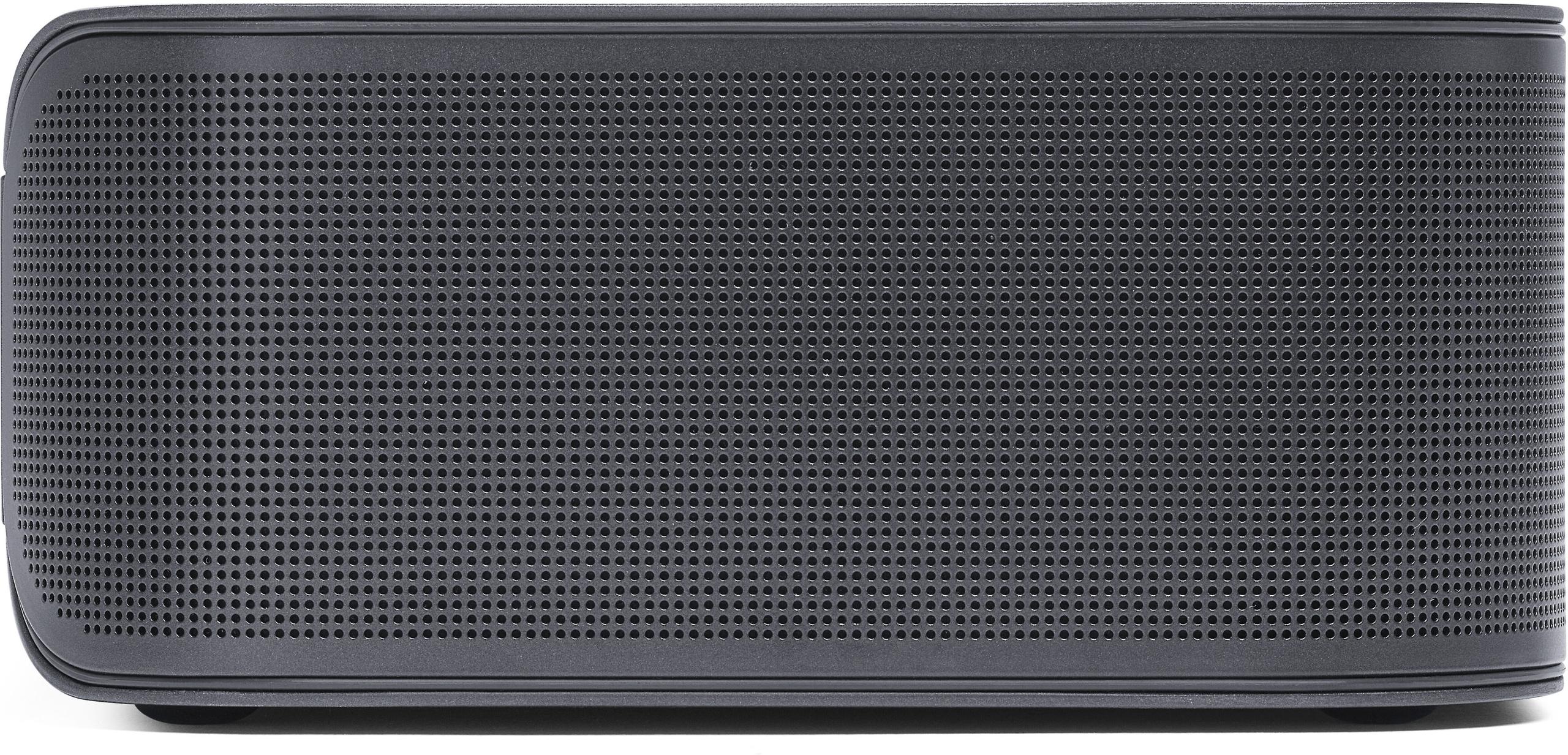
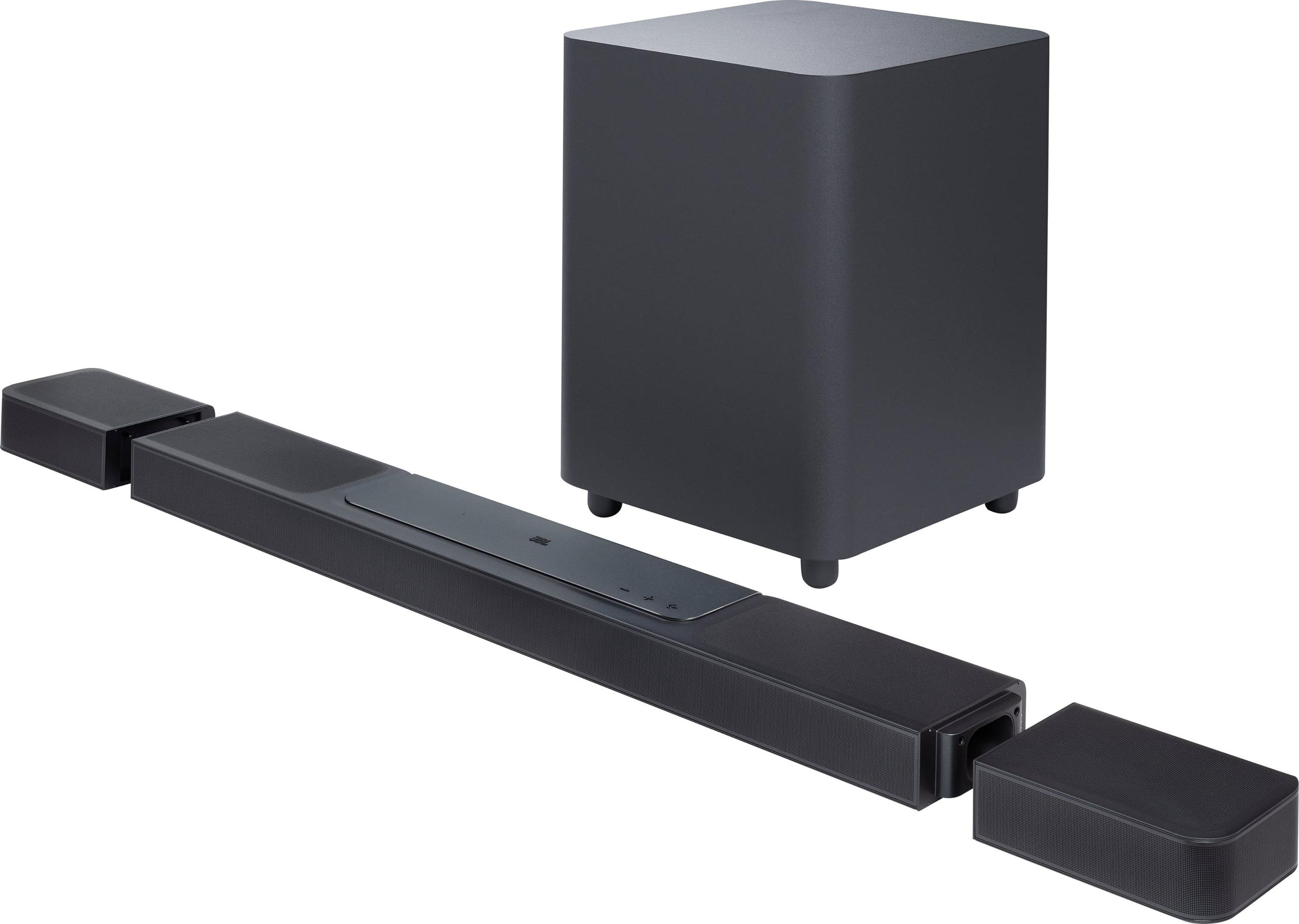
If you've been living with your TV's built-in speakers, you're missing out on what movies, games, and music are supposed to sound like. The difference between tinny TV audio and a proper soundbar system is honestly night and day. But with soundbars ranging from basic $100 models to multi-thousand-dollar systems, finding the sweet spot between performance and price can be tricky.
Today we're comparing two soundbars that take completely different approaches to premium home theater audio: the budget-friendly Hisense AX5140Q and the high-end JBL Bar 1300X. At the time of writing, these systems are separated by roughly $850 in price, which makes this comparison particularly interesting. Can the Hisense punch above its weight class, or does the JBL's premium pricing reflect genuinely superior performance?
Before diving into specifics, let's talk about what separates premium soundbars from basic models. The key differentiator is spatial audio capability—essentially, how well the system can make you feel like sound is coming from all around you rather than just from the front.
The gold standard here is Dolby Atmos, an audio format that treats sounds as objects that can be precisely placed anywhere in 3D space. When a helicopter flies overhead in a movie, Atmos can make it sound like it's actually above you. Traditional surround sound only works in a flat circle around you, but Atmos adds that crucial height dimension.
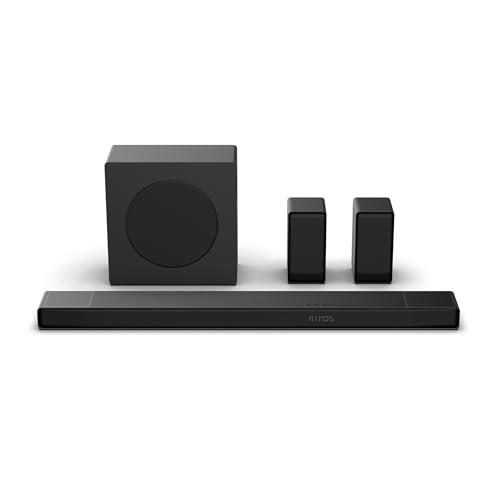
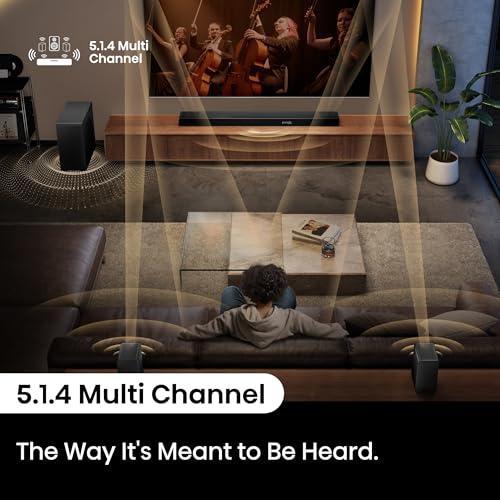
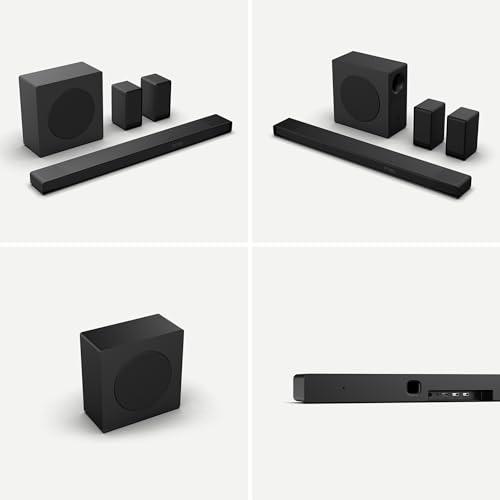
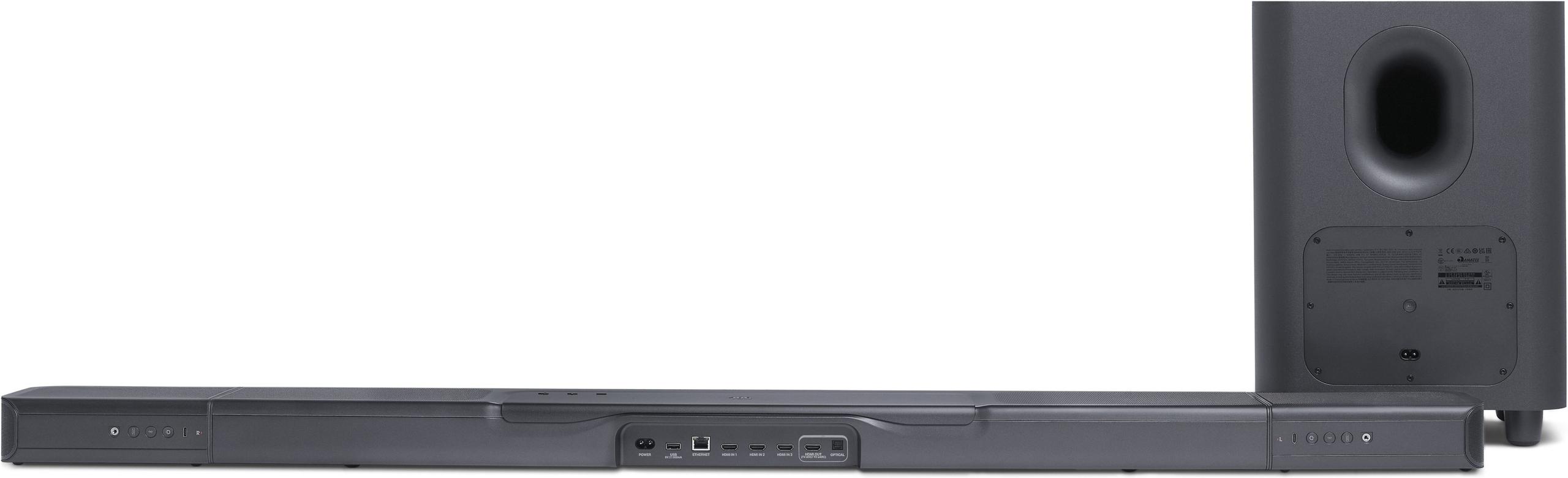
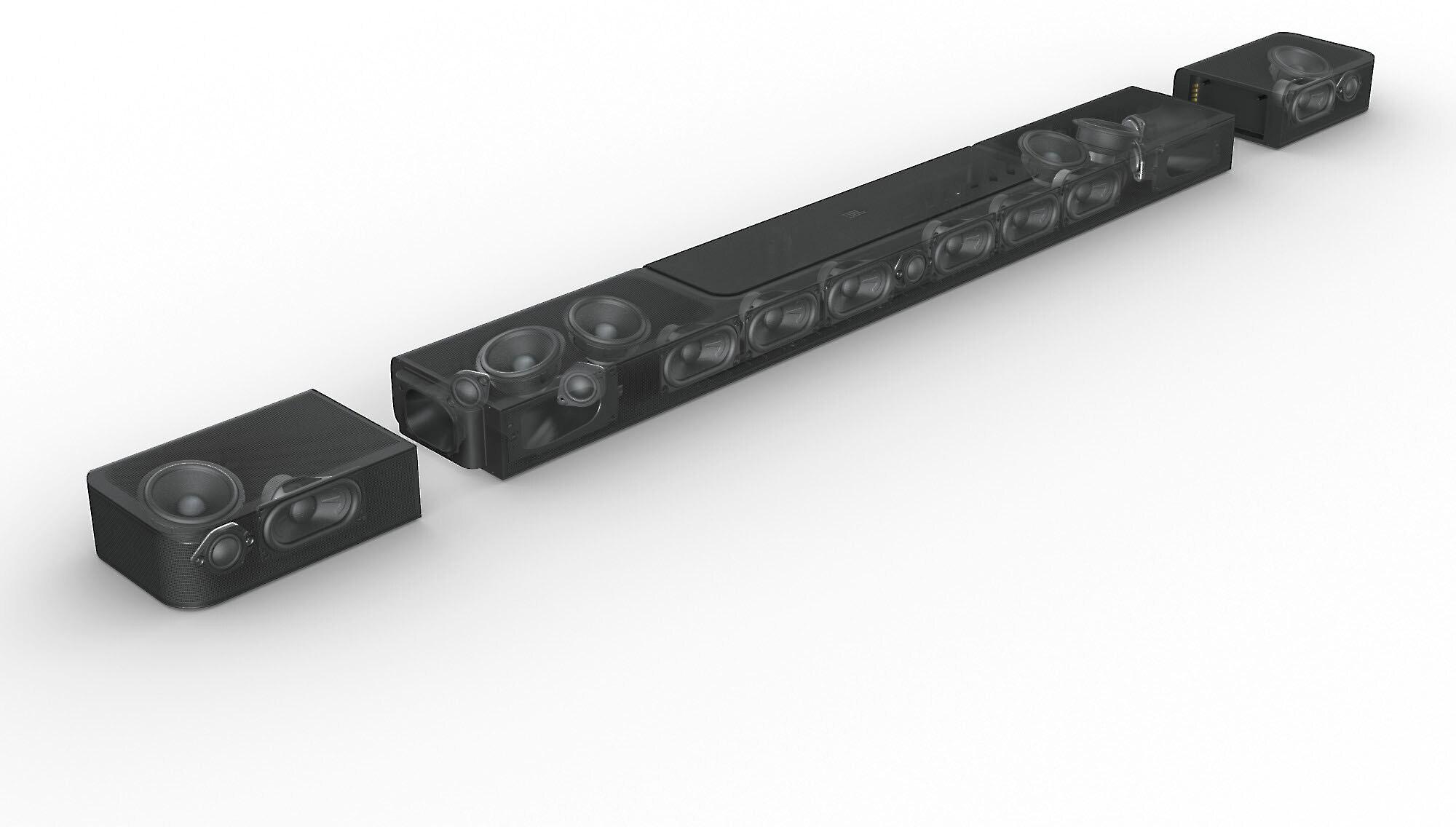
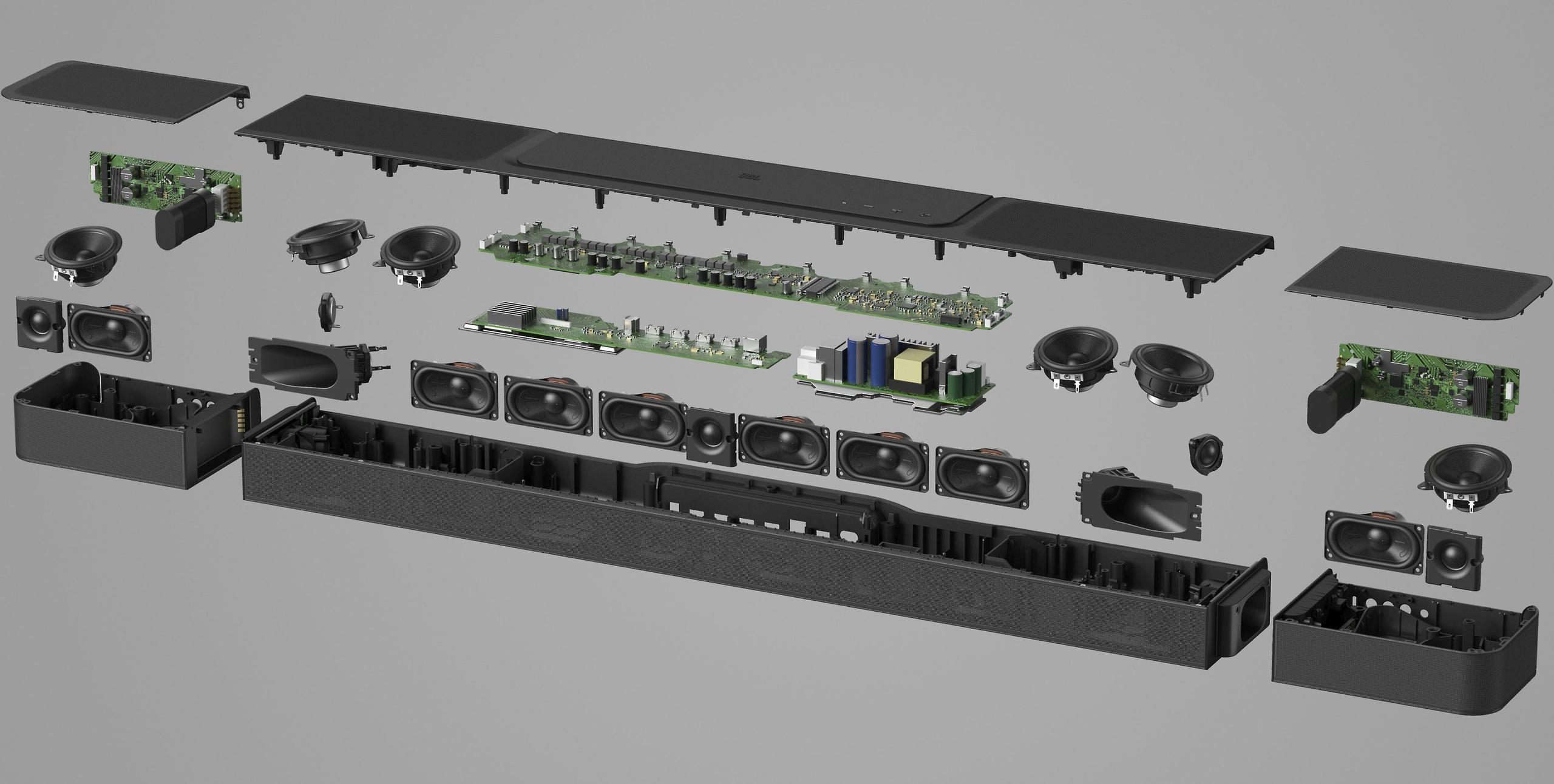
Both the Hisense AX5140Q and JBL Bar 1300X support Dolby Atmos, but they achieve it very differently. The Hisense uses a 5.1.4 channel configuration—that's five main speakers (front left, center, front right, and two rears), one subwoofer for bass, and four upward-firing speakers that bounce sound off your ceiling to create height effects. The JBL Bar 1300X goes further with an 11.1.4 setup, meaning eleven main channels plus four height channels.
More channels generally mean more precise sound placement, but the real question is whether you can actually hear the difference in a typical living room.
Released in 2023, the Hisense AX5140Q represents Hisense's aggressive push into premium audio territory. What makes this system remarkable isn't necessarily groundbreaking technology—it's how Hisense managed to pack legitimate 5.1.4 surround sound into such an accessible price point.
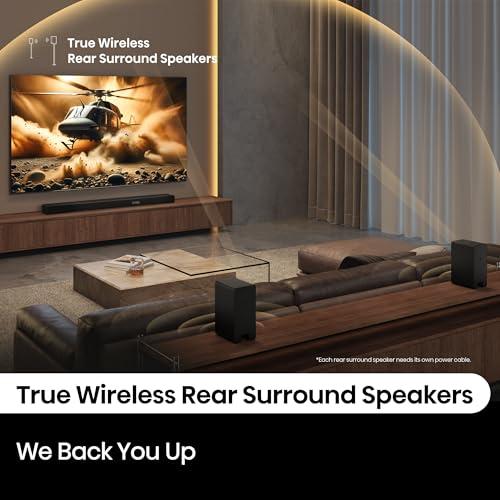
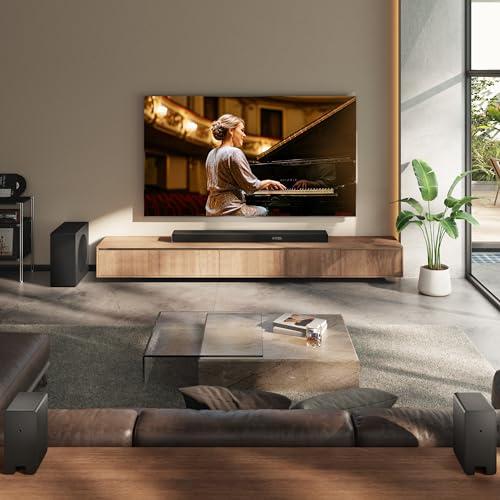
The most impressive aspect of the Hisense AX5140Q is that it includes actual wireless rear speakers, not just a soundbar pretending to create surround effects through audio processing tricks. Many budget "surround" soundbars rely on psychoacoustic processing—basically fooling your brain into thinking sound is coming from behind you when it's actually bouncing off walls. The Hisense gives you real speakers that you place behind your seating area.
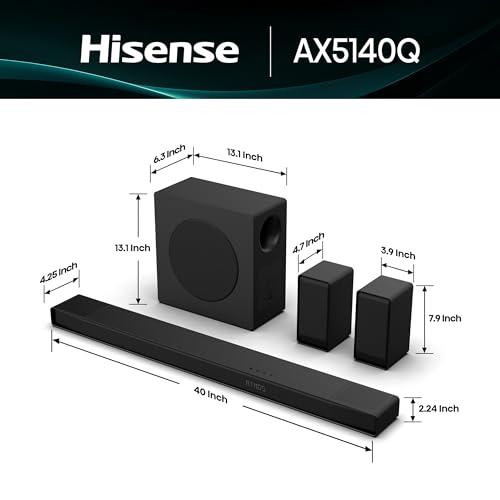
This system comes with a 6.5-inch wireless subwoofer and two compact rear speakers that each include their own upward-firing driver for Atmos effects. Setting everything up is surprisingly painless—the wireless components pair automatically out of the box, so you're not dealing with complicated sync procedures or mysterious blinking lights that never quite work right.
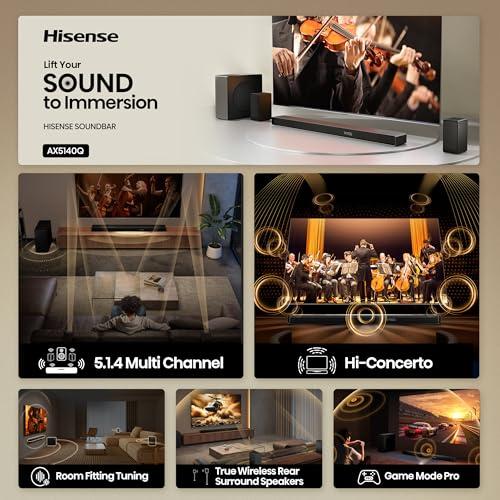
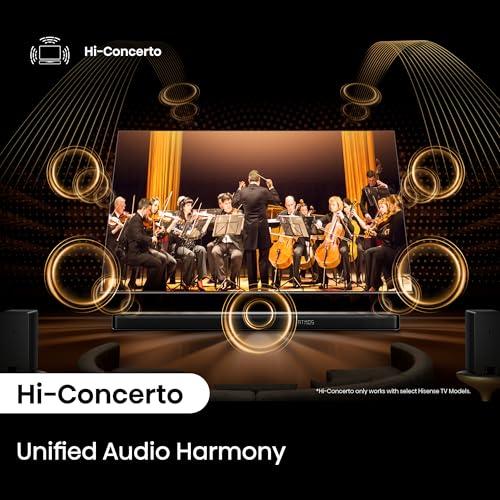
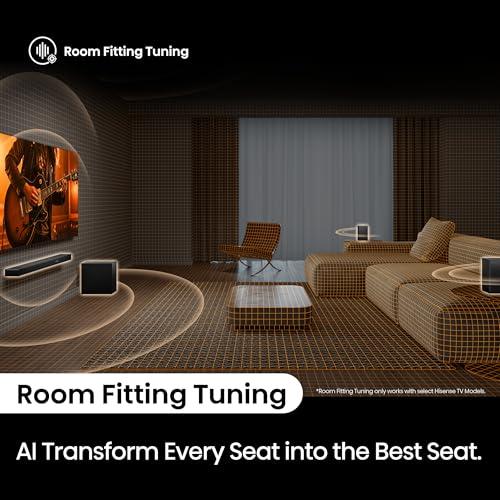
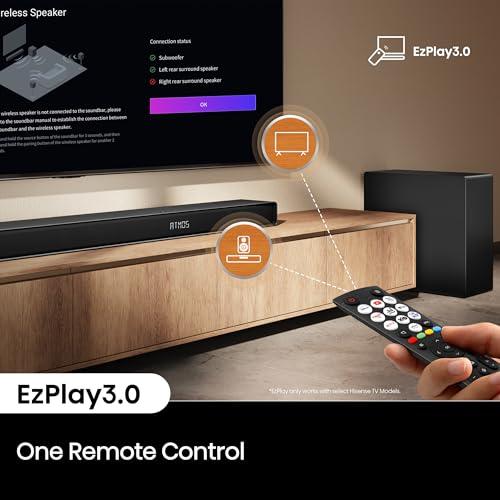
The Hisense AX5140Q also includes some genuinely useful smart features. Hi-Concerto is Hisense's proprietary system that deeply integrates the soundbar with compatible Hisense TVs. Instead of managing two separate devices, the TV and soundbar work together as a unified system. You control everything through your TV remote, and the system can even perform room calibration—playing test tones and adjusting the audio to work better in your specific space.
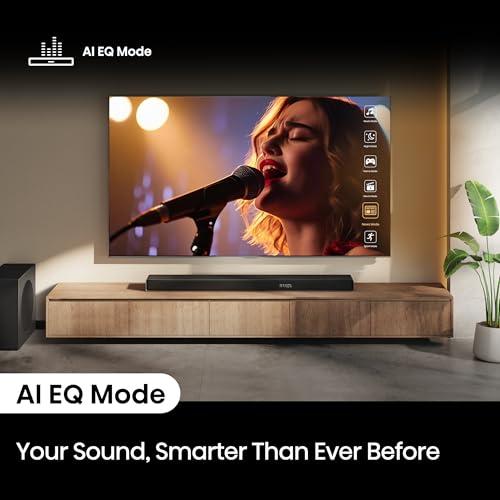
AI EQ Mode is another standout feature that automatically adjusts the sound based on what you're watching. It's not just marketing fluff; the system genuinely adapts the audio profile for movies versus music versus games, and the differences are audible.
From a performance standpoint, our research into user and expert reviews reveals that the Hisense AX5140Q punches well above its weight class. The 6.5-inch subwoofer produces surprisingly deep bass that extends down to about 40Hz—that's low enough to feel the rumble from movie explosions and bass drops in music. The dialogue clarity consistently earns praise, with voices remaining intelligible even during chaotic action scenes.
The height effects from those four upward-firing speakers create a convincing sense of overhead sound in most rooms with standard 8-9 foot ceilings. Rain sounds genuinely fall from above, and aircraft movements track convincingly across the ceiling.
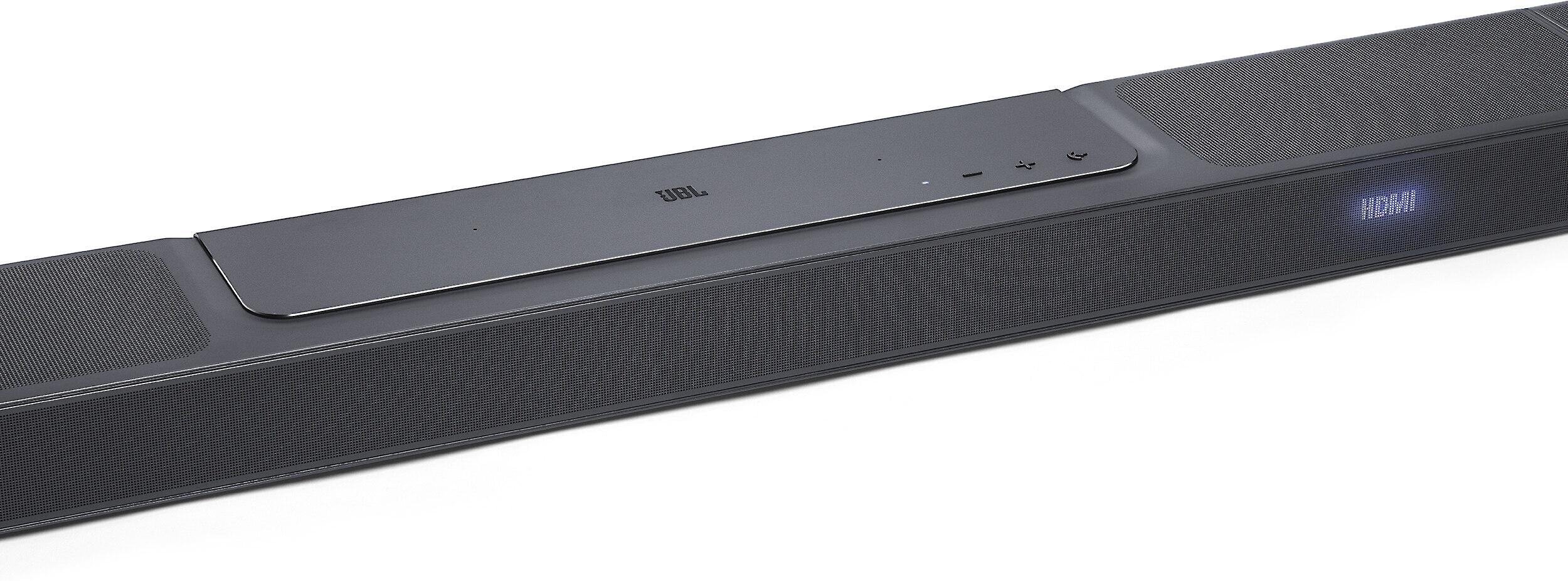
The JBL Bar 1300X, also released in 2023, takes an entirely different approach. This is JBL's flagship soundbar, designed for serious home theater enthusiasts who want uncompromising performance and are willing to pay for it.
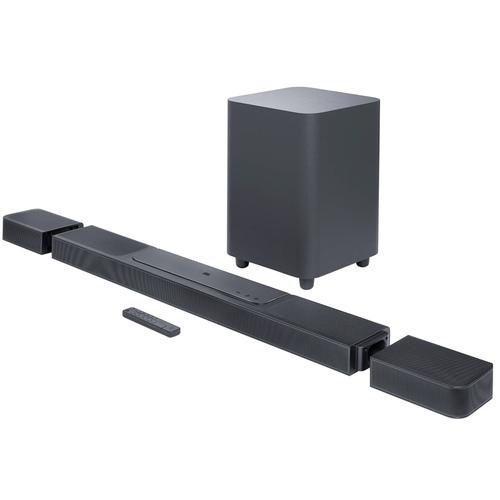
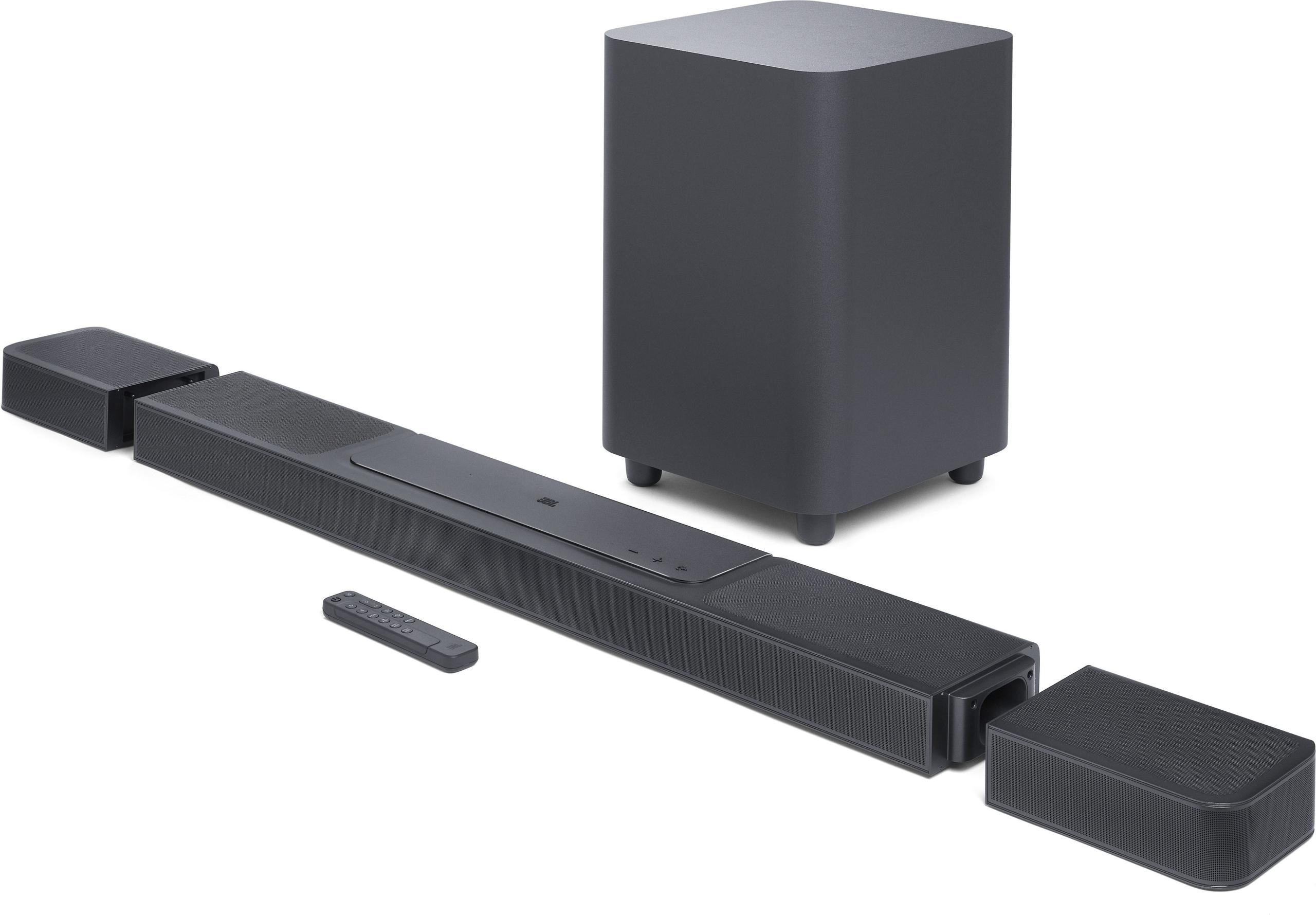
The standout feature here is the detachable wireless surround speakers. These aren't just wireless—they're battery-powered units that can run for up to 12 hours on a single charge. This means you can place them anywhere in your room without worrying about power outlets. Even more cleverly, these speakers can detach from the main soundbar and function as standalone Bluetooth speakers, making the system incredibly flexible.
The JBL Bar 1300X uses what JBL calls MultiBeam technology, which is essentially advanced digital signal processing that analyzes incoming audio and intelligently routes it to different drivers to create a wider, more immersive soundfield. While the Hisense AX5140Q relies primarily on physical speaker placement for surround effects, the JBL combines physical placement with sophisticated processing.
The subwoofer is where the JBL Bar 1300X really flexes its premium positioning. At 12 inches, it's nearly twice the size of the Hisense's driver, and the performance difference is immediately obvious. This subwoofer extends down to around 33Hz, which gets into that chest-thumping territory that you feel as much as hear. The difference between 40Hz and 33Hz might not sound like much on paper, but those extra seven hertz represent a significant increase in impact and presence.
The JBL Bar 1300X also includes PureVoice technology for dialogue enhancement. While both systems handle voices well, JBL's implementation maintains clarity even at very high volumes where other systems might start to sound strained or compressed.
This is probably the most significant performance difference between these systems. The Hisense AX5140Q's 6.5-inch subwoofer does admirably well for its size, but physics is physics. A larger driver can move more air and reproduce lower frequencies with greater authority.
In practical terms, this means the JBL Bar 1300X will make action movies more visceral and music more impactful. When the T-Rex stomps in Jurassic Park or the bass drops in your favorite song, the JBL's 12-inch driver provides that physical sensation that makes you actually feel the sound. The Hisense will give you the audio information, but it won't rattle your ribcage quite the same way.
However, for many people in typical living rooms, the Hisense's bass output is perfectly adequate. Unless you're trying to replicate a commercial theater experience or you listen to bass-heavy music at high volumes regularly, the difference might not justify the price premium.
Both systems create convincing Dolby Atmos effects, but they achieve it differently. The Hisense AX5140Q relies on its four upward-firing speakers and physical rear placement to create 3D sound. The JBL Bar 1300X adds sophisticated processing on top of its six upward-firing drivers.
In our evaluation of expert reviews and user feedback, the JBL Bar 1300X creates a more enveloping soundfield with better precision in object placement. Sounds move more smoothly around the room, and the transition between different audio zones feels more seamless. The additional processing power and channel count do translate into a more sophisticated listening experience.
That said, the Hisense AX5140Q still delivers genuinely impressive spatial audio. The key difference is refinement rather than fundamental capability. Both systems will make you duck when something explodes overhead in a movie—the JBL just does it with more nuance.
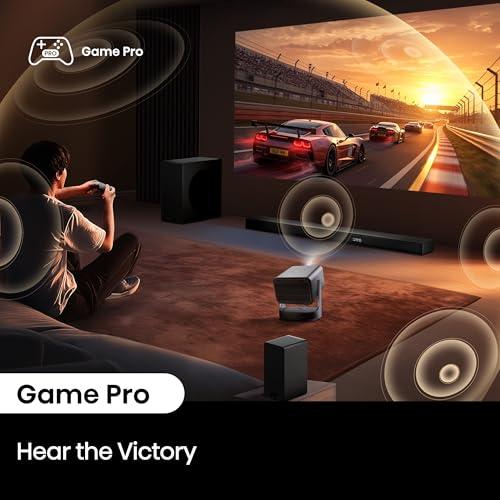
For gaming, both systems include dedicated game modes that optimize audio for interactive content. The Hisense AX5140Q's Game Pro mode enhances positional cues and maintains low latency, which is crucial for competitive gaming where hearing enemy footsteps a split second earlier can mean the difference between victory and defeat.
The JBL Bar 1300X's superior channel separation gives it an edge in complex gaming scenarios. In a battle royale game with multiple enemies, vehicles, and environmental sounds happening simultaneously, the JBL's more sophisticated processing helps maintain audio clarity and positioning accuracy.
Both systems support 4K passthrough, though they're limited to 60Hz rather than the 120Hz that newer gaming consoles can output. This isn't a dealbreaker—you can always connect your console directly to your TV and use eARC (enhanced Audio Return Channel) to send audio back to the soundbar.
The Hisense AX5140Q really shines in its integration with Hisense TVs. The Hi-Concerto ecosystem creates a unified experience that's genuinely more convenient than managing separate devices. The automatic room calibration works well in most typical rooms, and the AI EQ mode's content-aware adjustments are subtle but effective.
The JBL Bar 1300X takes a more platform-agnostic approach with support for AirPlay, Chromecast, and Alexa integration. The JBL One app provides comprehensive control and customization options, though the setup process is more involved than the Hisense's plug-and-play approach.
Both systems offer automatic software updates, which is important for maintaining compatibility with new audio formats and fixing any bugs that emerge after release.
The Hisense AX5140Q is remarkably easy to live with. The wireless components pair instantly, the system integrates seamlessly with Hisense TVs, and the compact form factor fits well in most entertainment setups. The soundbar itself is about 40 inches wide, making it suitable for 50-inch and larger TVs without looking oversized.
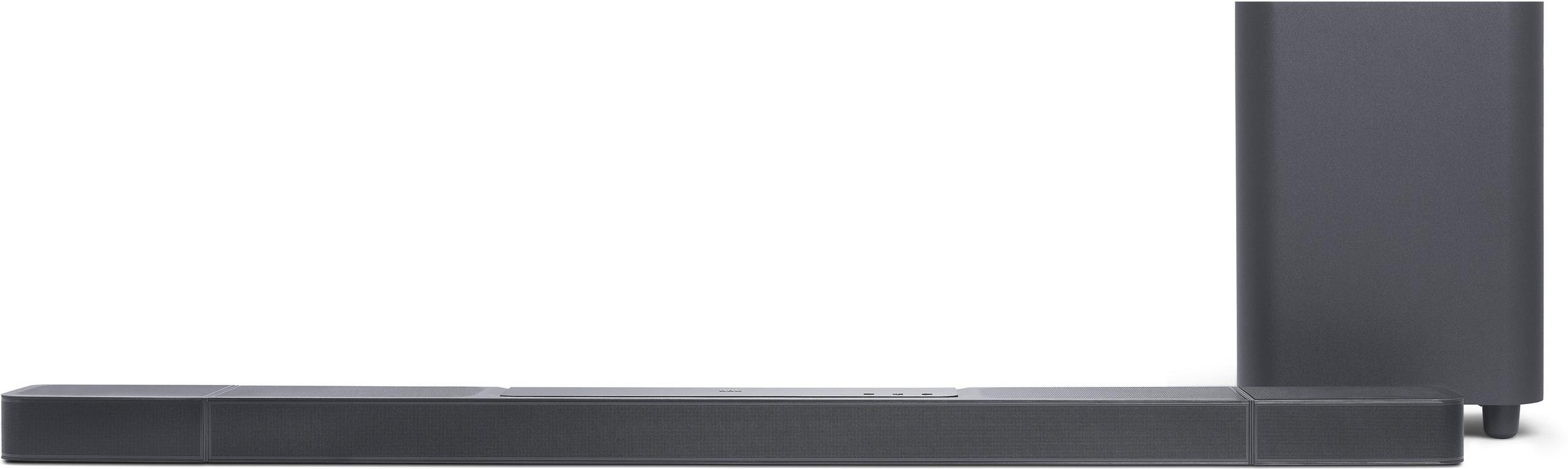
The JBL Bar 1300X demands more consideration. The 12-inch subwoofer requires careful placement—JBL recommends at least one foot of clearance from walls for optimal performance. The main soundbar is larger and heavier, and the detachable surround speakers, while innovative, add complexity to the setup process.
However, that complexity comes with benefits. The battery-powered surrounds offer placement flexibility that's simply impossible with traditional wired systems. You can position them optimally for your seating arrangement without worrying about running cables or finding nearby power outlets.
At the time of writing, these systems represent fundamentally different value propositions. The Hisense AX5140Q delivers roughly 80% of the JBL Bar 1300X's performance at about 30% of the cost. That's exceptional value for anyone wanting to experience legitimate surround sound without a massive financial commitment.
The JBL Bar 1300X justifies its premium pricing through superior build quality, more sophisticated processing, significantly better bass performance, and innovative features like the battery-powered surrounds. It's a long-term investment that provides a more refined and powerful audio experience.
Choose the Hisense AX5140Q if you want to dip your toes into premium home theater audio without diving headfirst into the deep end financially. This system proves that you don't need to spend a fortune to get legitimate surround sound with height effects. It's perfect for smaller to medium-sized rooms, pairs beautifully with Hisense TVs, and offers an upgrade path—you can always move to a more expensive system later if you catch the home theater bug.
The Hisense AX5140Q is also ideal if setup simplicity is a priority. Everything just works out of the box, and the wireless ecosystem eliminates the cable management headaches that plague traditional surround sound systems.
Choose the JBL Bar 1300X if audio quality is a genuine priority and you have the budget to match your ambitions. This system provides meaningfully better performance across every metric—deeper bass, more precise spatial audio, superior build quality, and innovative features that enhance the overall experience.
The JBL Bar 1300X makes the most sense for dedicated home theater spaces, larger rooms where its performance advantages become more apparent, and households where multiple family members will appreciate the audio quality improvement.
Both systems succeed at their intended goals. The Hisense AX5140Q democratizes premium audio by making legitimate 5.1.4 surround sound accessible to budget-conscious buyers. The JBL Bar 1300X provides uncompromising performance for enthusiasts willing to invest in superior audio quality.
The choice ultimately comes down to your priorities, room size, and budget. If you're primarily interested in a substantial upgrade over TV speakers and want to experience what Dolby Atmos is all about, the Hisense AX5140Q delivers remarkable value. If you're building a dedicated home theater and want the best possible audio experience from a soundbar system, the JBL Bar 1300X justifies its premium pricing through measurably superior performance.
Either way, both systems will transform your audio experience and make you wonder how you ever tolerated TV speakers in the first place.
| Hisense AX5140Q | JBL Bar 1300X |
|---|---|
| Channel Configuration - More channels mean better surround sound precision | |
| 5.1.4 channels (13 total speakers) | 11.1.4 channels (16 discrete channels) |
| Subwoofer Size - Larger drivers produce deeper, more impactful bass | |
| 6.5" wireless subwoofer | 12" down-firing wireless subwoofer |
| Bass Extension - Lower frequencies create more visceral movie experiences | |
| 40Hz frequency response | 33Hz frequency response (significantly deeper) |
| Upfiring Drivers - Creates overhead Dolby Atmos effects | |
| 4 upfiring speakers (2 front, 2 rear) | 6 upfiring speakers (4 front, 2 rear) |
| Rear Speaker Design - Physical rears beat virtual surround processing | |
| Wireless rear speakers (AC powered) | Detachable battery-powered surrounds (12hr battery) |
| Total System Power - Higher wattage enables louder, cleaner audio | |
| 600W maximum output | 1170W maximum output |
| Smart Integration - Simplifies control and setup | |
| Hi-Concerto (Hisense TVs), AI EQ, Room Calibration | JBL One app, AirPlay/Chromecast, voice assistant support |
| HDMI Connectivity - More inputs reduce device switching | |
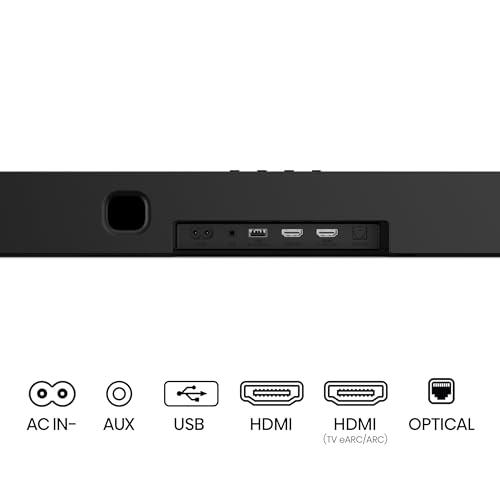
| HDMI eARC + 1 input | HDMI eARC + 3 inputs |
| Wireless Technology - Affects reliability and range | |
| Bluetooth 5.3 | Bluetooth 5.2, Wi-Fi 6 |
| Physical Dimensions - Consider TV size compatibility | |
| 40" soundbar width, compact form factor | 54.2" total width (39.4" main bar), larger footprint |
| Setup Complexity - Simpler setup means faster enjoyment | |
| Plug-and-play wireless pairing | More involved setup due to larger system |
| Unique Features - Standout capabilities that differentiate each system | |
| Hisense AX5140Q: True 5.1.4 at budget price, instant wireless pairing | JBL Bar 1300X: MultiBeam processing, portable surround speakers |
The Hisense AX5140Q offers exceptional value by delivering true 5.1.4 Dolby Atmos surround sound at a budget-friendly price point. The JBL Bar 1300X provides superior performance across all metrics but costs significantly more. For most users, the Hisense AX5140Q delivers about 80% of the premium experience at roughly 30% of the cost, making it the better value choice.
The primary difference is channel configuration and bass power. The Hisense AX5140Q uses a 5.1.4 setup with a 6.5" subwoofer, while the JBL Bar 1300X features an advanced 11.1.4 system with a massive 12" subwoofer. The JBL Bar 1300X also includes unique battery-powered detachable surround speakers that can function as portable Bluetooth speakers.
The JBL Bar 1300X has significantly better bass performance thanks to its 12" subwoofer that extends down to 33Hz compared to the Hisense AX5140Q's 6.5" driver reaching 40Hz. The larger driver provides more chest-thumping impact for action movies and bass-heavy music. However, the Hisense AX5140Q still delivers satisfying bass for most users in typical living rooms.
Yes, both soundbars excel for gaming with dedicated game modes. The Hisense AX5140Q includes Game Pro mode that enhances positional audio cues, while the JBL Bar 1300X offers superior channel separation for complex gaming scenarios. Both support 4K passthrough and low-latency audio processing essential for competitive gaming.
The Hisense AX5140Q is significantly easier to set up with plug-and-play wireless pairing that works immediately out of the box. The JBL Bar 1300X requires more involved setup due to its larger size and more complex speaker configuration, though it offers more placement flexibility with its battery-powered surrounds.
No, the Hisense AX5140Q works with any TV that has HDMI, optical, or Bluetooth connectivity. However, it offers enhanced integration features like Hi-Concerto and unified remote control when paired with compatible Hisense TVs. The JBL Bar 1300X works universally with all TV brands without requiring specific manufacturer pairing.
The JBL Bar 1300X is better suited for large rooms due to its higher power output (1170W vs 600W), larger subwoofer, and more sophisticated audio processing. The Hisense AX5140Q works well in small to medium-sized rooms but may struggle to fill very large spaces with the same authority as the JBL Bar 1300X.
The Hisense AX5140Q includes 13 total speakers across its 5.1.4 configuration: multiple drivers in the main bar, wireless subwoofer, and two rear speakers with upfiring drivers. The JBL Bar 1300X features 16 discrete channels in its 11.1.4 setup with more drivers distributed across the main bar, subwoofer, and detachable surrounds.
Only the JBL Bar 1300X offers this flexibility with its detachable battery-powered surround speakers that can function as standalone Bluetooth speakers for up to 12 hours. The Hisense AX5140Q has wireless rear speakers that must remain connected to the main system and require AC power outlets.
Both soundbars excel at dialogue clarity, but through different approaches. The Hisense AX5140Q uses AI EQ mode and dedicated voice enhancement modes that automatically optimize speech intelligibility. The JBL Bar 1300X employs PureVoice technology with more sophisticated processing that maintains clarity even at very high volumes.
Yes, both the Hisense AX5140Q and JBL Bar 1300X support all major streaming platforms through their HDMI eARC connections and comprehensive codec support including Dolby Atmos and DTS:X. The JBL Bar 1300X also includes built-in streaming capabilities with AirPlay, Chromecast, and direct app integration.
For first-time buyers, the Hisense AX5140Q is the smarter choice due to its exceptional value, simple setup, and genuine surround sound experience without the complexity of premium systems. The JBL Bar 1300X is better suited for serious audio enthusiasts who want flagship performance and have the budget to match their ambitions.
We've done our best to create useful and informative comparisons to help you decide what product to buy. Our research uses advanced automated methods to create this comparison and perfection is not possible - please contact us for corrections or questions. These are the sites we've researched in the creation of this article: shop.hisense-usa.com - manuals.plus - dolby.com - youtube.com - gzhls.at - rtings.com - youtube.com - bestbuy.com - manuals.plus - bestbuy.com - hisense-usa.com - youtube.com - device.report - manuals.plus - youtube.com - device.report - manuals.plus - youtube.com - techradar.com - jbl.com - audioadvice.com - youtube.com - rtings.com - jbl.com - greentoe.com - harmanaudio.com - youtube.com - mm.jbl.com - jbl.com

Privacy Policy
Terms and Conditions - Affiliate Policy
Home Security
© Copyright 2008-2026.
11816 Inwood Rd #1211, Dallas, TX 75244