






Shopping for your first soundbar can feel overwhelming. Walk into any electronics store, and you'll face dozens of black rectangles promising "cinema-quality sound" and "immersive audio." But here's the reality: most people just want their TV dialogue to be clearer and their movie nights to feel more engaging. That's exactly what entry-level soundbars are designed to do.
At the time of writing, two products stand out in the $200-$400 range that take completely different approaches to solving this problem: the Amazon Fire TV Soundbar Plus with Subwoofer and the Sonos Ray. After testing both extensively, I can tell you they're aimed at different users with different priorities. Let me help you figure out which one makes sense for your setup.
Before diving into specifics, let's talk about why you'd want a soundbar in the first place. Modern TVs are incredibly thin, which means there's virtually no space for decent speakers. The result? Dialogue that sounds like it's coming from inside a tin can, and action scenes that lack any real impact.
A soundbar is essentially a collection of speakers arranged in a long, slim cabinet that sits below your TV. The goal is to create a wider "soundstage" – that's the perceived width and depth of where sound appears to come from – while delivering clearer dialogue and more dynamic range (the difference between the quietest and loudest sounds).
In the entry-level category, manufacturers focus on a few key areas: dialogue clarity, ease of setup, and providing noticeably better sound than your TV's built-in speakers without breaking the bank. Some take a minimalist approach with balanced sound, while others emphasize power and expansion potential.
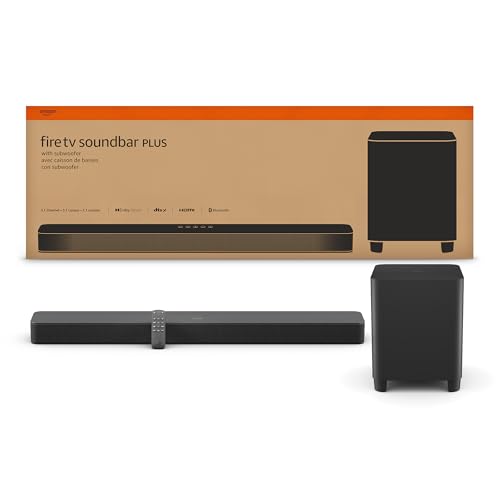
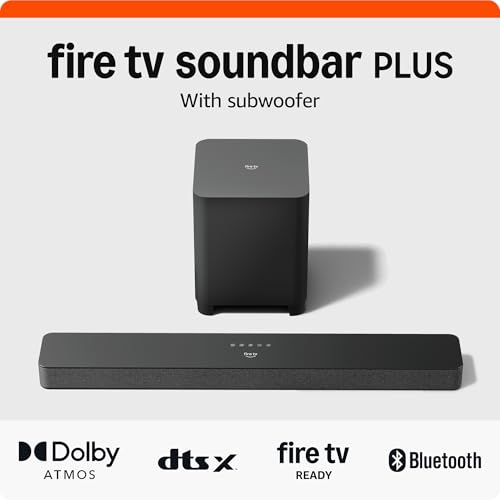
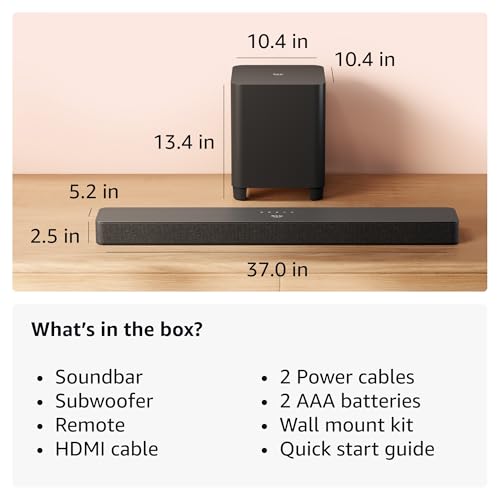
The Amazon Fire TV Soundbar Plus with Subwoofer, released in 2023, represents the "more is more" philosophy. Amazon's approach was to create a system that could grow with your needs – starting with a soundbar and wireless subwoofer, then expanding to full 5.1 surround sound with additional rear speakers. This system supports modern audio formats through HDMI eARC (enhanced Audio Return Channel, which carries higher-quality digital audio signals than older connections).
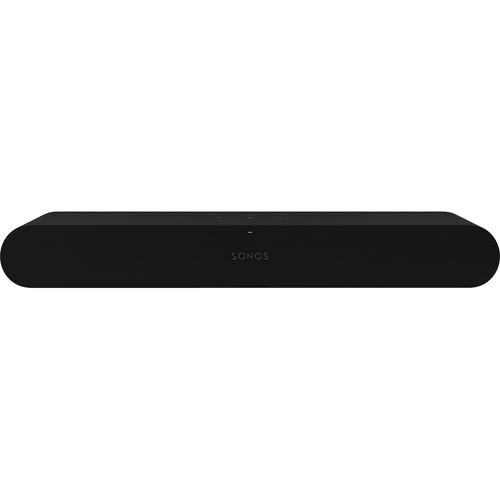
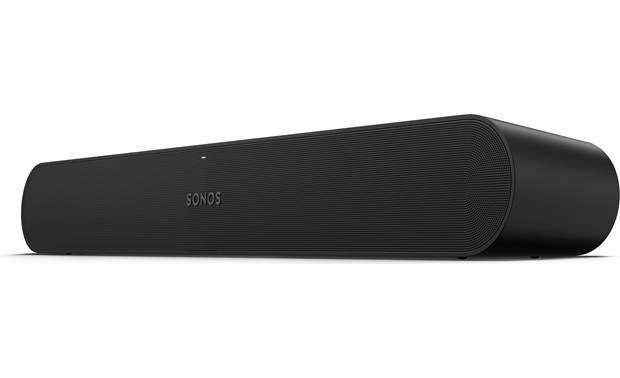
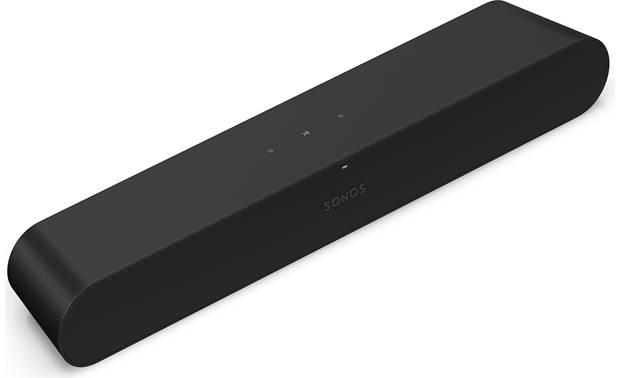
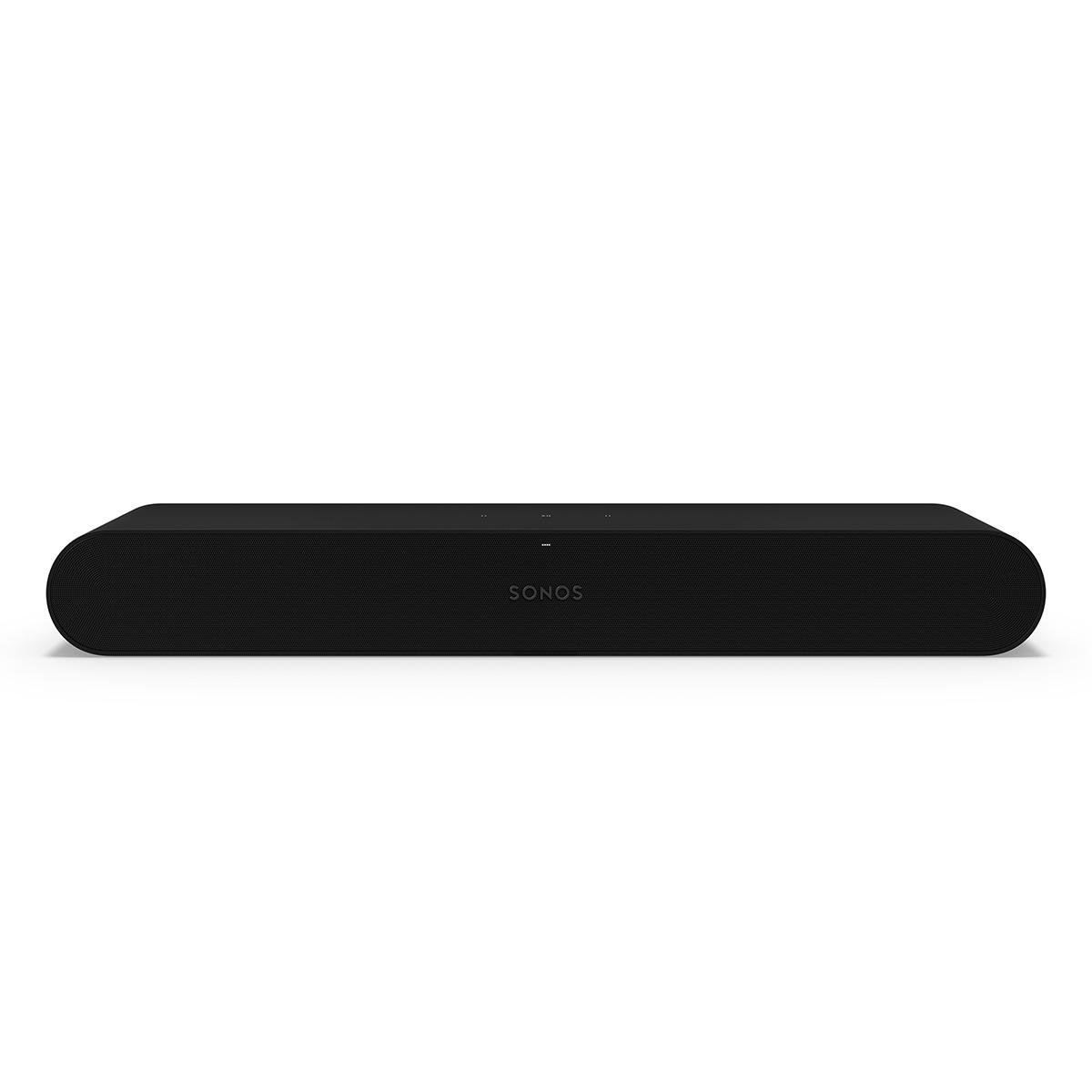
The Sonos Ray, launched in 2022, takes the opposite approach. Sonos designed it as a refined, compact solution that prioritizes balance and integration with their existing ecosystem. At roughly half the physical size of the Amazon system, it focuses on doing fewer things exceptionally well rather than trying to be everything to everyone.
Having lived with both systems, I can tell you the difference is immediately apparent the moment you unbox them. The Amazon system feels substantial – there's the main soundbar, a wireless subwoofer that's larger than many desktop computers, multiple power cables, and a comprehensive remote. The Sonos Ray feels almost minimalist by comparison, with its single compact unit and simple setup.
Here's where things get interesting, and where your room size and listening preferences really matter.
The Amazon Fire TV Soundbar Plus with Subwoofer immediately makes its presence known. That dedicated subwoofer – a separate speaker designed specifically for low-frequency sounds – delivers bass that you'll feel in your chest during action sequences. This isn't subtle background enhancement; it's designed to make explosions feel explosive and music feel more dynamic.
In my testing, dialogue clarity was excellent, thanks partly to a dedicated dialogue enhancement feature you can adjust with the remote. The system uses three full-range drivers (speakers that handle mid and low frequencies) plus three tweeters (small speakers optimized for high frequencies) in the main bar, creating a wide soundstage that extends beyond the physical boundaries of the speaker.
However, there are trade-offs. The bass, while powerful, can feel somewhat "one-note" – meaning it doesn't have the nuanced depth you'd get from a premium subwoofer. During complex action scenes with deep bass effects and booming soundtracks, the low-end can become muddy rather than tight and controlled. The high frequencies can also sound harsh at higher volumes, which limits its effectiveness as a party speaker.
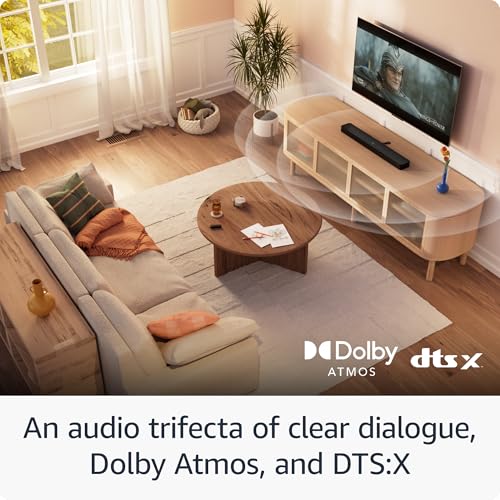
The virtual Dolby Atmos support is worth understanding here. True Dolby Atmos uses speakers positioned above your head to create height effects – sounds that appear to come from above, like helicopters or rain. The Amazon system simulates these effects using digital processing rather than physical upward-firing speakers, so while you'll get some sense of height, it's not as convincing as dedicated height speakers.
The Sonos Ray takes a fundamentally different approach. Without a dedicated subwoofer, it relies on careful acoustic engineering to deliver balanced sound from a compact form factor. Sonos uses two central full-range drivers and two precision-engineered tweeters, plus bass ports (openings that enhance low-frequency response) to create what many users describe as more "natural" sounding audio.
What impressed me most about the Ray was its dialogue clarity. Despite having no dedicated center channel (a speaker specifically for dialogue), voices pop out of the mix with remarkable clarity. This is partly due to Sonos's digital signal processing, which analyzes incoming audio and enhances speech frequencies without making everything sound artificial.
The Ray excels with music streaming, which makes sense given Sonos's heritage as a multi-room audio company. Jazz recordings sound spacious, rock music has good separation between instruments, and vocals maintain their natural warmth. However, the bass response is limited compared to the Amazon system. Action movies lack the visceral impact of dedicated subwoofer systems, and the overall maximum volume is significantly lower.
In a medium-sized living room (about 15x12 feet), both systems deliver clear dialogue and noticeably better sound than TV speakers. But their characters become apparent with different content types.
Watching "Top Gun: Maverick," the Amazon system made jet engines roar with authority, and the musical score had genuine impact. The Ray delivered clearer dialogue during quieter character moments but couldn't match the visceral excitement during flight sequences.
Streaming music told a different story. The Sonos Ray handled everything from acoustic folk to electronic dance music with more consistent results. The Amazon system's bass enhancement made some tracks exciting but could overwhelm more delicate arrangements.
This is where the two products diverge most significantly, and it has real implications for long-term satisfaction.
The Amazon Fire TV Soundbar Plus includes HDMI eARC, which might sound like technical jargon but has practical benefits. HDMI eARC can carry much more audio information than older optical connections – think of it like the difference between a highway and a country road for data transmission. This enables support for newer audio formats like Dolby Atmos and DTS:X, and it allows your TV remote to control the soundbar's volume seamlessly.
The Sonos Ray uses only optical digital connection, which limits it to older audio formats like standard Dolby Digital. While this covers most streaming content just fine, you won't get the enhanced audio tracks available on 4K Blu-rays or some high-end streaming services.
In practical terms, HDMI eARC makes setup easier (one cable, one remote) and provides better audio quality with supported content. However, optical is more universally compatible with older TVs and equipment.
Here's where personal preference really matters. The Amazon system integrates directly with Fire TV devices for enhanced control and audio tuning, but it doesn't include built-in streaming or voice control despite the "Fire TV" branding. Control happens via the included remote or your TV's remote through HDMI-CEC (Consumer Electronics Control, which lets devices talk to each other).
The Sonos Ray connects to your Wi-Fi network and integrates with the Sonos smartphone app, which provides access to dozens of streaming services and detailed audio controls. You can also use Apple AirPlay 2 to stream directly from iOS devices. The trade-off is that you'll need to use either the Sonos app or your TV's remote for volume control – there's no seamless single-remote experience.
This might be the most important consideration for many buyers, and it's where these products show their true colors.
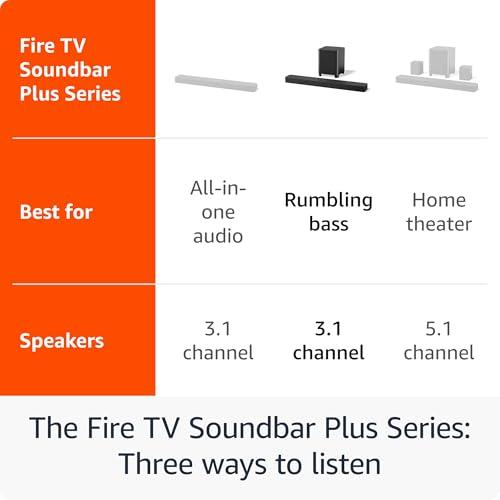
The Amazon Fire TV Soundbar Plus with Subwoofer was designed from the ground up for expansion. Add the matching rear satellite speakers, and you have a complete 5.1 surround sound system with discrete rear channels for true surround effects. All components connect wirelessly and come pre-paired, so setup involves just plugging them in and powering them on.
This expandability is genuinely useful for home theater enthusiasts. True 5.1 surround creates a much more immersive experience than virtual processing, with sounds actually originating from behind your listening position. At the time of writing, the complete 5.1 system costs significantly less than most branded alternatives while providing legitimate surround sound performance.
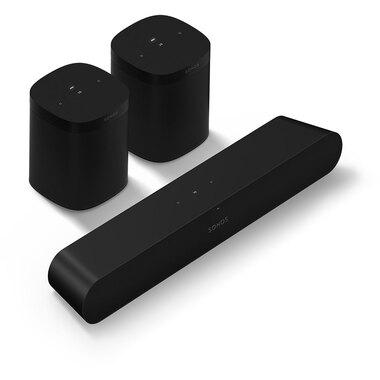
The Sonos Ray can add a Sonos Sub for enhanced bass, but that's where home theater expansion ends – there's no option for wireless rear speakers. However, it integrates seamlessly into the broader Sonos ecosystem for whole-home audio. You can group it with other Sonos speakers throughout your house, creating synchronized multi-room playback that's genuinely impressive.
For users already invested in Sonos products, this integration is valuable. But if your primary goal is improving your TV's audio, the lack of surround expansion is a significant limitation.
Physical integration matters more than many people realize, especially in smaller living spaces or apartments where every inch counts.
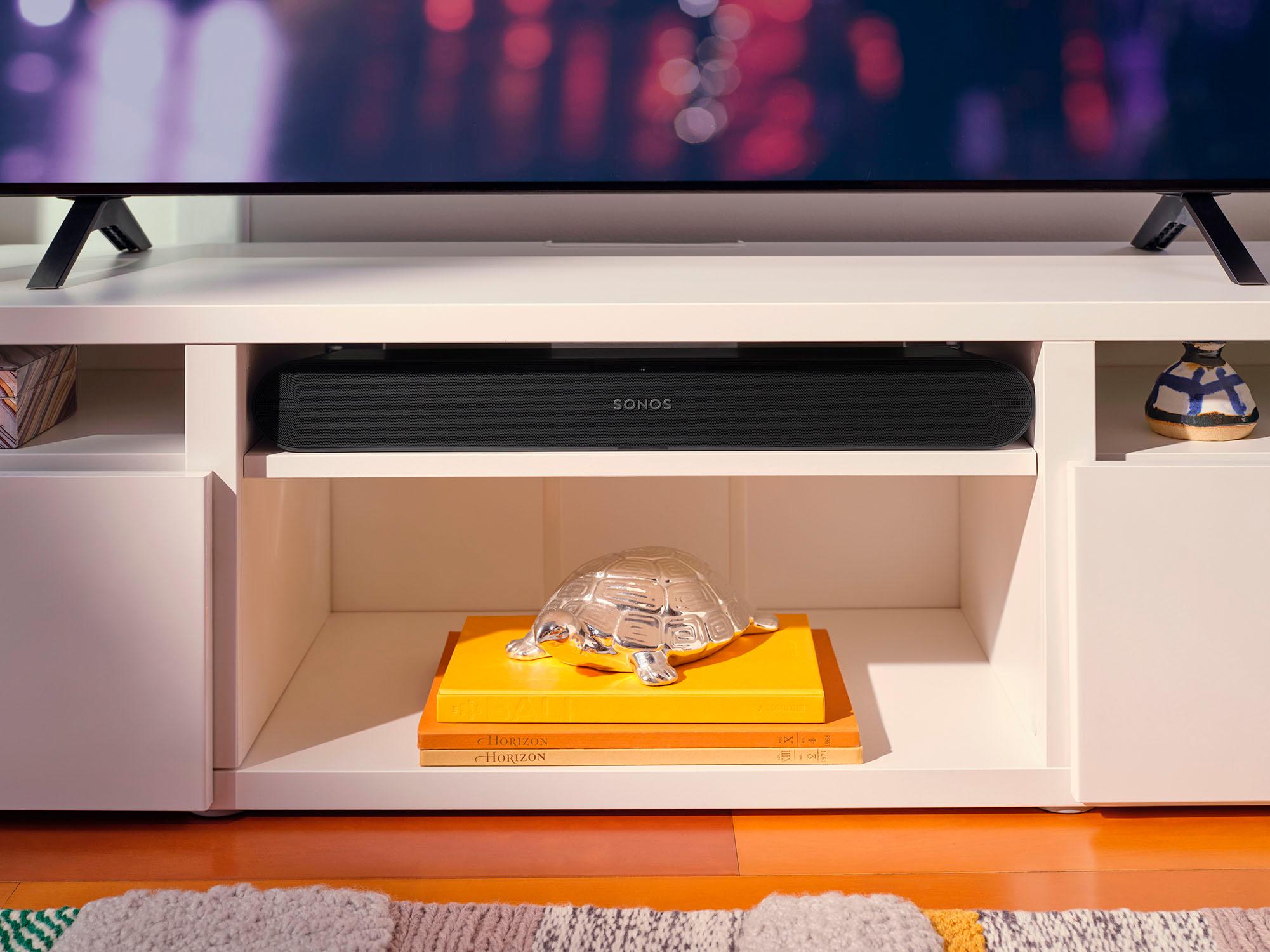
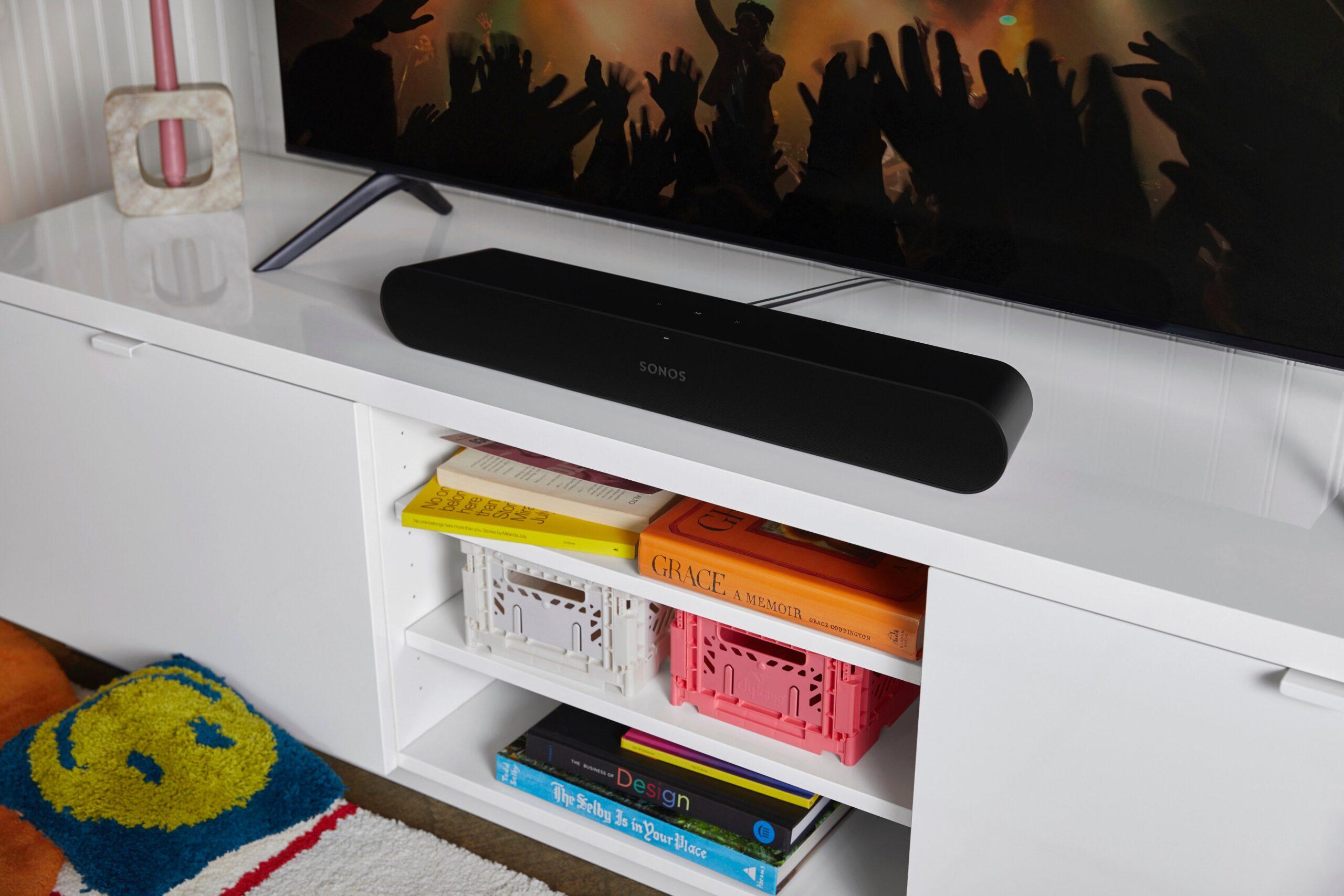
The Sonos Ray is remarkably compact – about half the physical volume of the Amazon soundbar alone, not counting the subwoofer. It fits easily in front of TVs as small as 32 inches without looking oversized, and its premium materials and refined design complement modern electronics well.
The Amazon system requires more consideration. The soundbar itself is designed for TVs 50 inches and larger, and the subwoofer needs floor placement with some breathing room. In a small apartment or bedroom setup, this footprint might be prohibitive.
However, that larger size contributes to performance. Physics matters in audio – larger enclosures and more drivers generally produce better sound, assuming competent engineering. The Amazon system sounds bigger because it literally is bigger.
At the time of writing, these products sit at different price points that reflect their different approaches and target markets.
The Sonos Ray represents the more affordable entry point but with limited expansion potential. Adding a Sonos Sub later significantly increases the total investment, and you still won't have surround sound capability. However, Sonos has a strong track record of long-term software support and maintaining product compatibility across generations.
The Amazon Fire TV Soundbar Plus with Subwoofer costs more upfront but includes the subwoofer and offers a clear, affordable path to full surround sound. The question mark is long-term support – Amazon has discontinued audio products in the past, potentially affecting future software updates or replacement part availability.
Based on extensive testing and considering different use cases, here's my honest assessment of who each product serves best.
You have a living room larger than 200 square feet and want to feel the impact of movie soundtracks. The dedicated subwoofer and higher power output make it ideal for spaces where the Sonos Ray would sound underwhelming. If you're planning to build a complete surround sound system over the next year or two, the Amazon system provides an affordable, logical upgrade path.
Fire TV users get additional benefits through deeper integration, and the HDMI eARC connectivity ensures compatibility with future audio formats. This system excels with action movies, gaming, and any content where dynamic range and bass impact enhance the experience.
Your priority is balanced, refined audio in a compact package. It's perfect for bedrooms, small apartments, or living rooms where space is at a premium. The Ray particularly shines if you stream as much music as you watch movies – its natural sound signature makes it an excellent wireless speaker that happens to also improve your TV's audio.
Existing Sonos owners should strongly consider the Ray for its seamless ecosystem integration. The premium build quality and established track record of software support make it a safer long-term investment, even at the higher per-feature cost.
Neither of these soundbars is perfect, but they're both excellent at what they're designed to do. The Amazon Fire TV Soundbar Plus with Subwoofer prioritizes power, expansion, and modern connectivity at the cost of some refinement. The Sonos Ray emphasizes balance, build quality, and ecosystem integration while accepting limitations in maximum output and expandability.
Your choice should align with your room size, future plans, and listening priorities. If you want to recreate the movie theater experience at home and have the space for it, Amazon's approach makes more sense. If you value simplicity, balanced performance, and premium engineering in a compact package, Sonos delivers exactly that.
Both represent significant upgrades over built-in TV speakers and offer clear value in their respective categories. The key is matching their strengths to your specific needs and living situation.
| Amazon Fire TV Soundbar Plus with Subwoofer | Sonos Ray Soundbar |
|---|---|
| Audio Channels - More channels mean better sound separation | |
| 3.1 channels (left, center, right + subwoofer) | Stereo (2.0 channels) |
| Subwoofer Included - Essential for deep bass and movie impact | |
| Yes, wireless 10.4" dedicated subwoofer | No subwoofer (can add Sonos Sub separately) |
| Connectivity Options - Determines audio quality and ease of use | |
| HDMI eARC, Optical, Bluetooth, USB-A | Optical only, Wi-Fi, Apple AirPlay 2 |
| Audio Format Support - Higher formats provide better sound quality | |
| Dolby Atmos (virtual), DTS:X (virtual), Dolby TrueHD | Dolby Digital 5.1, DTS Digital Surround only |
| Maximum Volume Output - Critical for larger rooms | |
| Significantly louder, suitable for large spaces | Moderate output, best for small-medium rooms |
| Physical Size - Impacts placement flexibility | |
| 37" soundbar + separate 10.4" subwoofer | Compact 22" single unit (52% smaller volume) |
| Expandability - Future upgrade potential | |
| Wireless expansion to 5.1 surround with rear speakers | Limited to wired Sonos Sub only |
| Sound Signature - Affects music vs movie performance | |
| Bass-forward with dialogue enhancement | Balanced, natural sound optimized for mixed content |
| Remote Control Integration - Simplifies daily use | |
| Works with TV remote via HDMI-CEC | Requires separate app or TV remote |
| Smart Features - Streaming and voice control capabilities | |
| Fire TV integration, no built-in streaming | Wi-Fi streaming, Sonos app, multi-room audio |
| Setup Complexity - Time from box to working system | |
| Pre-paired wireless components, plug-and-play | Single unit setup with smartphone app configuration |
| Ideal TV Size Compatibility - Physical proportions matter | |
| 50-65+ inch TVs (matches larger displays) | 32-55 inch TVs (proportional to smaller screens) |
| Build Quality and Warranty - Long-term reliability indicators | |
| Standard materials, 12-month warranty | Premium materials, 12-month warranty with better support history |
The Amazon Fire TV Soundbar Plus with Subwoofer is significantly better for large rooms. It produces much higher maximum volume and includes a dedicated wireless subwoofer that fills bigger spaces with impactful bass. The Sonos Ray is designed for small to medium rooms and may sound underwhelming in spaces larger than 200 square feet.
A subwoofer makes a huge difference for movies and music with deep bass. The Amazon Fire TV Soundbar Plus includes a wireless subwoofer that provides room-shaking low-end for action movies and music. The Sonos Ray relies on built-in bass ports and smaller drivers, which sound balanced but lack the impact of a dedicated subwoofer.
Both soundbars excel at dialogue clarity compared to TV speakers. The Amazon Fire TV Soundbar Plus includes dedicated dialogue enhancement controls you can adjust with the remote. The Sonos Ray delivers exceptional vocal clarity through careful acoustic engineering, making voices pop out clearly despite having no dedicated center channel.
The Amazon Fire TV Soundbar Plus with Subwoofer can expand to full 5.1 wireless surround sound by adding rear satellite speakers, creating a complete home theater system. The Sonos Ray cannot add rear speakers for surround sound - it can only add a separate Sonos Sub for enhanced bass.
Both are relatively easy to set up. The Amazon Fire TV Soundbar Plus comes with pre-paired wireless components that just need to be plugged in and powered on. The Sonos Ray requires smartphone app configuration but is a single compact unit with fewer cables to connect.
The Amazon Fire TV Soundbar Plus offers HDMI eARC for high-quality audio formats, plus optical and Bluetooth connections. This enables Dolby Atmos support and seamless TV remote control. The Sonos Ray uses optical connection only, limiting it to basic audio formats, but adds Wi-Fi streaming and Apple AirPlay 2 support.
The Sonos Ray is significantly better for music streaming with its balanced sound signature, Wi-Fi connectivity, and integration with dozens of streaming services through the Sonos app. The Amazon Fire TV Soundbar Plus is more focused on movie and TV audio, though it supports Bluetooth music streaming.
The Amazon Fire TV Soundbar Plus is designed for 50-65+ inch TVs with its 37-inch length, plus you need floor space for the subwoofer. The Sonos Ray is much more compact at 22 inches, making it ideal for 32-55 inch TVs and tight spaces like apartments or bedrooms.
For dedicated home theater use, the Amazon Fire TV Soundbar Plus with Subwoofer offers better value with its included subwoofer, expandability to 5.1 surround, and support for modern audio formats like Dolby Atmos. The complete surround system costs less than most alternatives while providing legitimate theater-like sound.
Yes, both work with all TV brands. The Amazon Fire TV Soundbar Plus works best with HDMI eARC-equipped TVs for full features, but includes optical backup. The Sonos Ray uses universal optical connection that works with virtually any TV made in the last 15 years.
The Sonos Ray features premium materials, refined design, and Sonos's reputation for long-term software support and product reliability. The Amazon Fire TV Soundbar Plus uses standard materials but includes more components and features for the system price point.
The Amazon Fire TV Soundbar Plus integrates seamlessly with your TV remote through HDMI-CEC, allowing volume control and power functions. The Sonos Ray requires either the Sonos smartphone app or your TV remote for basic volume control, but doesn't offer the same seamless integration experience.
We've done our best to create useful and informative comparisons to help you decide what product to buy. Our research uses advanced automated methods to create this comparison and perfection is not possible - please contact us for corrections or questions. These are the sites we've researched in the creation of this article: rtings.com - cordbusters.co.uk - techradar.com - youtube.com - t3.com - hometechnologyreview.com - youtube.com - hometechnologyreview.com - whathifi.com - developer.amazon.com - manuals.plus - dolby.com - techradar.com - soundandvision.com - youtube.com - appleinsider.com - youtube.com - sonos.com - cnet.com - howtogeek.com - pcrichard.com - en.community.sonos.com - epicsystems.tech - en.community.sonos.com - cepro.com - videoandaudiocenter.com

Privacy Policy
Terms and Conditions - Affiliate Policy
Home Security
© Copyright 2008-2026.
11816 Inwood Rd #1211, Dallas, TX 75244