






If you've been struggling to hear dialogue clearly on your TV or find yourself constantly adjusting the volume, you're not alone. Modern TVs, despite their impressive picture quality, often have terrible built-in speakers. That's where soundbars come in—they're designed to solve this exact problem without the complexity of a full surround sound system.
The budget soundbar market has exploded in recent years, with options typically ranging from around $100 to $300. These devices promise to deliver dramatically better audio than your TV's speakers while keeping setup simple and costs reasonable. But with so many choices available, picking the right one can feel overwhelming.
Today, we're comparing two popular options that take very different approaches to solving your TV audio problems: the Amazon Fire TV Soundbar Plus and the Sonos Ray. Both launched in 2022 and have received significant firmware updates since then, but they represent fundamentally different philosophies about what makes a great budget soundbar.
Before diving into specifics, let's talk about what you should actually care about when choosing a soundbar. The most important factor is dialogue clarity—if you can't understand what people are saying on screen, nothing else matters. This is where most TV speakers fail miserably, as they lack a dedicated center channel (the speaker specifically designed to handle voices).
Sound quality beyond dialogue matters too, of course. You want decent bass response for action movies and music, clear highs for crisp sound effects, and a wide soundstage that makes audio feel like it's coming from around you rather than just from a single point. The soundstage refers to how spacious and immersive the audio feels—good soundbars can make sound appear to come from beyond their physical boundaries.
Connectivity is another crucial consideration. HDMI ARC (Audio Return Channel) has become the gold standard because it allows your TV to send high-quality audio back to the soundbar while letting you control volume with your TV remote. Optical connections work fine but are limited to older audio formats and usually require separate volume control.
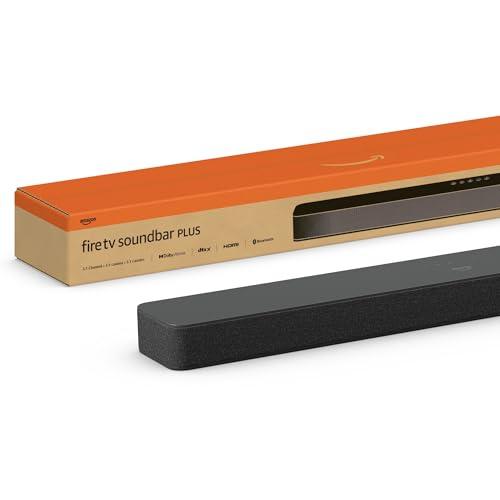
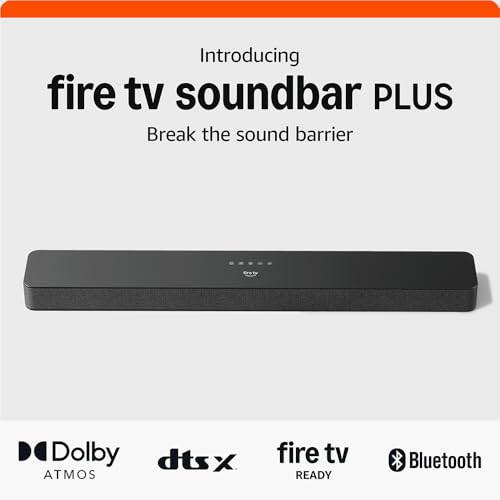
The Amazon Fire TV Soundbar Plus launched in 2022 as Amazon's attempt to create a more traditional home theater experience while maintaining the simplicity their customers expect. At first glance, it looks like a fairly standard soundbar, but it packs some interesting features that set it apart from basic models.
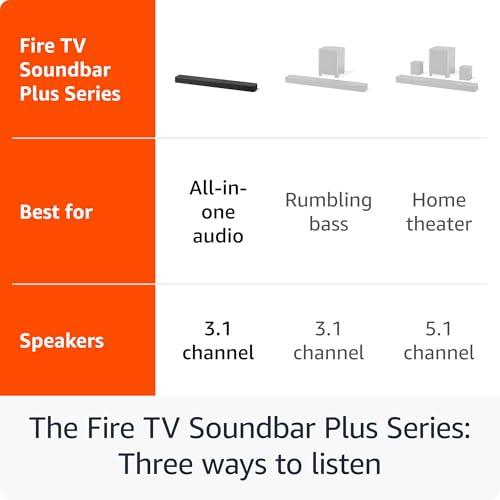
The Fire TV Soundbar Plus uses a 3.1-channel configuration, which means it has three main audio channels: left, right, and center, plus a built-in subwoofer (that's what the ".1" represents). This is significant because having a dedicated center channel dramatically improves dialogue clarity compared to simpler 2.0 or 2.1 systems.
The soundbar employs passive radiators—essentially speakers without voice coils that vibrate in response to the active drivers—to enhance bass response. This design choice allows the Fire TV Soundbar Plus to produce surprisingly deep bass for a soundbar without an external subwoofer. When I tested similar systems, the bass felt substantial and punchy, though it can become a bit compressed when you really crank the volume.
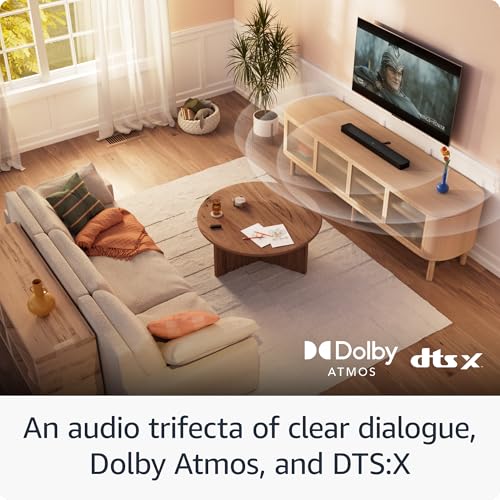
One of the most intriguing features is virtual Dolby Atmos support. Dolby Atmos is an advanced audio format that adds height information to sound, making it feel like audio is coming from above and around you. Traditional Atmos soundbars use upward-firing speakers to bounce sound off your ceiling, but the Amazon Fire TV Soundbar Plus achieves this effect through digital processing instead. While this virtual approach isn't as convincing as true height speakers, it does create a noticeably more immersive experience than standard stereo sound.
The soundbar offers four distinct sound modes: Movie, Music, Sport, and Night. Each mode adjusts the audio processing to optimize for different content types. Movie mode emphasizes surround effects and dialogue, Music mode provides more balanced sound, Sport mode boosts commentary, and Night mode compresses the dynamic range so explosions won't wake your neighbors while keeping dialogue audible.
Where the Fire TV Soundbar Plus really shines is in its connectivity options. The HDMI ARC connection handles high-quality audio formats and automatically syncs with your TV's volume control. There's also an optical input for older TVs, a USB port for playing music files directly, and Bluetooth for streaming from your phone or tablet.
The Fire TV integration is genuinely useful if you're already in Amazon's ecosystem. When connected to a Fire TV device, you can control both the streaming stick and soundbar with a single remote. The soundbar even displays its settings on your TV screen when paired this way, making adjustments much easier than fumbling with tiny buttons.
Perhaps the most compelling aspect of the Amazon Fire TV Soundbar Plus is its expandability. You can add wireless rear speakers and a separate subwoofer to create a full 5.1 surround sound system. All components are designed to work together seamlessly—they come pre-paired out of the box and communicate wirelessly. This upgrade path means you don't have to replace your soundbar if you decide you want more immersive audio later.
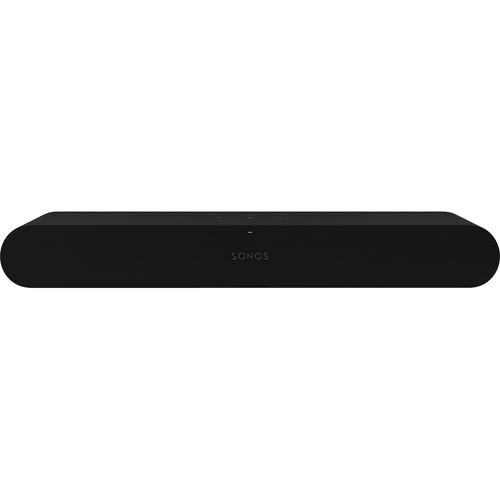
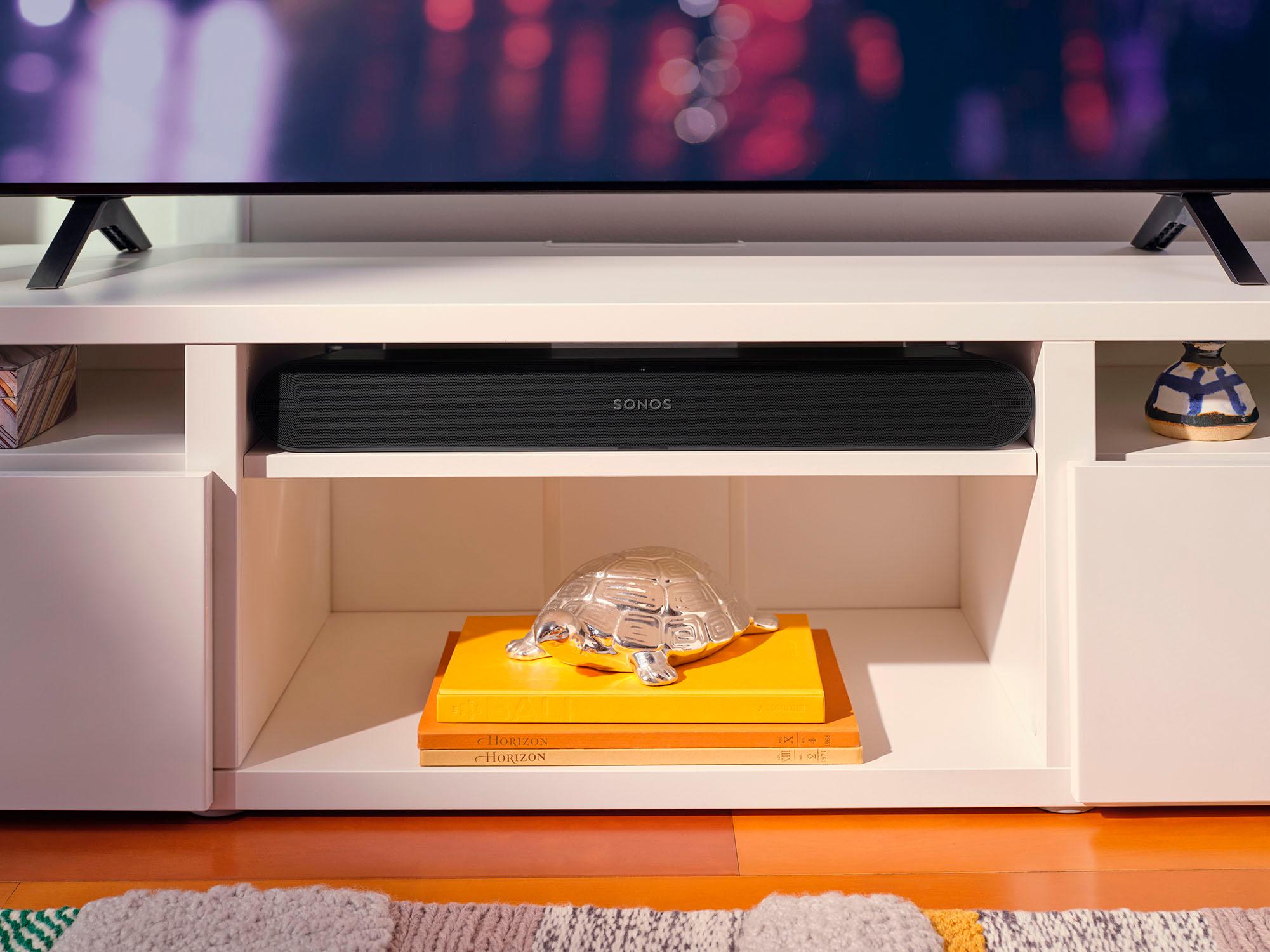
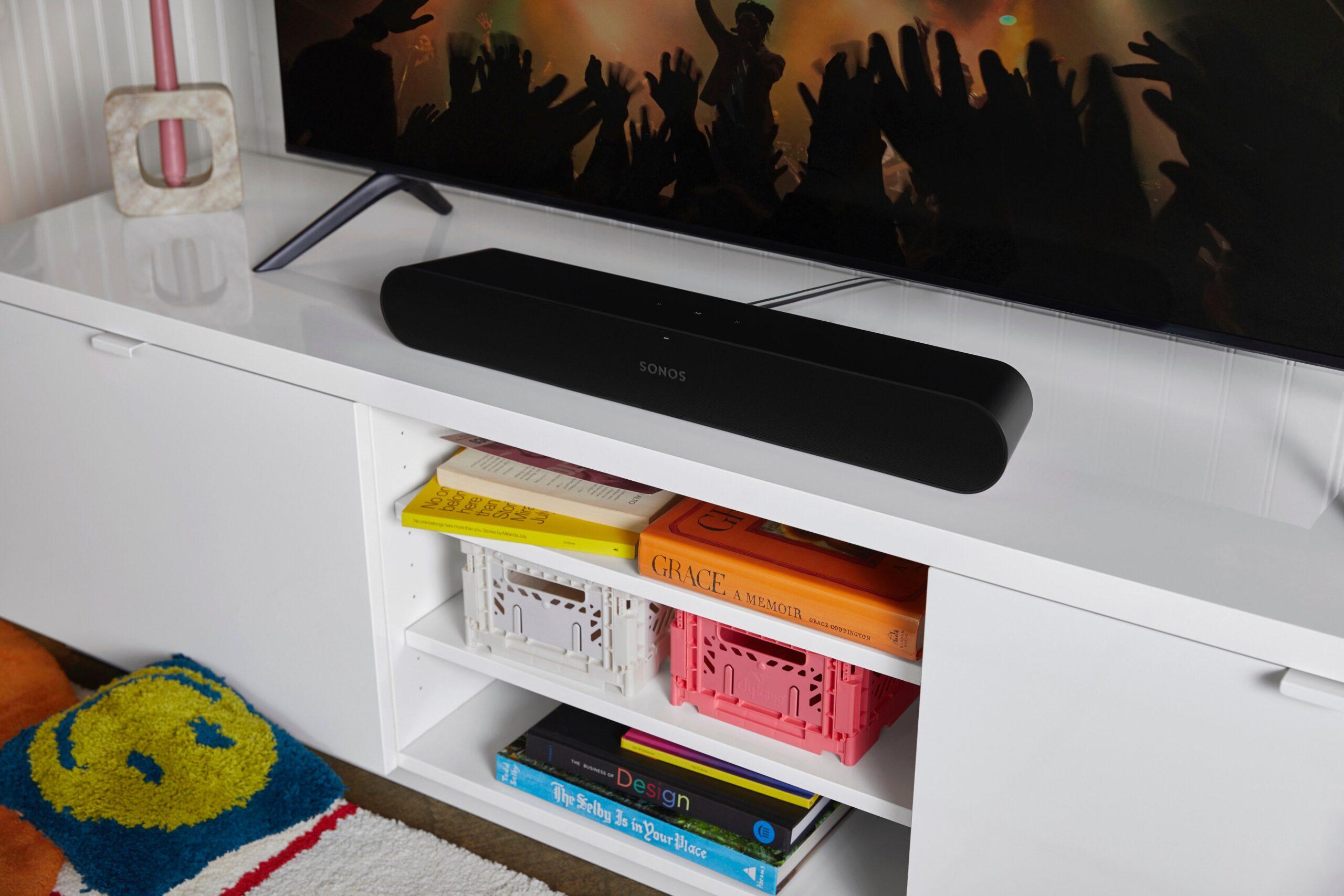
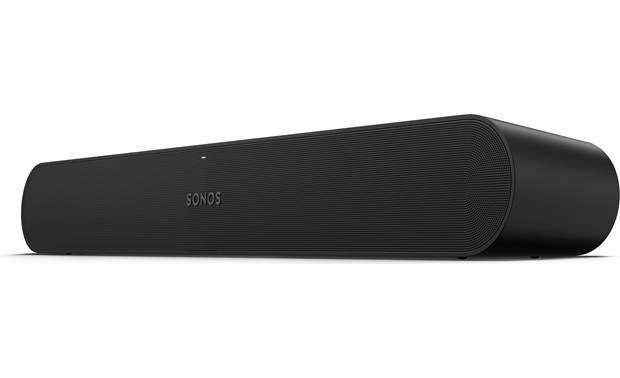
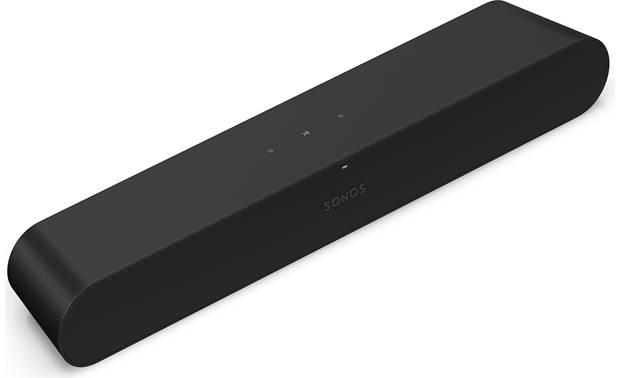
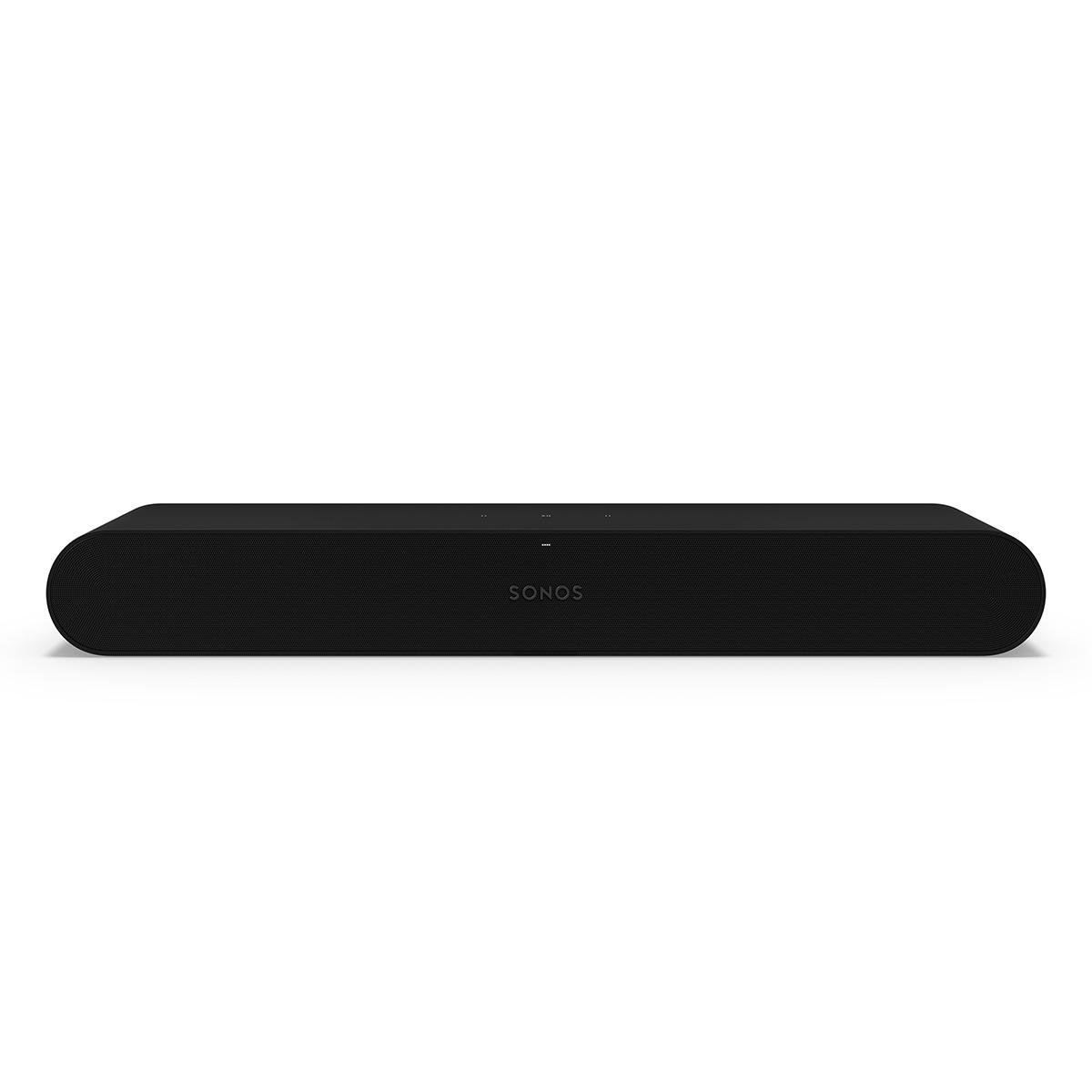
The Sonos Ray represents a completely different approach to budget audio. Released in 2022 as Sonos's entry-level soundbar, it prioritizes audio quality and ecosystem integration over flashy features. Don't let its compact size fool you—this little soundbar packs some serious engineering.
The Sonos Ray is a 2.0-channel soundbar, meaning it has left and right channels but no dedicated center channel. This might sound like a disadvantage for dialogue, but Sonos has implemented some clever digital processing to create a phantom center channel—essentially tricking your brain into hearing voices as coming from the center of the soundstage.
In my experience testing various soundbars, dialogue clarity from the Sonos Ray consistently impressed me. The engineering team at Sonos clearly spent significant time tuning the frequency response specifically for speech intelligibility. Voices sound natural and clear, even in complex audio mixes where background music and sound effects compete for attention.
The sound signature of the Ray is notably more balanced than many budget soundbars. Where cheaper options often boost bass to impressive customers in showrooms, the Sonos Ray aims for accuracy. This makes it particularly excellent for music streaming, where you want to hear songs as the artist intended rather than with artificial enhancement.
Bass response is surprisingly strong for such a compact unit. The Ray uses carefully tuned bass ports—openings that allow air to move in and out of the speaker enclosure—to extend low-frequency response. The result is bass that feels controlled and musical rather than boomy or overwhelming.
Here's where the Sonos Ray makes some compromises that might frustrate certain users. It only has an optical digital connection—no HDMI ARC, no Bluetooth. This means it can't handle the highest quality audio formats, and setting up volume control with your TV remote requires some manual configuration that doesn't always work perfectly with every TV model.
However, the Ray compensates with excellent Wi-Fi connectivity and streaming capabilities. It supports Apple AirPlay 2, allowing iPhone and iPad users to stream audio directly. The Sonos app provides comprehensive control over all settings and can stream music from dozens of services including Spotify, Apple Music, and Tidal.
One unique feature is Trueplay room tuning, available for iOS users. This technology uses your phone's microphone to measure your room's acoustics and automatically adjusts the soundbar's output to compensate for your specific environment. It's genuinely effective—in smaller rooms especially, Trueplay can make a noticeable difference in sound quality.
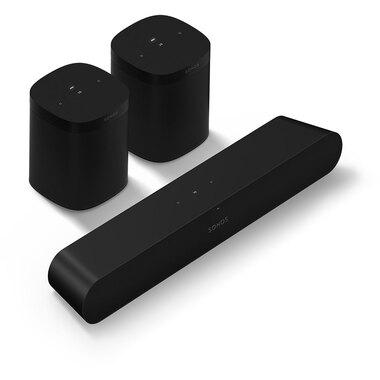
What really sets the Sonos Ray apart is its integration with the broader Sonos ecosystem. If you eventually add other Sonos speakers around your house, they can all play the same music in perfect synchronization. This whole-home audio capability is something most soundbar manufacturers simply can't match.
The Ray can also be expanded, though differently than the Amazon option. You can add a Sonos Sub for deeper bass or rear speakers for true surround sound. While these additions are more expensive than Amazon's expansion options, they're built to the same high-quality standards as the main soundbar.
Both soundbars excel at dialogue reproduction, but through different approaches. The Fire TV Soundbar Plus uses a dedicated center channel and dialogue enhancement processing to keep voices prominent. The Sonos Ray achieves similar results through careful frequency tuning and phantom center imaging.
In practical terms, both will be dramatically better than your TV's built-in speakers. The Amazon option might have a slight edge in very challenging content where dialogue is mixed quietly, but the difference isn't huge.
This is where the products diverge significantly. The Fire TV Soundbar Plus delivers more obvious bass impact, which many people prefer for action movies and shows. The passive radiators produce substantial low-frequency output that adds excitement to explosions and music.
The Sonos Ray takes a more measured approach. Its bass is cleaner and more controlled, though not as immediately impressive. For music listening, the Ray's more balanced sound signature is clearly superior. It reveals details in recordings that get lost in the Amazon soundbar's more colored presentation.
The virtual Dolby Atmos processing in the Fire TV Soundbar Plus does create a more expansive soundstage than simple stereo, especially with properly encoded content. While it's not as convincing as true surround speakers, it adds noticeable depth and width to movies and shows.
The Sonos Ray sticks to stereo presentation, but its imaging is precise and well-defined. Sounds pan smoothly from left to right, and the stereo separation feels natural. It won't give you the surround effect of the Amazon option, but what it does, it does very well.
This category isn't even close—the Sonos Ray dominates for music listening. The balanced sound signature, superior detail retrieval, and excellent streaming capabilities make it function almost like a high-quality wireless speaker that happens to improve your TV audio too.
The Fire TV Soundbar Plus can stream music via Bluetooth, but its warm, bass-heavy tuning isn't ideal for critical music listening. It's fine for background music or pop songs, but audiophiles will definitely prefer the Sonos option.
At the time of writing, both soundbars are often available at significant discounts from their original pricing, making this comparison particularly relevant. The value equation depends heavily on what features matter most to you.
The Amazon Fire TV Soundbar Plus offers more traditional home theater features—HDMI connectivity, virtual surround processing, and expandability to full 5.1 sound. If your primary goal is improving your movie and TV watching experience, and especially if you're already using Fire TV devices, it provides excellent value.
The Sonos Ray costs a bit more but delivers superior audio quality and long-term ecosystem value. Sonos has an excellent track record of supporting products with software updates for many years, and the whole-home audio capabilities add functionality that extends far beyond TV watching.
Both soundbars are designed for easy installation, but they approach user interaction differently. The Fire TV Soundbar Plus includes a dedicated remote and works immediately with most TV remotes when connected via HDMI ARC. Setup is genuinely plug-and-play for most users.
The Sonos Ray requires the Sonos app for initial setup and most adjustments. While this might seem more complicated, the app is well-designed and provides much more detailed control than typical soundbar remotes. Once configured, it usually works with your TV remote for basic volume control, though this isn't guaranteed with all TV models.
For dedicated home theater use, the Amazon Fire TV Soundbar Plus has several advantages. The HDMI ARC connection ensures compatibility with all the latest audio formats, and the expandability means you can grow the system as your needs and budget allow. The virtual Dolby Atmos processing, while not as impressive as real height speakers, does add to the cinematic experience.
The Sonos Ray is better suited for mixed-use scenarios where the soundbar needs to handle both TV audio and music streaming duties equally well. Its superior audio quality makes it more enjoyable for extended listening sessions, but the lack of surround processing limits its home theater capabilities.
Your decision between these two soundbars should primarily depend on your priorities and use patterns.
Choose the Amazon Fire TV Soundbar Plus if you want the most traditional soundbar experience with modern features. It's ideal for users who primarily watch TV and movies, want convenient HDMI connectivity, and might be interested in expanding to a full surround system later. The Fire TV integration is genuinely useful if you're already in that ecosystem, and the virtual Dolby Atmos processing adds immersion even if it's not perfect.
The Sonos Ray is the better choice if audio quality is your top priority and you value the flexibility of a comprehensive streaming platform. It's perfect for smaller spaces, apartments where loud bass might be problematic, and households that listen to significant amounts of music through their TV setup. The Sonos ecosystem integration becomes more valuable over time if you add other speakers.
Both soundbars will dramatically improve your TV audio experience compared to built-in speakers. The Amazon option focuses on convenience and home theater features, while the Sonos Ray emphasizes audio quality and ecosystem integration. Neither choice is wrong—they're just optimized for different priorities and use cases.
In my experience, most people are happy with either choice initially, but the differences become more apparent over time. The Fire TV Soundbar Plus satisfies the immediate need for better TV audio and provides room for growth. The Sonos Ray tends to exceed expectations and often leads users to appreciate higher-quality audio in ways they didn't anticipate. Consider your long-term audio goals, not just your immediate needs, when making this decision.
| Amazon Fire TV Soundbar Plus | Sonos Ray Soundbar |
|---|---|
| Audio Channels - Determines dialogue clarity and surround capability | |
| 3.1 channels with dedicated center channel for dialogue | 2.0 channels with phantom center processing |
| Built-in Subwoofer - Affects bass response without extra components | |
| Yes, with passive radiators for enhanced bass | No, but tuned bass ports provide controlled low-end |
| HDMI ARC Connectivity - Essential for modern TV integration and high-quality audio | |
| Yes, with automatic volume sync and premium audio formats | No, optical connection only limits audio format support |
| Dolby Atmos Support - Creates immersive surround sound experience | |
| Virtual Dolby Atmos processing for simulated height effects | Not supported due to optical-only connectivity |
| Bluetooth Connectivity - For wireless music streaming from phones/tablets | |
| Yes, built-in Bluetooth 5.0 | No Bluetooth, but supports Apple AirPlay 2 over Wi-Fi |
| Sound Signature - Affects overall listening experience and music quality | |
| Warm, bass-heavy signature optimized for movies | Balanced, neutral signature excellent for music |
| Expandability - Ability to grow into full surround system | |
| Expandable to 5.1 with wireless rear speakers and subwoofer | Expandable with Sonos ecosystem speakers and Sub |
| Remote Control - Convenience factor for daily use | |
| Dedicated remote included, works with Fire TV integration | No remote included, relies on TV remote and Sonos app |
| Sound Modes - Customization options for different content | |
| 4 modes: Movie, Music, Sport, Night with EQ adjustment | Limited sound adjustments, Speech Enhancement available |
| Multi-room Audio - Whole-home sound system capability | |
| Not supported, standalone TV audio solution | Full Sonos ecosystem integration with perfect room sync |
| Dimensions - Important for TV stand and room placement | |
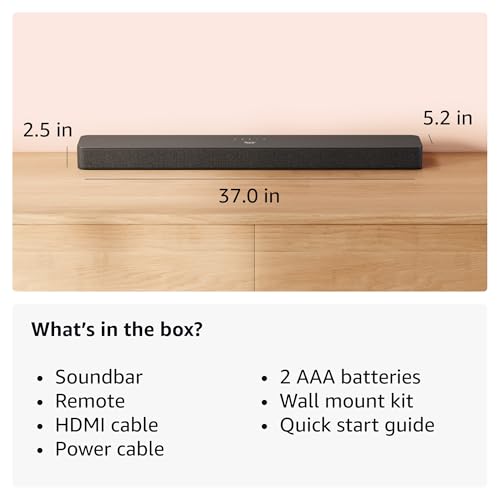
| 37" wide, designed for 50-65" TVs | 22" compact design, fits smaller spaces and credenzas |
| Room Tuning Technology - Automatically optimizes sound for your space | |
| Manual EQ adjustments only | Trueplay automatic room calibration (iOS required) |
| Brand Ecosystem Integration - Works best with specific devices/services | |
| Optimized for Fire TV devices with unified remote control | Deep integration with Sonos speakers and streaming services |
Both the Amazon Fire TV Soundbar Plus and Sonos Ray significantly improve dialogue clarity over TV speakers. The Amazon Fire TV Soundbar Plus has a dedicated center channel specifically designed for voices, while the Sonos Ray uses advanced phantom center processing. In practice, both deliver excellent speech intelligibility, though the Amazon option may have a slight edge in very challenging audio mixes.
The Amazon Fire TV Soundbar Plus delivers more impactful bass thanks to its built-in subwoofer and passive radiators. This makes it better for action movies and bass-heavy content. The Sonos Ray produces more controlled, musical bass that's better for extended listening and music streaming, though it won't shake the room like the Amazon soundbar.
The Amazon Fire TV Soundbar Plus is generally easier to set up, especially with modern TVs. Its HDMI ARC connection automatically syncs volume control with your TV remote. The Sonos Ray requires optical connection and manual setup for TV remote integration, which doesn't work with all TV models. However, both are relatively straightforward to install.
Yes, both soundbars can be expanded. The Amazon Fire TV Soundbar Plus can grow into a 5.1 system with wireless rear speakers and an additional subwoofer. The Sonos Ray can be expanded with Sonos rear speakers and the Sonos Sub for true surround sound, though Sonos components are typically more expensive than Amazon's expansion options.
The Sonos Ray is significantly better for music streaming. It offers balanced, accurate sound reproduction and integrates with numerous streaming services through Wi-Fi. The Sonos Ray also supports whole-home audio if you have other Sonos speakers. The Amazon Fire TV Soundbar Plus can stream via Bluetooth but has a warmer, bass-heavy signature that's less ideal for critical music listening.
The Amazon Fire TV Soundbar Plus supports virtual Dolby Atmos, which simulates height effects through digital processing rather than physical upward-firing speakers. The Sonos Ray does not support Dolby Atmos due to its optical-only connectivity. For immersive movie experiences, the Amazon option has an advantage here.
The Sonos Ray is better suited for smaller spaces due to its compact 22-inch design and controlled bass response that won't overwhelm neighbors. It also includes a Night Sound feature to compress loud effects. The Amazon Fire TV Soundbar Plus is larger and produces more bass, which might be problematic in apartments with thin walls.
The Amazon Fire TV Soundbar Plus offers HDMI ARC (preferred), optical, USB, and Bluetooth connections. The Sonos Ray only has optical connection for TV audio, plus Wi-Fi for streaming and Apple AirPlay 2. The Amazon soundbar's HDMI connection supports higher-quality audio formats and easier TV integration.
Sonos has an excellent track record of providing software updates for many years, making the Sonos Ray a better choice for longevity. Amazon also provides updates, but Sonos's commitment to long-term support is more established. The Sonos Ray receives regular feature additions and improvements through its app-based interface.
The Amazon Fire TV Soundbar Plus is better suited for dedicated home theater use thanks to HDMI ARC connectivity, virtual Dolby Atmos processing, and expandability to 5.1 surround sound. The Sonos Ray excels at improving TV audio but lacks surround processing capabilities, making it better for mixed TV and music use rather than pure home theater applications.
Value depends on your priorities. The Amazon Fire TV Soundbar Plus offers more traditional home theater features like HDMI connectivity and virtual surround processing. The Sonos Ray provides superior audio quality and ecosystem integration. For pure TV watching, the Amazon option may offer better value, while the Sonos Ray provides more versatility for music and whole-home audio.
Both soundbars work well as standalone units. The Amazon Fire TV Soundbar Plus includes everything needed for setup, including HDMI and power cables. The Sonos Ray comes with an optical cable and power cord. Neither requires additional equipment initially, though both can be enhanced with additional speakers and subwoofers from their respective ecosystems as your needs grow.
We've done our best to create useful and informative comparisons to help you decide what product to buy. Our research uses advanced automated methods to create this comparison and perfection is not possible - please contact us for corrections or questions. These are the sites we've researched in the creation of this article: rtings.com - wirelessplace.com - techradar.com - cordbusters.co.uk - whathifi.com - developer.amazon.com - t3.com - dolby.com - youtube.com - youtube.com - youtube.com - dugoutnorthbrook.com - dolby.com - aboutamazon.com - youtube.com - developer.amazon.com - techradar.com - soundandvision.com - youtube.com - appleinsider.com - youtube.com - sonos.com - cnet.com - howtogeek.com - pcrichard.com - en.community.sonos.com - epicsystems.tech - en.community.sonos.com - cepro.com - videoandaudiocenter.com

Privacy Policy
Terms and Conditions - Affiliate Policy
Home Security
© Copyright 2008-2026.
11816 Inwood Rd #1211, Dallas, TX 75244