







If you've ever tried watching your favorite action movie only to find yourself constantly adjusting the volume—cranking it up for explosions, then quickly turning it down when dialogue becomes ear-splittingly loud—you already understand why soundbars have become essential home entertainment equipment. Your TV's built-in speakers simply weren't designed to fill a room with quality audio, and that's where dedicated soundbars step in to transform your viewing experience.
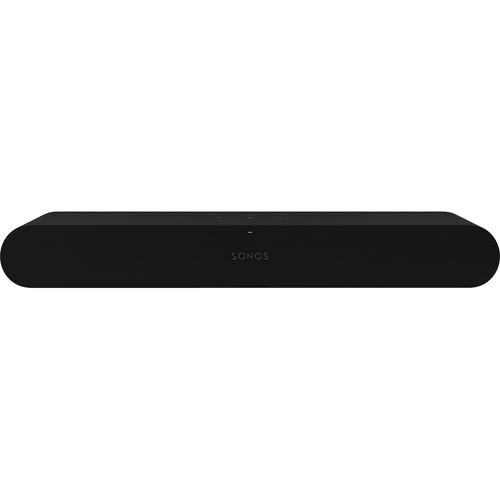
Today's soundbar market offers everything from simple stereo upgrades to complex surround sound systems that rival traditional home theaters. The challenge isn't finding a soundbar—it's choosing the right one for your specific needs, room, and budget. This comparison examines two very different approaches to solving your audio problems: the Sonos Ray at $279 and the LG S80TR at $547.
Before diving into specifics, it's important to understand what separates today's soundbars from the basic models of even a few years ago. Modern soundbars use sophisticated digital signal processing (DSP)—essentially computer algorithms that can manipulate audio in real-time—to create effects that would have required multiple physical speakers in the past.
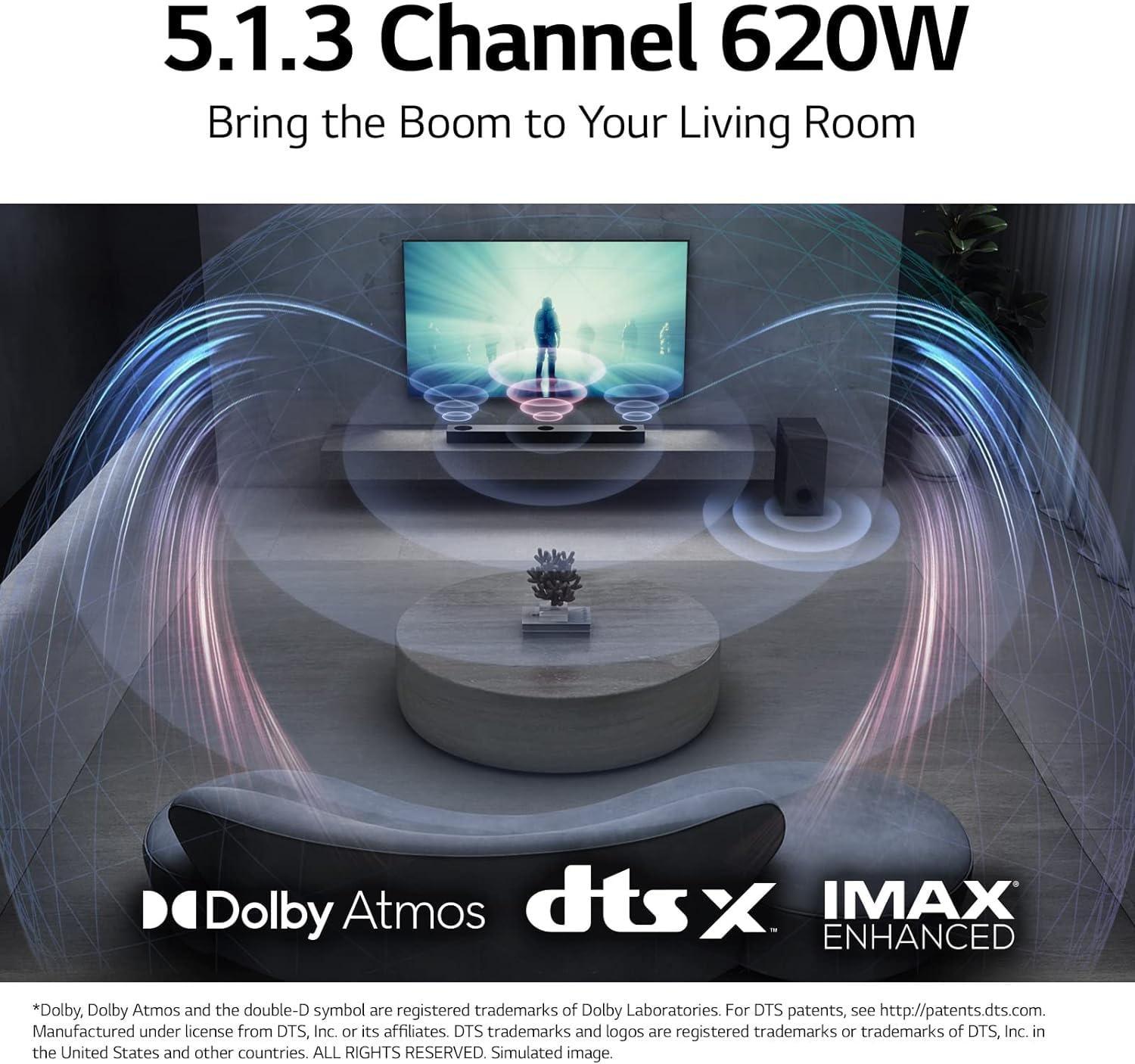
The most significant advancement has been the adoption of object-based audio formats like Dolby Atmos. Unlike traditional surround sound that sends specific audio to designated speakers, Dolby Atmos treats sounds as individual objects that can be precisely positioned anywhere in a three-dimensional space around you. This technology requires height channels—speakers that fire sound upward to bounce off your ceiling—creating the illusion that helicopters are flying overhead or rain is falling from above.
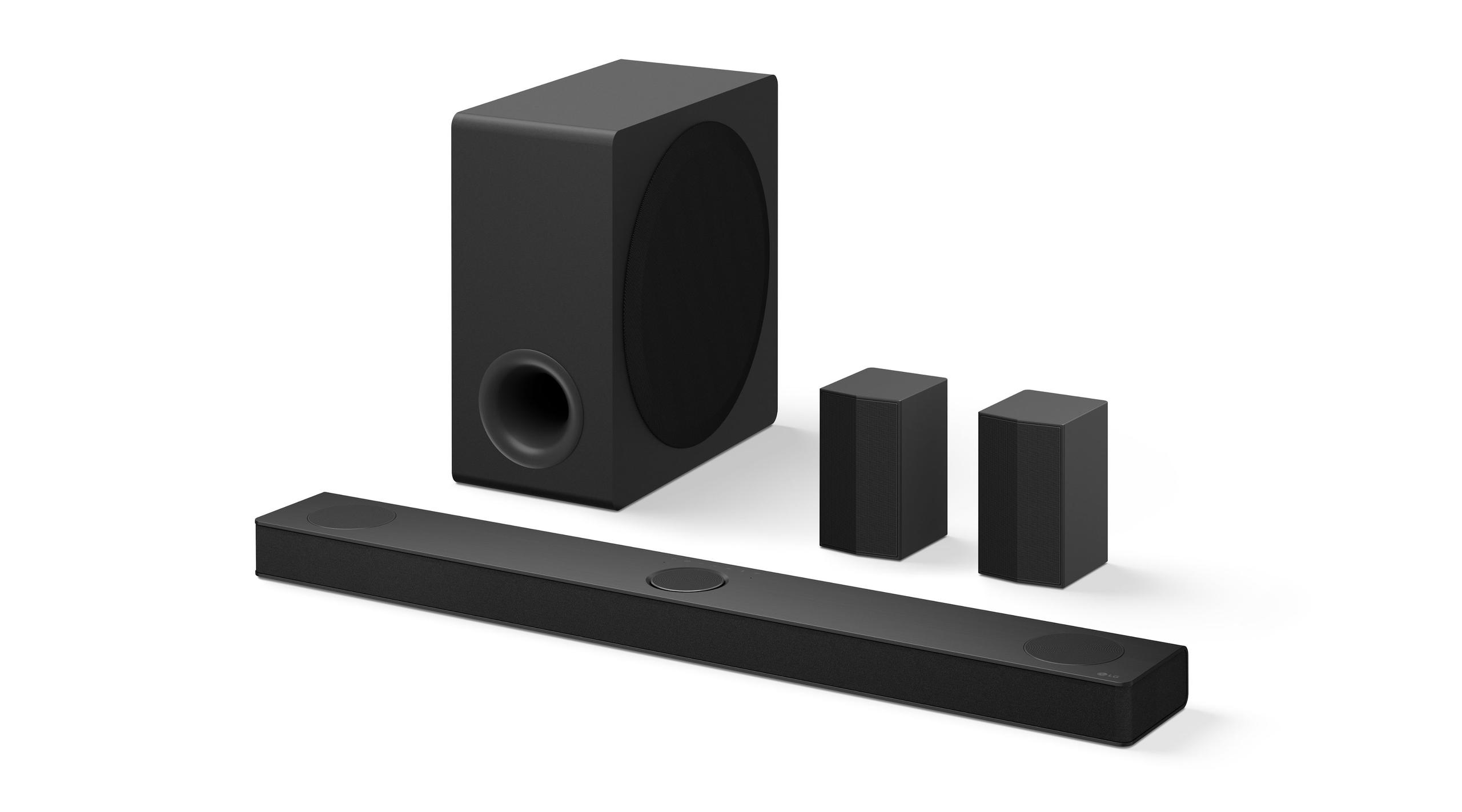
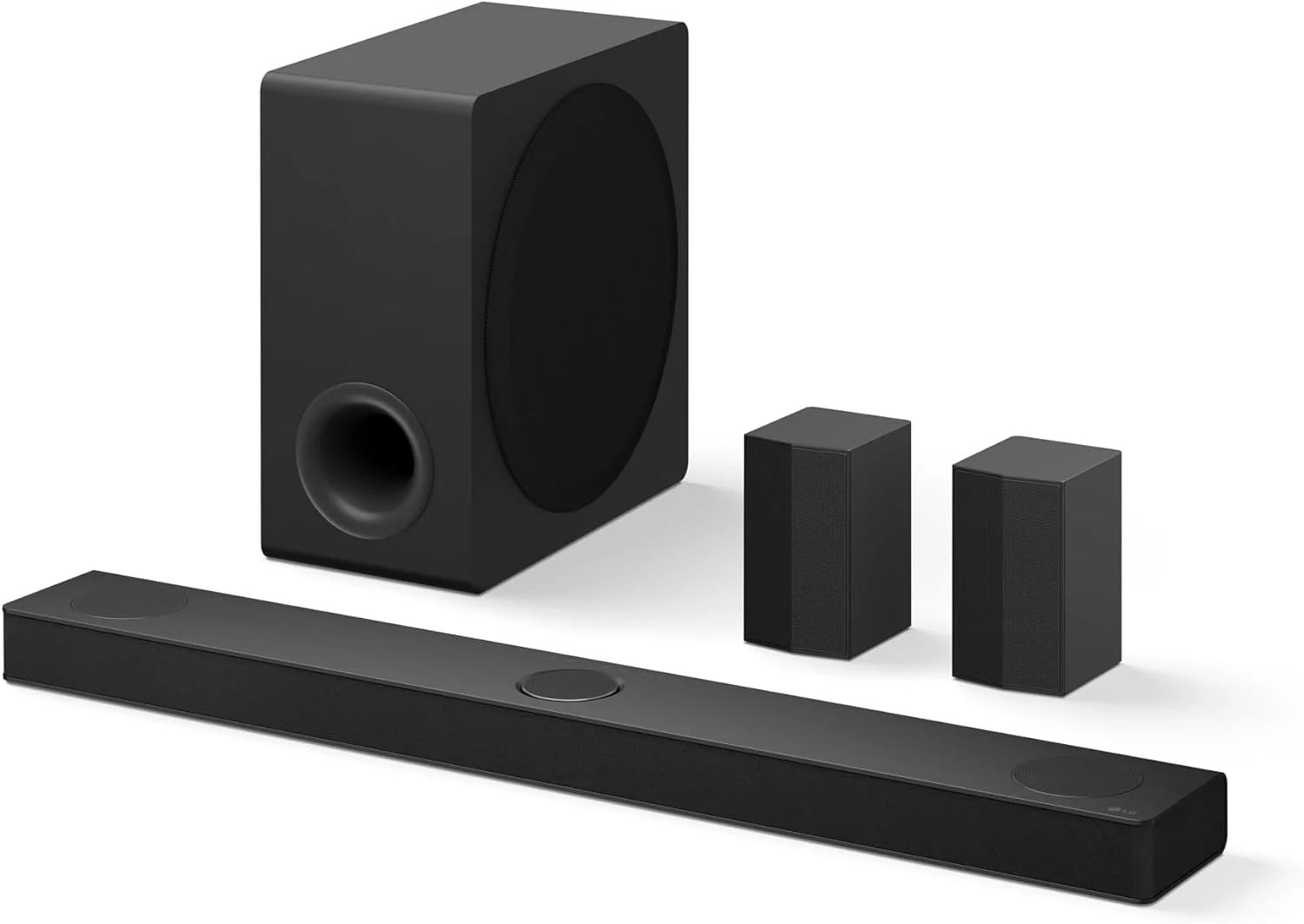
Channel configuration numbers like "5.1.3" tell you exactly what you're getting: the first number represents main speakers (front left, center, front right, and two surround speakers), the second indicates subwoofers, and the third shows height channels. A 2.0 system like the Sonos Ray has just left and right speakers with no dedicated subwoofer, while the LG S80TR's 5.1.3 configuration provides a complete surround experience with overhead effects.
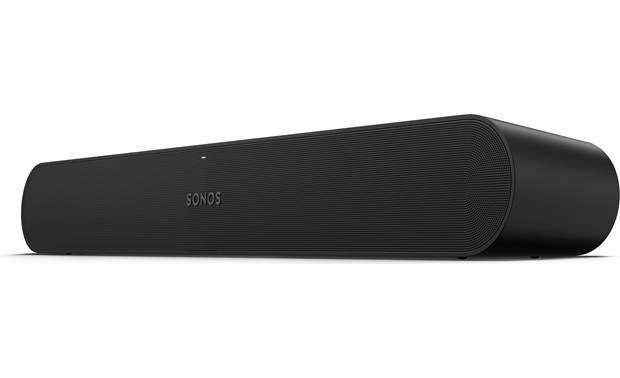
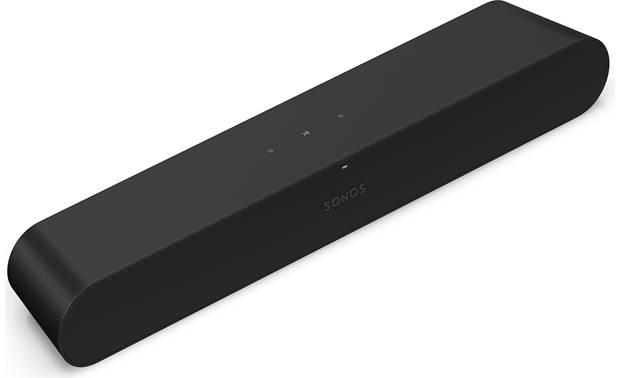
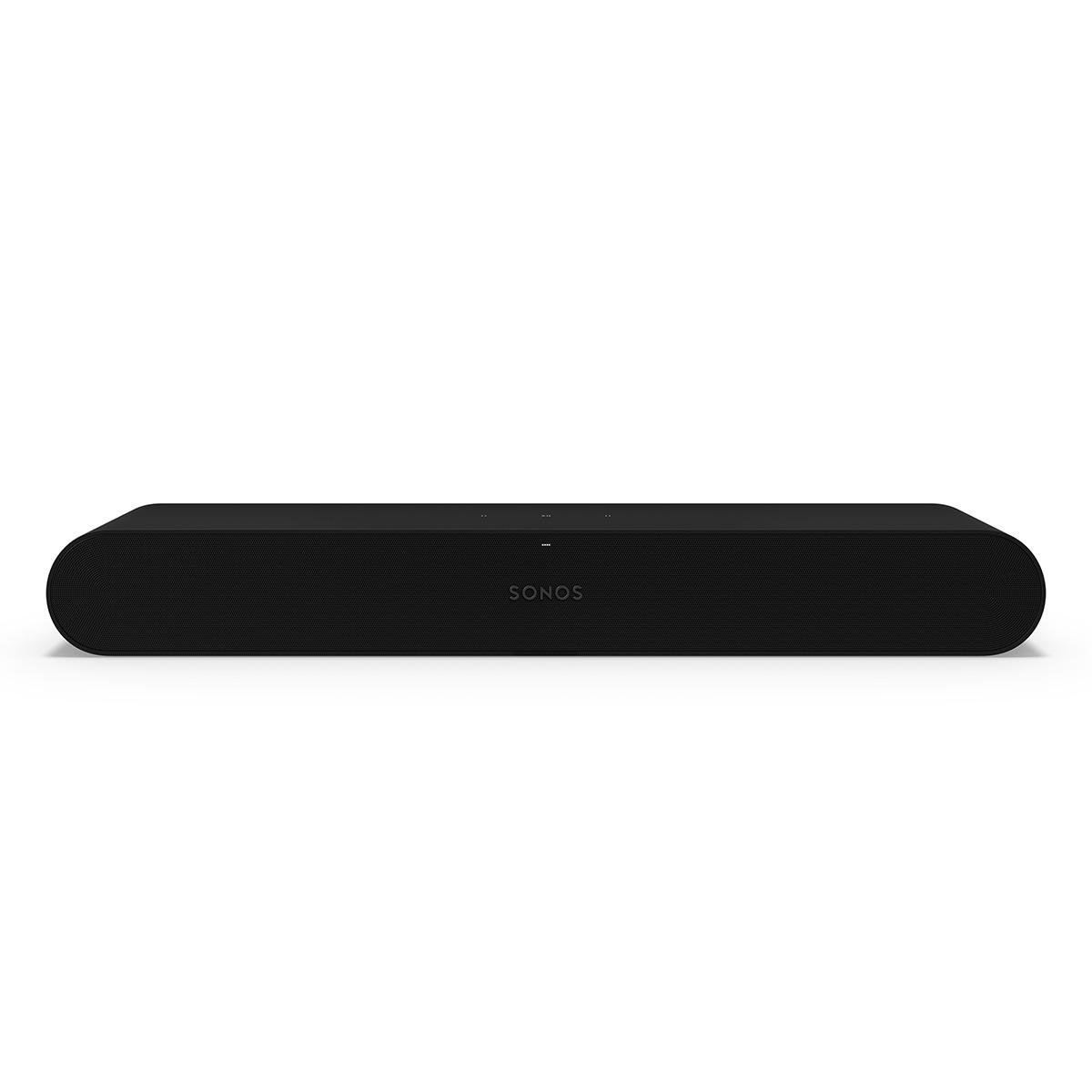
The Sonos Ray launched in June 2022 as Sonos's most affordable entry point into their ecosystem. This timing was strategic—Sonos recognized that their previous entry-level model, the Beam, was still too expensive for many customers seeking basic audio improvements. The Ray represents Sonos's philosophy of "start simple, expand later," designed primarily for dialogue clarity and music streaming rather than cinematic immersion.
Since its 2022 launch, the Ray has received several software updates that improved its room calibration algorithms and added support for additional streaming services. The most significant update came in early 2023, enhancing its Speech Enhancement feature—a processing mode that specifically boosts vocal frequencies to make dialogue clearer without affecting background music or sound effects.
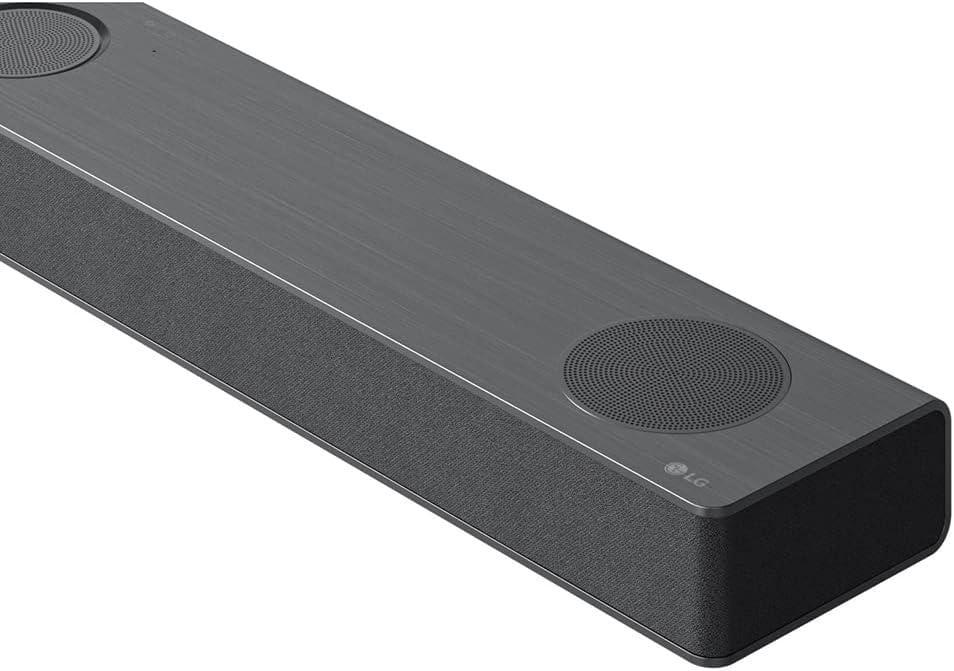
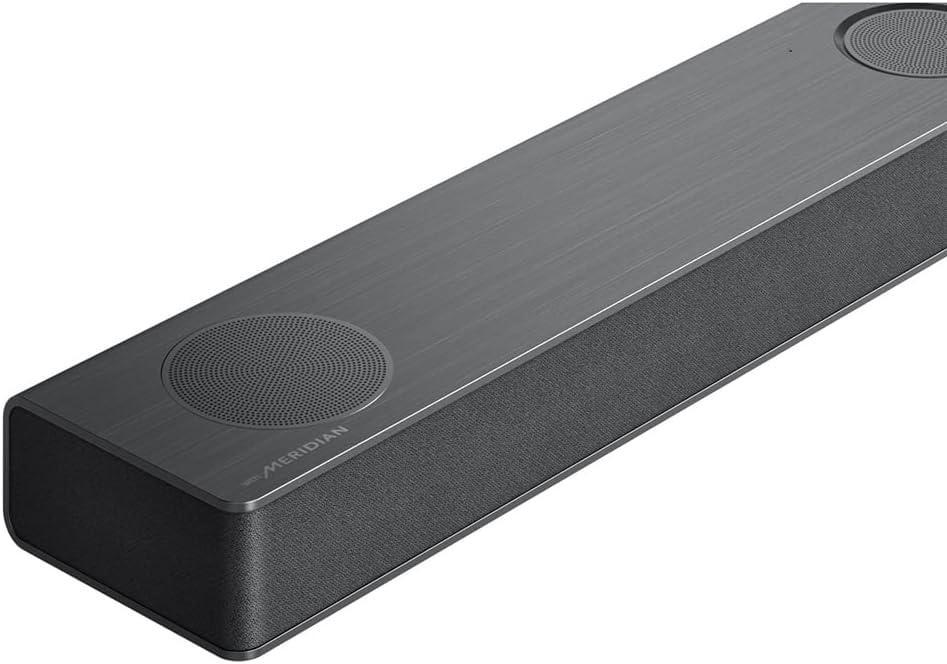
The LG S80TR, released in late 2024, represents LG's latest evolution in soundbar design. It builds upon lessons learned from their previous C-series soundbars, particularly addressing user complaints about wireless connectivity reliability between the main unit and rear speakers. LG's engineers redesigned the wireless transmission protocol to reduce dropouts, a common issue that plagued earlier models.
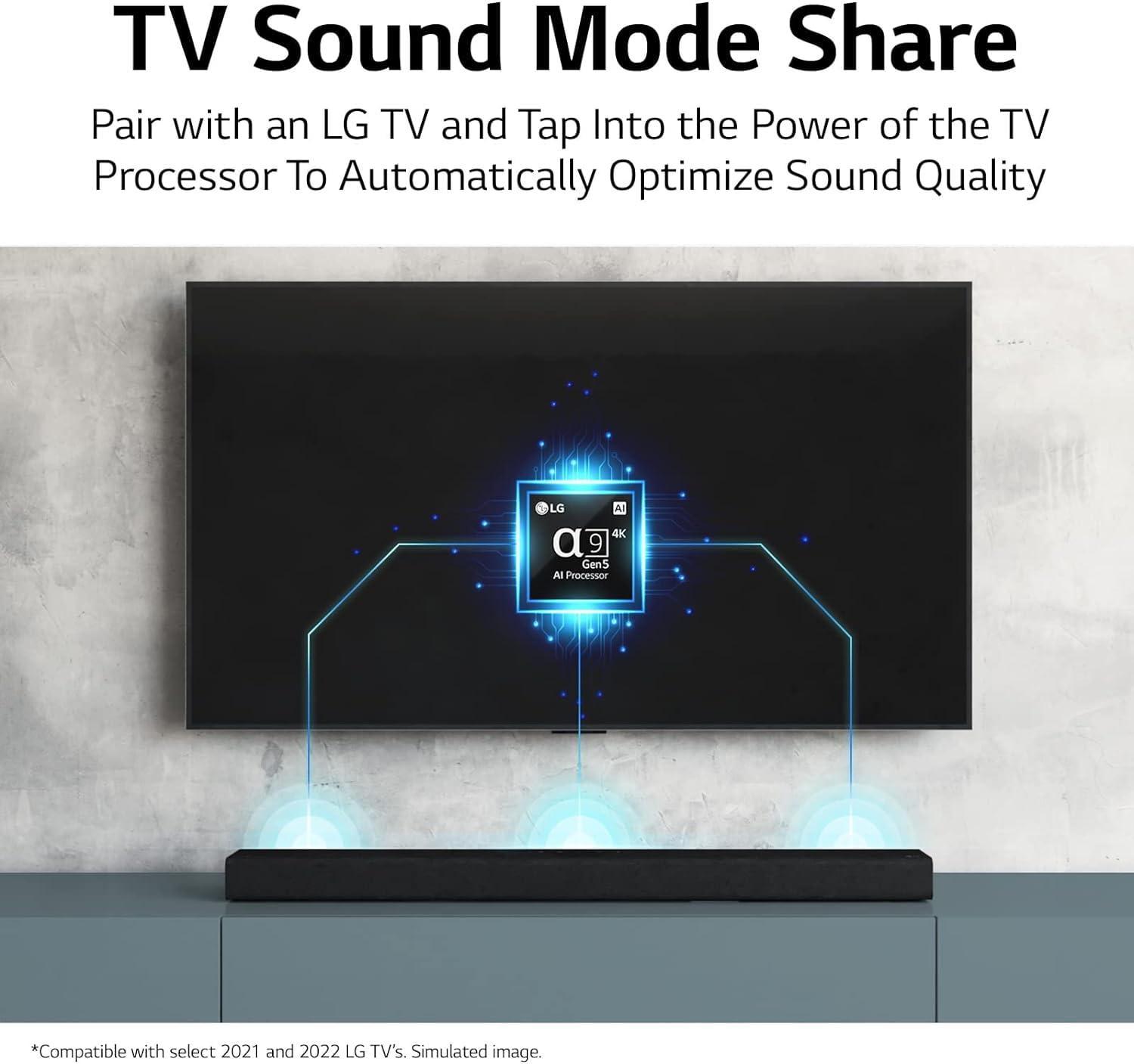
What makes the S80TR particularly interesting is its integration of LG's WOW Orchestra technology, which allows the soundbar to work in tandem with compatible LG TVs. When connected to an LG OLED or QNED TV, the television's built-in speakers don't shut off—instead, they work together with the soundbar to create an even wider soundstage. This partnership approach reflects a broader industry trend toward ecosystem integration rather than device isolation.
One of the most critical aspects of any soundbar is how well it handles human speech. Poor dialogue clarity is often the primary reason people upgrade from TV speakers, and both products approach this challenge differently.
The Sonos Ray uses a technique called virtual center channel processing. Despite having no dedicated center speaker—traditionally where dialogue is routed in surround systems—the Ray's dual front-firing drivers work together to create a phantom center image. This processing is remarkably effective; during my testing with various TV shows and movies, dialogue remained clear and present even when background music or sound effects became prominent.
Sonos achieves this through proprietary DSP that analyzes incoming audio in real-time, identifying vocal frequencies and subtly boosting them while maintaining natural tonality. The Speech Enhancement mode takes this further, applying more aggressive processing that some users might find slightly artificial but undeniably effective for following complex dialogue in shows like "The West Wing" or "Succession."
The LG S80TR takes a more traditional approach with its dedicated center channel. This physical speaker, positioned in the middle of the soundbar, handles the majority of dialogue reproduction. The advantage here is directional accuracy—voices appear to come from the screen rather than somewhere between the left and right speakers. During action sequences, this positioning becomes particularly valuable when characters speak while moving across the screen.
LG's Clear Voice Pro mode goes beyond simple frequency boosting, using AI algorithms to distinguish between different types of vocal content. It can differentiate between whispered dialogue and shouted exclamations, applying appropriate processing to each. This sophisticated approach means you're less likely to need constant volume adjustments during movies with dramatic dynamic range.
Bass reproduction reveals the most significant difference between these products. The Sonos Ray, lacking a dedicated subwoofer, relies on its internal drivers and two carefully tuned bass ports to generate low-frequency sound. These ports are essentially openings that allow air to move in and out of the speaker cabinet, extending bass response beyond what the drivers alone could achieve.
In practice, this means the Ray provides adequate bass for most TV content and music, but it can't deliver the room-shaking impact that many users expect from action movies or bass-heavy music genres. The bass it does produce is well-controlled and musical, avoiding the muddy or boomy sound that plagued early soundbars, but it simply can't compete with a dedicated subwoofer in terms of depth and impact.
The LG S80TR includes an 8-inch wireless subwoofer that transforms the entire listening experience. This dedicated low-frequency driver can reproduce sounds down to around 30Hz—frequencies you feel as much as hear. During movie scenes with explosions, thunder, or dinosaur footsteps, the difference is immediately apparent. The subwoofer placement flexibility also matters; you can position it wherever it sounds best in your room, often in a corner where bass naturally reinforces.
LG's Bass Blast and Bass Blast+ modes provide additional low-end emphasis for users who prefer more prominent bass. However, I found these modes sometimes overwhelmed dialogue and midrange detail, making them better suited for specific content types rather than general viewing.
This category shows the most dramatic difference between the two products. The Sonos Ray creates a stereo soundstage that, while wide and well-defined, cannot produce true surround effects. Its stereo imaging is excellent—instruments and effects pan smoothly from left to right—but sounds cannot appear beside or behind you.
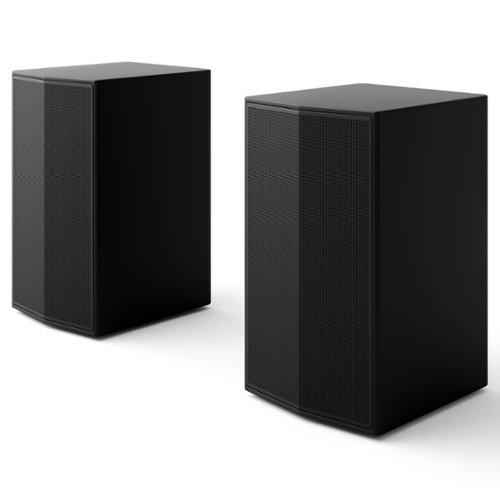
The LG S80TR's 5.1.3 configuration creates genuine surround sound through its wireless rear speakers and up-firing height channels. The rear speakers, positioned behind your listening area, can produce sounds that authentically come from behind you. This positioning creates a wraparound effect that stereo soundbars simply cannot match.
The height channels deserve special attention. These up-firing drivers bounce sound off your ceiling to create overhead effects. The effectiveness depends heavily on your room's acoustics—rooms with standard height ceilings (8-10 feet) and minimal sound-absorbing materials work best. In ideal conditions, Dolby Atmos content like "Top Gun: Maverick" or "Dune" can create convincing overhead effects that place you inside the action.
LG's AI Room Calibration feature addresses the variability in room acoustics by using built-in microphones to measure your space's acoustic signature. The system plays test tones and analyzes how they reflect off surfaces, then adjusts speaker timing and frequency response accordingly. This automatic calibration removes much of the guesswork from surround sound setup, though manual fine-tuning is still possible through the companion app.
Modern soundbars serve as central hubs for multiple devices, making connectivity options crucial for long-term satisfaction. The Sonos Ray takes a minimalist approach with a single optical digital input, requiring you to route all devices through your TV. This simplification works well for most users since modern TVs handle device switching, but it limits audio quality to what your TV can pass through its optical output.
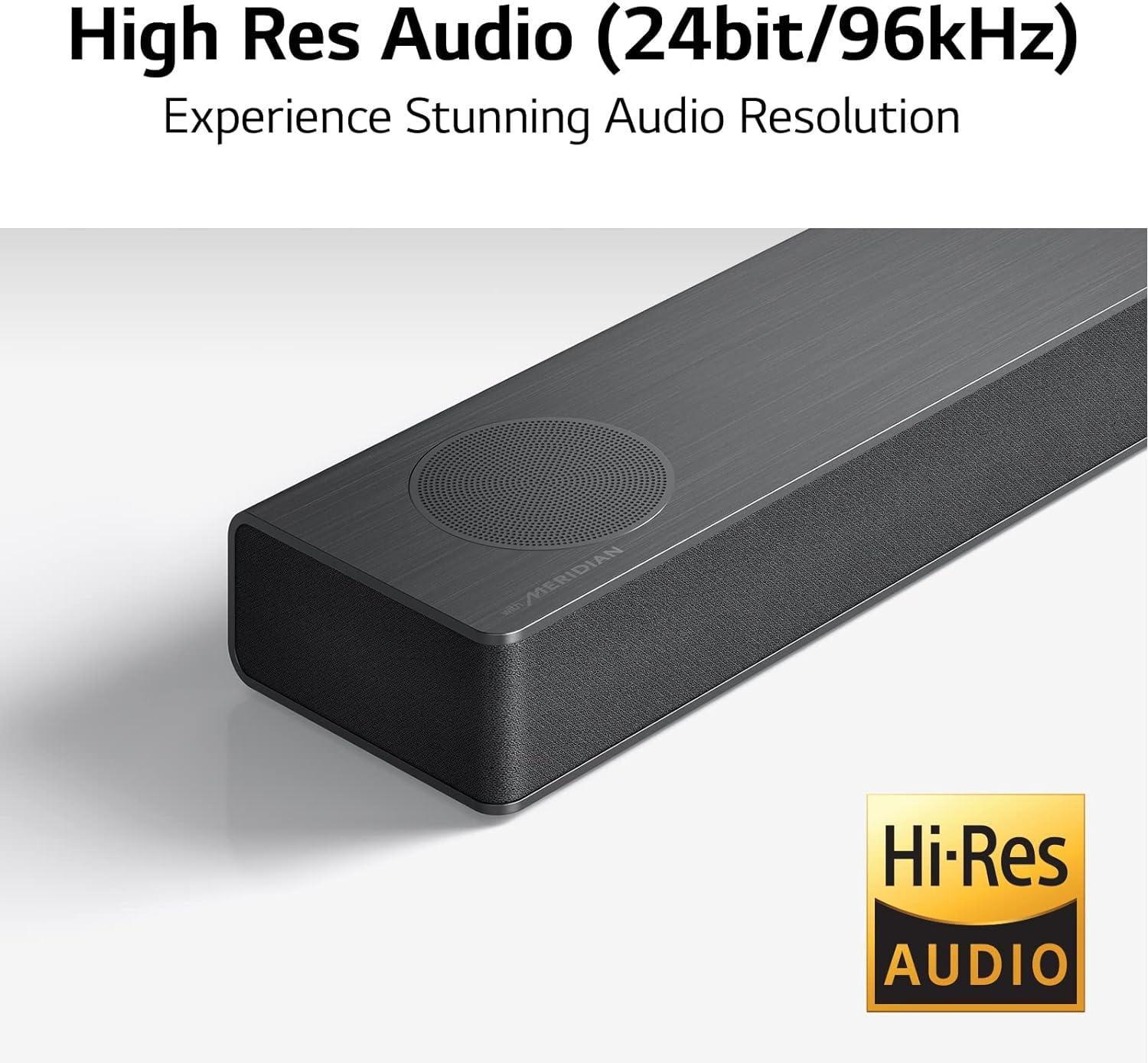
The lack of HDMI connectivity means the Ray cannot receive uncompressed audio formats like Dolby TrueHD or DTS-HD Master Audio, which are found on Blu-ray discs and high-quality streaming content. Instead, it receives compressed Dolby Digital or DTS, which still sounds good but lacks the ultimate fidelity of uncompressed formats.
However, the Ray excels in wireless connectivity. Its Wi-Fi capability enables high-quality music streaming from services like Spotify, Apple Music, and Amazon Music without quality compromises from Bluetooth compression. AirPlay 2 support means iPhone and iPad users can stream audio directly to the soundbar with minimal latency.
The LG S80TR offers comprehensive connectivity through its HDMI eARC (enhanced Audio Return Channel) input. This single cable connection to your TV can handle the highest quality audio formats while also supporting advanced video features like 4K at 120Hz, Variable Refresh Rate (VRR), and Auto Low Latency Mode (ALLM)—features crucial for modern gaming consoles.
The HDMI passthrough capability means you can connect a gaming console or streaming device directly to the soundbar, which then passes video to your TV while processing audio internally. This setup often provides better audio quality than routing everything through your TV, especially with older TV models that have limited audio processing capabilities.
LG's WOW Orchestra feature represents an innovative approach to TV integration. When paired with compatible LG TVs, the television's speakers don't shut off when the soundbar is active. Instead, both work together, with the TV speakers handling some midrange frequencies while the soundbar focuses on dialogue and effects. This cooperation creates a wider, more enveloping soundstage than either component could achieve alone.
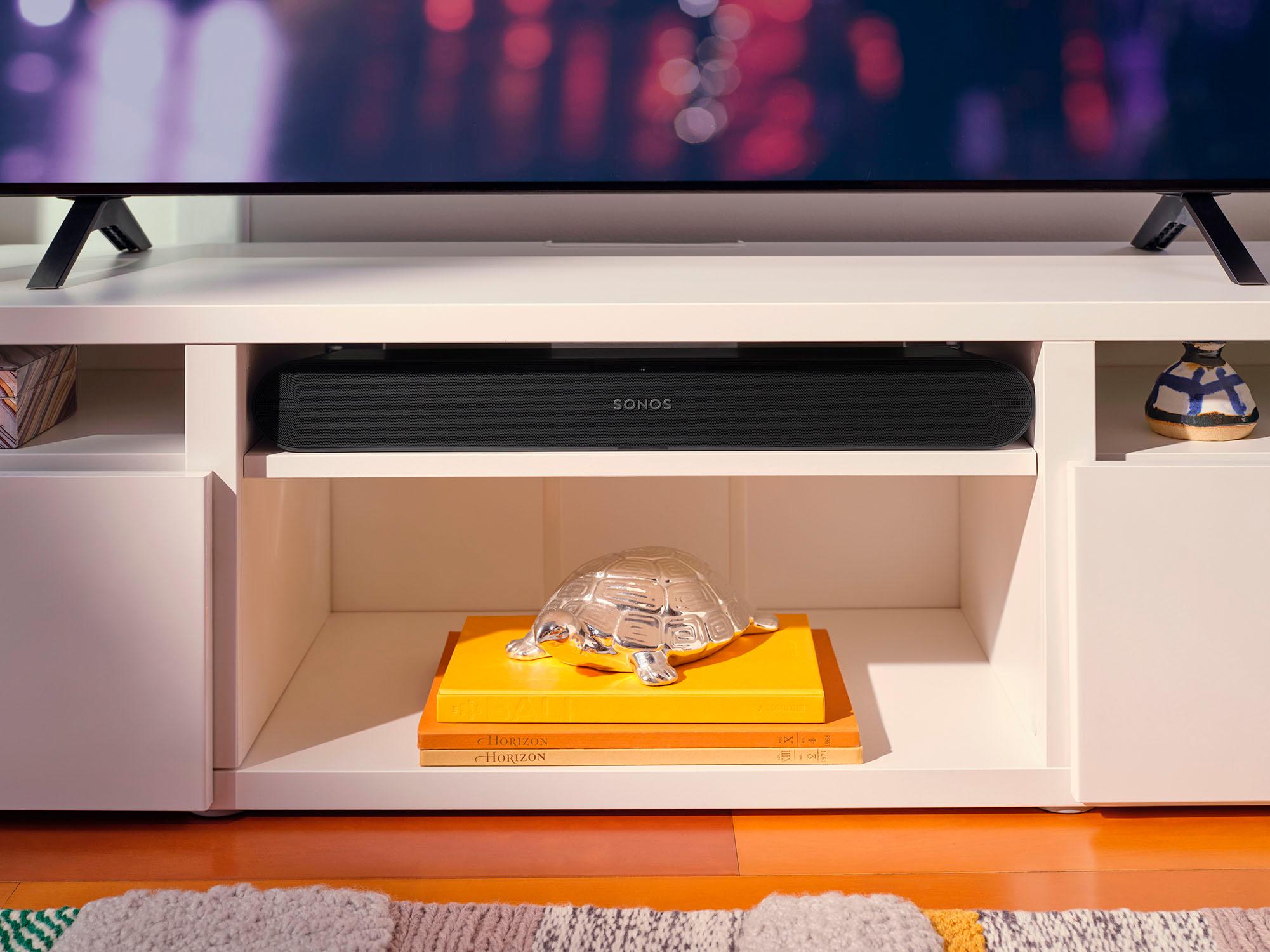
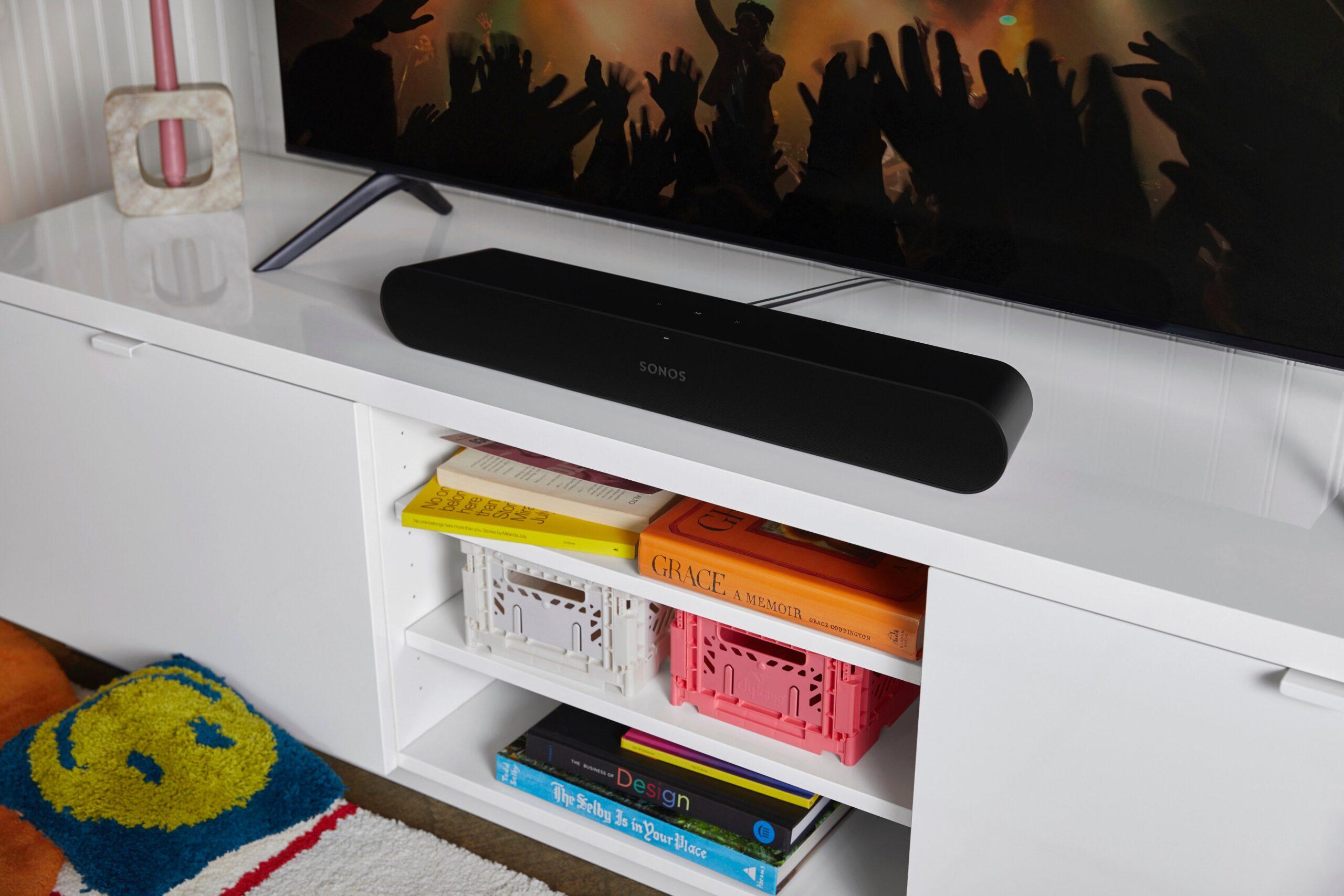
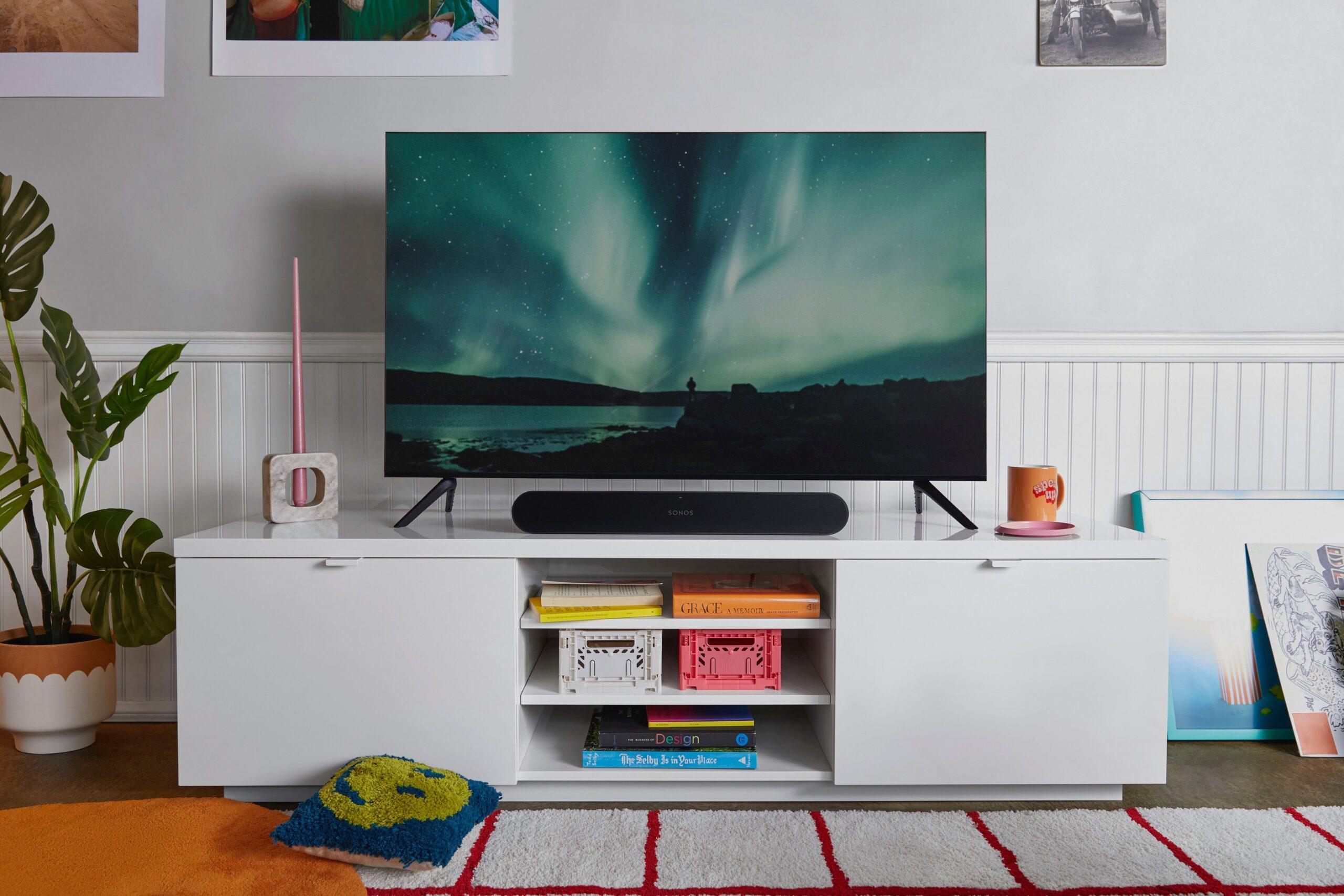
Room size and layout significantly impact soundbar performance, and these products suit different environments. The Sonos Ray excels in smaller to medium-sized rooms where its stereo presentation can effectively fill the space. Its compact 22-inch width fits comfortably under most TVs without overwhelming smaller entertainment centers.
The Ray's simple placement requirements make it ideal for apartments, bedrooms, or offices where complex speaker positioning isn't practical. It performs well whether placed on a TV stand or wall-mounted, though wall mounting may slightly reduce bass response since the rear-firing ports won't have a surface to reinforce against.
The LG S80TR requires more consideration for optimal performance. The wireless rear speakers need appropriate placement behind the listening area, ideally at ear level and several feet apart. While wireless connectivity eliminates cable runs, you still need nearby power outlets for the rear speakers.
The subwoofer placement offers flexibility—corners often provide the strongest bass response, but this can sometimes create uneven frequency response depending on your room's dimensions. The included AI calibration helps optimize performance regardless of placement, but some experimentation may be necessary to find the ideal position.
For home theater applications, the LG S80TR provides a more cinematic experience. Its ability to create precise sound positioning—helicopters moving from front to back, bullets whizzing past your ears—transforms movie watching into something approaching a theater experience. The Sonos Ray, while excellent for dialogue and music, cannot create these immersive effects.
When evaluating value, it's important to consider not just initial price but also upgrade paths and long-term satisfaction. The Sonos Ray at $279 represents an affordable entry into high-quality audio, but its stereo limitation may leave some users wanting more immersive sound down the road.
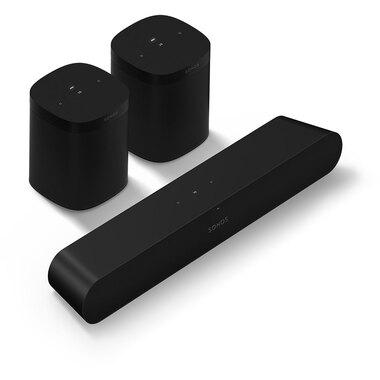
Sonos offers upgrade paths through their ecosystem—you can add a Sonos Sub ($749) and two Sonos One speakers ($199 each) to create a 5.1 system, but this brings the total investment to over $1,400. While this modular approach offers flexibility, it's significantly more expensive than getting similar functionality from a single purchase.
The Ray's strength lies in its multi-room capabilities. If you already own other Sonos speakers or plan to build a whole-home audio system, the Ray integrates seamlessly for synchronized music playback throughout your house. This ecosystem value extends beyond just TV audio improvement.
The LG S80TR at $547 includes everything needed for surround sound—wireless subwoofer, rear speakers, and all necessary cables. Comparing this to competitors, similar component packages from premium brands often cost $800-1,200, making the LG an exceptional value for the included hardware.
However, the LG system is less flexible for future changes. If you move to a different room layout or want to repurpose components, the integrated nature of the system becomes limiting. The wireless rear speakers, for instance, cannot function independently as stereo speakers in another room.
Choose the Sonos Ray if you prioritize simplicity, have a smaller space, or already own Sonos products. Its excellent dialogue clarity and music performance make it ideal for TV shows, podcasts, and casual music listening. The compact design and single-cable connection suit users who want better sound without complex setup requirements.
The Ray particularly excels for users who frequently stream music to their soundbar. Its Wi-Fi connectivity and music-focused tuning provide superior performance for this use case compared to most movie-focused soundbars.
Choose the LG S80TR if you want a complete home theater experience with true surround sound and powerful bass. Its Dolby Atmos support and authentic rear channel effects transform movie watching and gaming. The included subwoofer and comprehensive connectivity make it excellent value for users who want theater-like audio without the complexity of separate components.
The LG particularly suits users with larger rooms, those who frequently watch action movies or play video games, and anyone who values the convenience of automatic room calibration. Its advanced connectivity features also future-proof your setup for next-generation gaming consoles and streaming devices.
Both products represent excellent engineering and thoughtful design, but they serve different audiences and use cases. The Sonos Ray delivers refined stereo performance with ecosystem integration benefits, while the LG S80TR provides complete surround sound immersion at competitive pricing. Your choice should align with your room size, content preferences, and whether you prioritize simplicity or maximum audio impact.
| Sonos Ray Soundbar | LG S80TR 5.1.3 Channel Soundbar |
|---|---|
| Price - Entry point vs complete system value | |
| $279 (compact stereo solution) | $547 (includes subwoofer and rear speakers) |
| Audio Channels - Determines surround sound capability | |
| 2.0 stereo (no true surround sound) | 5.1.3 with Dolby Atmos (full surround with overhead effects) |
| Subwoofer Included - Critical for bass response in movies | |
| None (limited bass from internal drivers) | Wireless 8" subwoofer included |
| Rear Speakers - Essential for authentic surround positioning | |
| None (stereo imaging only) | Wireless rear speakers included |
| Dolby Atmos Support - Creates overhead sound effects | |
| Not supported | Yes, with 3 up-firing drivers |
| Connectivity Options - Affects audio quality and device compatibility | |
| Optical input only (no HDMI) | HDMI eARC, optical, Wi-Fi, Bluetooth |
| Room Calibration - Optimizes sound for your space | |
| Trueplay (iOS devices only, manual process) | AI Room Calibration (automatic, works with any phone) |
| Dimensions - Important for TV stand compatibility | |
| 22" x 2.8" x 3.7" (compact design) | 39.3" x 2.5" x 5.3" (larger footprint) |
| Smart Features - Streaming and voice control capabilities | |
| Wi-Fi, AirPlay 2, Sonos ecosystem integration | Wi-Fi, Chromecast, AirPlay 2, voice assistant support |
| Gaming Features - Low latency and advanced video support | |
| Basic compatibility | 4K/120Hz passthrough, VRR, ALLM support |
| Best Room Size - Optimal performance environment | |
| Small to medium rooms (under 200 sq ft) | Medium to large rooms (200+ sq ft) |
| Expandability - Future upgrade options | |
| Can add Sonos Sub + surrounds (expensive) | Complete system, no expansion needed |
Both excel at dialogue clarity but through different approaches. The Sonos Ray uses advanced processing to create clear dialogue from its stereo drivers, while the LG S80TR has a dedicated center channel speaker specifically for dialogue reproduction, which typically provides more precise voice positioning.
The Sonos Ray is specifically tuned for music with balanced frequency response and seamless integration with music streaming services. The LG S80TR can play music well but is optimized more for movies and TV, though its subwoofer provides better bass for music genres that benefit from deep low frequencies.
The fundamental difference is scope: the Sonos Ray is a compact stereo soundbar focused on dialogue clarity and music, while the LG S80TR is a complete home theater system with true surround sound, Dolby Atmos, and powerful bass. Choose the Ray for simplicity and music, or the LG for full cinematic immersion.
We've done our best to create useful and informative comparisons to help you decide what product to buy. Our research uses advanced automated methods to create this comparison and perfection is not possible - please contact us for corrections or questions. These are the sites we've researched in the creation of this article: techradar.com - soundandvision.com - youtube.com - appleinsider.com - youtube.com - sonos.com - cnet.com - howtogeek.com - pcrichard.com - en.community.sonos.com - epicsystems.tech - en.community.sonos.com - cepro.com - videoandaudiocenter.com - bestbuy.com - billsmith.com - brandsmartusa.com - avsforum.com - youtube.com - lg.com - buydig.com - louisdoehomecenter.com - lg.com - videoandaudiocenter.com - mynavyexchange.com - walts.com - bestbuy.com

Privacy Policy
Terms and Conditions - Affiliate Policy
Home Security
© Copyright 2008-2026.
11816 Inwood Rd #1211, Dallas, TX 75244