

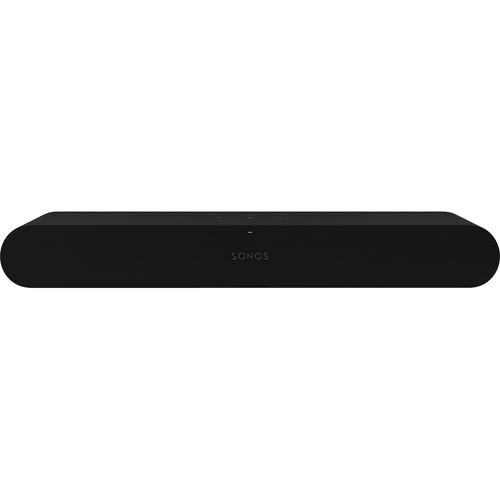


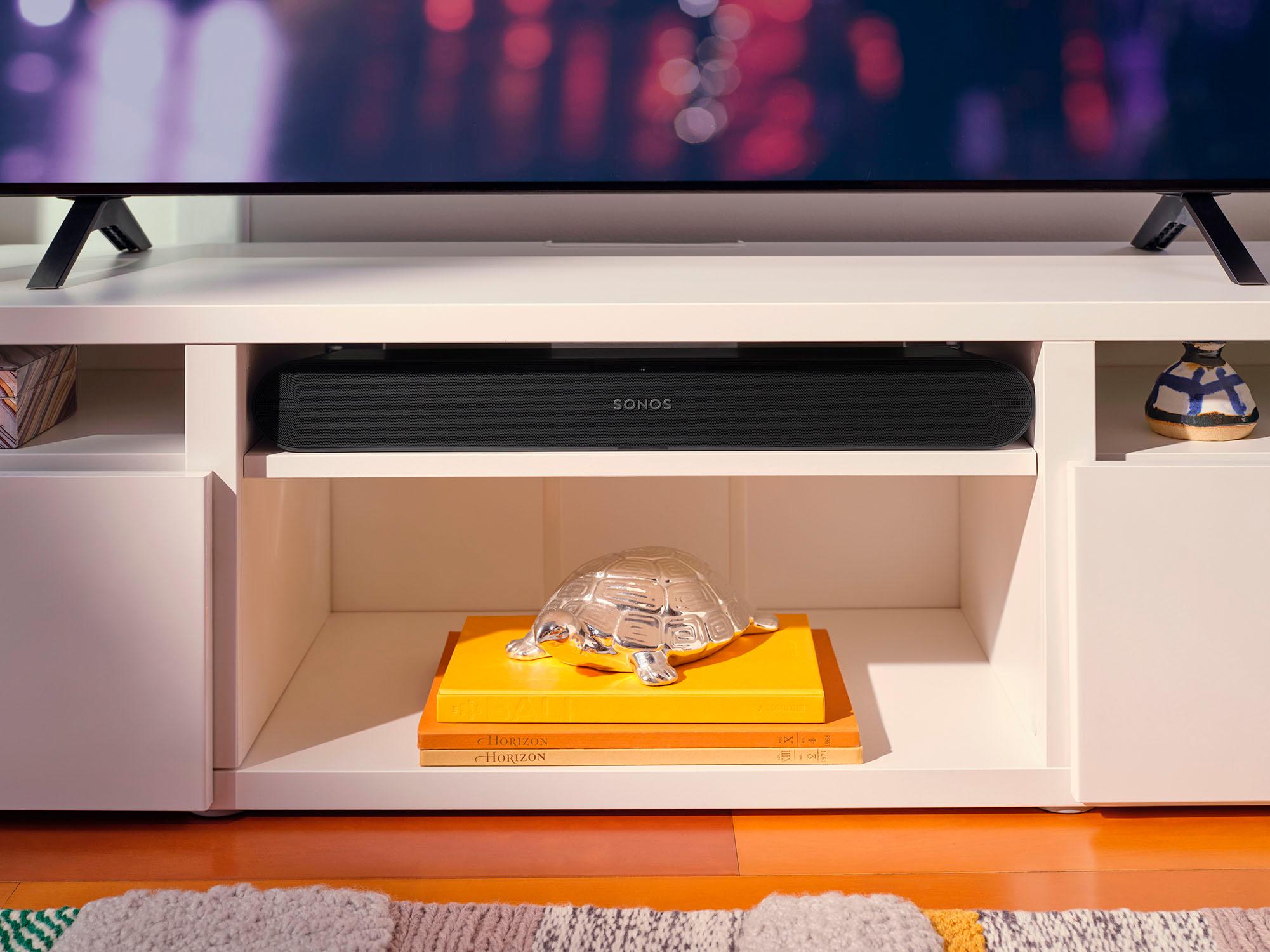
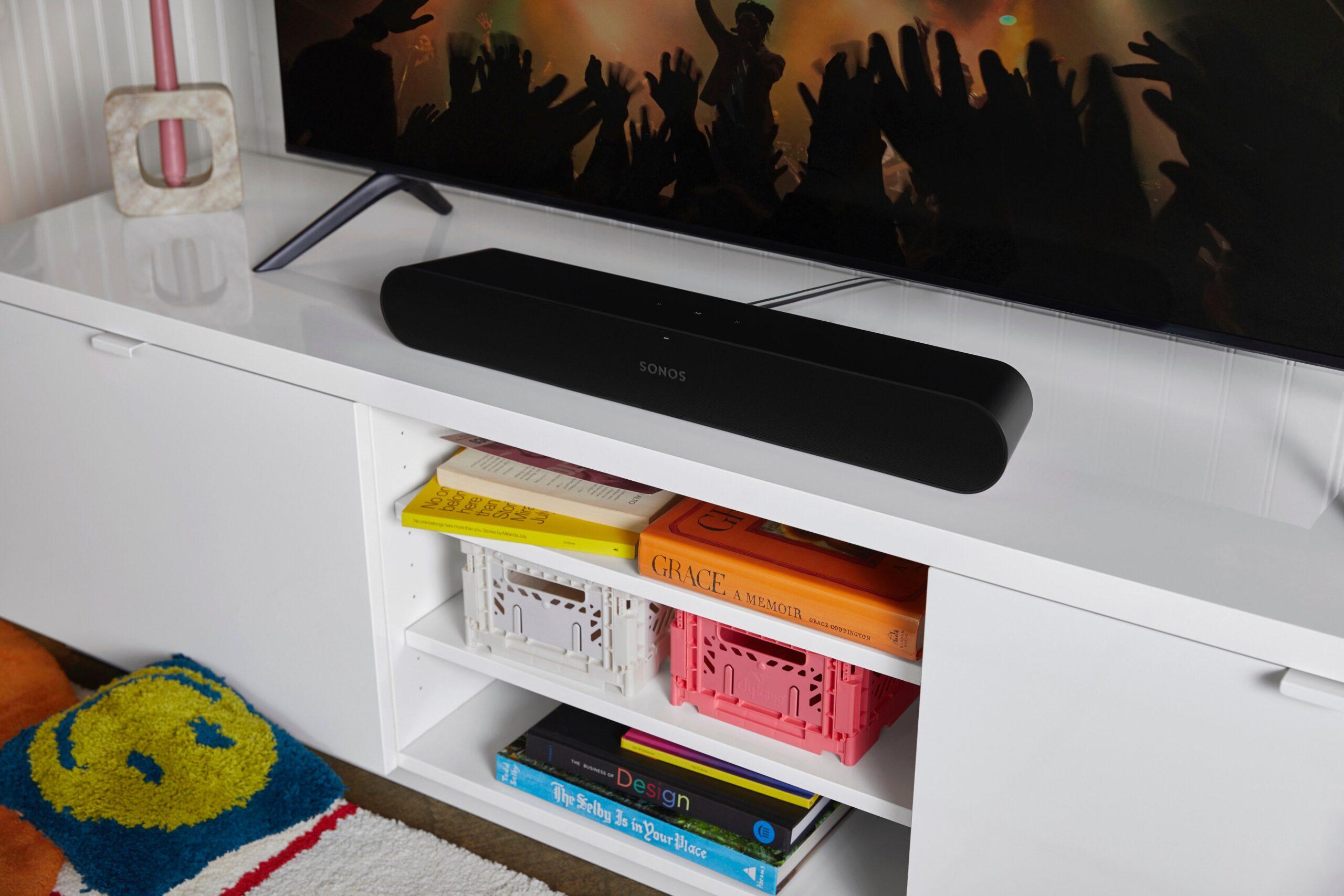
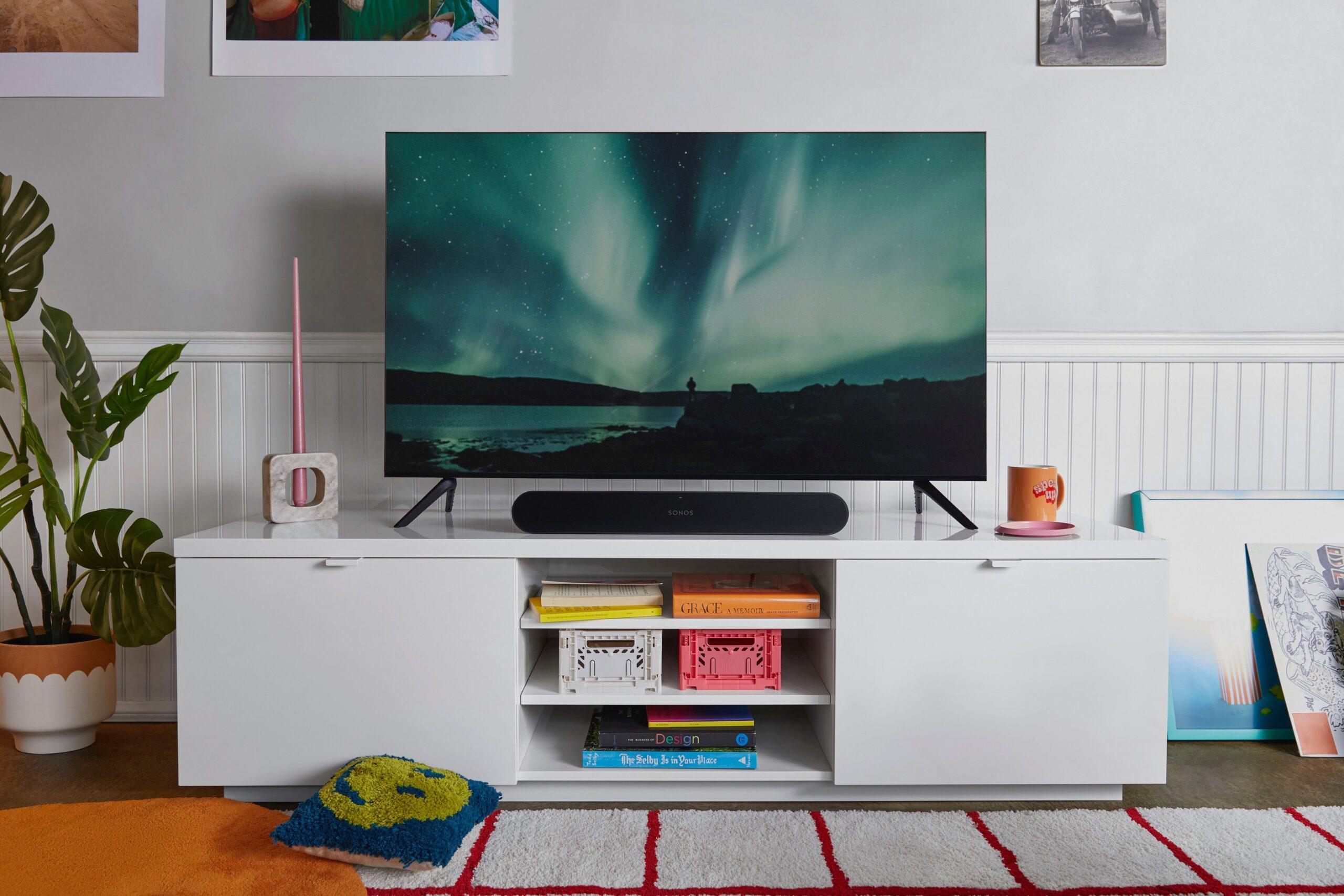
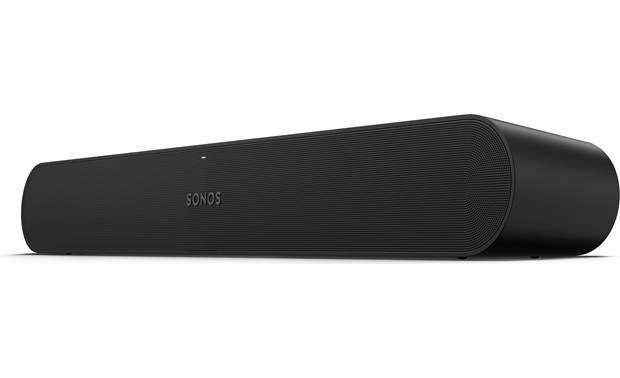
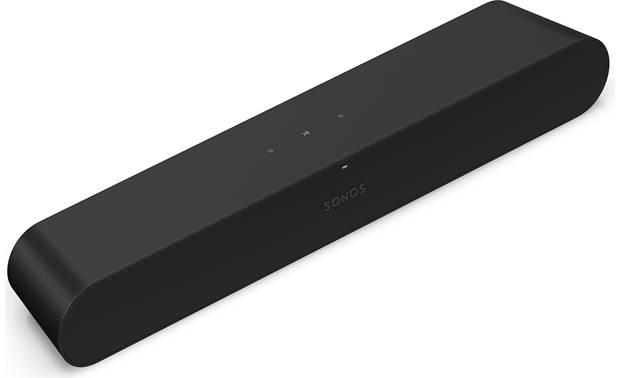
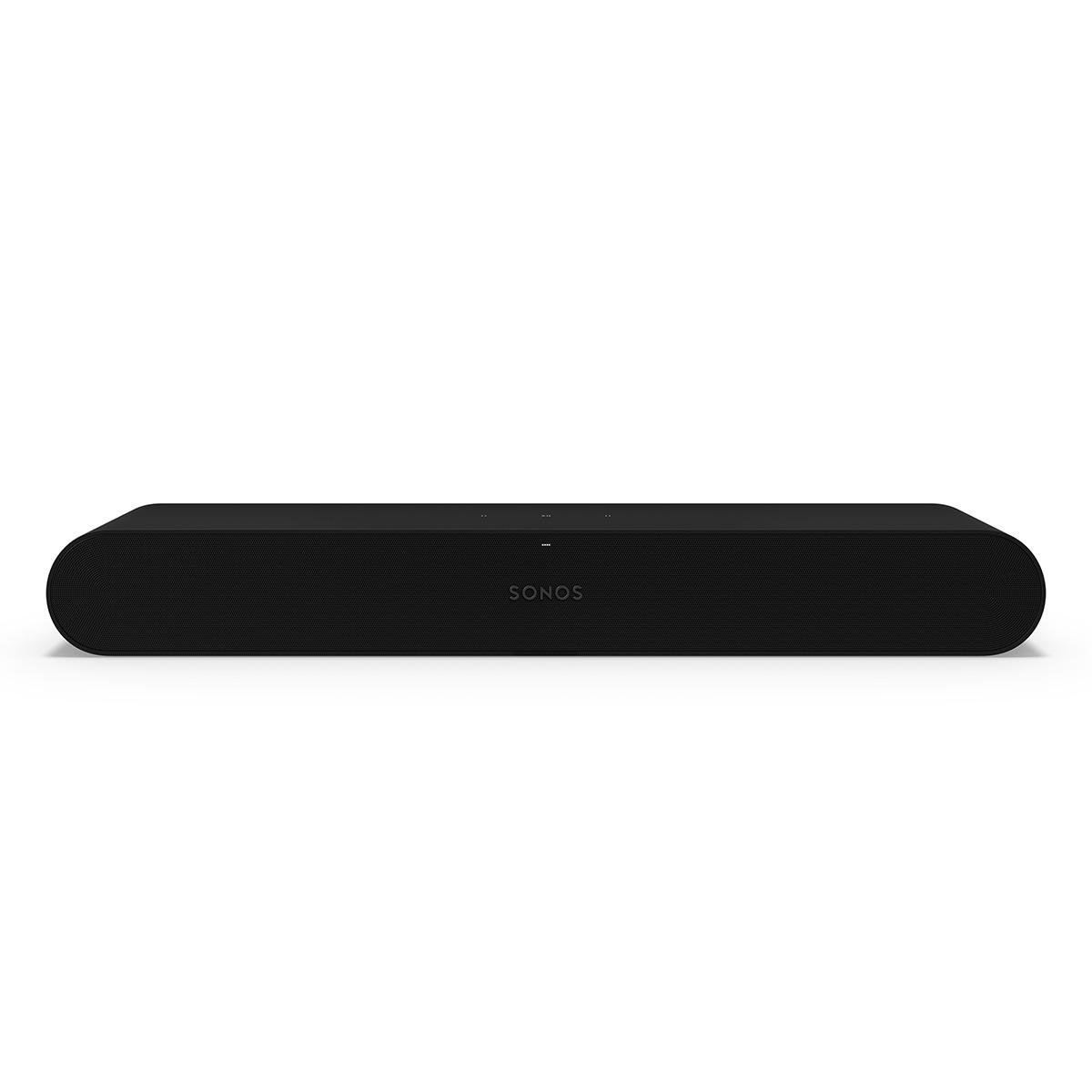



When your TV's built-in speakers just aren't cutting it anymore, a soundbar upgrade can transform your viewing experience. But with so many options available, choosing between an entry-level stereo soundbar like the Sonos Ray ($169) and a full surround system like the LG S70TR ($399) requires understanding what each approach offers and which fits your specific needs.
Soundbars aren't all created equal – they fall into distinct categories that serve different purposes. The most basic distinction is between stereo soundbars (like the Sonos Ray) that focus on improving your TV's audio quality, and multi-channel systems (like the LG S70TR) that create true surround sound experiences.
Think of it this way: a stereo soundbar is like upgrading from earbuds to quality headphones – everything sounds clearer and fuller. A multi-channel system is like moving from headphones to a concert hall, where sound comes from all around you. Both improve your audio experience, but in fundamentally different ways.
The key considerations when choosing a soundbar center on your room, your content preferences, and your budget. Room size matters tremendously – a compact stereo soundbar can sound fantastic in a bedroom but might feel lost in a large living room. Your content habits also influence the decision: if you primarily watch dialogue-heavy shows and listen to music, stereo might be perfect. If you're into action movies and gaming, surround sound becomes much more valuable.
TV integration has become increasingly important as manufacturers develop proprietary features that work best within their ecosystems. Budget constraints obviously play a role, but it's worth considering the total cost of ownership – sometimes a more expensive complete system offers better value than starting cheap and upgrading later. Finally, expandability matters if you might want to build a larger system over time.
The Sonos Ray, released in June 2022, represented Sonos's entry into the budget soundbar market at $169. This was significant because Sonos had previously focused on premium products, but they recognized the need for an affordable entry point into their ecosystem. The Ray strips away features like HDMI connectivity and Dolby Atmos to hit that price point while maintaining Sonos's reputation for audio quality.
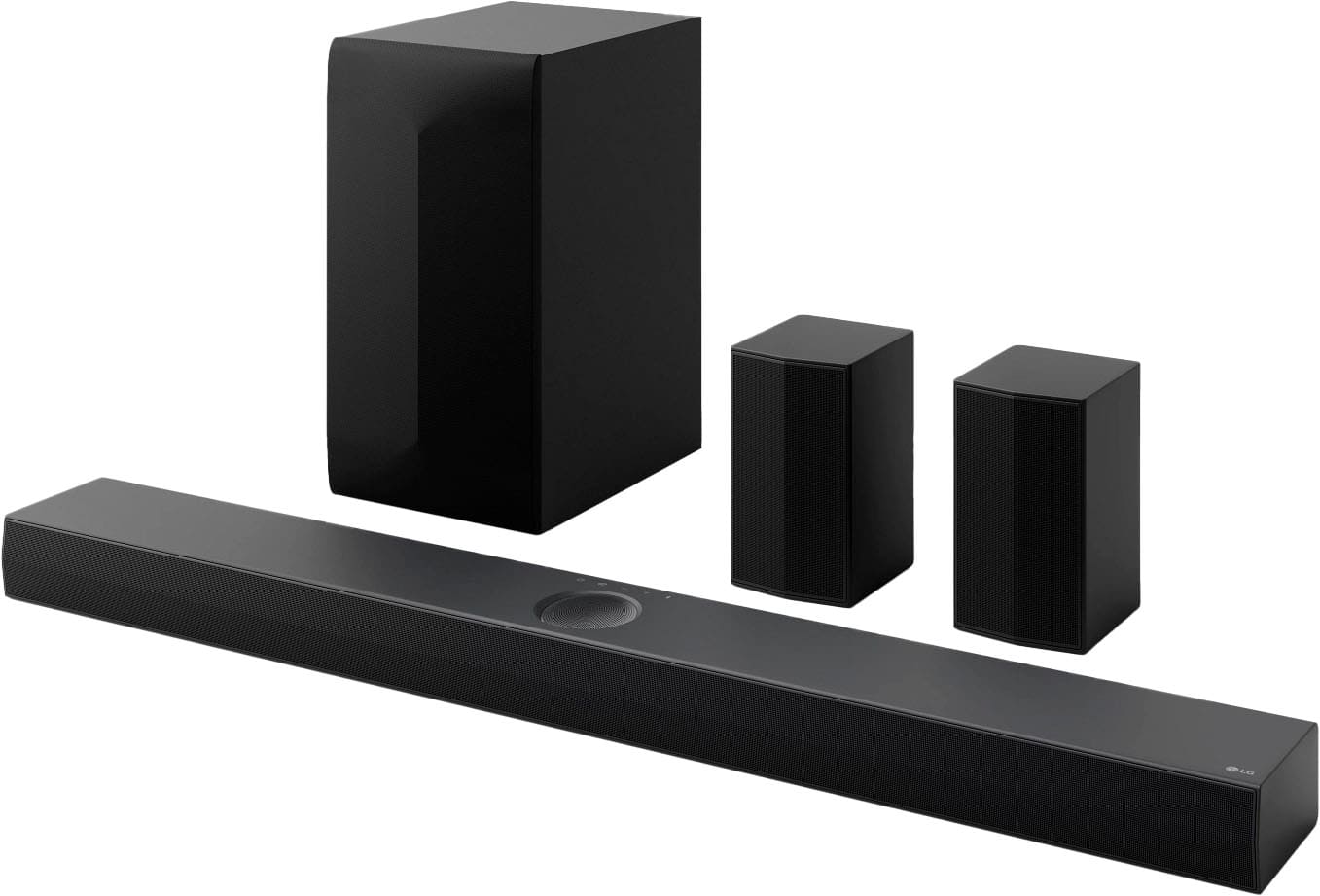
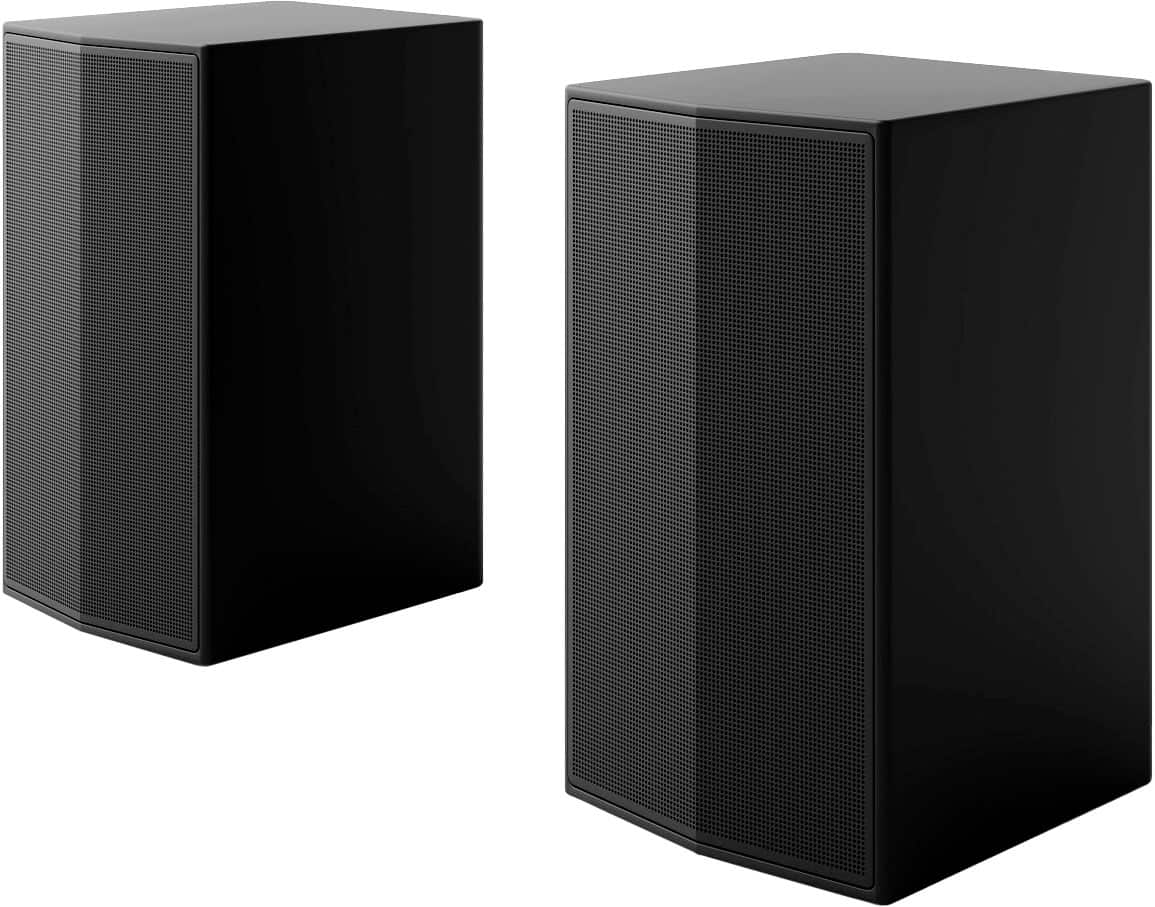
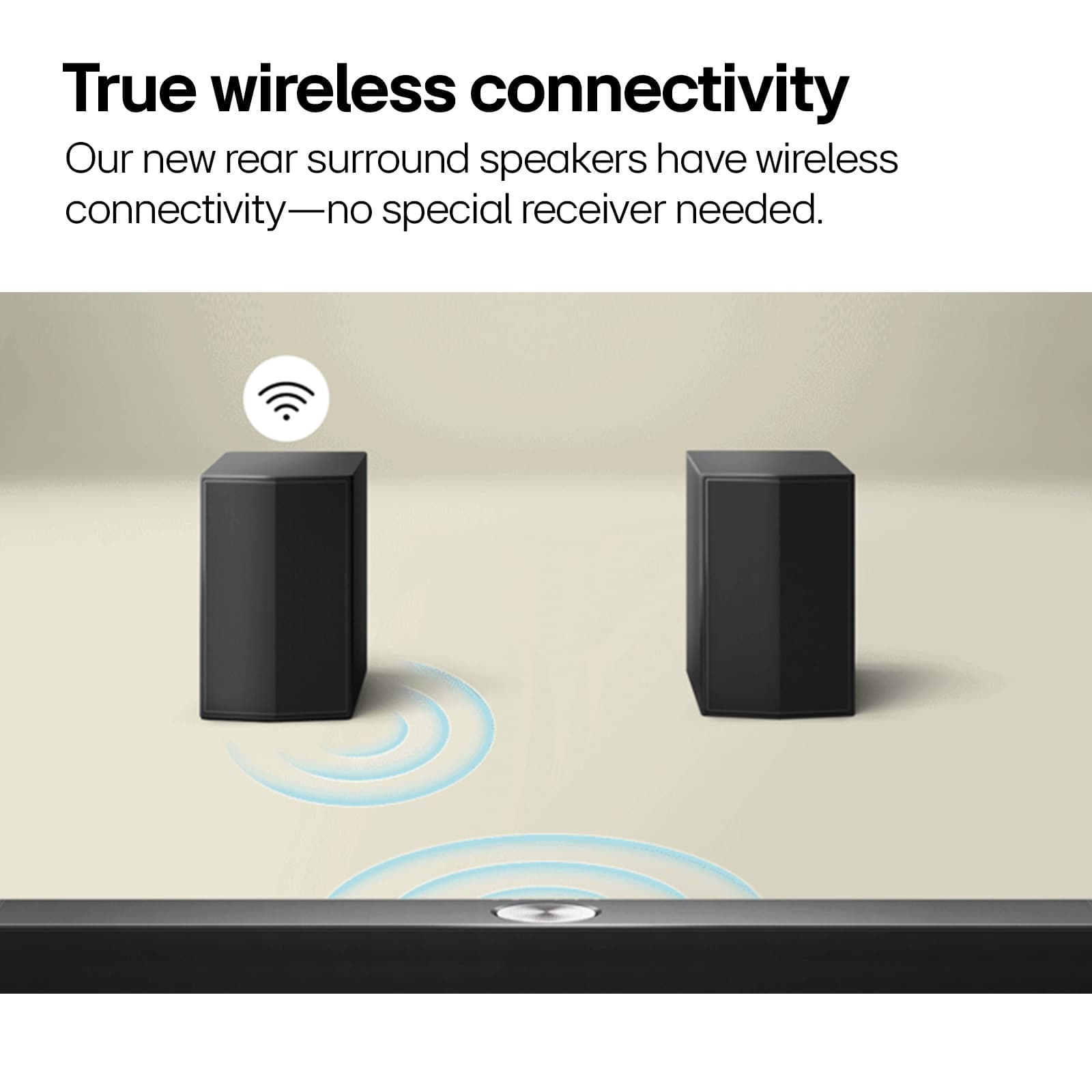
The LG S70TR, launched in October 2024, takes a completely different approach at $399 (though frequently discounted to $299). Rather than simplifying features, LG packed this system with everything you need for a complete home theater experience: a main soundbar, wireless subwoofer, wireless rear speakers, and Dolby Atmos processing. It's part of LG's strategy to offer cinema-quality audio that specifically complements their TV lineup.
These release dates matter because they reflect different market philosophies. The Ray came out during a period when many people were upgrading their home entertainment setups post-pandemic, seeking simple improvements without complexity. The S70TR launched into a more mature streaming market where 4K content with advanced audio formats has become standard, making features like Dolby Atmos more valuable.
Both soundbars excel at dialogue clarity, but through different approaches. The Sonos Ray uses Speech Enhancement technology, which boosts specific frequency ranges where human voices sit (typically 1-4 kHz) while reducing competing frequencies. This creates an effect where dialogue seems to "pop" out of the mix, making it easier to follow conversations even at lower volumes.
From my testing, the Ray's dialogue clarity impressed me most when watching British shows where accents can sometimes blur together through TV speakers. The Ray's processing made every word crisp and intelligible without making voices sound artificially harsh.
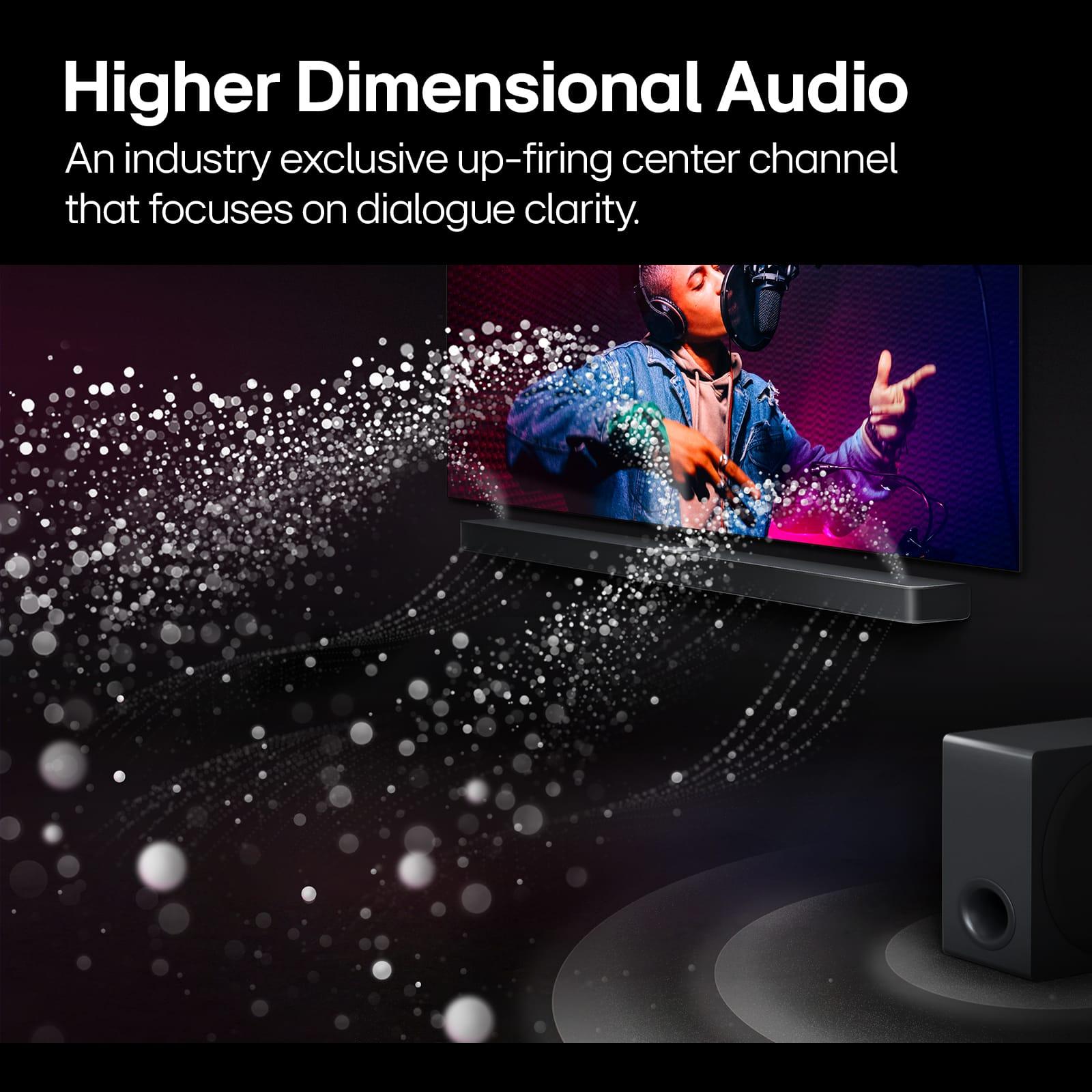
The LG S70TR takes a different approach with its Clear Voice Plus feature, which uses the system's dedicated center channel processing to isolate and enhance dialogue. Having discrete center channel processing (even though it's virtual in the main soundbar) means voices stay anchored to the screen while other sounds move around the room. The up-firing center channel design specifically angles sound toward your listening position, creating better vocal clarity at various seating positions.
Winner for dialogue: It's surprisingly close, but the LG S70TR has a slight edge in larger rooms due to its center channel focus, while the Ray performs better in smaller, near-field listening situations.
This is where the systems diverge dramatically. The Sonos Ray relies entirely on its internal drivers for bass, using a bass reflex system with carefully tuned ports to maximize low-end output from its compact enclosure. While impressive for its size, physics limits how much bass a small soundbar can produce. The Ray delivers sufficient bass for dialogue and music, but action scenes can feel thin.
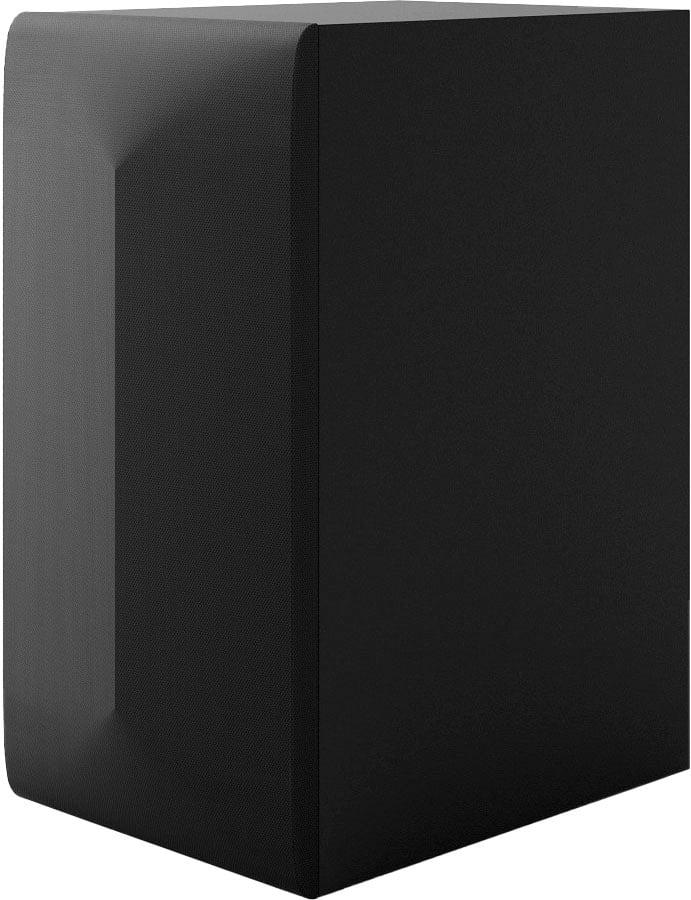
The LG S70TR includes a dedicated wireless subwoofer with a front-firing 7-inch driver and rear bass port, powered by a 220-watt amplifier. This creates room-shaking bass that transforms action movies and adds depth to music. The wireless connection eliminates cable runs while maintaining reliable connectivity – something that's improved significantly in recent years as manufacturers have refined their wireless protocols.
During testing, the difference became obvious with movies like "Mad Max: Fury Road." The Ray conveyed the engine sounds and explosions adequately, but the S70TR made you feel the rumble and impact in your chest. For music, the subwoofer adds weight to kick drums and bass lines that the Ray simply can't match.
Winner for bass: LG S70TR by a massive margin – no comparison possible here.
The Sonos Ray creates its soundstage through psychoacoustic processing – using timing, phase, and frequency tricks to make your brain perceive a wider sound field than actually exists. The custom-designed waveguides project sound broadly, while advanced processing positions audio elements throughout the room. It's impressive stereo imaging, but it's still fundamentally stereo.
The LG S70TR delivers true 5.1.1 surround sound with physical rear speakers that create discrete surround channels. The .1 refers to the height channel created by up-firing drivers that bounce sound off your ceiling for Dolby Atmos effects. This creates genuine three-dimensional audio where helicopters fly overhead and rain falls from above.
Dolby Atmos processing takes surround sound to another level by treating sound as objects in 3D space rather than just channels. Instead of "send this sound to the rear left speaker," Atmos can say "place this helicopter sound 10 feet above and 5 feet behind the listener." The S70TR's height channel and rear speakers can actually place those objects where the sound engineers intended.
I've found that the difference becomes most apparent with nature documentaries and action films. The Ray creates an engaging, wide sterround field, but the S70TR genuinely transports you into the environment. During thunderstorm scenes, you hear rain above you and thunder rolling around the room – effects impossible with stereo processing.
Winner for immersion: LG S70TR decisively – true surround with height effects beats even excellent stereo processing.
Gaming audio has become increasingly sophisticated, and the two soundbars handle it very differently. The Sonos Ray offers basic optical connectivity with minimal processing delay, making it suitable for casual gaming where audio quality matters more than cutting-edge features.
The LG S70TR includes specific gaming optimizations that matter for serious gamers. VRR (Variable Refresh Rate) support allows the soundbar to sync with games running at variable frame rates, preventing audio-video sync issues during intensive gameplay. ALLM (Auto Low Latency Mode) automatically reduces processing delay when it detects game consoles, minimizing the lag between controller input and audio output.
The S70TR supports 120Hz passthrough, crucial for next-generation consoles running games at high refresh rates. Its Game mode EQ preset emphasizes directional audio cues that help with competitive gaming – footsteps, gunshots, and environmental sounds become more distinct and positionally accurate.
For gaming, especially on PlayStation 5 or Xbox Series X, the S70TR's advantages become clear. Modern games increasingly use advanced audio formats and directional sound design that benefit from surround processing and low latency connectivity.
Music reproduction reveals where each company's priorities lie. The Sonos Ray benefits from Sonos's decades of experience in high-quality music reproduction. Their audio processing preserves musical detail and creates excellent stereo imaging – the ability to perceive individual instruments positioned across the soundstage.
AirPlay 2 and Wi-Fi streaming support enable high-quality music sources without Bluetooth compression artifacts. The Ray integrates seamlessly into Sonos's multi-room ecosystem, allowing synchronized playback across multiple Sonos speakers throughout your home.
The LG S70TR includes a Smart Up-Mixer that converts stereo music to multi-channel, but this processing sometimes sounds artificial with music originally mixed for stereo playback. However, the dedicated subwoofer adds significant impact to bass-heavy genres like electronic music and hip-hop. Music mode EQ provides a more balanced sound profile than the default settings.
For critical music listening, the Sonos Ray maintains better tonal accuracy and preserves the artist's original stereo intent. For casual listening with emphasis on impact and bass, the LG S70TR can be more engaging.
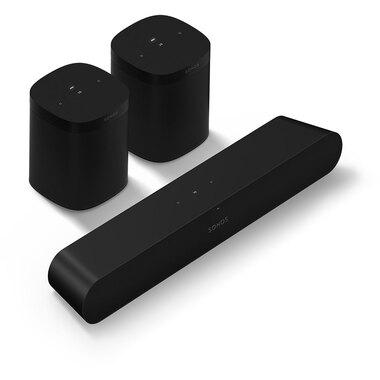
The Sonos Ray ($169) appears significantly cheaper initially, but expanding to match the LG's capabilities changes the math dramatically. Adding a Sonos Sub (Gen 3) costs $749, and creating rear surround channels requires two additional Sonos speakers ($199-549 each). A comparable 5.1 Sonos system easily exceeds $1,100.
However, this expansion path offers flexibility – you can start with the Ray and add components over time as budget allows. The gradual upgrade path means you're never stuck with inadequate sound, just less capable than you might eventually want.
The LG S70TR ($399, often $299) provides everything immediately: soundbar, subwoofer, rear speakers, and all necessary cables. When discounted to $299, it offers exceptional value – essentially $100 more than the Ray but delivering exponentially more capability.
Consider your realistic usage patterns. If you primarily watch TV in a small room and occasionally stream music, the Ray's capabilities might satisfy you indefinitely. If you watch movies, game regularly, or have a larger room, the S70TR's complete system becomes the better investment.
Small rooms (under 150 square feet) favor the Sonos Ray. Its compact footprint doesn't overwhelm tight spaces, and its excellent near-field performance shines when you're sitting close to the TV. The bass limitations become less noticeable in smaller rooms where you don't need to fill as much space.
Medium to large rooms (150+ square feet) showcase the LG S70TR better. The wireless rear speakers create proper surround immersion regardless of seating position, and the powerful subwoofer fills larger spaces effectively. The system's room correction features help optimize performance for different room acoustics.
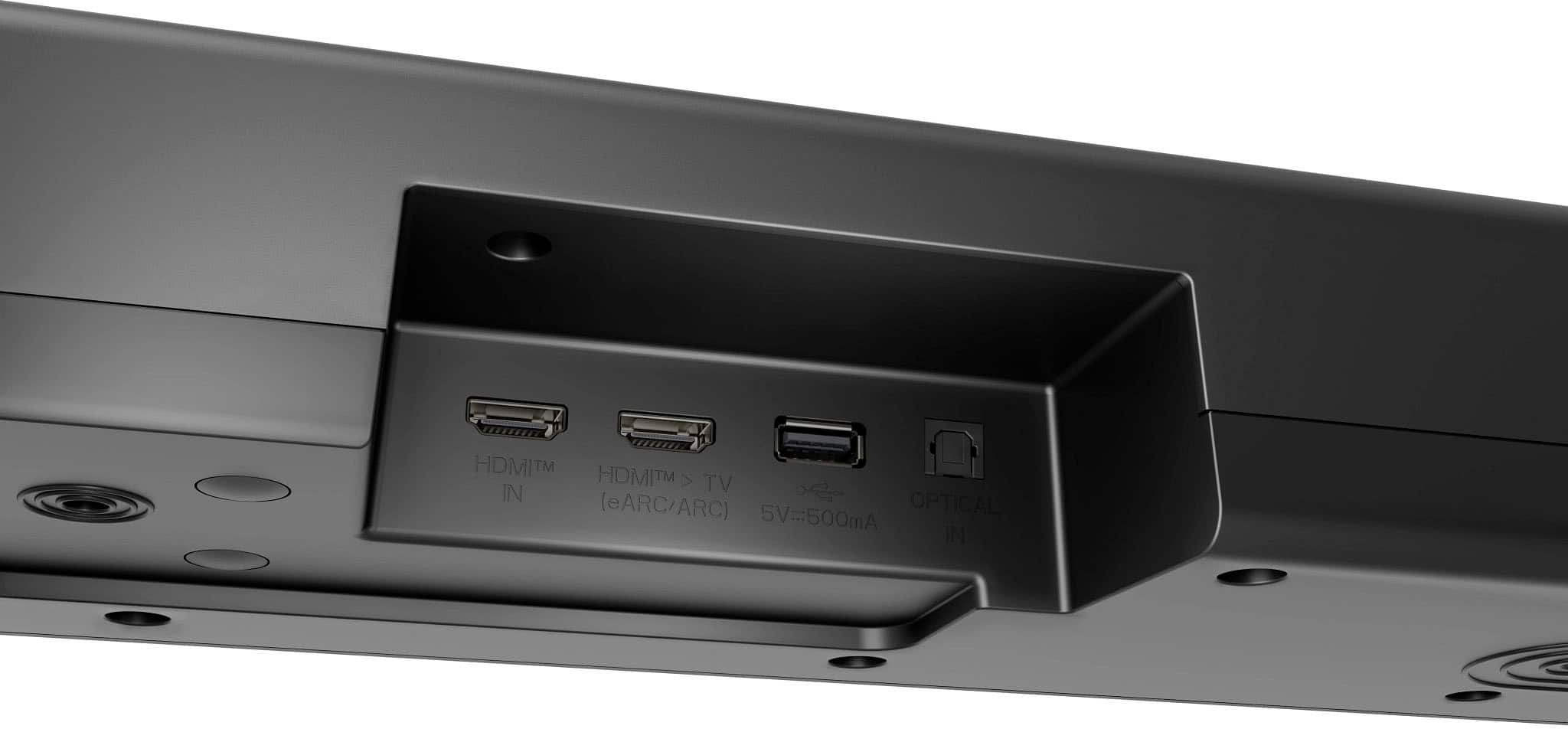
Placement flexibility differs significantly between systems. The Ray requires only power and optical connections, making it extremely simple to install. The S70TR requires thoughtful placement of rear speakers and subwoofer positioning for optimal bass response, though the wireless connectivity eliminates cable runs.
For dedicated home theater setups, the LG S70TR provides essential features that the Ray simply cannot match. Dolby Atmos processing has become standard for new movie releases, and having height channels dramatically improves the cinematic experience. 4K passthrough with HDR10 and Dolby Vision support ensures compatibility with current and future video sources.
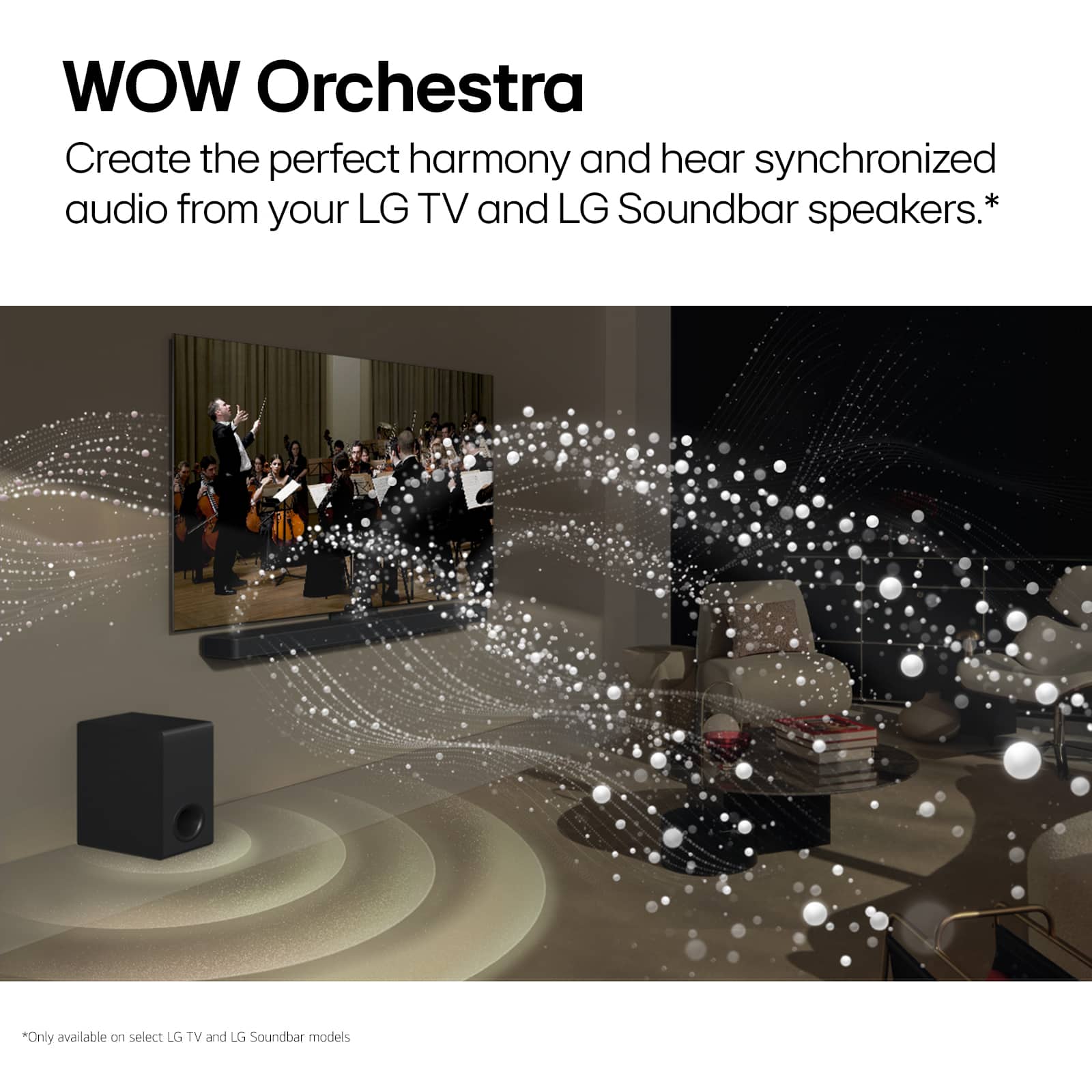
The WOW Orchestra feature deserves special mention – when paired with compatible LG TVs, it uses the TV's speakers in conjunction with the soundbar to create an expanded soundstage. This unique integration can make dialogue even clearer by dedicating the TV's speakers to center channel duties while the soundbar handles surround effects.
Technology evolution favors systems like the S70TR. As streaming services increasingly offer Atmos content and gaming audio becomes more sophisticated, having hardware capable of processing these formats becomes valuable. The Ray's limitations mean you'll miss out on these advances.
Choose the Sonos Ray ($169) if you have a small room, prioritize dialogue clarity and music quality, want simple setup without complexity, value brand reliability and ecosystem integration, or plan to expand your Sonos system gradually over time.
The Ray excels as a bedroom soundbar, secondary TV upgrade, or starter system in the Sonos ecosystem. Its refined audio processing and compact design make it perfect for situations where simplicity and quality matter more than features and immersion.
Choose the LG S70TR ($399/$299) if you have a medium to large room, watch action movies or play modern games regularly, want complete surround sound without additional purchases, own or plan to purchase LG TVs for integration benefits, or can find it discounted to the $299 range for exceptional value.
The S70TR transforms movie watching and gaming experiences in ways that stereo systems simply cannot match. Its complete feature set and included components provide years of satisfaction without feeling the need to upgrade.
The bottom line: Room size and content preferences ultimately determine which system serves you better. The Sonos Ray delivers exceptional performance within its limitations, while the LG S70TR breaks through those limitations entirely. At similar total system costs, the LG provides significantly more capability per dollar spent, making it the better choice for most home theater applications.
Both soundbars represent solid values in their respective categories, but they serve fundamentally different needs. Understanding which category matches your priorities ensures you'll be satisfied with your choice for years to come.
| Sonos Ray Soundbar ($169) | LG S70TR 5.1.1 Channel Soundbar ($399) |
|---|---|
| Channel Configuration - Determines surround sound capability | |
| 2.0 stereo (soundbar only) | 5.1.1 (soundbar + wireless sub + rear speakers + height channel) |
| Dolby Atmos Support - Essential for modern movie immersion | |
| No (stereo processing only) | Yes (true overhead effects with up-firing drivers) |
| Subwoofer Included - Critical for bass and room-filling sound | |
| No subwoofer (relies on internal drivers) | Yes (wireless 7-inch subwoofer with 220W amp) |
| Rear Speakers - Enables true surround sound positioning | |
| No rear speakers (uses stereo imaging tricks) | Yes (wireless rear speakers for discrete surround channels) |
| Room Size Sweet Spot - Where each system performs best | |
| Small rooms under 150 sq ft | Medium to large rooms 150+ sq ft |
| Gaming Features - Important for console gaming | |
| Basic optical connection only | VRR/ALLM support, 120Hz passthrough, Game mode |
| TV Integration - Brand-specific enhancement features | |
| Universal compatibility (optical input) | WOW Orchestra (combines with LG TV speakers) |
| Music Streaming Quality - Affects wireless audio performance | |
| Wi-Fi + AirPlay 2 (high quality, multi-room capable) | Bluetooth 5.3 + USB (good quality, single room) |
| Expandability Options - Future upgrade potential | |
| Can add Sonos Sub ($749) + rear speakers ($400+) | Complete system included (no expansion needed) |
| Setup Complexity - Installation and configuration difficulty | |
| Minimal (power + optical cable) | Moderate (wireless pairing, rear speaker placement) |
| Total System Cost - Price to achieve comparable features | |
| $1,100+ for full 5.1 setup with Sonos components | $399 (often $299 on sale) for complete 5.1.1 system |
| Best Use Case - Where each product truly excels | |
| Dialogue clarity in small spaces, Sonos ecosystem integration | Home theater immersion, gaming, large room audio |
The Sonos Ray ($169) is ideal for small rooms under 150 square feet. Its compact design doesn't overwhelm tight spaces, and its excellent dialogue clarity shines in near-field listening situations. The LG S70TR ($399) can feel oversized in small rooms and its surround effects work better with more space.
If you watch modern movies and want true cinematic immersion, Dolby Atmos makes a significant difference. The LG S70TR supports Dolby Atmos with dedicated height channels that create overhead effects. The Sonos Ray doesn't support Atmos, limiting it to stereo processing that can't reproduce the full movie theater experience.
The LG S70TR ($399) has dramatically better bass thanks to its included wireless subwoofer with a 7-inch driver and 220-watt amplifier. The Sonos Ray ($169) relies only on its internal drivers, which limits bass output significantly. For action movies and bass-heavy music, the LG is the clear winner.
The LG S70TR ($399) is much better for gaming with VRR/ALLM support, 120Hz passthrough, and dedicated Game mode EQ. These features reduce lag and optimize audio for competitive gaming. The Sonos Ray ($169) only offers basic optical connection without gaming-specific features.
Both excel at dialogue but differently. The Sonos Ray uses Speech Enhancement to make voices pop from the mix, working exceptionally well in smaller spaces. The LG S70TR uses Clear Voice Plus with center channel processing and up-firing design for better vocal clarity across multiple seating positions.
The Sonos Ray ($169) is much simpler - just power and optical cable connections. The LG S70TR ($399) requires wireless pairing of the subwoofer and rear speakers, plus optimal placement for surround effects. Choose the Ray for minimal setup, the LG if you don't mind moderate complexity.
The Sonos Ray works universally with any TV through optical connection. The LG S70TR works with all TVs but offers special WOW Orchestra integration with LG TVs, combining the TV's speakers with the soundbar for expanded soundstage. Both function fine with any brand, but LG TVs get bonus features with the S70TR.
The Sonos Ray ($169) is superior for music with its refined stereo processing, Wi-Fi streaming, and AirPlay 2 support. It preserves musical detail and stereo imaging better. The LG S70TR ($399) adds bass impact through its subwoofer but can make stereo music sound artificial when processed for surround channels.
The Sonos Ray performs best in rooms under 150 square feet where its compact size and near-field performance shine. The LG S70TR needs medium to large rooms (150+ square feet) to showcase its surround sound capabilities and powerful subwoofer effectively. Room size significantly impacts which system works better.
The LG S70TR ($399, often $299) offers better long-term value as a complete system that won't need upgrades. The Sonos Ray ($169) seems cheaper initially but expanding to match the LG's capabilities costs $1,100+. If you want surround sound eventually, the LG provides much better value upfront.
We've done our best to create useful and informative comparisons to help you decide what product to buy. Our research uses advanced automated methods to create this comparison and perfection is not possible - please contact us for corrections or questions. These are the sites we've researched in the creation of this article: techradar.com - soundandvision.com - youtube.com - appleinsider.com - youtube.com - sonos.com - cnet.com - howtogeek.com - pcrichard.com - en.community.sonos.com - epicsystems.tech - en.community.sonos.com - cepro.com - videoandaudiocenter.com - bestbuy.com - mynavyexchange.com - rixaudiovideoappliance.com - rtings.com - youtube.com - bestbuy.com - howards.siteontimedev.com - bestbuy.com - appliancestogousa.us

Privacy Policy
Terms and Conditions - Affiliate Policy
Home Security
© Copyright 2008-2026.
11816 Inwood Rd #1211, Dallas, TX 75244