







If you've ever tried watching a movie on your TV's built-in speakers, you know the struggle. Dialogue gets lost in action scenes, explosions sound like paper bags popping, and forget about feeling any real bass. That's where soundbars come in – these sleek speakers sit under your TV and transform your audio experience without the complexity of a full surround sound system.
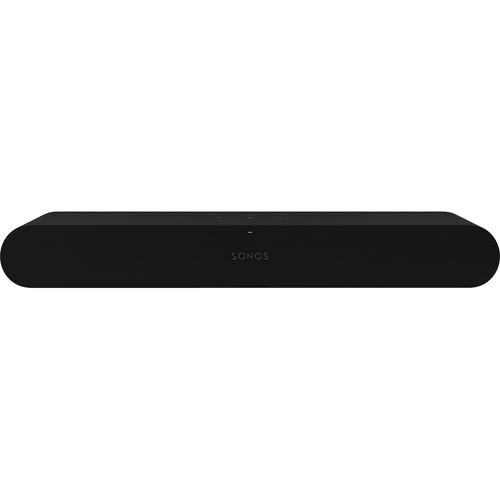
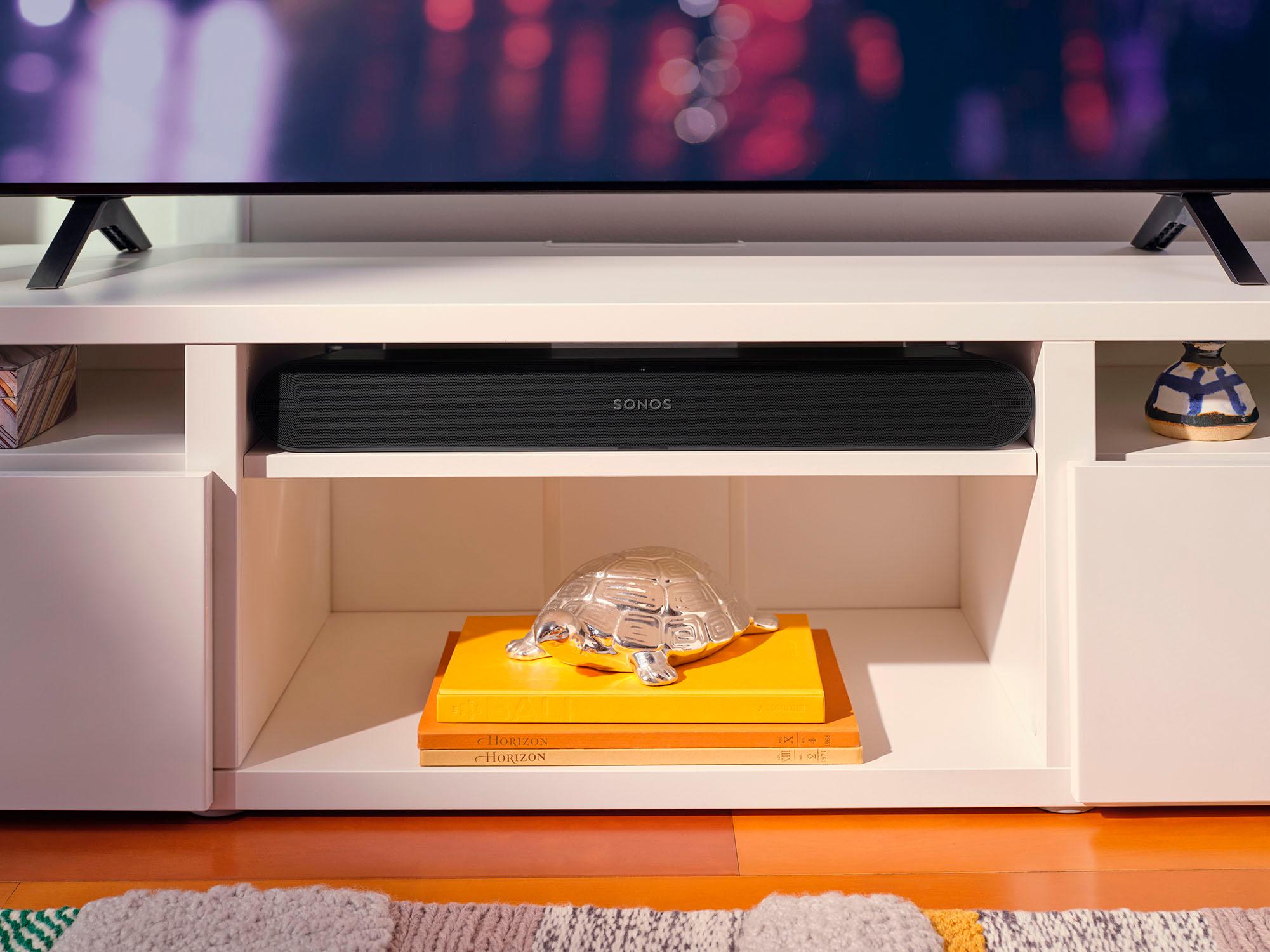
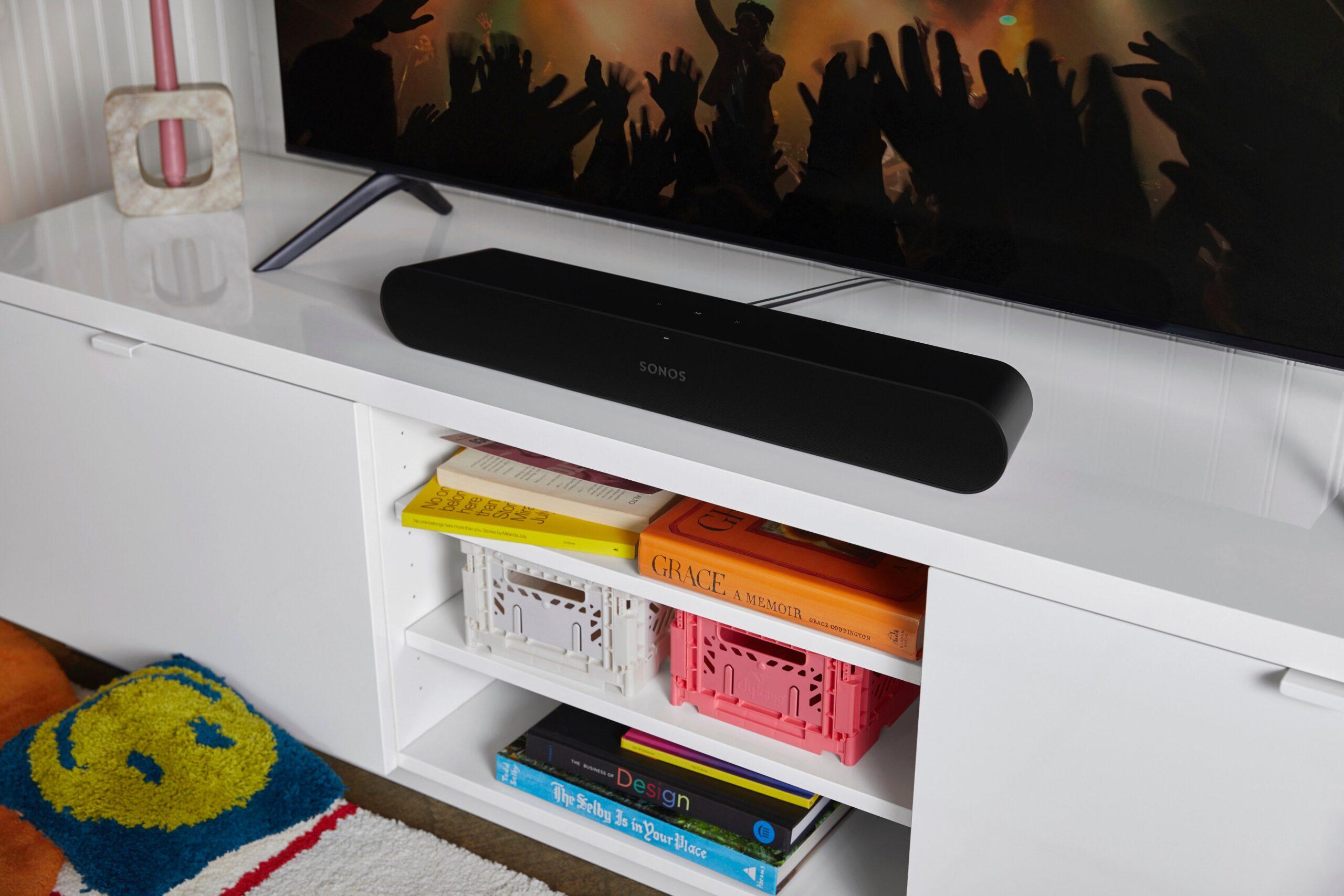
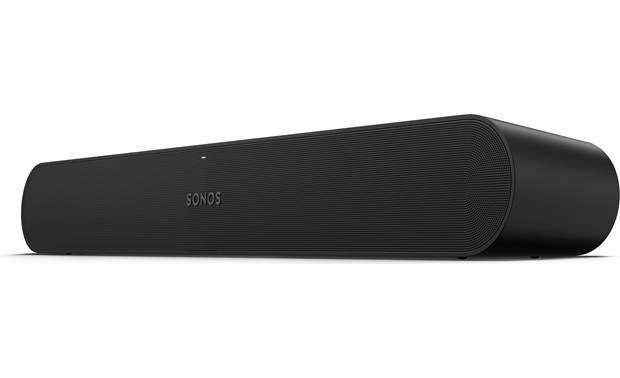
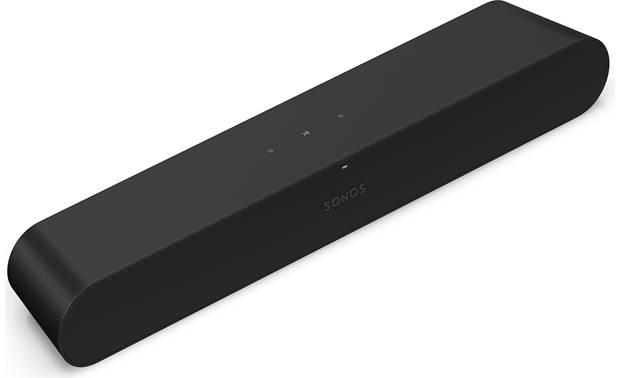
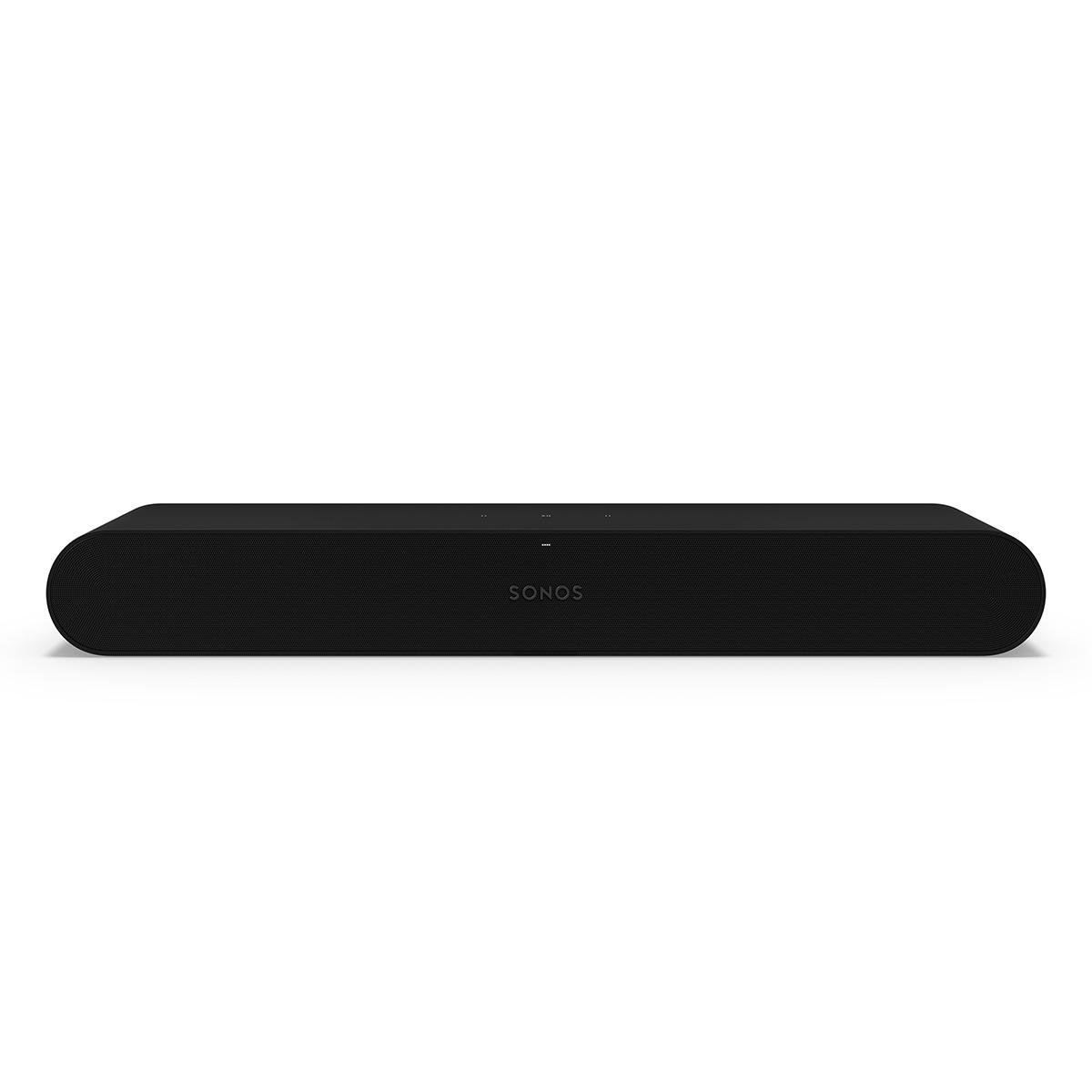
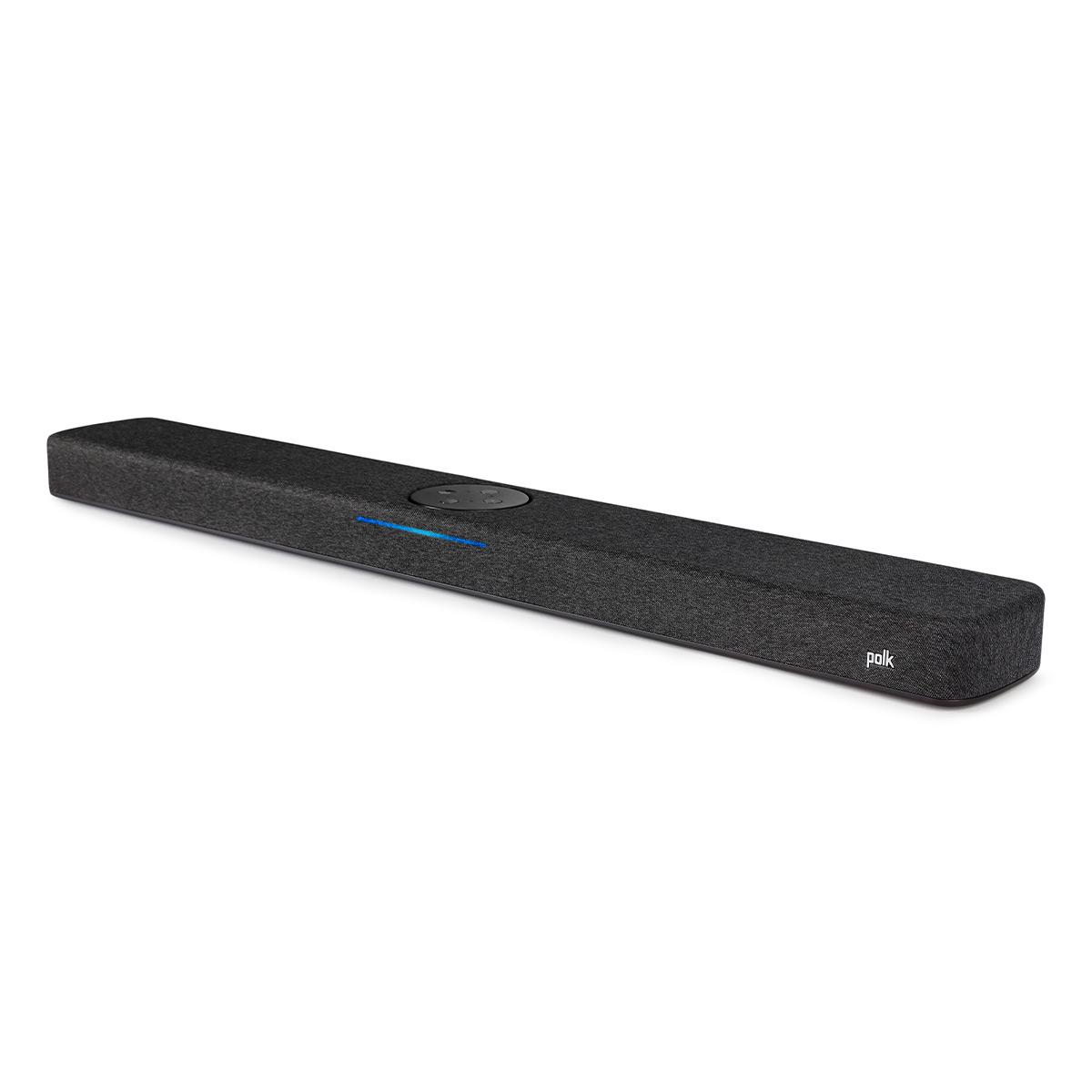
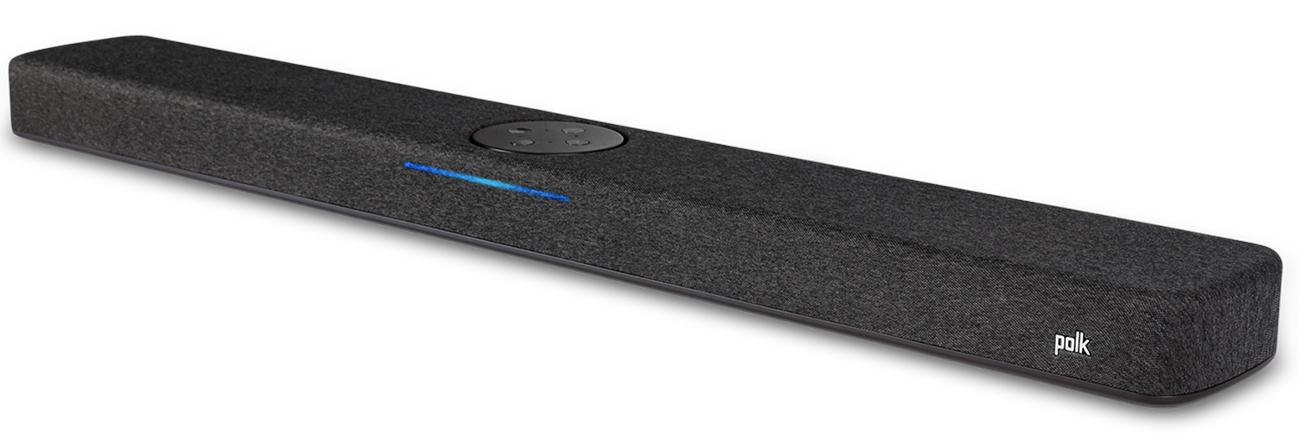
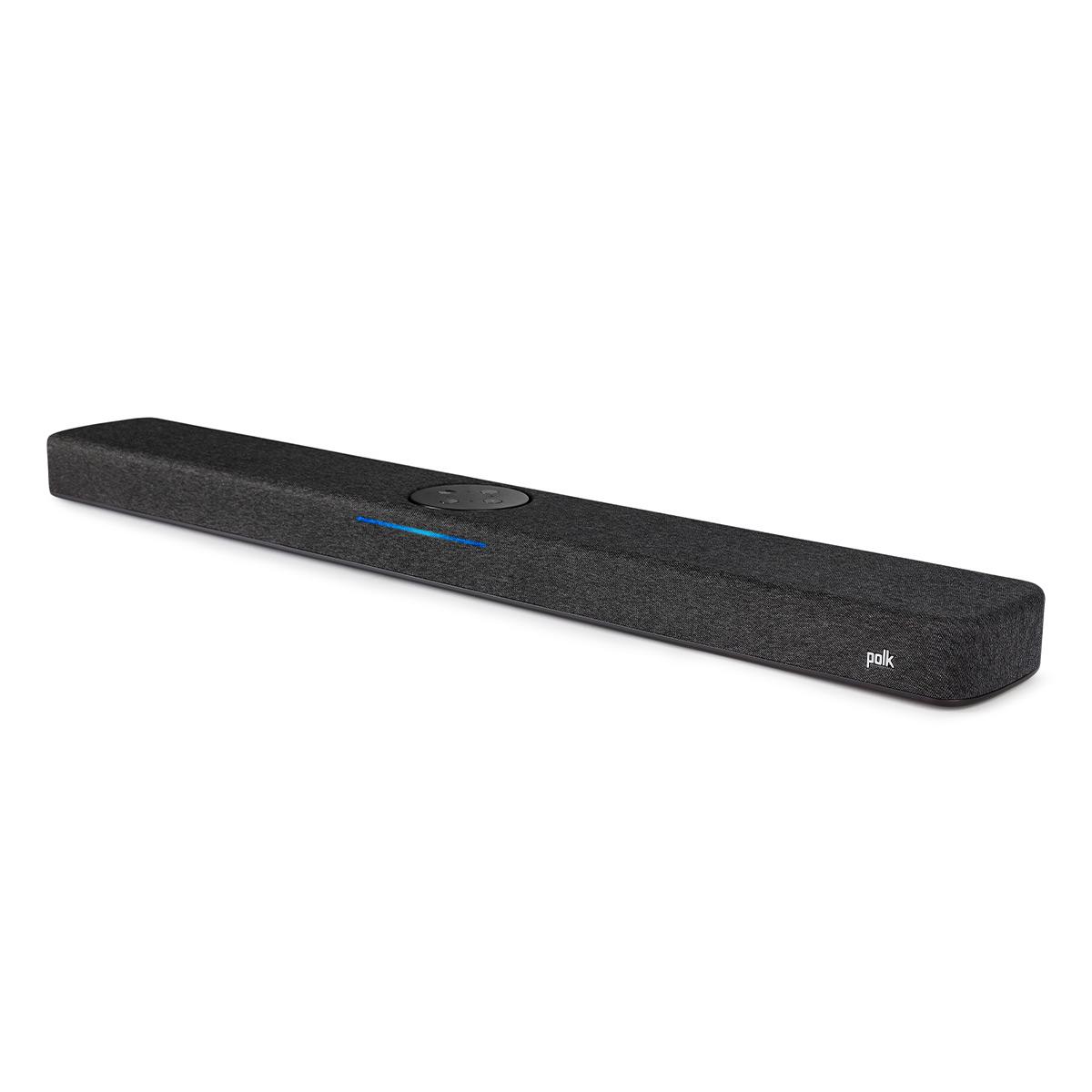
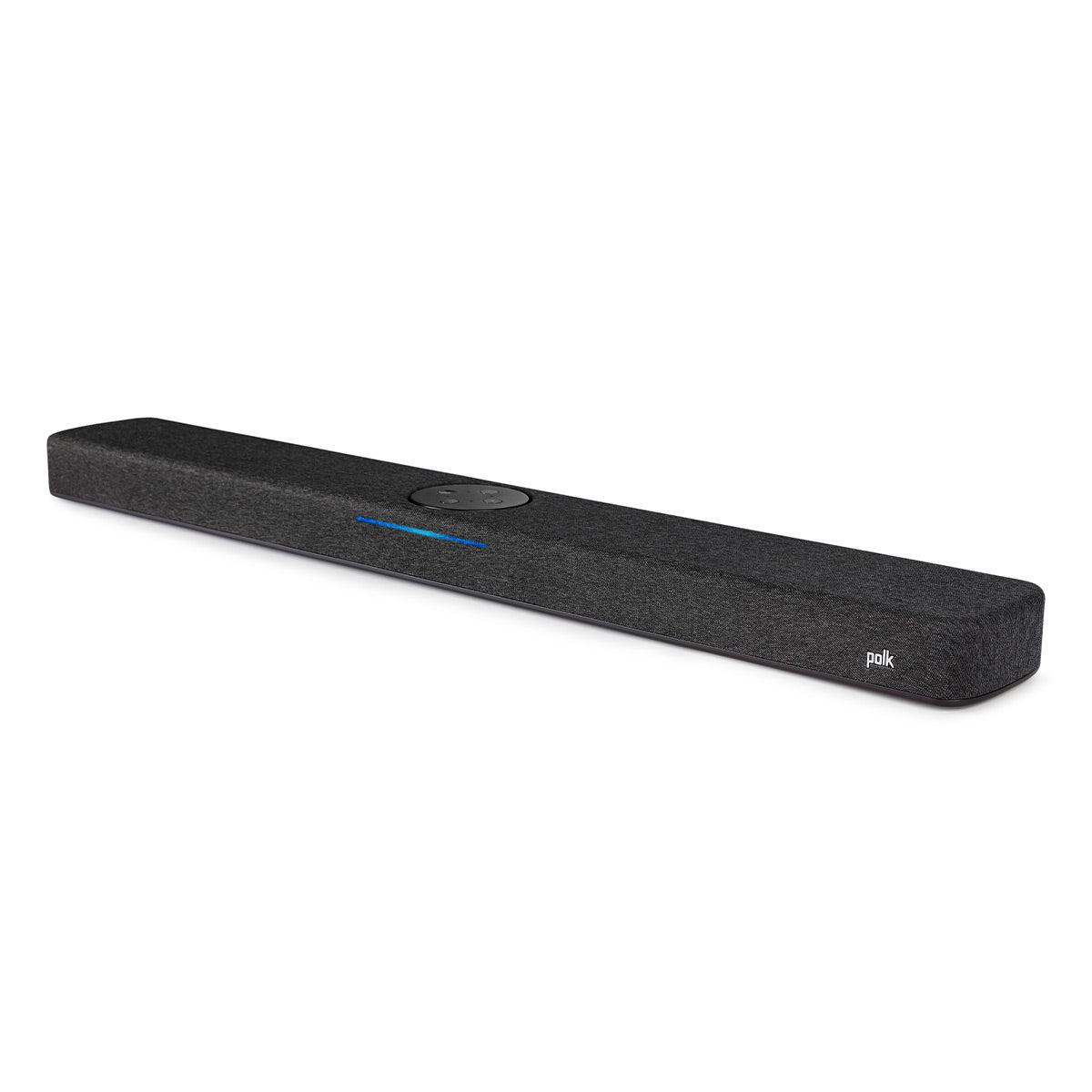
Today we're comparing two popular options that take very different approaches: the Sonos Ray soundbar at $169 and the Polk Audio React with Alexa at $230. While both aim to upgrade your TV audio, they target different priorities and user needs.
Before diving into specifics, let's talk about what makes a great soundbar. The main job is simple: make dialogue clearer and add some punch to your entertainment. But modern soundbars go way beyond basic audio improvement.
The key considerations when shopping include audio quality (how good it sounds), connectivity options (how it connects to your devices), smart features (voice control, streaming), expandability (can you add more speakers later), and overall value. Some soundbars focus purely on sound quality, while others emphasize convenience features or smart home integration.
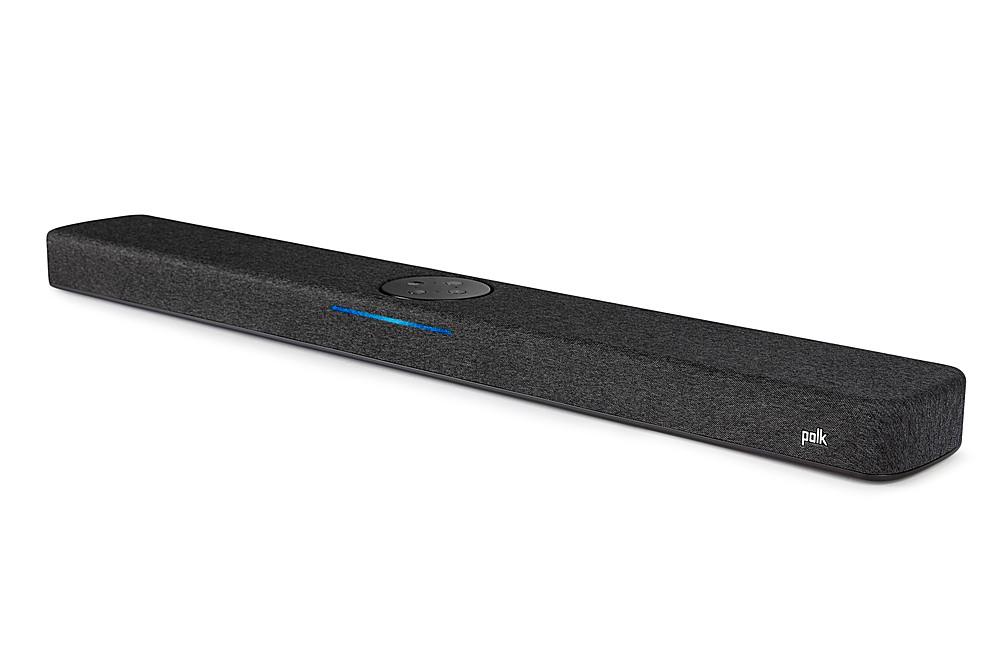
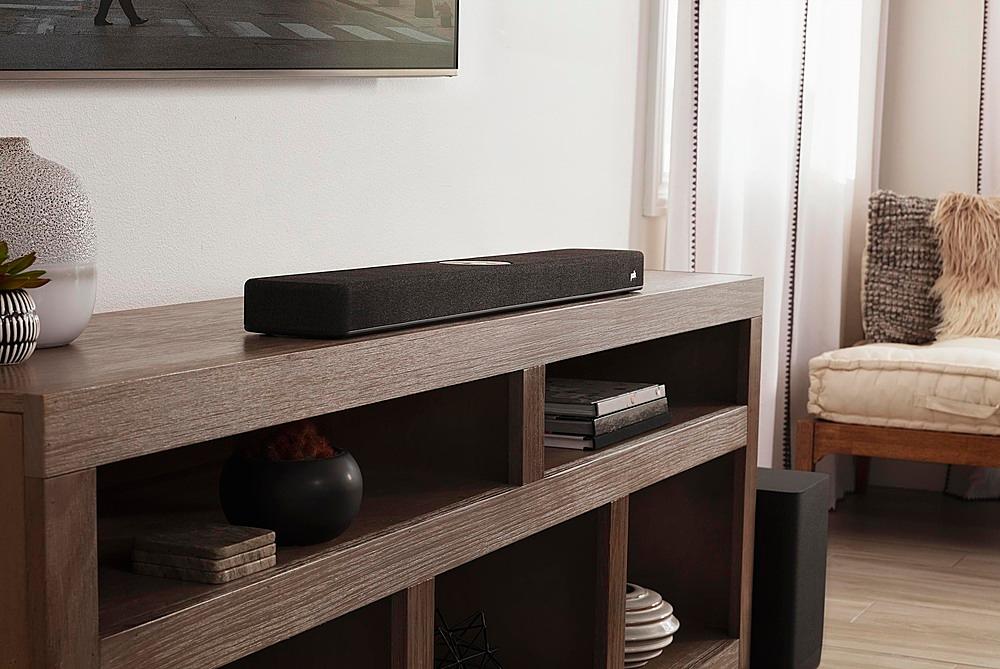
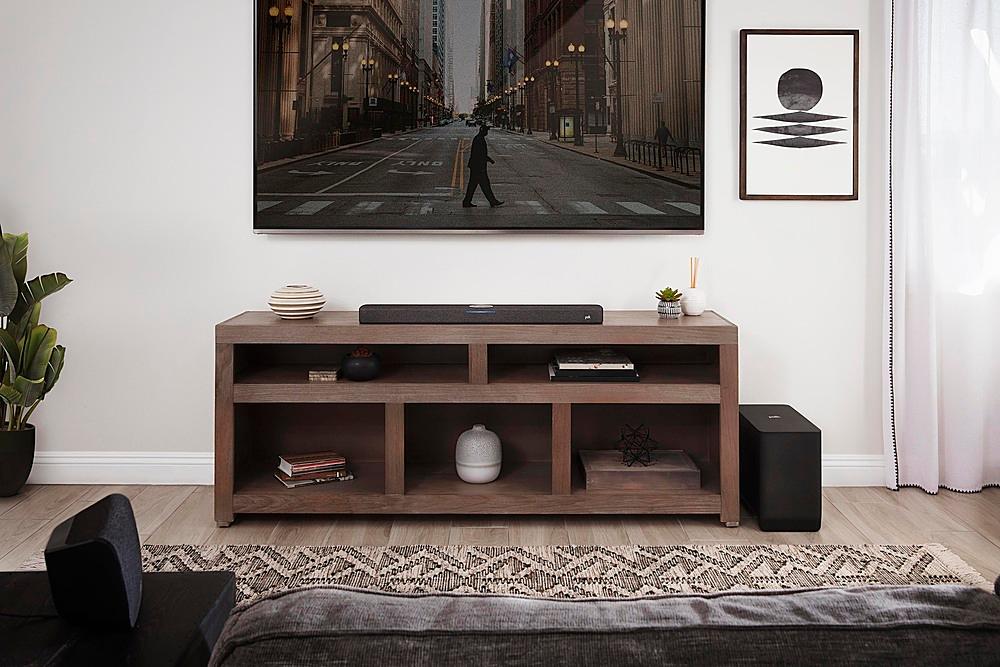
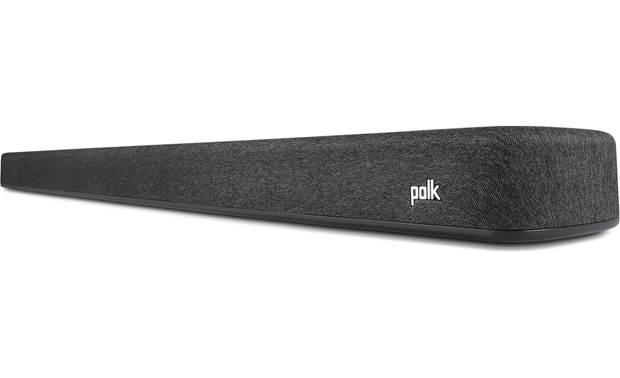
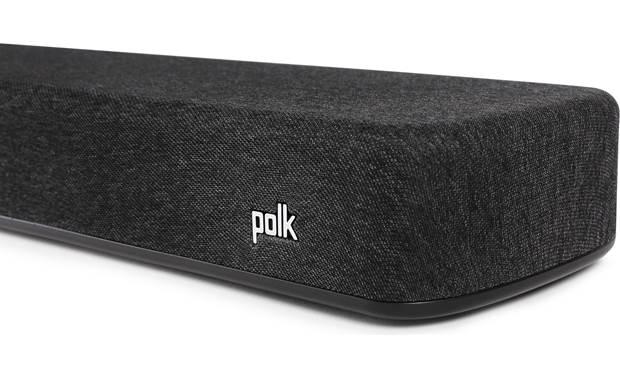
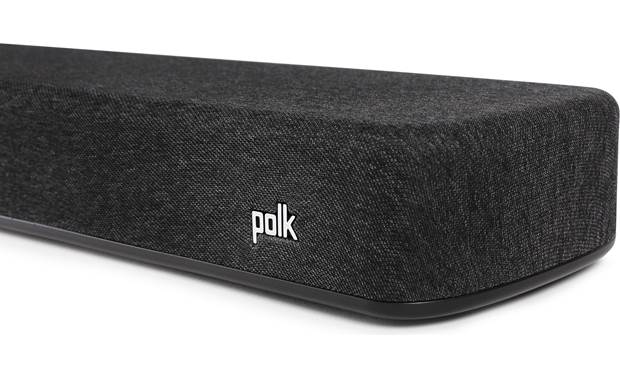
The Sonos Ray, released in June 2022, represents Sonos's entry-level approach – prioritizing audio quality and ecosystem integration over flashy features. Meanwhile, the Polk Audio React, which hit the market in 2020, puts Amazon Alexa front and center, making it as much a smart speaker as a soundbar.
Here's where things get interesting. The Sonos Ray punches way above its weight class in terms of pure audio quality. Despite being the smaller and cheaper option, it delivers surprisingly rich sound thanks to some clever engineering. Sonos uses custom waveguides (think of these as audio lenses that shape how sound spreads through your room) and a specially-tuned bass reflex system that maximizes low-end response from a compact cabinet.
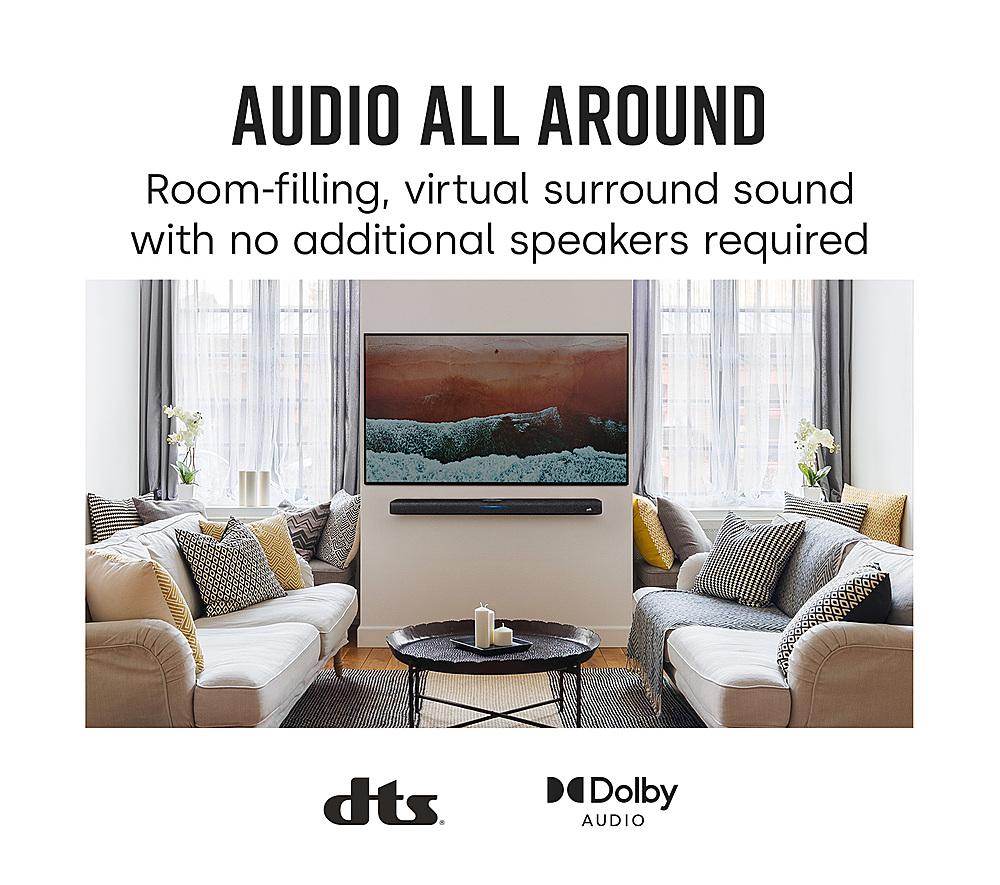
What really impressed me during testing was the Ray's ability to create a wide soundstage – that sense of audio coming from beyond the physical boundaries of the speaker. This happens through advanced digital signal processing (DSP), which is basically smart software that manipulates the audio to trick your ears into perceiving a bigger sound source.
The Polk React takes a different approach. At 50 watts of power, it can get significantly louder than the Ray, making it better suited for larger rooms or people who like their movies really loud. However, raw volume doesn't always translate to better sound quality. The React's audio signature feels more aggressive and forward, which works well for action movies but can be fatiguing during longer listening sessions.
Both soundbars excel at their primary job – making dialogue clearer than your TV speakers. The Sonos Ray achieves this through what Sonos calls Speech Enhancement, which boosts the frequency ranges where human voices live while maintaining overall balance. In practical terms, this means you can actually understand what characters are saying during quiet dramatic moments without having to crank up the volume for action sequences.
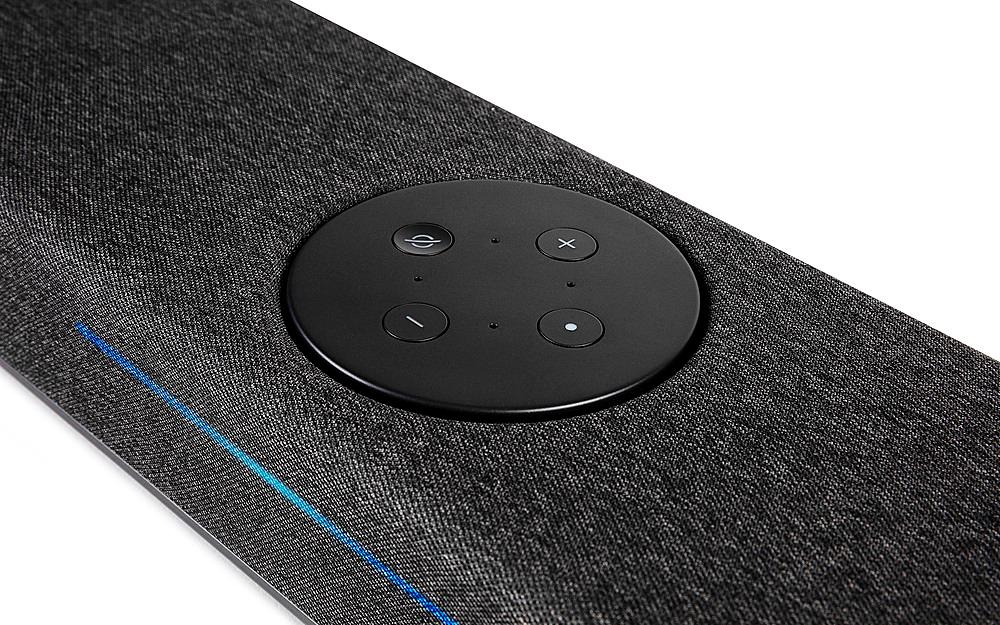
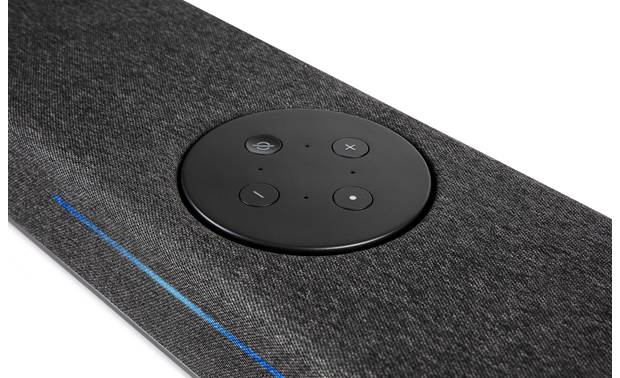
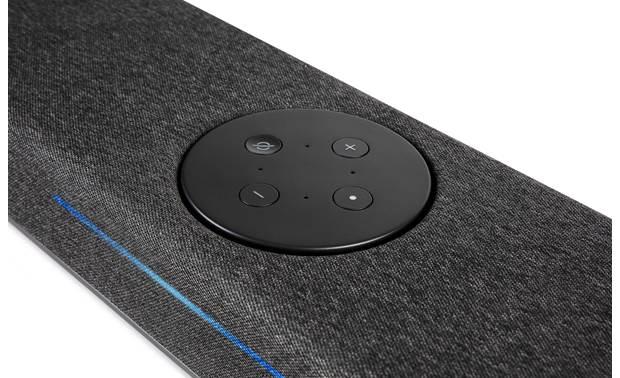
The Polk React includes Voice Adjust technology, which gives you more granular control over dialogue levels. You can fine-tune exactly how prominent voices are in the mix, which is particularly helpful if you're watching with someone who has hearing difficulties. The React's four-microphone array (used primarily for Alexa) also helps it understand voice commands even when audio is playing loudly.
This is where the size difference becomes apparent. The Ray, despite its compact dimensions, delivers surprisingly satisfying bass for its size. Sonos achieves this through careful acoustic engineering, including precisely-tuned bass ports that enhance low-frequency response. However, it's still a small speaker, and deep movie bass will eventually reach its limits.
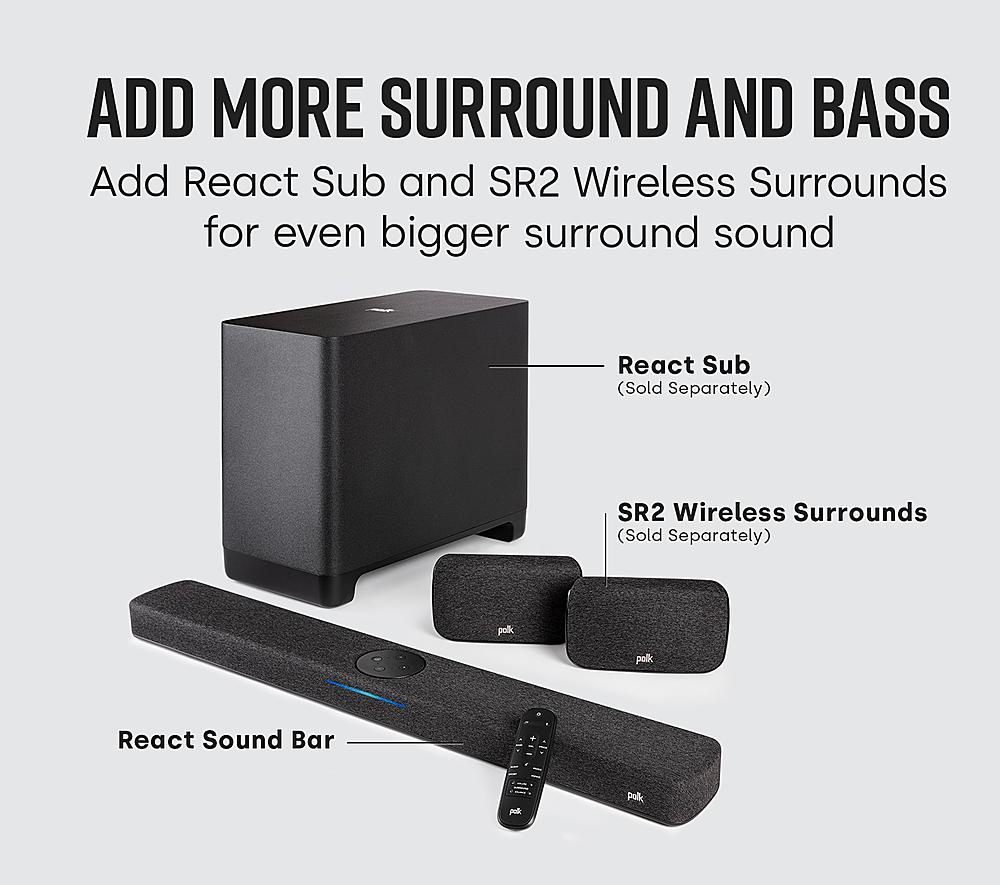
The React, being larger and more powerful, provides more authoritative bass response out of the box. But here's the catch – both soundbars really shine when you add their respective subwoofers. The Sonos Sub costs a hefty $749, while Polk's React Sub runs $200. That price difference significantly impacts the total cost of ownership.
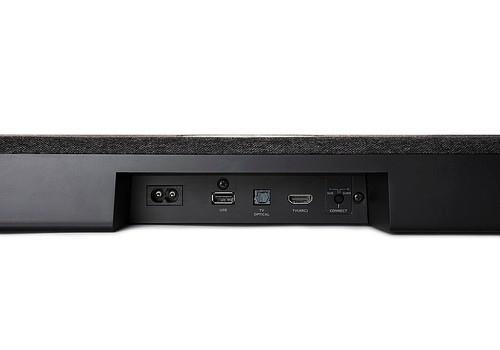
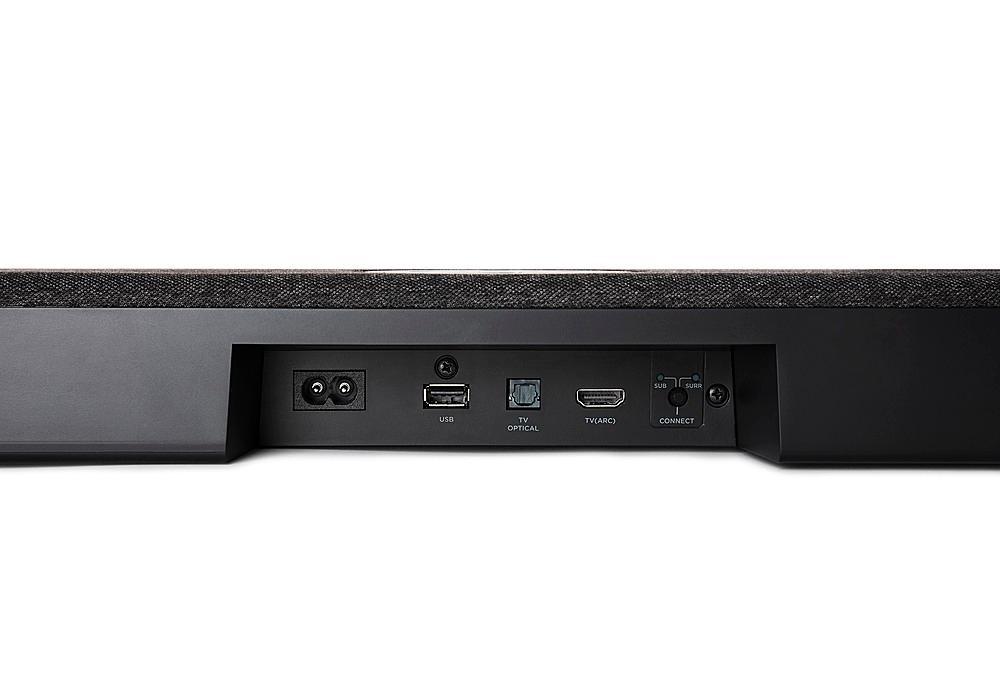
Here's where the Polk React clearly wins. It offers both HDMI ARC (Audio Return Channel – this lets your TV send audio back to the soundbar through the same cable that carries video) and optical digital input. HDMI ARC is particularly valuable because it allows your TV remote to control the soundbar's volume, creating a seamless experience.
The Sonos Ray only offers optical input, which feels limiting in 2024. Optical connections can handle surround sound formats like Dolby Digital 5.1, but they're limited to compressed audio. You won't get the highest quality lossless audio that modern streaming services and Blu-ray discs can provide. This decision keeps costs down but sacrifices some future-proofing.
The Ray makes up some ground with its wireless capabilities. It supports Apple AirPlay 2, which provides high-quality wireless streaming from iPhones, iPads, and Macs. The audio quality through AirPlay 2 often exceeds what you'd get through Bluetooth, and it integrates beautifully with Apple's ecosystem.
The React includes Bluetooth 4.2, which is more universally compatible but typically offers lower audio quality than AirPlay 2. However, Bluetooth's simplicity can't be understated – any phone, tablet, or laptop can connect quickly without needing specific apps or ecosystem compatibility.
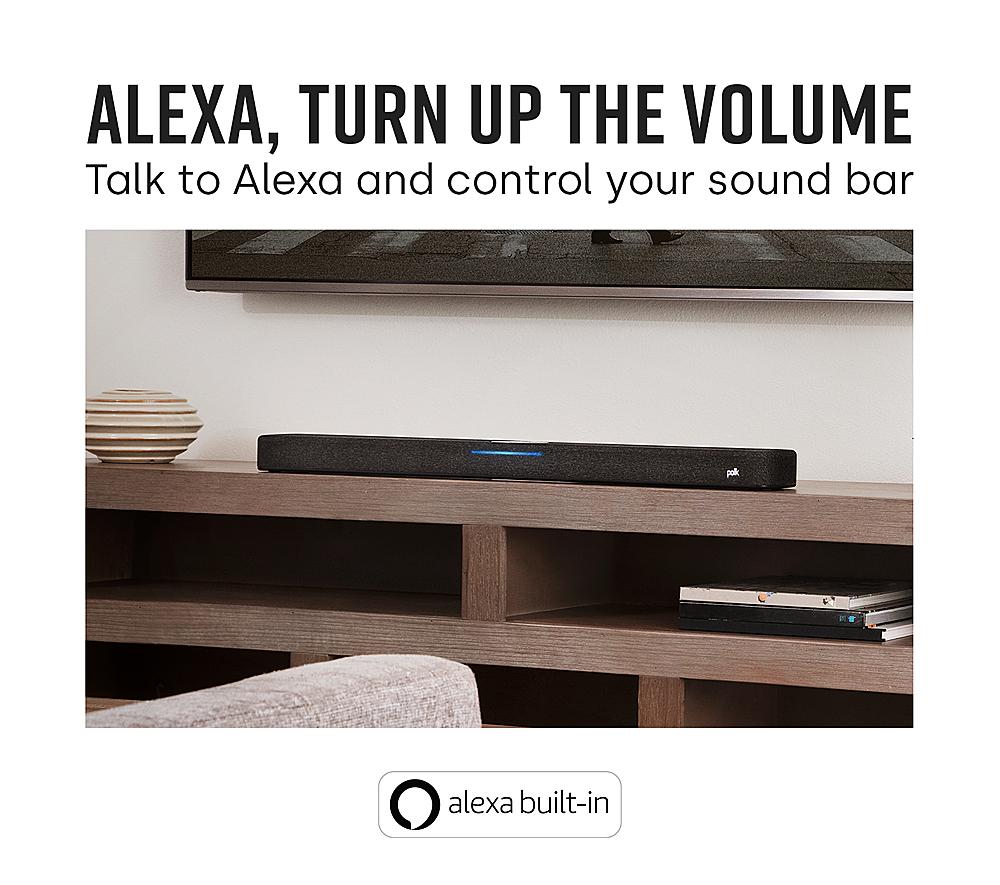
This is the Polk React's headline feature. With Amazon Alexa built right in, complete with far-field microphones that can hear you from across the room, it functions as a full-fledged smart speaker when not playing TV audio. You can control volume with voice commands, ask about the weather, control smart home devices, or even make phone calls through Alexa's communication features.
The integration feels natural and well-executed. During my testing, the React consistently understood voice commands even with action movies playing at moderate volume levels. The four-microphone array creates a wide listening pattern that captures voice from various angles around the room.
The Sonos Ray takes a different approach – it relies on external voice assistants. If you have an Amazon Echo or Google Nest device, you can control the Ray through voice commands, but the soundbar itself doesn't listen for wake words. This design choice reduces complexity and cost while maintaining privacy for users who prefer not having always-listening devices.
Both soundbars offer smartphone apps for control, but they serve different purposes. The Sonos S2 app is sophisticated and music-focused, offering extensive streaming service integration, multi-room audio control, and detailed equalizer settings. It's particularly strong for music listening, with support for high-resolution audio formats and seamless integration with services like Spotify Connect.
The Polk React uses a simpler app approach, relying heavily on Alexa's built-in streaming capabilities. While less sophisticated than Sonos's offering, it covers the basics and benefits from Amazon's extensive music service partnerships.
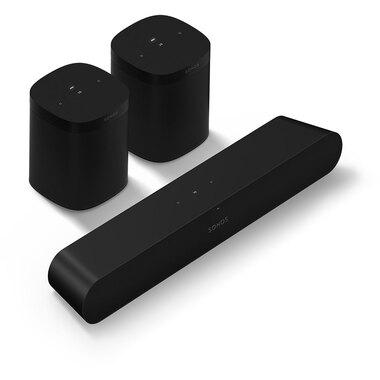
The Sonos Ray shines when viewed as part of a larger audio ecosystem. You can easily add other Sonos speakers throughout your home, creating a seamless multi-room audio experience where music follows you from room to room. Adding surround speakers is straightforward – any pair of Sonos speakers can serve as wireless rear channels.
However, Sonos expansion comes at a premium price. Adding the Sonos Sub ($749) and a pair of Sonos One SL speakers ($179 each) for surround sound brings your total investment to over $1,100. That's serious money, but the result is a truly premium audio experience with rock-solid wireless connectivity and ongoing software updates.
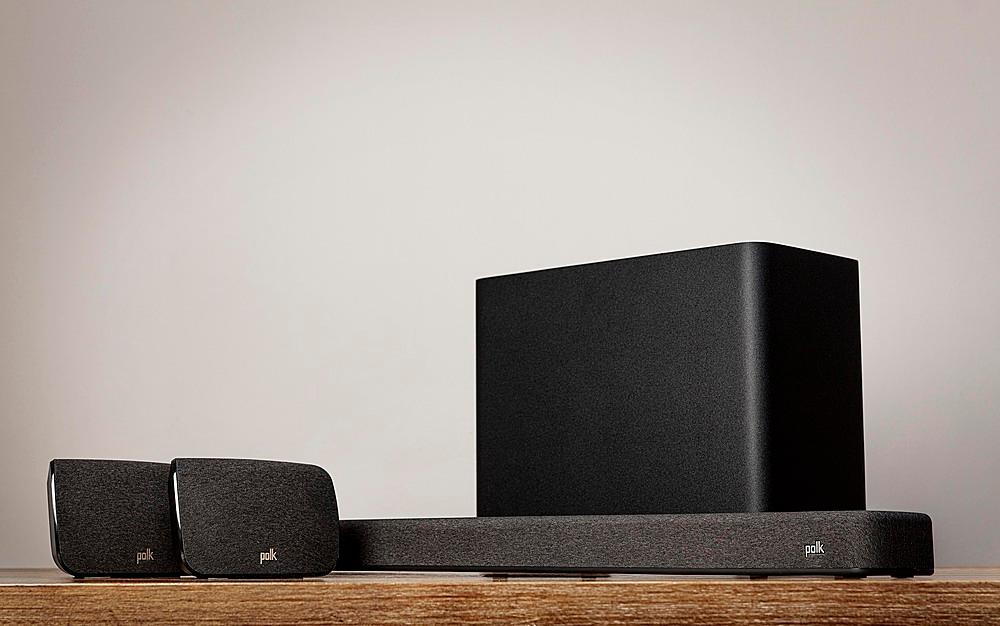
The Polk React offers a more budget-friendly expansion path. The React Sub ($200) provides substantial bass enhancement without breaking the bank, and SR2 wireless surround speakers can complete a 5.1 system for a total investment around $550-600. This modular approach lets you build gradually, adding components as your budget allows.
The trade-off is that Polk's expansion ecosystem isn't as mature or seamless as Sonos's offering. Each component essentially functions independently rather than as part of a unified platform, which can lead to occasional connectivity hiccups or feature inconsistencies.
The Sonos Ray benefits from years of Sonos's DSP development. The company continuously refines their algorithms through software updates, meaning your soundbar actually gets better over time. Recent updates have improved dialogue clarity, expanded streaming service support, and enhanced the effectiveness of Trueplay room tuning.
Trueplay deserves special mention – it's Sonos's room correction technology that uses your iPhone's microphone to measure your room's acoustics and automatically adjust the soundbar's output for optimal performance. While limited to iOS devices, it makes a noticeable difference in rooms with challenging acoustics.
The Ray employs four drivers: two full-range drivers handling midrange and vocals, plus two precision-engineered tweeters for crisp highs. This configuration, combined with carefully-designed bass ports, maximizes acoustic output from a surprisingly small enclosure.
The Polk React uses a different approach with larger midrange drivers (3.75" x 2.69" each) and dedicated tweeters. This configuration provides more physical surface area for moving air, contributing to its ability to play louder and move more bass without a subwoofer.
In a typical living room or bedroom setup, the Sonos Ray often performs better than its size suggests. Its refined tuning and room correction capabilities help it sound bigger than it physically is. The compact form factor also makes it less visually intrusive, which many people prefer.
The Polk React better serves larger rooms or users who prefer higher volume levels. Its additional power and larger drivers simply move more air, filling bigger spaces more effectively. The built-in Alexa also works better in larger rooms thanks to the four-microphone array's improved range.
Here's where personal preference really matters. The Ray's more neutral tuning makes it excellent for music listening – everything from classical to hip-hop sounds balanced and engaging. The React's more aggressive signature works particularly well for action movies and sports, where you want impact and excitement over subtlety.
The Sonos Ray represents better long-term value if you prioritize audio quality and ecosystem benefits. Sonos has a track record of supporting products with software updates for many years, and the company's focus on audio quality means your investment should remain relevant longer.
The Polk React offers more immediate functionality for the money, especially considering the built-in Alexa capabilities that would otherwise require a separate device. If smart home integration and convenience matter more than ultimate audio refinement, the React delivers significant value.
When comparing expansion costs, the math becomes interesting. A complete Sonos system costs roughly double what a comparable Polk setup would run, but you're also getting a more premium experience with better long-term support prospects.
For budget-conscious buyers planning to expand gradually, Polk's modular approach makes more financial sense. You can start with just the soundbar and add components as your needs and budget grow.
Start by honestly assessing your priorities and usage patterns. If you primarily watch TV and want the convenience of built-in voice control without additional devices, the Polk Audio React makes compelling sense. Its HDMI ARC connectivity, Bluetooth capability, and built-in Alexa create a more complete out-of-box experience.
Choose the Sonos Ray if you value audio quality above convenience features and either own Apple devices or don't mind the optical input limitation. It's particularly appealing if you're interested in building a multi-room audio system or prioritize music listening alongside TV audio.
Consider your room size and listening preferences too. The React works better in larger spaces and for users who prefer higher volume levels, while the Ray excels in smaller to medium rooms where its refined sound signature can really shine.
Budget considerations extend beyond the initial purchase. If you're planning to add a subwoofer eventually, factor in the $200 React Sub versus the $749 Sonos Sub. That $549 difference could be decisive for many buyers.
Finally, think about your smart home ecosystem. If you're already invested in Amazon's Alexa platform, the React's integration will feel natural and valuable. If you prefer Apple's ecosystem or value privacy over convenience, the Ray's approach might suit you better.
Both soundbars deliver significant improvements over TV speakers and offer satisfying performance for their respective price points. The choice ultimately comes down to whether you prioritize audio refinement and ecosystem integration (Sonos Ray) or smart features and flexible connectivity (Polk React). Either way, you'll be getting a meaningful upgrade to your entertainment experience.
| Sonos Ray Soundbar | Polk Audio React Sound Bar with Alexa Built-In |
|---|---|
| Price - Entry point cost comparison | |
| $169 | $230 |
| Audio Channels - Affects surround sound capability | |
| Stereo with virtual surround processing | 2.1-channel with virtual surround |
| Power Output - Determines maximum volume and room filling ability | |
| Undisclosed (estimated 30-40W) | 50W RMS |
| Connectivity Options - How you connect devices and TV | |
| Optical input only | HDMI ARC + Optical input |
| Voice Assistant - Built-in smart features | |
| None (works with external Alexa/Google) | Built-in Amazon Alexa with 4-mic array |
| Wireless Streaming - Music playback from phones/tablets | |
| AirPlay 2 (high quality, Apple ecosystem) | Bluetooth 4.2 (universal compatibility) |
| Dimensions (W×H×D) - Space requirements under TV | |
| 22" × 2.8" × 3.7" (compact footprint) | 34" × 2.3" × 4.8" (larger presence) |
| Room Correction - Optimizes sound for your space | |
| Trueplay tuning (iOS devices only) | Basic EQ presets |
| Subwoofer Expansion - Cost to add deep bass | |
| Sonos Sub at $749 (premium wireless) | React Sub at $200 (affordable wireless) |
| Multi-Room Audio - Whole home sound system capability | |
| Full Sonos ecosystem integration | Alexa Multi-Room Music support |
| App Control - Smartphone management features | |
| Sophisticated Sonos S2 app with advanced music features | Basic Polk app + Alexa app integration |
| Supported Audio Formats - Compatibility with content sources | |
| Dolby Digital 5.1, DTS, Linear PCM | Dolby Digital, DTS decoding |
| Build Quality - Long-term durability expectations | |
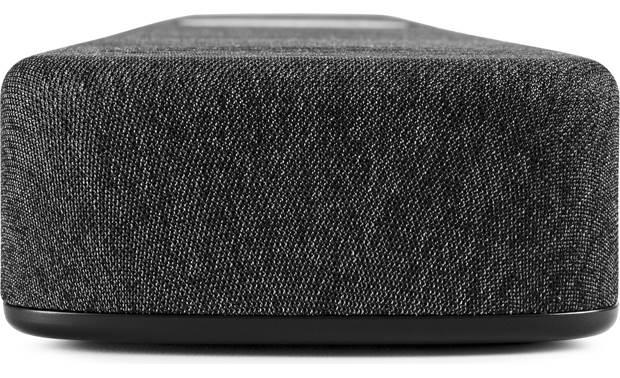
| Premium materials, fabric grille | Plastic construction with fabric front |
The Sonos Ray at $169 offers better pure audio quality and long-term value through software updates, while the Polk Audio React at $230 provides more features like built-in Alexa and HDMI connectivity. For audio-focused users, the Ray delivers more performance per dollar, but the React offers better convenience features for the price difference.
Both soundbars significantly improve dialogue clarity over TV speakers. The Sonos Ray provides more refined sound with better stereo imaging, while the Polk Audio React can play louder and has more aggressive dynamics for action scenes. The Ray excels in smaller rooms, while the React works better in larger spaces.
The Polk Audio React is easier for daily use with its HDMI ARC connection (single cable to TV), built-in Alexa voice control, and Bluetooth connectivity. The Sonos Ray requires optical cable connection and external devices for voice control, making it slightly more complex but offering superior wireless music streaming through AirPlay 2.
Yes, both support wireless subwoofer expansion. The Sonos Ray pairs with the Sonos Sub ($749), while the Polk React works with the React Sub ($200). The significant price difference makes Polk's expansion path much more affordable for budget-conscious buyers.
The Sonos Ray is superior for music with its balanced frequency response, advanced digital processing, and AirPlay 2 support for high-quality streaming. The Polk Audio React handles music adequately but is more focused on TV audio and smart features rather than critical music listening.
The Polk Audio React has built-in Amazon Alexa with four microphones for hands-free voice control. The Sonos Ray doesn't have built-in voice assistants but can be controlled through existing Alexa or Google Assistant devices in your home.
The Sonos Ray performs exceptionally well in small to medium rooms where its refined sound signature and room correction shine. The Polk Audio React is better suited for larger rooms due to its higher power output (50W) and ability to fill bigger spaces with sound.
The Polk Audio React offers more versatile connectivity with HDMI ARC and optical inputs plus Bluetooth for wireless devices. The Sonos Ray only has optical input but compensates with superior AirPlay 2 wireless streaming and integration with the Sonos ecosystem.
The Sonos Ray receives regular software updates that add new features and improve performance over time, backed by Sonos's strong track record of long-term product support. The Polk React receives basic firmware updates but doesn't have the same level of ongoing feature development.
A complete Sonos Ray system with Sub and surround speakers costs approximately $1,100-1,200. A full Polk Audio React system with subwoofer and rear speakers runs about $550-600, making it roughly half the cost of the comparable Sonos setup.
The Polk Audio React excels at smart home integration with built-in Alexa supporting voice commands, smart device control, calling, and multi-room music. The Sonos Ray requires external smart speakers but offers superior multi-room audio capabilities within the Sonos ecosystem.
Choose the Sonos Ray if you prioritize audio quality, plan to stream music frequently, or want the best performance for the money. Select the Polk Audio React if you want built-in voice control, need HDMI connectivity, or prefer the convenience of an all-in-one smart speaker solution.
We've done our best to create useful and informative comparisons to help you decide what product to buy. Our research uses advanced automated methods to create this comparison and perfection is not possible - please contact us for corrections or questions. These are the sites we've researched in the creation of this article: techradar.com - soundandvision.com - youtube.com - appleinsider.com - youtube.com - sonos.com - cnet.com - howtogeek.com - pcrichard.com - en.community.sonos.com - epicsystems.tech - en.community.sonos.com - cepro.com - videoandaudiocenter.com - techradar.com - crutchfield.com - popsci.com - youtube.com - tomsguide.com - bestbuy.com - polkaudio.com - crutchfield.com - forum.polkaudio.com - soundunited.com - youtube.com

Privacy Policy
Terms and Conditions - Affiliate Policy
Home Security
© Copyright 2008-2026.
11816 Inwood Rd #1211, Dallas, TX 75244